
 March 25, 2026
Northern Health has introduced a new Anorectal Physiology Laboratory to support patients experiencing pelvic floor dysfunction and faecal incontinence, with the service having officially commenced in September 2025.
The service provides specialised diagnostic testing to assess anorectal function and guide treatment for patients with pelvic floor disorders. It predominantly supports female patients, particularly those who have experienced complicated childbirth resulting in sphincter injury. In Victoria, obstetric anal sphincter injuries occur in approximately two per cent of deliveries, and early assessment can play an important role in managing symptoms and informing decisions about future pregnancies and modes of delivery.
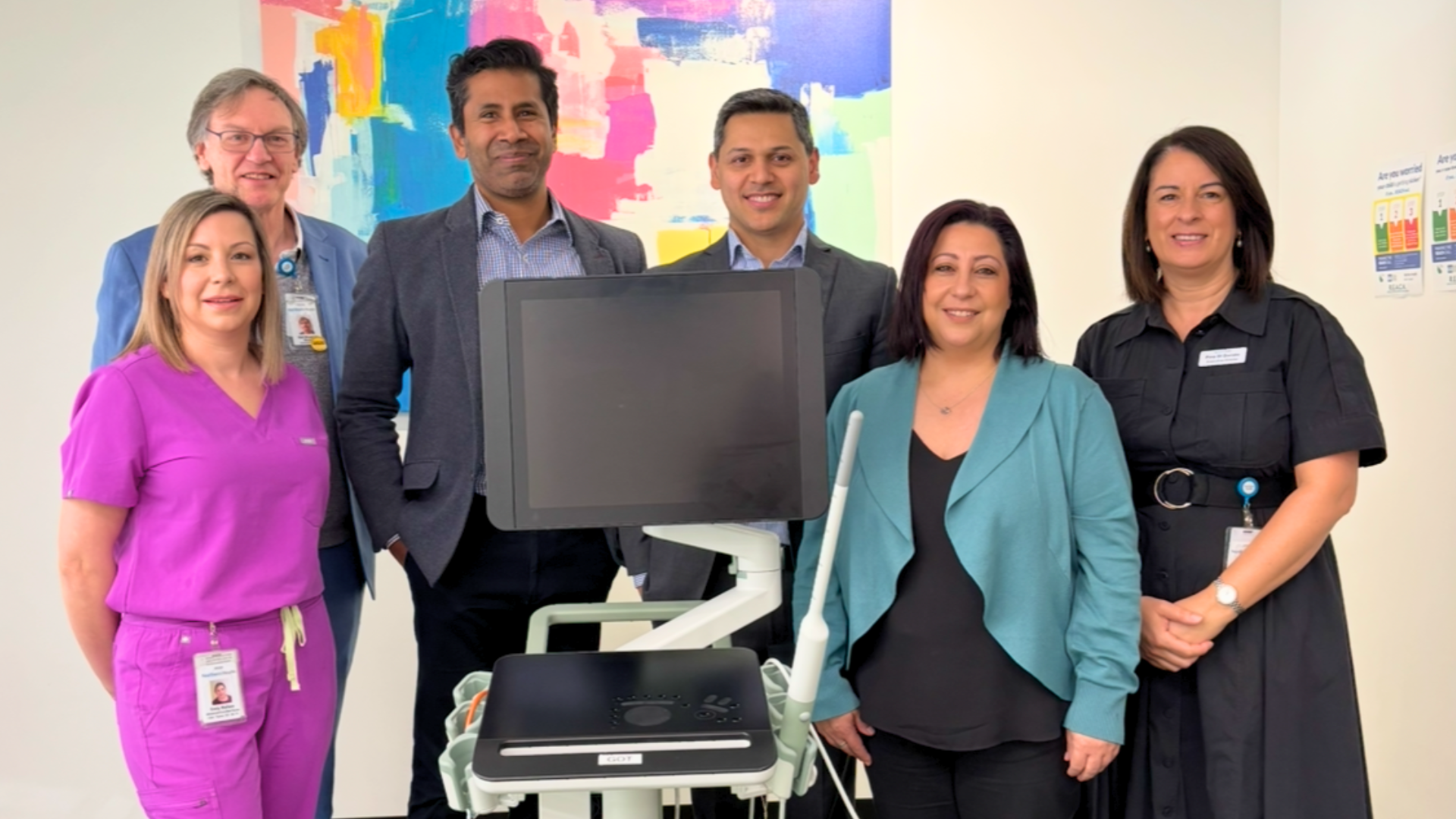
Advanced diagnostic equipment is used to assess anorectal function, including a 3D ultrasound to evaluate sphincter integrity, a 3D solid-state manometry probe to measure sphincter strength, and the St Mark’s electrode to assess nerve function. These assessments help clinicians better understand the cause of symptoms and guide appropriate management strategies.
Currently, the clinic sees two patients per session and runs twice a month, with plans to expand capacity as the service continues to develop. At full capacity, it is expected to support up to 40 patients each year.
The laboratory is currently staffed by Colorectal Surgeons Mr Eric Daniel and Mr Ankur Sidhu, with Dr Atandrila Das also joining the team. Nursing and logistical support for patients attending the service is provided by Ms Emily Wallace and Ms Melissa Gwynne. The Anorectal Physiology Laboratory operates within a multidisciplinary model of care. The service works closely with teams across Obstetrics and Gynaecology, Urogynaecology, Pelvic Floor Physiotherapy and Gastroenterology to provide comprehensive assessment and management for patients.
While there is a strong focus on supporting women following obstetric sphincter injuries, the service also benefits patients of all genders with pelvic floor dysfunction. This includes patients with inflammatory bowel disease affecting the perineum, as well as those experiencing general incontinence.
“Establishing the laboratory has been the result of a long collaborative effort across several teams. Initial funding applications began in 2018, and after years of planning and advocacy, funding was successfully secured in 2025. A significant contribution to this effort came from Mr Neil Strugnell, Head of Colorectal Surgery, who played a key role in securing the funding needed to establish the service,” said Mr Eric Daniel, Colorectal Surgeon at Northern Health.
“We are extremely fortunate to have received funding through Northern Health Foundation for this much-needed service. We thank the Foundation and the community for their continued support,” he added.
The introduction of the Anorectal Physiology Laboratory represents an important step in improving access to specialised pelvic floor diagnostics and care for the Northern Health community.
Pictured in featured image (L-R): Ms Emily Wallace, Nurse, Mr Neil Strugnell, Head of Colorectal Surgery, Mr Eric Daniel, Colorectal Surgeon, Mr Ankur Sidhu, Colorectal Surgeon, Ms Melissa Gwynne, NUM and Ms Pina Di Donato, Executive Director, Public Affairs and Foundation.

