
 January 19, 2026
Skin cancer is the most common form of cancer in Australia, a country with one of the highest rates of skin cancer in the world due to its sunny climate and outdoor lifestyle. Excessive exposure to ultraviolet (UV) radiation from the sun is the leading cause of skin cancer, but genetics, immune health, and other factors also play a significant role.
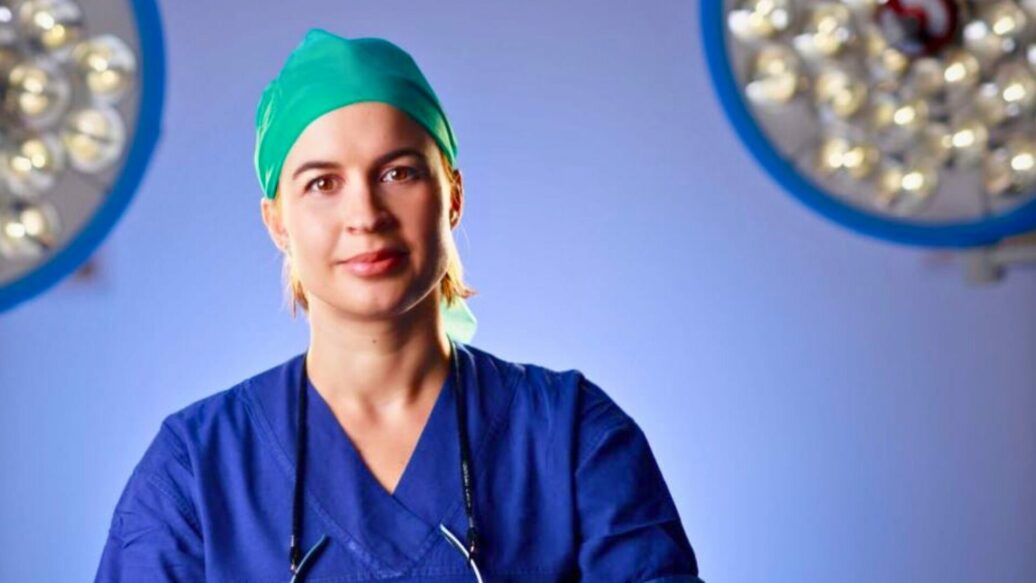
Dr Katie-Beth Webster, a Plastic and Reconstructive Consultant Surgeon at Northern Health, shares her insights into the primary risk factors, prevention strategies, the importance of follow-up care, and the latest advancements in treating skin cancer.
Q: Tell us what are the primary risk factors for developing skin cancer, and how patients can mitigate these risks?
A: There are multiple risk factors to consider when it comes to skin cancer. The most significant is sun exposure. A history of substantial sun exposure or sunburns, especially those that have caused blistering or peeling, has a strong correlation with the development of skin cancers later in life.
Other factors include a family history of skin cancer, having lighter skin types that burn more easily, and certain medications. Drugs that cause photosensitivity or lower the immune system, such as immunosuppressants, can all increase your risk.
Prevention is always better than cure. Adequate sun protection is key and can significantly reduce your risk of developing skin cancer, even if you’ve experienced sunburns in the past. Regular skin checks are also crucial – they can detect early changes before they develop into invasive cancers.
Q: Do you recommend specific skincare routines or products for skin cancer prevention?
A: SPF 50+ is essential these days. I personally apply it every day, rain, hail, or shine. Many people think sunscreen is only necessary for the beach, pool, or sports, but in reality, daily incidental sun exposure also needs protection.
There are both chemical and non-chemical sunscreens available. If you have sensitive skin and react to one type, I recommend trying another. It’s also important to apply a sufficient amount to cover your skin properly and to reapply as needed, especially if you’re sweating or swimming.
If you’re taking medications or using skincare treatments like retinol that can make your skin photosensitive, it’s even more important to be vigilant about sun protection. This reduces your risk of sunburn and issues like hyperpigmentation.
Q: How important is follow-up care after skin cancer treatment, and what does it typically involve?
A: Skin cancer is still a cancer, so follow-up care is extremely important. After treatments such as surgical excision, we typically review patients in the clinic to discuss pathology results, ensure the entire cancer was removed, determine if any additional treatments are needed, and assess how the wound is healing.
Following the initial post-operative care, we generally recommend annual skin checks for patients with non-melanoma skin cancers. For patients who are immunosuppressed or have had melanoma, skin checks are usually recommended every 3 to 6 months, depending on the severity of their disease.
Q: Are there any recent advancements in the surgical treatment or reconstruction techniques for skin cancer?
A: Interestingly, most recent advancements have been in the non-surgical field. Immunotherapy – a systemic treatment that targets cancer cells, has allowed many patients with advanced disease, or cancers that would cause significant deformity or disability if treated surgically, to be successfully managed without surgery.
There have also been significant improvements in preoperative treatments, such as radiation or chemotherapy, to shrink or lessen the severity of cancers before surgery. This reduces the extent of surgery required and, consequently, the associated morbidity.

