• Get to know: Douglas Mponda

    Get to know: Douglas Mponda

    #WeAreNorthern

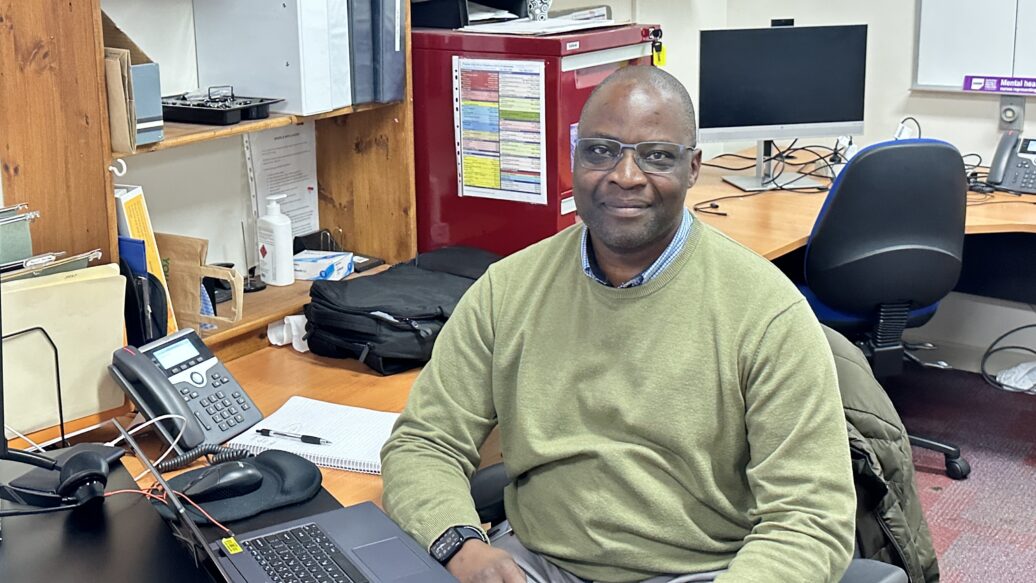
    Meet Douglas Mponda, Forensic Clinical Specialist/Registered Psychiatric Nurse.

    Q: What is your coffee order?

    A: I prefer a simple latte as I am not much of a coffee drinker.

    Q: Tell me about your work as a Forensic Clinical Specialist (FCS) – what does it entail?

    A: My work as an FCS is centered around what we refer to as the four pillars:

    1. Clinical consultancy, which can be primary (seeing the consumer face to face) or secondary consultancy where I meet with the clinician(s) and explore options with them. This way, we offer first line consultancy, offender specific risk assessment and intervention support to the mental health workforce for the following behaviours of concern – violence, threateners, stalking, sexual offending, general offending, querulous (vexatious) complainants, fire-setting and psychopathy. I also undertake joint assessments of consumers with a forensic history or potentially high risk of offending.
    2. Organisational service development and quality improvement which involves contributing to the development, review and evaluation of risk assessment and management frameworks in relation to target population. I also contribute to operational review of incidents involving consumers with an offending history.
    3. Workforce education and training through providing training on forensic mental health topics like principles of forensic mental health; risk assessment and management; role of mental health in offending; navigating the forensic system.
    4. Partnerships and networking via working with local mental health and justice sector in order to lead and support the development of strong collaborative relationships between Northern Area Mental Health Service (NAMHS) and local justice services to reduce gaps in service delivery, particularly during discharge, transfer to or release from prison. I also contribute to the development and review of protocols and processes between mental health services, justice system and local support agencies, including clear referral pathways, collaborative practice principles, information flow and timely communication mechanisms. External services I liaise with include: police; courts; prison based mental health services; Forensicare and non-government support providers. Within the NAMHS, together with my fellow FCS, we coordinate the monthly high risk review panel and I have been a standing member of the NAMHS Safety Committee.

    Q: What do you enjoy most about your work?

    A: I really enjoy the capacity building aspect of the role in that we try to make a difference in the clinicians’ way of thinking and how we offer them a different perspective of approaching risk, its assessment and subsequent management.

    Q: How do you like to unwind after work?

    A: Depending on how busy I would have been at work, I listen to a lot of podcasts, watch movies (to escape reality) or documentaries (to add onto my general knowledge base).

    Q: What is one place you would like to travel to and why?

    A: This is a difficult one to answer as there are many places I would like to visit. Included in my bucket list has to be trips to China and Japan. As an avid martial artist, I would love to visit some of the areas where certain styles of Karate and Kung Fu originated from so that I can pay my homage.
  • KISS: Keep-Ing Safety Simple

    KISS: Keep-Ing Safety Simple

    Every worker deserves a safe and healthy workplace.  The Occupational Health and Safety (OHS) fundamentals is focused on keeping staff safe and healthy at work. Every worker has a right to a safe and healthy working environment, no matter what.

    National Safe Work Month, held annually in October, encourages all individuals and organisations to prioritise work health and safety and take preventative action to reduce the number of work-related injuries, illnesses and fatalities. National Safe Work Month is a time for employers and workers across Australia commit to creating safe and healthy workplaces. The theme for National Safe Work Month 2024 is “Safety is everyone’s business.”

    OHS is essential for any business or organisation. It is a system of practices, procedures, and strategies that help employers protect workers from workplace hazards. At Northern Health, OHS fundamentals helps us to consider health and safety in everything we do and every decision we make. Our OHS systems includes, proactively managing OHS risks, genuinely consulting with workers and providing education and training on safety procedures to understand the importance of workplace safety.

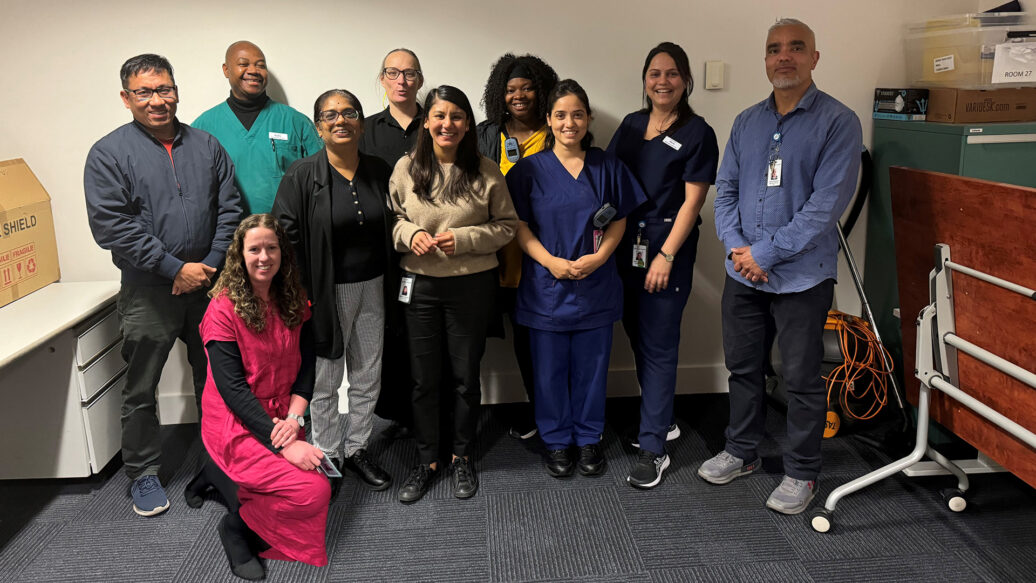
    The OHS & Wellbeing team got back to basics by unpacking the fundamentals of good OHS practice in our Mental Health Inpatient Unit on Ward 8.

    The Northern Health OHS team and Ward 8 Senior Management team acted on concerns from staff, HSR’s and managers about stress, anxiety and burnout. Staff retention was down and sick days had gone up. The organisation has good processes for managing physical OHS risks, including worker consultation. However, the consultative forums and risk management practices could be improved to better manage psychosocial and physical hazards on the ward.

    A local workplace consultative group forum consisting of Ward 8 senior management team, staff, HSR and OHS was established to unpack the fundamentals of OHS.

    These are the responses from Ward 8 staff about the consultation sessions:

    • “It was great to feel heard and someone was in our corner focussing on staff safety.”
    • “They were helpful – moving forward being able to identify similar patterns and putting strategies in earlier works.”
    • “Developing safety huddles, management plans, debriefs happening in good time since early this year.”
    • “Provided a safe space to vent.”
    • “Acknowledged how we felt.”

    “From a management perspective it provided me with a framework to build upon,” said Alexia Sheldon, Acting Clinical Nurse Leader, Ward 8.

    Pradeep Chandravathy, Clinical Nurse Educator Ward 8, said, “During the consultation sessions on Ward 8, staff had the opportunity to discuss their concerns and felt well-supported by the team. This feedback is based on input from various staff members who attended the sessions.”

    Michael Sadkiewicz, HSR Ward 8, said, “Regarding the OHS consultation, there have been many changes on the ward following the meetings, including the reimplementation of safe wards and the designation of the safe ward, ‘champions,’ to head a different domain each month and fortnightly meetings of the safer for all work group.”

    Casey O’Brien, Senior Psychologist People & Culture, OHS & Wellbeing, said, “In addition to the workplace factors impacting the team, we spent time empowering them to also support their individual wellbeing, especially when there were circumstances they did not have influence or control over.”

    “We did this through promoting a holistic discussion about all aspects of their wellbeing, including  emotional, physical, social, spiritual and occupational. We also encouraged them to support each other by sharing strategies they use to cope with the demands of the work, and to seek professional support when needed,” Casey continued.

    Let’s keep workers safe and healthy by ensuring OHS is core to how we do business at Northern Health. Safety is my business, your business, our business.

    Featured image: Ward 8 staff.

  • Breast Cancer: Early detection equals better outcomes

    Breast Cancer: Early detection equals better outcomes

    October is Breast Cancer Awareness Month. The campaign aims to raise awareness of the disease, educate about its symptoms and prevention, and fund research into causes, treatment, and cure. This year’s focus is on metastatic breast cancer, where the cancer has spread beyond the initial tumour site of the breast and into other parts of the body.

    Melanie Bullock, McGrath Metastatic Breast Care Nurse Consultant (MBCN), who is based at Northern Hospital Epping, said, “Diagnosis rates continue to rise, but so has the survival rate. It’s all about early detection.”

    Australia has one of the best breast cancer survival rates in the world, with 87.4 percent of people diagnosed surviving at least 10 years.

    “Our team has grown to match the needs in the community,” Cheryl Murray, Breast Cancer Nurse Consultant added.

    “As patients live longer, the duration of the specialised care they require to navigate their path to recovery naturally increases too. Northern Health now has three breast care nurses, allowing for a wider support service, including metastatic patients.”

    Understanding the need for a multi-disciplinary approach for effective care, the team has organised an ‘Introduction to Breast Cancer’ study day for all Northern Health staff to be held on Thursday 17 October, 8 am – 2 pm in person at NCHER Lecture Theatre 2. Staff can Register Here.

    The study will include topics on:

    • Patient journey from diagnosis to treatment
    • Treatment options
    • Supportive care of the patient, and much more.

    To facilitate early detection, BreastScreen Victoria provides free mammograms to women and trans and gender-diverse people with no breast symptoms.

    • Women and trans and gender-diverse people aged 50 to 74 should be screened every two years.
    • Women and trans and gender-diverse people aged 40 to 49 and over 75 are also eligible to receive a mammogram with BreastScreen Victoria every two years, however, it is encouraged to speak to a doctor to see if breast screening is the right option for you.

    To schedule your free breast screening appointment, please visit Breast Screen Victoria or call 13 20 50 for more information.

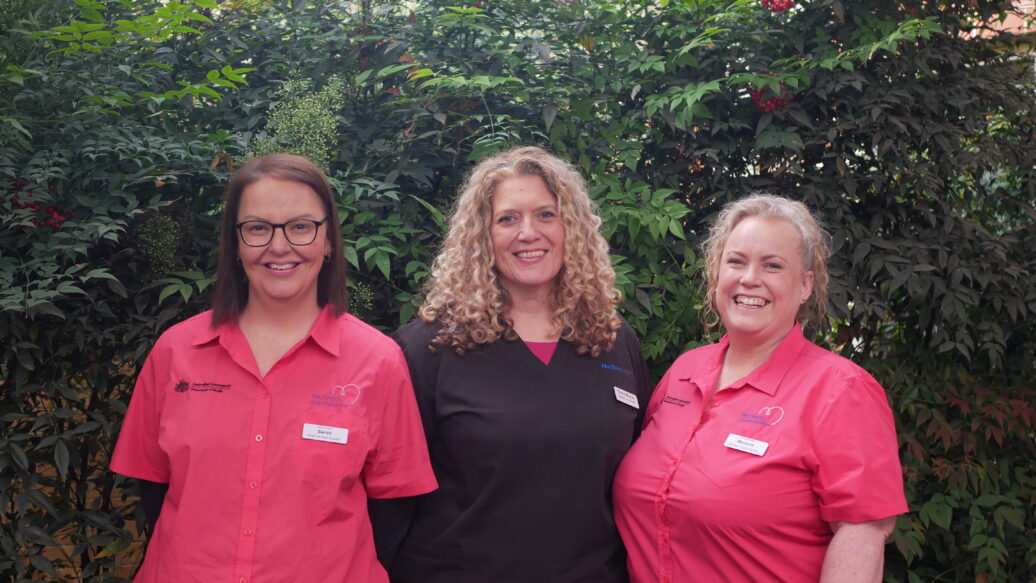
    Pictured in featured image: Breast Care Nurse Consultants, (L-R) Sarah Young, Cheryl Murray and Melanie Bullock.

  • Embracing diversity through cooking at CCU

    Embracing diversity through cooking at CCU

    October is Mental Health Month, and we are ‘Celebrating Diversity, Healing Together’.

    It is a commitment to fostering an inclusive society where every individual, regardless of their cultural background, can access the mental health resources they need.

    Within our Community Care Units (CCU), which provide recovery-focused rehabilitation in a community residential setting, 24 per cent of participants were born outside of Australia, and six per cent are First Nations People. This in turn is reflected in our workforce, with 53.1 per cent born in a country outside Australia and 0.6 per cent First Nations People.

    The CCU team support individuals to increase their independence through a variety of person-centred programs, focussed on developing daily living skills. One such consumer was Raj (name changed), an Indian consumer who was experiencing depression and spent most of his time, alone in his room, not engaging in activities within the CCU. He had limited experience cooking his own meals but needed to build this skill to manage independent living on exit from CCU.

    That was until one of our Associate Nurse Unit Managers, Sumeet, with an Indian background, provided Raj with some recipes for familiar, traditional and vegetarian dishes, and encouraged him to start cooking.

    With one-on-one support, Raj began cooking. He then joined a group led by the CCU Senior Occupational Therapist (OT) Louisa, and Peer Worker, Graeme, where a spinach and paneer curry was prepared. Raj was encouraged to take on a leadership role within the group. Raj was then further supported by CCU OT Ira, who also shared his ethnic background, to cook a few other traditional dishes.

    Raj gradually became less withdrawn. He invited others to taste his curries. Raj was clearly pleased and proud of his curry. It was the first time he had smiled in a while.

    Whilst Raj had initially been reluctant to use public transport, his rapport with staff and enhanced self-efficacy helped him start using public transport to get out into the community with his OT. He has built his confidence to use public transport independently.

    Belinda Scott, Executive Director, Mental Health Services says, “This year’s theme highlights the importance of ‘coming together to support each other’. Helping consumers like Raj grow their independence with everyday living skills, whilst rebuilding and maintaining their cultural identity, is vital to a recovery-oriented model.”

    Click here for the paneer and spinach curry recipe.

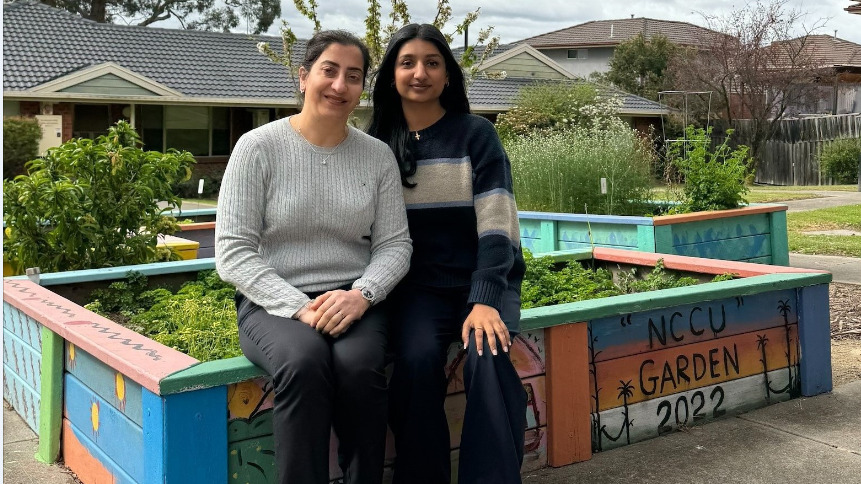
    Featured image: Sumeet (Associate Nurse Unit Manager) and Ira (Occupational Therapist) from Northern Community Care Unit.

  • Happy International Translation Day

    Happy International Translation Day

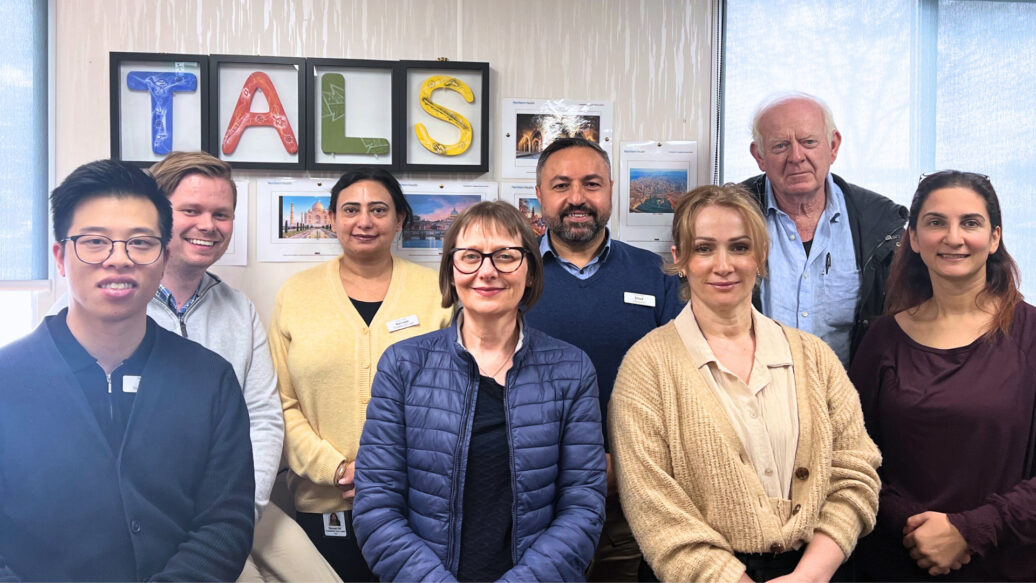
    Today, Northern Health proudly celebrates International Translation Day, an opportunity to recognise the invaluable work of language professionals, including our very own team of in-house interpreters and translators at TALS (Transcultural and Language Services).

    While the terms ‘translator’ and ‘interpreter’ are often used interchangeably, they represent distinct roles, each with its own set of specialised skills. An interpreter works with spoken or signed language in real time, either face-to-face or via video or phone calls. In contrast, a translator takes written material from one language and conveys it in another, ensuring the meaning remains clear and accurate. Both professions are essential, bringing unique value to the diverse communities we serve.

    At Northern Health, we are fortunate to have both services available in-house. In the last financial year alone, TALS received over 70,000 interpreting requests across 122 languages and completed 65 translation projects, translating a remarkable total of 276,097 words.

    Our hospital interpreters and translators play a critical role in bridging the communication gap between patients whose first language is not English and their healthcare providers. The team works diligently to adhere to the strict Code of Ethics for interpreters and translators, ensuring that they remain accurate, impartial, and that all conversations remain confidential.

    To celebrate International Translation Day, here are some insights and experiences from our incredible TALS team:

    Imad Hirmiz, Arabic/Assyrian/Chaldean Interpreter and Translator, reflects:

    “The world has become a smaller place, with people from different backgrounds crossing paths daily. Professional interpreters and translators facilitate communication at a professional level, tackling complex cross-cultural issues. Interpreting goes beyond mere word exchange, it is a mental process at both intellectual and cognitive levels where a bilingual person lack experience. In healthcare, this work takes on its highest form, combining mental and physical aspects to provide critical support. Utilising interpreters and translators not only enhances formal consultations but also strengthens this vital profession.”

    Federica Stefani-Comi, Italian Interpreter and Translator, shared a poignant quote from Italian writer Italo Calvino:

    “Without translation, I would be limited to the borders of my own country. The translator is my most important ally. They introduce me to the world.”

    Luyuan Chen, Mandarin Interpreter and Translator, shared feedback he received from one of the patients after interpreting for her over multiple sessions:

    “The idea of going to a local hospital used to be intimidating because I assumed that English was the only language spoken there, and I would always need my daughter to take time off work to come with me for support. However, having an interpreter, especially one with a familiar face, changed my mind completely. They know what they are doing and make me feel confident about going there on my own. Thank you!”

    George Karagiannis, Greek Interpreter and Translator, shared:

    “Last week I was asked to interpret for an elderly patient in the ward. The doctor briefed me and did not think would have much success to convince the patient for the investigations needed to diagnose her condition. The patient wanted to discharge herself as she was feeling better post the two bags of blood given to her. Apparently, she comes often by ambulance with abdominal pain and bleeding and a “dangerously low” blood count.  We were able to talk to her in her language and convinced her of the importance of going ahead with the tests, and she signed the consent form. This was an amazing result for the patient, the hospital and the taxpayer.”

    Yan Qin, Mandarin Interpreter and Translator, shared:

    “Interpreting and translating are to build bridges between different languages, cultures and values. The practice of interpreting and translating is beyond only words, which adds value to the profession, and differentiates the work done by people, and by machine. As in-house interpreters, we are also the reliable source of support to the non-English speaking patients, yet within our role boundaries.”

    These stories reflect the profound impact our interpreters and translators have on our patients and the broader community. By removing language barriers, we ensure that every patient has equal access to healthcare. We are proud to celebrate and honour the essential work of our TALS team today and every day.

  • Northern Health launches Asthma Digital Care Pathway

    Northern Health launches Asthma Digital Care Pathway

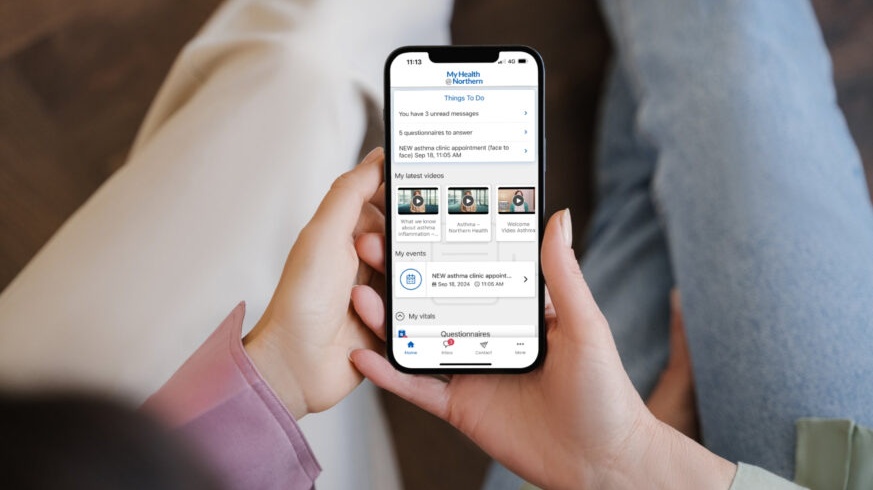
    Northern Health’s Asthma Clinic has officially launched a co-designed Asthma Digital Care Pathway via the My Health @ Northern app, offering essential support for patients living with uncontrolled or severe asthma. The codesign process involved bringing together a group with people with lived experience of severe asthma and a multidisciplinary team of asthma clinicians.

    This collaborative approach fostered valuable connections and ensured that patients’ voices were heard throughout the process. Pam, a consumer and member of the co-design working group, shared her experience: “People formed a bond quickly and were respected when they had their say. We could see the progress, from the first meeting and then the second meeting, you had some things in place, we could see that it was being formed and that we had a say on it all”

    The Respiratory Medicine Unit received a grant from AstraZeneca to design, develop and implement a severe asthma digital care pathway. This project was a collaboration between the Respiratory Unit and the Clinical Leadership, Effectiveness, and Outcomes (CLEO) team, as part of a broader strategy to roll out Digital Care Pathways at Northern Health.

    “It is great to watch the Digital Care Pathways progressively being rolled out. This has been a long journey from before COVID-19 to be able to provide innovative solutions to our patients. The team, Clinical Leadership, Effectiveness and Outcomes (CLEO) who are providing the virtual programs are doing a fantastic job.  In particular the asthma pathway will greatly benefit our patients not only in self-management but improving their quality of life” said Anthony Gust, Executive Director, Digital Health.

    The app provides the opportunity for people with asthma to track their asthma symptoms and control, screen for comorbidities, and access trusted health education and self-management advice. Communication between patients and the care team is now improved through features including in app messaging and video calls.

    Sharon Rukavina, Respiratory Clinical Nurse Consultant has been on secondment to the CLEO team as project manager for this project.

    “I regularly observe the profound impact that uncontrolled and severe asthma symptoms have on our patient’s quality of life and contribute to increased anxiety often resulting in significant feelings of isolation. Patients can view their asthma care plans directly on their phones, supporting better self-management and allowing for easy sharing with healthcare providers,” said Ms Rukavina.

    “This transformational program helps us connect with our purpose as clinicians which is to deliver and improve the health outcomes that matter most to our patients and community. We can’t wait to expand to other conditions and specialties,” said Dr Katharine See, Chief Health Outcomes Officer and Director of Respiratory Medicine.

  • Get your back, back on track

    Get your back, back on track

    Back pain is the fifth most common reason for visits to the emergency department, often leaving patients both debilitated and uncertain about how to proceed.

    “Back pain is a debilitating condition affecting one in six Australians and is the second leading cause of disease burden,” explains Dr Adam Semciw, Associate Professor at La Trobe University and Northern Health.

    When a patient with back pain arrives at the emergency department, they undergo a comprehensive assessment to identify the underlying cause and rule out any serious issues. Following discharge, patients are frequently referred to the Northern Health Back Pain Hot Clinic. Here, Senior Physiotherapist Nicole Alousis, evaluates the patient’s situation and provides strategies to manage the pain and prevent future flare-ups.

    In alignment with Northern Health’s commitment to effective back pain management, the Back Pain Hot Clinic has collaborated with the Clinical Leadership Effectiveness and Outcomes (CLEO) team and La Trobe University to create the Back Pain Digital Care Pathway. Central to this initiative is the My Health @ Northern app, available on both Apple and Android platforms and developed by Datos Health and CLEO.

    This app provides educational resources for managing back pain and delivers important information about the back pain program. The educational resources include specialist-designed videos about managing back pain and whether the use of scans is necessary to diagnose the cause of back pain.

    The Back Pain Digital Care Pathway also includes periodic questionnaires sent to patients, called Patient Reported Outcome Measures (PROMS), which gather valuable data to optimise care and for patients to monitor progress.

    “There is a large scope for a digital care pathway to optimise the way we manage lower back pain,” notes Nicole Alousis.

    Dr Semciw adds, “This Digital Care Pathway will help to inform risk stratification processes for the management of people with back pain.”

    Elisha O’Dowd, Effectiveness and Outcomes Manager, CLEO, concludes, “Digital care pathways are a great way to bridge the gap between patient and healthcare, providing essential information right in the palm of the patient’s hand when they need it.”

    The Back Pain Digital Care Pathway is a finalist in the 2024 Victorian Public Healthcare Awards, we wish the team the best of luck!


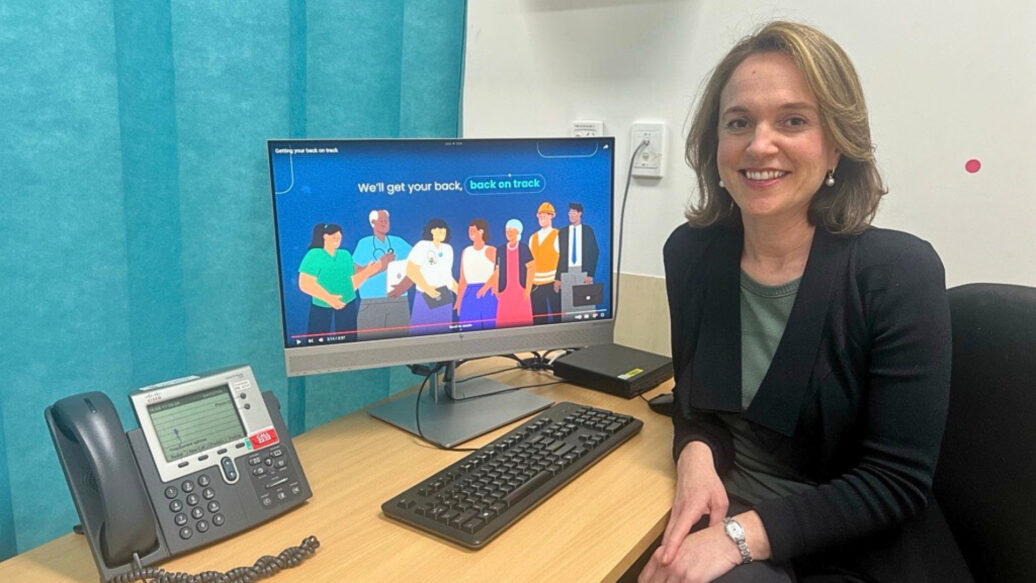
    Pictured in featured image: Nicole Alouisis, Senior Physiotherapist, Northern Health Back Pain Hot Clinic. 

  • Aboriginal Study Day

    Aboriginal Study Day

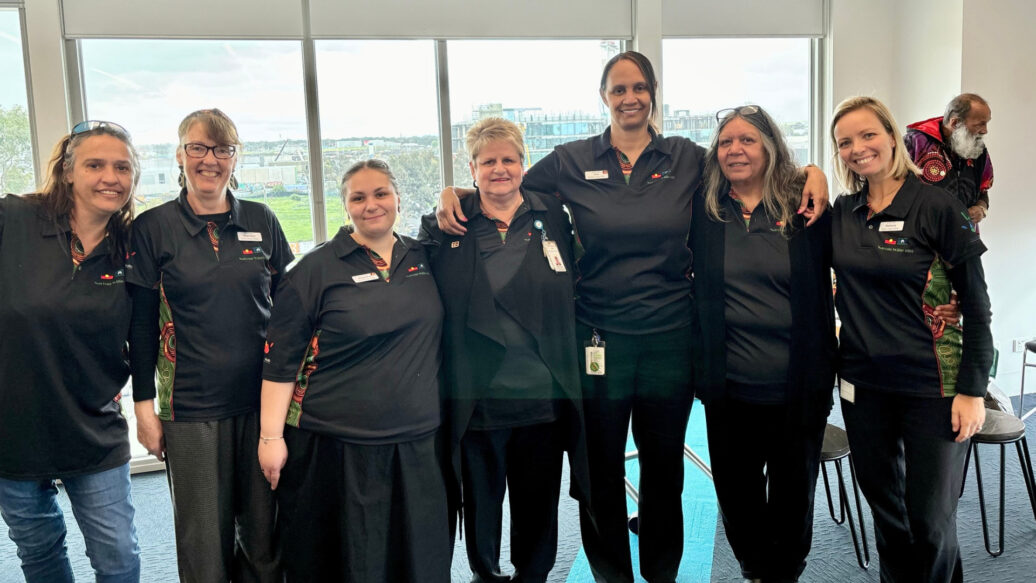
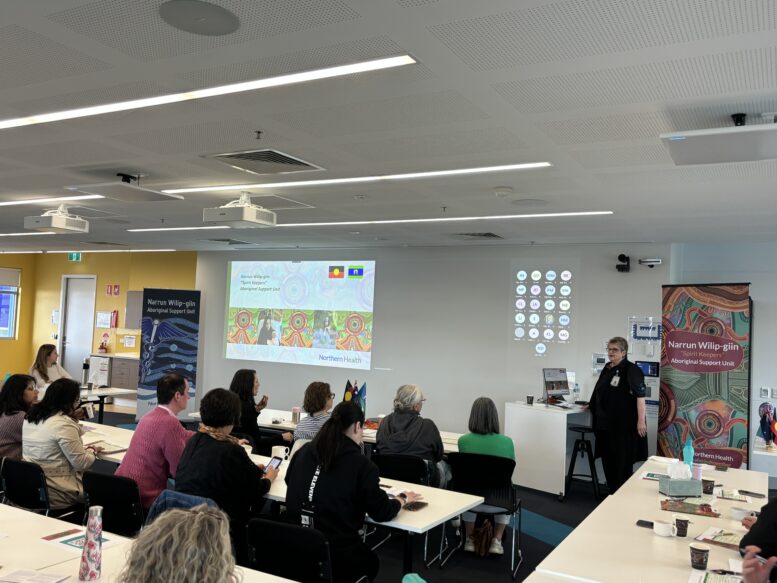
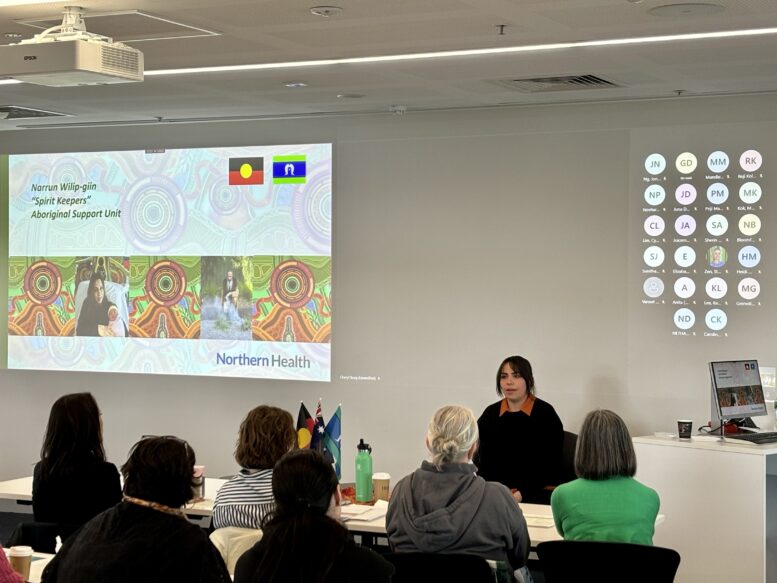
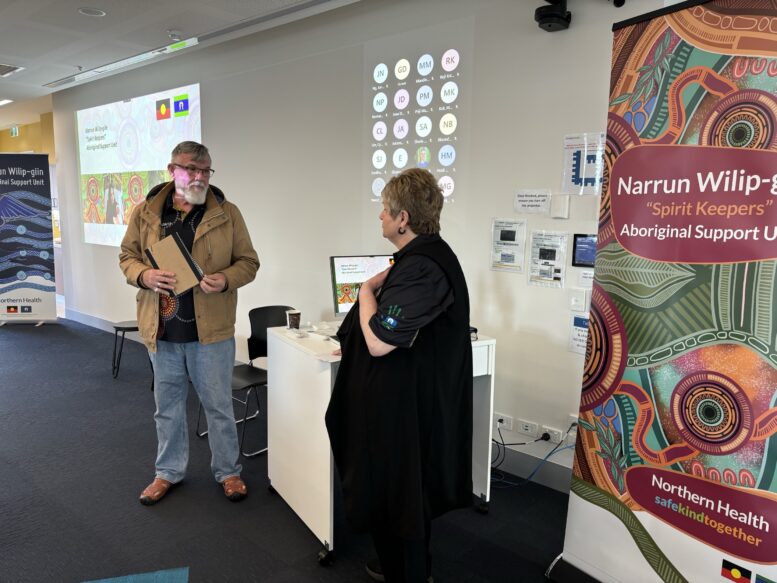
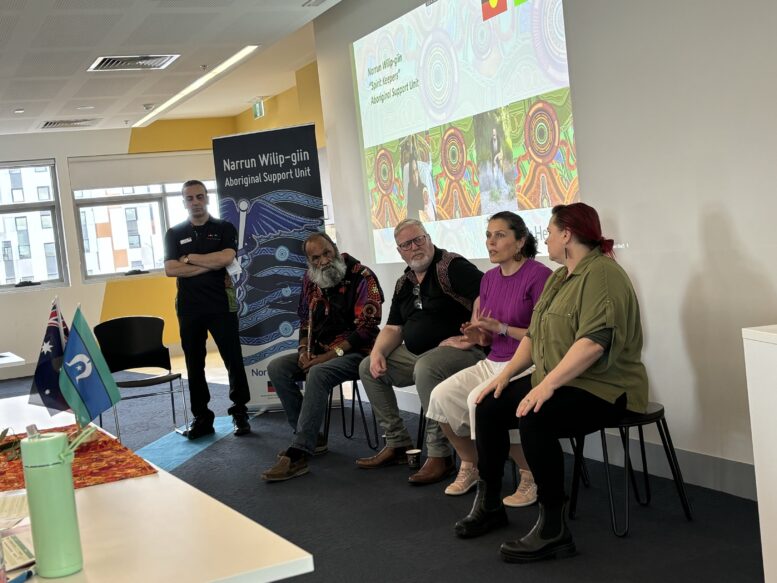
    Last week, our Aboriginal Support Unit hosted Northern Health’s very first Aboriginal Study Day.

    The day was a comprehensive training program aimed at providing Northern Health staff with a holistic understanding of the challenges faced by Aboriginal and Torres Strait Islander patients. The program covered a range of topics, including Aboriginal history and social determinants of health, common barriers, communication tips, and the internal and external services available to support this patient population.

    Attendees were treated to lived experience presentations from Sharna Brown and Uncle Owen Butler, and a panel discussion facilitated by Northern Health’s A/Prof Jason Cirone, Chief Allied Health Officer. The panel included external speakers Uncle Noel King, Andrew Morrison, Jay Hamann and Marissa Mulcahy. Attendees also enjoyed a Didgeridoo performance by Matthew Weeberg.

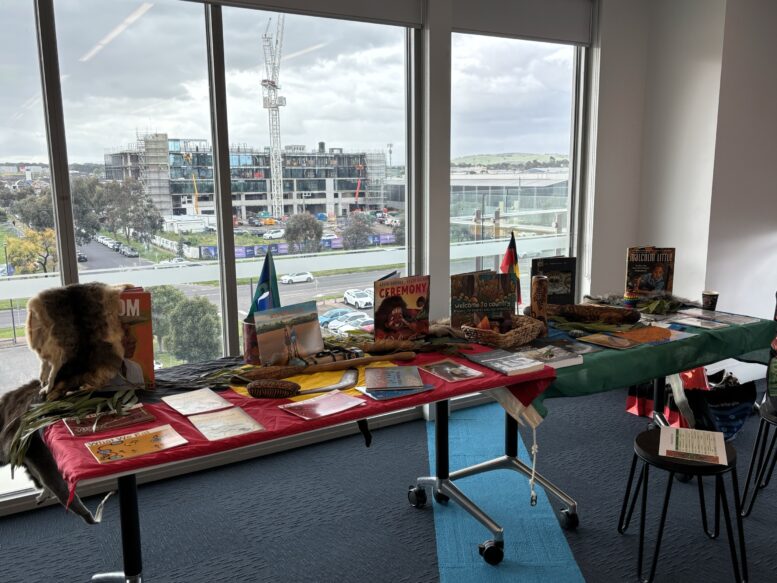
    “The Study Day is something the Narrun Wilip-giin Aboriginal Support Unit really wanted to be able to offer our staff. The team worked together for the last 12 months in planning this day down to the minor details, including a display of possum skins, boomerangs, clapsticks, books and gums leaves to add to the atmosphere,” said Stefania Zen, Education and Engagement Manager, TALS and Narrun Wilip-giin Aboriginal Support Unit.

    “I think the result was a resounding success, with the presentations equipping our staff with essential knowledge and skills to provide culturally safe and appropriate care to Aboriginal and Torres Strait Islander patients.”

    “The day offered a platform for Aboriginal people to passionately share their culture and experience with others, fostering greater understanding and respect.”

    Dr Rachael Coutts, Director of Medical Education and Emergency Physician, reflected on the day and how “powerful” the event was.

    “I felt like I was being told a story – one of trauma and adversity, from a lived experience, but one that then showed me strength and resilience where advocacy, persistence, determination, autonomy and voice is being used across many programs to make a difference in Aboriginal and Torres Strait Islander patients outcomes and lives,” she said.

    “It also showed me how I could make a difference through person-centred holistic care, partnership and allyship. I now have a lot more insight into how these programs are woven into our health service, how I can support patient access to them.  Thank you for sharing this story.”

    Tony McGillion, Divisional Director of Education, said he was glad he invested time into the, “fantastic study day.”

    “The Northern Health Reconciliation Action Plan sees cultural safety as an ‘ongoing learning journey’ which nestles with my own learning philosophy. The planning and structure of the day enabled engagement, where discussion was inclusive and bi-directional. The importance of relationships was the overarching learning for me and I feel we can extrapolate this to so many other aspects of our lives.”

    Christine Gerbert, Registered Nurse, Transit Lounge, said, “The personal story of Merrilyn Duff had me in tears. It portrayed a different picture to what is usually perceived by the general public as a result of the mainstream media representation. I thoroughly enjoyed the Aboriginal Study Day. It was very rewarding and I was pleased to see the increased visibility of our Aboriginal people.”

    Feedback received following the day via an evaluation was overwhelmingly positive, with 100 percent of all respondents indicating that the information provided was relevant to their work and that they now have a better understanding of the topics in questions.

    Some of the comments from consumers and staff received via this survey included:

    “This was truly outstanding. Over the last 12 months I’ve done a half day Aboriginal cultural awareness organ through the Royal Children’s Hospital and another through VACCHO and this was the most personal and engaging, and gave the most that I could take away to my clinical practice.”

    “It was invaluable to have so many different speakers from community, sharing their lived experience, their perspectives and advice. The panel was incredible, having so many different perspectives was just brilliant. Thank you all so much!”

    “Lived experiences and Panel discussion with opportunity to ask questions were the best parts of the day.”

    Featured image: ASU members at the Aboriginal Study Day.