• Advanced-Practice Pelvic Health Clinic

    Advanced-Practice Pelvic Health Clinic

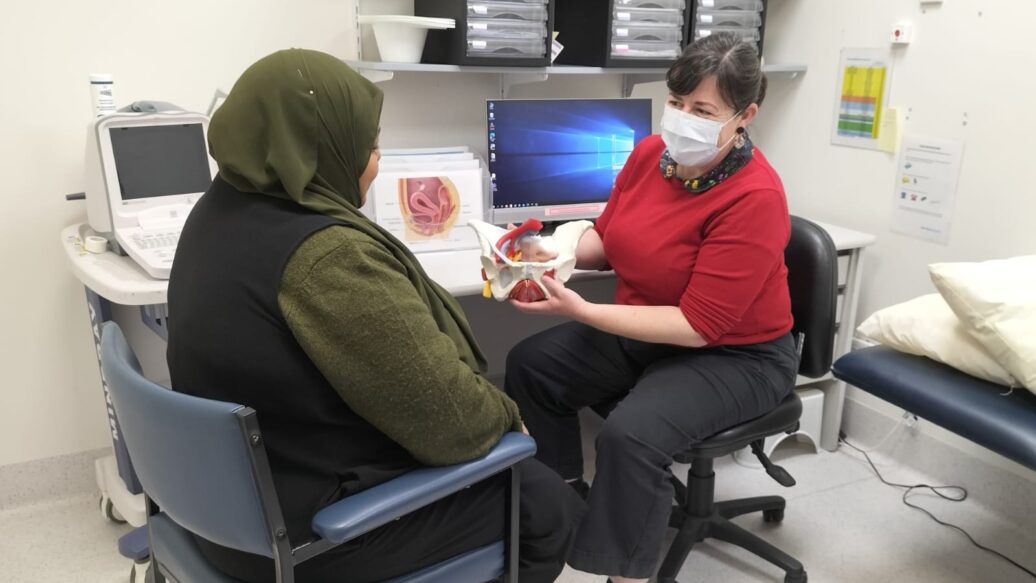
    The Northern Health Advanced-Practice Physiotherapy Pelvic Health Clinic is helping to streamline care for women with urinary incontinence and pelvic organ prolapse.

    Urinary incontinence and prolapse imparts not only physical and psychological harm on affected patients but can also be a financial burden. Whist delay to appropriate assessment and treatment compounds these impacts, this effect is more pronounced among migrant women, who must overcome more barriers to seeking help before being placed on waiting lists to receive care.

    The impact of prolonged wait times is exaggerated by the cultural norms of many of our patients, with research demonstrating that incontinence interferes while participating in sacred practices, including prayer for Muslim women.

    Although physiotherapy is recommended as first line management for urinary and pelvic organ prolapse, patients within the Northern Health catchment are routinely referred to gynaecology first, where they can wait up to five years for assessment before being referred on to the pelvic health physiotherapy for management, where they can expect to wait another six to 12 months before commencing treatment.

    These combined waiting times means that patients with pelvic organic prolapse, and urinary incontinence can wait up to six years from referral to commencing treatment, with symptoms significantly impacting their ability to participate in work, exercise, social and cultural activities.

    With a clear need to streamline care to provide more timely access to the appropriate service and to allow for earlier intervention, the Northern Health Advanced-Practice Physiotherapy Pelvic-Health Clinic was born.

    The clinic, which opened in September 2023, provides more timely access to appropriate management and reduces the need for specialist intervention for patients referred to Northern Health’s Gynaecology department with incontinence or prolapse.

    This innovative model of care sought to mitigate the impact on the services providing treatment by developing digital education modules to support patients’ ability to self-manage in the community while waiting for follow-up physiotherapy.

    Northern Health’s clinic is also the state’s first tertiary pelvic health service with specifically developed digital health resources catering to the socially, culturally and linguistically diverse population that Northern Health service.

    Since the commencement of the clinic, over 430 patient referrals have been resolved from the Gynaecology waitlist, without needing direct Gynaecology input. The success of this initiative has led to it receiving ongoing funding through the new Women’s Health Clinic to be established at Northern Health.

    Satisfaction surveys were sent to patients and involved staff, with many citing the positive impact the clinic has had on improving healthcare.

    “I’m so pleased that I had the opportunity to do this role – the case conferences with the specialists have been an excellent learning opportunity, and being able to intervene with patients earlier has been very rewarding.” – AP Physiotherapist (Pelvic Health).

    This clinic is  invaluable to the health service which allows for more appropriate screening and triaging of patients to quicker and more appropriate management which will improve their QOL and outcomes.” – AP Physiotherapist (Pelvic Health).

    This is a wonderful service and has been well received by our patients. It ensures they are not wasting time in the system waiting for gynae only to be referred back to physio” – Gynaecologist.

    Extremely thorough and helpful.” – Patient.

    I am very happy with physiotherapist who assisted me today she is very professional. Thank you very much.” – Patient.

    The lady I had was wonderful and made me feel very comfortable.” – Patient.

    It was very friendly and comfortable experience. Thank you.” – Patient.

    I was pleasantly surprised how smooth the appointment was.” – Patient.

    Would I recommend the physio I saw? Yes. She was lovely.” – Patient.
  • Get to know: Clare McCarthy

    Get to know: Clare McCarthy

    In this week of World Patient Safety Day, we sat down with the illustrious and vibrant Clare McCarthy, Director, Quality, Safety and Patient Experience, to chat all things patient safety, coffee and why she is still, “up for the struggle.”

    Firstly, what is your coffee order?

    Latte, preferably from St Ali or Dukes.

    What does ‘Patient Safety’ mean to you?

    A struggle … the system still operates traditionally, with safety dependent on the diligence of the practitioner and at its core is the relationship between them and the patient. I get this, and value it, but we need to recognise that care happens in a system that won’t necessarily be catering to patient need. We’re still working out the relationship between treatment and care and safety needs to straddle both – patients need to be safe, but they should also feel safe.

    What is something that you are proud of?

    That I’m still up for the struggle! It’s the little things that keep you motivated and satisfied… but I think my small part in the creation of the Comprehensive Unit-based Safety Program (CUSP) here at Northern is worthy of pride. It’s a real team effort, and our research shows how good communication and teamwork can make our place safer for patients. As a nurse, that’s always been my goal and I suppose I’m proud of making a difference.

    Who are some of your biggest influences?

    My parents — especially my Mum, who is a nurse, and so too are my three younger sisters.

    What would your perfect weekend look like?

    A lap of the Tan, coffee at St Ali’s and a trip to South Melbourne Market.

    Which of the Northern Health values resonates the most with you, and why?

    I hope I live safe, kind and together.

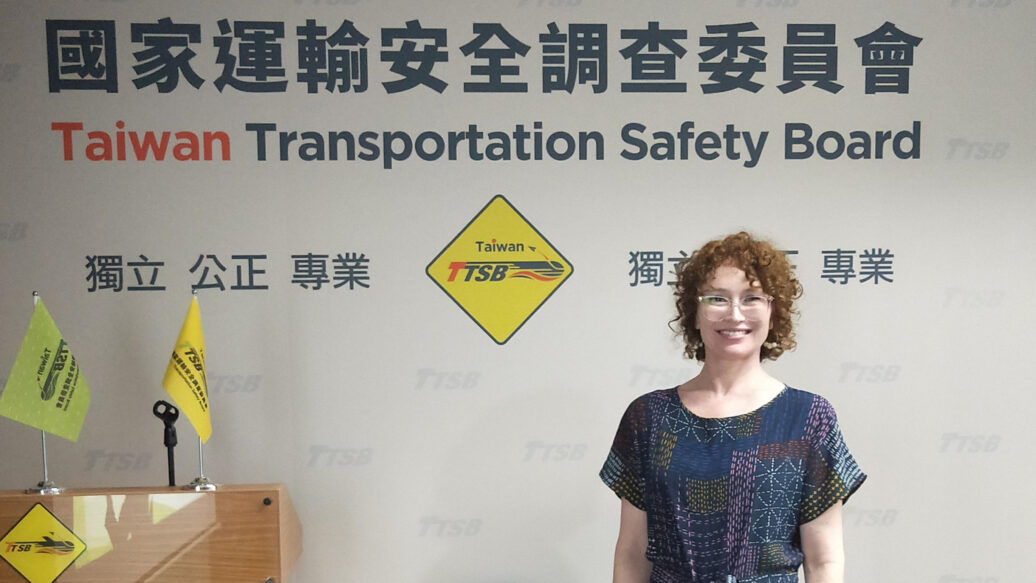
    Featured image: Clare presented on CUSP at the International Forum on Quality & Safety in Healthcare, Taipei, 2019 & got to visit the Taiwan Transportation Safety Board which investigates aviation, shipping, railway and highway incidents.

  • Improving patient safety on a VHIM

    Improving patient safety on a VHIM

    World Patient Safety Day is celebrated on 17 September each year, and calls for global solidarity and concerted action by all countries and international partners to improve patient safety. This year’s theme, “Improving Diagnosis for Patient Safety,” focuses on the essential role of accurate and timely diagnoses in improving patient safety.

    During the week of World Patient Safety Day, we take a closer look at one of the tools used at Northern Health to record and disseminate data, providing opportunities to improve overall patient safety.

    The Victorian Health Incident Management System (VHIMS) is a database used to record hazards, harm, or potential harm, to patients and staff, and is used by all Victorian public health services. VHIMS also collects data on MET calls and Code Blue responses.

    Staff can report using the incident module, while patients or relatives report concerns via patient experience in the feedback module. Each incident or feedback is distributed to a manager for investigation and comment. The completed review is checked for data accuracy and closed by the Quality and Safety Team. The data is assigned to a category of care that feeds into the organisation’s clinical review structure, such as clinical deterioration, falls, violence and aggression or medication. Specialist groups within Northern Health then use incident data to improve patient care.

    “VHIMS is a crucial platform supporting the quest for patient safety and an open safety culture,” explains Clare McCarthy, Director, Quality, Safety and Patient Experience.

    Mandy Maberly, Clinical Governance Coordinator and Baneet Bhasin, VHIMS System Administrator, are key users of VHIMS and know all too well the important role it plays in improving overall quality and safety at Northern Health.

    Mandy’s role is to check the content of each incident, ensuring the level of harm and event type entered into the system matches the description, assign the appropriate National Standard to ensure distribution to specialty groups, and escalate any concerns that may be raised by her review.

    “I look for trends or patterns in reports that may indicate a wider issue and collate this data into reports for review,” says Mandy.

    “As an organisation, we are alert and responsive to clinical incidents. We are committed to learning what went well and not so well, and identifying improvements that can be made.”

    VHIMS data populates many of Northern Health’s scorecards/databases used for internal and external reporting. All incidents entered in VHIMS are reported to the Victorian Agency for Health Information (VAHI). This is a central body for the collection and review of incidents to drive state-wide improvements in quality and safety.

    Baneet is the VHIMS System Administrator, whose role involves managing upgrades and system enhancements, tailoring them to Northern Health’s evolving needs and overall performance improvements.

    “I ensure proper user access and permissions, making sure staff have the appropriate level of control. Regular user training sessions are also part of my role to help staff navigate the system efficiently. I also configure notifications and generate reports to keep teams updated about incidents occurring in their areas, ensuring timely responses,” says Baneet.

    “My focus is on keeping the system streamlined, secure, and responsive to support high-quality patient care.”

    Clare explains, “Baneet is the techie, making sure the storybook contains all the parts, while Mandy is the super sleuth piecing together all the parts to tell the story.”

  • Malnutrition Week: Educate, empower and eliminate

    Malnutrition Week: Educate, empower and eliminate

    This week is Malnutrition Week, an annual campaign dedicated to educating healthcare professionals, patients and consumers on detection, intervention and treatment of malnutrition.

    Malnutrition refers to deficiencies or excesses in nutrient intake, imbalance of essential nutrients or impaired nutrient utilisation. Malnutrition can cause a break down of tissue, which can lead to a loss of organ and muscle mass, further fuelling frailty and poor clinical outcomes.

    One in three adult hospital patients in Australia are malnourished. At Northern Health, healthcare professionals are working to reduce the incidence of malnutrition among patients.

    “Every Northern Health inpatient is required to be weighed and screened for malnutrition risk within 24 hours of admission to hospital,” said Tugba Erbasi, Grade 2 Dietitian at Northern Health.

    “Further re-screening is also required weekly thereafter. When malnutrition risk is identified, clinicians should refer patients to a dietitian,” said Maggie Bradley, Grade 2 Dietitian at Northern Health.

    Signs and symptoms of a person suffering from malnutrition can include unintentional weightloss, reduced appetite and food intake, chewing and/or swallowing problems, depression, dementia and difficulty shopping, cooking and/or feeding themselves,” says Emma Tomkins, Grade 2 Dietitian at Northern Health.

    “Malnutrition has many negative consequences for hospitalised patients including depression of the immune systems, impaired wound healing, muscle wasting, longer length of hospital stay, higher treatment costs and increased mortality,” said Nadia Obeid, Dietitian, Renal Services.

    Over the last six years, Northern Health’s Dietetics Department has been undertaking annual malnutrition prevalence studies, which involves surveying acute and subacute inpatients across Northern Health to determine malnutrition prevalence, and whether malnutrition risk screening and weighing has been completed when required.

    Results from the 2024 annual Malnutrition Point Prevalence Study (PPS) found that 23 percent of Northern Health patients were malnourished, which is lower than the national estimated prevalence of 33 per cent, according to Tugba. All malnourished patients received nutrition care from the dietetics service.

    “The Northern Health Malnutrition Point Prevalence Study concluded that out of the 93 malnourished patients, 100 per cent had dietetics involvement. Ninety-six percent of Northern Hospital patients were screened by nursing staff on admission – this has increased from 74 per cent in 2023 and 61 percent in 2022,” said Tugba.

    “Hospital acquired malnutrition is low at Northern Health, although thorough investigations occurs for those identified to prevent recurrence in the future,” said Maggie.

    “We are also reviewing and updating EMR processes to ensure at risk and malnourished patients are referred appropriately,” said Emma.

    Northern Health continues to monitor the incidence of hospital acquired malnutrition, which account for a very small number of malnutrition cases, averaging about one percent of cases a year, and is much lower than the national rates.

    “We review every case of hospital acquired malnutrition at the Standard 5 Nutrition and Hydration CIC, and have undertaken many multidisciplinary initiatives over the years to improve malnutrition risk screening and optimise the nutrition care of our patients,” said Nadia.

    “For Malnutrition Week, the Dietetics Department would like to thank all the teams we work with for their amazing efforts to help recognise malnutrition risk, referring to the Dietetics Department when indicated, and for supporting our patients when optimising their nutrition care.”

    “It is absolutely a team effort.”

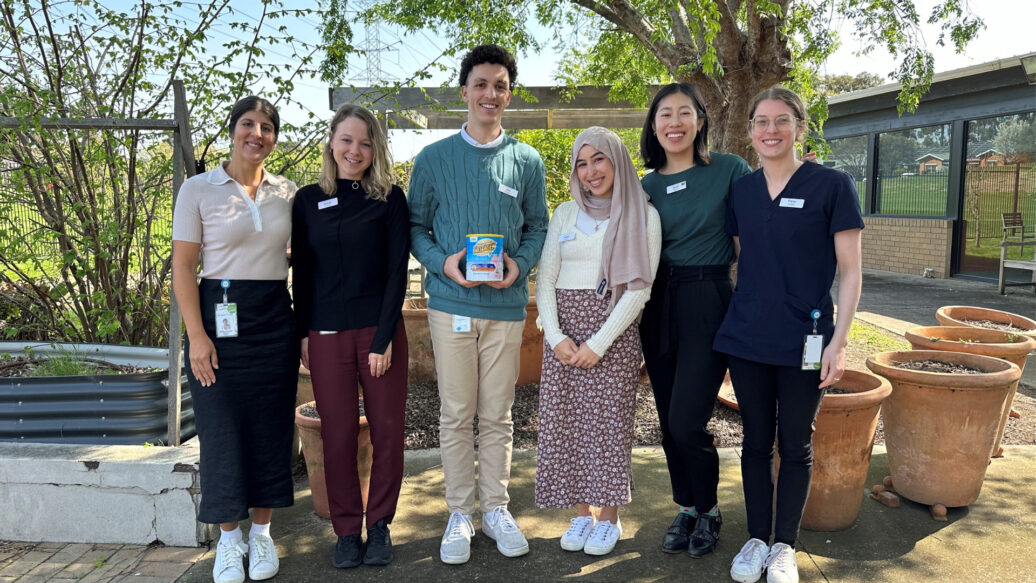
    Featured image: Members of the Dietetics team at Bundoora Centre.

  • Today is World Patient Safety Day!

    Today is World Patient Safety Day!

    World Patient Safety Day calls for global solidarity and concerted action by all countries and international partners to improve patient safety.

    This year’s theme, “Improving Diagnosis for Patient Safety”, focuses on the essential role of accurate and timely diagnoses in improving patient safety.

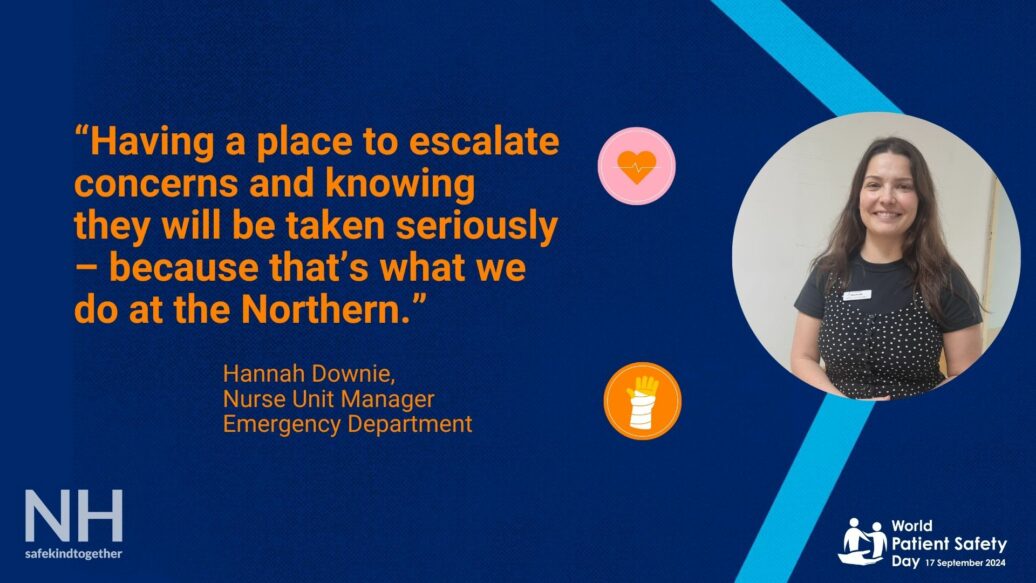
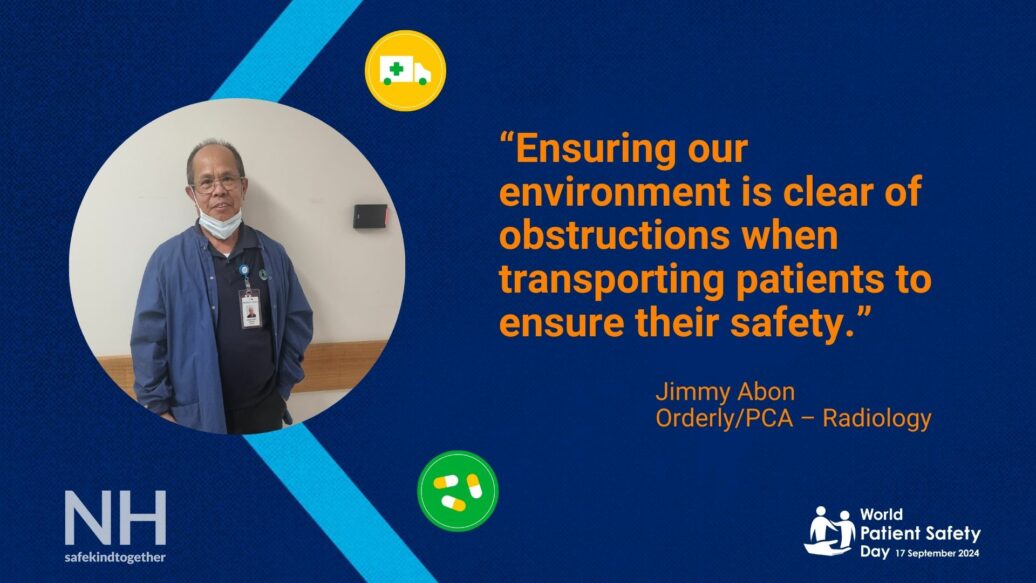
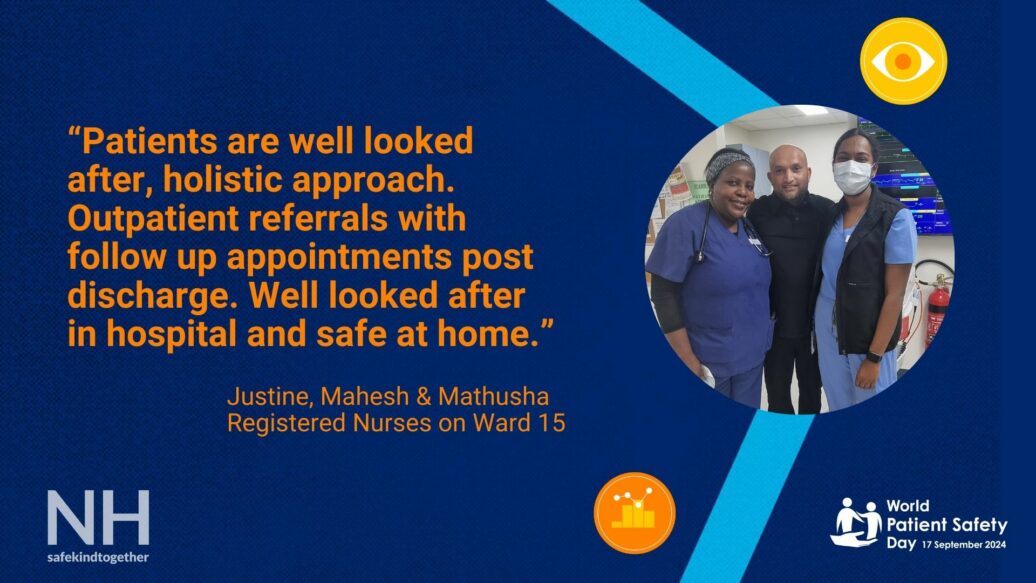
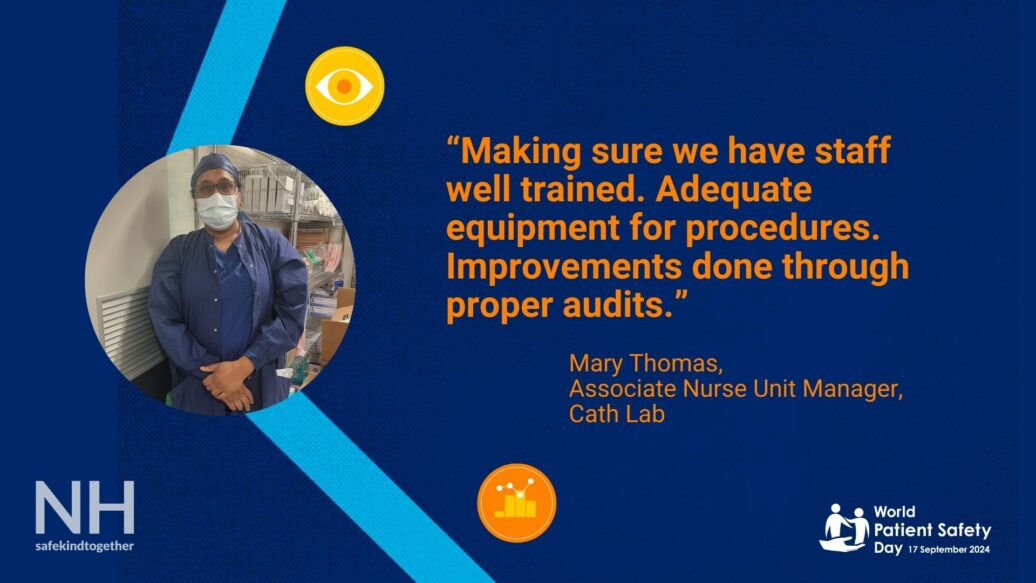
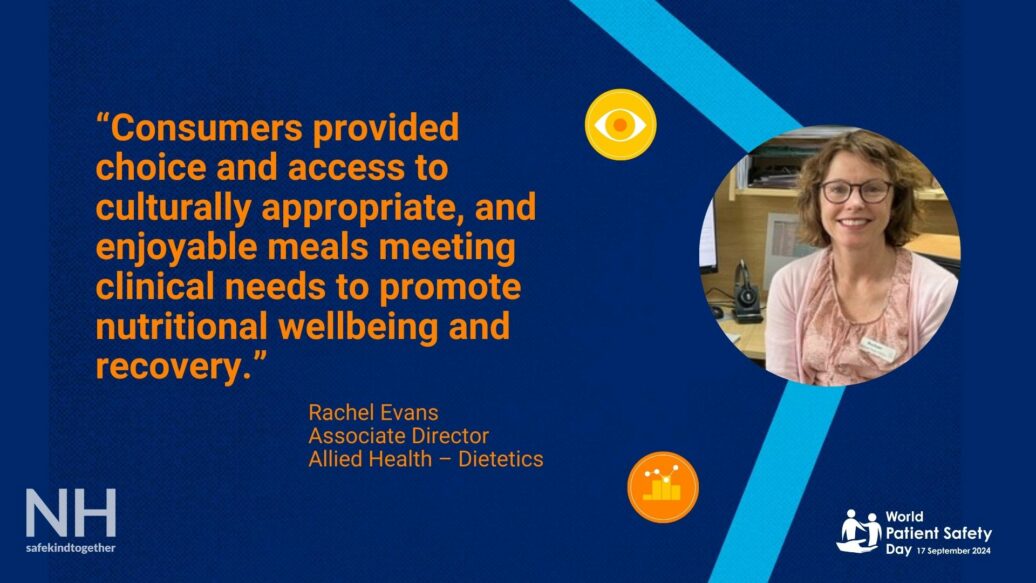
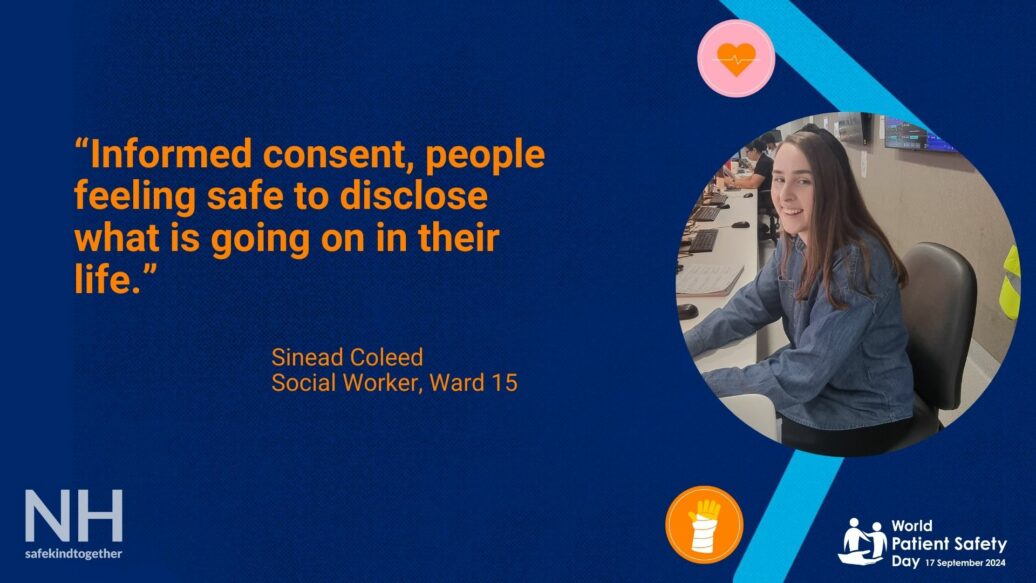
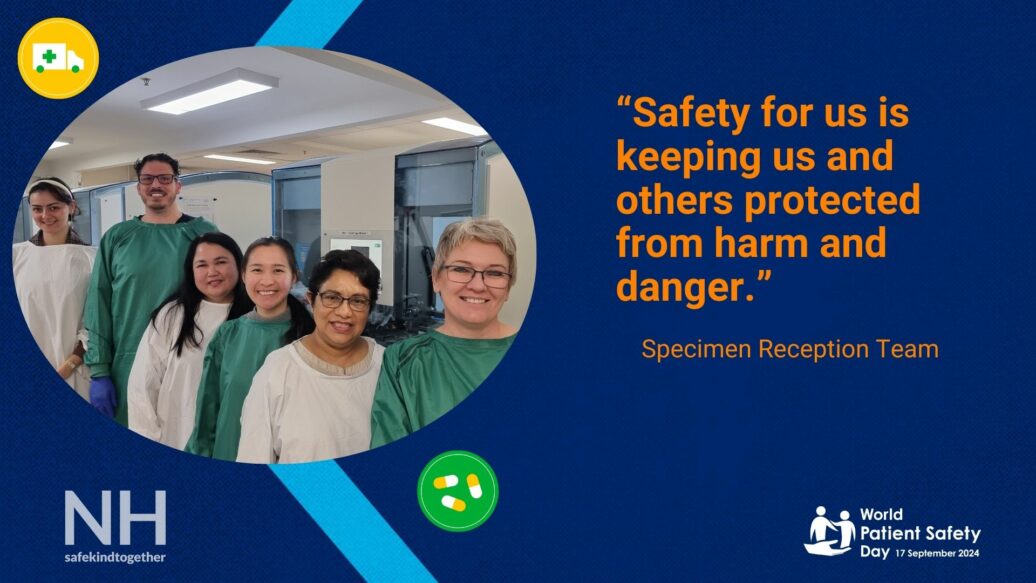
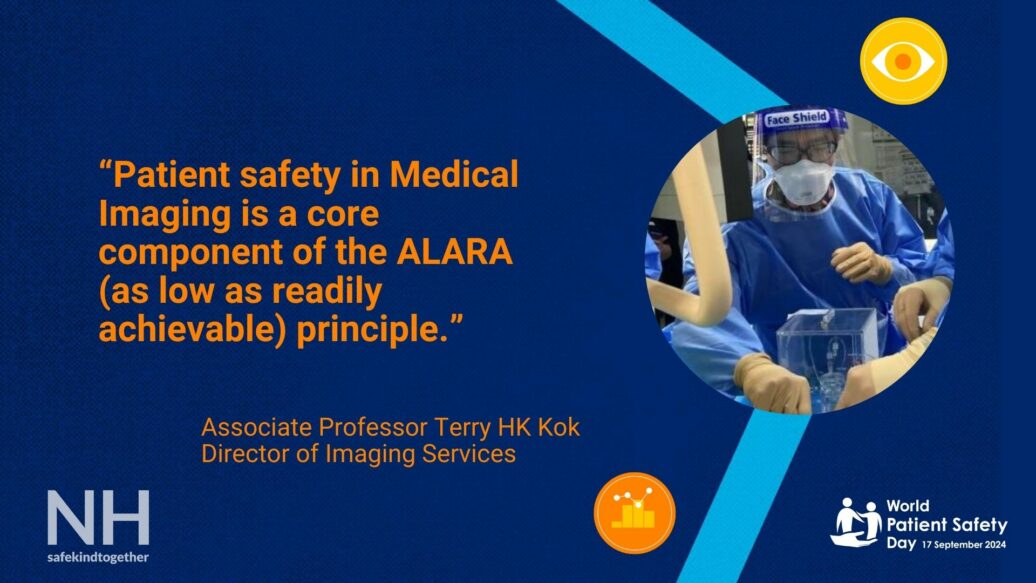
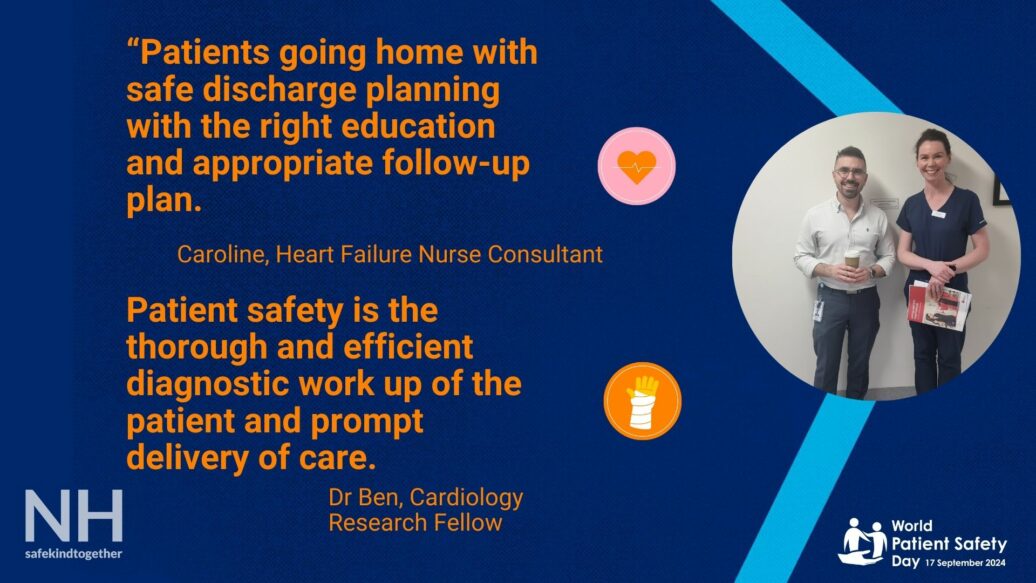
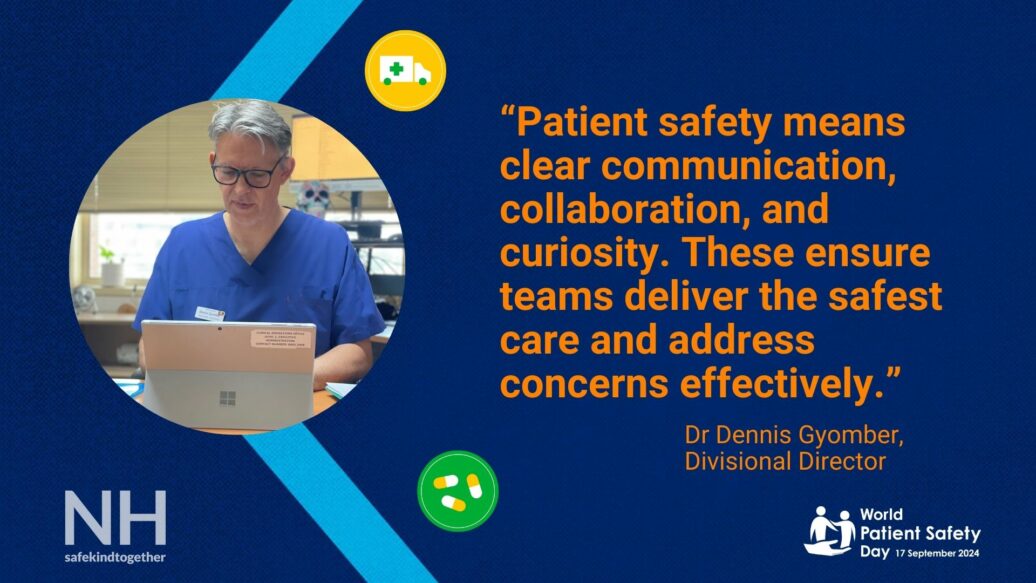
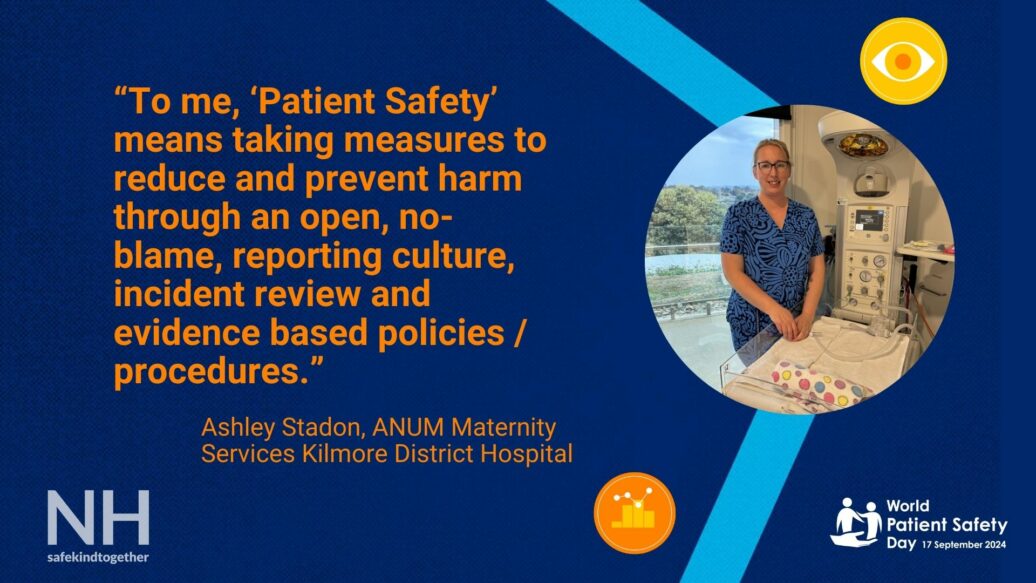
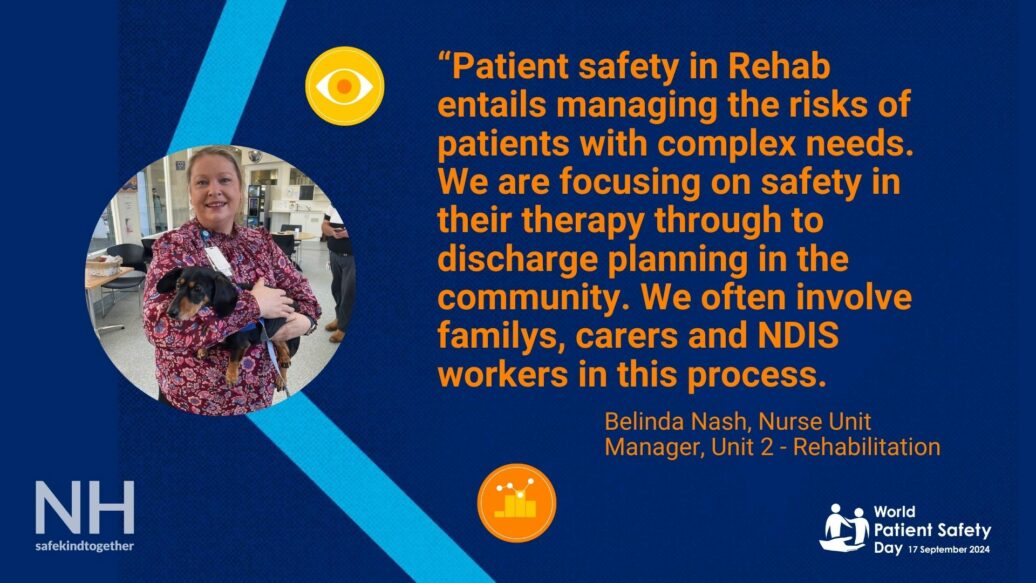
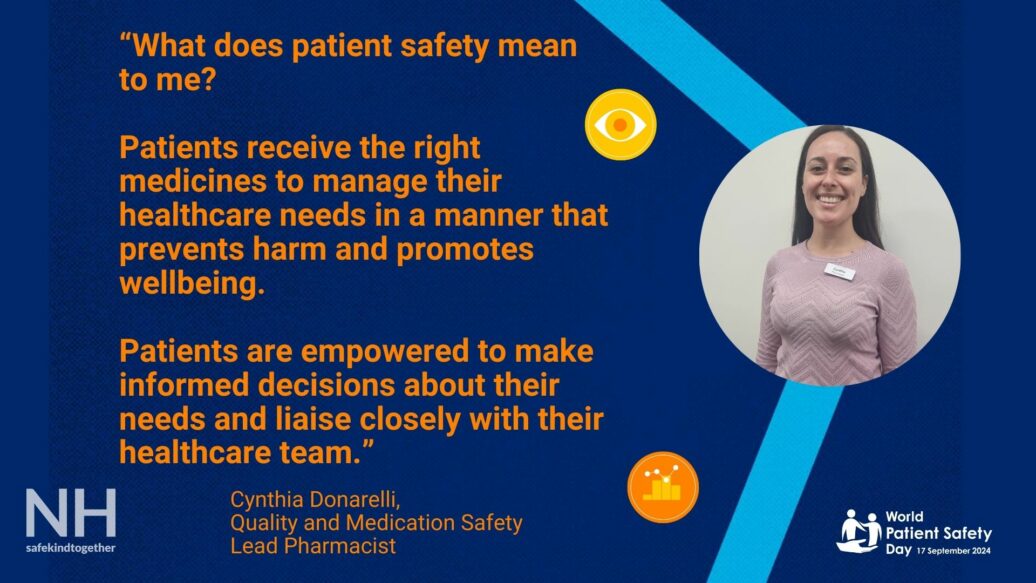
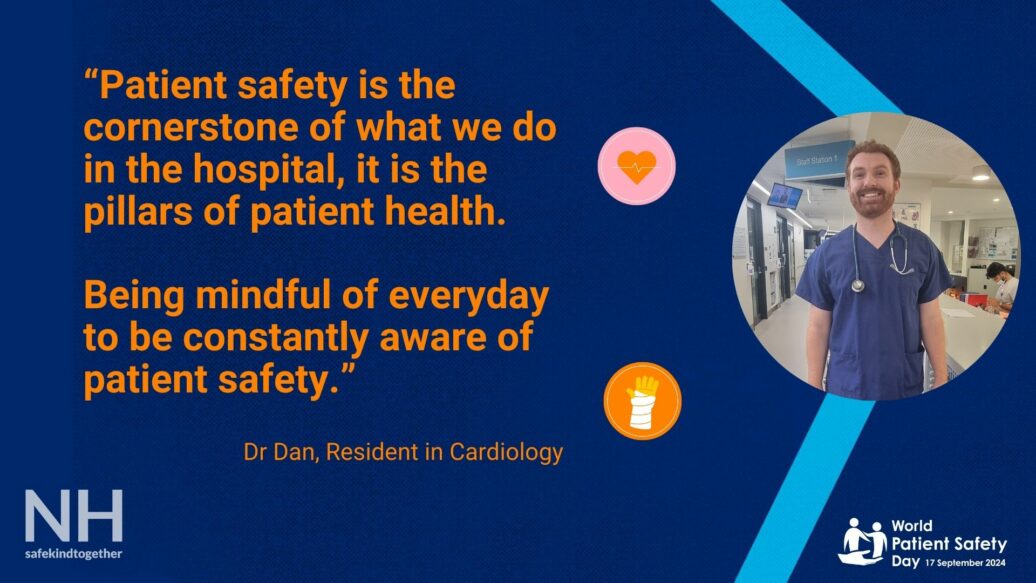
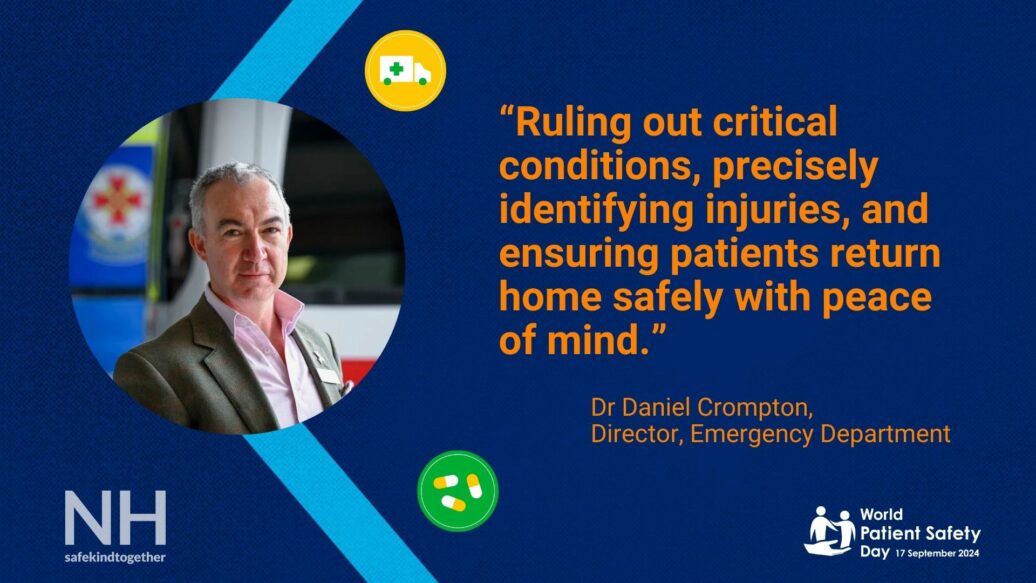
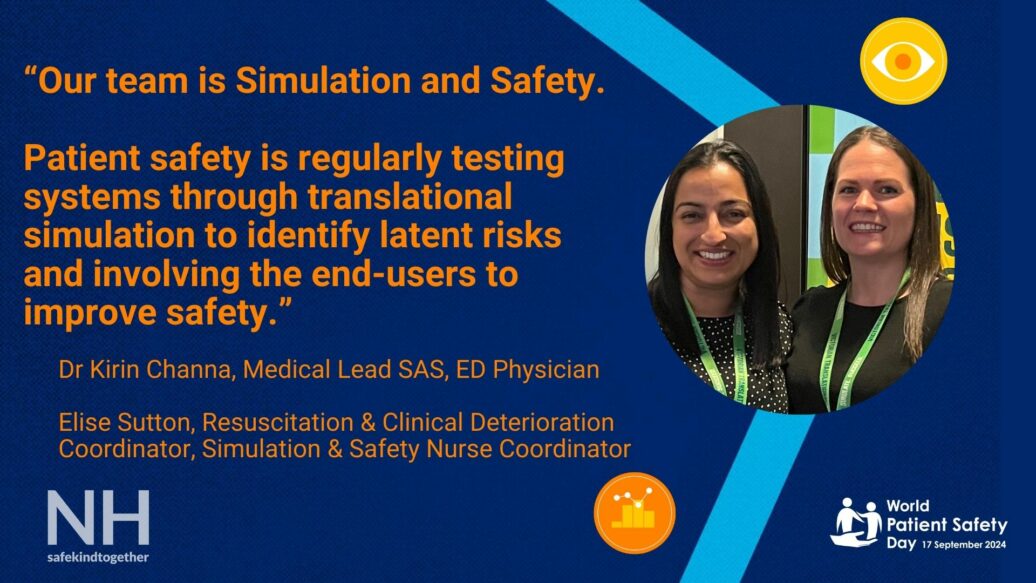
    On this World Patient Safety Day, we asked staff across Northern Health the all-important question – “What does patient safety mean to you?”

    Here’s what they had to say…

    You can also access a specially curated Northern Health Library catalogue for World Patient Safety Day here.

    The Safe Practice Forum is also returning to Northern Health on Thursday, 19 September.

    Come along and hear from Craig Aboltins, Bill Shearer and other guests on: ‘Improving diagnosis for patient safety.’

    Thursday, 19 September 2024
    1.15 pm – 2 pm
    Northern Hospital Lecture Theatre

    The presentation will also be livestreamed at this time to the following locations:

    • Kilmore District Hospital: Boardroom
    • Bundoora Centre: Boardroom
    • Broadmeadows Hospital: Meeting Rooms 1 & 2

    We hope to see you there!

  • CDI Week: Clinical truth

    CDI Week: Clinical truth

    This week is CDI Week, an annual celebration of Clinical Documentation and Improvement.

    It is a time to recognise CDI professionals and the vital role they play in healthcare in improving patient safety, enhancing the quality of healthcare data, and ensuring the financial sustainability of health services.

    CDI is all about empowering clinicians to deliver safer care to every patient by creating a documentation culture that reflects the clinical truth.

    It’s about bridging the gap between clinicians and our clinical coders so that the clinical data is reflective of the patient’s inpatient hospital stay and that Northern Health receives optimised reimbursement under the National Activity Based Funding model. Data-driven decision making relies heavily on complete and accurate clinical documentation and clinical coding, so it is imperative to get it right the first time.

    Northern Health’s CDI program began in late 2017 with the aim of improving the clinical documentation in real-time, rather than waiting for our coding auditors to feed back the documentation gaps to specialties retrospectively, often months after patient’s discharge.

    The team consists of Mary Kouvas, Clinical Documentation Integrity Coordinator, and Diana Villalta, Clinical Documentation Specialist (CDS).

    “Without CDI, a patient’s health and safety is potentially at risk and Northern Health may not be receiving optimised reimbursement for the care they deliver,” Mary said.

    “Research and planning for the future is affected as well. Remember the saying – “Rubbish in, rubbish out” – We ensure the documentation in the healthcare record is complete and accurate, to enable the extrapolation of valuable data.”

    On a daily basis, Mary and Diana review current inpatient notes for patients who are planned for discharge on the same or following day, while also looking for documentation gaps.

    Since November 2022, they have been using Medtasker to better engage with clinicians and send the documentation gaps called CDI queries.

    “Since its implementation, we have seen the response rate to these CDI queries increase from 35 per cent on average to above 90 per cen – an extraordinary improvement.” Mary said.

    “Using Medtasker has been a game-changer, not only for Northern Health but for the wider Australian CDI community. We were fortunate to present our success story at two conferences in Australia last year and received much interest in this innovative approach to CDI.”

    With the implementation of the Electronic Medical Record (EMR) in September last year, the CDI team is now able to work remotely from either an onsite office or from home.

    “Going fully electronic means we can now leave the clinical ward areas for clinicians and patients which is how wards were intended to be used, without affecting clinician engagement. The benefits of using Medtasker is that the clinician can respond to the CDI query at their earliest convenience, without impacting patient care,” Mary said.

    “By receiving the CDI query in real-time, the clinician is able to update the documentation in the EMR, notify the CDS, the CDS can check to see if the documentation change is sufficient for coding, resulting in a complete and accurate account of the patient’s episode of care, whilst optimising NWAU.”

    “A very effective and efficient process where our clinicians are able to continuously learn and document better.”

    “We are looking forward to the future and how we can work with AI to enhance the process of good documentation practices. Watch out!”

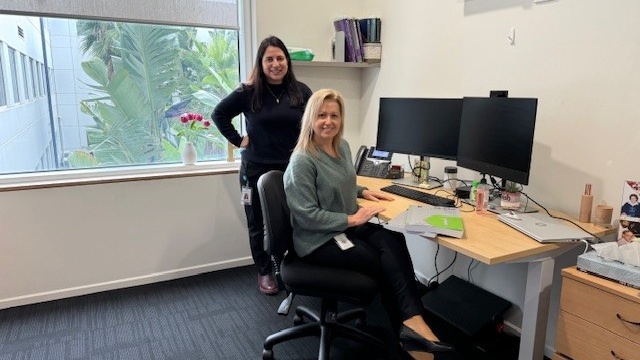
    Featured image: Diana Villalta CDS and Mary Kouvas CDI Coordinator.

  • A Tribute to Joan’s Compassionate Service

    A Tribute to Joan’s Compassionate Service

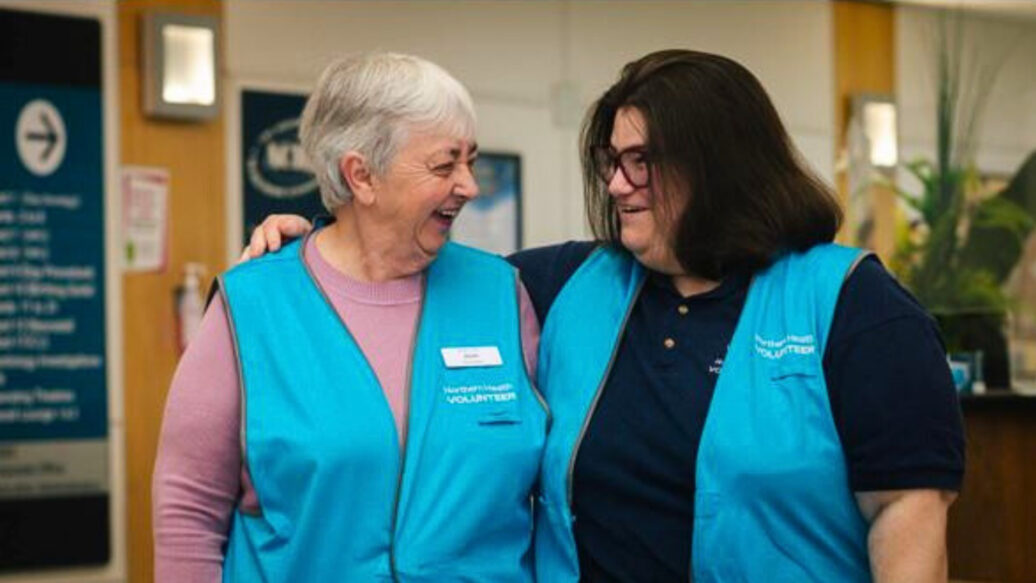
    As you walk through the hallways of the main hospital at Northern Hospital Epping, you will notice the beautifully framed photographs of our staff doing what they do best; caring for each other and their patients. There is one such photo on the ground floor, close to the lifts, of three of our dedicated volunteers. And, while one of them is no longer with us, her gentle smile and the soulfulness of her eyes will be remembered by all who were privileged to make her acquaintance.

    Joan Stroud was born in 1948 and passed away on 24 August 2024 after a relatively short battle with cancer. She was a volunteer until the end, and will be missed by Northern’s volunteer cohort, the volunteer services team, and the Foundation team. Joan’s gentle demeanor coupled with her sharp wit made her a friend to everyone. Her loyal service was appreciated by staff, patient and visitors alike. She was always willing to go above and beyond in her capacity as a volunteer, and was an all-round good human being.

    Joan joined Northern Health as a volunteer in 2019 and has supported many areas of the hospital, including Women’s and Children’s Services where she put together the ‘green books’. She also looked after lost property for the Emergency Department and helped with HITH admin, and fundraising activities.

    Henni Wade, Manager, Volunteer Services paid special tribute to Joan saying, “Joan was very crafty and her footy themed soft toys were popular with both adults and children. Joan was a fabulous help during COVID lockdowns and put together hundreds of COVID testing kits for the hospital and made ear savers and face masks for the community. She wanted to continue to give and help others wherever she could”.

    “It brought much joy to Joan to help and care for others. Rest in peace our beautiful Joan. We will miss you”, said Henni.

    Natalie Carroll, Volunteer Services Co-ordinator, knows how much Joan will be missed by her peers, particularly those who worked alongside her on a Thursday.

    “Some Thursdays, they focused on their set tasks, while other days, they set aside their volunteering tasks to support each other through life’s journey.”

    “Our volunteers have an amazing ability for fostering a safe and supportive community for one another. We were privileged to have Joan in our team. Her beautiful smile and her kindness will be missed by all she met and helped along the way”, said Natalie.

    “Joan loved being a volunteer and was very dedicated to the role. She embodied what it means to be a volunteer. She was giving and selfless and always demonstrated the Northern Health values of safe, kind and together in her interactions”, reflects Pina Di Donato, Executive Director, Public Affairs and Foundation.

    Joan’s photo will serve as a reminder of the wonderful person who gave of her time to walk the halls of Northern Health, looking for ways to contribute and to help others. If you happen to walk past Joan’s photo, take a moment to smile. She would love that!

  • Bring joy to work this R U OK? Day

    Bring joy to work this R U OK? Day

    Today is R U OK? Day, a national day of action to remind everyone that every day is the day to ask ‘R U OK?’

    It’s a day to reach out to your family, friends, loved ones and colleagues to have a meaningful conversation, and to ask the important ‘R U OK?’ question.

    Caring for others is the first act that goes to the core of our humanity. It is also at the heart of our Northern Health values of Safe, Kind and Together. This makes it vital that we look out for each other and extend our care to those with whom we work side-by-side.

    Northern Health is strengthening our culture of care through embedding ‘Joy in Work’ initiatives to support our staff and recognise their amazing contributions.

    Here are some recent examples of staff bringing joy to the workplace:

    Women’s and Children’s Nursing Division

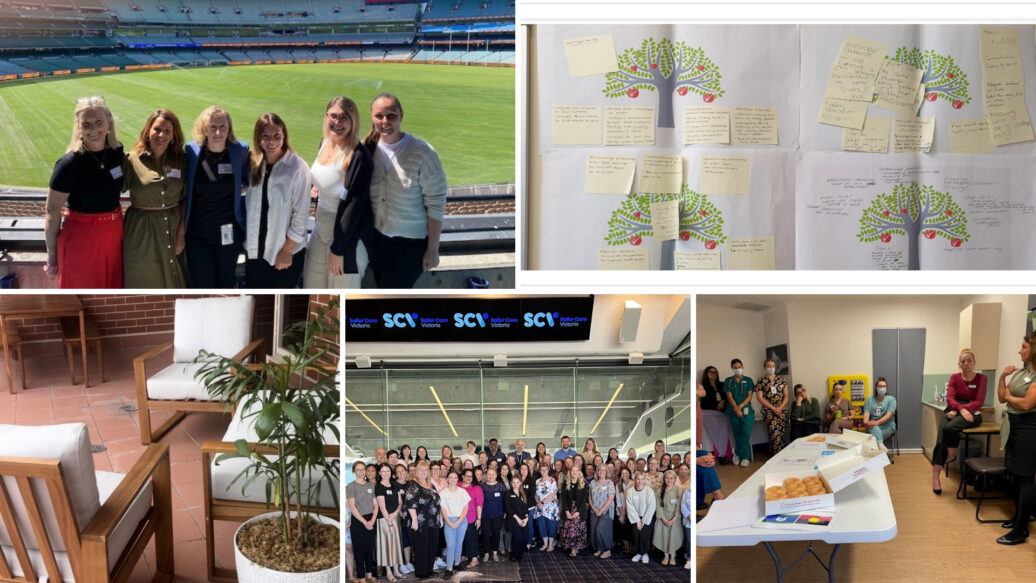
    From April 2023 to June 2024, OHS Wellbeing and People Experience supported the Women’s & Children’s (W&C) Division to participate in the Wellbeing for Healthcare Workers Initiative (WHWI).

    This was a state-wide initiative facilitated by Safer Care Victoria and the Institute for Healthcare Improvement which aims to improve staff wellbeing by reducing burnout and increasing joy in work. The Joy in Work Framework encompasses nine domains including physical and psychological safety, wellness and resilience, and camaraderie and teamwork.

    Staff completed monthly surveys and participated in ‘What Matters To You’ conversations to identify barriers to joy in work and make suggestions on how these might be improved. Monthly afternoon teas led by Directors and Nurse Unit Managers were established for staff from different areas to get together and provide feedback whilst receiving important updates and recognition of achievements.

    Strategies to increase Joy in Work

    Based on staff feedback, equipment ‘shopping lists’ were introduced in wards to assist with ordering items essential to patient care.

    One staff member noted, the shopping list is a good initiative where we can request equipment that will help our patients and make work easier.”

    An employee-centred rostering system has been trialled to give staff more control over their rostering in line with personal preferences. Other change ideas implemented include an outdoor area for staff and a safety culture statement that is read at the beginning of each shift for nursing and medical staff.

    As one staff member noted, reading the safety statement creates a nice feeling and brings the team together before we get our handover.”

    Overall, the project saw a nine percent improvement in joy in work and a 14 percent decrease in burnout.

    Seda Kiroglu, Maternity Unit Manager reflects on what Joy in Work means to her.

    “Joy in work for me means coming in to work and being able to provide a safe, respectful and supportive space for my colleagues and team. The initiative gave me an opportunity to provide this space and work together with the team to achieve it. My cup is full when I know that those around me are physically and psychologically safe at work.”

    The Women’s and Children’s team continue to sustain the improvements and engage with staff at monthly afternoon teas.

    “Participating in the project was a truly rewarding experience that offered valuable insights. The staff demonstrated a high level of engagement from the beginning and were open and honest in their feedback, resulting in meaningful conversations about what truly matters and a strong sense of unity within the team,” said Alecia Caddy, Ward 2 Paediatrics Nurse Unit Manager.

    Mental Health Division (North West Area Mental Health Service)

    The Mental Health Division (NWAMHS) included the Joy in Work framework in the 2020-2024 Strategic Plan, with the Broadmeadows Inpatient Unit (BIPU) being the first team to roll it out.

    Although the framework is for staff, BIPU saw benefits that spread over the consumers they care for, as well as building joy and resilience, and making the unit a terrific place to work.

    Some of the fabulous staff activities include Feel Good February, Jolly July and Self-Care September. The team has embraced the Joy principles and continue to implement both simple and fun events as well as more operational changes that allow staff to feel safe and supported.

    CCU (Community Care Units – a residential step-down service) followed BIPU’s lead last year and are currently in the midst of creating their own unique joyful events and activities.

    Now it’s the turn of the community teams at Broadmeadows and Coburg who have commenced a survey to discover where each team is at with feeling safe and supported at work.

    The next step is to build on this understanding of our workplaces to develop actions, events, activities and behaviours that promote joyful workplaces. Both teams already enjoy opportunities to get together (be it an afternoon tea or Christmas in July).

    The Joy framework will help these teams enhance what is working well, as well as address deficits or weaknesses that have staff feeling unsupported or unhappy. The framework encompasses everyone – from the enthusiastic support of management all the way down to tireless part-time support staff – and is an opportunity to hear every voice and value every person.

    Thank you to all staff who participated and support these Joy in Work projects.

    Take a moment from your busy day to check in with a colleague or team member this R U OK? Day, and every day. Take joy in the caring and healing work that we all do and support each other in our contributions to the wellbeing of the community.

    Featured image: Staff implementing Joy In Work initiatives.