• Why Acknowledgement of Country matters to me

    Why Acknowledgement of Country matters to me

    As we conclude NAIDOC Week, Briana Baass, Chief Allied Health Officer and Partnerships, reflects on the significance of ‘Acknowledgement of Country’ and why we do it.

    I love my job. I feel really blessed to get to work with the variety of teams within this Division at Northern Health. There is such a rich and diverse pool of knowledge across the Division and I find myself learning new things from these teams every week.

    One area I find particularly rewarding is working with Narrun Wilip-Giin, Aboriginal Support Unit. They have been extremely generous with their knowledge in educating me about cultural protocols and cultural safety.

    As a part of my role, I have the honour of participating in discussions about how we can improve services for the Aboriginal and Torres Strait Islander community, including chairing the Aboriginal Advisory Committee, and the Victorian Aboriginal Health Service/Northern Health MOU Steering Committee.

    When I commence meetings and events that l am chairing, I start the session with an Acknowledgement of Country, as a sign of respect to the Aboriginal Traditional Owners of the land. It has been really important to learn more about this cultural protocol and understand why we choose to do this.

    This cultural protocol acknowledges that we are visiting the lands of Aboriginal people who have lived in specific areas over thousands of years. It allows me to acknowledge the original people of the land on which we are gathered. This protocol can be done by anybody including non-Indigenous people at the start of significant meetings or events, usually by the chair, prior to any business being conducted.

    The term ‘Country’ is at the heart of the cultural protocol and it is explained well by Professor Mick Dodson who says:

    “When we talk about traditional ‘Country’… we mean something beyond the dictionary definition of the word. For Aboriginal Australians … we might mean homeland, or tribal or clan area and we might mean more than just a place on the map. For us, Country is a word for all the values, places, resources, stories and cultural obligations associated with that area and its features. It describes the entirety of our ancestral domains. While they may all no longer necessarily be the title-holders to land, Aboriginal and Torres Strait Islander Australians are still connected to the Country of their ancestors and most consider themselves the custodians or caretakers of their land.”

    At Northern Health, we have a statement we can use for an Acknowledgement of Country and I like to use these at our divisional meetings, Standards CIC meetings, or other events that I chair. The statement being:

    “Northern Health acknowledges the Traditional Owners of the land, the Wurundjeri people, on whose land we are meeting on today, and pays respect to Elders past present and emerging; and to any Aboriginal persons present here today”. 

    All Northern Health sites are situated on Wurundjeri land.

    Recognising that I occasionally talk to a much broader audience across Australia, especially now that we have so many virtual events, I may use a more general acknowledgement as other participants may be in other parts of the country, and not on Wurundjeri land, such as:

    In the spirit of reconciliation we acknowledge the Traditional Custodians of Country throughout Australia and their connections to land, sea and community. We pay our respect to their Elders past and present and extend that respect to all Aboriginal and Torres Strait Islander peoples here today” .

    At times I will say: “Wominjeka”, which means ‘Welcome’ in Woiwurrung language, the language of the Wurundjeri people.

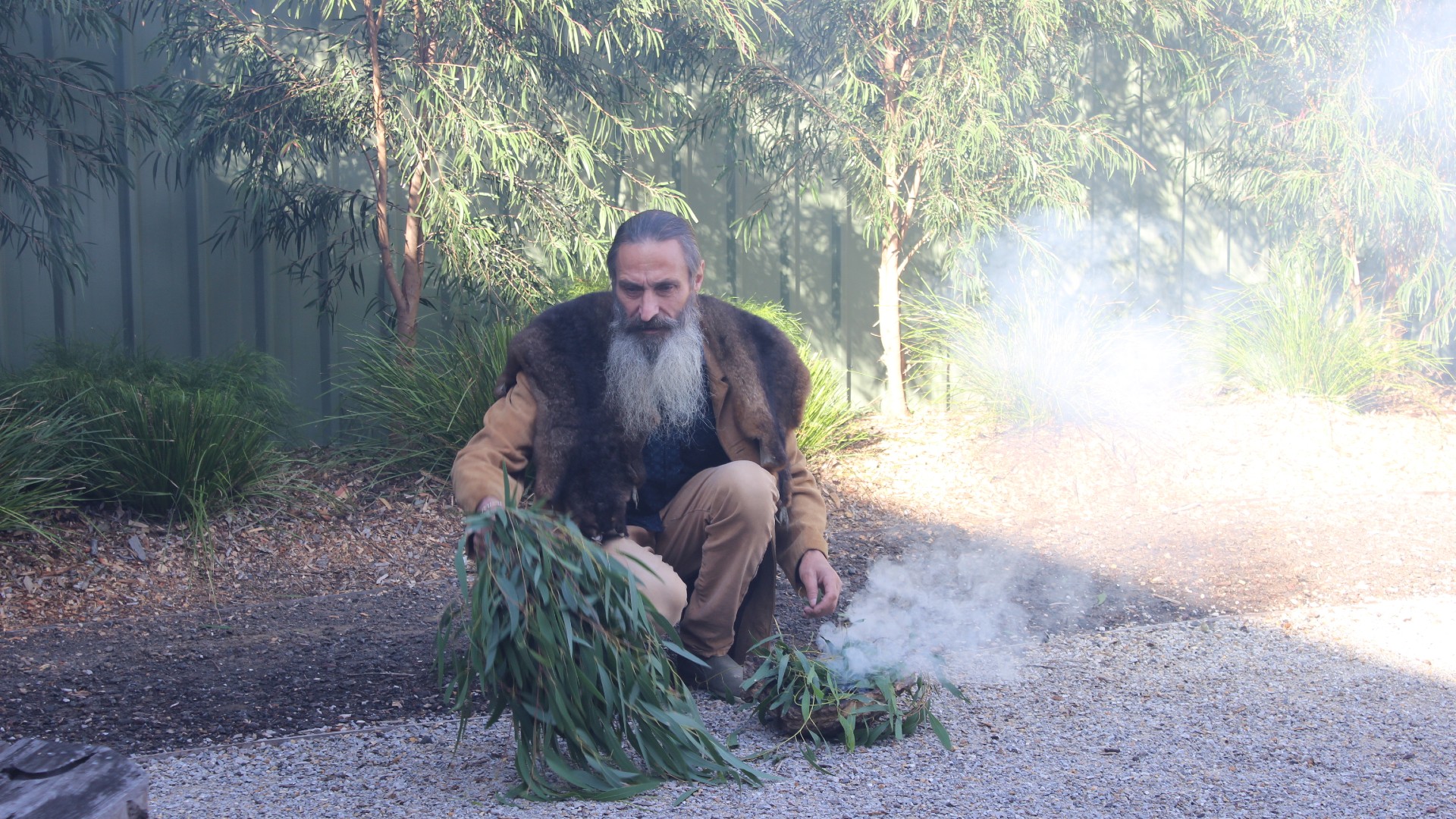
    Mainstream services must engage with Traditional Owner groups if they wish to have a formal “Welcome to Country”.  This can only be conducted by Traditional Owners or Custodians of a particular area across Australia. A Welcome to Country is often accompanied by a Smoking Ceremony to welcome people to their lands.

    I am enjoying learning more and more about these cultural protocols and I hope you will join me so that we can all take accountability for educating ourselves about First Nations people of Australia and their customs and practices.

    https://www.reconciliation.org.au/wp-content/uploads/2017/11/Welcome-to-and-Acknowledgement-of-Country.pdf

    Northern Health acknowledges the Traditional Custodians of the land on which Northern Health’s campuses are built, the Wurundjeri people, and pay our respects to Elders past and present
  • Dr Yiannis: Talk to your doctor about getting a COVID-19 vaccine

    Dr Yiannis: Talk to your doctor about getting a COVID-19 vaccine

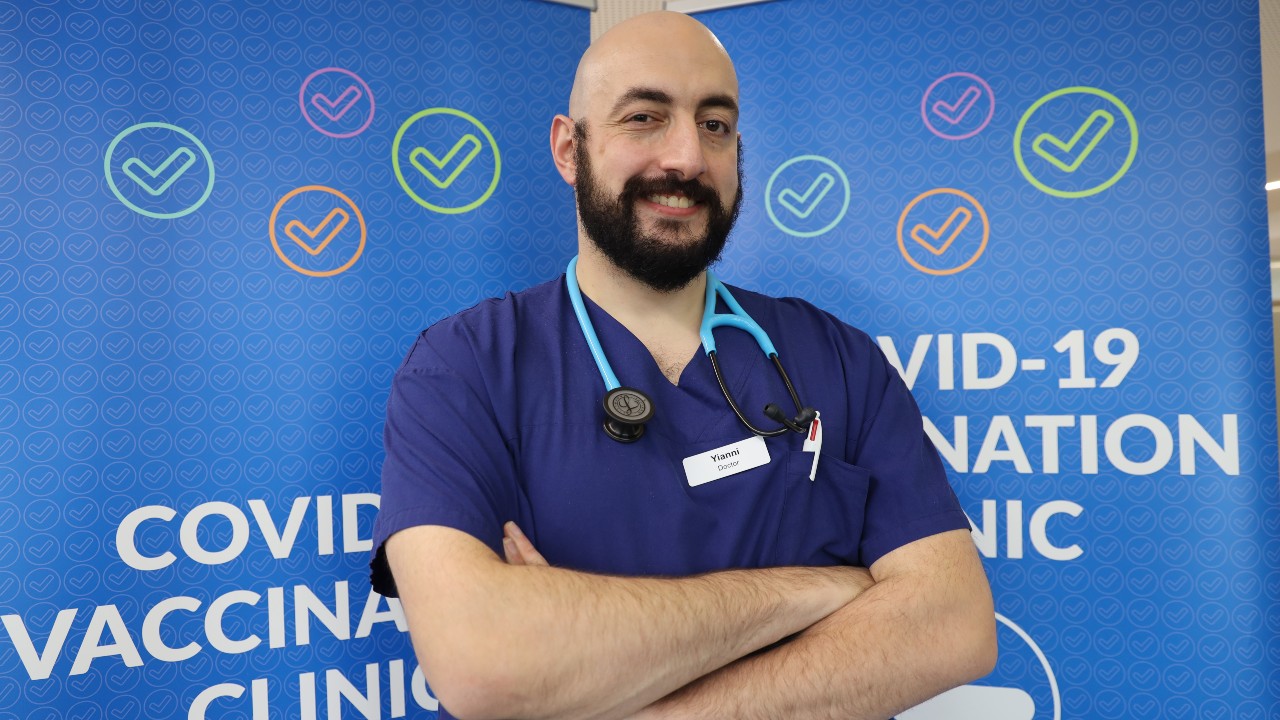
    Dr Yiannis Efstathiadis, Emergency Department Registrar, made headlines last year when he shared his story on contracting COVID-19 and ending up in the Intensive Care Unit (ICU) fighting for life. A year after, and now fully vaccinated, he looks back at the scariest time in his life.

    The 35- year old doctor had all the usual symptoms – fever, headache, muscle ache, joint ache, and worsening lethargy.

    “By about two weeks in, I started to get the dry, annoying cough and by the third week, I couldn’t look after myself. I was home alone, as I had to self-isolate. When I got too weak to look after myself, my wife had to call an ambulance for me,” he said.

    He was first admitted to the COVID-19 ward at Northern Hospital Epping, and during one of the vital checks, the doctors noticed his oxygen levels were 86 per cent. While different treatments were implemented, the levels wouldn’t improve.

    “Then the Intensive Care team came and said I needed to be intubated. I could see my levels, and I knew what the team was coming in for. Working in Emergency, I had a pretty clear idea where everything was heading,” he said

    Yiannis was breathing through the tube for three days. It was a difficult period for him and his family as he couldn’t have any visitors and his colleagues weren’t certain of his outcome. His wife, also a doctor at Northern Health, was the only point of contact for all his family members. Everyone was scared for his life.

    “I stayed in the ICU for four days and after waking up, I had to go to a ward for another couple of days. Then the slow recovery started,” he said.

    Yiannis had to do four months of physiotherapy to get back to normal. His body felt so weak that he couldn’t go up and down the stairs in his house.

    “All my muscles felt so weak and I had no energy. It was very hard to do anything. With my wife’s help, and once I was allowed out of home, we started going out for short walks. I went back to work six weeks after the ICU,” he explained.

    Luckily, Yiannis doesn’t have any of the long-term consequences of the virus and feels lucky to have fully recovered. In March this year, as soon as the vaccines were offered to staff, Yiannis was there to receive his.

    “I went to get my COVID-19 vaccine late March, on day one of staff vaccination. It’s important to get vaccinated and keep our loved ones safe. Even if it wasn’t just for me, if I had given COVID-19 to anyone else last year, especially family, that would be devastating. I have older grandparents, so many young cousins and people around me with underlying conditions that I couldn’t even imagine what would happen if they caught the disease,” he said.

    Yiannis would like to encourage everyone to have a discussion with their doctor and get vaccinated. “If you are hesitant, talk to someone about it and make sure you get your advice from healthcare professionals. Talk to people who know what they are talking about”.

    Please see his message to the community below in English:

    And in Greek:


  • Celebrating NAIDOC Week with children

    Celebrating NAIDOC Week with children

    This week marks NAIDOC Week, an annual event that acknowledges the history, culture and achievements of Aboriginal and Torres Strait Islander peoples.

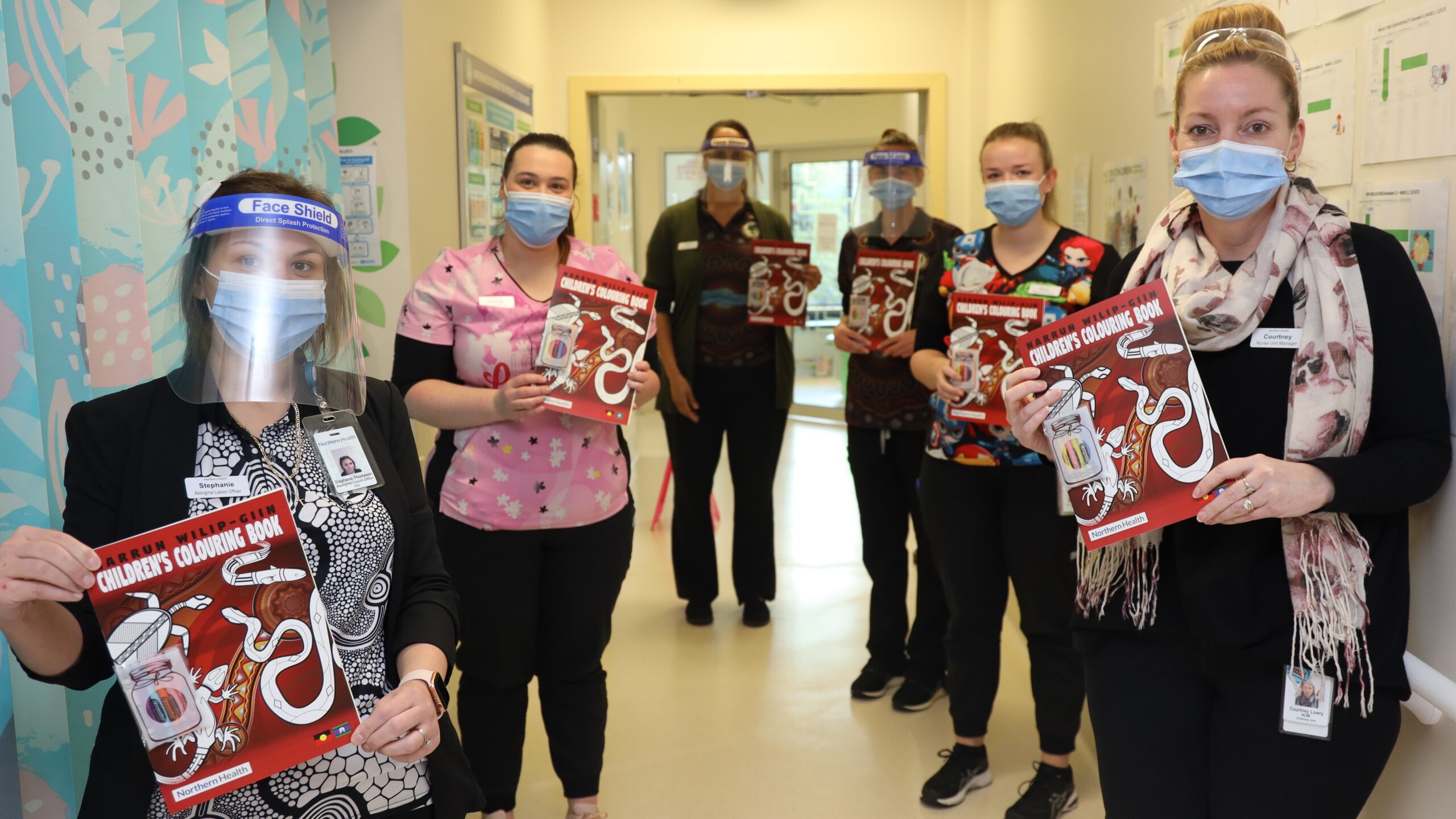
    To celebrate NAIDOC Week, Narrun Wilip-Giin (Aboriginal Support Unit), have kindly gifted Aboriginal designed children’s colouring books, supported by Northern Health Foundation, to all children in the Northern Hospital Epping Children’s Ward.

    The book’s artwork has been created by Gary Saunders, a proud Bangerang, Yorta Yorta, Wiradjeri, Dja Dja Wurrung man.

    In the book is a selection of animals, birds and symbols that are important to Aboriginal people, such as the Kangaroo. The Kangaroo is of cultural and spiritual significance to Aboriginal people across Australia. Their meat has been a source of protein over the centuries and their pelts were used for clothing, rugs, warmth and often crafted into water bags, for carrying water from water holes and rivers.

    The environment is important to Aboriginal people and culture. Karen Bryant, Senior Aboriginal Liaison Officer, said, “caring for country is also necessary for the health of the land”.

    Toni Gabelish, Aboriginal Liaison Officer, said the children were excited to receive the colouring book.

    “Seeing the look on those beautiful little faces receiving such a simple, yet lovely gift is very rewarding,” she said.

    Northern Health acknowledges the traditional custodians of the land on which Northern Health’s campuses are built, the Wurundjeri people, and pay our respects to Elders past and present.

    Levi, with Toni Gabelish, Aboriginal Liaison Officer (back) and Natalie Bloomfield, Clinical Support Nurse (front)

    Featured image: Narrun Wilip-Giin (Aboriginal Support Unit) with Courtney Lowry (far left), Nurse Unit Manager, Children’s Ward and nurses. 

  • Have you submitted your Big Idea?

    Have you submitted your Big Idea?

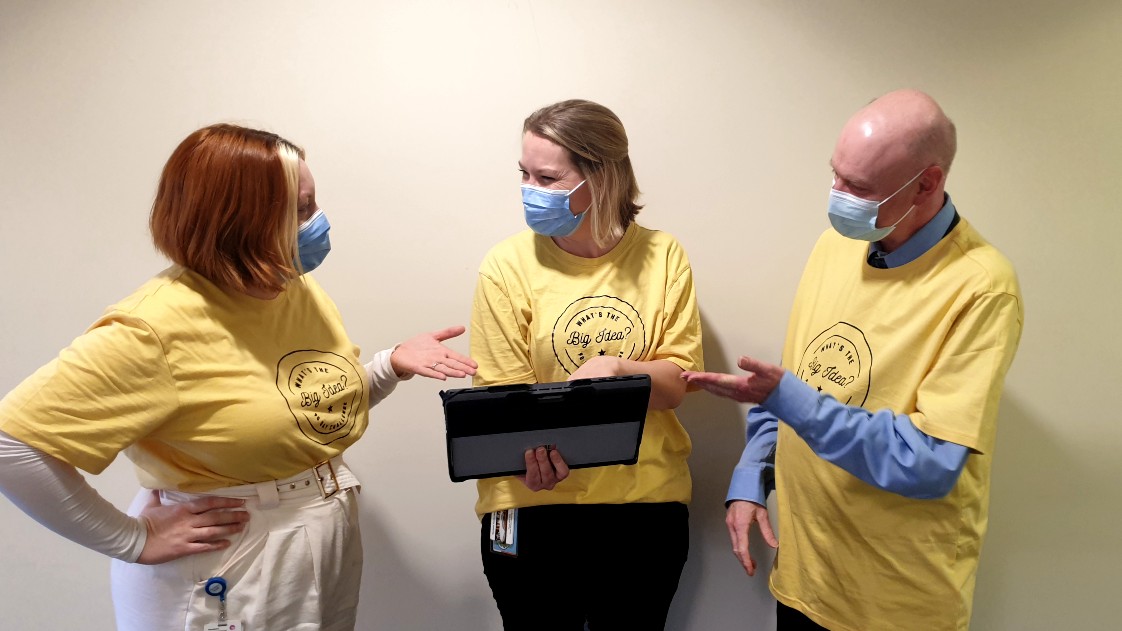
    ‘What’s the Big Idea?’ initiative, launched mid-June invites staff to submit their creative ideas that, if selected, will be turned into successful projects in just 90 days.

    It has been a busy two weeks on IdeaScale, Northern Health’s portal for innovation and idea sharing, with 45 creative and out-of-the-box staff ideas submitted so far.

    “We have quite a range of clinical and non-clinical ideas, a lot of tech ideas like apps and process redesign, ideas on utilising our volunteer service, garden and staff spaces, COVID-19 vaccination, linking with our community, refugee health and research,” said Cassie Bramston, Project Officer.

    “If you want to get your idea in, please submit it now. Even if you don’t have the idea, get on IdeaScale and have a look at the current ideas – you can vote for the ones you like, ask questions and express interest to join the team and make the idea happen,” added Ariana Carrodus, Project Manager.

    Once the idea submission stage is finalised, the ideas will go through the review process by the Innovation Assembly, who will choose the top 15 and then the team will go back and ask the staff member who submitted the idea for more information.

    “We are asking for things like data on the size of the problem, cost associated with implementing their idea, how many people will it impact and similar. If the person who submitted the idea has a support team, that is great, if not – it is fine too, as it’s our job to help staff work out who needs to be in the room to bring the project to life,” Ariana explained.

    “It will be Northern Health staff running the projects and implementing the ideas. If you put the idea in, you will be the one leading the project, with support from Project Management Office and access to experts, like Executive Coach, Business Manager and similar,” she added.

    Both Ariana and Cassie agree a variety of factors will decide on the winning ideas.

    “It’s not a popularity contest, as the Executive have a certain criteria against which all ideas will be measured against. While the staff voting will play a part, it won’t be the only deciding factor. We are looking at how many campuses the idea involves, what is the scale of the project, how many staff will it impact and how will it impact patient care,” Ariana explained.

    Anthony Gust, Director Staying Well, and a member of the Innovation Assembly for the second year in a row, says there is no bad idea and encourages staff to send any idea they might have.

    “We want everything! Last year, we were facing COVID-19, and there was lot of good ideas and innovation energy, that brought the Virtual ED triage, muscular-skeletal project and the EVE app. COVID-19 was forcing us to go digital and thinking about how we interact with our community not going face to face. People were really engaged in change and we are hoping the energy has rolled across to this year as well,” he said.

    Is your idea Human@centre, and has technology@speed and innovation@scale? Submit your big idea on IdeaScale by Wednesday, 7 July at 11.59 pm and good luck!

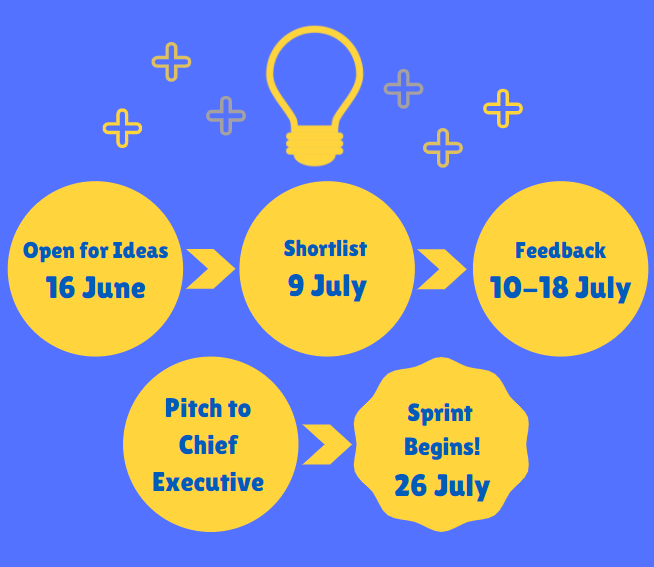
    The timelines are below:

  • NAIDOC Week 2021: Trinity Saxby’s long journey

    NAIDOC Week 2021: Trinity Saxby’s long journey

    NAIDOC Week recognises the history, culture and achievements of Aboriginal and Torres Strait Islander peoples.

    This year NAIDOC Week theme is ‘Heal Country’. It calls for all of us to continue to seek greater protection for our lands, waters, sacred sites and our cultural heritage from exploitation, desecration and destruction.

    As part of our NAIDOC Week celebrations, we had two eminent physicians – Dr Angela Dos Santos and Dr Graham Gee speak at a virtual Grand Round last Thursday.

    Angela spoke on the importance of providing more awareness about strokes in Aboriginal communities. Her presentation highlighted statistics that showed a high proportion of younger people among First Nations People are affected by stroke and are less likely to recognise the symptoms.

    Graham said NAIDOC Week was a “time to reflect on culture.” He spoke about Aboriginal mental health, social and emotional wellbeing and the importance of cultural determinants. He said culture was integral in the mental health assessment of Aboriginal and Torres Strait Islander peoples.

    The highlight of our NAIDOC Week celebrations at Northern Health is a virtual session by Nova Peris OAM on Wednesday, 7 July at 12 pm. To watch Nova’s presentation, please click here.

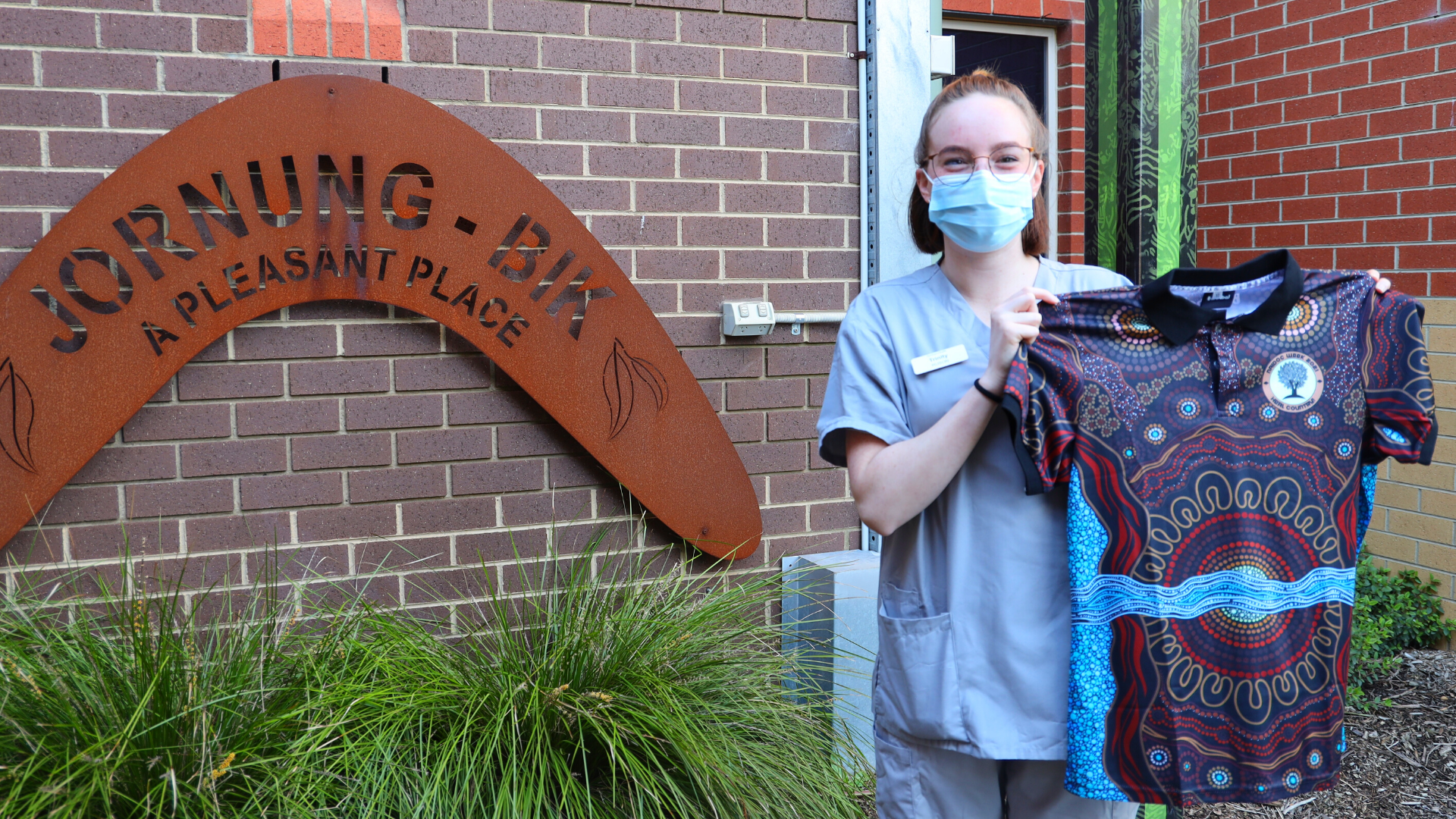
    Today we profile Trinity Saxby (pictured above), our newest recruit to the Northern Health Nursing Aboriginal Cadetship.

    Trinity is a proud Wulli Wulli woman from Theodore/Cracow in Central Queensland. Trinity grew up in a small town, 40 kilometres off country on Gangalu land.

    NAIDOC Week has always been important to Trinity and her mob. For as long as she can remember, her primary and high schools dedicated a day to celebrating NAIDOC Week.

    “My mob fought to be recognised as the  Traditional Owners of the land and eventually on Wulli Wulli land in 2014, we got our recognition in an official court hearing. Being granted the right to exercise autonomy over our land and practice cultural activities and ceremonies has given us more control over our land,” Trinity said.

    “It has allowed us to have a voice and the ability to protect our land in our local government in regards to activities like mining. Going forward we are aiming to regain native title over land outside the original clan as evidence of our ancestors have been discovered in the land bordering the original map.”

    “In 2015, after many years of tireless efforts, my mob was recognised by the Australian Federal Court as the Traditional Owners of over 180,000 hectares of land from Theodore up the Dawson River to Taroom.”

    Trinity says, “I have always known I wanted to be in the healthcare field, I just had to find one area I was most passionate about,”

    “Originally I wanted to be a doctor, however, after sitting for hours at my grandfather’s bedside in hospital watching the nurses work tirelessly to care for all the patients, I knew then and there what I wanted.”

    “This experience has stayed with me for years, growing my passion for nursing. Once I figured out what I wanted, I knew I had to work hard to achieve my goals.”

    “I enrolled myself into chemistry, biology and mathematics so I prepared myself for the challenge. I achieved a B+ on my first senior chemistry exam and was told by my grandma “you could do better.” Some may take this remark as hard, but I used it as fuel for my fire. I sat my QCS (Queensland Core Skills) test and nervously awaited my OPs (Overall Positions) score, knowing I needed an OP 13 (an ATAR above 70). I achieved my goal of getting an OP above 13 and was prepared to embrace the challenge that was university.”

    Coming from a small town, Trinity said she knew she wanted to branch out and leave her home to focus on achieving her lifelong goal of becoming a nurse.

    She originally told her family she was going fly to Singapore to study, but decided make the trek down to Victoria.

    “I knew Rockhampton and Brisbane were still too close, so Melbourne it was. I packed my belongings into my car and two weeks after graduating high school, I drove the long three day journey down to Melbourne. The distance is daunting to think about, however I knew it had to be endured to reach my goals,” Trinity said.

    Northern Health cadetship Aboriginal and Torres Strait Islander Registered Undergraduate Student of Nursing (RUSON) model offers Aboriginal and Torres Strait Islander students the opportunity to join Northern Health as an employee, work closely with a Registered Nurse or Midwife, and increase their knowledge and skills as they build their confidence.

    They get to apply their learnings directly, learning first hand and strengthening their work readiness – giving them much needed exposure to the work environment they will be joining.

    The first two RUSON’s have thrived in the culturally safe space that Northern Health provides. One has been recognised as Employee of the Month on their ward and the other has been recruited into the Aboriginal and Torres Strait Islander Graduate Program.

    Northern Health also has in place an Aboriginal and Torres Islander Graduate Program to support newly registered nurses and midwives as they transition to the profession. The first Aboriginal graduate nurse has successfully completed her graduate program and has gained employment at Northern Health.

    Penny Ramsden, Clinical School Coordinator, said the programs were designed to build both the skills and the confidence of the participants as future nurses and midwives, knowing the vital role they play in providing outstanding health care to the community.

    At the postgraduate level, Northern Health has continued to support employees in further studies. Aboriginal and Torres Strait Islander scholarships have added to their success and career progression, enriching Northern Health’s specialist nursing and midwifery workforce.

    All programs are sustained by a comprehensive supportive network of preceptors, mentors, nurse unit managers, educators, cultural peer supervision, sessions and study days, Nursing Workforce Unit, Aboriginal Support Unit and Department of Health and Human Services.

    Karen Bryant, Senior Aboriginal Health Liaison Officer, said the two programs, along with the postgraduate program, were an investment in the future, empowering Aboriginal and Torres Strait Islander nurses and midwives and increasing their confidence and competence in their chosen career pathway.

    For more information, on our NAIDOC Week celebrations click here.

    Featured image: Trinity Saxby with her NAIDOC Week 2021 t-shirt.

    Northern Health acknowledges the traditional custodians of the land on which Northern Health’s campuses are built, the Wurundjeri people, and pay our respects to Elders past and present.

  • Learn about training for EMR

    Learn about training for EMR

    A large part of the Electronic Medical Record (EMR) implementation across Northern Health is ensuring staff are adequately trained using the new system and are confident using it.

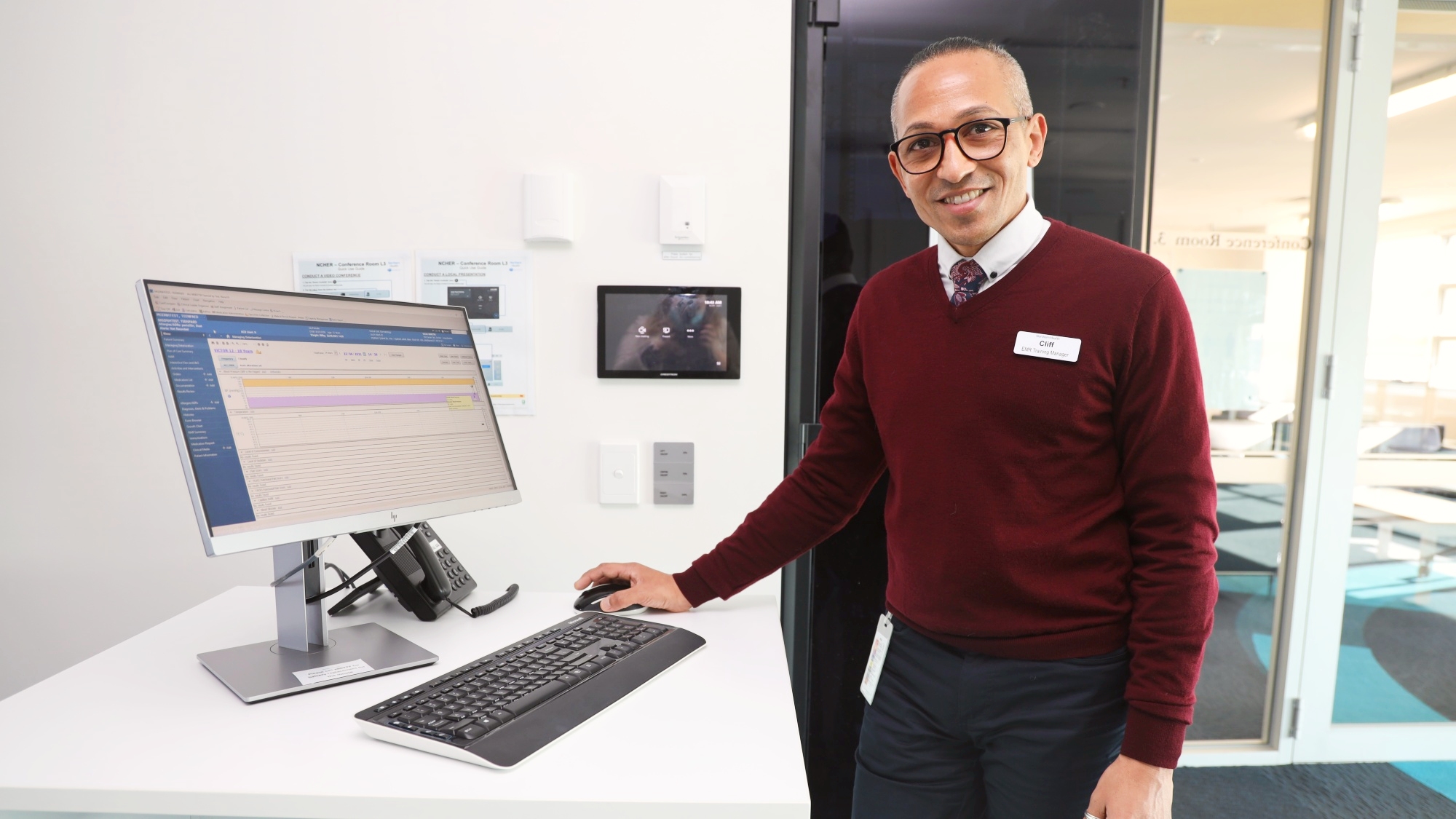
    Navigating Northern Health through EMR training is Cliff Wiltshire, our new EMR Training Manager.

    Prior to joining the Northern Health EMR Project, Cliff worked at Austin Health, delivering training to all clinical groups, from induction to the implement of new functionality within the EMR.

    “My knowledge of the clinical system, from design, implementation, and support, will help to provide a clear understanding of the current EMR functionality and how this will be incorporated in the day to day care of patients at Northern Health. Training will be delivered as ‘role-specific’ training that is focused on roles and responsibilities within the specific clinical environment,” Cliff explained.

    Cliff has recently developed the EMR training strategy and will be meeting with the Training Advisory Committee for further guidance on moving forward with training. The Training Advisory Committee is a collection of educators from throughout Northern Health, representing each clinical group including allied health, medical, nursing, clerical and HIS staff.

    Training will officially begin mid next year but, in the lead up, Cliff encourages end-users (staff who will be using the EMR) to start engaging with their EMR champions who have up-to-date information the EMR team are providing them month to month. Engaging with your champions is a great way to get involved. Also, check the EMR website regularly for latest updates on the project.

    Before training starts for end-users, the EMR team will be looking for super users – staff who will support end-users at go-live.

    “Staff who are thinking about being a part of the super user process, which is an ongoing support role, should bring this to the attention of their NUM early,” Cliff said.

    The final training program will include a full instructor-led program and may also incorporate some eLearning processes as well as simulations on the wards, so staff can become familiar with things like medication administration, using barcode scanners for positive patient identification, and processes for linking patient bedside monitors and IV pumps to the patient centralise EMR.

    One key message Cliff wants staff to understand is that “training is essential”. The EMR team are working towards a vision of ‘no training – no access’, as it is essential that staff have been trained adequately to ensure our patients receive the safest care.

    “Patients are at the centre of everything we do, so we need to ensure all of our documentation is done correctly, so the patient can be cared for and treated appropriately moving forward,” Cliff explained.

    In addition to this, Cliff wants staff to know, “training is going to be fun! It’s going to be as light as possible and will be essential to your work environment, so we will not teach you things that you won’t need to use – we’re going to focus on your environment and, therefore, focus on the most important things,” Cliff added.

    “Our training program will also be an environment where anything is possible – there are no stupid questions. If staff see me out and about in the corridors and they have a burning question, ask me the question – I am more than happy to answer it. No one should ever feel intimidated to ask a question.”

    Watch this space… more information regarding training will be provided in the coming months.

    Cliff conducting a presentation on training
  • 50,000 reasons to celebrate!

    50,000 reasons to celebrate!

    We are pleased to announce our COVID-19 Vaccination Program has hit a mighty milestone this week – 50,000 vaccines have been administered since the rollout began.

    Siva Sivarajah, Chief Executive, visited our COVID-19 Vaccination Clinic at the Plenty Ranges Arts & Convention Centre (PRACC) in South Morang this week to thank the hardworking staff and to celebrate the occasion.

    “A big thank you to our staff, volunteers and everyone involved for achieving this amazing milestone. Receiving a COVID-19 vaccination is an important step in keeping our community safe and I strongly encourage everyone who is eligible to receive a vaccine, to come forward,” Siva said.

    “By getting the COVID-19 vaccination, you are playing an important role in not only protecting your own health, but those around you as well. I am pleased to see the dedicated staff working together to vaccinate our community.”

    Luma Gashi, COVID-19 Vaccination Clinic Nurse Unit Manager, said it was rewarding to be able to assist in the vaccination program.

    “Our community is amazed and grateful for the service we have been able provide at PRACC. We are vaccinating about 1,000 community members per day,” Luma said.

    “It is important that our community continues to get their COVID-19 vaccines so we can protect each other and return to a COVID-normal life. A very big thank you to all who have been involved in the set up and rollout of the COVID-19 Vaccination Clinic at both Northern Hospital Epping and PRACC. Thank you to all the nurse immunisers, volunteers, concierge staff, security, ward clerks and management for all your hard work. A very big special mention to the pharmacy team who have worked very hard supporting the vaccine rollout and ensuring the vaccines are readily available for administration.”

    Dominic Ennis (pictured above), was our 50,000th patient to receive a COVID-19 vaccination. He said it was a big relief to be fully vaccinated against COVID-19.

    “It’s very important and I am very grateful that we’ve got a good health system so that we can get vaccinated. Follow the public health advice and do the right thing by everyone in our community, it’s pretty simple,” Dominic said.

    “There is a big sense of relief. I was saying to a colleague that I was excited.”

    Thank you to all of our dedicated staff, volunteers, the City of Whittlesea, and everyone who has received their vaccine, for playing an important role in helping to protect our community. We are all in this together!

    Our hardworking staff at the COVID-19 Vaccination Clinic
    Siva Sivarajah, Chief Executive, with Northern Health staff celebrating 50,000 vaccinations
  • A tale of two sisters at Northern Health

    A tale of two sisters at Northern Health

    On orientation day last month, 56 new graduate nurses and midwives began their Northern Health journey.

    The orientation consisted of a two day program, containing a mixture of theory and practice, covering important aspects such as occupational health and safety and wellbeing, infection prevention, safe patient handling, recognising the deteriorating patient, medication safety and basic life support. Time is also allocated to commence many of the mandatory competencies such as Fire and Emergency Training, Respecting One Another and Hand Hygiene.

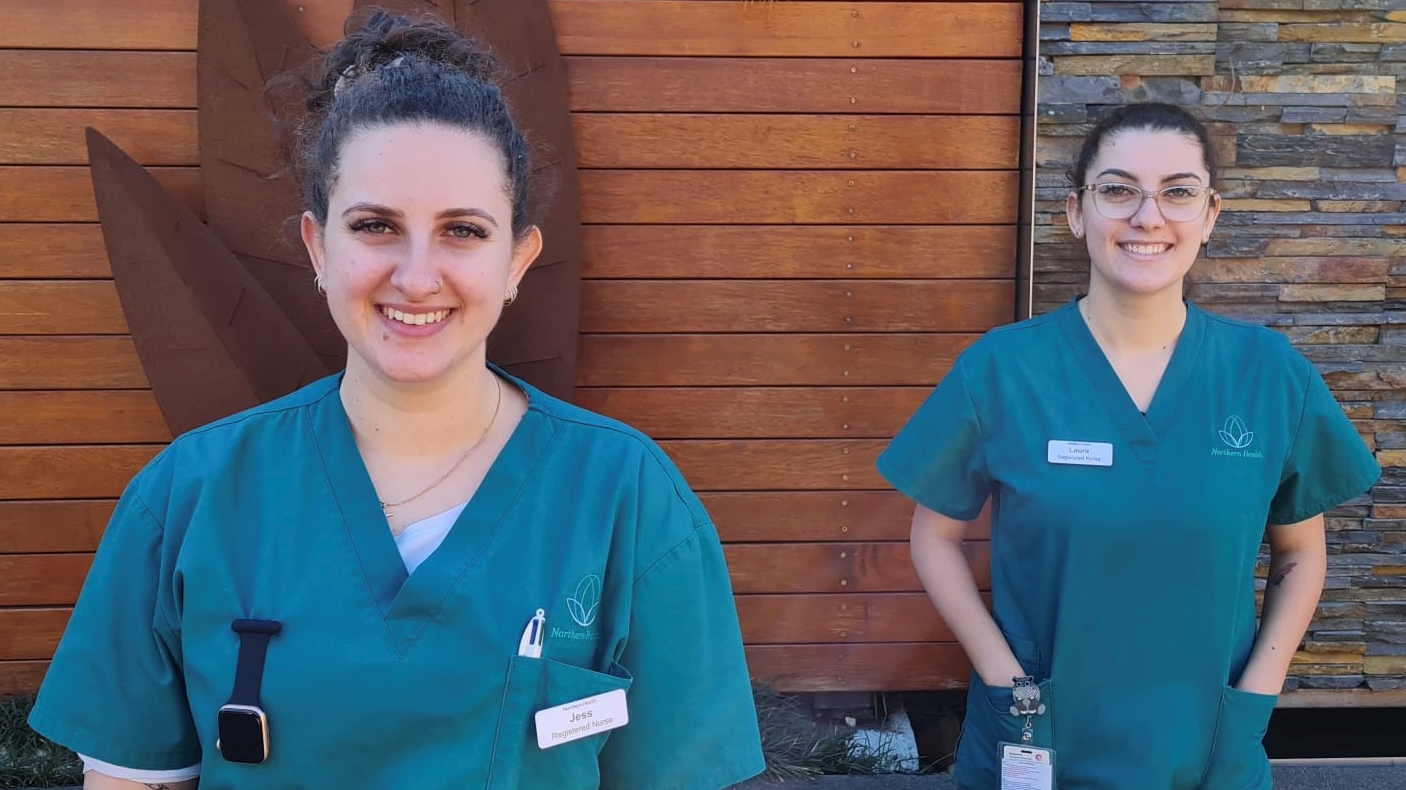
    Among the group who took part in the orientation are sisters Jessica and Laura Scuteri, who finished their studies together at Victoria University, and are both Registered Nurses at Northern Health.

    Laura said she enjoyed the experience of meeting people during the orientation who were just as nervous and anxious as she was about starting a new career.

    “I liked how Northern Health staff were approachable and willing to answer any questions no matter the topic,” she said.

    “From when I was young, I was always interested in the body and how it works. I liked the idea of helping people and helping them at their worst by being able to make patients’ days a bit brighter, and to be able to make their hospital stay a bit better. In 2016, my sister got very ill and was rushed to Northern Hospital. I loved the care that they had given and that was another reason that motivated me to be a nurse.”

    For Jessica, she always wanted to pursue a career in teaching or nursing. When she graduated from high school, she began a teaching degree but then became ill with Meningococcal Septicaemia.

    “Even though it was a tough road to recovery, it was a blessing in disguise. Every nurse that helped keep me alive until this day were all Northern Health employees. They all helped influence me to become a nurse at Northern Health,” Jessica said.

    “I’ve always been a helpful person. I enjoyed meeting new people at the orientation that were in the same boat as us. The practical component (simulations) during the orientation days were fun and very informative too.”

    Kate Duggan, Graduate Program Coordinator, said the COVID-19 pandemic affected the ability to recruit nurses into the program.

    “We moved all information sessions very rapidly to an online platform. This made it challenging for us to interact one-on-one with students and, I’m sure, made it challenging for students to get a feel for the health service that they should apply to for their Graduate Program,” Kate said.

    “Whilst Northern Health successfully filled all vacancies, we know that it was a daunting time for those applying for jobs during the pandemic. There were many disruptions to undergraduate clinical placements in 2020 and students could not attend lectures or tutorials in person for many months. We have acknowledged the effects this had on graduate confidence and we have offered additional support in the transition to the workplace.”

    Featured image: Jessica and Laura Scuteri