
• October is Breast Cancer Awareness Month

    October is Breast Cancer Awareness Month

    October marks Breast Cancer Awareness Month, which helps to raise awareness of the disease, educate about its symptoms and prevention and fund research into causes, treatment, and cure.

    Since the campaign’s inception in 1985, rates of diagnosis have been increased, while mortality rates have continued to fall.

    Northern Health’s Breast Care Nurse Consultant, Cheryl Murray, noted, “Early detection is key. The sooner the cancer is identified, the sooner treatment options can be explored.”

    Advancements in imaging and treatment have meant that patients receive a truly tailored care plan allowing patients to live longer and fuller lives, with overall figures sitting around 92 per cent life expectancy beyond five years post diagnosis.

    In 2022, the risk of being diagnosed with breast cancer over your lifetime was one in seven for women and one in 555 for men. Around 75 per cent of new cases were diagnosed in women aged 50 and over.

    “BreastScreen Australia figures show that 60 per cent of cancers detected were less than 15 mm in size, while only 28 per cent of cancers of the same size were found using non-screen detection methods. Regular breast screening is vital, but knowing ‘your normal’ is important too. Breasts come in all different shapes and sizes, so be breast aware,” Ms Murray said.

    Look

    Look at the shape and appearance of your breasts and nipples in the mirror with your hands by your sides and then above your head.

    Feel

    Feel all of your breast and nipples, looking for anything that isn’t normal for you. Feel from your collarbone to below the bra line and under your armpits.

    Learn 

    Learn what is normal for you. See your doctor if you notice any changes.

    “The ‘Know your lemons’ campaign is a great way to help visualise changes in your breasts without being too confronting, in language that is easy to grasp,” Ms. Murray added.

    Know your Lemons logo


    BreastScreen Victoria provides free mammograms to women and trans and gender diverse people with no signs or symptoms of breast cancer between the ages of 50 and 74. If you’re in the 40 – 49 age bracket BreastScreen Australia has a free screening program available. Click here to find out more.

    To hear more about Cheryl and the wonderful work being done by Northern Health’s breast care team, tune in to the latest episode of Visiting Hours available here, or wherever you listen to your podcasts.
  • We are Northern: This is the Lived Experience Workforce

    We are Northern: This is the Lived Experience Workforce

    October is Mental Health Awareness Month. Today we showcase our Lived Experience Workforce, a key service and feature of our Mental Health Division. It comes from the recognition that those who are living with or lived through mental illness, have a unique insight that can help others going through it.

    Olivia Hatchman and Christopher Ferguson manage the Consumer Lived Experience Workforce. Says Olivia, “Lived experience workers have had life-changing personal experiences with mental health and/or alcohol and other drug use. After a period of healing and recovery, they are now employed in diverse roles to use their ‘lived’ expertise to help other people accessing our services.”

    Adds Christopher, “Ultimately, it is about how a person’s experiences with mental health are understood and applied to benefit others. This inclusion of a person’s lived experience is also in line with the recommendations of the Royal Commission into Mental Health.”

    Lived experience roles are varied and include positions providing direct support, advocacy, management, research, education, training and consultation on projects and initiatives. Our Lived Experience Workforce help tailor the design of service delivery to incorporate the experience of consumers, families and carers. This allows for more collaborative care where clinicians gain a better understanding and insight into the experiences of the people they are supporting.

    Chris and Olivia work closely with other mental health staff to co-design and contribute lived experience perspectives in the design and delivery of our mental health service, in addition to promoting and providing training for the consumer/carer workforce. Both are proud of the development and involvement of the team, in supporting consumers accessing the new mental health inpatient unit at Northern Hospital Epping.

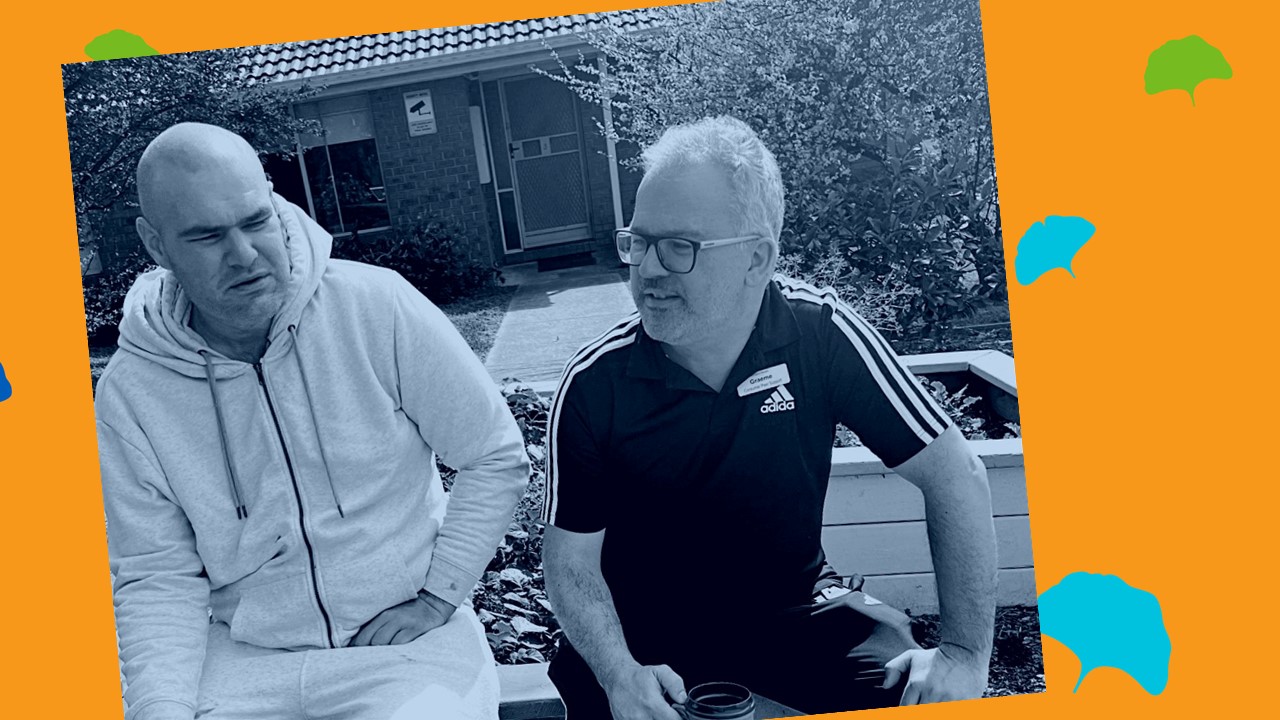
    Graeme Bryan, a Consumer Peer Support Worker says, “I enjoy the connections I make through our shared lived experience.”

    Shannon Hansen, a resident of our Community Care Unit, says, “Peer support inspires me and makes me want to do this work in the future. Graeme and I provide support to each other, and I have learnt that living with a mental illness isn’t easy and that is okay.”

    Oliva and Chris say the most rewarding part of their job has been watching the Lived Experience Workforce grow. They say, “It all started with one consumer in a lived experience role and now we have over 50 positions, which is a huge achievement and a sign of the changing times! We are very grateful for Northern Health’s continued support for our emerging workforce and representation at all levels of governance.”

    Belinda Scott, Executive Director, Mental Health, says, “The Lived Experience Workforce provide invaluable support to carers, supporters and clinical colleagues. Our consumer’s experience of care is enriched through their collaboration and support.”

    Featured imaged: Shannon Hansen and Graeme Bryan.

  • Mental Health Month: 5 Ways to Wellbeing

    Mental Health Month: 5 Ways to Wellbeing

    Mental Health Month is a national event that happens every October and aims to improve community awareness and interest in mental health and wellbeing.*

    As one in five Victorians experience mental health issues in any given year, community mental wellbeing is fundamental to our quality of life.

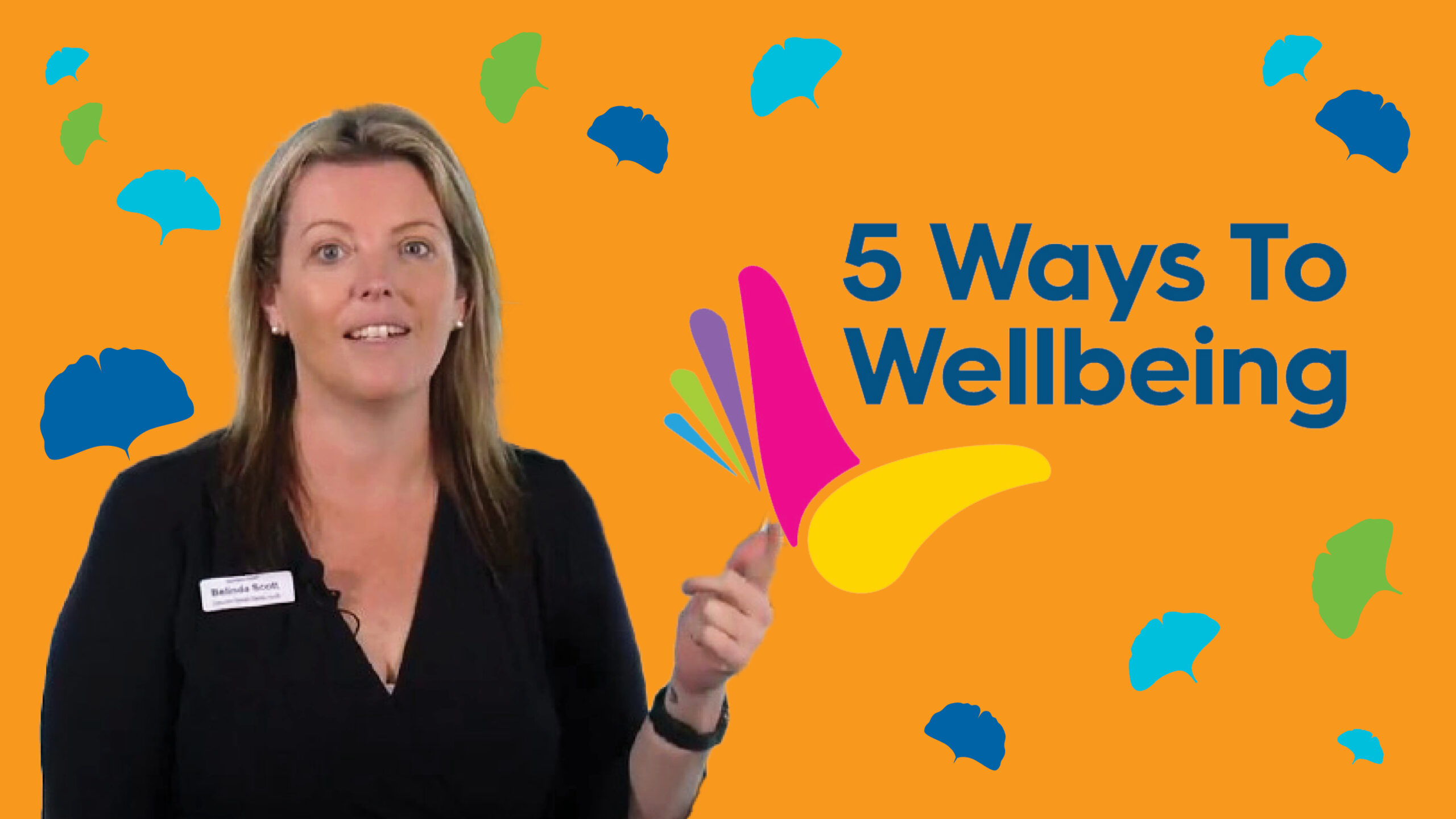
    Today we highlight,5 Ways to Wellbeing’, an international awareness-raising and action orientated health literacy campaign to spread the word about five simple and effective things individuals can do to help protect and promote their mental wellbeing.

    These evidence-based actions are:

    • Connect
    • Be Active
    • Keep Learning
    • Be Aware
    • Help Others.

    Nicola McKay, Community Development – Mental Health Support, Hume Community Team, Wellbeing & Recovery, says, “Northern Health is embarking on a process to develop resources that better address mental health and wellbeing in our CALD communities. We will be sharing updated messaging that enhances the broader community’s understanding of mental health and wellbeing and how to use these five simple ways that build mental resilience and improve mental wellbeing.”

    “This means that all communities we have the privilege of looking after will have access to the 5 Ways to Wellbeing program.”

    States Belinda Scott, Executive Director, Mental Health, “It is important to take a moment each day, to focus on your thoughts and feelings, so that you can reduce your stress and enjoy the good things around you. Give the five a try – it is easier than you think!”

    Please visit the website here: 5waystowellbeing.org.au

    *This week also marks Borderline Personality Disorder Awareness Week. People living with Borderline Personality Disorder (BPD) often experience stigma and discrimination which remains a significant barrier to accessing appropriate care.

  • The Green Team at Northern Health

    The Green Team at Northern Health

    “The greatest threat to our planet is the belief that someone else will save it,” – Robert Swan, British author, explorer and activist.

    In the heart of Northern Health, a dedicated team of healthcare professionals has embarked on a journey that transcends the boundaries of healthcare and resonates with the very essence of our planet’s wellbeing.

    The Green Team is a self-organised, multidisciplinary group with a focus on improving green practices within various departments. The team involves medical practitioners, nurses, physiotherapists, social workers, occupational therapists, as well as clerical and administrative staff with a high interest in sustainability. It currently has 30 team members who operate on a volunteer-based approach, and therefore, the initiatives implemented are surplus to the staff’s own work demands.

    Within the Northern Hospital Epping Emergency Department, the team has been led by various members for approximately six years, but has changed leadership, as well as objectives across this time, mainly due to the pandemic.

    In 2023, the team has a number of initiatives that are recycling-focused, such as collection of empty medication blister packs, coffee pods, batteries and partially opened or expired consumables. Once collected, they are then either donated to local centres, such as the wildlife centre for consumables, or sent to established recycling centres such as pharma cycle for medication packets.

    The Green Team also works closely with the Equipment Team at Northern Health to promote sustainable products being used within the department, such as paper medication cups and sugarcane kidney dishes. The main idea is to try and reduce the use of plastic, and where it cannot be reduced, try and reuse or recycle, as best as possible.

    “A new project we are hoping to implement with the support of the Senior Medical Staff Association is usage of reusable coffee cups across the hospital – so watch this space!” says Esther Welsh, Critical Care Registered Nurse, Northern Hospital Epping.

    One of the main objectives of the Green Team is to create awareness on green-related themes within the health service.

    Moving forward into 2024 and beyond, they hope to work in tandem with Northern Health on a wider scale, so that the current initiatives can be implemented across the entire health service.

    The team is also aware that some departments have their own projects and therefore, they would like to collaborate with them to help make Northern Health more sustainable in many ways.

    “I think that the biggest obstacle we have is the notion that our actions are small and don’t matter, but our energy ripples all around us. I truly believe that even the smallest of actions towards sustainability can create meaningful change,” said Dr Lavania Balakrishnan, ED Registrar, Northern Hospital Epping.

    For more information or to join the team, please contact NHE-GreenTeam@nh.org.au

    The Green Team logo

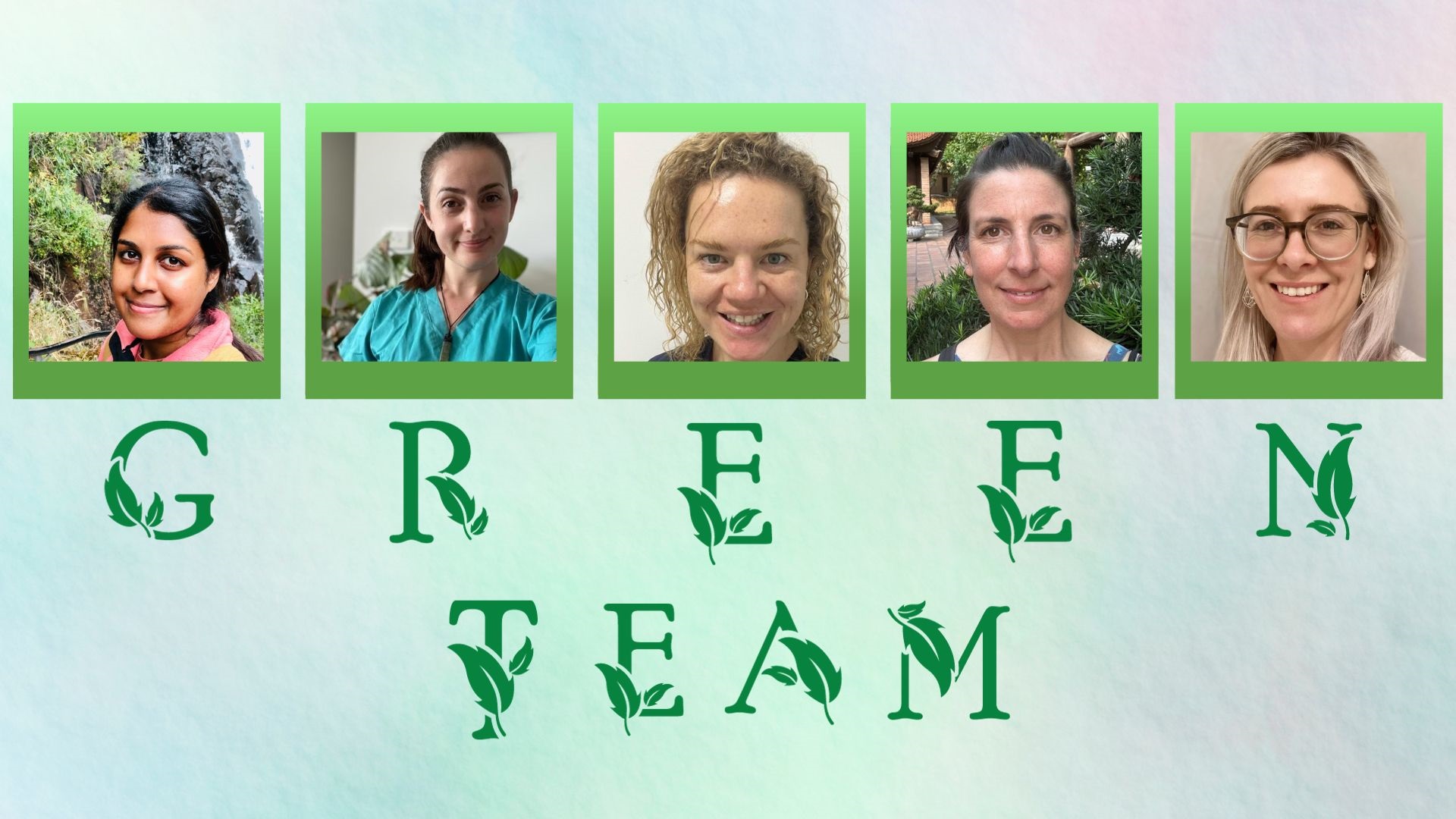
    Pictured in featured image (L-R): Lavania Balakrishnan, Esther Welsh, Ella Riley, Sara Melvin and Sarah Howard.  

  • Ten years of renal services

    Ten years of renal services

    Northern Health Renal Service has come a long way since its inception 10 years ago.

    Cheryl Rofe, NUM Inpatient Dialysis Unit (IDU) and Epping Satellite Dialysis Unit, stated, “Renal dialysis at Northern Health commenced as a small satellite unit from the Royal Melbourne Hospital,” she said.

    “Dr David Barit, Head of Nephrology, developed a case for a four-bed inpatient dialysis unit, in what is now Ward 4. As Northern Health grew, the need for the health service to have its own renal hub emerged. We now have a 12-bay inpatient unit and satellite units in Epping, Broadmeadows and Craigieburn, along with the Home Dialysis Training Unit.”

    “Prior to 2013, only one patient per day, was able to receive dialysis at the Northern Hospital Epping. Support services for patients with chronic kidney disease and end stage kidney disease were close to non-existent,” Dr Barit said.

    These services have now increased to support over 200 dialysis patients, and approximately 1,200 patients in our renal outpatient clinics. A record 50 patients are now receiving dialysis at home.

    In August 2013, Northern Home Dialysis Training Unit (HDTU) opened at Epping Private Medical Centre.

    Priscila Angeles, NUM, HDTU, says, “When I started, home dialysis had about 24 patients. Not a lot of patients were interested in having home dialysis at that time. However, we saw a significant increase in interest during COVID-19, as patients wished to have their treatment in the safety of their own home.”

    Priscila believes that patient education is a key factor in assisting patients to choose which treatments best suit their needs.

    “In the last two years, there have been marked improvements in patient satisfaction. This has motivated the staff to work even harder to maintain care and safety of an increasing number of patients at home. Along with Northern Health reaching 10 years as a Renal Service Hub, HDTU has proudly reached the big 50 in patient numbers!”

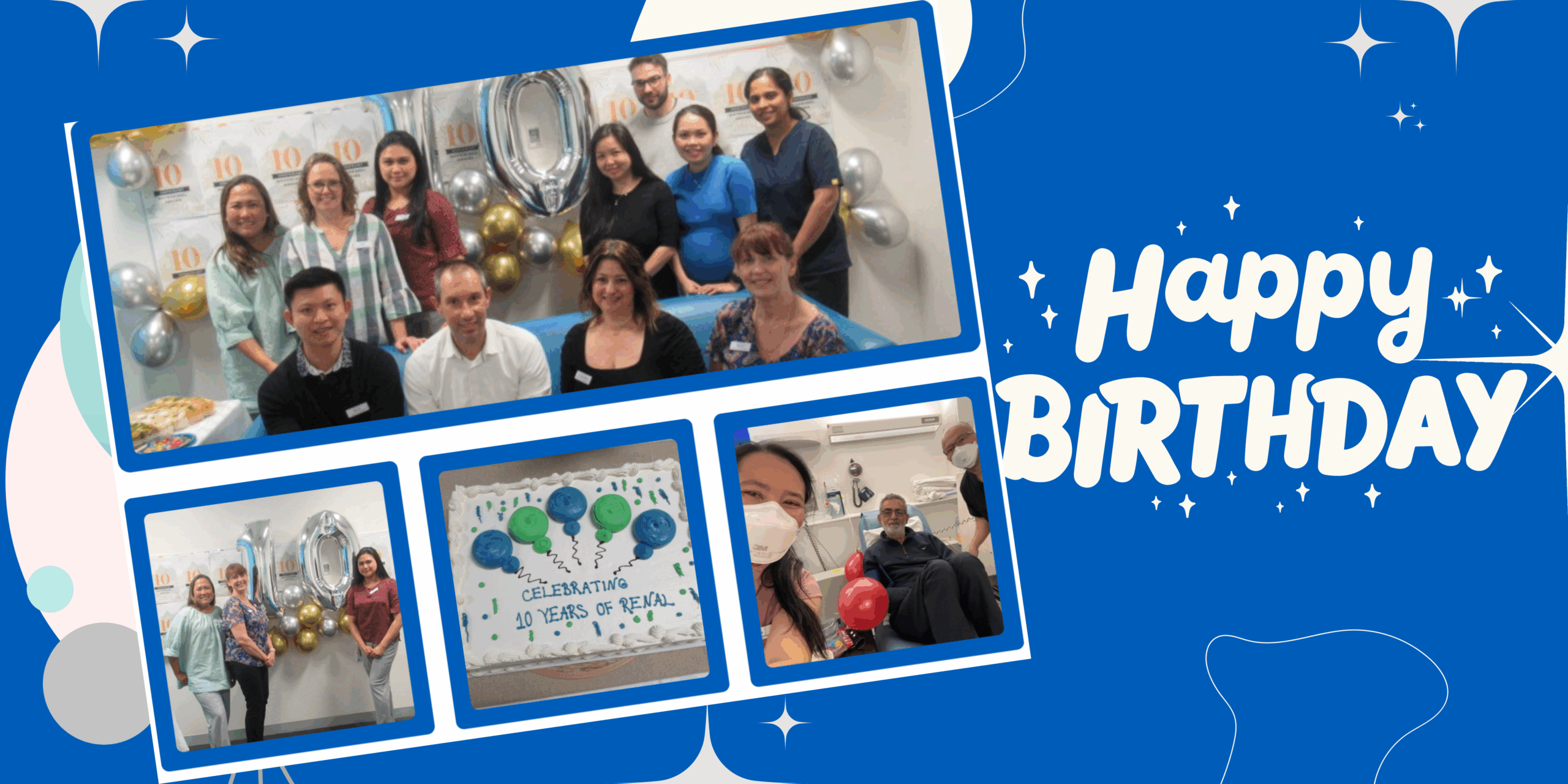
    Main image shows:

    Front row L-R: Henry Tran (Chronic Kidney Disease Coordinator) Dr David Barit (Head of Nephrology) Lucia Bento (Site Director/Director of Nursing, Broadmeadows Hospital, Craigieburn Centre and Renal Services) Cheryl Rofe (NUM Epping).

    Back row L-R: Priscila Angeles (NUM HDTU), Judy Harris (Dialysis Co-ord), Aileen Tan (NUM Broadmeadows Hospital/Craigieburn Centre), Shiela Balakas (RN HDTU), Mario Besic (Renal Pharmacist), Mabelle Yosores (RN HDTU), Lincy Paul (RN HDTU).

    Inset: Faridah Mercado, RN and Troy Vergara RN with a Kilmore haemodialysis patient.

  • Making it easy to make healthy choices

    Making it easy to make healthy choices

    Northern Health staff, visitors and patients will soon have healthier food options on offer.

    In a state-wide effort to improve the availability of healthy food and drink choices at public hospitals and health services, the Victorian Government is leading the Healthy Choices Policy Directive for Victorian Public Health Services.

    Through specific guidelines and targets, the policy ensures a greater number of healthy food and drink choices are on offer at health services, with the policy aiming to improve the health and wellbeing of staff, visitors and patients.

    In September 2022, changes were made to all vending machines and catering services across all Northern Health sites, ensuring they offer more healthy drink options, do not sell high-sugar drinks and limit artificially sweetened drinks.

    Following on from this, and from Saturday, 30 September 2023, vending and in-house food retail outlets will offer at least 50 per cent ‘green’ food options and no more than 20 per cent ‘red’ food options available. These changes are in line with the policy directive targets in offering healthier food and drink options.

    Lisa Cox, Chief Nursing and Midwifery Officer, and Executive Sponsor for Healthy Choices at Northern Health, is working with key Northern Health staff to ensure healthier food and drinks are offered across all our vending machines, catering and food retail outlets.

    “The Healthy Choices Policy allows Northern Health to support the surrounding community and catchment, demonstrating the priority and benefits of health promotion. Health promotion, incorporating policies such as Healthy Choices, lead to improved and better lifestyles and decision making,” she said.

    Working closely with food providers, including Northern Health’s vending machine provider Provender, Henry’s Cafe and Cafe 1231, Northern Health is proudly working towards offering healthier options for its staff, visitors and patients.

    Next time you visit one of the Northern Health sites, keep an eye out for our increased range of healthier food and drink options that have been made available.

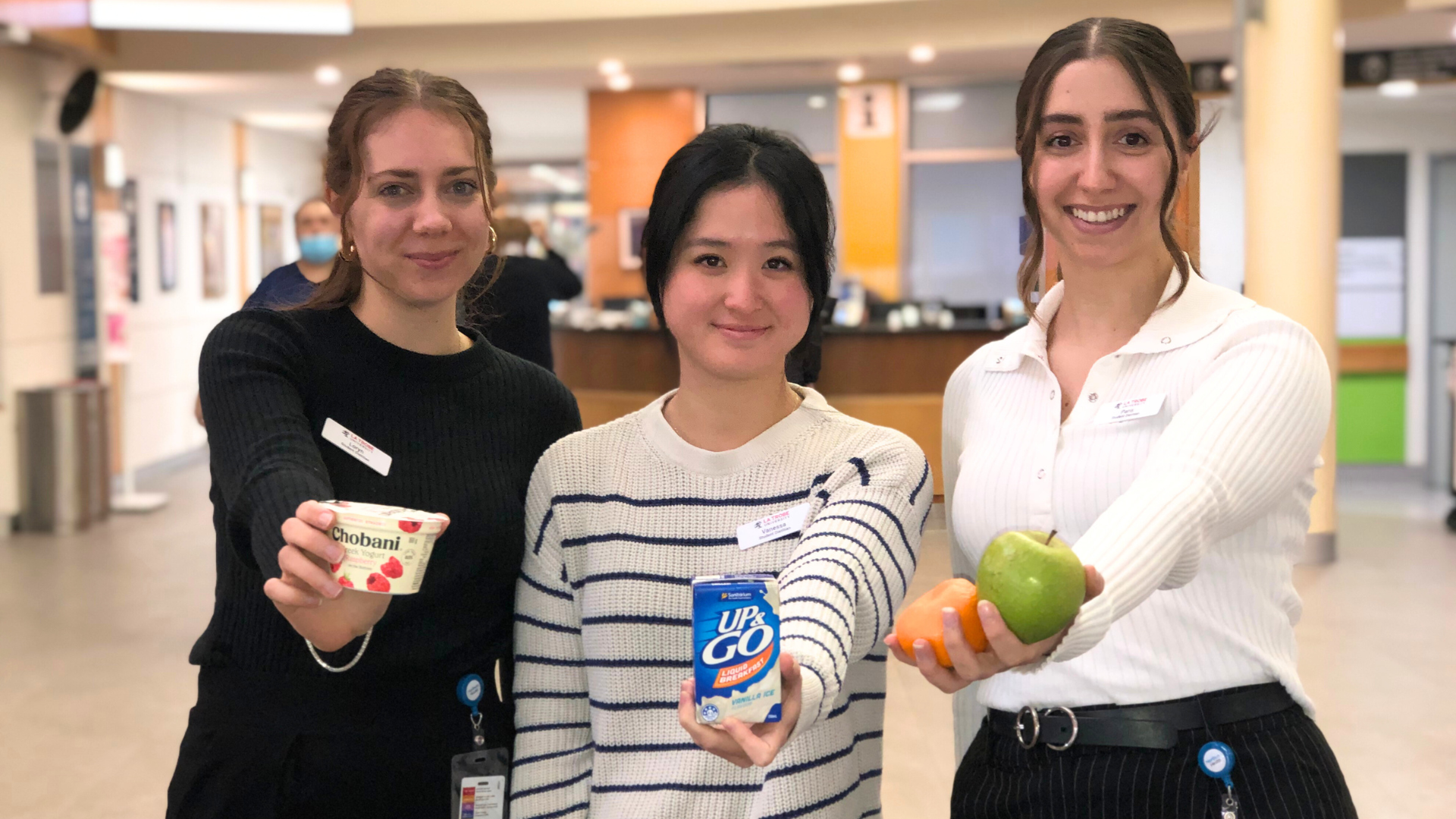
    Featured image L-R: Student Dietitians Loryn Smith, Vanessa Sastra and Paris Ierino.

  • Triumphant Seven: Conquering the Primary Written Exam in Emergency Medicine

    Triumphant Seven: Conquering the Primary Written Exam in Emergency Medicine

    In a remarkable display of dedication and expertise, seven exceptional trainees at Northern Hospital Epping have achieved a significant milestone in their medical careers and successfully passed the Australasian College for Emergency Medicine (ACEM) Primary Exam – the first hurdle for emergency medicine trainees to advance in their training.

    The exam tests student’s knowledge and understanding of the four basic sciences relating to emergency medicine – anatomy, pathology, physiology and pharmacology.

    There are two components to the exam; a written primary examination in August and an oral examination in November each year.

    Emergency Medicine Physician and Co-Director of Emergency Medicine Training, Dr Raj Kathirgamanathan, says students normally start studying six months in advance.

    “It is not an easy exam, it requires a lot of commitment and sacrifice. Students need to put their personal and social lives on hold and focus entirely on their studies,” he said.

    “I find my main focus as an educator, at the very beginning of their studies, is ensuring they have the right mindset and circumstances to study. I often, individually or in a group, sit with every single trainee and go through their commitments, their medical rotations, whether they have a supportive family network and other aspects of their daily routine before they actually start studying,” he added.

    Dr Raj has been actively involved in the training of students for more than eight years and the results have always spoken for themselves – an incredible 100 per cent pass rate in the last five years.

    “It is very satisfying and I’m very proud of all the students who have passed the Primary Exam. Even though I provide them with the guidance, they are the ones doing the hard work,” he said.

    “Seeing these trainees progressing in their training and eventually becoming consultants, is a really nice feeling to be able to experience.”

    David O’Connell is an ACEM trainee from Ireland who has been living in Melbourne for the past four years. He works at Northern Hospital Epping doing the anaesthetics rotation.

    “Most of us would have been studying since about February or March, and in the past two months really ramping it up and doing a lot of regular study and putting in a lot of hours, which means not a lot of time to do other things, like hang out with your friends, or finding time to exercise, as well as work, as well as study, as well as do other things like cook your dinner,” he said.

    David says he is very grateful to Dr Raj for his professionalism and unwavering support, but also for being a genuine and approachable person in general.

    “The Northern Hospital has a really excellent track record of people passing, especially in the last five years, so it’s a testament of the supportive environment and the excellent work that Dr Raj and the other ED Directors are doing,” he said.

    “I would also like to mention Phyllis Fu and Cynthia Lim as some of the consultants who have been involved in the tutorials and performance training with us.”

    As they embark on the next phase of their journey, these seven trainees will be going into a four-year advanced training before sitting their last exams and fulfilling the requirements to becoming Emergency Specialists.

    From all of us here at Northern Health, good luck and well done!

    Pictured the seven trainees straight after the exam (L-R): Ahmed AlKhasal, David O’Connell, Thanh Truong, Madeleine Goss, Casey Barbis, Adam Keating and Yasmin Bouattia

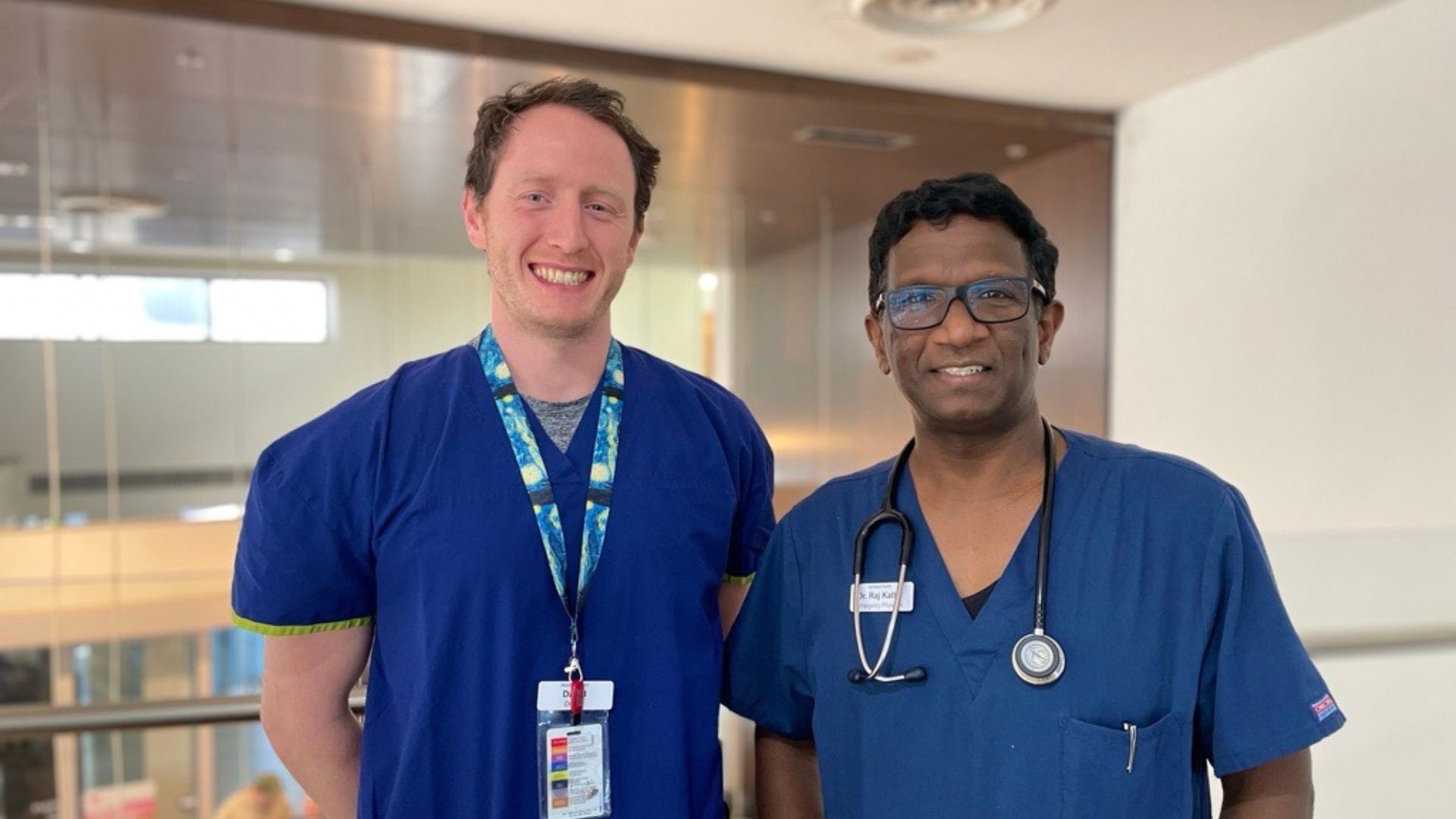
    Pictured in featured image (L-R): David O’Connell and Dr Raj Kathirgamanathan 

  • It’s a wrap – Northern Health is live with the EMR!

    It’s a wrap – Northern Health is live with the EMR!

    Northern Health is celebrating a huge milestone – in just two weeks, we went live with an Electronic Medical Record (EMR) at Northern Hospital Epping, Broadmeadows Hospital, Bundoora Centre, and Craigieburn Centre!

    In our rollout, we have included device integration including ECG management, results and orders, clinical documentation and medication management for inpatients and specialist modules for ICU, Emergency, Surgery and Anaesthesia. We are proud to say that Northern Health is also the first Cerner Oracle site to implement the maternity module for inpatients and outpatients.

    There are benefits to being one of the last metropolitan health services to roll out an EMR, including many lessons learnt from those who have gone before us, and we have the latest and greatest code.

    The preparation undertaken to prepare our organisation for EMR go live has been instrumental in the smooth transition from paper to electronic documentation. The EMR team has designed and built more than 300 plus Northern Health specific workflows in the EMR, involved more than 250 Subject Matter Experts (EMR) to test the system within a two-to-three-week timeframe, and trained more than 500 staff in 10 weeks. This is an enormous team effort to come to where we are standing today.

    “Other than thanking our own EMR team, we would also like to acknowledge our 600 plus EMR Super Users, Clinical Transition Team, Executives, and Leadership. We couldn’t have done this without your contribution and dedication to the EMR project,” said Trish Aldridge, EMR Program Director.

    “I am extremely proud of the hard work our teams have contributed to in the last two years, against all odds. Designing during COVID-19 virtually, was one of the many challenges we had to overcome. Our team is strong and resilient which has resulted in a clinical system that enables our workflows as designed by our clinicians, and the feedback has been overwhelmingly positive.”

    EMR support

    Starting from Monday, 25 September, EMR support will be scaling back to the following level:

    Date Details
    From Monday, 25 September to Monday, 2 October
    • EMR team to continue to support from 0630 to 2300
    • The help desk and Level 1 ICT floor walkers will operate from 0630 to 2400
    From Monday, 2 October to Monday, 9 October
    • From 2 October, EMR help desk will transition to ICT
    • EMR team to continue to support from 0630 to 2300
    • **Please note that ICT help desk operates from 7 am to 6 pm, Monday to Friday.
    From Monday, 9 October onwards
    • EMR team will transition to business as usual – meaning office hours only. An EMR On Call will be put in place.

    If there are any urgent incidents/requests, this will be escalated to EMR On Call via the Afterhours Hospital Coordinator.


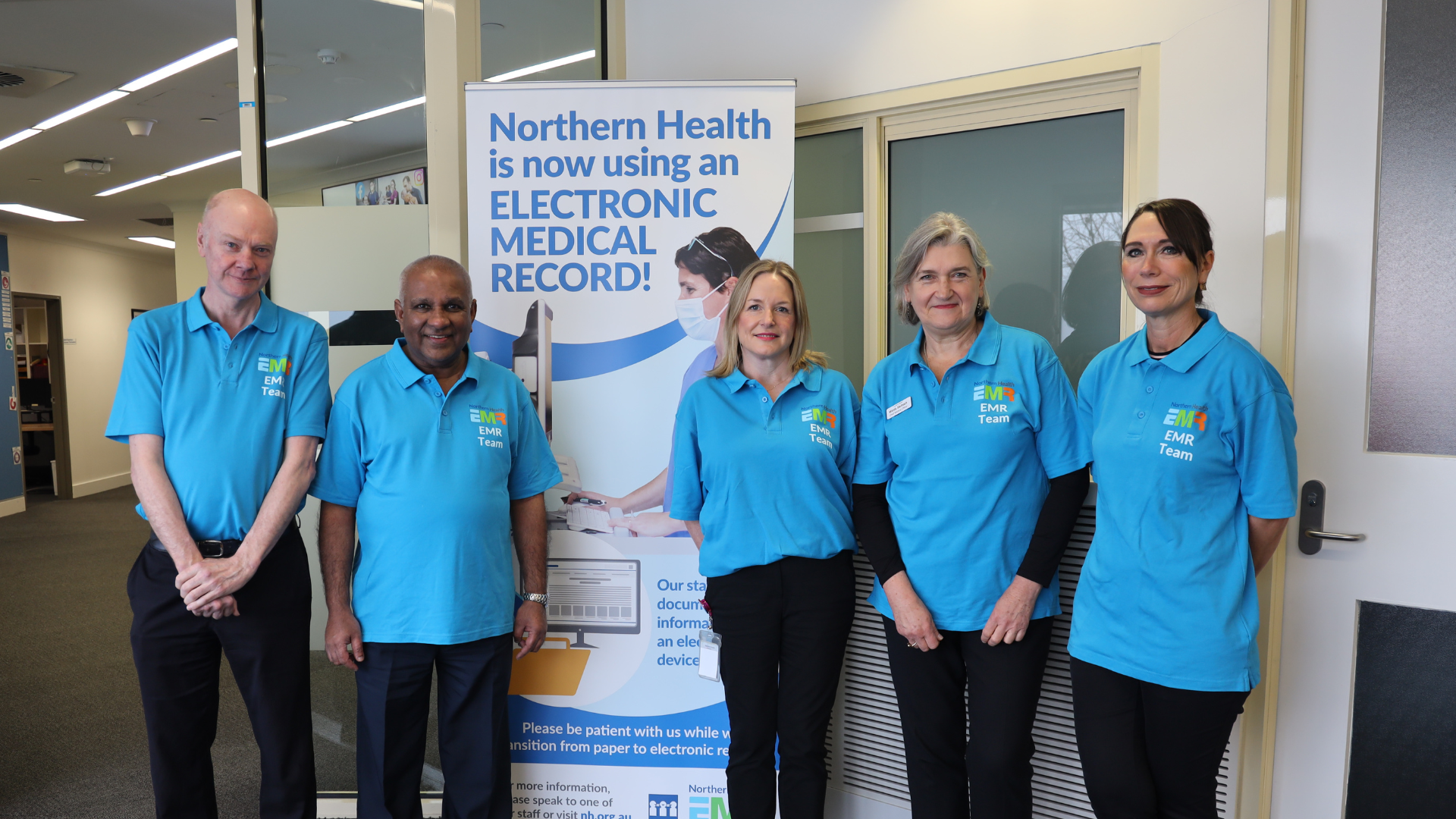
    Featured image: Anthony Gust, Executive Director, Digital Health, Siva Sivarajah, Chief Executive, Lisa Cox, Chief Nursing and Midwifery Officer, Associate Professor Wanda Stelmach, Chief Medical Officer and Trish Aldridge, EMR Program Director.