• Call, Push, Shock – it could save a life!

    Call, Push, Shock – it could save a life!

    Restart a Heart Day is acknowledged annually on 16 October each year, and is part of Shocktober – a month-long campaign which aims to highlight, raise awareness, and educate the community about Cardiopulmonary Resuscitation (CPR) and how to use an Automated External Defibrillator (AED).

    Elise Sutton, Resuscitation and Clinical Deterioration Coordinator and Simulation and Safety Coordinator, Northern Health, says there is an average of 18 cardiac arrests in Victoria every day, with 76 per cent of these arrests occurring in the home.

    “On average, only 10 per cent of people with an out of hospital cardiac arrest will survive,” said Ms Sutton.

    “However, when bystanders intervene by calling 000, beginning CPR and delivering a shock utilising an AED, the chance of survival is increased by 72 per cent.”

    “To align with Northern Health’s Strategic Priority ‘a healthier community’, we have teamed up with Ambulance Victoria for Restart a Heart Day on 16 October to raise awareness to the community about early intervention as a bystander through ‘Call, Push, Shock’.”

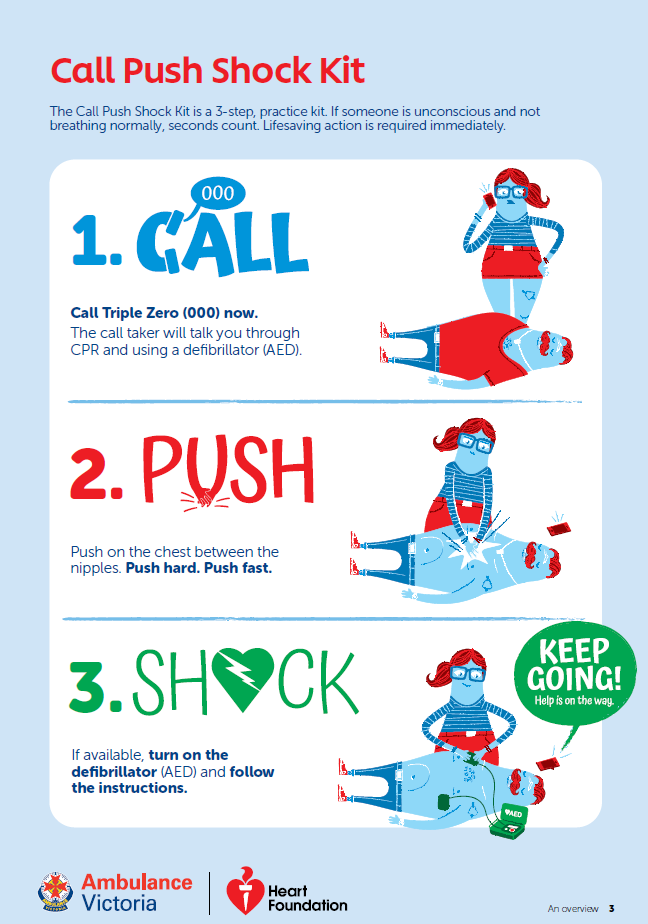
    Cardiac arrest can happen to anyone, at anytime, anywhere. To ‘restart a heart’, there are three steps involved – call, push, shock.

    Call – Phone Triple Zero if someone is unconscious and not breathing normally. The call taker will guide you through how to start CPR. If cardiac arrest happens onsite at Northern Health, staff need to call a Code Blue via 2222 and the Code Blue Response Team will attend.

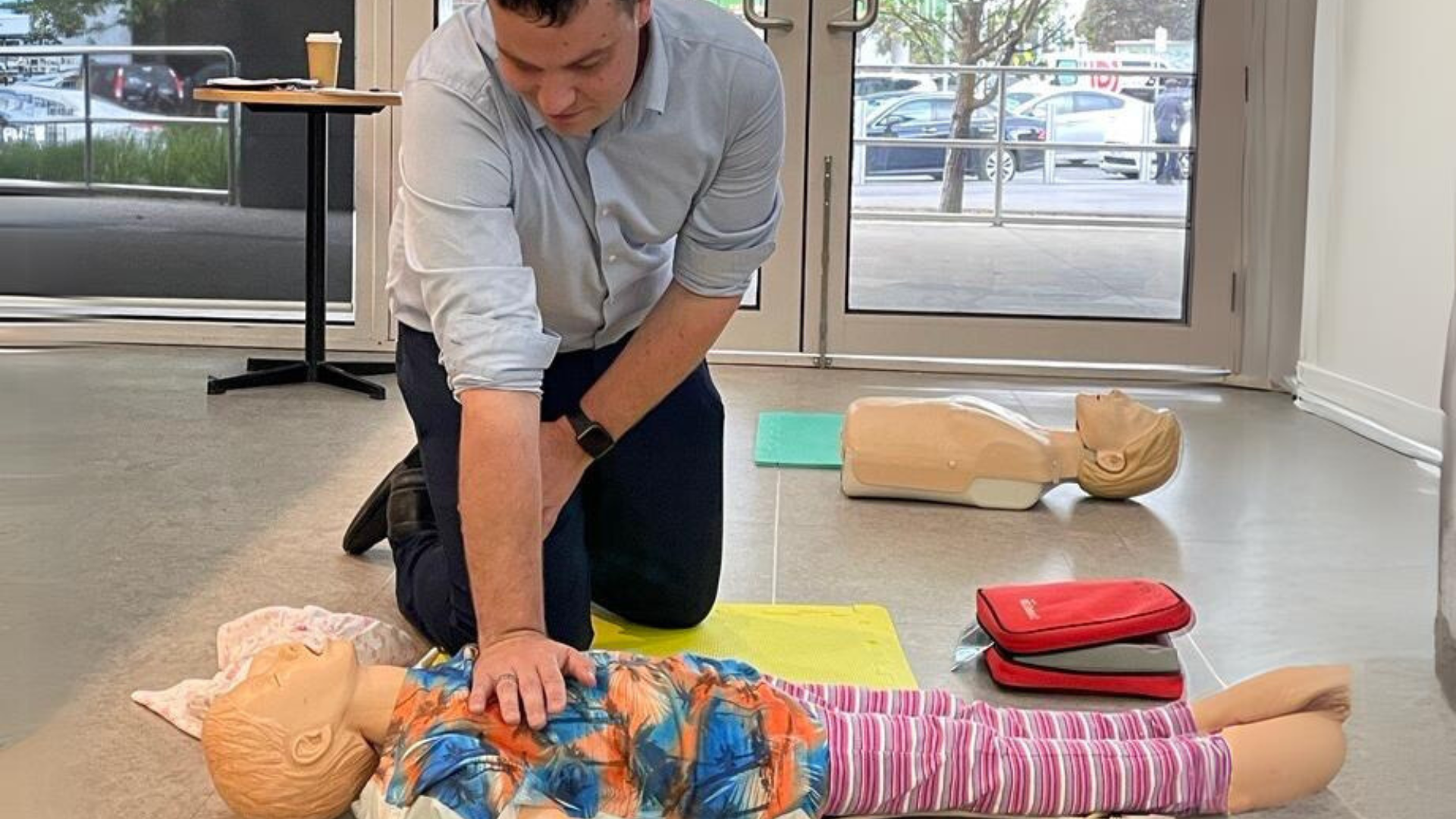
    Push – Start CPR. To perform CPR, kneel up straight with your knees next to the person’s chest. Put the heel of your hand in the middle of the chest, at the nipple line. Then place your other hand on top and lock your fingers. Lean over the chest with your arms straight and elbows locked. Push on the chest, hard and fast. This is vital to provide circulating blood to the brain – anyone can perform CPR.

    Shock – Connect a defibrillator (if available). An AED should be used if available. This checks the heart rhythm and will guide you through delivering a shock to restore the normal rhythm.

    “Please join us for an event packed day at Northern Hospital Epping today, 16 October between 9 am – 3 pm, in the Main Foyer,” said Ms Sutton.

    “We will be conducting ‘Call, Push, Shock’ demonstrations and the community will have the opportunity to practice CPR and delivering a shock with a training AED on a mannikin, with lollies and chocolates to give away.”

  • Get to know: Lila Coope

    Get to know: Lila Coope

    October is Mental Health Awareness Month. It is an opportunity to acknowledge the lived and living experiences of those impacted by mental illness – the consumers and carers – and those working in the field who are consistently raising awareness, having courageous conversations, and advocating for improved mental health and wellbeing for all.

    Today, we feature Lila Coope, a Peer Support worker involved in Reclink, an exercise program from Northwest Area Mental Health. Peer Support workers are an important part of our Lived Experience Workforce. Their ‘lived’ expertise and insights help others access our services.

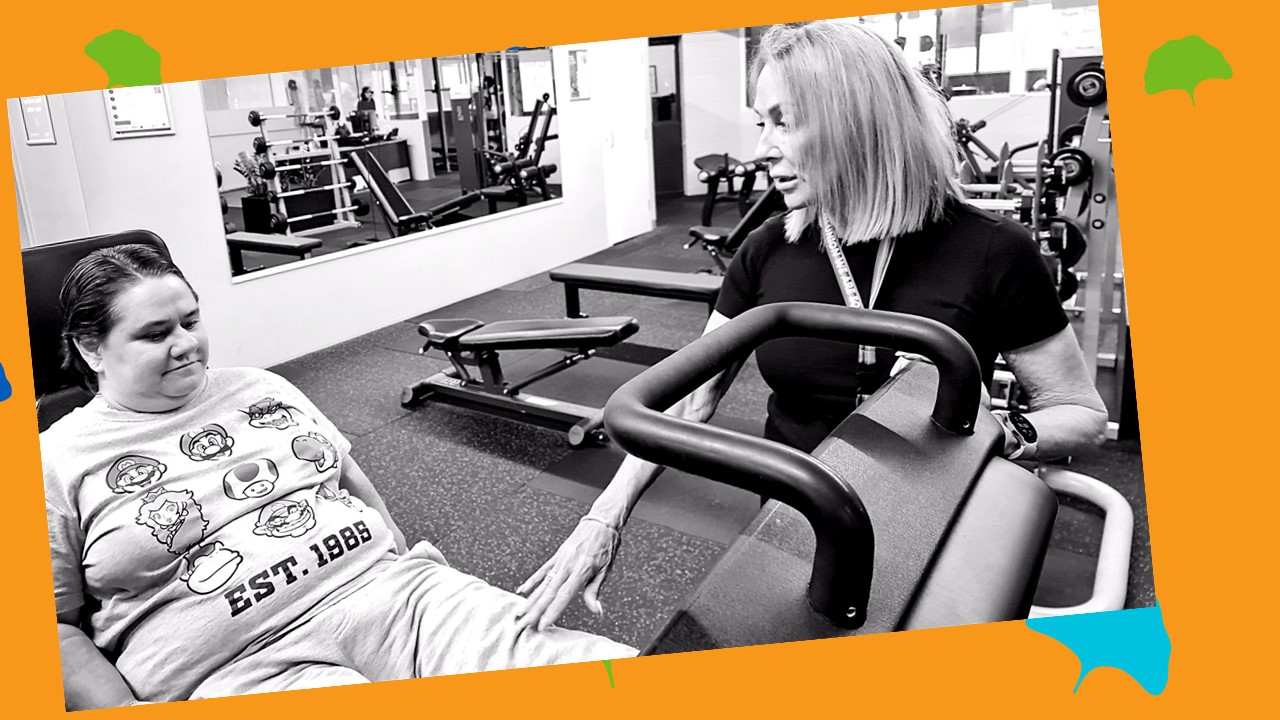
    We spoke to Lila at a gym session with Kerry, a consumer, who says, “The program keeps me active. I find it motivating and rewarding. Working with Lila helps my mental health. I’m sleeping better and my whole life is improving”.

    Q: Firstly, what’s your coffee order Lila?

    Latte with one sugar, please!

    Q:  Lila, how would you describe your role?

    My role as a lived experience worker is to support and understand consumer needs, improve their quality of life and reach their goals.

    Q: How did you come to this role?

    I started as a volunteer with Northern Health. Over time a position in the Peer Support team became available and I felt I was right for this role, having lived experience of mental health.

    I started working out at gym to help with my mental health approximately five years ago. The benefits were many – getting out of the house, gradually interacting with other people, motivation to lose weight, build muscle strength and feeling good about myself while achieving goals for my personal fitness. This in turn motivated me to offer support to consumers to help them interact with other people and meet their fitness goals.

    Q: Tell us about Reclink? 

    The program seeks to ‘link’ consumers of our service to healthy recreation activities to improve their fitness, health and wellbeing. Reclink is supported by our exercise physiologists and runs in collaboration with the Broadmeadows Aquatic and Leisure Centre. I have between three to eight consumers attending the gym program every Monday and Wednesday. My plan is to organise a walking group with the consumers on Friday’s. 

    Q: What’s the most rewarding part of this role?

    The most important part of this role is supporting and understanding consumer needs and understanding what challenges they face. Seeing the consumers participating and consistently attending the gym is rewarding. The consumers have built their confidence and feel that we understood their mental health challenges. They now say with confidence ‘I can do it’, and this is very rewarding for me. 

    Q: What are some of the challenges? 

    One of the challenges the consumers face is isolation. It is important to me to help break this barrier and provide a connection with their peers. Another challenge is helping consumers be consistent in their program. This can be hard when trying to break the barrier of social isolation. 

    Q: Anything you would like to add? 

    The consumers feel that the gym program is helping them with their routine, confidence and wellbeing on their journey to recovery. As a peer support worker, I understand that routine is very important but sometimes difficult for consumers living with mental health issues. This is why I am dedicated to helping and supporting our consumers.

  • Thunderstorm Asthma Season has rolled in

    Thunderstorm Asthma Season has rolled in

    The arrival of October brings the start of grass pollen season running from 1 October to 31 December annually, which also increases the chance of Thunderstorm Asthma.

    Warmer weather, increased amounts of grass pollen in the air and certain types of thunderstorms when combined can result in an Epidemic Thunderstorm Asthma (ETSA) event triggering severe asthma.

    Symptoms of ETSA include an itchy and runny nose, sneezing, coughing, wheezing and/or chest tightness. Some of these symptoms can become very severe, very quickly, and may require urgent medical assistance.

    Extreme ETSA events, like that experienced on 21 November 2016, can result in large numbers of people with sudden onset asthma in temporal and spatial relation to the storm, and large geographical areas affecting multiple health services, with a resultant strain on health and emergency services.

    Epidemiologists recommend that people with current, past or undiagnosed asthma, and those with seasonal allergic rhinitis, have a current asthma action plan to follow (updated by their GP). They should also learn asthma first aid and stay out of storms from October through to December.

    Further advice during an ETSA event is to stay inside and close your doors and windows and, if you have your air conditioner on, turn it to recirculate.

    Dr Katharine See, Director of Respiratory Medicine, said people with hayfever, a history of asthma or undiagnosed asthma, were most at risk of thunderstorm asthma.

    “Thunderstorm asthma occurs when pollen particles are sucked up into thunderstorm clouds where they release microparticles. These micropollens are showered down at the start of a storm and being so small, are able to get deep into the lungs where they are able to cause severe symptoms,” she said.

    “The best way to stay safe during thunderstorm asthma season is to make sure you have good asthma control all year round. This means, taking your preventer everywhere, particularly during thunderstorm asthma season.”

    “When a storm is coming, stay inside with the doors and windows closed – don’t let that micropollen in.”

    Dr See urges anyone at risk to never ignore the symptoms of asthma. It is also important for everyone in the community to be able to recognise the symptoms of someone having an asthma attack and to know the four steps of asthma first aid:

    Step 1: Sit person suffering the attack upright.

    Step 2: Shake the blue/grey reliever puffer and give them four separate puffs using a spacer if available.

    Step 3: Wait four minutes and give four more puffs if the person cannot breathe normally.

    Step 4: Call an ambulance if they still cannot breathe normally and keep giving reliever puffs as above until an ambulance arrives.

    For people experiencing mild to moderate symptoms of asthma or are unsure of the severity of what you’re experiencing, please contact the Victorian Virtual Emergency Department for further assistance, visit your GP or attend your closest Priority Primary Care Centre. For life-threatening emergencies, please visit your nearest emergency department.

    Jason Amos, Manager, Emergency Management, reminds staff that the Code Brown – External Emergency procedure and the Code Brown Subplan – Thunderstorm Asthma procedure are available on prompt to ensure appropriate response to Code Brown/Thunderstorms Asthma events.

    “This is a timely reminder for staff to ensure they are aware of our emergency plans for such events,” said Jason.

    You can access daily forecasts for ETSA events here.

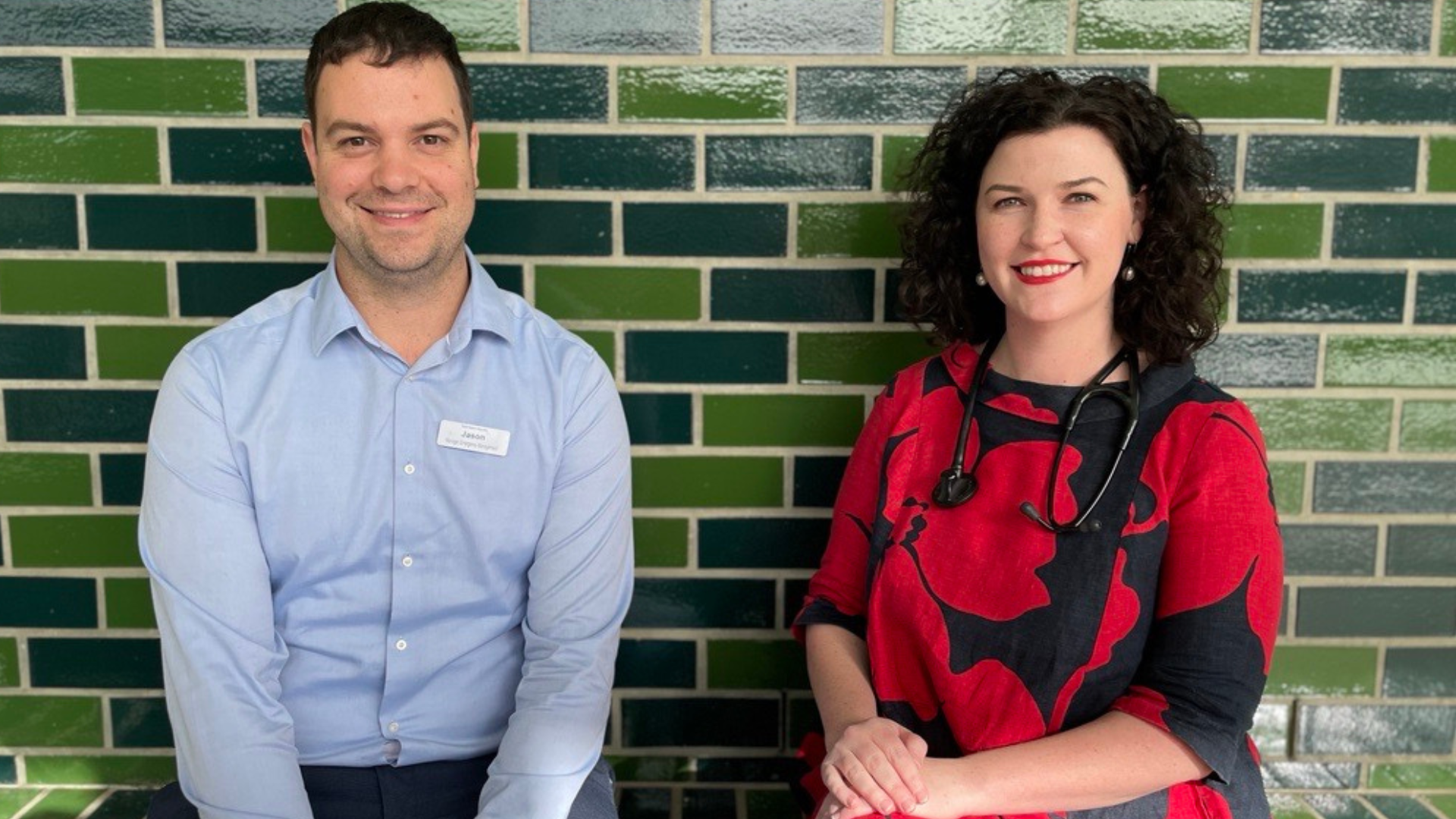
    Featured image: Jason Amos, Manager, Emergency Management and Dr Katharine See, Director of Respiratory Medicine.

  • Be a nutrition champion!

    Be a nutrition champion!

    This week Northern Health is proud to recognise Malnutrition Week ANZ. A time dedicated to raise awareness of the role nutrition screening plays in the prevention and treatment of the staggering rates of malnutrition detected in Australian and New Zealand communities and healthcare settings.

    Every inpatient at Northern Health is required to be weighed and screened for malnutrition risk within 24 hours of admission to hospital. Further re-screening is also required weekly thereafter.

    “At Northern Health one in five inpatients are malnourished,” said Nadia Obeid, Senior Dietitian.

    “Malnourished patients tend to stay longer in hospital, are more likely to be readmitted.”

    Malnutrition can have a significant burden on patients, carers, families and the entire healthcare system. When there is unintentional weight loss and reduced appetite and food intake, clinicians should refer to a dietitian.

    Jianmin’s Story

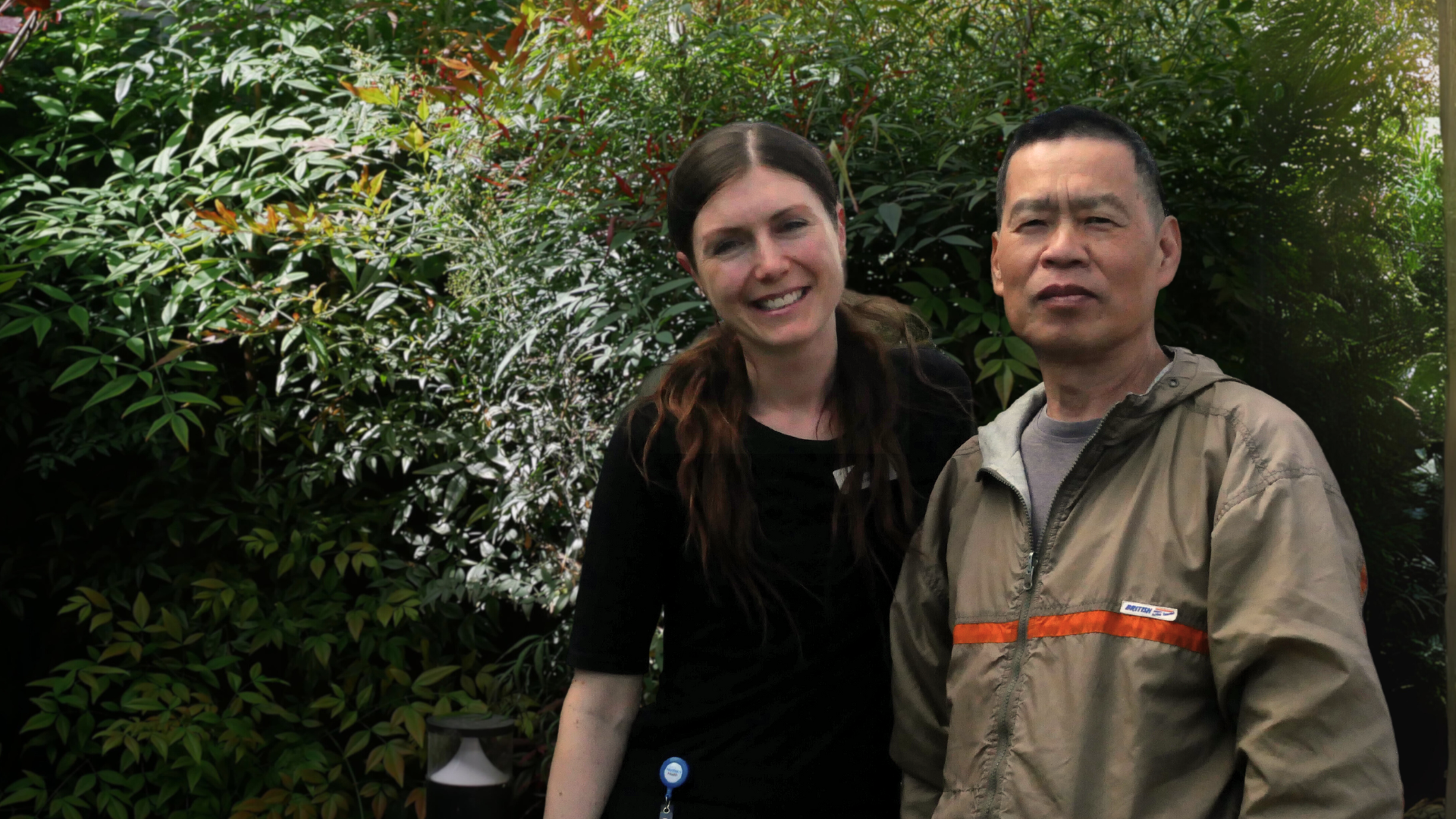
    Northern Health dialysis patient Jianmin He (pictured) lost weight and developed malnutrition which left him feeling extremely tired and weak. He was eating poorly and also had a reduced appetite. But with nutrition support from the Northern Health Dietetics service, he was able to re-gain the weight he’d lost. Jianmin is now feeling stronger, more energetic and much better equipped to take on his treatment.

    “The Dietitian support and nutrition drinks helped me gain the weight and my strength back. It has helped give me a speedy recovery,” Mr He said.

    The theme of this year’s Malnutrition Week campaign is, ‘Be a nutrition champion!’

    “While dietitians live and breathe nutrition, they can’t be the only healthcare professionals to ‘champion’ nutrition in hospitals,” Ms Obeid said.

    “Nurses, doctors, allied health staff, and food service professionals all play a key role in championing nutrition and improving quality of life for the patients they care for.”

    Malnutrition screening is a key component to the effective care and treatment of our patients. In a recent initiative at Broadmeadows Hospital, dietitians and Allied Heath staff carried out regular audits of malnutrition screening and weighing, feeding results back to clinical staff, offering training and advice about the importance of the process.

    This has led to a dramatic reduction in malnutrition prevalence on the ward, from 55 per cent in 2022 down to zero percent 12 months later. An outstanding team effort!

    “We encourage everyone to be a champion for nutrition and improve the quality of life for those we are caring for,” Ms Obeid concluded.

    Featured image: Senior Dietitian Nadia Obeid and Northern Health patient Jianmin He.

  • National Safe Work Month: For everyone’s safety, work safely

    National Safe Work Month: For everyone’s safety, work safely

    Imagine a workplace where there are no risks, and no one is injured. Sounds like a dream. However, the reality is that there will always be risks present in the workplace and someone will inevitably get injured.

    Safe Work Australia runs an annual national campaign in October – National Safe Work Month, to raise awareness of occupational health and safety (OH&S) and to encourage all individuals and organisations to prioritise safety in their workplaces to reduce number of work-related injuries, illnesses and fatalities.

    Being healthy and safe means being free from physical and psychological harm. A safe and healthy workplace benefits everyone. We all understand that safety and wellbeing are important and how it impacts everyone, even beyond the workplace.

    The theme for this year’s National Safe Work Month is “For everyone’s safety, work safely.” Everyone has a part to play and we need to work together to keep everyone safe. You can refer to this link to find out what simple actions you can take to maintain safety.

    Protecting our mental health is just as important as protecting our physical health. Incidentally, October is also Mental Health Month. To understand more about psychosocial hazards for mental health at work and what supports are available, please click on this link.

    The OH&S and Wellbeing teams approached staff across different roles, asking “What does OH&S mean to you?”

    Siva Sivarajah, Chief Executive: Northern Health has an obligation to keep our staff safe while they work, and to ensure our patients, their carers and visitors to Northern Health are also kept safe. Occupational health and safety reminds us of the responsibility we have as an organisation to maintain a strong safety culture, not just in the physical sense but for the overall wellbeing of staff, patients, their carers and visitors.

    Debra Bourne, Chief Operating Officer: OH&S embodies our unwavering commitment to safeguarding the wellbeing of every individual within our workplace; staff, patients and visitors. It means fostering a culture where employees feel safe, valued, and empowered to thrive in a safe work environment. As one of our core values, safety, in all its forms, is a key priority and we can all contribute to a safe and healthy working environment by practicing safety every day.

    Simone Jervies, Ward 10 NUM: OH&S means developing strong, positive relationships with a culture based on safety, transparency, empathy, and trust. OH&S mean creating a safe working environment where workers feel more at ease, confident and happy to come to work.

    Judy Sonneveld, Ward 22 NUM: OH&S is a way to identify and manage risk to staff to ensure that everyone comes to work in safe environment. We screen our patients for risk to safety to optimise care. We screen our environment and work practices to provide hazard free workplace and reduce injury to staff.

    Deanne South, Ward 18 HSR: OH&S means coming to work and feeling safe. It means helping keep myself and my colleagues feel safe, and making sure everyone goes home mentally and physically well to their families. 

    Karen Candy, N CCU HSR: Safety, security, and a feeling of wellbeing when coming to work. To know that you work hard for your peers, do the job required, there’s faith in everyone returning to family accident free, at the end of the day.

    Mikayla Kingston, Pathology HSR: I think OH&S is often misunderstood. I volunteered to become the HSR of Pathology as I am an outgoing person who loves a challenge. Being able to learn new skills, being the voice for my colleagues and keeping them safe is important to me. I love how diverse OH&S is. Being involved in OH&S, as a HSR, has been rewarding. I have been able to learn new skills and apply them, meet new people and form connections within the hospital. These connections have helped me in assisting keeping the pathology environment a safe space. I believe OH&S is more than following guidelines, although important, it’s also about teamwork!

    Roopa Abrol, NWAMHS ECT HSR: Providing safe and secure environment that is hazard free to everyone working in that area, regardless of the nature of their work.

    Ebin Ephrem, EMH HSR: For me, occupational health and safety is working towards safeguarding the safety and wellbeing of staff, patients, and visitors. It entails implementing procedures, and encompassing measures to prevent accidents, reduce risks, and maintain a secure healthcare environment for all stakeholders.

    Dianne Rainford, NAMHS Hotham Street HSR: OH&S is at times challenging and rewarding. OH&S means having each other’s back and taking a part in what has to happen to make sure everyone is safe including the clients and staff. The staff we have at Hotham Street are exceptional in helping each other to stay safe.

    Leon Tan – OH&S Manager: Working across multiple high-risk industries and seeing how situations could easily turn bad has deepen my appreciation for OH&S. Hence this has become my passion to advocate and ensure that everyone returns home safely to what matters most.

    There is more we can do, and working together we can make a difference.

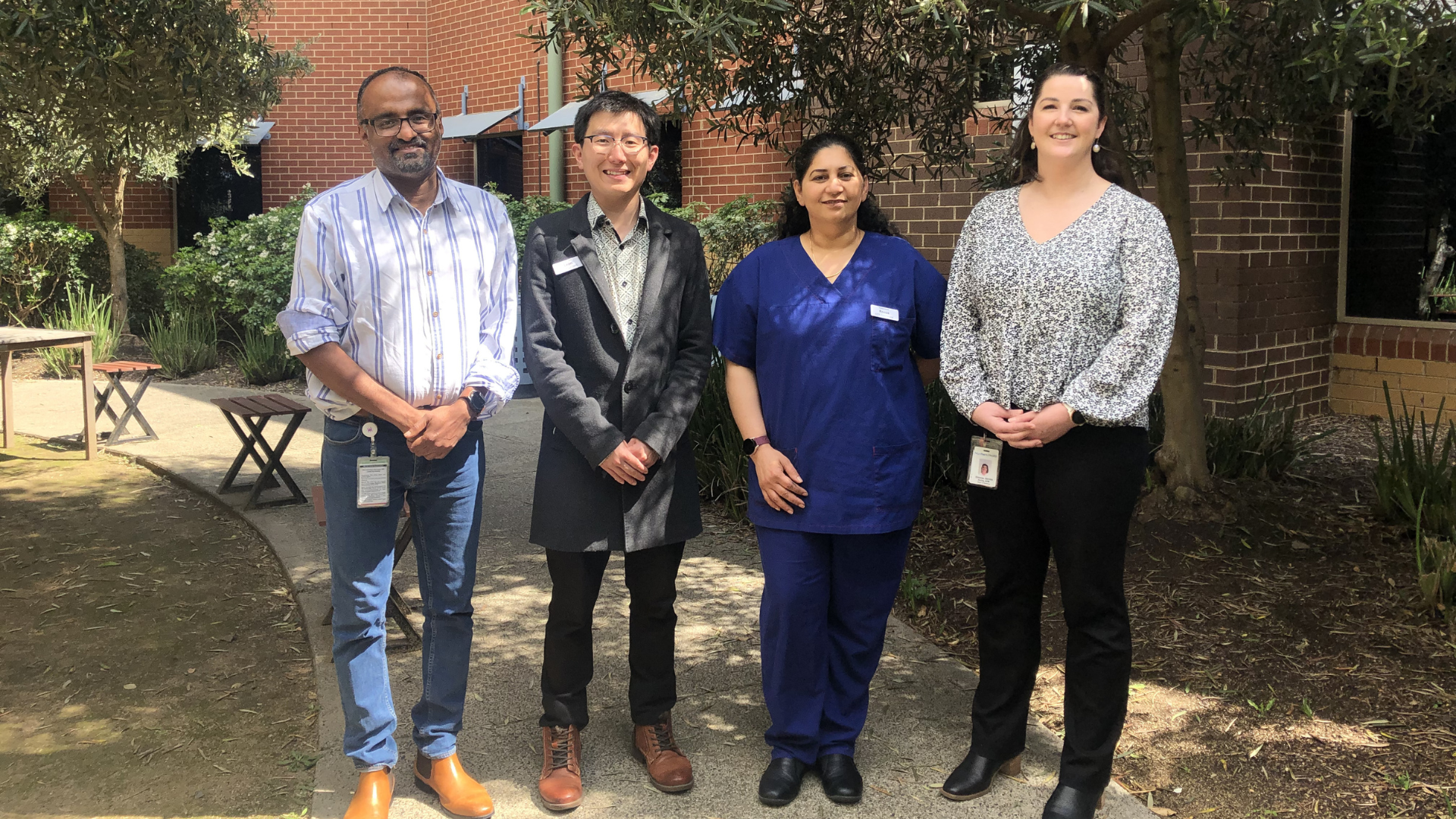
    Featured image: Ebin Ephrem, Clinician, Emergency Mental Health, Leon Tan, OH&S Manager, Roopa Abrollhos, ECT Coordinator and Simone Jervies, Acting NUM Birthing Suite and Maternity Assessment Care. 

  • Why Research Week matters

    Why Research Week matters

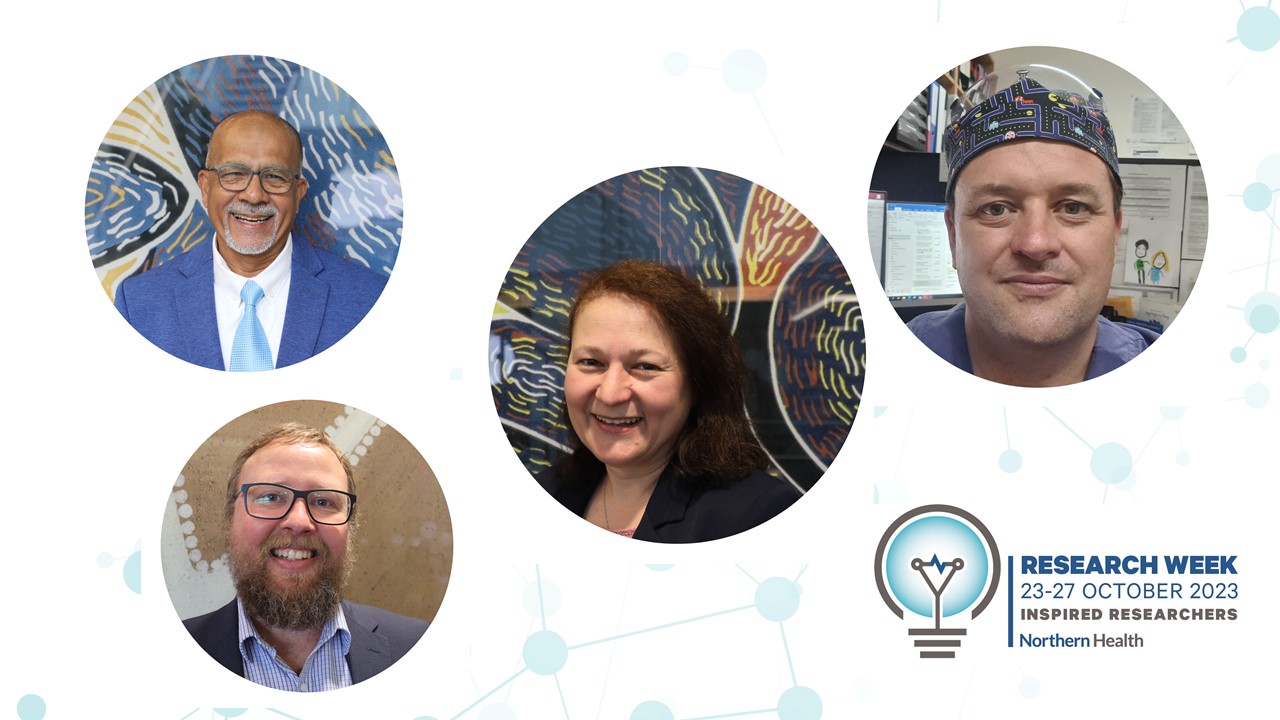
    Professor Shekhar Kumta, Chair of the 2023 Northern Health Research Week Working Group, believes “continuous improvement in quality of care comes not only through optimizing one’s work, but also by incorporating novel research applications towards better and efficient patient care.”

    He is keen that this year’s Research Week does more than just acknowledge the research achievements of our colleagues and research partners but is also “promoting a culture that is necessary to sustain, promote and inspire future generations of healthcare workers.”

    Click on image below to learn more.

    “Given the increasing volume of patients that depend on Northern Health to provide care, it is imperative that we also develop our capacity to conduct good quality research that will have a lasting impact on our patients,” adds Professor Kumta.

    Dr Vicky Kartsogiannis, Research Coordinator, Department of Orthopaedic Surgery, has been attending Research Week for a couple of years and says, “I can honestly say that the quality of research activities driven by Northern Health staff and our engagement with external partners has gone from strength to strength.”

    Dr Kartsogiannis adds, “Research Week offers the perfect platform for internal as well as external collaborations and partnerships. Positive encouragement is critical for our upcoming research leaders and rising stars to allow them to materialise their ideas.”

    Dr Russell Hodgson, Head of Surgical Research, Northern Health, concurs. He says, “Research Week is Northern Health’s best forum to give our developing researchers opportunities to speak, present and collaborate, and learn the skills of educating others about their work – and it is incumbent on the rest of us to be there to encourage them and learn from them.”

    Dr Adam Semciw Associate Professor – Allied Health, offers an evidence-based response. He says, “A systematic review by Harding et al published in the Australian Health Review (2017) provided evidence to suggest that health services with a strong research culture were associated with benefits to staff, patients and organisational efficiency.”

    “It seems that we can’t afford not to be invested in research.”

    Join us at the 2023 Research Week, “as both current and future health caregivers share their innovative ideas and research efforts towards the betterment of our community,” says Professor Shekhar.

    Harding K, Lynch L, Porter J, Taylor NF. Organisational benefits of a strong research culture in a health service: a systematic review. Aust Health Rev. 2017 Mar;41(1):45-53. doi: 10.1071/AH15180. PMID: 27074113

  • Get To Know: Shekhar Kumta

    Get To Know: Shekhar Kumta

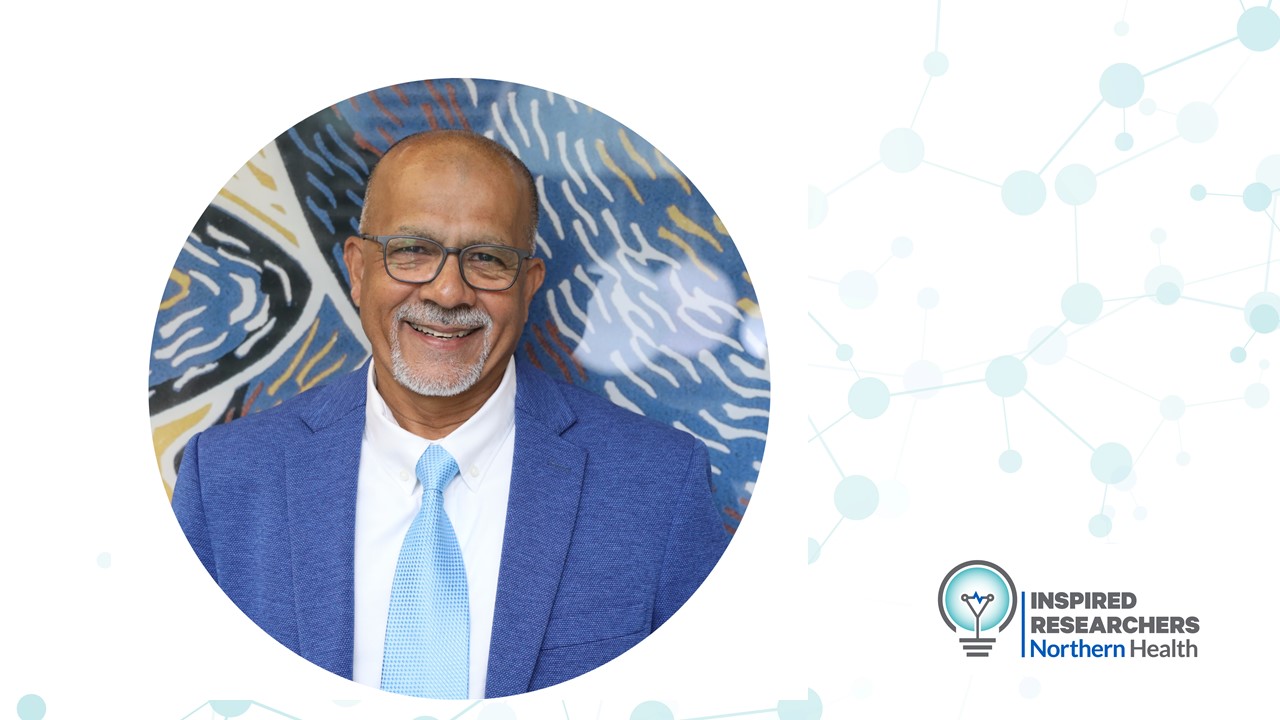
    Professor Shekhar Kumta, the University of Melbourne’s Academic Lead, Department of Surgery at Northern Health, is most emphatic when speaking of his patients.

    When he says, “It is THEIR stories that drive me”, you know he means it. Besides being Professor of Surgery, Shekar is also a member of the Northern Health Research Executive Committee, tasked with promoting, coordinating, and supporting research activities across our health service. He is also the Chair of the 2023 Research Week Working Group.

    Click on image below to learn more.

    Q: How do you like your coffee?

    I like to brew my own coffee, there is certain earthiness to the smell of good roasted coffee. Something that brings us back to nature and reminds us of our roots. It’s not the stimulation of the caffeine but the soothing aroma of the roast that makes my day. Every day a 5 am coffee is a must!

    Q: Tell us about your role at Northern Health?

    I hold the post of Professor and Academic Lead to the Department of Surgery. My primary role is to drive research and bring in technology and/or innovation together with some mentoring to colleagues who may be interested in research. I believe almost everyone is interested in some form of research. Research in its simplest form is nothing but a systematic way of studying and seeking answers, so that we may find explanations or work around problems.

    Any good and conscientious clinician wants to provide the best care for their patients. Therefore, research is an obligatory component of good clinical service and continuous quality improvement. It does not necessarily have to be high-tech or fanciful.

    However, clinicians are busy with their duties and there are few incentives to drive research and that’s where I thought I could contribute, beyond just the Department of Surgery. I am very keen to bring in novel technology to the bedside and I would like to bridge the divide between clinicians and basic science through translational research.

     Q: Briefly, can you tell us of your roles and career prior to Northern Health?

    I trained in Mumbai as a traumatologist. I cut my teeth on resuscitating and operating on patients with massive injuries from trucks and train accidents. It’s a ghastly experience to put together someone who has fallen off a train or been run over!

    I moved to Hong Kong to join the Chinese University of Hong Kong, specifically to be with the Hand and Microvascular Department, where I learnt the skills of ‘toe to hand’ transfers from my mentor and chief, Professor P. C. Leung – one of the pioneers of microvascular reconstruction. I then transferred my reconstruction skills to Orthopaedic Oncology and that was where I also got the opportunity to indulge in cutting edge oncologic research, particularly in the molecular development of tumours and related biological signalling.

    I was also the Assistant Dean of Medical Education, a role I enjoyed for 20 plus years. In addition, I was the Executive Director of the Chinese University’s Centre for Bioethics, a role that I held for two years.

    These two roles were crucial, as I was also responsible for the supervision and mentoring of interns across Hong Kong.

    Q: Any anecdotes you would like to share?

    We often talk about the greatness and wonderous achievements of our medical colleagues – to my mind, this is a duty, one does not need glory. On the other hand, I am deeply impressed by the tenacity and the will of patients – it is their stories that drive me; their bravery and desire to survive and these two stories immediately come to mind:

    • I was in Sudan on a WHO sponsored education mission when I came across a lady outside Khartoum General Hospital. She was very tall, extremely thin, carrying a child and looked really exhausted. She stopped to ask my friend, a local Sudanese doctor, where the hospital was. Her story brought tears to our eyes. She had just walked across the Chad Desert, a distance of 800 km with her four-year -old son who had epilepsy. Her journey had taken four months, and her only possessions were a pair of slippers, a tiny cloth bag and absolutely no money. All she had was her desire to see her child cured. I was humbled.
    • The second story involves a palliative care surgical service I had established in Hong Kong. One day I was visited by a woman in her late 60s with a fungating wound about the size of a dinner plate over her pelvis. She had crossed the border from Shenzhen, walking 220 km.  She said she needed treatment as she was kicked out of her rental housing, and no one would offer her any housing because of the smell from her wound. She had sold all of her possessions and had no more than a few hundred dollars left – but she had hope, and that was her strength. Once again, I was humbled. We were determined to get her wound healed. It took a few weeks, as we moved heaven and earth, to over-turn the usual administrative hurdles.  She survived two years and every few months we would receive a letter from her. Her story and her will to survive often gets me out from my laziness.

    Q: How would you describe Northern Health?

    I like Northern Health, it’s a busy place, a happening place. There is a sea of activity here, a swathe of humanity and some amazing diversity and richness that makes it so human. I can sit at Henry’s Cafe and watch the world go by. Even in the few months I have been here, I have seen the activity grow – it is very impressive. 

    Q: What does the future hold for Northern Health in your view?

    Where there are people there is a need. Where there is a need, there will be people, who will rise up to fill that need and so the cycle of life continues. It is that simple. There are many inspiring people at Northern Health – their stories are what the future is.

    Q: Tell us something about you that will surprise our readers?

    I am passionate about extreme sports. I used to be a free climber – till my ex-partner had a near-death fall and I moved on to another extreme sport, white-water kayaking. Then a friend got trapped in a rapid and had a cardiac arrest. We retrieved him and did an in-water CPR. He survived and I moved on to yet another water sport and became an endurance paddler, participating in long distance ocean races. That’s a continuing passion of mine.

    Q: Tell us of your plans for Research Week?

    As the Chair of the Research Week Working Group, I am keen to reflect the fact that research exists in many dimensions – not all research comes from the lab. Getting our allied health and digital health colleagues to present along with some of the stalwarts of new technology such as nanotechnology, will stimulate participants to understand the wider, broader implications of research. It is shaping up to be an exciting week!


  • Northern Imaging Victoria is live!

    Northern Imaging Victoria is live!

    As of 5 October 2023, Northern Imaging Victoria (NIV) is officially here!

    Northern Health’s very own imaging service is now operating at three campuses: Northern Hospital Epping, Broadmeadows Hospital and Bundoora Centre. The team is also excited to welcome more than 100 new and transitioning imaging staff who will be joining Northern Health.

    “Since the crack of dawn yesterday, up until late last night and early this morning, the team has been working incredibly hard to bring all imaging systems onto the Northern Health network. We could not have done it without the hard work of the Northern Health ICT team, Imaging project team and our vendors,” said Asim Jaleel, RIS, PACS, Informatics Manager.

    “I would like to take this opportunity to thank the project team, Northern Health and our partners for getting us to where we are. Our success in establishing Northern Imaging Victoria is attributed to the collaborative culture of our organisation and the tireless effort of our industry partners,” said A/Prof. Terry Kok, Director of Imaging Services.

    As imaging moves in-house, Northern Health will be able to provide a more integrated model of value-based healthcare by upholding high standards of practice and transparency to continue enhancing the experience of our patients and clinicians. With the projected growth of the organisation, we anticipate further expansion in the range of medical imaging services provided at Northern Health.

    “Having our own in-house Medical Imaging service has been a long time coming. The project team has worked tirelessly over the past year to get to where we are now. Please stay tuned as we are really excited to announce future plans for Northern Imaging Victoria in the near future,” said A/Prof. Prahlad Ho, Divisional Director, Diagnostic & Outpatient Services and Divisional Director (Medical), Cancer Services.

    Congratulations to the imaging team and all involved in this outstanding achievement, and welcome Northern Imaging Victoria to the Northern Health family!

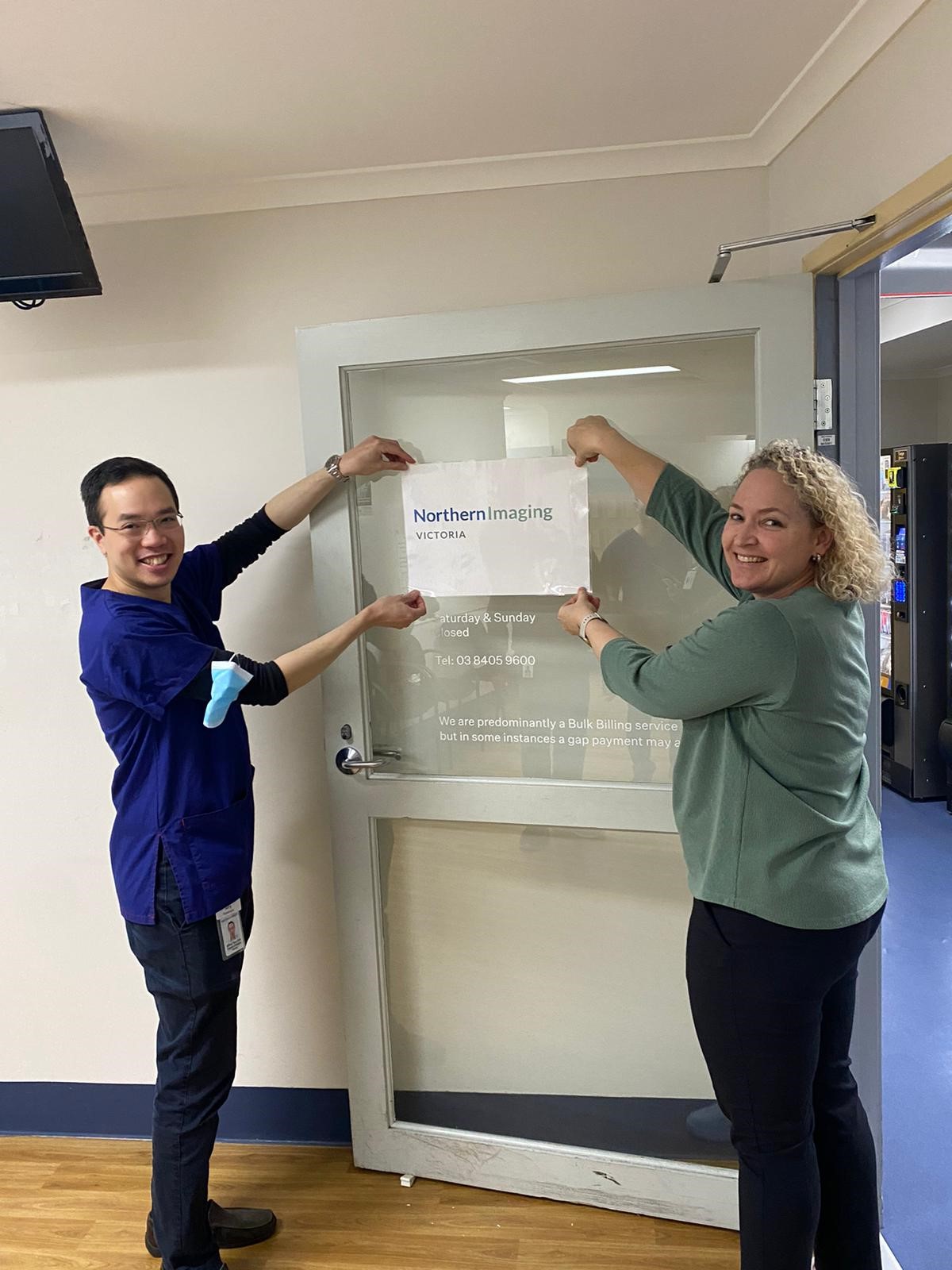
    Inset: A/Prof. Terry Kok, Director of Imaging Services and Sophie Dodson, Operations Manager, putting up the first sign for Northern Imaging Victoria.