• First STEP training for Neurology nurses

    First STEP training for Neurology nurses

    Seven nurses at our Neurology department have been enrolled in the STEP (Supported Transition to Excellence in Practice) program, the first time ever for the Neurology department. The STEP program is a way of helping the team enhance their nursing skills, capabilities and understanding across the variety of disciplines.

    “It’s the first time we are running the STEP program in Neurology. This is a very exciting time for neurology and stroke because once the new ward is open, will have new capabilities in terms of two EEG (electroencephalogram) monitoring rooms, where we will be able to get much more timely information about people’s epilepsy and related conditions.  It will also have a high dependency unit for stroke,” explains A/Prof Doug Crompton, Head of Neurology.

    The program started in March and the team has four days of tutorials and group learning and one day of clinical work.

    “That is where the team gets to see how we do our ward based and emergency assessments- we have more than a 100 code stroke emergencies every month. The STEP learners will get involved in that as well and see how code stroke emergency assessments happen,” he explained.

    In addition to this, the nurses have individual patient projects to do and they are able to upskill in some of the assessments currently not done by nursing staff, whilst learning about the National Institute of Health’s Stroke Scale assessments, which helps identify deterioration or improvement in stroke patients.

    “The idea for the STEP program came because we wanted to enhance people’s skills, and also because we don’t have a long standing heritage in stroke and neurology nursing. The neurology department has grown enormously since 2012 and now we are one of the busiest departments within the medicine directorate, in terms of how many patients are admitted and discharged over a year,” A/Prof Crompton said.

    Back in 2012 when he started at Northern Health, Neurology was only a consultative service and last year the department had around more than 1200 admissions and discharges across neurology and stroke.

    “We have also enormously expanded our capability and have a lot of speciality services now – motor neurone disease service, Multiple Sclerosis (MS) clinic, epilepsy clinics, headache clinic, migraine botox clinic, neurophysiology clinics, EEG, movement disorders, and stroke prevention clinics,” he explained.

    Regular upskilling within the neurology team in crucial to be able to tackle one of the biggest risks in stroke treatment – and that is undetected deterioration.

    “A lot of stroke patients are vulnerable to deterioration after the first couple of days after the stroke, so having a very refined way of assessing that is ideal and that is included in the STEP program. The deterioration in those patients doesn’t show up in an ICU setting, only in a specific clinical assessment,” he explained.

    Some of the nursing team enrolled into the STEP program shared their positive experience, adding the team have learned quite a lot about the neurological disorders that have been common on their ward.

    Nadine Stowell, ANUM on the Neurology Ward said learning how to do spirometry is an excellent skill to have and she is hoping it will help the team detect deterioration with patients.

    “Headache study day was also great, I learnt more about the headaches that I thought was even possible,” she explained.


  • Hack Weekend – just two weeks away

    Hack Weekend – just two weeks away

    Update 2 July 2020: Due to the current COVID-19 developments, Northern Health’s Hack Weekend has been postponed.

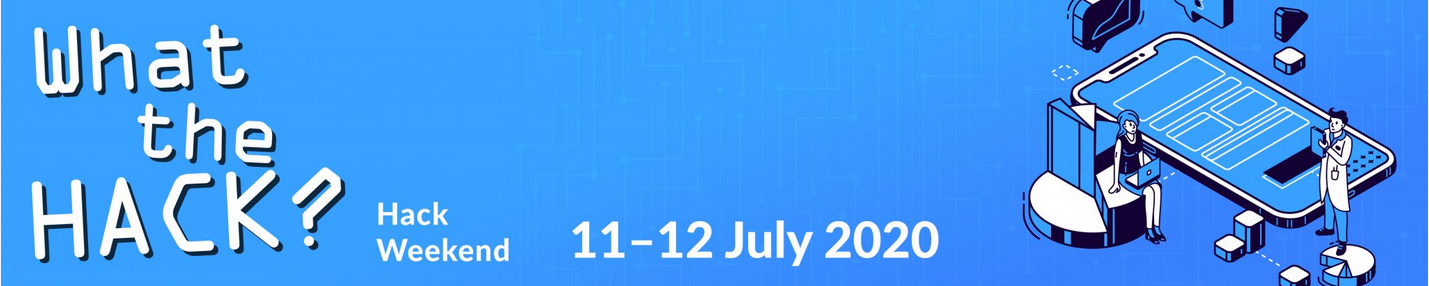
    What the Hack? – Northern Health’s inaugural hack weekend 11-12 July is just two weeks away, with over 80 people already signed up for the event.

    Over the last couple of weeks, our staff has been sending numerous ideas and problems they would like to see solved during the weekend.

    Ed Savill, Operations Director, says the Hack Weekend will present four problems that our patients and clinicians face, that virtual healthcare may be part of the answer. The theme of the weekend is ‘Supporting Northern Health to re-imagine and transform healthcare, using digital solutions, in the new world’.

    The Hack Weekend team has selected four ideas to be “hacked” over the weekend.

    “The first problem we would be looking at in the maternity area, as the team would like to provide mums different information at appropriate stages of their pregnancy or even after giving birth. The second one is orthopaedics – musculoskeletal wellness platform, third one is Intensive Care Unit (ICU) – ‘Communication with families’ platform and the forth one is in the allied health space and working on how to better prepare patients for discharge,” explained Ariana Carrodus, Project Manager.

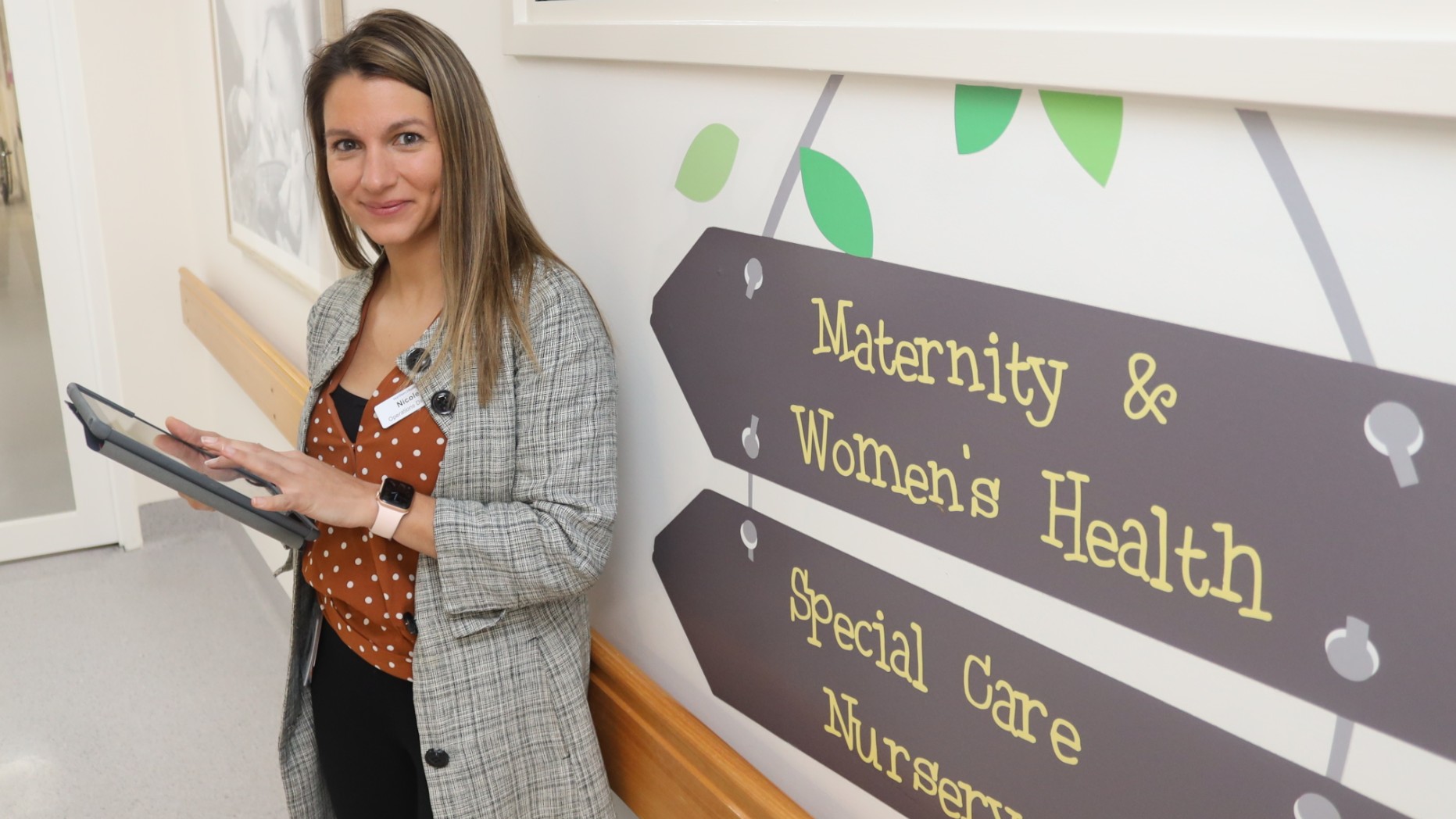
    Nicole Carlon, Director of Operations Women’s and Children’s is coming to the hack weekend to support the team working on the maternity task and feels that hack weekend is a great opportunity to demonstrate your coding skills for a great cause.

    “We are hoping to develop a Maternity smartphone application that has the potential to completely transform the way we deliver care. Not only will your skills help us to improve the way we deliver care to women and their babies, but the development of digital solutions that improve health outcomes is a great thing to have on your CV,” she said.

    The maternity team is looking for innovative digital solutions that will enable pregnant women and new mothers to have access to information and assistance when they need it.

    “Come and join us at Northern Health’s hack weekend and be part of the solution. It’s time to move from reactive care of the sick to proactive healthcare that promotes wellness. This is particularly important in Maternity care. Innovative digital solutions can help us do just that,” she said.

    Northern Health staff is invited to come to the weekend – you can be a facilitator and help run the event, or help with the tech/digital/design solution if that is your thing or be there to provide feedback on how the proposed tech solutions will work on the ground.

    Please click here to find out more on how you can participate and register.

    To find out more information about ideas to be hacked over the hack weekend, please click here.

    Please spread the word to your colleagues and tech-friends and see you at the hack weekend.

    Number of people on-site at NCHER is limited and all physical distancing measures will be implemented to ensure the event is Covid-safe.


  • Keep the distance, stay connected

    Keep the distance, stay connected

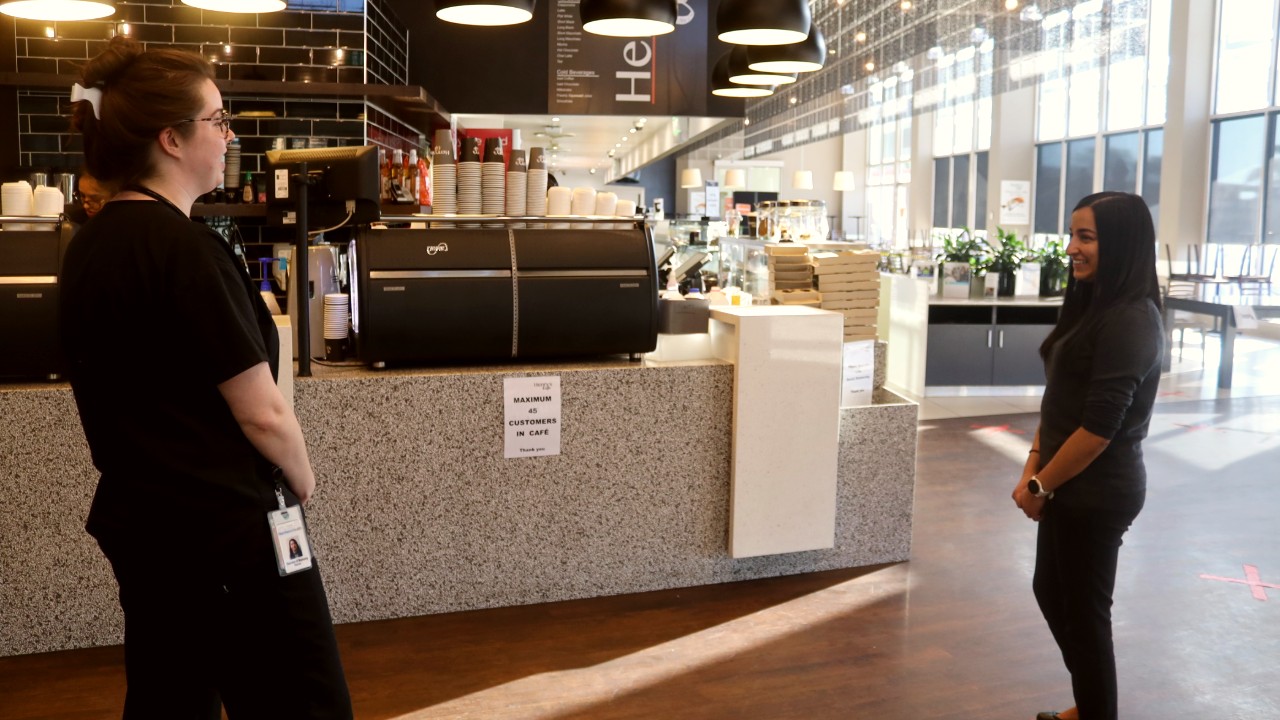
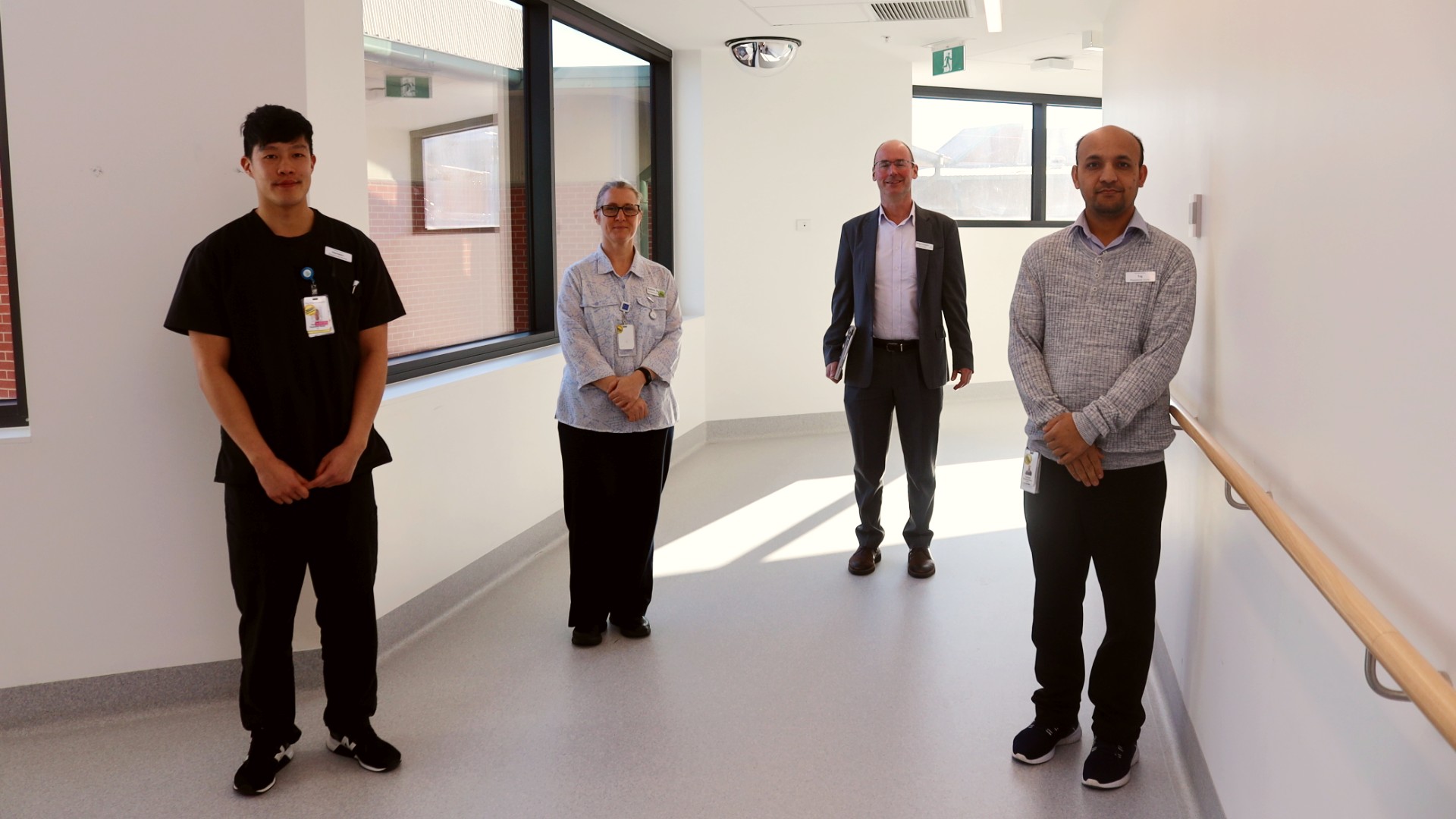
    Physical distancing is a key part of the global clinical response to the COVID-19 pandemic. At Northern Health, it is very important that all of us, as health care workers, follow the distancing guidelines when moving around our campuses and in the cafés and set an example for our community.

    Dr Kirin Channa is an Emergency Department (ED) physician and is part of the leadership team, also about to take on the ED Quality Lead role. She feels our staff needs to maintain physical distancing and set an example for our patients, as well as colleagues.

    “As medical workers, we are at higher risk so we need to keep our distance. I understand that it can be quite challenging in ED, especially in a resus room where we need to have five or six staff members in the room, but we have our masks on and our PPE in those situations,” she said.

    Kirin adds that physical distancing behaviour is a complete mindset shift and can be really hard for people.

    “We’ve been doing this distancing for a couple of months now, so hopefully we are getting more used to it. This is both an exciting and challenging job and many of us use our down time to connect with people. We are all used to a hug or a handshake, so we all need to think about how to have that connection while maintaining the distance,” she said.

    Kirin says examples of staying connected but physically distanced include going for walks with friends, and playing board games around the table while keeping the distance.

    “Our ED staff understand the physical distancing and respect the guidelines. We are also implementing different strategies to allow everyone to have a break and use tea rooms while maintaining 1.5 metre distance,” she explained.

    Penelope Grellet, Director – Trust, Diversity and Engagement, encourages all staff to maintain 1.5 metres between themselves and colleagues at all times.

    “We understand that these rules can feel awkward, but as clinicians and health care workers, we expect that you will adhere to the very clear, simple guidelines that will have a true impact on controlling the spread of the virus. A reminder particularly for teams when rounding through high risk areas, such as ED and ICU, to please limit the number of staff entering these areas to essential staff only,” she said.

    Featured image (left to right): Dr Deirdre O’Mahony, ED Registrar and Dr Kirin Channa

  • Mother and daughter working in Fever Clinic: Jatinder and Parneet Kaur

    Mother and daughter working in Fever Clinic: Jatinder and Parneet Kaur

    ‘Life doesn’t come with a manual, it comes with a Mother.’

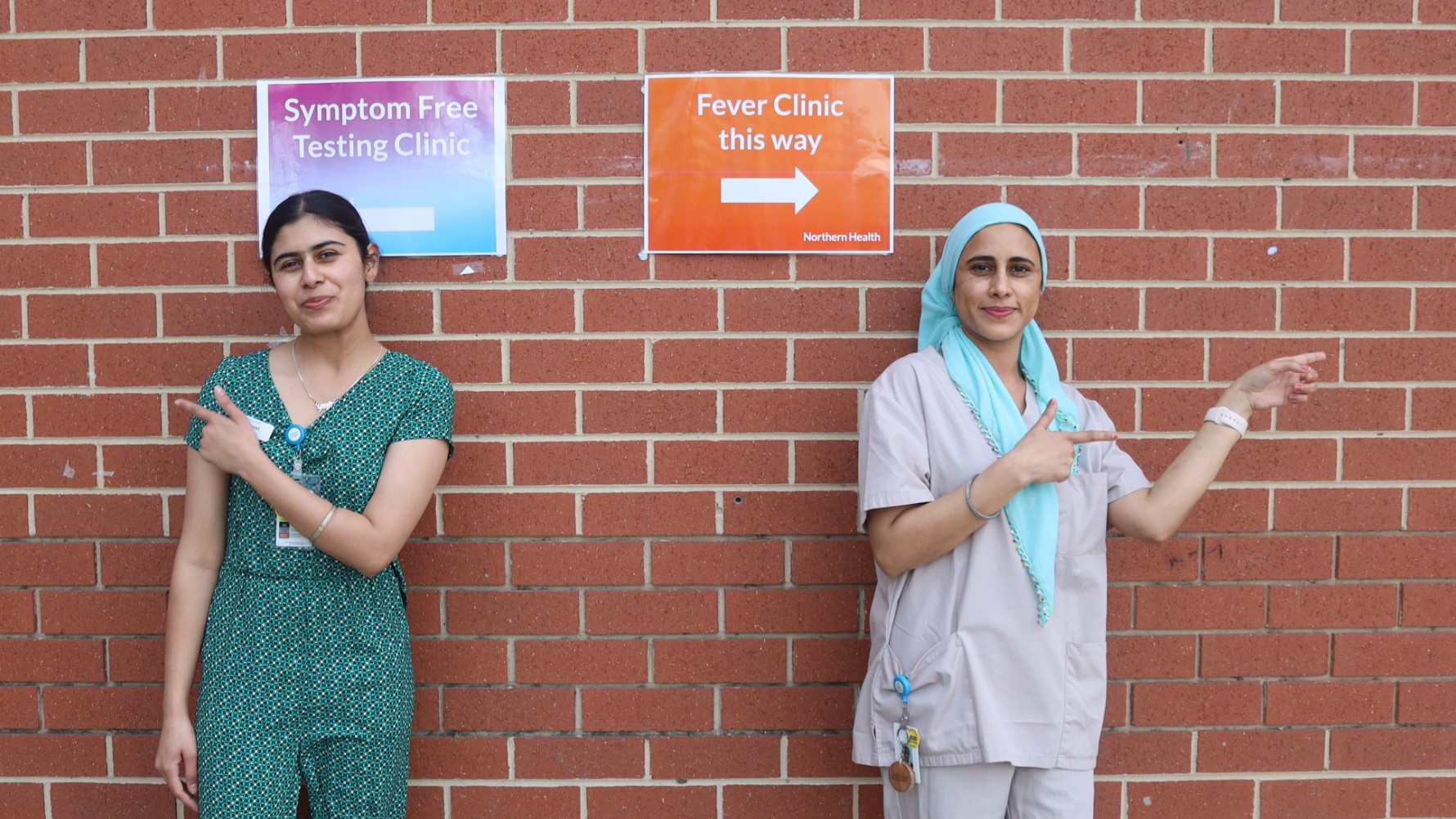
    Parneet Kaur is a ward clerk, who joined us only in March this year and has already been working on the frontline at both our Asymptomatic and Fever Clinic. It helps that she often has her mum, Jatinder working alongside her.

    Jatinder has been working at Northern Health for three years, first as a Personal Service Assistant (PSA) and now as a ward clerk, who proudly takes credit for Parneet, a final year student of International Business Studies, working at Northern Health.

    Jatinder with baby Parneet

    “Obviously with a mum working in health care I got more insights into the workings of a hospital,” says Parneet. “Now I really love it! I was doing some work in theatre recently and I thought you know what, this is nice!”

    When asked how it is to work in the Fever Clinic, both mum and daughter describe it as “rewarding.”

    Says Parneet, “I know we are only doing the paper work, but the patients come to us after being triaged and often they are anxious and it is up to us to comfort them.”

    “I find it really rewarding to be able to help people especially in the current situation. Patients are appreciative of what we are doing. They understand the challenges of our eight hour shift,” adds Parneet.

    “It is also not as daunting as it looks. When everyone is wearing their Personal Protection Equipment (PPE) it looks very intimidating but once you understand the process and how it works, it is not as daunting.”

    “The staff are very supportive. The team members are very nice – doctors, nurses and PSA’s helping each other and  happy to give you a hand. The team work and camaraderie is special.”

    “If it’s your first time – you will never feel out of place. They welcome you and soon you feel like you have been here for ages!”

    “Northern Health is our second home – if this home needs something we need to help them,” says Jatinder.

    “According to my religion, we have to help the community. As our gurudwara’s (temples) are closed, I feel like working in the Fever Clinic is like going to the temple – because I’m doing something for the community.”

    Adds Jatinder, “I love Australia. This country has given me a lot of opportunities and as an Australian, I’m happy to help. This is the time to stand with the community and I’m proud I get an opportunity to do so.”

    Featured image shows Parneet and mum Jatinder

  • Career STEPs at Northern Health

    Career STEPs at Northern Health

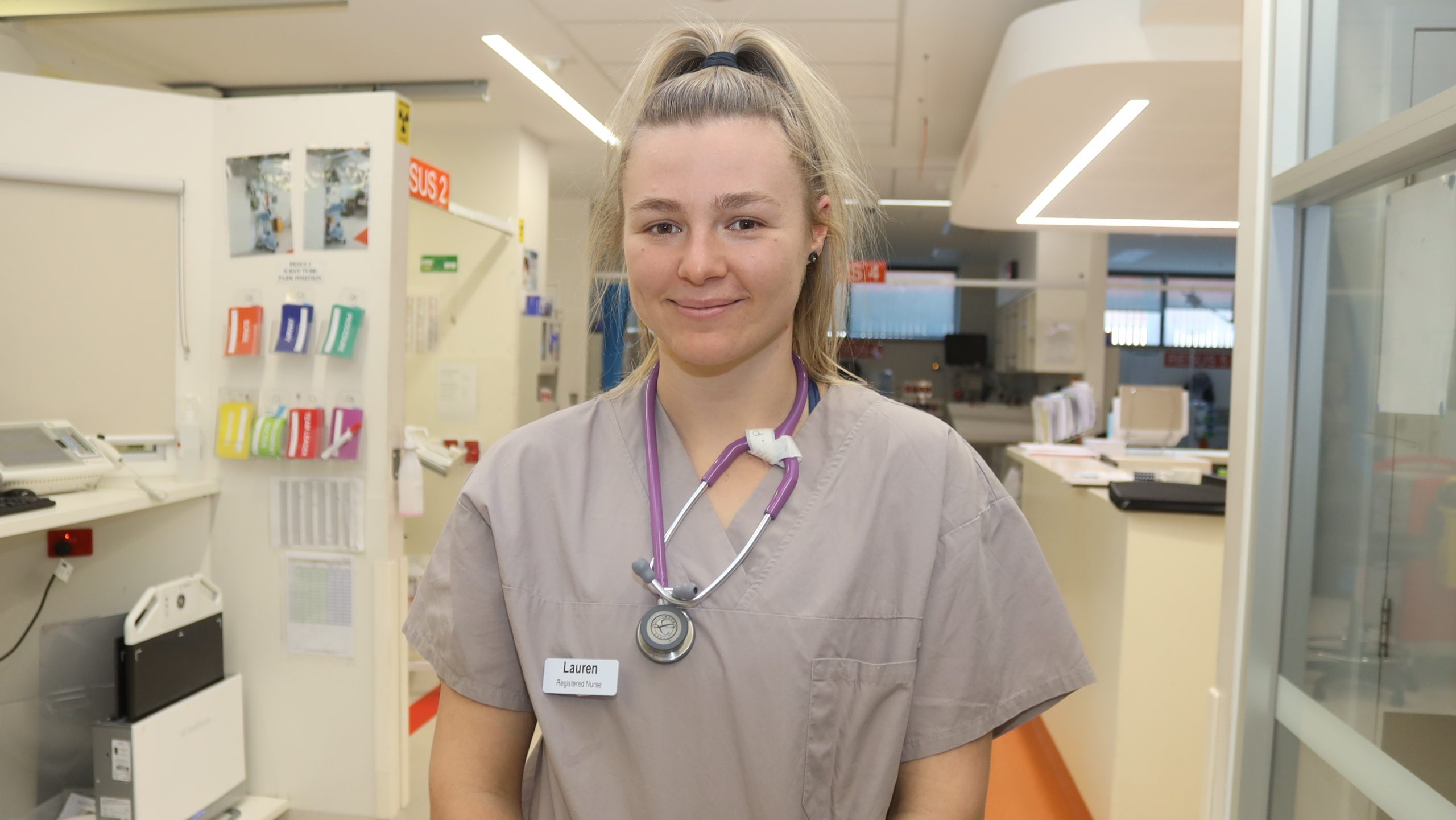
    Last year we welcomed graduate nurse, Lauren Parkinson, to Northern Health. Since then, she has been exposed to many opportunities that have helped her transition into a registered nurse. We caught up with her to find out what she loved most about her graduate year and her next career STEPs.

    Nursing is something Lauren has always wanted to do from a young age. After being accepted into the graduate nursing program at Northern Health, she was placed on a rotation in the emergency department (ED) and on Ward 4.

    Lauren says one of the highlights of her graduate year was working in ED – where we treat more patients than any other emergency department in the state.

    “The clinical support team here in ED were awesome – I learnt so much from them,” she said.

    “My rotation on the ward was really good as well because I could consolidate things I learnt as an undergraduate student. One of the other highlights was going back to the ward after being in ED as I felt a lot more confident,” she added.

    Lauren tells us the clinical support teams made a significant impact on her experience.

    “The clinical staff and education teams have influenced my career pathway in a huge way. Especially the emergency clinical staff – they are so supportive and I go to them with questions all the time and they always point me in the right direction and are very encouraging,” she said.

    Lauren already aspires to complete her postgraduate qualification next year at Northern Health. In preparation for her further studies, she applied for the Emergency Supported Transition to Excellence in Practice (STEP) program.

    “Since my grad year, I came back to emergency and started my STEP program in January, which is a six month program, so I’m about to finish that which I’ve loved,” she said.

    “Next year, I plan on completing my postgraduate in emergency services. Hopefully I can even start it at the end of this month by doing a subject early once I finish my STEP program,” she added.

    The Emergency STEP program prepares staff for advanced practice in the emergency specialty and is an introduction to a career pathway into postgraduate studies in this field.

    It enhances basic competence practice in complex patient assessment, management and holistic health care for emergency patients. Staff undertaking the program benefit from face to face study days, simulations, case study reflection and bedside teaching and assessment.

    “The STEP program has been a really good taster as to what you can expect in the postgraduate program, and introduces you to all of the concepts you are going to have to consider. It gives you a bit of a head start and makes you start thinking about things,” Lauren said.

    Lauren says the education team were very helpful and supportive during her STEP program, especially as the program was completed during the COVID-19 pandemic.

    “You also take on a bit of a leadership role with the STEP program – especially when you have new staff come in. Now I have graduates and students so it’s quite a big adjustment but I really enjoy it.”

    Lauren doesn’t see herself moving on from Northern Health anytime soon and she encourages aspiring nurses to consider applying for a graduate program here for the family-like environment and opportunities for career development and further studies.

    “After I finish my postgrad, I will continue working in ED. I love it here and want to stay. Maybe down the track, I would consider doing a trauma course or maybe some rural nursing but I love the team here and love the education so I can’t see myself leaving!” she said.

    “I would also definitely encourage people to do a STEP program if you have the opportunity and if you get a chance to rotate through ED, do it! When you’ve got people supporting you, it’s a lot better. I think because we work together all the time, it’s a bit like a second family here so it’s really nice.”

    To find out how Northern Health can support your career in nursing and midwifery, please click here.

  • Q&A with Emiliano Zucchi

    Q&A with Emiliano Zucchi

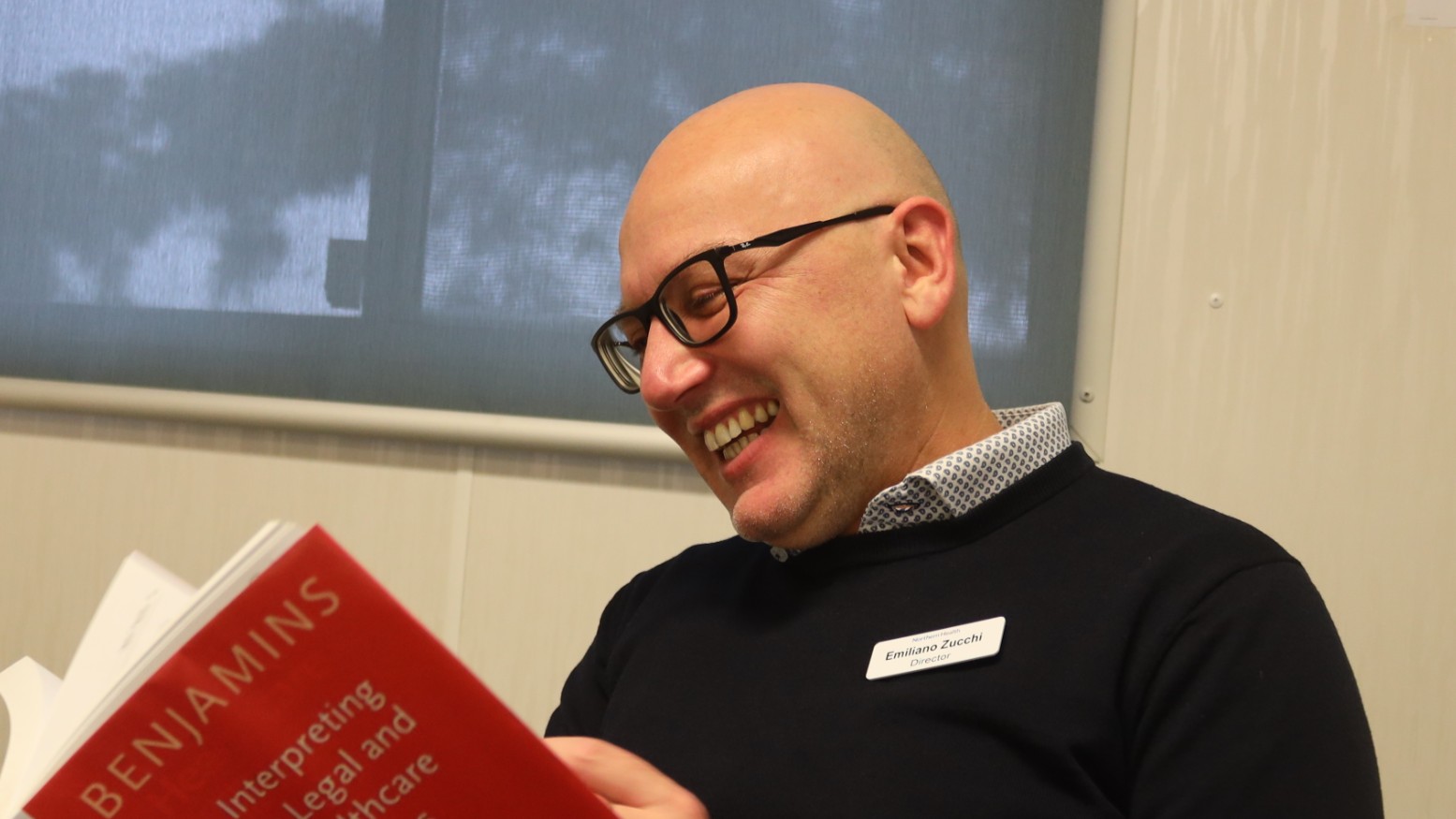
    Emiliano Zucchi, Director of our Transcultural and Language Services (TALS) and Narrun Wilip-giin Aboriginal Support Unit, has co-authored a chapter in a book titled ‘Interpreting in Legal and Healthcare Settings: Perspectives on research and training’.

    The book is said to address, ‘issues arising from interpreting in legal and healthcare settings by presenting cutting-edge research findings in interpreting and interpreter education in a number of countries around the world.’

    We sat down with Emiliano to talk about his contribution to this book.

    Firstly, tell us what the significance of this book is to our current times:

    The book seeks to establish language services as a discipline within both the health and legal settings. In our own health context, the book presents fairly compelling evidence about the impact interpreting and translation services – as well as transcultural training and research activities- have on the health outcomes of patients with limited English proficiency.
    It is demonstrated that when a professional interpreter or translator is part of a multidisciplinary team looking after the patient, the health outcomes for that patient are considerably better; as a result when we engage interpreters, we improve access to services for all patients regardless of their cultural background or their English proficiency.
    In the process we not only safeguard basic rights, but we also contain costs considerably. While I am not an expert on the legal context, I suspect it is the same for court interpreters: justice will be better served when professional interpreters are engaged.

    Tell us now of your contribution to this book:

    I contributed a chapter together with a colleague at Monash University, and a former TALS employee. The chapter addresses the paucity of interpreter-focused studies in mental health interpreting and looks at use of language, and, in lay terms, at what happens when patients mix English and their mother tongue during their interaction with the clinician.
    How do we make sure messages are transferred accurately and in a language patients understand? What type of preparation is required? What type of set up and follow-up? How do we empower the patient to become an active contributor in addressing their health issue? The chapter attempts to answer these questions, while also grappling with more theoretical notions.

    What is the significance of interpreting in the context of mental health?

    Interpreting in the mental health context is more complex than other contexts. It is essential for interpreters to be briefed prior to the consultation starting, and after. While this is important for all interpreting consultations, in mental health especially there has to be a synergy between clinician and interpreter so that best results may be reached. Ideally the interpreter working in this context already has a good understanding of mental health and the strategies used by clinicians to treat patients.

    Given that a number of countries have contributed to this book, what are some of the common issues in interpreter and interpreter education worldwide?

    Yes, there are common issues. As the world moves towards a recognition that societies are multicultural rather than mono-cultural, they have to overcome language barriers. In Australia, and in particular in Melbourne, we are at the forefront of language services, other countries have some catching up to do. The main issue in professional contexts such as the health or legal context, is language proficiency, a gap which should be bridged only by engaging professional interpreters. One of the most common mistakes made across the world is thinking that being bilingual makes one an interpreter. I’m afraid not! Professional interpreters have to have advanced language skills, and strictly adhere to a code of ethics which guarantees impartiality and confidentiality are maintained at all times.

    Here at Northern Health, we endeavour to provide the same quality of service for all patients and their families regardless of ethnicity and the ability to speak English.  How does the TALS team help in delivering that?

    We are very lucky at Northern Health. Our health service has always strongly invested in language services. When I started in 2007, we had four in-house interpreters, we now have over 40 covering the top 15 languages. Almost a quarter of all our appointments have an interpreter, as far as I know there is no other heath service with such a high number of interpreter mediated occasions of service.

  • Former patient donates face mask straps

    Former patient donates face mask straps

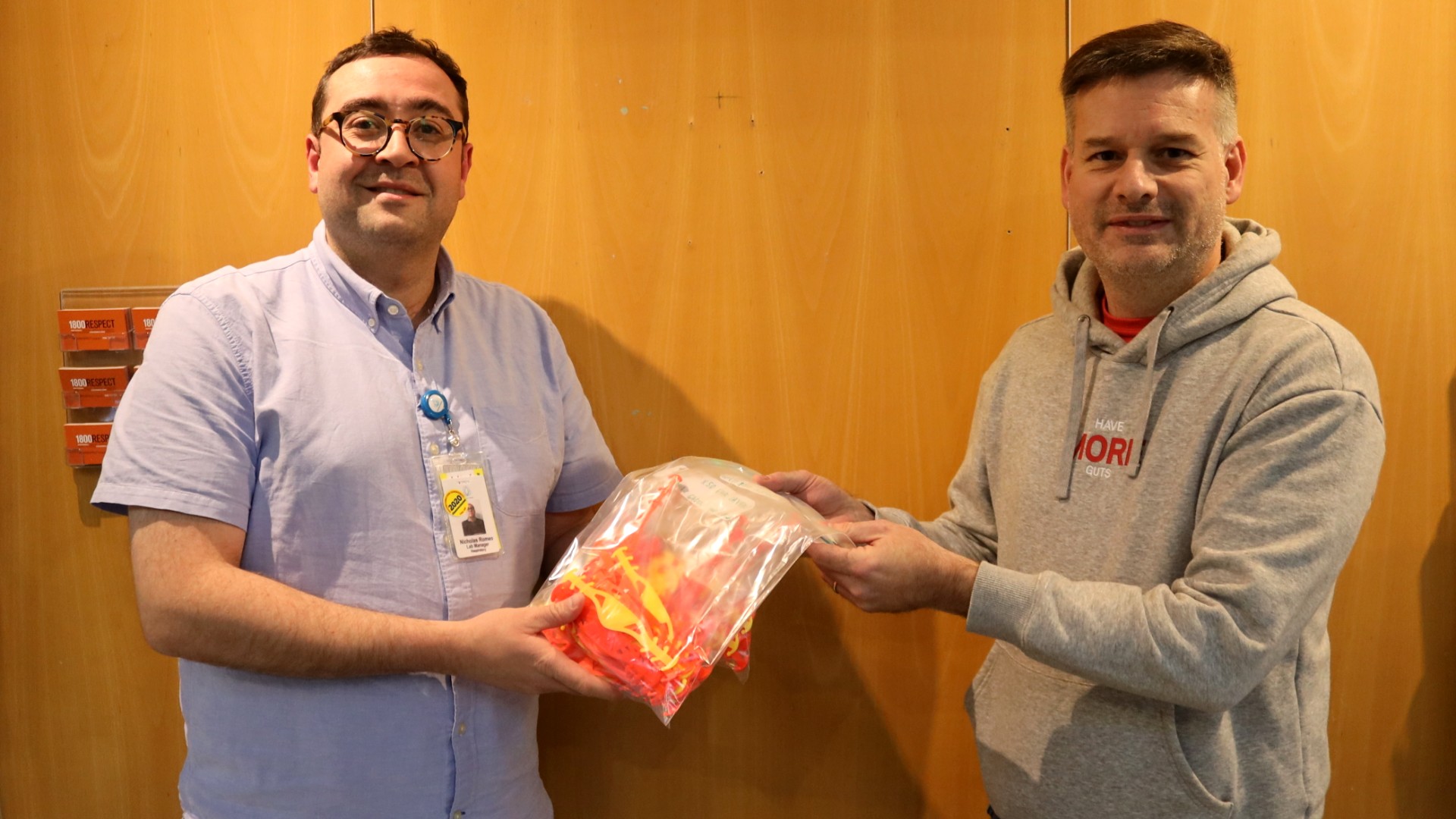
    Adrian Lee Gacek, a former Northern Hospital patient, found a innovative way to give back to his hospital during the times of a pandemic.

    “I was just seeing online how people were helping hospitals, particularly with Personal Protective Equipment (PPE). Then, I realised I can make something with my 3D printer and donate to medical staff,” he said.

    Adrian first started making face shields. After a while, he came across face masks straps and after researching how useful these are to nurses, he started printing them too.

    “I purchased three more 3D printers and started producing the straps and donating to different hospitals,” he said.

    Even though he was donating to various hospitals, Northern Hospital Epping is the one he has a special connection to.

    “I was a patient at Northern about three years ago and spent a number of nights here,” he said.

    The appreciation for the treatment and positive patient experience he had here was the main motivation behind his donation.

    “I am very appreciative of what Northern Hospital has done for me. I am really happy to be able to give back just a little bit,” he said.

    3D printing is just a hobby for Adrian, that he was now able to put to a good cause. He usually uses his 3D printers to print little toys for kids, little animals and similar.

    “I never used my 3D printers for really useful things. The straps are very helpful to hospital staff and I am very happy about that,” he added.

    Nicholas Romeo, the Head Scientist and Lab Manager of the Respiratory Department at Northern Health said the hospital staff are very thankful for the donation.

    “We cannot be more appreciative of Adrian reaching out to us and this is a great example of the community wanting to assist us in a time of need. We were able to work together to ensure a good supply of surgical mask straps after staff feedback of discomfort when wearing surgical masks for extended periods. Adrian continues to supply hundreds of surgical mask straps at no charge to ensure we have enough for all staff,” he said.

    After meeting with Adrian on several occasions and also visiting his home, Nicholas has discovered other ways Adrian is willing to assist Northern Health.

    “Adrian will be part of What the Hack – Northern Health’s inaugural hack weekend next month. We are very thankful for all Adrian is doing for Northern Health,” he added.

    Featured image (left to right): Nicholas Romeo and Adrian Lee Gacek

  • 15 Minute Exercise – Challenge starts today!

    15 Minute Exercise – Challenge starts today!

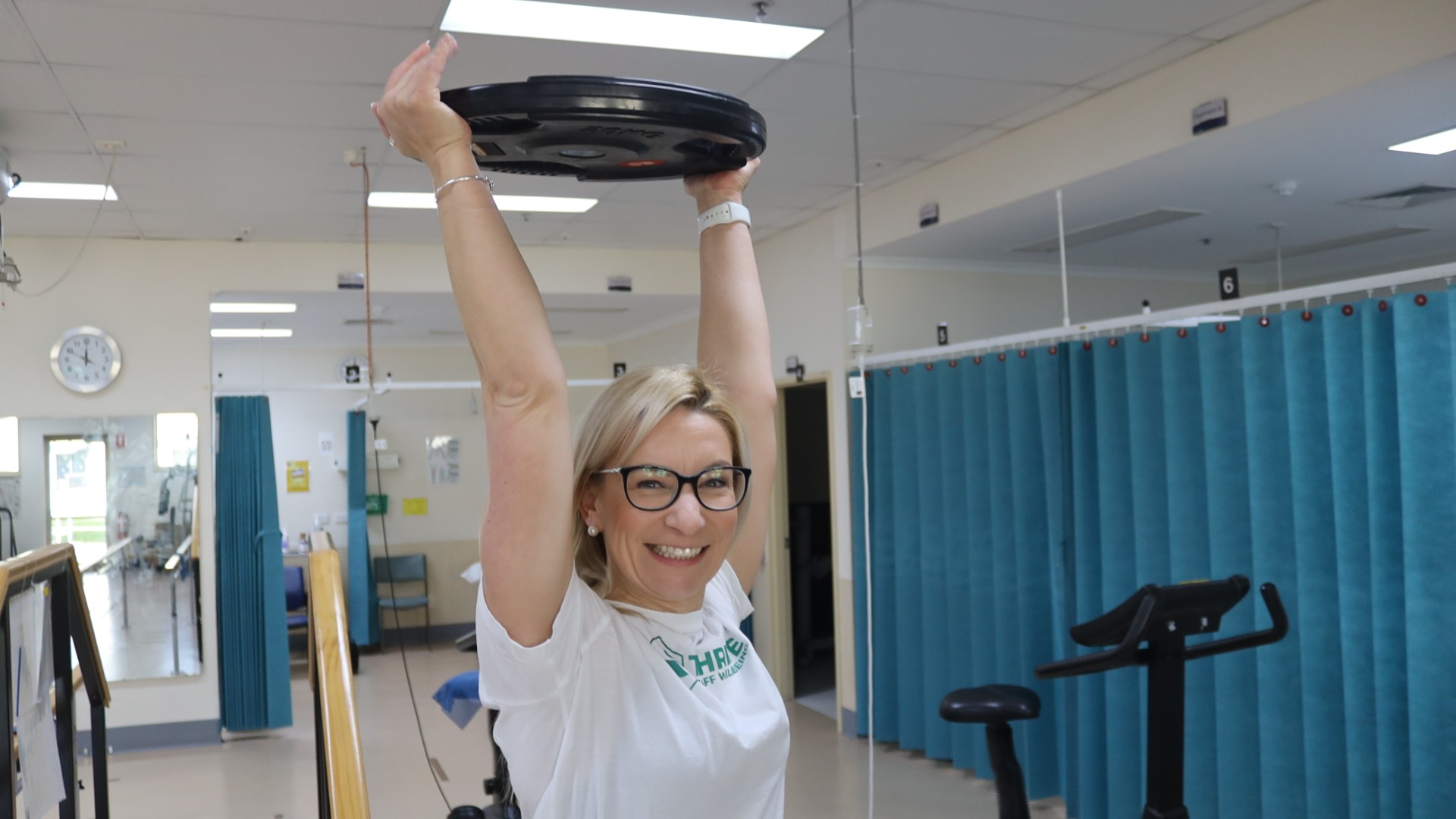
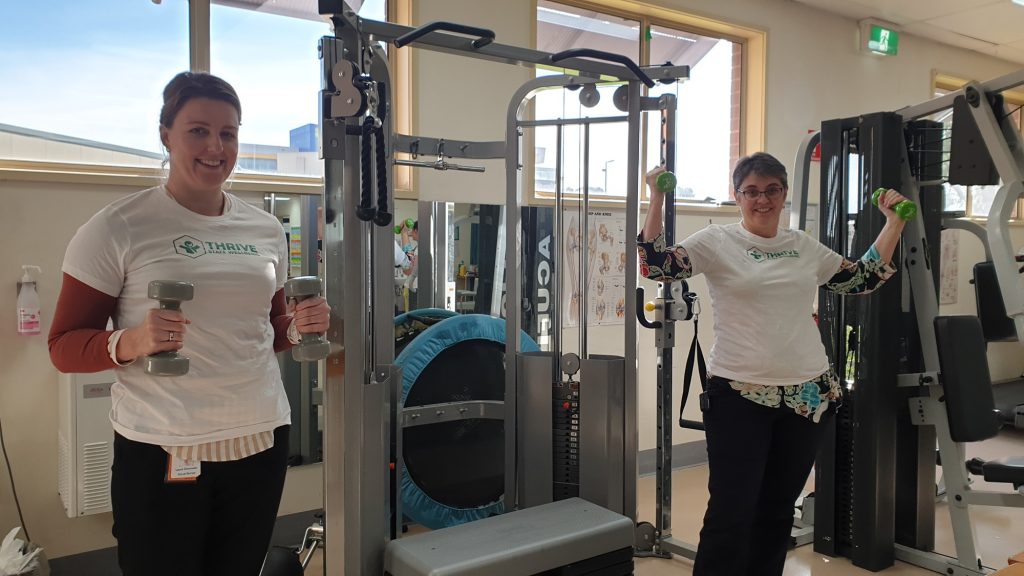
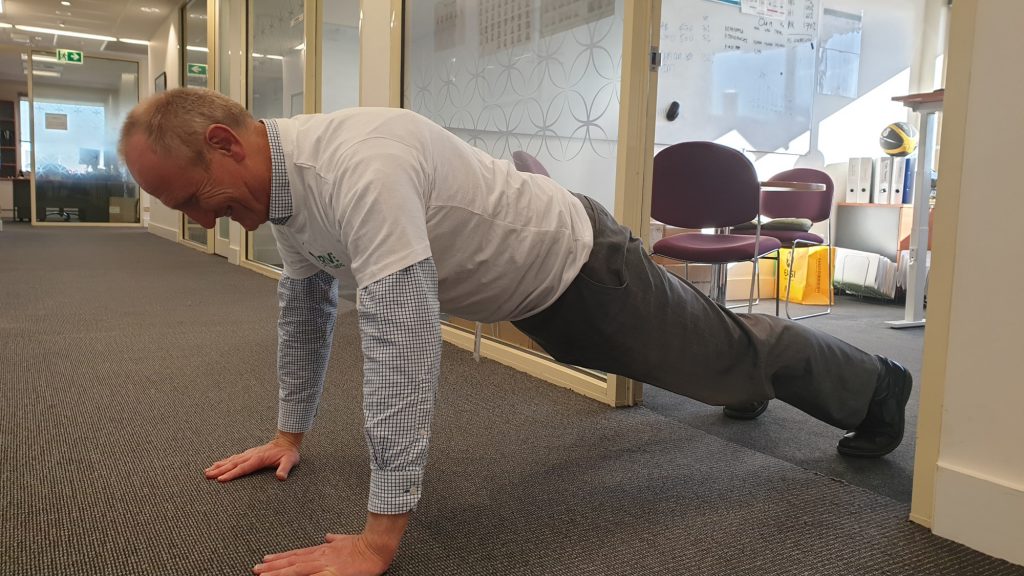
    Northern Health’s six-week 15 Minute Exercise Challenge starts today, and all staff are invited to register here and compete.

    Alison O’Sullivan, Wellbeing Coordinator at Northern Health, explained staff can compete by simply finding at least 15 minutes a day to do an exercise of their choice for as many days as possible throughout the six-week challenge and logging their progress online.

    “You can join as an individual or form a team of five to eight with your workmates. Once you register, you need to log your progress every day on the platform and the OHS and Wellbeing team has prepared some great prizes for winners, both in the individual and team category,” she said.

    Briana Baass, Executive Director Allied Health and Partnerships, is joining the challenge because she feels exercise is such a critical part of our overall wellbeing.

    “Especially during busy times, exercise is something we let go and slips out of our day. I find that now, during the COVID-19 restrictions, I lost my discipline to do exercise every day. This is a great opportunity to actually get back into the habit and make sure exercise is a part of my day, and I know I will feel better when I do it,” she said.

    Briana enjoys strength exercises, pilates, swimming and keeping active.

    “Staff can incorporate exercise in their every day routine by having walking meetings for example, if the weather is good, or they can stop the car at a park or a lake on their way home, or even a shopping centre and have a walk before heading home. I prefer morning exercise and going to the gym,” she said.

    Briana adds there is a lot of evidence that connects exercise to increased wellbeing and better mental health.

    “We can’t underestimate the power of how critical exercise is to our mental wellbeing and even if it means that you are just moving your body for 15 minutes or going for a walk, that can be really powerful in terms of wellbeing. Exercise also has a huge impact on various chronic diseases. This 15 minute challenge is a great opportunity to get exercise and movement back into our day. Come along for a ride with me and let’s get the exercise back into our daily schedules!” she said.

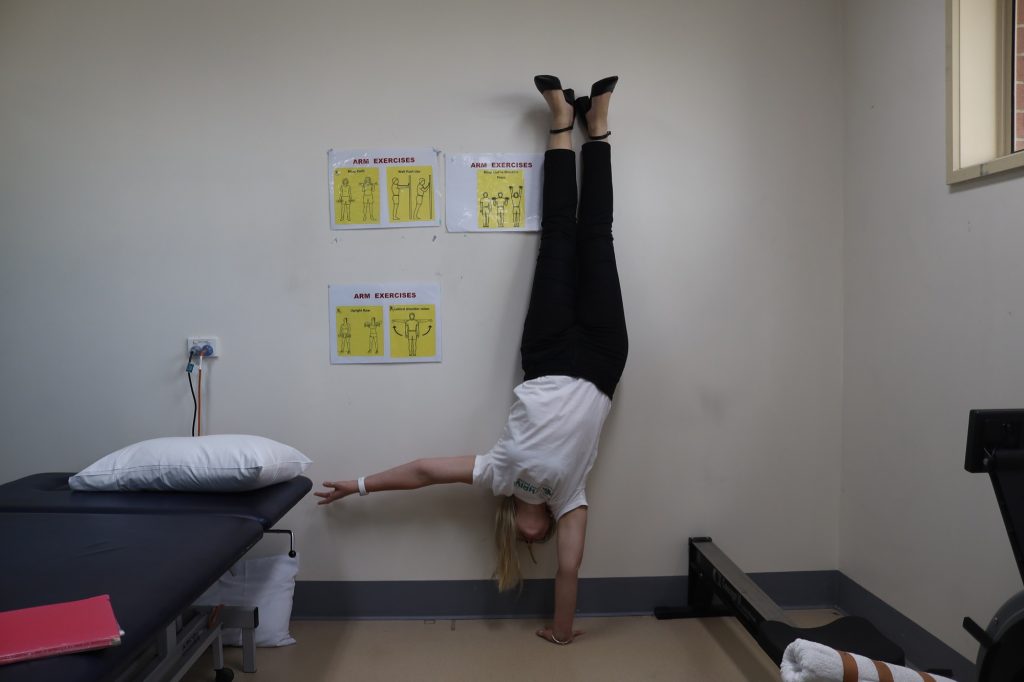
    Please see images below of some of our staff exercising:

    Lora and Anthea from Social Work
    Basil Ireland taking some time to exercise
    Briana Baass is doing a headstand