• Two EDs in a Pod – Northern Hospital Emergency Department opens VVED Pods in waiting room

    Two EDs in a Pod – Northern Hospital Emergency Department opens VVED Pods in waiting room

    Two Victorian Virtual Emergency Department (VVED) pods have been implemented in the Northern Hospital Emergency Department, to help streamline access to care for patients presenting with non-life-threatening emergencies.

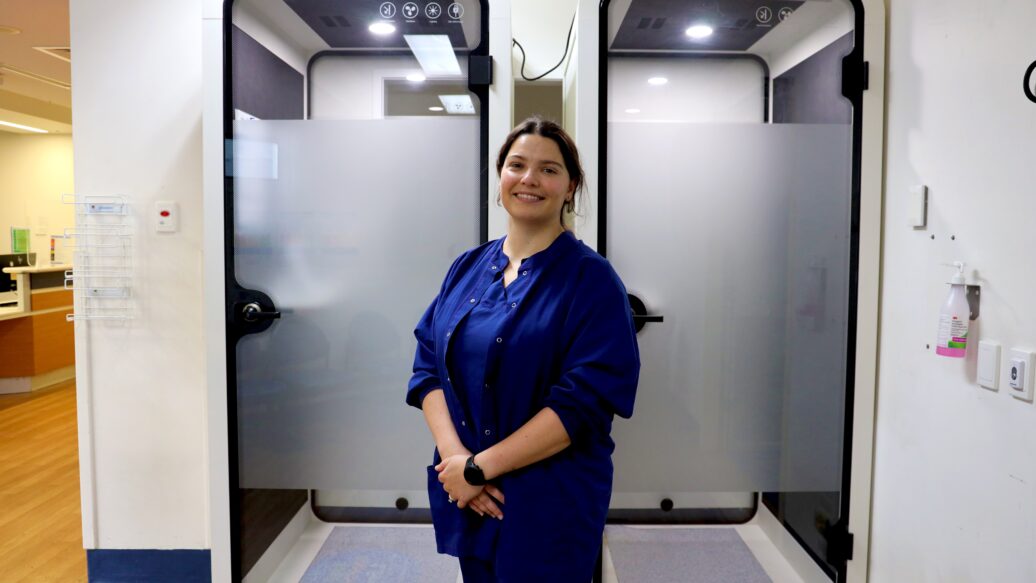
    There are two pods available, each similar to an old-school telephone box, that can be used simultaneously by eligible patients presenting to the physical emergency department. Completely soundproof, patients can receive a full video consultation and assessment in the privacy and comfort of the space.

    Patients are assessed by VVED clinicians and advised of the appropriate next steps of care, which may be provided at alternate care providers instead of in the physical emergency department.

    “These pods are yet another way Northern Health is providing care and alternate pathways for our community. They are helping us to treat and assess patients who present to the emergency department more appropriately and efficiently,” said Laura Hughes, Project Manager.

    “When we ran a recent trial, we saw hundreds of patients use the service effectively, many who were able to leave the physical emergency department sooner and continue to improve and recover at their home.”

    “Currently, there are between four and five patients using the pods daily. This number can vary, as the team is continuing to improve the process of triaging patients to the pods, but we hope this number will increase to at least 15 uses per day,” said Hannah Downie, Nurse Unit Manager, Emergency Department.

    “Most patients that would be redirected to the pods would be classified as Category 4 or Category 5 patients. The current wait times for these patients to see a clinician and wait in the waiting room is between 90-120 minutes on average, although this could be longer, depending on the time of day. The VVED team are working towards patients being seen in the pods within 20 minutes,” Ms Downie said.

    “The VVED pods are another example of how Northern Health is continuing to improve the timeliness of the care we provide for the community. The virtual emergency and physical emergency teams are working collaboratively to provide the most appropriate care, in the most appropriate setting,” said Ms Hughes.

    VVED pods are also available at Austin Hospital and Sunshine Hospital, and an expansion of these services into more regional and metro areas is planned for the coming months.
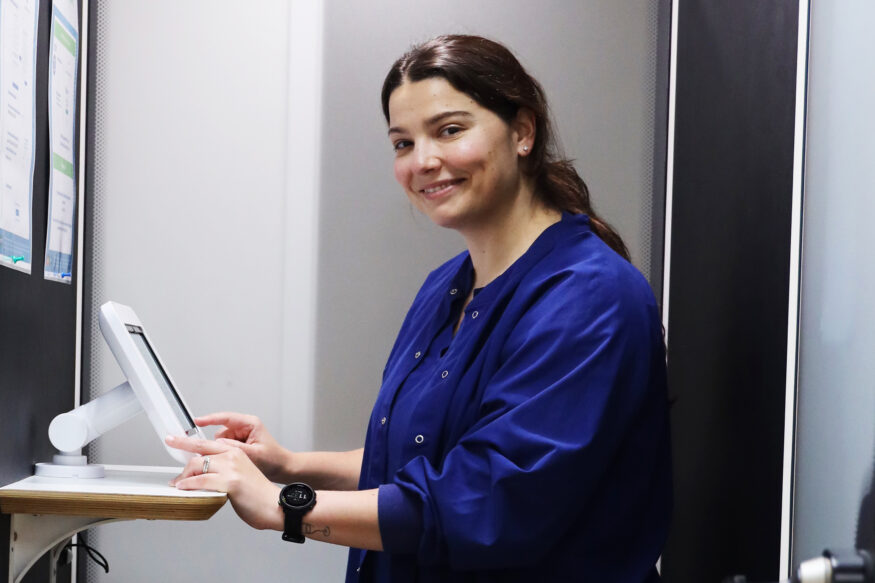

    Pictured: Hannah Downie, Nurse Unit Manager, Emergency Department.


  • Northern Health tops Victoria’s energy efficiency rankings

    Northern Health tops Victoria’s energy efficiency rankings

    Northern Health has recently been ranked the most energy efficient health service in Victoria, according to the NABERS Sustainability Portfolio Index (SPI).

    NABERS, the National Australian Built Environment Rating System, evaluates the environmental performance of public buildings by measuring energy and water usage, then comparing them to similar institutions. The rating system uses a star scale, where six stars represent superior performance.

    Victorian public hospitals have collectively attained an impressive average NABERS rating of 4.1 stars for energy, categorising them as ‘high performance’.

    Notably, Northern Health surpassed this benchmark, earning an exceptional 5.1 stars out of 6 for energy efficiency per occupied bed day, the highest in the state.

    “We thank the Victorian Health Building Authority for submitting the data for 2022-23, on behalf of the State, to enable the rating,” said Basil Ireland, Chief Financial Officer, Northern Health.

    “We are hopeful that we will be purchasing 100 per cent renewable energy from the grid from 1 January 2025. This is a State Government initiative that we are excited about,” he added.

    Craigieburn Centre also stood out by joining an elite group of 13 hospitals that received a perfect 6-star rating. This Market Leader status was awarded for both water and energy efficiency.

    Looking ahead, Alex Jovanovski, Director, Engineering and Building Services, expressed optimism about further improvements. He noted that, “future data would reflect the impact of newly installed solar panels, potentially boosting their already impressive NABERS score.”

    “Mental Health sites have solar installations and Kilmore District Hospital has a new solar upgrade. We are monitoring and adjusting summer/winter cooling and heating temperatures via the Engineering Building Monitoring System across most of the Northern Health sites,” he added.

    Solar panels at Northern Health


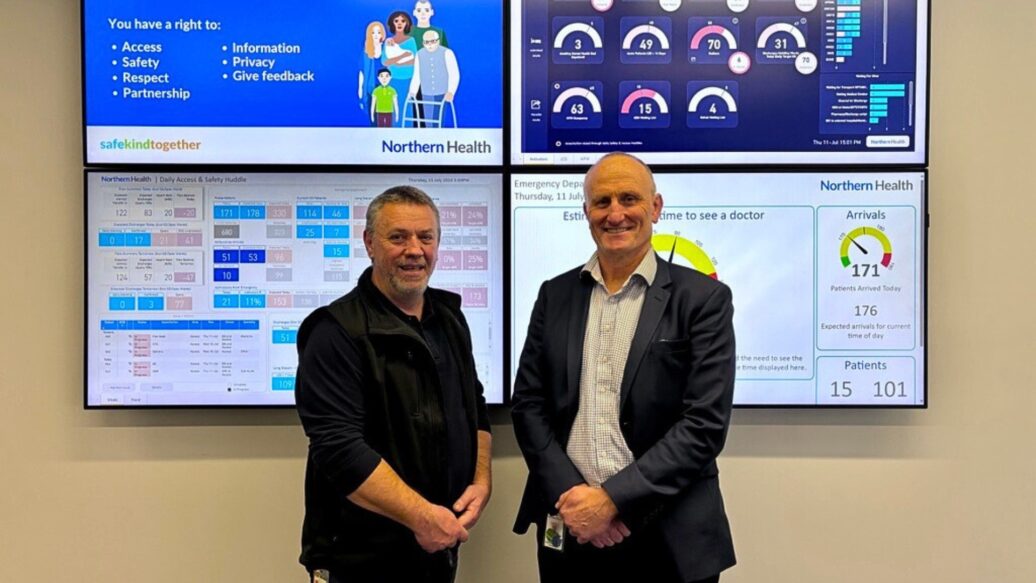
    Pictured in featured image (L-R): Alex Jovanovski, Director, Engineering and Building Services and Basil Ireland, CFO, Northern Health. 

  • Get to know Natalie Bloomfield

    Get to know Natalie Bloomfield

    #WeAreNorthern

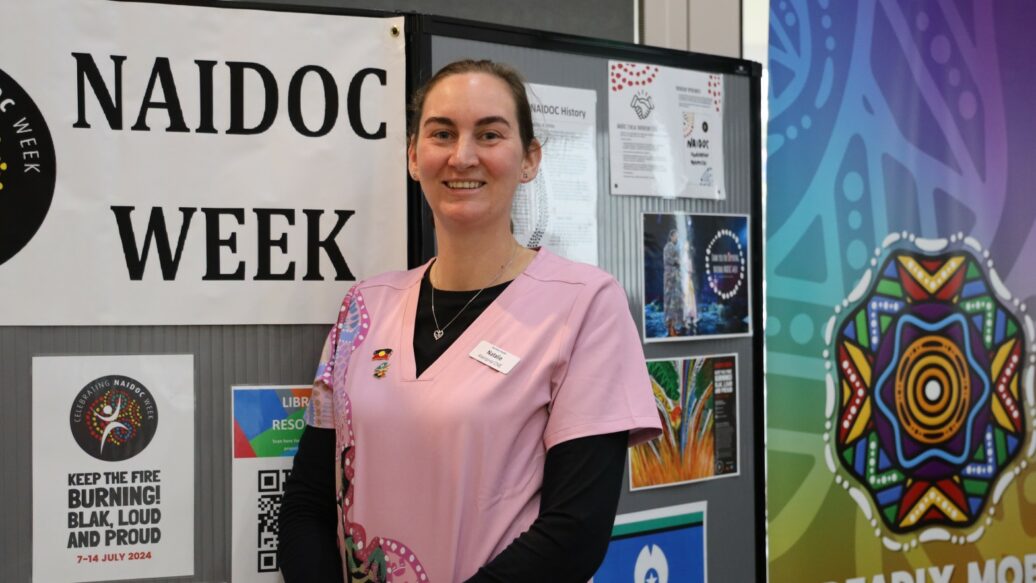
    Meet Natalie Bloomfield, Aboriginal Clinical Nurse Educator.

    What is your coffee order?

    No coffee for me, I run off hot chocolate, orange juice or a blue heaven milkshake.

    Tell us about your mob please?

    I am a proud Gunai/Kurnai descendant, from the regions in East Gippsland. 

    Natalie, we first wrote about you as the recipient of the Aboriginal Postgraduate Nursing and Midwifery Scholarships Program (Master of Education).  That was in 2020. What has happened since?

    I am now the Aboriginal Clinical Nurse Educator and work with Narrun Wilip – giin, Aboriginal Support Unit. This role is very important in growing career pathways into the healthcare sector for Aboriginal and Torres Strait Islander people.

    My role is to ensure all First Nations staff are supported culturally, by providing mentorship and a link with the community. Every year, the cadetship, graduate and postgraduate pathways grow in numbers and success.

    So far I have had the privilege of watching the journey of our cadets and graduates take on different roles and follow their passions into specialty areas.

    What are the best things about working at Northern Health?

    Working with my deadly team, building partnerships with the community and being able to watch colleagues kick their goals!

    What is something not many people know about you?

    I love art, anything to do with paintings, photography, architecture.

    This year’s NAIDOC Theme is ‘Keep the fire burning! Blak, loud and proud’. What does it mean to you?

    To me, it means to keep sharing our culture and to be loud and proud about it. I love being able to spend time with my family, friends and work colleagues; especially being able to see what they experience and ask questions about NAIDOC Week.   

  • Launch of the Wellness Lounge

    Launch of the Wellness Lounge

    “I have chosen to be happy because it is good for my health.” – Voltaire

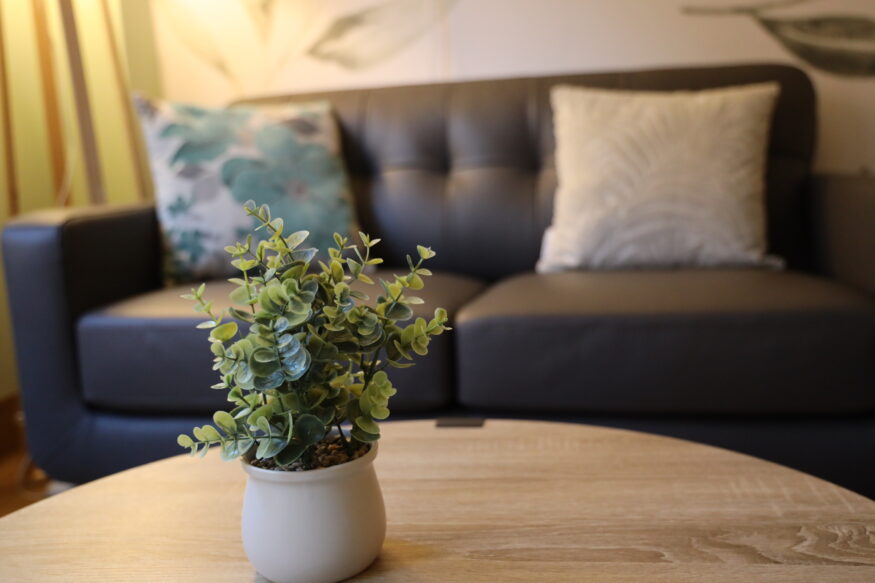
    Nestled in Ward 5 at Northern Hospital Epping is the recently launched Wellness Lounge. This peaceful space with massage chairs and cozy seating is exclusively for those living with cancer; a sanctuary where they reconnect with their body and mind, allowing the outside world to fade away for a little while.

    Predominantly a quiet space for patients and carers, the Lounge is also home to the WellAhead program, a holistic wellness program, co–designed with consumers, to support and empower those living with and beyond cancer.

    A patient participating in the yoga class had this to say about the Wellness Lounge:

    “One of the standout features of this room is its lighting. This gentle illumination helps in calming the mind and enhancing the overall meditative experience. Large windows offer a view of lush greenery outside, allowing participants to connect with nature even while indoors. The sight of plants and trees adds to the tranquil atmosphere. ”

    He adds, “The Lounge thoughtfully avoids the intrusion of technology in any form, ensuring a digital detox that is essential for mindfulness and deep meditation. This commitment to maintaining a tech-free space allows practitioners to fully immerse themselves in their practice without the distractions of modern devices.”

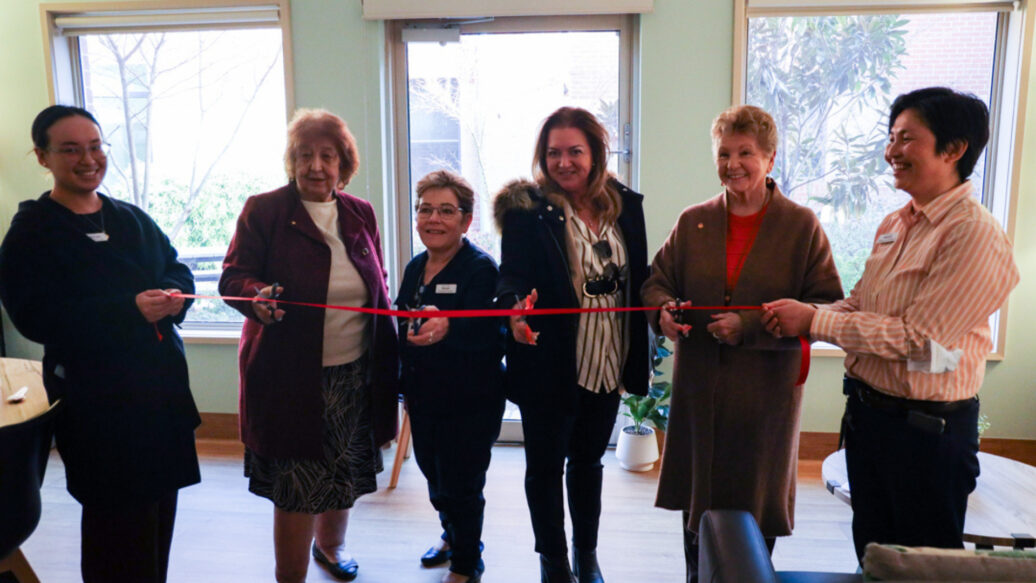
    The Lounge officially opened on Thursday, 4 July, with staff and donors in attendance.

    “This is the first step in our cancer wellbeing journey. It is wonderful to see how a group of committed individuals can make a difference,” said Pina Di Donato, Executive Director, Public Affairs and Foundation, thanking patrons, staff and well-wishers.

    “There are so many people to thank, including our amazing donors and the team from Cancer Services, in particular Ed Savill, Thi Nguyen, Andrea Soccio and Mike Masilamani, just to mention a few. The Foundation team is privileged to work alongside our passionate colleagues to bring projects like this to life,” Pina says.


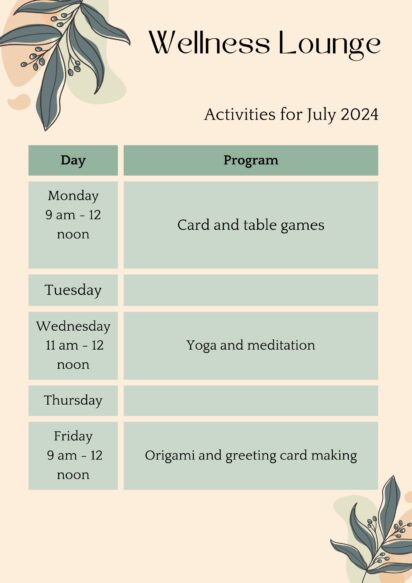
    Card games and card making, with Whittlesea U3A: U3A stands for University of the Third Age. Every Wednesday and Friday morning, they will share card games and teach card making and Origami at the Lounge.

    Yoga: The yoga class is held at 11 am, every Wednesday, led by Shruti Nagendra. Shruti is a certified Yoga Instructor with over 15 years’ experience, who integrates pranayama (breath control) and meditation techniques in her yoga practice. Shruti says, “The WellAhead Program emphasis on holistic wellbeing, resonates deeply with my professional philosophy and personal values.”

    Other activities planned at the Wellness Lounge, include a workshop on Japanese Kumihimo Braiding, Art Therapy and Qigong classes.

    Main image shows Thi Nyugen, Josie Minniti (Northern Health Patron), Margie Hill, Trudi Hay (Northern Health Patron), Bev Carman (Northern Health Patron) and Natalia Dewiyani formally launching the Wellness Lounge. 

    For more information on the activities of the Wellness Lounge, visit: https://www.nh.org.au/wellahead

  • Welcome to Taungurung Country

    Welcome to Taungurung Country

    In 2023, Northern Health and Kilmore District Health amalgamated, to care for the growing and diverse needs of the northern catchment, together. This amalgamation enabled improved access to care for our patients in the Northern Growth Corridor – one of Victoria’s fastest growing regions.

    Kilmore District Health is on the land of the Taungurung people. As part of our NAIDOC Week celebrations, we asked Bonnie Cavanagh, Chief Operating Officer, (Advocacy and Enablement Division),Taungurung Land and Waters Council to share with our readers, its history and culture.

    Tell us firstly about the Taungurung people and their land?

    Taungurung culture is just as alive today as it was over 65,000 years ago. To this day, Elders assist in teaching the younger generations culture, history, and language and furthering their knowledge and appreciation of their heritage as the rightful custodians of the Taungurung lands in Central Victoria. Our traditional lands occupy a large portion of Central Victoria with beautiful Taungurung Country encompassing the area between the upper reaches of the Goulburn River and its tributaries north of the Dividing Range. From the Campaspe River to Kilmore in the west, eastwards to Mount Beauty, from Benalla in the north down to the top of the Great Dividing Range.

    Country is all encompassing. It is our mother, a living entity and needs to be cared for from the skies and waters to the roots in the earth. Country looks after us all in many ways, so long as we look after her. We have clear roles and responsibilities within our own clans for the care and protection of each other, our culture and Country, including food and water sources.

    Tell us how the resources of the land were used?

    As seasons changed, the mob would move around to ensure safety but also access to resources which would include emus, kangaroos, possums, wombats and freshwater fish.

    One of our staple bush tucker foods is the tubers of the Murnong (Yam Daisy). The easiest time to find the tubers are in the summer when the plant is in flower and its bright yellow flowers clothe the tops of the ranges.

    In the springtime, we would travel to the Alpine peaks to feast on the Bogong Moth. These moths are found seasonally at high elevations, sheltered within the deep crevices between huge masses of granite rocks.

     How are the Taungurung people affiliated with the neighbouring tribes, especially the Wurundjeri people?

    We are closely affiliated with neighbouring mob, through language, ceremonies and kinship ties. Taungurung, along with Wurundjeri-Woiwurrung, Boonwurrung, Wathaurung, and Dja Dja Wurrung people form the Kulin Nation.

    Tell us about the clan groups that Taungurung People identify with? 

    The nine clans of Taungurung are;

    • Budhera-bulok (Budjil) – located on the Goulburn River at Seymour
    • Leuk-Yilam (Waang) – located near Kilmore
    • Mum-mum-Yilam (Budjil) – lived west of the Campaspe River, and northwest of Mitchellstown
    • Naterrak-bulok (Waang) – west of the Goulburn River near Seymour
    • Nira-bulok (Waang) – meaning ‘Cave’, Kilmore
    • Waring-Yilam-bulok (Bundjil) – junction of the Yea River and Goulburn River
    • Yaran-Yilam-bulok (Bundjil)  – east side of the Goulburn River between Seymour and Mitchellstown
    • Yiran-Yilam-bulok(Bundjil) – located on the Broken River above and below Benalla
    • Yawang-Yilam-bulok (Waang) – located at Alexandra and Mansfield.

    Taungurung moieties (moiety meaning ‘half’ in Latin), are Bundjil (Wedge Tail Eagle) and Waang (Crow) with each clan group identifying with either moiety.

  • Northern Health launches second Innovate RAP

    Northern Health launches second Innovate RAP

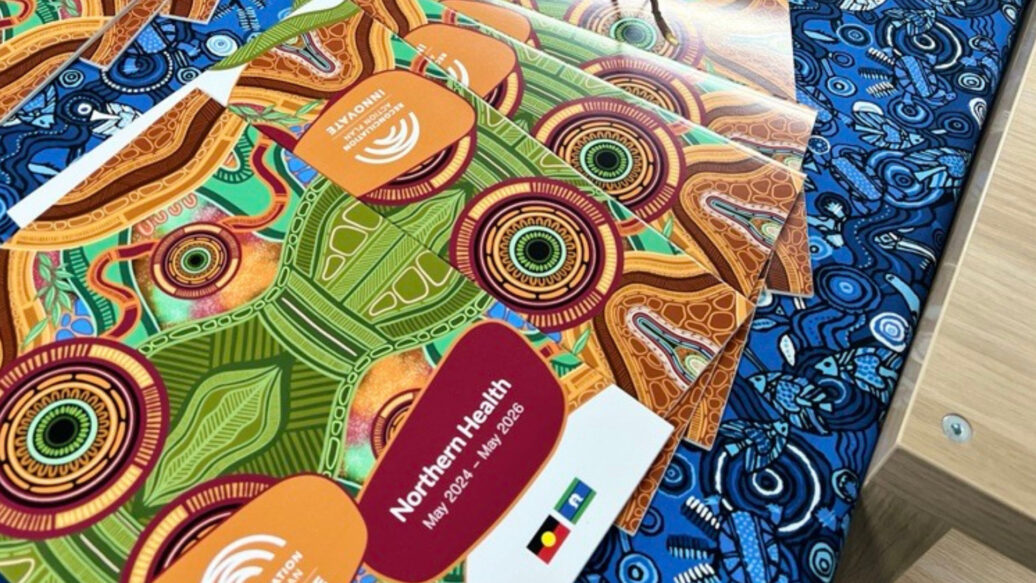
    Northern Health recently launched its second Innovate Reconciliation Action Plan (RAP).

    The RAP serves as a strategic framework to promote reconciliation by fostering relationships, respect and opportunities between Aboriginal and Torres Strait Islander peoples and the broader Australian community.

    After over two years of consultation with the Aboriginal community, the RAP enables us to deepen our commitment to reconciliation, allowing for continuous strategies through practical actions informed by community feedback and our experiences. The RAP was developed by the Northern Health Action Plan Subcommittee in partnership with the Northern Health Aboriginal Advisory Committee and other community members. The RAP Subcommittee meets regularly, with the primary aims of monitoring, implementing and reporting on the RAP.

    Northern Health strives to offer a culturally safe environment in all our facilities by embracing the new Narrun Wilip-giin Culture Gathering Space, commissioning new artwork and installing Acknowledgment Plaques across all of our campuses.

    Priorities for the new RAP include strengthening our relationships with Aboriginal organisations and community, building upon the respect we intend to practice each and every day to Aboriginal people, facilitate opportunities for our Aboriginal workforce, cultural safety and tailored services to help close the gap with our Aboriginal patients.

    “This Reconciliation Action Plan demonstrates a whole of organisation approach to cultural diversity and has received full endorsement by Reconciliation Australia, the Northern Health Aboriginal Advisory Committee, Reconciliation Action Plan Subcommittee, Northen Health Executive and Northern Health Board,” said Siva Sivarajah, Chief Executive, Northern Health.

    Northern Health commemorated the launch of the second RAP last month with a Welcome to Country, guest speakers and dance performances.

    “The launch event not only celebrated our achievements, but also reinforced our commitment to the ongoing journey of reconciliation,” said Yue Hu, Director, Narrun Wilip-giin, Aboriginal Support Unit.

    To view the RAP, please click here.

  • NAIDOC Week: Keep the fire burning

    NAIDOC Week: Keep the fire burning

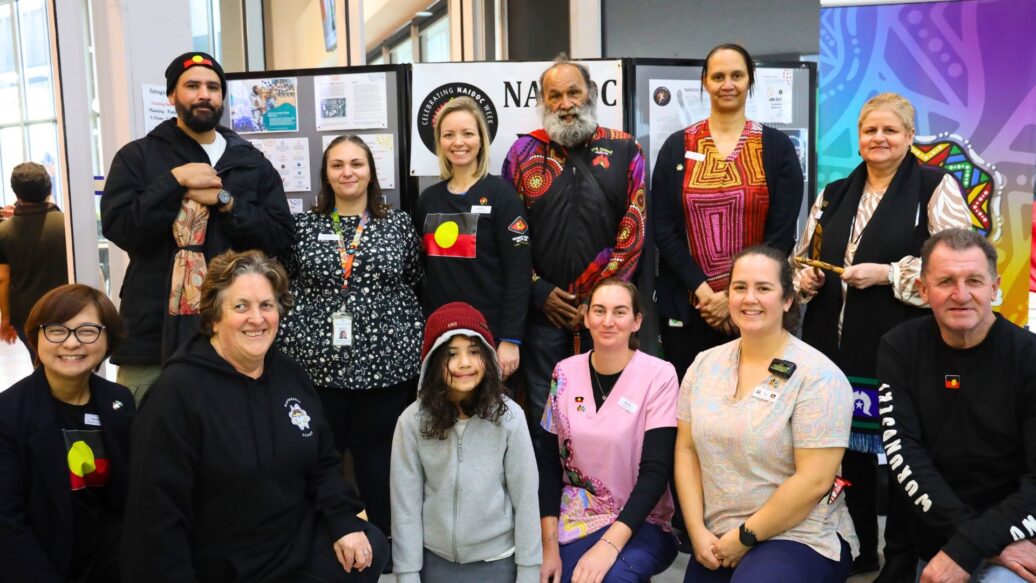
    This is NAIDOC Week.

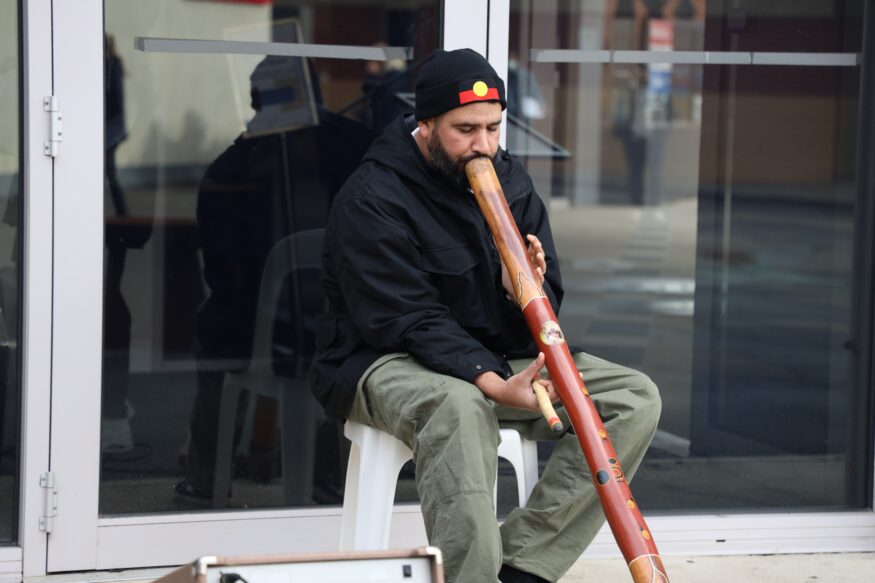
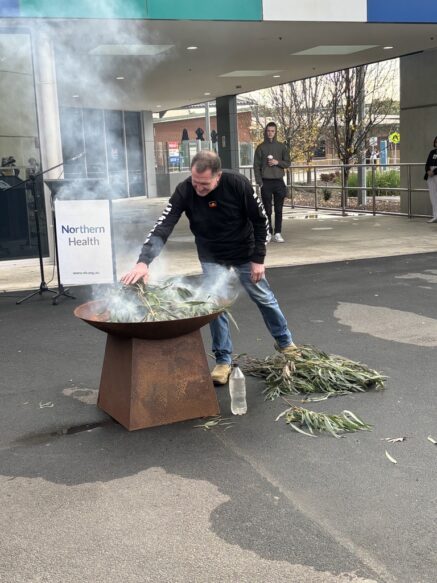
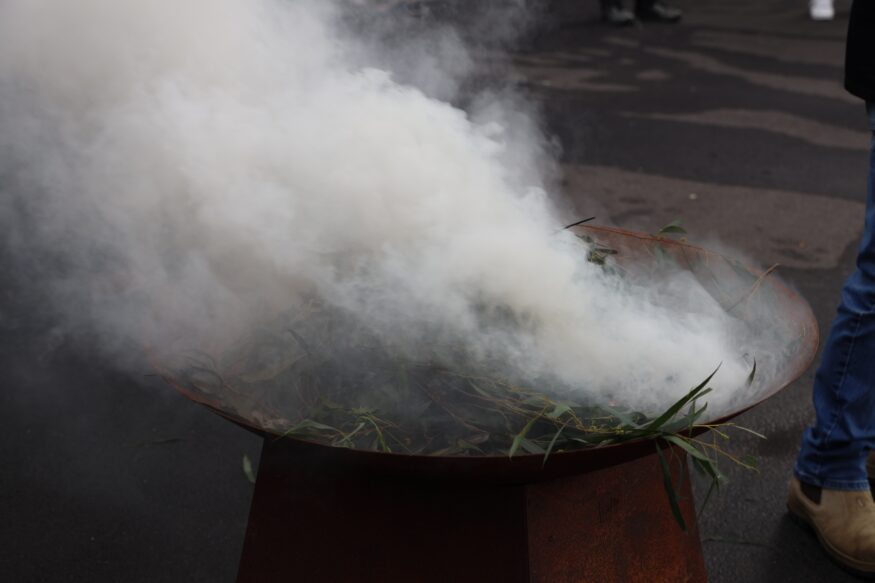
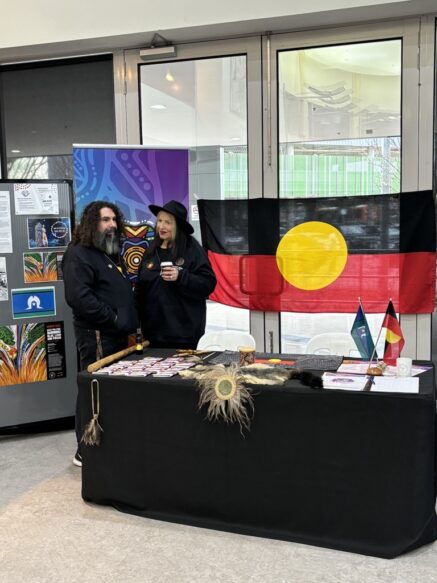
    At Northern Health, the celebrations kicked off in the morning of Monday, 8 July, with a didgeridoo performance by Matthew Weegberg followed by smoking ceremony and Welcome to Country by Wurundjeri Elder, Uncle Perry Wandin at the entrance to Northern Hospital Epping.

    Didgeridoo performer, Matthew Weegberg.


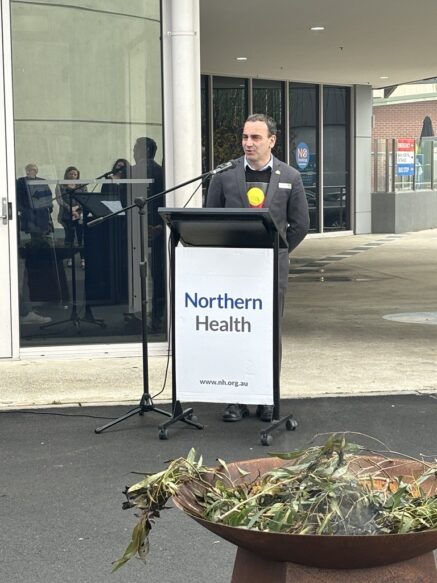
    “At Northern Health, our vision is to be a place where Aboriginal and Torres Strait Islander people, families and communities feel welcomed in a culturally safe environment, ensuring that our services are culturally sensitive and responsive to the needs of our Aboriginal community,” said Associate Professor Jason Cirone, Chief Allied Health Officer, speaking at today’s event.

    “This makes a profound impact on the quality of care we provide to our Aboriginal patients. To our Aboriginal staff, we celebrate your invaluable contributions to Northern Health.”

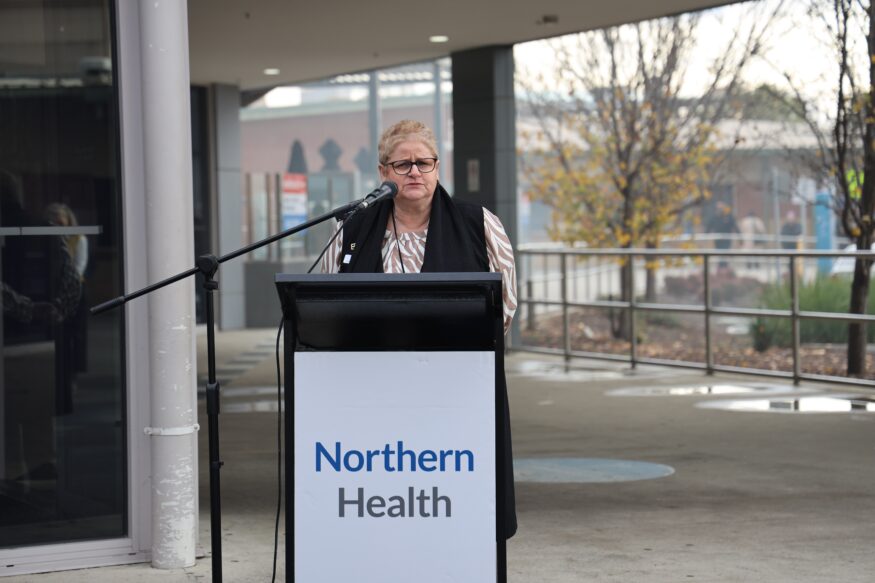
    “It’s an opportunity to celebrate our culture and show the beauty of our culture,” said Karen Bryant, Senior Aboriginal Liaison Officer, Northern Health.

    “During NAIDOC week, we all come together and share our histories, cultures and celebrations and we invite all of Australia to be part of this, all of the allies, anyone trying to learn about the culture, to come together and celebrate with us,” said Toni Gabelish, Aboriginal Liaison Officer, Northern Health.

    A/Prof Jason Cirone, Chief Allied Health Officer.
    Karen Bryant, Senior Aboriginal Liaison Officer.

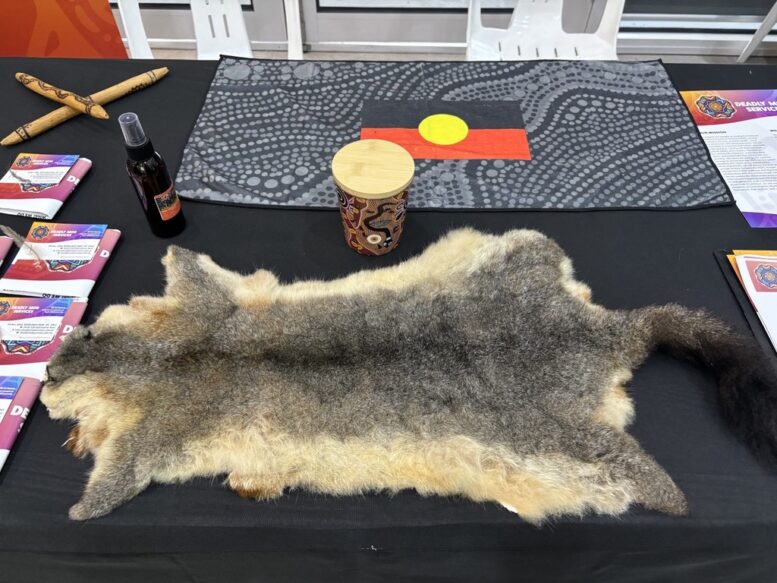
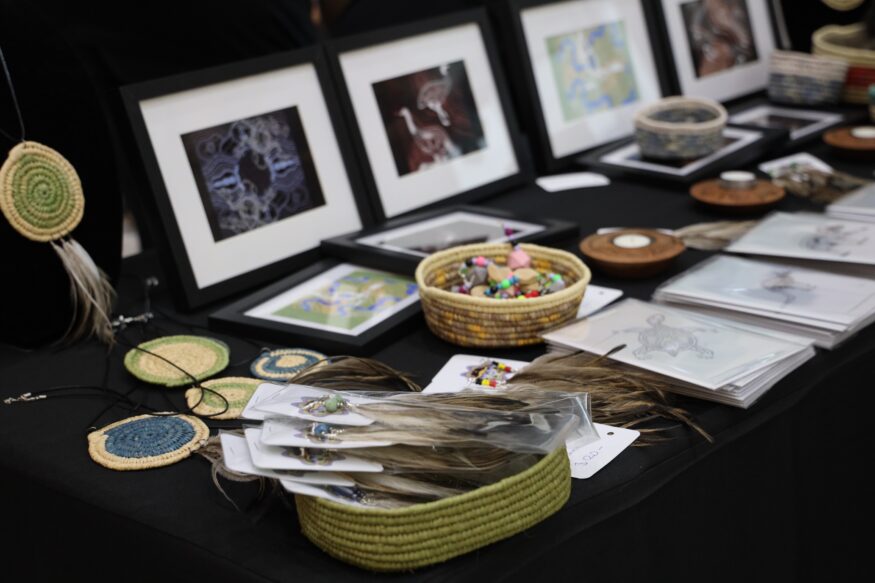
    Inside the foyer, there was a mini market offering everything from candles, wax melts, emu feather earrings, cultural healing and spiritual empowerment coaching programs.

    On Wednesday, 10 July, there will be a workshop on Aboriginal Art for staff in the Ideas Lab from 10 am to 2 pm. There are also sessions on Aboriginal Culture and History – staff are encouraged to register here. That same day, Northern Health will join the NAIDOC Week celebrations in Seymour.

    On Thursday 11 July at 8 am, Dr Daniel Crompton, Director, Emergency Department, will speak at the NAIDOC Grand Round. Click here to join the Grand Round.

    Look out for a display inspired by this year’s theme at Broadmeadows Hospital, Bundoora Centre, Craigieburn Centre, Kilmore District Hospital and Northern Hospital Epping. There is also a display at the Northern Health Library and NAIDOC online library resources for staff.

    Last but not least, click here to take the staff quiz (open till 12 July) to test your knowledge and potentially win some exciting prizes. Winners will be drawn on Thursday, 18 July.

    Please join all of Northern Health as we celebrate NAIDOC Week and kindle a renewed commitment to acknowledging, preserving and sharing the cultural heritage that enriches our nation.

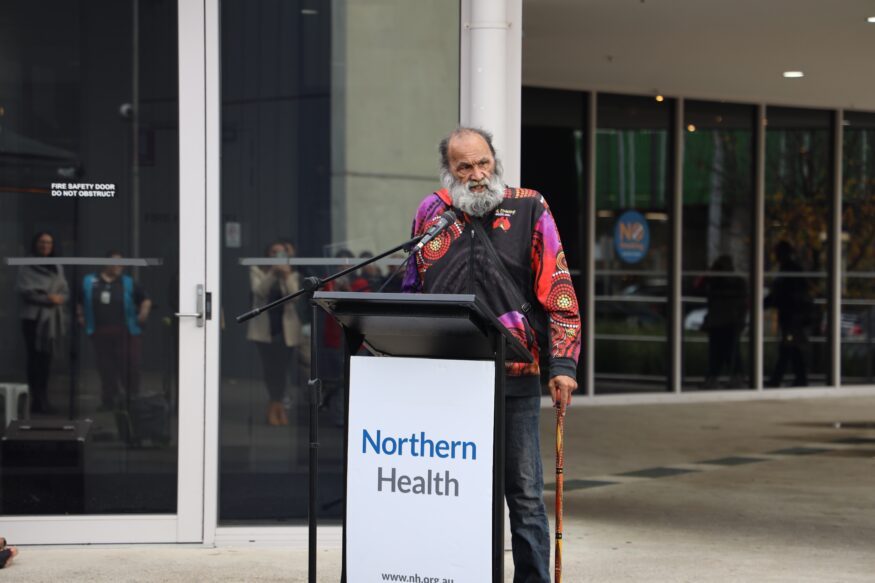
    Aboriginal Elder, Uncle Noel King.


  • Get to know: Kathryn McKinley

    Get to know: Kathryn McKinley

    #WeAreNorthern

    Meet Kathryn McKinley, Deputy Director, Allied Health.

    Q: Firstly, what is your coffee order?

    Almond latte.

    Q: Tell me about your role as a Deputy Director of Allied Health – what does it entail, what does a typical day look like for you etc.

    I started in this newly created role in February this year. My role works closely with Simone our Director of Allied Health, Jason our Chief Allied Health Office and all the Associate Directors of Allied Health. I lead some key portfolios for allied health including workforce, quality, capital projects, informatics, grants and other special projects.

    It’s a great role. I’m really enjoying the challenge and working across the various allied health disciplines to lead and support a range of projects for allied health.

    Q: What were you doing before joining Northern Health?

    Before joining Northern Health in February this year, I was the Chief Speech Pathologist at St Vincent’s Hospital.

    Q: What would people be most surprised to know about you?

    Hmmm – this is a tough one. I grew up with two older brothers who played a lot of cricket and football. I followed them around, tried to do what they did but I was not allowed to play what were largely considered ‘boy sports’ at the time. Things have changed for the better with girls now being able to play what were once considered male only sports.

    So fast forward 30-plus years and people might be surprised to know that after never playing competition football or cricket, I played a couple of seasons of AFL and am still playing cricket (cricket is much kinder to the body!).

    Q: What is one place you would like to travel to and why?

    I would love to make the trip from Darwin to Broome and see the Kimberley region – properly! Take a few weeks and then end up on Cable Beach watching the sunset. The remoteness and natural beauty are appealing, and it’s right at our backdoor.