• Doing it for dad

    Doing it for dad

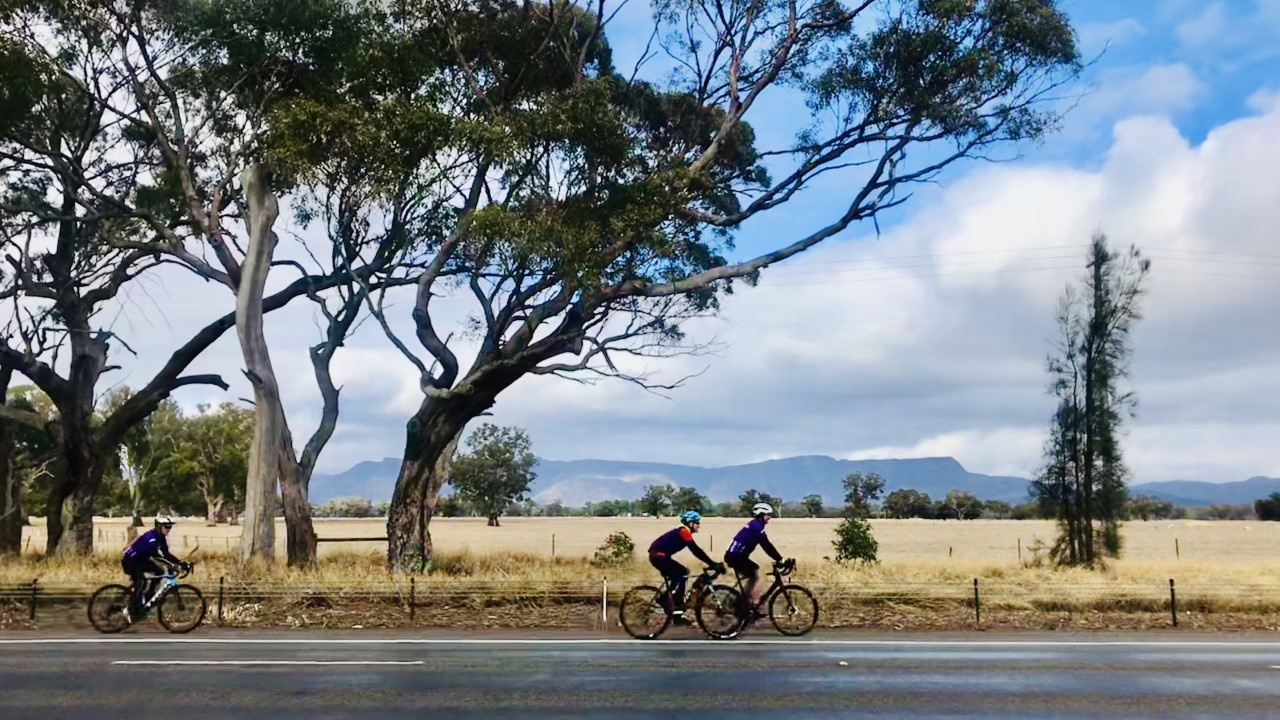
    Earlier this month David Abud, Senior Theatre Technician, embarked on a 304 kilometre bike ride from Melbourne to Horsham on behalf of his dad, Dr Rodney Abud, who was diagnosed with Alzheimer’s disease 18 months ago.

    Before Rodney was struck with the disease, he worked at the Wimmera Base Hospital in Horsham for nearly 30 years, and treated patients with Alzheimer’s in the later years of his career. He is now in fulltime care at a Heidelberg aged care facility.

    David began his three-day journey at Federation Square, and cycled to Ballarat on the first day.

    The following day, David rode 90 kilometres to Ararat before making his way to Horsham on the third and final day.

    “Dad was my catalyst for doing the bike ride,” David said.

    “We spent about seven hours riding on the first day, mainly because of a heavily northerly wind in our face and the last 20 kilometres into Ballarat is all uphill, so we were exhausted at the end of the day.”

    “It was about 90 kilometres to Ararat from where I started, it was one degree in the morning and raining for the first hour.”

    “The last day from Ararat to Horsham, it was a beautiful day. We had this lovely tailwind. It blew us basically all the way to Horsham so we had a really nice last day.”

    David wasn’t alone during his journey. He was accompanied by fellow Northern Health colleagues and his father-in-law, who joined him at different days of the bike ride, cycling side by side. But it was the people who greeted him in Horsham that made the three-day trek extra special.

    “When I got to the end, two of my sisters had brought my mum up and she greeted us at the end, so that was a surprise,” he said.

    “My mum gave me a hug and said that dad would be very proud. I enjoyed doing the bike ride.”

    “The Rotary Club in Horsham met me as well because their 50th anniversary is this year, and my father was a founding member and their second president.”

    David also set up a GoFundMe page to raise money for the Australian Alzheimer’s Research Foundation, and has raised more than $12,700.

    “I am proud, but humbled at the same time. I would like to thank the people who helped me ride. I wouldn’t be able to do it without them,” David said.

  • Sweet taste of success

    Sweet taste of success

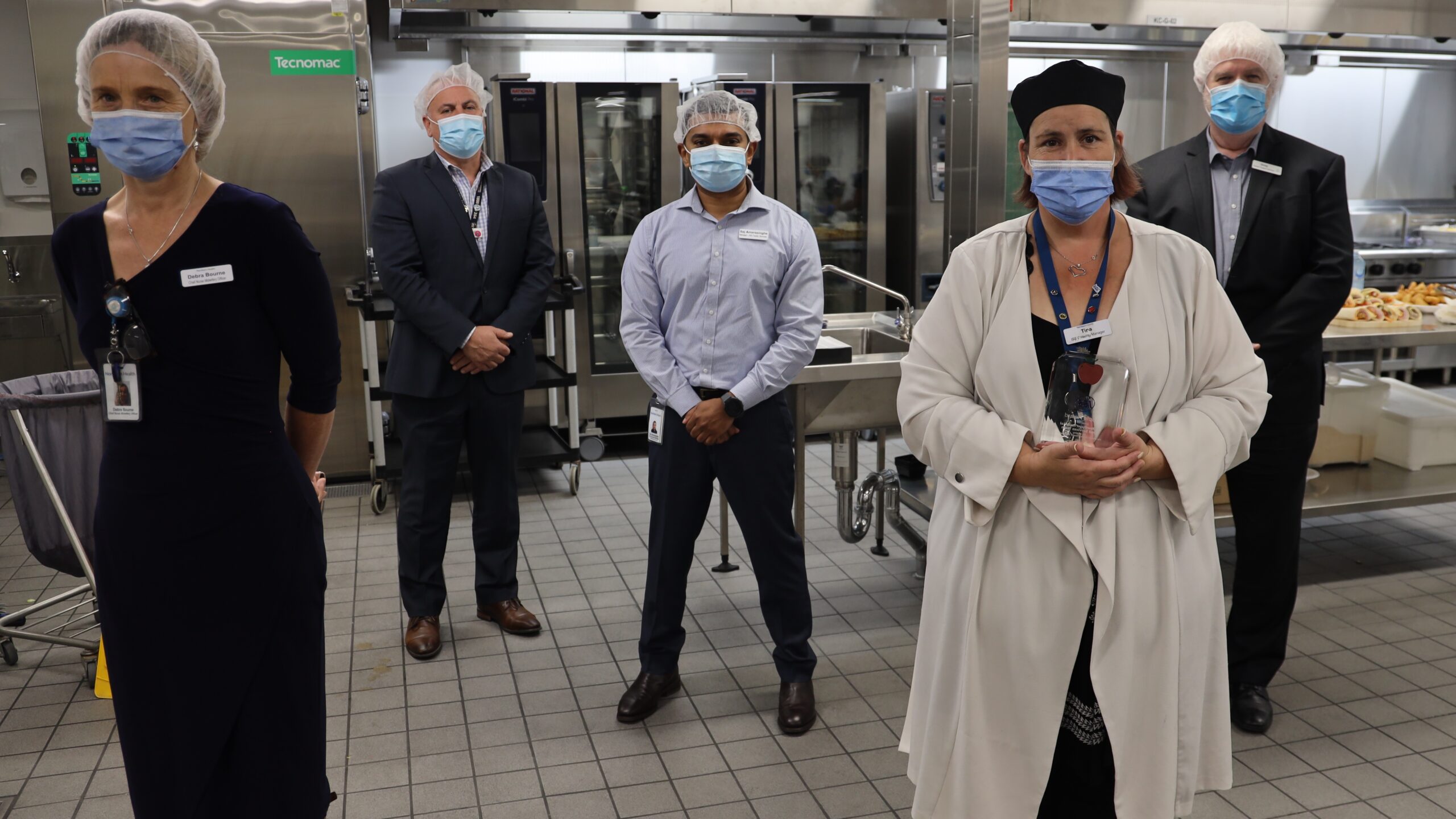
    Our Food Services Team has been nominated for an ISS Apple Award for their transition into the new state of the art industrial kitchen at Northern Hospital Epping.

    Saj Amerasinghe, ISS Key Account Manager, said the Apple Awards recognises employees for going above and beyond what is expected.

    The team moved into the new kitchen in February, which is one of the first areas in Stage 2 of the Northern Hospital Expansion Project to officially go live. The new kitchen is on the ground floor of the new building.

    Greg Warman, Director of Support Services, nominated the team for the award.

    He said the move into the new kitchen went perfectly.

    “The transition to the new kitchen was an outstanding success,” he said.

    “It was completely seamless to the hospital with patients and staff unaware of the change.”

    “This is in no small part due to the planning in the preceding weeks with Tina Smith, ISS Catering Manager, and the crew liaising closely with Capital Planning and Kane Construction on the relocation of the existing equipment. It is a testament to the dedication of the staff that even hiccups with the dishwasher did not impact on the delivery of meals.”

    Saj received a personalised crystal apple trophy on behalf of the team.

    Planning for the kitchen began more than three and a half years ago and, once construction started, the team started to envision the move into their new space.

    The new kitchen is bigger than the previous site, which was built within the hospital when it opened in 1998.

    In the new space, there is a 150-litre kettle, cooktops, fryers and a new blast chiller and freezer.

  • Safety first for Graham Wilson

    Safety first for Graham Wilson

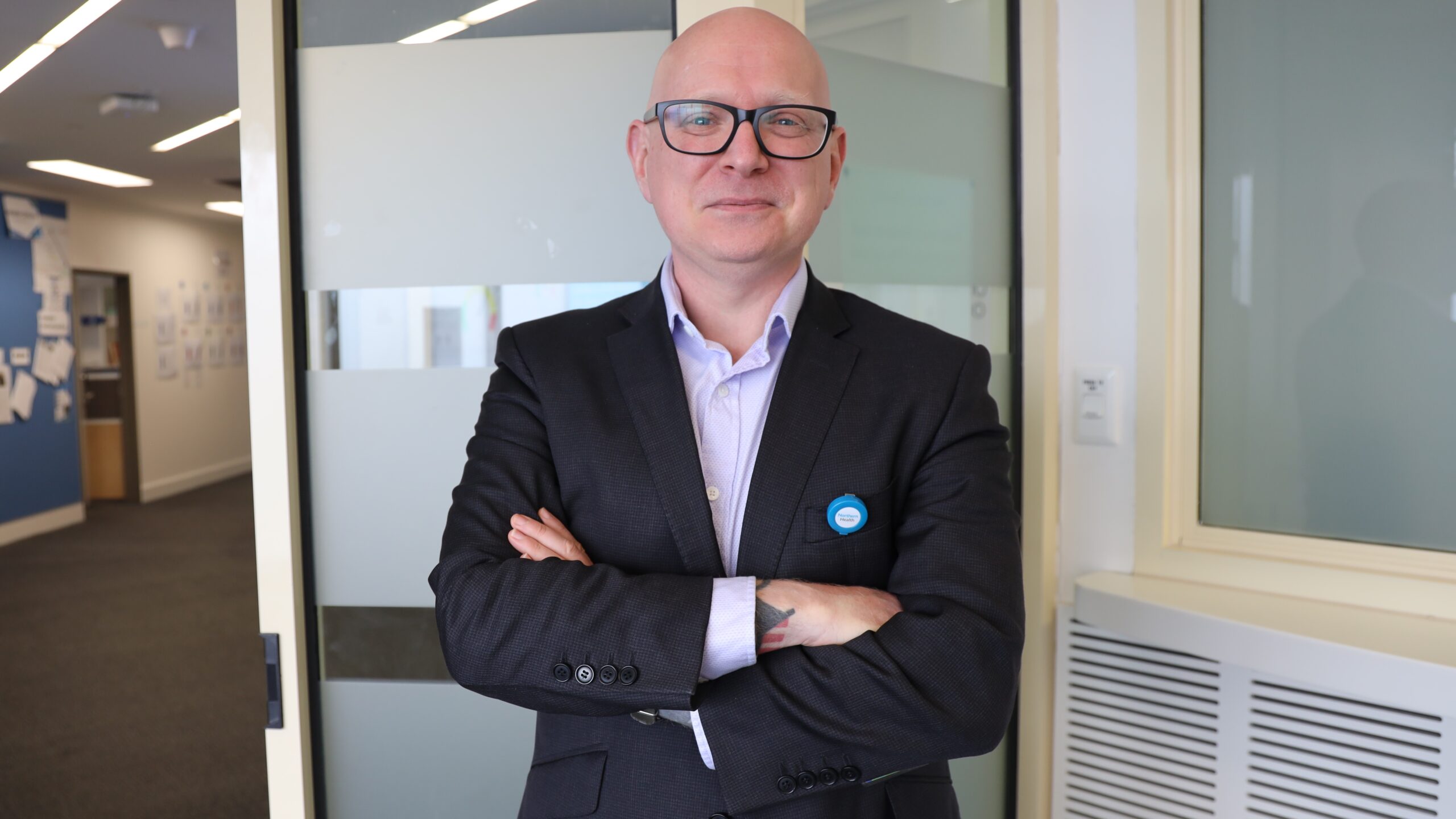
    This week, we caught up with Northern Health’s new Occupational Health and Safety (OHS) Director, Graham Wilson.

    What’s your coffee order?

    A double espresso. I’m a coffee nerd and I will do pour over at home in the morning. I grind my own beans. I have an absolute ritual of how I make coffee in the morning but if I go out for coffee, it’s a double espresso.

    Tell us about your Northern Health journey.

    I am the Director of OHS and I have been here nine weeks. At the end of week one, COVID-19 made a resurgence and I got thrown in the deep end with my People and Culture colleagues to deal with that. It was a stressful and unusual time but a great way to see Northern Health in action. It’s been all about getting to meet people and understand what’s happening here, understanding the work, understanding the structure of how things are done, understanding our health and safety systems, meeting some of the health and safety representatives and at the same time meeting managers. I am having a good time.

    What does a typical day look like for you?

    At this stage, a lot of it is spending time with my team, understanding what they are doing, understanding the things they have got on their plates and trying to deal with some of the more difficult issues that they might be facing. The critical things are doing daily triage where we look at all the OHS incidents that come in throughout the day and work out what needs to be done on each of those issues. That’s the most critical part of my day. There are always things happening in health and safety. You have to be prepared for something to happen.

    What is your greatest achievement or favourite memory since you began working here?

    Something that I am really pleased about is seeing occupational violence training become mandatory for all staff.

    What was your career before Northern Health?

    I’ve pretty much always been in health and safety. My first real OHS position was as a Union Health and Safety Officer. I was with Victoria Police for about eight years and specialised in occupational stress and operational OHS. I then did operational OHS at the Department of Education and ran a large team of OHS consultants. While it’s smaller here, it’s nice to be somewhere where you feel like you are having more of an influence and are able to make an impact and see how you can get success. Coming from such big organisations, it’s nice to see a more personal, involved leadership and staff. Everyone seems more positively involved with each other.

    What do you enjoy most about being at Northern Health?

    For me at the moment, it’s learning a new place, and not being from the health sector, it’s really fascinating to see how health and safety operates here and seeing the alignments between the health and safety work I have done previously in big government organisations and seeing how that applies here. From a personal point of view, I think being able to feel like I am fitting in with everybody. It feels like a good cultural fit for me. I’m really enjoying the culture here and really enjoying getting to know people.

    What would people be most surprised to know about you?

    I used to officiate American football and have done international games and Australian and Victorian championship games.

    What do you like to do in your free time?

    I am a very serious home chef. I spend a lot of time cooking. My partner Nicole works in the wine industry, she is a wine educator and I am a big whiskey collector. We are lucky enough to have a good wine and whiskey collection at home, so we spend a lot of time, responsibly going through that collection or visiting wine regions or distilleries. I think over the past seven years, I’ve tried close to 2000 different whiskies.

    If you could describe Northern Health in one sentence what would it be?

    The three values really apply here. Often I see organisations with this big long list of complex values. It might be a value statement or you might have multiple value statements that you are trying to get your head around. With safe, kind, together, I actually see them in action and that’s really positive for a new staff member to see when they are coming into a new workplace, that they can see the values replicated and lived.

  • Our Allied Health Graduate Program begins

    Our Allied Health Graduate Program begins

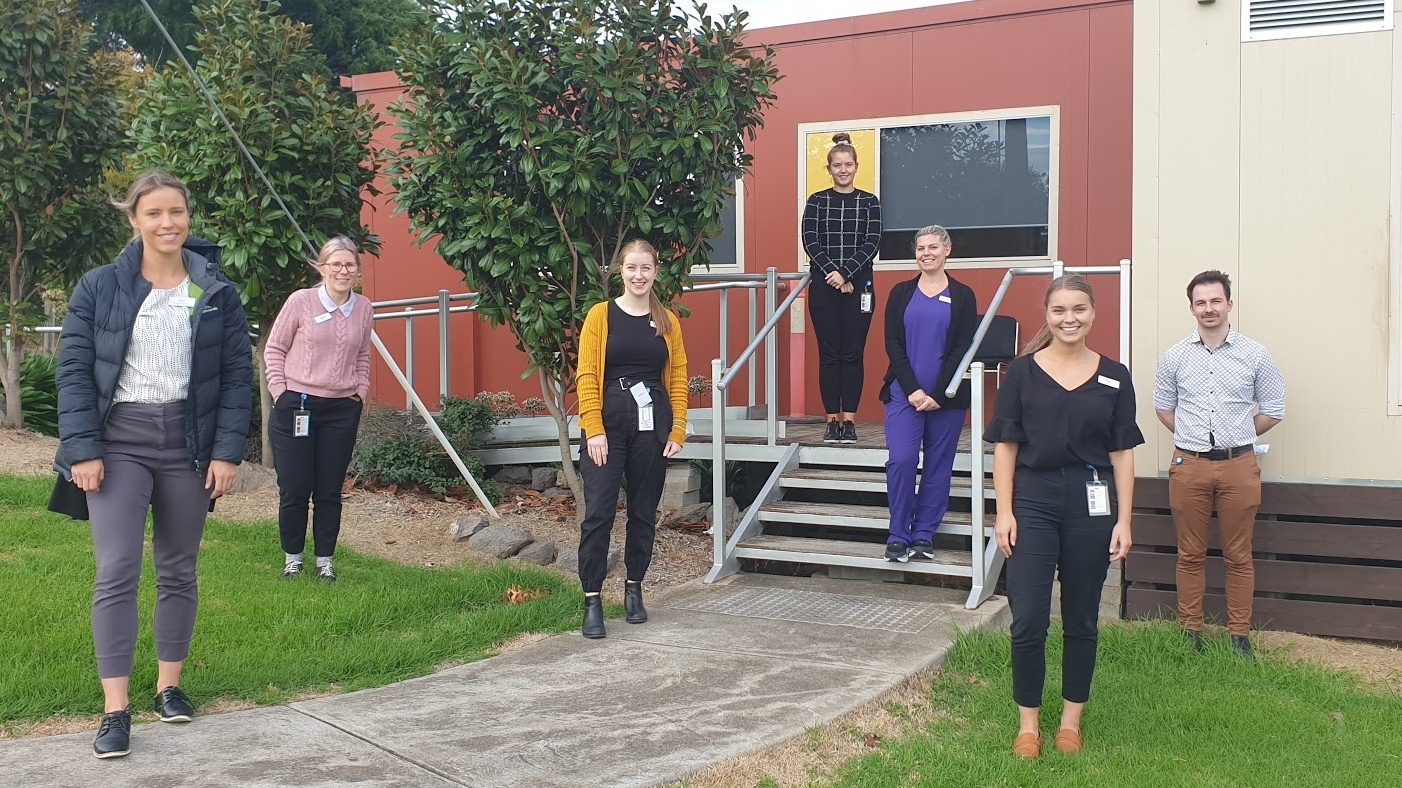
    Ten Allied Health graduates are making the journey to becoming a professional Allied Health Practitioner.

    The Northern Health Allied Health Graduate Program was introduced in 2004, and this year’s program kicked off in February. The program is designed to assist Allied Health Practitioners make the transition from student to professional.

    Program participants are Allied Health professionals in their first health professional job since graduation or in their first role in a large health service.

    Program Facilitator Talin Gochian said the Northern Health Allied Health Graduate Program offers a series of six facilitated group sessions over six months that focus on topics relevant to new graduates.

    “We run two groups each year, our current group consists of 10 Allied Health new graduates from a range of disciplines including dietetics, occupational therapy, physiotherapy, social work and podiatry,” she said.

    “Sessions include a combination of structured learning activities, reflective exercises and opportunities for debriefing and discussion. The graduate program complements routine induction, professional development and supervision activities.”

    Occupational Therapist Callum Farrell is taking part in the program this year and says the experience so far has been fantastic.

    “I have been so well supported by the team at Northern Hospital Epping and the new graduate program. I have found the new program to be very beneficial, as it is a chance to learn more about how Northern Health operates as well as a chance to connect with other graduates from a variety of disciplines,” he said.

    “It has helped me learn more about other areas of Allied Health and has given me valuable advice about advancing my career with Northern Health.”

    Eleanor Beck is a Physiotherapist and says “it’s been great to meet other new graduates and I have felt very welcomed and supported while participating in the program. It has given me a chance to learn more about Northern Health and how I can make the most of my new graduate role.”

    Talin says the program is “highly engaging and interactive and is a great way for new graduates to meet one another, learn from one another and begin to develop a greater understanding of the wider health context.”

    “The program uses an interdisciplinary approach to learning, learning from each other, from each other and about each other,” Talin explained.

    “The objectives of the program are to support the transition from being a student to being a competent, confident health professional, provide an opportunity to link with colleagues and learn more with colleagues and learn more about Allied Health and teams, support new graduates to join the Allied Health workforce, develop a greater understanding of interdisciplinary practice, provide professional development to assist graduates become critically reflective and confident practitioners, develop a commitment to research, promote personal development and foster a lifelong learning collaboration.”

  • CARE Record – learning more about patients

    CARE Record – learning more about patients

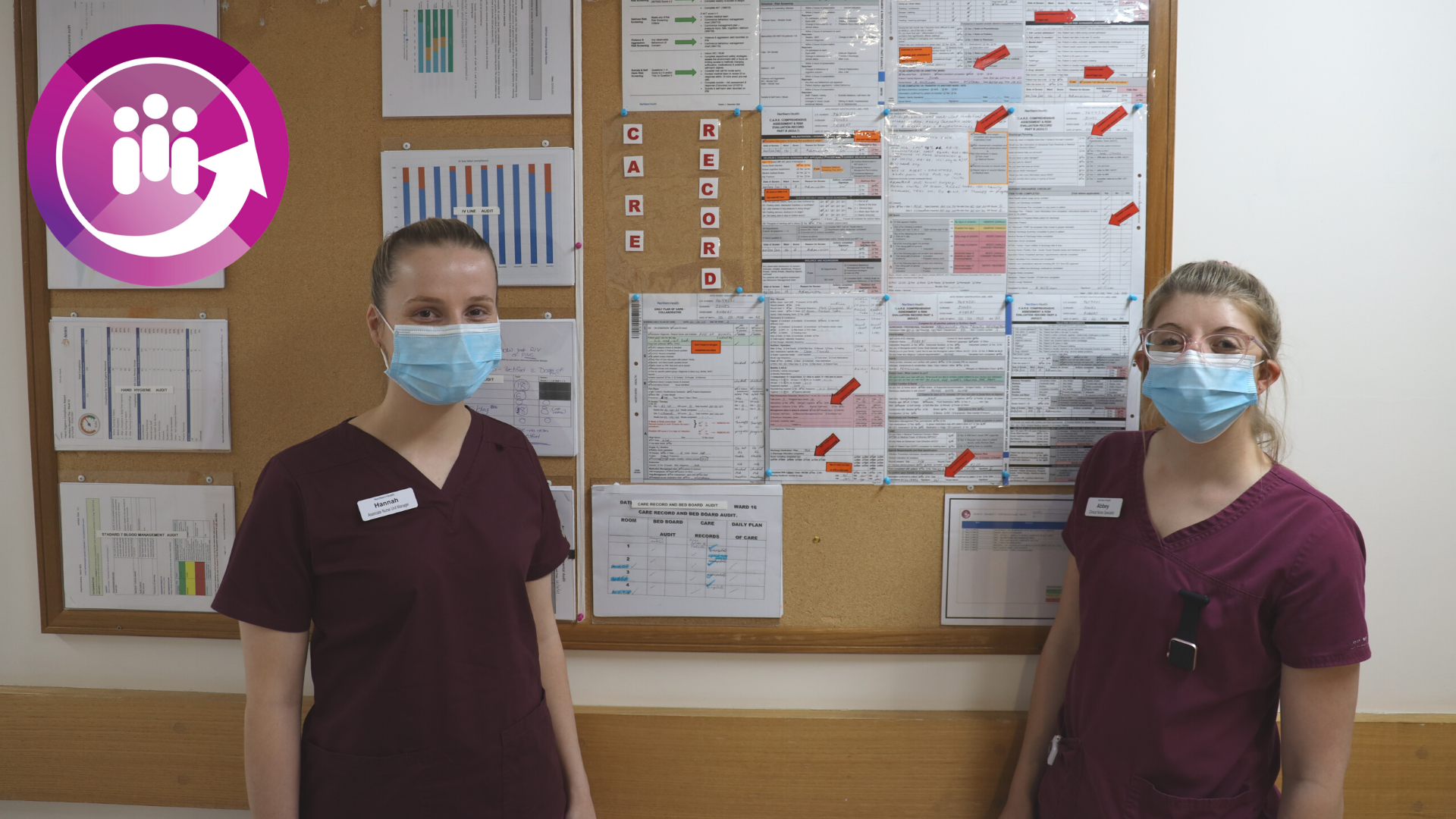
    Hannah Conrick, Associate Nurse Unit Manager on Ward 16, looks after 32 patients on the ward, and oversees bed flow. As a surgical ward, Ward 16 also oversees patients coming from the Emergency Department, as well as elective surgery patients.

    “That is why it is really important that we do CARE Records, as we do have a very big turnover of patients each day. On Monday, we had around 12 discharges and admissions,” she said.

    Hannah says there are days when the team find it challenging to complete the record within the time constraints, but at the same time, they are learning more about our patients.

    “With this record, there is no opportunity to miss anything – the questions are quite comprehensive,” she said.

    The CARE Record, a document that has evolved over time, is a four page long questionnaire and prompts staff to ask various questions. It also looks at patient goals and what is important to them, in their care.

    “The aim is to complete this document within 24 hours of admission, covering a range of topics, like falls risk, pressure injury risk, mental health, delirium screening, malnutrition screening and infection screening. It also looks at a patient’s dietary, cultural and language requirements,” she explained.

    Abbey Beech, Clinical Nurse Specialist on the same ward, explained how the document evolved over time.

    “When I just started, it was just a simple questionnaire, but now this multi-page document contains questions that include things like patient conditions at home, prompting us to put referrals in while they are here, and includes risk assessments that can get missed if we don’t ask the questions,” she explained.

    Both Hannah and Abbey agree the document has contributed to patients feeling they are being listened to. With the diversity of cultures Northern Health sees, it is important to ask questions like family support at home, and similar, as it helps with discharge planning.

    “We need to know early if a patient can’t manage their medications at home, or if they have some medical conditions we wouldn’t know about unless we asked those questions,” Abbey said.

    One thing the team found very helpful is the mental health screening, as they are finding that it is flagging a significant amount of patients the team wouldn’t have known prior to the plan being in place.

    “With the comprehensive care, we can put in place strategies if the patient is at a high suicide risk or shows signs of mental health deterioration,” Hannah explained.

    “On top of the CARE Record, there are additional forms, so if a patient is flagged as having a risk, there are extra forms we fill out, to get detailed information and manage that risk,” Abbey added.

    Featured image (left to right): Hannah Conrick and Abbey Beech

  • A new chapter for Natasha Bradley

    A new chapter for Natasha Bradley

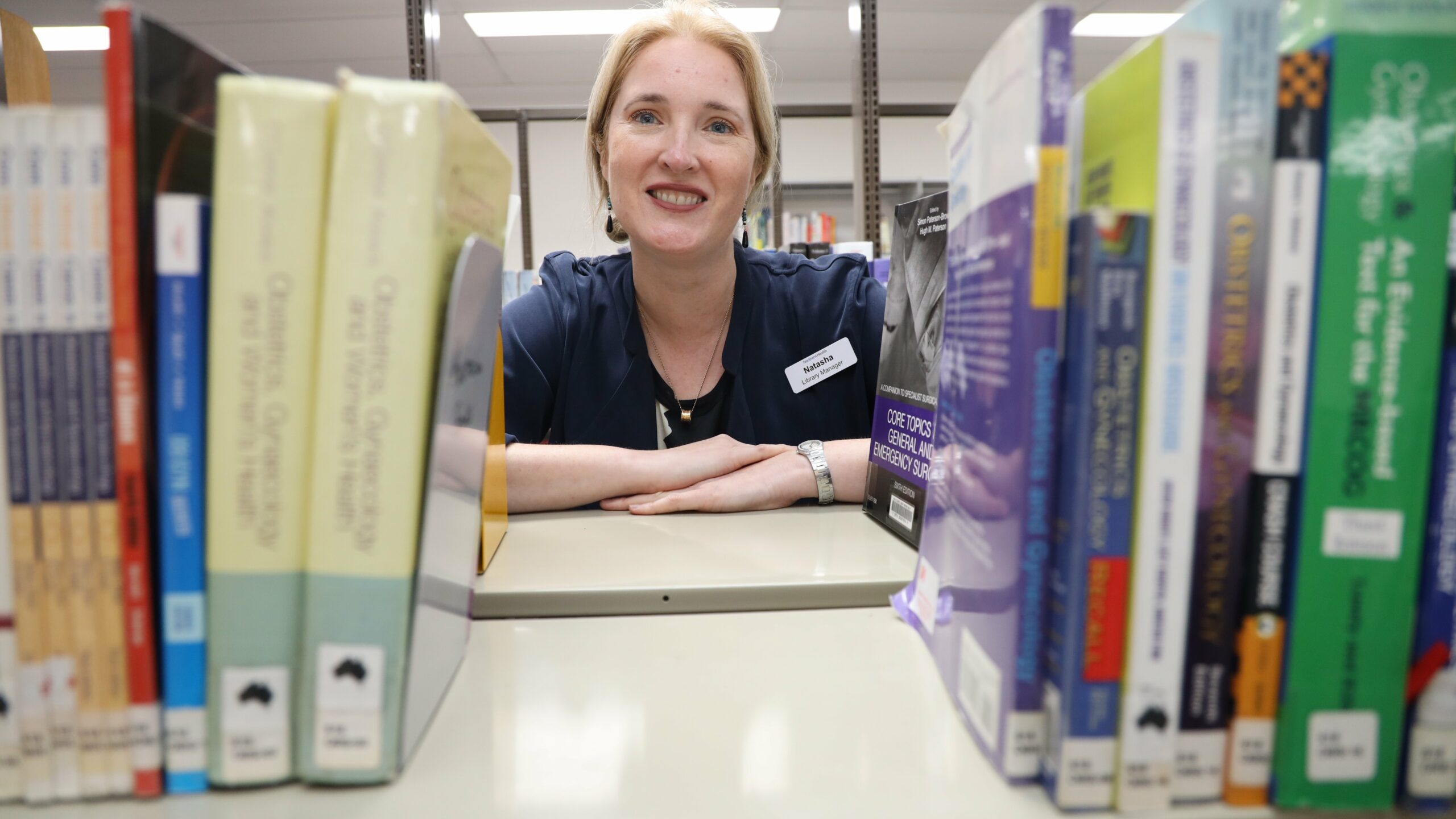
    We caught up with Northern Health’s new Library Manager, Natasha Bradley.

    What’s your coffee order?

    I don’t drink coffee, I drink tea, chai tea.

    Tell us about your Northern Health journey.

    I started at the very end of June last year, just before lockdown two. So it was a pretty interesting time to start at a hospital.

    How did COVID-19 impact the library?

    It had an impact on people’s ability to access the space because we do get people from all over the hospital come in together, so that was something that presented a risk. The library was closed as a physical space for about four months out of last year. However, as we were still loaning books to people, we developed an alternative process to that, and as about 80 per cent of the library activity is online and has been online for a number of years, that went on uninterrupted.

    What is your greatest achievement or favourite memory since you began working here?

    I feel really fortunate to have walked into a library that is really well regarded, with a fantastic team and a great supportive management as well. It’s been pretty memorable to start at a hospital during a pandemic so that is always going to stick with me. Every day in the library is an adventure, and it’s endlessly fascinating and it’s really hard to pick out a favourite memory.

    Tell us about your career before joining Northern Health.

    Libraries are a second career for me. I’ve been in libraries for eight years and predominately health libraries. Before that, I used to work in online, so developing websites and managing websites. I’ve always been around information management and organisation for the whole of my professional life.

    Are you a lover of books and reading?

    Libraries are more about connecting people with information. I do love reading, but that’s not what libraries are about. It’s really about understanding the needs of what the particular library is focused on and making sure that the information is organised and presented in a way that makes it easy for people to access.

    What does a typical day look like for you?

    I don’t think there are typical days. There’s always different things happening. Sometimes I am working on the products and services that the library has available and that involves a lot of analysis and talking to vendors and negotiating. Sometimes I am working on literature searches for clinical and non-clinical staff just to support and develop their information needs. Sometimes I am working on the bigger strategic goals for the library and how the library will support Northern Health. Sometimes I am doing reporting and sometimes I am doing what people consider classic librarian activities like cataloguing. There is not really a core set of activities that I have to do every day and that’s one of the things that I love about libraries.

    What would people be most surprised to know about you?

    I am an avid equestrian, so I ride horses. I don’t think I do it very well but I enjoy it.

    What do you like to do in your free time?

    I have a family, so that’s number one priority. I do spend a portion of my weekend riding and that’s really fascinating and enjoyable and relaxing. That’s a whole weekend so in between activities with family, before I know it, it’s Sunday.

    How would you describe Northern Health in one sentence?

    Those key words, safe, kind and together, actually sum up the organisation really well. I’ve found Northern Health a genuine pleasure in terms of an organisation and the individuals and I really enjoy working here.

  • Get to know the EMR team

    Get to know the EMR team

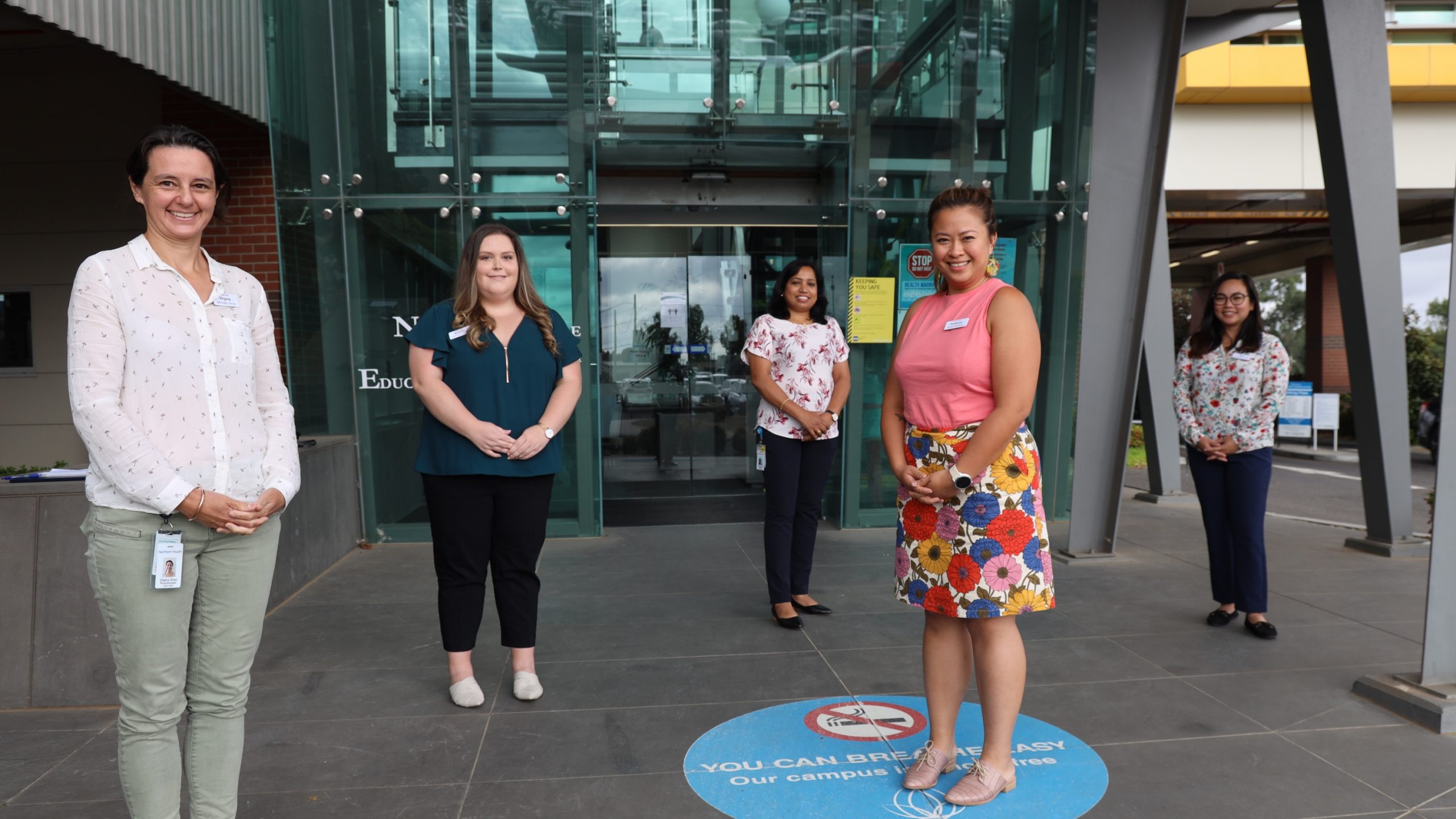
    The journey of Northern Health’s Electronic Medical Record (EMR) Program took off in February with nearly 40 staff members embarking on a two to three year project to implement EMR across Northern Health.

    The EMR will be a fully integrated digital patient record that will provide clinicians help to support high quality care for our patients.

    Over the next 18 months, staff across all our services will be involved in the design of the EMR and will bring a wealth of experience to the team.

    Gladis Thomas is an EMR Analyst – Clinical Documentation and has been with Northern Health as an ICU Nurse and Acting NUM of Ward 5 Cardiology for 10 years.

    “My extensive managerial skills along with an understanding of Northern Health work flows will assist the build and configuration of evidence based documents,” she said.

    “It will enable the clinicians for a seamless transition to EMR, which will enhance patient safety and quality of care delivered to our community.”

    Prudence Poon has worked as a Health Information Manager (HIM) at Northern Health for more than 10 years. She was the HIM of CPF and Forms and facilitated CPF version four and Upgrade and Referrals Manager implementation in the last two years.

    Now, she is part of the EMR team as a Clinical Documentation Lead.

    “I will work with the EMR Clinical Documentation Analysts, EMR leaders and Northern Health stakeholders to build and configure clinical documents and implement an integrated EMR system to ensure best practice workflows are standardised, safe, usable, secure and robust,” Prudence said.

    Isah Rosal is also an EMR Analyst – Clinical Documentation. Before joining the Northern Health team, Isah worked as an EMR Analyst and Educator at Austin Health and Clinical Nurse and EMR Educator at Eastern Health.

    “My knowledge, skills and experiences as a clinician and as a part of our various eHealth implementations would greatly benefit the team in building an EMR for Northern Health that is clinically relevant and appropriate,” Isah said.

    Prior to joining Northern Health’s EMR team as an EMR Analyst – Clinical Documentation, Madeline Leone worked as a Clinical Nurse Specialist and Associate Nurse Unit Manager on Ward 16, specialising in Colorectal and Urology Nursing.

    “My goal as a Clinical Documentation Analyst is to utilise my skills, experience and workflow knowledge to ensure a smooth transition to an electronic system that best suits the needs of clinicians,” Madeline said.

    Virgina Grant’s EMR role is a Clinical Documentation Analyst.

    “As a Clinical Documentation Analyst, I will help standardise and streamline clinical workflows and ensure that the EMR meets the needs of clinical staff,” Virgina said.

    “I have worked as a physiotherapist for the last 20 years across different streams and services both in Australia and the UK.

    I have worked with Northern Health since 2014 as the Senior Clinician Physiotherapist on the rehabilitation ward at Broadmeadows Hospital. I specialise in neurological rehabilitation and support people to regain movement and function after a stroke or other neurological injury.”

    We look forward to their contribution to improving patient care at Northern Health.

  • Standard 5: What you need to know

    Standard 5: What you need to know

    In the lead up to organisation wide Accreditation from 24-28 May 2021, each week Northern Health will be focusing on a different Standard. You will hear from the Chairs of each Standard Committee on what you need to know.

    This week we spoke to Debra Bourne, Chief Nursing and Midwifery Officer, about Standard 5: Comprehensive care.

    What is this standard about?

    Standard 5 is aimed at ensuring patients receive care that is based on their individual care needs and considers the whole person in that care. It also aims to ensure that each patient is assessed at the beginning and during their care for any risks of harm. These risks are then mitigated though interventions developed with the patient and family.

    At Northern Health, this standard covers seven key areas:

    • Preventing falls and harm from falls
    • Assessment and Developing a comprehensive care plan
    • Providing comprehensive care at end of life
    • Preventing and managing pressure injuries
    • Nutrition and hydration
    • Preventing delirium and managing cognitive impairment
    • Predicting, preventing and managing self-harm and suicide

    What are the top 5 ways staff can be prepared for Accreditation against this Standard?

    All patients on admission need to be assessed using the C.A.R.E record and then a care plan developed based on this initial assessment. It is important that all staff providing clinical care review the CARE plan each day to understand each patients risk and ensure strategies are in place to minimize patient harm. There are specific harms that are identified in this standard and they are:

    • Pressure injuries
    • Falls
    • Poor nutrition
    • Cognitive impairment
    • Unpredictable behavior

    The plan of care developed for each patients must consider these potential harms and ensure that patients are protected from harm. Most important the care plan needs to be developed with the patient and decisions made about their care must be shared.

    What are the top 5 questions staff needs to be able to answer about this Standard?

    • What matters to the patient you are providing care for?
    • What does the patient want to achieve by being in hospital?
    • What are your patients risk?
    • What interventions and plans do you have in place to minimize harm from these identified risks?
    • Does the patient and or their family understand their risks?

    To learn more about Standard 5, please see the Intranet.