• ED Wellbeing Week starts

    ED Wellbeing Week starts

    This year will the third year that our Emergency Department is holding ED Wellbeing Week.

    Dr Kirin Channa, Emergency Physician and Quality Lead, said this year, wellbeing week is more important than ever.

    “We may have gone through the worst of COVID-19 last year, but this year we have ongoing challenges, such as the increasing number of presentations during the COVID- normal phase. Our staff really need a focus on wellbeing,” she said.

    Kirin is especially looking forward to learning more on what burnout is, as she feels it is important to acknowledge what the team is experiencing.

    “The staff will be provided with resources they can use to help recognise and understand the symptoms of burnout. There will also be a support and advocacy forum with the leadership team and executive. It’s important that they have the right tools and support to continue to work in this fast-paced environment,” she said.

    Dr Saada Malouf , ED Registrar says she is new to Northern and was really keen to get involved in the department.

    “It is really important to have these sessions in the ED, as we often feel like we need to be on all the time, and it is easy to forget to self-care. If you have nothing in the tank, you then have nothing to give to anyone else. Recognising that in ourselves and in our team is important. If someone is struggling, we need to take care of them,” she said.

    The ED Wellbeing Week, supported by the OHS&Wellbeing team, will focus on a range of information and resources around key themes including burnout, rejuvenation, healthy body and mind, recognition and support. Jo Gibbs from TREAT (Therapeutic Relaxation and Enhanced Awareness Training) will deliver her very popular Mental Fitness sessions.

    The week will also include a Mindful Morning Tea on Tuesday, and afternoon stretches with our Physiotherapy team.

    To see the full schedule of events, please head to the ED Wellbeing Week Intranet page.

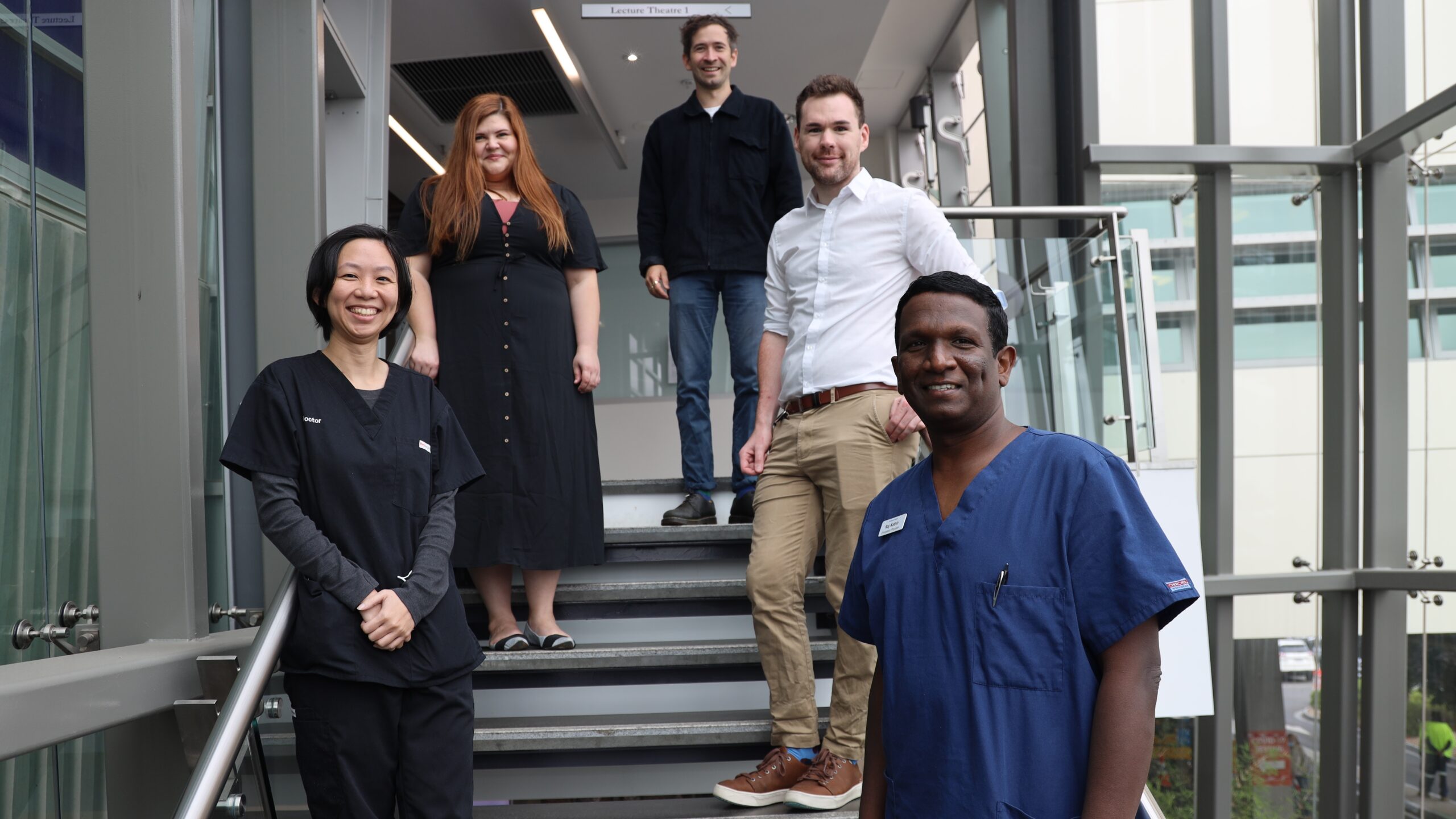
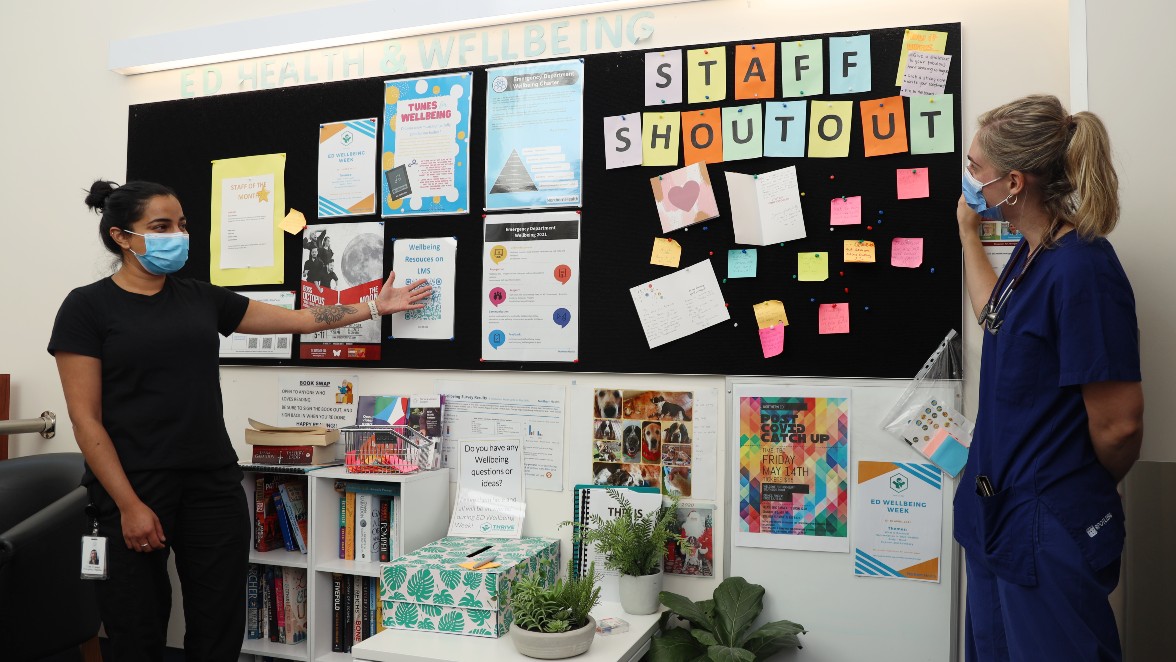
    Featured image: Dr Kirin Channa and Dr Saada Malouf
  • New SPF Podcast: Our COVID-19 year

    New SPF Podcast: Our COVID-19 year

    Northern Health’s Safe Practice Forum is back, but with a twist. Because of the pandemic, the traditional forum had to be put on hold, but is now returning in the form of a podcast.

    Topics and guest are still relevant, timely and offer our staff a chance to share patient stories, and personal experiences. Together with host, Dr Bill Shearer, Executive Director Transformation, Quality and Safety, these conversations help us as an organisation provide a safer and better patient experience.

    “Since we can’t get together, we thought we’d come to you via a podcast. We’ll be coming to you each month to share a patient case, and look at the ‘system’ from a wide-lens. As part of our transformation towards a High Reliability Organisation (HRO), the SPF helps us focus our efforts on building a safety culture that is central to delivering a safe and positive patient experience,” said Dr Shearer.

    “The Safe Practice Forum (now our podcast) is actively applying HRO principles – importantly, action learning and the development of leadership capacity in small teams’, said Clare McCarthy, who works with Dr Shearer on our HRO transformation and who produces the podcast.

    “COVID-19 has demonstrated how important team work and communication are to our safety culture – our podcast is now central to that culture”, said Clare.

    The inaugural January podcast, featured James Ash, ED/ICU Clinical Lead Pharmacist, and Dr Joe Rotella, Emergency Physician and Clinical Toxicologist, sharing their experience caring for a patient with serotonin syndrome.

    Now, the second episode is up, with Dr Christian McGrath, Infectious Diseases Physician and COVID-19 Clinical Lead, and Madelaine Flynn Manager Infection prevention who share what has 2020 been like for them, and how they see 2021.

    “The last 12 months have challenged us mentally, emotionally, physically and even spiritually at times. Nobody expected to be in the pandemic in 2020. The biggest point for me was to see how well everybody has done, both inside and outside of the hospital. Everybody was kind to each other, even in stressful situations, and that has made me really proud to work at Northern,” Madelaine said.

    “I agree, it was pretty amazing and everybody put their hands up to help – that is the attitude that got us through. Now that the things are a bit calmer, it is important to acknowledge that people are tired and a bit burned out – that is the reality. It was the adrenaline kick that kept us going last year, so that is why it is now important to look after ourselves, so we can get through the next 12 months,” Christian said.

    Dr McGrath often gets asked how he sees 2021 and what people can expect and says he wished he had a crystal ball.

    “But, I don’t have one – unfortunately. But the reality is COVID-19 will be with us for some time. We are lucky in Australia to be where we are.”

    To hear the full podcast, please click here.

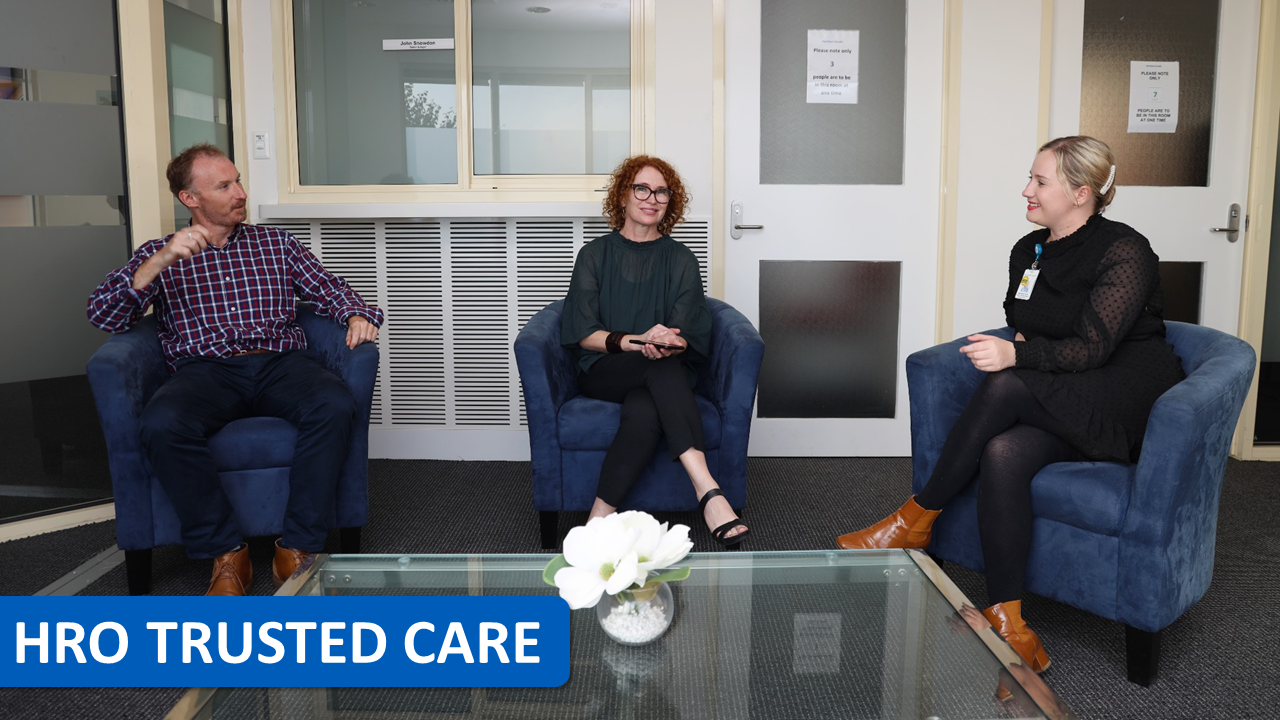
    Featured image (left to right): Dr Christian McGrath, Clare McCarthy, Madelaine Flynn.


  • Northern gets the Wellbeing Grant

    Northern gets the Wellbeing Grant

    Earlier this year, Northern Health applied for a ‘Healthcare Worker Wellbeing Grant’, from the Department of Health and is one of few Metro Health Services that received this grant.

    “When we were filling out the application, we were thinking how we can make most of the funding if we received it. What we wanted to do was to use the grant to build a new wellbeing team. Part of the grant will be hiring 2,5 EFT – a team leader, wellbeing team advisor and a project psychologist,” explained Jade Ralston, Director People and Culture.

    The main reason for Northern Health’s wellbeing team to adopt this approach was to avoid standard, off-the-shelf wellbeing initiatives, and to hire new wellbeing experts who will consult with our staff and design a tailored program.

    “Our workforce is also very diverse. Not everyone has access to emails, live Teams events, English is not everyone’s first language and we needed to ensure our wellbeing program incorporates that,” Jade explained.

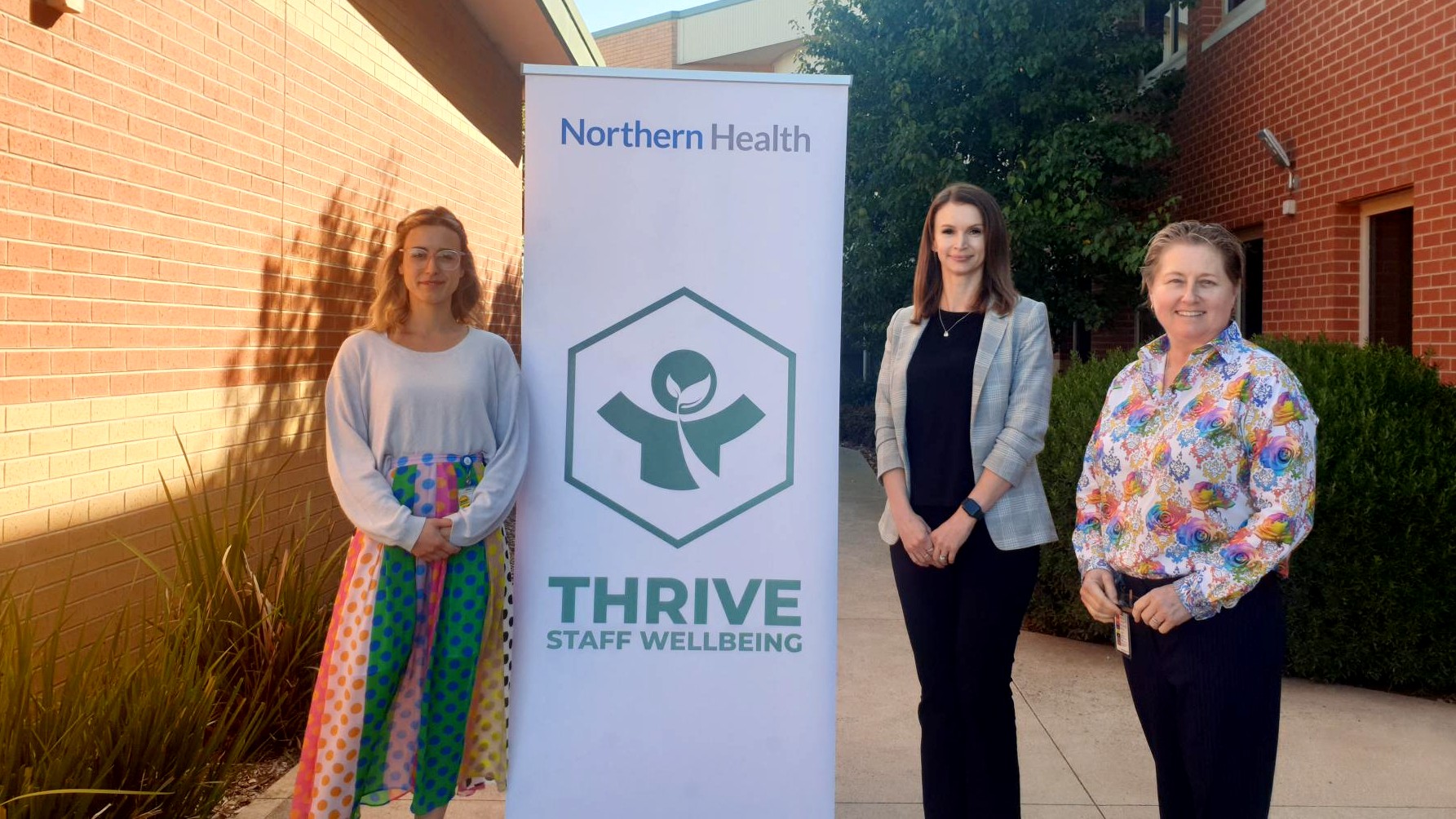
    “This grant to ensure ‘Our staff are enabled to thrive’ and allows us to implement and embed evidence-based Wellbeing program ‘THRIVE’ with the key elements of Protect, Promote and Intervene and implement peer support program and psychological safety education and Employee Assisted Program services”, said Michelle Fenwick Executive Director, People & Culture.

    The job ads for the new wellbeing team are currently being advertised, and Jade and the team are hoping the new team will be appointed over the few weeks.

    “In addition to getting funding for the new team members, we knew we needed a new ‘peer support program’, and the new team will be focused on developing that too, and we have already recommenced our TREAT offerings,” she added.

    Evelyne Kollaras, Workforce Wellbeing Advisor added the most successful wellbeing initiatives from last year are still on offer at Northern Health. “Offers like TREAT, Rest & Recovery sessions and yoga are available for our staff. Yoga will be held face to face, at Henry’s cafe upstairs, on Wednesdays, 7.30-8 am, while TREAT is on offer on Mondays, 9 – 9.15 am via MS Teams. Mindfulness club is also coming back this year. More information on dates, times, and links are available on our Intranet page,” she said.

    More initiatives will be available in 2021 like the mental health first aid and shared reflection sessions. “These sessions teach our staff how to de-brief after an incident and a psychologist will be running these,” Jade explained.

    Once the new team starts, the current initiatives are planned to stay, with the new ones rolling out, tailored to the Northern Health needs. “After COVID-19, looking after our staff wellbeing is more important than ever. We are so excited we have received this funding and looking forward to supporting the physical and mental wellbeing of our hard-working staff”.

    Current wellbeing offerings can be found on THRIVE Staff Wellbeing page. For more information and MS Team links, please email ohswb@nh.org.au

  • ED Registrars pass with flying colours

    ED Registrars pass with flying colours

    For seven ED Registrars, a lot was riding on the outcome of the Emergency Registrar Australasian College for Emergency Medicine (ACEM) Primary Exam.

    The exam tests student’s knowledge and understanding of the four basic sciences relating to emergency medicine – anatomy, pathology, physiology and pharmacology.

    There are two components to the exam, a written primary examination containing up to 360 questions made up of select choice, multiple choice and extending matching question, and an oral exam.

    Emergency Medicine Physician and Co-Director of Emergency Medicine Training Dr Raj Kathirgamanathan said students start studying and training nine months in advance.

    “It is not an easy exam, it requires commitment and 15 to 20 hours a week of study so that’s why it is so important,” he said.

    “We teach them every week with two hour teaching sessions for the written exam.”

    The Primary Exam was scheduled to take place in August last year. But like many events in 2020, it was rescheduled to October due to the COVID-19 pandemic.

    “Usually they study nine months in advance, but this class had more than a year due to COVID-19,”  said Raj.

    “It was a stressful period. It was a complete change for us all. We used to do face-to-face learning every week, but because of COVID-19, we had to change the way we teach so we were learning via Zoom or other ways and that requires a lot more preparation than face-to-face.

    “And as educators, we also had to prepare a lot more.”

    All students passed the primary and oral exams with flying colours and for more than four years, there has been a 100 per cent pass rate.

    Student Katherine Watson said it was a welcome relief to have passed the exam.

    “You always want everyone to succeed and with the protracted study time, most study cohorts don’t spend as much as time together so it makes it a bit different as well,” she said.

    “It’s just one of those hoops that you need to jump through.”

    Emergency Medicine Physician Phyllis Fu congratulated the students on passing the exam during the COVID-19 pandemic.

    “They are fantastic,” she said.

    “It’s a big journey. For the Primary Exam, the pass rate has been fantastic.”

    “Now that they have cleared the first hurdle, they will then go into four years of advanced training so it gives them the green light to move on to the next stage which will have a combination of trauma, pediatrics and critical care before sitting their last set of exams.

    “If they pass that, they have done all the exams and all the requirements to becoming Emergency Specialists.”

  • PreMETs coming to Medtasker

    PreMETs coming to Medtasker

    At Northern Health, Medtasker went live for inpatient routine clinical communication almost four years ago, and now the team is taking the next big step and adding the PreMET tasks, rolling out on April 13.

    “This is something coming in with high demand and a lot of people are quite excited about this. Staff will be now able to call a PreMET via their desktop, rather than having to call communications, saving valuable time. The staff will be able to call directly, with the right patient information,” explained Megan Farrell, ICT Support for Medtasker.

    Elise Sutton, Clinical Deterioration and Resuscitation Coordinator said currently, there are around 3,000 calls to communications via 444 each month, and half of those are PreMETs, so the new system will reduce the workflow on the switchboard.

    “Rather than going from clinical to non-clinical and then back to clinical, it will be clinical to clinical communication. It also cuts out that extra human error risk factor,” she added.

    When Medtasker first went live, the team received inquiries within the first six months to get PreMETs on MedTasker.

    Sandy Ayoub, Medtasker Project Officer explained PreMET calls are called for an urgent medical review.

    “If a staff member notices the patient is deteriorating, they will escalate a PreMET call which will activate the treating medical team to come and review the patient within 15 minutes. With Medtasker, if nobody shows up after 15 minutes, the task will be automatically re-escalated, which is another benefit,” she explained.

    “PreMETs are so important because proper responding to these call reduces the number of MET calls, which require a separate clinical team. Having PreMETS now on Medtasker will also introduce a more streamlined system people are already familiar with, making thing more efficient for clinical communication,” she added.

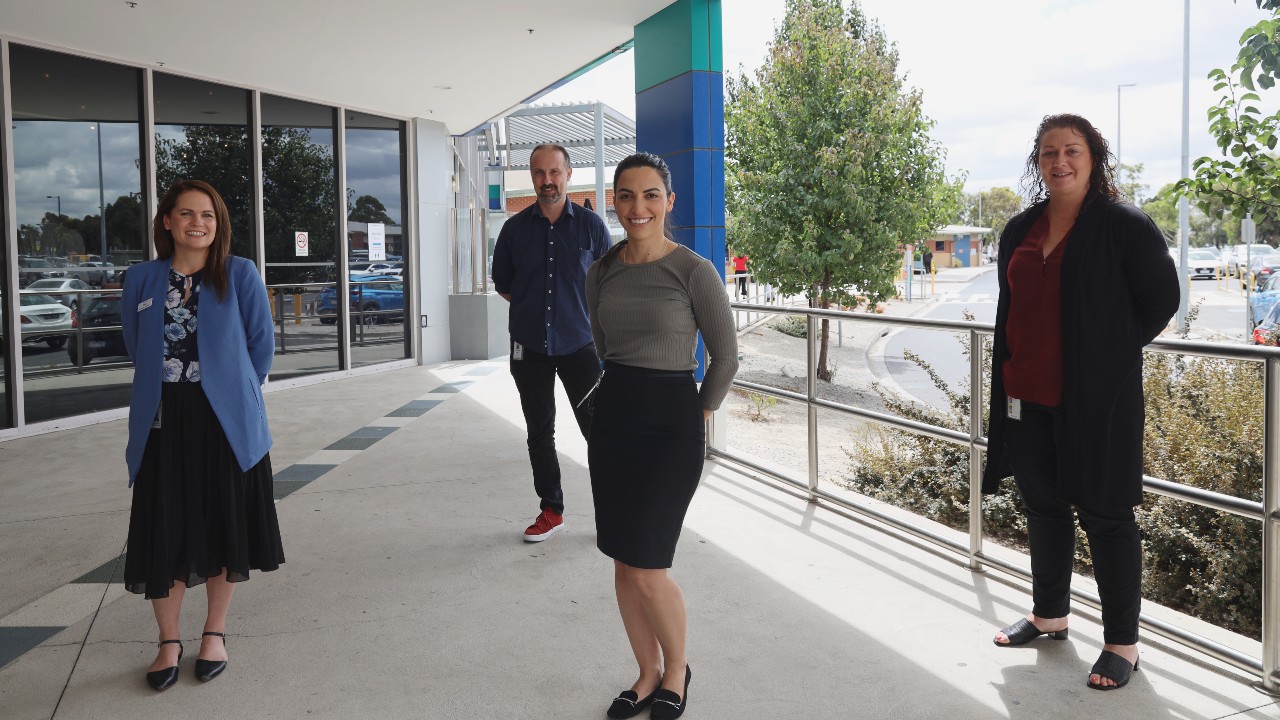
    Featured image (left to right): Elise Sutton, Lachlan Hayes (back), Sandy Ayoub (front), Megan Farrell.

  • Egg-cellent time at the Children’s Ward

    Egg-cellent time at the Children’s Ward

    Easter has arrived early at Northern Hospital Epping Children’s Ward.

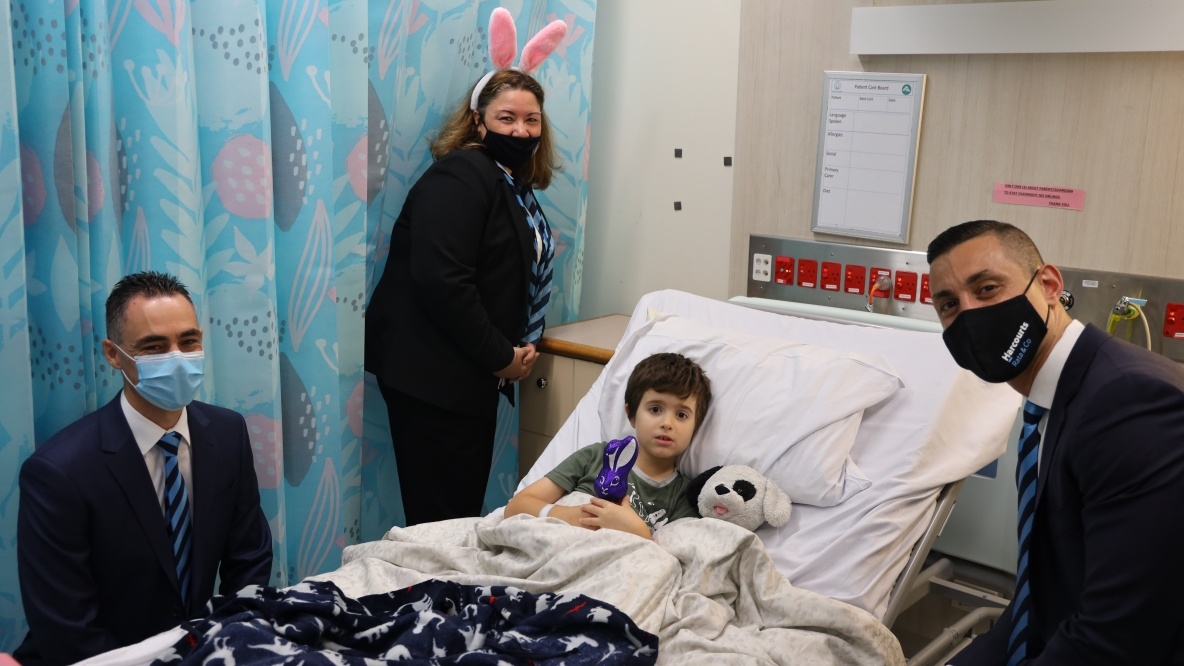
    Families were delighted with a special visit from Harcourts Real Estate, who donated bundles of chocolate eggs to eager children awaiting the arrival of the Easter bunny.

    Harcourts Director and Auctioneer Tony Lombardi said it was a humbling experience.

    “We are just trying to give back to the community that serves us so well,” Tony said.

    “It’s an extremely humbling experience to walk through and see some of the kids. It’s a little bit gut wrenching but at the same time it is great to see a little smile on their face with an Easter egg.

    “This is the first time we have done this and hopefully we can make it a regular, yearly occurrence. We have been a big supporter of Northern Health and the Northern Hospital for a while and hopefully we can get a little bit more involved.”

    Tony said he was proud to give back to the northern community.

    “It’s actually difficult to explain the emotions, walking through the wards and seeing the kids that are sick. Especially once you have kids, you look at it a different way,” Tony said.

    “But it also brings a little joy to you when you can see they have a smile on their face.

    “It is important for us as a business that has worked in the community for so long to try and give back a little bit.

    “We’d like to say thank you very much to Northern Health and the Northern Hospital for allowing us to come through.”

    Northern Health Foundation Fundraising and Engagement Manager, Josie Verga said she was extremely grateful for Harcourts Real Estate’s ongoing support.

    “We value this partnership and look forward to working together to make an impact to the northern community,” she said.


  • EMR team visits sites across Northern Health

    EMR team visits sites across Northern Health

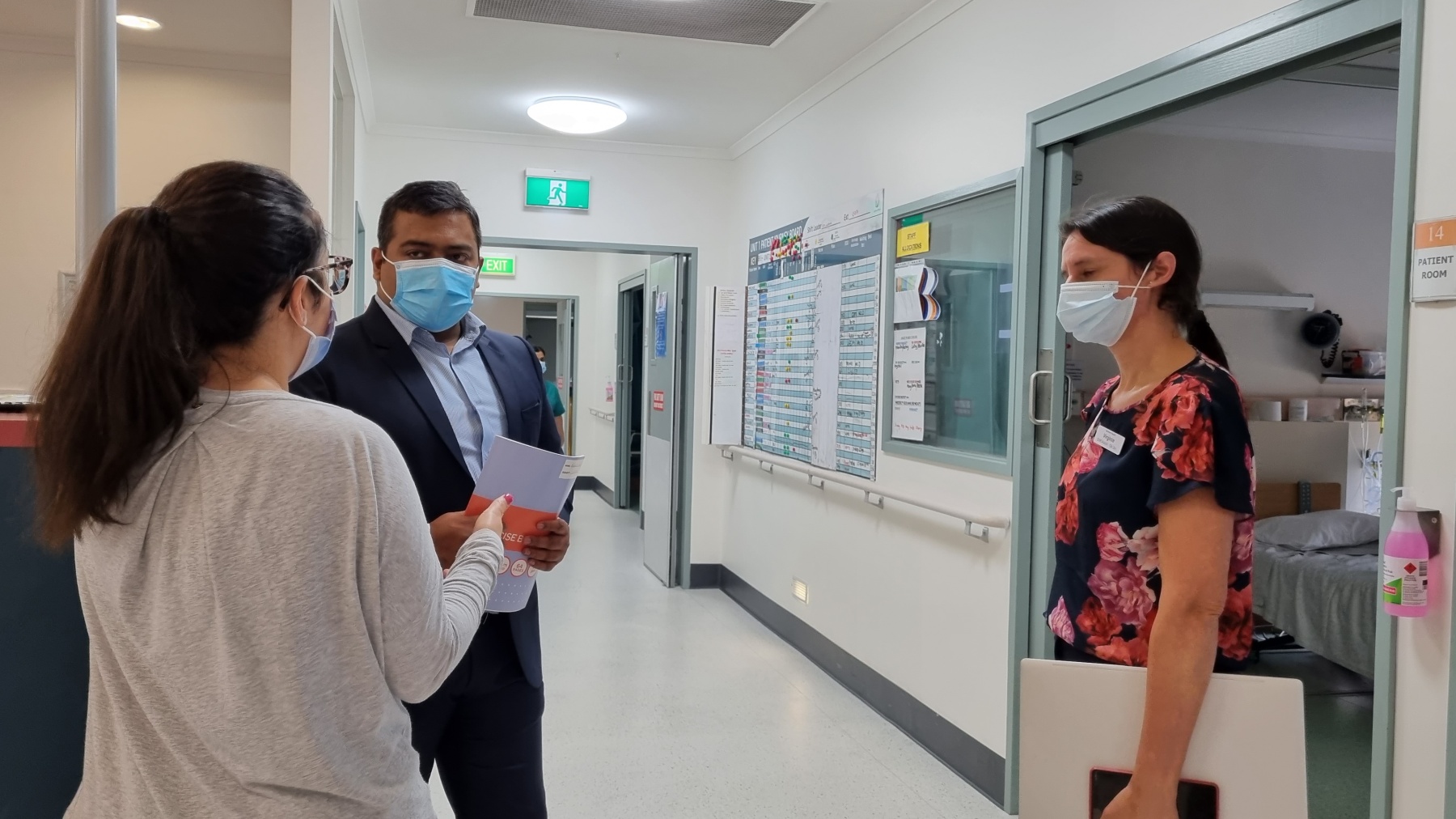
    The EMR team has commenced site visits with walk-throughs to see workflows in practice and to learn more about ward and location layouts to start equipment planning.

    The team was pleased to meet with clinical staff and answer questions about the EMR.

    Gladys Thomas, EMR Clinical Documentation Analyst, said, “It was great to see the excitement and engagement of staff.”

    The team visited all sites including Broadmeadows Hospital, Bundoora Centre, Craigieburn Centre and Northern Hospital Epping and saw pharmacy departments, radiology, perioperative areas, women’s health clinics, ED, ICU, NICU and many inpatient wards.

    Sarai Abel, EMR Applications Lead, said she is “appreciative of the challenges our clinicians go through.”

    Vanessa Reid, Chief Nursing Information Officer, added, “I was very grateful and impressed with the time and knowledge our clinical staff provided during the Current State Walk-throughs.”

    “This was a wonderful opportunity for our EMR analysts and Cerner partners to see how we provide care to our patients.”

    Alex Green, Project Manager (Engagement Owner) from Cerner, met the team for the first time and said, “it was great to see the enthusiasm from staff across Northern Health to get the project going – we collected a lot of data that we needed.”

    The EMR team are looking forward to the next EMR opportunity when they start the design workshops on 12 April.

  • Key role of pharmacists at the pre-admission clinics

    Key role of pharmacists at the pre-admission clinics

    In November 2020, Northern Health trialled a 12 week program to have a pharmacist present in the pre-admission clinics.

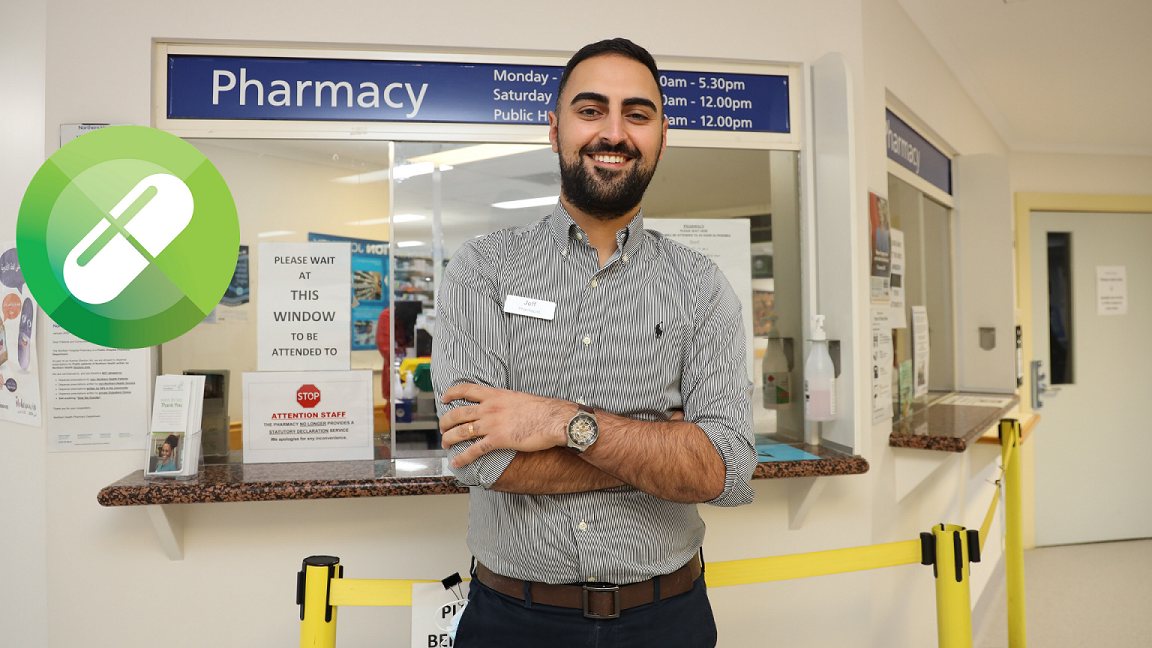
    The trial was led by Jeff Khoshaba, Theatre Pharmacist, who co-leads the team of surgical pharmacists.

    “In the pre-admission clinics, there are a large number of high-risk patients that are seen weekly at Northern Health, in preparation for them to come for their elective surgery. If there are no pharmacists at the clinic, it can lead to medication errors at admission,” Jeff explained.

    The idea for the trial came after a gap was identified and the team aimed to address that gap. With a number of pre-admission clinics during a week, Jeff attended one of the high risk Anaesthetic Preadmission clinics.

    “The aim is for the pharmacist to see the patient before they see the anaesthetist and nurse. Studies have shown that having a pharmacists in the pre-admission clinic space has a positive impact on optimising medication management. That is done by a pharmacist completing an accurate medication history and an accurate medication management plan, and liaising with anaesthetists and nurses as well,” he explained.

    A pharmacist in this role reduces the likelihood of surgeries being cancelled due to medications being mismanaged in the perioperative space. It can lead to optimised medication management throughout the admission as well.

    “I would contact the patient beforehand to let them know I would see them before the anaesthetists, and to let them know to bring all their regular medications, and ask them for the details of their local pharmacy and GP. We collate an accurate medication history for that patient and when the patient comes into clinic, I confirm exactly what the patient is taking and document the list of medications, talk about the medication management at home and discuss medications before, during and after surgery,” Jeff explained.

    He would then look at current guidelines, policies and procedures and advise on medications that might need to be changed before surgery and make those recommendations or interventions to the anaesthetist and nurse.

    “We promote stewardship of high-risk medications as well. That includes medications like anti-coagulants, antibiotics and opioids and making sure those medications are being managed accurately before admission, and after. There are some medications that need to be withheld before surgery, and they include blood thinners, some diabetes and blood pressure medications,” Jeff added.

    Having an accurate medication history reduces the likelihood of surgeries being cancelled and improves patient outcomes and care. This can also reduce length of stay as medication reconciliation is happening earlier in the patient’s admission.

    “If there is no pharmacist, the anaesthetist and the nurse would confirm the medication. We did a survey pre and post the 12 week trial , which showed that having a pharmacist is very beneficial and has optimised medication management within the preadmission clinic space. There was very positive feedback from anaesthetists and nurses,” he added.

    “Poor medication history, incomplete documentation and inappropriate perioperative medication management can lead to cancelled or delayed surgeries, inaccurate medication reconciliation, medication related harm and lack of patient education. As pharmacists, we promote safe and appropriate use of medicines  in line with Standard 4,” Jeff said.