• Standard 7: What you need to know

    Standard 7: What you need to know

    In the lead up to organisation wide Accreditation from 24-28 May 2021, each week Northern Health will be focusing on a different Standard. You will hear from the Chairs of each Standard Committee on what you need to know.

    This week we spoke to Dr Wanda Stelmach, Chief Medical Officer, about Standard 7: Blood Management

    What is this Standard about?

    Standard 7 deals with blood and blood products whether it is the taking of blood samples from patients or the giving of blood and blood products to patients. Blood is a precious resource. It is a product that is altruistically gifted by members of the community to support those members in the community who need it most. Blood products must therefore be used appropriately and safely. Blood samples must also be appropriately managed so that our patient community is not impacted adversely by the need to take multiple samples.

    At Northern Health, this Standard looks like….

    • Blood is considered a precious resource and will be used appropriately and safely
    • Right blood to the right patient for the right reason
    • Correct and MATCHING labelling of blood tubes and request slip
    • Consent – information brochure and written consent
    • Blood Product Administration Chart is your guide and documentation tool
    • Blood Safe training for all staff who handle blood, blood products and blood samples
    • Correct and safe blood storage
    • Minimized wastage

    What are the top 5 ways staff can be prepared for Accreditation against this Standard?

    The five key messages from Standard 7 are:

    • Effectively optimizing and conserving a patient’s own blood, reducing the unnecessary risk of exposure to blood products and associated adverse events
    • Making clinical decisions ensuring all treatment options, and their risks and benefits, are considered before deciding to transfuse
    • Safely administering the products to the intended recipient.
    • Storing and disposing of blood and blood products correctly.
    • Reporting and investigating any adverse reactions or incidents.

    What are the top 5 questions staff needs to be able to answer about this Standard?

    1. Do you know the governance structure/Committee that oversees the safety and quality systems for Blood management at Northern Health?
    2. What is the mandatory training requirements for the Staff involved in Blood Management, the frequency of training, and where can you access these training?
    3. How do we involve the patient in their care with regards to blood management?
    4. What is Patient Blood Management?
    5. What do you do when a patient experiences a reaction to a blood product?

    Is there anything else you would like staff to know about this Standard?

    The Zero tolerance program in Blood Management rejects samples that do not meet the labelling requirement for pre-transfusion sample collection and request for blood and blood products. This means if the tube and the request information don’t match the sample is rejected and the patient has ANOTHER UNECESSARY venesection!

    REMEMBER:

    • Patient’s 3 point ID must match with the specimen tube and request form.
    • The collector’s signature or initials and date of collection on the request form must be identical to the sample label.
    To learn more about Standard 7, please see the Intranet.

  • Major move into new Wards next week

    Major move into new Wards next week

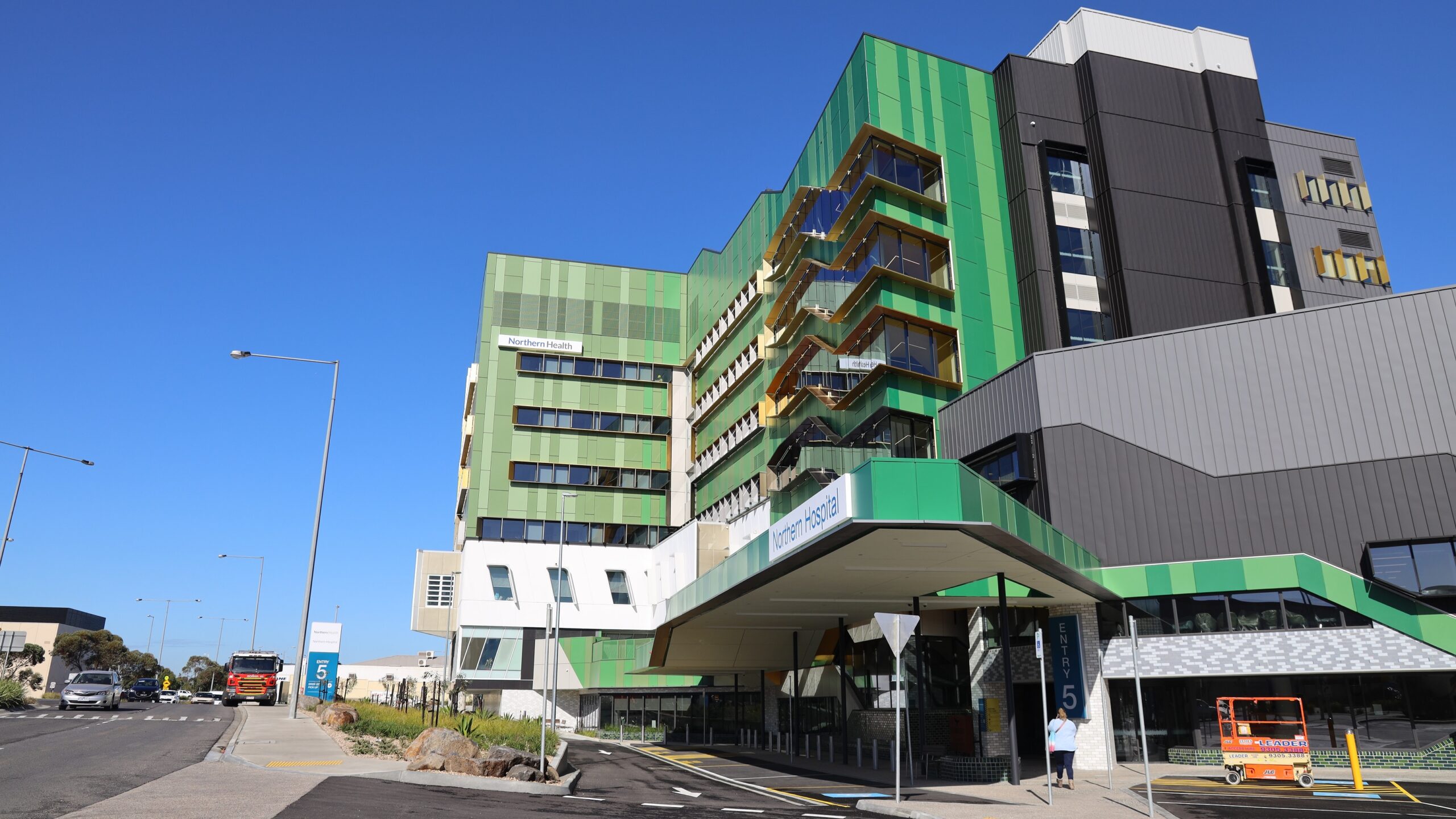
    Stage 2 works of the Northern Hospital Expansion Project, into what is now named the ‘Main Ward Block’ have been completed and we are in the final stages of the move.

    On the ground floor, we will have our new concierge service which is an extension of existing main reception services, satellite pharmacy, orthotics and Transit Lounge 2 which we have been able to utilise for our COVID-19 Vaccination Clinic. Next week, Level 3, 4 and 5 of the Main Ward Block will be opening. Attached is a summary of which areas will be on each level of the new building. ​

    “This has been a huge piece of work during all stages of the expansion with specifications, planning, building, functional training, and operational readiness,” said Jane Poxon, Chief Operating Officer.

    During the move, the current Ward 18 will move into Wards 20 and 21, while Ward 13 will move into Ward 19.

    Move Schedule: 

    Date​ Area Opening Speciality​
    Monday 3 May Ground Floor Concierge
    Tuesday 4 May Ward 20 Respiratory/Medicine
    Tuesday 4 May Ward 21 Neurology/Medicine
    Wednesday 5 May Ward 19 Plastics and Orthopaedics/Surgery

    “The successful move and opening of the new Main Ward Block is a key focus for the entire health service over the next week,” said Jane.

    “Thank you to all staff involved in the planning and preparation of this significant move.”


  • Tick the box for safety

    Tick the box for safety

    Standard 6 – Communicating for Safety aims to ensure timely, purpose-driven and effective communication and documentation that support continuous, coordinated and safe care for patients. This standard recognises that effective communication is needed throughout patients’ care and identifies high-risk times when effective communication is critical.

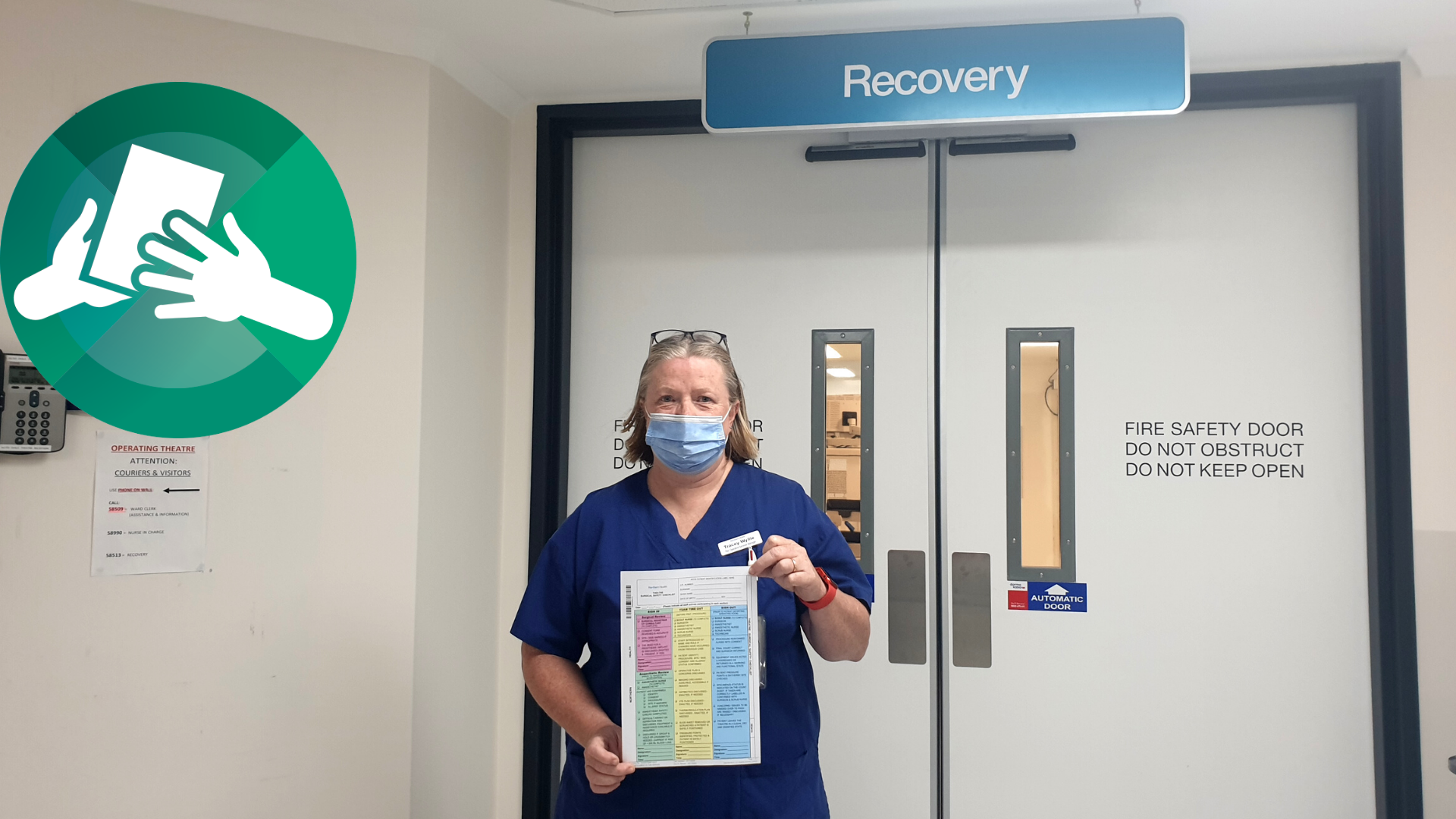
    Tracey Wyllie, Peri Operative Services Manager explained communicating for safety is very important in the peri operative theatre complex, like in many others.

    “This is particularly important for our teams within theatre, as the patient transfers care from ward nurse to anaesthetic nurse, anaesthetist, surgeon, the recovery team and then back to the ward. We have to have certain steps along the way, to ensure we are keeping our patients safe and that our communication is where it needs to be,” she said.

    To help the team tick all the safety boxes, the Surgical Safety Checklist was developed. It was designed off the back of check lists used in aviation, and following the three part structure.

    “In aviation, the three parts were pre-flight, flight and before landing. The concept is similar within the theatre environment. We use the list before surgery, once the patient is in surgery but before we start, and then we use it at the end of the surgery to make sure everything we have done has been captured,” she explained.

    “The checklist has dot points on it, and the tasks should have already been completed, so it’s basically checking that we have done the work”.

    In the first part, the list includes questions about patient details, anaesthetics questions, and similar. The second part is the time-out section, which the team uses just before the surgery starts, and it’s about ensuring the team has everything for the surgery.

    “Things like if the patient will need antibiotics, what’s the plan, is the site marked and similar,” Tracey added.

    “Final part, signing out, is done at the end of the procedure, and we check if our final surgical count is complete, are all specimens handed over and labelled, and ready for collection in the right format and so on”.

    Together, the three sections help the team track the patient’s journey, making sure the patient is safe.

    “The World Health Organisation (WHO) released the concept of the surgical check list around 15-20 years ago and health services adapted WHO guidelines to their own needs. We look at our Risk Man, see what is happening in the theatre that we need to prevent from happening in the future and if we see a pattern, we review the check list and adapt it,” Tracey explained.

    “Patients sometimes don’t understand why we ask them same questions multiple times, like their name, address and similar. It’s just about educating the patient and letting them know this is a standard procedure and it’s important we check in each stage of the journey, and we need to get the surgery right and keep patients safe,” she said.

    “The biggest change I have seen is involving the patient in the conversation. Previously, doctor and nurse would read the details off the arm band, and confirm the details, but that has shifted to actually talking to the patient to confirm their details. It’s about including the patient in the information gathering process,” she added.

    Northern Health has three surgical safety check lists – one in operating theatres, one in endoscopy room and one for ophthalmology patients.

  • Responding to family violence

    Responding to family violence

    The Victorian Government has introduced three interrelated family violence reforms in response to the Victorian Royal Commission into Family Violence (2016).

    The three major family violence reforms are The Family Violence Information Sharing Scheme (FVISS), The Child Information Scheme (CISS), and the Multi-Agency Risk Assessment and Management Framework (MARAM).

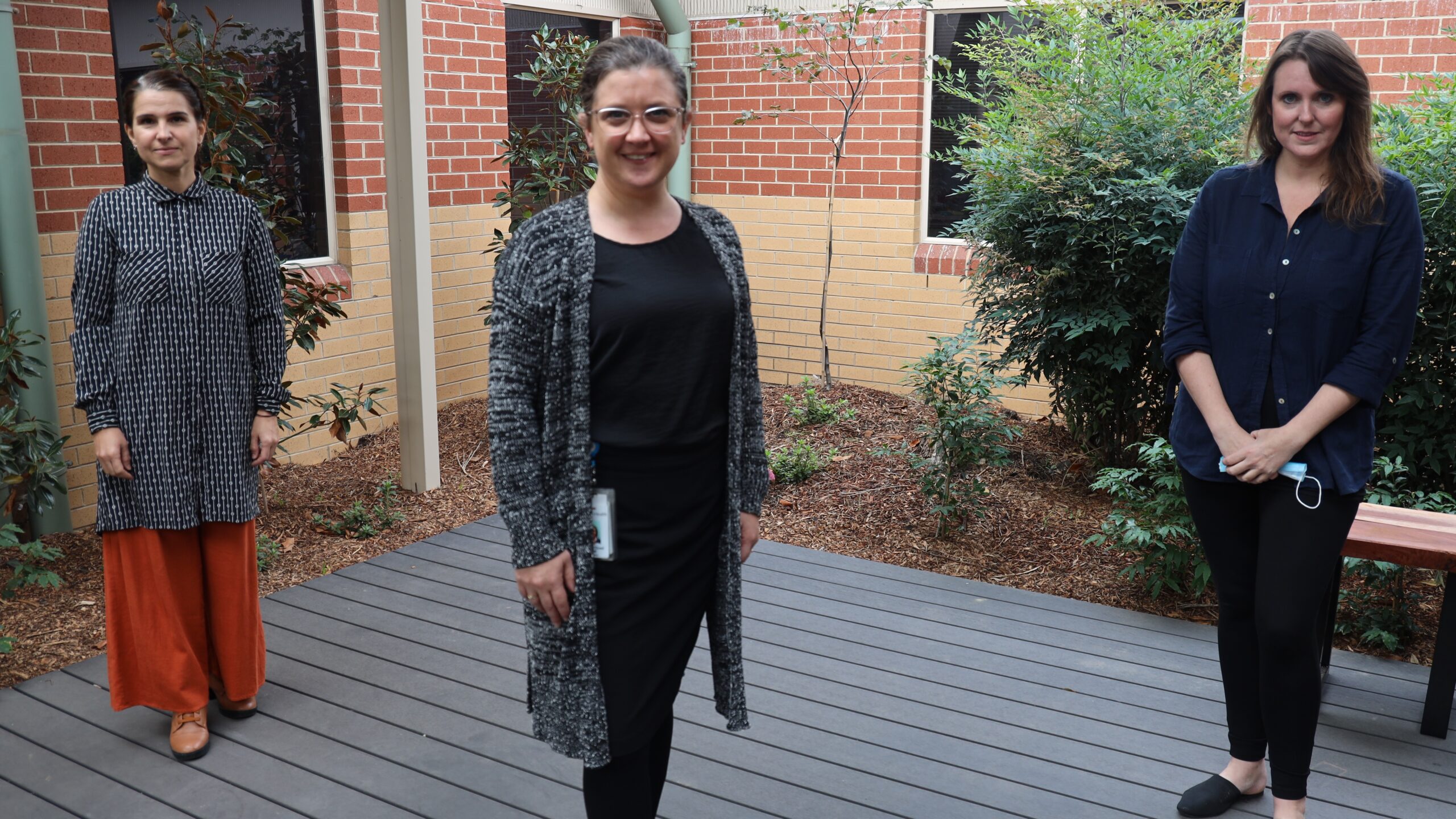
    Tanya Ellis, Project Support Officer for Strengthening Hospital Response to Family Violence at Northern Health, said the reforms aim to strengthen system-wide family violence risk assessment and management, and support information sharing in an attempt to keep adults and children, with lived experience of family violence safe, and to hold perpetrators accountable for their behaviour.

    “The information sharing schemes allow prescribed organisations to share information about patients more freely,” she said.

    “We still need to ask consent, but if there is a serious threat, we can override the patient’s wishes and not obtain consent. If it relates to a perpetrator, we don’t need consent. The point of those is to be able to share information to save lives.”

    Snez Filiposki, Project Support Officer, said, “The MARAM Framework is a way that we can assess and manage family violence risk and it promotes early intervention to protect adults and children. The framework ensures that all staff have a shared understanding of family violence and that they understand their responsibilities in family violence risk assessment and management. The framework also provides skills to guide professionals in this work.”

    “One in four women experience family violence and a lot of the family violence hotlines saw a spike in calls during COVID-19. The reforms are important because we need to have accountability within the health service because there are a lot of cases of family violence. A child is dying every fortnight and that is not acceptable. We really do need to take a stand and do something about it.”

    The reforms were launched at Northern Health earlier this month.

    “There has been a lot of work put behind this project and it’s state-wide, so all hospitals are contributing to this,” Elisha O’Dowd, Project Manager said.

    “It will make everything a lot safer for patients and their families and victims of family violence. It will also create that culture of not walking past when you notice signs of family violence.”

    The Strengthening Hospital Response to Family Violence Team will present a series of short PowerPoint presentations to launch these reforms.

    “The health service becomes a framework organisation which means it’s actually legislated and is prescribed to align all its policies and procedures to the new framework and to the new information sharing,” Snez explained.

    “It also means from here on in, we need to train staff in the new legislation and the new MARAM Framework. That’s what the launch is all about – giving staff the opportunity to come and hear firsthand what the changes are and then there will be more training responsibilities.”

    “All staff and leadership all have responsibilities under MARAM so it’s not just doctors, nurses and allied health staff. It’s clinical and non-clinical.”

    For more details, click here.

  • Standard 6: What you need to know

    Standard 6: What you need to know

    In the lead up to organisation wide Accreditation from 24-28 May 2021, each week Northern Health will be focusing on a different Standard. You will hear from the Chairs of each Standard Committee on what you need to know.

    This week we spoke to Simone Motton, Associate Director, Allied Health, about Standard 6: Communicating for Safety

    What is this standard about?

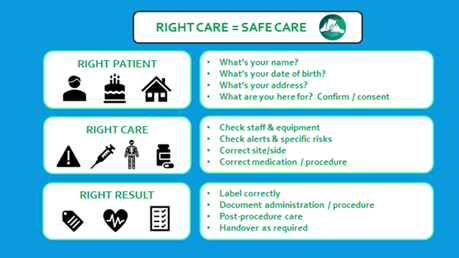
    Standard 6 is all about Communicating for Safety. The three main areas this covers are 1) Patient Identification, 2) Procedure Matching and 3) Clinical handover, but as you can imagine, the need for clear and timely communication is required in nearly every nook and cranny of our organization.  We aim to ensure that the patient is provided with timely, purpose-driven and effective communication and documentation that support continuous, coordinated and safe care for patients.

    At Northern Health, this standard looks like….

    Some examples:

    • Checking patients 3 points of identification
    • Ensuring appropriate safety checklists are completed prior to procedure matching (surgery, endoscopy, ophthalmology, etc)
    • Bedside nurse handover at end of shift
    • ISBAR Handover between clinicians at points of transfer of care (ward to ward, etc)
    • Identifying and acting upon new critical information about your patient

    What are the top 5 ways staff can be prepared for Accreditation against this Standard?

    • Have a think about what the term ‘critical information’ means for your area
    • Ensure your patients have access to bedside patient communication boards
    • Ensure you are involving patients and carers in decision making – via effective communication
    • Ensure your team are handing over the right information for each patient
    • Ensure handover sheets aren’t left in public areas

    What are the top 5 questions staff needs to be able to answer about this Standard?

    • How do you define critical information in your area?
    • How do you ensure patients are able to engage in their care and decision making?
    • What processes do you use to ensure you are identifying the patient correctly?
    • What processes do you use to ensure you are performing the right procedure on the right patient?
    • Are you ensuring your handovers are done in ISBAR format?

    Is there anything else you would like staff to know about this Standard?

    Recently, we have been focusing on defining ‘critical information’. Critical information can be something that is known (i.e. alerts/allergies), it could be something that is new information (i.e. patient mentions it at some point in their care), or it could be something that we actively seek out such as identifying risks via the CARE Record, or asking specific questions. When new critical information arises, it should be addressed as soon as possible via appropriate clinical action. We also acknowledge that critical information looks different in each setting.

    To learn more about Standard 6, please see the Intranet.

  • Staff flu vaccination starts

    Staff flu vaccination starts

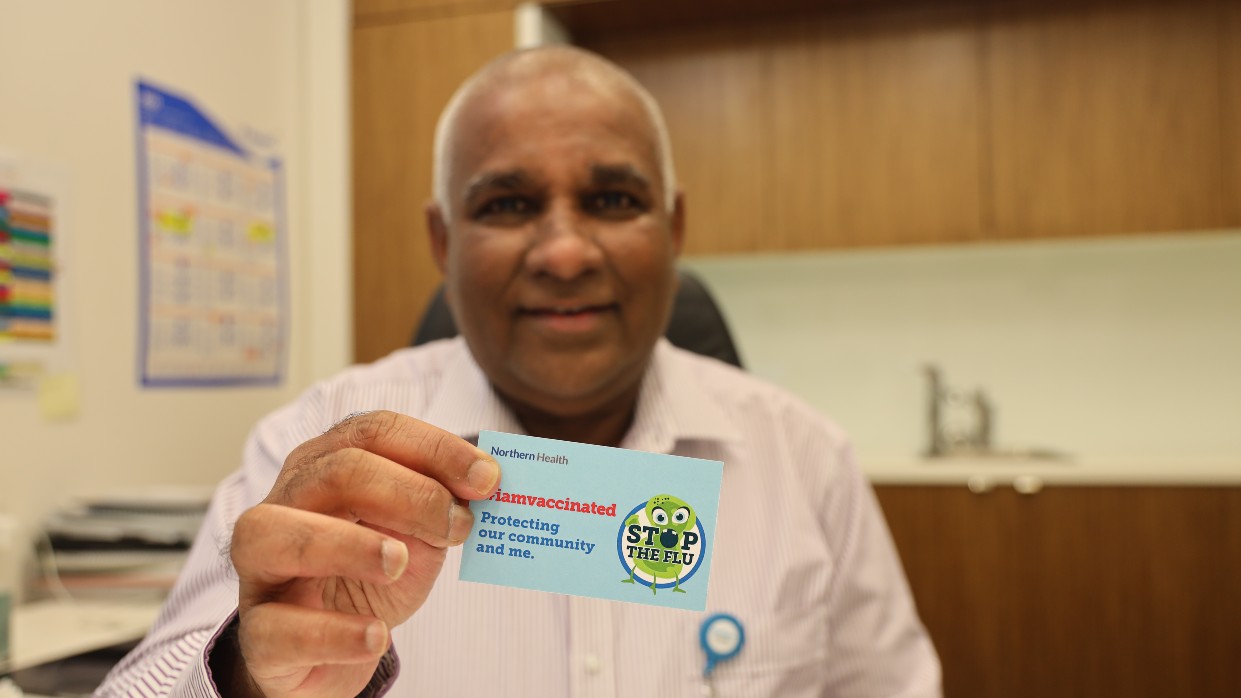
    From yesterday, Northern Health staff and volunteers are able to receive their annual influenza (flu) vaccinations. Compared to previous years, there won’t be a community vaccination program, due to our focus on COVID-19 vaccinations.

    Siva Sivarajah, Chief Executive was the first to receive this year’s flu shot.

    “Getting the flu shot this year remains important with the ongoing global pandemic. I would strongly encourage all of our staff to get vaccinated against the flu this year. By getting the flu shot, we are not only protecting our own health and wellbeing, but those around us as well,” he said.

    “All clinical staff members are required to have the influenza (flu) vaccination and this will be administered by an immunising nurse in all clinical and non-clinical areas. Northern Health is required to vaccinate over 93% of our staff,” explained Madelaine Flynn, Manager Infection Prevention.

    “This year, we will also have set sessions at all the sites to ensure all staff have access to the influenza vaccine”.

    With the roll out of the COVID-19 vaccination program, it is important to note that the recommended time frame between COVID-19 vaccination and influenza vaccination is 14 days.

    “The more people who are vaccinated, the less likely that the flu will spread in the community,” she added.

    “With international flights resuming, the risk to the community is not only COVID-19, but influenza too, therefore it’s important that we are all vaccinated against both communicable diseases”.

    With Northern Health immunising staff only against the flu, community members are invited to speak to their local doctor or pharmacy to access flu vaccinations.

    Managers of non-clinical areas can email Staff.health@nh.org.au to arrange for an immuniser to visit their work area.

    For more information, please see the Intranet.

  • Getting ready for the big move

    Getting ready for the big move

    Stage 2 works of the Northern Hospital Expansion Project have come to an end, as our staff prepare for their move into the new ‘Main Ward Block’ in May.

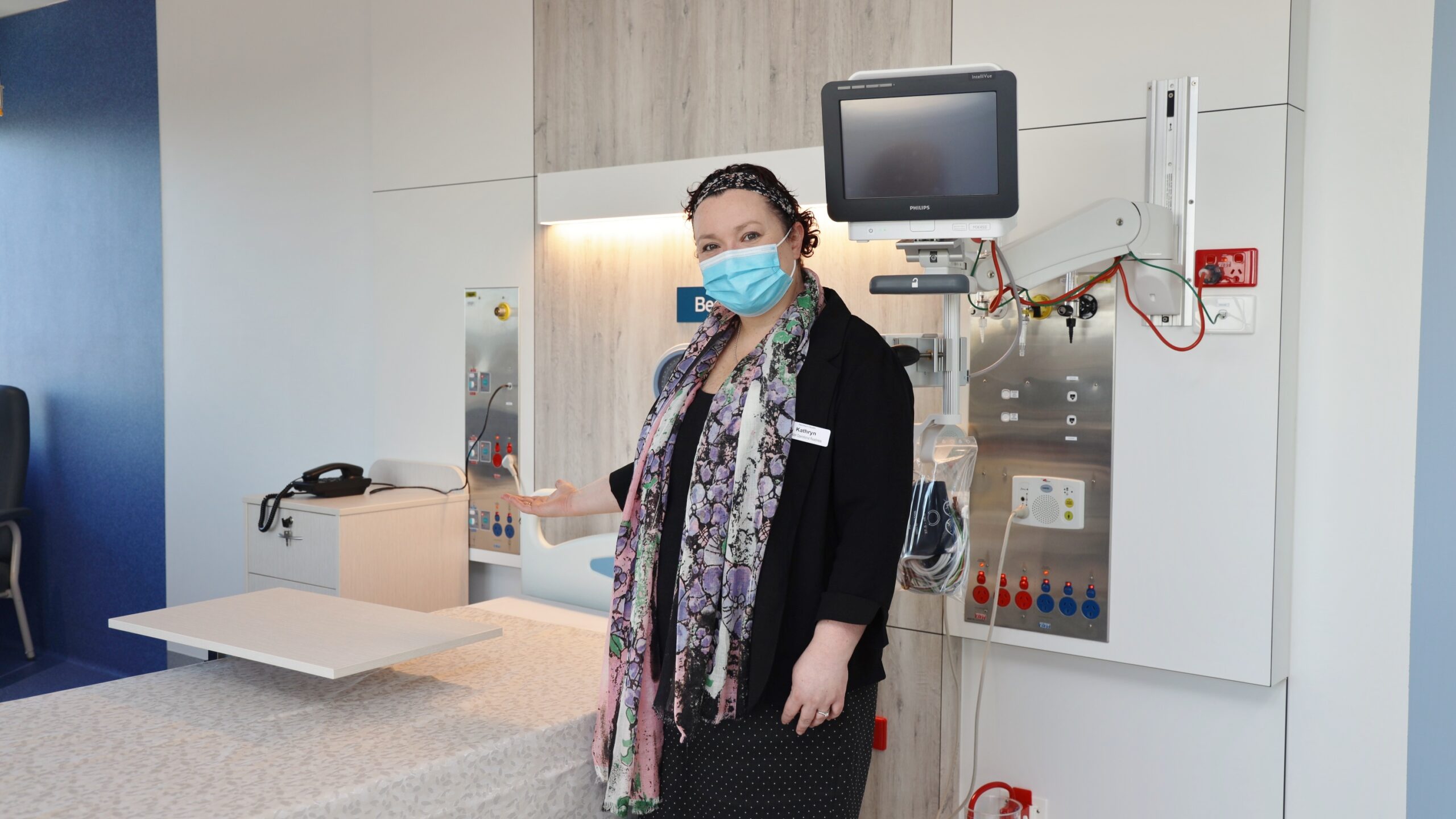
    Kathryn Bartho, Director of Operational Readiness for the project, is excited about the coming weeks as she works with staff towards operational readiness.

    “We are now in the final stages and adding the finishing touches in preparation for the opening of the Main Ward Block – Wards 19, 20 and 21,” Kathryn said.

    “This week, we have completed handover from the capital team to the operational teams including keys, remotes and access.”

    “Over the past few weeks, for operational readiness, we have undertaken COVID-19 walk-arounds, to ensure spaces have COVIDSafe protocols in place, completed OHS checks and hand hygiene checks. Staff have also completed a walk-around with Allied Health, as well as biomedical engineering and engineering – getting them to test and tag equipment,” Kathryn said.

    The team are also working on getting the equipment in for the new concierge area and Orthotics workshop, located on the ground floor.

    Over the next week, staff will be conducting audits of each patient area, in particular all the patient zones.

    “We are checking that we have got all the relevant equipment and each space is ready for patients, for example; beds, mattresses, soap, hand towels etc. We have consulted with infection prevention, as well as organised sheets and linens trolleys for the day prior to move in,” Kathryn said.

    Pharmacy will be stocking the medication rooms, and assisting with the transition on move day. Nursing staff, PSAs and ward clerks are undertaking training on the new Rauland system, which are the new workflows terminals.

    “There is a workflow device in each of the rooms and you can trigger a message/request for a task to be completed across multiple disciplines on the ward. For example, you can notify the PSA to complete a room clean if the patient has been discharged, or, as a nurse, you can set rounding reminders at either one hour or 15 minutes etc. This triggers a message to your allocated phone,” Kathryn explained.

    The move preparation is progressing well, and the team is aiming to have the majority of preparation completed by the start of next week. Kathryn explains how the collaborative effort to prepare for the move really reflects one of our Northern Health values of ‘together’.

    “There has been a huge amount of collaboration with this. This has been a huge project with operational and capital teams working incredibly hard. From an operational readiness perspective, we have had input and training completed with a super user model lead by the NUMs and senior nursing staff, which has then been rolled out to end users including the nurses, PSAs and ward clerks. They have all done an amazing job at learning how to use the new equipment,” Kathryn explained.

    “We have also had the opportunity of completing code simulations, which the team have worked really hard on and continued a collaborative approach giving valuable feedback and key recommendations. Emergency management and security have had key contributions and provided education to the staff on area warden training, evacuation plans, and code responses.”

    “There is a lot of behind-the-scenes tasks, for example, supply has been amazing doing all the store rooms, allocating where shelving and stock go, working together with the NUMs to make sure everything is set out in the right spot, barcoded and getting the supply rooms stocked.”

    “The support services team have organised all the bins, sharps bins, linen trolleys etc. We continue to engage and present at key team meetings across all disciplines including Heads of Units, team huddles, Allied Health, PSA meetings, ward meetings etc. We have also completed tours with multiple teams. COVID-19 has been an additional complexity in the preparations, having said that, everyone has done an amazing job.”

    Wominjeka Welcome sign at the front of Entry 5
    New staff station
    Stairwell and elevator entry area


    Featured Image: Kathryn Bartho in one of the new high dependency units in Ward 21

  • ANZAC Day 2021: Lest we forget

    ANZAC Day 2021: Lest we forget

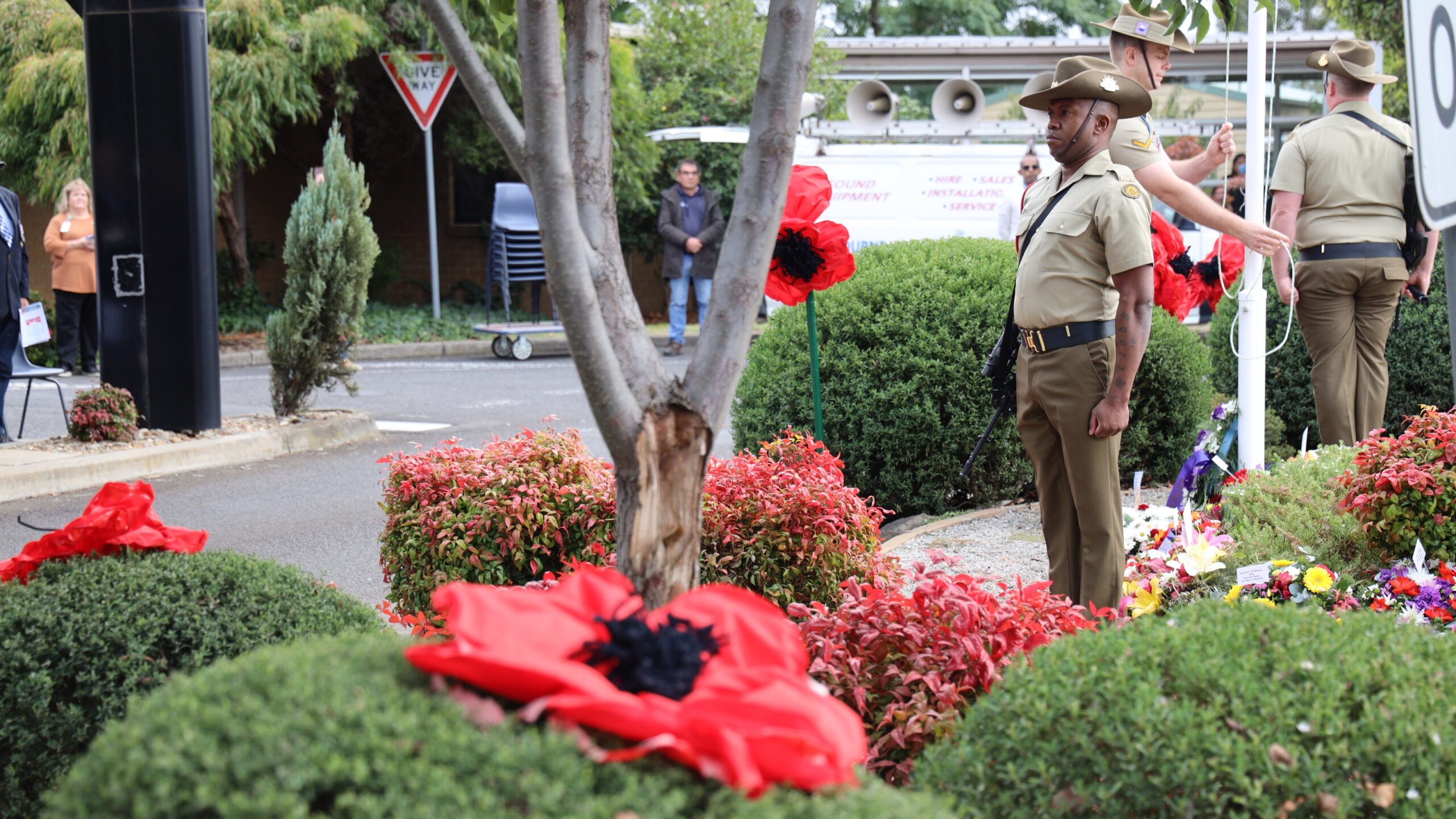
    This morning, Northern Health held our annual ANZAC Day service at Bundoora Centre, with participation from Victoria Police, Ambulance Victoria, Fire Rescue Victoria and 138 Signal Squadron along with local RSL branches.

    Siva Sivarajah, Chief Executive at Northern Health, delivering the ANZAC Address, said, “It is a special day for Northern Health. Our ANZAC Service is closely associated with our patients, especially those at our Bundoora Centre.”

    “Today, we remember those who made the supreme sacrifice of paying with their lives, to make this country a safer place. We express our gratitude to them for the freedom we enjoy and to be able to live in harmony with all those who call Australia home.”

    “We thank them for the sacrifice they made, so that we could be safe, kind and together.”

    Colin Woodward, Director Engineering and Building Services and Bromwen Battye, Pastoral Care Worker at Bundoora Centre acted as Master of Ceremonies.

    Many representatives from Northern Health featured in the service including Kirralee Jensen, Acting Site Director Operations, Director of Nursing, Bundoora Centre, Jennifer Williams AM, Northern Health Board Chair, Peter McWilliam, Northern Health and Northern Health Foundation Board Member, Carolyn Flower, Associate Program Director, Assessment and Transition Service and Lisa Cox, Divisional Director, Nursing, Medicine, Sub-Acute and Emergency Services.

    Students of St Damian’s Primary School Choir, Bundoora, sung a hymn and the National Anthem. School captains Zoe and Leila from Northside Christian College helped with the laying of wreaths.

    A special thanks to representatives from the Watsonia RSL, Epping RSL, Reservoir RSL, Montmorency-Eltham RSL, Hume City Council and Banyule City Council for joining us to honour those who gave their lives to defend our nation.

    “Today we celebrate the many acts of bravery and the selfless examples of compassion and comradeship of those who defended our shores and our nation,” Siva said.

    Wreaths
    St. Damian’s Primary School Choir
    Kirralee Jensen, Acting Site Director/Director of Nursing at Bundoora Centre
    Bromwen Battye, Pastoral Care Worker at Bundoora Centre
    138 Signal Squadron
    Siva Sivarajah, Chief Executive
    Guests watching the service