• Men’s Health Week

    Men’s Health Week

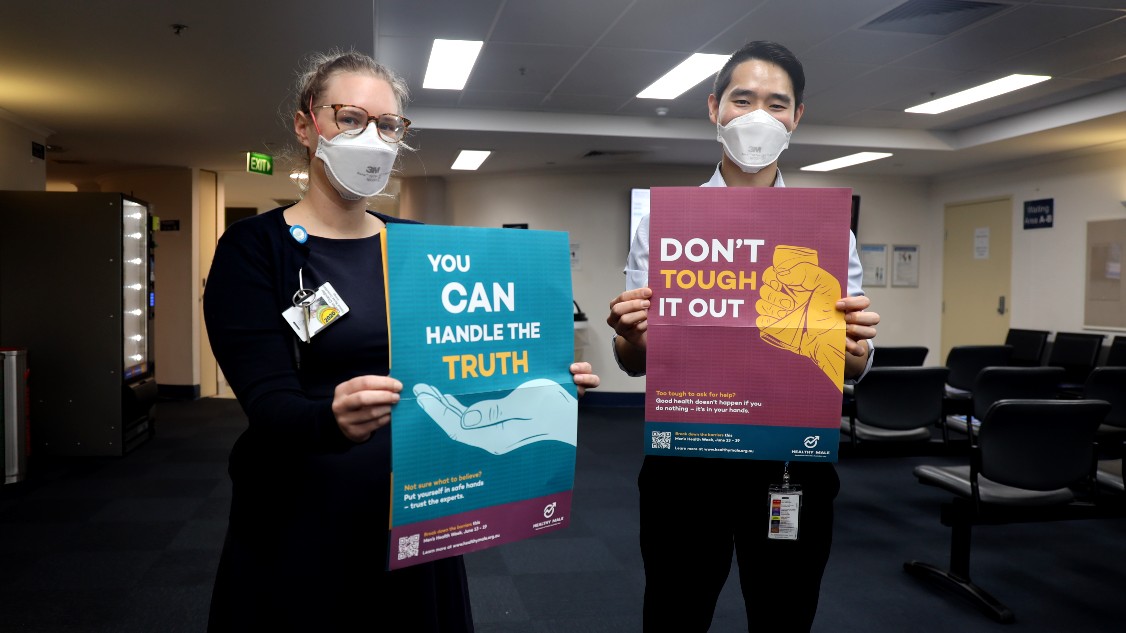
    International Men’s Health Week is celebrated every year in the middle of June. It is an important opportunity to highlight the importance of men’s health, and to promote and support the health and wellbeing of men and boys in our communities.

    The theme of Men’s Health Week 2022 is Building Healthy Environments for Men and Boys – focusing on creating physically, mentally and emotionally healthy environments in the home, workplace and in social settings.

    Northern Health’s dedicated Men’s Health Physiotherapy Clinic opened its doors on Wednesday, 23 February 2022, and has been running out of the Epping, Bundoora and Broadmeadows campuses.

    Ryan Hon, Men’s Health Physiotherapist, who sees patients together with Catherine Duffy, Continence and Pelvic Health Physiotherapist, explained the service is now up and running with two clinics per week at Northern Hospital Epping. The service is supported by Dennis Gyomber, Divisional Director Surgery and Urologist, as well as his colleagues in Urology.

    “The clinic aims to help patients who are on the Urology waiting list. Since the clinic opened, we have seen a steady overall reduction in the numbers of patients on the waiting list, in particular men with scrotal and testicular pain,” he explains.

    Some of the most common problems men presented to this clinic with include musculoskeletal and pelvic pain, lower urinary tract symptoms, incontinence or voiding dysfunction and bowel dysfunctions such as urgency. The clinic aims to improve patients’ understanding of their condition, the contributing factors, as well as the self-management options to help improve their quality of life.

    Ryan says the team recently received an unexpected referral externally from a GP, and sees potential for program expansion to external referrers, once the current pilot program is evaluated.

    “Patients have generally indicated satisfaction with our services, in knowing there are other contributing factors to their problem and what they can do to help themselves. Patients receive an online health survey at the commencement of their treatment and subsequent surveys will be conducted at week six and week 12. Results so far have shown improvement in patient reported outcome measures – we are pleased with these outcomes,” he adds.

    Lauren Chandler, Urology Nurse Consultant, says the clinic sees predominantly young men who have been referred to urology services and added to our wait list. Lauren supports Ryan in managing the clinic and works on its integration with the Urology Unit, expanding the offer at Northern Health.

    “This is an exciting opportunity for Northern Health to integrate physiotherapy with urology services, in particular addressing men with pelvic pain. We are also actively promoting men to see their GP and speak up about their health and get referred to the service if they need advice,” she said.

    Featured image: Lauren Chandler and Ryan Hon. 

  • NAIDOC WEEK ’22: Our theme and Quiz

    NAIDOC WEEK ’22: Our theme and Quiz

    National NAIDOC Week celebrations are held across Australia in the first week of July each year (Sunday to Sunday), to celebrate and recognise the history, culture and achievements of Aboriginal and Torres Strait Islander peoples. NAIDOC Week is an opportunity for all Australians to learn about First Nations cultures and histories and participate in celebrations of the oldest, continuous living cultures on earth.

    Karen Bryant, Senior Aboriginal Liaison Officer and proud Gunditjmara woman, says, “NAIDOC time is important to me, it’s a time to relish in my culture with my family, grandchildren and community. It’s a special time of year where our mob can connect, educate and celebrate all aspects of First Nations histories and culture with non-indigenous people.”

    This year’s theme is Get Up! Stand Up! Show Up!

    As the website www.naidoc.org.au explains:

    We have a proud history of getting up, standing up, and showing up.

    From the frontier wars and our earliest resistance fighters to our Aboriginal and Torres Strait Islander communities fighting for change today—we continue to show up.

    Now is our time. We cannot afford to lose momentum for change.

    We all must continue to Get Up! Stand Up! Show Up! for systemic change and keep rallying around our mob, our Elders, our communities.

    Whether it’s seeking proper environmental, cultural and heritage protections, Constitutional change, a comprehensive process of truth-telling, working towards treaties, or calling out racism—we must do it together.

    It must be a genuine commitment by all of us to Get Up! Stand Up! Show Up! and support and secure institutional, structural, collaborative, and cooperative reforms.

    Narrun Wilip-Giin, Aboriginal Support Unit, this year too has put together a quiz that will test your knowledge and reward you with exciting prizes.

    Click here for the NAIDOC Week quiz.

    For more information, visit our NAIDOC Week intranet page.


  • Generous donations supporting our patients

    Generous donations supporting our patients

    Northern Health has recently received important equipment to continue providing high level care to our patients. We take this opportunity to thank our supporters for their contributions through the Northern Health Foundation.

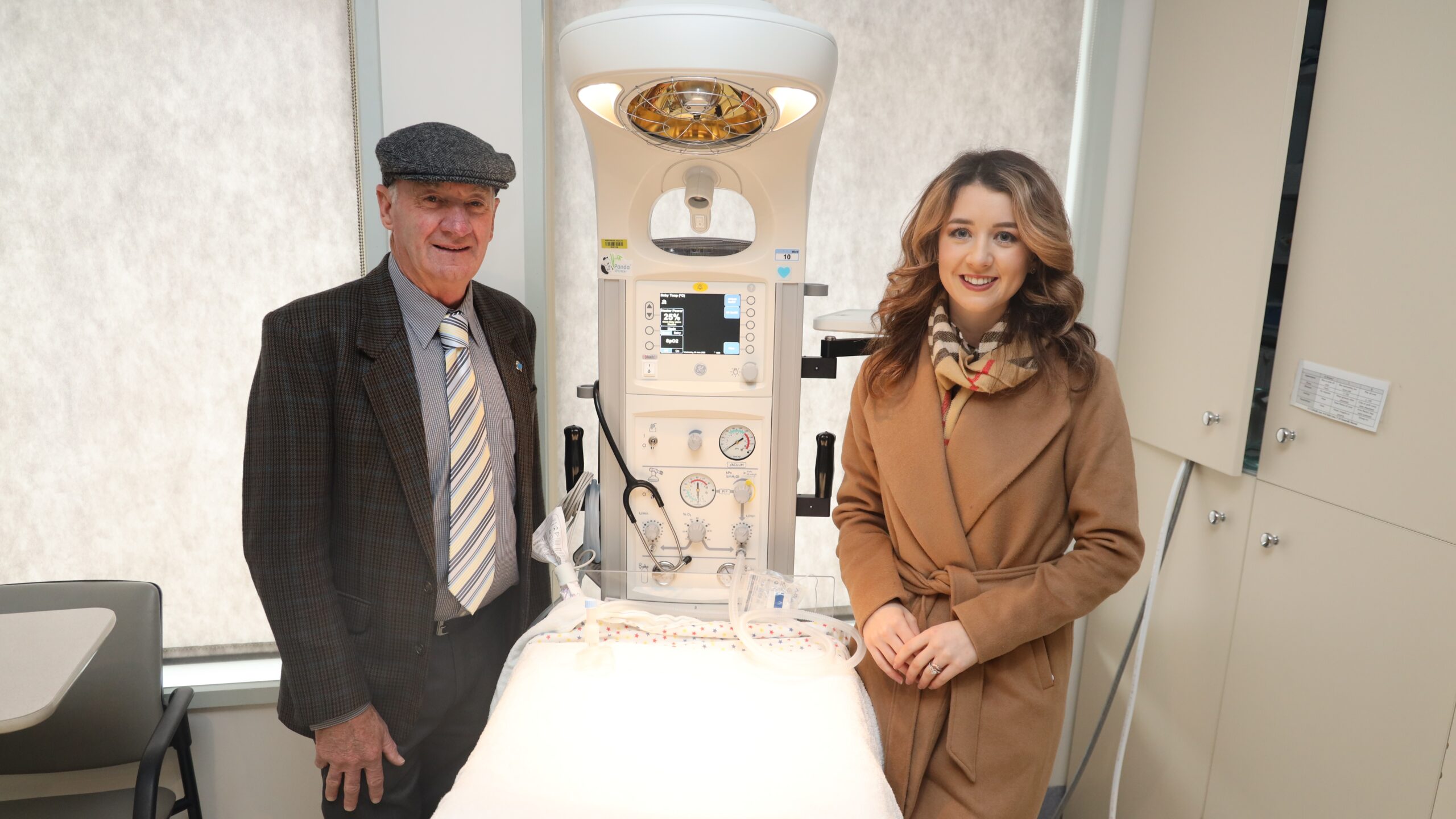
    The Batten Foundation generously funded the purchase of three Panda Warmers for our Northern Hospital Epping Birthing Suite.

    “We are very appreciative of the generous donation by the Batten Foundation,” said Zeyneb Gokler, Midwifery Unit Manager, Birthing Suite and Maternity Assessment Centre.

    “Panda Warmers are critical equipment in providing resuscitation of the newborn. Currently, we have four Panda Warmers and with the addition of a further three Panda Warmers, staff will not have to move the equipment in an emergency situation. Having access to this equipment means there will be no delay in resuscitation management at the time of birth. Safe care is what we thrive on and this will give us an opportunity to develop and extend our level of care.”

    Three highback chairs, which were funded by Bridgewater Lake Retirement Estate Residents Village, were donated to Ward 4.

    Renee O’Rourke, Acting Nurse Unit Manager Ward 4, thanked Bridgewater Lake Retirement Estate Residents for their generous donation.

    “The brand new highback chairs will aid in the care of our vulnerable patients. The chairs are orthopaedic that are height adjustable with moulded seats and contoured backrests to provide additional care, support and comfort,” she said.

    “These chairs are important pieces of furniture for our patient’s health and wellbeing, as they promote good posture and back support to assist in reducing pain and encourage deep breathing.”

    The chairs can be adjusted to each patient’s needs by trained staff who can assist with mobility and encourage patient independence of getting in and out of the chair.

    “A patient who is comfortable is more likely to sit out of bed. This in turn encourages social interaction, dietary intake, retains mobility independence and improves respiratory function. Ensuring our patients are safe and comfortable is a priority on Ward 4 and the kindness of the residents and staff from Bridgewater Lake Retirement Estate has contributed to our vision,” Renee said.

    Our Oncology and Medical Day Unit received a blanket warmer, funded through Northern Health Foundation Patron, Bev Carman’s CANDO.

    Melissa Gwynne, Nurse Unit Manager Oncology and Medical Day Unit, said the blanket warmer would be used by patients while receiving treatment.

    “Having treatment and sitting in a chair for up to six hours can become tiresome and we want to help in any way to keep our patients comfortable,” she said.

    “Having a nice warm blanket, especially during these cold winter months, really improves the comfort and wellbeing of our patients, especially those undergoing scalp cooling as part of their treatment.”

    The Oncology and Medical Day Unit now have two blanket warmers, which have both been purchased through funds from our very generous donors.

    “Bev has always done so much each year to raise funds for cancer services at Northern Health. She is a great role model in our community and I thank her very much for her contribution,” Melissa said.

    Thank you to all our generous donors and patrons for your support!

    Featured image shows Bruce Batten and daughter Emily.

  • Smooth transition to a new Data Centre

    Smooth transition to a new Data Centre

    Transitioning to a new Data Centre at the best of times is no easy task. Doing so during COVID Peak required not only contending with an enhanced COVID response structure, but also careful coordination between Capital Development and Engineering.

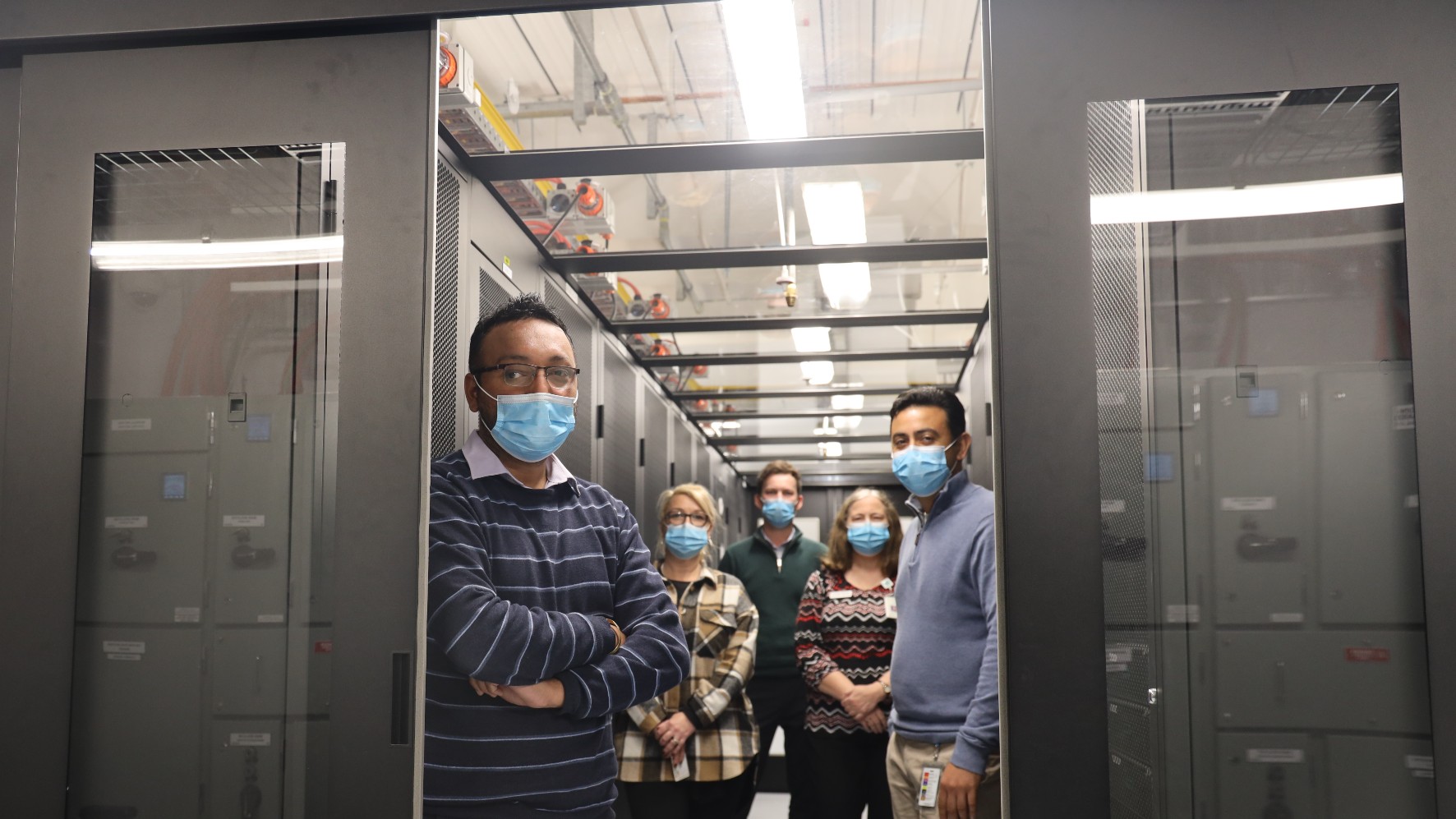
    ICT along with the Capital Development and Engineering team

    The fact that this was achieved without any impact on business, is testament to the seamless fashion the various teams involved worked together and the detailed planning – from budgeting to implementation, all under the lead of the ICT (Information Communication Technology) team.

    The transition brought together the expertise of the whole ICT team, but particular mention should be made to James Stamkos, Jase Singh, Lucas Greenway, Mathew Park, Dominic Arulanandam, Remo Giaquinta, Nitin Patel and Liu Yang, mainly from the infrastructure team led by Vikram Multani. Also thanking Avinash Singh, Jacquie Temelso, Jacquie Campbell, Michael Gallardo, Megan Farrell, Ammar Poonawala and Mehdi Tehrani who supported and organised the migration support for our clinical applications led by Linda Heard, ICT Applications Manager. Finally, noting other team members were dealing with the massive COVID response requirements.

    All above teams worked very closely with ICT Project Manager, Lawrence Buxton, who played a very important role coordinating and keeping our vendors on track to deliver.

    Concurrently, the ICT team worked to upgrade and enhance our Citrix deployment known as FollowMe desktop. This has resulted in faster response for our clinical applications (like CPF and others) with outages being minimised to support our operational requirements.

    This solution has been supporting various operational initiatives including vaccination hubs, various testing sites, working from home for all staff, Victorian Quarantine Hub and break-out clinics to name a few.

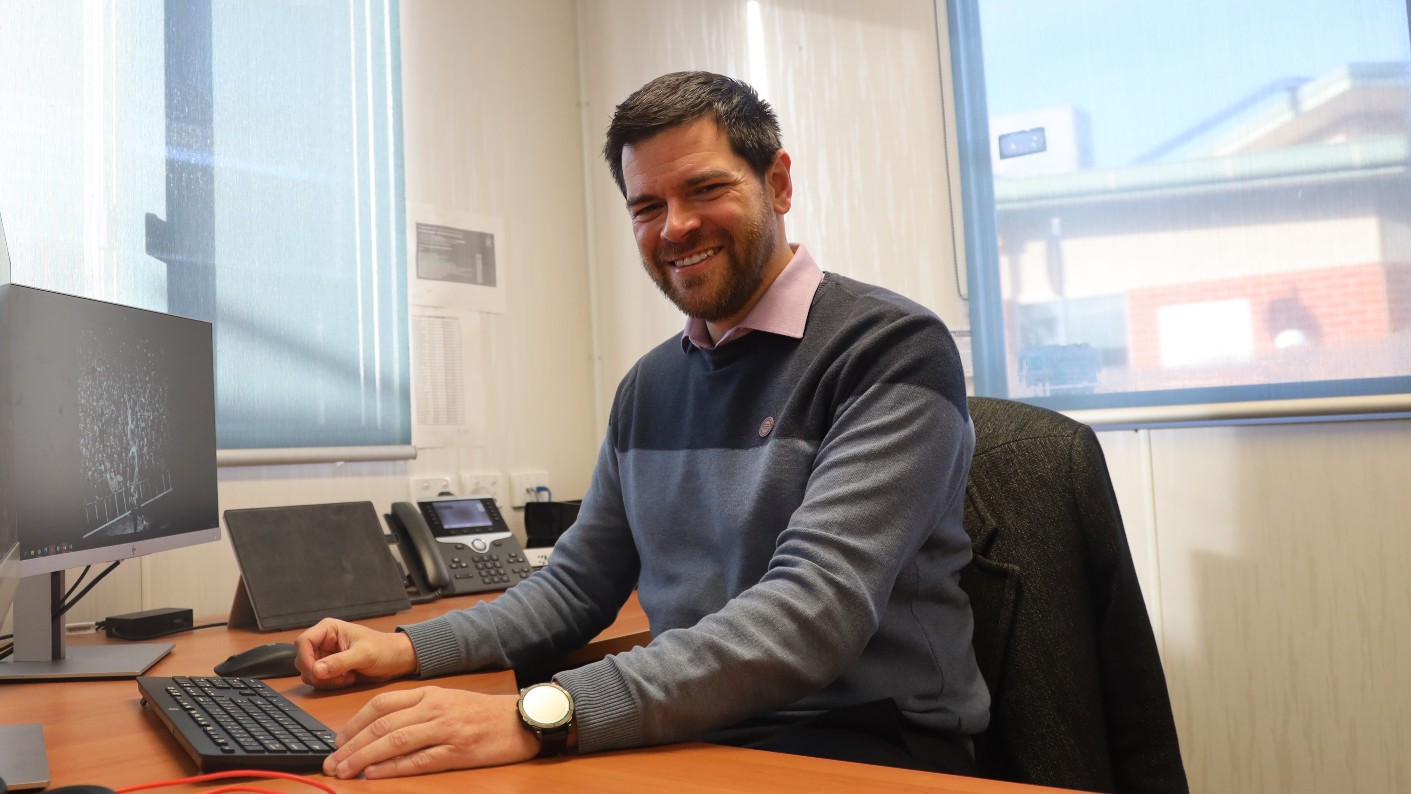
    David Calvo, Chief Information Officer, said he was very proud of his team and said that, “Despite the challenging times, the team delivered on schedule and with no disruption to business. An amazing achievement, at the best of times!”

    ICT would like to thank the Engineering and Capital Development teams, Phil Nesci – ICT Advisor, Anthony Gust – Executive Director Digital Health, Siva Sivarajah – Chief Executive and all others involved for their massive contribution and support.

    Main image shows from left to right:

    Vikramjit Multani – ICT Infrastructure Manager, Jacquie Temelso – ICT Application Support, Mathew Park – ICT Support Officer, Linda Heard – ICT Applications Manager and Jase Singh – ICT Support Officer.


  • VVED featured on Sunrise

    VVED featured on Sunrise

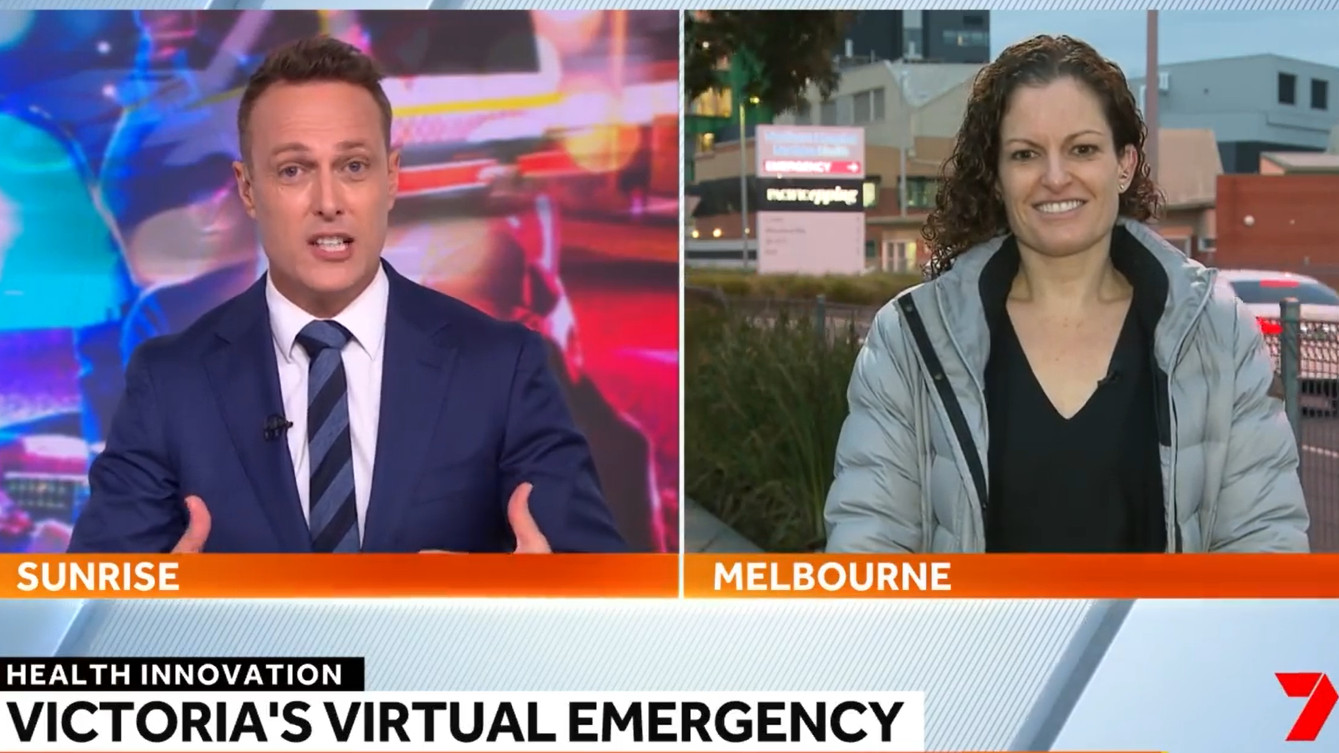
    It was a busy Friday last week for the Victorian Virtual Emergency Department (VVED) team, with the service featured on Sunrise, Channel 10 News and ABC Radio.

    Dr Loren Sher, Clinical Director VVED and Hayley Gray, Nurse Unit Manager, were up bright and early to explain how the service works, and the plans for future expansion.

    “We’ve developed a system where patients in our local community and Ambulance Victoria can register electronically, and this certainly is one of the solutions to ease pressure on the ED waiting rooms,” Dr Sher said.

    Dr Sher ensured the community VVED is run by experienced nurses and doctors who can see the patient via video and asses the situation and next steps of care.

    “Since the launch in October 2020, we’ve seen thousands of patients, and the team is currently seeing close to 300 patients a day,” she explained.

    To see the full story, please click on the video below:

    Alternatively, see the story via Twitter link here: https://twitter.com/sunriseon7/status/1532476781558923264

  • It’s the day for Crazy Socks!

    It’s the day for Crazy Socks!

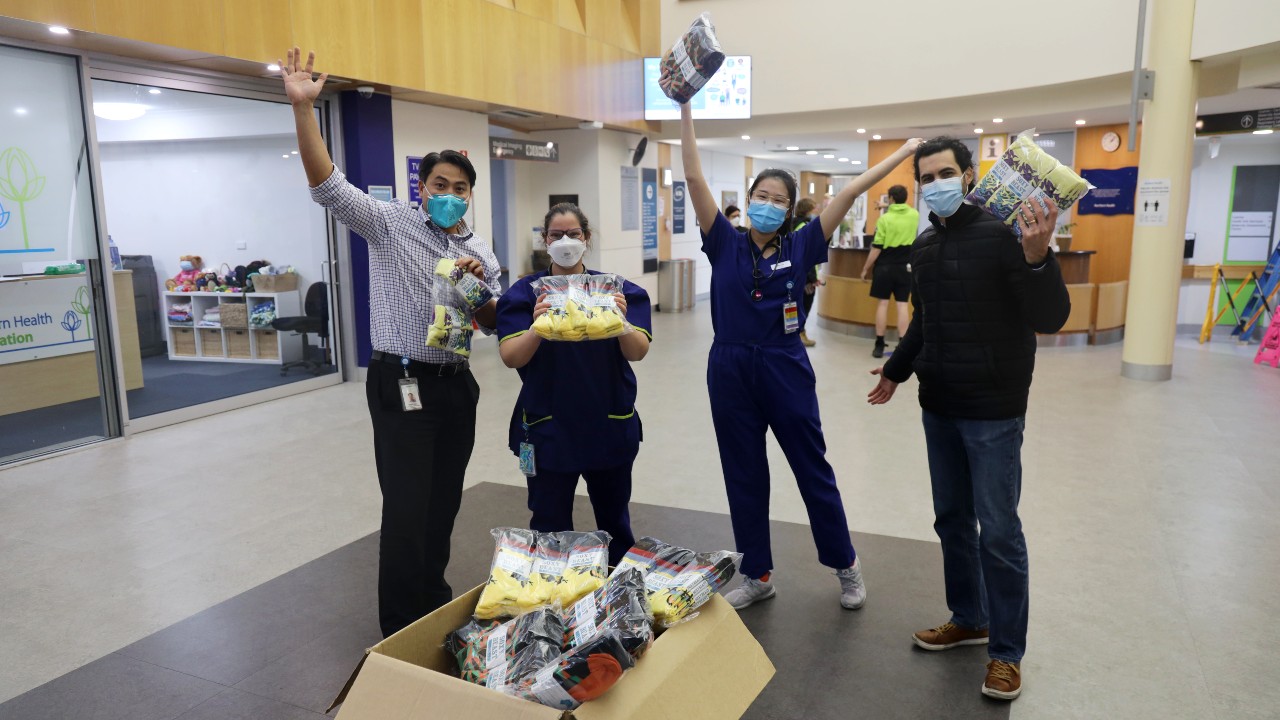
    Today is Crazy Socks 4 Docs Day, dedicated to breaking down the stigma around mental health in doctors. On this day, held every year on the first Friday of June, doctors and their colleagues wear their craziest socks to encourage conversations around mental health.

    Dr Dean Pritchard, Emergency Physician and Senior Medical Staff Association (SMSA) Chair, explains mental health awareness days have grown in profile and importance through the pandemic.

    “Crazy Socks for Docs Day is one such day. The sheer escalation in demand for healthcare has challenged medical staff like never before. Our doctors have soldiered on and shouldered equal parts of responsibility and we are so proud of them,” he said.

    “Today is the day for deliberate reflection. A time for doctors to check in on themselves and each other. A day to restore balance with time for rest and relaxation, and to check in on colleagues and make sure they’re doing the same. To emerge from this pandemic and rebuild, we need all the rest and support we can get.”

    The Senior Medical Staff Association would like to extend their sincere appreciation to Soxy Beast, who have kindly donated 500 pairs of socks to our cause this year. This local Australian company has a long tradition of supporting local causes and has been providing a stunning range of quality “crazy” socks to our medical staff since 2020.

    Giuliano Pietrolungo, Soxy Beast Director, said over the last few years, Soxy Beast and Northern Health Foundation have formed a strong relationship due to a shared passion for helping others.

    “Under normal circumstances, we have always valued medical staff for the work that they do and appreciate the toll it can take on them. Under today’s circumstances, it seems even more fitting to be involved in raising awareness of the mental health of our medical practitioners,” he said.

    “We have donated approximately 15,000 pairs to various charity organisations during the pandemic. This has been achieved predominately via our Buy a Pair, Give a Pair program and also various one-off donations such as the one for Crazy Socks 4 Docs Day.”

    “We’ve seen a gradual shift in the stigma surrounding mental health over recent years and that is in no small part, thanks to the various awareness campaigns and high profile people speaking out about it. The more awareness that can be generated, the greater the results can be in recognising and aiding people suffering from poor mental health.”

    “Northern Health SMSA are strong supporters of the Crazy Socks initiative, and we would like to send a clear message to all medical staff that we are here to support you and that we encourage you to speak up if you are experiencing difficulty,” said Dr Louise Monk, SMSA Executive and Geriatrician.

    This Crazy Socks for Docs Day, remember to look after yourselves and each other. Find the courage to seek help if you need it, and find time to genuinely ask your colleagues – “are you ok?”

  • Q&A with David Calvo, Chief Information Officer

    Q&A with David Calvo, Chief Information Officer

    Today, we chat with David Calvo, Chief Information Officer, who has been in this post for just over three months.

    What’s your coffee order?

    I don’t drink coffee… Yeah… I know… How is it that live in the coffee capital of the world, but don’t drink it? I’m one of those weird ones. Orange juice is always on the cards for me though!

    Tell us about your time so far at Northern Health?

    Everything is very new to me. I used to work in the recruitment industry, so jumping into health has definitely taken me out of my comfort zone. I love a challenge though, so I’m actually enjoying this time of discovery.

    What does a typical day look like for you?

    Busy, busy, busy!!!

    My calendar is packed with meetings from the moment I sit on my chair in the morning, to the time I leave to go home in the evening. I’m trying to absorb as much information as possible. I’ve been meeting with a lot of people in the hospital and also with my team to get to know them all. That’s pretty much taking all of my time at the moment.

    The team is currently working on 29 in-flight projects that will add new functionalities to the hospital and also increase our cyber security. We are dealing with all kinds of activities; from setting up new equipment for our users to digging in the ground to implement new data lines. It is pretty impressive the amount of work these guys push on a daily basis.

    How has COVID-19 impacted your work?

    I switched from having all my team with me every day to having to have calls over Microsoft Teams, just to know how they were doing. In IT, we are very comfortable working remotely. We do it very often as many of the tasks we do don’t require us to be on-site. But moving from working remotely from time to time to every single day was a bit of a challenge. It’s crazy how much I missed the human interaction with my team when it disappeared from one day to another. On the positive side of things, COVID-19 helped me put things into perspective and adjust my priorities around what matters the most, like my friends and family.

    Can you tell us about your career before Northern Health?

    I worked in the recruitment industry for over 12 years. I started back in Madrid, Spain which is where I’m originally from. I spent four years there and, after that, my company globalised the IT department and opened positions everywhere in the world. I saw an opportunity I liked in Melbourne, applied for it and got selected to come here. After that, I moved over a few different roles and I ended up being the CIO for ANZ. What a journey!

    What would people be most surprised to know about you?

    I own a groodle called Logan. He is a ‘COVID baby’ and demands a lot of attention – but he also reminds me there is life outside work!

  • Training allied health professionals

    Training allied health professionals

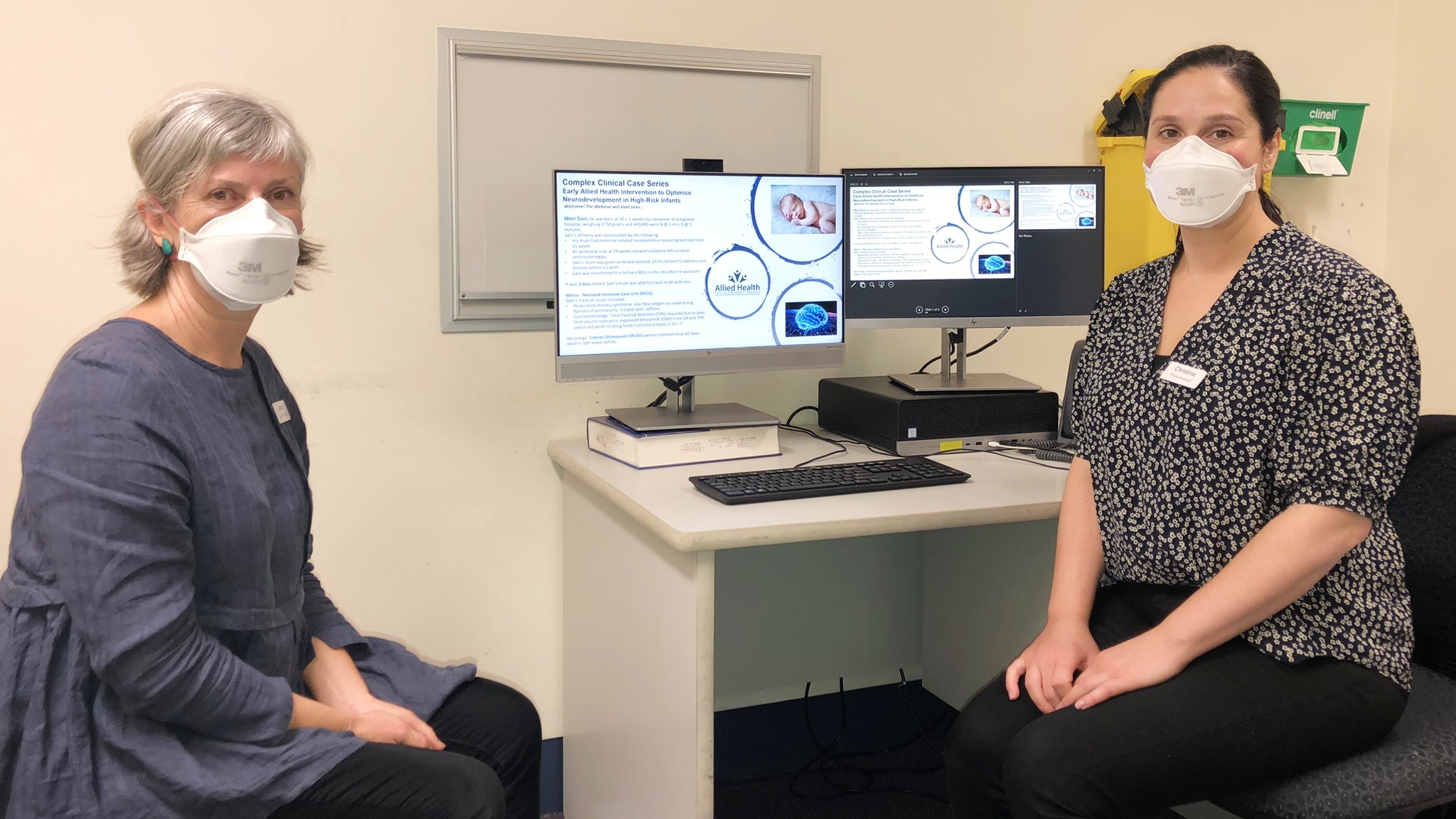
    Representatives from our allied health team took part in a Complex Case Series webinar last week, aimed at providing free education and training to allied health professionals across Victoria.

    The Allied Health Clinical Educator’s Network (AHCEN) has developed a format of complex case webinars that allow experienced allied health professionals to problem solve and talk about their reasoning behind clinical decisions.

    Last week’s webinar was on early allied health intervention to optimise neurodevelopment in high-risk infants. Expert professionals from different health services, including Northern Health, spoke at the webinar.

    Justine Slattery, Northern Health Allied Health Education Lead, facilitated the webinar, while Christina Lambros, Physiotherapist, represented Northern Health on the panel.

    Justine said the webinars made education and training more accessible to people who work in different settings across the state, and targeted early career allied health professionals.

    “It can be hard to teach clinical reasoning and decision making. It is a skill that clinicians acquire once they get into practice, as it’s a more abstract skill,” she said.

    “It’s sometimes hard for experienced clinicians to explain why they are making certain diagnostic decisions, or why they’re selecting treatment because it has become so second nature, but case-based discussions make this thinking more transparent.”

    Last week’s webinar followed the case of a baby who was born very preterm and was diagnosed at his 28-week-old ultrasound with left cerebral ventriculomegaly. He had a complex neonatal history and presented with a variety of early medical and developmental concerns impacting his breathing, feeding and motor function.

    “The webinar focused on how different allied health members would facilitate his management and work with him while he was in hospital and after he was discharged home. We followed his journey through the healthcare continuum – it started when he was born in the Neonatal Intensive Care Unit, he retuned back to a regional Neonatal Unit and was then discharged. He continued to get allied health involvement through a combination of hospital-based patient clinics and through NDIS patient services as well,” Justine said.

    “The case-based discussion highlighted this infant’s care pathway and the changing clinical priorities for the family and the multidisciplinary Allied Health team.”

    The webinar was also an opportunity for Christina to showcase the work of the Northern Health Allied Health team, and make their work more widely known.

    “This was an opportunity to show the important early assessment and intervention that allied health can provide to infants who are at high risk of adverse neurodevelopmental outcomes – and that is something we do here at Northern Health,” Christina said.

    “Allied Health is quite heavily involved in the management of babies that are preterm or very low birth rate, both as inpatients on the Neonatal Unit, and in the outpatient setting following discharge.”

    “These babies are at higher risk of developmental difficulties, and current evidence indicates that up to 50 per cent of these children will have developmental difficulties by age five in areas such as motor, communication, sensory, behavioural or cognitive development. At Northern Health, we provide monitoring and screening of their development, to ensure early identification, and thus, early access to intervention.”

    The webinar was also an opportunity for Christina to learn from other allied health professionals, and to teach clinicians who may not have had experience managing or treating children with a complex presentation.

    “Participating in this webinar as a presenter provided me with the opportunity to reflect on the knowledge I have and to review the current literature and evidence within this area. It confirmed that the care we are providing at Northern Health is the gold standard of care,” Christina said.

    Featured image: Justine Slattery, Allied Health Education Lead and Christina Lambros, Physiotherapist.