• From Syria to Northern Health

    From Syria to Northern Health

    This week is Refugee Week, a chance to highlight aspects of the refugee experience and to provide the community with an insight into what it is like to be a refugee.

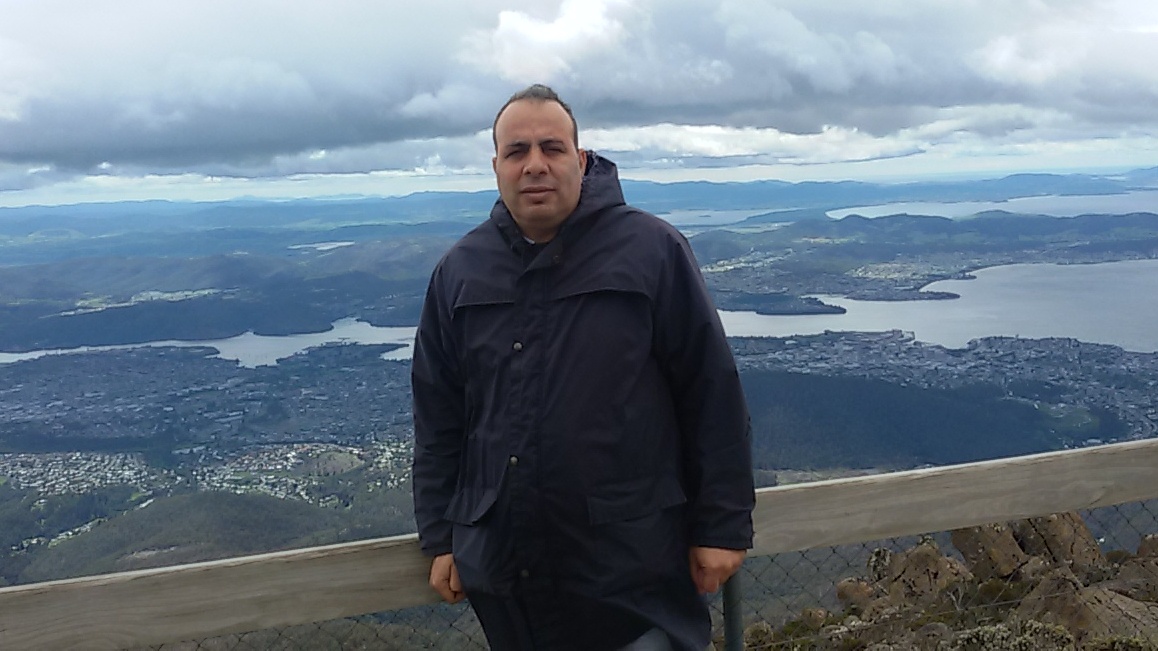
    For Wadeed Salboud, coming to Australia from Syria was the right move for his family. Despite the fear of the unknown in a new country, Wadeed has created a new life with his family, right here in Australia.

    Wadeed lived with his wife and two children in Aleppo, a city in Syria. He had a clinic, a house, and was working hard to build a future for his family. However, war hit the country in 2011 and “everything in life changed.”

    “Aleppo suffered. Sometimes there was no food or water. Most of the time, there was no electricity, no internet and most of the time, no phone calls,” Wadeed said.

    “Life was dangerous. In 2013, Aleppo was considered the most dangerous city in the world.”

    To get away from the war and seek refuge, Wadeed travelled on his own to Lebanon. “The trip between Aleppo and Lebanon at that time was dangerous because many people were kidnapped or killed. Fortunately, I arrived safely in Lebanon,” he said.

    “I got a job there. I then called my family to come to Lebanon. They came to me after 40 days. But during that time, I was looking everywhere to try and get out of Lebanon.”

    Wadeed made contact with the Australian Embassy, and after an interview process, he and his family were granted a visa to come to Australia.

    “I arrived in Hobart in 2016. My concern at that time was how I can rebuild my future and career. But I was happy, because I knew I moved my boys to the best place in the world,” Wadeed said.

    “Hobart is a very nice city. It’s very quiet and the people are lovely.”

    During his time in Hobart, Wadeed worked as an interpreter and was also studying for a dentistry exam, which he passed in November 2019. After the exam, Wadeed moved to Melbourne, just as the COVID-19 pandemic began.

    “I suffered in the beginning. It was hard finding a job and accommodation. I couldn’t see my boys and family who were in Tasmania, as the border was closed,” he said.

    “I ended up getting a job in community services, but I wanted to improve. So my friend referred me to Northern Health. I applied for a PPE Safety Officer role.”

    Wadeed was initially employed as a PPE Safety Officer, then transitioned to a Ward Assistant and now works at concierge across the heath service.

    “At Northern Health, I enjoy working with the staff and helping the patients. I am very helpful,” he said.

    Jason Cirone, Chair of the Northern Health Refugee and Asylum Seeker Committee, is committed to raising awareness of the refugee experience among staff.

    “Refugees and asylum seekers are a particularly vulnerable group within our community, as they have had to abandon their lives and home countries in pursuit of a new life in Australia, free from violence, trauma and persecution,” he said.

    The Refugee and Asylum Seeker Committee is a Sub-Committee of the Equity, Diversity and Inclusion Steering Committee. It is aimed at improving the inclusion, care and wellbeing of refugee and asylum seeker staff and patients at Northern Health.
  • Why choose Northern Health?

    Why choose Northern Health?

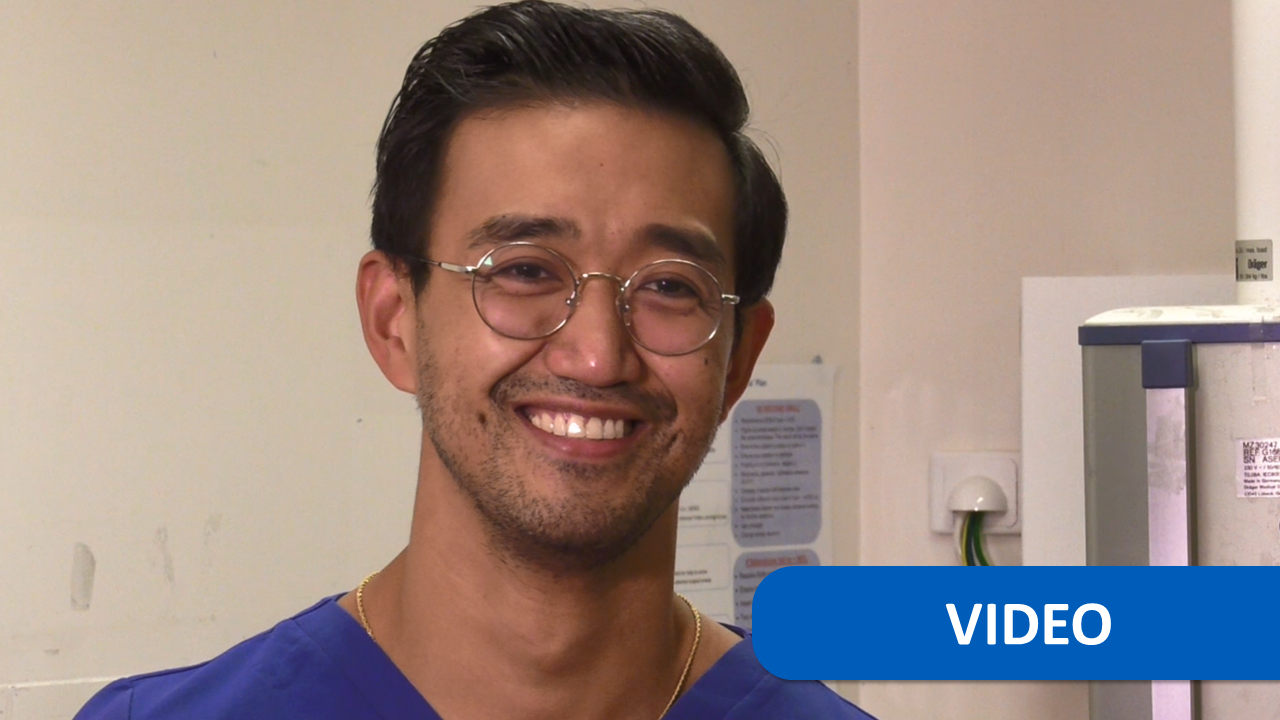
    Our emergency and critical care staff recently featured in a video to promote their areas and help recruit new talent to Northern Health.

    So, what makes Northern Health special?

    It’s the people that work here.

    As Teneille Holland, Critical Nurse Unit Manager, Emergency Department, states, “The teamwork is amazing. I miss it when I’m not at work and, when I’m at work, it doesn’t feel like work.”

    Nurses at Northern Health thrive in this fast-paced environment where they can make a difference to our patients and provide the best possible care to our community.

    In addition to a large number of adult patient presentations, our emergency staff see approximately 430 paediatric presentations and 63 neonatal presentations per week.

    In the Intensive Care Unit (ICU), our critical care nurses pride themselves on providing exceptional collaborative care servicing approximately 1,600 admissions annually, pre-COVID.

    Thank you to everyone who participated in the making of this video – it’s wonderful to be able to share some insight into emergency and critical care nursing at Northern Health.

    Watch below to learn about nursing in our Emergency Department and Intensive Care Unit!

  • Safe pregnancy journey for refugee women

    Safe pregnancy journey for refugee women

    This week is Refugee Week, a chance to highlight aspects of the refugee experience and to provide the community with an insight into what it is like to be a refugee.

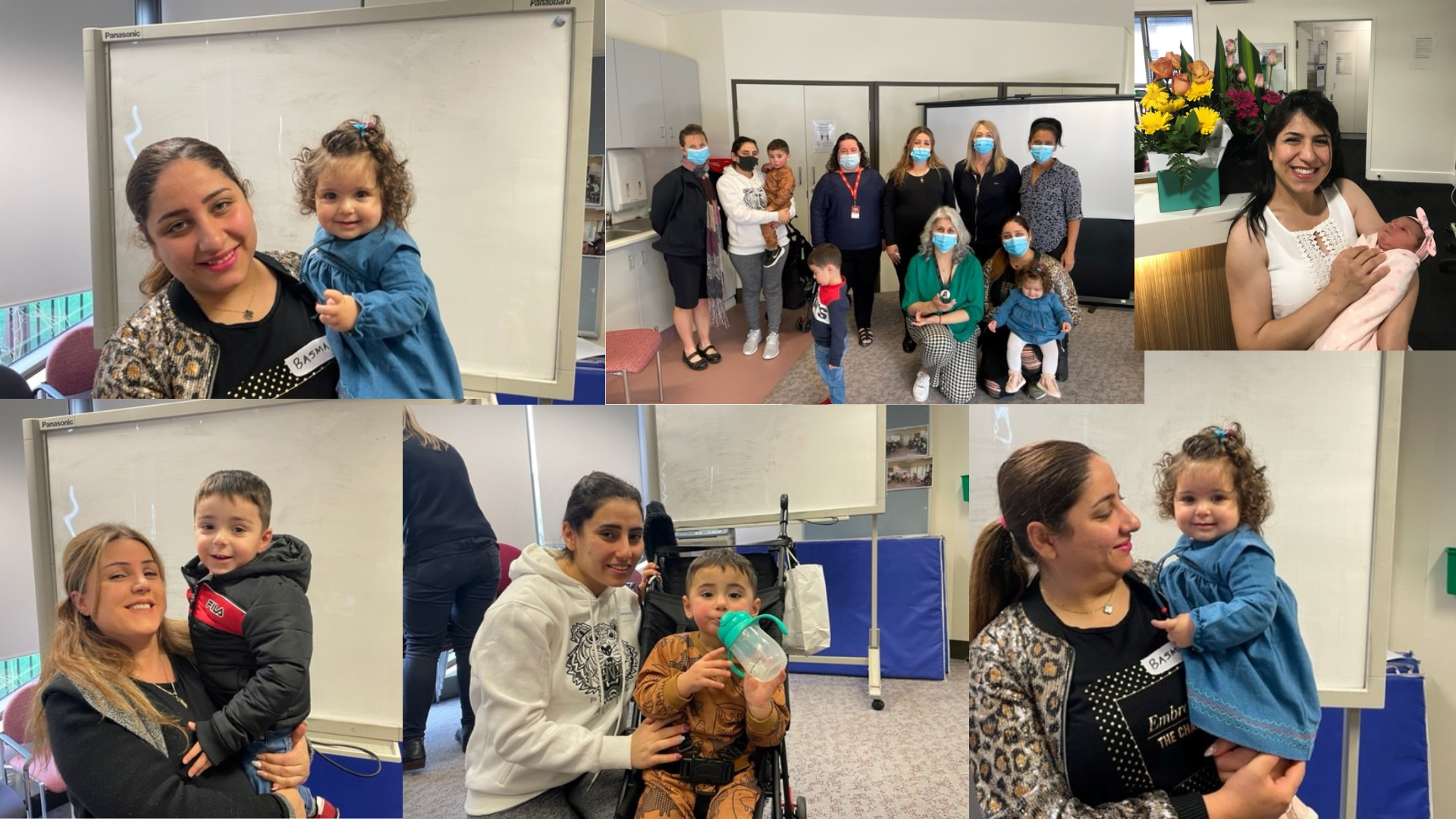
    One of the ways we help refugees feel connected to their community is through a Group Pregnancy Care (GPC) program, known as the Happy Mothers Group. This group help Assyrian Chaldean pregnant refugee women and their families have a safe pregnancy, birth and parenting experience.

    The GPC model of care was introduced at Northern Health in 2017 in response to global research that identified refugee families as having vulnerable and poorer maternal and child health outcomes.

    The program provides advice on pregnancy, informed decision-making strategies, practical preparation for labour and birth, navigating the hospital maternity system and processes to ensure they are receiving evidenced-based care. Women also receive advice on breastfeeding, postnatal care, postnatal recovery, early childhood behaviour, growth and development, and child health.

    Parallel to the group session, women can step out to their scheduled antenatal clinic appointment privately with a midwife and interpreter, and then return to the group. Pregnant women with toddlers are also able to bring their children to the group who have an educational and safe play space set up in the same room as their mothers.

    Northern Health midwives, Childbirth and Parent Educators, and Assyrian Chaldean interpreters, work with a Maternal and Child Health Nurse, and Parent Support Officer from Hume City Council, to provide the program. Also alongside them, is a bicultural family mentor from VICSEG‘s northern region. The group meet on a fortnightly basis for two hours at Craigieburn Centre or via video call.

    Marie Treloar, Northern Health Childbirth and Parenting Educator Coordinator, said the program was extremely helpful for refugee women who may not speak English as their first language, and are not used to the Australian healthcare system.

    “These women are used to completely different healthcare in their countries. They may have had previous babies in those systems so for them to navigate their way through our system is quite difficult,” she said.

    “We have had close to 300 women come through the program. Women join us really early in their first trimester and they journey with us during their whole nine months. They are also welcome to come back with their babies and children up to four years of age.”

    “Some women are now pregnant with their second baby. We are seeing women return which is really awesome for us – they have found it very beneficial.”

    The program is open for all women who identify as Assyrian Chaldean and are booked to have their baby at Northern Hospital Epping.

    “Our main source of recruitment has been word of mouth because women are telling other women,” Marie said.

    “We ask the women, why do you keep coming back? One of them said the information provided was really helpful and the privacy and comfort they have in the group is great. The women don’t feel awkward – the group is open for any questions and they feel safe.”

    May Khoshaba, Assyrian Chaldean Interpreter, said women were encouraged to share their pregnancy, labour, birth, breastfeeding and parenting experiences from overseas and in Australia to compare the differences.

    “It helps women navigate their way through the system. Particularly by working with the interpreter and bicultural worker, it helps our women to communicate their needs and ask questions,” she said.

    Imad Hirmiz, Assyrian Chaldean Interpreter, said antenatal care for many refugees required more than a midwife and doctor.

    “They need a health service that understands their cultural and settlement needs and goes above and beyond their standard care,” Imad said.

    “Northern Health’s Happy Mothers Group provides the support needed in a culturally sensitive, friendly and engaging environment to those mothers. I am glad that, as an interpreter and translator, I am able to participate in this amazing program by bridging the communication gap to achieve the best outcome for Assyrian Chaldean mothers.”

    Featured image: Women and their children in the Happy Mothers Group.

  • Autism is a difference not a disability

    Autism is a difference not a disability

    Autistic Pride Day was celebrated on 18 June. One of the most significant aspects of the day is that it was run by autistic people themselves.

    Autistic Pride Day is represented by the rainbow infinity symbol. This symbol is intended to represent the diversity of autistic people and the infinite possibilities and variations within the autistic community.

    According to representatives of Autistic Pride Day, people with autism have unique characteristics that provide them with both rewards and challenges. Although many of the difficulties they face are due to their neurodiversity, another factor are the attitudes of issues in society. For example, society’s attitude towards autism is often one of pity or a belief that it is a condition requiring treatment.

    Activists want to shift attitudes away from this and towards acceptance and the realisation that autism is a difference rather than a disability.

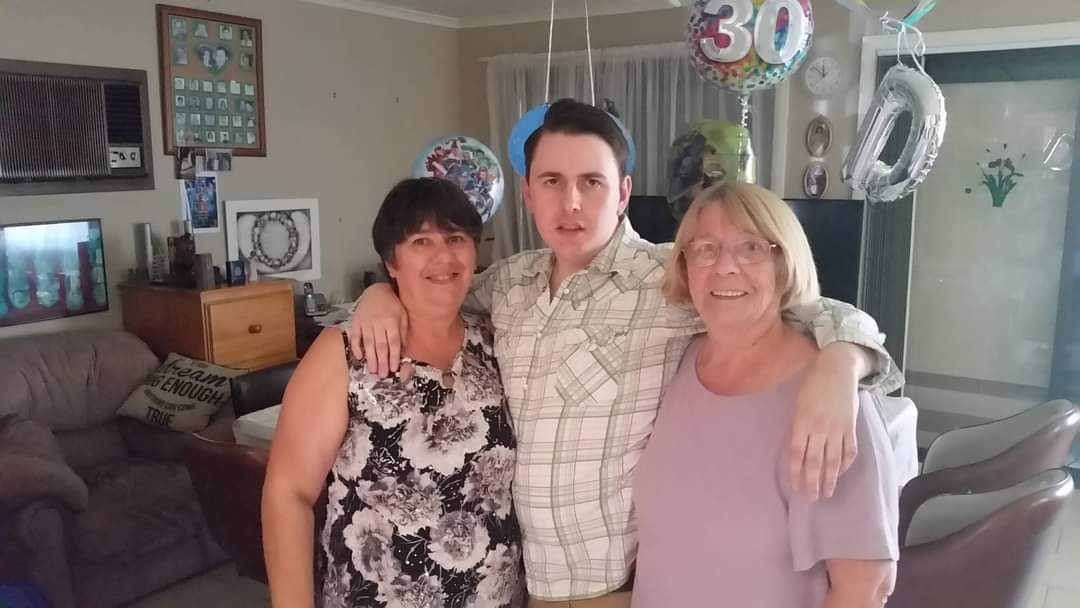
    Lisa Short , pictured above with her son Daniel and his grandmother, strongly believes this to be the case. “Autism is amazing, unusual, tiring, inspiring, special and majestic. It is just a whole different world we have to learn to live in and with!” says Lisa.

    When Lisa was looking for assistance for Daniel’s hospital visits, she emailed Northern Health’s Disability Liaison Officer Program. “I received a phone call back from Maria Bowman, Disability Liaison Officer, the very next day, explaining to me what I needed to do. She organised everything to get him into hospital.”

    Lisa goes on to say, “The Disability Liaison Officer Program is amazing! Maria has just been the best and so supportive. The help and information she has given us has made life so much easier.”

    Autism or Autism Spectrum Disorder (ASD), is a lifelong developmental disorder that is characterized by difficulty with social interaction and repetitive patterns of thought and behaviour.  The severity of the disorder ranges between mild, moderate and severe – with no two manifestations of autism the same.

    1 in 70 Australians are diagnosed with autism spectrum disorder. It is more prevalent amongst males compared to females.

    According to Aspect – Australia’s largest autism-specific service provider – signs of autism are often broken down into two categories.

    The first is social communication issues, such as difficulty understanding when and how to appropriately respond in social interactions, and trouble developing, understanding, and maintaining relationships with others.

    The second is repetitive patterns of behavior, including the repetitive use of movement, speech or objects and getting easily upset by changes to routine and environment.

    Information on our Disability Action Plan and our Disability Liaison Officer Program, can be found here.  We also have a Northern Autism Spectrum Disorder Assessment Clinic (NASDAC) at our Craigieburn Centre.  For more information about the clinic, please click here or email NASDAC@nh.org.au.


  • Northern Health Gender Equality Action Plan

    Northern Health Gender Equality Action Plan

    Everyone, regardless of gender or intersectional characteristics, has the right to be recognised, celebrated and supported.

    In December 2021, Northern Health completed a workplace gender audit, and submitted audit findings to the Commission for Gender Equality. Subsequently, Northern Health’s Gender Equality Action Plan 2021-2025 (the Action Plan) was developed. The plan outlines our approach to strengthening gender equality across the organisation and recognising intersectionality between gender and other key priority areas.

    Once the Action Plan has been delivered, Northern Health will achieve its vision for a whole of organisation integrated and sustainable approach that sees gender equality principles and intersectional factors embedded in the culture and across all business practices. The Action Plan enables Northern Health to meet its obligations under the Gender Equality Act 2020 (the Act).

    In addition to the Action Plan, the Act requires Northern Health to complete regular workplace gender audits and continue to undertake further Gender Impact Assessments.

    “Through the workplace audit, we were able to identify a number of key areas for improvement, which have been incorporated into the Action Plan,” said Janelle Williams, Equity, Diversity and Inclusion Advisor.

    ‘The Action Plan has been designed to identify where Northern Health currently is and map out the necessary systems, processes and policies to be put in place, which will create a strong foundation for the future,” said Michelle Fenwick, Executive Director People and Culture.

    A broader Gender Equality Sub-Committee will be established to oversee this work and will work alongside the other Equity, Diversity and Inclusion Sub-Committees.

    “Working with all the sub-committees recognises the significant intersectionality across all priority areas and will respond to the needs of each group,” Janelle said.

    “By creating an equitable environment, where individual characteristics and experiences are embraced, staff will be able to be their true self and given the supports they require to succeed.”

    We encourage all staff to read the Gender Equality Action Plan 2021-2025 and Workplace Equity, Diversity and Inclusion Strategy 2020-2024.

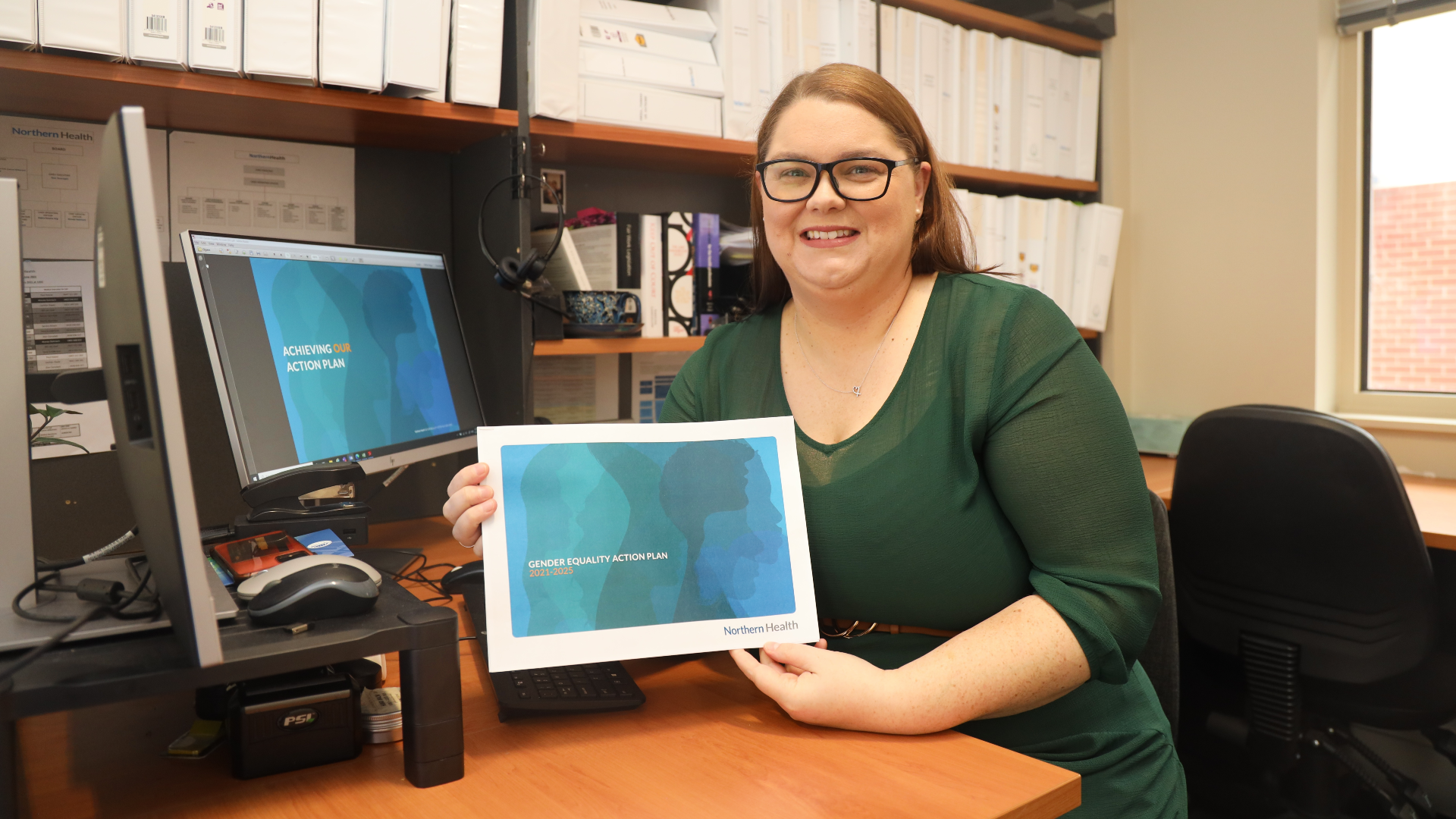
    Featured image: Janelle Williams, Equity, Diversity and Inclusion Advisor.

  • Pop-up staff flu vaccination clinic

    Pop-up staff flu vaccination clinic

    A pop-up staff flu vaccination clinic has been set up in the front foyer reception at Northern Hospital Epping for the convenience of our staff.

    The clinic opened yesterday and will run every Monday, Wednesday and Friday, for the next four weeks. It will be open between 8 am to 4.30 pm each day, and no bookings are required.

    Elisha O’Dowd, Manager Infection Prevention, said, “Getting the flu vaccination is the best way we can protect ourselves, our health service and our community from the flu.”

    With staff having already received all required COVID-19 vaccines, the flu shot will provide extra protection against another virus. Anyone can be affected by the flu, and with little to no flu in circulation due to closed international borders and lockdowns brought on the by the pandemic, it is likely there will be more cases of influenza in 2022.

    “There has been over 1,000 cases of the flu in Victoria so far this year, and we are expecting the numbers to rise during winter,” said Madelaine Flynn, Director Infection Prevention.

    Yearly influenza vaccination is recommended for people aged six months and over. It is recommended by the Department of Health, that individuals receive their vaccine anytime from mid-April onwards, to ensure optimal protection during the flu season, typically between June and September. However, it is never too late to be vaccinated, as influenza can circulate in the community all year round.

    Staff who are yet to receive their flu vaccination, are encouraged to receive their shot as soon as possible.

    For more information, please visit the Intranet.

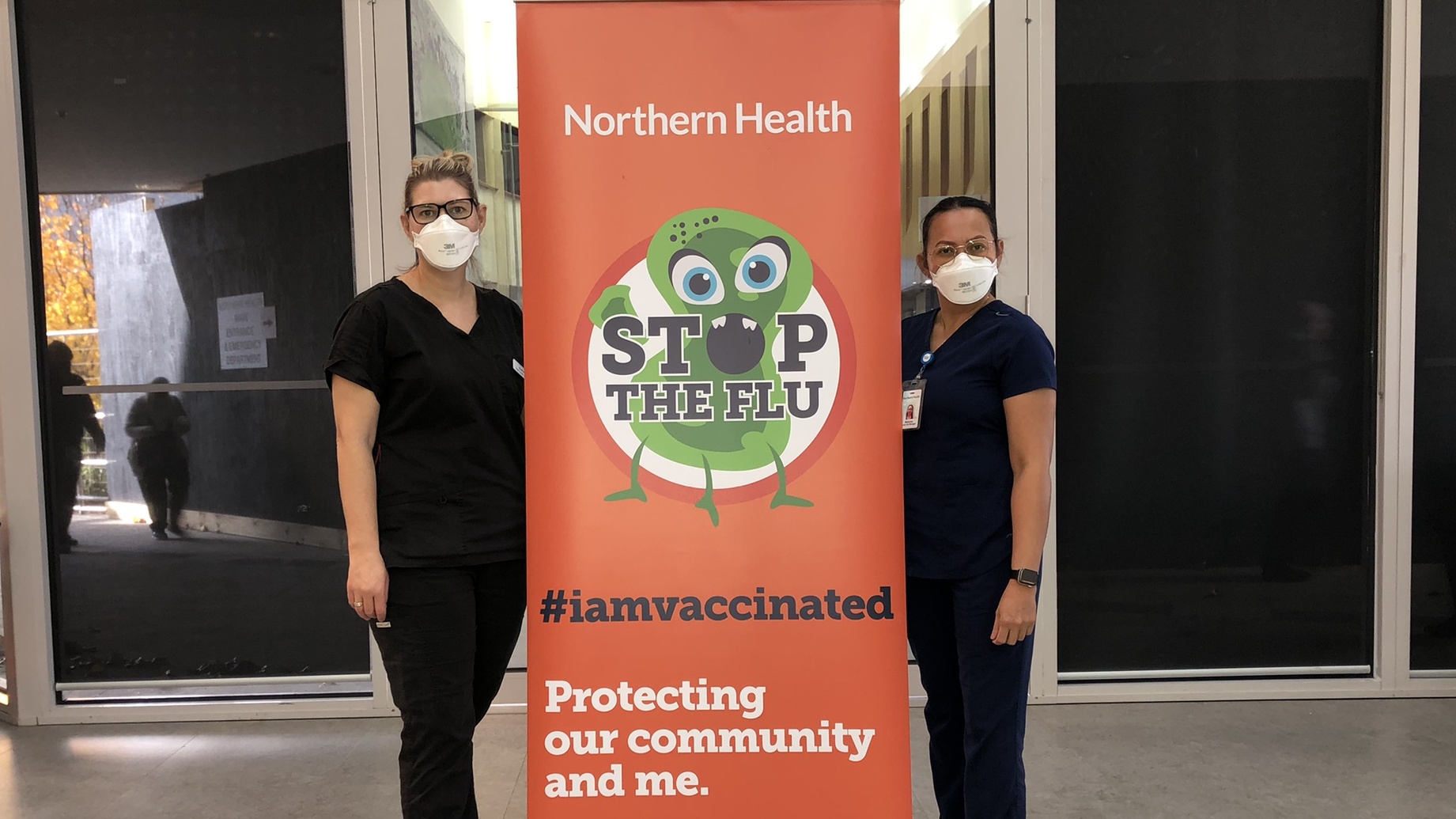
    Featured image L-R: Kellie Farrugia, Staff Health Nurse and Madonna Sanchez, Nurse Unit Manager, COMET Clinic.

  • Dr Stefan Herodotou awarded Medal of the Order of Australia

    Dr Stefan Herodotou awarded Medal of the Order of Australia

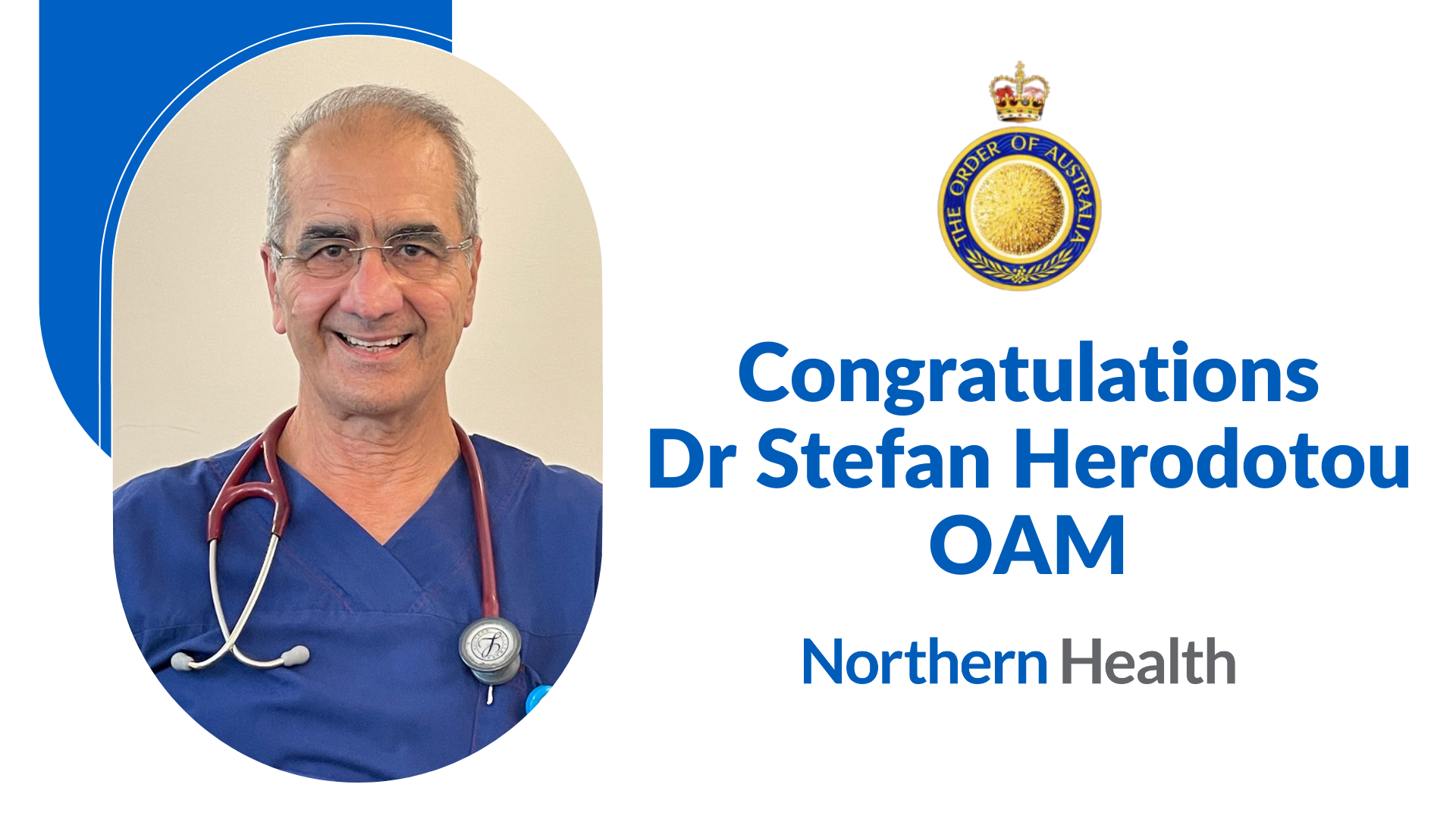
    Congratulations to Dr Stephanos (Stefan) Herodotou who has been awarded a Medal of the Order of Australia (OAM) in the 2022 Queen’s Birthday Honours.

    This prestigious honour is in recognition of Stefan’s many decades of service to medicine, and to the Cypriot community of Victoria. Stefan was nominated by fellow Emergency Physician, Dr Peter Bailey.

    Stefan began working at PANCH on 1 May 1981. Last year, he celebrated an incredible milestone of 40 years at Northern Health.

    Throughout his career as an Emergency Physician, Stefan has been highly respected and valued by both his colleagues and patients, not only in the Emergency Department, but across the whole health service.

    Dr Megan Robb, Director of Emergency, said Stefan’s passion and dedication are second to none.

    “He is one of the most dedicated and hard working physicians I have ever had the pleasure of working with. He is very committed to not only providing outstanding patient care, but also to ensure that patients and families are involved in all aspects of decision-making regarding their care,” she said.

    “He truly is an inspiration to all around him, as well as one of the nicest, most kind and considerate humans you could ever hope to meet. He is so deserving of this award – for all he has done over many years and continues to do.”

    Stefan is a dedicated educator and has been a lecturer at the University of Melbourne Northern Clinical School for many years. He is well respected and adored by his students and has been nominated and won many ‘Teacher of the Year’ awards.

    In particular, Stefan leads the intern program in our Emergency Department, ensuring our newest doctors are always supported and have the right opportunities to learn and develop their clinical skills.

    Northern Health is incredibly proud of Stefan.

    Well done Stefan. This is a well-deserved acknowledgment of your many years of service to our community.

  • Recognising elder abuse

    Recognising elder abuse

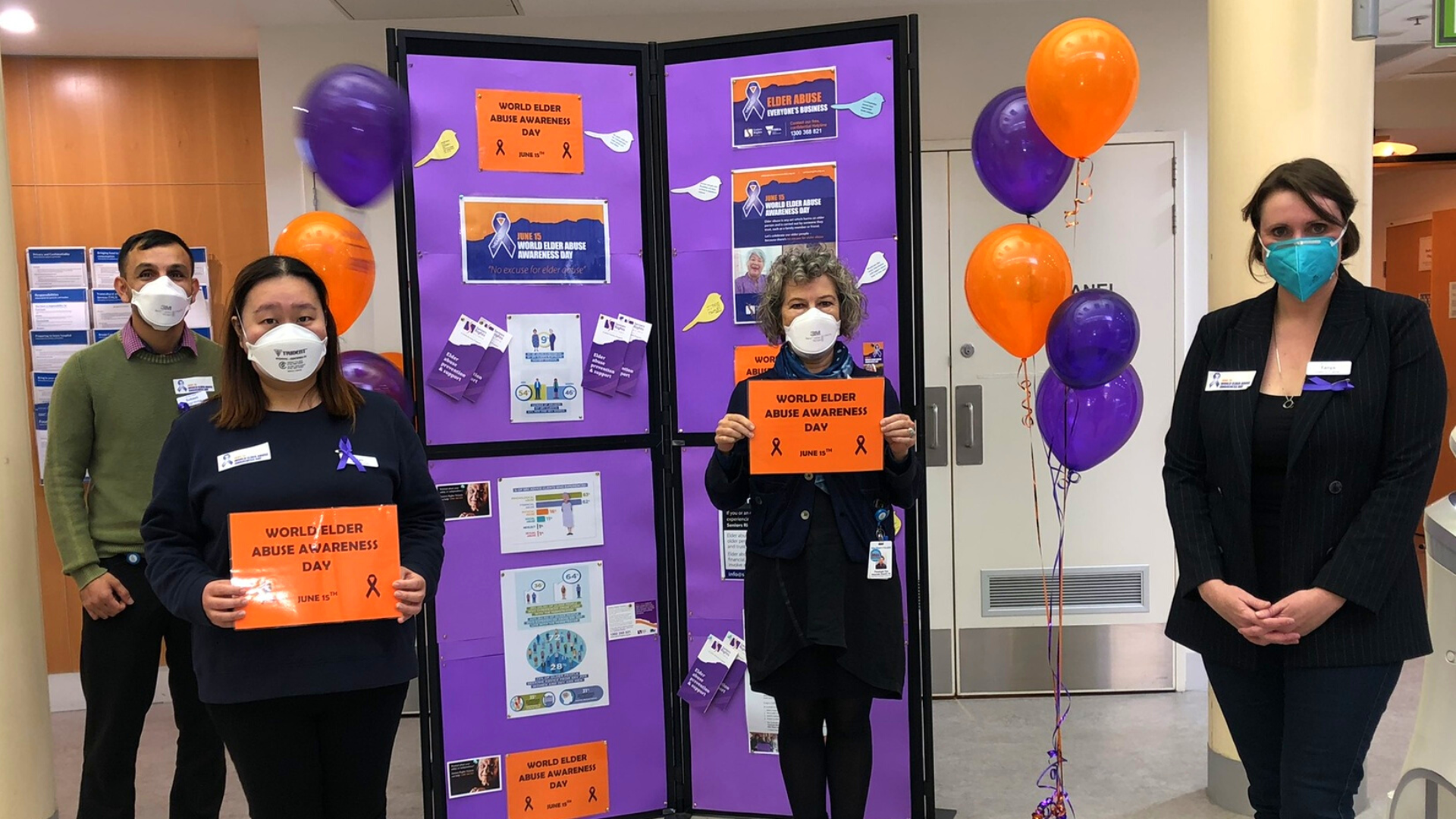
    Today is World Elder Abuse Awareness Day (WEAAD) – a day to voice opposition to any abuse and suffering inflicted on older people.

    Elder abuse is mistreatment of an older person that has been committed by someone with whom the older person has a relationship of trust with, such as a partner, family member, friend or carer. The abuse may be physical, social, financial, psychological or sexual, and can include mistreatment and neglect. Elder abuse can also lead to serious physical injuries and long-term psychological consequences.

    The World Health Organization describes elder abuse as a violation of human rights and significant cause of illness, loss of productivity, isolation and despair.

    Tanya Ellis, Senior Social Worker, said elder abuse is a problem that exists in both developing and developed countries, yet is typically underreported globally.

    “Elder abuse does not discriminate and has been shown to affect women and men, people from different cultural backgrounds and people with different levels of education and wealth,” she said.

    “The incidence of abuse towards older people is predicted to increase as many countries experience rapidly ageing populations. Elder abuse is a global social issue which affects the health and human rights of millions of older people around the world. It’s an issue which deserves the attention of the international community.”

    Tanya says the warning signs of elder abuse may include an older person seeming fearful, anxious or isolated. An older person may have injuries or an absence of personal care.

    “Unexplained changes to legal documents or finances are also of concern. Most elder abuse occurs behind closed doors, so it’s important to look out for signs of elder abuse and offer support,” she said.

    To help prevent elder abuse, Tanya encourages older people to have their financial, medical, legal and other affairs in order.

    “They must also be empowered to recognise the signs of elder abuse and seek help when needed. WEAAD is an important day to provide a opportunity for communities around the world to promote a better understanding of abuse and neglect of older people, by raising awareness of the cultural, social, economic and demographic processes affecting elder abuse and neglect.”

    Here at Northern Health, resources regarding elder abuse are available and displayed across the health service. Staff can access the Elder Abuse Procedure on PROMPT, and elder abuse training is available in identification, response and referral of elder abuse.

    “Please contact the Strengthening Hospital Response to Family Violence team to organise training for staff in your area. If you have concerns about the safety of an older person, please offer the patient a social work referral or contact Senior Rights Victoria on 1300 368 821,” said Tanya.

    Featured image L-R: Subash Adhikari, Social Worker, Yoyo Tang, Social Worker, Penelope Vye, Associate Director Allied Health and Tanya Ellis, Senior Social Worker.