• Kind words from our community

    Kind words from our community

    Northern Health often receives messages and comments of appreciation from the community across our social media channels.

    We are so grateful and proud of the care our staff provide each and every day – and this doesn’t go unnoticed in the eyes of patients and their families. Read some of the messages and wonderful feedback below.

    “Thank you to everyone for all your hard work and efforts 💙 💙” 

    “ED staff are all LEGENDS!”

    “I wanted to say thank you to all the doctors and nurses who provided care for me – to the team in the ED, short stay ward, and the haematology ward. And also to the team in the radiology department, and ultrasound department. I wanted to say the quality of care I received was outstanding.”

    “Hope you are all doing well and thank you for the tireless work you are all doing in these challenging times.”

    “The midwives are true angels! Thank you to everyone that helped me have our little one. I’m totally grateful to both the birthing suite and recovery team – truly amazing and wonderful.”

    On using Virtual ED:

    “I used this tonight for my daughter and it was fantastic – the nurse and doctor were both super lovely and provided the reassurance I needed and avoided a hospital trip for no reason. Thank you.”

    “Fantastic service. Have used this a few times myself and very impressed with the professionalism and promptness of service. Well done Northern Health.”

    “One of the best initiatives! As a nurse, I had my daughter seen virtually in the early days of the department’s existence and it was fantastic.”

    On celebrating International Nurses Day:

    “Well deserved. Thank you for looking after us all, we really appreciate your dedication ♥️”  

    “They are amazing! Especially the team at day oncology 💗💗💗

  • Kickstart your fitness journey

    Kickstart your fitness journey

    Earlier this year, People and Culture conducted an Idea Scale survey, asking staff how they can be best rewarded and recognised for the work they do.

    By providing staff with this opportunity, People and Culture have partnered with two companies – Fitness Passport and Wherefit, to bring Northern Health employees a tailored wellness package.

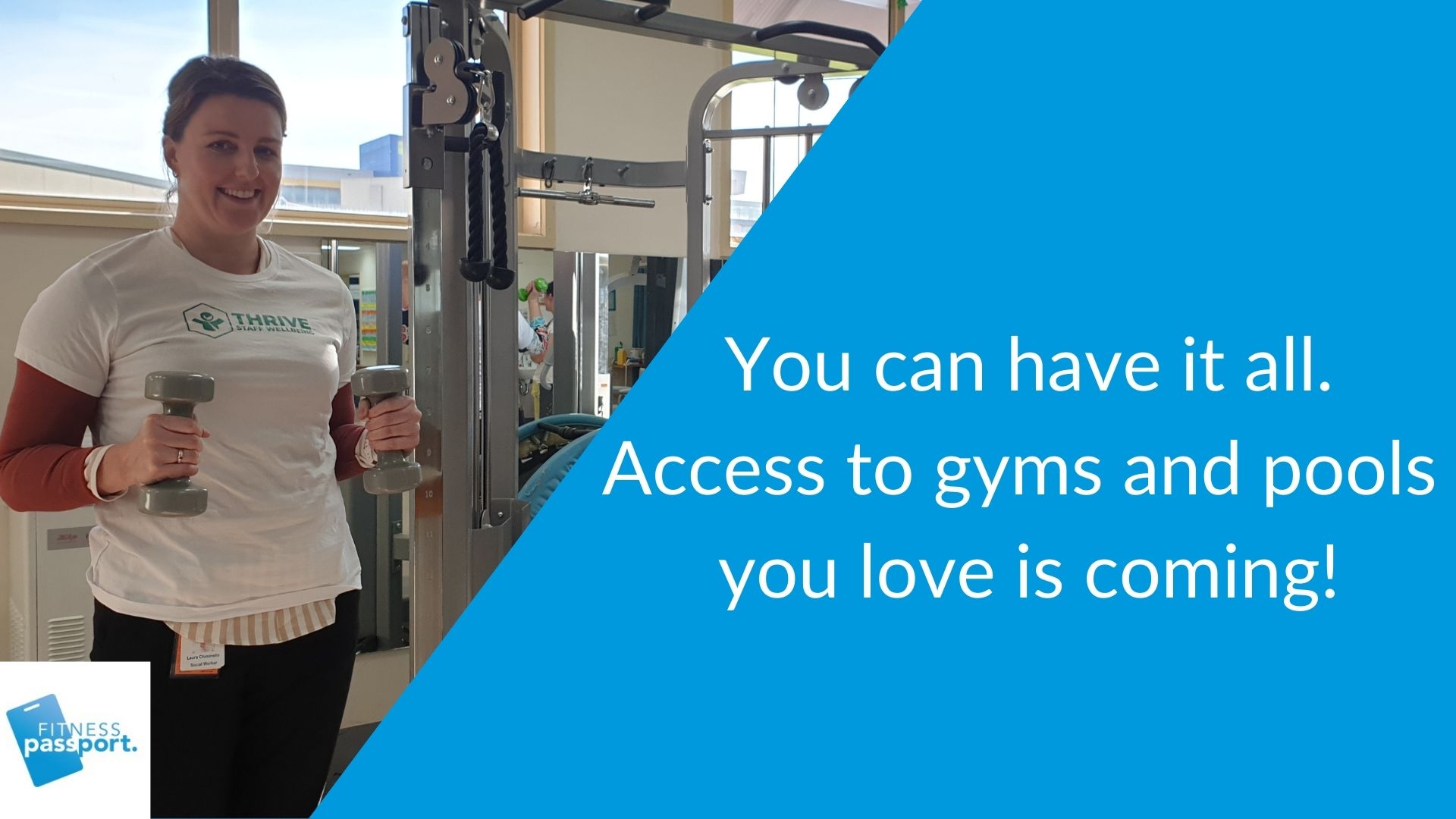
    Fitness Passport is a tailored workplace health and fitness program designed to help employees on their health journey. At a highly discounted rate, Northern Health staff and their families can gain access to a range of gyms, pools and leisure centres across Victoria as often as they like.

    “We want staff to feel recognised, and rewarded for all their efforts over the last two years. This exciting partnership is a way of saying to our staff that their health and wellbeing is our priority, the same way that they have prioritised the health of the community, particularly throughout this global pandemic. We encourage all Northern Health employees to have their say now on what they want to get out of their own personalised Fitness Passport, and then sign up to reap all the benefits once the program is ready to go live,” said Renee Camilleri, Wellbeing Advisor.

    A short online survey has been sent to all staff, asking staff what gyms, pools and leisure centres they want to appear on the Fitness Passport. To access the survey, click here. There are also posters around each campus, featuring QR codes to scan straight through to the survey, which closes on June 5.

    Once the survey closes, the Fitness Passport sign up phase launches at the end of June, which will be personalised to our staff requests.

    Wherefit is an online benefits platform that gives employees instant access to exclusive corporate rates at over 400 fitness and wellbeing partners across Australia. Negotiated discounts are also available at leading online wellbeing retailers including The Iconic Sport, HelloFresh, Under Armour, Adore Beauty, Reebok and more. All staff need to do is sign up. This will launch in early July.

  • National Reconciliation Week: Be Brave. Make Change

    National Reconciliation Week: Be Brave. Make Change

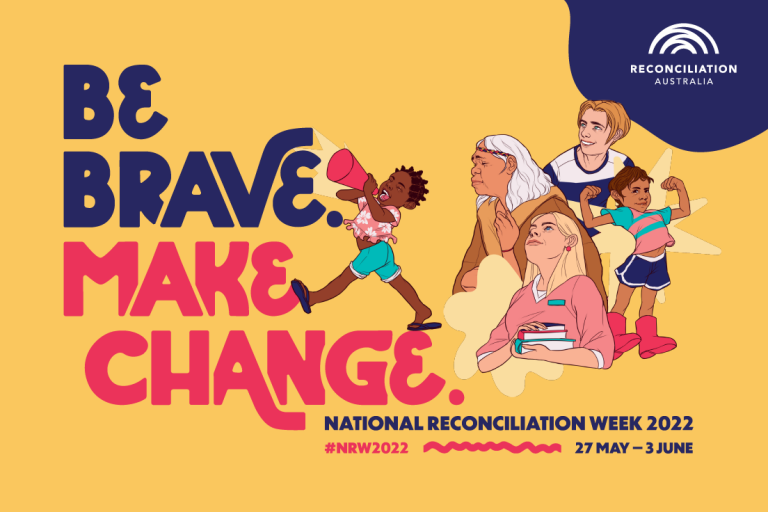
    National Reconciliation Week (NRW) is marked each year from 27 May to 3 June. These dates commemorate two significant milestones in the reconciliation journey— the successful 1967 referendum, and the High Court Mabo decision respectively.
    At the 1967 referendum, Australians voted overwhelmingly to amend the Constitution to allow the Commonwealth to make laws for Aboriginal people and include them in the census. The High Court Mabo decision, is a landmark case brought by Eddie Mabo against the State of Queensland, notable for recognising the pre-colonial land interests of Indigenous Australians within Australia’s common law.

    NRW is a time for all Australians to learn about our shared histories, cultures, and achievements, and to explore how each of us can contribute to achieving reconciliation in Australia.

    The theme for 2022 is Be Brave. Make Change. It is a challenge to us all to be brave and tackle the unfinished business of reconciliation so we can make change for all.

    So what does reconciliation mean to us? Here’s what our staff and consumers, have to say.

    Karen Bryant, Senior Aboriginal Liaison Officer (ALO) says, “Reconciliation is a journey where we acknowledge and celebrate each other’s differences. It’s about understanding and acknowledging what has happened in the past, our true history, and working together to achieve equality while building relationships, respect and trust.”

    To Jo Quinn, Aboriginal Health Worker, Reconciliation means, “Recognising, acknowledging and learning from the injustices to Indigenous Australians so we can work together to create a better future for our children.”

    To Tya Fry, Acute Occupational Therapist, “Reconciliation is about building a positive relationship between Indigenous and non-Indigenous Australians. It’s about creating equal opportunities for all.”

    Andrew Morrison, Aboriginal Consumer and a member of the Northern Health Aboriginal Advisory Committee (NHAAC), says, “Reconciliation means acknowledging Aboriginal and Torres Strait Islander peoples as the First Peoples of this land and recognising that these peoples were dispossessed, persecuted and oppressed as a result of colonisation in Australia.”

    Salina Bernard, yet another Aboriginal Consumer and patient, sees it as an opportunity for “Indigenous and non-Indigenous working in genuine collaboration to acknowledge Australia’s true history and engaging in efforts to create greater awareness resulting in systemic change, institutional, individual attitudes and services delivered to Indigenous peoples.”

    “This will support improved outcome for Indigenous people’s across the country,” says Salina.

    “History is a mirror of the past and a lesson for the present,” says Yue Hu, Director Transcultural & Language Services (TALS) and Narrun Wilip-giin Aboriginal Support Unit (ASU).

    She says, “Reconciliation starts from acknowledging the history but lands on the actions of today. I am privileged to work alongside Aboriginal people to learn the details about this world’s oldest civilisation and take actions to make changes that will shape our future.”

    To Maree Glynn, Director of Clinical Practice Improvement, Reconciliation means “taking responsibility to make something right. In our context at Northern Health, it is acknowledging that the past has contributed to mistrust and fear of hospitals and healthcare, contributing to poor health outcomes and knowing that we must make a difference.”

    “We are in the position to close the health gap, by building relationships through respect and through better understanding of the past, creating a culturally inclusive environment and providing healthcare in a way that is sensitive to and meets the needs of our Aboriginal and Torres Strait Islander consumers,” she adds.

    Briana Baass, Senior Advisor Partnerships says, “I think it’s something we have a responsibility to be curious about. We need to have an open mind to explore the truth about our past and our present, in order to enable meaningful reconciliation.”

    Birat Sharma, Senior Social Worker says, “As a migrant myself, it means playing my part in educating my friends and family about Australia’s First Peoples histories, cultures and heritage. It means, helping them to understand reconciliation as an ongoing journey, to close the gap.”

    “To me, reconciliation is a process of reflection and change. An opportunity to learn, understand and grow together,” says David Le, Manager TALS.

    “Reconciliation for me is about all Australians coming together with a shared vision for understanding our First Nations rich culture, and helping forge a future where we can all prosper,” says Jason Cirone, Director Workforce Sustainability, People and Culture.

    Cheryl Murray, Breast Care Nurse Consultant (BCN) believes, “Reconciliation is an important ongoing commitment, to have a mutually respectful relationship and equality between Aboriginals, Torres Strait Islander’s and non-Aboriginal people in Australia. It is important to acknowledge the past and learn from this going forward.”

    Sherrilyn Ballard, Consumer Participation  Coordinator, says, “Aboriginal people share their stories through voice, music, art and more.”  She suggests we “listen deeply to learn and support healing for future generations.”

    As Reconciliation Australia, the lead body for reconciliation in Australia, state ‘Change begins with brave actions in your daily life – where you live, work, play and socialise.’

    They say, “Reconciliation must live in the hearts, minds and actions of all Australians as we move forward, creating a nation strengthened by respectful relationships between the wider Australian community, and Aboriginal and Torres Strait Islander peoples.”

    For more information visit  https://www.reconciliation.org.au/

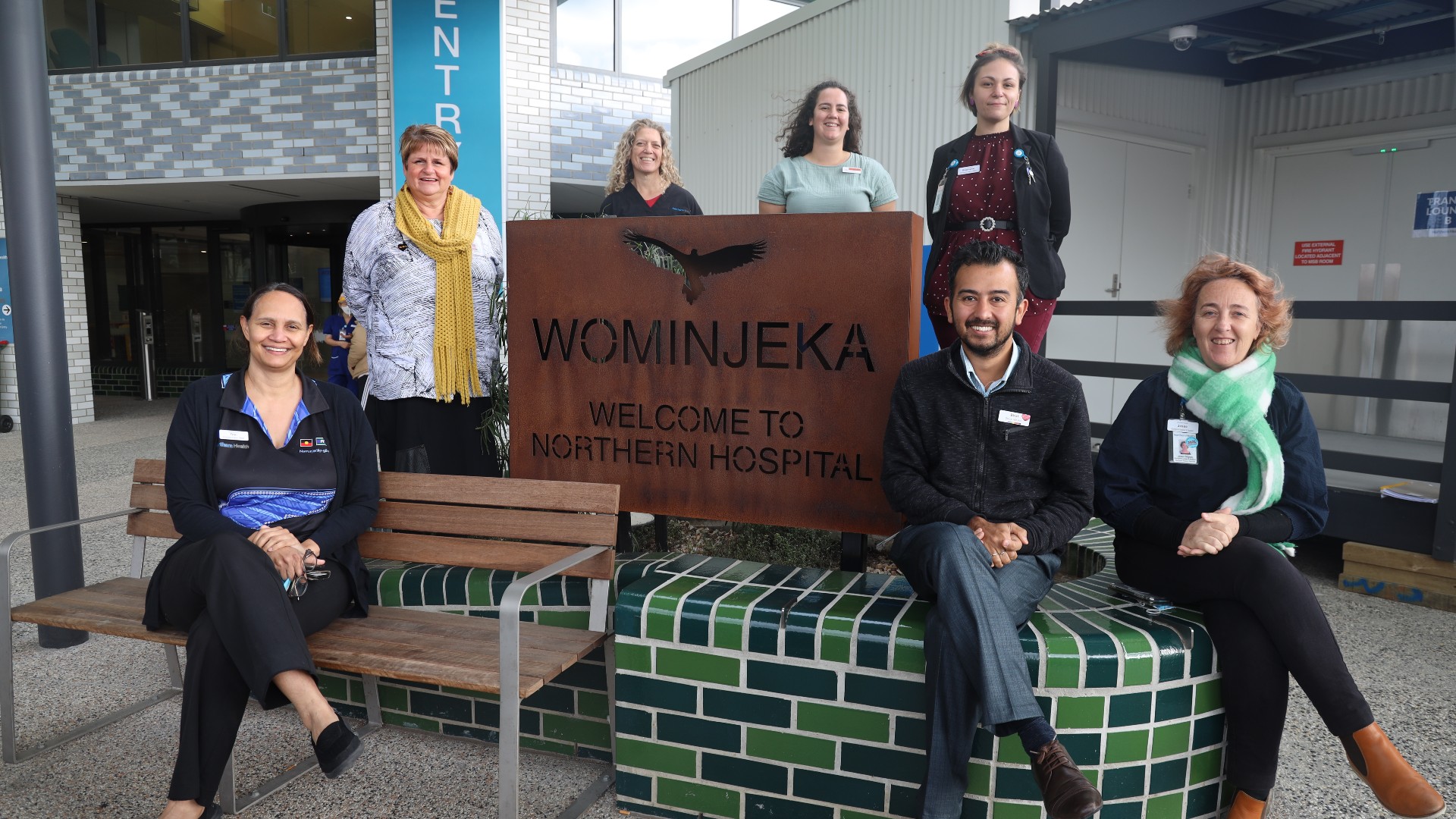
    Pictured above: Toni Gabelish , ALO, Karen Bryant ,Senior ALO, Cheryl Murray , Breast Care Nurse Specialist, Tya Fry ,Occupational Therapist, Stephanie Thompson ALO, Jesse Odgers, Access and Support Worker, Birat Sharma,  Senior Social Worker.

  • Managing patient pain

    Managing patient pain

    Northern Health has an Acute Pain Service to assist with patient pain management.

    The service was established in 2012 in response to a move in Australian hospitals that patients have better outcomes, reduced length of hospital stay and less complications post surgery if there is a dedicated team managing their pain.

    Prior to 2012, intensive care staff would assist with pain management for patients on the ward.

    The service was established by Anaesthetists, Dr Moira Rush, Pain Specialist and Anaesthetist, and Dr Jason Ma. They took over the management of acute pain patients, managing patient controlled analgesia, ketamine infusions and other more complex pain management modalities for Northern Hospital Epping patients.

    Nicole Gauthier, Clinical Nurse Consultant, Acute Pain Service, said the team assisted patients with all sorts of pain.

    “From acute post-surgical pain, chronic pain for inpatients and even very complex primary care conditions such as trigeminal neuralgia or CRPS (Complex Regional Pain Syndrome). We also have a chronic pain service that sees patients at Broadmeadows Hospital and Bundoora Centre,” she said.

    Anywhere between 10 to 20 patients per day are seen, with about five to eight new referrals each day. At times, the team is consulted when staff see them on pain rounds and ask for advice in order to manage their patient’s pain.

    Referrals come mostly through the Anaesthetists for post surgical patients, but the team see many non-surgical patients with complex pain needs. Pain rounds are conducted seven days a week, with nursing, Anaesthetist and Registrar coverage Monday to Friday and Anaesthetics Registrar or HMO coverage on public holidays and weekends.

    Since 2012, the service has grown to include two pain nurses, Nicole and Victoria Dale, and the addition of two more pain specialists, Akilan Velayudhan in 2018 and Sarah Donovan in 2020. The team also offer procedural analgesia support, regional nerve blocks for acute and chronic pain issues as well as offering pain interventions at Broadmeadows Hospital on the interventional pain procedure list.

    “Going forward as a team, we’d like to increase the pain nurse coverage at Broadmeadows Hospital,” Nicole said.

    “We would also like to move forward with a transition clinic seeing patients requiring opioid weaning after a hospital stay or prior to elective surgery. Funding has been secured for Radio Frequency Ablation equipment and we are excited to be able to offer more modalities for our patients with chronic pain.”

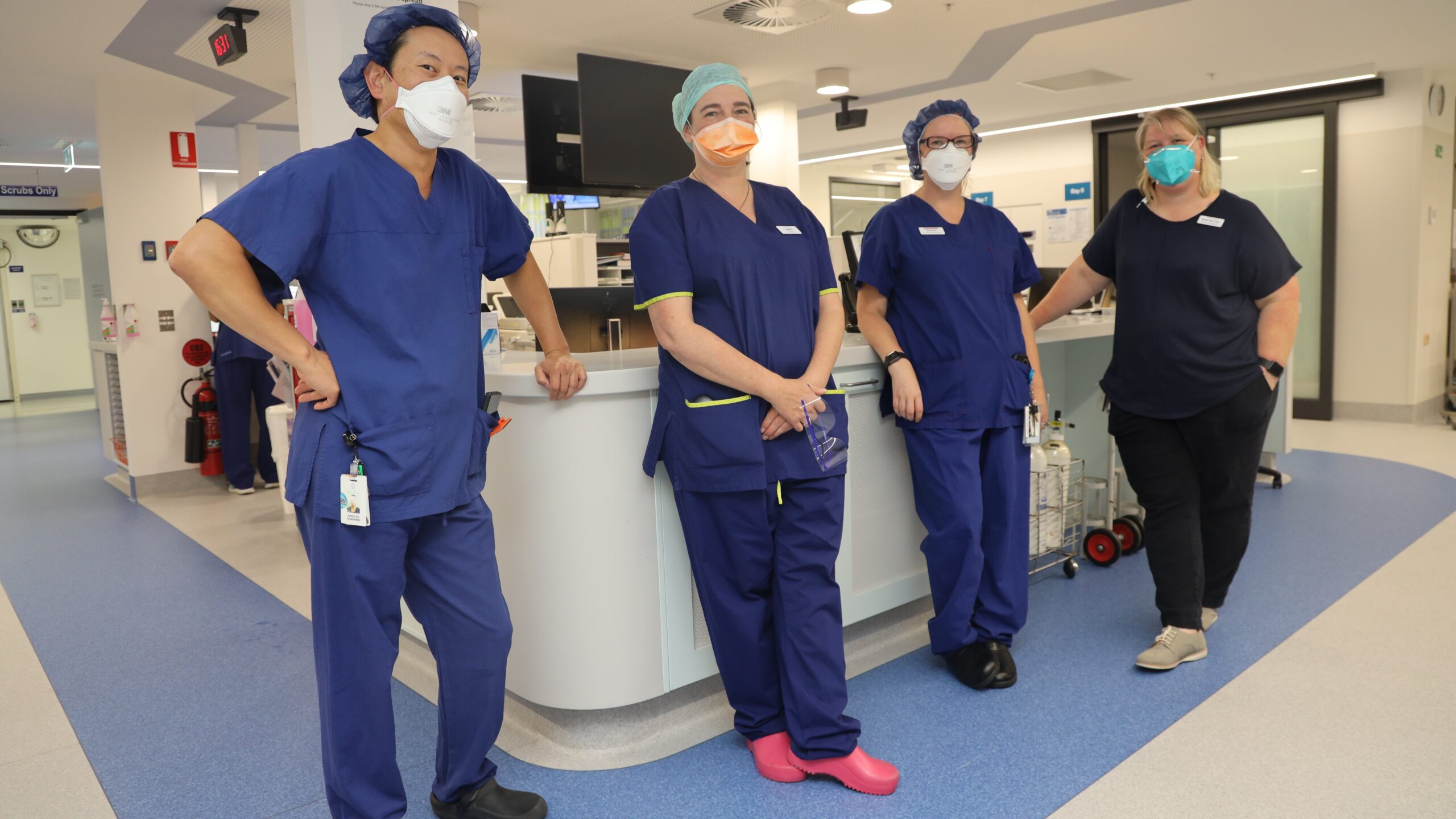
    Featured image: Acute Pain Service team

  • Go Dry this July

    Go Dry this July

    Northern Health Foundation is once again taking part in Dry July, to raise vital funds for people affected by cancer.

    This year, the Foundation is raising money to refurbish the outdoor area in Ward 3 at Northern Hospital Epping, that’ll soon become the Palliative Care Unit (PCU). Currently, our PCU is at Epping Gardens.

    Julius Quiring, Nurse Unit Manager, Palliative Care Unit, said the move to Northern Hospital Epping will improve the care provided to the patients.

    “We will have capacity to accommodate families knowing that we will have two family areas and a big courtyard,” he said.

    “Doctor coverage will be 24 hours and there will be more of an allied health presence. There will also be no delay in admitting patients from other wards.”

    Up to 70 per cent of our palliative care patients are affected by cancer, the majority being lung, colorectal and breast cancer. With the money raised from the Dry July campaign, the outdoor space will be turned into a beautiful garden oasis for families to enjoy with their loved ones, who are in end of life care.

    This week is also National Palliative Care Week, which seeks awareness about the rights of all Australians to access high quality palliative care when and where they need it.

    “Palliative patients mostly feel isolated in their rooms, which leads to reduced motivation, lower mood and reduced self-confidence. However, having another area provides another room to view and be comforted by,” Julius said.

    “Sitting outdoors provides the perfect environment to contemplate and reflect on life. Families can stay longer with the patient if there is another place where they could go instead of staying in the patient’s room the whole time.”

    A refurbished garden would also lead to outdoor activities like gardening and arts and crafts.

    “Outdoor entertainment is always less restricted than indoors,” Julius said.

    “For patients with a life limiting illness, it’s often the small things that make a big difference. If we can improve the unit by adding a refurbished garden that could be used for relaxation and entertainment, then I’ll be ecstatic to know that both our donors and the palliative care team will be able to contribute even in the smallest way to make a difference to every patient who will be admitted at the PCU.”

    2022 is the third year Northern Health has taken part in Dry July. Last year, 23 individuals – staff members, our partners, one of our cancer patients and her daughter, collectively raised a massive grand total of $31,199. The funds raised went towards the purchase of another car for the NOAH@Home program, which provides oncology and haematology patients the opportunity to receive certain chemotherapy or supportive treatments in the comfort of their own homes.

    Northern Health wants to help more cancer patients in the northern community, by raising between $30,000 and $40,000 this Dry July. But we can only achieve this with your help.

    Join our Northern Health Foundation Dry July team today to help us reach our goal. There will be more information provided this week, with a step by step guide on how to join.

    If you would like to generate a bit of healthy workplace competition between departments, you can create your own team by emailing northernhealthfoundation@nh.org.au to get started.

    There will also be prizes up for grabs for participants or teams who raise the most money.

    Margaret Rivette, Fundraising Campaigns Officer, encouraged anyone to join the Northern Health Foundation Dry July team.

    “Dry July is ultimately about coming together to raise money for people affected by cancer. We can only give back what we put in, so we encourage everyone to participate to make this event as successful as possible,” she said.

    “The PCU can really benefit from this campaign and make those last moments truly special for patients and their families. There are over 6,300 staff at Northern Health and if everyone donated just $1, imagine where it could take us.”

    “Many of us have been touched by cancer in one way or another and Dry July is just a small way we can give back. By participating, we are raising the much-needed funds to improve our health service for patients and to ensure peace of mind for their family members who know their loved ones are in the best care possible at Northern Health.”

    Dry July is a fundraiser that encourages people to go alcohol-free in July to raise funds for people affected by cancer. By joining our Northern Health Foundation team, not only are you helping cancer and palliative care patients, but there are great health benefits for giving up alcohol for a month, including better sleep, more energy and no hangovers. Alternatively, you can decide what you give up and for how long.

    To join our team, click here.

  • How are you feeling about the EMR so far?

    How are you feeling about the EMR so far?

    Northern Health is approximately 11 months away from launching our Electronic Medical Record (EMR). As we continue to work closely with our Subject Matter Experts and Accountable Leaders to design and validate system workflows, from now until July, the team is also planning for operational readiness for the high-risk workflows with respective owners to ensure impacted areas are well prepared for go-live.

    Implementing an EMR is a big change for Northern Health. From a Change Management perspective, it is normal for us to be feeling uneasy and uncertain about change, whether it be big or small. We want to make sure our staff feel supported during the transition to the EMR, which is why it is important for us to understand how you are feeling about the EMR on a regular basis.

    The team conducted the first EMR survey in August 2021, where we received 328 responses. Last month, we had the opportunity to conduct the second EMR survey and we had an amazing response from the organisation. Thanks to the joint effort of Public Affairs and the Volunteers team, we received more than 730 staff responses to the EMR survey!

    Over 93 per cent of respondents have heard about the EMR and the majority know how the EMR will impact them (56 per cent). More than half of respondents believe the EMR will have a positive impact on their work and support it. It was thrilling to also see such a high manager commitment towards the project, with 92 per cent agreeing their managers are supportive of implementing an EMR.

    With the data and feedback provided by our staff, we are able to dive in and take a closer look at how we can provide better support to the areas that might be missing the EMR communications. Some feedback and suggestions from our respondents in ways the EMR team can better engage them include more regular updates on implementation dates, hosting EMR awareness events, and highlighting EMR benefits.

    Cliff Wiltshire, EMR Training Manager, noted a spike in requests for individual EMR updates within the organisation.

    “Some areas have already started planning their operational readiness, which shows the organisation is excited and keen to learn more about the EMR,” Cliff said.

    As the EMR team, Accountable Leaders and Subject Matter Experts (SMEs) continue to design and build the EMR, there is a lot to be communicated to our staff.

    The EMR website was launched in April last year, acting as a single source of truth for the project. Since launch, the team has been adding new content, such as FAQssystem demosEMR training, and much more. If you have any suggestions or if there is more information that you would like to see, please email Ginnie.Leung@nh.org.au.

    Trish Aldridge, EMR Director, expressed her thanks to our staff for taking their time to complete the survey and congratulated the four lucky hamper winners.

    “We did not expect to receive such good responses for the survey, and we thank those who have taken the time to participate. A huge congratulations to our hamper winners. We hope the hampers will brighten up your day,” she said.

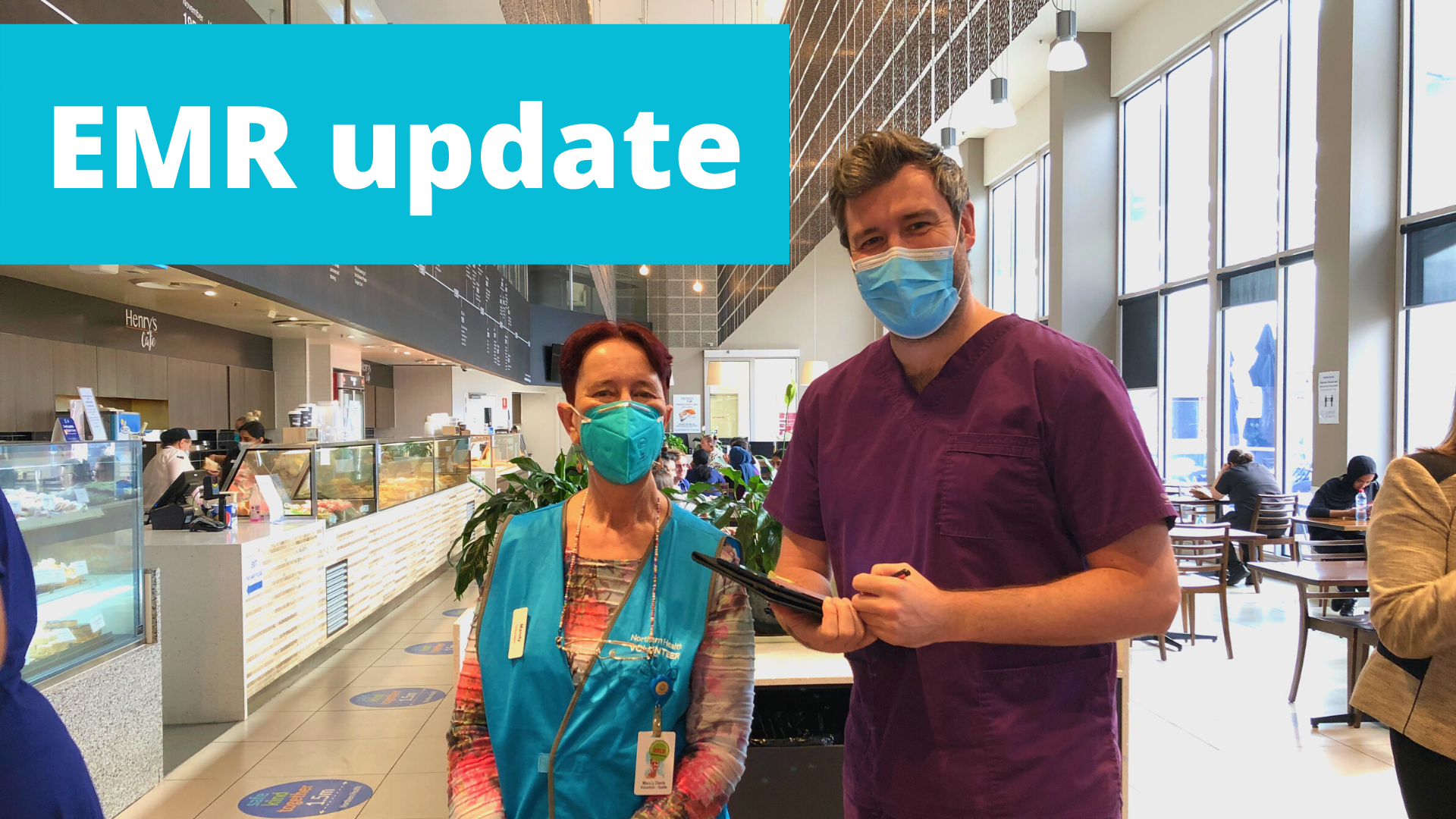
    Featured image: Volunteer Mandy helping staff with the EMR survey.

    One of our lucky winners, Naomi Burns, Nurse at the Surgical Centre at Broadmeadows Hospital, receiving the hamper.
    A heartfelt thank you to our Northern Health volunteers for helping the team with the survey launch.
  • National Palliative Care Week: It’s your right

    National Palliative Care Week: It’s your right

    National Palliative Care Week (NPCW) 22 – 28 May, seeks to raise awareness about the rights of all Australians to access high-quality palliative care when and where they need it.

    Acknowledging that palliative care is a universal human right, this year’s theme seeks to broaden perceptions, understanding and appreciation of palliative care, demonstrating its role in supporting the physical, emotional, spiritual and social needs of people living with a life-limiting illness, their families and their care team.

    Timely access to palliative care has a number of benefits for people with a life-limiting illness, and supports them to continue doing the things that are most important to them, alongside their friends and family.

    “Palliative care is available to people with a serious and life-limiting illness and their families, to assist in managing their symptoms, improve their quality of life and help them to live as well as possible, for as long as possible,” said Dr Alison Giles, Medical Director of Palliative Care.

    Alison says that palliative care clinicians and services have a deep understanding of the difficult situations people near the end of their life or with a life-limiting illness often face.

    “They can be instrumental in balancing a variety of perspectives and incorporating the psychological, social, and spiritual concerns of patients, their families and the staff caring for them. They are also there to support the loved ones of people near the end of their life and help them live through their grief and bereavement.”

    The Northern Palliative Care Unit (PCU) aims to support our patients and their families in a variety of ways.

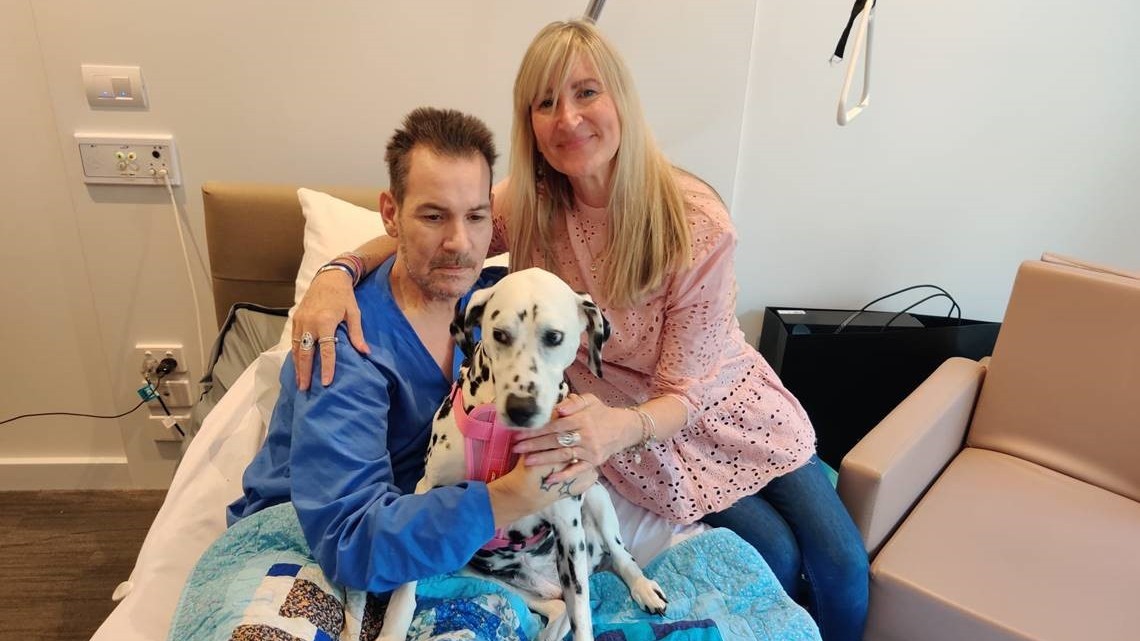
    Stuart is one patient who has needed several PCU admissions in recent months, and it has been hard for him to be away from his home, and his beloved pets, including Dalmatian, Penny.

    With the support of Stuart’s sister, Karen, the team was able to arrange for Penny to spend time with Stuart in PCU, where she won over the staff and kept a close watch over her best friend.

    Prior to being discharged, Stuart told the PCU team, “the treatment I’ve received here has been excellent. The staff are so compassionate, I’ve really enjoyed being able to have a laugh with them.”

    Karen agreed, stating, “you don’t just treat the patient here, you’re helping the entire family.”

    Stuart and Penny
    Stuart and Penny with Joanna Chan (CNS), Julius Quiring (NUM) and Dr Alan Corkery (HMO)

    We were also privileged recently to host the wedding of Wendy and Roy, after a rapid decline in Wendy’s health necessitated admission to PCU and left only a short window of opportunity for this significant event.

    With the support of pastoral care worker, Melanie Moore, arrangements were urgently made for Wendy and Roy’s special day. Their intimate ceremony took place in the PCU, attended by their two young boys, just one day before Wendy died.

    Planning is underway for another big milestone for our Palliative Care Service – the inpatient PCU will be transitioning from its current location at Epping Gardens into a new, dedicated ward at Northern Hospital.

    We aim to continue providing outstanding care to our patients and their families by supporting direct admission for community palliative care patients who require an inpatient stay, improving access for existing Northern Health inpatients, and ensuring that we deliver a comprehensive approach to care that meets the full range  of our patients’ needs.

    For more information about National Palliative Care Week, click here.

    The intranet page for the Northern Health Palliative Care Service contains links, clinician resources, and information about our service.

    Featured image shows Stuart, Penny and Karen

  • Play for Purpose for your chance to win

    Play for Purpose for your chance to win

    After the successful first Play for Purpose raffle earlier this year, Northern Health Foundation is once again taking part in the raffle.

    Play for Purpose is an online raffle helping Australian charities fundraise. By purchasing a ticket, you will be supporting Northern Health Foundation in its vision of building a healthier community for our staff and patients at Northern Health. The Foundation was able to raise a massive $14,405 during the last raffle that was drawn in March.

    Tickets purchased put you straight into the draw to win a huge first prize Volkswagen California Campervan, $125,000 in gold and a shopping spree. Your ticket also gives you the opportunity to win hundreds of other prizes including a $15,000 JB Hi-Fi voucher, a Myer voucher worth $7,500 and a cool $5,000 to spend on furniture at Freedom.

    One of our Northern Health staff members was lucky enough to take home fifth prize in the earlier Play for Purpose draw, winning a $2,500 Travel Associates voucher.

    Tickets cost $10 each, with half of all proceeds going directly to Northern Health Foundation to help fund state of the art medical equipment, research and training for our patients and staff in the north.

    Acting Executive Director, Public Affairs and Foundation, Pina Di Donato, said, “it is a great opportunity for Northern Health staff and community to take part in something exciting, with the additional benefit of proceeds from the raffle used to fund life-changing equipment and research. The more tickets we sell, the greater the benefit.”

    Get in quick! Ticket sales close on Thursday, 9 June. Winners will be announced on Friday, 10 June.

    To purchase your raffle tickets, click, on the image below.