• Northern Health leaders drive record-breaking IRSA 2025 Conference

    Northern Health leaders drive record-breaking IRSA 2025 Conference

    Northern Health is proud to celebrate the success of the Interventional Radiology Society of Australasia (IRSA) 2025 Annual Scientific Meeting (ASM), held at the Grand Hyatt Melbourne from 30 July to 1 August, with a dedicated Interventional Oncology Symposium on 29 July.

    This four-day program was dedicated to advancing the fields of Interventional Radiology (IR) and Interventional Oncology, uniting clinicians and emerging leaders from across Australasia and beyond. The event was convened by Northern Health’s own Dr Phil Chan and Dr Goran Mitreski and marked a record-breaking year in both attendance and engagement, with more than half of all Australian and New Zealand IRs in attendance.

    “This year’s theme, ‘Together’, focused on collaboration and teamwork. The program was designed to offer something for everyone, covering all aspects of Interventional Radiology,” said Dr Phil Chan.

    Event Highlights

    • Three International Keynote Speakers:

      • A/Professor Donna D’Souza (University of Minnesota)

      • Professor Michael Lee (Beaumont Hospital, Ireland)

      • Professor Simon Yu (CUHK, Hong Kong)

    • 18 Northern Health presenters across multiple specialties, including IR, Diagnostic Radiology, Haematology, Oncology, Radiation Oncology, Urology, Hepatobiliary, Thoracic Surgery and Intensive Care Medicine.

    • Two research prizes awarded to Northern Health staff:

      • Second prize – Radiographer/Nurse category

      • Second prize – Medical Student/Junior Medical Staff category

    • Fellows Day for IR fellows, early career consultants, and those seeking a refresher.

    • Dedicated nurse and radiographer sessions.

    • Grassroots Program introducing medical students to IR and its career pathways.

    Feedback from delegates and sponsors was overwhelmingly positive, with many praising the event’s open, inclusive, and practical approach.

    “We saw incredible engagement from all delegates — especially students, nurses and radiographers. It was fantastic to bring the whole team together like this,” said Dr Phil Chan.

    “This conference pushed the boundaries and reached new heights for our specialty. It set a new frontier for what we can achieve moving forward,” added Dr Goran Mitreski.

    Northern Health is proud of Dr Chan and Dr Mitreski’s leadership, and of everyone who represented our organisation so strongly at a national level.

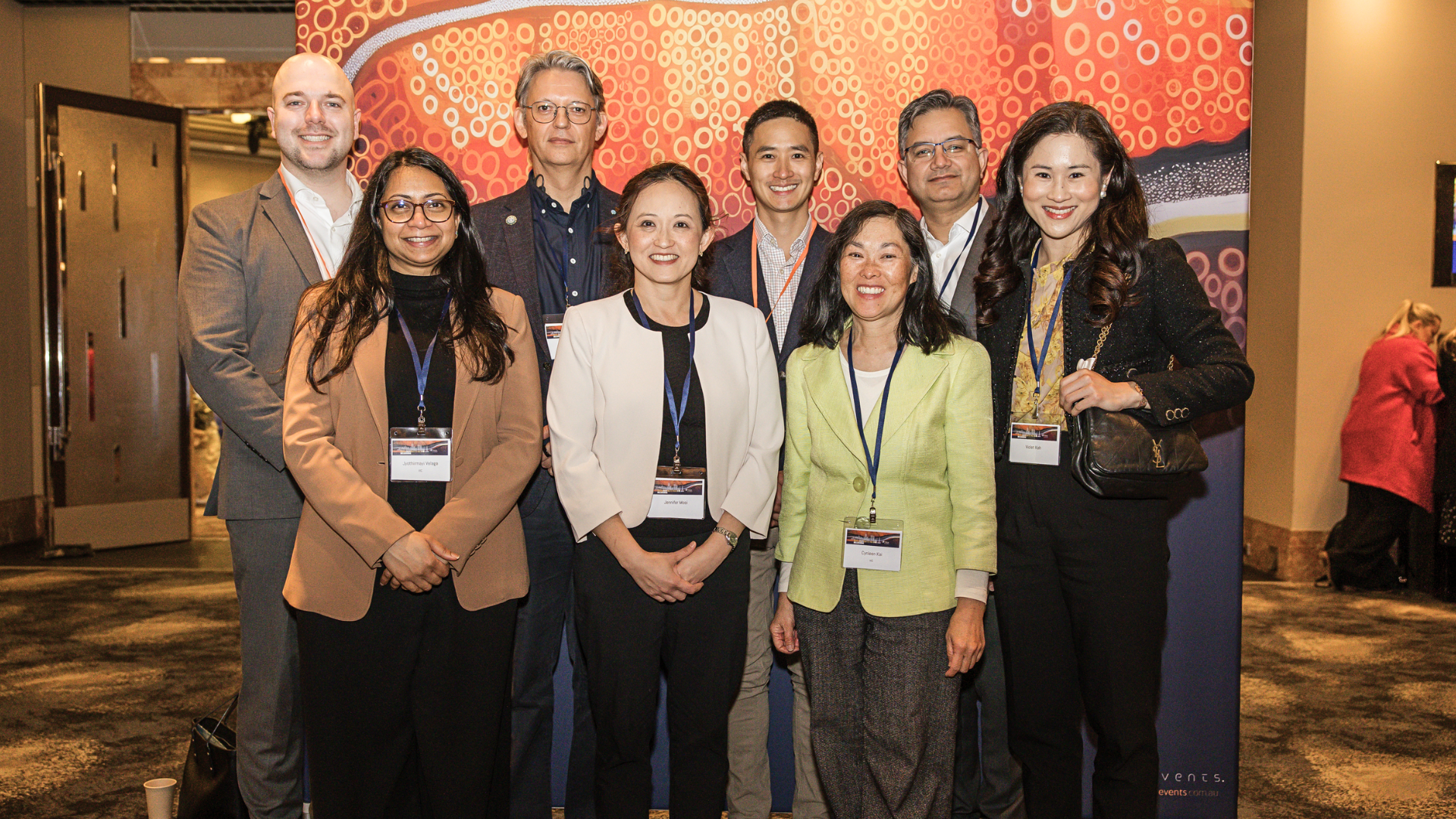
    Pictured in featured image:

    Rear left to right: Dr Goran Mitreski (Interventional Radiologist), Mr Dennis Gyomber (Urologist), Dr Phil Chan (Interventional Radiologist), Mr Bibushal Thapa (Thoracic surgeon), Dr Violet Koh (Radiation Oncologist)
    Front left to right: Dr Jyothirmayi Velaga (Diagnostic Radiologist), Dr Jennifer Mooi (Medical Oncologist), Dr Cynleen Kai (Radiation Oncologist)

    Other Nothern speakers from Northern Health, not imaged included: A/Prof Terry Kok (Interventional Radiologist), Dr Frances Barnett (Medical Oncologist), A/Prof Michael Ng (Radiation Oncologist), Prof. Prahlad Ho (Haematologist), A/Prof Yin (Haematologist), Dr David Crosbie (Intensivist), Mr Pras Satasivam (Urologist), Mr Tuck Yong (Hepatobiliary surgeon), Dr Georgina Van Der Vliet (Palliative care physician).
  • Get to know: Imad Hirmiz

    Get to know: Imad Hirmiz

    #WeAreNorthern

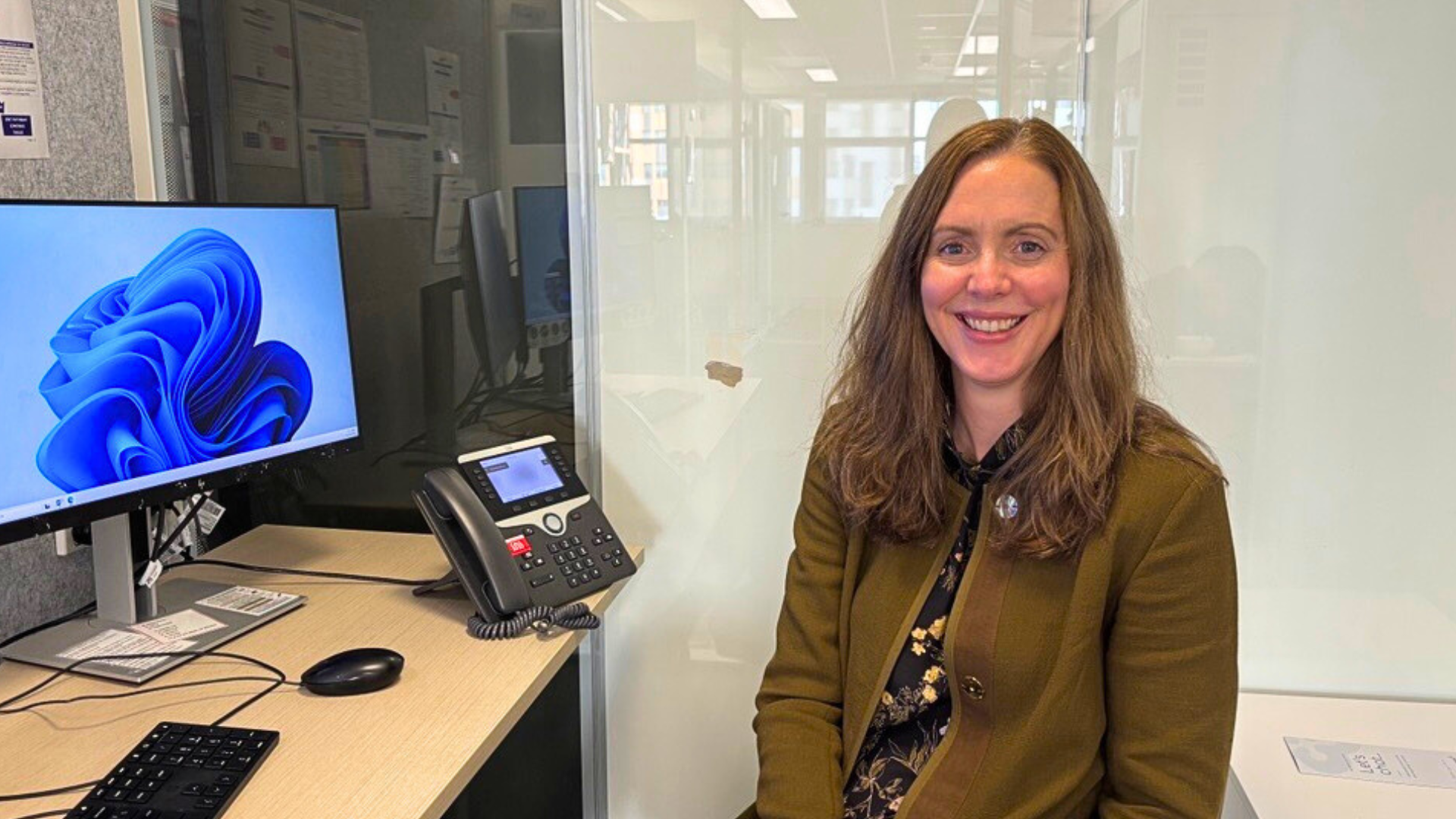
    Meet Imad Hirmiz, Arabic, Chaldean and Assyrian Interpreter and Translator, Transcultural and Language Services (TALS), Northern Health.

    Q: Firstly, let’s start with your coffee order.
    A: An extra hot almond milk latte.

    Q: Tell us about your role at Northern Health.
    A: I’m a NAATI-certified interpreter and translator in three languages: Arabic, Chaldean, and Assyrian. My role is to facilitate communication between clinicians and patients—verbally, through interpreting, and in writing, by translating materials. In a diverse community like Northern Health, engaging interpreters and translators is essential for delivering quality health services. I often describe Northern Health as a mini version of Victoria, reflecting its incredible cultural diversity.

    I joined the TALS team in 2009, and since then, the demand for interpreting services has grown significantly, especially with the increase in refugees settling in the area, many of whom speak Arabic.

    While the core of our role is bridging the communication gap between clinicians and patients with limited English proficiency, our responsibilities go far beyond that. We also translate patient information brochures and other materials into key languages, review documents for cultural appropriateness, and contribute to the production of Northern Health publications.

    At times, we act as cultural mediators, giving voice to patients from culturally and linguistically diverse (CALD) backgrounds. We’re also involved in research conducted by Northern Health clinicians – translating research documents, performing sight translations, interpreting for focus groups, or simply participating as cultural representatives.

    Q: What is the best part of working as an Interpreter?
    A: While we support both clinicians and patients, we often feel like the guiding light for patients from CALD communities as they navigate the Australian healthcare system. It’s a deeply rewarding job. Knowing that we’re making a difference and providing support to those in need brings immense personal satisfaction.

    It’s also incredibly fulfilling to see CALD patients participate in research and stay informed about the latest medical advancements—with our help. Knowing that we play a role in this makes us feel like we’ve truly served our purpose.

    Q: How do you resonate with Northern Health’s values of Safe, Kind and Together?
    A: When it comes to kindness, interpreters often go above and beyond. We might accompany patients to radiology or pathology, help them book outpatient appointments, or guide them around the hospital, all to make their experience a little easier.

    We also work closely with clinicians to ensure safe and effective communication that supports the best care possible. I’ve assisted many clinicians with their research and have participated in numerous projects at Northern Health, whether as a bilingual contributor or in my capacity as a translator/interpreter. These efforts help ensure people with limited English proficiency have the opportunity to contribute meaningfully to research and future healthcare innovations. Most recently, I was involved in a Cancer Clinical Trial, which was a rewarding experience.

    Q: If you weren’t an interpreter, what would you have been instead?
    A: A migration agent. I’ve always had an interest in law, and I would have loved helping refugees and migrants with their migration and settlement needs.

    Q: Favourite place to travel and why?
    A: California, USA. I love that the weather is similar to Melbourne’s, and I really enjoyed its stunning landscapes and vibrant entertainment.

    Locally, Cairns is a must-visit destination – it’s full of natural beauty and unique experiences.

    Q: Do you have any hidden talents?
    A: I initially studied electrical engineering before changing my career path to interpreting and translating, later completing a master’s degree in social sciences with a major in interpreting and translating. However, my true passion lies in writing.

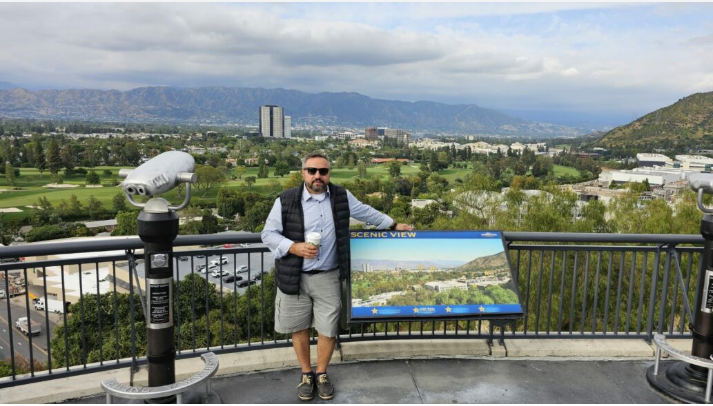
    Pictured: Imad at Universal Studios – Hollywood, California, USA. 

  • Thanks for caring: Aged Care Employee Day

    Thanks for caring: Aged Care Employee Day

    Aged Care Employee Day is an opportunity to recognise the compassionate and committed individuals working in aged care, who make a real difference in the lives of older Australians. At Northern Health, we are proud to acknowledge the work of our dedicated aged care staff who provide high-quality care, support, and advocacy every day.

    Northern Health provides care through five residential aged care services – Caladenia and Dianella Nursing Homes in Kilmore, Ian Brand Residential Care and Merv Irvine Nursing Home in Bundoora, and McLellan House Hostel in Broadmeadows. These facilities offer safe, supportive environments where older people can live with dignity and respect.

    In addition to our residential care, Northern Health delivers a number of home-based aged care services that support older people to live independently at home for as long as possible. Among these is the Home Care Packages (HCP), which currently supports around 300 consumers across our community.

    A key strength of the HCP program is its team of 16 experienced case managers, all of whom are registered nurses or allied health professionals. This clinical expertise allows the team to deliver high-quality, personalised care that meets each person’s unique needs.

    Julie Williams, Manager, Northern Health Support at Home, says, “We have been supporting older people to stay well and at home since 1988! A great team of caring health professionals and supportive admin all working towards the one goal. The program is transitioning to Support at Home in line with aged care reforms.”

    This Aged Care Employee Day, we encourage everyone to take a moment to say ‘thanks for caring’ to the many staff working in aged care, whose compassion and dedication help older people live well, safely and with dignity.

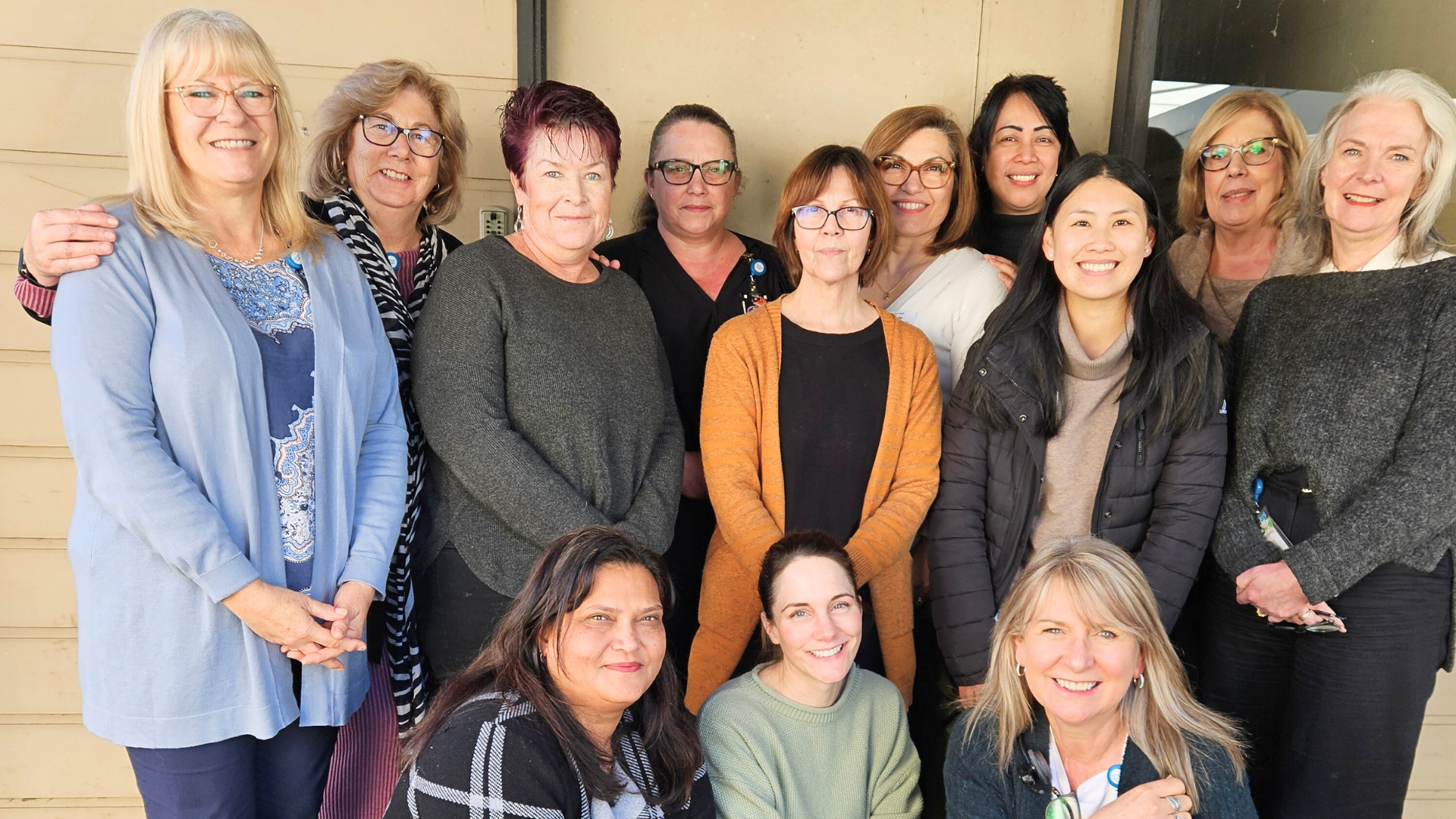
    Pictured in featured image: Northern Health Support at Home team. 

  • Stroke Week: We are Northern Stroke Nurses

    Stroke Week: We are Northern Stroke Nurses

    National Stroke Week is here again, and this year we’re viewing it through the lens of our dedicated Northern Stroke Nurses – the frontline champions who bring their expertise and compassion to stroke care every day.

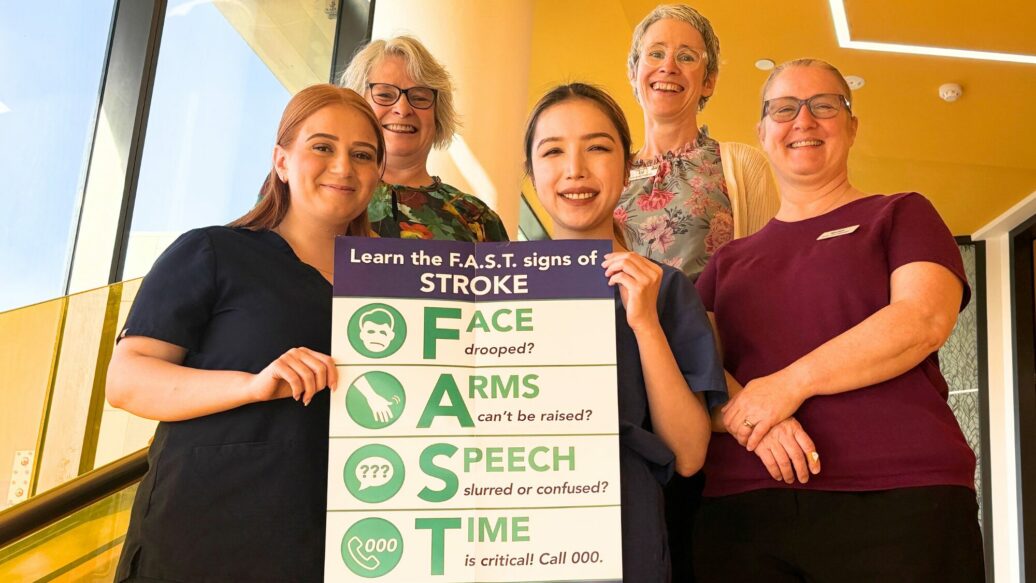
    “Ensuring that our patients and their relatives know the FAST signs is a fundamental part of stroke nursing care,” says Bonnie Zhao (ANUM), one of five Ward 21 nurses currently undertaking postgraduate studies in neurology.

    “A stroke is always a medical emergency, and getting to hospital quickly gives people the best possible chance of accessing the right treatments and making a good recovery.”

    The Stroke Foundation continues to raise awareness of the F.A.S.T. test – a simple way to remember the most common signs of stroke:

    • Face – Check their face. Has their mouth drooped?
    • Arms – Can they lift both arms?
    • Speech – Is their speech slurred? Do they understand you?
    • Time – Time is critical. If you see any of these signs, call 000 immediately.

    “Working on a stroke ward, I see first-hand the consequences of people taking too long to call 000,” says Ward 21 NUM Nadine Stowell. “I make sure all my family know the FAST signs and understand the urgency.”

    Stroke remains one of the leading causes of death and disability in Australia. The pillars of effective stroke care include rapid hospital access, multidisciplinary team assessments, and specialised stroke unit care—all of which are driven by the skill and dedication of our nursing team.

    “This Stroke Week is a great time to acknowledge the incredible enthusiasm and commitment of the Ward 21 nursing staff, led by NUMs Nadine Stowell and Erin Behan,” says Head of Neurology, Dr Doug Crompton.

    “Their work in developing stroke and neurology expertise has enabled the opening of our Neurology HDU, ensuring our patients receive the best possible care. We’re especially proud of the number of nurses pursuing postgraduate study—it’s a testament to their passion and the strength of our team.”

    The Stroke Foundation website offers brochures and videos in English and other languages to help people learn about stroke and the FAST message. This week, we encourage everyone to take a moment to learn the signs—and thank the nurses who make stroke care possible.

    Featured image shows:

    Front: Bonnie Zhao (ANUM), Helen Hirmiz (CNS), Nadine Stowell (NUM)

    Back: Anne Rodda (NP), Liz Mackey (NP)

  • From Melbourne to Mongolia

    From Melbourne to Mongolia

    Northern Health’s enduring relationship with Mongolia continues to flourish, built on over two decades of collaboration with the Mongolian Society of Anaesthesiologists (MSA). This partnership began in 2001 when Professor David Pescod attended the 40th anniversary meeting of the MSA and formed a close working relationship with Dr Ganbold Lundeg, then-president of the MSA.

    Over the years, this collaboration has grown through the dedicated efforts of clinicians like Dr Amanda Baric, whose contributions to anaesthesia education and patient safety in Mongolia have earned her prestigious accolades, including the Order of the Polar Star (2021), the Robert Orton Medal (2023), and appointment as a Member of the Order of Australia (2024).

    In June 2025, a team of Northern Health clinicians joined forces with Australian colleagues to continue this legacy of compassion and global partnership. Their mission: to provide life-changing education and support to Mongolia’s medical community.

    Eighteen Australian faculty members, including 11 from Northern Health, travelled to Ulaanbaatar to participate in the annual MSA seminar, hosted in collaboration with the Australian Society of Anaesthetists (ASA). Led by Dr Baric and supported by organisations such as Interplast and the University of Melbourne, the team focused on empowering local doctors through hands-on training, shared knowledge, and enduring partnerships.

    Northern Health was proudly represented by:

    • Dr Sajidah Ilyas, Anaesthetist and Deputy Director, Mercy Hospital for Women.
    • Dr Suzy Cook, Anaesthetist, Northern Health and RVEEH, Dental Hospital.
    • Dr Andrew Huang, Anaesthetist, Northern Health.
    • Dr Janette Haq, Anaesthetist, Northern Health.
    • Dr Asrar Haq, Cardiologist, Northern Health.
    • Dr Amardeep Nanuan, Anaesthetist, Northern Health.
    • Dr Neil MacDonald, Anaesthetist, Northern Health and The Women’s Hospital.
    • Mr Vikram Iyer, Vascular Surgeon.
    • Dr Pip Wills, Emergency Physician and Simulation Education Specialist.
    • Dr Diana Lewis, Gastroenterologist.
    • A/Prof David Pescod, Anaesthetist, Northern Health.

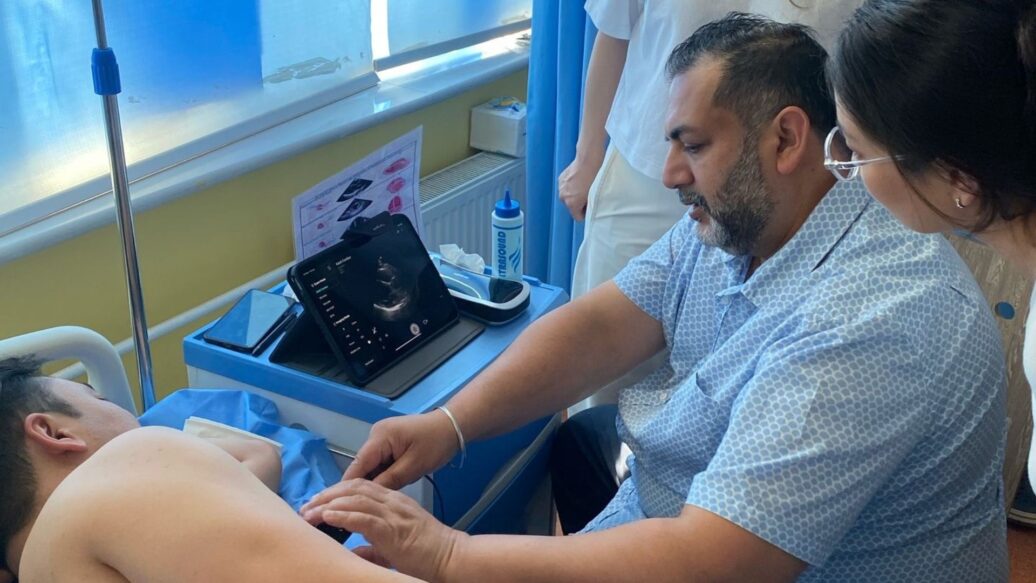
    Throughout the week, Northern Health staff delivered workshops on cardiac investigations, neuro-anaesthesia, transthoracic echocardiography (TTE), obstetric anaesthesia for high-risk patients, machine troubleshooting, and more.

    At the Mongolian National University of Medical Sciences (MNUMS), another Northern Health team led simulation-based education sessions for 30 faculty members and medical students. These workshops focused on adult learning principles, feedback, psychological safety, and scenario-based teaching.

    Northern Health also supported rural hospital visits and contributed essential equipment, including capnography lines, LMAs, and ultrasound machines.

    From Melbourne to Mongolia, Northern Health continues to demonstrate that when healthcare professionals unite across borders, incredible things happen.

    Featured image shows Dr Amardeep Nanuan, Anaesthetist, Northern Health.

  • Get to know: Dr Suzie Miller

    Get to know: Dr Suzie Miller

    #WeAreNorthern

    Meet Dr Suzie Miller, Emergency Physician, Acting Director, Victorian Virtual Emergency Department (VVED), Northern Health.


    Q: First, let’s start with your coffee order. 

    A: Oat flat white.


    Q: Tell us about your journey at VVED.

    A: I started in September 2021 as an emergency physician when VVED was in its COVID-focused phase. In 2022, I became Director of Strategy, Quality, and Technology.


    Q: What is the best part of working at Northern Health?

    A: VVED’s fast-paced, innovative, start-up culture.


    Q: What does a typical day at work look like for you? 

    A: Fortunately, there is no typical day at VVED.

    It’s often a mix of caring for patients; re-defining priorities with the leadership team and collaborating to action them; brainstorming, piloting, evaluating, and iterating new models of care; evaluating quality cases/audits and improving the service based on learnings; meeting with current and future partners (Department of Health, referral partners, etc.); and reviewing tech company offerings to understand the digital health landscape.


    Q: If you weren’t in your current role, what would you have been instead?

    A: Prior to VVED, I spent a decade as the Chief Medical Officer of various medical technology companies. If VVED didn’t exist, I suspect I would have remained in a med tech executive role while continuing emergency physician clinical practice.


    Q: Tell us one thing not many people know about you?

    A: I used to play the saxophone in a jazz band and remain a fan of big band, swing, and jazz.


    Q: Favourite childhood memory?

    A: Yearly train trips from Washington, DC to New York City with Aunt Mary Ann to shop at Bloomingdales and catch a Broadway show.


    Q: What advice you’d like to give to your younger self?

    A: Don’t sweat the small stuff.

  • Adrenal Venous Sampling now available at Northern Hospital

    Adrenal Venous Sampling now available at Northern Hospital

    Northern Hospital is proud to announce the introduction of Adrenal Venous Sampling (AVS), a highly specialised diagnostic procedure traditionally available only at major metropolitan centres. With the establishment of this service locally, patients in Melbourne’s northern corridor now have access to world-class diagnostic care without the need to travel to tertiary referral hospitals.

    AVS is considered the gold standard for distinguishing between unilateral and bilateral adrenal causes of primary aldosteronism – a condition affecting up to one in 10 patients with hypertension. Accurate diagnosis through AVS enables precise treatment planning, including targeted surgical intervention or tailored medical therapy.

    “The introduction of adrenal venous sampling at Northern Hospital marks a significant milestone for our service and our community. It allows us to deliver cutting-edge diagnostic care close to home, reflecting our commitment to expanding advanced, state-of-the-art services in Melbourne’s north,” says Dr Goran Mitreski, Interventional Radiologist, Northern Health.

    This advanced diagnostic capability has been made possible through the procurement of specialised equipment for real-time sample analysis and the expertise of Northern Health’s Interventional Radiology (IR) team, who bring extensive experience in complex venous sampling techniques. It reflects Northern Hospital’s ongoing commitment to providing high-end, evidence-based care closer to home.

    “I’m proud to introduce our new adrenal venous sampling service — a result of months of dedicated, multidisciplinary collaboration between Interventional Radiology, Endocrinology, and Chemical Pathology. Bringing this advanced diagnostic capability to Northern Health addresses a vital clinical need and ensures our patients and community receive truly comprehensive, locally accessible care,” says A/Prof Terry Kok, Director of Imaging Services, Northern Health.

    The AVS unit also incorporates the latest point-of-care testing assays, enhancing both the accuracy and efficiency of sample collection. Interventional Radiology, Endocrinology, and Laboratory Services have worked closely to ensure the seamless integration of AVS into routine clinical workflows.

    Dr Kay Weng Choy, Head of Chemical Pathology, thanked Northern Health for supporting the development of this important service, adding, “it is a privilege to contribute to the investigation and diagnostic workup of patients with primary aldosteronism — a condition that remains significantly under-diagnosed despite its impact on hypertension and cardiovascular risk.”

    Mr Steven Nikolaidis, the first patient to undergo AVS at Northern Hospital Epping, described the experience as seamless.

    “I’d like to thank Dr Mitreski and his team for their professionalism and care during my recent procedure. I was conscious throughout the adrenal vein sampling and appreciated how Dr Mitreski explained each step along the way. He also let me know I was the first person at Northern Hospital to undergo this procedure, which made the experience even more memorable. Watching everything unfold on the big screen, I felt calm, informed, and completely at ease thanks to the team’s support. I experienced no pain, healed quickly, and had no complications. Most importantly, this procedure will help the endocrinology team determine the best course of action for my ongoing care. I’m incredibly happy and grateful.”

    By offering AVS locally, Northern Hospital not only enhances patient convenience but also reinforces its position as a regional leader in advanced imaging and interventional procedures. This service delivers the highest standard of care to our community and helps reduce demand on larger Victorian institutions, many of which face delays due to high case volumes.

    The introduction of AVS at Northern Health is a timely, state-wide contribution to equitable access and improved diagnostic capacity.

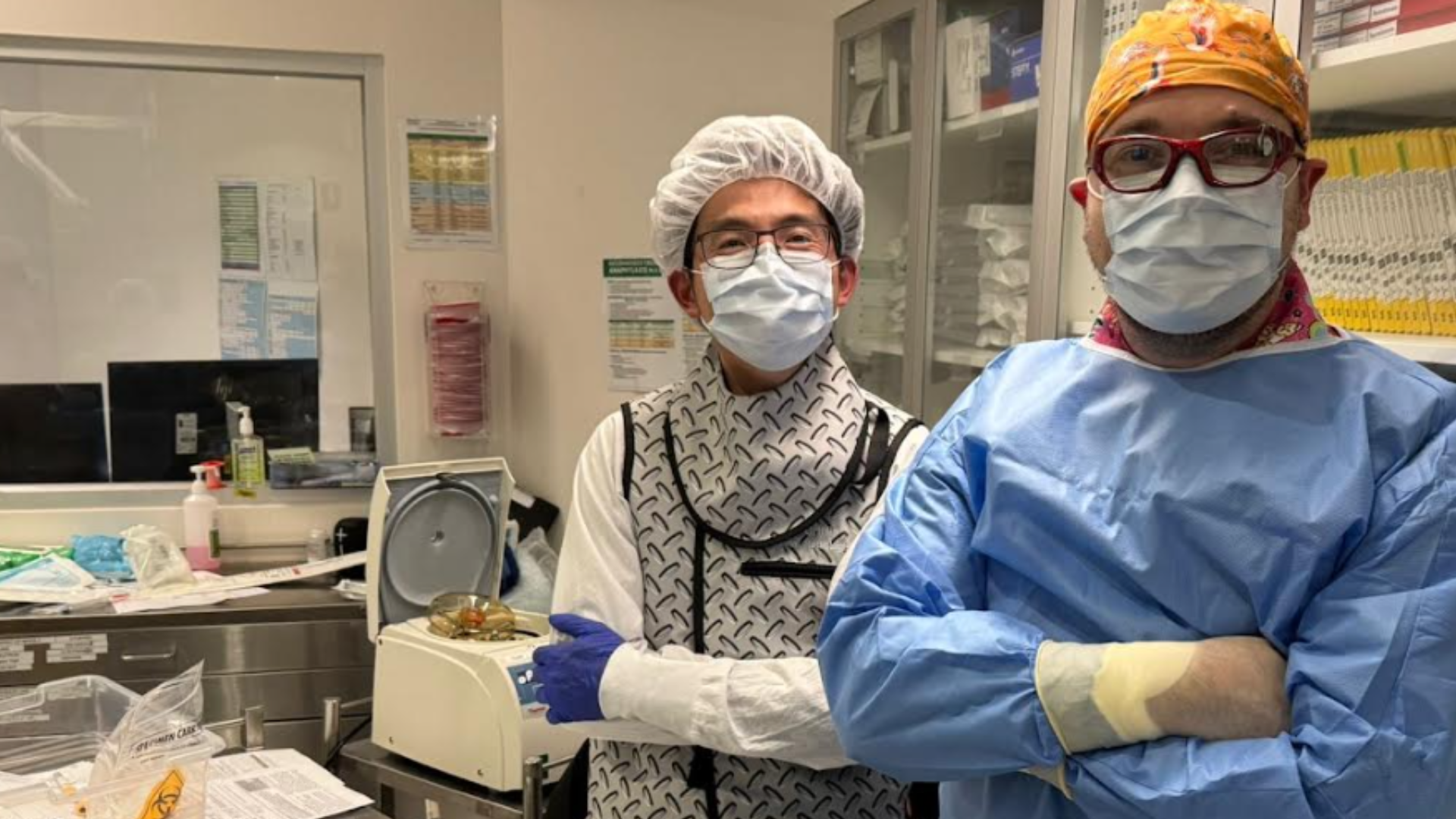
    Dr Goran Mitreski during AVS
    Dr Kay Weng Choy during point of care testing and sample handling

    Pictured in featured image: Dr Kay Weng Choy and Dr Goran Mitreski

  • Barbara Hayes: Shifting the conversation from cure to care

    Barbara Hayes: Shifting the conversation from cure to care

    “We have a society that often doesn’t understand the limits to medicine,
    and that pursuing ever-more medicine can cause harm and suffering without benefit.”

    #WeAreNorthern

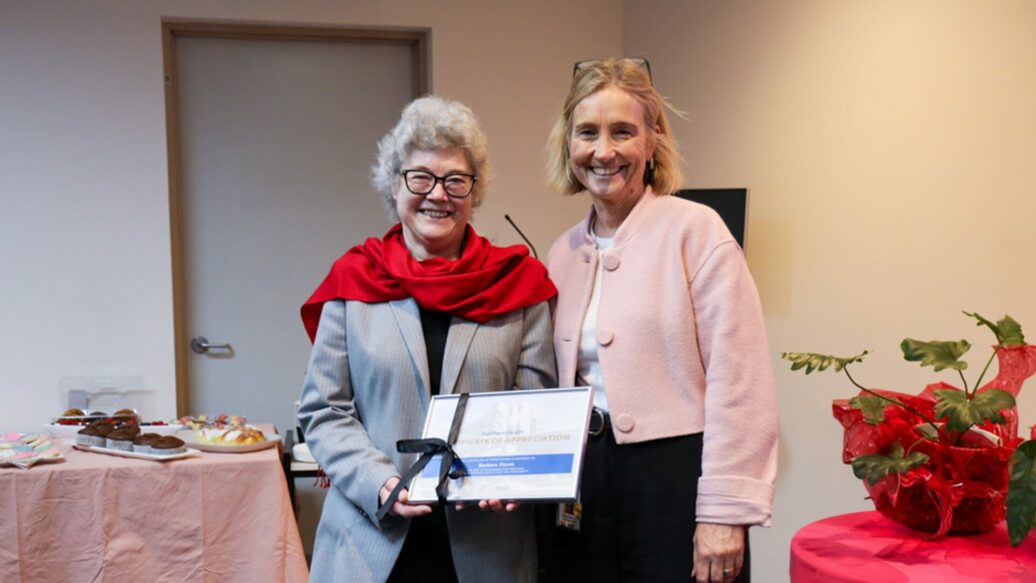
    Today, we celebrate the remarkable career of Dr Barbara Hayes, Clinical Leader in Advance Care Planning and Palliative Care Physician, as she transitions into an honorary role at Northern Health.

    Barbara’s journey began in 1995 within the North Western Healthcare Network, where she managed palliative care beds at what is now the Royal Park campus of the Royal Melbourne Hospital. When Northern Health became independent in 2002, Barbara and the palliative care beds moved to Broadmeadows Health Service, where she led a dedicated Palliative Care Unit and provided consultative support across the organisation.

    Her leadership has been instrumental in shaping Northern Health’s Advance Care Planning program over the past 18 years.

    Barbara, what inspired you to focus your career on palliative care and advance care planning?

    I was originally planning to study geriatrics and then realised the importance of palliative care in that sector.  I decided to obtain some Palliative Care experience – and stayed.  I was asked to take on Advance Care Planning while completing a PhD – ethical CPR decision making. It was a natural fit and I became passionate about teaching and improving Advance Care Planning, Goals of Care and Informed Consent.

    How has your understanding of end-of-life care evolved over the years?

    I think that end-of-life care systems have changed a lot over the years, but patients haven’t.  Their needs are the same, and the importance of understanding the whole patient and their place in the family, and society, is very important.  I like that Palliative Care is the only medical specialty to include spirituality as a core need of patients.

    Why is this important to patients?

    Because many people would identify as having a spiritual element to who they are – not necessarily religious.  It is good to recognise this in healthcare. Of course, as people approach death, spiritual issues often become more prominent.

    What advice would you give to the next generation of clinicians and educators in this field?

    Focus on the patient, learn from the patient and family, and don’t underestimate the therapeutic value of yourself as a caring person.

    Which research project or publication are you most excited about or proud of?

    I would have to say my PhD thesis, ‘Ethical CPR decision making’.  This gave me a lot of skills that enabled further research, teaching and process development, such as the Goals of Care.

    How do you see the future of Advance Care Planning evolving in the next decade?

    I hope it becomes more common-place and brings about cultural change in our community so that people become more health and death literate.  We have a society that often doesn’t understand the limits to medicine, and that pursuing ever-more medicine can cause harm and suffering without benefit.

    What will you miss most about working at Northern Health?

    The people. It is a friendly place to work.  I also see a lot of clinicians who have a real heart for their patients, which is inspiring.

    What are your plans or hopes for the next chapter of your life?

    Have a rest. I still have research to complete as part of an Honorary Northern Health appointment.

    If you could leave one message for the patients and families you’ve supported, what would it be?

    Thank you. I am grateful to you for teaching me so much along the way; I wish though that I knew at the beginning what I know now.
    I am also grateful to have had the opportunity to meet so many extraordinary people, who have lived extraordinary lives, and for the kindness shown to me by patients and families. I will remember some of my patients until the day I die.