• Get to know: Elisha O’Dowd

    Get to know: Elisha O’Dowd

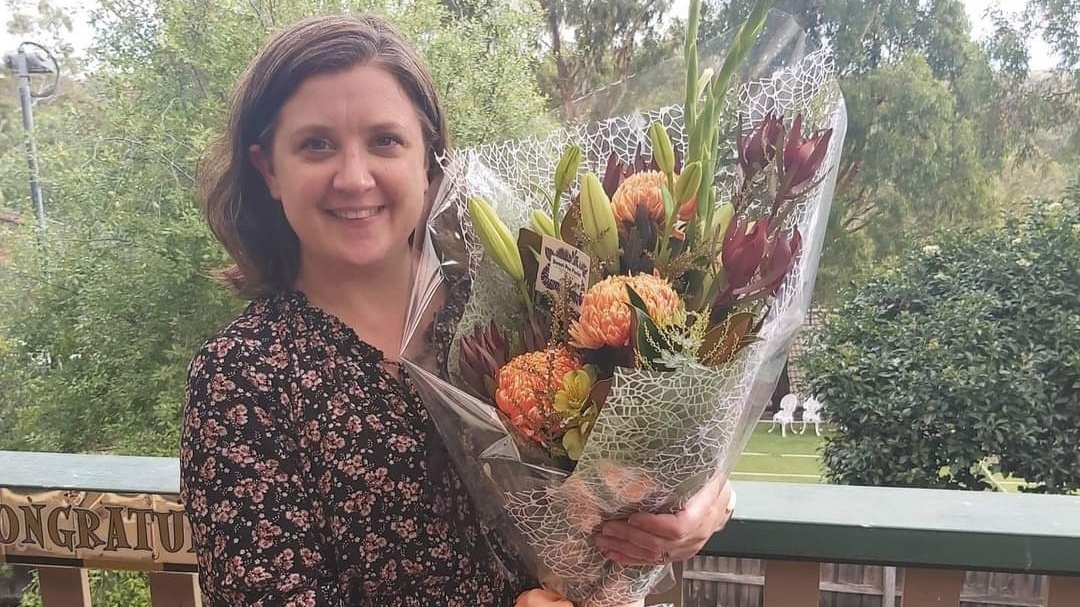
    In today’s ‘Get to know’ profile, we catch up with Elisha O’Dowd, Nurse Unit Manager – Infection Prevention and Surveillance.

    Firstly, what’s your coffee order?

    Soy latte, IV please.

    Can you tell us about your Northern Health journey?

    Originally, way back in the day, I studied business (HR and organisation behavior!) Then, after becoming a mum, I decided to switch to nursing.

    I started as a graduate nurse in cardiac/medical in Unit D (the old-old Unit G, now Ward 15). After six months, I moved to emergency and fell in love with emergency nursing. I quickly did my postgrad in nursing practice – ED and became a Clinical Nurse Specialist (CNS), then an Associate Nurse Unit Manager (ANUM).

    I also spent a few years splitting my role in ED with educating staff in ‘Strengthening Hospital Response to Family Violence’, moving up to becoming a Project Manager in 2021. During the pandemic, I took on the role of Project Manager of the COVID-19 testing sites and screening, which is where I discovered my passion for infection prevention and became IPS Manager in August last year. It has been a wild ride at Northern Health and I have loved every minute!

    What is your greatest achievement or favourite memory since working here?

    There are so many great things to reflect on, however, as an LGBTIQ+ ally, I have been involved in the Rainbow Working Group for several years. I have helped design education for staff, as well as engage in conversations to improve outcomes for our LGBTIQ+ colleagues, patients, and community in the north. This has already resulted in some great initiatives and more to come!

    How do you relax after a long day?

    I love singing, long walks and running, however, with three teenage boys, life is always busy!

    Which Northern Health value do you relate to best and why?

    Kindness. There is nothing like it – to approach people with a smile and say good morning, get to know people’s names, notice when others need a hand, and communicate with kindness always. It brings in the other values of safe and together as well, because when we notice safety concerns with kindness, people are more receptive to change, and when we communicate with kindness and empathy, people are more likely to want to work together.

    Where is a favourite place you’ve travelled and why?

    Oh, I love travel! New York this year was amazing – a life-long dream, but the journey that changed my life was as a scholarship exchange student to Japan in 1998. I was so young and shy, but that trip showed me what I was truly capable of and put me way outside my comfort zone. I not only learnt a language and culture, I learnt who I was as a person and met some incredible people.

    What’s your favourite inspirational quote or figure?

    I am inspired by strong women who have leaned into their power with grace and kindness to make the world a better place. Women like Bernadette Black OAM of the Brave Foundation, who has turned teenage unplanned parenthood into better opportunities for young parents all over Australia to continue education and grow as capable parents. No matter the barriers, anything is possible for those willing to step into their light.
     

  • Northern Nightingales shooting goals

    Northern Nightingales shooting goals

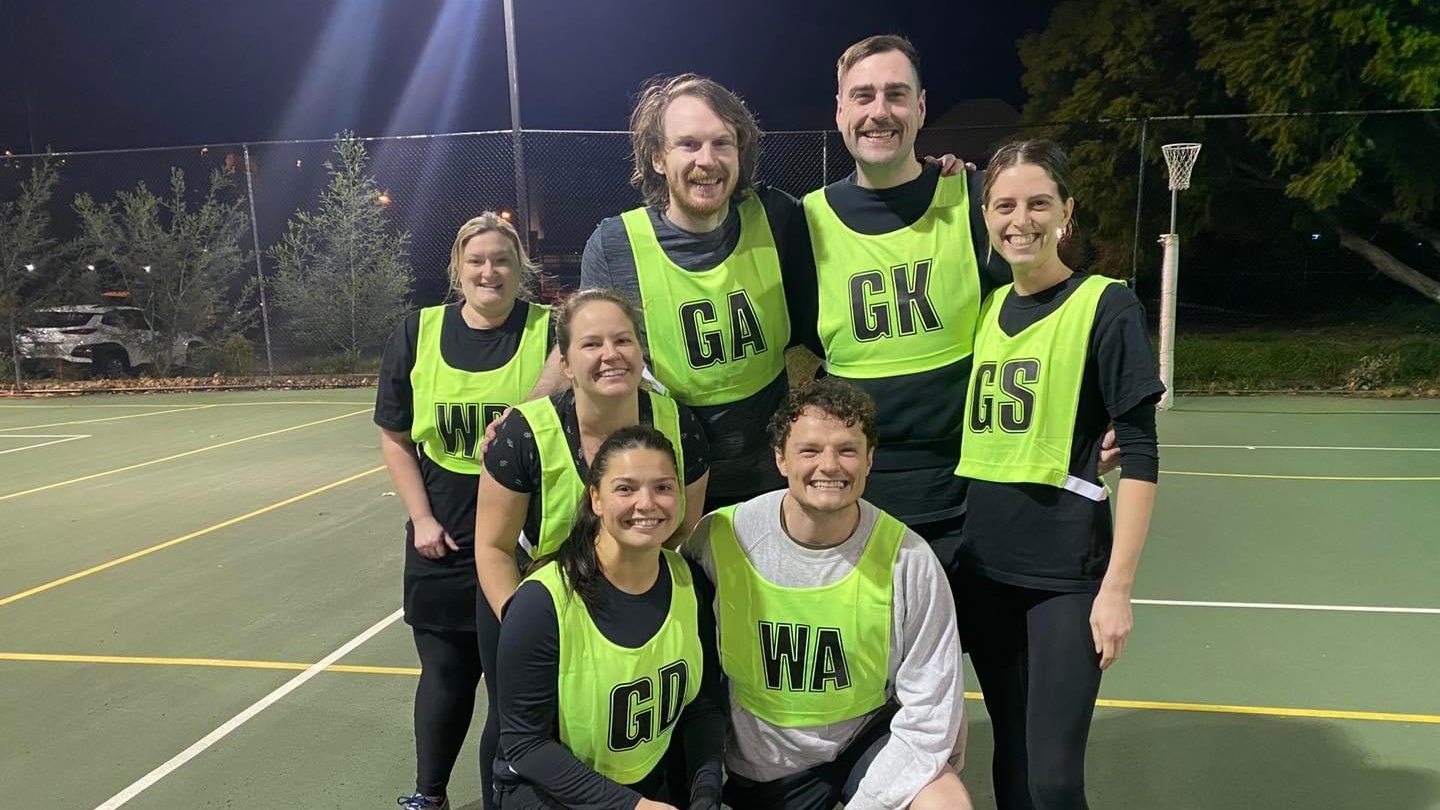
    The Northern Hospital Epping Emergency Department (ED) team have played their first games as part of a new netball tournament amongst fellow healthcare workers across Melbourne.

    The idea for the 2022 Inaugural ED Netball League – ‘Battle of Melbourne Metro Hospital’s Emergency Department Staff’ – was born during an ED night-shift.

    Hannah Downie, Nurse Unit Manager of the South Pod – CPEU, brought the idea to her colleagues after hearing about it from fellow ED nurse, Amanda Wanasingha, from St Vincent’s Hospital, who created the tournament.

    Northern Hospital staff were keen to take part straight away.

    The ‘Northern Nightingales’ mixed team play every Thursday night for 12 weeks against ED staff from health services including St Vincent’s, Austin, Eastern, Western, The Alfred, Royal Melbourne, Epworth, and The Women’s.

    “Working in ED, teamwork is such an important part of our roles, which is why my team and I were interested in taking part. The netball team allows us to perform as a team outside of clinical hours, have some fun and blow off steam, while spending time together outside of work – which is always a challenge,” Hannah explained.

    “ED nurses are competitive, so we thought – ‘game on!’”

    Hannah has a keen interest in staff wellbeing, and has been pleased to see how playing sport together outside of work has brought the team even closer together.

    “I’ve seen a different side to staff playing netball – it’s allowed all of us to come out of our shell. Having a different discourse than clinical work, the games give us an opportunity to release from the stress of work in a playful setting. It has definitely helped us come together and boosted morale,” Hannah said.

    The tournament is especially unique for its camaraderie amongst fellow ED staff.

    No one can relate better to the challenges ED staff have faced during the pandemic than fellow healthcare workers from other Melbourne health services.

    Grant Taylor, Director Operations Emergency Department, said, “We commend Hannah for her passion of promoting team wellbeing and introducing initiatives to assist her team in ‘coming together again’ after two years of COVID-19 lockdowns, and a very busy and challenging period for ED during this time.”

    “Despite the challenges, the team faced every day with commitment, flexibility and tenacity to ensure the best possible care was provided to our patients.”

    “Lora Davies as Divisional Director, Nursing – Emergency Services, and myself are very proud to be supporting this initiative, and believe it represents a fantastic opportunity for the ED team to reconnect socially, as well as continue to build and form relationships – both in and out of work,” Grant said.

    “The ED leadership group are behind the Northern Nightingales and we really appreciate it. It has been difficult over the last two and a half years, so this is a great opportunity to come together and have some light-hearted fun – as well as the drive to win the trophy!” Hannah added.

  • Northern Health opens new Infusion Centre

    Northern Health opens new Infusion Centre

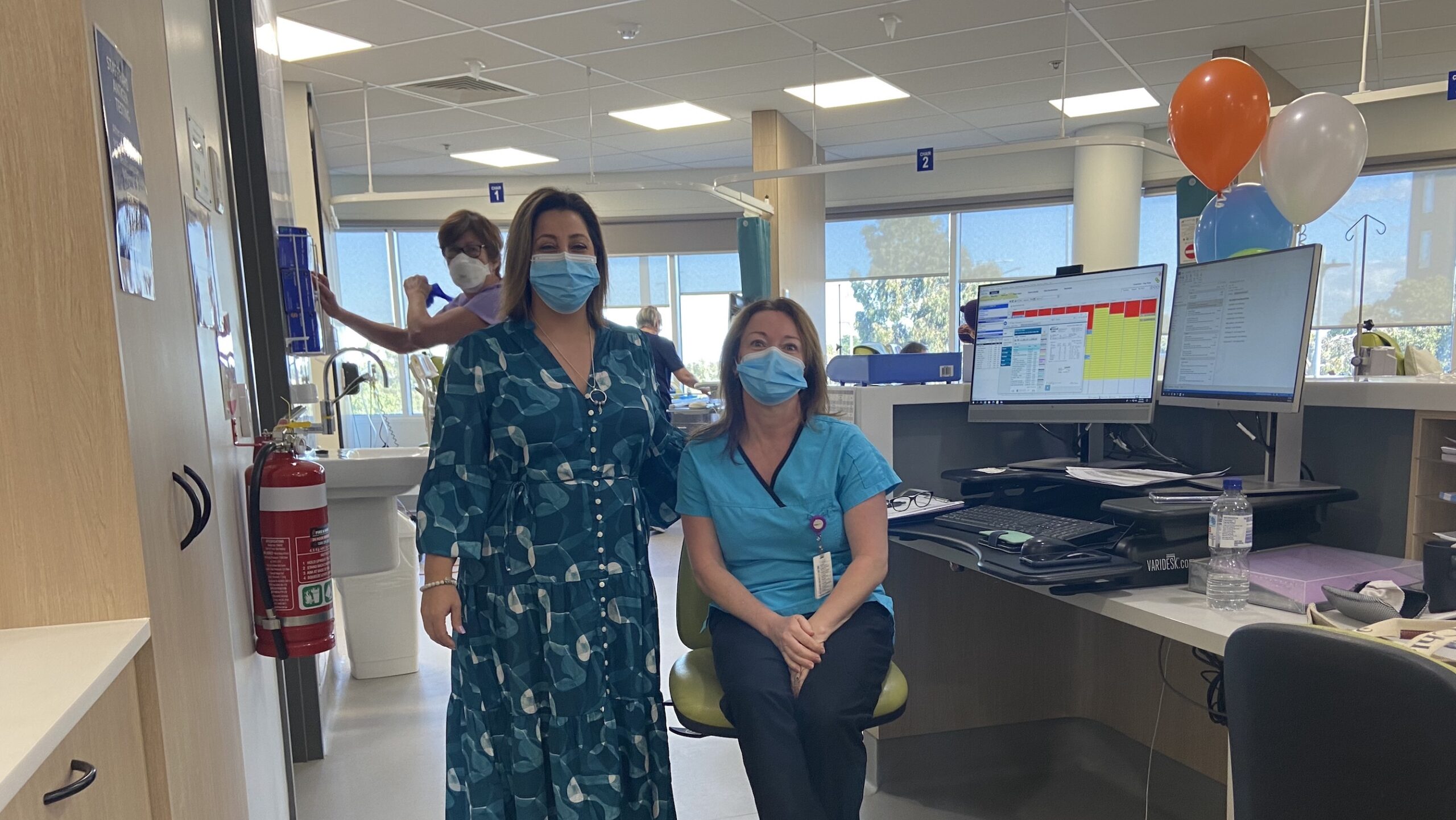
    On Monday, 8 August, Northern Health commenced operating a new Infusion Centre located at Epping Private Hospital.

    Due to the growing demand for outpatient treatments and infusions for medical patients, the team required a new space.

    “Ward 1 at Northern Hospital Epping was required for inpatient bed capacity, so moving over to the new space at Epping Private allowed us to create a purpose-built Infusion Centre for our patients,” said Melissa Gwynne, Nurse Unit Manager.

    “We will continue to treat current and new patients that require blood product transfusions, iron infusions, monoclonal antibodies and some low risk chemotherapy and immunotherapy, and any other supportive medications required.”

    The Northern Oncology and Haematology (NOAH) at Home team has also relocated to the new space.

    From the move, patients will benefit from a brand new space that is bright and a comfortable environment. The unit has great city views and free parking for both patients and staff.

    Melissa acknowledged the wonderful collaborative work amongst various teams to bring this new unit to fruition.

    “A great big thank you to all staff and departments involved in the move. From supply and support services, to engineering, IT, pharmacy, and all the nursing staff who assisted in every aspect to make the move as smooth as possible. Thanks to Thi, our Operations Director and Ed Savill, our Divisional Director, for all their support,” said Mel.

    Thi Hang Nga Nguyen, Acting Director Operations – Cancer Services, said, “Thank you to everyone involved in the planning and go-live of the new Infusion Centre.”

    “We look forward to caring for our patients in this new space.”

  • This is Stroke Week

    This is Stroke Week

    The theme for this year’s National Stroke Week (8 – 14 August) is, ‘celebrating and enjoying the precious moments that you or your loved ones can continue to enjoy, during and after your recovery from stroke’.

    While there are some risk factors for stroke which can’t be avoided, like age, gender, family history and prior stroke, it is estimated that more than 80 per cent of strokes can be prevented, simply by managing these risk factors and living a healthy lifestyle.

    Australians are encouraged to take charge of their own health with these steps:

    • Eat well
    • Stay active
    • Be smoke free
    • Moderate alcohol intake
    • Visit your doctor for regular health checks to help manage blood pressure, type 2 diabetes and atrial fibrillation (irregular heart beat)

    One way Northern Health is helping stroke survivors to return home to be with their families as soon as possible, is by providing rehabilitation at home through the Early Stroke Discharge Program.

    This program allows patients to work on recovering and regaining their independence at home, instead of staying in hospital for rehabilitation.

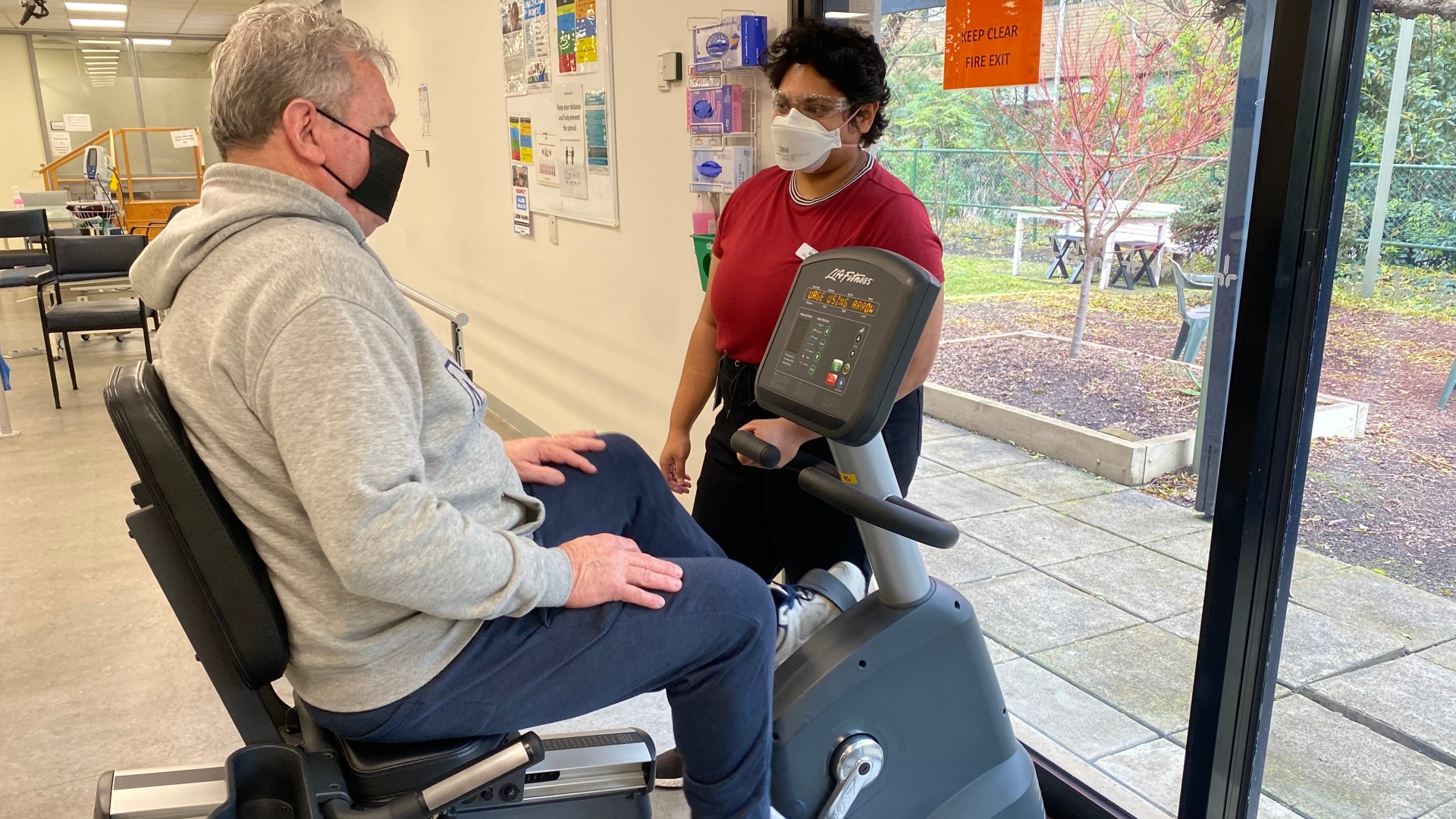
    Mr Tony Grinstead, pictured above with physiotherapist, Shalini Jayasekera, was recently discharged with therapy after his stroke, rather than staying for inpatient rehabilitation.

    “I had all the support and equipment I needed, and everything went very smoothly. You feel better at home – you sleep better and have your family beside you. I think this definitely helped me get back to walking by myself more quickly,” Mr Grinstead said.

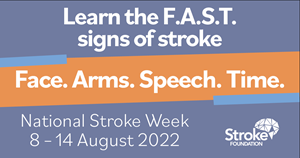
    Sharing the FAST signs of stroke message with your family and friends is another important way of helping others keep enjoying life’s precious moments. The FAST signs help to recognise and respond quickly to the signs of stroke.

    Think of F.A.S.T. and ask these questions if you suspect a stroke:
    😕 Face – Check their face. Has their mouth drooped?
    💪 Arms – Can they lift both arms?
    🗨️ Speech – Is their speech slurred? Do they understand you?
    ⌛ Time – Time is critical. If you see any of these signs, call triple zero (000) straight away.

  • Have you been fit tested?

    Have you been fit tested?

    With increased patient visitation and ongoing cases of COVID-19, colds and flu, it is more important than ever for staff at Northern Health to continue wearing personal protective equipment (PPE) and N95 respirators safely.

    All staff required to wear N95 respirators must be quantitatively fit tested, and undergo repeat testing every 12 months to ensure that masks previously worn continue to fit satisfactorily. N95 respirators worn at Northern Health must be approved, and are not to be adapted, for example, straps pulled off and re-tied.

    A fit test is also required where there are significant physical changes to the face, such as rapid weight gain or loss, or changes to the nose structure.

    Tess Norwood, Respiratory Protection Program Coordinator, said clinical and non-clinical staff who walk around our sites, and enter patient-facing areas, are required to be fit tested for an N95 respirator.

    “The annual fit test is also a great opportunity for staff to try N95s, and speak with our fit test team about any questions or concerns. Our fit testing team at Northern Health include highly experienced respiratory scientists and occupational hygienists, so you know that we truly care about you and your safety.”

    “Our fit testing protocols are considered best in industry, and our facilities are rigorously disinfected between visits.”

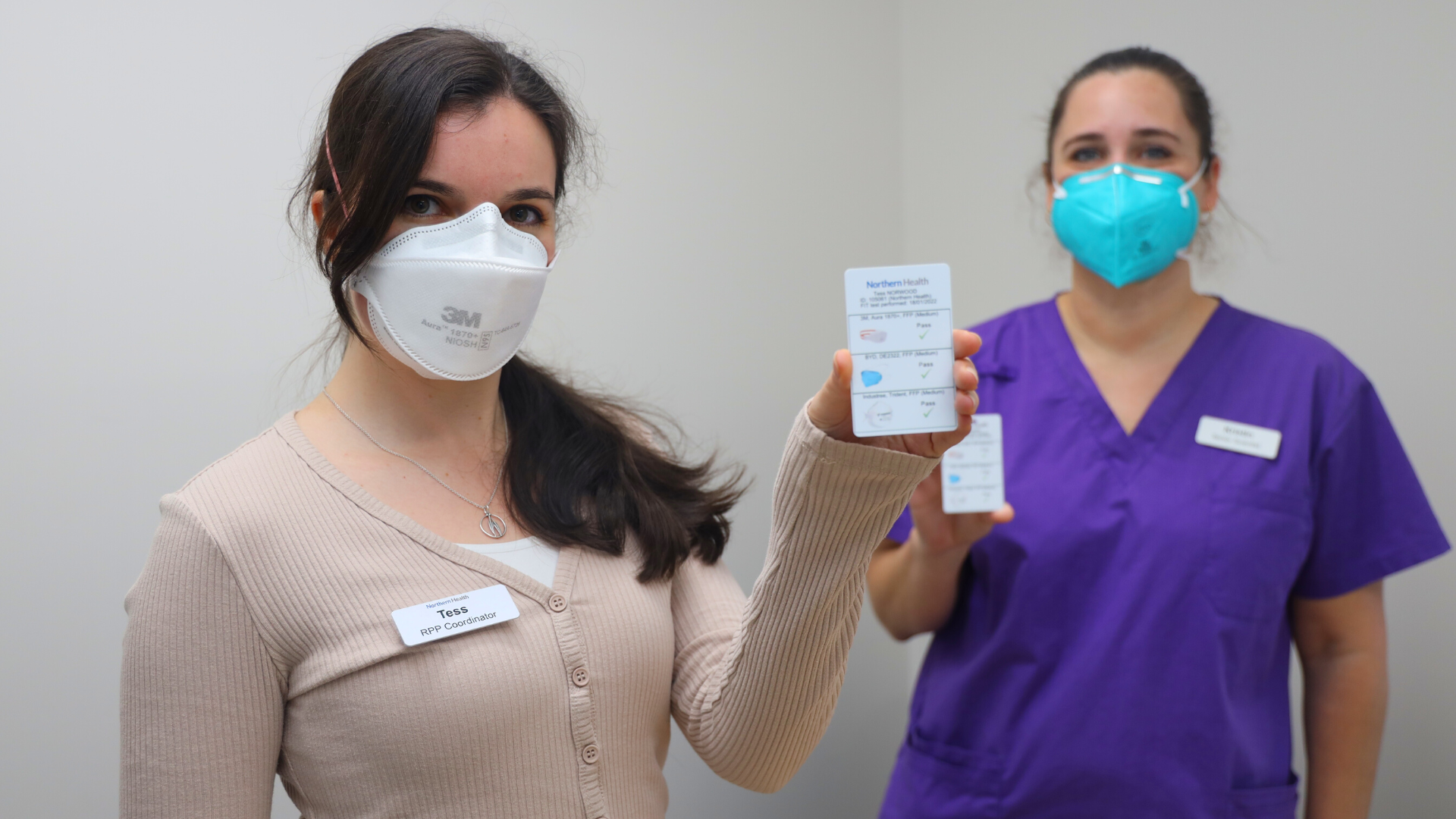
    Once fit tested, staff receive a printed card with the correct fitting masks, so they know which N95s fit them best.

    “It is important to remember that staff are only permitted to wear the masks that they have been fitted for on their most recent test. This means that, even masks that previously passed but were not re-tested, cannot be worn,” Tess said.

    “Facial hair, long hair caught in the seal, and heavy makeup can interfere with achieving an adequate seal. Staff are encouraged to don masks in front of a mirror, ask a colleague to check them, carefully maintain facial hair and keep long hair tied back.”

    Northern Health staff who are unable to be clean shaven for an N95 respirator due to religious, cultural or medical reasons, are invited to take part in a new fit testing method study.

    Singh Thattha is an alternative N95 respirator fit testing method for staff with facial hair. The Singh Thattha method involves a specialised under-mask beard/facial hair cover worn securely around the head, acting as a synthetic skin. The N95 mask then seals to the band, rather than across the facial hair. To express interest in the trial and for more information, please email Tess.Norwood@nh.org.au or visit the Intranet.

    An LMS fit testing module will also be launching soon, where staff will be able to store their fit test reports and receive notifications when they’re due for annual testing.

    For any questions or concerns relating to N95 respirators and fit testing, staff are encouraged to email OHSWB@nh.org.au.

    Northern Health’s Fit Testing Centre is available for bookings Monday – Friday, 8 am to 4 pm. To make a fit testing booking, click here.

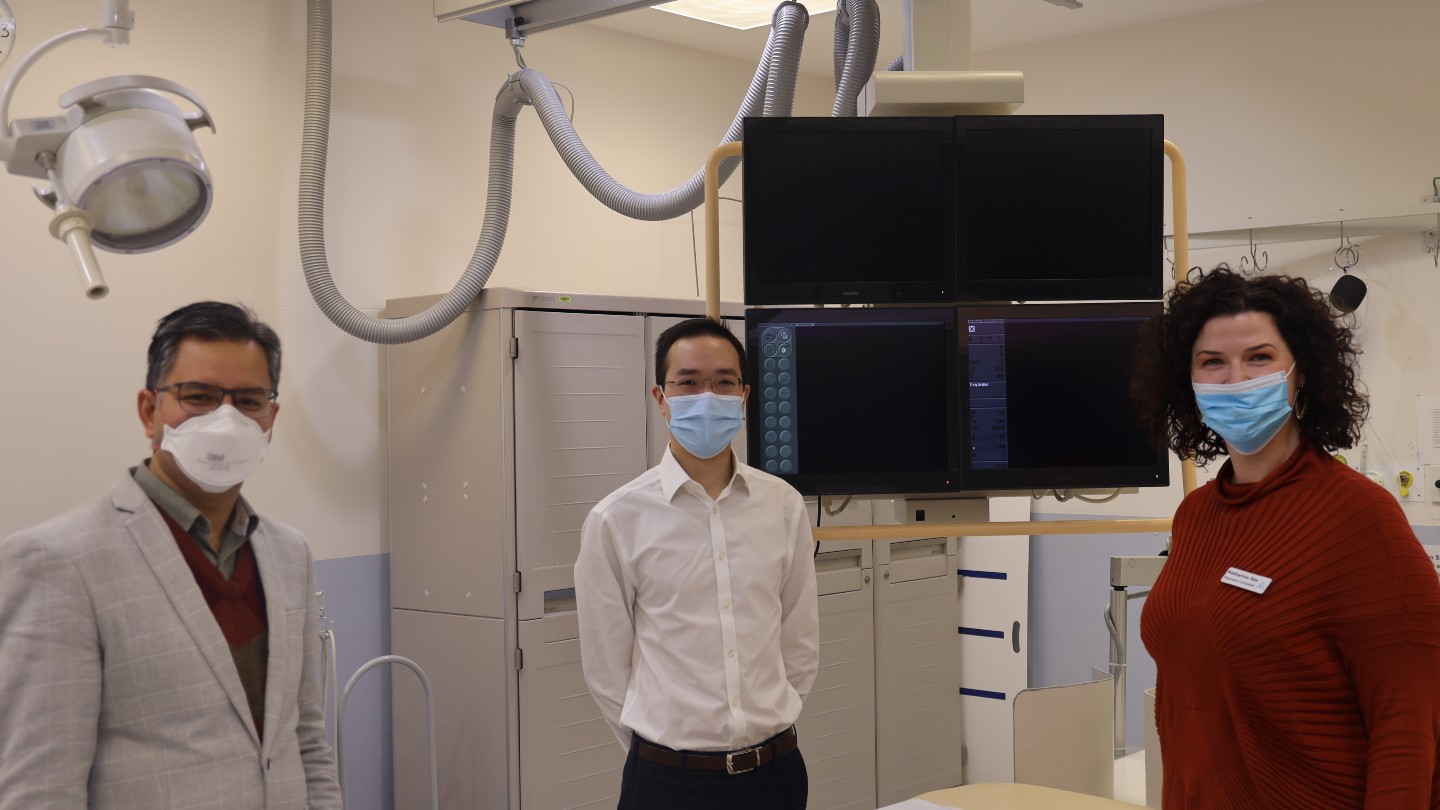
    Featured image: Tess Norwood, Respiratory Protection Program Coordinator and Kristin Southwell, Senior Respiratory Scientist.

  • Multidisciplinary management leads to a first in surgery

    Multidisciplinary management leads to a first in surgery

    Our values, ‘safe, kind, together’ drive our approach to patient care, and our vision of a healthier community.

    This is amply illustrated in our story today, of two life-threatening cases that were successfully treated here at Northern Health. This was achieved thanks to cutting-edge technology and multidisciplinary management – the latter underlining the importance of ‘together’.

    Dr Bibhusal Thapa, Northern Health Thoracic Surgeon, said, “Significant development of capabilities in Interventional Radiology (IR), Respiratory Medicine and Thoracic Surgery at Northern Health, has allowed us to effectively treat patients with hemoptysis of varied rare etiologies – or causes – in a collaborative manner.”

    Hemoptysis (coughing of blood) is a common presentation of a range of pulmonary problems. Large volume hemoptysis is a complex problem to treat and can easily be life-threatening.

    The first case was that of a 28-year-old man with a vascular anomaly of the lung, called pulmonary sequestration.

    As Bibhusal explained, “Pulmonary sequestration is a rare congenital malformation of the lung. They can cause significant medical problems including repeated pneumonia and even life-threatening bleeding from the lungs. They are mostly diagnosed in children, with adult presentations even rarer.”

    He further elaborated, “Operation for this condition can often be complicated by massive bleeding, making it risky. We successfully tackled this difficult problem with the assistance of our IR colleagues at Northern Health, using state of the art treatment techniques.”

    Dr Terry Kok, Director of Interventional Radiology at Northern Health, added, “We were able to carefully map and block, specific blood vessels to this area of abnormal lung, with a high level of precision to reduce the risk of bleeding and ensure the surgery was successful.”

    The second case, a patient in his 70s, diagnosed with cancer in his left lung, was coughing blood, which seemed to be coming from the opposite lung.  Angiography identified a rare arterial anomaly.

    “This was a rare situation where the patient had two life-threatening conditions; one on each lung. He had cancer on the left lung and a highly unusual fistula – an abnormal passageway – on the right lung, causing repeated life-threatening bleeding in the lungs,” explained Bibhusal.

    Although the cancer in the left lung was in its early stages and could be removed by surgery, the bleeding from the right made this difficult and potentially dangerous.

    “Successful blockage of the abnormal vessels in the right lung by very precise embolisation allowed us to safely operate upon the cancer on the left side,” Bibhusal explained.

    “The combined approach which rendered the surgery safe is certainly a first for Northern Health. I would like to thank my colleagues Dr Terry Kok, Dr David Burrows, Dr Krishna Bhagwat and the Respiratory Medicine team for managing these difficult situations safely and effectively.”

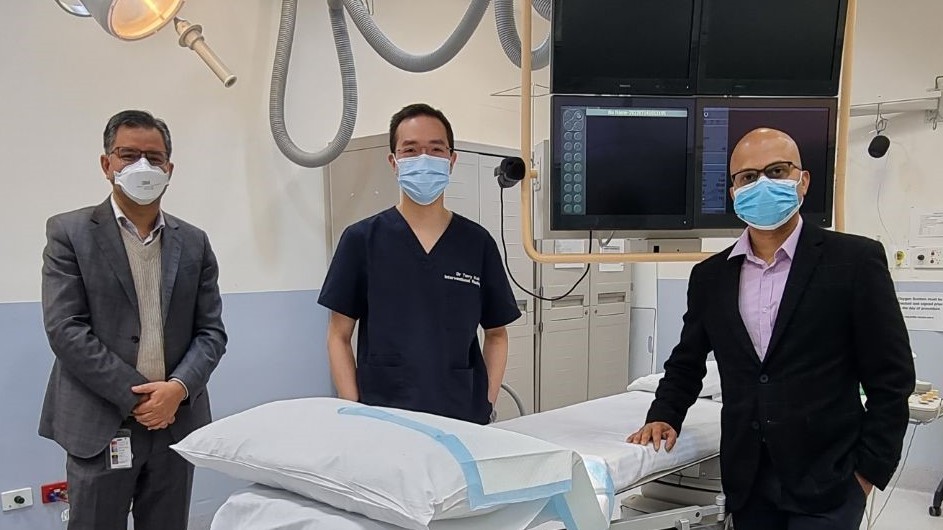
    From left to right: Dr Bibhusal Thapa, Dr Terry Kok and Dr Krishna Bhagwat

    The Department of Thoracic Surgery have written a paper on this, which has been presented for publication in the ANZ Journal of Surgery.

    Dr Katharine See, Director, Respiratory Medicine said, “It was fabulous working with such a collaborative team to achieve these exceptional outcomes for complex patients.”

    The Thoracic Surgical service at Northern Health has been providing care to the community in the northern suburbs of Melbourne for many years. With recent strengthening of the Thoracic Surgical team, this service has now grown to be able to provide all manner of Thoracic Surgical services to our community.

    With the establishment and successful running of the lung cancer management stream, Northern Health now has the capacity to provide ‘one stop care’ for complete investigation and treatment of different types of thoracic cancers. In partnership with the Pleural Medicine team, the Thoracic Surgical service offers a complete and holistic approach to investigation and treatment of both malignant and non-malignant pleural diseases.​

    Featured image shows Dr Bibhusal Thapa, Dr Terry Kok and Dr Katharine See.

  • A welcome space for Junior Doctors

    A welcome space for Junior Doctors

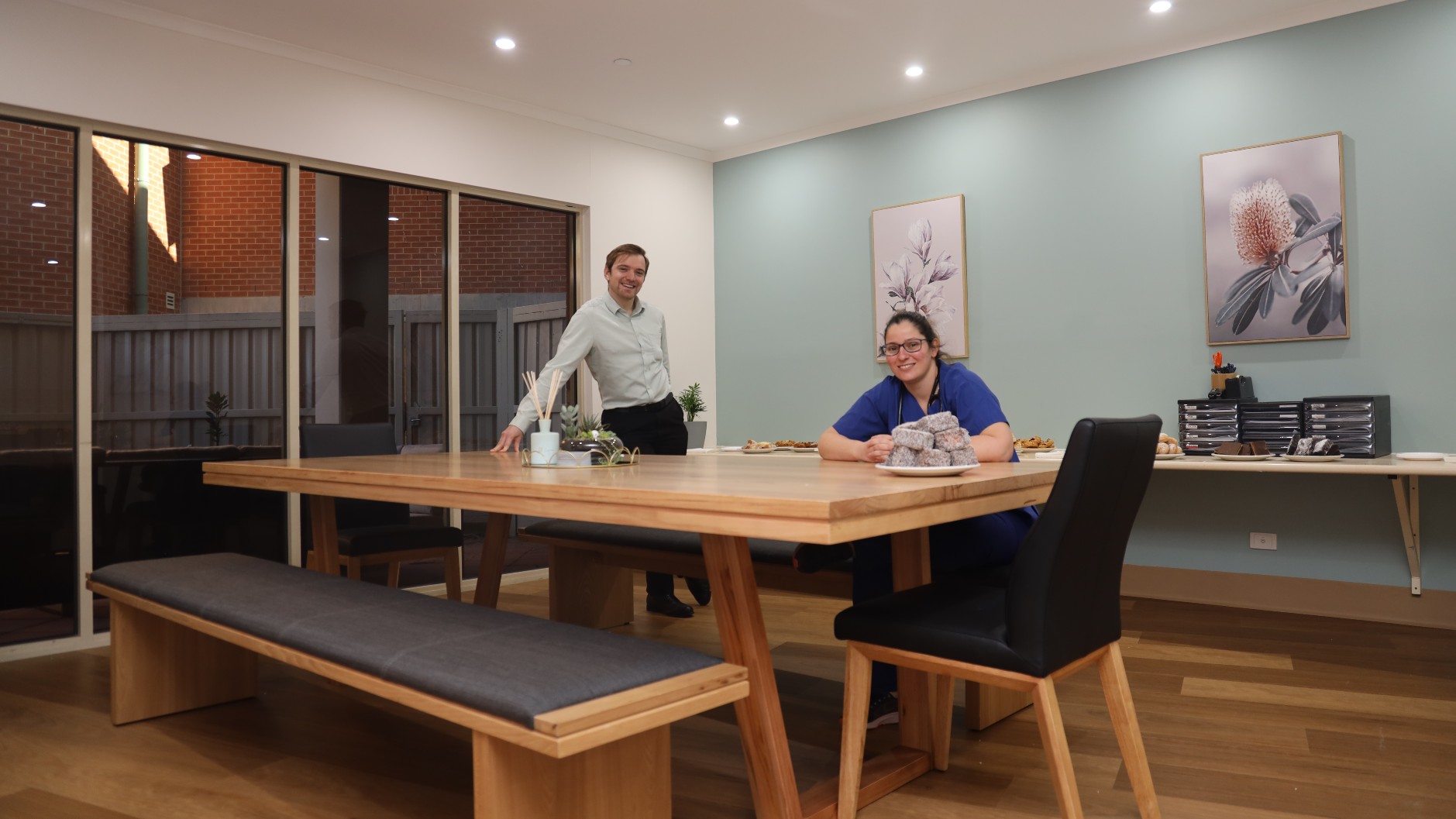
    With support from the Junior Medical Staff Association (JMSA), our junior doctors have completed a ‘Block style’ renovation of their residential lounge.

    Liz Shaw, Director, Northern Doctors Workforce – Operations, says the transformation included “a lick of paint, new furniture and flooring, spray painted kitchen cupboards, and the courtyard receiving a much needed upgrade with new furniture, plants and even a herb garden.”

    “The extra styling and special touches give the whole space a homely feel – the perfect place for our doctors to unwind. In particular, the succulent ornamental pots were created by Dr Bee Yen Ooi, who makes them on the side for the Dana Charity Group, with proceeds going to fund various community-based programs both here and in Malaysia.”

    Dr Natina Monteleone, Junior Medical Staff Association Residential Officer, says she, along with her colleagues, Dr Tom Neal-Williams and Dr Thomas Shiels, have been working to transform the lounge for the last six months.

    “We wanted a space that was welcoming and homely, where all the junior doctors could go and have their break and relax in between their time on the wards,” she said.

    She had special praise for Karl Swash and the Engineering team, for all their assistance.

    Dr Pierce Marsden, Co-President of the JMSA, joining in the celebration said, “It looks exceptional and is now a beautiful space that we all really deserve after two hard long years. I think the team have done an amazing job and I would like to thank the rest of the JMSA.”

    From left to right: Dr Tom Neal-Williams, Dr Thomas Shiels and Dr Natina Monteleone
    Dr Pierce Marsden, Dr Natina Monteleone and Karl Swash

  • Virtual ED expanding to residential aged care facilities

    Virtual ED expanding to residential aged care facilities

    From next week, Ambulance Victoria’s triage services will begin drawing upon the Virtual ED run out of Northern Health to improve how Triple Zero calls from aged care facilities are triaged, ultimately providing better care for residents.

    The new pathway will allow some Triple Zero calls for aged care residents who don’t need an emergency ambulance to instead be connected to the Victorian Virtual Emergency Department (VVED).

    This expansion into aged care forms part of work underway to boost the overall capacity of the VVED. Currently seeing an average of 300 patients per day, additional funding will see the service scale up to seeing more than 500 patients per day, including people living in residential aged care.

    Minster for Health and Ambulance Services, The Hon. Mary-Anne Thomas MP said, “Doctors, nurses and ambos are doing phenomenal work under enormous pressure, and by allowing even more Victorians to be triaged and assessed virtually, we can help ease some of that demand.”

    The service is expected to provide free assessment and consultation to around 80 patients a day and will be appropriate for residents with a variety of conditions or ailments, such as dehydration, unidentified infection or a cognitive event. They can then be connected to a range of services and supports such as clinical assessments, medical advice and specialist referrals to better manage or treat their condition.

    It will not only remove the burden on residents of having to leave their home environment to be taken to hospital, but also free up valuable space in emergency departments and ambulances for those who need it most.

    The service will partner with residential in-reach teams available across the state to ensure 24/7 access to care, providing a range of alternative referral options which will be particularly valuable to both facilities and residents after hours.

    Since October 2020, the Virtual ED has supported more than 28,000 patients and achieved an ambulance or Emergency Department diversion rate of around 71 per cent.

    Minister for Disability, Ageing and Carers, The Hon. Colin Brooks MP, said, “We want to keep older Victorians around familiar environments and home comforts wherever we can – providing this virtual service to aged care residents will do just that, while also reducing the number of unnecessary ambulance callouts and trips to the hospital.”

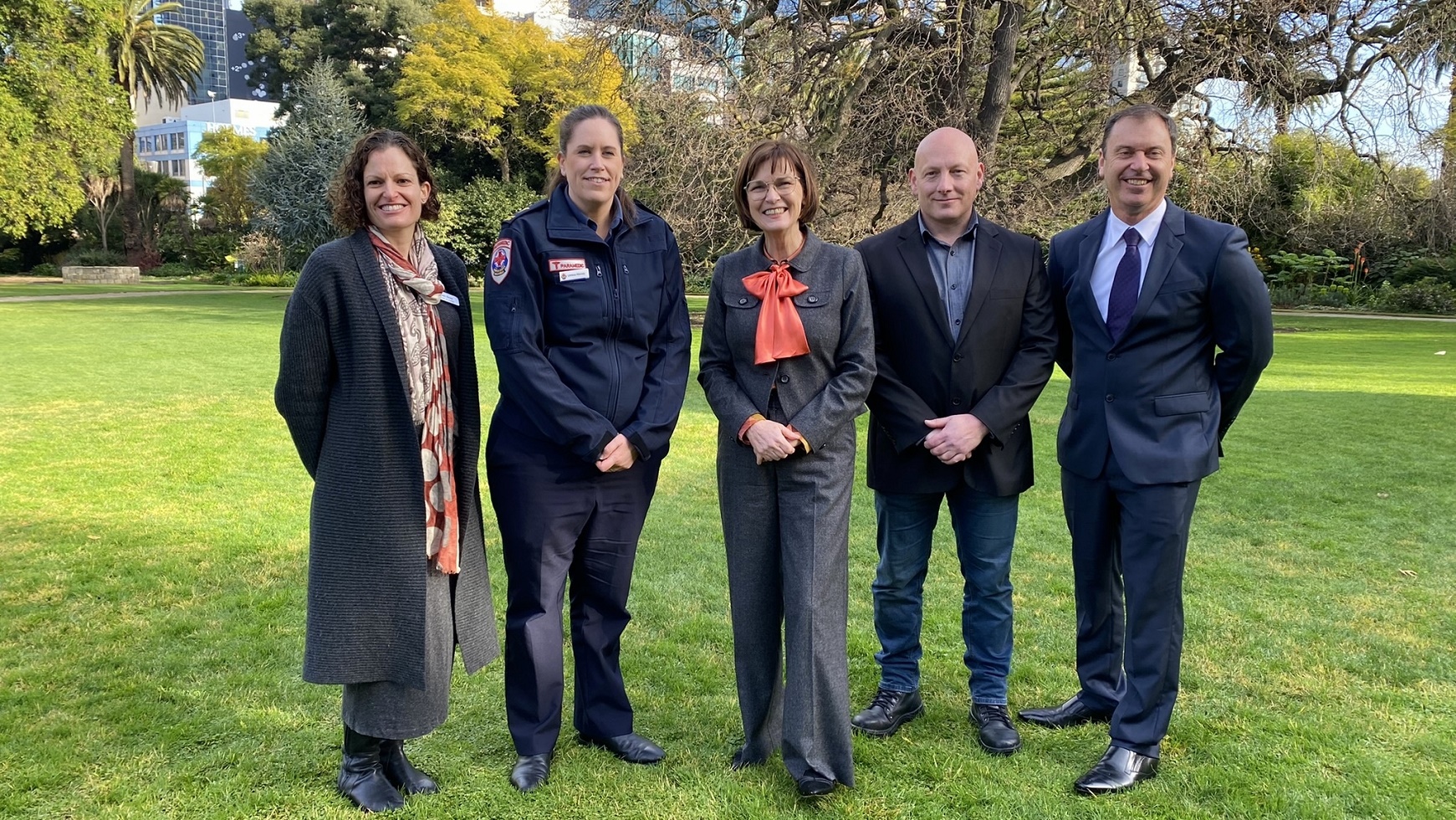
    Featured Image: Dr Loren Sher, Clinical Director VVED; Lindsay Mackay, Executive Director Operational Communications, Ambulance Victoria; The Hon. Mary-Anne Thomas MP; Danny Hill, Secretary, Victorian Ambulance Union and The Hon. Colin Brooks MP.