• Staff Health Clinic – Exercise Physiology now open

    Staff Health Clinic – Exercise Physiology now open

    Northern Health’s Occupational Health and Safety (OHS) Department and Wellbeing Team are excited to announce the launch of the staff Exercise Physiology Service.

    This new Staff Health Clinic is an expansion to the successful staff physiotherapy service. With the health and wellbeing of staff in mind, it is aimed at promoting a culture of fitness and increased physical activity at Northern Health.

    Exercise Physiologists specialise in clinical exercise prescription and the delivery of lifestyle modification programs for the prevention and management of chronic disease, musculoskeletal injuries and improved wellbeing. “We all know that being physically active is essential for good physical and mental health and wellbeing, but unfortunately more than half of us are not active enough” says Dylan Perera, Exercise Physiologist, who leads the clinic.

    The Staff Health Clinic – Exercise Physiology, is a short-term service. Staff will be provided with up to a maximum of six visits over a period of approximately 12 weeks, with an ESSA (Exercise and Sports Science Australia) Accredited Northern Health Exercise Physiologist. As well as face-to-face appointments, telehealth modalities, including video call, are available.

    Dylan says, “You will have a thorough and comprehensive assessment to evaluate your needs, goals, and physical fitness. Then we provide you with a tailored exercise plan as well as support and health coaching for the long-term.”

    For staff to access this service, they must:

    • be a Northern Health employee (full time, part time, casual)
    • have goals of increasing exercise and physical activity levels
    • and/or need support with exercise behaviour or healthy lifestyle change
    • and/or have a stable chronic medical condition that would benefit from Clinical Exercise Physiology interventions
    • and/or may be referred from Staff Health Clinic Physiotherapist to progress musculoskeletal rehabilitation, promote secondary prevention, or address other health and wellbeing goals.

    Dylan has worked at Northern Health since 2014, and has vast clinical experience in community therapy services, having worked in outpatient clinics across our sites. He is passionate about exercise physiology and believes strongly in the significant role it plays in impacting the health and wellbeing of the community, which also extends to Northern Health staff.

    “We’ve all done an incredible job to contribute to the delivery of excellent patient care during unprecedented challenges over the past two and a half years. However, it’s important that we also prioritise our own health” explained Dylan.

    The Staff Health Clinic will run Monday, Wednesday and Friday at Northern Hospital Epping. There is no cost for the service.

    Staff members can make their own referral by completing the Terms of Service form and returning to staffexphys@nh.org.au

    Importantly, the service is not exclusively for ‘gym people’. Dylan points out that “high quality exercise training can be achieved in various different settings, including at home.”

    In addition to one-on-one appointments, the service will also establish site-wide health promotional activities, such as campaigns to reduce sustained periods of sitting, on-site exercise classes, and post and pre-work walking/running groups.

    For more information, visit the Intranet page here.

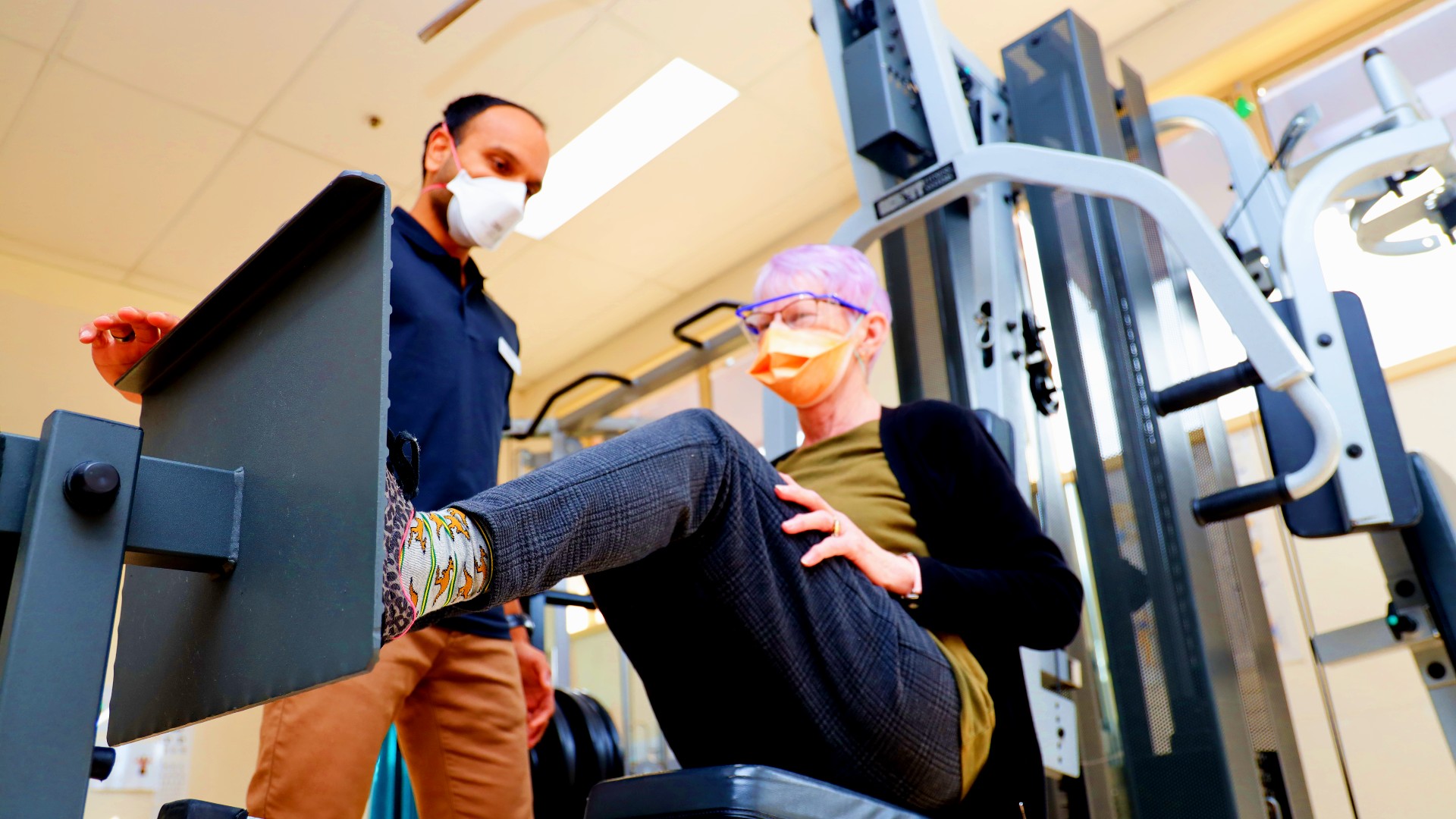
    Picture shows Dylan instructing a staff member.
  • Cardiovascular project empowering patients

    Cardiovascular project empowering patients

    The Northern Health Cardiology Heart Failure team is aiming to improve outcomes by empowering patients to self-manage their condition, with appropriate clinical support.

    The Cardiovascular Ambassador Project involves 20 participating health services and hospitals, including Northern Health, and aims to improve the quality of cardiac care delivered to patients and reduce unplanned hospital readmissions.

    Participating hospitals have received funding for a cardiovascular liaison nurse to plan, lead, implement and coordinate appropriate multifaceted interventions for each site’s model of care.

    Heart failure self-management has been regarded as a central part of heart failure care. Self-management is the central pillar that allows patients to be managed in the community, with the support of their general practitioner.

    Patients who are admitted to hospital with decompensated heart failure have an opportunity to become “activated” participants in their own management while they are in hospital.

    Project Lead and Head of Heart Failure Services, Associate Professor Gautam Vaddadi, proposed a new model of care, with patients directly involved in fluid intake and weight documentation, medication management, and self-assessment of fluid status while in hospital, and in the Hearts at Home virtual ward.

    “Traditionally, patients are passive recipients of care – nurses deliver care, patients receive one hour of education about self-management as per standard practice and are discharged. This is even worse for those with poor health literacy, diverse cultural backgrounds and those who are non-English speaking. This group of patients are a very large proportion of the Northern heart failure case-mix, and require additional targeted support,” Gautam said.

    Madonna Goro, Northern Health Cardiac Liaison Nurse, said, “Readmissions incur significant costs, and demand challenges for healthcare services. Targeted activity to improve inpatient cardiac care, discharge processes, follow up and communication across care settings have been successful in reducing readmissions.”

    “By June 2023, we aim to increase patient and carer confidence, and knowledge of self-management practices for health failure patients. We also aim to increase nurse confidence and knowledge to provide education to heart failure patients, and support them in self-management practices, whilst admitted as an inpatient.”

    Madonna expressed the joy of being able to go on the journey with these patients, to empower and equip them with the appropriate tools to self-manage their heart failure condition.

    “Understanding where the patient is at and what matters to them is so important in the education process. We help them understand that we are here to support them in their health journey, and bring a sense of hope that what they are going through can be well managed,” she said.

    “We also want to improve the transition from the acute sector into the community by increasing referrals to relevant services such as heart failure rehabilitation, Hospital at Risk Program (HARP), and Hearts at Home virtual ward for eligible patients.”

    As the Cardiac Liaison Nurse, Madonna is educating patients on heart failure self-management strategies, and is offering support to patients to practice these strategies whilst in hospital. She is also providing patients and carers with resources in their own language.

    “I then follow them up with a phone call at 30 days and 90 days to evaluate whether the interventions result in sustained use of self-care strategies and to see if they require further advice or support,” Madonna said.

    “We chose these time points as we found these were the vulnerable periods for heart failure readmissions. We hope by intervening here, this could prevent a readmission,” Gautam said.

    The project is also helping to upskill nurses to reiterate education and heart failure action plans to patients through their everyday practice.

    “We hope that, by nurses being well-equipped in supporting heart failure patients, and heart failure patients empowered and connected to the right services at discharge, that readmission rates reduce,” Madonna said.

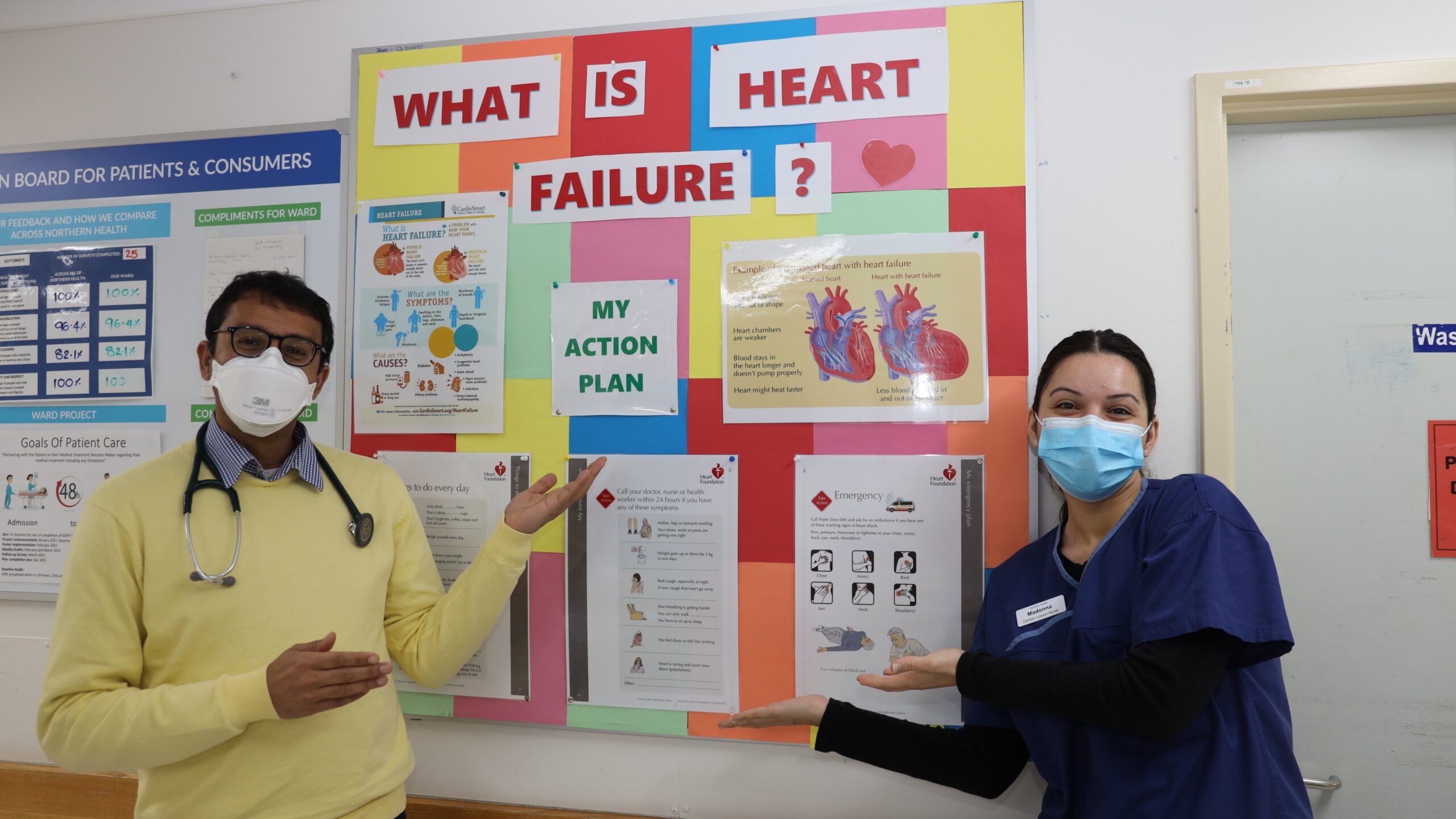
    Featured image: Associate Professor Gautam Vaddadi, and Madonna Goro.

  • Good communication, better communities

    Good communication, better communities

    This week is Speech Pathology Week – an opportunity to promote the speech pathology profession, and the work being done by speech pathologists.

    According to Speech Pathology Australia, 1.2 million Australians have a communication disability that affects their ability to understand, and be understood by others. Levels of limitation range from mild to profound, and be can temporary or last a lifetime. Children and older people make up the majority of those with a communication disability.

    The theme for this year’s Speech Pathology Week is ‘Good Communication, Better Communities. Northern Health’s Speech Pathology department know that good communication for all, results in better communities.

    “Communication is a basic human right. It is fundamental to a person’s ability to participate fully in the social, educational, economic, and sporting aspects of our community,” says Jasmine Wong, Speech Pathologist at Broadmeadows Hospital.

    “Many Australians with a communication disability cannot maximise educational, health, and social outcomes without the intervention of a speech pathologist.”

    Communication, by definition, involves at least two people, which is why it is important that everyone understands that communication is more than just speech. Technology also plays a growing and vital role in keeping Australians with communication difficulties engaged with their family, friends, and those in the community.

    “People with communication difficulties communicate with others using a variety of ways, including sign language, electronic speech devices, or word-based pictures or picture-based communication boards or books,” explains Jasmine.

    “Greater public dialogue about communication disabilities broadens awareness, and helps create more informed and empathetic communities.”

    In recognition of Speech Pathology Week, staff are encouraged to participate in a Silent Cafe activity across all Northern Health sites.

    The Silent Cafe initiative is designed to promote the use of methods other than speech to communicate. This involves using a communication board – one of the many alternative and augmentative communication (AAC) systems speech pathologists use to help clients express themselves.

    Communication boards will be placed at the counters of each Northern Health cafe until 27 August.  At Northern Hospital Epping, boards will be available from 3.30 pm. Bundoora Centre will have boards between 10.30 am to 11.30 am, and 1.30 pm to 2.30 pm, and Broadmeadows Hospital at any time of the day. Staff at each cafe will be prepared to take your hot drink order using the communication boards. Portable versions will be available at Craigieburn Centre to use at the local 7-Eleven or McDonalds. An email was communicated to staff last week, with more details.

    For more information about Speech Pathology Week, please click here.

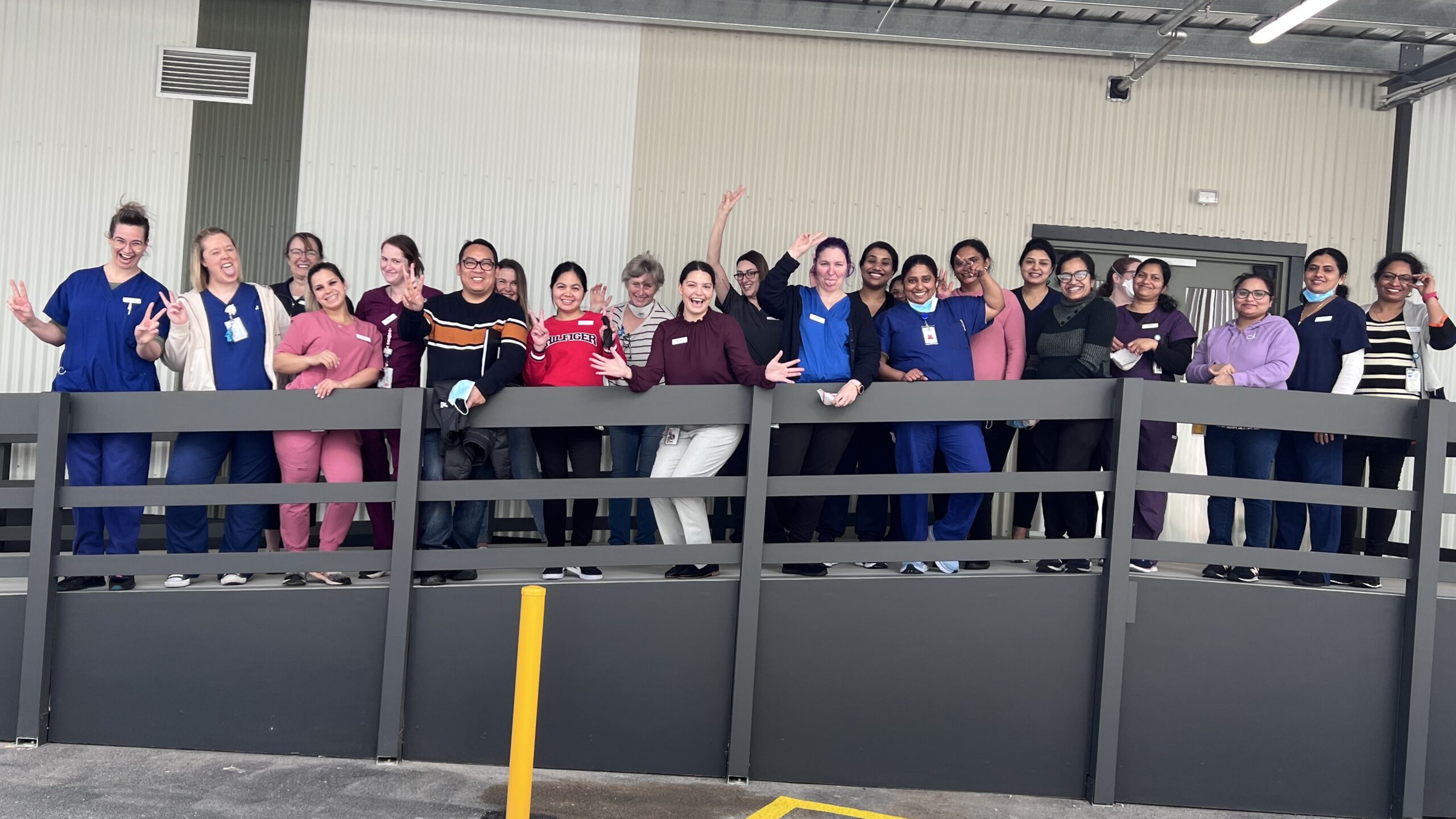
    Featured image: Northern Health Speech Pathology Department.

  • Get to know: Kathryn Bartho

    Get to know: Kathryn Bartho

    In today’s ‘Get to know’ profile, we catch up with Kathryn Bartho, Operations Director – Outpatient Services, and Acting Site Director & Director of Nursing, Bundoora Centre.

    Kath, let’s start with your coffee order?

    I don’t drink coffee, but will occasionally have a tea or hot chocolate.

    Tell us about your Northern Health journey?

    I started in 2006 and have held continuous employment in various forms and roles at Northern Health.  Beginning my time as a ward clerk on UNIT E, I also worked as Clerk in the Emergency Department, and weekend Ward Clerk while completing my Bachelor of Nursing degree.

    I completed my grad year at Northern Health, and continued to work for nurse pool for a number of years across the service. With my mixed experience, I had also been working at another health service as the Revenue Manager, and then returned to Northern Health in 2017 in a full time capacity to work on projects with Finance and Endoscopy, and eventually for the Revenue Services Director and Financial Projects.

    I worked on a number of projects around Northern Health with my amazing colleagues including (but not limited to) CARPS, Payroll, QFlow, ECLIPSE, IODM, MBS Policy and Funding Guidelines, h-trak, Operational Readiness and COVID response.

    Last year I was successfully recruited into my current role of Operations Director – Outpatient Services.

    What do you like most about your role?

    I really like the people I work with. I enjoy feeling like I am contributing and helping people (both patients and colleagues).  Personally at work, I enjoy process improvement and getting a sense of achievement.

    What do you find challenging?

    Switching off after work and maintaining work life balance. (Ha ha ha!)

    What does a typical day look like for you?

    There is no such thing, every day is different.  I always try to start my day by engaging with my team. Some days are hectic, others have space to explore opportunities for improvement.

    What’s your favourite inspirational quote or figure?

    “Nothing is impossible, the word itself says I’m Possible” by Audrey Hepburn.

    If you were a superhero, who would you be and why?

    Aren’t we all already superheros?  I think we should all aim to make the world a better place, not all superheros wear capes.

    Which Northern Health value do you relate to best?

    Kind – I think kindness is very important, building relationships with your colleagues through kindness then brings the other two values, working together for safety.  Even with masks on, a smile and a genuine hello makes a difference to someone’s day.

  • Northern Health making healthier choices available

    Northern Health making healthier choices available

    You may have noticed changes in the selection available in Northern Health catering menus, cafes, and vending machines. In line with the Healthy Choices: policy directive and guidelines for Victorian public health services (the Policy directive)’, Northern Health is working to offer healthier food and drink choices to staff and visitors.

    The Healthy Choices Policy directive is an initiative led by the Victorian Government, and supported by the Healthy Eating Advisory Service. The directive outlines a set of targets to ensure healthier foods and drinks are made available at public hospitals and health services. The policy helps to reinforce health services and hospitals as places that support the health and wellbeing of their staff and visitors.

    From 30 September 2022, vending machines and in-house retail food outlets across Victorian health services, including Northern Health, will offer more healthy drink options, will not sell high-sugar drinks, and will limit the provision of artificially sweetened drinks. Following on from this, in 2023, our vending machines, catering menus, and cafes will also offer a range of healthier food choices, in line with the policy directive targets for food.

    Lisa Cox, Chief Nursing and Midwifery Officer, and Executive Sponsor for Healthy Choices at Northern Health, is working with key Northern Health staff to ensure healthier food and drinks are offered across all our vending machines, catering, and food retail outlets.

    “Northern Health’s work to meet the policy directive targets will mean healthier food and drinks for staff and visitors, and will align with the organisation’s strategic priority for a healthier community,” she said.

    Sandra Molinaro, Manager Support Services, said she was excited to see Northern Health offer healthier food and drink options.

    “Northern Health is looking forward to offering delicious, healthier options,” she said.

    Northern Health is proud to be working with food providers to promote healthier options for staff, visitors and patients. Next time you are at one of our Northern Health sites, make sure to check out the changes to the food and drinks options made available to you.

    Earlier this year, Northern Health made the switch to Provender – a fresh food vending machine company – to provide healthier food and drink options in all the vending machines across the health service. The vending machines offer a range of muesli slices, natural nuts, protein bars, and low calorie, low sugar, and gluten free options.

    Learn more about these changes, please click here.

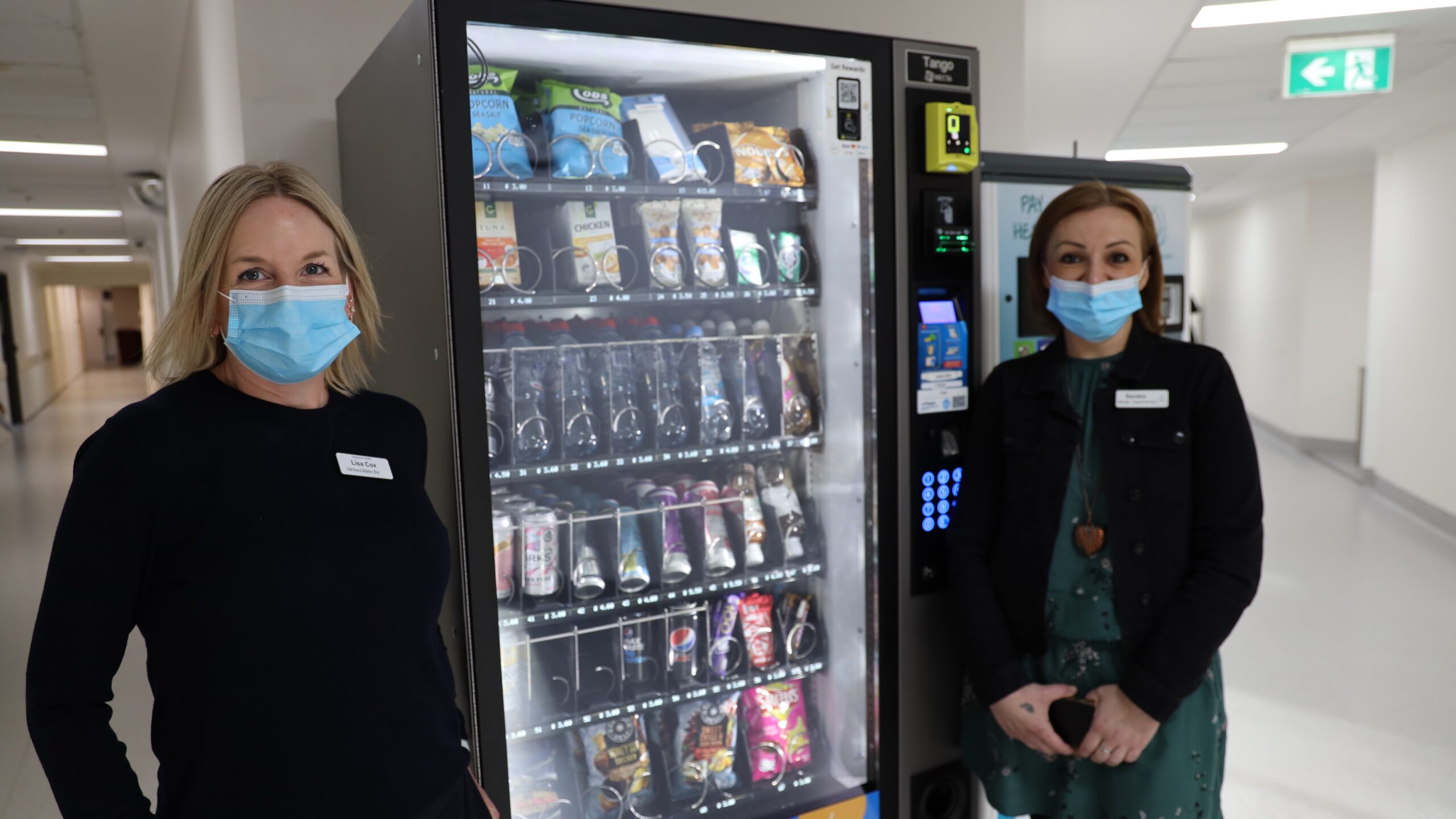
    Featured image: Lisa Cox, Chief Nursing and Midwifery Officer, and Executive Sponsor for Healthy Choices at Northern Health, and Sandra Molinaro, Manager Support Services.

  • New South Pod – CPEU opens at Northern Hospital Epping

    New South Pod – CPEU opens at Northern Hospital Epping

    Yesterday, the new South Pod – Chest Pain Evaluation Unit (CPEU) at Northern Hospital Epping officially opened.

    The 12-bed modular unit is located to the south of the hospital, between the back entrance and the multideck car park.

    The CPEU is a short stay unit to support flow, and facilitate timely access to care for patients who present to the Emergency Department. The team will work closely with the Emergency Department, Cardiology Unit (Ward 5), and SSU to provide services for patients in the northern catchment presenting primarily with low risk and low probability chest pain.

    The CPEU will be led by new Nurse Unit Manager, Hannah Downie, who has worked in our Emergency Department (ED) for several years.

    “It’s been a really exciting opportunity to be a part of opening the CPEU and I want to thank all the staff that have come on board to join the team. I’m looking forward to continuing our new collaboration with Cardiology to provide a streamlined service for our Northern Community, Patients and Emergency Department. I’d personally like to thank Bronwyn Matthews, Jesse Fraser and Carolyn Ullyatt for their contributions and ongoing support,” Hannah said.

    The unit comprises four negative pressure bays with ante rooms, and a further eight single bays that can have droplet and contact isolation patients, or be a negative pressure area (the eight bays and staff areas) with single donning and doffing rooms on entry and exit.

    All bays have hard-wired cardiac monitoring with 12-lead ECG capability, with central monitors located at staff stations 1 and 2.

    Before being accepted into the unit, patients will be identified by the ED medical and nursing team and be assessed against inclusion criteria.

    Grant Taylor, Director Operations – Emergency Department and CPEU, said, “The Chest Pain Evaluation Unit is an exciting new service at Northern Health that will assist our Emergency Department to streamline care for patients who present with chest pain, as well as further support our community.”

    “I would like to thank all staff who have contributed to the construction and operationalisation of the CPEU and look forward to working closely with Hannah to support the service to the benefit of our patients.”

  • EMR design and build is now complete!

    EMR design and build is now complete!

    The design and build of our own Electronic Medical Record (EMR), will finally come to an end in early August, thanks to the hard work of our EMR team, Subject Matter Experts (SMEs), and Accountable Leaders.

    The first EMR workshop kick-started back in May 2021. During workshops one to three, the team worked closely with stakeholders to collect data to inform the initial EMR build. Northern Health’s current workflows were analysed, and decisions were made on how future workflows should look when we start using the EMR in 2023.

    In September 2021, with another spike in COVID-19 cases, all workshops and EMR activities were paused to allow staff to focus on providing patient care and on their wellbeing. Some of our EMR analysts were deployed back to their respective clinical spaces to relieve their colleagues.

    EMR workshops resumed in November 2021, validating workflows that had been designed by our analysts, SMEs and Accountable Leaders. Fast forward to this day, with the guiding principles of patient safety and providing better patient care, we have designed and validated 250 workflows that are localised to Northern Health.

    Gladis Thomas, EMR Clinical Documentation Analyst, said the past 15 months were bittersweet.

    “There is a great sense of accomplishment as a team. I have come a long way from being a clinician on the floor, to an EMR analyst who has assisted in translating our clinical knowledge into a digital solution that is streamlined to the documentation requirements of our clinicians.”

    “Looking back, we have listened closely to our SMEs benchmarked across other health services, and collaborated with stakeholders to bring a safe EMR design tailored to the needs of our Northern Health clinicians, while grappling through many challenges posed by COVID-19, especially running virtual workshops,” said Gladis.

    Jessica Hart, EMR Medications Lead, expressed her thanks to everyone who had been involved in the project so far.

    “Making it to the end of the design phase with challenges such as lockdowns and the remote environment, has required significant flexibility and collaboration between the EMR team, SMEs and Accountable Leaders. We are really grateful to everyone who has worked with us, with kindness and dedication, to gather the necessary information and share their experience of day to day in their roles, enabling us to optimise the design.”

    Dr Jonathan Pinder, EMR Medical Analyst, is equally thankful to our SMEs for putting in the extra hours to make the EMR build as seamless as possible.

    “It has been a fantastic experience working with the various medical and surgical specialties, and everyone involved throughout the design phase of the EMR. I am well aware of how difficult it can be to find time outside of clinical hours to have input into other projects, so I would like to extend my sincere thanks to each and every one of the clinical staff members who went out of their way to help. I’m looking forward to next year when the EMR goes live and everyone can enjoy the countless benefits it will provide.”

    Cliff Wiltshire, EMR Training Manager, congratulated the team on design and build, and commemorated all the hard work that was put into bringing this project to life.

    “The EMR analysts, with the help of our SMEs and Accountable Leaders, have spent long hours introducing concepts, gathering information, and then creating an EMR that represents Northern Health, and they have done an amazing job!”

    Although system build and design has come to an end, the work does not stop there. The next priority for the EMR team is to test the workflows and the system.

    Belinda Moutsatsos, EMR Testing Lead, explained the importance of testing.

    “The EMR Program is about to pivot into the next stage – testing. As you can appreciate, testing anything, especially software that is about to digitise and revolutionise the way we provide health services across Northern Health, is an extremely important part of ensuring we have a robust system to support our clinicians, nurses, and administrative staff in delivering exceptional patient care.”

    In the coming months, thousands of tests across the EMR and integrated systems and devices will be conducted. While the process of testing can sometimes feel like two steps forward, and one step back, “In the end, people can expect a sense of accomplishment when the testing is complete and everyone feels confident that a resilient and fit-for-purpose EMR can be deployed across Northern Health,” said Belinda.

    System testing will take place from August 2022 until next year. During this time, many other EMR projects will run parallel to this, such as procuring devices, benefits analysis, and finalising change impact for various disciplines. In the meantime, if you would like to keep up-to-date with the project, visit our EMR website or contact us by emailing NH-EMRQuestions@nh.org.au.

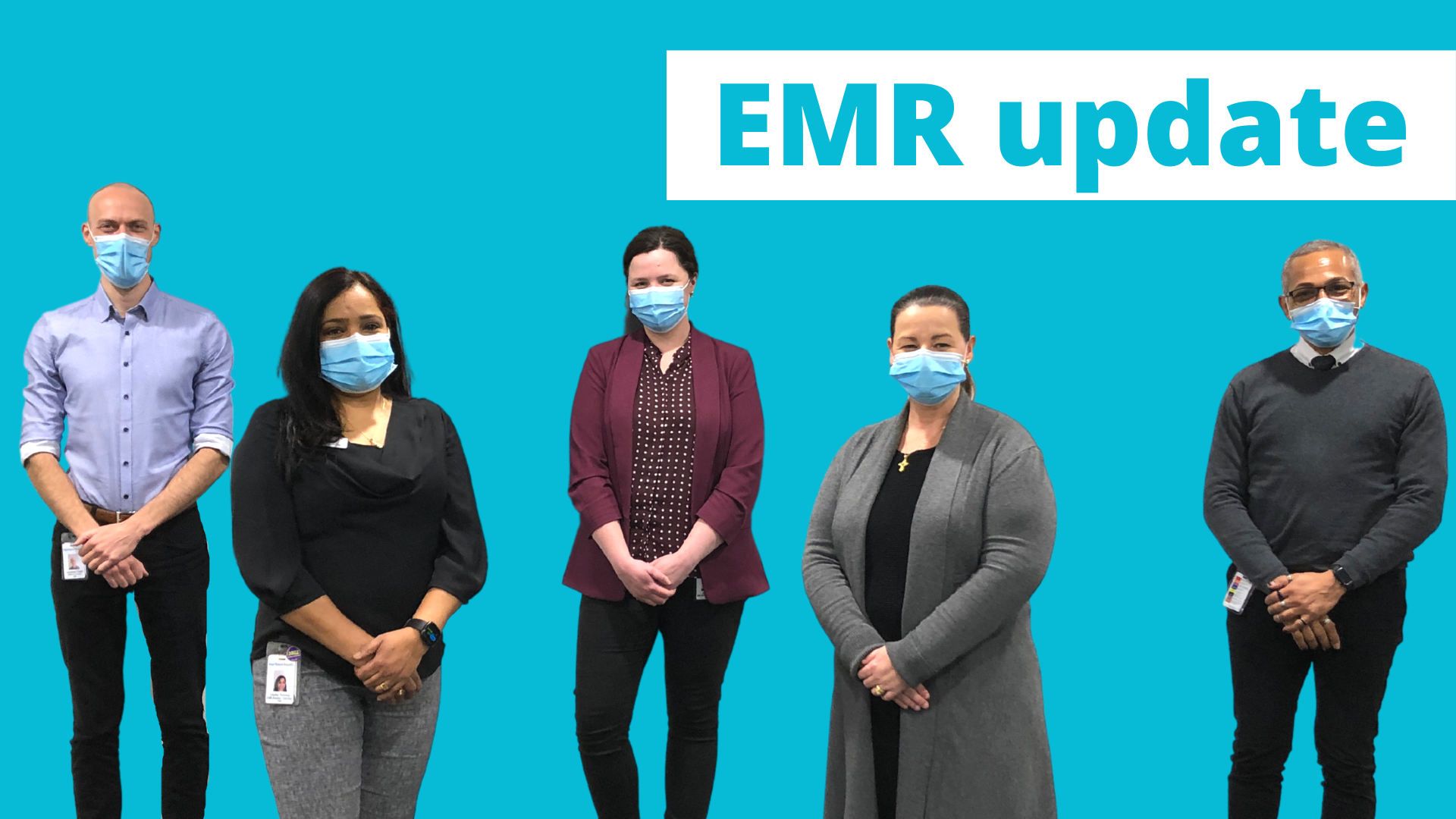
    Featured photo: Dr Jonathan Pinder, EMR Medical Analyst; Gladis Thomas, EMR Clinical Documentation Analyst; Jessica Hart, EMR Medications Lead; Belinda Moutsatsos, EMR Testing Lead; Cliff Wiltshire, EMR Training Manager.

  • Peer support for Northern Health staff

    Peer support for Northern Health staff

    To ensure our staff are supported, Northern Health is committed to strengthening our culture of care, and supporting the mental health and wellbeing of our staff.

    We acknowledge that staff have different preferences and needs for how they wish to support their wellbeing, and we understand the importance of our staff having access to a variety of internal and external supports.

    Renee Camilleri, Wellbeing Advisor, said staff wanted access to peer support, where they feel supported by a peer who shares the experience of working at Northern Health. This was how the Peer Support Program was born.

    “The Northern Health Peer Support Program is an avenue for employee support provided by a trained group of Northern Health employees who volunteer their time,” she said.

    “It is not a counselling or emergency response service. It is a contact, support, and referral service with an emphasis on brief, practical interventions, providing people with support across a range of work and non-work-related issues. Peer support is a short-term strategy to provide basic support to people in need.”

    “This is an exciting initiative that the Wellbeing Team have been working towards launching since their onboarding last year.”

    Casey O’Brien, Wellbeing Senior Psychologist, said, “Our Northern Health peer supporters are a wonderful, kind, and compassionate group, all with a shared vision to help their fellow colleagues, and strengthen the culture of care of our people.”

    “The peers have been trained and skilled to respond to a variety of personal and work-related concerns our staff may face, and bring a wealth of diverse expertise and backgrounds to their interactions. Some peers have worked at Northern Health for many years, and all understand the challenges and strengths unique to working in a health service. We are so proud of our peers, their voluntary commitment to this important role, and their passion for living the values of safe, kind, and together. I encourage all staff to consider the Peer Support Program for yourselves or anyone you feel may need support.”

    Michelle Fenwick, Executive Director, People & Culture, said she was excited the program she has been passionate about, is up and running.

    “I am pleased that the People & Culture Wellbeing program has developed, trained, and is now going live at Northern Health,” she said.

    “The Peer Support initiative is a program that gives our staff another touch point for them to access, and seek guidance or direction. Peer support gives staff the ability to speak to someone other than their manager or co-workers to seek guidance.”

    For more information about the program and contact details of our Peer Supporters, please see our Intranet pages.

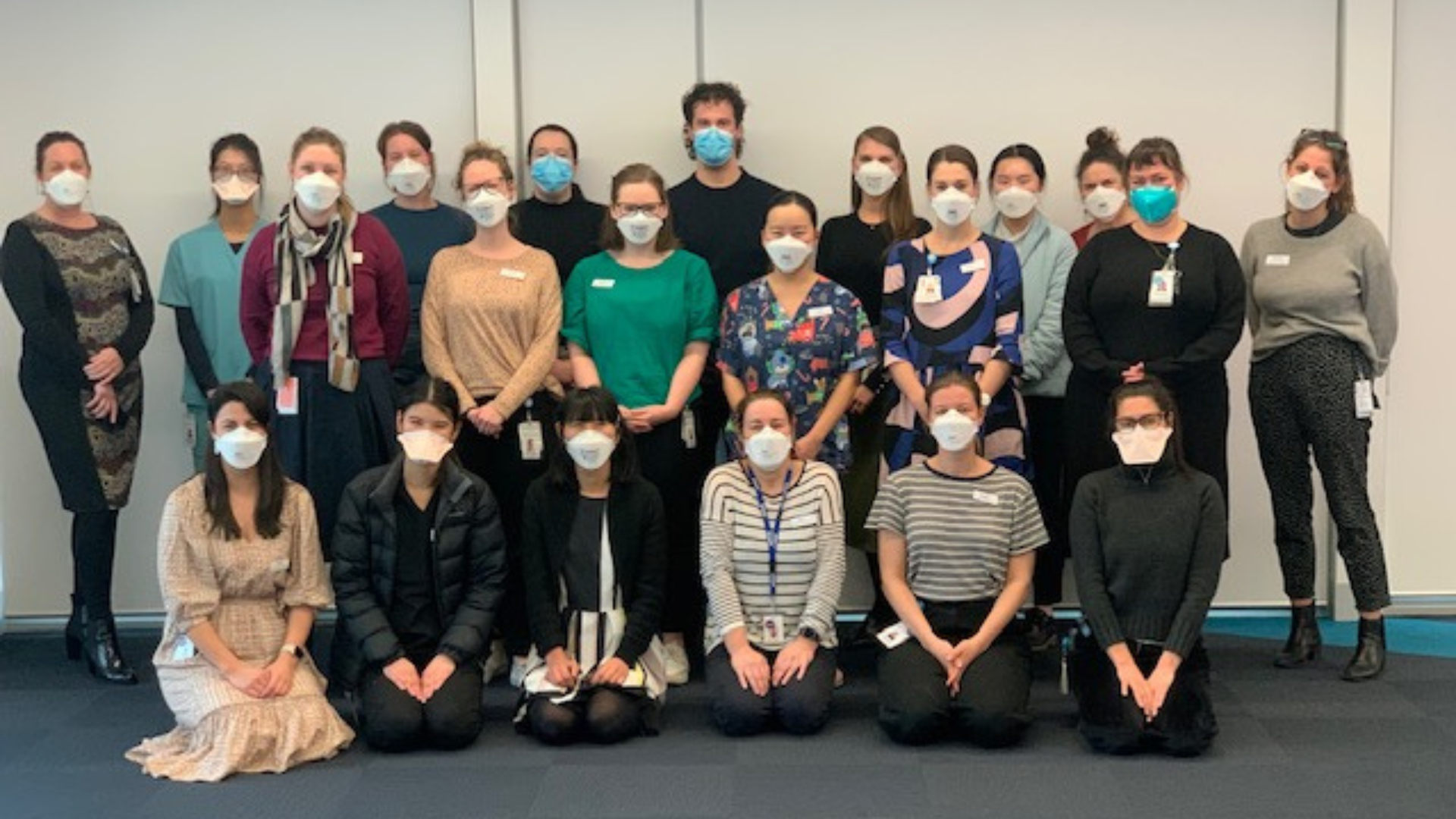
    Featured image shows the Northern Health Peer Supporters.