• Meet Dr Vinay Lakra, Divisional Director, Mental Health

    Meet Dr Vinay Lakra, Divisional Director, Mental Health

    On 1 July, Northern Health officially became a designated mental health service. Approximately 800 staff were welcomed to the Northern Health family. Collectively, this makes us the third largest mental health service in Victoria.

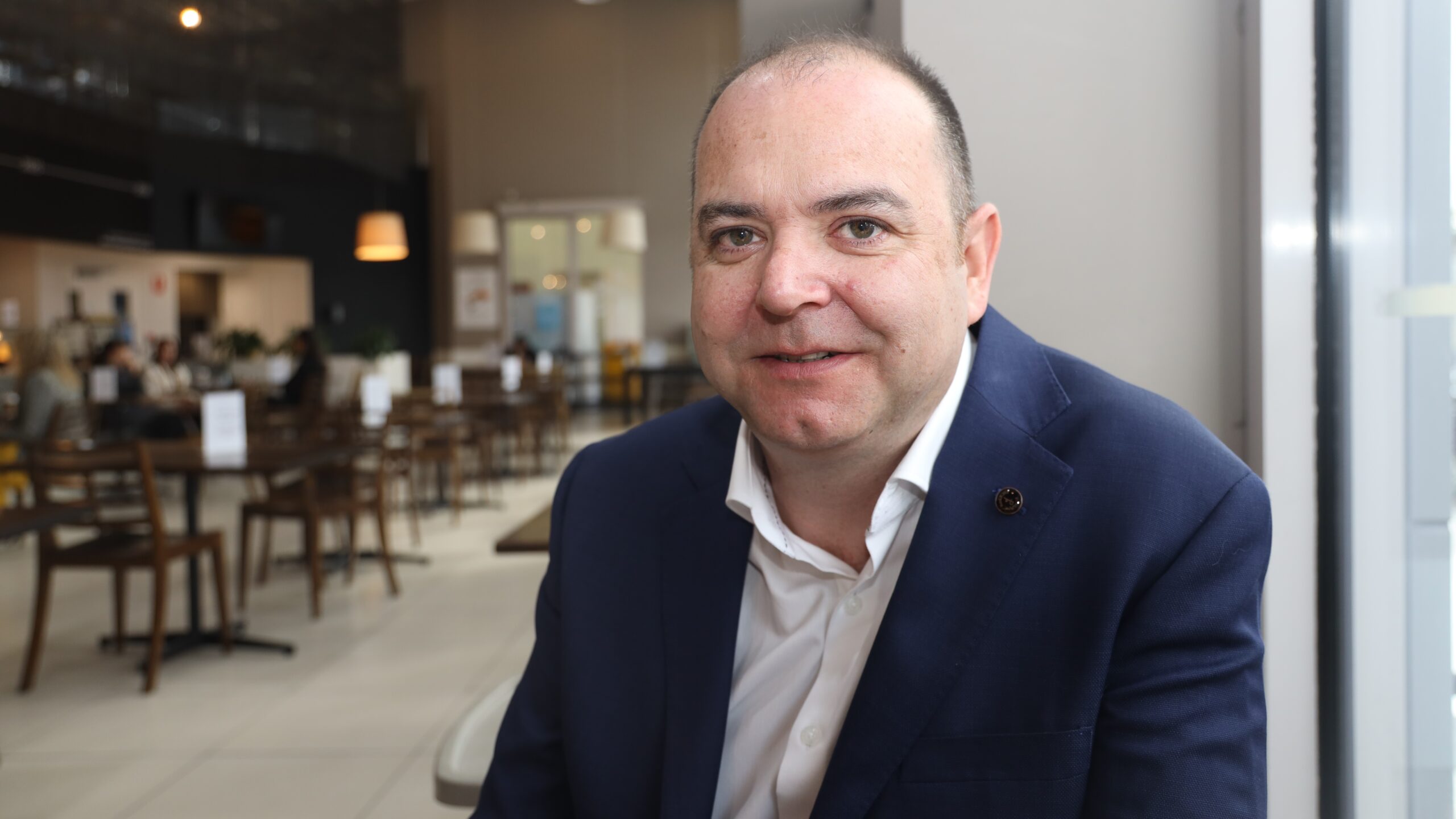
    Today, we introduce yet another of the key members leading the new mental health team at Northern Health – Dr Vinay Lakra, Divisional Director Clinical Services.

    Vinay, let’s start with your coffee order? 

    A latte, but I drink coffee more to have a hot drink than in the interest of coffee. Sorry coffee lovers. The other thing I enjoy is a well made Indian tea with some ginger and a few other condiments in it.

    Tell us about your role and what it entails?

    I will be the Medical Lead for Mental Health. We are a very large service with multiple sites spread over a vast geographic area.

    I also have a couple of other roles which keep me busy. I am the President of the Royal Australian and New Zealand College of Psychiatrists, and a member of the Victorian Board of the Medical Board of Australia.

    Dr Lakra in the regalia of the office of the President of The Royal Australian and New Zealand College of Psychiatrists.

    What does a typical day look like for you?

    My day can be very flexible depending on the demands, from a number of meetings to many phone calls. The thing I like best about my day is that no two days are same. I enjoy the flexibility and variety in what I do.

    What excites you about your role?

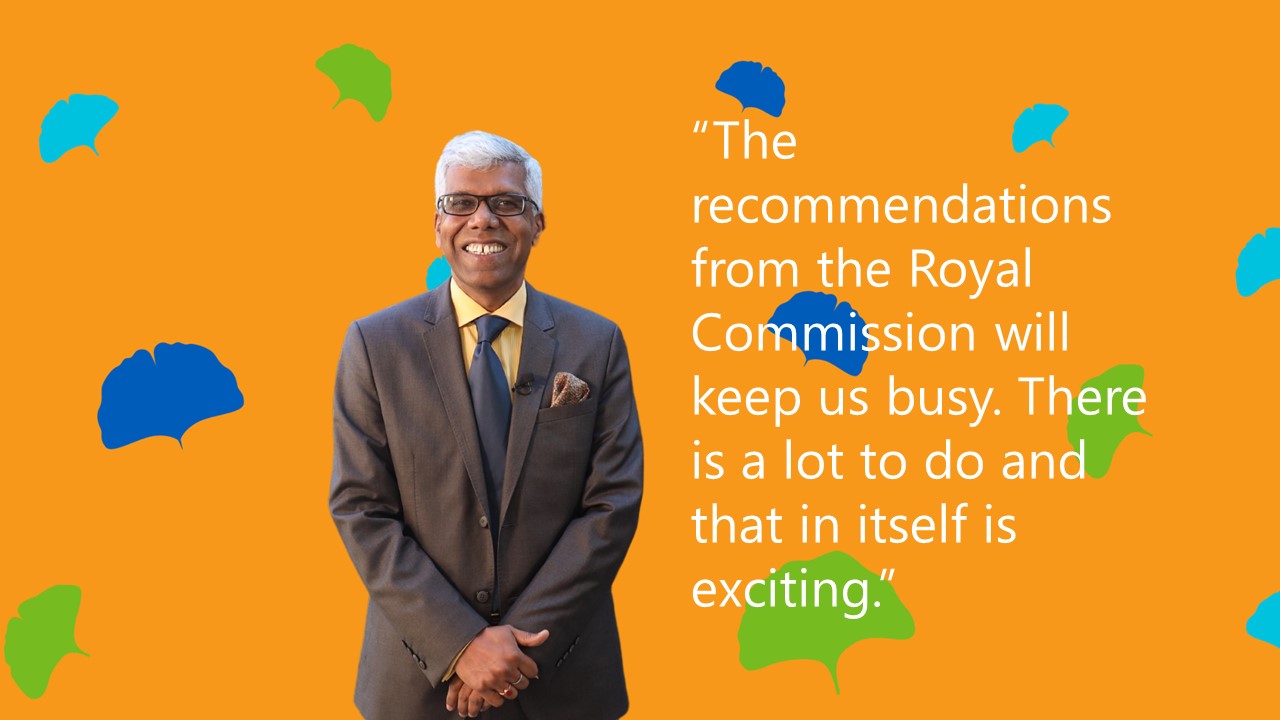
    I have always had an interest in being able to make a positive impact on the lives of other people. This role allows me to shape the future of mental health services in our region. The recommendations from the Royal Commission will keep us busy. There is a lot to do and that in itself is exciting. 

    What are some of the challenges of this role?

    The transition of services to Northern Health brings some challenges, but there are lots of opportunities too. Workforce remains a key issue for us. We value our staff and they are the most important asset in our health system as, without them, we would not be able to provide care to our patients. 

    Lastly, what would people be most surprised to know about you?

    Many might not know that I have done bungee jumping and jumped off a plane once, obviously in tandem and with a parachute. And we recently got a puppy called Biscuit.
  • ePrescribing now available to patients

    ePrescribing now available to patients

    Northern Health patients can now access prescriptions electronically with Electronic Prescribing (ePrescribing) – a digital version of a paper prescription.

    During a telehealth consultation, the healthcare provider can send electronic prescriptions to patients or carers via SMS or email. The new innovation has been implemented to enable telehealth patients to receive their prescriptions in a more timely manner.

    Once the electronic prescription has been received, the patient or carer can take the prescription to the pharmacy personally, or  send it to the pharmacy electronically.

    Northern Health staff will always check with their patient, to ensure they are able to receive a prescription via email or SMS. Clinicians can still post a paper copy to telehealth patients.

    Tracey Webster, Telehealth and Virtual Care Coordinator, said Northern Health is investing in ePrescribing to support telehealth services for patients, which includes the Victorian Virtual Emergency Department (VVED), and will shortly include both outpatients and mental health services.

    “ePrescribing provides a greater choice for patients, and allows them to get their medications from the community pharmacy of their choice,” she said.

    “It also makes prescribing and dispensing of medications more efficient for patients and staff. With ePrescribing, our staff will have more clinical time to spend with patients, and less time on administration work involved with paper prescriptions.”

    MediRecords – an ePrescribing software – is working with Northern Health to send electronic prescriptions direct to patients or their carers.

    “ePrescribing is just another example of Northern Health’s commitment to digital innovation and patient-centered care. This will be a real game changer for VVED – it will improve our workflows and simultaneously provide convenience and choice to our patients,” said Loren Sher, Clinical Director VVED.

    Vinod Chellaram, Director of Pharmacy, said MediRecords is working in partnership with Northern Health to provide an efficient paperless system that is safe and secure for clinicians to provide electronic prescriptions to patients, whilst protecting patient privacy.

    Lachlan Hayes, Haematologist, said ePrescribing is a great example of our health service harnessing technology to support and care for the vulnerable members of the community, and those isolating at home with COVID-19.

    “ePrescribing is stepping up to the expectations of the wider community who are increasingly using similar technology in their everyday lives. Quite rightly, patients ask, ‘if I can shop online, order food and supplies through my smartphone, why can’t the hospital provide my scripts to my phone?’ We will now be able to say, ‘yes, we can do that for you, and here’s how,’” Lachlan said.

    Telehealth patients are encouraged to speak to staff during their virtual consultation about how to access ePrescribing.

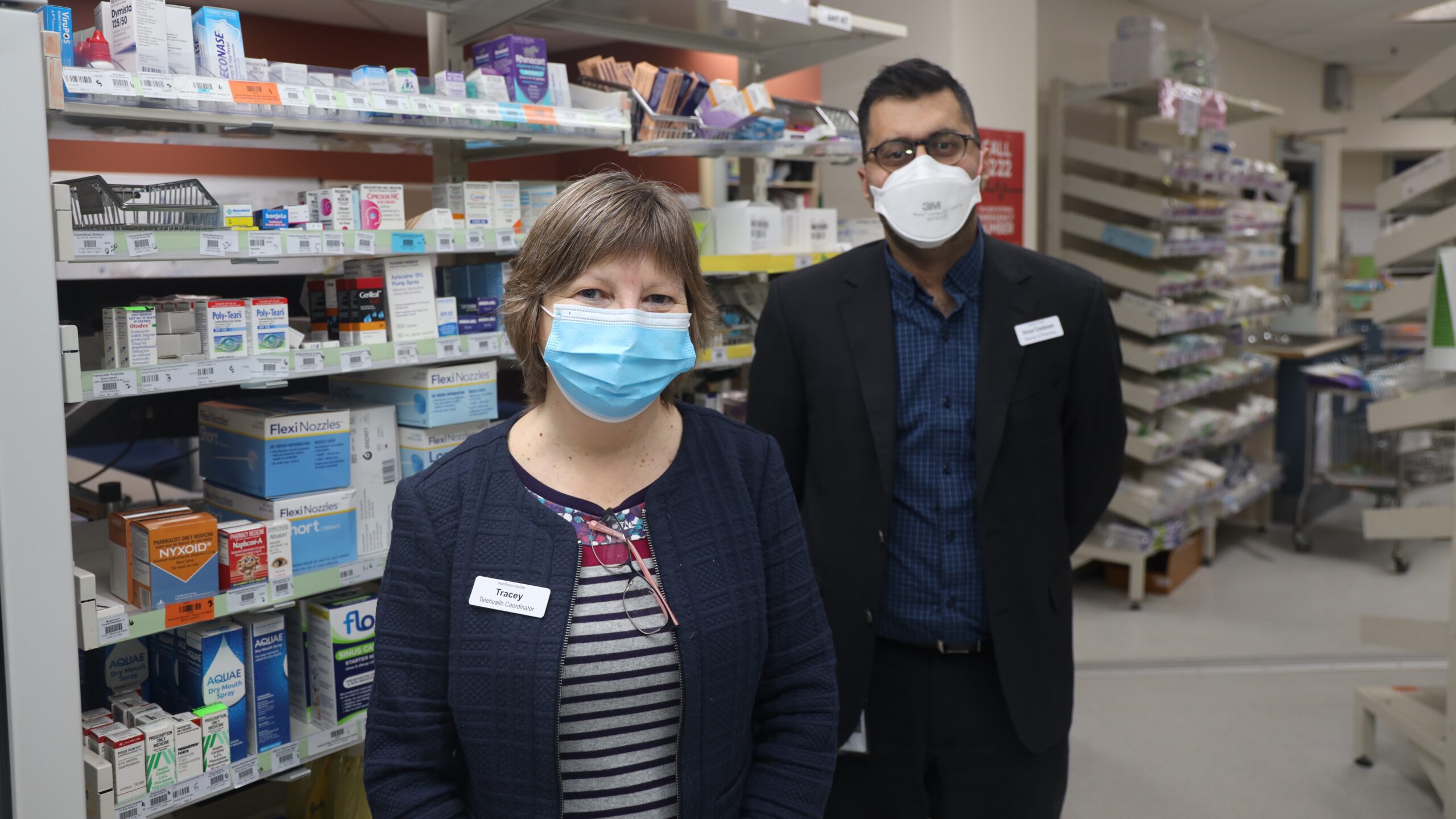
    Featured image: Tracey Webster, Telehealth and Virtual Care Coordinator, and Vinod Chellaram, Director of Pharmacy.

  • Singin’ for the soul

    Singin’ for the soul

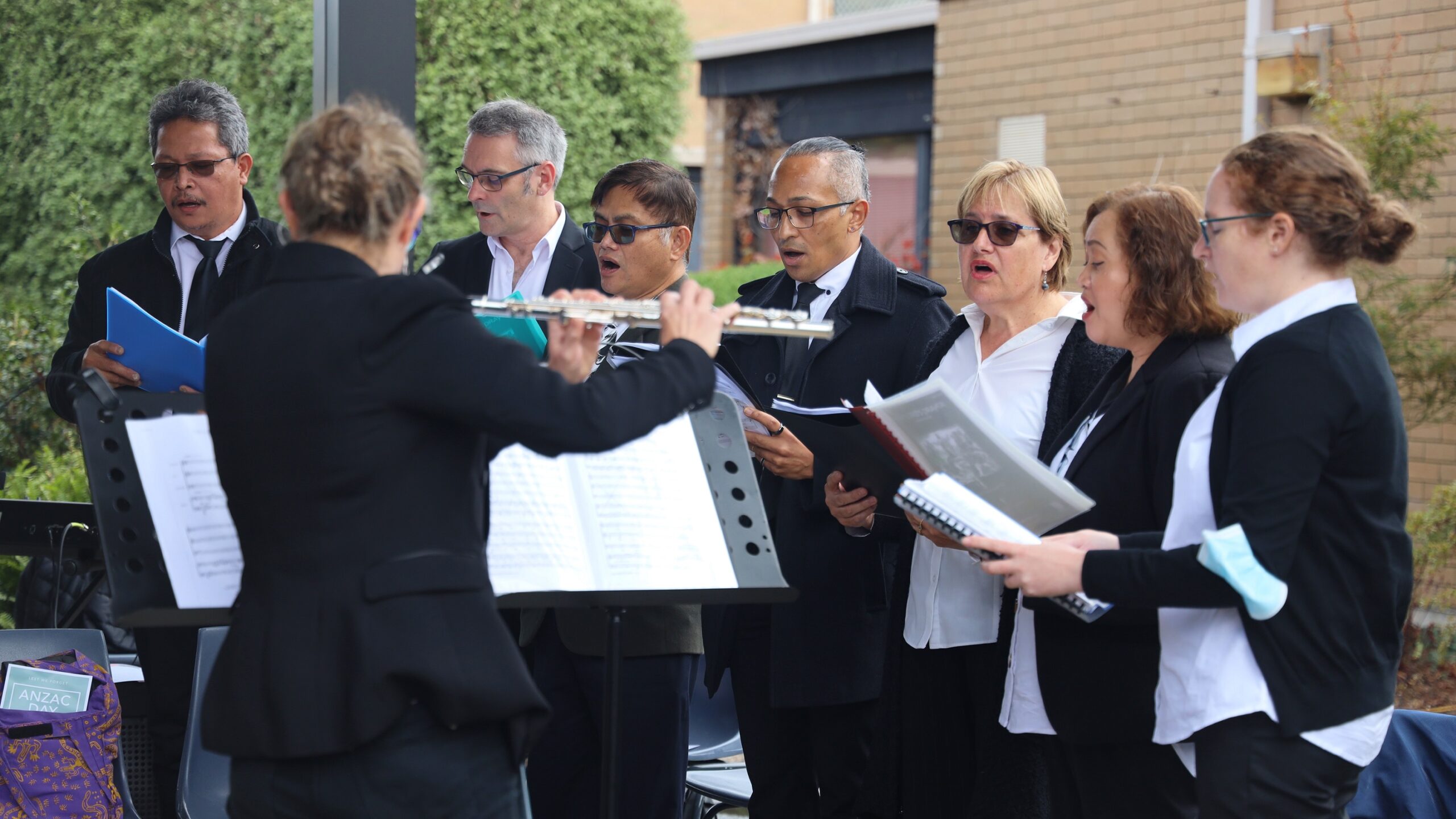
    Did you know Northern Health has its own choir?

    Alison Davies, Project Executive Officer, was ‘instrumental’ in bringing together staff members to form the choir.

    The choir has previously sung carols in the foyer of Northern Hospital Epping and performed at Northern Health’s annual ANZAC Day service at Bundoora Centre. They have recently been invited to join several other Melbourne choirs at ‘Singing for Peace’, held on Hiroshima Day on 6 August.

    Alison, along with her fellow choir members, are currently exploring how they can further support and inspire staff through their soulful singing.

    “Music is a great way to enhance people’s wellbeing,” Alison said.

    The choir rehearses regularly and is always on the look-out for new members.

    “We’d love to invite and inspire new members – Northern Health staff, volunteers, family members and friends – as our choir focuses on the importance of being part of a community. Overall, we want our repertoire to reflect the Northern Health values – safe, kind and together,” Alison said.

    “We’re looking forward to having a wide repertoire for Christmas this year, going to all Northern Health sites. We’re also working on visiting and supporting patients and staff in various wards and units, for example, palliative care,” Alison said.

    If you would like to join the choir or for further information, please contact Alison Davies.

    Hear from some of the current choir members below on what they love about being part of the Northern Health Choir and why they joined.

    “I heard a rehearsal through the window of our office and went to thank the participants for making my day. Before I knew it, I was saying yes to joining in. There is no finer way to boost your oxytocin levels than lifting your voice in song with a group of awesome humans, regardless of background, skill-set or cost centre!” – Steve Carnell, Support Services Supervisor.

    “Music is always in my blood. Growing up with a musical family, when I was younger, we used to sing church choir and school musicals. At some stage, I stopped due to family and work commitments. It’s nice to exercise my vocal chords again.” – Virgilio ‘Gil’ Rabago, Nurse Immuniser.

    “I believe in the healing power of music and would like to meet more workmates who also have a passion for something outside their work!” – Dr Teresa Leung, Oncologist.

    “I joined the choir because singing refreshes the soul and I have seen how other hospitals have improved their work environment with music and singing.” – Carolyn Ullyatt, Nurse Educator.

    “For me, singing is healing for the soul and the Northern Health Choir gives me that opportunity to share this with my fellow colleagues. It is also an opportunity to create a peaceful environment for patients and their families, as they hear the voices travel through the hallways of Northern Health.” – Clifford Wiltshire, Training Manager, Electronic Medical Record (EMR) Program.

    “To me, singing hymns is another form of giving praise. Even though I was a thousand miles away, I listened in to our ANZAC Service as our choir sang the Lord’s Prayer. Something I dreamed and prayed for, for a long time!” – Mike Masilamani, Public Affairs.

    Featured image: The Northern Health Choir performing at our annual ANZAC Day service this year 

  • Meet Dr Paul Goodyear – New ENT Surgeon

    Meet Dr Paul Goodyear – New ENT Surgeon

    Dr Paul Goodyear is the surgeon you go to for “anything from your eyebrows, down to your clavicle.”

    Paul is an Ear, Nose and Throat (ENT) surgeon at Northern Health. An ENT surgeon specialises in diseases of the head and neck, except for the brain.

    “ENT can get as extreme as head and neck surgery, where you can take someone’s voice box out, or are removing part of someone’s jaw, usually for a cancer surgery,” Paul said.

    “My interest is head and neck cancer surgery, which we hope to develop here. It’s the first ENT service at Northern Health in about 12 to 18 months. Given the population of this area, it is an expanding part of Melbourne, so the north definitely needs an ENT service.”

    Before coming on board to Northern Health in June, Paul underwent 12 years of training to become an ENT surgeon. He attended university in Manchester, UK, and trained in Leeds and Liverpool. He then worked as a consultant in Glasgow, before coming to Australia and working in Melbourne, Alice Springs and Launceston.

    “I enjoy the variety of ENT surgery. You can go a day with seeing children, to very elderly people,” Paul said.

    “There is also a big non-surgical element to ENT. You are just not sure what you are going to see everyday. Typically, I would operate in the morning, and do a clinic in the afternoon.”

    Paul currently has around four operating lists a week and up to three clinics a week, with plans to grow the service to cater for the growing northern suburbs.

    “It’s still early days. At the moment, we are doing general ENT procedures like tonsillectomies and nasal surgery. That’s the bread and butter of ENT,” Paul said.

    “I am talking to a few ENT surgeons, and looking to start an on-call service to serve the community. There is a high demand for this service.”

    Dennis Gyomber, Divisional Director Surgery, said, “It has been exciting to have Paul come on board and re-invigorate the ENT service at Northern Health. Paul has clear vision to grow the service and I am confident under his leadership this will be achieved.”

    We welcome Paul to the Northern Health family!

  • New on Medtasker: Urgent Medical Response to Code Grey

    New on Medtasker: Urgent Medical Response to Code Grey

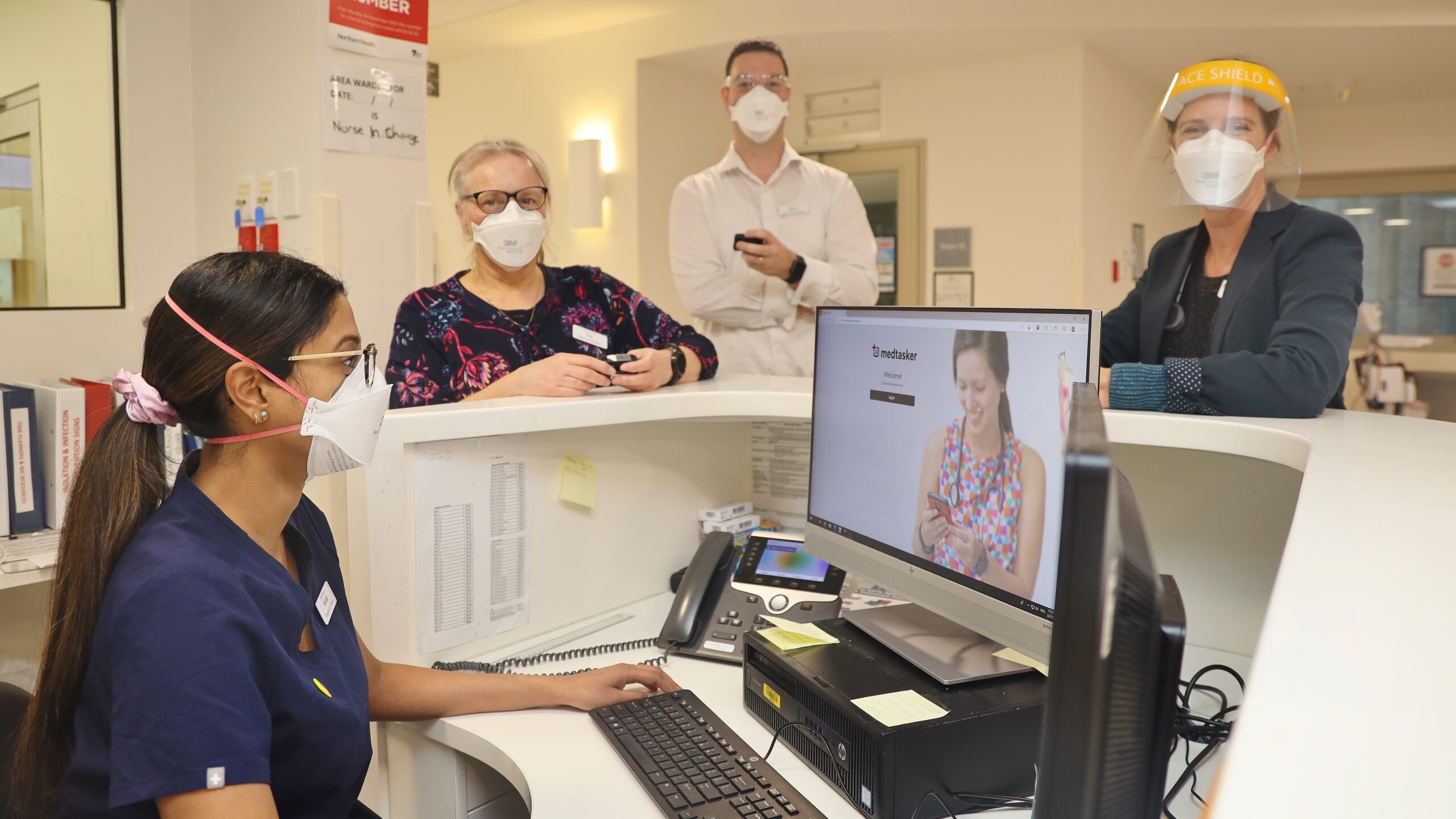
    Medtasker will soon launch an important new feature – ‘Urgent Medical Response to Code Grey’.

    From 1 August 2022, the new task option will be available to staff at Northern Hospital Epping, with Broadmeadows Hospital to follow suit later this year.

    Following a review of recent Occupation Violence and Aggression (OVA) incidents at Northern Hospital Epping, gaps were identified in medical response to Code Grey incidents, leading to delays in medical team attendance.

    Medical teams are notified of Code Grey incidents via pagers, however, there was no way to identify which team the patient is managed by. This could then lead to delayed medical response, as nursing staff have to contact medical teams via other means to request assistance.

    The review findings were presented to the Standard 5 – OVA Sub Group Clinical Improvement Committee where, following discussion, a paper was presented to the Standard 8 – Clinical Deterioration, where it was suggested to investigate if the Code Grey response could be embedded into Medtasker.

    “Not all Code Grey incidents require medical team involvement. This new process allows for nursing staff to identify situations and communicate to medical staff when their urgent attendance is required,” said Eve Kodermann, OVA Coordinator.

    “It also ensures that medical staff know when they get an ‘Urgent Medical Response to Code Grey Required’ task via Medtasker, the requirement for their prompt attendance has been verified by nursing staff.”

    A working group was established with involvement from ICT, OVA, Medical, Security, Switch and Emergency Management to investigate the use of Medtasker to alert medical teams of Code Grey incidents where medical input was required.

    As a result, the working group set up the new task in Medtasker – ‘Urgent Medical Response to Code Grey’, which is the equivalent to PreMET process. By introducing Medical Response to Code Grey on Medtasker, it will allow nursing staff to notify home teams that their attendance is required urgently to assist with the patient’s management in escalation of behaviours of concern.

    Medtasker provides nursing staff the ability to communicate with the doctor to implement timely intervention. Nursing staff will be able to escalate if no response, as per the current PreMET process.

    “Reduction in delay of medical attendance when required will result in a safer outcome for staff, patients and visitors sooner than what can occur currently,” said Eve.

    For Code Greys, staff must continue to call 2222 as the first step. If medical intervention is required, nursing staff can then use Medtasker to alert the patient’s medical team. 

    Featured image (left to right): Nikita Fernando, Nurse with Eve Kodermann, OVA Coordinator; Jason Amos, Manager – Emergency Management and Dr Edwina Holbeach, Geriatrician and Co-Network Director, Central North West BPT Consortium 

  • DonateLife Week: The Great Registration Race

    DonateLife Week: The Great Registration Race

    DonateLife Week raises awareness of organ and tissue donation, encourages Australians to register as organ and tissue donors, and to have the conversation with their family and friends.

    One organ donor can save the lives of up to seven people and help many more through eye and tissue donation. While the majority of Australians support organ and tissue donation, only around one in three (36 per cent) are registered to be a donor.

    This year, DonateLife Week is held from 24 July to 31 July.

    Northern Health had the privilege of looking after seven patients and their families who very generously agreed to organ, eye and tissue donation in the last 12 months. The generosity of our Northern Health patients and families resulted in 22 people receiving life changing and life saving transplants.

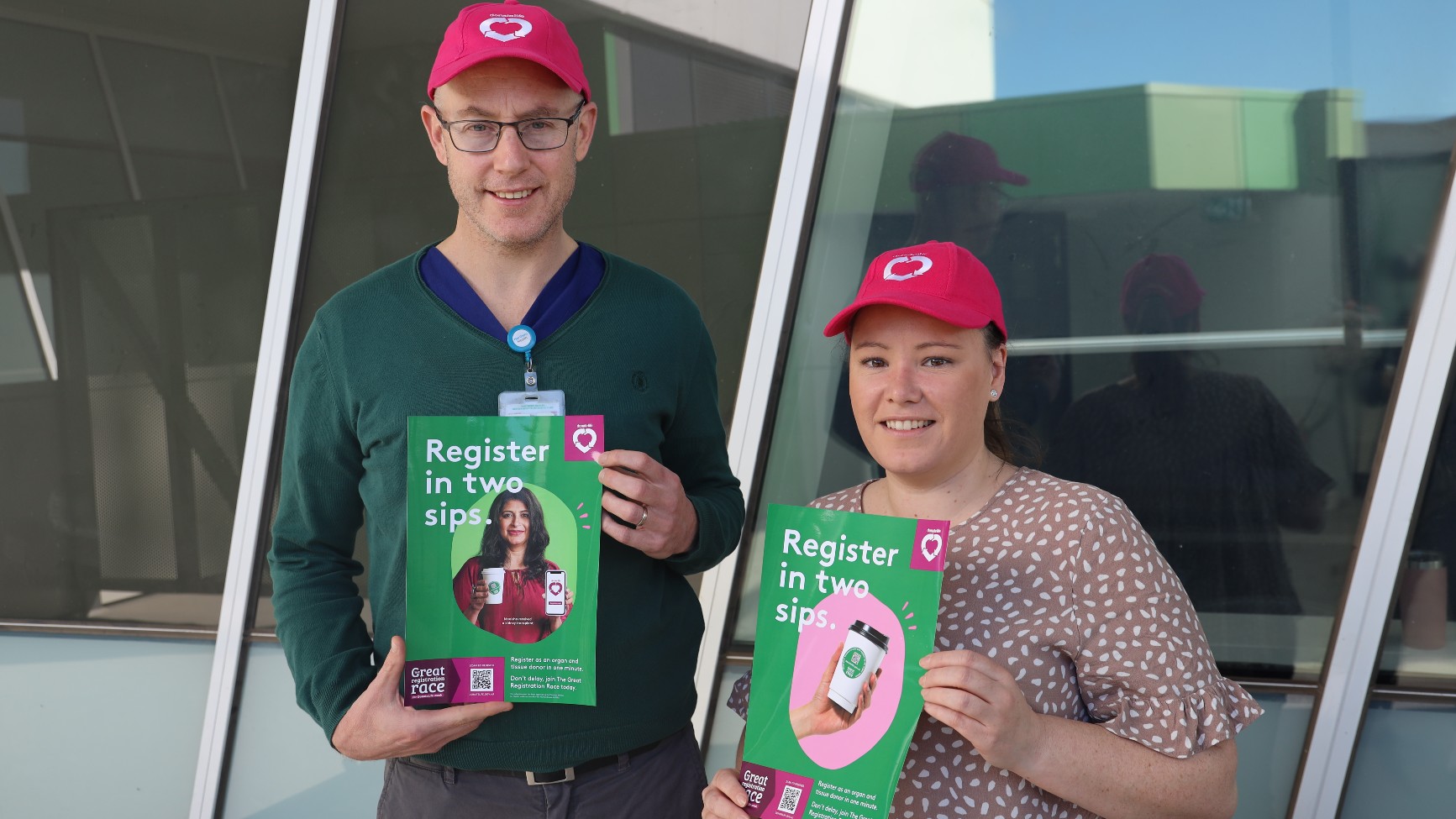
    The Donation Specialist team of Dr David Crosbie and Nurse Bridget Walters say they are humbled by the generosity of the families consenting to organ and tissue donation during what is a very difficult time for them when their loved one is dying.

    “We would like to take the opportunity to thank each and everyone one who is involved in facilitating the wishes of donor patients and their families here at Northern Health. The commitment, teamwork and accommodating nature that is in place to support organ and tissue donation across the organisation, in particular the Emergency Department (ED), Intensive Care Unit (ICU) and Theatre are very much appreciated,” says David Crosbie and Bridget Walters.

    “We would also like to acknowledge the support of Northern Pathology, Radiology, Echocardiolography, and Interventional Cardiology who are very accommodating to the needs of our donation patients often in a short timeframe.”

    In the last couple of months, there has been great expression of interest from nurses in ED, ICU and Theatre to become nurse champions of their particular areas in regard to organ and tissue donation.

    “We thank them for their commitment in supporting the Donation Specialist team in raising awareness, supporting donation and education of staff and look forward to continuing to work with them in the future,” says the team.

    There are around 13 million Australians aged over 16 who are eligible to register as an organ and tissue donor – but haven’t.

    The Great Registration Race for DonateLife Week continues this year. The goal is to encourage over 100,000 extra Australians to join the Australian Organ Donor Register with the National message of “Don’t delay,  join the Great Registration Race today!” ​

    The Great Registration Race runs all July. For more information on DonateLife Week and how to register, click here.

    Pictured above  the Donation Specialist team of Dr David Crosbie and Nurse Bridget Walters. 

  • NAIDOC Week 2022: Highlights and quiz winners

    NAIDOC Week 2022: Highlights and quiz winners

    NAIDOC Week celebrates and recognises the history, culture and achievements of Aboriginal and Torres Strait Islander people.

    Stephanie Thompson, Aboriginal Liaison Officer and proud Gunditjmara woman, says, “This year’s NAIDOC Week theme Get up! Stand up! Show up! celebrates our ancestor’s history by doing just that, getting up, standing up and showing up! Celebrating many who have driven and led change within our communities and continue to do so.”

    This year, in addition to the display in the foyer at Northern Hospital Epping and at our other sites, we also had for the first time a Video Gallery, as part of our online display.

    Over 200 entries from across the health service were received for the 2022 NAIDOC Quiz. The questions were centred on the 2022 theme and participants needed to correctly answer all questions. Congratulations to our winners below:

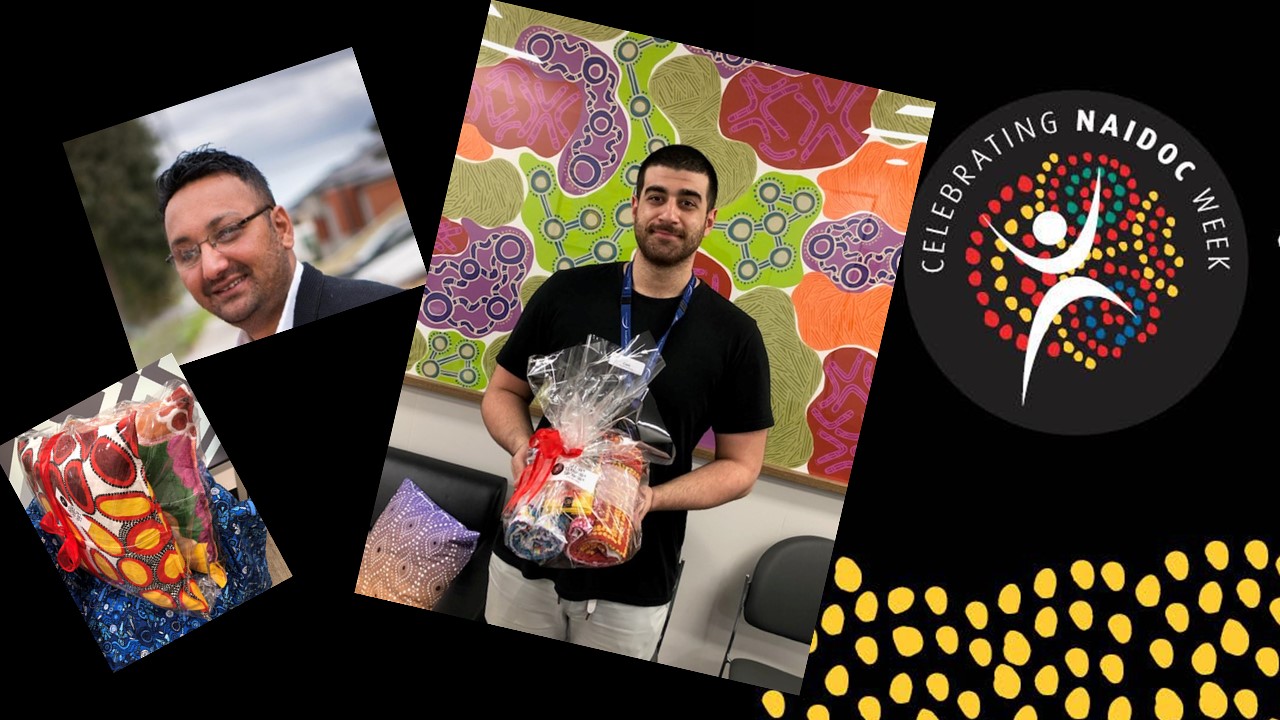
    1st prize winner: Vikramjit Multani (ICT)

    2nd prize winner: Sharryn Beard (Partnerships)

    3rd prize winner: Cem Sonnez (NorthWestern Area Mental Health Service, Brunswick Community Team)

    Vikram said, “I am thrilled to have won the first prize and played a small part in the NAIDOC Week celebrations!”

    Narrun Wilip-giin (Aboriginal Support Unit) would like to thank everyone who participated.

    In other highlights, at the Research Grand Round held on 14 July, we heard from Jack Bulman, CEO of Mibbinbah Spirit Healing in Queensland. Jack is a Muthi Muthi man from South Western New South Wales.

    Jack spoke about his work with Indigenous communities across Australia. Back in 2005, he started running programs for men and subsequently Aboriginal and Torres Strait Islander community programs such as the ‘Be the Best you can Be’ program.

    Narrun Wilip-giin also kindly gifted Aboriginal designed children’s colouring books and pencils, supported by Northern Health Foundation, to all children in the Children’s Ward during NAIDOC Week.

    The book’s artwork has been created by Gary Saunders, a proud Bangerang, Yorta Yorta, Wiradjeri, Dja Dja Wurrung man.

    As Karen Bryant, Senior Aboriginal Liaison Officer and proud Gunditjmara woman, says, “NAIDOC Week is important to me. It’s a time to relish in my culture with my family, grandchildren and community. It’s a special time of year where our mob can connect, educate and celebrate all aspects of First Nations histories and culture with non-Indigenous people.”

    Featured image shows first and third prize winners of the NAIDOC Quiz – Vikramjit Multani and Cem Sonnez, with the prizes they won

  • Safer Care Victoria attends the LISN workshop

    Safer Care Victoria attends the LISN workshop

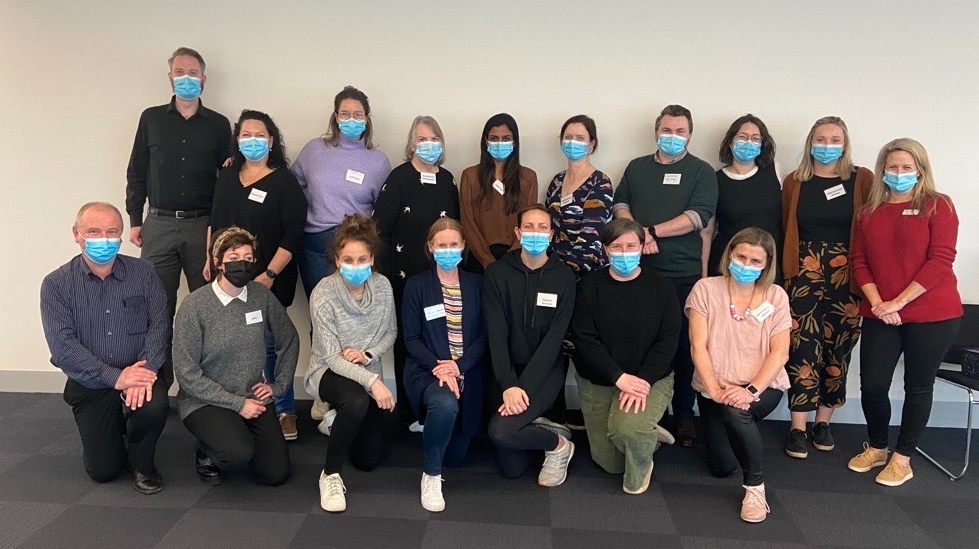
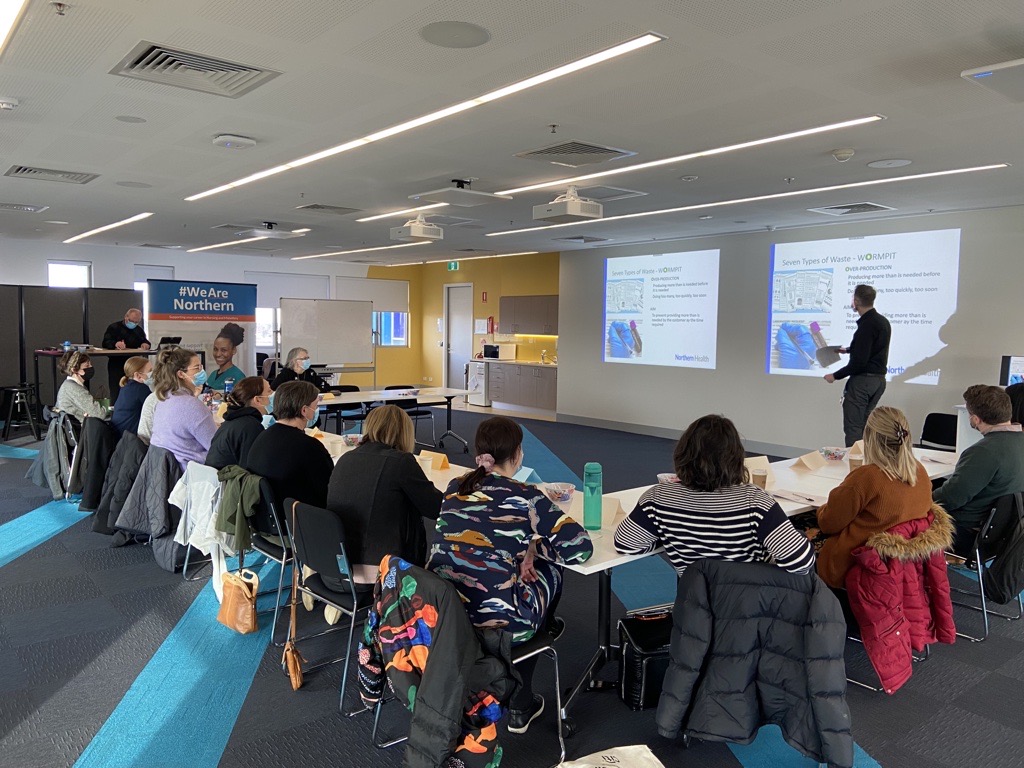
    In the last week of June, a group from Safer Care Victoria (SCV) attended the Learning Improvement Science (LISN) at Northern Health program. The participants were a mix of Clinical Fellows completing a one-year fellowship through SCV on improvement projects, and other various staff from SCV.

    Northern Health currently offer the program to all internal staff interested in learning and developing skills in improvement science. It is also offered to external health services as a professional development day. The day is facilitated by the Northern Health Transformation Unit, alongside an improvement expert from The Royal Children’s Hospital, Simon Lane.

    Part of the day for the SCV staff included a tour of the Ideas Lab located on level 3 of NCHER, and learning about other innovation work Northern Health is involved in, including Better @ Home and the Big Idea initiatives. A number of the SCV fellows are partnering with Northern Health staff on improvement projects, and took the opportunity to do a site visit including the pharmacy and maternity unit.

    Feedback provided by SCV staff has been extremely positive. Ma’ayan Geffen, Clinical Fellow from SCV, said, “I left feeling really energised and excited about implementing what I had learnt into practice. I will definitely share my experience with colleagues and recommend the program to others.”

    “LISN is an Action Learning Workshop built around a simulation of the Day Procedure Unit (DPU), where multiple improvement cycles are conducted to improve patients’ clinical outcomes and access, reduce documentation errors, while at the same time improving efficiency,” explains Laura Hughes, Workshop Facilitator and Project Manager.

    The theoretical concepts taught throughout the day include identification of waste in a system, built in quality, standard daily work, levelling, continuous flow, pull systems and 5S.

    “This action learning approach assists participants to explore and question their assumptions about what is required to improve performance of a care delivery system, see waste in a system, and enables staff to make small changes that can have system level benefits,” Laura added.

    If you are interested in attending a LISN workshop day, please contact lisn.hro@nh.org.au.

    Dates for the remainder of 2022 are: 8 August, 6 September, 4 October and 13 December.

    LISN session at NCHER