• Activity packs donated to our Children’s Ward

    Activity packs donated to our Children’s Ward

    Thomastown East Primary School students participated in ‘Go Casual Clothes for Northern Health Day’ earlier this year, helping to raise over $300 for our health service. This was a tremendous effort from the school and the young students who were eager to help our diligent staff.

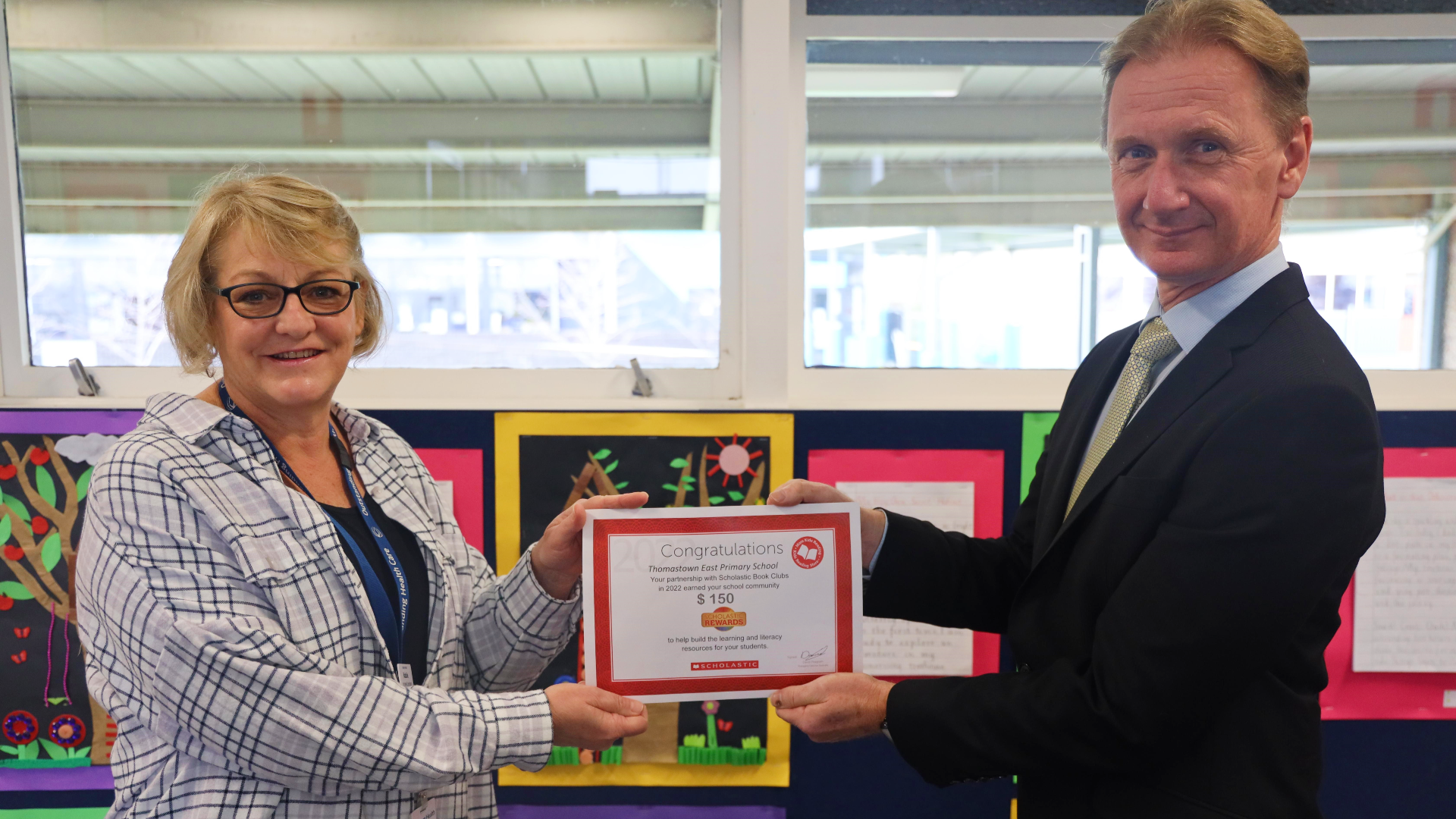
    Recently, Natalie Carroll, Advisor Volunteer Services, was pleased to present a certificate of appreciation to the students, on behalf of Northern Health.

    Paired with this certificate was a $150 voucher graciously donated by Scholastics, as a further incentive for students to dress up and raise money. Upon receiving these, Jeremy Blaney, Thomastown East Primary School Principal, kindly offered to dollar match the Scholastics amount, to help Northern Health purchase stationery items for our Children’s Ward.

    Jeremy personally delivered over 50 packs filled with colouring books, pencils and texters for the children to enjoy, saying he was more than happy to help our little patients in any way he could.

    Natalie was overwhelmed by this, saying, “It is so heartwarming to know we have such a tight-knit community here in the north. It’s people like Jeremy and Scholastics that are really helping to make a difference any way they can. Kindness like this just creates a ripple out and we feel the effects of it so much more than people know.”

    This act of kindness has allowed our young patients to keep busy during their hospital stay, which can often be a daunting experience. Courtney Lowry, Nurse Unit Manager Children’s Ward, was thrilled upon receiving the packs.

    “They have been so wonderful in being able to put a smile on the kids’ faces. It also helps them pass the time, as it can often be quite boring for our younger patients whilst in hospital, especially for longer stays,” she said.

    Northern Health Foundation would like to extend their gratitude to Jeremy and the students for their contributions to our health service. The $300 will go towards helping our charity arm, Northern Health Foundation, give back to our patients and staff.

    Keep up the great work!

    Featured image: Natalie Carroll, Advisor Volunteer Services, with Jeremy Blaney, Thomastown East Primary School Principal.

    Thomastown East Primary School students Aila, Rayli, William and Charlotte.


    Aila, Rayli, William and Charlotte with Natalie and Jeremy.
  • Meet Consumer Representative, Gordon Dennis

    Meet Consumer Representative, Gordon Dennis

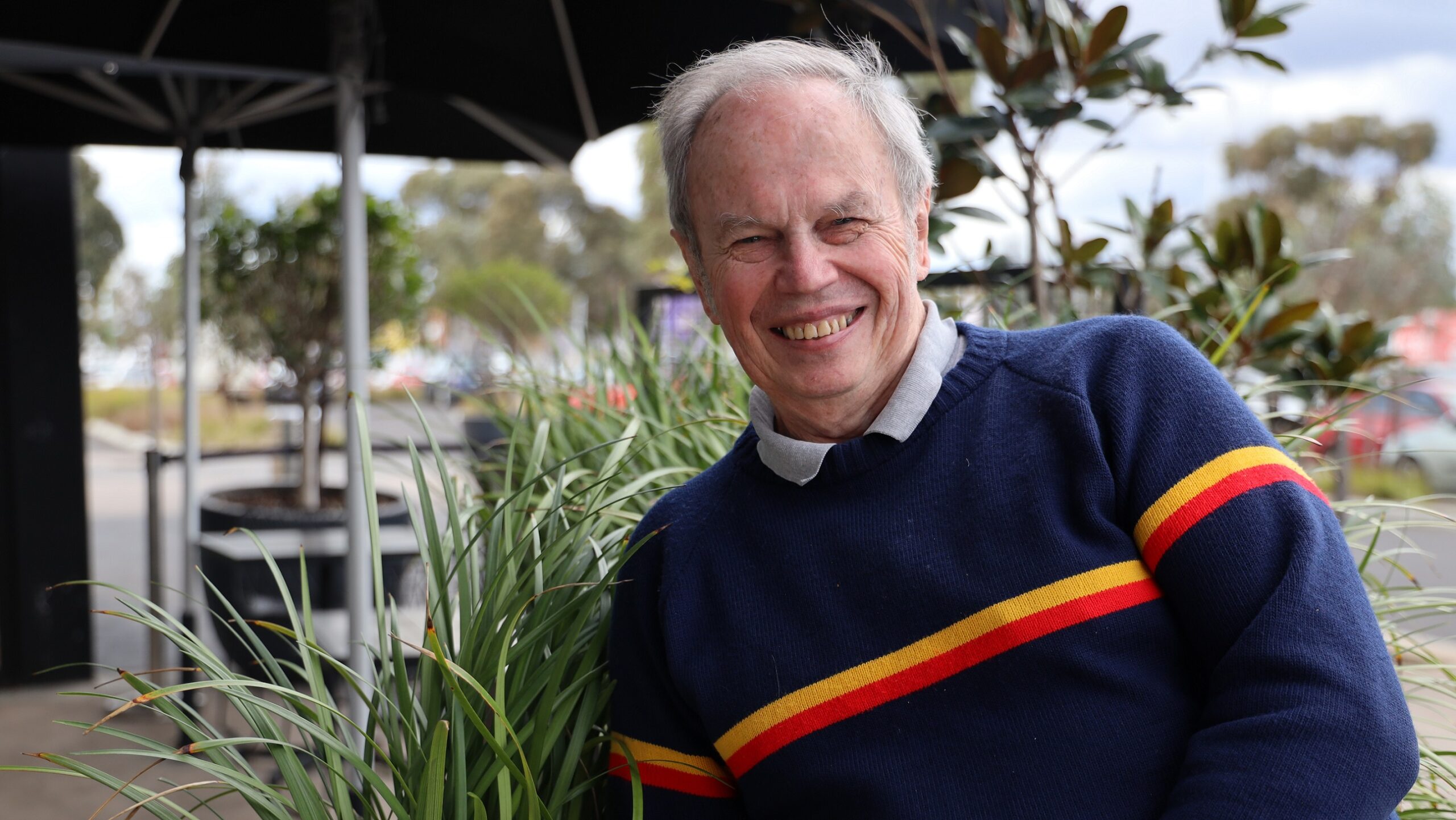
    Mill Park local and retired soldier, Gordon Dennis, has been a consumer representative for Northern Health since 2018.

    He uses his engineering expertise, skills and experience to look at health care systems and processes through a unique lens.

    “I did 30 years in uniform, ending my service as an Artificer Sergeant Major – Electronic Systems, and then another nine years in Defence as a ‘civie’ working for special projects,” Gordon said.

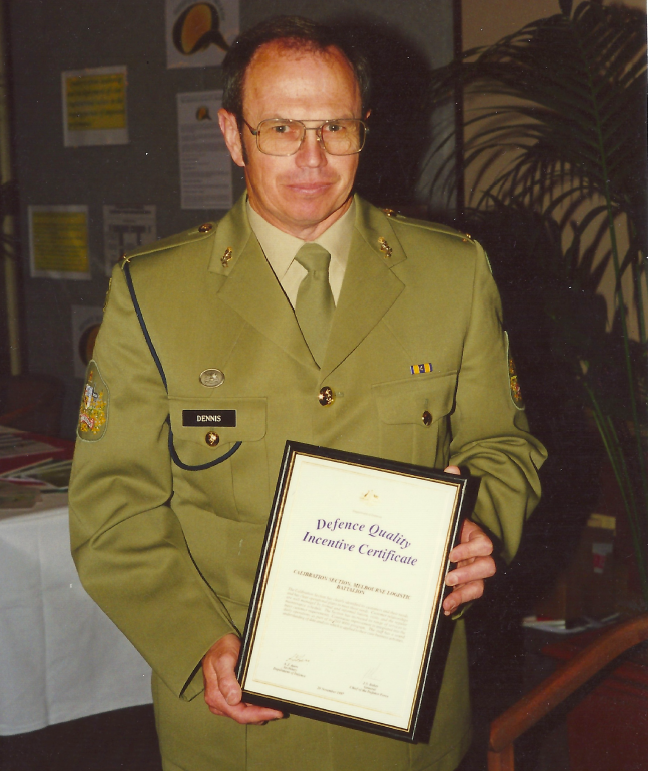
    Through his career, Gordon worked on various projects including Quality Management (ISO9000) for which he received a national award in Canberra.  

    Gordon receiving his national award

    He and his wife moved to Mill Park in 1995. He has two daughters and two granddaughters and has been widowed since 2015.

    Gordon came to be involved with Northern Health after hearing a presentation from Sherrilyn Ballard, Consumer Participation Coordinator, and was intrigued to learn more about how his background and knowledge could be of use.

    He says, “living alone can be lonely and therefore depressing. Finding things to do allows you to meet people, engage in conversations, discover something new and dispel the feeling of being alone.”

    “We are told to treat our neighbour as we would like to be treated, so it behoves us all to help out where and when we can. I have years of training, knowledge and experiences, so why not share it with those whom it may help.”

    Gordon has since been involved in Executive Patient Safety Walk-Arounds, Clinical Reviews, Root Cause Analysis Panels, proof reading video scripts and documentation, and is now an important member of the High Reliability Steering Committee. He has also recently been invited to participate in the Ideas Lab and complete Learning Improvement Science training.

    Gordon has battled a number of different forms of cancer. Through consumer participation, he is able to contribute his experiences from various patient journeys – of which he has had a mixture of both positive and negative experiences – as he wants us to learn and improve from them.

    Over his time as a patient of Northern Health, Gordon recalls a recent positive experience.

    “In March this year, I succumbed to COVID-19. The ambulance staff contacted the Virtual ED doctor and, being immune compromised following chemo treatment for lymphoma, I was invited to receive a Sotrovimab infusion and was looked after most excellently, even including where I should park my car.”

    Gordon’s fundamental understanding of systems and processes has helped him contribute important knowledge to Northern Health. He has particularly enjoyed undertaking Root Cause Analysis of various clinical issues at the health service.

    “Root Cause Analysis (RCA) is an engineering process. Technology can be different, but the processes are the same. If I understand the processes, all I need is a technology specialist. A RCA looking to fix a broken tank and a RCA looking at how to fix a broken body is the same process – the subject matter is different,” Gordon explained.

    “Health care challenges are engineering questions, as much as they are medical questions.”

    Gordon’s past patient experiences and unique skills and expertise have allowed him to make a real difference to our patients and staff. We value the contribution Gordon makes to Northern Health and we are so pleased this experience is also a rewarding one for him.

    Thank you Gordon for all the important work you do to help us provide the best possible care to our community.

    If you, or someone you know, is keen to help Northern Health by joining our Consumer Network like Gordon, please email consumerparticipation@nh.org.au or phone 9495 3313.  

  • A successful Dry July

    A successful Dry July

    While the team at Northern Health have encountered many challenges this year in the face of COVID-19, these challenges did not discourage them from going dry this July in support of a good cause.

    Despite being a smaller team than in previous years, Dry July participants did not shy away from reaching out to family, friends, and their community to raise money for patients affected by cancer at Northern Health.

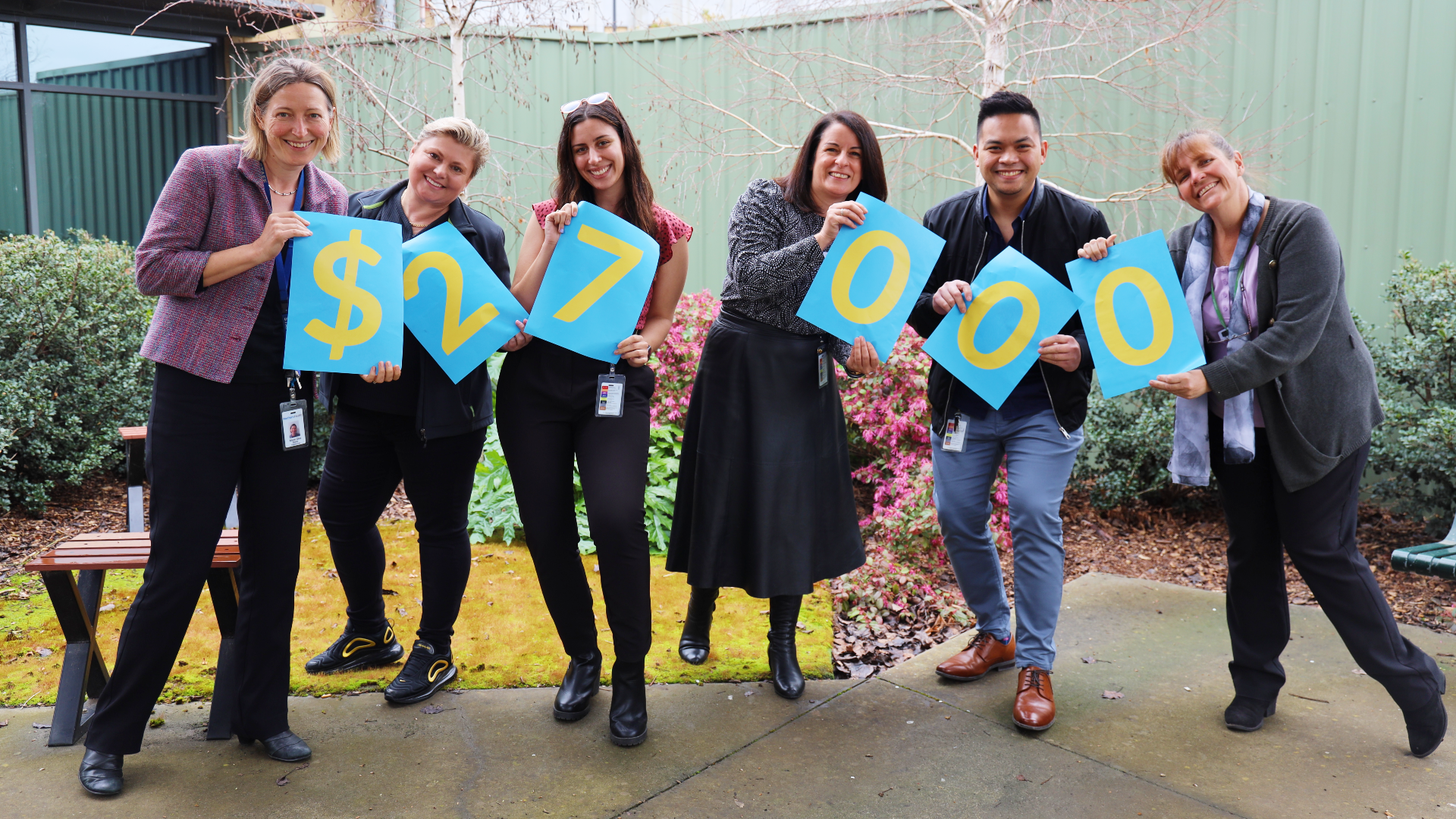
    The team target of $20,000 was surpassed by $7,000, and as a result of this tremendous effort, Palliative Care patients will benefit from an extensive upgrade to their courtyard. Not only is this a testament to the dedication of the team, but it signifies the generosity of our wonderful community here in the north. This would not have been possible to achieve without their support.

    Alison Giles, Palliative Medicine Physician, was thrilled by the outcome, saying, “I am so excited about seeing some really positive changes to our new Palliative Care Unit on Ward 3 – particularly the courtyard garden. We hope to create a place of beauty, nature and peace for patients, families and staff. A huge thanks to the Foundation team, and everyone who supported Dry July for their brilliant fundraising!”

    Konstantina Halastanis, Fundraising and Relationships Manager, Northern Health Foundation, commended the participants, saying, “I am proud to be part of such a talented, fun, and motivated team that is dedicated to making a difference. It was a joy to interact with everyone as they all are such a great inspiration. A big thank you to all our sponsors and Northern Health volunteers for their ongoing support and generosity, and everyone for signing up and going dry to help raise funds for this incredible cause.”

    Northern Health Foundation would also like to extend our gratitude to Northern Health Foundation Patron, Josie Minniti and all her supporters, for their contribution of $20,000 to install a fully-weathered gazebo for the refurbished garden, and an anonymous donor who generously gave $10,000 towards the Dry July campaign.

    Congratulations to the Dry July team! We look forward to seeing the new garden taking shape and being enjoyed by our patients and their families.

    Featured image L-R: Alison Giles Palliative Medicine Physician Ward 3, Sarah Rexhepi, Simulation Technical Support Officer, Margaret Rivette, Fundraising Campaigns Officer, Pina Di Donato, Executive Director Public Affairs and Foundation, Julius Quiring, NUM Ward 3 and Kim Berger, Database and Admin Officer.

  • Kaytlin Wills on the benefits of postgraduate nursing

    Kaytlin Wills on the benefits of postgraduate nursing

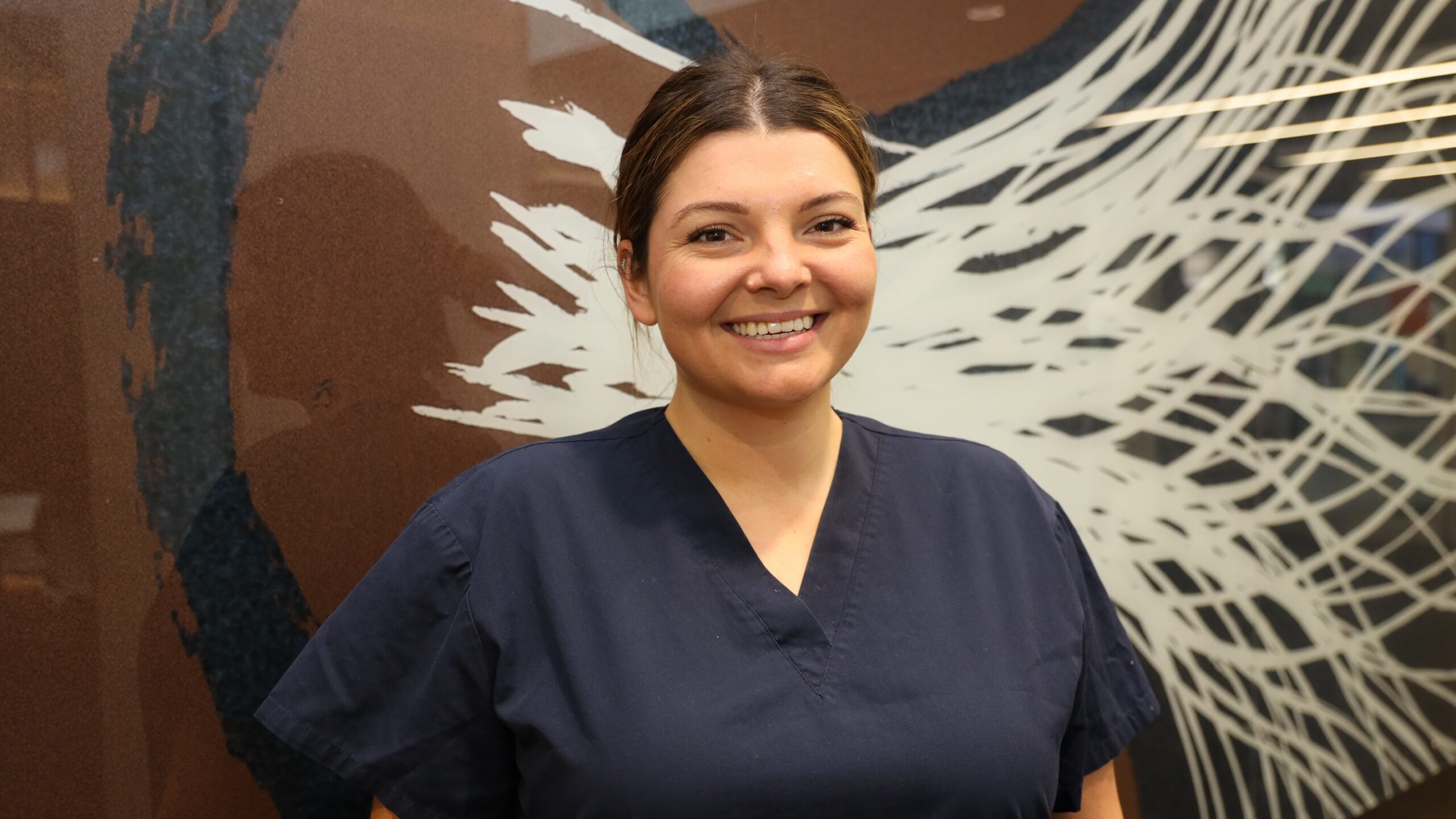
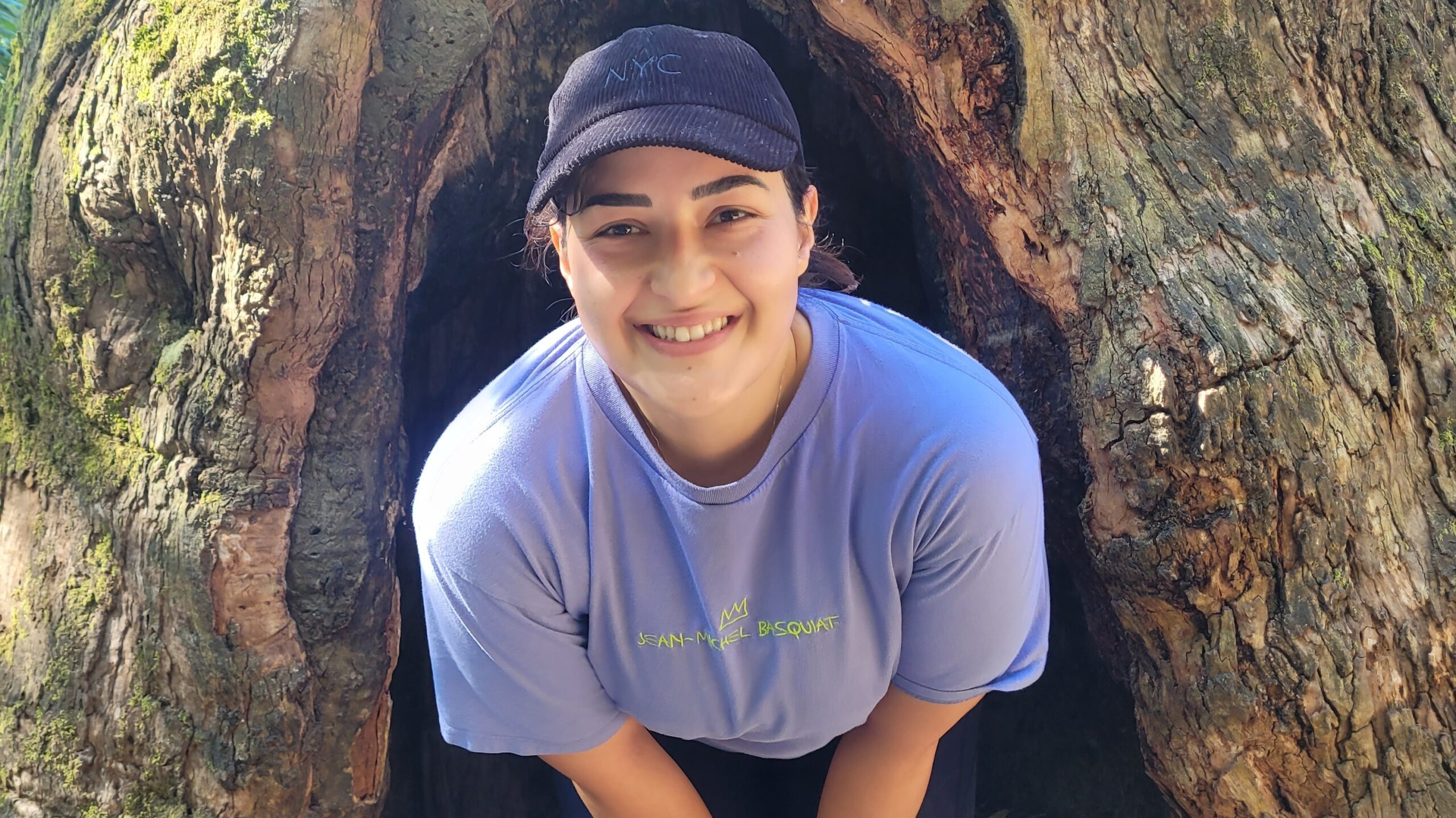
    Kaytlin Wills is a current student in our medical nursing postgraduate program, and was the recipient of the 2021-2022 Aboriginal and/or Torres Strait Islander Scholarship from the Department of Health.

    After completing her Bachelor degree at Deakin University, Katy gained a graduate position with Northern Health and has worked here for the last four years, on pool and now on Ward 22.

    Katy says she decided to take up postgraduate studies to enhance her nursing skills.

    “I wanted to improve my clinical skills and knowledge base so that I could provide my patients with the best care possible, but I wasn’t sure where to start. My mentor Nat encouraged me to look into postgrad courses,” Katy said.

    “I’m only half way through the postgrad, but I’ve found that I have gained a deeper understanding of patient conditions through more in-depth knowledge of pathophysiology, which allows me to provide better care for my patients – and I deliver that care with more confidence as well.”

    “The postgrad has also allowed me to step into a leadership role within the ward I work on – I feel comfortable assisting and educating my colleagues when it’s needed.”

    Katy explains she receives a range of support from the education team, as well as her fellow postgraduates.

    “I’m doing a 2×2 course, so half of my content is provided through Northern – the education team here are amazing and are always available to help out if I feel like I’m struggling. My biggest support, though, would be the other nurses that are also doing their postgrad. We’ve formed great friendships and all lean on each other for support,” she said.

    “The scholarship has also removed the financial burden studying can sometimes place on you – I’ve been able to access the equipment and resources I need to succeed in my postgrad. It also serves as a bit of an extra push to do well throughout the course – I don’t want the scholarship to have gone to waste, so I push myself that extra little bit!”

    For anyone thinking about undertaking postgraduate studies at Northern Health, Katy says that, despite being challenging at times, it’s most definitely worth it.

    “The 2×2 program is great and opens up doors for further career development at Northern. It’s a great way to improve your patient care and progress your career, but, you need to be able to dedicate yourself. I would also say, make sure you have a good support system around you and utilise your peers, because that’s what will get you through your studies.”

    As Northern Health continues to grow, the opportunity to advance your career in a variety of nursing specialties expands. Our postgraduate programs prepare registered nurses to function competently within a chosen specialty nursing area, and provide a pathway towards Clinical Nurse Specialist, Associate Nurse Unit Manager, Nurse Unit Manager and Nurse Practitioner roles. To learn more about postgraduate nursing at Northern Health, click here.

  • Acute General Surgical Unit moves to Ward 13

    Acute General Surgical Unit moves to Ward 13

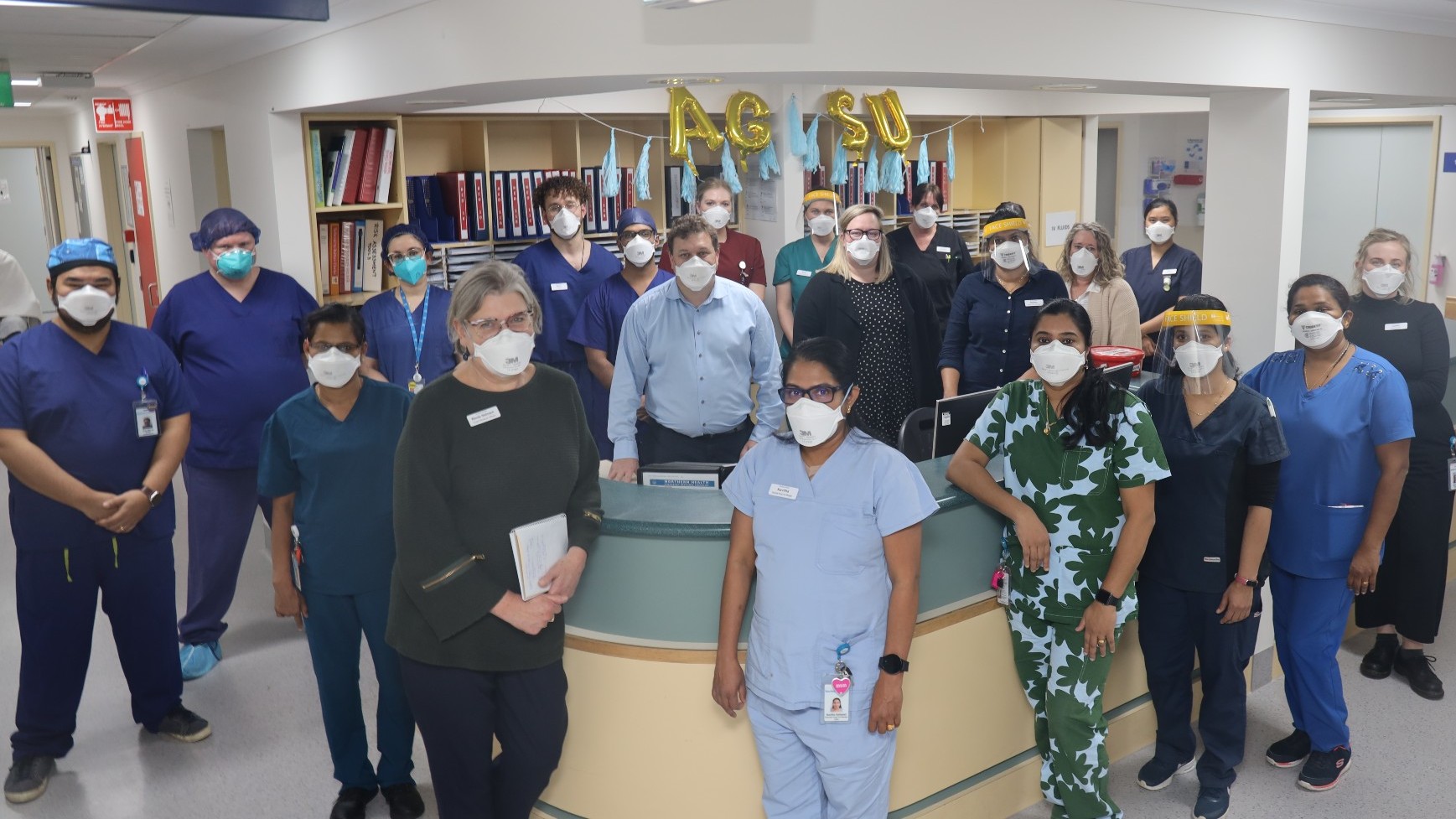
    Northern Health’s Acute General Surgical Unit (AGSU) formally opened on Wednesday, 22 June in Ward 13. The space has been refurbished to provide a purpose-built environment and a new model of care, and designed to enhance patient flow.

    The objective of the model is to improve access and flow from the Emergency Department (ED) by providing a dedicated area for the surgical team to review and treat patients.

    The AGSU model of care started at Northern Health in February 2013, with none other than our Chief Medical Officer, Associate Professor Wanda S Stelmach, as Head of Unit. In her team were 14 general surgeons, five locum doctors, three unaccredited registrars and four interns.

    The origins of the AGSU model of care go back even further, to the General Surgeons Australia’s 12-point plan for Emergency Surgery developed in 2009. This, in turn, came about as a result of the importance and growing demand for emergency general surgery, the lack of timely care of emergency general surgery admissions, and the transition from the traditional on-call system to the Acute Surgical Unit model.

    The feedback for the new ward and setting has been very positive:

    “Early transfer to AGSU prevents long waiting hours in ED for beds and improves patient flow,” says Nurse Kavitha Satheesh.

    Dr Russell Hodgson, Consultant Surgeon, AGSU, says, “The new AGSU ward has taken the stress and lengthy time delays out of the morning ward round.”

    Linda Romano, Divisional Director Nursing, Surgical Services & Access, says, “The new ward has been designed to be pathway driven, providing immediate assessment and treatment in the right place at the right time and improving access and flow within our Emergency Department. It has been great to see how enthusiastic everyone involved have been to make this a success.”

    Dennis Gyomber, Divisional Director, Surgery, is excited for all those who have worked hard to create this model.

    “It has been pleasing to see how this model has been embraced by the ED, surgical and nursing teams. And, once again, it shows the innovative and collaborative culture at Northern Health,” he says.

    Amanda Paleologos, Director of Operations Elective Surgery and Surgical Wards (Ag) added, “It has been really humbling to see the passion and drive of the nursing team supporting the new model.”

    According to Wanda, “It was always the dream of the original model of care for AGSU to have a home ward. I am delighted that the dream has finally been realised. This gives the AGSU team the opportunity to streamline and standardise patient care, which will lead to a much improved experience for our emergency general surgery patients. I am delighted to see the enthusiasm which this opportunity has been embraced by all of our staff – well done Team AGSU!”

    Featured image: Staff and well wishers at Ward 13 on the opening of the AGSU Ward.

  • Julie Loughran wins Credentialled Diabetes Educator of the Year

    Julie Loughran wins Credentialled Diabetes Educator of the Year

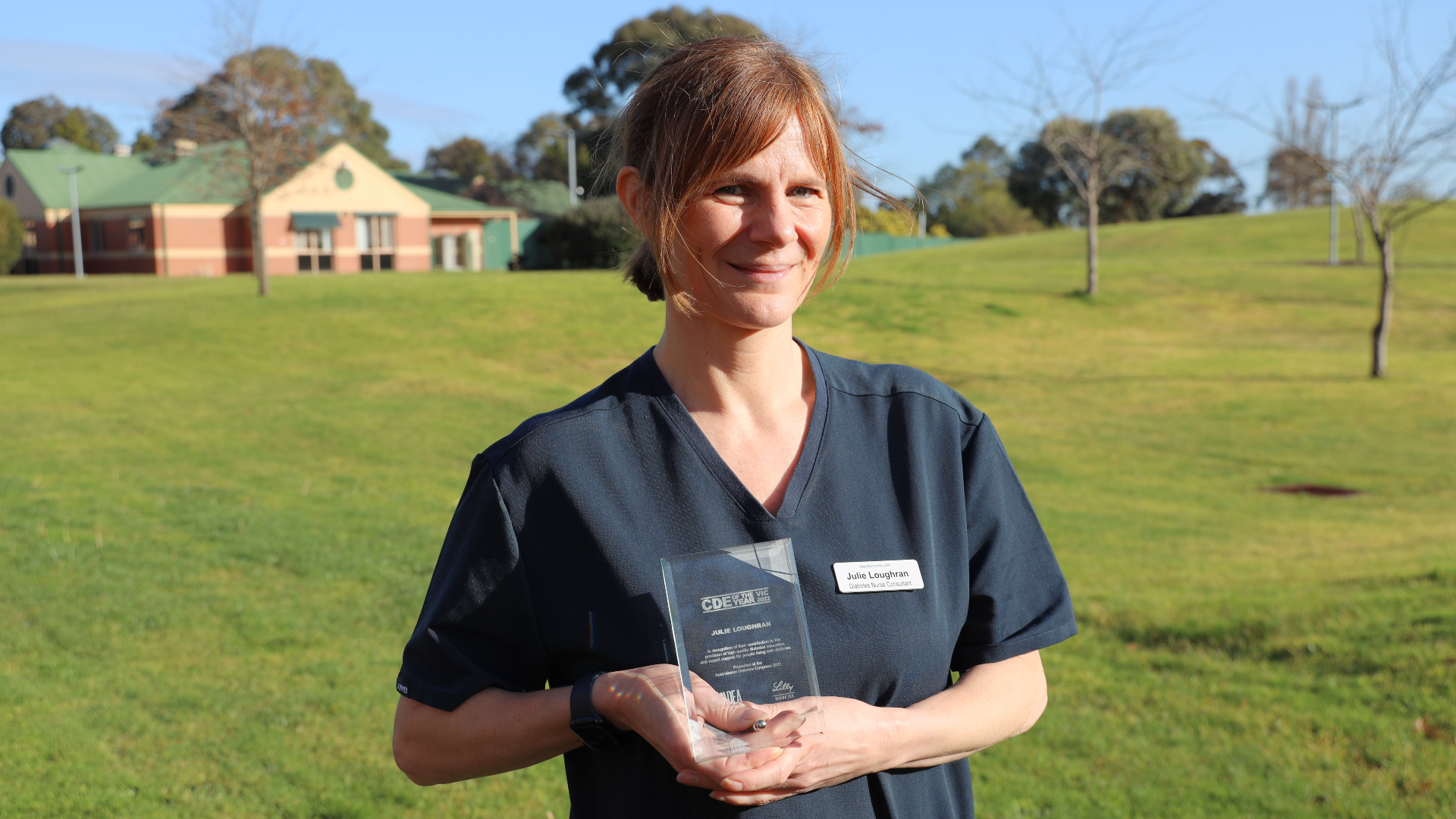
    Julie Loughran, Diabetes Nurse Consultant, has received the award for ‘Credentialled Diabetes Educator (CDE) of the Year – Victoria’ from the Australian Diabetes Educators Association.

    A CDE is Australia’s go-to qualified healthcare professional for people with diabetes. They are qualified to provide a personalised approach to diabetes education and care. They work with other healthcare practitioners, and provide services to people with diabetes, to help empower and assist them in dealing with daily self-management.

    Julie has been working in the diabetes profession for more than 20 years. She trained in the UK before she moved to Australia, 10 years ago. She has worked at Northern Health since her arrival in Australia.

    Julie works with the inpatient team at Broadmeadows Hospital and Bundoora Centre, educating patients, carers and staff about managing diabetes. She has become a strong patient advocate for vulnerable people living with diabetes, older people with cognitive decline, dementia, and people living with disabilities.

    “Safe discharge planning for this patient group is priority – often a lengthy process, but very rewarding. We help to keep people safe in hospital, and safe upon discharge, because most of the people we see are not able to self-manage their diabetes,” Julie said.

    “Diabetes is very challenging to manage, and when people are in hospital, they are not living their normal life – they are not eating their normal food and they are in their normal routine, so it often upsets their blood glucose control.”

    As a CDE, Julie believes patient education is vital when it comes to managing diabetes.

    “Diabetes is a condition where you can feel quite well, even if the blood glucose is higher than it should be, so patient education can be quite challenging. In the inpatient setting, we do the essential part of patient education for safe discharge. When people are unwell, it is not the best time to educate, so we make sure people with diabetes and carers have the basic knowledge to go home safely.”

    “We work very closely with the diabetes outpatient services at Northern Health, where further education takes place with the diabetes educator, and people can receive the whole educational package.”

    Julie says she is fortunate to work with an amazing team of people who are very passionate about trying to improve the lives of people living with diabetes, and are constantly working towards improving the patient experience.

    Julie has a great interest in audit, looking at what the team is doing, and why they are doing it, helping to ensure that patients receive the best evidenced-based care. The results of these audits has helped to produce educational tools to support healthcare professionals managing diabetes in the inpatient setting.

    About 36 per cent of Northern Health inpatients have diabetes, according to Julie. She says education and preventative measures are key when it comes to reducing the risk of developing type 2 diabetes, and making people aware of the risks diabetes can impose.

    “There is a screening tool for type 2 diabetes – it is recommended people who have a high risk of diabetes are screened.”

    Julie has been working on the Diabetes Learning Hub for Northern Health, where all members of staff have access to diabetes information, including The Australian Type 2 Diabetes Risk Assessment Tool.

    “Working at Northern Health has been very rewarding. The health service is changing – it has changed since the day I started. What I do like is that Northern Health adapts to change, and it welcomes change. Our staff also adapt to those changes – Northern Health is very promising.”

    Congratulations Julie on receiving this amazing award!

  • Get to know: Chrissy Nicolaidis

    Get to know: Chrissy Nicolaidis

    In today’s ‘Get to know’ profile, we catch up with Chrissy Nicolaidis, Acting Operations Manager Health Information Service (HIS), and co-chair of the Rainbow Working Group.

    Firstly, what is your coffee order?

    Soy latte please!

    Tell us about your Northern Health journey – when you started and your roles here.

    I came to Northern Health after working at the Department of Health and Human Services. I wanted to be working closer to the coalface of health service delivery, so I joined as a Health Information Manager in 2016, filling in on a six month maternity leave contract. Nearly seven years later, and I am still here. I have worked in a variety of roles including Operations Manager of Ward Clerk Workforce, Manager of the Datasets Reporting Unit, and now Acting Operations Manager of HIS. I’m fortunate to have worked with many colleagues at Northern Health, whom I now consider great friends.

    What are you most passionate about?

    Equality. Making sure that all patients, staff, and visitors to Northern Health are treated with respect, and that we celebrate our strength in diversity. I am co-chair of the Rainbow Working Group, and a member of the Refugee and Asylum Seeker Working Group. I am proud that we are making progress to make our health service a safer space for marginalised groups.

    What is your greatest achievement or favourite memory at Northern Health?

    Marching at the Northern Health Pride March in 2020 and 2021 – showing our community that Northern Health is progressing towards a more inclusive environment for LGBTIQA+ community.

    How would you describe Northern Health in a sentence?

    Northern Health is full of good people who genuinely care about providing quality care to our diverse community, often in challenging circumstances.

    Which Northern Health value do you best relate to and why?

    Together – its so imperative that we all work together towards our common goals, to continue to make our organisation a safe and trusted health service.

    Do you have a bucket list item?

    I have lots! I love to travel and would love to go back to Nepal and climb Annapurna. I also have an unused skydiving voucher waiting for me to build up the courage to go.

    What would people be most surprised to know about you?

    I have travelled to over 30 countries and been to every continent except Antarctica!

  • Northern Health Reception: Going above and beyond

    Northern Health Reception: Going above and beyond

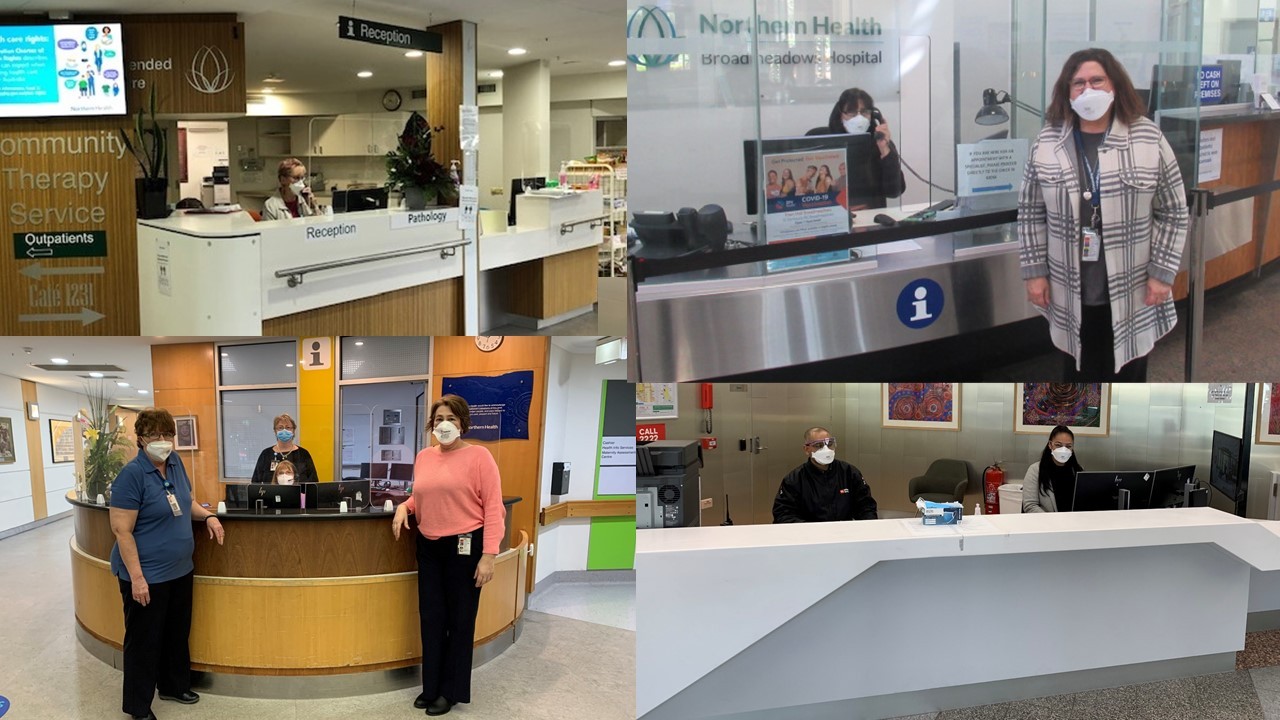
    Being a Receptionist and Switchboard Operator necessitates a very consumer-centric focus, while at the same time, demands a vast amount of knowledge of Northern Health and its ever changing operations.

    There are over 40 Reception and Switchboard Operators who work across Northern Hospital Epping, Broadmeadows Hospital and Bundoora Centre. The role is chiefly responsible for greeting and assisting patients, staff and the general public, answering and directing phone calls from internal and external stakeholders, and prioritising and responding to the 2222 Emergency Code phone.

    Outside of these duties, the team control the paging system across the health service, maintain and process the mail rooms, manage the phone directory with over 6,500 phone extensions and distribute and reconcile CabCharge vouchers.

    To ensure a Switchboard Operator has up to date information and is able to assist with any query, they utilise a minimum of nine systems at any one time.

    Two years ago, the Reception and Switchboard Department at Northern Hospital Epping was averaging 30,000 calls per month. During the 2021-22 financial year, they averaged 45,000 calls per month, a 50 per cent increase in only two years.

    An average waiting time of 42 seconds was achieved for callers to speak to a Switchboard Operator. This was a huge achievement, despite the steep increase in call volume. Broadmeadows Hospital and Bundoora Centre Switchboard also averaged 5,000 and 3,500 calls per month respectively.

    The surge in activity was attributed to the increase in patient beds and the high number of COVID-19 testing and vaccination enquiries, as well as the introduction of visiting restrictions.

    A ‘Ward Contact Numbers’ list was developed and published on the Northern Health Intranet to help reduce internal calls, where possible. It is available here.

    The team also help to ensure the safety and welfare of our patients, staff and visitors by receiving calls through the 2222 Emergency Code Phone. Over the last year, they received and actioned a total of 23,700 emergency codes that were called through 2222, with the Northern Hospital Switchboard responding to more than 19,000 of those. Each code requires the Switchboard Operator to follow one of 15 individual procedures, depending on the type of code.

    Nick Caruana, Hospital Reception Manager, says, “I would like to recognise and sincerely thank the Reception and Switchboard Operators for their hard work and dedication, especially over the last year. They go above and beyond to assist the public and staff of Northern Health, and display great patience and kindness, even in the face of extraordinary call volumes. I have been so fortunate to have the opportunity to meet and work with such a charismatic and dedicated team of individuals over the last year, and I’m looking forward to what the future brings for this department.”