• Be a nutrition champion!

    Be a nutrition champion!

    This week Northern Health is proud to recognise Malnutrition Week ANZ. A time dedicated to raise awareness of the role nutrition screening plays in the prevention and treatment of the staggering rates of malnutrition detected in Australian and New Zealand communities and healthcare settings.

    Every inpatient at Northern Health is required to be weighed and screened for malnutrition risk within 24 hours of admission to hospital. Further re-screening is also required weekly thereafter.

    “At Northern Health one in five inpatients are malnourished,” said Nadia Obeid, Senior Dietitian.

    “Malnourished patients tend to stay longer in hospital, are more likely to be readmitted.”

    Malnutrition can have a significant burden on patients, carers, families and the entire healthcare system. When there is unintentional weight loss and reduced appetite and food intake, clinicians should refer to a dietitian.

    Jianmin’s Story

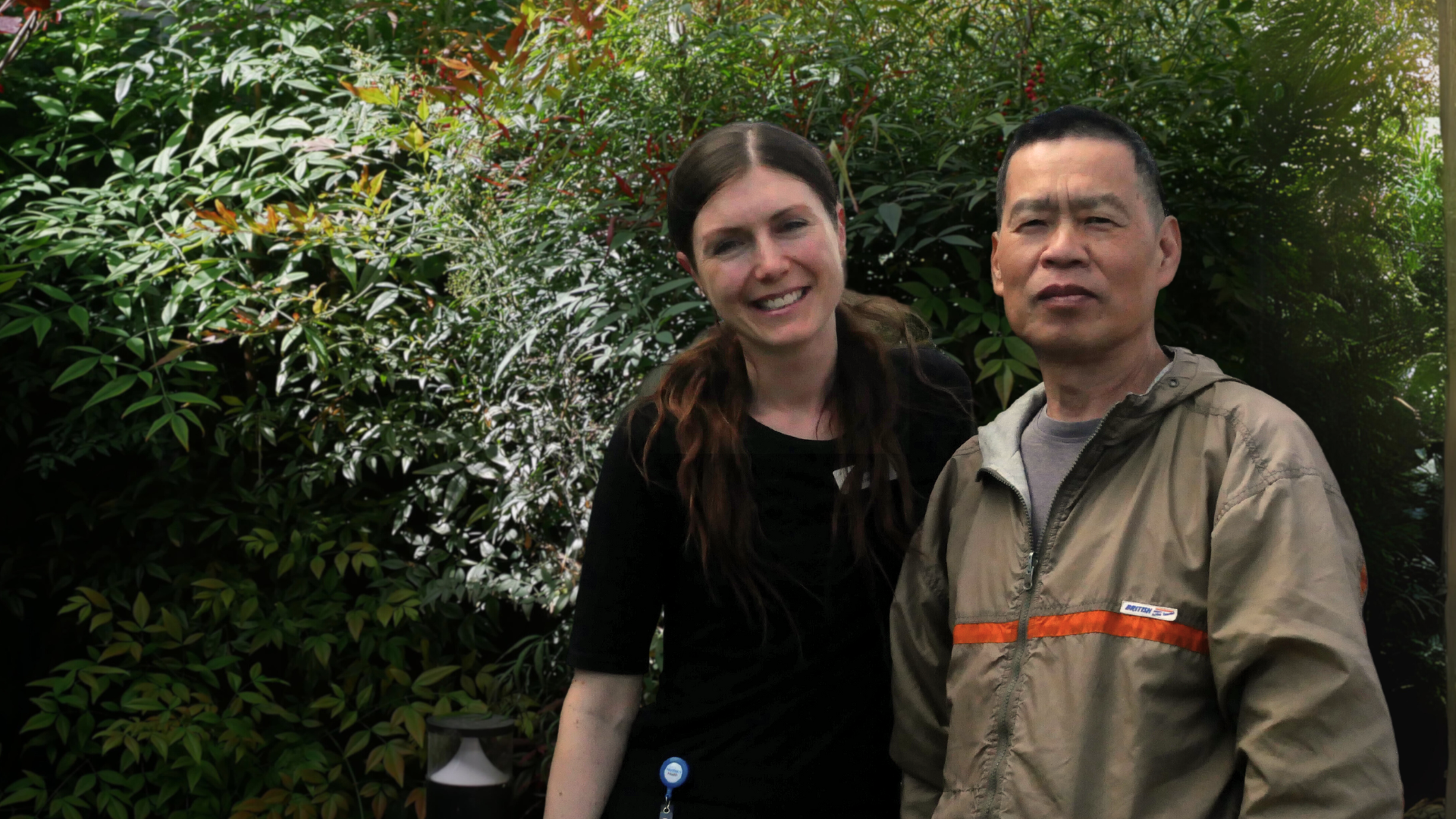
    Northern Health dialysis patient Jianmin He (pictured) lost weight and developed malnutrition which left him feeling extremely tired and weak. He was eating poorly and also had a reduced appetite. But with nutrition support from the Northern Health Dietetics service, he was able to re-gain the weight he’d lost. Jianmin is now feeling stronger, more energetic and much better equipped to take on his treatment.

    “The Dietitian support and nutrition drinks helped me gain the weight and my strength back. It has helped give me a speedy recovery,” Mr He said.

    The theme of this year’s Malnutrition Week campaign is, ‘Be a nutrition champion!’

    “While dietitians live and breathe nutrition, they can’t be the only healthcare professionals to ‘champion’ nutrition in hospitals,” Ms Obeid said.

    “Nurses, doctors, allied health staff, and food service professionals all play a key role in championing nutrition and improving quality of life for the patients they care for.”

    Malnutrition screening is a key component to the effective care and treatment of our patients. In a recent initiative at Broadmeadows Hospital, dietitians and Allied Heath staff carried out regular audits of malnutrition screening and weighing, feeding results back to clinical staff, offering training and advice about the importance of the process.

    This has led to a dramatic reduction in malnutrition prevalence on the ward, from 55 per cent in 2022 down to zero percent 12 months later. An outstanding team effort!

    “We encourage everyone to be a champion for nutrition and improve the quality of life for those we are caring for,” Ms Obeid concluded.

    Featured image: Senior Dietitian Nadia Obeid and Northern Health patient Jianmin He.

  • National Safe Work Month: For everyone’s safety, work safely

    National Safe Work Month: For everyone’s safety, work safely

    Imagine a workplace where there are no risks, and no one is injured. Sounds like a dream. However, the reality is that there will always be risks present in the workplace and someone will inevitably get injured.

    Safe Work Australia runs an annual national campaign in October – National Safe Work Month, to raise awareness of occupational health and safety (OH&S) and to encourage all individuals and organisations to prioritise safety in their workplaces to reduce number of work-related injuries, illnesses and fatalities.

    Being healthy and safe means being free from physical and psychological harm. A safe and healthy workplace benefits everyone. We all understand that safety and wellbeing are important and how it impacts everyone, even beyond the workplace.

    The theme for this year’s National Safe Work Month is “For everyone’s safety, work safely.” Everyone has a part to play and we need to work together to keep everyone safe. You can refer to this link to find out what simple actions you can take to maintain safety.

    Protecting our mental health is just as important as protecting our physical health. Incidentally, October is also Mental Health Month. To understand more about psychosocial hazards for mental health at work and what supports are available, please click on this link.

    The OH&S and Wellbeing teams approached staff across different roles, asking “What does OH&S mean to you?”

    Siva Sivarajah, Chief Executive: Northern Health has an obligation to keep our staff safe while they work, and to ensure our patients, their carers and visitors to Northern Health are also kept safe. Occupational health and safety reminds us of the responsibility we have as an organisation to maintain a strong safety culture, not just in the physical sense but for the overall wellbeing of staff, patients, their carers and visitors.

    Debra Bourne, Chief Operating Officer: OH&S embodies our unwavering commitment to safeguarding the wellbeing of every individual within our workplace; staff, patients and visitors. It means fostering a culture where employees feel safe, valued, and empowered to thrive in a safe work environment. As one of our core values, safety, in all its forms, is a key priority and we can all contribute to a safe and healthy working environment by practicing safety every day.

    Simone Jervies, Ward 10 NUM: OH&S means developing strong, positive relationships with a culture based on safety, transparency, empathy, and trust. OH&S mean creating a safe working environment where workers feel more at ease, confident and happy to come to work.

    Judy Sonneveld, Ward 22 NUM: OH&S is a way to identify and manage risk to staff to ensure that everyone comes to work in safe environment. We screen our patients for risk to safety to optimise care. We screen our environment and work practices to provide hazard free workplace and reduce injury to staff.

    Deanne South, Ward 18 HSR: OH&S means coming to work and feeling safe. It means helping keep myself and my colleagues feel safe, and making sure everyone goes home mentally and physically well to their families. 

    Karen Candy, N CCU HSR: Safety, security, and a feeling of wellbeing when coming to work. To know that you work hard for your peers, do the job required, there’s faith in everyone returning to family accident free, at the end of the day.

    Mikayla Kingston, Pathology HSR: I think OH&S is often misunderstood. I volunteered to become the HSR of Pathology as I am an outgoing person who loves a challenge. Being able to learn new skills, being the voice for my colleagues and keeping them safe is important to me. I love how diverse OH&S is. Being involved in OH&S, as a HSR, has been rewarding. I have been able to learn new skills and apply them, meet new people and form connections within the hospital. These connections have helped me in assisting keeping the pathology environment a safe space. I believe OH&S is more than following guidelines, although important, it’s also about teamwork!

    Roopa Abrol, NWAMHS ECT HSR: Providing safe and secure environment that is hazard free to everyone working in that area, regardless of the nature of their work.

    Ebin Ephrem, EMH HSR: For me, occupational health and safety is working towards safeguarding the safety and wellbeing of staff, patients, and visitors. It entails implementing procedures, and encompassing measures to prevent accidents, reduce risks, and maintain a secure healthcare environment for all stakeholders.

    Dianne Rainford, NAMHS Hotham Street HSR: OH&S is at times challenging and rewarding. OH&S means having each other’s back and taking a part in what has to happen to make sure everyone is safe including the clients and staff. The staff we have at Hotham Street are exceptional in helping each other to stay safe.

    Leon Tan – OH&S Manager: Working across multiple high-risk industries and seeing how situations could easily turn bad has deepen my appreciation for OH&S. Hence this has become my passion to advocate and ensure that everyone returns home safely to what matters most.

    There is more we can do, and working together we can make a difference.

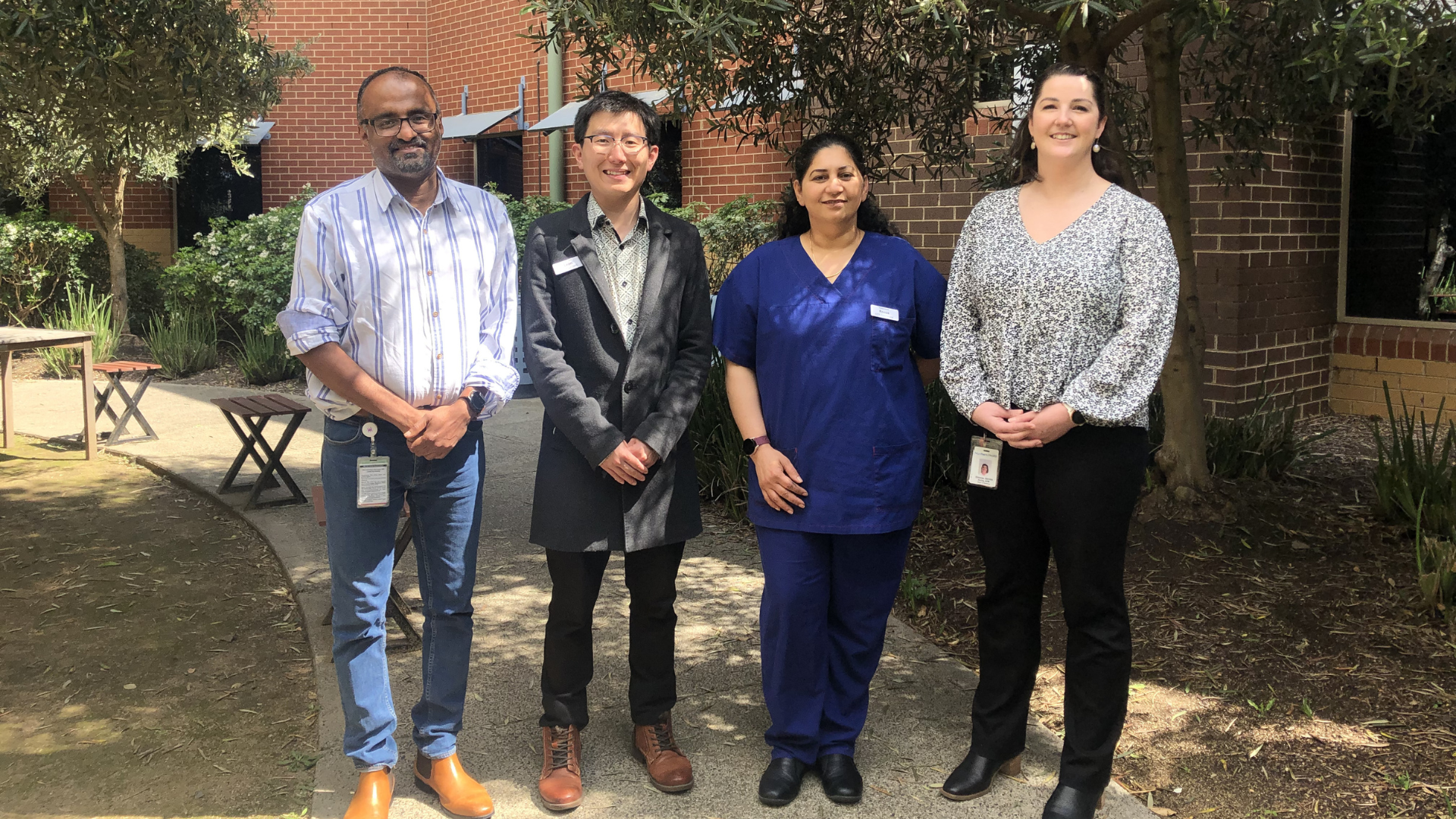
    Featured image: Ebin Ephrem, Clinician, Emergency Mental Health, Leon Tan, OH&S Manager, Roopa Abrollhos, ECT Coordinator and Simone Jervies, Acting NUM Birthing Suite and Maternity Assessment Care. 

  • Why Research Week matters

    Why Research Week matters

    Professor Shekhar Kumta, Chair of the 2023 Northern Health Research Week Working Group, believes “continuous improvement in quality of care comes not only through optimizing one’s work, but also by incorporating novel research applications towards better and efficient patient care.”

    He is keen that this year’s Research Week does more than just acknowledge the research achievements of our colleagues and research partners but is also “promoting a culture that is necessary to sustain, promote and inspire future generations of healthcare workers.”

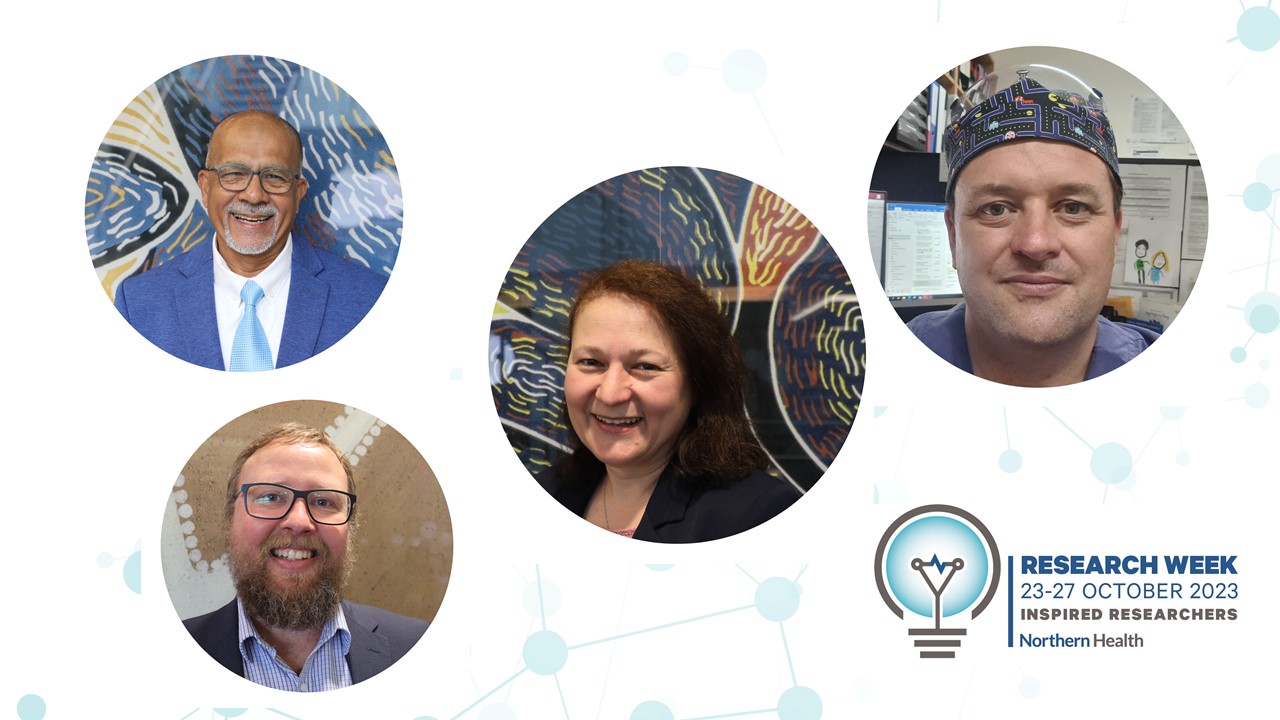
    Click on image below to learn more.

    “Given the increasing volume of patients that depend on Northern Health to provide care, it is imperative that we also develop our capacity to conduct good quality research that will have a lasting impact on our patients,” adds Professor Kumta.

    Dr Vicky Kartsogiannis, Research Coordinator, Department of Orthopaedic Surgery, has been attending Research Week for a couple of years and says, “I can honestly say that the quality of research activities driven by Northern Health staff and our engagement with external partners has gone from strength to strength.”

    Dr Kartsogiannis adds, “Research Week offers the perfect platform for internal as well as external collaborations and partnerships. Positive encouragement is critical for our upcoming research leaders and rising stars to allow them to materialise their ideas.”

    Dr Russell Hodgson, Head of Surgical Research, Northern Health, concurs. He says, “Research Week is Northern Health’s best forum to give our developing researchers opportunities to speak, present and collaborate, and learn the skills of educating others about their work – and it is incumbent on the rest of us to be there to encourage them and learn from them.”

    Dr Adam Semciw Associate Professor – Allied Health, offers an evidence-based response. He says, “A systematic review by Harding et al published in the Australian Health Review (2017) provided evidence to suggest that health services with a strong research culture were associated with benefits to staff, patients and organisational efficiency.”

    “It seems that we can’t afford not to be invested in research.”

    Join us at the 2023 Research Week, “as both current and future health caregivers share their innovative ideas and research efforts towards the betterment of our community,” says Professor Shekhar.

    Harding K, Lynch L, Porter J, Taylor NF. Organisational benefits of a strong research culture in a health service: a systematic review. Aust Health Rev. 2017 Mar;41(1):45-53. doi: 10.1071/AH15180. PMID: 27074113

  • Get To Know: Shekhar Kumta

    Get To Know: Shekhar Kumta

    Professor Shekhar Kumta, the University of Melbourne’s Academic Lead, Department of Surgery at Northern Health, is most emphatic when speaking of his patients.

    When he says, “It is THEIR stories that drive me”, you know he means it. Besides being Professor of Surgery, Shekar is also a member of the Northern Health Research Executive Committee, tasked with promoting, coordinating, and supporting research activities across our health service. He is also the Chair of the 2023 Research Week Working Group.

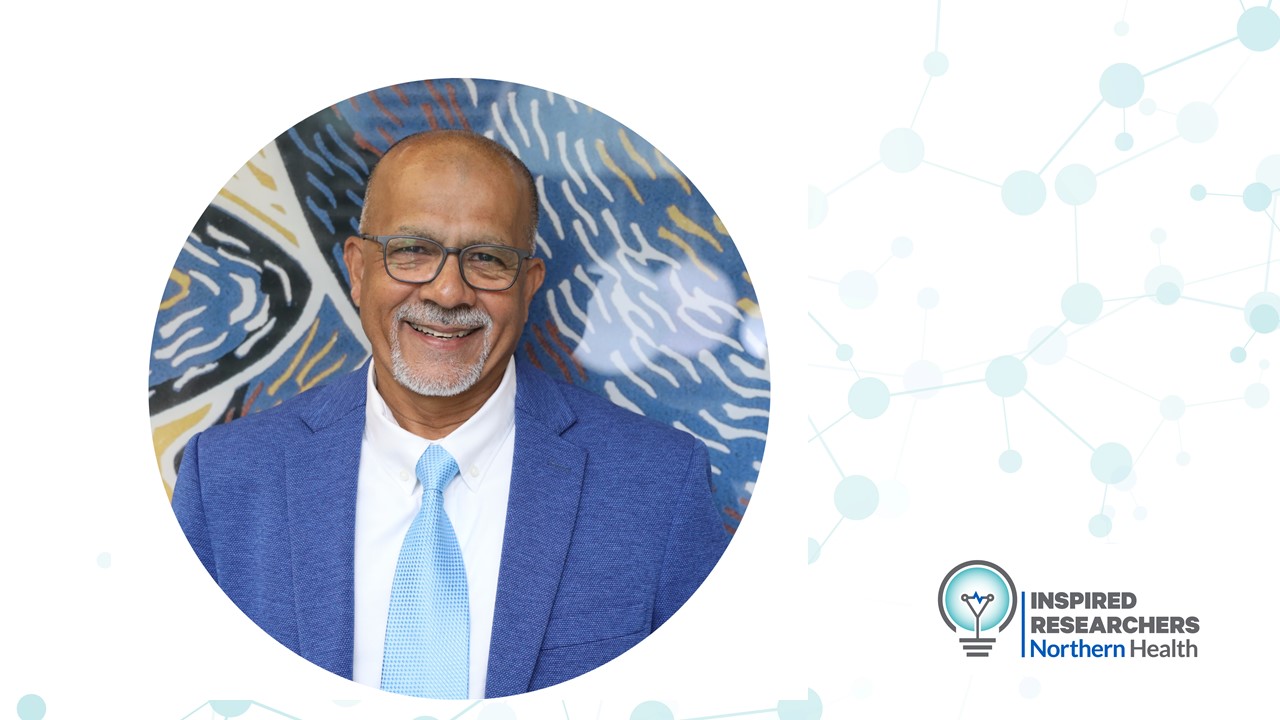
    Click on image below to learn more.

    Q: How do you like your coffee?

    I like to brew my own coffee, there is certain earthiness to the smell of good roasted coffee. Something that brings us back to nature and reminds us of our roots. It’s not the stimulation of the caffeine but the soothing aroma of the roast that makes my day. Every day a 5 am coffee is a must!

    Q: Tell us about your role at Northern Health?

    I hold the post of Professor and Academic Lead to the Department of Surgery. My primary role is to drive research and bring in technology and/or innovation together with some mentoring to colleagues who may be interested in research. I believe almost everyone is interested in some form of research. Research in its simplest form is nothing but a systematic way of studying and seeking answers, so that we may find explanations or work around problems.

    Any good and conscientious clinician wants to provide the best care for their patients. Therefore, research is an obligatory component of good clinical service and continuous quality improvement. It does not necessarily have to be high-tech or fanciful.

    However, clinicians are busy with their duties and there are few incentives to drive research and that’s where I thought I could contribute, beyond just the Department of Surgery. I am very keen to bring in novel technology to the bedside and I would like to bridge the divide between clinicians and basic science through translational research.

     Q: Briefly, can you tell us of your roles and career prior to Northern Health?

    I trained in Mumbai as a traumatologist. I cut my teeth on resuscitating and operating on patients with massive injuries from trucks and train accidents. It’s a ghastly experience to put together someone who has fallen off a train or been run over!

    I moved to Hong Kong to join the Chinese University of Hong Kong, specifically to be with the Hand and Microvascular Department, where I learnt the skills of ‘toe to hand’ transfers from my mentor and chief, Professor P. C. Leung – one of the pioneers of microvascular reconstruction. I then transferred my reconstruction skills to Orthopaedic Oncology and that was where I also got the opportunity to indulge in cutting edge oncologic research, particularly in the molecular development of tumours and related biological signalling.

    I was also the Assistant Dean of Medical Education, a role I enjoyed for 20 plus years. In addition, I was the Executive Director of the Chinese University’s Centre for Bioethics, a role that I held for two years.

    These two roles were crucial, as I was also responsible for the supervision and mentoring of interns across Hong Kong.

    Q: Any anecdotes you would like to share?

    We often talk about the greatness and wonderous achievements of our medical colleagues – to my mind, this is a duty, one does not need glory. On the other hand, I am deeply impressed by the tenacity and the will of patients – it is their stories that drive me; their bravery and desire to survive and these two stories immediately come to mind:

    • I was in Sudan on a WHO sponsored education mission when I came across a lady outside Khartoum General Hospital. She was very tall, extremely thin, carrying a child and looked really exhausted. She stopped to ask my friend, a local Sudanese doctor, where the hospital was. Her story brought tears to our eyes. She had just walked across the Chad Desert, a distance of 800 km with her four-year -old son who had epilepsy. Her journey had taken four months, and her only possessions were a pair of slippers, a tiny cloth bag and absolutely no money. All she had was her desire to see her child cured. I was humbled.
    • The second story involves a palliative care surgical service I had established in Hong Kong. One day I was visited by a woman in her late 60s with a fungating wound about the size of a dinner plate over her pelvis. She had crossed the border from Shenzhen, walking 220 km.  She said she needed treatment as she was kicked out of her rental housing, and no one would offer her any housing because of the smell from her wound. She had sold all of her possessions and had no more than a few hundred dollars left – but she had hope, and that was her strength. Once again, I was humbled. We were determined to get her wound healed. It took a few weeks, as we moved heaven and earth, to over-turn the usual administrative hurdles.  She survived two years and every few months we would receive a letter from her. Her story and her will to survive often gets me out from my laziness.

    Q: How would you describe Northern Health?

    I like Northern Health, it’s a busy place, a happening place. There is a sea of activity here, a swathe of humanity and some amazing diversity and richness that makes it so human. I can sit at Henry’s Cafe and watch the world go by. Even in the few months I have been here, I have seen the activity grow – it is very impressive. 

    Q: What does the future hold for Northern Health in your view?

    Where there are people there is a need. Where there is a need, there will be people, who will rise up to fill that need and so the cycle of life continues. It is that simple. There are many inspiring people at Northern Health – their stories are what the future is.

    Q: Tell us something about you that will surprise our readers?

    I am passionate about extreme sports. I used to be a free climber – till my ex-partner had a near-death fall and I moved on to another extreme sport, white-water kayaking. Then a friend got trapped in a rapid and had a cardiac arrest. We retrieved him and did an in-water CPR. He survived and I moved on to yet another water sport and became an endurance paddler, participating in long distance ocean races. That’s a continuing passion of mine.

    Q: Tell us of your plans for Research Week?

    As the Chair of the Research Week Working Group, I am keen to reflect the fact that research exists in many dimensions – not all research comes from the lab. Getting our allied health and digital health colleagues to present along with some of the stalwarts of new technology such as nanotechnology, will stimulate participants to understand the wider, broader implications of research. It is shaping up to be an exciting week!


  • Northern Imaging Victoria is live!

    Northern Imaging Victoria is live!

    As of 5 October 2023, Northern Imaging Victoria (NIV) is officially here!

    Northern Health’s very own imaging service is now operating at three campuses: Northern Hospital Epping, Broadmeadows Hospital and Bundoora Centre. The team is also excited to welcome more than 100 new and transitioning imaging staff who will be joining Northern Health.

    “Since the crack of dawn yesterday, up until late last night and early this morning, the team has been working incredibly hard to bring all imaging systems onto the Northern Health network. We could not have done it without the hard work of the Northern Health ICT team, Imaging project team and our vendors,” said Asim Jaleel, RIS, PACS, Informatics Manager.

    “I would like to take this opportunity to thank the project team, Northern Health and our partners for getting us to where we are. Our success in establishing Northern Imaging Victoria is attributed to the collaborative culture of our organisation and the tireless effort of our industry partners,” said A/Prof. Terry Kok, Director of Imaging Services.

    As imaging moves in-house, Northern Health will be able to provide a more integrated model of value-based healthcare by upholding high standards of practice and transparency to continue enhancing the experience of our patients and clinicians. With the projected growth of the organisation, we anticipate further expansion in the range of medical imaging services provided at Northern Health.

    “Having our own in-house Medical Imaging service has been a long time coming. The project team has worked tirelessly over the past year to get to where we are now. Please stay tuned as we are really excited to announce future plans for Northern Imaging Victoria in the near future,” said A/Prof. Prahlad Ho, Divisional Director, Diagnostic & Outpatient Services and Divisional Director (Medical), Cancer Services.

    Congratulations to the imaging team and all involved in this outstanding achievement, and welcome Northern Imaging Victoria to the Northern Health family!

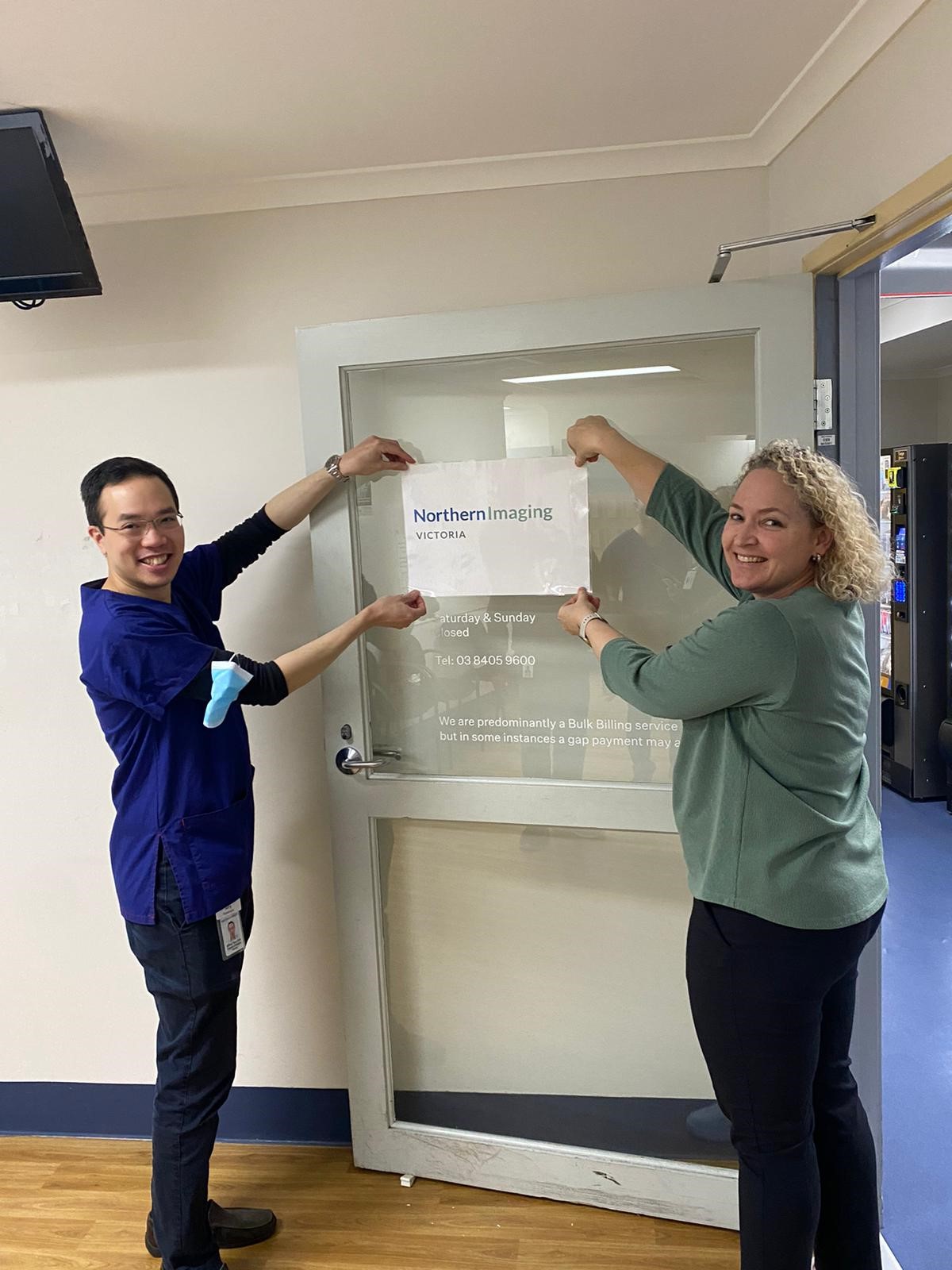
    Inset: A/Prof. Terry Kok, Director of Imaging Services and Sophie Dodson, Operations Manager, putting up the first sign for Northern Imaging Victoria.

  • October is Breast Cancer Awareness Month

    October is Breast Cancer Awareness Month

    October marks Breast Cancer Awareness Month, which helps to raise awareness of the disease, educate about its symptoms and prevention and fund research into causes, treatment, and cure.

    Since the campaign’s inception in 1985, rates of diagnosis have been increased, while mortality rates have continued to fall.

    Northern Health’s Breast Care Nurse Consultant, Cheryl Murray, noted, “Early detection is key. The sooner the cancer is identified, the sooner treatment options can be explored.”

    Advancements in imaging and treatment have meant that patients receive a truly tailored care plan allowing patients to live longer and fuller lives, with overall figures sitting around 92 per cent life expectancy beyond five years post diagnosis.

    In 2022, the risk of being diagnosed with breast cancer over your lifetime was one in seven for women and one in 555 for men. Around 75 per cent of new cases were diagnosed in women aged 50 and over.

    “BreastScreen Australia figures show that 60 per cent of cancers detected were less than 15 mm in size, while only 28 per cent of cancers of the same size were found using non-screen detection methods. Regular breast screening is vital, but knowing ‘your normal’ is important too. Breasts come in all different shapes and sizes, so be breast aware,” Ms Murray said.

    Look

    Look at the shape and appearance of your breasts and nipples in the mirror with your hands by your sides and then above your head.

    Feel

    Feel all of your breast and nipples, looking for anything that isn’t normal for you. Feel from your collarbone to below the bra line and under your armpits.

    Learn 

    Learn what is normal for you. See your doctor if you notice any changes.

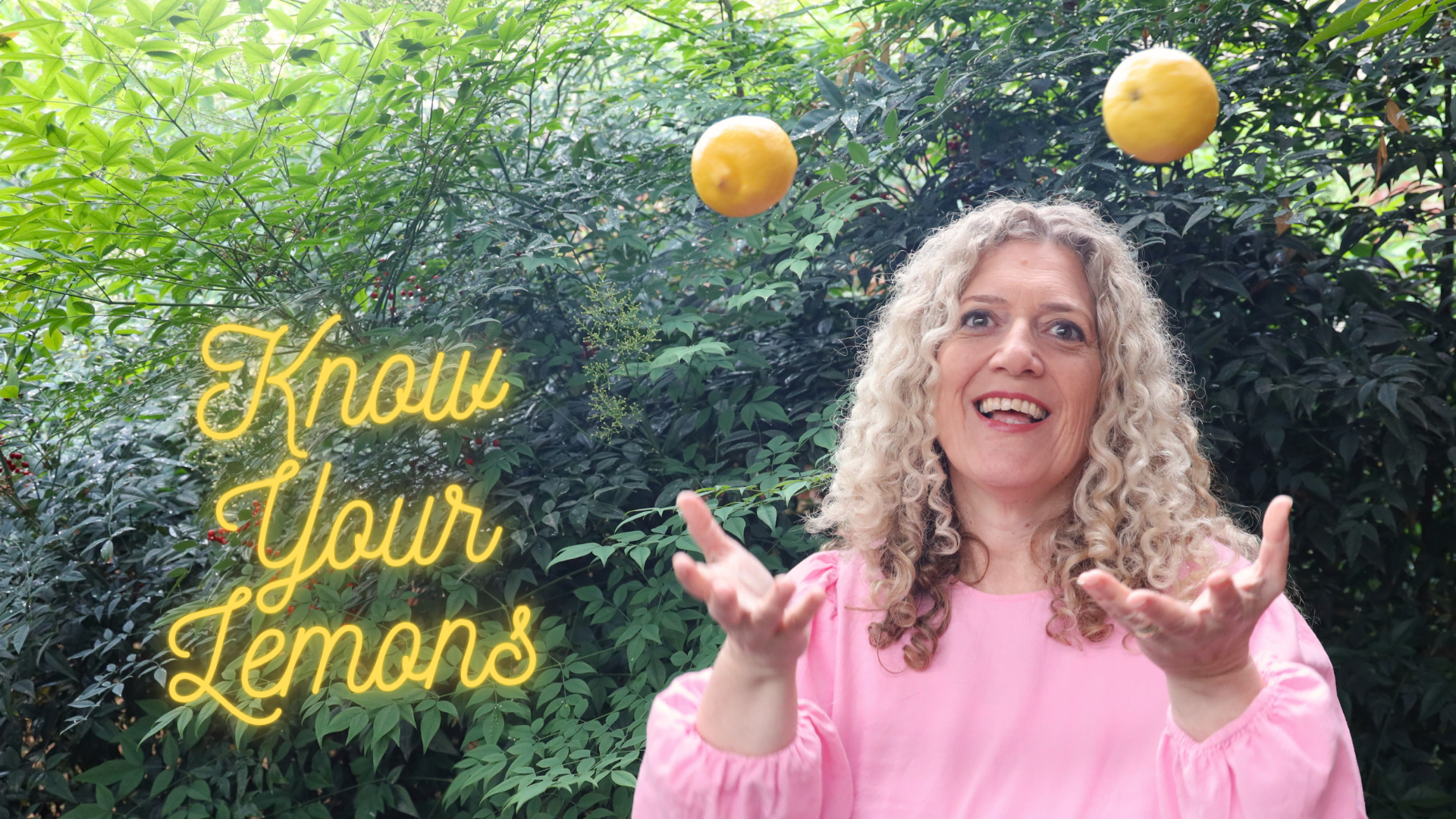
    “The ‘Know your lemons’ campaign is a great way to help visualise changes in your breasts without being too confronting, in language that is easy to grasp,” Ms. Murray added.

    Know your Lemons logo


    BreastScreen Victoria provides free mammograms to women and trans and gender diverse people with no signs or symptoms of breast cancer between the ages of 50 and 74. If you’re in the 40 – 49 age bracket BreastScreen Australia has a free screening program available. Click here to find out more.

    To hear more about Cheryl and the wonderful work being done by Northern Health’s breast care team, tune in to the latest episode of Visiting Hours available here, or wherever you listen to your podcasts.

  • We are Northern: This is the Lived Experience Workforce

    We are Northern: This is the Lived Experience Workforce

    October is Mental Health Awareness Month. Today we showcase our Lived Experience Workforce, a key service and feature of our Mental Health Division. It comes from the recognition that those who are living with or lived through mental illness, have a unique insight that can help others going through it.

    Olivia Hatchman and Christopher Ferguson manage the Consumer Lived Experience Workforce. Says Olivia, “Lived experience workers have had life-changing personal experiences with mental health and/or alcohol and other drug use. After a period of healing and recovery, they are now employed in diverse roles to use their ‘lived’ expertise to help other people accessing our services.”

    Adds Christopher, “Ultimately, it is about how a person’s experiences with mental health are understood and applied to benefit others. This inclusion of a person’s lived experience is also in line with the recommendations of the Royal Commission into Mental Health.”

    Lived experience roles are varied and include positions providing direct support, advocacy, management, research, education, training and consultation on projects and initiatives. Our Lived Experience Workforce help tailor the design of service delivery to incorporate the experience of consumers, families and carers. This allows for more collaborative care where clinicians gain a better understanding and insight into the experiences of the people they are supporting.

    Chris and Olivia work closely with other mental health staff to co-design and contribute lived experience perspectives in the design and delivery of our mental health service, in addition to promoting and providing training for the consumer/carer workforce. Both are proud of the development and involvement of the team, in supporting consumers accessing the new mental health inpatient unit at Northern Hospital Epping.

    Graeme Bryan, a Consumer Peer Support Worker says, “I enjoy the connections I make through our shared lived experience.”

    Shannon Hansen, a resident of our Community Care Unit, says, “Peer support inspires me and makes me want to do this work in the future. Graeme and I provide support to each other, and I have learnt that living with a mental illness isn’t easy and that is okay.”

    Oliva and Chris say the most rewarding part of their job has been watching the Lived Experience Workforce grow. They say, “It all started with one consumer in a lived experience role and now we have over 50 positions, which is a huge achievement and a sign of the changing times! We are very grateful for Northern Health’s continued support for our emerging workforce and representation at all levels of governance.”

    Belinda Scott, Executive Director, Mental Health, says, “The Lived Experience Workforce provide invaluable support to carers, supporters and clinical colleagues. Our consumer’s experience of care is enriched through their collaboration and support.”

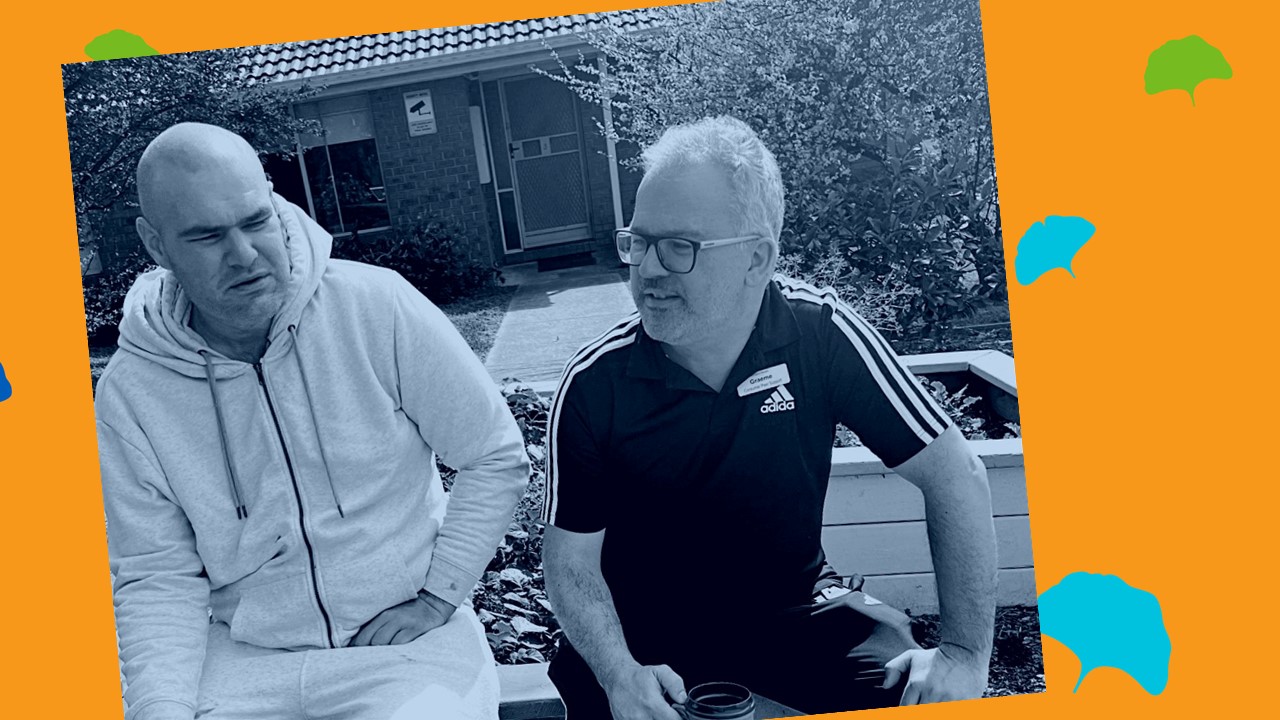
    Featured imaged: Shannon Hansen and Graeme Bryan.

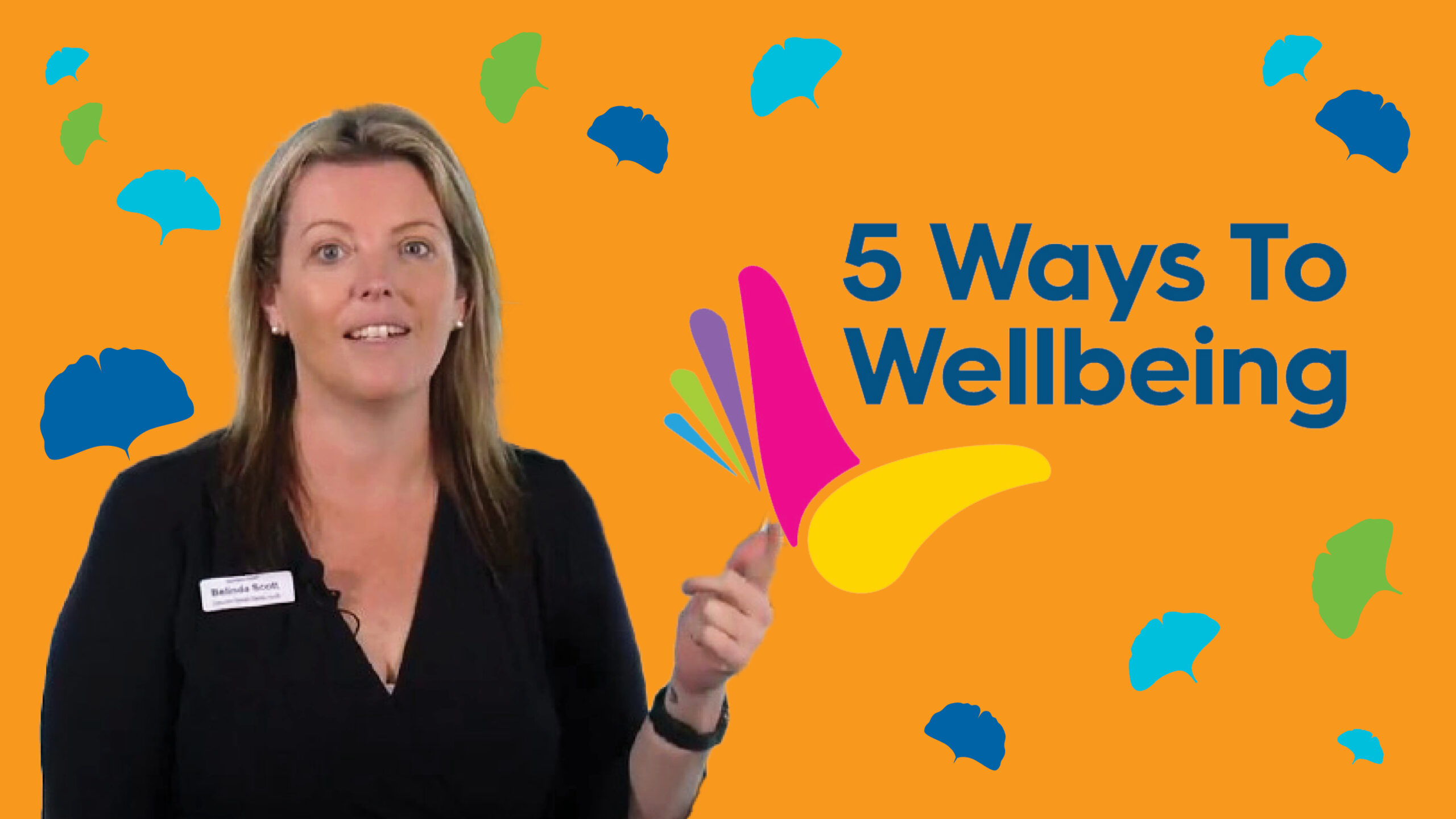
  • Mental Health Month: 5 Ways to Wellbeing

    Mental Health Month: 5 Ways to Wellbeing

    Mental Health Month is a national event that happens every October and aims to improve community awareness and interest in mental health and wellbeing.*

    As one in five Victorians experience mental health issues in any given year, community mental wellbeing is fundamental to our quality of life.

    Today we highlight,5 Ways to Wellbeing’, an international awareness-raising and action orientated health literacy campaign to spread the word about five simple and effective things individuals can do to help protect and promote their mental wellbeing.

    These evidence-based actions are:

    • Connect
    • Be Active
    • Keep Learning
    • Be Aware
    • Help Others.

    Nicola McKay, Community Development – Mental Health Support, Hume Community Team, Wellbeing & Recovery, says, “Northern Health is embarking on a process to develop resources that better address mental health and wellbeing in our CALD communities. We will be sharing updated messaging that enhances the broader community’s understanding of mental health and wellbeing and how to use these five simple ways that build mental resilience and improve mental wellbeing.”

    “This means that all communities we have the privilege of looking after will have access to the 5 Ways to Wellbeing program.”

    States Belinda Scott, Executive Director, Mental Health, “It is important to take a moment each day, to focus on your thoughts and feelings, so that you can reduce your stress and enjoy the good things around you. Give the five a try – it is easier than you think!”

    Please visit the website here: 5waystowellbeing.org.au

    *This week also marks Borderline Personality Disorder Awareness Week. People living with Borderline Personality Disorder (BPD) often experience stigma and discrimination which remains a significant barrier to accessing appropriate care.