• Research Week: The Inspired Researchers are back!

    Research Week: The Inspired Researchers are back!

    It is that time of year again, when we celebrate research at Northern Health. It seems such a long time since the last one and a lot of things have changed.

    Northern Health looks different, with a new mental health building. We are now digital with the new EMR, and we have just welcomed radiology in house.

    On the research side, we have a new Director of Research, Nik Zeps, a new Research Operations Manager, Justine Ellis and a new research structure with a Research Executive Committee and a research advisory group.

    And through all of that change, our researchers have remained inspired and are now equipped with better capability to lead change and strive for future improvements to help our patients.

    This year, following the pattern of change, we have a new format for Research Week, with an exciting programme which is sure to inspire the next generation of Northern Health researchers.

    Some of the major work behind the scenes this year has been to re-engage with our university partners, and Research Week opens with the chair of the Research Executive Committee, A/Professor Prahlad Ho, sharing his view of the future for Northern Health, and two exceptional RMIT researchers, Professor Magdalena Plebanski and Professor Vipul Bansal, discussing immune disease biomarkers and nanotechnology.

    We showcase some of the best that Northern Health has to offer the world before lunch, with Professor Don Campbell presenting his work so far, in one of the most prominent (and newsworthy!) studies led out of Northern Health, and A/Professor Lisa Hui is showing off the first Northern Health biobank and the opportunities that exist for placental research.

    After lunch, some of our brightest minds will compete for the inaugural Peter Brooks Research Award, for the best abstract and oral presentation of the year.

    La Trobe University has sponsored afternoon tea to lead into a session dedicated to our allied health rising stars – but not before the popular trivia session, which has proved impossible to leave out of the program.

    The most memorable part of the day will be left to last. Professor Peter Brooks, AM has led a distinguished and successful career, and we were incredibly lucky that Peter spent the last few years of his career to boost the profile of research at Northern Health, opened doors for many projects, and mentored many researchers to reach new heights.

    He is worthy of a big celebration, and we hope everyone makes time to attend this session at the end of the day and a drink afterwards with Professor Brooks. He will also get to enjoy awarding the inaugural award named after him.

    Despite such an excellent programme that celebrates some established Northern Health researchers, the importance of Research Week lies in supporting and encouraging our most junior researchers. We can’t all be amazing researchers the first time we try, and it is imperative to practice the skills of sharing ideas and results through posters, oral presentations or even just networking with senior researchers.

    Poster sessions will run through the week, prominently in the hospital foyer, and we will also have a dedicated student session to support some of the excellent student projects of 2023.

    The research achievements of Northern Health researchers are an important facet of why we are proud to be part of the Northern Health family, and we hope that everyone comes ‘together’ in this year’s Research Week to support this.


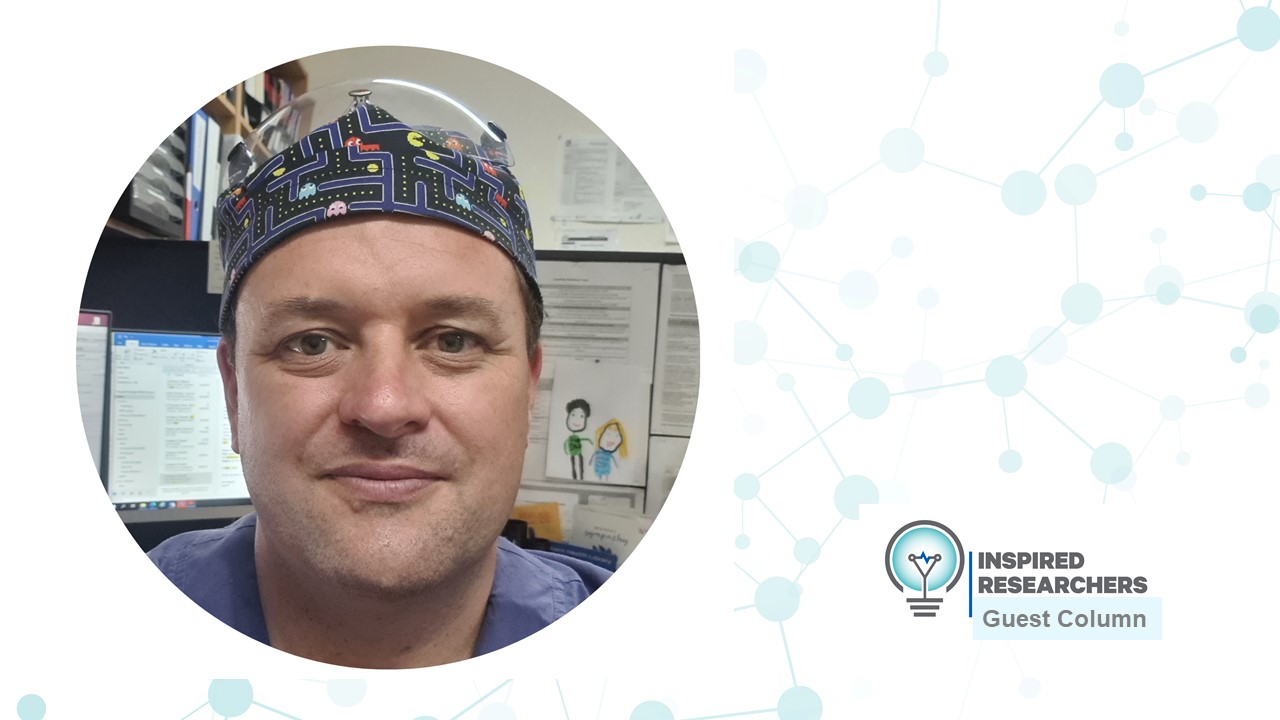
    Dr Russell Hodgson

    Specialist HPB and General Surgeon

    Head of Surgical Research, Northern Health
     

  • Get To Know: Justine Ellis

    Get To Know: Justine Ellis

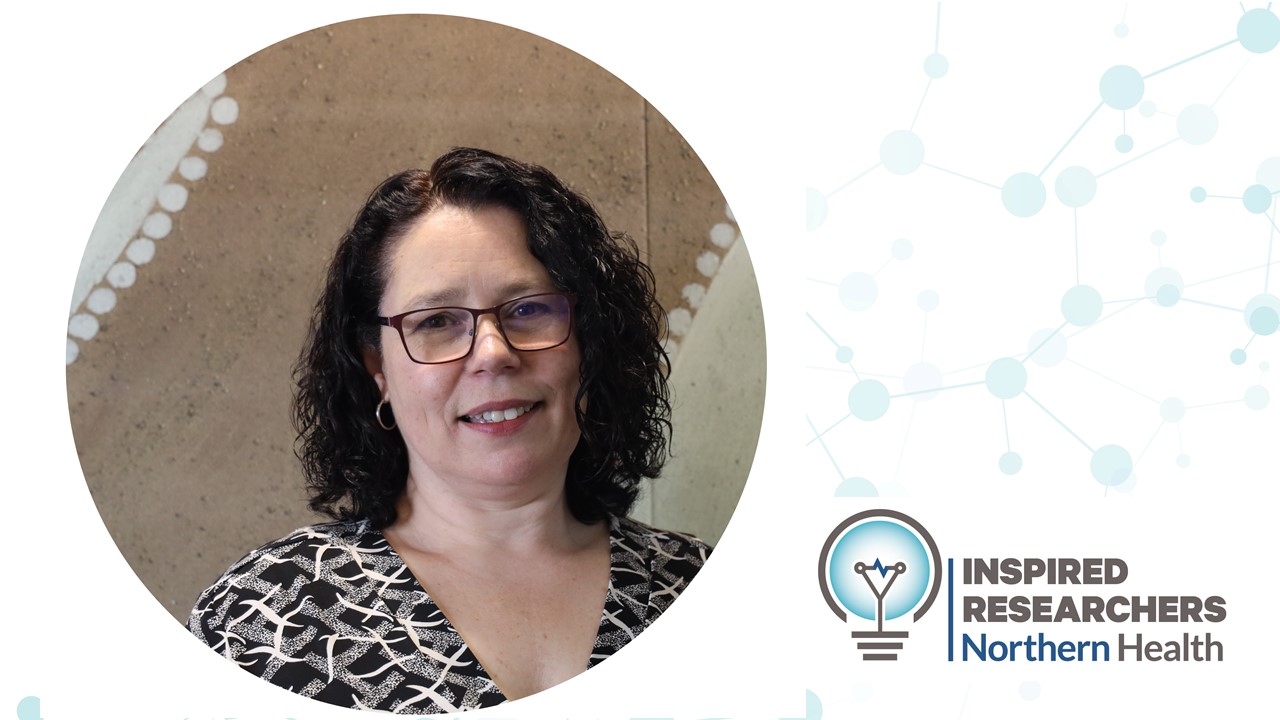
    Justine Ellis, our new Research Operations Manager, is busy building towers – figuratively, at least. Justine says, “Many of the building blocks are already here, so my role is to work collaboratively to turn those blocks into towers!”

    Click on image below to learn more

    Q:  Justine, could I start with your coffee order?

    A: A chai latte, please!

    Q: Tell us about your role in the Research Office?

    A: Overall, my role is to work with the Research Executive Committee and Director of Research to ensure research at Northern Health grows and prospers for the benefit of patients living in the north, and beyond. To make that happen, we need a happy, high-functioning Research Office (now the Research Development and Governance Unit), with streamlined research approval processes that tick all the boxes from a regulatory perspective. We also need to focus on developing researcher capability through support and training opportunities and work every day to further embed a culture of research into our organisation. It’s so important!

    Q: Tell us about your journey to get here?

    A: I ‘grew up’ as an academic researcher, leading a research program into better understanding juvenile arthritis. During that time, I had an opportunity to work on side projects aiming to enable research for others by identifying and removing barriers related to biobanking, and really loved it. So, I took a chance and jumped out of academia and headed down the research management path, stopping along the way to work for the Victorian Comprehensive Cancer Centre Alliance (VCCC), in program management. Now that I’m here at Northern Health, I feel like that chance I took was the right thing to do.

    Q: Any lessons learnt that will be useful to your role here?

    A: Researchers tend to spend a lot of time on tasks that might not be considered as doing the actual research. While many of these tasks are really important and a valuable part of the research project lifecycle (applying for funding, gaining ethics and governance approvals, etc), the more streamlined we can make these tasks, the more time researchers will have to discover new things. This is the philosophy I bring with me as we work to re-focus the work of our Research Development and Governance Unit.

    Q:  Your first impressions of Northern Health?

    A: Super-friendly! Everyone has been so welcoming, and it is a joy to interact with more and more of the staff here to understand their roles and contributions to Northern Health, and how the Research Development and Governance Unit can support their work.

    Q: What are some of the challenges you foresee?

    A: The people living in the north deserve to have better access to clinical trials at their local hospital. There is so much research that should be undertaken around care for culturally diverse populations that Northern Health is perfectly positioned to lead. We need to ‘think research’ in our day-to-day activities and grow research capacity and capability amongst our teams. A whole of organisation shift in thinking is a challenge, but there are clear benefits to making it happen – an easy sell in my opinion!

    Q: What are the opportunities you see?

    A: Quite simply, the more high-quality research we undertake, the more we can improve clinical care and outcomes for our patients.

    Q: How do you unwind from work?

    A: Hard to do when there is so much exciting stuff going on at work! I’m very family oriented, and love spending time with my two kids, aged 22 and 19, as well as my extended family who all live in Kilmore, where I grew up. I find short trips away in various parts of Victoria very refreshing, and I am a regular Airbnb user. I’m also a dog lover, and there’s always lots of activity focussed around our 18-month-old Border Collie cross.

    Q: Tell us something about you that will surprise our readers?

    A: On a Melbourne Cup Day in the mid-90’s I was head-down, finishing off a research thesis. A family member bought me a Melbourne Cup trifecta ‘mystery bet’ ticket where the numbers of three horses were randomly generated. I barely paid attention to the race but at some point, I happened to notice that the three numbers on my ticket were the same three numbers of the horses that placed first, second and third in the race. The winnings helped me along the road to a deposit for my first home – a pretty big deal for a broke research student! I have been forever grateful.

    Q: Tell us of your involvement in Research Week?

    A: Planning for Research Week was well underway when I joined Northern Health in mid-July. Since then, I have been behind the scenes with the team coordinating the planning. The working group, led by Prof Shekhar Kumta, has been working very hard, and the program is looking great! Attendees will get to hear from some outstanding researchers, and to share their own work. There will also be an opportunity for us to introduce the newly rebranded Research Development and Governance Unit, and the growing support that we offer. Looking into the future, I think Research Week year on year will be a great way for our organisation to see and acknowledge growth in research over time.

  • Unlocking Healthcare’s Digital Future: Telehealth Awareness Month

    Unlocking Healthcare’s Digital Future: Telehealth Awareness Month

    October is Telehealth Awareness Month, a time to celebrate and enthusiastically promote the numerous ground-breaking achievements and unparalleled opportunities offered by the transformative world of Telehealth, notably amidst the COVID-19 pandemic.

    Telehealth involves delivering healthcare services remotely through the use of information and technology, with the added capability of supporting education. Telehealth is most commonly delivered through telephone and video calls.

    At Northern Health, Telehealth and virtual care also encompass any projects where technology is used to assess or communicate with patients in a non-face-to-face setting, such as clinical apps or software.

    This year’s theme for Telehealth Awareness month is “Telehealth: Enabling Sustainable Health Care” and it aims to highlight the role of Telehealth in:

    • Enabling equitable consumer access to high quality health services closer to home, meaning less time away from community work and school
    • Supporting clinicians to access peer support and upskilling in order to increase skill, reduce isolation and increase workforce retention
    • Enabling healthcare providers to collaborate to deliver high quality, integrated care, regardless of where the consumer is located
    • Reducing the environmental footprint of providing health care, via reduced clinician and consumer travel which will mean fuel savings and less carbon emissions

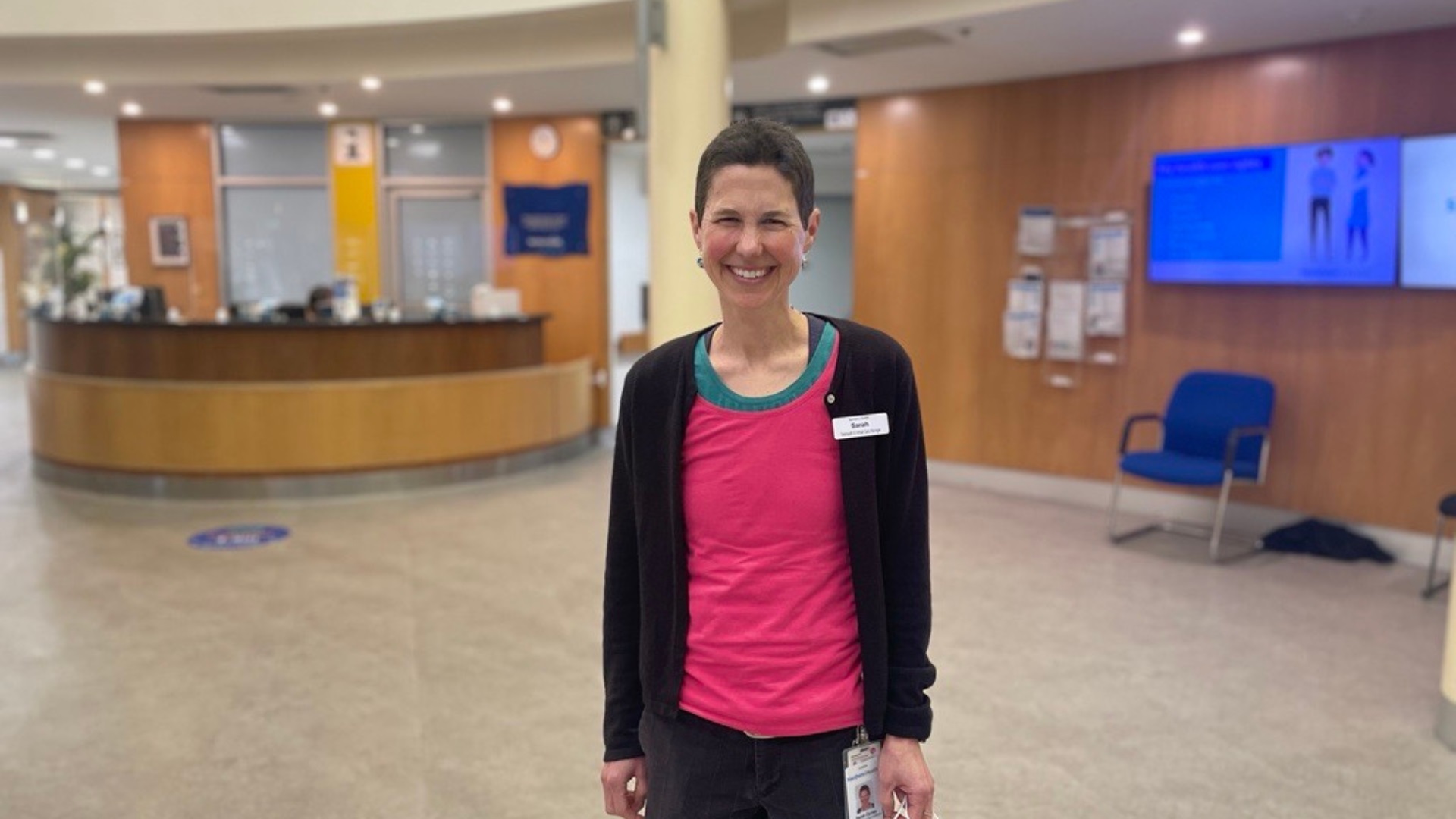
    Sarah Davies, Telehealth and Virtual Care Manager, Northern Health, says, “My role of Telehealth and Virtual Care Manager comprises the whole Telehealth department! However, I sit within the Digital Division and work closely with the other departments. Recently, I have also been branching out of Telehealth to support the Antenatal Clinic team with EMR Go Live.”

    Sarah assumed her role in February 2023 and, while she has already gained substantial knowledge, she acknowledges that there is a significant amount of learning yet to be undertaken.

    “My background is a Neurological Physiotherapist, however I have also done various project roles and just prior to this role, I was working as Clinical Coordinator within the Community Therapy Services. In all the roles I have had, the thing I like most about my work is being able to help people – staff and patients. I consider both these groups to be my main consumers now.”

    Despite the fact that Telehealth uptake has lessened dramatically since the pandemic, it still has the potential to provide amazing support and opportunity to staff and patients.

    “At the moment, at Northern Health, telephone is used far more frequently than video call, but we know that video calls offer a far superior experience for both parties. My dream is to support patients to be able to avoid carparking challenges and crowded waiting areas, and support staff to overcome room booking challenges and cross site travel by utilizing video calls,” said Sarah.

    “I appreciate that a blend of face-to-face and video call appointments is the way forward and I look forward to working with clinical teams in future to support staff to make this happen with hybrid models of care. I expect over time, as staff and patients get more practice and become proficient with using video calls, they will notice the benefits.”

    As we continue to celebrate Telehealth month during the month of October, let’s remember that the importance of Telehealth extends far beyond a single month, as it stands as a vital cornerstone in shaping the future of healthcare.

    Pictured in featured image: Sarah Davies, Telehealth and Virtual Care Manager.  

  • Thank Your Cleaner Day

    Thank Your Cleaner Day

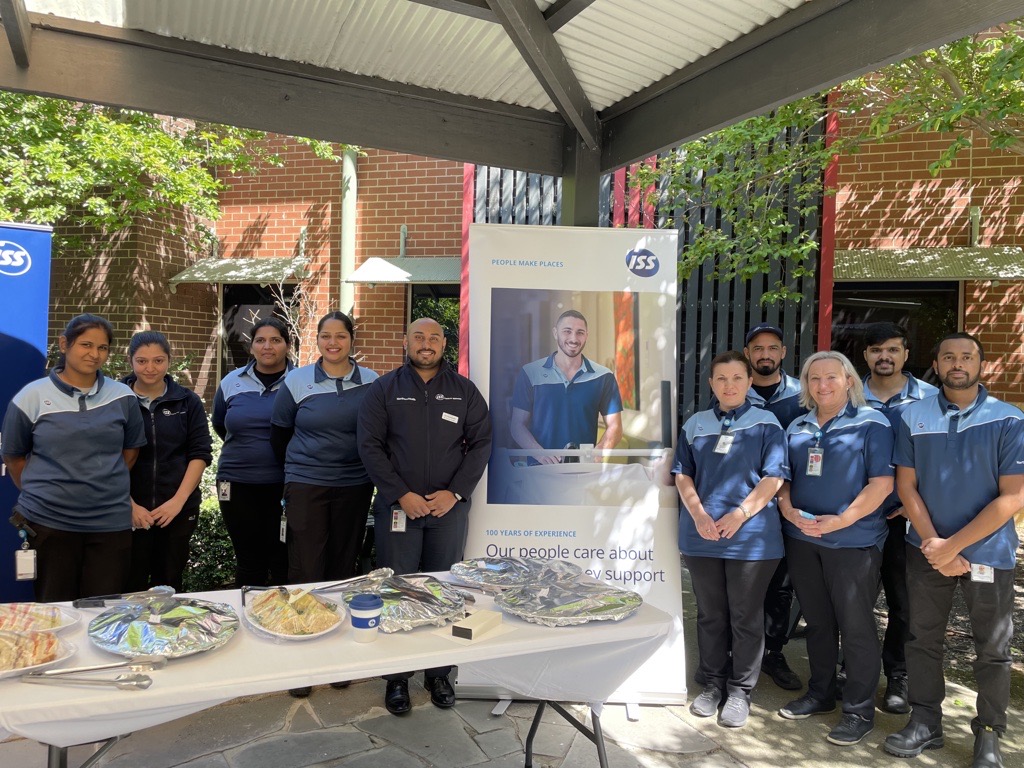
    Today is Thank Your Cleaner Day, a special day dedicated to all cleaners who keep workplaces and public buildings clean, safe and hygienic.

    Northern Health has an amazing team of Patient Service Assistants (PSAs) and ISS cleaners who go above and beyond in keeping our health service spick and span for staff, patients and the community.

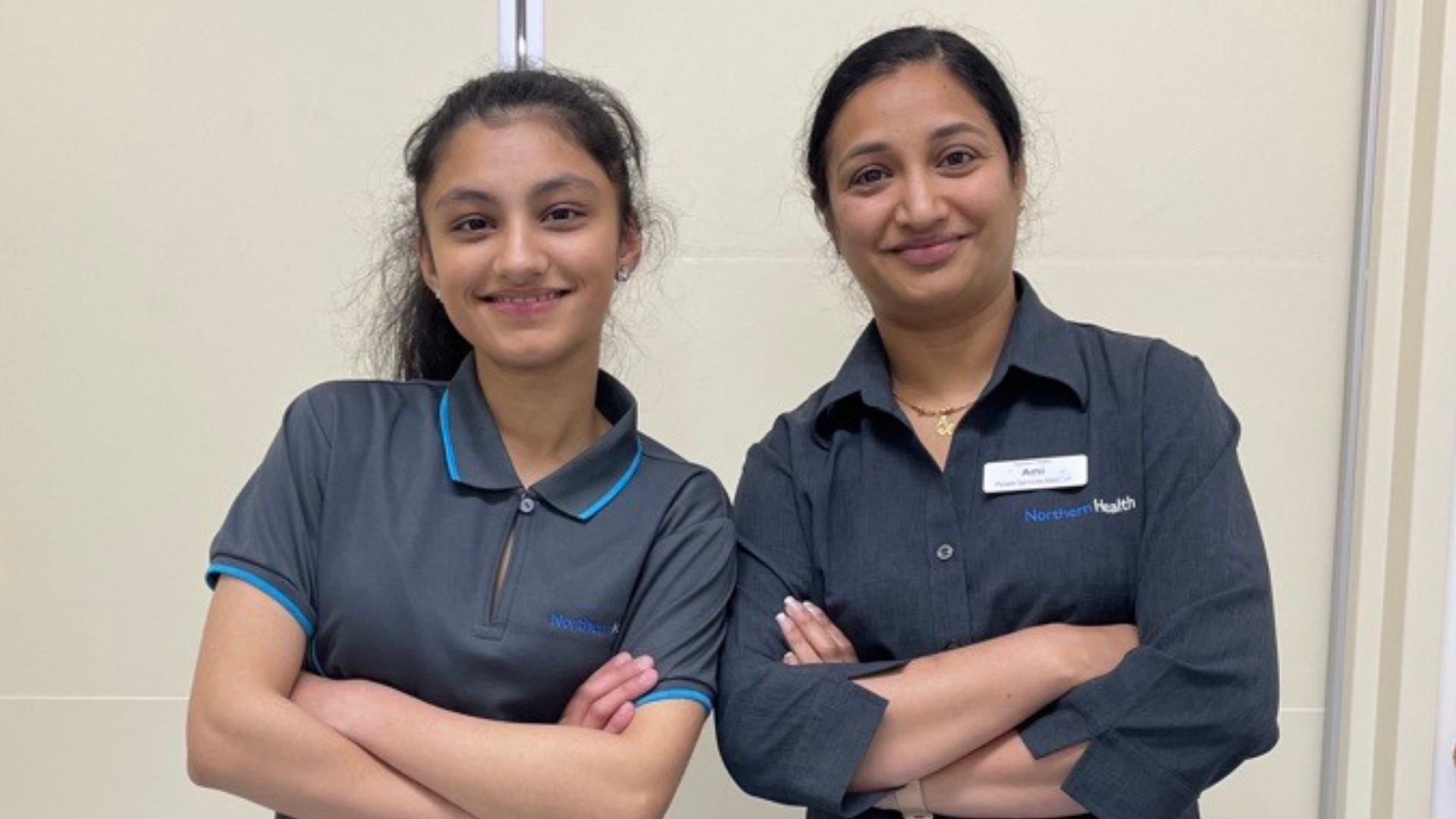
    Among our team is a lovely mother-daughter duo, Amiben Gor and Radhvi Gor. They both work as PSAs at the Northern Hospital Epping and are both proud to be part of team responsible for protecting our employee’s and patients’ wellbeing every day.

    Amiben has worked at Northern Hospital Epping for many years and is grateful for the work environment it offers both her, and her daughter.

    “Support Services has a great team, and I thank my managers for creating such a welcoming space. That is exactly why I also recommended this position to my daughter. It’s wonderful to see how everyone has been so inclusive and supportive towards her as well,” she said.

    “Thank you Northern Health, for giving my family this opportunity.”

    Wendy Nicol, Operations Manager, Support Services at Northern Health, said it was important to not only celebrate, thank and acknowledge our cleaners today, but to do it every day.

    “Today, and every day, we would like to acknowledge the amazing work of our PSAs and ISS cleaners who work hard every day to deliver support services to our clinical teams and, most importantly, our patients,” she said.

    “Their hard work and dedication help to keep the hospital functioning and clean and our patients happy. We appreciate all they do and thank them for their ongoing commitment.”

    Saj Amerasinghe, ISS Key Account Manager, Northern Health, also extended his thank you to his team.

    “On Thank Your Cleaner Day, we want to express our heartfelt gratitude to the dedicated ISS placemakers who go above and beyond to ensure that Northern health facilities remain clean and aseptic,” he said.

    “Your unwavering commitment to the wellbeing of patients, staff, and visitors is truly remarkable. Thank you for shining brightly and tirelessly, day in and day out, throughout the year. Your hard work does not go unnoticed, and we are profoundly thankful for everything you do.”

    From all of us here at Northern Health, we extend a heartfelt thanks for our unsung heroes who keep our spaces safe and spotless.

    Radhvi and Amiben
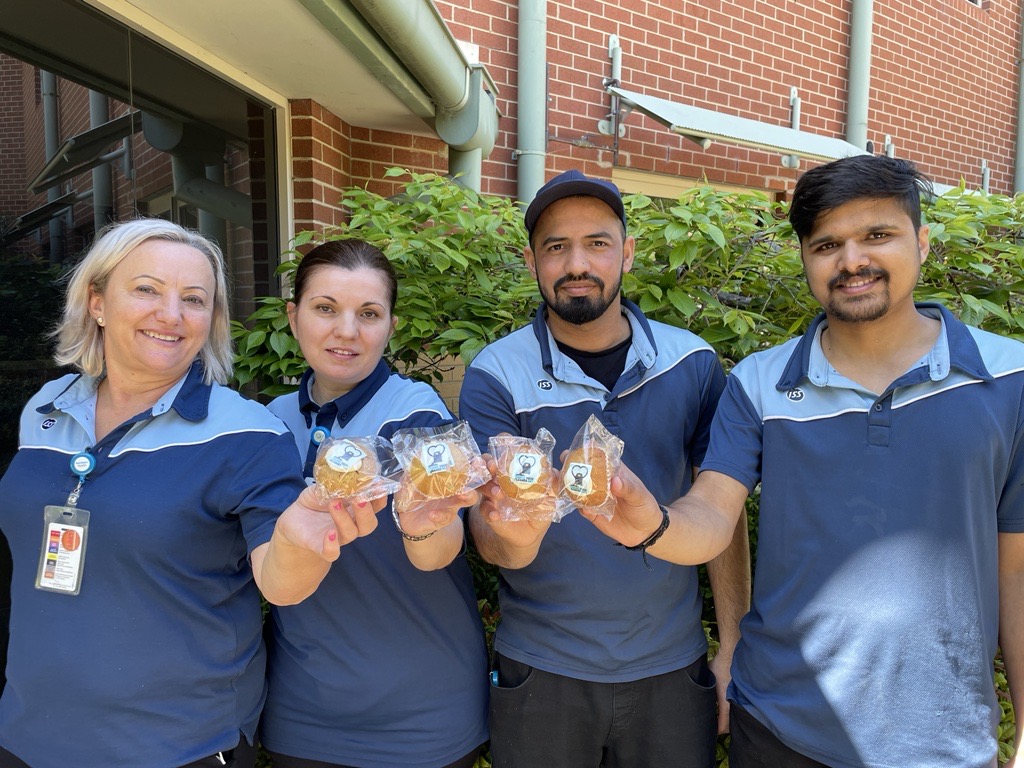
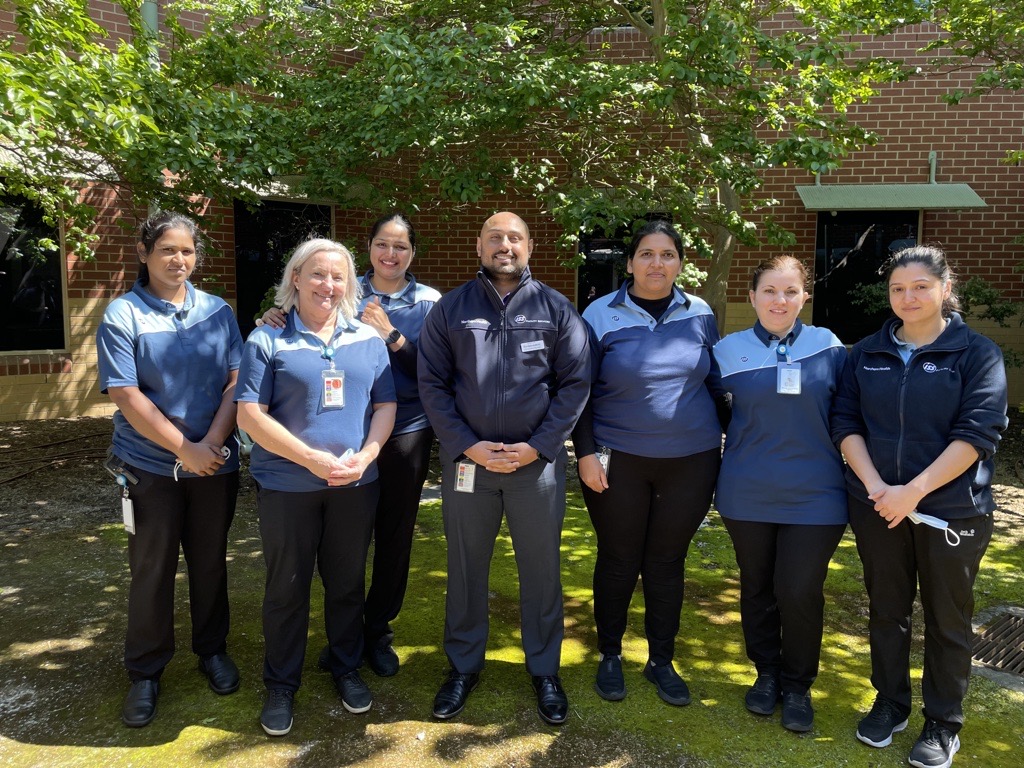
    Morning tea celebrations for Thank Your Cleaner Day
    Morning tea celebrations for Thank Your Cleaner Day
    Morning tea celebrations for Thank Your Cleaner Day

    Featured image L-R: Radhvi Gor and Amiben Gor, PSAs.

  • We are Northern: People Experience team

    We are Northern: People Experience team

    The People Experience team believes the experience of our workforce is fundamental to Northern Health’s organisational success.

    The team acts as the organisational ‘ears’ to understand current employee experience using people metrics and insights from engagement surveys, pulse checks and exit interviews.

    The team supports and consults leaders to improve employee engagement, while also driving the implementation of initiatives within teams and across Northern Health to facilitate a people-focused workplace. This includes reward and recognition programs and culture transformation projects like Speaking Up For Safety. The team also works towards making Northern Health an employer of choice and has established our Employee Value Proposition to strengthen talent attraction and retention.

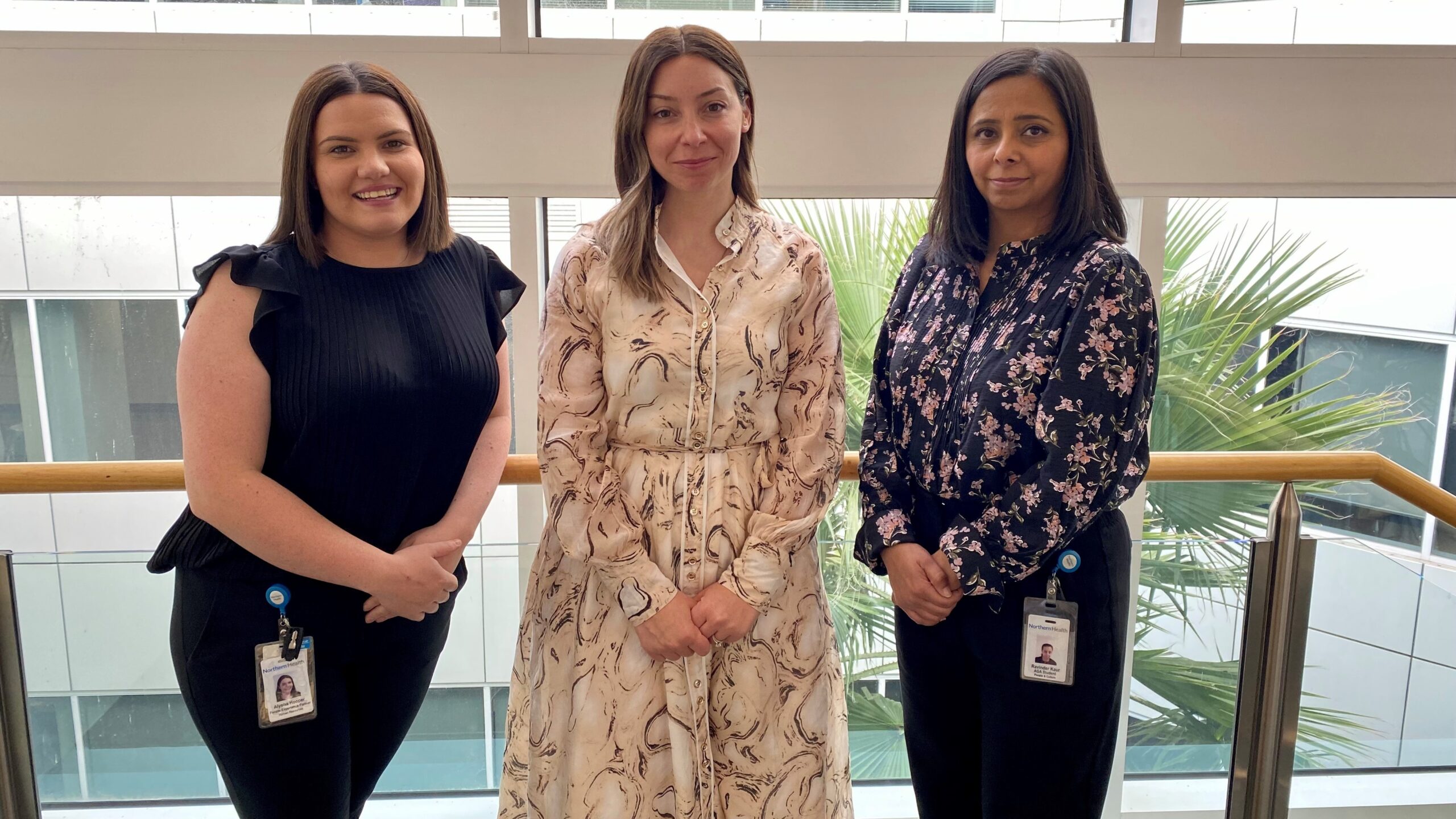
    The team consists of Jade Ralston, Director People and Performance, Bianca Fazzari, People Experience Business Partner, Alysha Hooper, People Experience Business Partner and Ravinder Kaur, AGA Student supporting People Experience and Wellbeing.

    Jade said when employees were engaged and supported by a positive workplace culture, staff had increased happiness and job satisfaction, productivity and quality service delivery, as well as greater staff wellbeing, retention and reduced turnover.

    “In order to make every day a great day at work, we need to regularly listen to the voice of our people,” she said.

    “I am so proud of Northern Health for investing in a dedicated People Experience team, as it demonstrates an organisational commitment to the experience of our hard-working employees. We have great things planned for 2023 and beyond, and I am excited for our staff to benefit from the strategy and initiatives we have in stall.”

    For Bianca, she feels lucky to have the opportunity to make a positive difference to the working lives of Northern Health staff.

    “Work is a huge part of our everyday lives, so it is really important that we are working in an environment that is safe, supportive, facilitates our growth and enables us to thrive,” she said.

    “What makes it extra meaningful is that I have an opportunity to support a workforce that is crucial to our community. I’m dedicated to supporting our staff so that they continue to love what they do and where they work.”

    “What I’m really enjoying about my work is that Northern Health is showing a real commitment to, and investment in, the employee experience with a dedicated team, emerging systems and new initiatives to support a positive workplace culture. We have lots of new and exciting things happening, so watch this space.”

    The pandemic emphasised the importance of not only our staff’s wellbeing, but their overall experience at work and how critical the function of People Experience is.

    With the country’s healthcare workforce facing major shortages throughout the pandemic, Northern Health responded by seeking to better understand and respond to staff needs so that we can attract and retain exceptional talent.

    Processes, systems and initiatives were born out of that learning, including Quarterly Staff Recognition Awards, improvements to service awards and exit interviews and surveys, Equality, Diversity and Inclusion Strategy, a number of wellbeing supports and initiatives, Employee Appreciation Day and many other staff recognition and appreciation initiatives.

    The team is now focused on the future and is committed to creating a contemporary, engaging and high-performing culture. Following the challenges of the past few years, the team is dedicated to understanding what staff want and need to make every day a great day to work at Northern Health.

    “It gives me great pleasure to be part of a team that promotes a positive workplace culture within our organisation, and for our local community hospital,” Alysha said.

    “As a new member of the People Experience team, I love what I do because I can contribute to creating a workplace that our staff enjoy working in every day. We are giving staff a voice to shape important aspects of their working life at Northern such as reward and recognition, work life balance, professional growth and career development and anything they see as important to our Employee Value Proposition. It’s about making Northern the best workplace it can be.”

    Ravinder says she is proud to be surrounded by a team of passionate and dedicated professionals who are committed to improving the employee experience at the organisation.

    “Working as an AGA admin student with the People Experience team at Northern Health is incredibly motivating,” she said.

    “The opportunity to learn from and contribute to this team, as well as the knowledge that my work is making a positive impact on the lives of employees, is what motivates me every day.”

    Featured image: Alysha Hooper, People Experience Business Partner, Bianca Fazzari, People Experience Business Partner and Ravinder Kaur, AGA Student.

  • Call, Push, Shock – it could save a life!

    Call, Push, Shock – it could save a life!

    Restart a Heart Day is acknowledged annually on 16 October each year, and is part of Shocktober – a month-long campaign which aims to highlight, raise awareness, and educate the community about Cardiopulmonary Resuscitation (CPR) and how to use an Automated External Defibrillator (AED).

    Elise Sutton, Resuscitation and Clinical Deterioration Coordinator and Simulation and Safety Coordinator, Northern Health, says there is an average of 18 cardiac arrests in Victoria every day, with 76 per cent of these arrests occurring in the home.

    “On average, only 10 per cent of people with an out of hospital cardiac arrest will survive,” said Ms Sutton.

    “However, when bystanders intervene by calling 000, beginning CPR and delivering a shock utilising an AED, the chance of survival is increased by 72 per cent.”

    “To align with Northern Health’s Strategic Priority ‘a healthier community’, we have teamed up with Ambulance Victoria for Restart a Heart Day on 16 October to raise awareness to the community about early intervention as a bystander through ‘Call, Push, Shock’.”

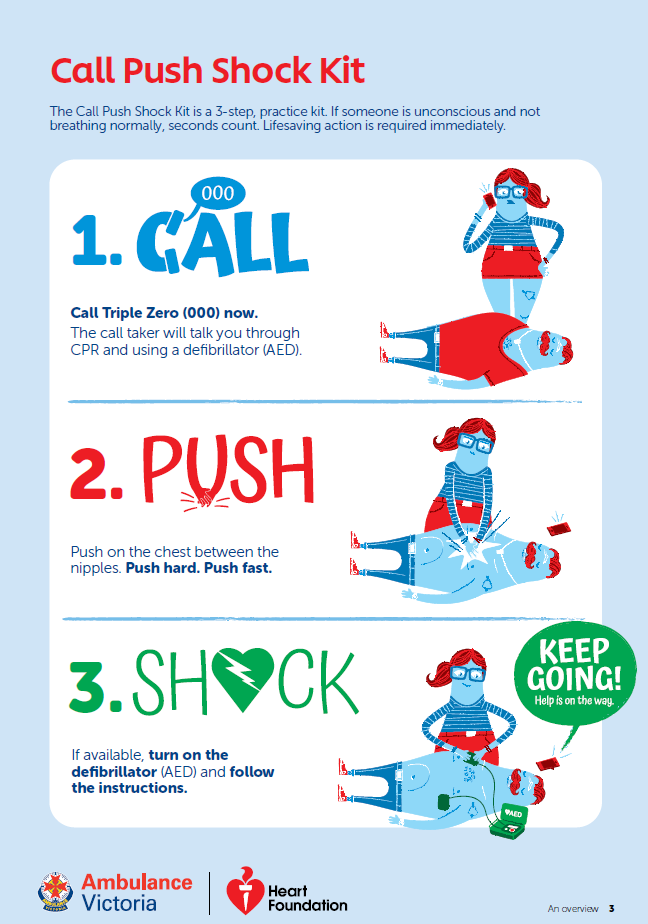
    Cardiac arrest can happen to anyone, at anytime, anywhere. To ‘restart a heart’, there are three steps involved – call, push, shock.

    Call – Phone Triple Zero if someone is unconscious and not breathing normally. The call taker will guide you through how to start CPR. If cardiac arrest happens onsite at Northern Health, staff need to call a Code Blue via 2222 and the Code Blue Response Team will attend.

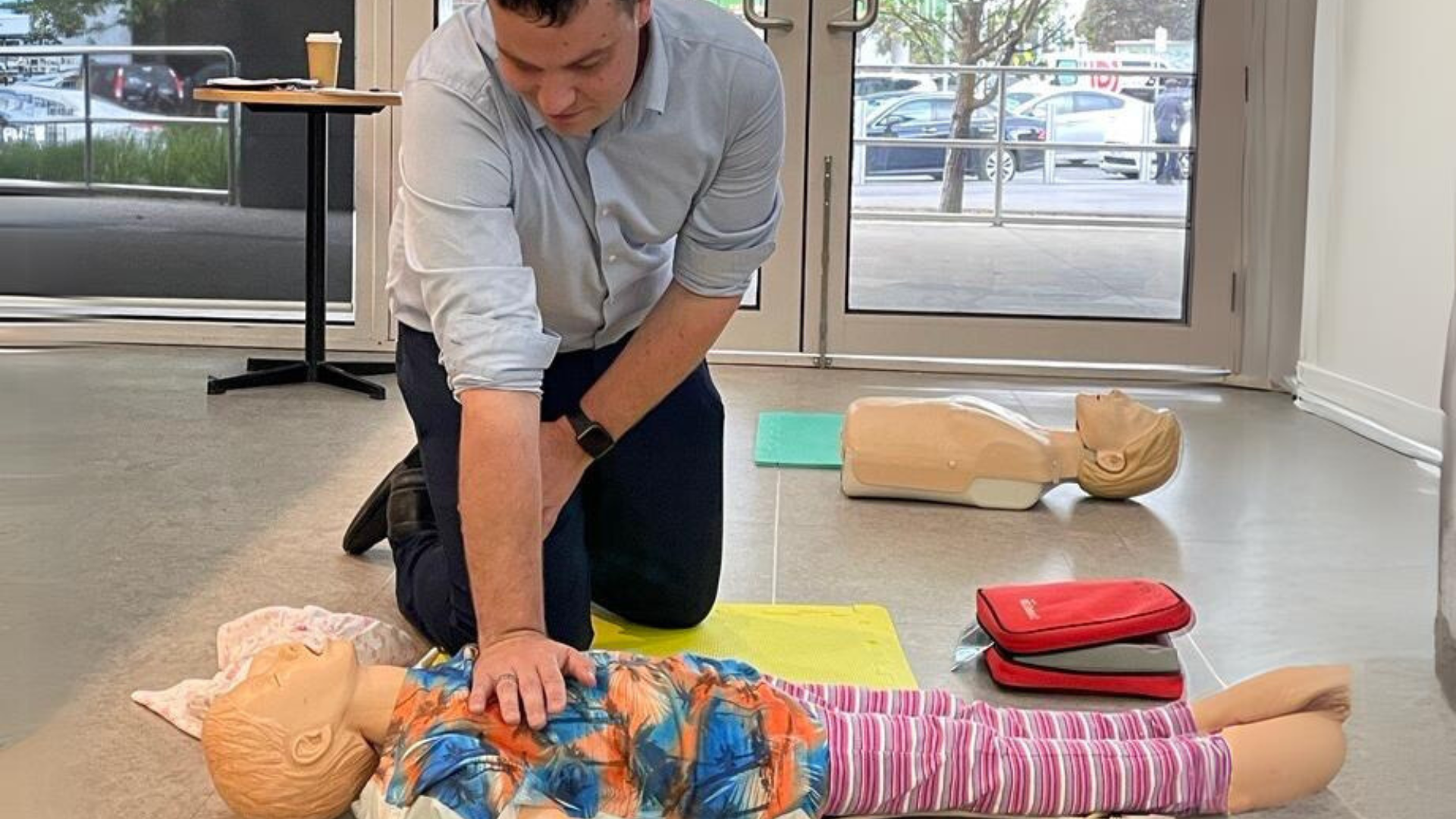
    Push – Start CPR. To perform CPR, kneel up straight with your knees next to the person’s chest. Put the heel of your hand in the middle of the chest, at the nipple line. Then place your other hand on top and lock your fingers. Lean over the chest with your arms straight and elbows locked. Push on the chest, hard and fast. This is vital to provide circulating blood to the brain – anyone can perform CPR.

    Shock – Connect a defibrillator (if available). An AED should be used if available. This checks the heart rhythm and will guide you through delivering a shock to restore the normal rhythm.

    “Please join us for an event packed day at Northern Hospital Epping today, 16 October between 9 am – 3 pm, in the Main Foyer,” said Ms Sutton.

    “We will be conducting ‘Call, Push, Shock’ demonstrations and the community will have the opportunity to practice CPR and delivering a shock with a training AED on a mannikin, with lollies and chocolates to give away.”

  • Get to know: Lila Coope

    Get to know: Lila Coope

    October is Mental Health Awareness Month. It is an opportunity to acknowledge the lived and living experiences of those impacted by mental illness – the consumers and carers – and those working in the field who are consistently raising awareness, having courageous conversations, and advocating for improved mental health and wellbeing for all.

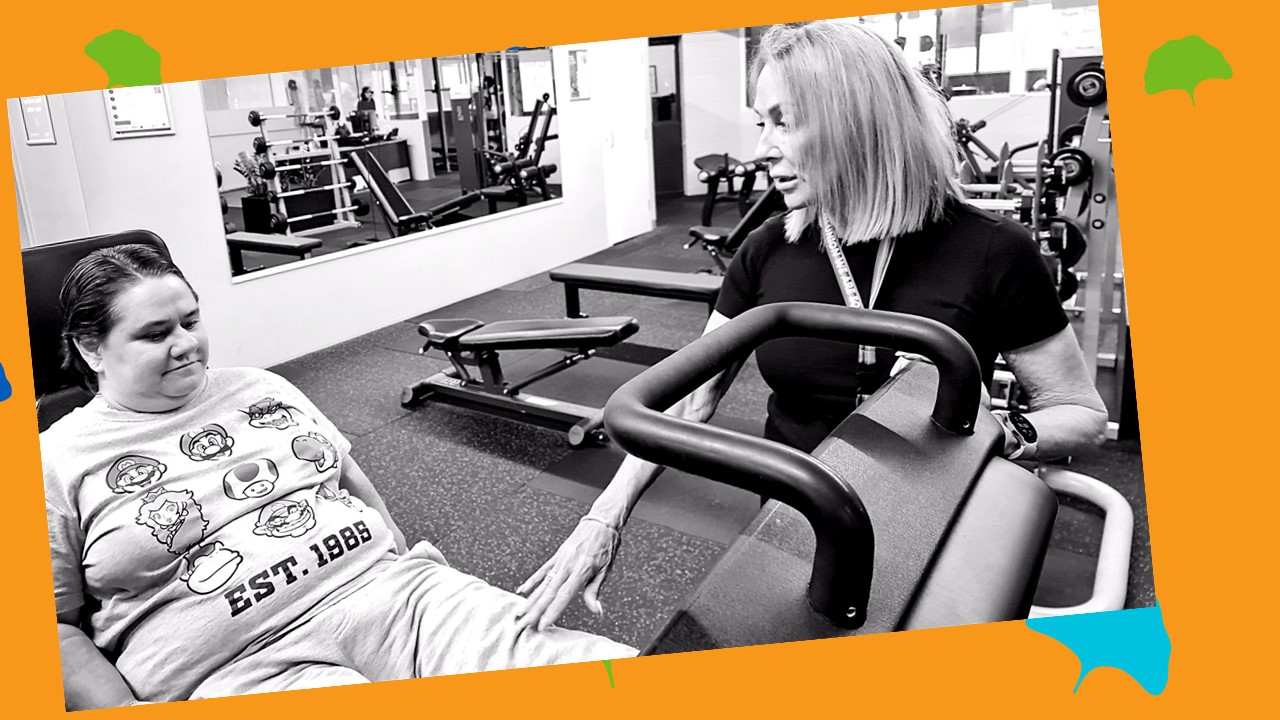
    Today, we feature Lila Coope, a Peer Support worker involved in Reclink, an exercise program from Northwest Area Mental Health. Peer Support workers are an important part of our Lived Experience Workforce. Their ‘lived’ expertise and insights help others access our services.

    We spoke to Lila at a gym session with Kerry, a consumer, who says, “The program keeps me active. I find it motivating and rewarding. Working with Lila helps my mental health. I’m sleeping better and my whole life is improving”.

    Q: Firstly, what’s your coffee order Lila?

    Latte with one sugar, please!

    Q:  Lila, how would you describe your role?

    My role as a lived experience worker is to support and understand consumer needs, improve their quality of life and reach their goals.

    Q: How did you come to this role?

    I started as a volunteer with Northern Health. Over time a position in the Peer Support team became available and I felt I was right for this role, having lived experience of mental health.

    I started working out at gym to help with my mental health approximately five years ago. The benefits were many – getting out of the house, gradually interacting with other people, motivation to lose weight, build muscle strength and feeling good about myself while achieving goals for my personal fitness. This in turn motivated me to offer support to consumers to help them interact with other people and meet their fitness goals.

    Q: Tell us about Reclink? 

    The program seeks to ‘link’ consumers of our service to healthy recreation activities to improve their fitness, health and wellbeing. Reclink is supported by our exercise physiologists and runs in collaboration with the Broadmeadows Aquatic and Leisure Centre. I have between three to eight consumers attending the gym program every Monday and Wednesday. My plan is to organise a walking group with the consumers on Friday’s. 

    Q: What’s the most rewarding part of this role?

    The most important part of this role is supporting and understanding consumer needs and understanding what challenges they face. Seeing the consumers participating and consistently attending the gym is rewarding. The consumers have built their confidence and feel that we understood their mental health challenges. They now say with confidence ‘I can do it’, and this is very rewarding for me. 

    Q: What are some of the challenges? 

    One of the challenges the consumers face is isolation. It is important to me to help break this barrier and provide a connection with their peers. Another challenge is helping consumers be consistent in their program. This can be hard when trying to break the barrier of social isolation. 

    Q: Anything you would like to add? 

    The consumers feel that the gym program is helping them with their routine, confidence and wellbeing on their journey to recovery. As a peer support worker, I understand that routine is very important but sometimes difficult for consumers living with mental health issues. This is why I am dedicated to helping and supporting our consumers.

  • Thunderstorm Asthma Season has rolled in

    Thunderstorm Asthma Season has rolled in

    The arrival of October brings the start of grass pollen season running from 1 October to 31 December annually, which also increases the chance of Thunderstorm Asthma.

    Warmer weather, increased amounts of grass pollen in the air and certain types of thunderstorms when combined can result in an Epidemic Thunderstorm Asthma (ETSA) event triggering severe asthma.

    Symptoms of ETSA include an itchy and runny nose, sneezing, coughing, wheezing and/or chest tightness. Some of these symptoms can become very severe, very quickly, and may require urgent medical assistance.

    Extreme ETSA events, like that experienced on 21 November 2016, can result in large numbers of people with sudden onset asthma in temporal and spatial relation to the storm, and large geographical areas affecting multiple health services, with a resultant strain on health and emergency services.

    Epidemiologists recommend that people with current, past or undiagnosed asthma, and those with seasonal allergic rhinitis, have a current asthma action plan to follow (updated by their GP). They should also learn asthma first aid and stay out of storms from October through to December.

    Further advice during an ETSA event is to stay inside and close your doors and windows and, if you have your air conditioner on, turn it to recirculate.

    Dr Katharine See, Director of Respiratory Medicine, said people with hayfever, a history of asthma or undiagnosed asthma, were most at risk of thunderstorm asthma.

    “Thunderstorm asthma occurs when pollen particles are sucked up into thunderstorm clouds where they release microparticles. These micropollens are showered down at the start of a storm and being so small, are able to get deep into the lungs where they are able to cause severe symptoms,” she said.

    “The best way to stay safe during thunderstorm asthma season is to make sure you have good asthma control all year round. This means, taking your preventer everywhere, particularly during thunderstorm asthma season.”

    “When a storm is coming, stay inside with the doors and windows closed – don’t let that micropollen in.”

    Dr See urges anyone at risk to never ignore the symptoms of asthma. It is also important for everyone in the community to be able to recognise the symptoms of someone having an asthma attack and to know the four steps of asthma first aid:

    Step 1: Sit person suffering the attack upright.

    Step 2: Shake the blue/grey reliever puffer and give them four separate puffs using a spacer if available.

    Step 3: Wait four minutes and give four more puffs if the person cannot breathe normally.

    Step 4: Call an ambulance if they still cannot breathe normally and keep giving reliever puffs as above until an ambulance arrives.

    For people experiencing mild to moderate symptoms of asthma or are unsure of the severity of what you’re experiencing, please contact the Victorian Virtual Emergency Department for further assistance, visit your GP or attend your closest Priority Primary Care Centre. For life-threatening emergencies, please visit your nearest emergency department.

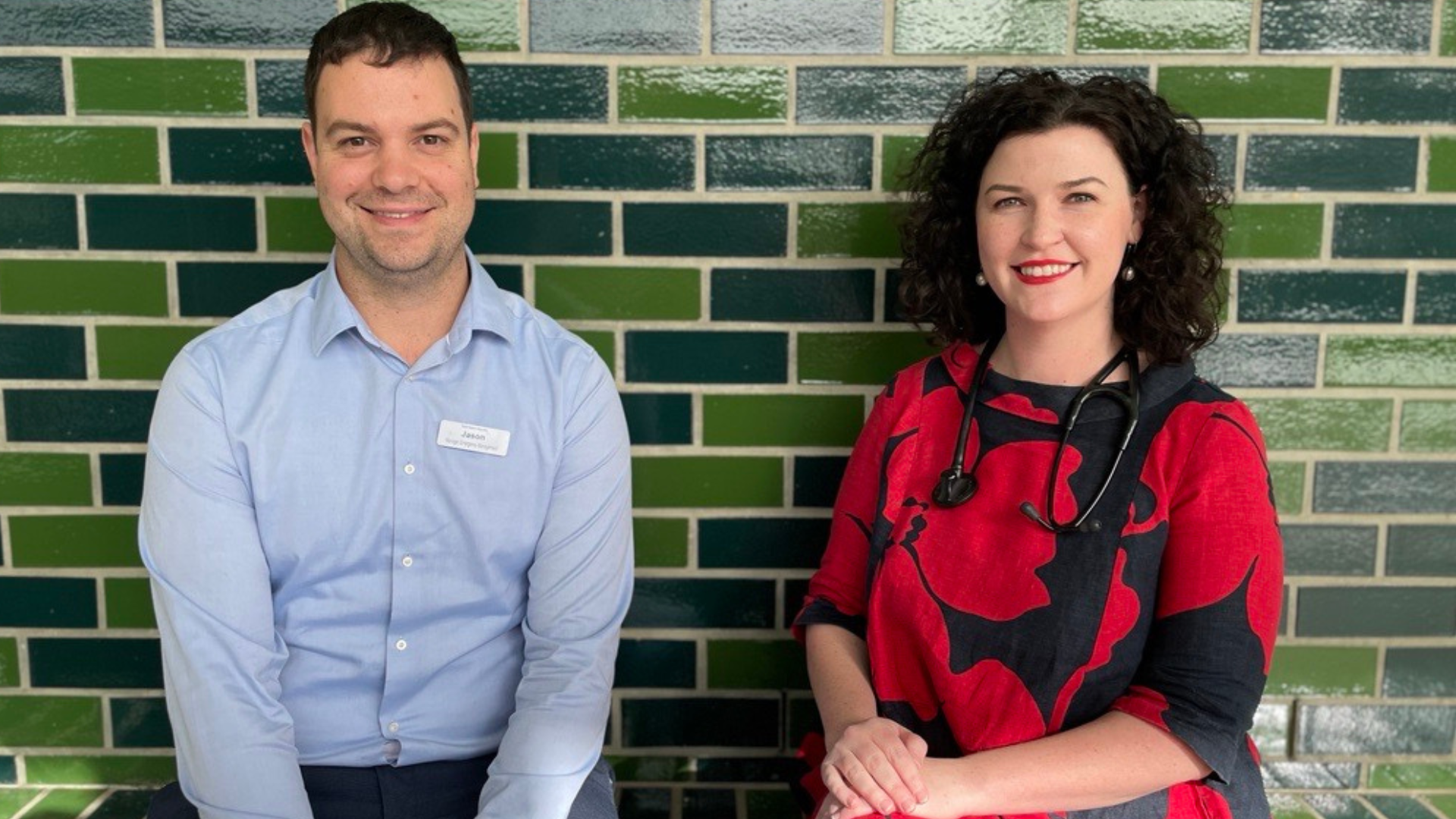
    Jason Amos, Manager, Emergency Management, reminds staff that the Code Brown – External Emergency procedure and the Code Brown Subplan – Thunderstorm Asthma procedure are available on prompt to ensure appropriate response to Code Brown/Thunderstorms Asthma events.

    “This is a timely reminder for staff to ensure they are aware of our emergency plans for such events,” said Jason.

    You can access daily forecasts for ETSA events here.

    Featured image: Jason Amos, Manager, Emergency Management and Dr Katharine See, Director of Respiratory Medicine.