• Research at Northern Health is not just about Research Week

    Research at Northern Health is not just about Research Week

    What an exciting year it has been for research at Northern Health, reflected by the posters and presentations at our capstone event, Research Week 2019. These contributions highlight the quality of research activities occurring across the clinical spectrum being driven by an increasing number of staff at Northern Health. We know that a health service which commits to, and nurtures, a research culture has better patient outcomes and happier and more satisfied staff and patients.

    We should be very proud of the clinical care we deliver and we are underpinning it with education and research. This will ensure we evaluate and question everything we do, leading to continuous improvement in the way we deliver trusted care to our community and educate our staff and our students, Northern Health’s workforce of the future.

    We were privileged to have an exciting range of speakers at this year’s Research Week. They encouraged us to reflect upon our current practices and challenged us to explore how we can rise above the increasing demands we will continue to face. Future service challenges are not to be underestimated, but by reviewing and evaluating what we do, and how we do it, gives us the opportunity to change things for the better and to deliver trusted care for our community, now and into the future.

    Research at Northern Health is not just about Research Week, it is about many highlights throughout the year.

    Recently we re-established Northern Health’s own on-site Low Risk Human Research Ethics Committee. Chaired by Professor Bill van Gaal, this has significantly streamlined the governance review process for low-risk ethics applications and reduced the barrier for staff to initiate research.

    Northern Health has invested into the establishment of a world-class Reproductive Health Biobank. Located within the Northern Centre of Health Education & Research, this is championed by one of our emerging researchers, Associate Professor Lisa Hui.

    We have been successful in securing grant funding through the Melbourne Academic Centre for Health, in collaboration with research partners, covering areas such as improving outcomes for indigenous patients with cardiac disease, investigating knowledge of disability services around NDIS providers and helping to better understand childhood respiratory diseases.

    Northern Heath is the major partner in the recently announced NHMRC Centre of Research Excellence in Interactive Digital Technology to Transform Australia’s Chronic Disease Outcomes. This grant, led by Professor Brian Oldenburg from the Melbourne School of Population and Global Health, provides a major opportunity for Melbourne’s north to become the focus for digital health research. It will also significantly enhance our Staying Well program by utilising patient interactive digital technology to transform the way care is delivered for those living with chronic disease.

    We hosted the inaugural Digital Health Futures Summit bringing together expertise from around the globe focused on co-designing innovative ways of creating a sustainable future in healthcare.

    Recently, Northern Health partnered with Amazon and Swinburne University to launch the Swinburne University Data for Social Good Cloud Innovation Centre powered by Amazon Web Services. The centre is one of seven worldwide, and the first of its kind in the Southern Hemisphere. The first innovation challenge, aimed at improving outcomes for newly diagnosed type-2 diabetics, was held at Northern Health resulting in the development of digital solutions that were co-designed with Northern Health staff and patients from our Endocrinology team.

    Congratulations and thank you to all who have contributed to research. Research is on the move at Northern Health and we are looking forward to an even bigger and better 2020.

    Professor Peter Brooks AM
    Research Lead Northern Health

    See videos below to hear from our speakers:
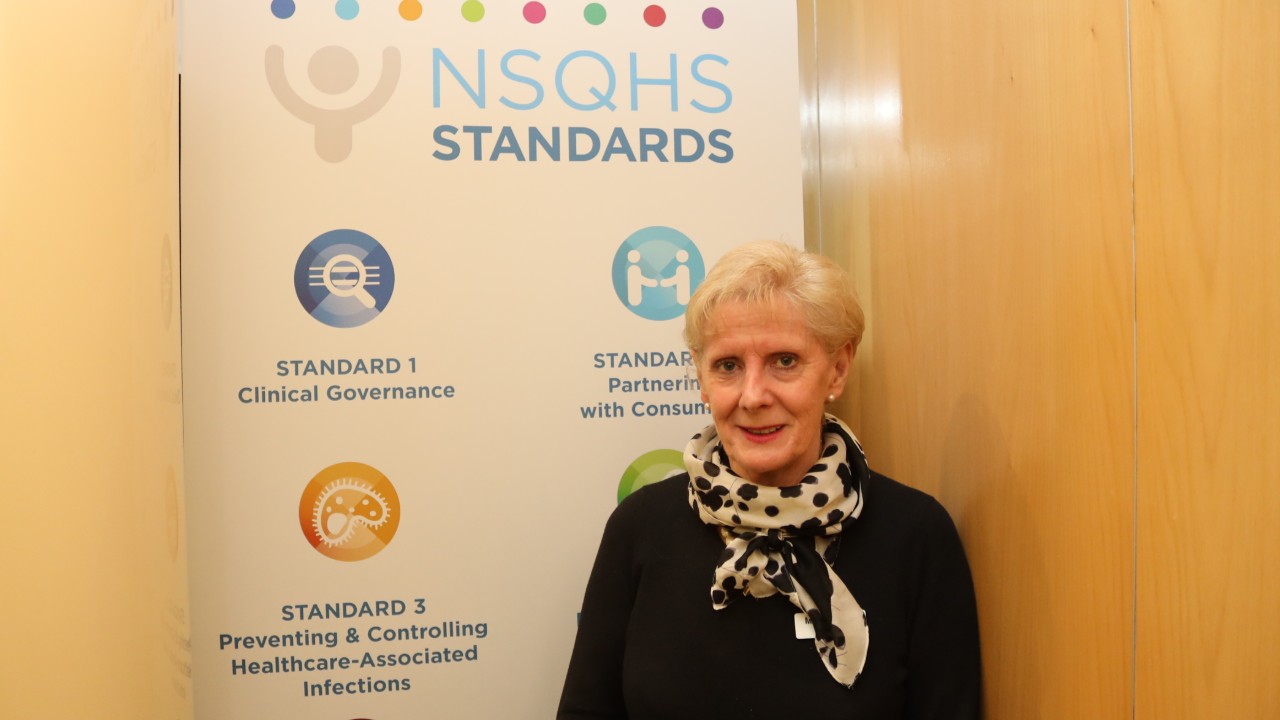
  • Get to know… Maree Glynn

    Get to know… Maree Glynn

    In this week’s Get to know: Q&A with… we catch up with Maree Glynn, Director of Clinical Practice Improvement.

    Get to know Maree:

    What’s your coffee order?

    I actually don’t drink coffee!

    Tell us about your Northern Health journey?

    It would be hard to say that I am not totally committed to Northern Health. I have spent 40 years of my working life at either PANCH or Northern Health. I love the talent and the, “can do,” attitude of the staff and the commitment they have in making it better for people in the north.

    Prior to commencing at Northern Health, I was on the project team for The Northern Hospital Development, which planned and managed the development and construction of Northern Hospital, the logistical move of PANCH to Epping and commissioning of a new facility. At the same time, I had divisional responsibility for Allied Health, Pastoral Care, Interpreter Services and the Private Consulting Rooms.

    What is your greatest achievement or favourite memory since working here?

    The move occurred in February 1998, and one of my great memories was to be able to finish the last services at PANCH at 8 am and open at the same time at Epping with a relatively smooth transition. An amazing achievement for all involved. One of my special memories of this great achievement was walking through, “a hospital with no patients,” the night before we opened and knowing that we were ready to go.

    I also remember the first day in the Emergency Department when a patient went and got their own deck chair out of their car because there were not enough seats in the waiting room. Our popularity has not changed! I have loved seeing the challenges Northern Health has faced in this ever growing environment and how we have responded to these.

    Can you tell us a bit about your career before starting at Northern?

    My clinical background is emergency nursing, and one of my career highlights was in my first Nurse Unit Manager role to establish one of the first private Emergency Departments in Melbourne at Epworth Hospital. My greatest learning from this experience was the importance of having a clear vision, establishing a strong cohesive team to deliver the vision and never compromising on the need to build a service on a strong foundation, followed by a dedicated effort for sustainability. This has been my mantra for all my working life.

    What does a typical work day look for you?

    I now have a very challenging role as Director of Clinical Practice Improvement with the responsibility of ensuring that Northern Health meets all the requirements of The National Standards for Safety and Quality and that we are prepared for Accreditation assessments. I am proud that we had a very successful outcome at our last Accreditation survey in 2017 with no recommendations for follow up. Our next Accreditation assessment is in May 2020.

    In preparation for this, we are having a Mock Survey from October 15 to 18 to check our preparedness against the second edition of the National Standards.

    My vision for the role is not to talk about Accreditation, but to talk about quality care as everyday business. But the reality is in our very busy working days it has become important to have a time when we bring a focused attention to knowing that we are meeting the required standards in the way we do our work.

    What are some things people don’t know about you?

    My passion is football and I have barracked for Geelong all my life. I think it is a great medium for conversation and banter at work across all levels of the workforce. Like work, even with great effort as a team, we don’t always get the outcomes we want, so we just need to recharge and start again – always with new energy and hope.

    What do you like to do after work?

    My absolute joy at the end of a busy day is to arrive at home and be greeted at the door by my beautiful cavoodle, Winnie the Pooch, and have a home cooked meal prepared by my supportive husband.

    How would you describe Northern Health in one sentence?

    There is a YouTube video that reminds me of the roller coaster that we are on at Northern – the faster we go the harder it is to keep up. Some of you will be far too young to know who Lucille Ball is, but take time to watch the video below – it will make you smile. It gives me back my sense of humour – enjoy the ride!

    Who would you nominate next for a staff profile and why?

    I worked with Dr Kim Jeffs who is a Geriatrician and an expert in delirium when she was a registrar and I was in Medicine. Kim has been instrumental in helping us implement some of the requirements for comprehensive care in the new standards and I would like to nominate her for the next Q&A profile.

    https://www.youtube.com/watch?v=8NPzLBSBzPI

  • Research Week 2019: A culture of research

    Research Week 2019: A culture of research

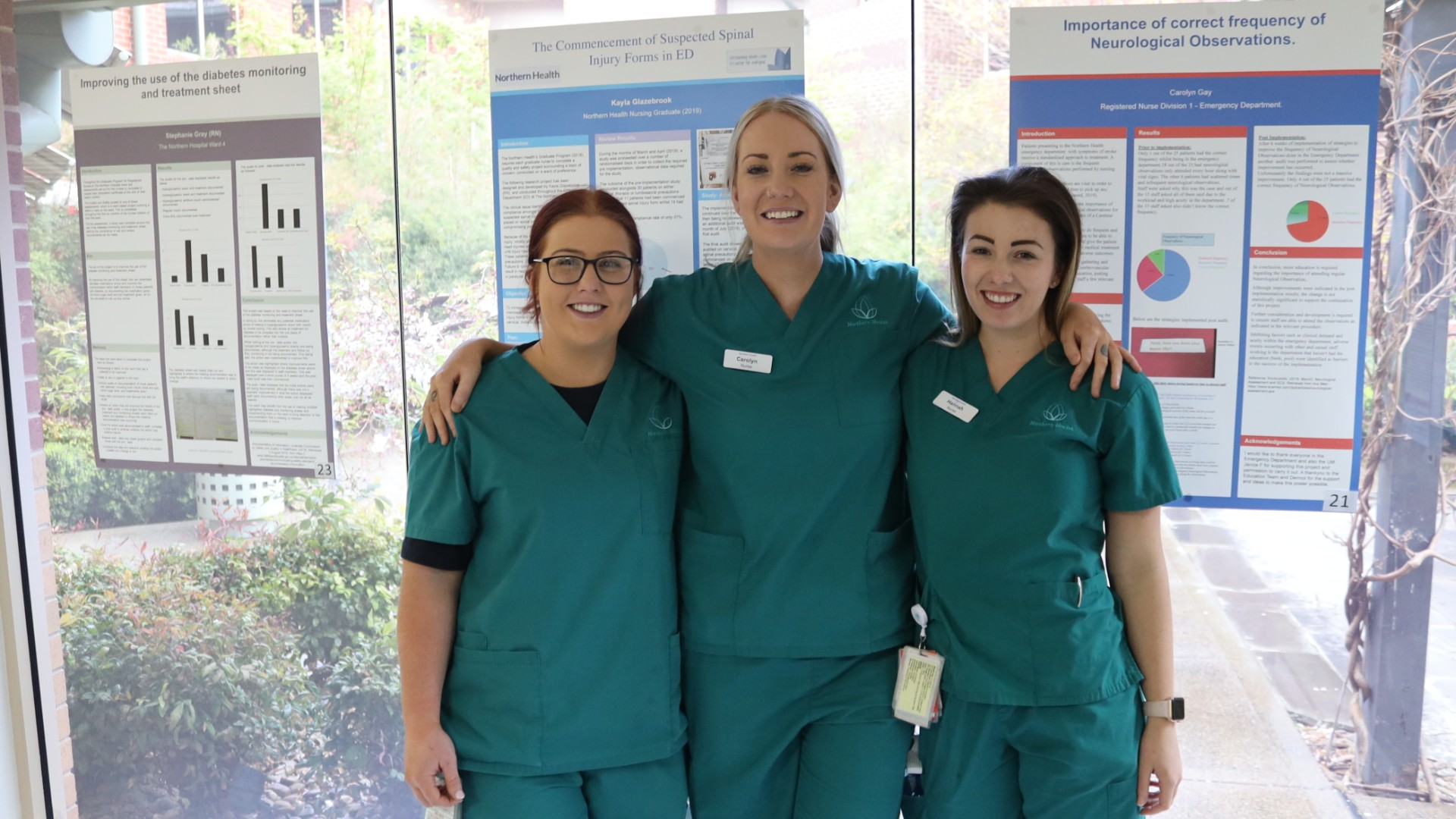
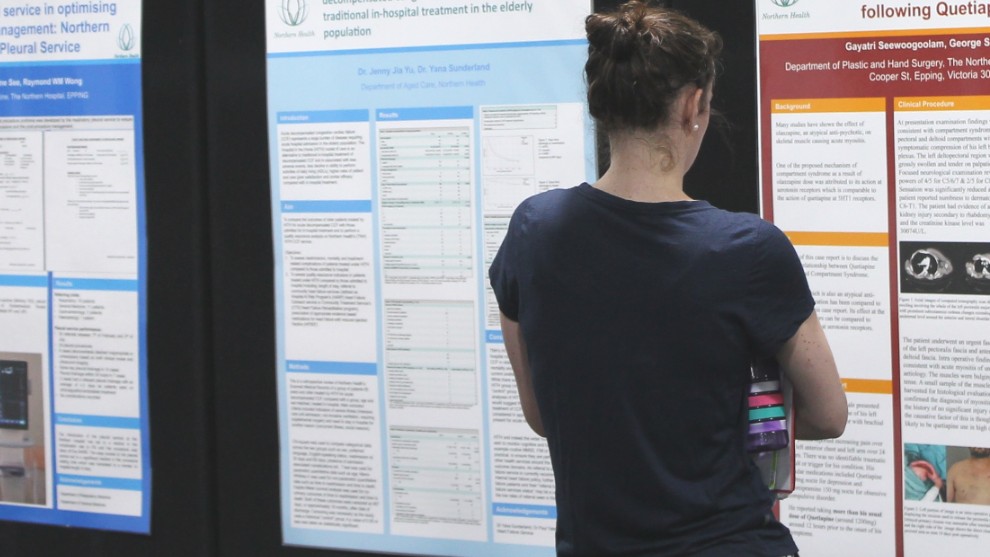
    As part of Research Week 2019, Northern Health staff have an opportunity to present and have their research assessed – both as posters and oral presentations.

    As Professor Peter Brooks, Research Lead at Northern Health says, “These contributions highlight the quality of research activities occurring across the clinical spectrum.”

    “By reviewing and evaluating what we do, and how we do it,” he adds, “it gives our staff the opportunity to change things for the better and deliver trusted care for our community, now and into the future.”

    Oral presentations happen today at 2.30 pm – 3.30 pm and between 10 and 11 am tomorrow (9 October) at the Northern Hospital Epping Lecture Theatre. Poster presentations can be viewed in the Northern Hospital foyer for the duration of Research Week.

    A presentation at Research Week 2019

    Northern Health clinicians continue to publish high calibre research in leading journals. Examples include publications in the New England Journal of Medicine such as Associate Professor Wei-Qi Fan’s publication Nasal High-Flow Therapy for Newborn Infants in Special Care Nurseries and our Intensive Care team’s collaborative efforts in the Spice, Heat, Adrenal and Transfuse trials led by Dr Angaj Ghosh and Dr David Crosbie.

    Dr Michael Kirk, Director Medical Services, says what excites him is the collaborative nature of the research we are doing at Northern Health and how it spans across the disciplines – Nursing, Medical, Allied Health etc.

    “We are starting to build a culture of research across the northern community – partnering with community providers, General Practitioners (GP), primary care and the like,” says Michael.

    Michael says this extends outside our health service too – pointing to our collaborations with our academic partners, GPs and initiatives such as ‘Staying Well’.

    “Ultimately, we would need to get our community and patients involved in the research,” says Michael.

    “None of this research can happen without them,” as he is quick to point out.

    The challenge, as Michael sees it, is “getting the community to understand the role that they have – to set in place a process that from the time the patient gets in touch with our health service, they have a clear understanding that we as an organisation have three opportunities to be involved in their care – obviously our service delivery, but also education and research.”

    “The next evolution is how we co-partner with our patients in research and education and further enhance what our staff do,” says Michael.

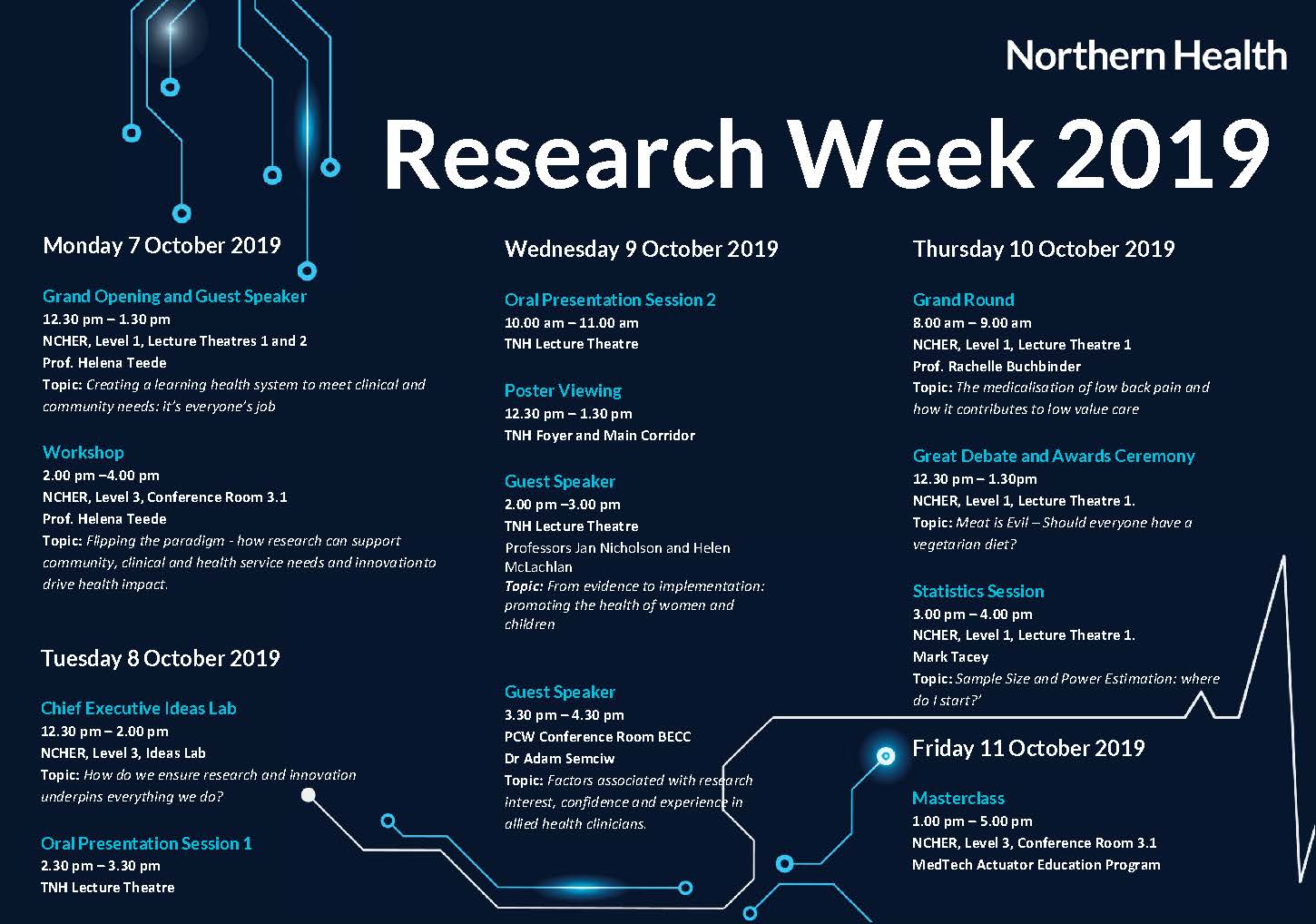
    For the complete Research Week program, please click here. 

  • Research Week 2019 kicks off

    Research Week 2019 kicks off

    Research Week at Northern Health annually showcases a range of local and innovative research projects and presentations from research leaders from around the world.

    Professor Helena Teede spoke at the launch of Research Week 2019, making an impassioned case for the community, health care providers and health services to play a key role in priority setting, design and delivery of research and translation to deliver health impact in Australia.

    Professor Teede is the Executive Director of Monash Partners Academic Health Science Centre and the Director of Monash Centre for Health Research and Implementation, School of Public Health, Monash University. She is passionate about research translation and driving better health through research. She has a leading role in research and translation, including large scale randomised controlled trials and evidence synthesis, guidelines, the co-design of new models of care, implementation and scale-up.

    Professor Teede has over 450 publications and focuses on women’s reproductive health including infertility, polycystic ovarian syndrome, pregnancy health, gestational diabetes and menopause across clinical trials, epidemiology, health services research and public health.

    In her presentation, Professor Teede made the point that, “the community are the funders and beneficiaries of health care and of research, and our frontline workforce and health services are the powerhouse behind health care. Our community, health care providers and health service deserve a role in priority setting, design and delivery of research and translation to deliver health impact for Australians.”

    Professor Peter Brooks, Research Lead at Northern Health, said the speakers at Research Week “will force us to reflect upon our current practices and challenge us to explore how we can rise above the increasing demands we will continue to face.”

    Professor Teede challenged the audience to help create a learning health system that met both the needs of the clinicians and the community – with the support of research, evidence and translation.

    Research Week 2019 celebrates an exciting year of research at Northern Health, reflected by numerous presentations and posters.

    “These contributions highlight the quality of research activities occurring across the clinical spectrum being driven by an increasing number of staff at Northern Health. We know that a health service which commits to, and nurtures, a research culture has better patient outcomes and happier and more satisfied staff and patients,” says Professor Brooks.

    “We should be very proud of the clinical care we deliver, but it must be underpinned by education and research. This will ensure we evaluate and question everything we do, leading to continuous improvement in the way we deliver care to our community and, importantly, educate our staff and our students – Northern Health’s workforce of the future,” adds Professor Brooks.

    Research Week continues until Friday, 11 October and showcases an exciting range of speakers of the calibre of Dr Adam Semciw (an international expert on the hip), Professor Rachelle Buchbinder (Director, Monash Department of Clinical Epidemiology, Cabrini Institute and Professor, Department of Epidemiology and Preventive Medicine, Monash University), Mark Tacey  (Biostatistician at Northern Health), plus workshops by Professor Teede and MedTech Actuator – Australia’s premier medtech company.

    For the complete program, please click here.

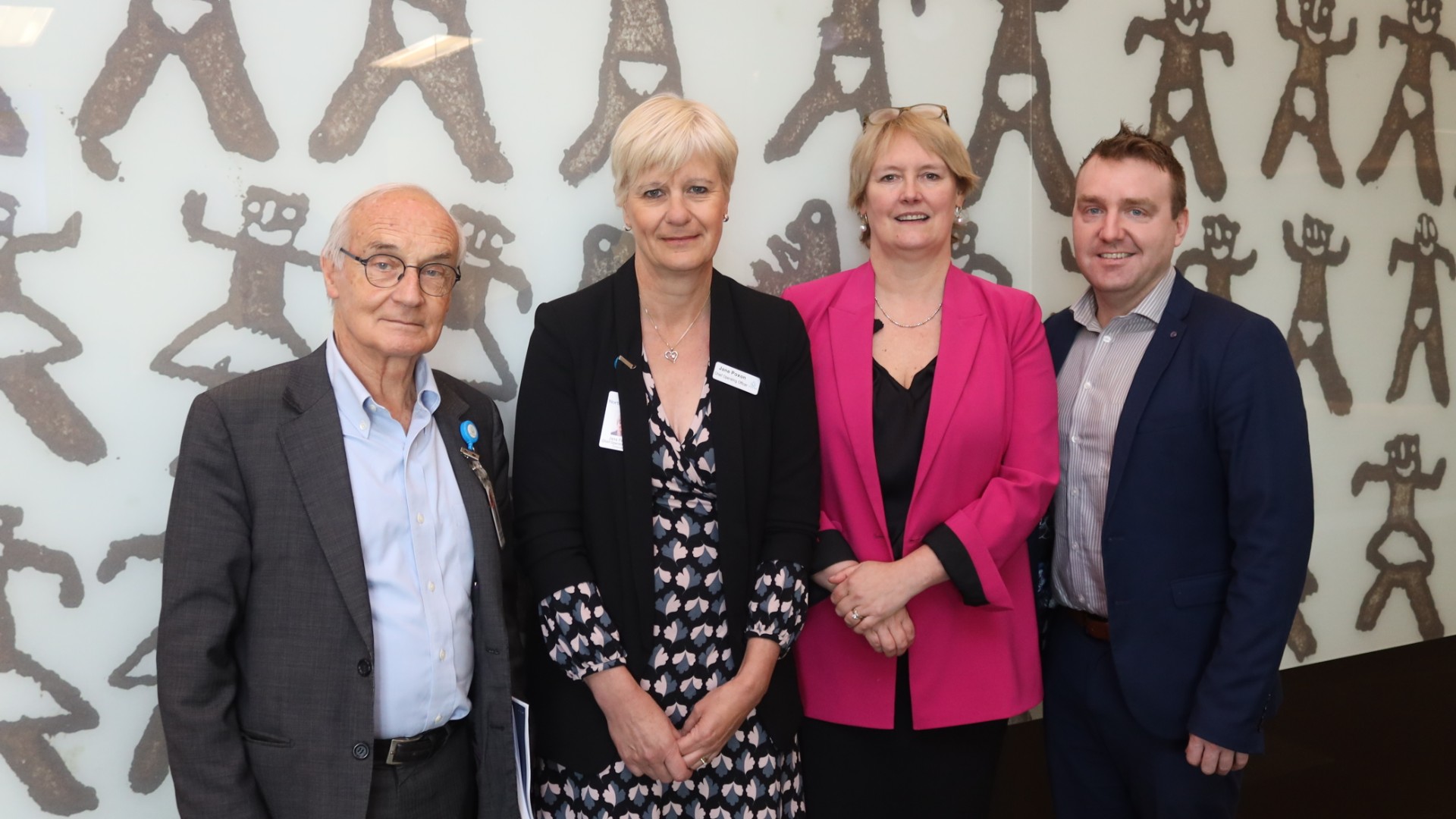
    Featured Image (left to right): Professor Peter Brooks (Research Lead), Jane Poxon (Acting Chief Executive), Professor Teede (Guest Speaker) and Dr Michael Kirk (Director Medical Services) at the launch of Research Week 2019.

    Hear more from Professor Teede in the below video.

  • Eight reasons to attend Research Week 2019

    Eight reasons to attend Research Week 2019

    Research Week at Northern Health annually showcases a range of local and innovative research projects and presentations from research leaders around the world.

    This year, Research Week will be held from 7 to 11 October with presentations at Northern Centre for Health Education & Research (NCHER), Northern Hospital Lecture Theatre and the Conference Room at Percy Cleland Ward, Bundoora Centre.

    “We are privileged to have an exciting range of speakers at this year’s Research Week,” says Professor Peter Brooks AM, Northern Health Research Lead.

    “They will force us to reflect upon our current practices and challenge us to explore how we can rise above the increasing demands we will continue to face.”

    We have highlighted below, eight ‘must see’ events, starting with our guest speaker at the Grand Opening, Professor Helena Teede.


    1. Professor Helena Teede holds leadership roles across health care, research and policy including Executive Director Monash Partners Academic Health Research Translation Centre and Director Monash Centre for Health Research and Implementation. Professor Teede is passionate about research and evidence translation into health care to improve health outcomes. Helena’s presentation titled, ‘Creating a learning health system to meet clinical and community needs: it’s everyone’s job,’ will make the case that as it’s the community that are the funders and beneficiaries of health care and research, they need to play a core role in priority setting, design and delivery of research and translation – if it is to deliver health impact to Australia.

    2. Next up is the Ideas Lab, an exciting innovation sponsored by our Chief Executive that gives our staff the opportunity to contribute towards developing solutions to challenges we face every day in our health system.The theme of the Ideas Lab during Research Week is, ‘How do we ensure that research underpins everything we do at Northern?’ We look forward to your attendance and contribution to this exciting event.

    3. Nursing skill mix refers to the number, type and educational preparation of nurses. There are a number of studies that have demonstrated a clear association between nursing skill mix and patient outcomes. Professor Richard Gray, Professor of Clinical Nursing Practice and Director of the Alfred Clinical School at La Trobe University, will discuss the methodological limitations to many of these studies and how they may be overcome.

    4. Dr Adam Semciw is considered an international expert on the hip, and hip pain. He is ranked number 12 in the world and second in Australia for research on gluteals and ranked seventh in Australia for research on the hip joint. Adam will discuss factors associated with research interest, confidence and experience among allied health clinicians, and how this knowledge can be used to develop strategies to foster research engagement among clinician researchers.

    5. Speaking at our Grand Round is Professor Rachelle Buchbinder, Australian NHMRC Senior Principal Research Fellow, Rheumatologist and Clinical Epidemiologist. Her current program of work concerns reducing inappropriate or low value care and improving the sustainability of the health system. Most recently she contributed to The Lancet Low Back Pain Series, a call to action to address the rising global burden of low back pain partly attributable to poor quality health care. Rachelle will make the case that unnecessary health care including overtesting, overdiagnosis and overtreatment is a growing problem. She is of the view that not only does it harm people, but it diverts scarce resources from those that need it most and may be the most important contributor to health care waste in Australia and the world.

    6. Closer at home, Mark Tacey, Northern Health Biostatistician, will conduct a workshop on Sample size and power estimation: where do I start? Prior to moving into the health industry, Mark worked as a statistician and senior research analyst within the traffic and transport industry. Mark has expertise in providing advice in relation to study design, sample size estimation and the appropriate collection of study data, and can provide assistance or advice relating to statistical analysis using a range of statistical analysis software.

    7. MedTech Actuator is Australia’s premier medtech commercialisation initiative developing state-based innovation ecosystems. They activate ideas from clinicians, researchers, staff and students through industry-led specialised entrepreneurship education and training programs. They will conduct a master class on Ideation Session/Entrepreneur in Residence & Mentoring.

    8.  There’s also the Great Debate on the subject ‘Is meat evil? Should everyone have a vegetarian diet?’
      Moderated by Professor Hamish Ewing, it promises to be fierce, funny – and factually questionable.


    Rounding off the program of events are the poster and oral presentations. To quote Professor Brooks, the presentations “highlight the quality of research activities occurring across the clinical spectrum being driven by an increasing number of staff at Northern Health.”

    Click here for the complete program for Research Week 2019.

  • First multidisciplinary spinal education session

    First multidisciplinary spinal education session

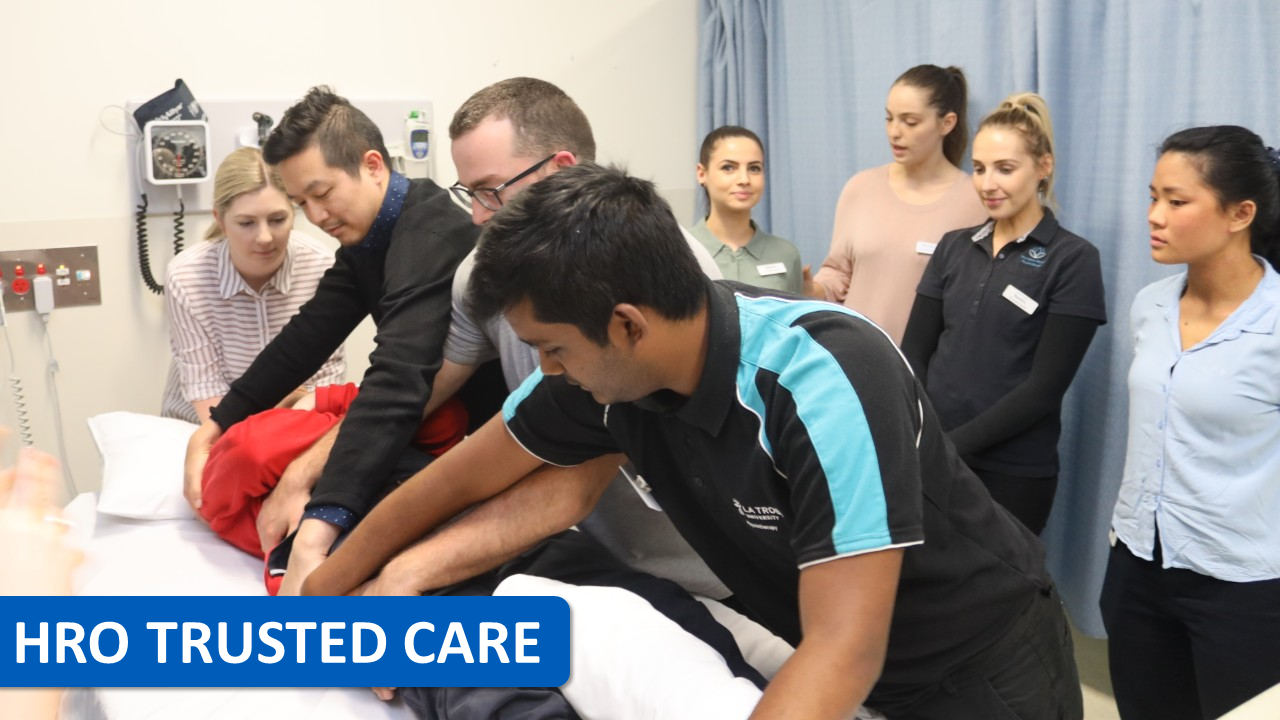
    With the aim to improve care provided to patients with spinal fractures, Northern Health recently held the first information sharing and practical session at Northern Hospital.

    Northern Health developed the spinal management plan in 2016 in order to have a standardised approached to managing our growing population.

    In line with the HRO principles, there have been multiple meetings with the multidisciplinary team, in the hope of developing a confident and capable workforce to manage these patients.

    Melanie Hogan, Associate Director Allied Health Physiotherapy, said this was the first of a series of peer workshops being presented by members of the Physiotherapy, Occupational Therapy and Orthotics teams across Northern Hospital, Broadmeadows Hospital and Bundoora Centre.

    “The aim of these sessions is for staff to learn together through the sharing of information and expertise, and to provide patients the best possible care using an evidence-based, coordinated and standardised approach to the management of spinal fractures,” she explained.

    Rachel Ellis, Clinical Lead Physiotherapy, added that 50 staff attended the training session, and she is hoping there will be equally positive attendance at the other campuses.

    “Staff at the initial session have learned about how the other members of the multidisciplinary team manage these patients, how they can all best work together to assist each other and increase the level of skills and consistency of practice within disciplines. The overall goal is to implement a sustainable spinal management training module across the organisation to improve the care and experience of this cohort of patients at Northern Health,” Rachel explained.

  • Exemplary patient experience: Yvonne Cartwright and Andrea Wilson

    Exemplary patient experience: Yvonne Cartwright and Andrea Wilson

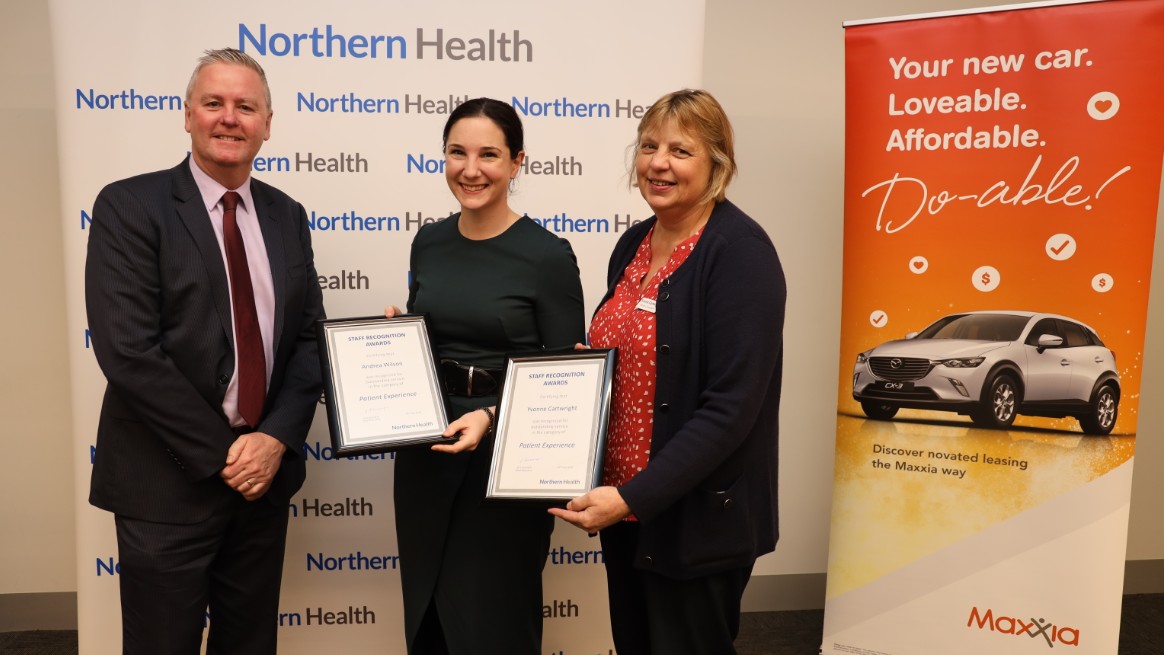
    At the latest Quarterly Staff Recognition Awards, Yvonne Cartwright and Andrea Wilson won the award for Patient Experience. The award recognised their team effort in providing exemplary patient-centred care in helping an Indigenous man get back to country for end-of-life care.

    They were nominated by Dr Kim Jeffs, Karen Bryant and Sandra Brown, who said Yvonne and Andrea coordinated a remarkable effort of advocacy and coordination that took many hours and resulted in an extremely important outcome for the patient, since connection to country was very important to him.

    “Yvonne and Andrea approached the challenge with enthusiasm and optimism, something that clearly rubbed off on the other people involved in making this possible. They spent many hours working on the transfer, including their own time. I am extremely proud to have worked alongside these amazing women and believe they are very worthy candidates to receive this award,” Dr Jeffs said.

    Karen Bryant added, “I am nominating these same two members as they went over and above to identify and meet the cultural needs of an Aboriginal patient who was born on Northern Territory country. Once his direction was confirmed, these two ladies coordinated, emailed, telephoned and liaised with two states and a Territory of Australia, engaged with multiple organisations, programs and hospitals to streamline a smooth transition to the country,” she said.

    Andrea has been at Northern Health for four years, and works mostly with older people and enjoys hearing their stories.

    “People have often lived incredibly colourful and interesting lives, and knowing about someone’s background can give you a whole new respect for the patient you are meeting and what their health means to them,” she said.

    When describing the case they won the award for, she said the particular scenario relied on a huge portion of good will from a large number of people to be able to help the gentleman involved.

    “Most of this work was entirely outside the scope of what a hospital is able to usually provide and was made possible by a large number of people working together and going the extra mile. This award to me meant that those times we all go outside our comfort zone, or work above and beyond to make things happen for a patient are worth it,” she said.

    Her team member, Yvonne Cartwright, has been at Northern Health for 19 years and has spent the last 11 years in the Residential Care Intervention Program in the Elderly (RECIPE) program.

    “I very much enjoy the diversity of the role including using my knowledge and skills to assist staff and families who are often struggling to care for residents in their care, and relatives who are struggling emotionally,” she said.

    For Yvonne, the award is a lovely opportunity to showcase the variety of work of staff in her team and illustrates what can be achieved when we engage others in the health care sector to help us to achieve specific patient first wishes.

    “Sometimes, we just need to ask,” she said.

    In the future, Yvonne would like to continue working collaboratively with her colleagues and she plans to continue in her current role, while Andrea is hoping to return to Hobart and practise geriatric medicine there, whilst taking with her everything she learnt from the RECIPE team.

    “The RECIPE team itself provides excellent support to a large number of nursing home residents and I only see this service growing,” she said.

    Sponsored by Maxxia and BankVic, our Quarterly Staff Recognition Awards have been designed to formally recognise outstanding contributions by our employees and celebrate staff excellence. To nominate a staff member, click here.


    Featured Image (left to right): Tim Bond from Maxxia with Andrea Wilson and Yvonne Cartwright 

  • Huge success of our Heart Failure program

    Huge success of our Heart Failure program

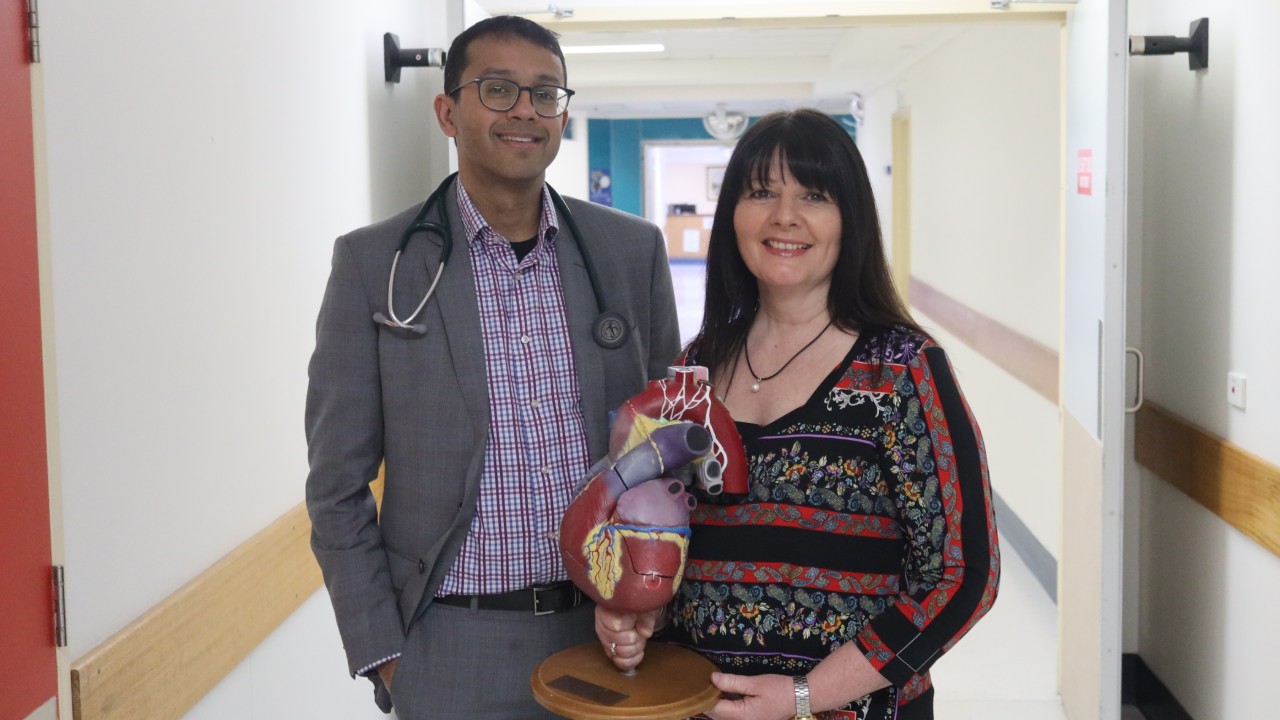
    Patients who are diagnosed with heart failure in the northern suburbs will now be better managed in participating GP clinics thanks to Northern Health’s unique ‘Heart Failure in the North’ education program, which provides personal education and upskilling for GPs and primary care nurses.

    The program started in March 2016 by recruiting four large GP clinics that were geographically located near Northern Health and whose patients were regularly presenting to hospital for heart failure.

    Associate Professor Gautam Vaddadi, head of the program explained that a lot of patients with heart failure are not treated with the most appropriate evidence based care, particularly the use of complex combination medications. GPs frequently find this a challenging area to practice in, and with evidence changing rapidly, GPs need more support from specialist hospital services to ensure patients are maintained on evidence based treatment. He and his team sought to improve that standard and build a link between the hospital and general practice.

    “There is a strong recognition that heart failure patients are being sub-optimally managed and a lot of that care is controlled in the community. After speaking with A/Prof Ralph Audehm GP, who has done a lot of work in the diabetes space, we decided that heart failure would be a good condition to engage with primary care on and build a skill base within general practice to manage heart failure,” he explained.

    Fiona Miller, Heart Failure nurse who runs the education sessions added that during the second year of the program, the team recruited two more clinics, so six clinics in total were engaged in education during the first two year period. Currently, she is working with 30 medical clinics in the northern region of Melbourne.

    “The goal of the project was to improve evidence based medication use in heart failure patients and we looked at ways to make that happen. While collecting data from GPs on these patients, we recognised that there was a gap in the way these patients were coded. They were all given a generic diagnosis – Congested Cardiac Failure (CCF). That code doesn’t really tell the GPs what kind of heart failure the patient has, and for the patients to be managed correctly, the GPs needed to know what type of heart failure it is,” Fiona explained.

    She further explained that once that cohort of patients was classified correctly, she did a lot of education around diagnostics for the type of heart failure, especially with the nurses who were engaging with patients around their “care plan”.

    “I worked very closely with the nurses in the medical clinics, around management of chronic heart failure to help nurses better understand how to educate and support patient management. I would sit in the room with the nurses and initially do all the education with the patient during care planning. This process of the nurse learning by example helped link the theory to practice. Nurses then felt more confident to discuss heart failure self-management with patients and over time it became standard care,” she explained.

    “We used the GPMP (GP management plan) to identify gaps in management and alert the GP,” she added.

    The nurses valued the practical aspect of the education program. The feedback from patients was fantastic and they ‘felt looked after and felt better at home.’

    Fiona and Gautam agree there is a big difference between this program and education programs from other hospitals. With this program, Fiona is able to link in with the patient at the hospital and use that to connect with the GP who is looking after the patient. In essence the patient becomes the “vector” for education and system improvement between the hospital and primary care. Traditionally there has been a wall that separates the hospital system from the GP system.

    “We are breaking those barriers between general practice and hospitals,” A/Prof Vaddadi explained.

    The response from the GPs has been fantastic, and Fiona has been receiving numerous letters of support, appreciation and encouragement.