

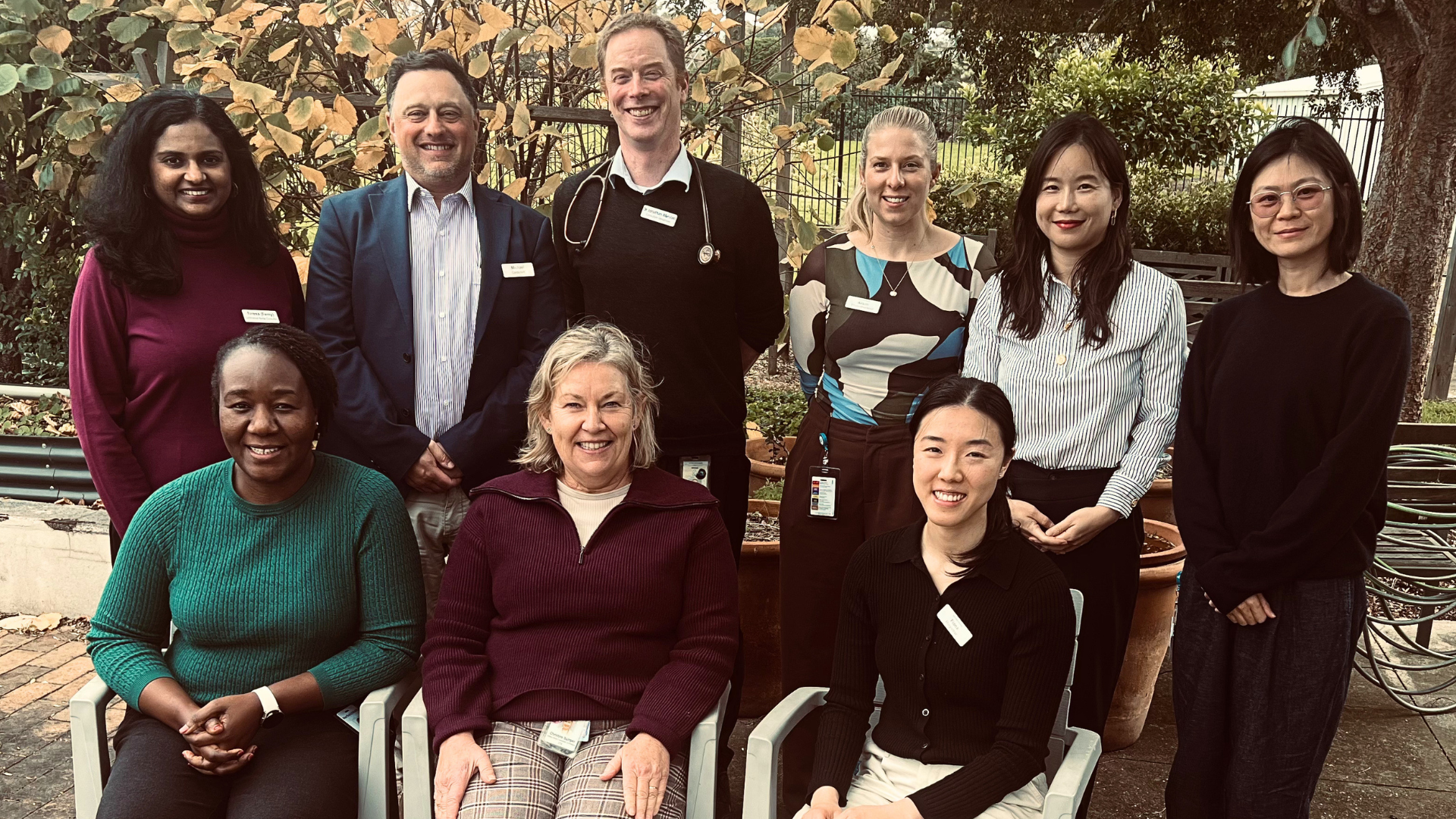
This World Continence Week (15–21 June), Northern Health is helping shine a light on incontinence and raise awareness of the support available for people living with bladder and bowel control issues.
The 2026 theme, “When you’ve got to go, we’ve got you – we’re here to help,” is an important reminder that no one has to manage continence concerns alone. Help, support and treatment are available, and seeking assistance can make a significant difference to quality of life.
Incontinence is the involuntary loss of bladder or bowel control and is often under-reported in the community. Many people experience symptoms for years before reaching out for support, with research showing that people live with incontinence for an average of four to six years before seeking help from a health professional.
According to Continence Health Australia, a recent report by Deloitte Access Economics found that:
- More than 7.2 million Australians were living with incontinence in 2023.
- By 2032, this number is expected to increase to 8.6 million people, representing 34.1 per cent of the Australian population.
- Seventy-one per cent of people living with incontinence are under the age of 65.
Northern Health’s multidisciplinary Continence Service brings together medical, nursing and allied health professionals who work across our Bundoora, Broadmeadows and Craigieburn sites, as well as outpatient clinics. The team also provides home visits where appropriate, helping people access care in the setting that best meets their needs.
Northern Health Geriatrician, Dr Jonathan Marriott, says continence issues can have a significant impact on individuals and their families, but support is available.
“Continence issues impact individuals and families in varying ways, often significantly. Embarrassment and limited awareness can contribute to a reluctance to seek help. An empathetic multidisciplinary team can work together to improve continence issues for many people, with approaches tailored to each individual’s circumstances, making a real difference to lives.”
Many people are surprised to learn that there are a range of holistic treatment options available to promote healthy bladder and bowel function. At Northern Health, we provide education on healthy bladder and bowel habits, bladder training and pelvic floor muscle exercises. We also support access to continence aids and government funding, and accept referrals through My Aged Care, the NDIS, GPs and self-referrals.
Continence Nurse Consultant Tara Webb, who works at Broadmeadows Hospital, says continence concerns can affect people of all ages and often have a profound impact on daily life.
“Continence issues can affect people of all ages and often have a profound impact on daily life. We understand that discussing bladder and bowel concerns can feel difficult, and people don’t have to manage this on their own. By working together and tailoring care to each individual, we can support people to improve their symptoms, regain confidence and enhance their quality of life.”
If you or someone you know is experiencing continence concerns, Northern Health’s Continence Service can help. Referrals can be made through the Community Access Intake Office:
Phone: 9495 3443
Fax: 8405 8616
This World Continence Week, help us break down the stigma surrounding incontinence and encourage people to seek the support they need. No one should feel they have to manage continence concerns alone.
Pictured in featured image:
Standing (L-R): Femy Jacob (Continence Nurse); Dr Michael Farber (Geriatrician); Dr Jonathan Marriott (Geriatrician); Alison Carey (Continence Physiotherapist); Gia Kim (Continence Nurse); Nancy Wu (Continence Nurse)
Front sitting (L-R): Rejoice Kadira (Continence Nurse); Christine Sumper (Continence Nurse); Fiona Chen (Continence Registrar)