

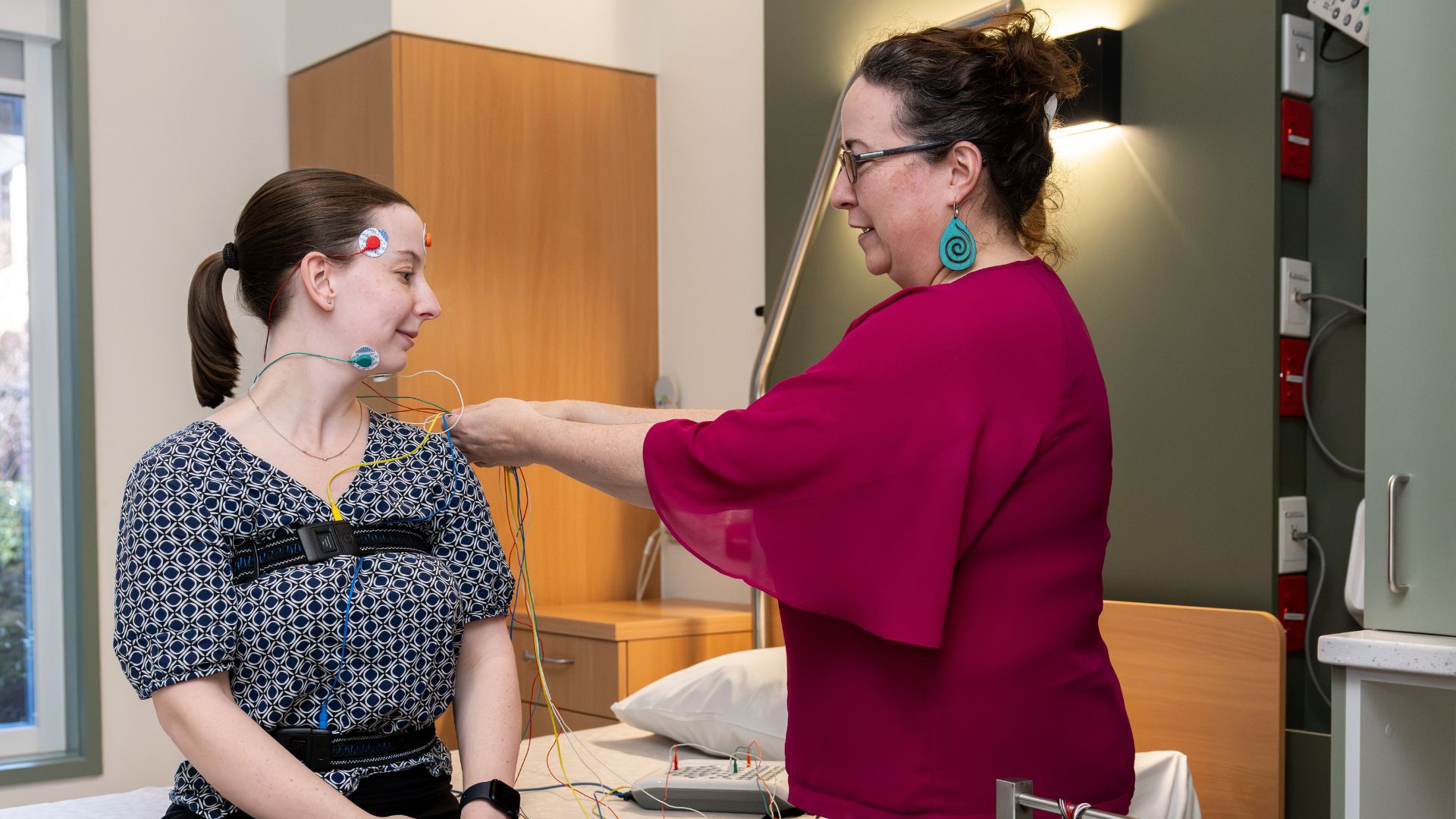
ust eight months after opening its doors, Northern Health’s Sleep Centre has rapidly established itself as one of Victoria’s fastest-growing public hospital sleep services, providing specialist care closer to home for hundreds of patients across Melbourne’s north.
Since welcoming its first patients, the Centre has completed more than 700 sleep studies, helping people access timely diagnosis and treatment for a range of sleep disorders. Alongside this growth, the service has consistently exceeded clinical reporting targets while achieving strong and positive patient feedback.
Behind the success is a dedicated multidisciplinary team that has not only delivered patient care but also built the foundations of a comprehensive sleep service. New clinical pathways, reporting systems, booking processes and specialised investigations, including diagnostic and CPAP studies, Multiple Sleep Latency Tests (MSLT), Maintenance of Wakefulness Tests (MWT) and transcutaneous carbon dioxide monitoring, have all been developed during the Centre’s first year.
For Rosemarie Joyce, Head Sleep Scientist at Northern Health’s Sleep Centre, the service represents an important step towards improving awareness of one of the most overlooked pillars of good health.
“Along with diet and exercise, sleep is one of the foundational blocks of good health,” Rosemarie said. “When you sleep well, you’re able to be your best self. Your mood, motivation and cognitive abilities are improved, and this flows through into your social and professional lives and relationships.”
Rosemarie explains that sleep deprivation creates a ripple effect across many aspects of life. Poor sleep can impair decision-making, reduce motivation to exercise, affect healthy eating habits and diminish productivity.
The consequences can also be serious. Research has shown that after 18 hours without sleep, reaction times and error rates can be comparable to someone with a blood alcohol concentration of 0.05.
“Many motor vehicle accidents are the result of sleep deprivation when only a momentary loss of attention or microsleep can have devastating effects,” she said.
The long-term impacts of poor sleep extend well beyond feeling tired. Sleeping fewer than seven hours a night has been associated with increased risks of high blood pressure, depression and anxiety. Sleep disorders such as obstructive sleep apnoea have also been linked to conditions including type 2 diabetes, stroke, heart disease and kidney failure.
“Untreated sleep disorders can affect concentration, memory, mental health and overall quality of life,” Rosemarie said. “The impacts can be seen even in people who don’t necessarily feel sleepy during the day.”
Sleep also plays a crucial role in emotional wellbeing. According to Rosemarie, a good night’s sleep helps people regulate their emotions and respond more effectively to everyday challenges.
“When we don’t sleep well, our emotional responses can become exaggerated, and we’re more likely to focus on negative events,” she said. “Over time, poor sleep can contribute to higher stress levels, relationship difficulties and worsening mental health symptoms.”
The connection between sleep and physical health is equally important. During sleep, the body’s immune system works to support recovery and fight infection. Deep sleep also allows the brain to clear waste products and toxic proteins, a process increasingly recognised as essential for long-term neurological health.
As awareness of sleep health continues to grow, Rosemarie hopes the community will place greater value on getting enough rest and seek help when sleep problems persist.
“The best thing you can do is recognise the importance of sleep for good physical and mental health and allow yourself the opportunity to get enough sleep each night,” she said.
“If you find that you’re feeling tired and struggling to sleep, snore or stop breathing overnight, or feel that you’re not sleeping well in general, talk to your local health professional about getting referred to a sleep specialist.”
With demand for sleep services continuing to increase, Northern Health’s Sleep Centre is helping more patients than ever access timely diagnosis, treatment and support, proving that a good night’s sleep is much more than a luxury. It is a vital investment in health and wellbeing.
Picture show Rosemarie on right with Madeleine O’Dwyer, Sleep Scientist.