• 2025 Research Grant recipients announced

    2025 Research Grant recipients announced

    Northern Health is dedicated to fostering a strong and vibrant research culture across the organisation. In continued support of this commitment, and to amplify Northern Health’s contributions to the broader research landscape, a suite of research grants, similar to 2024, were offered:

    • Northern Health Foundation Grant ($50,000) – A premier research grant which is a competitive grant based on track record, with a view to building capacity towards Category 1 research success. Only one grant was available under this category.
    • Research @ Northern Support Grants ($20,000) – A grant that supports research initiation or establishment at Northern Health. Available to early career researchers, on an equal footing with established researchers. Three grants were available under this category.
    • Grants in Aid ($10,000) – A grant focused on supporting research units with funding for equipment, consumables, or external technical support not available within Northern Health. Five grants were available under this category.

    The objectives of the Northern Health Research Grant Round are to:

    • Support work that benefits the Northern Health’s community
    • Support projects that will lead to applications for external grants or funding
    • Develop and strengthen the research culture at Northern Health
    • Support capacity building and staff development in research
    • Increase research productivity at Northern Health
    • Support pilot projects or projects where traditional funding sources are difficult to attract.

    The grant round attracted a high volume of outstanding applications. The multidisciplinary Grants Committee led by Professor Donald Campbell were highly impressed by breadth and calibre of submissions. Each application was carefully reviewed by independent reviewers, with the process overseen by the Northern Health Research Grant and Scholarship Committee, chaired by Professor Geoffrey Donnan.  The committee convened to discuss and recommend the grant recipients for each category.

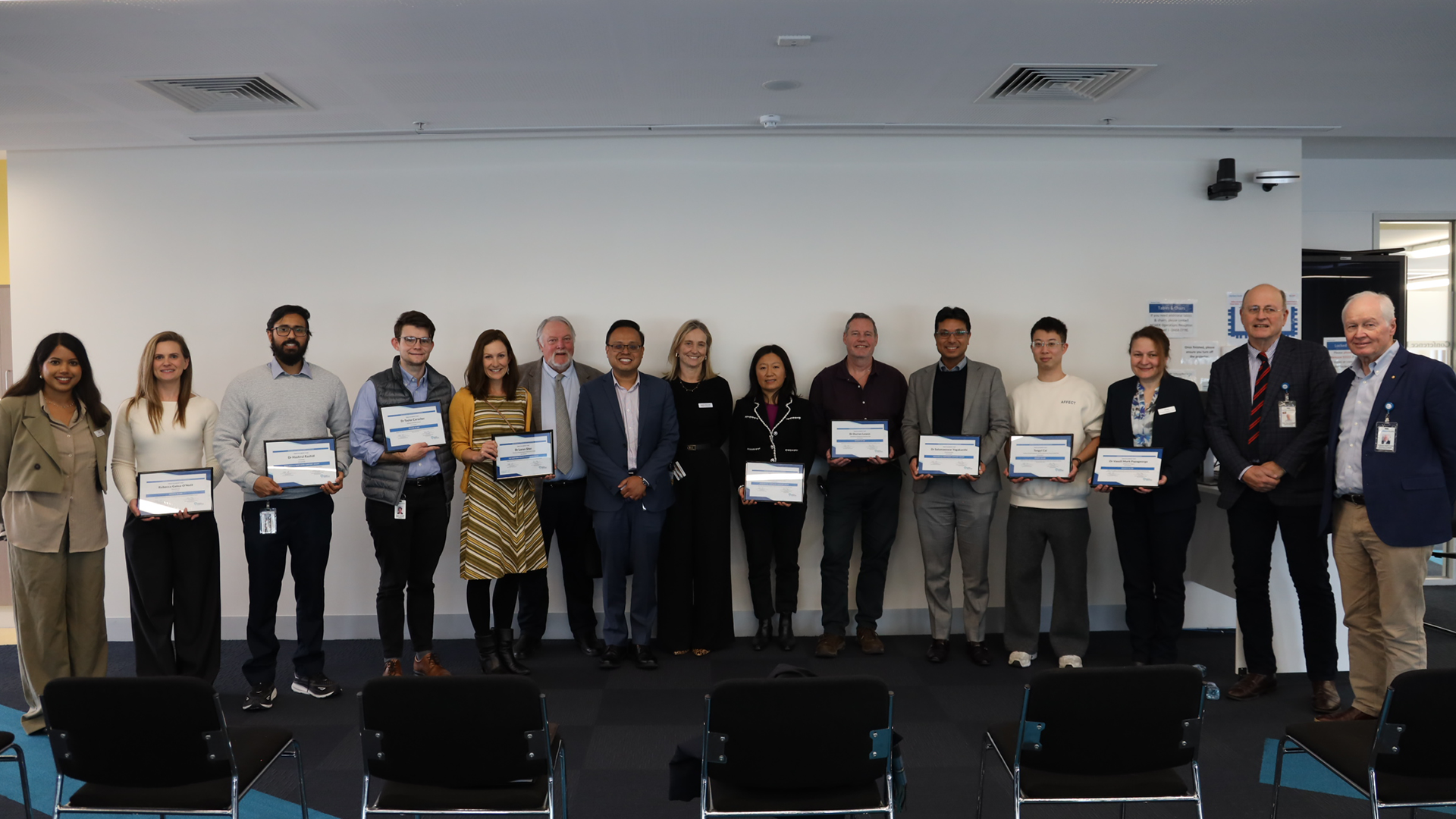
    The final recommendations were endorsed by the Research Executive Committee and the Northern Health Foundation Board. The successful recipients were formally announced today at the Research Grand Round, held at the Northern Centre for Health Education and Research (NCHER).

    The recipients are:

    Northern Health Foundation Grant

    • Dr Loren Sher, Program Director of VVED and Paediatric Emergency Physician
      Department: Victorian Virtual Emergency Department (VVED)
      Project title: ENDURED: Enhancing Discharge Understanding and Retention through Effective Delivery


    Research @ Northern Support Grants

    1. Dr Julie Wang, Clinical and Laboratory Haematologist
      Department: Northern Clinical Diagnostics and Thrombovascular Research Centre (NECTAR)
      Project title: Northern Novel biomarkers to improve cardiovascular risk prediction in non-cardiac major surgery
    2. Dr Hashrul Rashid, Interventional Cardiologist
      Department: Cardiology
      Project title: EMPRESS Study (Empagliflozin and Coronary Stent Restenosis in Type 2 Diabetes
    3. Dr Saiumaeswar Yogakanthi, Senior Inflammatory Bowel Disease Fellow
      Department: Gastroenterology
      Project title: The Renin Angiotensin System in Structuring Crohn’s Disease

    Grants in Aid

    1. Dr Taylor Corocher, Medical Scientist
      Department: Northern Pathology Victoria
      Project title: Validation of rapid quantification of unfractionated heparin in plasma using surface-enhanced Raman spectroscopy
    2. Dr Vassili Mark Papageorge, Orthopaedic registrar
      Department: Orthopaedic Surgery
      Project title: Prospective multi-spectral analysis of joint fluid aspirates for the rapid diagnosis of septic and crystal arthropathies – a SPECTRAL Study (Spectral Profiles of Joint Effusions with Confirmed Test Results and Arthropathy Library)
    3. Dr Darren Lowen, Staff Specialist Anaesthetist
      Department: Anaesthesia, Perioperative Medicine & Pain
      Project title: Paired blood samples to determine the obstetric impact of induction of labour in nulliparous women.
    4. Tengyi Cai, Research Fellow
      Department: Northern Clinical Diagnostics and Thrombovascular Research (NECTAR)
      Project title: Evaluation of vaspin as a biomarker for health outcomes in patients with cardiovascular risk factors and chronic kidney disease
    5. Rebecca Galea-O’Neill, Physiotherapist
      Department: Physiotherapy
      Project title: Patient Perspectives: Showcasing the Impact of the Musculoskeletal Wellness Program

    From all of us at Northern Health, congratulations!
  • Deputy Prime Minister visits Broadmeadows Hospital

    Deputy Prime Minister visits Broadmeadows Hospital

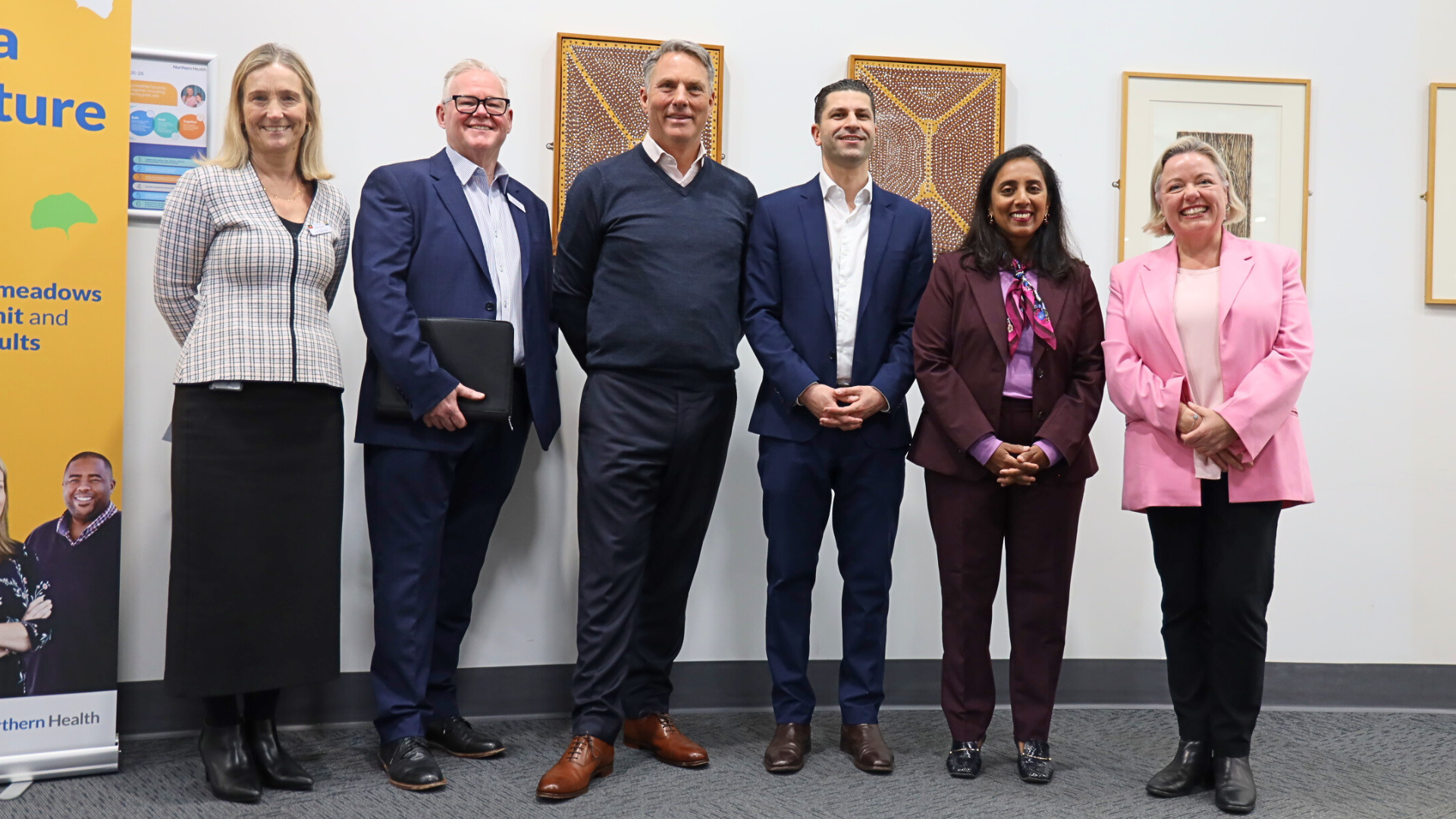
    Last Thursday, Northern Health welcomed The Hon Richard Marles MP, Deputy Prime Minister, Basem Abdo MP, Federal Member for Calwell, Senator Michelle Ananda-Rajah (Senator for Victoria), and Kathleen Matthews Ward, Member for Broadmeadows in the Legislative Assembly, to Broadmeadows Hospital.

    The Deputy PM and accompany ministers and senator, met with Alan Lilly, Board Chair, Northern Health, Debra Bourne, Chief Executive, Northern Health, A/Professor Jason Cirone, Chief Allied Health Officer, and other Northern Health stakeholders, to promote the Commonwealth Prac Payments for nursing, midwifery, teaching and social work students.

    Eligible students will receive $331.65 per week while doing their mandatory prac placements as part of their degree. This new payment will provide cost-of-living relief for around 68,000 eligible higher education students and more than 5,000 VET students each year.

    The prac placement is a mandatory period of supervised work experience that students undertake as part of their degree or vocational training. These placements are crucial to applying theoretical knowledge to real-world situations, developing practical skills and gain experience in their chosen field. For some students, these placements can be unpaid or require significant time and financial commitment, leading to “placement poverty.”

    During the visit, they toured Broadmeadows Surgical Centre and Unit 1 (Medical Surgical Ward), where they met with students who will benefit from the payments.

    “Our Victorian nursing students are a national asset we want to grow. The paid-pracs will help retain nursing students during their studies. This is vital cost of living support, so that we don’t just attract talent, but enable these students to succeed,” said Senator Ananda-Rajah.

    Minister for Education Jason Clare announced the Commonwealth Prac Payments on 1 July.

    “This will give people who have signed up to do some of the most important jobs in this country a bit of extra help to get the qualifications they need,” he said.

    “These are people who are going to teach our kids, who are going to look after us when we’re sick or when we’re old, going to help women during childbirth and help support women in domestic violence refuges.”

    “And that’s why this is important. It’s a bit of practical support for people while they do their practical training.”

    “Placement poverty is a real thing. I have met students who told me they can afford to go to university, but they can’t afford to do the prac. Some students say prac means they have to give up their part-time job, and that they don’t have the money to pay the bill.”

    To find out more about the Commonwealth Prac Payment, please click here.

    Pictured in featured image (L-R): Debra Bourne, CE, Alan Lily, Board Member, The Hon Richard Marles MP, Deputy Prime Minister, Basem Abdo MP, Senator Michelle Ananda-Rajah, and Kathleen Matthews Ward, Member for Broadmeadows in the Legislative Assembly.

  • Congratulations to the winners of the NAIDOC Staff Quiz

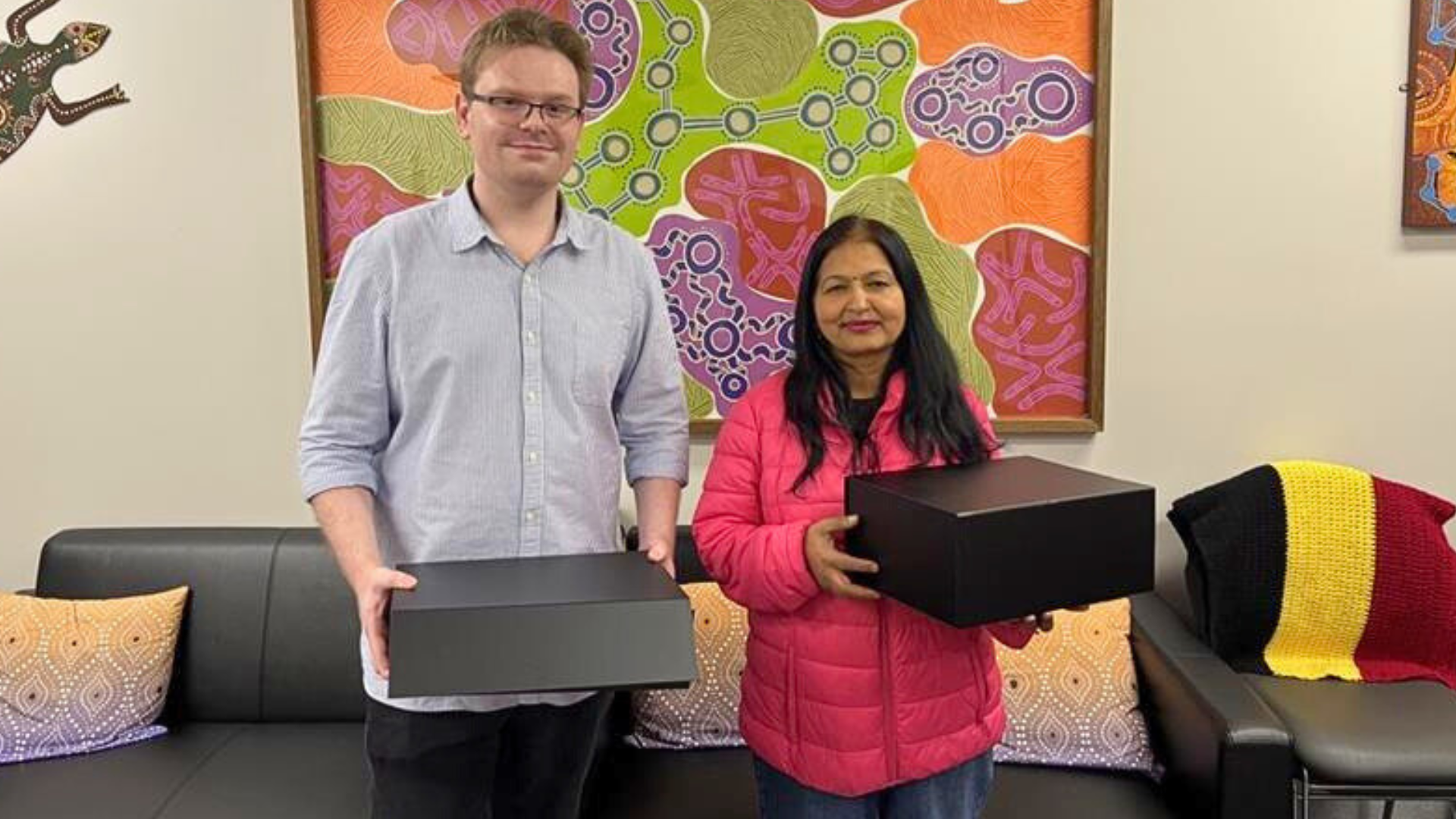
    Congratulations to the winners of the NAIDOC Staff Quiz

    From 6 to 13 July 2025, Northern Health proudly joined in celebrating the 50th anniversary of NAIDOC Week. This significant milestone was marked with a series of events and activities across all campuses, embracing this year’s powerful national theme: “The Next Generation: Strength, Vision & Legacy.”

    The theme resonated deeply with staff and patients alike, honouring the legacy of past generations while highlighting the resilience and leadership of today’s Aboriginal and Torres Strait Islander youth.

    As part of the celebrations, Narrun Wilip-giin (Northern Health’s Aboriginal Support Unit) shared NAIDOC-themed cupcakes with teams in the ICU, Ward 2, Ward 3, and the Emergency Department bringing colour and connection to staff and patients alike.

    To brighten the hospital stay of our youngest patients, Aboriginal-designed colouring books and crayons were gifted to all children and their families in Ward 2. These thoughtful gifts not only brought smiles but also offered a gentle introduction to Aboriginal art and culture.

    Educational and celebratory display boards were installed across all Northern Health campuses, inviting staff, patients, and visitors to pause, reflect and learn. These visual installations provided context for this year’s theme and sparked meaningful conversations about culture, equity, and reconciliation.

    Complementing these visual stories was the annual NAIDOC Week staff quiz—this year attracting an impressive 85 entries. The quiz encouraged staff to deepen their understanding of Aboriginal and Torres Strait Islander history, achievements, and the importance of culturally safe care.

    We are thrilled to congratulate this year’s quiz winners:

    • 1st Prize –Anita Joshi
    • 2nd Prize – Thomas Swift
    • 3rd Prize – Hayley Clark

    Anita says, “I’ve been working in the Children’s Ward at Northern Health for almost 17 years, and I’ve never won anything until now. I’m very excited about this. Before taking the quiz, I completed an online Aboriginal Study Day, which I found very helpful and educational.”

    When we asked Thomas whether he expected to win a prize, he joked, “No! But it’s actually nice to win something.”

    “I think I got some of the answers from reading the Weekly Updates, and the rest from memory, what I learned at school, or from the news,” he added.

    In the spirit of solidarity and respect, staff were also encouraged to attend NAIDOC Week marches in Seymour and Melbourne City. These gatherings served as powerful opportunities to walk alongside and celebrate the strength, vision, and legacy of First Nations peoples.

    Northern Health remains committed to acknowledging and celebrating the cultures, histories and contributions of Aboriginal and Torres Strait Islander peoples, not just during NAIDOC Week, but every day.


    Thomas Swift with Natalie Bloomfield, Aboriginal Clinical Nurse Educator, ASU, Northern Health.
    Anita Joshi with Natalie Bloomfield

    Pictured in featured image (L-R): Thomas Swift and Anita Joshi. 

  • Pharmacy Education team showcases innovation at conference

    Pharmacy Education team showcases innovation at conference

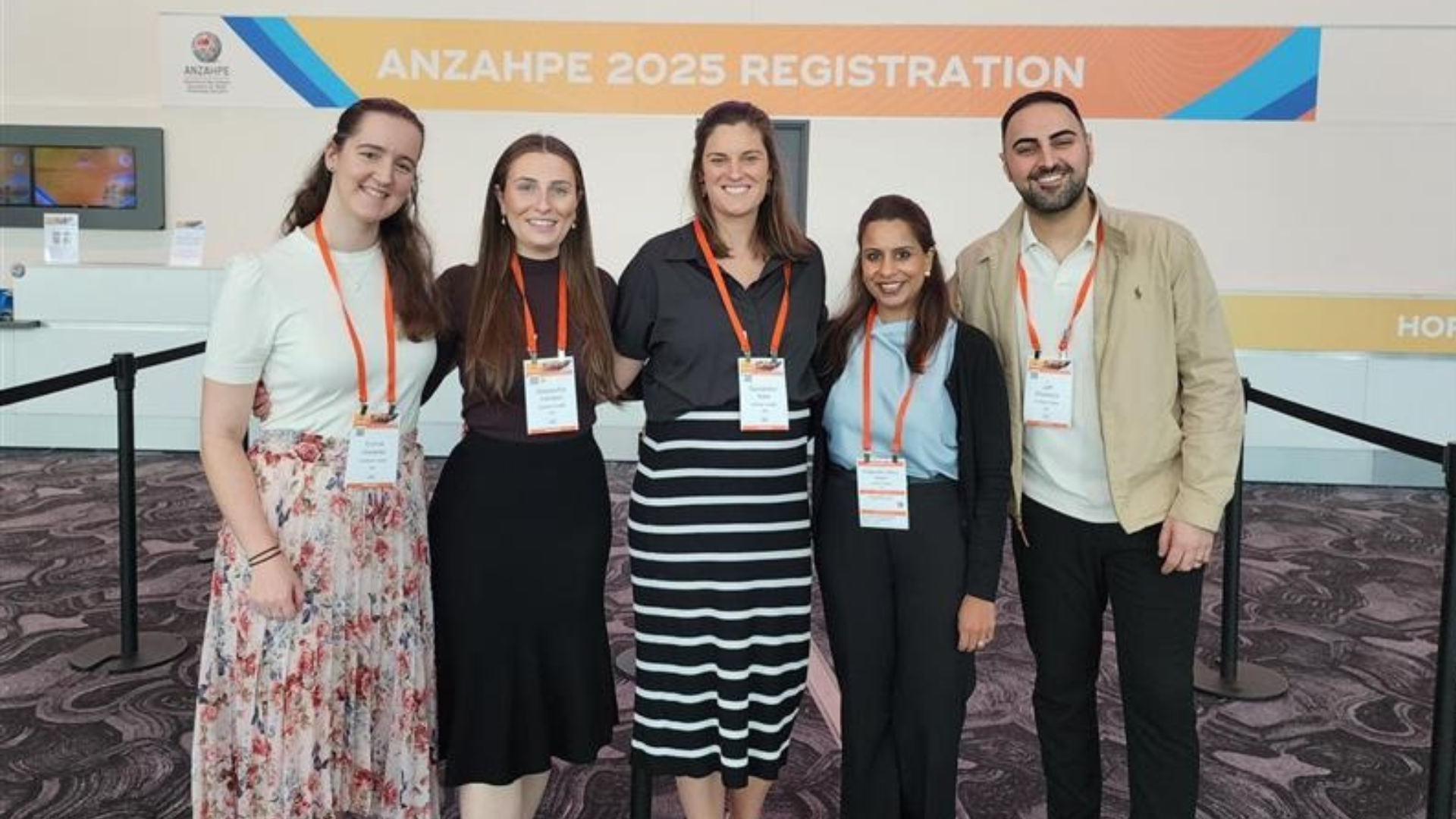
    Five members of the Pharmacy department’s Education and Research team from Northern Health recently attended and presented at the Australian and New Zealand Association for Health Professional Educators (ANZAHPE) conference in Perth.

    The team presented results from Northern Health projects, as well as engaged with industry experts, learnt about the latest updates, and networked with fellow health professionals.

    The team showcased eight projects at the conference, highlighting pharmacy services and quality improvement initiatives within education and research.

    Jeff Khoshaba presented: “Shining the Research Idea Light Brighter” and “Building Competency: A Prescriber Workshop for Partnered Pharmacist Medication Charting”

    Emma Hatherley presented: “Byte-Sized Learning: Strategies for educating on a new Electronic Medical Record System” and “Surveying the Options: Optimising Pharmacy Education Sessions”

    Alexandra presented: “Clarity Through Procedure: The Journey Forward to Electronic Medical Records” and “Clinical Mastery: Pharmacists’ Roadmap to Success”

    Ginny Dhillion presented: “Enhancing Pharmacy Education: The Introduction of a Dedicated Education Pharmacy Technician Role”

    Samantha Botta presented: “Shaping the Future: Elevating Research in Hospital Pharmacy

    Many of the team described the conference as an “incredibly valuable experience.”

    Following the conference, Ginny Dhillion, Education Pharmacy Technician, stated, “In the field of healthcare, learning never stops. Conferences like ANZAHPE remind us of the value of shared knowledge. Engaging with other healthcare educators from a wide range of disciplines allowed us to gain new perspectives that we can apply directly to ongoing education within our department.’

    “The conference provided practical insights we can apply to improve patient care and reinforced our belief that investing in education is investing in better care. The team looks forward to implementing these learnings at Northern Health,” she added.

    Featured image: Northern Health staff at the conference.

  • Ilim College students bring joy to Northern Health’s youngest patients

    Ilim College students bring joy to Northern Health’s youngest patients

    Northern Health recently received a heartwarming donation of toys from the students, staff, and families of Ilim College, Dallas. These generous gifts were delivered to the Children’s Ward and Paediatric Emergency Department at Northern Hospital Epping, bringing smiles and comfort to children receiving care. 

    The donation included a variety of toys and games, thoughtfully selected to help ease the anxiety of hospital visits and brighten the days of young patients. Such gestures play a vital role in creating a more welcoming and less intimidating environment for children undergoing treatment.

    Kim Berger, Community Engagement Coordinator, Northern Health Foundation, said, “it was fantastic to see the young students come through and personally deliver the toys to the sick children, who had the biggest smiles on their faces as they received the generous donations. It’s moments like these that really count, and I want to say a huge thank you to Ilim college for their support. It really helped brighten a lot of the children’s day!”

    The Children’s Unit at Northern Health is a 22-bed ward that provides specialist medical and surgical care for infants through to teenagers, supported by a multidisciplinary team of healthcare professionals. The Paediatric Emergency Department, co-located within the Adult Emergency Department, cares for more than 20,000 children annually, offering urgent medical attention in a child-friendly setting. 

    Community contributions like Ilim College’s donation are instrumental in enhancing the hospital experience for young patients. They not only provide entertainment and distraction but also convey a message of care and solidarity from the broader community.

    Northern Health extends its heartfelt thanks to Ilim College for their generosity and compassion. Their support exemplifies the positive impact that community involvement can have on patient wellbeing.

  • Celebrating NAIDOC Week 2025: Honouring the Next Generation

    Celebrating NAIDOC Week 2025: Honouring the Next Generation

    This week, 6-13 July, is NAIDOC Week, a time to celebrate the history, culture and achievements of Aboriginal and Torres Strait Islander peoples.

    At Northern Health, we join this national celebration by recognising the contributions of First Nations leaders and Elders, past and present, and by creating space to learn, reflect and walk together.

    This year’s theme, “The Next Generation: Strength, Vision & Legacy”, invites us to honour the resilience of those who came before us, the strength of young Aboriginal and Torres Strait Islander people today, and the promise of future generations. It speaks to a future shaped by the courage, creativity and leadership of young people empowered by cultural knowledge and community strength.

    “I see the next generation stepping up every day – strong in culture, proud of who they are, and ready to lead. At Northern Health, we have a role to play in making sure they’re supported to thrive, not just survive,” says Natalie Bloomfield (Gunaikurnai), Aboriginal Clinical Nurse Educator, Northern Health.

    NAIDOC Week reminds us that our strength as Aboriginal people comes from those who walked before us – and that same strength now lives in our young ones. It’s our responsibility to keep that fire burning,” adds Toni Gabelish Gangulu / Yiman, Aboriginal Liaison Officer, Aboriginal Support Unit, Northern Health.

    Throughout NAIDOC Week, NAIDOC-themed displays inspired by this year’s theme will be on show across all Northern Health sites, including the Northern Health Library, which also features a curated online collection of resources for staff.

    Library display and book collection for NAIDOC Week 2025

    Staff are encouraged to participate in NAIDOC activities, including walking alongside the Narrun Wilip-giin Aboriginal Support Unit in the NAIDOC March on Friday, 11 July, a meaningful opportunity to stand in solidarity and celebrate culture and community.

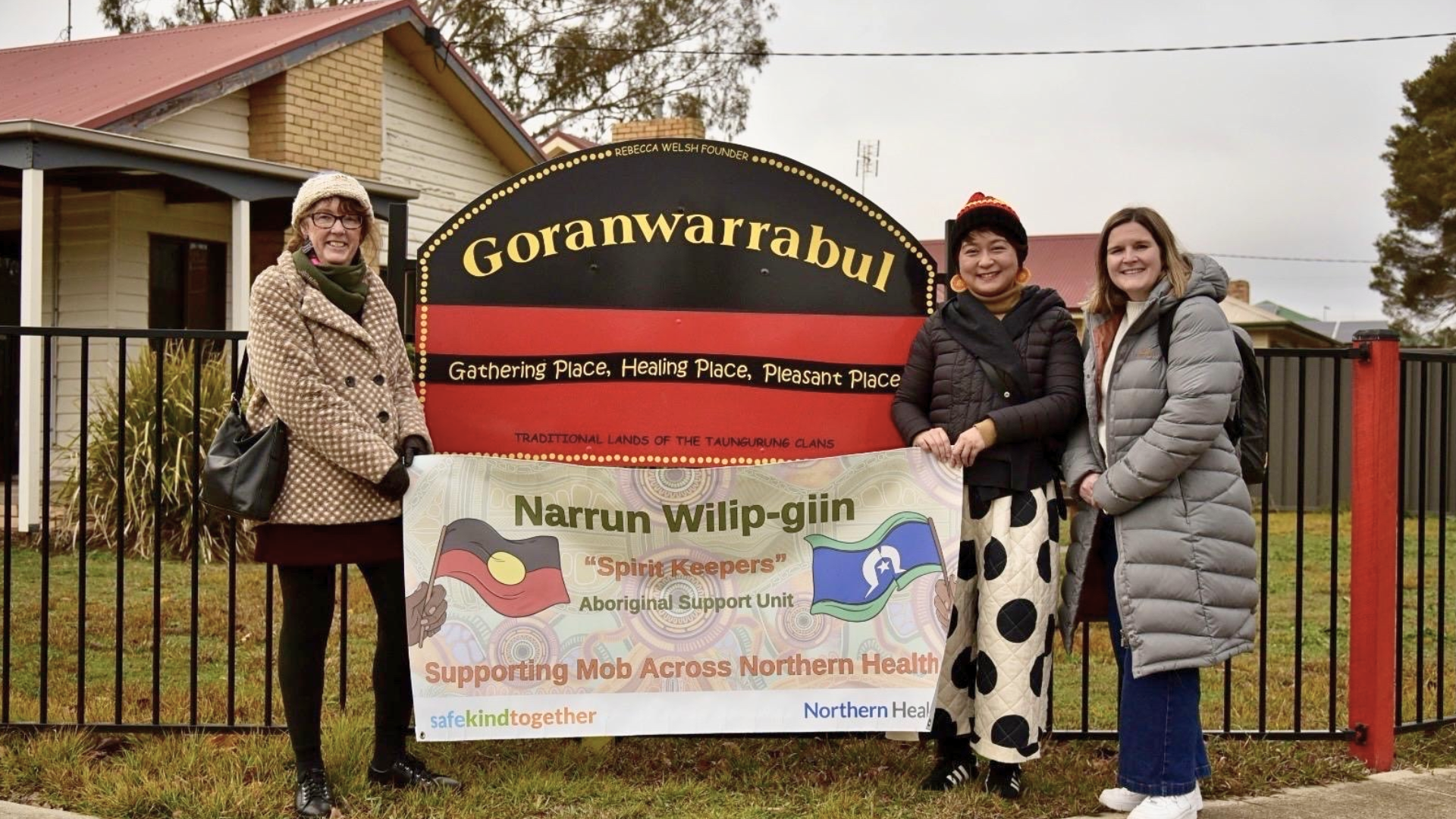
    Today, staff attended the Seymour NAIDOC Celebrations, beginning with a traditional Smoking Ceremony and followed by a vibrant parade through the community to Kings Park.

    Uncle Shane

    Tomorrow, Thursday 10 July, a special NAIDOC Grand Round will be held featuring guest speaker Dr Janelle Francis, a respected General Practitioner with over 30 years of clinical experience and current GP at an Aboriginal Health Service. Click here to join.

    For those who enjoy a bit of friendly competition, a NAIDOC Staff Quiz will run until 12 July, offering a chance to test your knowledge and win exciting prizes. Winners will be announced on Wednesday, 16 July.

    This week offers more than a calendar of events. It is a chance to listen, learn, and commit to a stronger, more inclusive future. We encourage all staff to take part in the celebrations, connect with community, and reflect on what it means to support the next generation of First Nations leaders at Northern Health.

    “For me, NAIDOC Week is a time to reflect on our legacy, acknowledge the resilience of our Elders, and honour the vision our young people are shaping. We stand on the shoulders of giants – and now we’re lifting the next ones up,” says Andrew Morrison Gunditjmara, Acting Manager, Aboriginal Support Unit, Northern Health.

    Pictured in featured image (L-R): Sherrilyn Ballard, Consumer Participation Cordinator, Yue Hu, Director, TALS and ASU, Northern Health and Caroline Dunnet, ACAS at the Seymour NAIDOC Week celebrations.

  • Northern Centre for Health Education and Research welcomes SimNewB to its Simulation Centre

    Northern Centre for Health Education and Research welcomes SimNewB to its Simulation Centre

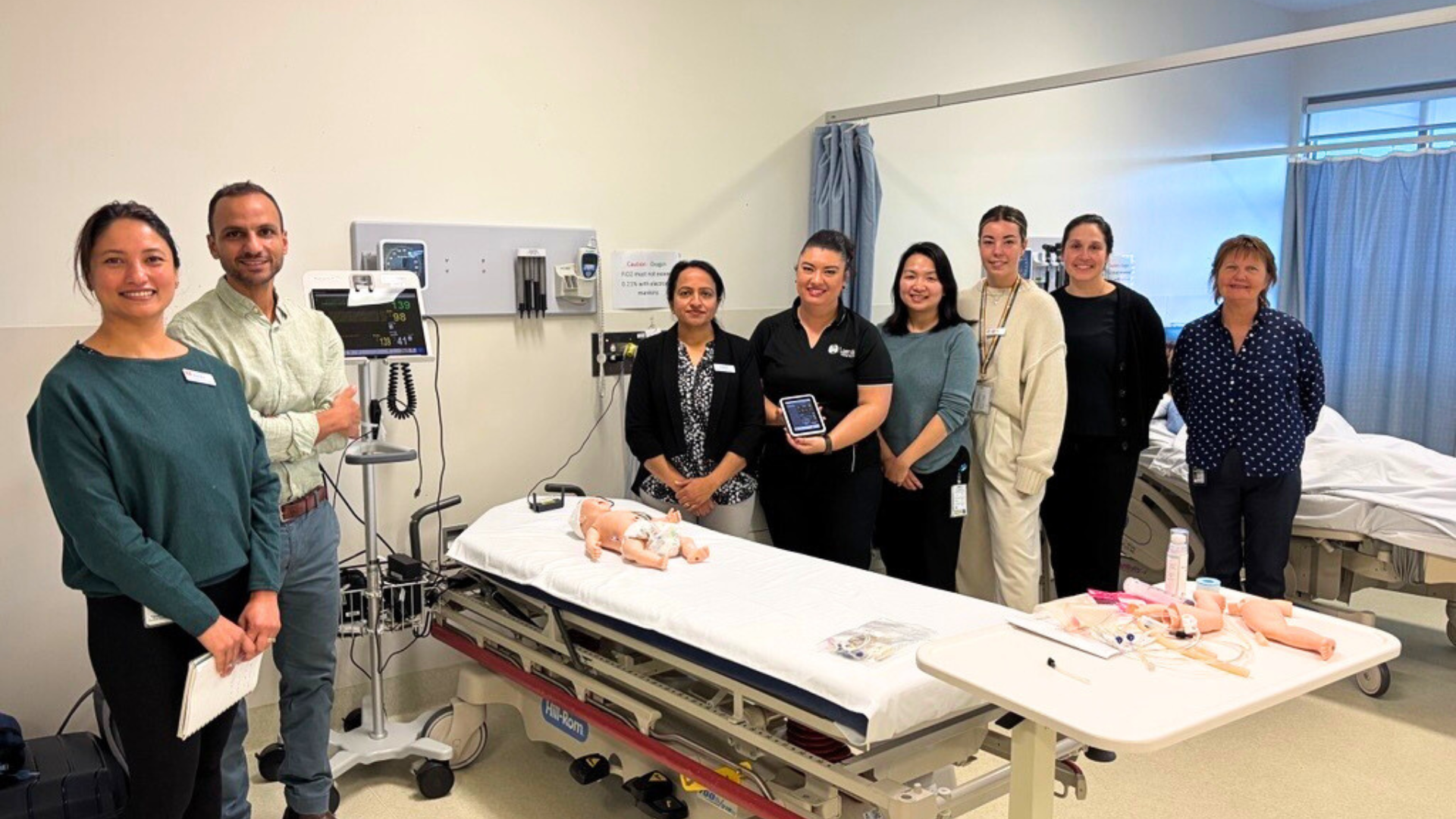
    The Northern Centre for Health Education and Research (NCHER) Partnership, comprising of Northern Health, La Trobe University, and the University of Melbourne, is proud to welcome the newest addition to its Simulation Centre – SimNewB – an advanced neonatal manikin designed to elevate clinical training and education.

    Acquired through joint funding by all three partners, SimNewB represents a significant enhancement to neonatal simulation training. With lifelike skin texture and appearance, the ability to speak and cry, and an integrated projector trainer voice system, SimNewB allows facilitators to deliver highly realistic and interactive training sessions. The manikin responds to pre-programmed voice commands, enabling educators to create immersive, scenario-based learning environments that closely mimic real-world neonatal care.

    SimNewB will play a key role in simulation activities across the NCHER Partnership, offering multidisciplinary teams the opportunity to practise newborn care and emergency responses in a safe, controlled setting. This hands-on experience is invaluable for building confidence, improving coordination, and enhancing clinical skills.

    The NCHER Simulation Centre is excited to integrate SimNewB into its programs, further strengthening NCHER’s commitment to excellence in education, collaboration, and the delivery of safe, high-quality care for our youngest patients.

    Staff who have participated in recent SimNewB workshop have shared their positive experiences:

    “SimNewB provides nursing and medical staff the opportunity to experience and learn in a realistic and safe environment, to recognise and respond to common scenarios that impact our paediatric patients. Through simulation, we can equip one another to respond effectively in stressful and unexpected situations, ensuring high-quality care for our patients.” — Dr Rami Subhi, Paediatrician, Paediatric Ward and Paeds ED.

    “The SimNewB workshop was a great session. It will help us improve the simulations we design and run in the neonatal space, making them more effective and impactful.” — Barsha Shrestha, Neonatal Nurse Educator.

    “Thank you, Kayleen and Elise, from Laerdal, for a very useful and productive information session on the new model of SimNewB. It’s an extremely realistic educational tool. The session provided helpful insights into how we can use the model in various simulation-based education activities. I now feel more confident using this model to run regular interdisciplinary neonatal simulation education.” — Dr Wei Ling Lean, Lecturer, University of Melbourne, Neonatal and General Paediatrician, Northern Health.

    “The SimNewB training provided an impressive demonstration of the capabilities of the Sim Newborn baby. The training highlighted the potential scope and possible applications for use of the SimNewB in the teaching and training of Paediatric Allied Health staff.” — Christina Lambros, Physiotherapist, Paediatrics.

    “The SimNewB is an invaluable resource for our La Trobe nursing students. It helps to bring theory to life and build confidence through hands-on, realistic neonatal care simulations.” —Loren Tong, Lecturer of Nursing, La Trobe University.

    These reflections highlight the growing enthusiasm for simulation-based education and the confidence it brings to clinical teams across Northern Health, La Trobe University and University of Melbourne.

    The new SimNewB is available for simulation and training sessions Monday to Friday across all four campuses of Northern Health. To book a session, please email: simulation@nh.org.au

    Pictured (L-R): Barsha Shrestha, Rami Subhi, Charan Baweja, Kayleen Kral, Wei Ling Lean, Loren Tong, Christina Lambros and Jan Thomas with the new SimNewB neonatal manikin.

  • Finding the words: Aphasia Awareness Month

    Finding the words: Aphasia Awareness Month

    June was Aphasia Awareness Month, a time dedicated to acknowledging and understanding aphasia – an often-misunderstood condition that affects thousands of Australians and their families.

    At Northern Health, the Speech Pathology department is working to raise awareness and provide support to people living with aphasia across the continuum of care.

    Aphasia is an acquired language disorder caused by damage to the brain’s language centres, often from stroke, brain injury, tumours or dementia. It affects how people understand, speak, read and write, but not their intelligence.

    Aphasia varies greatly, and while some patients struggle to find words, others may lose almost all spoken language. These communication changes can deeply impact daily life, relationships, work, confidence and mental health. People with aphasia are also more likely to experience depression and anxiety than others recovering from stroke.

    At Northern Health, speech pathologists play a vital role in supporting people with aphasia — from acute hospital care, to rehabilitation, and within community therapy services. Their goal is to improve communication success and enhance participation in life.

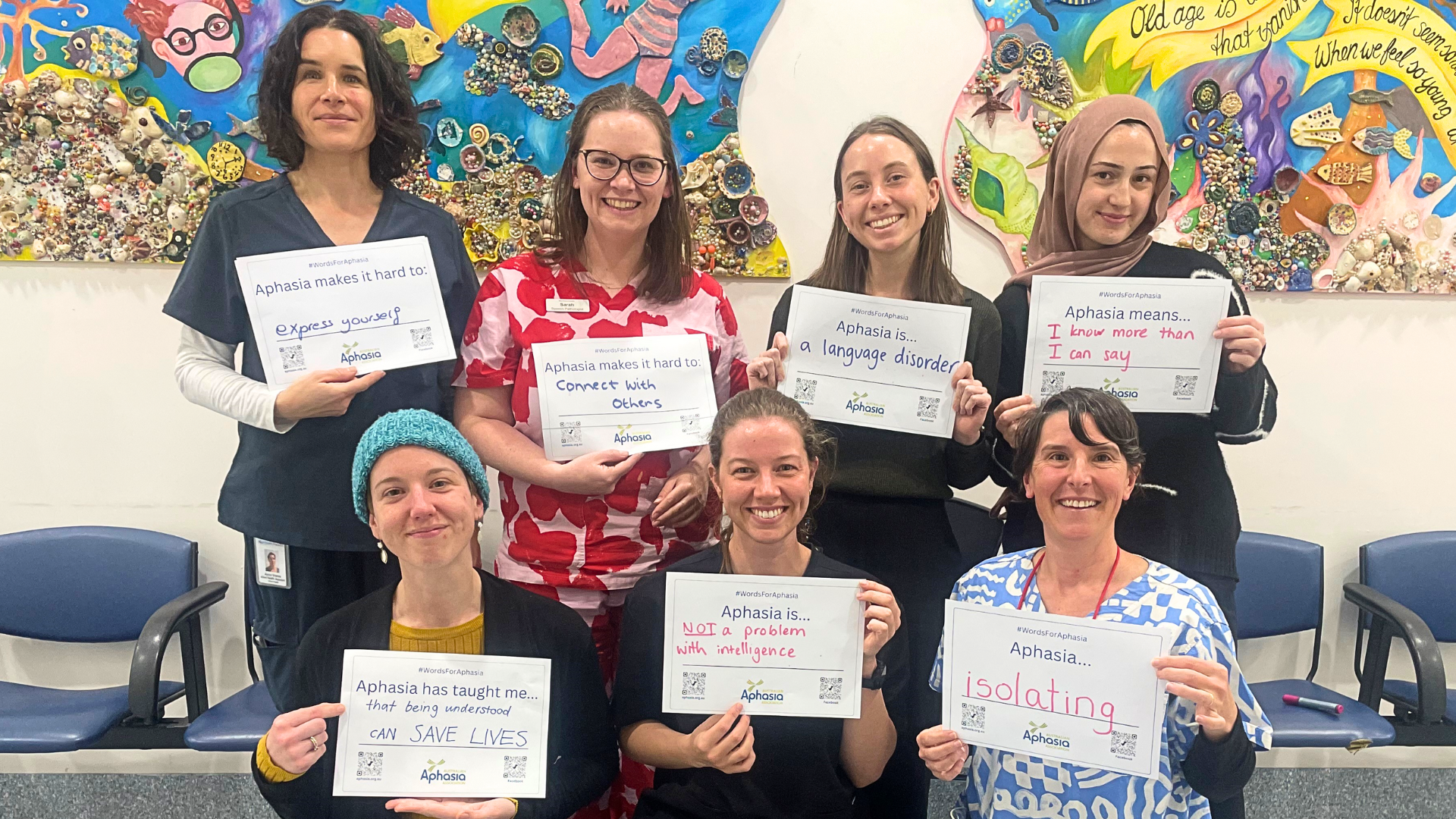
    One of the initiatives during this year’s Aphasia Awareness Month was inspired by the Australian Aphasia Association, which has encouraged people to choose a word or phrase that reflects their experience or understanding of aphasia. For the Speech Pathology team at Northern Health, words like “hidden”, “isolating”, and the phrase “knowing more than I can say” have resonated deeply.

    All healthcare staff may encounter patients with aphasia. Knowing how to support better communication can significantly improve patient care. Here are some top tips to help:

    • Find a quiet space free of distractions
    • Be patient
    • Give the person time to understand and respond
    • Use yes/no questions
    • Check for understanding
    • Pay attention to tone, body language, and facial expressions
    • Encourage other communication methods — writing, pointing, drawing, or gestures

    Emily McLauchlan, Speech Pathologist with the Community Therapy Service at Broadmeadows Hospital, compares communication support to physical access and says, “just as ramps open doors for people who use wheelchairs, communication strategies are vital “ramps” for people with aphasia. When those around them understand their challenges and use the right tools, it allows them to share information, stay connected, be part of their community, and take charge of their healthcare.”

    She also outlines what makes a good communication partner, “a great communication partner for someone with aphasia recognises that the person knows more than they can express, understands that all forms of communication are valid and adapts flexibly between them. They focus on the meaning and connection, not on perfect words.”

    Meggan Barratt, Speech Pathologist on the Rehabilitation Ward at Broadmeadows Hospital, highlights the collaborative nature of communication.

    “I’ve learnt that successful conversations are a two-way street. It isn’t about what we sound like or the way the message is delivered, it is about working together to find what works best for each individual with aphasia.”

    By raising awareness and promoting inclusive communication, we can reduce the isolation people with aphasia often feel. The more we understand, the better we can support them, in healthcare and throughout the community

    For more information about Aphasia, click here.

    The Speech Pathology team at the Northern Hospital Epping
    The Speech Pathology team at Bundoora Centre

    Pictured in featured image: The Speech Pathology team at Broadmeadows Hospital.