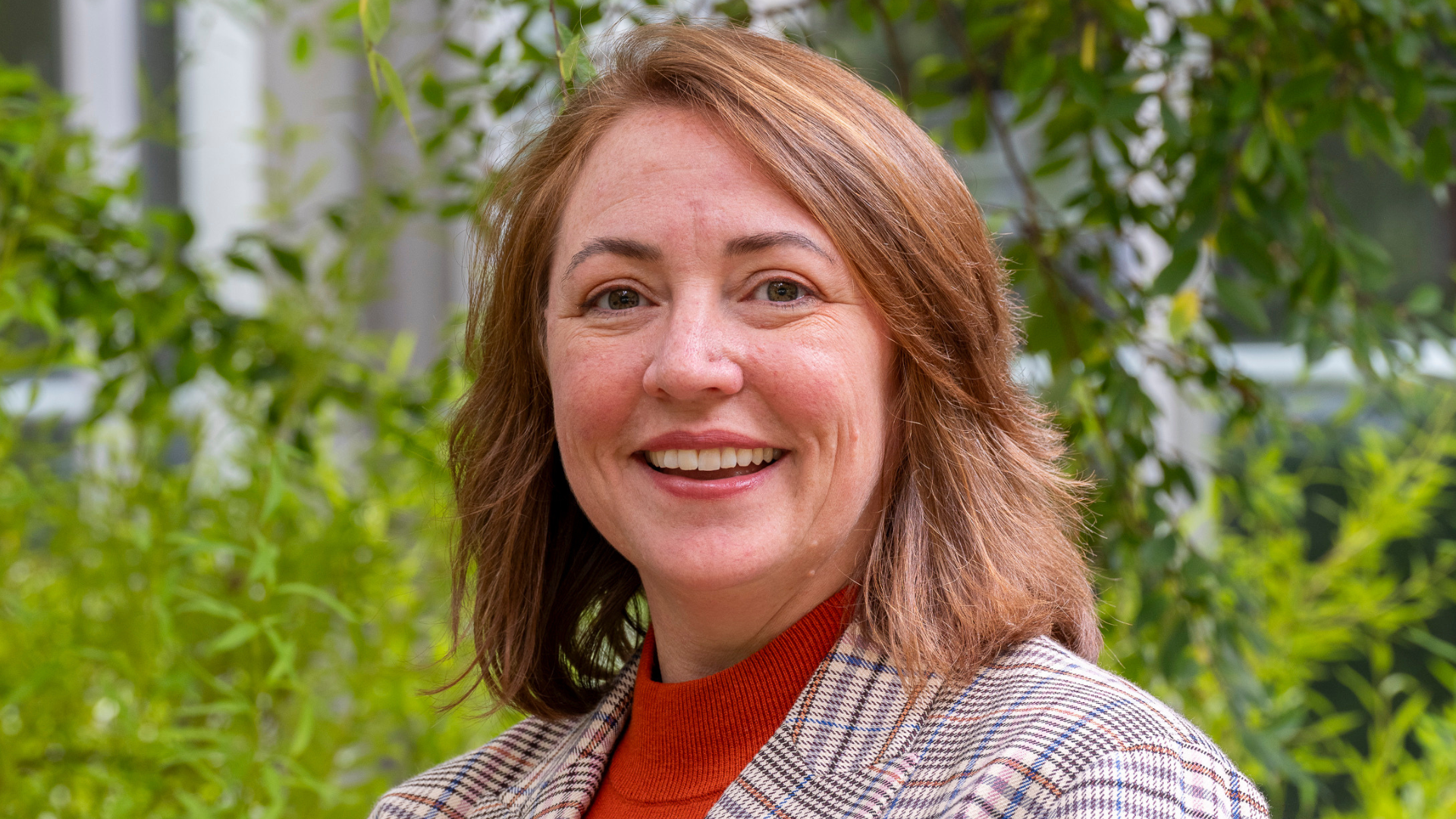
• Get to know: Christina Campbell

    Get to know: Christina Campbell

    Meet Christina Campbell, Director of Nursing/Site Operations Director at Kilmore District Hospital.

    Q: What is your coffee order?

    Strong, oat, flat white.

    Q: Tell me about your role as Director of Nursing/Site Operations Director at Kilmore District Hospital

    I am located in the beautiful regional town of Kilmore, working as a Director of Nursing/Site Operations Director.

    This is a busy leadership role covering an acute ward, urgent care centre, infusion clinic, two aged care facilities, outpatients, operating theatres, and maternity. This role is pivotal to daily operations, service delivery, and professional nursing issues at Kilmore.

    The role works collaboratively with the medical and nursing divisional directors to set the direction and continuously review and improve the operation of services to maximize the operational management of the site to deliver optimum patient care, within the overall strategic direction of Northern Health, and is responsible for the portfolios of access and quality improvement at Kilmore.

    There are dual reporting lines to the Divisional Director of Community Hospitals and the Chief Nurse and Midwifery Officer (CNMO), to maintain our professional nursing and midwifery standards and to align with the CNMO’s strategic vision. Kilmore is currently working on the roll out of EMR and many other service improvements and transitions.

    Q: Tell us about your career journey

    From nearing three decades of my early beginnings as a State Enrolled Nurse and then transitioning into a Registered Nurse across my career, I have worked with older adults, surgical, paediatrics and neonates, across many hospitals from Southern Health, Epworth, Royal Children’s, Monash Health, The Royal Melbourne and now the growing Northern Health.

    Transitioning from bedside care into management, projects and leadership roles has enabled my understanding of the health care system across services, organisations, and our country to evolve. This development and understanding has been invaluable in my leadership and support of the nursing and midwifery workforce development, our healthcare services improvements, and excellent care access and provision for our communities.

    Q: What would your perfect weekend look like?

    Enjoying the simple things really, at least a little sleep in at least one morning, a walk with the dogs, catching up with friends or family, and a great food experience for a brunch or dinner.

    Q: What has been your favourite travel destination and why?

    Oh so many, although one that really sticks with me is Cambodia and experiencing the amazing Angkor Wat in Siem Reap.

    Q: What is something people will be surprised to know about you?

    I ride an Italian MV Augusta motorbike and love it. Heading out on my motorbike is also something that has to make it into my perfect weekend (when weather permits) as there is nothing like some great wind therapy.
  • Northern Health recognised as an international Anticoagulation Centre of Excellence

    Northern Health recognised as an international Anticoagulation Centre of Excellence

    In May 2025, Northern Health was officially designated an international Anticoagulation Center of Excellence by the Anticoagulation Forum, a leading multidisciplinary organisation committed to improving anticoagulation care globally.

    This recognition followed a rigorous review process assessing Northern Health’s practices across five key domains of care. 

    Anticoagulant medicines play a critical role in venous thromboembolism (VTE) prevention and treatment but carry significant risks. With a narrow therapeutic window, both under- and over-anticoagulation can lead to serious complications including bleeding, thrombosis, and even death. Careful prescribing, dosing, monitoring, and coordination across the continuum of care are essential to ensure patient safety. 

    Venous thromboembolism (VTE), which includes deep vein thrombosis and pulmonary embolism, remains a leading cause of preventable harm in hospitalised patients. In Australia, VTE is estimated to account for seven per cent of all in-hospital deaths and costs the health system approximately $1.72 billion annually. Effective prevention and management of VTE are essential to improving patient outcomes and reducing harm. 

    Northern Health has also recently partnered with Safer Care Victoria for a collaborative project on Preventing Venous Thromboembolism and Supporting Anticoagulation Management. This will further strengthen our Anticoagulation Stewardship Program, focusing on reducing VTE events in our perioperative and medical patients, as well as optimising anticoagulant management. 

    Key highlights of Northern Health’s Anticoagulation Service include:

    • Establishment of a VTE & Anticoagulation Committee providing governance and leadership.
    • Implementation of an Anticoagulation Stewardship Program to optimise prescribing and safety.
    • Introduction of the VTE Risk Assessment Monitor, with VTE assessment completion rates rising from 30 per cent in October 2023 to 70 per cent by May 2025.
    • Launch of a multidisciplinary Pulmonary Embolism Response Team (PERT) Meeting, supported by updated clinical guidelines for high- and intermediate-risk pulmonary embolism management.
    • Mechanical thrombectomy for pulmonary embolism, becoming the first Victorian hospital to perform large bore thrombectomy in May 2024 and one of only three centres offering this service in Victoria (Northern, Austin, Barwon).
    • Establishment of Victoria’s first Virtual Thrombosis Clinic, as part of a service offering four dedicated thrombosis clinics weekly.
    • Development of an Emergency Department DOAC Low-Risk PE Discharge Pathway, allowing selected patients to safely commence treatment and be discharged directly from ED.
    • Enhanced telehealth and outpatient follow-up pathways ensuring safe transitions of care for patients on anticoagulation.
    • Ensure smooth transition of care in high-risk patients being discharged on anticoagulation 

    Northern Health’s participation in this international program reflects an ongoing commitment to delivering safe, evidence-based anticoagulation care and achieving the best possible outcomes for our patients.

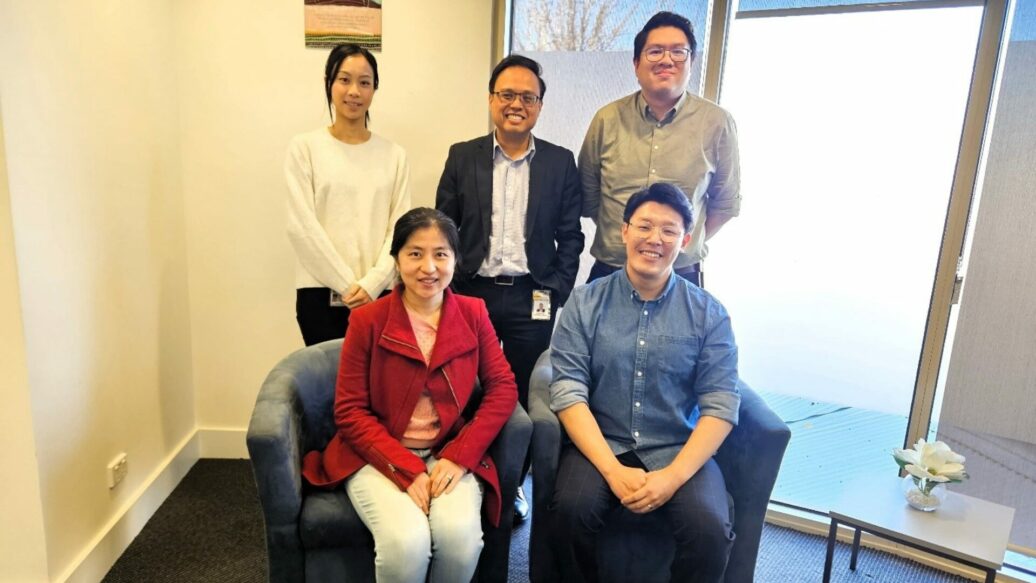
    Featured image: Top from left to right – Uyen Hua (Chief Pharmacy Informatic Officer), Prof Prahlad Ho (CMO, Divisional Director Cancer Services Diagnostic & Outpatient Services), David Nguyen (Deputy Director of Pharmacy – Quality & Informatics)

    Bottom from left to right – A/Prof Hui Yin Lim (Haematology & Thrombosis Lead, Head of Diagnostic Haematology), Simon Huynh (Anticoagulation Stewardship Pharmacy, Medical Team Lead Pharmacy)

  • Northern Health Launches National Lung Cancer Screening Program

    Northern Health Launches National Lung Cancer Screening Program

    Yesterday, Northern Health was proud to launch the National Lung Cancer Screening Program (NLCSP), a major initiative aimed at saving lives through the early detection of lung cancer — the nation’s leading cause of cancer-related death. Starting this month, eligible Australians will have access to free, low-dose CT scans to screen for lung cancer, even before symptoms appear. This is the first population-based cancer screening program introduced in Australia since 2006 and is expected to save hundreds of lives each year by detecting lung cancer early, when treatment is most effective.

    The program targets individuals aged 50 to 70 years with a significant history of smoking and no current symptoms of lung cancer. The screening involves a quick, painless, Medicare-funded scan that takes just 5–10 minutes.

    Northern Health officially launched the National Lung Cancer Screening Program by screening the first patient in the program at Northern Hospital Epping. The patient, a 52-year-old woman with a long history of smoking, sought peace of mind through early detection.

    “Breast cancer runs in my family, as well as other types of cancers, so as bizarre as this may sound, I know that when I first went and got my mammogram, it gave me peace of mind. I expect this to do the same thing because, as a smoker, I know that I’m at a higher risk, and I’m primarily doing this for peace of mind,” said Jacquie Maher.

    Mark Brooke, CEO of Lung Foundation Australia, said, “Today is a milestone for lung health in Australia. Jacquie is one of the first of many Australians who, from today, will have access to a regular screening program to proactively monitor their lung health and have the opportunity to be diagnosed earlier.”

    “Lung Foundation Australia has worked for more than five years to reach this day, knowing the benefits that lay ahead with screening now available. We know there’s still a lot of work to be done, but for now, we are humbled by the response to today’s launch of the lung screening program and thank all of our supporters and partners for making this possible.”

    Northern Imaging Victoria (NIV), the radiology service of Northern Health, is a key provider of low-dose CT scans under the NLCSP. NIV brings deep expertise in lung cancer screening and serves a diverse community, including many culturally and linguistically diverse populations. NIV’s Dr Miranda Siemienowicz, a thoracic radiologist and Clinical Lead for the NLCSP on behalf of the Royal Australian and New Zealand College of Radiologists, has played a pivotal role in shaping the radiology framework for the program.

    “It has been a privilege to launch the National Lung Cancer Screening Program for Northern Health alongside Jacquie, and to understand the impact this tremendous initiative will have on the lives of Australians. Today is the culmination of an incredible amount of work at the national level, now translated into a living and breathing service at Northern Imaging Victoria. We are proud to stand as ambassadors for the Program,” said Dr Siemienowicz.

    Dr Siemienowicz’s report for Jacquie’s scan was the first report to be entered into the National Cancer Screening Register around the nation – an incredible and humbling milestone.

    If you think you, or someone you know, may be eligible for lung cancer screening, speak with your doctor. They will assess your history and, if appropriate, provide a referral for a free scan at a participating radiology provider.

    For more information, including eligibility criteria and how to get started, visit the official NLCSP website: https://www.health.gov.au/our-work/nlcsp.

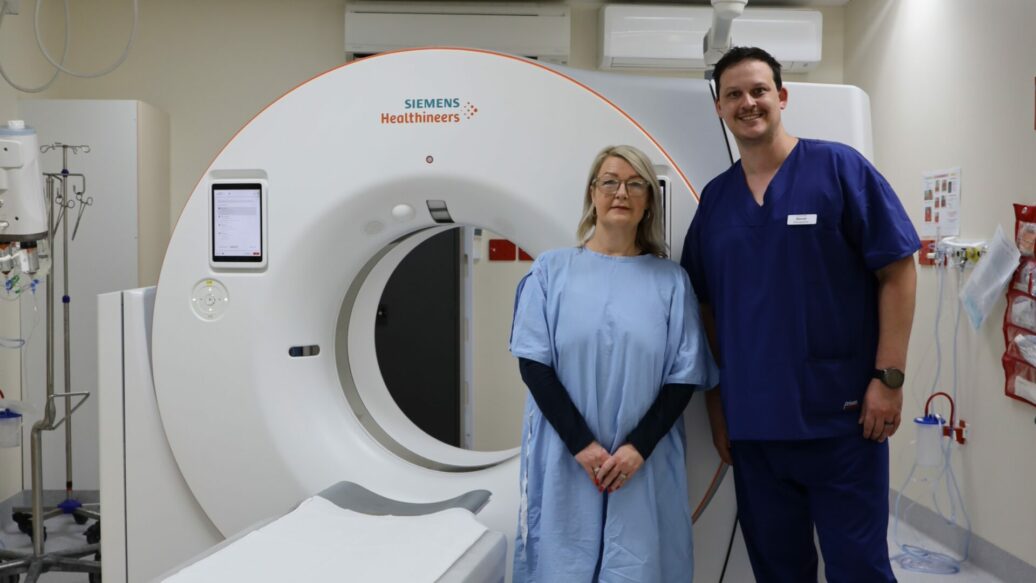
    Pictured in featured image: Jacquie Maher with Daniel Marriner, Radiographer and CT Supervisor, Northern Health. 

  • North Metro and Mitchell Local Health Service Network launch

    North Metro and Mitchell Local Health Service Network launch

    From 1 July 2025, healthcare in Victoria enters a new chapter with the establishment of Local Health Service Networks (LHSNs). These Networks bring together health services within defined regions, working collaboratively to deliver care that is more connected, accessible, and closer to home.

    Northern Health is proud to be part of the North Metro and Mitchell Local Health Service Network, alongside our partners: Austin Health, Mercy Hospital for Women, and Seymour Health. Together, we will focus on improving access, equity and patient flow, supporting and growing our workforce, enhancing safety and quality, and streamlining shared services.

    Over the next six months, we’ll be working across our Network on clinical service planning to ensure we’re meeting the health needs of our diverse and growing community. While each health service will continue to maintain its own name, leadership and strong community ties, this new model allows us to harness collective expertise and resources to achieve better outcomes for patients and staff alike.

    This is an exciting opportunity to build stronger connections, improve how people move through our healthcare system, and provide even more timely, high-quality care. We’re committed to keeping our teams and community informed as this important work progresses.

    “Delivering excellent patient care is, and remains, our number one priority. We look forward to working with you over the next six months as we continue to develop our approach and build relationships across our Network,” says Debra Bourne, Chief Executive, Northern Health.

    Together, we’re shaping a healthier future for the North Metro and Mitchell regions, delivering care that is truly patient-centred and community-driven.

    If you have any questions, please reach out to your manager. More information about the Networks can be found on the Department of Health website.

  • Inspiring Futures: Assumption College Careers Expo

    Inspiring Futures:  Assumption College Careers Expo

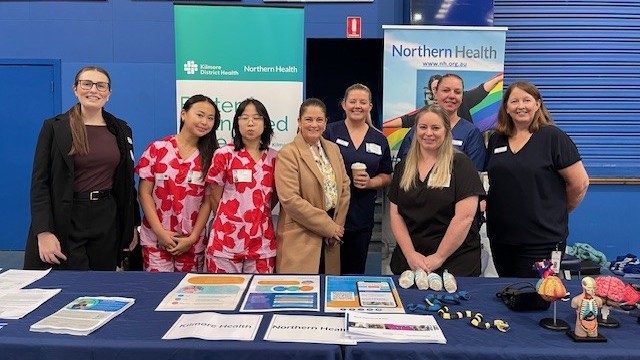
    Northern Health was proud to participate in the recent Careers Expo at Assumption College Kilmore. For Northern Health, it was more than just a day of presentations – it was a meaningful opportunity to connect, inspire, and share the passion behind healthcare careers.

    Simone Cariss, Allied Health Workforce Manager, described the day as “a fantastic opportunity to showcase potential careers at Northern Health across Nursing, Medical, Pharmacy and Allied Health.” She noted the genuine curiosity from students, many of whom were unfamiliar with the breadth of roles within Allied Health. “There were passionate discussions around career pathways,” she said, “and students were eager to learn about professions like Speech Pathology, Dietetics, Podiatry, Occupational Therapy, Physiotherapy, and Social Work. It was rewarding to see their eyes light up as they discovered new possibilities.”

    The event also resonated deeply with Dr Jess Gu, who attended alongside fellow intern Dr Hong Ye. “It was incredibly rewarding,” Dr Gu shared. “Speaking with students who were considering medicine reminded me of my own journey. I wasn’t a top student in high school, but I’ve learned that persistence and self-belief can take you far. If I inspired even one student to give themselves a fighting chance, then the day was a success.”

    Nursing and Midwifery were also strongly represented. Gabby Hurren, Clinical School Nurse Educator attended with Nicole Psaila, Postgraduate Program Coordinator – and Perioperative Clinical Nurse Educator, to engage students in hands-on activities. “We demonstrated CPR and manual blood pressure techniques,” she said. “The students were enthusiastic and engaged – it was a valuable opportunity to inspire the next generation of healthcare professionals and give them a glimpse into the vital work nurses do.”

    Pharmacy and representatives from Kilmore District Health (KDH) also contributed to the day, offering insights into their roles and the collaborative nature of healthcare. Alexandra Camilleri, Education Pharmacist said, “It was a pleasure to answer students’ questions and provide them guidance during such an important time of their lives.”

    Together, the Northern Health team painted a comprehensive picture of the diverse and rewarding careers available in the health sector. “We’re incredibly grateful to have been part of this event,” said Simone. “It’s moments like these that remind us why we do what we do – to support, educate, and inspire the healthcare professionals of tomorrow.”

  • Get to know: Daniella Chapkoun

    Get to know: Daniella Chapkoun

    #WeAreNorthern

    Meet Daniella Chapkoun, Clinical Informatics Advisor, Electronic Medical Records (EMR), Northern Health.

    Q: First, let’s start with your coffee order?

    A: Always a latte. And while we’re here – let me help everyone out with my surname, which often causes a bit of confusion. It’s Chapkoun, like Napkin… but with a twist!

    Q: Tell us about your journey at EMR?

    A: I joined the EMR team in 2018 as a Workflow Analyst, before Northern Health had secured funding. My role focused on understanding current clinical processes and identifying what would be needed to safely and effectively transition the organisation into a digital environment.

    Since then, I’ve had the opportunity to lead the implementation of Referrals Manager in Specialist clinics, which transitioned more than 145,000 paper-based referrals into a digital platform. I later moved into the role of Nursing Informatics Officer and Benefits Analyst, and I’m now in the role of Clinical Informatics Advisor within the Digital Health Division.

    In my current role, I lead and support a range of digital health initiatives, working collaboratively with clinical teams to ensure our systems are safe, efficient, and aligned with best practice. I focus particularly on the intersection of technology and clinical workflows—ensuring that digital tools are designed to support, not complicate, the delivery of care.

    Q: What is the best part of working at Northern Health?

    A: I’ve seen Northern Health grow from a smaller service into one of the fastest-growing health services in Victoria. What’s remained consistent is the strong focus on innovation and high-quality patient care. I feel fortunate to have worked alongside passionate, forward-thinking colleagues who are committed to improvement and professional growth.

    Q: What does a typical day at work look like for you?

    A: I often joke that I wish I had a typical day! My role is focused on ensuring our digital systems are safe, user-friendly, and designed to enhance clinical workflows—especially for nursing staff. I spend a lot of time working through challenges with stakeholders, translating clinical needs into digital solutions. Data plays a big role in what I do, and I’m always looking for ways to use it meaningfully to inform decisions and improve outcomes.

    Q: If you weren’t in your current role, what would you have been instead?

    A: Most likely something still tied to improving systems and processes or maybe running a small café somewhere in Italy with a well-organised spreadsheet behind the counter.

    Q: Tell us one thing not many people know about you?

    A: I speak conversational Italian. I learned through speaking with my grandparents as a child, and while I thought the skill had faded, a recent trip to Italy proved otherwise. I surprised not only myself but also the locals who didn’t realise I wasn’t from there.

    Q: Favourite childhood memory?

    A: Riding Puffing Billy with my legs dangling out the window. A little bit of freedom, a little bit of thrill – it’s a memory that’s stuck with me.

    Q: Sweet or savoury?

    A: I used to prefer savoury, but after having children, my sweet tooth has definitely taken over!

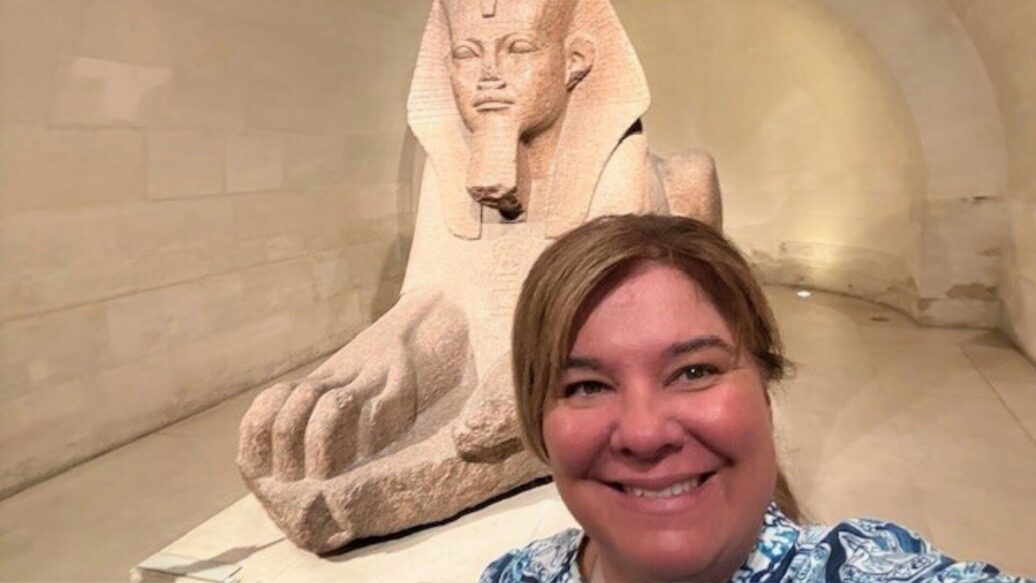
    Pictured in featured image: Daniella at the Louvre Museum in Paris, France. 

  • GEM@Home celebrates 10 years of innovative care

    GEM@Home celebrates 10 years of innovative care

    Northern Health’s Geriatric Evaluation and Management at Home (GEM@Home) program has recently marked its 10-year milestone, celebrating a decade of delivering innovative, hospital-level care to older patients in the comfort of their own homes.

    The program was established to ensure frail older people with multiple and complex needs have access to specialist assessment, diagnostic and management services, including care coordination – without needing to leave home.

    The idea was born from a shared vision to reimagine subacute care. “We brought together the key services traditionally delivered in a hospital bed and trained our staff to provide the same level of care in the home,” said Dr Sandra Brown, Divisional Director of Subacute Services and Hospital Without Walls.

    Each day, nurses visit patients in their homes, with doctors and allied health professionals working collaboratively to support recovery. The Allied Health team includes physiotherapists, occupational therapists, social workers, speech pathologists, dietitians and a podiatrist. Allied Health Assistants then support patients in working towards their personalised therapy goals.

    “GEM@Home is designed to increase access to care and strengthen connections within the community,” added Johanna Hayes, also Divisional Director of Subacute Services and Hospital Without Walls. “Our aim is to help older people reach their care goals and achieve the best possible level of health and function.”

    Many staff members have been with GEM@Home since its inception. One of them is Nurse Grisel Jose, who transitioned from ward nursing to home-based care. “I’ve seen so many positive changes over the years,” said Grisel. “I used to work on the wards, but the benefits I saw in patients being supported at home really inspired me.”

    Over time, the service has evolved with advancements in technology. “We now complete all of our clinical documentation using electronic medical records,” said Grisel. “It gives the team clear visibility of a patient’s care, even when delivered remotely.”

    Research has highlighted the value of home-based programs like GEM@Home, particularly in promoting incidental physical activity in the home – an important factor in improving health outcomes for frail older adults. The program has proven effective in reducing lengthy hospital stays, enhancing recovery, and minimising the risks associated with hospitalisation.

    Reflecting on the journey, GEM@Home Program Manager, Mathew Wood, said, “I’ve had the pleasure of leading the team for the past six years. It’s a privilege to work alongside such a dedicated group of professionals who are deeply invested in both the program and our patients.”

    From all of us at Northern Health, congratulations on this milestone!

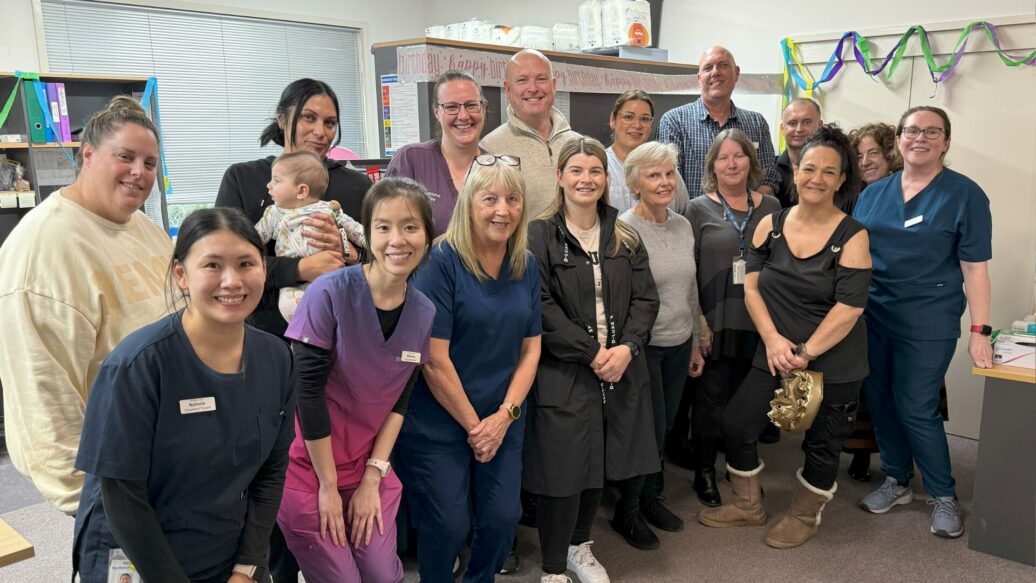
    Pictured in featured image: The GEM@Home team 

  • Care beyond walls: How the Virtual Observation Ward is transforming Hospital at Home

    Care beyond walls: How the Virtual Observation Ward is transforming Hospital at Home

    Since the inception of the Victorian Virtual Emergency Department (VVED) in 2020, Northern Health’s virtual services have continued to expand across the full continuum of care. One of the newest innovations, the Virtual Observation Ward (VOW), launched on 6 May 2024, is helping patients receive hospital-level care in their own homes.

    Recognising an opportunity to support more unwell patients remotely, VOW offers hospital-grade assessment, monitoring, and treatment — virtually. It provides a less disruptive alternative for people who would otherwise need to present to hospital, particularly the elderly, vulnerable, and those in rural or remote communities.

    Staffed by doctors and nurses, the VOW team conducts daily virtual “ward rounds,” ensuring patients are closely monitored while remaining in the comfort of their own homes. Through telehealth, the team manages a broad range of conditions, including pneumonia, viral infections, back pain, and even palliative care needs.

    “The Virtual Observation Ward is a really valuable service for our community,” says Cami, an Associate Nurse Unit Manager from VVED.

    “It means patients can receive free inpatient medical care at home. This is especially important for elderly and vulnerable populations.”

    In the past 12 months, clinicians have cared for 672 patients through this model — a figure that continues to grow.

    “Working in VOW is incredibly rewarding,” said Dr Josh Donaghy.

    “We see patients recover in their own homes, often surrounded by family, with minimal disruption to their lives.”

    A Patient’s story

    On Australia Day, one patient — a healthy 30-something — found himself unable to move due to excruciating back pain. Here’s how he describes his experience:

    “Every time I moved, I was drenched in sweat and close to passing out. I didn’t want to go to ED, especially on a public holiday. A friend mentioned VVED, and I thought I had nothing to lose.

    What I didn’t expect was how responsive it would be. Within hours, I’d spoken to a triage nurse, a physio, and a doctor — all of them compassionate and knowledgeable. I got the medication I needed and, importantly, was admitted to the Virtual Observation Ward.

    Being in VOW meant I had a dedicated number to call if anything went wrong. A doctor called the next morning to check in and help prevent side effects from medication. A physio followed up with advice to keep me moving.

    Not only was the immediate crisis resolved, but I felt genuinely supported over the next few days. All from home, using just my phone. It was far better than spending hours in ED.”

    The VOW offers significant benefits beyond convenience. It reduces the risk of hospital-acquired complications, keeps patients connected with loved ones, and allows them to rest in familiar surroundings — all of which improve recovery and wellbeing.

    Clinicians also benefit. Instead of defaulting to ED or inpatient admission, they can refer suitable patients to the VOW and provide the same quality of care — sometimes even better, thanks to the personalised attention and strong continuity of care.

    As the healthcare system grapples with increasing demand and more complex patient needs, the Virtual Observation Ward is emerging as a sustainable, patient-centred solution. It enhances outcomes, improves satisfaction, reduces hospital pressures — and helps stretch limited healthcare budgets further.

    The VOW is part of a broader transformation in healthcare — one that puts patients at the centre and uses smart, flexible technology to deliver care in new ways. While hospitals will always play a critical role, services like the Virtual Observation Ward are proving that the walls of healthcare can, and should, expand.