• Get to know: Nicola Mott

    Get to know: Nicola Mott

    #WeAreNorthern

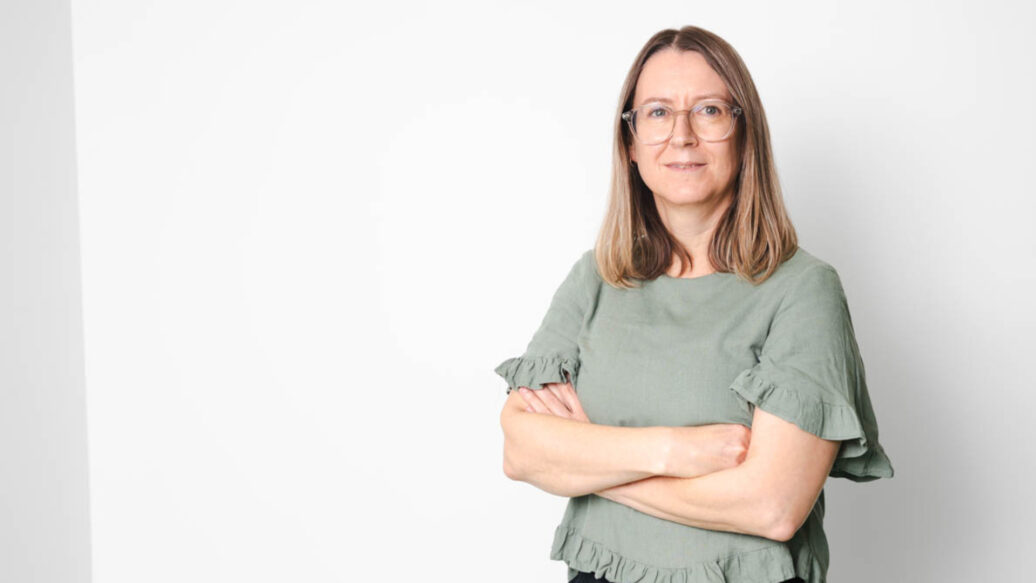
    Get to know Nicola Mott, Imaging Manager, Northern Imaging Victoria.

    What is your coffee order?

    Soy latte, extra hot. Medium or small depending on the day.

    Tell us about your Northern Health journey? (When you started, your roles here etc.)

    I am relatively new to Northern Health, however I have worked in radiology at Northern Health since 2015. My official Northern Health journey began in October 2023 as Imaging Manager. My previous role was as general supervisor and then imaging manager. I was part of the team involved in bringing radiology in-house.

    What do you like to do after work?

    I prefer to do things before work! I am usually in the gym or working out from 6 am, Monday to Saturday. After work is more restful. Weekends during the soccer season, I am usually found cheering on my daughter’s team from the sidelines.

    What are some things people don’t know about you?

    I learned to play classical guitar from age seven and still like to play occasionally. Most people who meet me now don’t realise I spent the first 23 years in the UK before coming to Australia, as my accent has gone. I can break out into a broad Yorkshire accent on request.

    Do you have a bucket list item? Something you would love to do.

    Not a specific bucket list item but definitely more travel. A trip to see the Northern Lights would be amazing. I have three overseas trips planned for this year!
  • ANZAC Day 2024: The honour of remembering

    ANZAC Day 2024: The honour of remembering

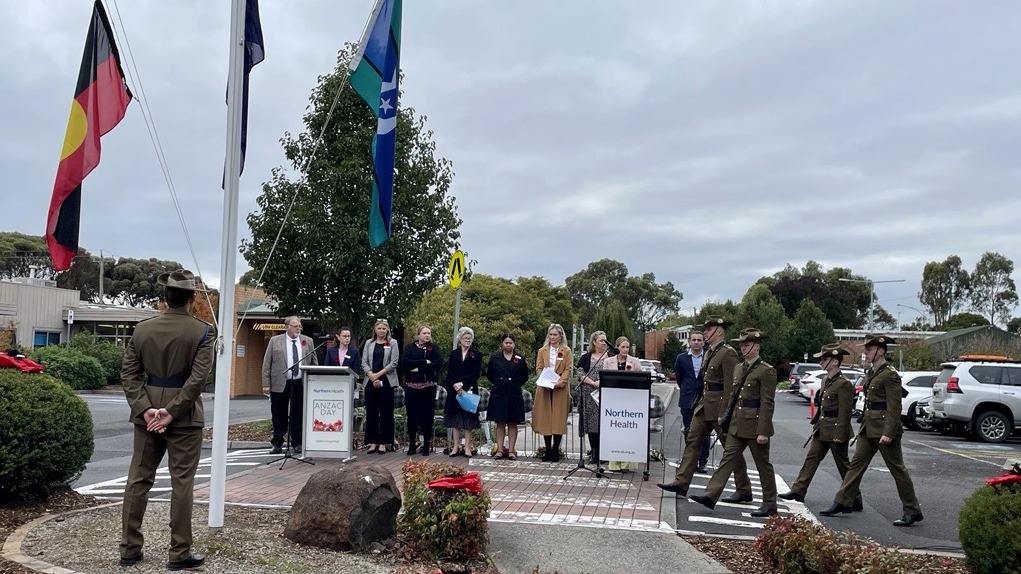
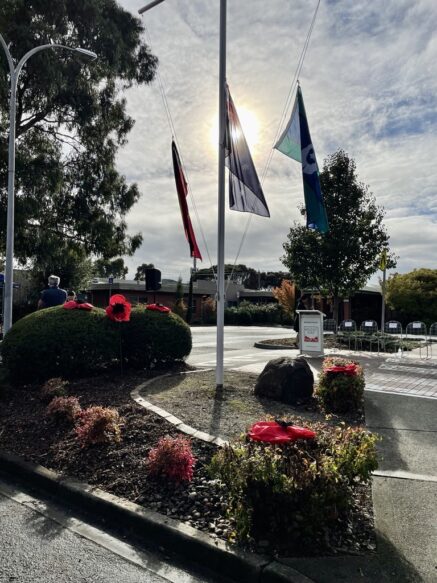
    This morning, Northern Health held our annual ANZAC Day Service at Bundoora Centre.

    Our ANZAC Day Service has been closely associated with our patients for over a decade, particularly those at Bundoora Centre. The service provided an opportunity for us to gather to remember, reflect and pay tribute to those who made great sacrifices to make our country a safer place.

    The service opened with a mounting of the Catafalque Party from the 138th Signal Squadron, Simpsons Barracks, before our masters of ceremonies, Lisa Cox, Chief Nursing and Midwifery Officer, and Associate Professor Jason Cirone, Chief Allied Health Officer, welcomed everyone.

    “On 25 April, 1915, Gallipoli was the site of the first major military action fought by Australian and New Zealand forces during the First World War,” Jason said.

    “Today, we remember and honour the 60,000 Australians who were killed and 156,000 wounded or taken prisoner in that war. We also remember over 800 Aboriginal Australians who landed at Gallipoli, 13 of whom were killed in action.”

    “We remember the more than 3,000 Australian civilian nurses who volunteered for active service in the First World War.”

    Representatives from across Northern Health featured and attended the service, including Jo-Anne Mazzeo, Northern Health Board Director, Debra Bourne, Chief Operating Officer and Peter McWilliam, Northern Health Foundation Board Chair.

    Members of our local community were also in attendance, including The Honourable Colin Brooks, State Member for Bundoora, Minister for Development Victoria, Minister for Precincts and Minster for Creative Industries, Councillor Tom Melican, Mayor, Banyule City Council and Councillor Richard Stockman, Nillumbik City Council.

    Also in attendance was Dal Crocker, President Greensborough RSL, Timothy Riley, Commemorations Officer, Montmorency Eltham, Bill Pattinson, Bugler and David Boyle, Watsonia RSL.

    Our very own Northern Health Community Choir, sponsored by Northern Health Foundation, sang The Lord’s Prayer.

    The choir was also joined by the choirs of St Damian’s Primary School and Northside Christian College to sing the Australian National Anthem, along with other Australian classics.

    Thank you also to the 138th Signal Squadron, Simpsons Barracks, for providing their services today.

    Morning tea was provided by ISS, which included a host of delicious, themed treats that warmed both hearts and tummies on the cool autumn morning. Out thanks for their dedication and support also.

    You can watch the livestream of the service here.

  • Introducing the Core Principles of Trauma Informed Care

    Introducing the Core Principles of Trauma Informed Care

    Trauma Informed Care is an approach to care that accommodates the needs of individuals who may have experienced the many impacts of trauma.

    Very frightening or distressing events can result in psychological and physiological harm. This harm is called trauma and can affect a person’s ability to cope or function from day-to-day. Based on knowledge about the impact of trauma, Trauma Informed Care helps patients feel safe, avoid re-traumatisation and be able to engage in health care.

    Trauma Informed Care acknowledges that health care organisations and teams need to have a complete picture of a patient’s life situation — past and present — in order to provide effective health care.

    “We know many of our patients come to us with a trauma background, although we might not always know which patients or what trauma,” said Jennifer PrestonActing Psychology Professional Lead, NAMHS – Mental Health Division.

    “What we do know is that the principles of trauma informed care can act as an important guide though the unknowns, for clinicians at all levels of experience.”

    While trauma-specific treatment is offered in specialised mental health programs and services, Trauma Informed Care should be provided in all healthcare settings. At Northern Health, the principles of Trauma Informed Care strongly align with achieving “safe, positive patient experiences”.

    “Adopting the values of Trauma Informed Care helps patients to engage more fully in their health care and improves long-term health outcomes,” said Dr Brooke Froud-Cummins, Director of Allied Health Psychology.

    “It also shines a light on the risks of workplace stress and supports a culture of staff wellbeing.”

    Northern Health’s community is particularly diverse, with a large refugee and asylum seeker population. Practicing Trauma Informed Care with all patients is crucial because it acknowledges diverse backgrounds, respects individual experiences, and avoids potential re-traumatisation. The Australian Commission on Safety and Quality in Health Care recommend that health services caring for people from migrant and refugee backgrounds to integrate Trauma Informed Care into policy and practice, including building awareness through staff training (ACSQHC, 2021).

    Introductory Trauma Informed Care training will be launched on 29 April 2024 via Northern Health’s Learning Management System (LMS) and is highly recommended for all clinical staff on a three-yearly basis.

    This initiative, led by Associate Professor Jason Cirone, Chief Allied Health Officer, was developed locally by the Allied Health Psychology Education Team in collaboration with Mental Health Psychology and Transcultural and Languages Services at Northern Health. The aim of the training is to foster a safe and inclusive environment at Northern Health and promote better mental health outcomes for a diverse range of patients.

    “Embracing a trauma-informed approach acknowledges the unique experiences and needs of each individual,” said Stefania Zen, Education and Engagement Manager, Transcultural and Language Services.

    “Each patient brings their own story and with trauma informed care we are fostering an environment where trust, respect, and healing can thrive.”

    Pictured: Brooke Froud-Cummins (Director, AH-Psychology / Principal Psychology Educator), Anastasia Pourliakas (Psychology Educator), Suchona Reza Paul (Senior Clinical Psychologist), Danielle Courtney (Clinical Neuropsychologist), Natasha Belmont (Clinical Psychology Registrar), Serene Lee Neuropsychology Registrar).

  • R.E.A.C.H. out for patient safety

    R.E.A.C.H. out for patient safety

    At Northern Health, we understand that patients and their families or support people are best placed to recognise early deterioration in their loved ones, often before changes in observations are noted by clinical staff.

    As such, Northern Health has an escalation process in place for when patients, families, carers, or support people are worried about the physical or mental health deterioration of the patient or loved one. This process is known as R.E.A.C.H. (Recognise, Engage, Act, Call, Help is on its way).

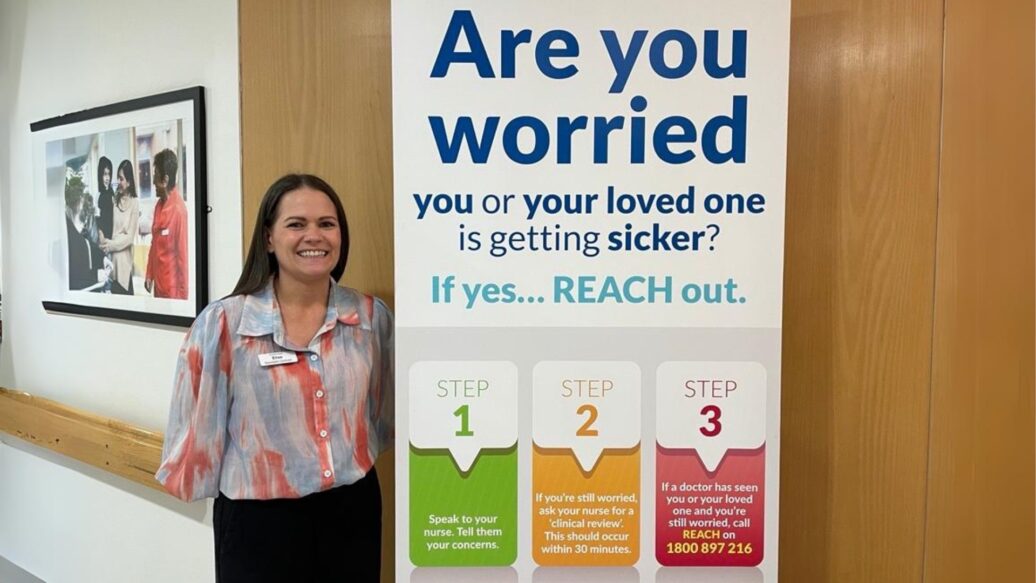
    R.E.A.C.H. encourages patients, carers and family members to escalate their concerns with staff about worrying changes in a patient’s condition. When implementing R.E.A.C.H., patients and families are advised to follow the below process:

    Step 1:   Speak to your nurse. Tell them your concerns.

    Step 2:   If you’re still worried, ask your nurse for a “clinical review”. This should occur within 30 minutes.

    Step 3:   If a doctor has seen you or your loved one and you’re still worried, call REACH on:

    • Broadmeadows Hospital: REACH on 1800 897 205
    • Bundoora Centre: REACH on 1800 892 126
    • Northern Hospital Epping: REACH on 1800 897 216
    • Kilmore District Hospital: REACH on 5734 2177

    When making the call, it is important to identify:

    • The bed number you, or the person you care for, is in
    • Who you are – a patient, family member or carer, and tell them the name of the patient
    • That you need to call REACH
    • The name of the ward
    • The bed number you, or your loved one, is in

    Elise Sutton, Resuscitation and Clinical Deterioration Coordinator, said patients and their family members can gain insight into the process through various channels within the healthcare service.

    “Patients and family members can become aware of the process from the posters around the hospital, the number on patient communication boards and it is provided to them as part of their admission welcome pack,” she said.

    “Staff should also educate the patient on this as part of their admission when providing them with the welcome pack.”

    Feedback reports after using the R.E.A.C.H program include:

    “I felt my needs and those of my loved ones were adequately addressed after I called for a rapid response.”

    “R.E.A.C.H. call provided a very good service, and the response was excellent, with an outcome straight away.”

    “R.E.A.C.H. call was very good, made us feel heard and put our mind at rest.”

    “Family was very happy with service and immediate response. It changed the care for their mother.”

    As part of Standard 8: Recognising and Responding to Acute Deterioration, it is essential that Northern Health staff are aware of the R.E.A.C.H. process and can assist patients and their support people to advocate for their health.

    This is in addition to the three-tiered response to deterioration (PreMET, MET & Code Blue) that serves to detect and effectively escalate clinical deterioration.

    Featured image: Elise Sutton, Resuscitation and Clinical Deterioration Coordinator.

  • Northern Health’s Journey to #EmbraceDiversity: Staff Diversity Survey

    Northern Health’s Journey to #EmbraceDiversity: Staff Diversity Survey

    ‘Diversity’ refers to the presence of a wide range of human characteristics and experiences within a group, organisation and community. These characteristics can include, but are not limited to race, ethnicity, gender, sexual orientation, age, religion, socioeconomic background, physical ability and cultural identity.

    In today’s diverse society, the importance of fostering an inclusive environment within healthcare institutions cannot be overstated. As a prominent healthcare provider, Northern Health recognises the significance of diversity, not only in regard to patient care, but also within its own workforce.

    This year, Nothern Health has embarked on a journey to #EmbraceDiversity and has launched a staff diversity survey. Every employee who participates in the survey will enter into a draw for a chance to win 1 of three iPads.

    Maria Soo, Director, Workforce Planning & Projects expressed the significance of this initiative, stating, “This initiative is a crucial step forward in our journey toward building a more inclusive workplace. By listening to the voices of our employees, we can better understand their needs and aspirations, and take proactive measures to create a supportive and welcoming environment for all.”

    Central to Northern Health’s commitment to diversity is the belief that every employee’s voice matters. The staff diversity survey serves as a vital tool for soliciting feedback, insights, and perspectives from employees across the organisation. Through anonymous participation, employees have the opportunity to share their experiences, challenges, and suggestions for improvement, helping Northern Health identify areas of strength and areas for growth. By listening attentively to the voices of its workforce, Northern Health demonstrates its dedication to fostering a culture of openness, transparency, and inclusion.

    Michelle Fenwick, Executive Director, People and Culture, articulates Northern Health’s core values of Safe, Kind and Together, by stating, “Our employees are our greatest asset, and their diverse backgrounds and perspectives enrich our organisation in countless ways. By conducting this survey, we aim to create a more inclusive and equitable workplace where every individual feels valued, respected, and empowered to thrive.”

    As Northern Health embarks on this journey to conduct its staff diversity survey, the organisation remains steadfast in its commitment to creating a workplace where diversity is celebrated, equity is upheld, and inclusion is the norm.

    Together, let us #EmbraceDiversity and create a future where every individual, regardless of background or identity, has the opportunity to flourish and succeed.

    Access to the Diversity Survey can be found via the email and SMS survey invites from Qualtrics.

    For more information, please visit the Intranet.

    If you have any queries, please contact: MyDiversity@nh.org.au.


  • Get to know: Praseetha Chathoth

    Get to know: Praseetha  Chathoth

    #WeAreNorthern

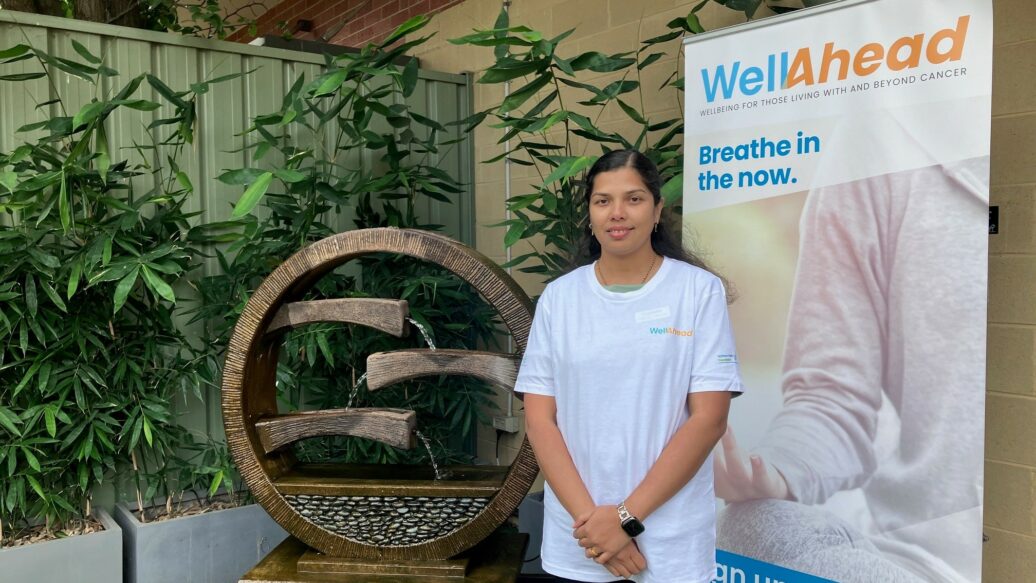
    Praseetha Chathoth, is a person of many talents. She is both a Clinical Pharmacy Technician and yoga teacher. She currently provides yoga classes at Northern Health for the WellAhead  program. WellAhead is a holistic wellness program, co-designed with consumers, to support and empower those living with and beyond cancer.

    What is your coffee order?

    Whilst it’s not very Melbournian, I actually don’t like coffee but I start my day with a cup of tea to wake myself up. 

    Tell us about your role at Northern Health?

    I am a Grade 3 Clinical Pharmacy Technician. I have undergone rigorous training to become a credentialed Pharmacy Technician to support pharmacists and ensure patients receive the right medication. I work alongside pharmacists and nurses to ensure ward imprest medications are up to date. I am also responsible for ordering, receipting, dispensing, preparing and distributing medications.

    What do you like about your role?

    The Pharmacy Department at Northern Health is like a family. I love that we are a diverse and supportive department that works together to overcome challenges and strive to provide the best care for our patients. I also really enjoy that in my role, I have the opportunity to interact closely with patients and work with a multidisciplinary team.

    Tell us what you did prior to your role as a Pharmacy Technician?

    After completing my Bachelor’s degree in Naturopathy and Yoga, I worked as a Yoga and Wellness Consultant at the National Institute of Naturopathy in India and other organisations to promote yoga. 

    This is very different to your role in Pharmacy. What attracted you to yoga?

    I was really astonished at how yoga affects both the body and mind and wanted to learn more in depth about yoga philosophy, psychology and therapy. 

    Tell us how you are sharing your knowledge of yoga?

    I am an active member of the Indian Yoga Graduates Association and whenever able, I participate in promoting yoga through their activities. Currently, I am providing yoga classes at Northern Health for the WellAhead program.

  • Paediatric Dietitians Credentialed to Insert Nasogastric Tubes

    Paediatric Dietitians Credentialed to Insert Nasogastric Tubes

    The Northern Health Dietetics Department were successful in obtaining a Department of Health Allied Health Advanced Practice Grant for the development of an Advanced Practice Dietitian role for Paediatric Nasogastric Tube Insertion and Management.

    The Advanced Practice Grant was submitted due to an increased number of paediatric patients at Northern Health requiring home enteral nutrition via a nasogastric tube (NGT). This rise has led to heightened pressure on both the Emergency Department and Ward 2, particularly when NGTs dislodge and require reinsertion.

    The grant supported the development of a training and credentialing procedure for paediatric dietitians to upskill in the reinsertion of NGTs to help meet the increased demand.

    The additional training and credentialing resources were developed and implemented with support from paediatric nursing and medical staff. Kelly Alysandratos, Paediatric Clinical Nurse Educator, has played a pivotal role in supervising dietitians, with support from Ward 2 paediatric nursing staff, whilst Dr Rami Subhi, Clinic Director, Paediatrics, provided medical support.

    Tarryn Thom, Project Lead & Senior Paediatric Dietitian, has already completed her credentialing and is now able to independently insert NGTs for paediatric patients receiving home enteral nutrition via a nasogastric tube. Hannah Lunny, Senior Paediatric Dietitian, has also commenced her training with the aim of becoming credentialed in the next few months.

    Credentialing of paediatric dietitians to insert NGTs is a Victorian first and demonstrates the importance of innovation and collaboration in responding to increased service demands and improving patient care.

    “Mastering a new skill requires great planning, patience and determination. I’m proud of how this has been demonstrated in the interdisciplinary collaboration in paediatric nasogastric management, achieving rewards and improving care to our youngest clients,” said Ms Alysandratos.

    Following the completion of credentialing, paediatric dietitians have commenced a Dietitian-led NGT clinic which operates between the hours of 8 am to 4 pm, Monday to Friday.

    “The clinic helped us create an alternative pathway for NGT reinsertions for Paediatric Home Enteral Nutrition patients at Northern Health, which is safe, patient-centred and improves coordination of care,” said Ms Thom.

    This project would have not been successful without the support of key stakeholders from the Dietetics Department, Nursing Education, Paediatric Medical Team, Ward 2 Paediatric Nursing Staff and the Allied Health Research Team, along with the Allied Health Credentialing and Scope of Practice Committee and the Women’s and Children’s Hospital Quality and Risk Management Committee.

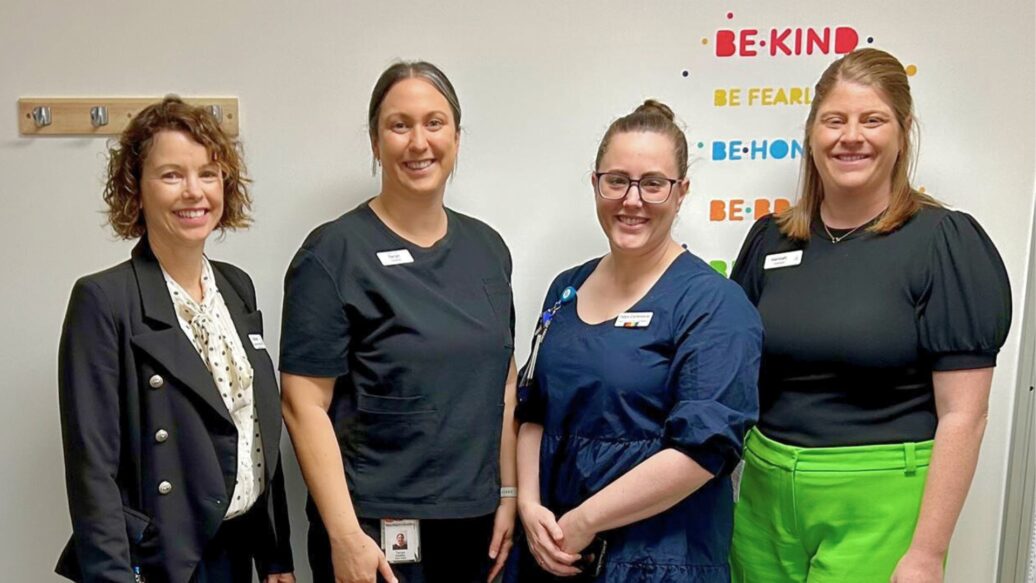
    Pictured in featured image (L-R): Rachael Evans, Associate Director Dietetics, Tarryn Thom, Senior Paediatric Dietitian, Talya Cortinovis, Grade 4 Senior Dietitian and Hannah Lunny, Senior Paediatric Dietitian.

  • Atypical forms of Polycystic Kidney Disease

    Atypical forms of Polycystic Kidney Disease

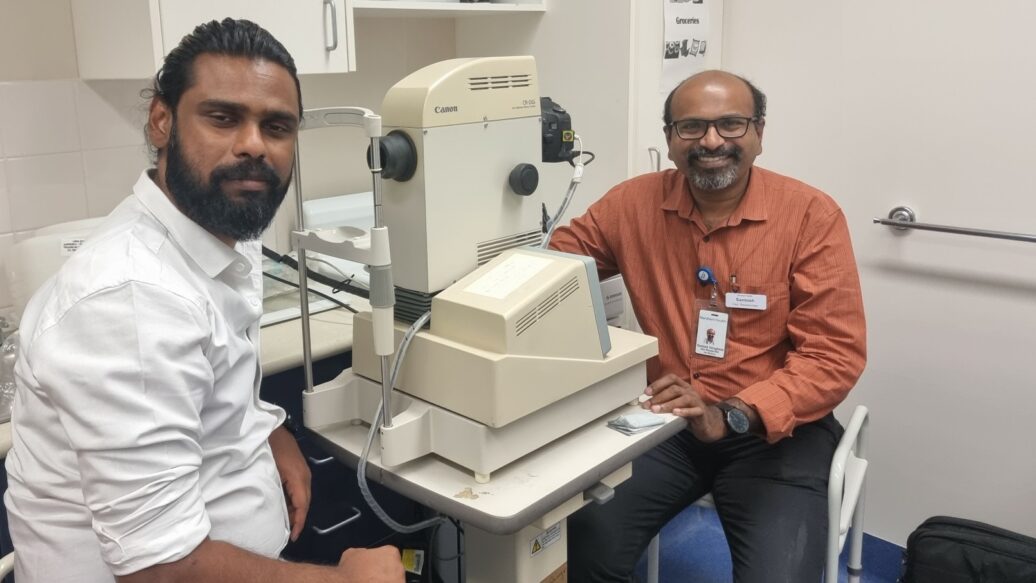
    Professor Santosh Varughese is one of five medical specialists from Christian Medical College (CMC) Vellore, India, awarded a scholarship by the University of Melbourne to pursue a PhD study. He has chosen to collaborate with Professor Judy Savige, the Head of Medical Unit 3 at Northern Health, to delve into the genetics of atypical forms of Polycystic Kidney Disease (PKD). Professor Varughese, is the Director of Nephrology at CMC Vellore. It is also where he did all his medical studies –including  specialising in Nephrology. He received training at the University of Toronto and the Renal Unit of Toronto General Hospital.

    CMC Vellore has made significant contributions to India, including establishing the country’s first College of Nursing and pioneering groundbreaking achievements such as the world’s first reconstructive surgery for leprosy, as well as performing the first successful open-heart surgery, dialysis, kidney transplant, and bone marrow transplantation in India.

    Professor Judy Savige, a renowned renal and general physician with expertise in kidney genetics, has been ranked number one in the world for her publications on Alport Syndrome, the most common genetic kidney disease.

    According to Professor Varughese, atypical polycystic kidney disease is a less well-known group of cystic kidney diseases, and understanding its genetics is an ongoing endeavor. “Atypical PKD exhibits unusual radiological forms, and researchers are increasingly recognising its genetic aspects,” he says.

    Autosomal Dominant Polycystic Kidney Disease (ADPKD) is a progressive genetic disorder characterized by the growth of fluid-filled cysts in the kidneys. Symptoms may not be noticeable until the cysts reach a certain size, and early diagnosis and management are crucial for better outcomes.

    Professor Varughese explains that typical ADPKD requires treatment with expensive medications like vasopressin antagonists, which can have adverse effects, especially on the liver. “However, most atypical PKD progresses slowly and does not currently require these medications. Confirming the diagnosis of atypical PKD in suspected cases can help avoid unnecessary medication.”

    Studying the genetics of atypical PKD not only provides accurate diagnoses and personalized treatment options for patients but also contributes to scientific advancements in PKD management.

    Professor Varughese says, “Working with Northern Health under the tutelage of Prof. Savige has been quite exciting.” They have been actively recruiting patients for the study, collecting blood samples, and taking retinal photographs. He hopes this work will expand our knowledge of atypical PKD and serve as a basis for future studies in PKD.

    Professor Savige agrees and adds, “We are privileged to have Professor Varughese working with us at Northern Health.” 


    Picture shows Professor Varughese with a former patient of his from CMC Vellore – he now attends Northern Health.