• Family weekend for the flu shot

    Family weekend for the flu shot

    With the global COVID-19 pandemic, getting the flu shot this year is even more important.

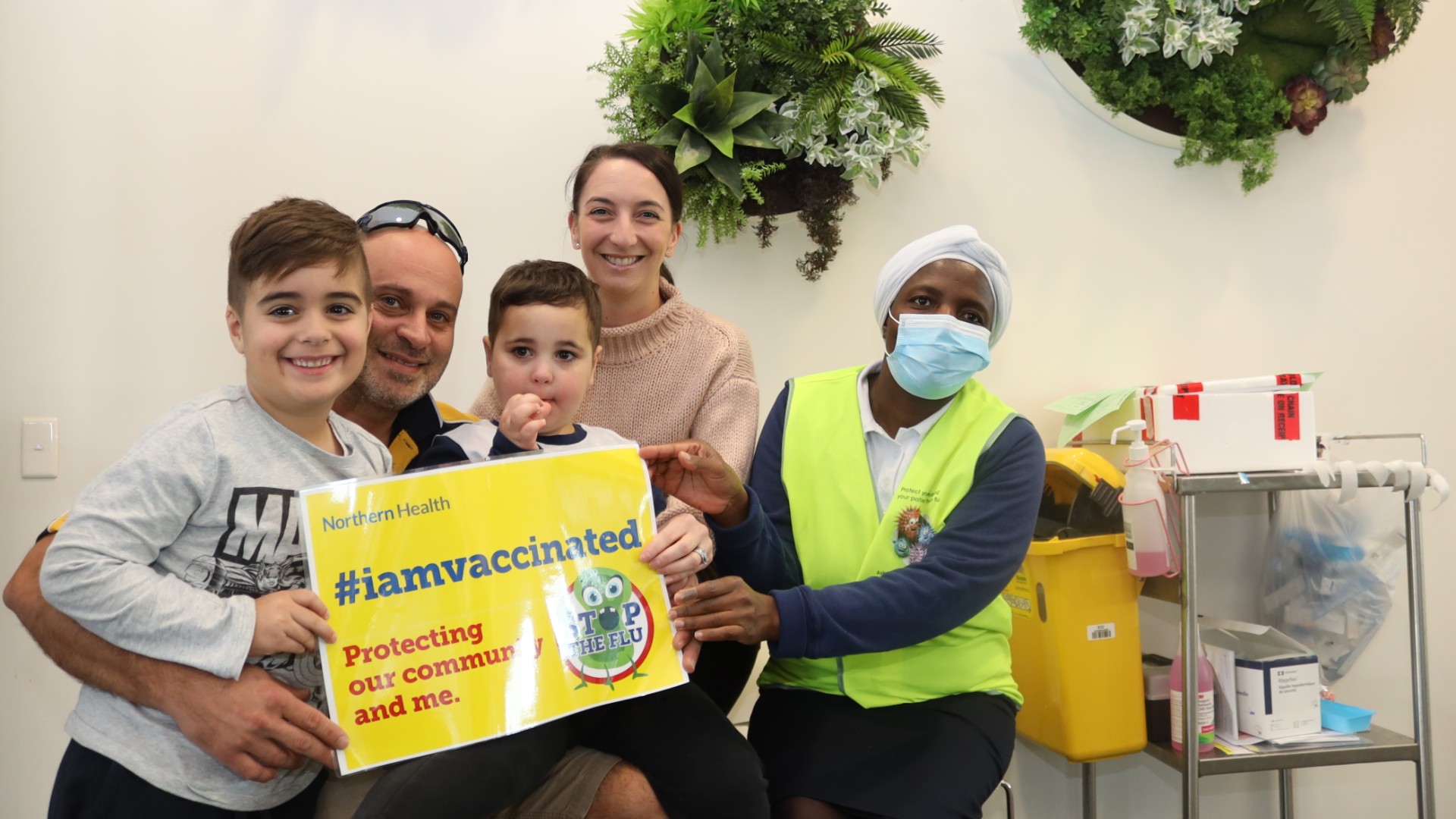
    To ensure our community stays protected, Northern Health is holding a “Staff Family Vaccination Weekend” from tomorrow, Friday April 24 to Sunday, April 26. All staff are encouraged to let their family know they can come to the Northern Centre for Health Education & Research (NCHER) on these three days, 9 am – 5 pm to get their free flu shots.

    Linda Romano, Divisional Director Nursing, Surgical Services, brought her family to have their flu shots and encourages everyone to do so.

    “It’s very important to have the annual flu vaccination and protect not only ourselves, but our community and each other as well,” she said.

    Ros Payne, Director of Nursing and Midwifery, said due to a very high demand for community flu vaccination, they have decided to open this weekend for the family of our staff.

    “The model will be the same as for the community. People can drive in, park and walk into NCHER. There they will fill out a form, get their vaccination and then wait outside for 15 minutes. We are not taking bookings for staff family, but will still also have community members with bookings coming in over the weekend. I would encourage everyone to be patient with potential wait times as aim to fit our families around people with prior appointments,” she said.

    For their family members, staff are encouraged to print, fill out and bring the Influenza Vaccination Program form, available on PROMPT.

    The form has also been emailed to staff with the Staff Family Vaccination Weekend announcement.

    More information on our community vaccination can be found here.

    Featured image: Linda Romano with her family and nurse Pauline Chingwe
  • Today is Earth Day

    Today is Earth Day

    Today, Wednesday 22 April, marks 50 years of Earth Day.

    The theme for Earth Day 2020 is climate action. Climate change represents the biggest challenge to the future of humanity, and happens when the Earth heats up because of too much carbon dioxide and other ‘greenhouse gases’ in the atmosphere.

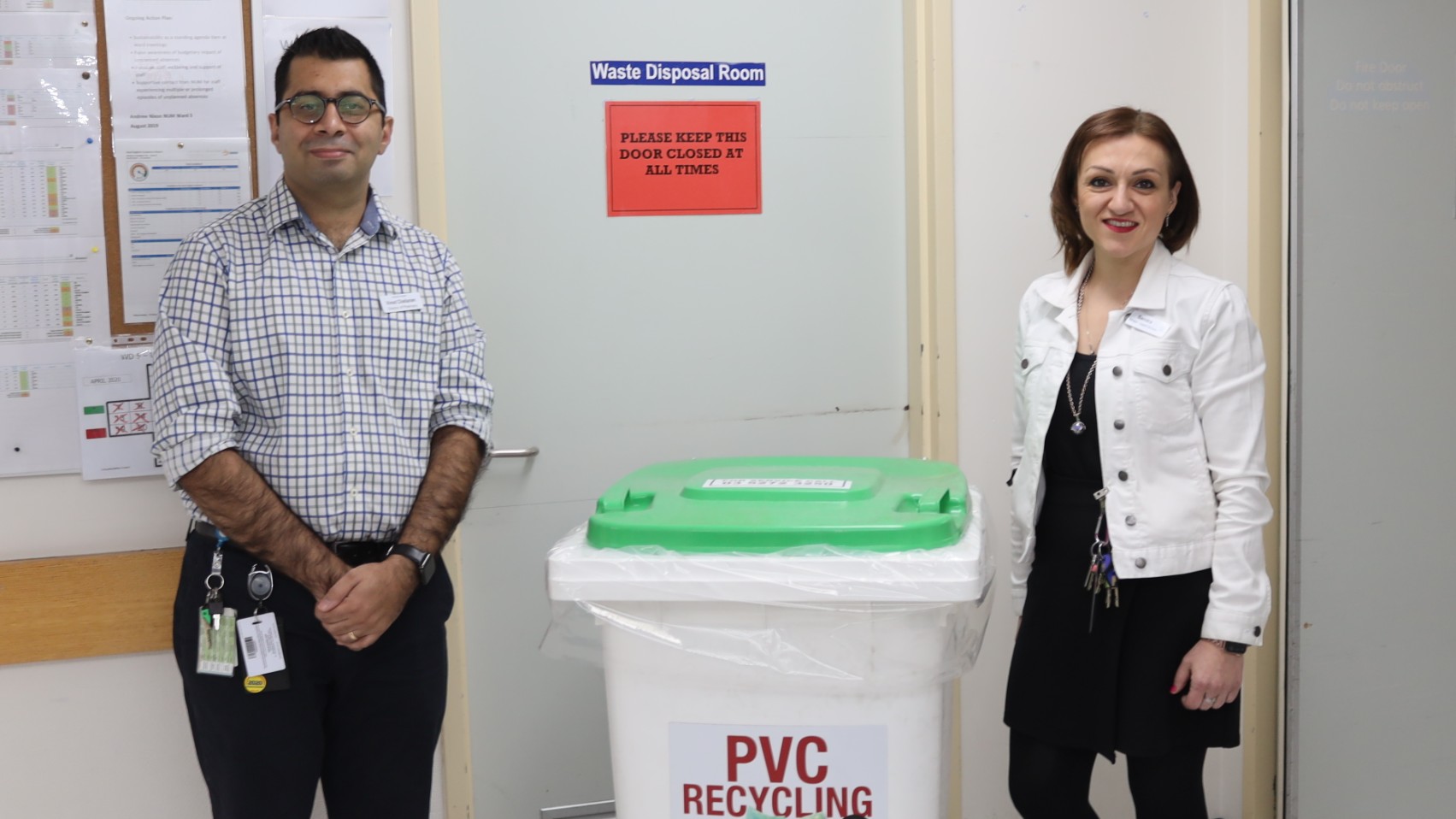
    Today, on Earth Day, we showcase the PVC Recovery in Hospitals Project, an environmental/recycling initiative that Northern Health, and in particular pharmacy, has been involved in since 2017.

    Plastic contributes significantly to hospital general waste. It has been estimated that all plastics account for about one third of a hospital’s general waste, most of which is sent to landfill in Australia. Of all plastic waste generated by a hospital, PVC medical products such as intravenous (IV) fluid bags, tubing, oxygen masks and blood bags are estimated to represent about 25 per cent. PVC, also known as vinyl, can be recycled relatively easily once it is recovered from the waste stream and has been separated from other plastics or materials.

    At Northern Health, the high volume areas identified were theatre, intensive care unit and dialysis.

    “All the fluids we use in the hospital, like those IV bags, get put in a special bin for recycling,” explains Vinod Chellaram, Director, Pharmacy.

    “The PVC bags are then recycled and turned into garden hoses and soft floors for playgrounds, “he adds.

    “The Vinyl Council, the peak body representing Australian PVC, tell us we have the best recycling rates for the state,” says Sandra Molinaro, Manager, Support Services, at Northern Health.

    Northern Health also recycles other waste such as organics, fluorescent tubes, batteries, Kimguard from theatre, metal and electronic waste, beds and mattresses.

    “This has resulted in Northern Health successfully diverting 23450 kg of waste away from landfill,” adds Sandra.

    In addition to Northern Hospital Epping, two of our other sites Craigieburn Centre and Broadmeadows Hospital are already recycling PVC.

    This Earth Day, Northern Health is asking staff to pledge their support and commitment that we will minimise our waste. Small changes such as remembering to turn off lights and computers when not in use can have a big impact.

    The world needs you – and your actions – for Earth Day 2020.

  • NPV brings COVID-19 testing in house

    NPV brings COVID-19 testing in house

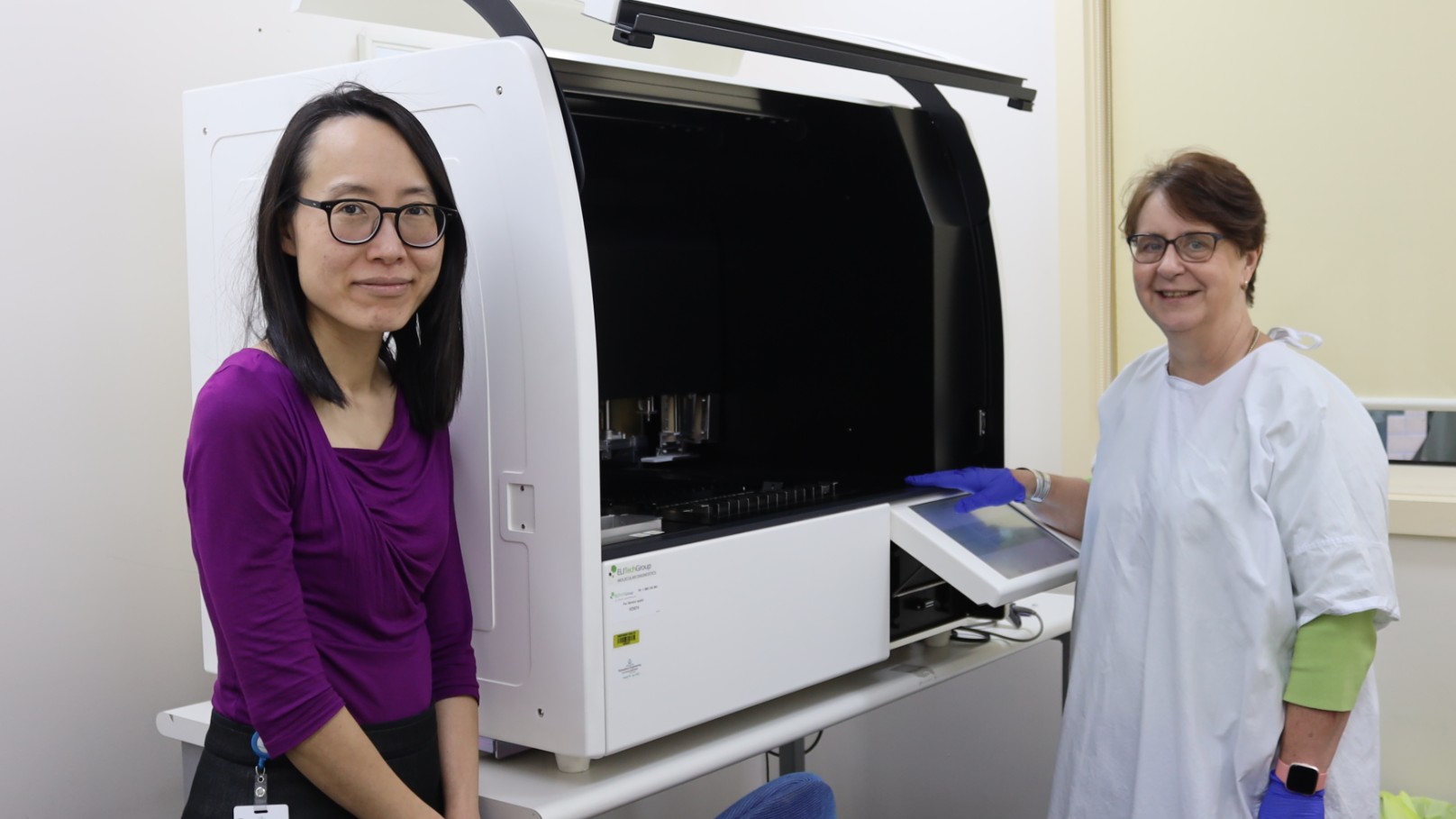
    Northern Pathology has successfully implemented onsite testing for COVID-19, with a turnaround of one to three hours.

    Previously, all tests for COVID-19 were referred to the Victorian Infectious Diseases Reference Laboratory (VIDRL), with some delay in results due to the high demands on their services.

    Dr Frank Hong, Director of NPV, explained, “one of the major benefits of bringing the testing onsite is the marked improvement in turn-around time.“

    “Our local testing capacity will build up over time, with the addition of more equipment and testing kits. Currently our tests are being performed on patients that require urgent results, like those in ICU, ” he added.

    “Our goal is to be able to test everyone coming to the Northern Hospital in the future, and we are hoping that would happen late May to early June”.

    Jennifer Stuchbery, Senior Scientist – Microbiology, said that the in-house test works by detecting genetic material from the virus that is present in specimens collected from patient’s nose and throat. She was extremely happy with the performance of the in-house test, stating that results obtained so far have shown that it is comparable to those results obtained at VIDRL.

    “We are in the process of training more staff to perform the test, so that once more testing kits arrive, we can offer these tests to a larger number of our patients and health care workers,” she said.

    Dr Prahlad Ho, Program Director Diagnostic Services, said that it was a huge effort from the team to set up the molecular laboratory within weeks from scratch.

    “In most laboratories this would take months. I am proud to say that we have been able to achieve it in two to three weeks. We are looking at introducing not just one technology for COVID-19 testing, but three technologies, which allows for high volume testing. This would significantly contribute to our ability as a health service to diagnose and appropriately manage unwell patients presenting with respiratory symptoms, as we head into the influenza season,” he said.

    Featured image (left to right): Yvonne Hersusianto, Head of Microbiology and Jennifer Stuchbery, Senior Microbiologist from Northern Pathology Victoria

  • Supporting local industry through COVID-19

    Supporting local industry through COVID-19

    ’Invention, it must be humbly admitted, does not consist in creating out of void but out of chaos.”
    Mary Shelly


    Personal Protective Equipment (PPE) is in demand for staff on the frontline of fighting COVID-19.

    When Nicholas Romeo, the Head Scientist and Lab Manager of the Respiratory Department at Northern Health, first heard of a possible shortage of PPE in a discussion with his head of department, Dr Katharine See, he decided to do something about it.

    He first asked himself, “Who could make PPE?” and fast concluded it needed a supplier with the ability to fold plastic.

    He ‘cold-called’ a few suppliers locally that make plastic folders and found Victor Stoyanaski, the most engaging in terms of wanting to assist.

    Victor, the proprietor of Norbind Plastics Pty Ltd., a 28 year old business in Epping, says at first he was sceptical – but decided he had nothing to lose. At the time Nicholas called, he had already stood down the majority of his staff, working them only in rotation.

    Victor it turns out was already supplying the plastic folders that we use at our bed-ends at Northern Health.

    That was Monday, 30 March. The same afternoon, he had ready a couple of prototypes and that Thursday had a finished prototype for Nicholas to share with the various stakeholders, including emergency department and theatre physicians.

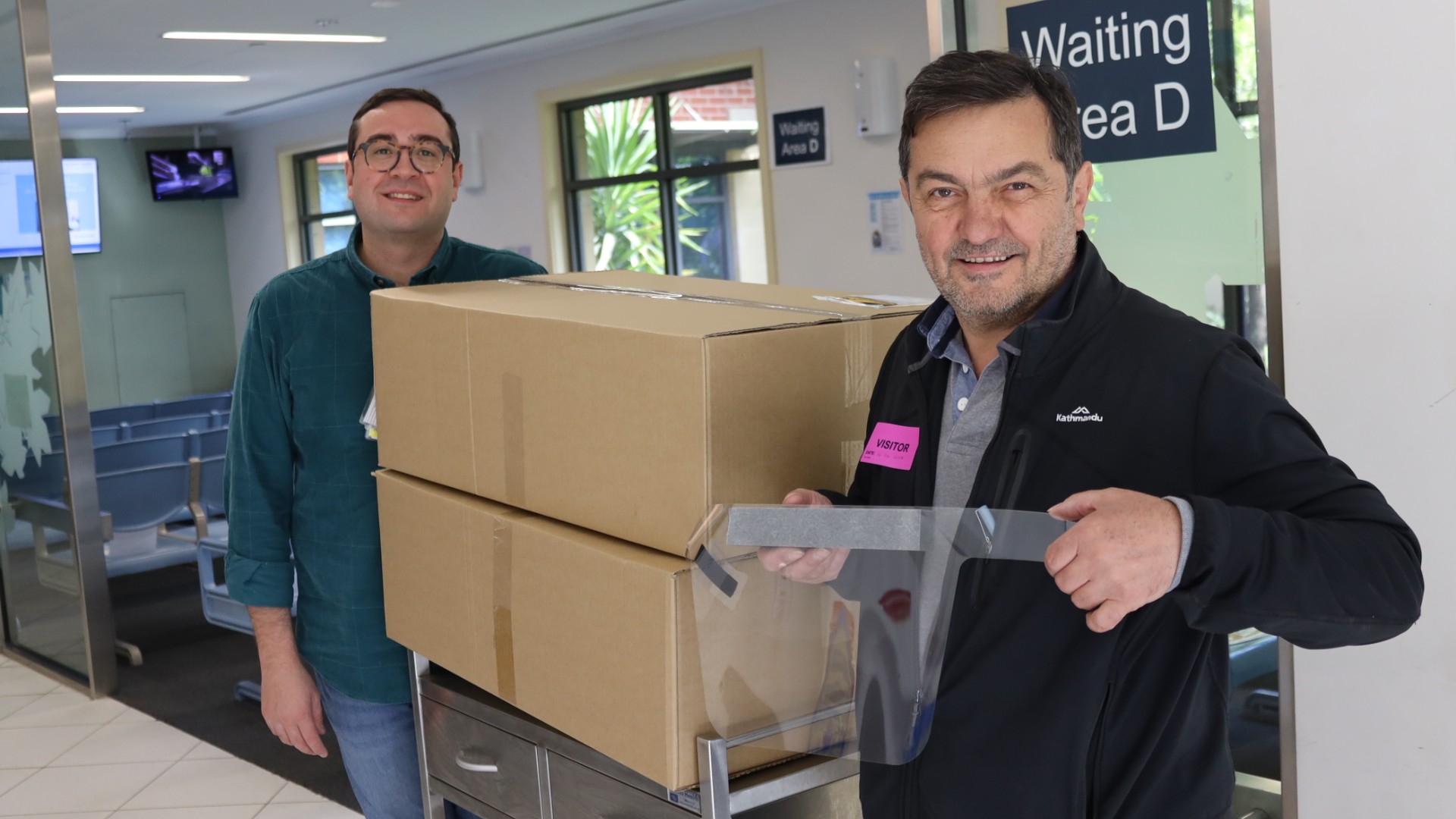
    On being given the green light, Victor was in production on Friday and delivered his first order the next Monday. He is now in the process of delivering an additional ten thousand face masks to Northern Health.

    Now that he has got his first order under his belt, Victor is already investing on machinery to make cutting the material quicker.

    He says “I want to make it more efficient and then ramp up production.”

    Says Nicholas, “A very big thank you to Dr Katharine See for her assistance and facilitating the valuable feedback from all the physicians. It was great having the support of heads of department, executives, supply department and our respiratory medicine team to make this happen. It was also great to support local industry at this time. Hopefully we can support them into the future.”

    “Thank you Nicholas and Katharine for encouraging this initiative. We’re grateful for your resourcefulness and are glad we can support a local business”, says Basil Ireland, Chief Finance Officer.

    There’s none more grateful than Victor. He already has had enquiries both from Melbourne and interstate. “If not for Nicholas, I would be facing a very different business scenario. On behalf my team and myself, I can’t thank Northern Health enough, for thinking of local business at a challenging time like this for all of us.“

    “It’s true what they say ‘We are in this together’,’” says Victor.

    Featured image show Nicholas Romeo on left with Victor Stoyanaski on right.

  • Creativity in a time of COVID-19

    Creativity in a time of COVID-19

    With increased physical distancing measures and stage three restrictions currently in place, our staff have been spending their days off, quite differently lately.

    A number of them have found creative ways to spend their time at home and express themselves through their cooking, sewing, weaving, gardening, photography, art – even dance and carpentry!

    Wanda Stelmach, our Director of Surgery, refused to let the lock-down get in the way of celebrating Easter with her 95 year old dad , who is in residential care.

    Not only did she prepare and deliver Easter eggs (the Polish version of coloured hard-boiled eggs) but also got to chat to him on Skype.

    Says Wanda, “I think it is important to observe these traditions at a time like this. Challenging as it was to get my dad to use this technology, it made his day – and mine!”

    Pets are a recurring theme – both as figurines (made by Danielle Wilding) and as companions (Olivia Wynne and Heidi McKenzie) and then there’s Steph Labourne’s rather bemused cat. Or is it annoyance, that there’s no food in sight?

    We are hoping to put Catharine Fowler, who made this incredible outdoor table below, in touch with John Ferguson, our Chief Medical Officer, featured in our gallery for his wood chopping skills. We think there might be a business opportunity here.

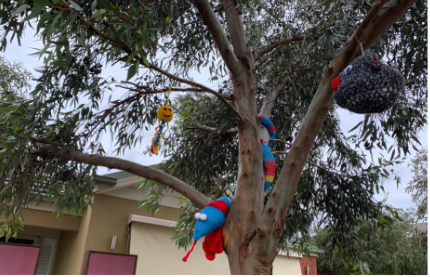
    Some have found their inner child – Yvonne Amos, our Foundation Director, has been ‘making silly animals for our front yard to keep the neighbourhood entertained’. We are not aware of any complaints from the neighbours – yet.

    From our picture gallery, it is very evident there is an abundance of talent out there.

    We would encourage staff to continue to send in examples of how staying at home can be both fulfilling and socially responsible.

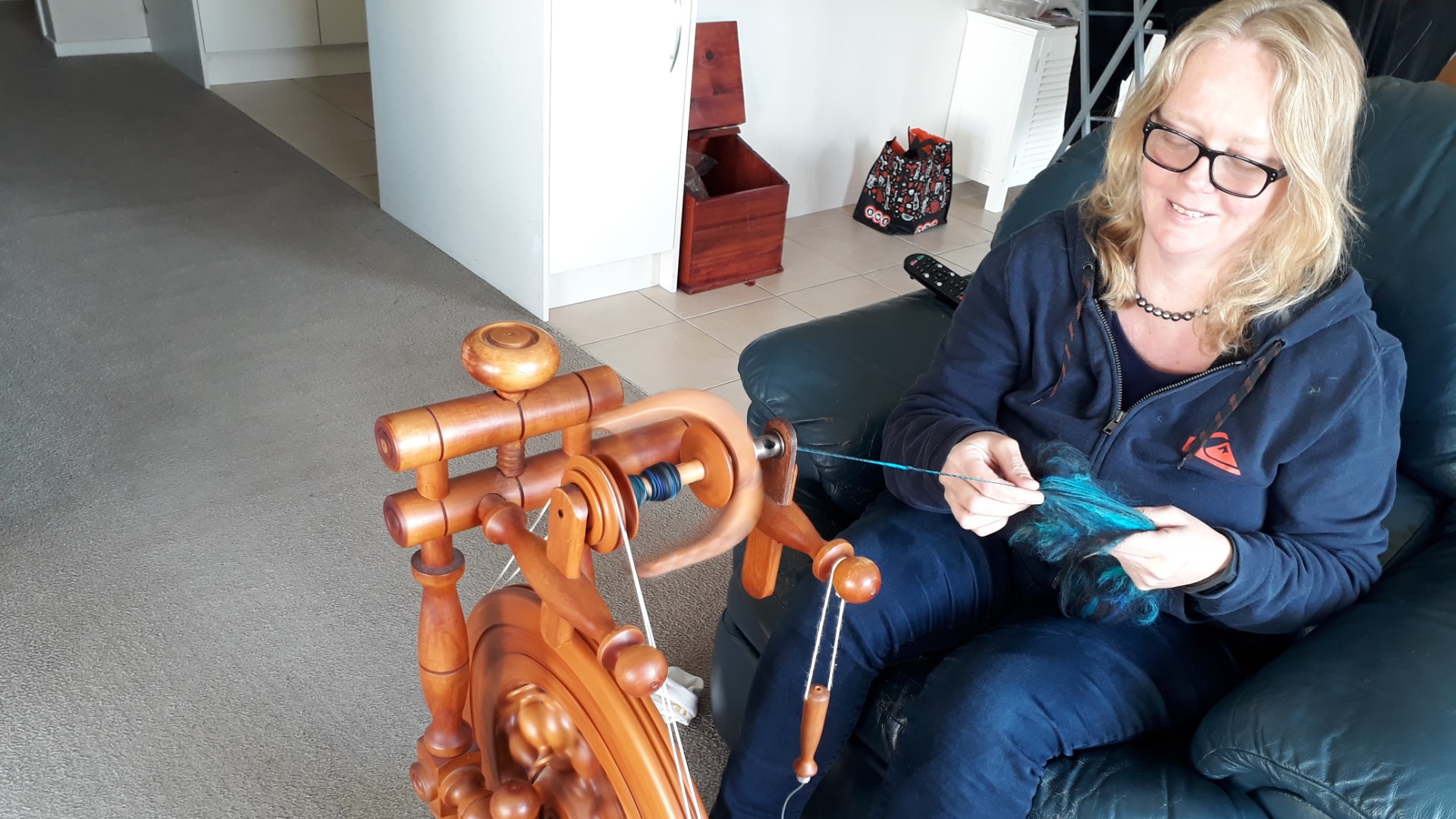
    Featured Image: Kim Scott who is in the front line at our Fever Clinic,  with her spinning wheel

  • PPE donation arrives

    PPE donation arrives

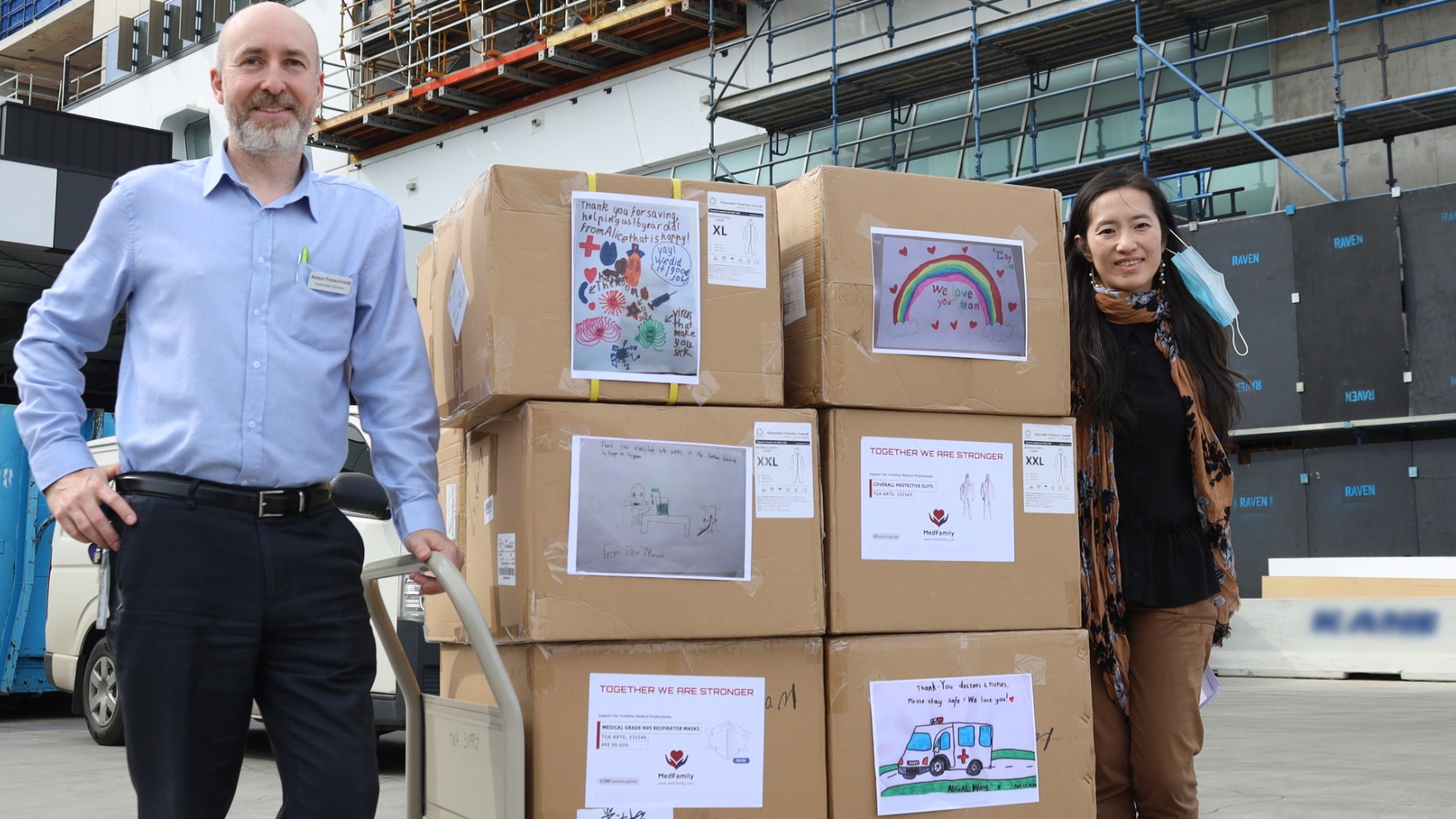
    A donation of valuable PPE equipment arrived yesterday to Northern Hospital Epping, with boxes of N95 masks and protective gowns.

    Lucy Liu, Vice President of MedFamily, the organisation behind the generous donation, said it all started because they wanted to help with PPE and to help hospitals fight COVID-19.

    Annie Cao, MedFamily member, said the reason the team is doing this is to pass on the message that we are all Australian and that together, we are stronger.

    “We are all related to the medical profession somehow – I am a dentist, Lin is a physiologist and her husband is a doctor at Northern Health, and Lucy used to be a doctor in China,” she said.

    Lin Lin’s husband, Dr J.K Chan is a visiting anaesthetist at Northern Hospital. Lin explained the donations are going to most major hospitals, but she has a special connection to Northern.

    “My husband works here and we live in Craigieburn so we know the northern area very well. There is a growing population in this area and we are very glad we could help,” she said.

    The boxes were delivered to our supply team, with hand painted drawings and messages from the children whose families support the MedFamily.

    Featured Image: Anton Freischmidt from Supply and Lin Lin

  • New ‘Partnered Pharmacist Medication Charting’ model

    New ‘Partnered Pharmacist Medication Charting’ model

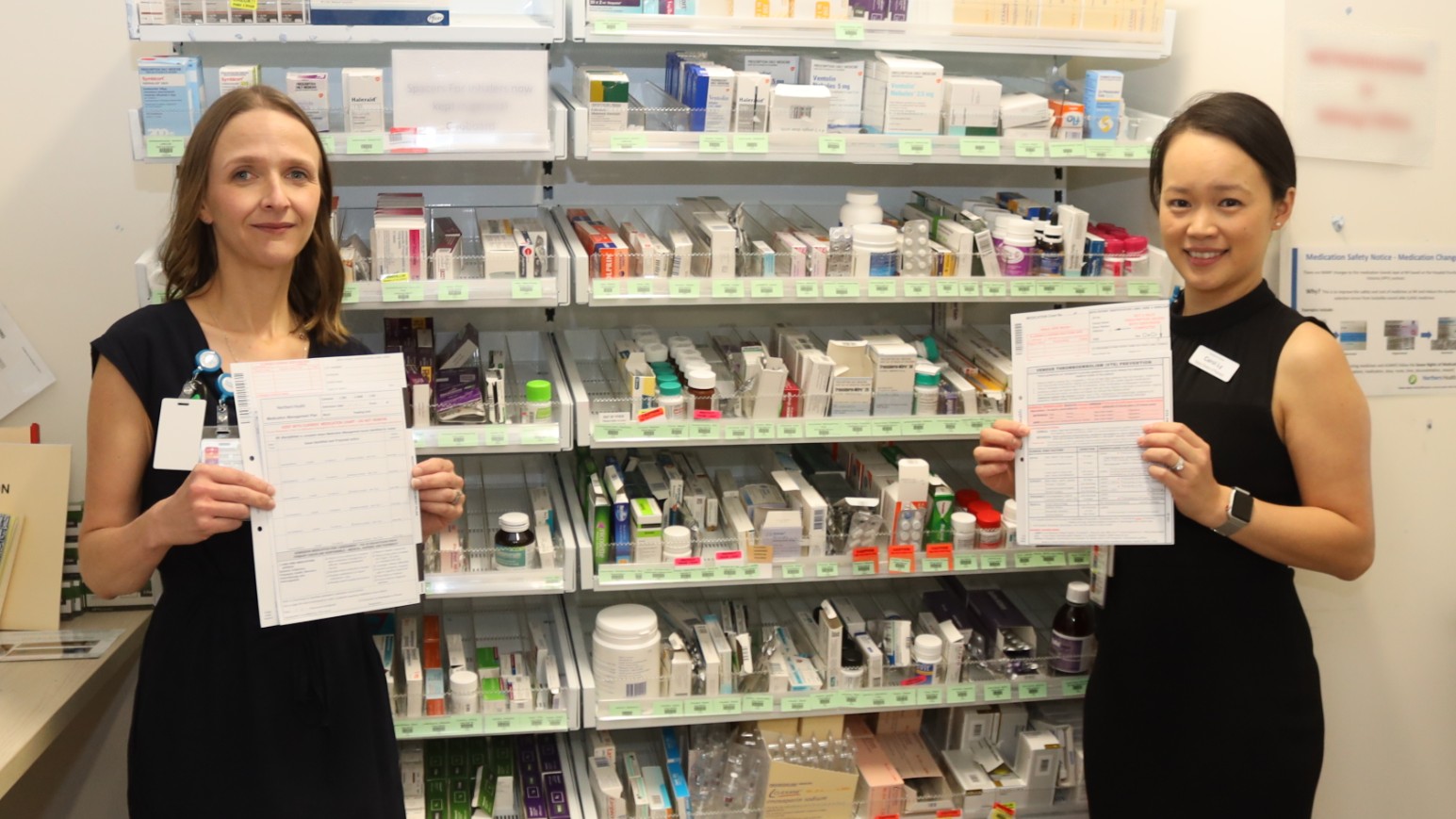
    Towards the latter half of the year, Northern Health Pharmacy will be implementing the Partnered Pharmacist Medication Charting (PPMC) model. This will allow for a more collaborative approach to improving patient care through the quality use of medications.

    Carol Ly, Deputy Director Pharmacy explained this model was developed to reduce the incidence of medication errors in an acute setting.

    “At the moment, doctors are only able to chart the medications that the patient presents to hospital with. The pharmacist then checks with the patient  and gets the full medication history. The pharmacist would also call the patient’s pharmacy, do the best possible medication history and check against the chart, identify problems and work with the doctors to fix it,” she explained.

    The issue with that approach arises when, for example, a patient presents to ED with just one medication, and is unable to communicate what else he or she is taking. The medical team would chart that one medication, even though the patient might be on five regular medications.

    “The new program would enable a pharmacist who has completed the PPMC competency training package and credentialing, to chart pre-admission medications, new medications and venous thromboembolism (VTE) prophylaxis in collaboration with the treating medical doctor, for patients admitted to either an emergency short stay unit or a general medicine unit,” she explained.

    Deanna Guy, Deputy Director Pharmacy, added that the idea is the pharmacist do the medication reconciliation and chart the medications themselves. With documentation of an accurate, best possible, medication history and medication reconciliation occurring on admission, patients will be more likely to have the correct medications charted from day one of the inpatient stay.

    “It’s about being there from day one and assisting the doctors with getting things charted correctly from the beginning. This would allow nurses and doctors to focus more on patient care, as the drug chart is only one part of overall patient care,” she added.

    “It is about being more proactive, rather than us coming and fixing medication charts later,” she explained.

    The process would include the pharmacist having a conversation with the doctor and saying “these are the medications the patient is currently taking, are there any other medications you wish to add to the list?”. Then the pharmacist would get a full sign off from the medical team and nurses can administer from their order.

    “It’s about improving medication safety and decreasing errors.  We were hoping to start in June, but due to COVID-19 pandemic, the initiative got delayed to potentially August,” she explained.

    This team-based approach between medical doctor and pharmacist allows for better integration of the skills and expertise of pharmacists into the multidisciplinary team, whilst also streamlining the prescribing process, avoiding duplication of work and potentially reducing the risk of medication errors. In other health services, this system has proven to save money and decrease length of stay.

    “Through the implementation of PPMC, we are hoping to introduce sustainable practice changes that increase workforce integration and satisfaction whilst, most importantly, improving the quality and safety of care for our patients,” Carol added.

    Featured image (left to right): Deanna Guy and Carol Ly


  • Keeping us safely connected: our ICT team

    Keeping us safely connected: our ICT team

    In the past month, our Information and Communication Technology (ICT) team, has been working on numerous improvements and initiatives to help the organisation adapt to modified ways of daily operations.

    “These few weeks were really about setting up tools for video conferencing and remote working,” said David Ryan, Chief Information Officer.

    “We had to look at the tools the people have; things like Follow Me desktop, secure remote access etc. We found there wasn’t enough licences for everyone, so luckily we managed to get a whole range of services and licences to get us going. Now, any staff that is permitted to work from home remotely will be able to do so,” he explained.

    Another service that ICT has been working on is the SMS messaging.

    “Optus has provided us with a gateway to an SMS service. This means we can send out broad SMS messages to our patients if needed, or send messages to staff. There is also a direct gateway to Pathology, so patients can get their COVID-19 results through SMS. We can also target specific groups of patients with relevant information, like people over 65. The team has been working pretty hard to get that up and running,” David explained.

    Microsoft Teams is another priority tool for David and his team, which is currently under way.

    “Around a 1000 staff so far have been enabled for Teams and the next step is the actual installation of Teams to staff computers. As everyone uses a different type of computer, some will need to access it via the app or via web browser. Currently, our Executive, Incident Management team etc. meetings are all done that way,” he explained.

    Northern Health prefers Microsoft Teams to be used instead of Zoom.

    “The issue with Zoom is that is has security concerns. There is something called  ‘Zoom bombing’ where people join meetings they are not supposed to, usually by mistake. With MS Teams, that can’t happen because you have to be invited or have the link. Meetings also expire, and the links don’t last forever. It’s a one-time meeting link, which is very useful and safe,” David explained.

    “While we can’t stop other hospitals or organisations sending us a meeting link via Zoom, and will still need to participate at those meetings, our preferred platform at Northern Health will be MS Teams,” he added.

    Telehealth is another initiative that ICT has been involved with, looking at different platforms and options other hospitals are using.

    “Health Direct is a system used nation-wide and we are expecting to have our first telehealth appointment this week. Getting this up and running has been a big effort from different teams across the organisation,” he said.

    All these online conferencing tools are having a major impact on the Internet usage across the organisation.

    “To help manage the demand, we now have an upgraded Internet service. We now have 350 Mbits, which is a lot and now video conferencing should be a much easier,” David said.

    With numerous projects underway at the same time, David said the whole team is willing to jump in and help and go above and beyond.

    “They understand what is going on inside of the hospital. Our role is to keep the technology running, so that staff has all the tools required to keep them going,” he added.

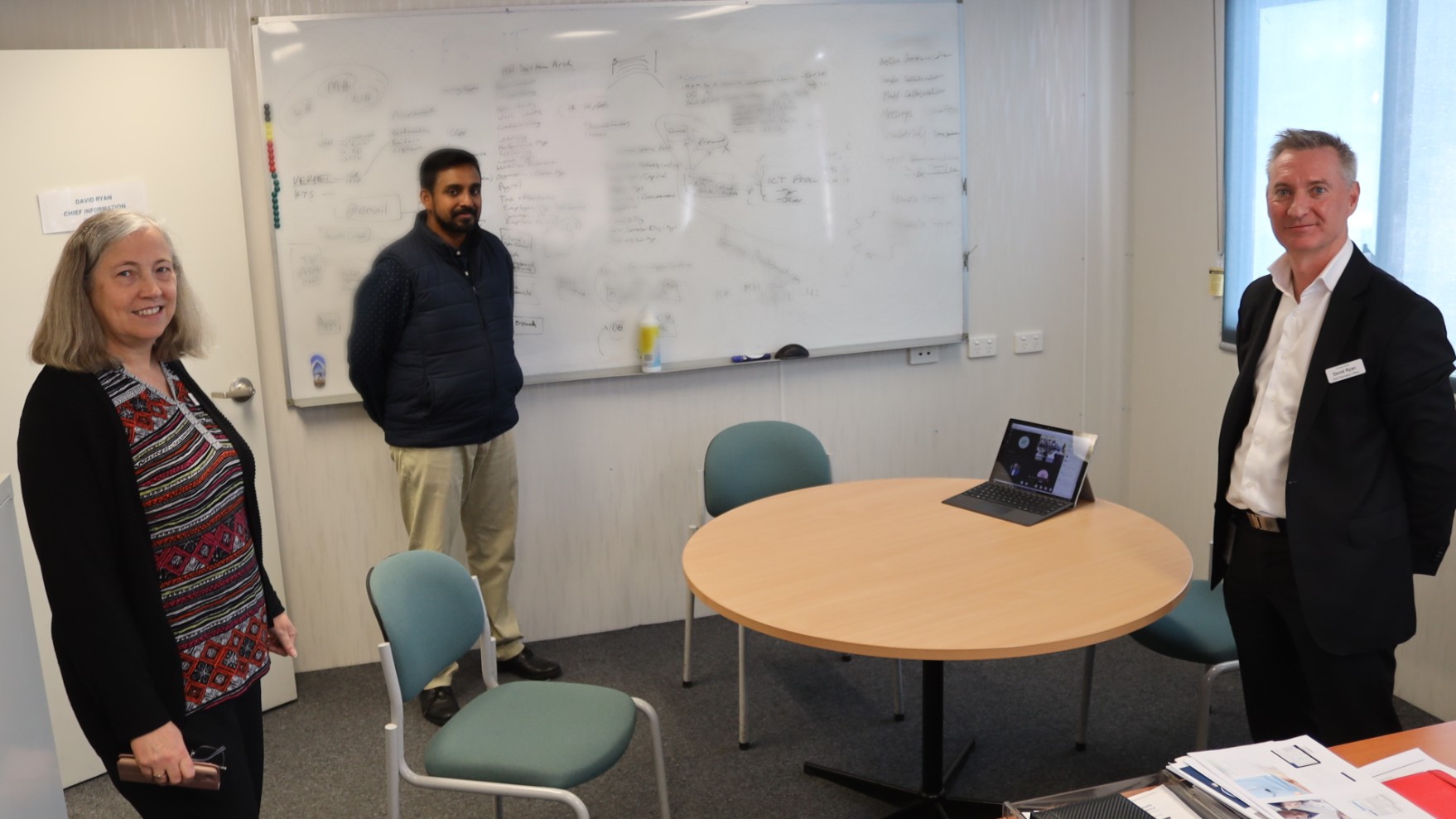
    Featured image (left to right): Linda Heard, Boppin John and David Ryan from the ICT team.