• Roll up your sleeve for the flu vaccination

    Roll up your sleeve for the flu vaccination

    Northern Health staff and volunteers are now able to receive their annual influenza (flu) vaccination.

    As Melbourne’s cold winter months approach, now is the time for staff and volunteers to come forward, roll up their sleeves and boost their immunity with the flu vaccine.

    It is recommended by the Department of Health that individuals receive their annual flu vaccine from mid-April onwards to ensure protection against the flu is at it’s highest during the peak flu season, typically between June and September.

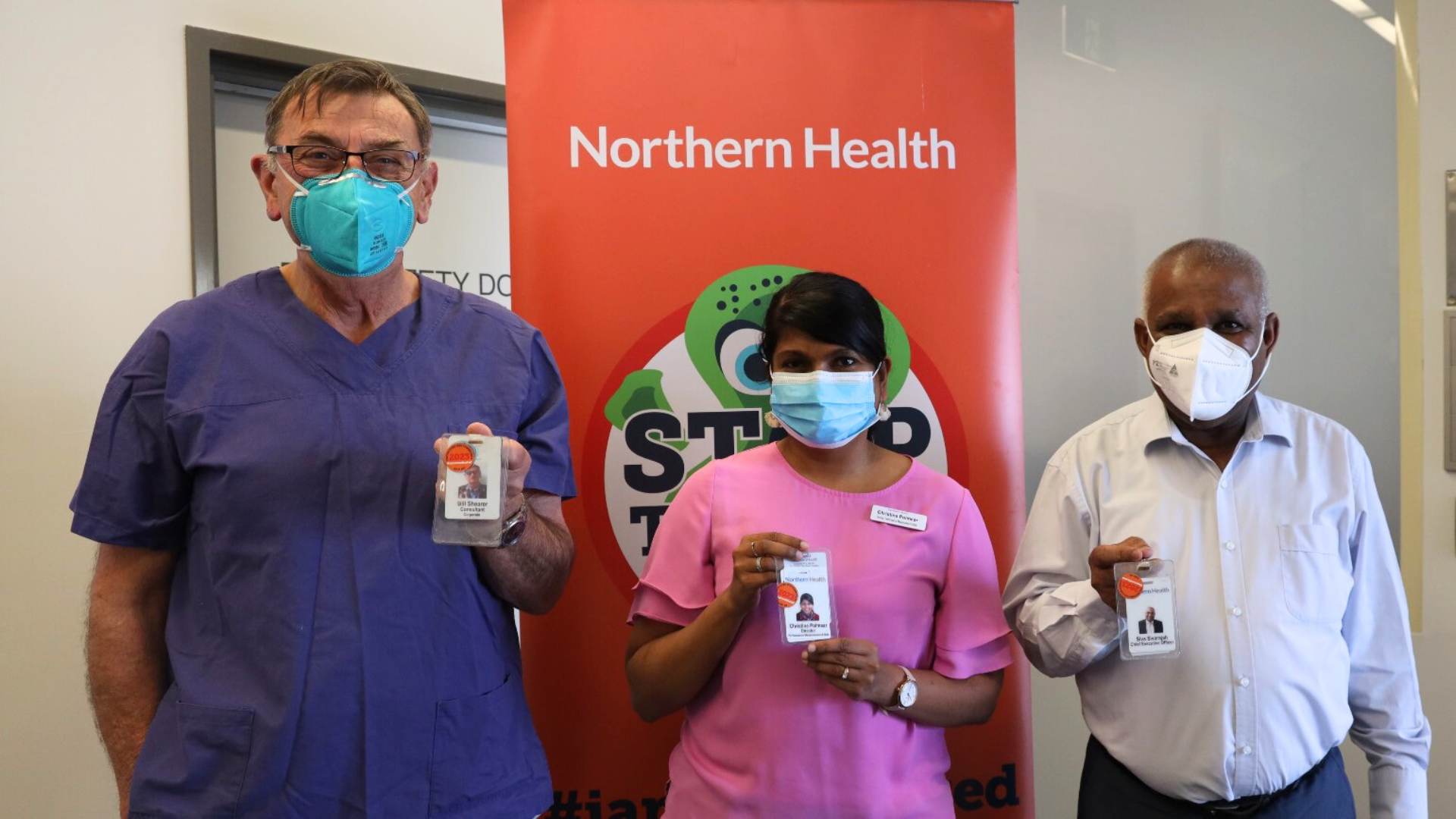
    Siva Sivarajah, Chief Executive, received his flu shot last week. He said the vaccine was an important step in boosting your immunity this winter.

    “It is still as important as ever to receive your flu shot this year, especially with COVID-19 still in the community. By getting the flu shot, you are not only protecting yourself from the flu, but also your family, friends, colleagues and community,” he said.

    All staff members and volunteers at Northern Health are required to receive the flu vaccine. The vaccine will be administered by an immunising nurse in all clinical and non-clinical areas. Staff with contraindications with the vaccination are required to attend a face-to-face consultation with the immunisation nurses.

    Managers of non-clinical areas can email Staff Health at staff.health@nh.org.au to arrange for an immuniser to visit their work area. Group sessions also begin today, between 9 am and 2 pm in the front area of Ward 21 on Level 5, Main Ward Block at Northern Hospital Epping. These sessions will occur weekly every Monday, Wednesday and Friday.

    For staff members who have had the vaccine elsewhere, a link will be sent from a Northern Health credentialing system for you to upload the details directly.

    All COVID-19 vaccines can also be co-administered (given on the same day) as an influenza vaccine. Community members are encouraged to speak to their local doctor or pharmacy to access flu vaccinations.

    For more information, please visit the Intranet.

    Featured image L-R: Dr Bill Shearer, Executive Director, Quality, Safety and Transformation, Christine Polmear, Director, Performance Management and Risk and Siva Sivarajah, Chief Executive.

  • Get to know: Lisa Bethune

    Get to know: Lisa Bethune

    #WeAreNorthern 

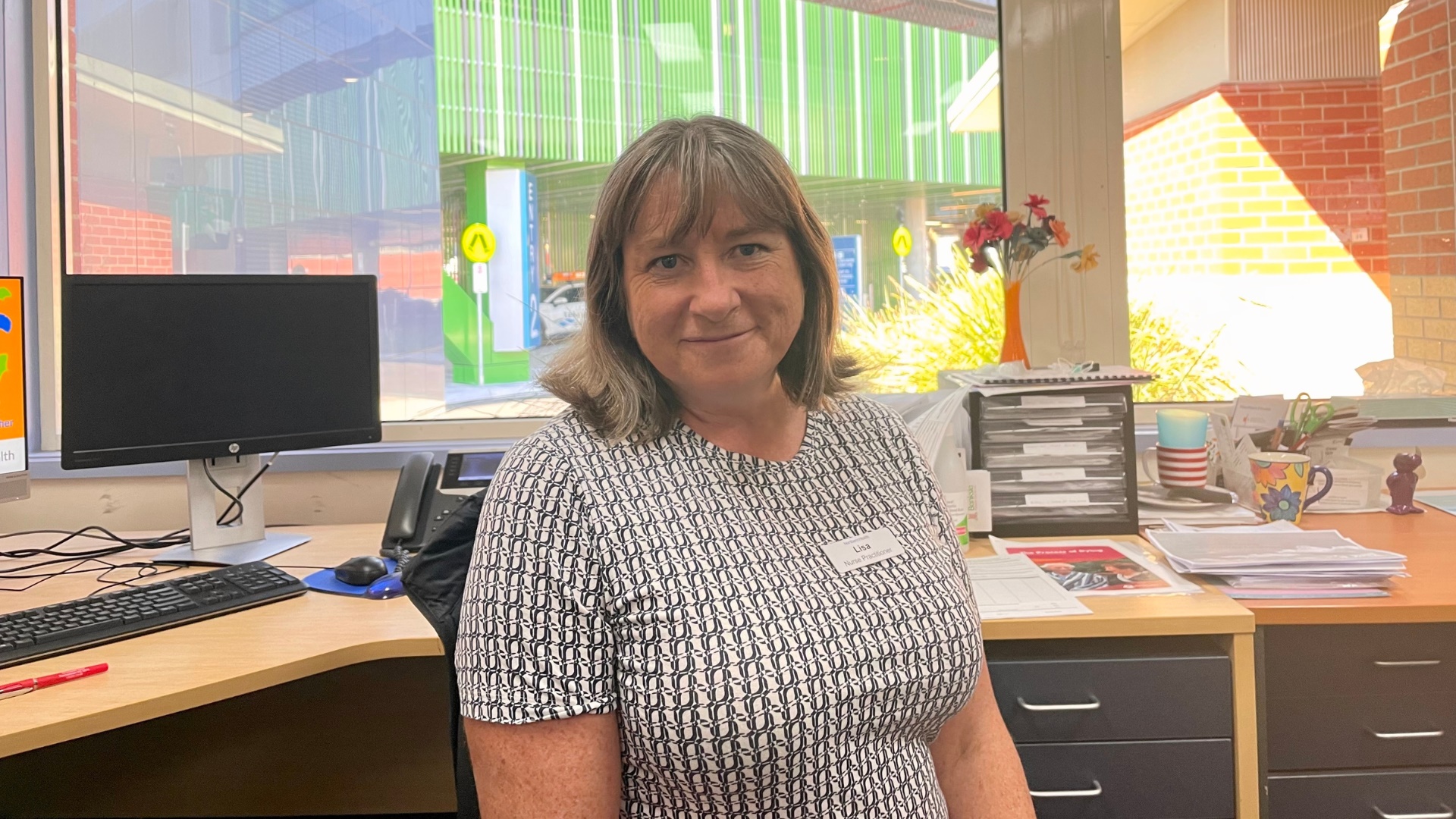
    Meet Lisa Bethune, Nurse Practitioner, Palliative Care Service

    Q: Tell us about your role at Northern Health?

    A: I am a palliative care nurse practitioner and I work with the Northern Health Palliative Care Consult Service, caring for patients with palliative care needs. This can be providing symptom management, participating in family meetings and communicating with patients and families about what is the most important thing to them. Often this involves facilitating discharge home with palliative care supports or referral to our palliative care unit. I am also involved in education and support for staff providing palliative care and ensuring that dying is recognised, and patients are comfortable at the end their life.

    Q: If you weren’t in your current role, what would you be doing?

    A: It’s difficult for me to imagine being anything other than a palliative care nurse. I always harboured a desire to write a novel, so in my fantasy world, I would be a writer.

     Q: What career advice would you give to your younger self?  

    A: Keep listening, learn from those around you, have confidence that you will find the job position that is right for you.

     Q: What was cool when you were young, but isn’t cool now?

    A: Legwarmers! Very cool in the early 1980s.

    Q: City or country?

    A: I love both equally. I like to be surrounded by nature wherever I am.

  • EMR training registration opens next week

    EMR training registration opens next week

    Northern Health Electronic Medical Record (EMR) training registration opens on Monday, 17 April.

    The EMR team started working with various stakeholders within the organisation to design and build the system in 2021. Fast forward to April 2023, the EMR is now ready for the final stage of testing, before training takes the spotlight in June.

    The EMR training schedule was published on the EMR website and via an All Manager email. In a 10-week window, the EMR training team will train more than 5,000 staff before our go live in September. Thanks to the engagement of more than 20 stakeholder groups, the team was able to construct a schedule that is best suited for the organisation to reduce the impact on the operations.

    To help you prepare for EMR training, we have familiarisation videos for you to get early visibility of the system. The team will also be running Solution Galleries in May at Northern Hospital Epping, Broadmeadows Hospital, and Bundoora Centre to demonstrate workflows that are relevant to your area of work.

    Similar to other EMR implementations, under the guiding principle of ‘no training no access’, all staff who will be interacting with the EMR, whether it be ‘full access’ or ‘read-only access’, will need to undergo some form of training before using the system. This is to ensure our patients are safe when we transition from documenting on paper to documenting electronically.

    On average, the team will deliver 58 EMR classroom training per week, Mondays to Fridays, training around 600 staff per week. Most nursing staff will complete a full day of classroom training, whereas doctors and other disciplines will complete a four-hour or less training. Training facilities are available across Epping, Bundoora, and Broadmeadows.

    Starting on Monday, 17 April, area managers and their delegates will be able to register their staff for classroom training using myLearning. Most classes, except for some medical slots, will be first come first serve basis. Managers will be able to allocate staff to certain classes based on your roster.

    The EMR training registration guideline will be distributed to all managers to outline the registration process. The EMR team is also running EMR Training Registration Roadshow on 18 April at 10.30 am at NCHER Level 3 Training Space for all managers, and on 26 April at 2 pm at Epping Main Lecture Theatre specifically for NUMs where you will be able to ask the team any questions.

    We would also like to take this opportunity to thank the myLearning team for their wonderful support in building the EMR courses into the system.

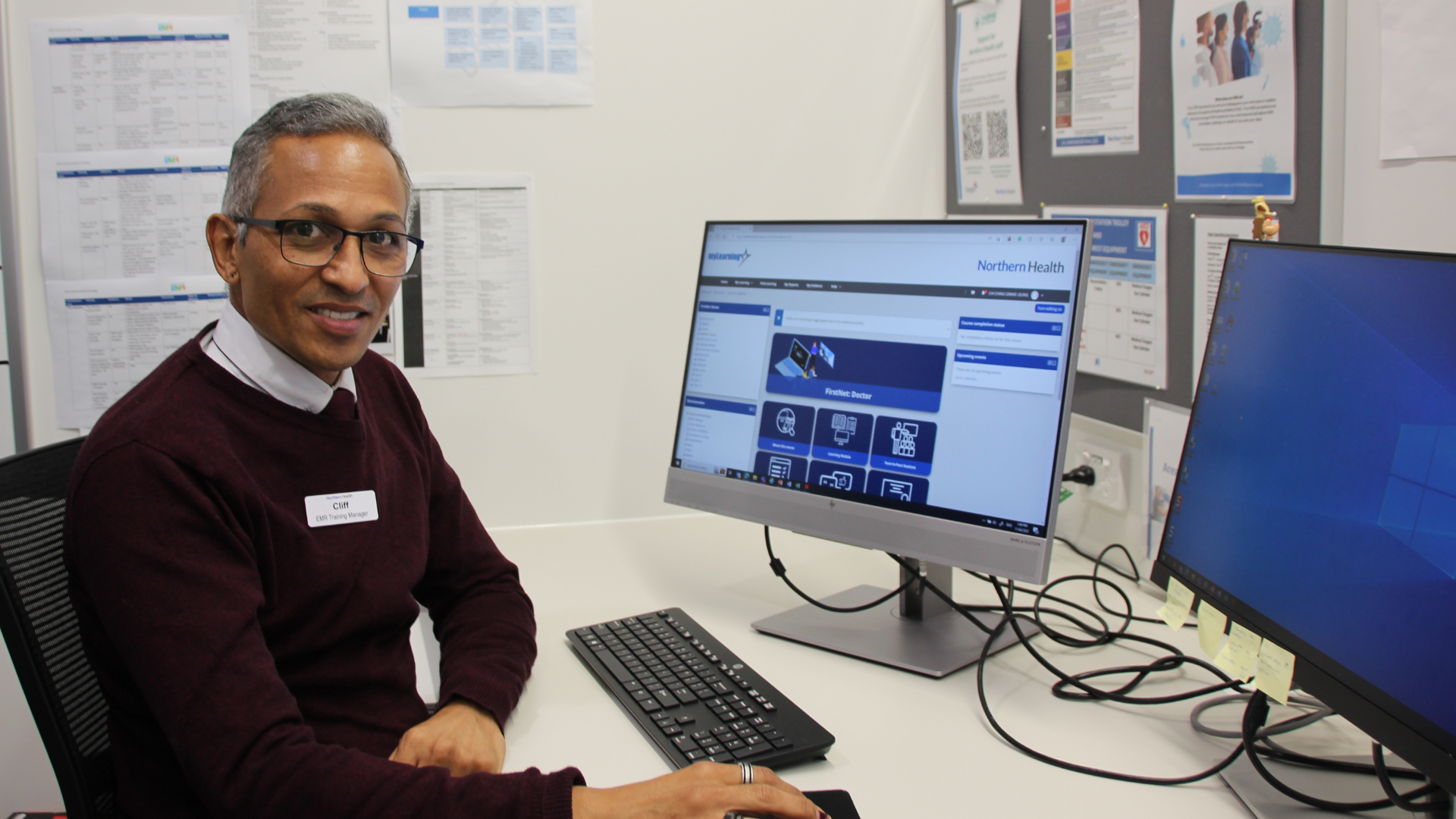
    Featured image: Cliff Wiltshire, EMR Training Manager

  • Lending a helping heart

    Lending a helping heart

    Northern Health’s Hospital Admission Risk Program (HARP) is lending a helping heart to heart failure patients.

    Heart failure is a complex chronic condition, with one in four patients with heart failure readmitted to hospital within 30 days of being discharged. To help heart failure patients after a hospital admission, Safer Care Victoria (SCV) has partnered with HARP to co-design and test a service delivery model called Heart Helper.

    “There is an increased need for patients and families to acquire disease self-care skills to successfully manage their condition outside of hospital due to shorter hospital stays,” said Oksana Kasapis, Project Lead.

    “The Heart Helper project is designed to increase patient self-care and management and improve patients’ as well as carers’ health knowledge of heart failure.”

    “In addition, the aim of the project is to provide non-therapeutic intervention (psychological support) that helps a person cope with stressors of heart failure diagnoses in the home, and refer where needed, to psychology services.”

    “By improving patient knowledge about when to seek help and what help is available, our aim is to minimise the risk of heart failure related hospital readmissions.”

    ‘Heart helpers’ have the capacity to see heart failure clients face-to-face after hospital discharge more frequently in the comfort of their home. They not only monitor client medication, dietary restrictions and weight management adherence, but also try to reduce the burden of the disease by making it more fun – do gardening, cooking and even puzzles together.

    “To strengthen our community relationship, we also include our consumers in many steps of project implementation and updates,” Oksana said.

    “The project involves trialling a combined workforce model that is supportive and effective, and for the first time, we have the opportunity to have both Division 1 and 2 nurses working in HARP.”

    Safer Care Victoria representative Simone Rafferty recently visited the Heart Helper team to experience how the new model of care is progressing.

    “The Northern Health Heart Helper team is doing an excellent job in trialling this client-centred approach, using an alternative skill mix with complex patients,” Simone said.

    “To engage heart failure patients with self-care, the team is using outside-of-the-box methods, making it more human-centred.”

    “Having an occupational therapy background myself, I know well enough that as much as we would like to spend time with our patients, very often this is not the case. I am glad that Northern Health Heart Helpers, Division 2 Nurses Mustafa Tus and Margaret Toohey are doing exactly that – they have time to really listen to what our clients have to say.”

    Mustafa said some of their patients had lifelong habits that are hard to change, and it takes time to incorporate new habits, like recording their weight each day, as part of the program.

    “We can spend that time, using teach-back, and encouraging them when they progress,” Mustafa said.

    The Heart Helper Pilot project has been granted additional funding to continue to develop and evaluate this new model of care and was recently announced as a finalist in the Victorian Premier’s Design Awards for the service design category in 2022.

    Visit the Intranet for more information about HARP.

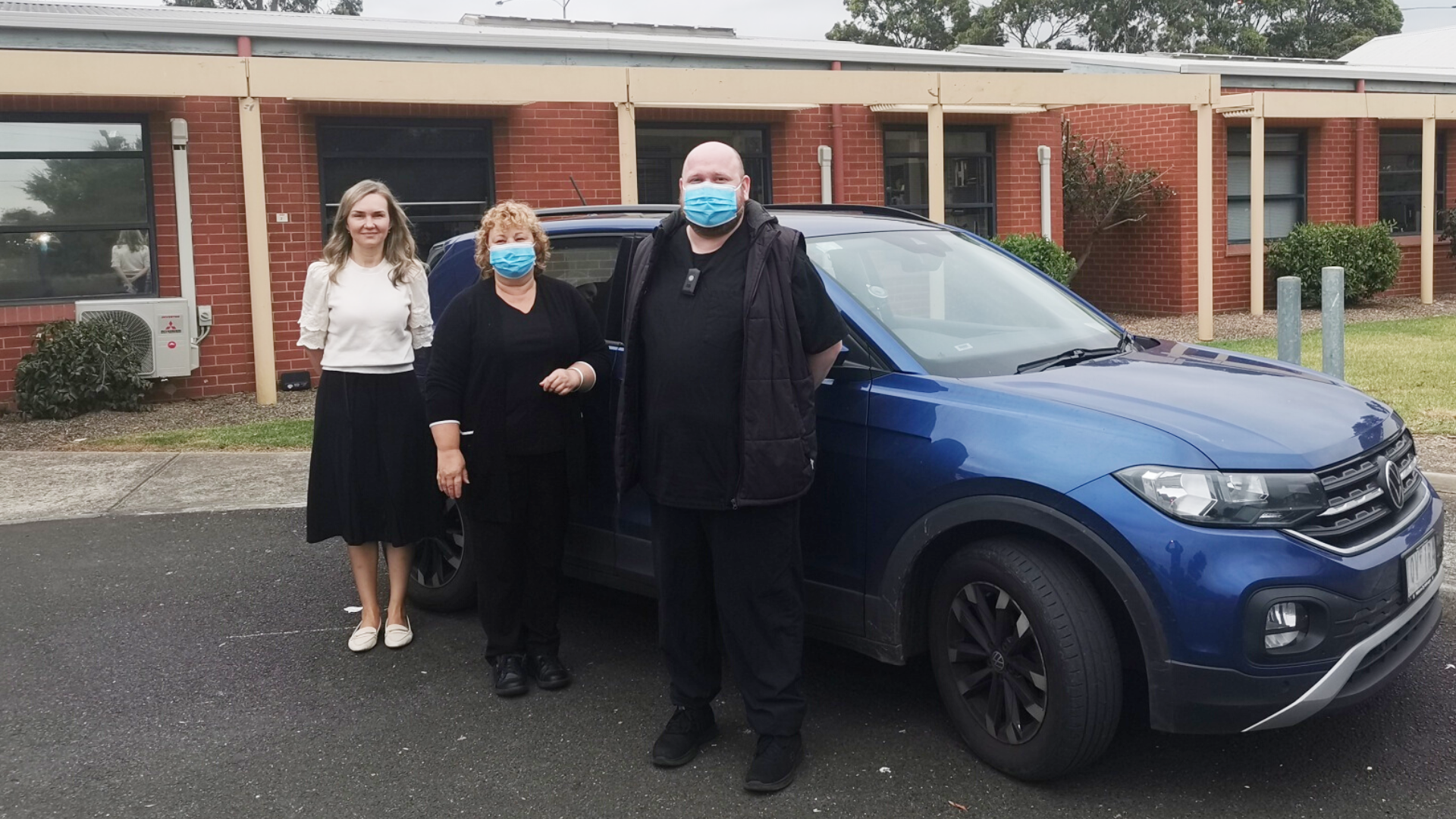
    Featured image: Oksana Kasapis, Margaret Toohey and Mustafa Tus

  • We Are Northern: This is the Revenue Services team

    We Are Northern: This is the Revenue Services team

    The Revenue Services team at Northern Health provides a financial billing and collection service to the organisation for a number of different patient accounts. The team is comprised of multiple key areas that liaise directly with patients, insurance companies and third-party compensable companies (TAC and Workcover Insurance) regarding hospital accounts.

    The four areas of Revenue Services are:

    • Private Patient Liaison Officers (PLO’s)
    • Cashiers and Collections
    • Patient Billing
    • Doctor Billing and Payments

    The Revenue Services team consists of 22 staff members, ranging from cashiering, patient accounts management, accounts payable and receivable. They use their knowledge and skills to assist patients on their journey through the healthcare system. A large amount of their efforts is focused on Medicare Ineligible Patients, who they help guide through the complexities of fees and insurance companies, while also maintaining a sympathetic approach. The team pride themselves on never turning a patient away, regardless of their financial abilities.

    In addition, the team support TAC and Workcover Patients in making claims and by letting them know what they are entitled to, in order to help them recuperate faster. Private patients are also a big part of Revenue Services role, and these patients are given the option to use their private health insurance for hospital admissions instead of Medicare.

    Revenue Services Doctor Liaison, Sharon Caruso, is one of the many staff members who have been working at Northern Health Revenue Services for a number of years, and she speaks very fondly of the team.

    “I’ve always felt privileged to work at Northern Health and blessed to be able to reach our community. I’ve been part of a great team for the past 12 years and I’m excited to see what the future will bring,” she said.

    “Thirteen years of Revenue Services have been challenging and rewarding at the same time. Working with supportive co-workers makes every day at Northern Health feel new and exciting,” said Revenue Services Patient Accounts, Angela Maniatis.

    Revenue Services, Acting Manager, Betty Smilevski, reflects on the past few years during the pandemic and says that even though there have been many challenges, the team has been able to adapt to trials and become who they are today.

    “We are all self-sufficient, reliable and problem-solving individuals who work together towards our goal to raise as much revenue for the hospital as possible. The tests we faced during the pandemic separated the team into Team A and Team B.  We also had several of our staff being seconded to other areas of the organisation to assist with the need, i.e., Pathology, COVID Monitoring and the Emergency Department,” she said.

    “We are still dealing with the aftermath of COVID-19, even today. We experienced a high turnover in a short period of time, but have since come back as a stronger and more pro-active team.”

    In 2023, the team is excited about implementing development and reaching stability. They have goals in place that they are willing to work toward, and they believe these can transform the department. The team has already made big progress towards these goals since the start of the year. This can be seen in the increase in revenue and the establishment of close collaboration and strong working relationships with other departments within Northern Health.

    Thank you to the Revenue Services team for all your hard work!

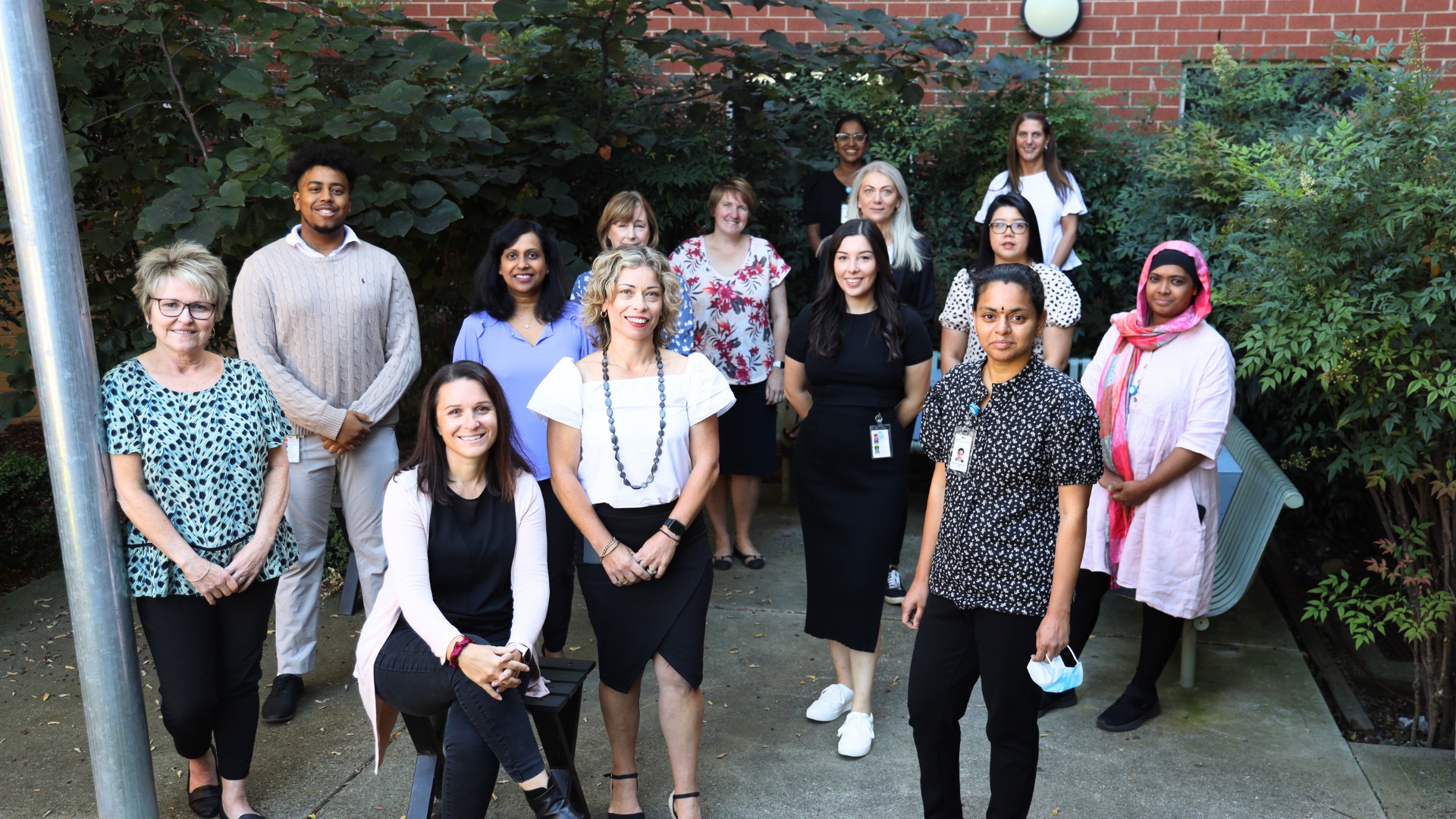
    Pictured: Revenue Services team 

  • The Symptom Urgent Review Clinic introduces extended hours

    The Symptom Urgent Review Clinic introduces extended hours

    The Symptom Urgent Review Clinic (SURC) at Northern Health is a nurse-led clinic that provides services to cancer patients who are experiencing distressing side effects from undergoing systemic (chemotherapy or immunotherapy) treatment at Northern Health.

    SURC provides an alternative to patients attending the Emergency Department (for those with non-critical issues), and is staffed by experienced cancer nurses, who may provide patients with advice over the phone or request that they come into the clinic.

    The aim of the clinic is to recognise and manage problems early to help keep people well at home and prevent and minimise hospital presentations and admissions.

    From 6 February 2023, SURC extended its hours and staff are now available seven days a week from 8 am – 8 pm.

    SURC is located in the portable building outside entrance 5 in the Day Oncology Unit at the Northern Hospital Epping.

    Northern Health is the first health service in Victoria to offer its patients specialist cancer-nursing advice through SURC, seven days a week.

    “We are very privileged to be able to offer this service to our vulnerable patients. Undergoing chemotherapy can be overwhelming and patients often feel at ease knowing they can contact us for advice or attend the clinic for a review. Booking an appointment with a local GP or coming into ED can be very difficult for them, especially with the long wait times,” said Northern Health SURC Coordinator, Georgina East.

    Northern Health Director of Medical Oncology, Dr Frances Barnett says SURC has substantially improved the overall health of Northern Health’s cancer patients since it was originally launched in 2019.

    “This extension of the days and times that SURC operates will undoubtedly improve cancer care even more,” she said.

    SURC Nurse Practitioner, Michael Cooney says he is very proud of how much the service has achieved so far, especially because the Northern Hospital Epping SURC was the first, and for some time, the only SURC overseen by a dedicated Nurse Practitioner.

    “The SURC has established itself as a natural extension to the excellent patient care that patients and families affected by cancer receive at Northern Health. Patients and carers who have accessed the SURC frequently feed back to us how safe and confident they feel in the care they receive from the cancer nurses and medical staff who work within and support the SURC,” he said.

    “The true nurse-led nature of the service is able to provide such high-quality care because of the excellent clinical support provided by both the senior and junior medical staff of the Medical Oncology and Haematology clinical units. I am very proud of what we have been able to achieve so far and very excited about the future of this valuable service.”

    Referrals to SURC can be made by emailing: surc@nh.org.au or by calling 0498 131 363


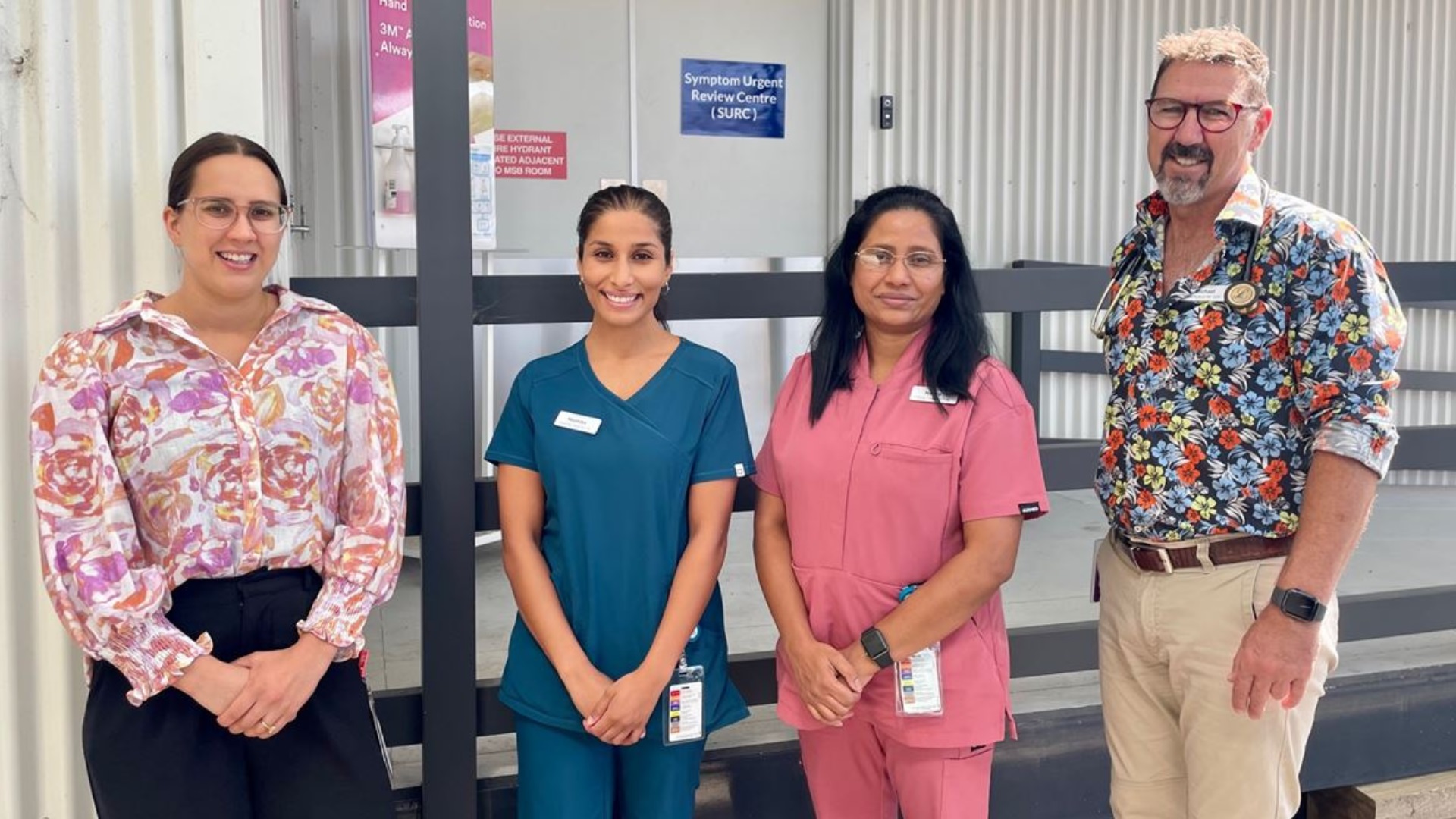
    Pictured (left to right): Georgina East, SURC Coordinator, Hashika Dharmatilleka, SURC Nurse, Nancy Abraham, SURC Nurse, and Michael Cooney, SURC Nurse Practitioner

  • Northern Health innovating virtual examination using TytoCare

    Northern Health innovating virtual examination using TytoCare

    Northern Health is the first public health service in Australia to launch a digital examination tool to enable better access to specialist assessment care for patients from their own home.

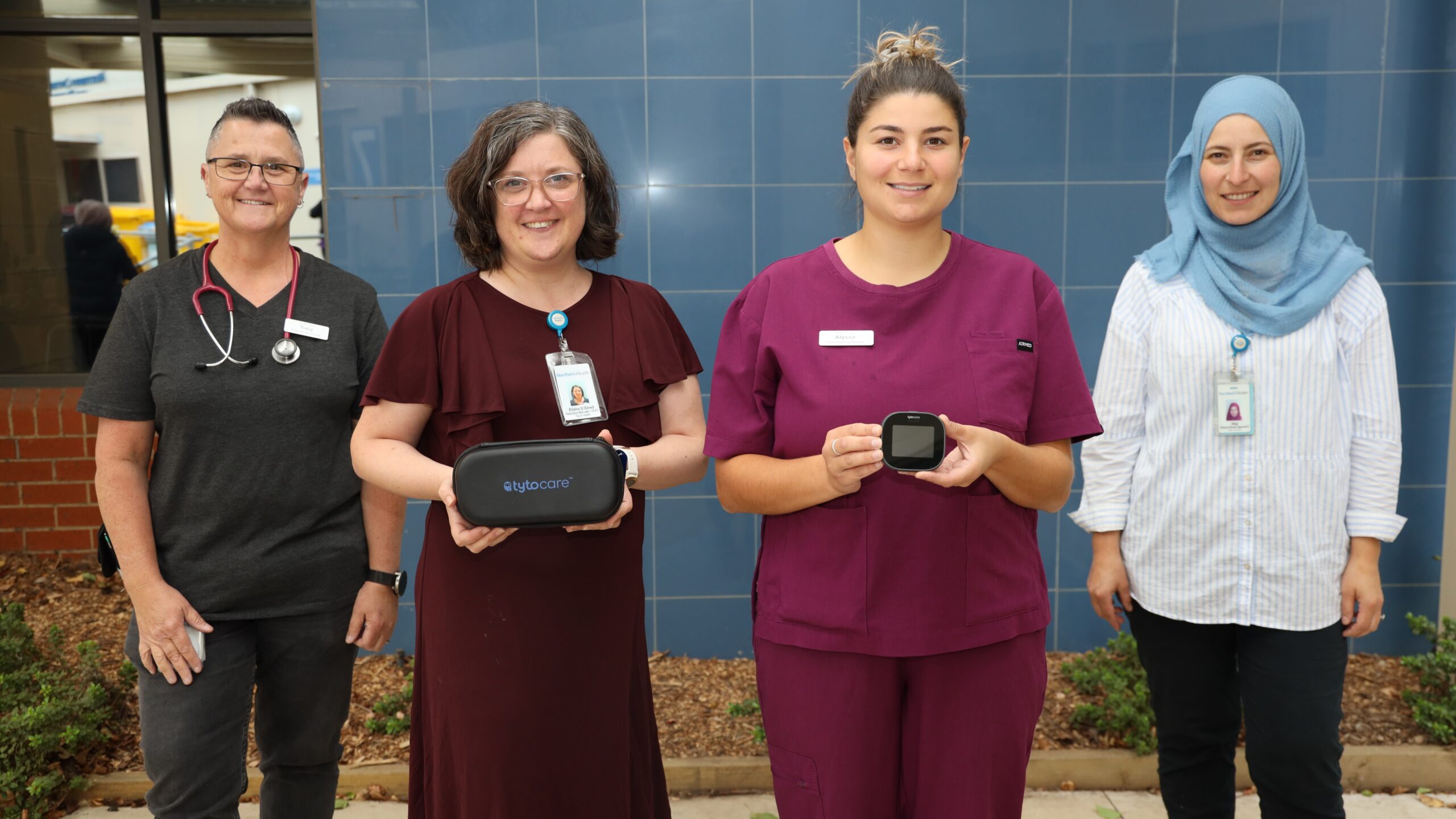
    TytoCare has developed a small, portable hand-held device that includes a comprehensive exam kit with multiple attachments including a digital stethoscope for heart and lung examinations, a thermometer, and a tongue depressor to examine throat and tonsils.

    The device is designed to enable a comprehensive medical exam from any location and includes a hand-held, all-in-one toolkit comprised of a camera, microphone and screen. The device is easily paired with a user-friendly app and clinician dashboard to become a complete telehealth platform for sharing exam data and conducting live video exams.

    TytoCare is a telehealth company using AI to transform primary and tertiary care by putting health in the hands of patients and Hospital In The Home (HITH) staff.  TytoCare also seamlessly connects patients to specialist clinicians to provide the best virtual home examination and diagnosis solutions.

    The Northern Health Clinical Leadership, Effectiveness and Outcomes (CLEO) team is currently facilitating a pilot implementation of the device and a digital stethoscope into HITH to support the Heart Failure Virtual Ward. This makes Northern Health the first public health service in the country to implement this innovative solution.

    Dr Katharine See, Chief Health Outcomes Officer CLEO, said TytoCare formed part of their mission to implement new interventions and technologies that will facilitate better health outcomes for our patients and community.

    “TytoCare is already being used widely and successfully internationally, with encouraging results,” she said.

    “We wanted to bring these same technologies to the Australian healthcare setting. The TytoCare device is an innovation to support the Heart Failure Virtual Ward Team to deliver remote healthcare where appropriate.”

    “We hope this will benefit patients by reducing the need to be cared for in hospital and provide faster access to their clinical team virtually. Physical examination has not previously been possible via telehealth for specialists and nurse practitioners. Now, with TytoCare, they are able to hear the heart and lung sounds real time and make clinical decisions using the results of the virtual examination, as well as the observations from the HITH nursing staff.”

    The pilot program will run until December 2023, with an aim of assessing whether the introduction of a digital stethoscope enhances physical cardiac examination and provides heart failure nurse practitioners and medical staff with the information they need to care for heart failure patients virtually.

    Lynne Santamaria, Nurse Unit Manager HITH, said with patients being managed in their homes as an inpatient, the face-to-face contact with their specialty team decreases, however, TytoCare will change this.

    “TytoCare will allow for closer interaction between the doctors, nurse practitioners and their patients by promoting ongoing support and safety for their patients,” she said.

    “The HITH nursing staff are excited about trialling this new tool and the benefits it will provide our patients.”

    Associate Professor Gautam Vaddadi, Heart Failure Head of Unit, said the TytoCare device will support a new Northern Health program that delivers hospital level care for patients with heart failure in their own home.

    “Heart failure is the fastest growing cardiovascular condition worldwide. Heart failure is a life-long chronic illness that causes patients to be repeatedly admitted to hospital, and sadly, the death rate from this condition is about 50 per cent at five years from diagnosis,” he said.

    “The TytoCare device is a device that nurses can use when they visit a patient at home – the stethoscope tool allows for a physical examination to be conducted, recording of heart and lung sounds to be stored and that examination can be reviewed by the treating team at the hospital.”

    “This is critical for assessing fluid on the lungs, which is a common problem that inflicts patients with heart failure. This technology will allow us to make the best medical decisions we can when treating our patients with heart failure, at home.”

    By the end of the pilot, the aim is to have the TytoCare device implemented into other virtual wards across Northern Health, including paediatrics.

    Dr See said the introduction and implementation of new technologies like the TytoCare device, is an exciting opportunity for Northern Health to provide and support healthcare for individuals.

    “As a remote digital solution, TytoCare increases the value of consultation for both patients and clinicians by allowing high quality remote examination, while also optimising patient flow and access to care,” she said.

    “One of the challenges of providing high quality virtual care is the inability to effectively examine patients. TytoCare bridges that key gap, allowing patients to receive equivalent care from the comfort of their home.”

    “This in turn increases health equity and access to care.”

    To learn more about TytoCare, visit CLEO’s Intranet page.

    Featured image: Tracy Radford Registered Nurse, HITH, Elisha O’Dowd, Effectiveness and Outcomes Manager, CLEO, Alyssa Lunardon Registered Nurse, HITH and Hilal Humru Registered Nurse, HITH.


  • We Are Northern: This is the Koori Maternity Service team

    We Are Northern: This is the Koori Maternity Service team

    The Koori Maternity Service (KMS) at Northern Health provides culturally appropriate care for Aboriginal and Torres Strait Islander women and their families through pregnancy until six weeks after birth. The Aboriginal health workers and midwives aim to provide continuity of care and holistic care by connecting families with local Aboriginal community services.

    The KMS service includes:

    • Culturally sensitive care
    • Pregnancy care and advice
    • Support through labour and birth
    • Links and referrals to other services
    • Tours of the birthing suite, maternity and special care nursery including our Ngay Nga-Ango Aboriginal Birthing Room
    • Breastfeeding support
    • Information and advice after the birth of the baby
    • Advice on contraception
    • Home visits up to six weeks after birth
    • ‘Koori Cuddler’ volunteer program

    The KMS offers flexible, person-centred care, strengthened by Aboriginal culture and practice and built upon respectful trusting relationships between women, their families and Koori Maternity Service staff.

    There are currently three permanent staff members working at the KMS at Northern Health: Joanne Quinn, a Ngemba/Wiradjuri woman and Aboriginal Health Practitioner, Seneka Bowen, Palawa woman and midwife, and Alex Slade, midwife.

    All staff members at the KMS make invaluable contributions to the service, by offering outstanding clinical knowledge and cultural safety to Northern Health patients and their families.

    Aboriginal Health Practitioner, Joanne Quinn says that even though the KMS faced many challenges during the recent pandemic, the successes they achieved were far greater.

    “Our staff were unable to provide support and safety face-to-face due to the COVID-19 restrictions. This resulted in an influx of women needing to attend our clinic and a lack of clinic space at times for the midwives to see all of our patients in a timely manner,” she said.

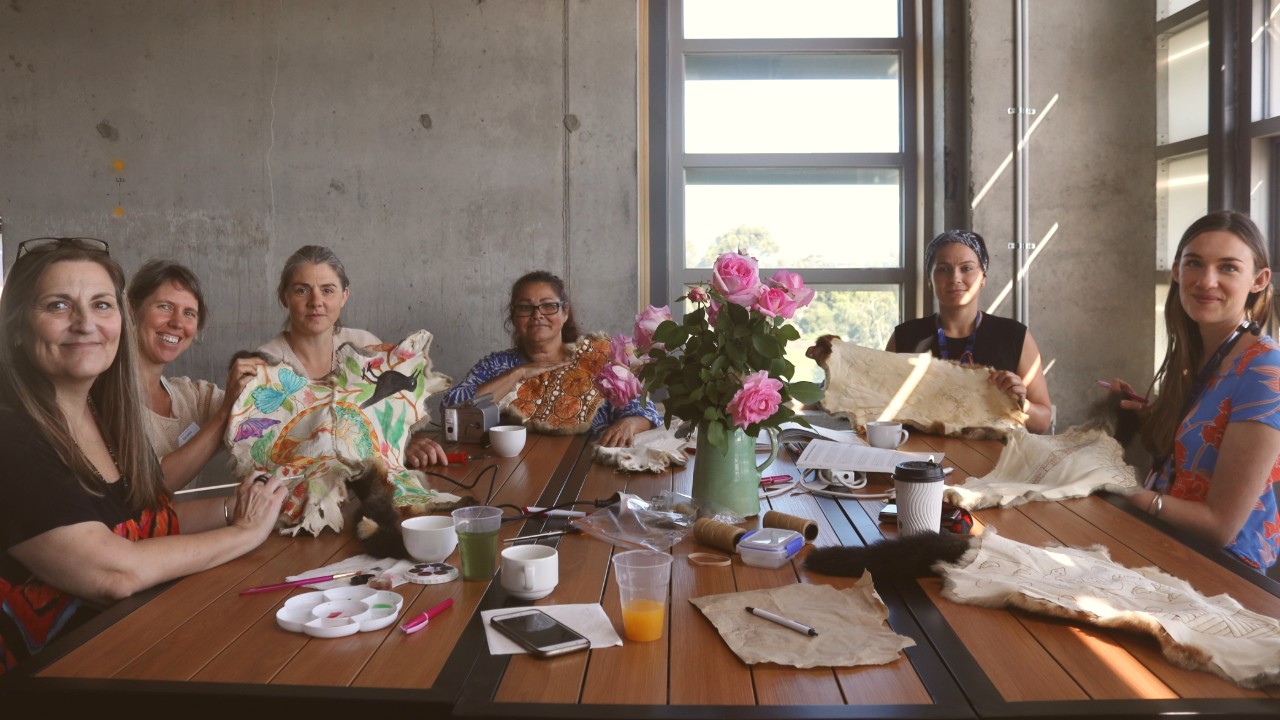
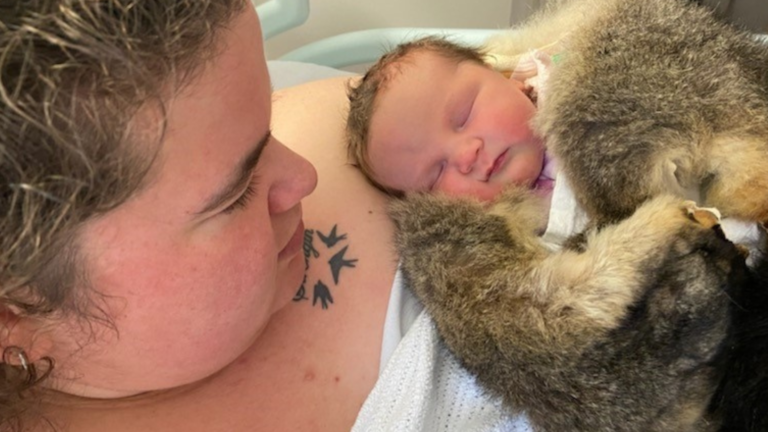
    “However, despite these challenges and just prior to the pandemic, we managed to conduct a successful possum skin workshop and we were able to implement the use of the possum skin baby wrap for all newborn Aboriginal and Torres Strait Islander babies. And with the increased number of women attending our clinic, we had a record high of families attending and birthing at the Northern Hospital in 2021-22.”

    Since 2021, the KMS operates out of their own office spaces located in Ward 13 at Northern Hospital Epping and Craigieburn Centre.

    The KMS team was also recently asked to take part in an ABC documentary exploring health outcomes and hosted by Magda Szubanski, which aired in November 2022.

    In 2023, the team is looking forward to continuing to support all Aboriginal and Torres Strait Islander patients and their families and engage in further projects to ensure their patients continue to have access to culturally safe, holistic, patient centred and enjoyable antenatal care and birthing experience.

    All women who identify themselves, their partners or their babies as Aboriginal or Torres Strait Islander are eligible for the service.

    Thank you to the Koori Maternity Service team for your amazing work!

    Mum Belinda Austin and her newborn baby


    Featured image of first possum skin cloak workshop (left to right): Joanne Quinn, Aboriginal Health Practitioner, Seneka Bowen, midwife, Kate Dawson, Gina Bundle (facilitator), Jakara Elian, Maja O’Connor.