• Get to know: Sharon Jansen

    Get to know: Sharon Jansen

    #WeAreNorthern

    Meet Sharon Jansen, Divisional Personal Assistant, Women’s and Children’s Services

    Q: Tell us about your journey with Northern Health?

    A: On leaving the Army in January 2018, I thought working in hospital administration might be interesting, so I got a job at Kilmore Hospital. After working in so many different areas in the hospital due to COVID-19, I thought Northern Health would be a great place to further pursue my career and it would offer a lot more opportunities. Kilmore was great, but as a 30-bed hospital with only one ward, regular shifts were not consistent and a new challenge was needed, so I applied to work at Northern Health in May 2022.

    I started at Northern Health as a weekend roving ward clerk and absolutely loved the work and challenges that a large and busy hospital offered. Not long after starting, I was asked to backfill at Ian Brand Residential Care in Bundoora, in the capacity of an office manager for a couple of months, and during a period of leave absence. On returning to Nothern Health at the end of the Ian Brand task, the Director asked me if I would be interested in backfilling a vacancy in the Executive Admin area. She was aware of my extensive administrative background, as I had previously worked as a Chief Clerk in the Regular Army, Trade Transfer Warrant Officer Victoria and had many years moving around Australia in different administrative roles – a career I had dedicated 30 long years. I was happy to take on this role and eventually in February 2023, the Divisional Personal Assistant role in Women’s and Children’s was advertised. I decided to apply and here I am today.

    Q: You are wearing your medals today. Tell us a bit more about them?

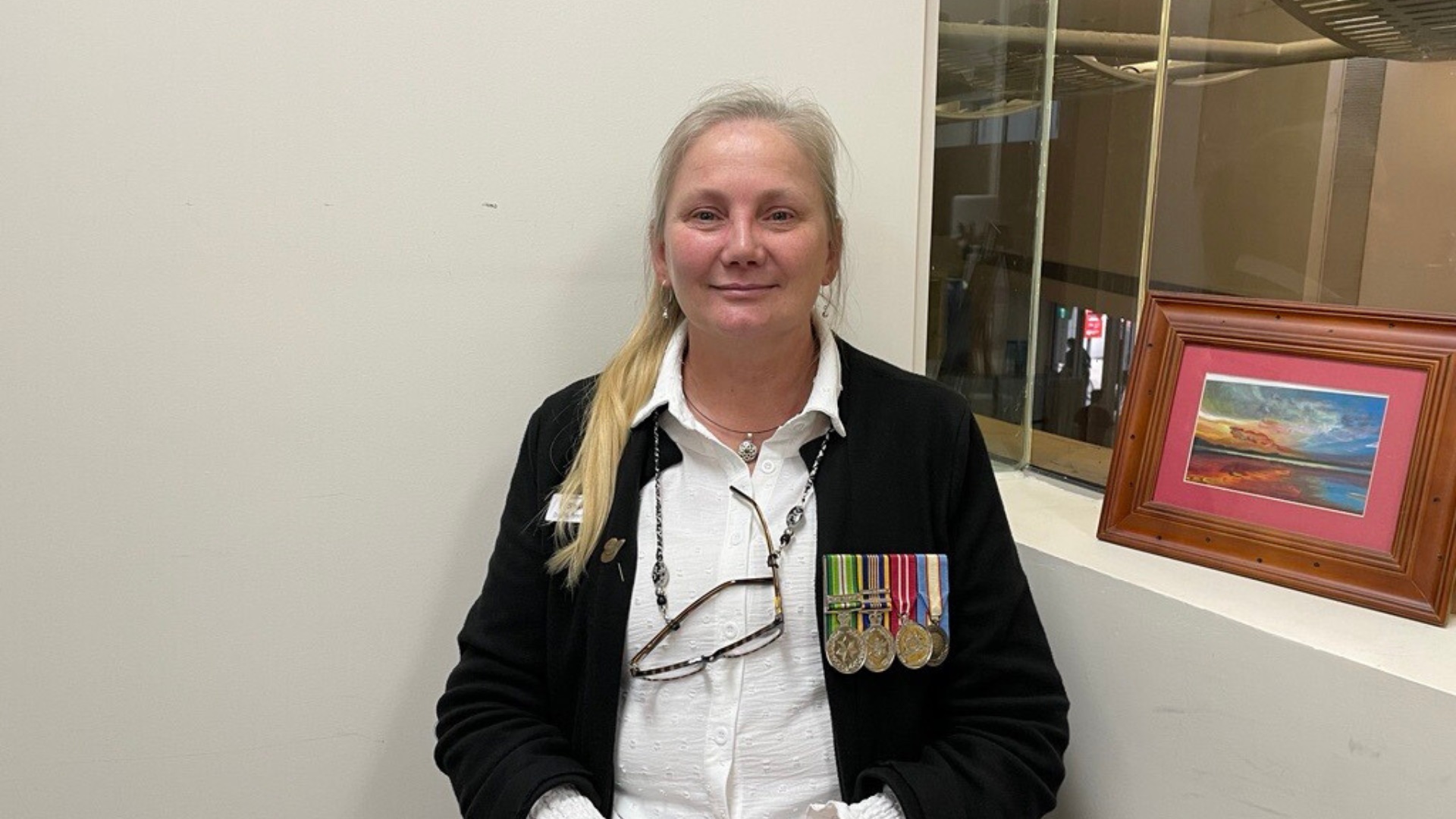
    A: I am wearing my medals today, as I recently attended the Northern Health ANZAC Day Service as a Returned Service Veteran. I wear my medals proudly at memorial events such as ANZAC Day or Remembrance Day. Serving for more than half of my life in the military, I am proud of the service I provided to our country and have many fond memories of my time serving in both Australia and overseas. My medals are worn in precedence of importance (closest to the heart – toward my left arm) are the Australian Active Service Medal for service in East Timor from January – July in 2003, the Long Service Medal with clasps signifying 30 years-service, the Australian Defence Medal signifying four years of service, and the United Nations Peacekeeping Medal for peacekeeping in Timor-Leste. Other awards of service include Australian Day Medallion and Soldiers Medallion for Exemplary Service (not worn today).

    Q: What is your current passion project?

    A: My current work passion project is keeping up with the huge number of emails I get every day and ensuring I submit the doctor timesheets every fortnight before pay cut-off. I am also passionate about improving admin processes for continual improvement and better business practices. My private passion is creating things with my hands. I like jewellery making, sewing and card making. I am currently making new reading glasses chains in different colours, to match different outfits.

    Q: What is your favourite way to unwind?

    A: I love to binge on Netflix with a lovely glass of Shiraz or dining out with friends.

    Q: What is your favourite movie of all time?

    A: Hmm, hard to pick. There are so many great movies, however, I think ‘Saving Private Ryan’ and ‘Castaway’, both Tom Hanks’ movies… he is such a great actor!
  • Starlight rockets into Northern Health with Planet Starlight launch

    Starlight rockets into Northern Health with Planet Starlight launch

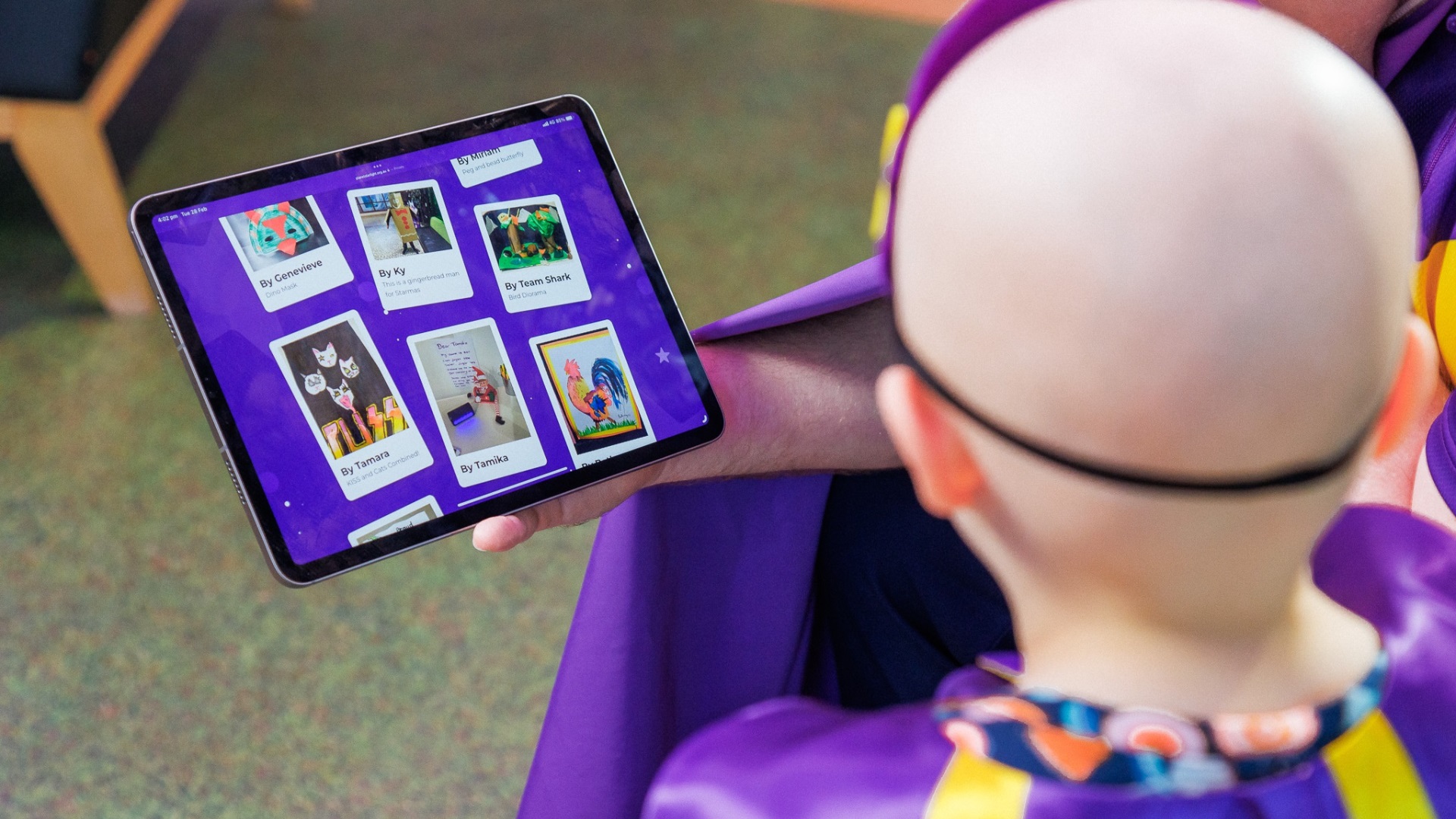
    Starlight Children’s Foundation (Starlight) has launched Planet Starlight, an innovative and interactive virtual platform designed to deliver engaging, positive distraction for sick kids in every hospital in Australia.

    With the launch of Planet Starlight, the organisation can now deliver happiness to even more hospitalised children, especially in Australia’s general and regional hospitals where children’s support services can be limited. Free to register and easily accessible from an internet-enabled device, Planet Starlight features daily, interactive livestreams uniquely shaped by the participation of the kids watching and hosted by Starlight’s superhero of fun, Captain Starlight.

    The platform has been rolled out to patients in 19 metro and regional hospitals across Australia since its launch in November, including Northern Hospital Epping, with another 20 nationwide planned by the end of the year.

    Northern Health Child and Adolescent Health Unit Associate Nurse Unit Manager, Aleks Dimitrieski, says she and her team are excited to partner with Starlight and bring Planet Starlight to Melbourne’s northern community.

    “Innovative digital projects such as Planet Starlight are really important for keeping the children distracted from their, sometimes scary, time in hospital. I’m really looking forward to seeing the positive impact this has on our patients,” she says.

    Planet Starlight was first trialed during the COVID-19 pandemic, when some of the most significant restrictions in children’s healthcare required Starlight to come up with innovative ways to deliver essential programs to isolated, hospitalised kids in any way they could. A virtual Starlight program was designed and delivered in a number of hospitals, where evidence confirmed the power of this live, interactive digital platform where kids led the play.

    “Starlight is uniquely positioned and excited to launch Planet Starlight with a goal to reach sick kids at every hospital in Australia. Planet Starlight takes Starlight into the virtual world for hospitalised kids in need of happiness and positive distraction. Whenever they need it and wherever they are. Children are digital natives, so it’s no surprise Planet Starlight has really taken off!” said Starlight CEO, Louise Baxter.

  • Exercise groups bounce back

    Exercise groups bounce back

    Community Therapy Service (CTS) has welcomed back exercise groups following the easing of COVID-19 restrictions across Northern Health.

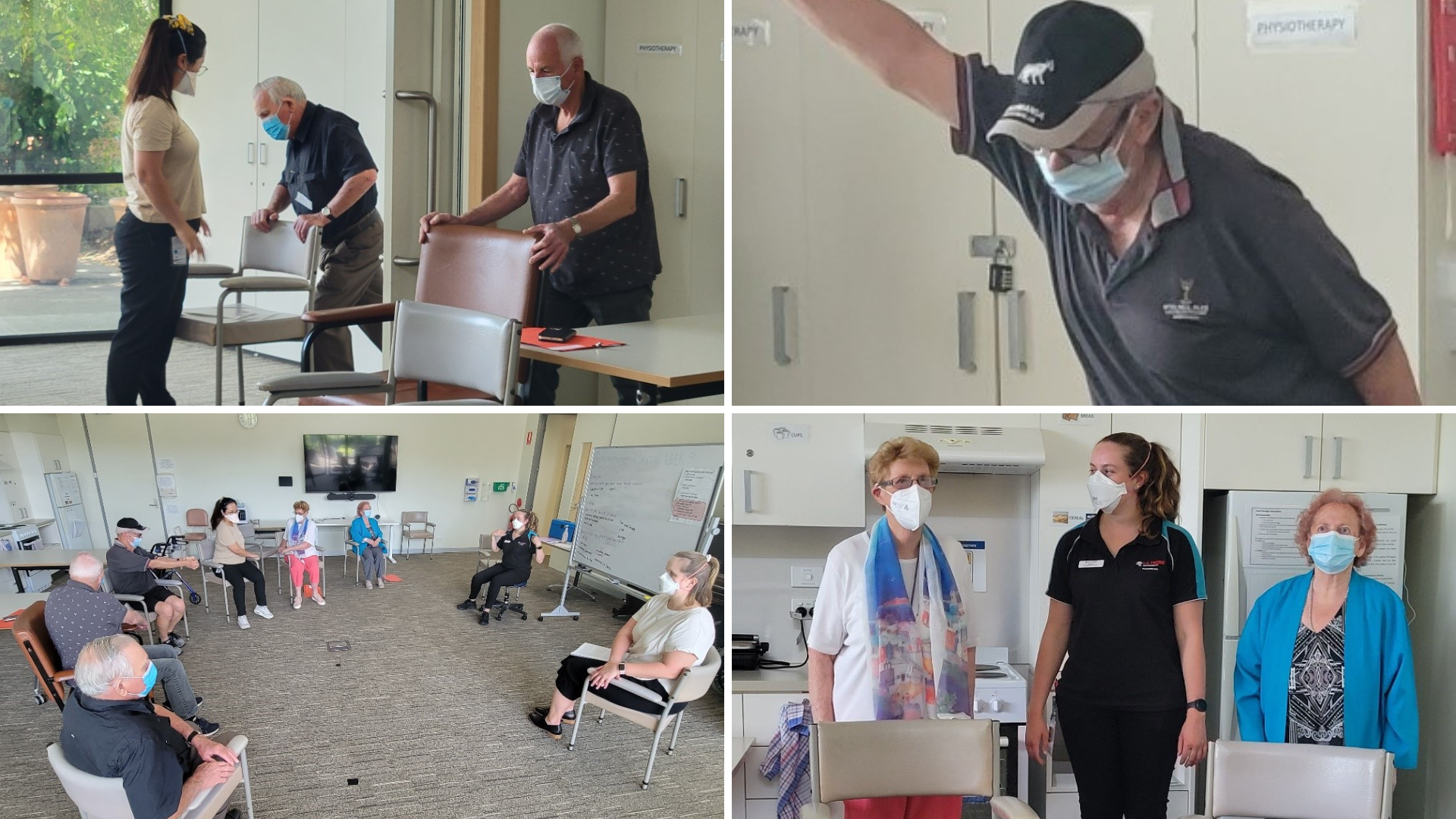
    One of the exercise groups running out of Bundoora Centre and Broadmeadows Hospital is the Balance Boost Group. Clients complete exercises close to benches, tables and chairs, with exercises designed to improve balance and strength, with various levels of challenges. The program runs for eight weeks and involves weekly group exercise and education sessions aimed at reducing the risk of falls.

    Physiotherapists Claire Lee and Lauren Mitchell run the Balance Boost group at Bundoora Centre.

    “Balance Boost is a really fun and social group. As it is a closed group, the same clients attend across the eight weeks, allowing social bonds to be formed and clinicians to build on the education each week,” they said.

    “Involving patients in their education helps improve their self-efficacy and motivation for forming lasting exercise habits, giving them greater control over their rehab.”

    The current participants in the group have been referred to the group to improve their balance, general strength and to reduce their risk of falls.

    As part of the education sessions, clients were asked to identify barriers to regular exercise. Patients responded with, “motivation, pain, time and tiredness” as barriers to regular exercise.

    Patients also agreed that exercise can help prevent future falls, with exercise also important to improving their balance, increasing confidence, reducing pain, feeling good, having pride and being stronger.

    Featured images Balance Boost Group members in action.

  • SimMan 3G manikin: providing education, simulation and training

    SimMan 3G manikin: providing education, simulation and training

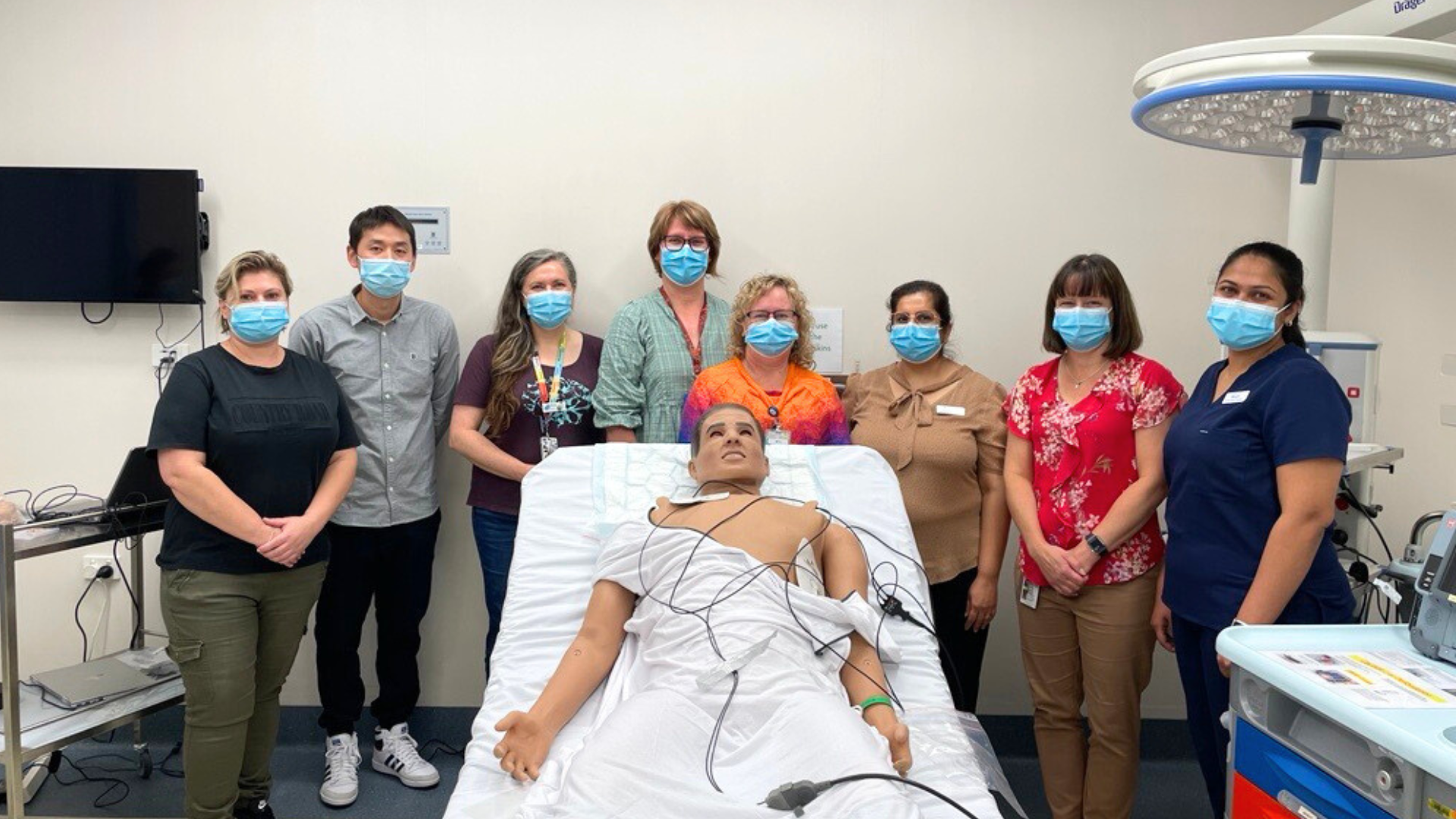
    Northern Health has recently welcomed a new team member in Simulation Centre – a new generation SimMan 3G manikin.

    The manikin was purchased conjunctively by Northern Health, the University of Melbourne and Latrobe University, and will provide base education, simulation and training for Northern Health staff and students.

    The Simulation Centre is also equipped with two older models of electronic SimMen, IV equipment and cameras to provide students and staff with education and training opportunities.

    The new SimMan 3G manikin is a more advanced model than its predecessors, featuring functions such as a highly realistic look and texture, the ability to speak and project a trainer’s voice via a headset and a microphone, various pre-programmed voice-controlled commands, and even the functionality to cry.

    “The SimMan 3G plus has the most realistic patient presentation features. I am looking forward to including SimMan 3G plus in clinical deterioration simulations across the hospital. This will give the learners a real experience and enable them to practice working within the multidisciplinary team in coordinating care during clinical emergencies,” said Clinical Nurse Educator Simulation and Clinical Support Nurse Surgical, Navya Jose.

    Consultant Anaesthetist, Andrew Huang, says having an advanced model available at Northern Health will significantly improve the training opportunities for staff and students.

    “The additional training capacity with the new model has really opened up the possibility to create high fidelity education opportunities for our students and staff to enhance the care we provide at Northern Health,” he said.

    The SimMan 3G manikin can be used by medical, nursing or allied health educators for, but not limited to, deteriorating patient scenarios and cardiac arrest resuscitation scenarios.

    “Students have already said how much more realistic he is. I have used him for deteriorating patient scenarios, and they were much easier to run. The system gave me excellent feedback of CPR effectiveness. The students found being able to have measurable outcomes in CPR, and improvement, very rewarding,” said Dr Pip Wills, Simulation Teaching Specialist, University of Melbourne and Emergency Physician, Northern Health.

    Monika Aulakh, Lecturer at La Trobe University says that SimMan 3G will help students to minimize making mistakes in their future practice.

    “SimMan 3G plus can provide students with a learning environment to develop nursing skills, that is safe and controlled so that the participants are able to make mistakes, correct those mistakes in real time and learn from them, without fear of compromising patient safety.”

    The new SimMan 3G manikin is available for simulation and training sessions Monday – Friday, across all four campuses of Northern Health. To book a session please email simulation@nh.org.au

    Pictured (L-R): Sarah Rexhepi, Simulation Technical Support Officer, Dr Andrew Huang, Dr Suzy Cook, Lorette Botha, Dr Pip Wills, Monika Aulakh, Eloise Willams and Navya Jose with the new SimMan 3G manikin.

  • Get to know: Teneille Talbot

    Get to know: Teneille Talbot

    #WeAreNorthern

    Meet Teneille Talbot, Clinical Nurse Manager, Emergency Department

    Q: Tell us about a career highlight for you while you’ve been with Northern Health?

    A: I have been employed by Northern Health for 10 years, which in itself is a milestone. My greatest achievement to date is becoming a Clinical Nurse Unit Manager (CNUM) in the Emergency Department which has been my home since I started as a graduate nurse.

    Q: What do you enjoy most about your job?

    A: My role is very diverse with clinical and non-clinical work. I love working clinical and I do not see myself giving this up anytime soon, as it allows me to provide care to the patients in our community. I also enjoy being able to support the staff on the floor. My role as a CNUM allows me to have the best of both worlds, work clinical with patients and also be in a position where I can implement change from a senior management role.

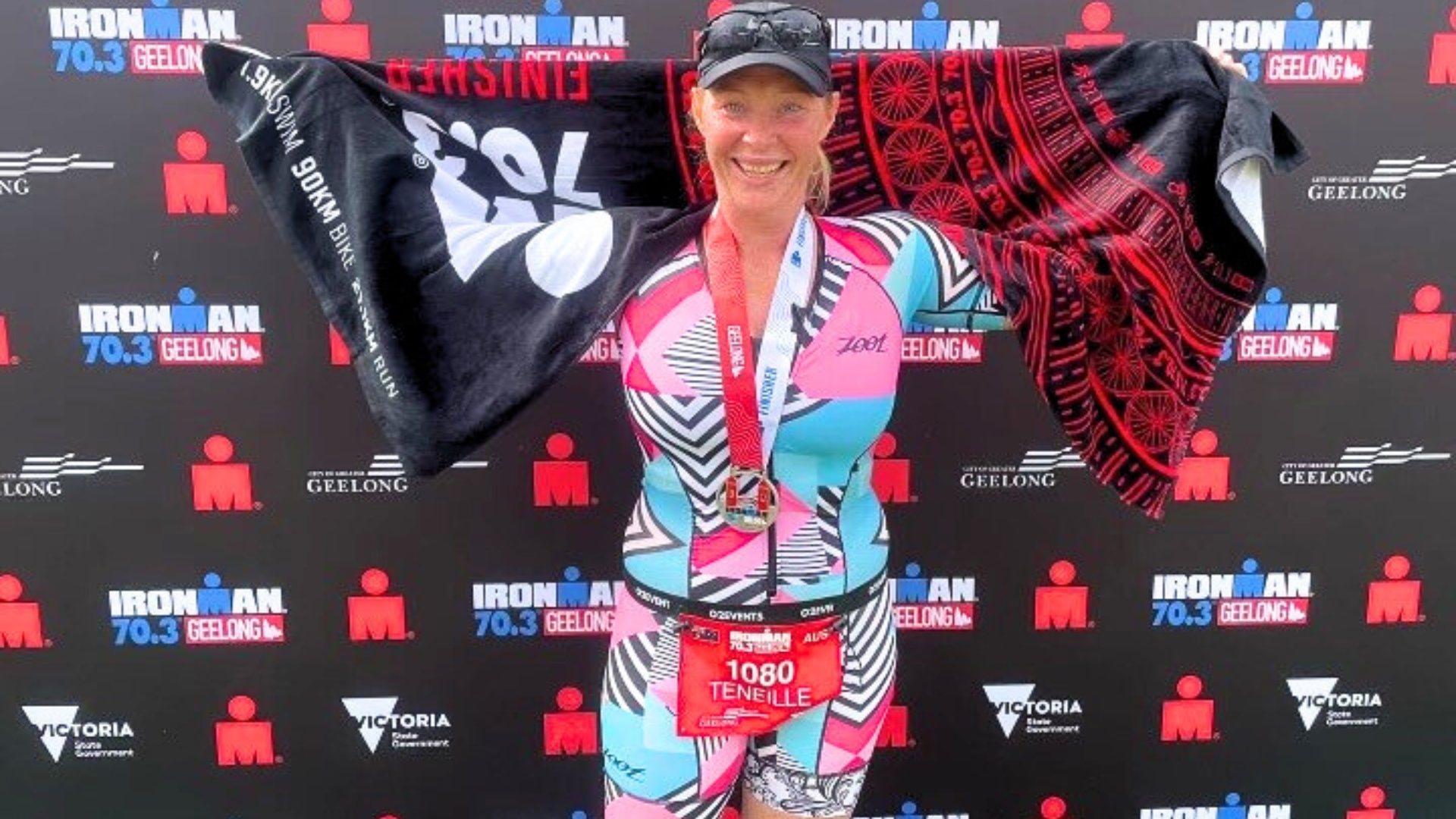
    Q: We understand you recently completed your first IRONMAN triathlon. Tell us more about that?  

    A: The 70.3 Ironman was on my bucket list before the very first COVID lockdown. Since then, I suffered a hip injury requiring surgery, got married, had a miscarriage and then was diagnosed with and beat a rare cancer requiring 14 weeks of chemo. I have always been a strong minded and focused person, and watching my husband complete his fifth 70.3 Ironman, I was determined to complete one myself. It all started with a 26-week training program (written by my husband) for the 70.3 Ironman Geelong. Training consisted of six to seven sessions a week, ranging from 1.5-6 hour sessions, which allowed me to be distracted from the difficult aspects of life at the time. The 70.3 Ironman included a 1.9km swim, 90km cycle, and 21.5km run, which I was able to complete in 6hrs and 42 min (ultimately my goal was to complete it in under seven hours).

    Q: What was the best book you ever read?

    A: I am not a big book reader as this takes time to sit still. I am a very active person, which is why ED nursing has always suited my personality.

    Q: Jeans or sweatpants?

    A: Sweatpants for sure, though if I could choose it would be leggings, I’m all about comfort!

  • ANZAC Day 2023: Lest We Forget

    ANZAC Day 2023: Lest We Forget

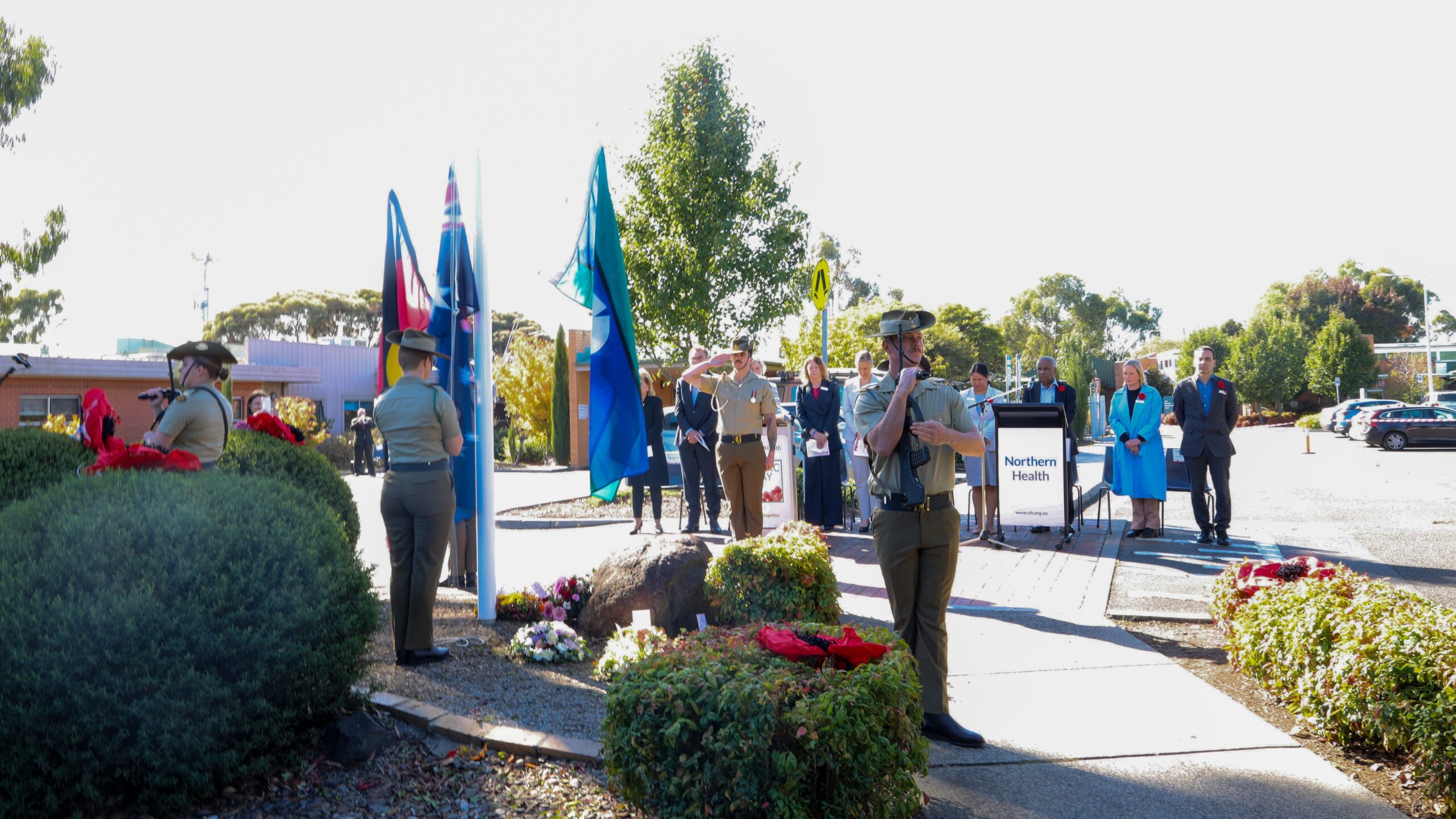
    This morning, Northern Health held its annual ANZAC Day Service at Bundoora Centre.

    Our ANZAC Day Service has been closely associated with our patients for over a decade, particularly those at Bundoora Centre. The service provided an opportunity for us to gather together to remember, reflect and pay tribute to those who made great sacrifices to make our country a safer place.

    The service opened with a mounting of the Catafalque Party from the Defence Force School of Signals, Simpson Wing, before our master of ceremonies, Lisa Cox, Chief Nursing and Midwifery Officer, and Jason Cirone, Chief Allied Health Officer, welcomed everyone.

    “On 25 April, 1915, Gallipoli was the site of the first major military action fought by Australian and New Zealand forces during the First World War,” Lisa said.

    “Today, we remember and honour the 60,000 Australians who were killed and 156,000 wounded or taken prisoner in that war. We also remember over 800 Aboriginal Australians who landed at Gallipoli, 13 of whom were killed in action. We remember the more than 3,000 Australian civilian nurses, who volunteered for active service in the First World War. Today we also pay tribute to more than 1.5 million service men and women, who have served our country.”

    Representatives from across the health service featured and attended the service, including Jennifer Williams AM, Board Chair, Linda Rubinstein, Board Director and Siva Sivarajah, Chief Executive.

    Members of our local community were also in attendance this morning, including Colin Brooks MP, State Member for Bundoora, Minister for Disability, Ageing and Carers and Minister for Child Protection and Family Services, Dal Crocker, RSL Victoria, David Boyle, Bagpiper, Watsonia RSL, Bill Pattinson, Bugler.

    Our very own Northern Health Choir, sponsored by Northern Health Foundation, participated in the ANZAC Day Service, singing The Lord’s Prayer and the Australian National Anthem.

    Thank you also to the Catafalque Party from the Defence Force School of Signals, Simpson Wing, for providing their services today.

    To watch a recording of the service, please click here.

  • Return of the Gastrointestinal Physiology Lab

    Return of the Gastrointestinal Physiology Lab

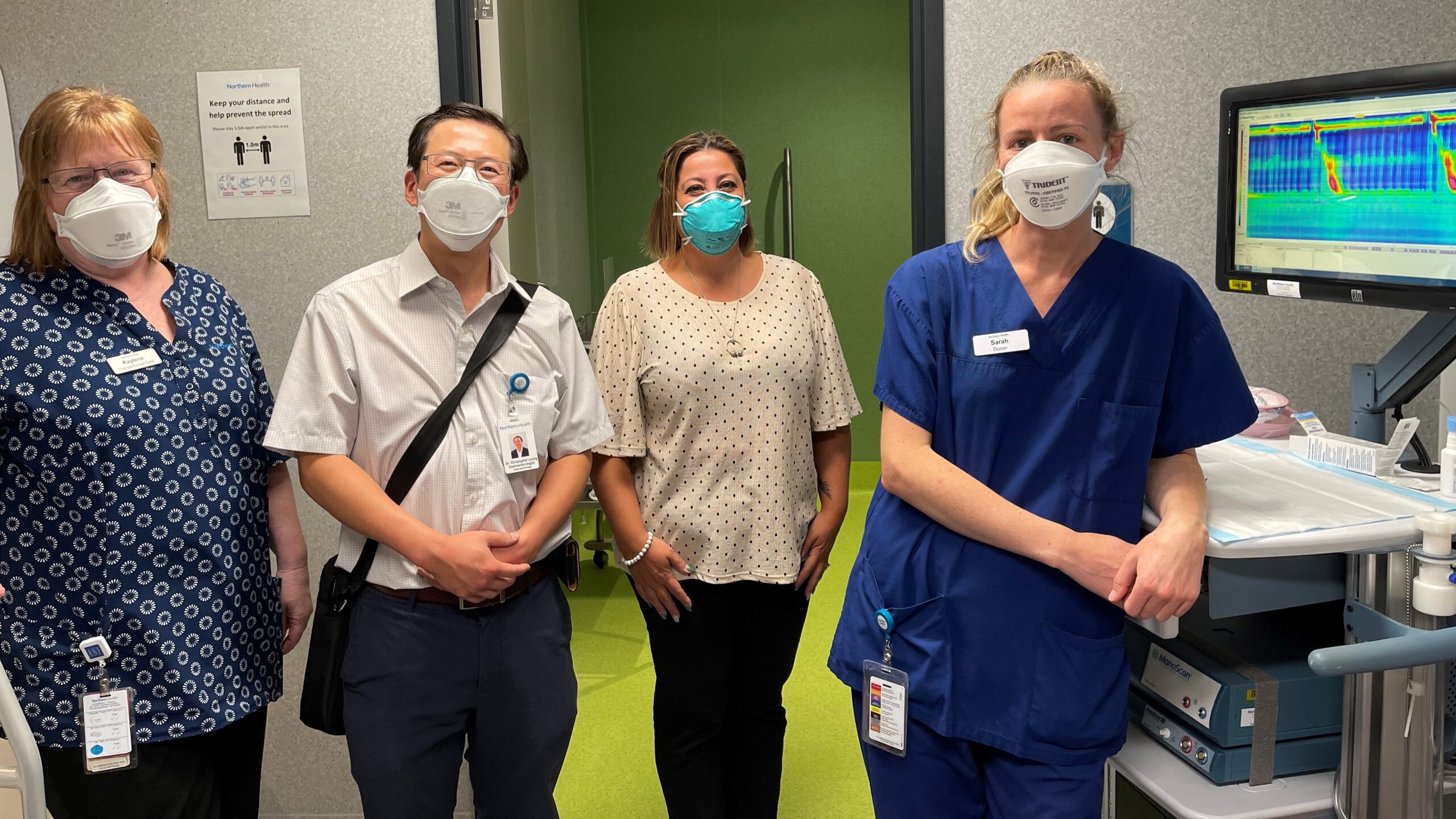
    After a three-year hiatus due to the COVID-19 pandemic, the Northern Health Gastrointestinal Physiology Laboratory has begun providing services again.

    The lab, located at the Day Oncology Unit at Northern Hospital Epping, is equipped with the latest state-of-the-art instruments and analysis software to cater for patients in the rapidly growing northern catchment. The lab provides oesophageal manometry and pH testing service for patients suffering from symptoms such as dysphagia (inability to swallow) and severe heartburn.

    Chris Leung, Gastroenterologist, said many patients with severe dysphagia or heartburn cannot enjoy the simple pleasure of life, like eating a meal.

    “Moreover, when severe, these symptoms can lead to significant weight loss and malnutrition. The Oesophageal Manometry and pH Service at Northern Health is a vital tool in diagnosing the cause of severe dysphagia or reflux. It is also an important investigation prior to upper gastrointestinal surgery,” he said.

    Oesophageal manometry involves inserting a thin, flexible catheter into the patient’s nose and down into their oesophagus. This tube contains sensors that measure the pressure in the oesophagus when swallowing. By using 36 channels, 256 total sensors and 432 points of measurement, high-resolution catheters diagnose important conditions such as oesophageal spasm, ineffective motility and achalasia (inability of the lower oesophageal sphincter to relax).

    A 24-hour oesophageal pH study measures the amount of acid reflux in the oesophagus and determines the severity of reflux. These two tests, alone or together, enables dietary, pharmacological and/or surgical treatments to be tailored to each patient.

    “This is a significant step forward for Northern Health in serving our local community,” Chris said.

    “Severe dysphagia can be very distressing for our patients. The ability to diagnose and treat it quickly is essential for their wellbeing. We have a commitment to provide the highest level of care to our patients and ensure that they have access to the latest diagnostic and treatment options.”

    “Indeed, there is a thrilling satisfaction in witnessing a patient being able to swallow their favourite cuisine with their loved ones after months, or even years, of severe symptoms. Perhaps together, we can truly have our cake and eat it too.”

    Featured image L-R: The Interdisciplinary Team, Kaylene Eckersall, Gastrointestinal Physiology Nurse, Chris Leung, Gastroenterologist, Melissa Gwynne, Day Oncology Unit Nurse Unit Manager and Sarah Taylor, Gastroenterology Registrar.

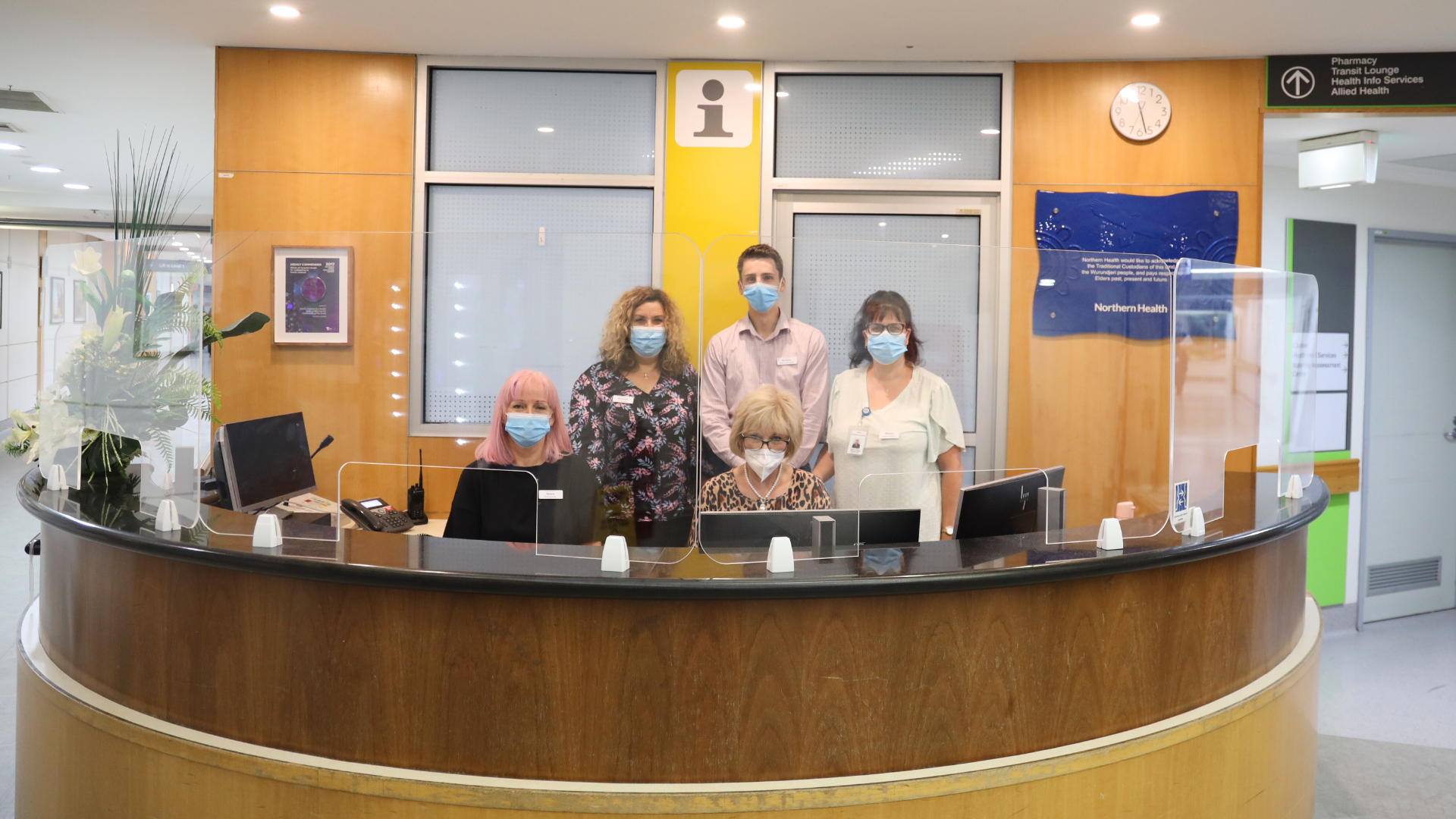
  • We Are Northern: This is the Reception and Switchboard team

    We Are Northern: This is the Reception and Switchboard team

    The Reception and Switchboard at Northern Health operate across Northern Hospital Epping, Broadmeadows Hospital and Bundoora Centre.

    The team is responsible for greeting and assisting patients, staff and the general public, while also answering and directing phone calls from internal and external stakeholders.

    Reception and Switchboard also process incoming and outgoing mail, manage the paging systems, maintain a directory of over 6,500 contact numbers and summarise clinician rosters to ensure quick access to on-call details in an emergency.

    Northern Hospital Epping is a 24/7 department, and the Reception and Switchboard team based there are often the first point of contact for many additional responsibilities that need to be accessed after-hours, including answering after-hours calls for Broadmeadows Hospital and Bundoora Centre.

    Reception and Switchboard also responds to the 2222 Emergency Code Phone. There are 15 different types of Emergency Codes that can be called, each with their own procedures that must be followed.

    There are seven receptionists at Broadmeadows Hospital, eight at Bundoora Centre and 28 at Northern Hospital Epping. Each of them utilises their own individual customer service skills and makes sure they are up to date with Northern Health processes and any changes that may occur.

    Receptionist and Switchboard operator, Gloria Lipus, has recently celebrated 33 years of work and commitment to the health service.

    “In 1990, when my twins were only one year old, I took a job at PANCH because mortgage interest rates were rising. It was only supposed to be a temporary job, but my twins are 34 years old now, interest rates are still rising, and I haven’t looked for another job since,” she said.

    Reflecting back on some of the changes she has seen since she first started, she says life was much simpler back then.

    “Computers and mobile phones replaced the plug and cord switchboard, PANCH became too small while Northern grew bigger and bigger. At PANCH I knew everyone, but now I know only a handful of my colleagues as there are so many of us,” she said.

    Northern Health Reception Manager, Nick Caruana, says that Reception and Switchboard are the main point of contact, and are privileged to work closely with all of the Northern Health’s stakeholders.

    “From patients and their families to the staff that keep this place running, Reception at some point will assist most people who either enter the hospital or call seeking assistance,” he said.

    The pandemic triggered a number of changes within Northern Health that Reception and Switchboard had to stay on top of, all the while handling 30,000 – 45,000 calls a month – a 50 per cent increase in call volume compared to before the pandemic.

    “During this time, the Reception and Switchboard team were instrumental in keeping information flowing across Northern Health to our stakeholders, which I can confidently say was handled exceptionally well,” said Mr Caruana.

    In 2023, the Reception and Switchboard team is looking to streamline their current processes to make them more efficient. One way in which they have already achieved this is by automating Northern Health’s clinician on-call rosters to ensure they always have online, up-to-date information.

    They also look forward to increasing their workforce as Northern Health’s catchment keeps expanding and staying up to date with any changes that come with Northern Health’s incredibly exciting growth.

    Thank you to our Reception and Switchboard team for everything that you do for Northern Health!

    Receptionist and Switchoard operator Theresa Micallef- Broadmeadows Reception
    Receptionist and Switchboard operator Grace Parisi- Entry 5 (Northern Hospital Epping)

    Pictured in featured image (left to right): Receptionists and Swtichboard operators Debra Kinder, Elizabeth Anagnostou,  Bianca Greig and June Duckmanton with Hospital Reception Manager Nicholas Caruana