• World Patient Safety Day

    World Patient Safety Day

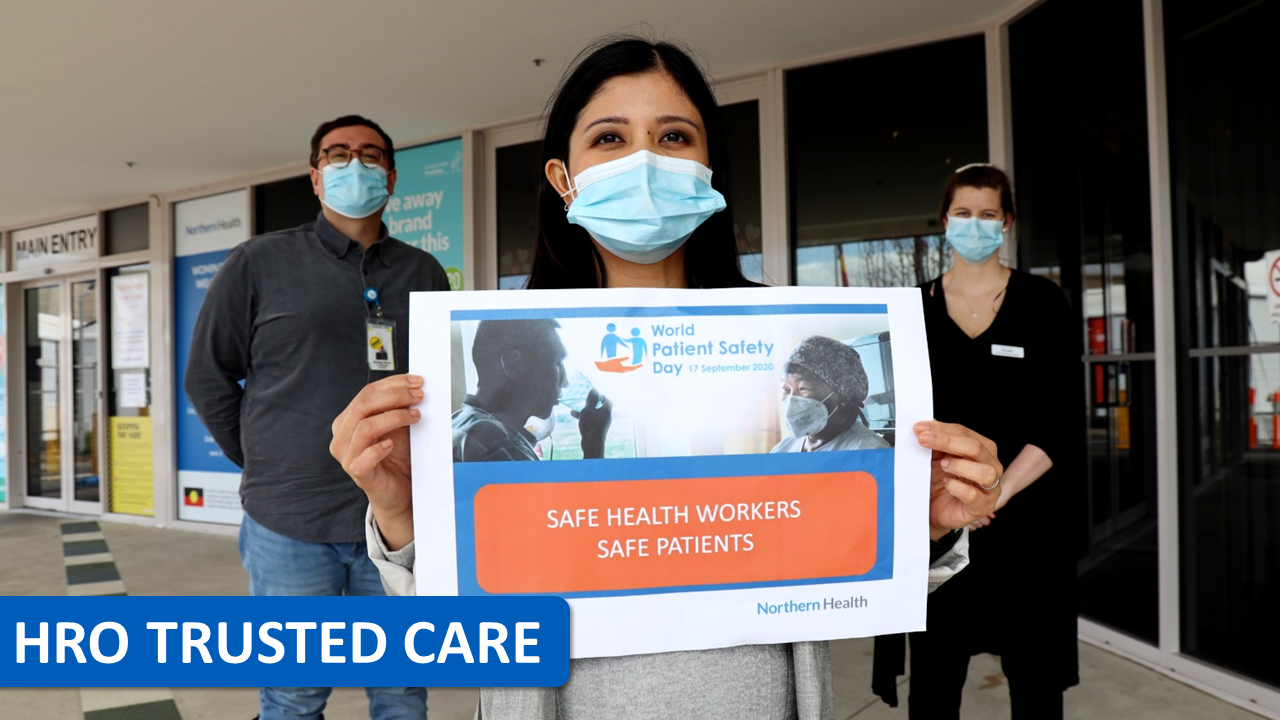
    Today, the World Health Organisation is commemorating World Patient Safety Day. The COVID-19 pandemic has unveiled the huge challenges and risks health workers are facing globally, and that is why the World Patient Safety Day 2020 theme is ‘Health Worker Safety: A Priority for Patient Safety’, with the official slogan “Safe health workers, Safe patients”.

    Our High Reliability Organisation (HRO) transformation puts patient safety at the centre of everything we do. To help increase patient safety, as well as to work on developing and implementing HRO quality and safety projects, the ‘HRO Champions Network’ was formed a year ago.

    The group is co-chaired by Paula Kuder, Nurse Unit Manager, Renal Services, and Nicholas Romeo, Head Respiratory Scientist, and has ten staff members from various campuses and departments, from finance to physiotherapy. Jeff Vasquez, Access Manager from Broadmeadows Hospital, says the team shares the passion for patient safety, but also patient experience.

    “The network is about staff leading and creating projects, and taking the HRO principles back to their departments. Some of the projects we are working on are new ways of delivering staff education and streamlining the processes, in line with COVID-19 requirements. Also, we are working on ideas that were planned for our Hack Weekend, and numerous operation projects on how we can work more efficiently. The group is also supporting the Staying Well initiative,” Paula explained.

    Prior to these system-wide initiatives, the group feels quality was seen as a individual practitioner and ward-based system improvement, while HRO looks at the whole system and how to join initiatives and processes to improve processes and quality for all.

    “This way of looking at services and how we improve has a direct effect on patient safety,” added Molly Galea, Allied Health Education lead.

    The members have shared different interpretations of what ‘Safe health worker, Safe patient’ means to them.

    For Nicholas, keeping staff in respiratory departments safe is essential as the team understands that staying healthy and minimising risks is essential for being able to help patients.  Jay Lakmal, Finance Manager and also a member of the committee gave a financial perspective:

    “When staff feel safe, we can see how it reflects in our activity. There are less personal leave rates and this improves our overall activities, and it is one of the contributing factors to our operational efficiency,” he explained.

    Molly touched on the recent ‘Conversations on Mental Wellness’ week, adding that she feels proud of how the organisation has responded to the need for staff emotional safety.

    “As an organisation, we are going through a huge change and disruption, as well as uncertainty, that is why it is important that all of us, all colleagues, look after each other’s emotional wellbeing”.

    Steve Ferguson, Physiotherapist, added that when a patient and the health worker feel safe, there is facilitation of communication and collaboration between them, and also between the health worker and the colleagues.

    “The concept of safe health worker is key for facilitating those conversations,” he added.

    The HRO Champions Network welcomes new members, as well as new HRO projects. To get in touch, please email hrochampionnetwork@nh.org.au


    HRO Champions Meeting


    Featured image: Nicholas Romeo, Kirstin Tirant (back) and Paula Kuder (front).
     

  • HARP: Nursing in the Community

    HARP: Nursing in the Community

    This week as part of Nursing in the Community Week, we celebrate our community nurses, who give special meaning to the phrase “frontline heroes”.

    Community nursing is a very broad description of many roles undertaken by nurses outside of the hospital setting. “The work community nurses do is not unlike the work of nurses in a ward; it includes highly technical procedures such as those done by nurses in Hospital In The Home (HITH) program or in Wound Clinic, and expert assessments such as those done by Clinical Nurse Consultants working in the Hospital Admission Risk Program (HARP),” says Johanna Hayes, Operations Director, Community Programs.

    HARP provides services for people with chronic diseases and complex needs who need assistance with keeping safe and well at home. Specifically, they look at patients with chronic cardiac disease, chronic respiratory disease, diabetes, older patients with complex needs and patients with complex psychosocial needs or dementia.

    The HARP team includes a specialist team of highly skilled care-coordinators from Nursing and Occupational Therapy backgrounds, Heart Failure and Respiratory Clinical Nurse Consultants, Physiotherapists, Social Workers, Geriatricians, Psychologists, Diabetes Nurse Educators and a Health Coach.

    Julie Tran, Registered Nurse Care Coordinator HARP, says the program, “Provides disease specific education, care coordination, health coaching, allied health therapies and medical review.”

    The program involves the patient, their carer, their GP, hospital staff and other community organisations to develop and implement a care plan that maximises health outcomes, maintains the person in their residence of choice and reduces preventable hospital admissions.

    Recent data has shown that as a result of the HARP program, unplanned admissions had been reduced by 69 per cent and, in a 6 month period post-intervention, hospital admissions in these patients reduced by 54 per cent.

    Julie says her move to community nursing was prompted “after working in the emergency department for a number of years and seeing first-hand the complex medical and social issues that lead to hospital presentations.”

    Julie with her client Sheila Clapson. Says Sheila of the HARP Program, “There is always someone there to answer your questions and someone who could visit, if need be.”

    Julie says each client is unique and the issues that arise are varied. “Prior to COVID-19, my day consisted of phone calls and home visits, during which I could monitor chronic disease management and provide education, liaise with local GPs and other health professionals, speak with and organise community support services, and ultimately advocate for the holistic needs of the client.”

    “My day looks a bit different during COVID-19 as home visits require more planning and clients become more vulnerable due to social isolation, financial stressors and lockdown restrictions,” says Julie.

    “Despite this, the HARP goals remain the same: helping clients to meet their physical, social and emotional needs in order to prevent avoidable hospital admissions,” she adds.

    “Working in community nursing is a great way to practice holistic, person-centred care,” says Anne Marie Fabri, Associate Director, Community Programs.

    “Working in someone’s own home, with their family or supports around them, helps remind us that our patients are people, members of their own community, and that we need to work with them to meet their goals,” she says.

    Julie agrees. “I really enjoy community nursing because of the opportunities to develop positive health care relationships with clients. The barriers to building rapport in the acute hospital setting have less impact in the community, as we are now in their environment and we have more time to listen to their needs.”

    “Ultimately, a simple phone call or a home visit is appreciated by our clients and personally rewarding for me,” says Julie.

    Featured image shows Julina Shariff, another member of the HARP team, pictured with her client Andrew Carrigan. Says Andrew, “Julina did everything for me. I can’t thank her enough. She deserves a medal!”

  • Staying in touch with loved ones

    Staying in touch with loved ones

    The COVID-19 pandemic has made spending time with loved ones challenging for everybody, especially those being cared for in hospitals and aged care facilities.

    John Wakim, Recreation Officer at Bundoora Centre, has created a new program to help families stay connected to their hospitalised loved ones during this difficult time.

    He initiated the program, ‘Staying in touch with loved ones’ in July this year, using Skype video calls whilst current visiting restrictions are in place.

    “With visitor restrictions in place, families aren’t able to visit for safety reasons. But even if they can’t physically be with their loved one in hospital, our recreation service is working hard to ensure they can still be connected,” he said.

    “This program was made possible with the help of Northern Health Foundation, from an approved grant for new equipment for Bundoora Recreational Therapy. Part of the grant was to purchase tablets for our clients on the wards,” he added.

    John is very passionate about this new program and helping families in our community stay in touch.

    “Video calls help keep patients engaged and a part of their loved ones’ lives. They can still see their grandchildren, have that morning coffee with their friends and be virtually present for memorable moments like birthdays,” John said.

    “It allows patients to remain physically distant, but emotionally present and can help patients cope with this pandemic.”

    The wards collect contact details of patients and families who would like to participate. John calls the family first to assist them with any technical issues, ensuring they have the required technology and internet connection at home. Once organised, John will go to see the patient and facilitate the call for them.

    For patients recovering, John says maintaining a social connection with loved ones can enhance their overall wellbeing.

    “To see their loved ones, it improves their mood and they are reassured that their loved ones are OK – because patients are worried about their families too, along with their families being worried about them.”

    John has been working closely with the Nurse Unit Managers and their staff at Bundoora Centre to get this up and running and the program has proven very popular already, receiving fantastic feedback from appreciative families.

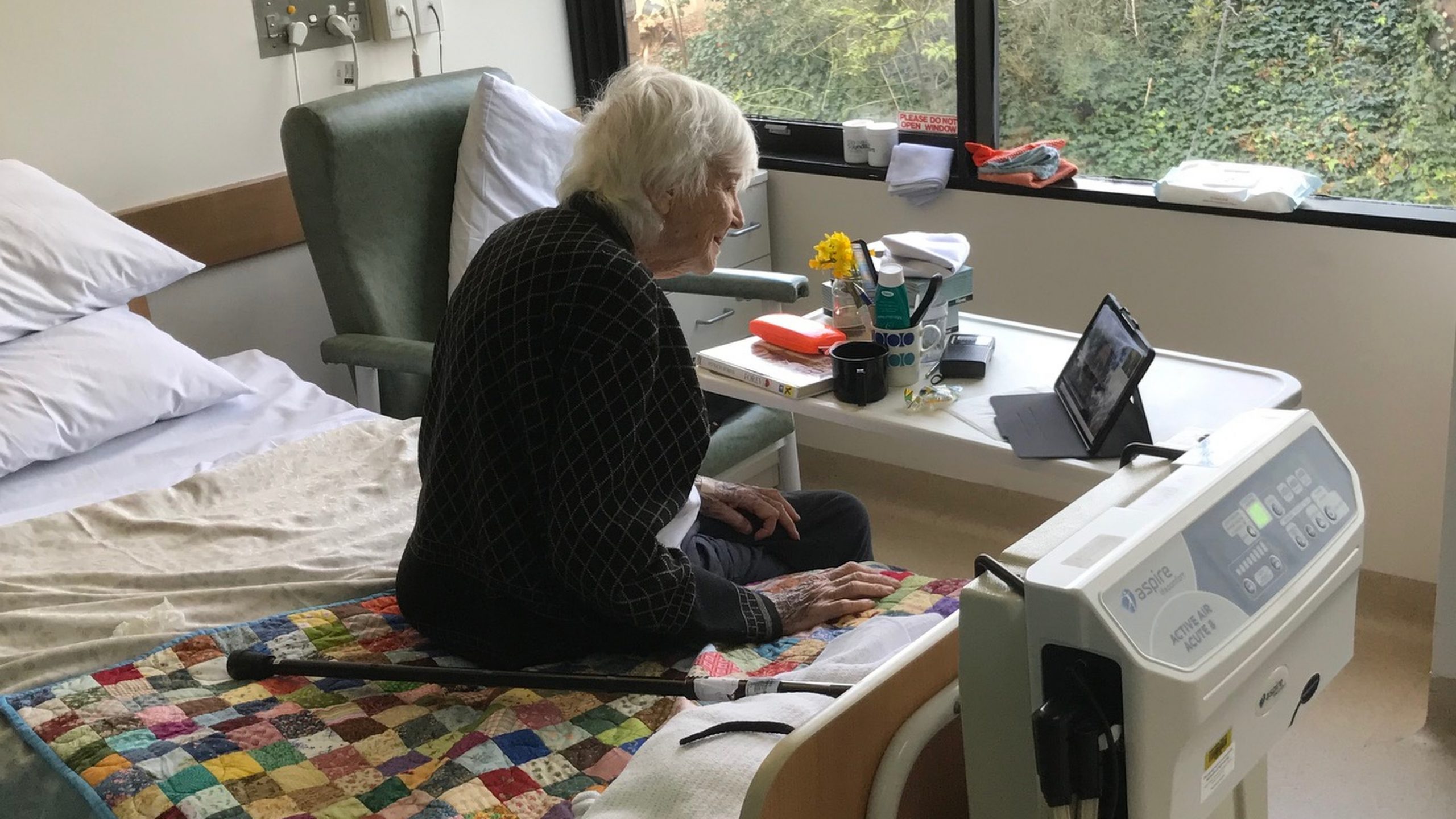
    Barbara (pictured above) and her son Michael are extremely grateful for this service.

    “It’s the only opportunity I’ve been able to see my mother, so I’ve found the calls extremely useful and beneficial,” Michael explained.

    “It’s a wonderful service because it’s really catering for the needs of families. Families are finding it very difficult at the moment so it really helps – to be able to see someone in their environment and look at their face – you can pick up on how they’re going,” he said.

    “John does a wonderful job in organising it and makes sure you understand how to use the technology. My mother has commented on what a highly valuable member of the team he is,” Michael added.

    John facilitates approximately 10 video calls a day and there is currently a waitlist due to the popularity of the program.

    “We’ve been very busy because families are missing their loved ones, so they are very grateful and it’s been really positive. We are also now providing this service in the Kath Atkinson Wing (KAW) where patient stays can be a bit longer,” John said.

    Even when visiting restrictions are lifted, John says he hopes to continue this program in future to help families that, for various reasons, may not be able to visit.

    Featured Image: Patient, Barbara video calling her son Michael. Patchwork quilt generously donated by North of the Yarra Quilters Guild. 

  • Cathy and Judy: a tale of two community nurses

    Cathy and Judy: a tale of two community nurses

    This week is Nursing in the Community Week, celebrating those who work in a wide range of areas outside of hospital settings. To highlight this week, Northern Health will focus on some of our amazing staff and services that support our patients in the northern community and give special meaning to the phrase “frontline heroes”.

    Cathy Edgar, DipApp (Nursing), GradDip Neuroscience, MNS, PhD, works in our Chronic Wound Service Centre at Bundoora Centre and operates an In-Reach Program on Thursday and Friday. Cathy has been a nurse for 47 years. Judy Constantine has been an enrolled nurse for just over ten years, six of those in the Post-Acute Care service, also at our Bundoora Centre.

    Although they work in different departments, Judy says they have a special bond, describing Cathy as her mentor. Judy explains she has just commenced studies to qualify as a Registered Nurse, Division One, and that Cathy, “with all her experience is being very helpful and guiding me.”

    The other special bond that Cathy and Judy have is their passion for nursing in the community.

    “The work community nurses do is not unlike the work of nurses in a ward; it includes highly technical procedures such as those done by nurses in our Wound Clinic and medication management and clinical nursing care in Post-Acute Care ,” says Johanna Hayes, Operations Director Community Programs.

    “Working in someone’s own home, with their family or supports around them helps remind us that our patients are people, members of their own community, and that we need to work with them to meet their goals,”says Anne Marie Fabri, Associate Director Community Programs.

    Cathy is clear, “If we don’t work with the patient and with their family, we won’t get anywhere – because it’s their body. We are very oriented towards the patient-centred model.”

    Judy says, “When we work in the community, we are working not only with the patient, but with their families as well. So when we set up care, we always need to involve them.”

    Continuity of care is a big factor in the service they provide. “When the patient goes home we are often that first point of call. We are always ready to listen to the family and strive to provide that continuity of care, as best as we can,” says Judy.

    “Nursing in the acute sector is lifesaving stuff. When they come to us, it is more restorative care with the support we have – and we have heaps,” says Cathy.

    Julie Tran, Registered Nurse Care Coordinator for HARP (which we shall hear more about later in the week) says, “The barriers to building rapport in the acute hospital setting have less impact in the community, as we are now in their environment and we have more time to listen to their needs.”

    As Cathy puts it, “When you get to know your patient, you know exactly what colour of tiles they have in their bathroom!”

    “We know them very well; we know their idiosyncrasies- and we are interested because that is what connects us all!”

    Judy says Northern Health has done something special within the Department of Post-Acute Care, by providing an in-house nursing service that helps ensure continuity of care.

    “It’s working well as, if nurses have any concerns, they can read up on the same notes and follow up with the doctors, whoever they need to ensure they can provide that care out there in the community,” says Judy.

    Cathy on her part is pleased that, “When we visit homes or aged care facilities, we have the benefit of ringing our In-Reach team, which includes a geriatrician and two nurses. They will come in and the doctor will assess the patient right away and this will happen even in the home.”

    The current pandemic has further underlined the importance of nursing in the community.

    Says Anne Marie, “Often we are caring for people who are socially isolated and vulnerable, and our care is what makes the difference.”

    Cathy says the challenge for the older people and the people they visit in aged care facilities is the separation from family.

    “Because we deal with them for such a long time, we end up being a bit like their family. They may not see their daughter, but they will see us instead,” says Cathy.

  • Ward 16: Embracing the challenge

    Ward 16: Embracing the challenge

    From March to July this year Ward 16, a 32 bed surgical/medical ward, cared for both suspected and confirmed COVID-19 patients ranging from the ages of 20 to 98 years.

    Elizabeth Schultz, Associate Nurse Unit Manager (ANUM) for Ward 16 says, “Our ward, prior to COVID-19, was predominantly a surgical ward, caring for colorectal and urology patients. Our surgical nurses quickly needed to learn new skills and familiarise themselves with medical and respiratory nursing.”

    “The staff embraced the challenge, took full advantage of the additional resources and education provided to us while preparing for a potential influx of patients.”

    Liz says wearing PPE for long hours and caring for people isolated from their loved ones, at a time when they need their loved ones more than ever, was both challenging and rewarding.

    She says on top of this, the team had to deal with the stressors involved with isolation, and the added risk that they themselves might contract COVID-19.

    “During this time, some of our staff moved out of their homes to protect their families,” says Liz.

    Keeping everyone safe during this pandemic has been an important consideration.

    “As a team we felt well prepared for what could potentially occur, and doing everything the safest possible way and supporting and looking after the wellbeing of each other,” says Richard Ram, Acting Nurse Unit Manager for Ward 16.

    “For me personally, there is something very poignant about the way elderly patients have been particularly affected by COVID-19.”

    Liz agrees. “By far the emotionally hardest but most rewarding thing we have done is to help loved ones, via skype, see and say goodbye to their parents, grandparents and friends.”

    The caring and compassion in Ward 16 – even behind closed doors and PPE – hasn’t gone unnoticed.

    The daughter of one such patient wanted it conveyed that, “Your team were able to turn something that was a distressing experience into something positive.”

    She in particular wanted to thank ANUM, Alycia Sharp, for how grateful she was to her for the kind and thoughtful way that she interacted with both her dad and her family.

    The daughter went on to say that she felt reassured and calm knowing her dad was respected and cared for during his final hours. The daughter was so touched by the care provided, Alycia got a special mention in the eulogy for her father.

    Dr Christian McGrath, General and Infectious Diseases Physician and our COVID-19 lead, had this to say to the staff at Ward 16:

    “These are challenging times that I don’t think most of us ever expected to encounter in our lifetimes and you’ve proven to be the best of us by stepping up to the challenge and doing something that most of your peers never have or hopefully never have to do.”

    Linda Romano, Divisional Director Nursing, Surgical Services, says the commitment of her team in providing care to our northern community has been remarkable and says, “Thank you all for the exceptional display of dedication and team work.”

    “We’ve been given an amazing opportunity to contribute to the northern community and experience nursing in a time like no other. We will forever be changed by this experience,” says Liz.

  • Grab a virtual coffee with a colleague and ask: R U OK?

    Grab a virtual coffee with a colleague and ask: R U OK?

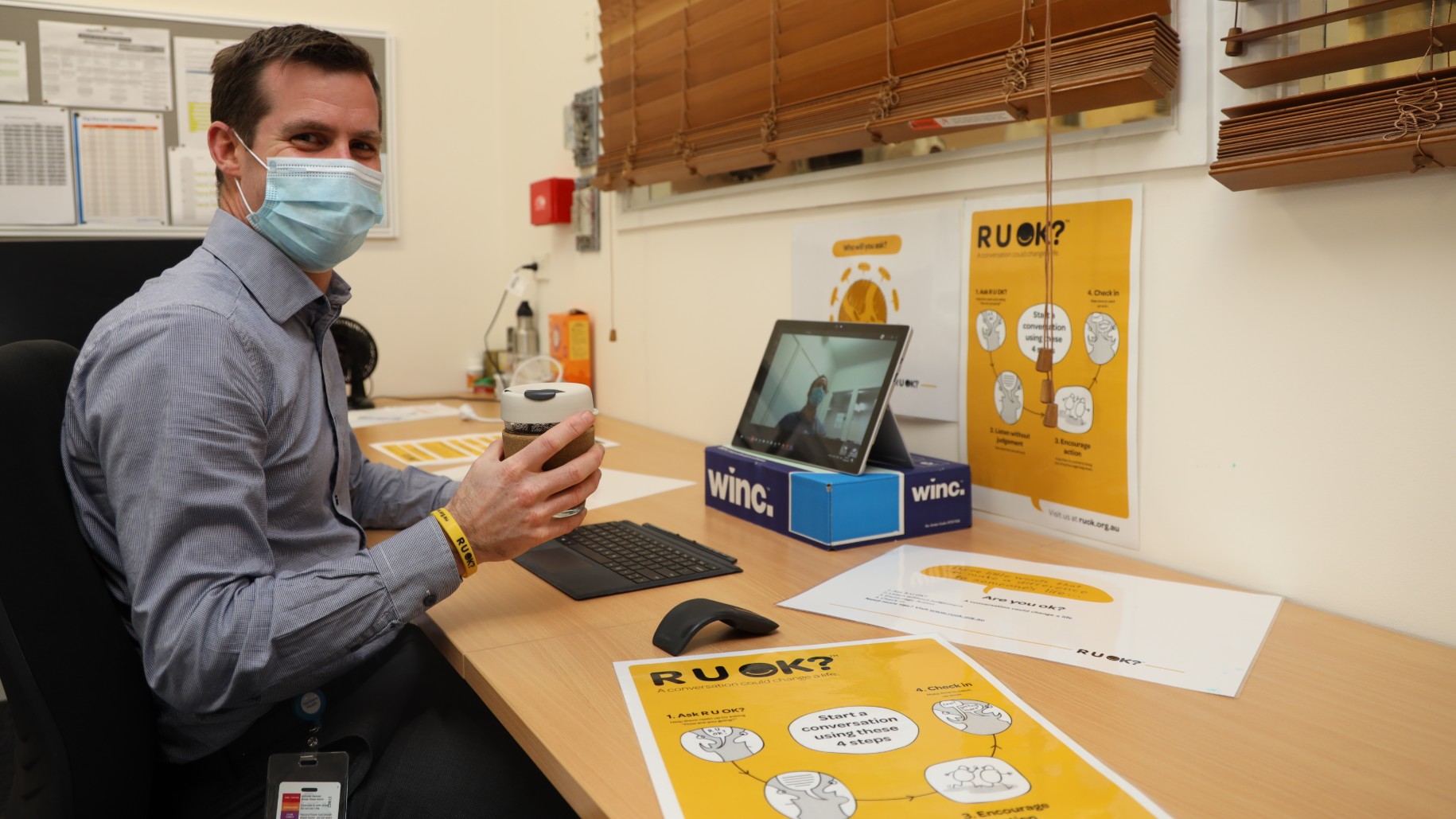
    Today is R U OK Day, a national day of action when Australians are reminded that every day is the day to ask, “Are you OK?” if someone in your world is struggling with life’s ups and downs.

    R U OK Day at Northern Health started with a Grand Round talk on the ‘Pandemic of Kindness Movement’, presented by A/Prof Jane Munro, Head of the Rheumatology Unit at The Royal Children’s Hospital.

    Jane is passionate about the wellbeing of her colleagues and staff working in medicine and health care. Along with some of her colleagues nationwide, Jane set up the ‘Pandemic Kindness Movement‘.

    The Movement is aimed at supporting and enhancing the health and wellbeing of all health care workers during the COVID-19 pandemic. It also focuses on spreading kindness and supporting clinicians and health care workers throughout the COVID-19 pandemic, but also on improving health care through culture change, encouraging leaders to look after their teams, and colleagues to keep an eye on each other’s wellbeing.

    “For R U OK Day, the key is to think of wellbeing every day, to be generous and kind to others and also kind to yourself, and making sure you get your basics covered – getting enough sleep, enough sunshine each day, and trying to do something each day that makes you feel good. This is different for everyone. If you are working in a COVID-19 ward under PPE and struggling, do something that you know will make you feel good – it might be good food or hugging your dog when you get home, or doing simple stretches,” she said.

    During her talk, she mentioned a couple of times that, “we are in the same storm, but not in the same boat,” and that different life and personal circumstances, as well as different professional roles and personalities, will impact on how we deal with the pressure of the pandemic.

    “Everyone is different. For example, I have three kids who are all home schooling and won’t be back to school any time soon. Other people are living on their own, and they haven’t had a hug for six months. That is why this bubble concept is really important for them. Others might be caring for someone with a serious illness. There are so many stories, that is why we need to think how to sustain ourselves and maintain our human connections,” she explained.

    Our OHS & Wellbeing team agrees that keeping in touch with others and your colleagues, no matter if you are working from home or onsite is essential to your wellbeing. That is why all staff at Northern Health are encouraged to set up a virtual coffee with a colleague via Teams or telephone, and talk about not just work, but also about every day life and help share the load.

    “Staying connected to people is an important part of looking after your mental health. You don’t always have to speak to colleagues for ‘work reasons’. Give someone a call or a Teams chat to check in on them,” said Will Halpin, Director OHS & Wellbeing.

    A fantastic rest and recovery session is also on offer this evening for all staff – Jo Gibbs from Treat Healthcare will be holding a 45 min relaxation and mindfulness session at 7 pm.

    To join the session, please click here (MS Teams link).

  • Child Protection Week: Putting children first

    Child Protection Week: Putting children first

    This week, the Northern Health social work team are celebrating National Child Protection Week (NCPW).

    Held annually in September across Australia, Child Protection Week raises awareness of child abuse prevention and all issues connected with child protection.

    The theme for 2020 is ‘Putting Children First’ and under this theme, all Australians are invited to look at how they can prioritise children in their lives and communities.

    Tanya Ellis, Senior Social Worker and Project Support Officer – Strengthening Hospital Response to Family Violence, said, “We know that child abuse and neglect is a significant social problem throughout Australia. Child abuse is rarely a one off incident and is always harmful to a child.”

    “We encourage our staff and our community to think about how they can prioritise children in their lives – putting children first means prioritising their safety and wellbeing. Children need to feel safe and loved, have opportunities to play and explore, have a say in decisions that affect them and have access to essential items such as food, shelter and health care,” she said.

    “In order for children to thrive we need to come together as a community and put children’s needs first not only during Child Protection Week – but every week,” she added.

    Putting children first is especially important during the pandemic.

    “Children are our little heroes at the moment! They are unable to see their friends and extended family and can’t do the fun things they normally would, so they need extra support, love and reassurance.”

    For parents who may be struggling to explain the need to continue to stay home to children, The Wiggles have created a video for them to watch about COVID-19 and physical distancing. They reiterate that the importance of staying home doesn’t have to be a scary conversation. Your children can sing and dance along at home and become a hand washing hero!

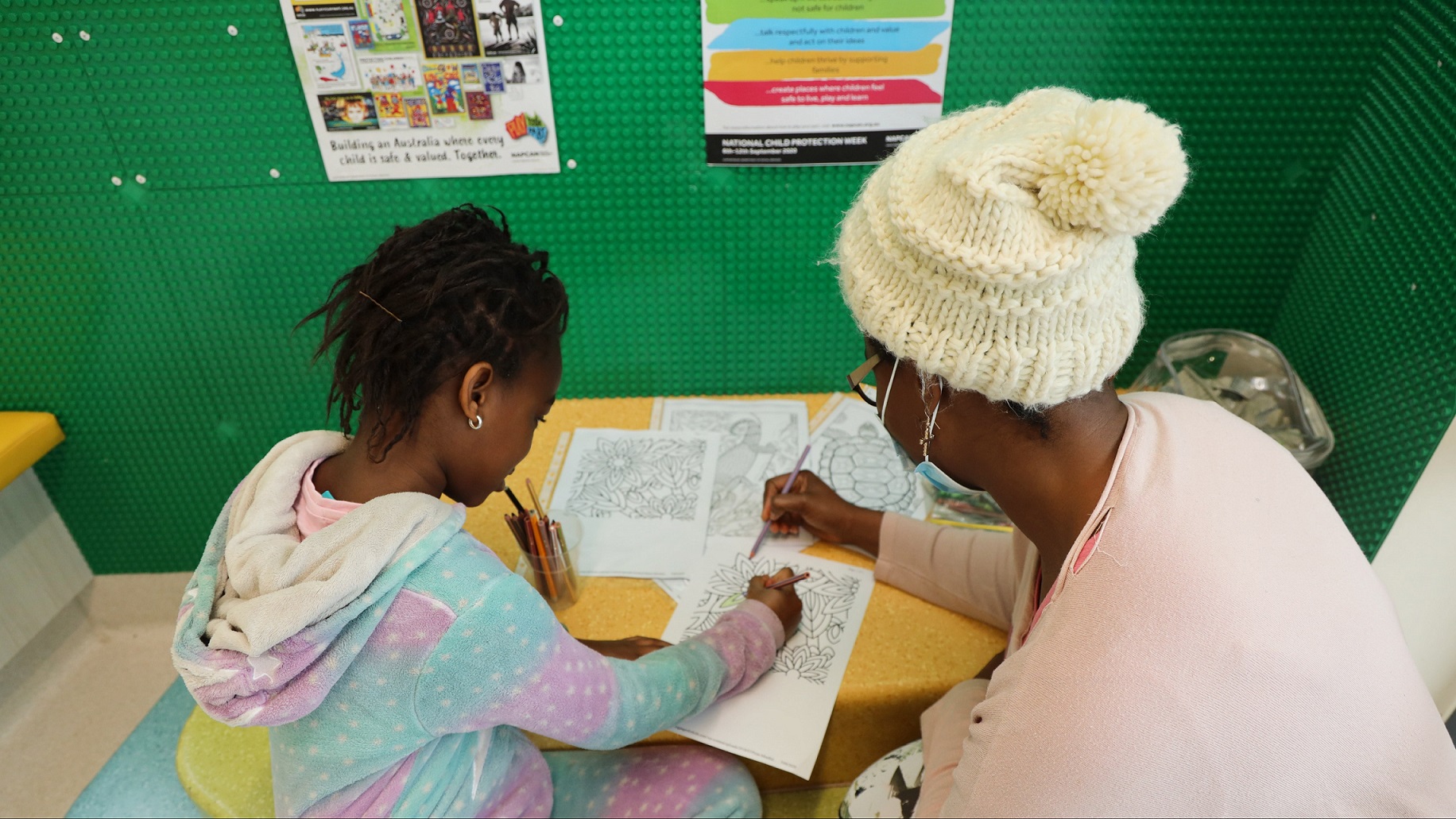
    To mark the week, our social work department are running a number of activities and education sessions throughout Northern Health, including colouring activities for patients and families in the Children’s Ward (pictured above) and a virtual premiere of the celebrated short film Tash.

    Written, directed, illustrated and narrated by young filmmaker inaugural member of the Victim Survivors’ Advisory Council, Natasha Anderson, the film tells her story of growing up experiencing family violence and living in out of home care. You can register for the virtual premiere here.

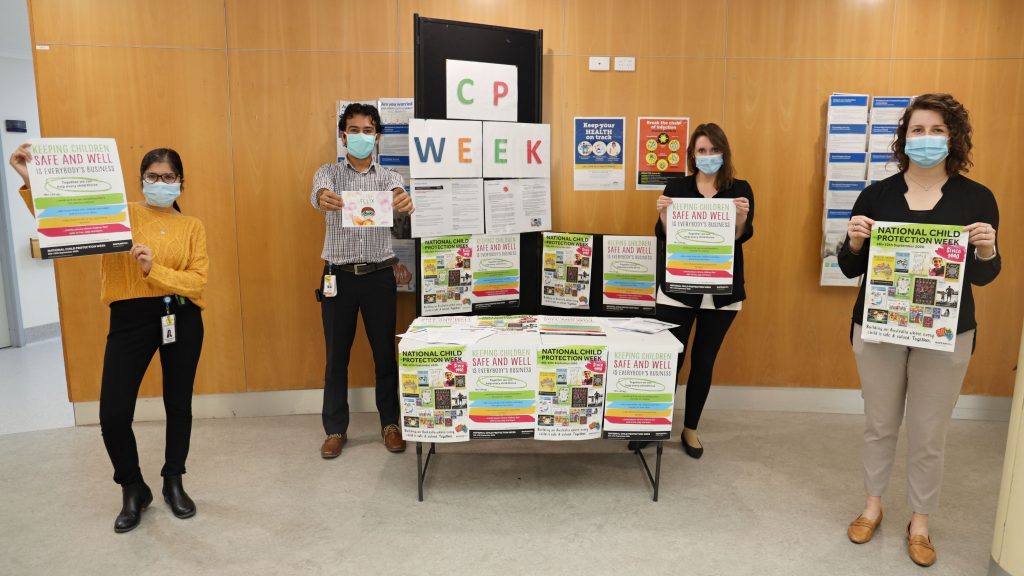
    Northern Health social workers raising awareness of National Child Protection Week
  • Women’s Health Week

    Women’s Health Week

    This week is Women’s Health Week, an opportunity to take time out to check in on your health and to keep making positive changes, particularly with the stress of the current pandemic.

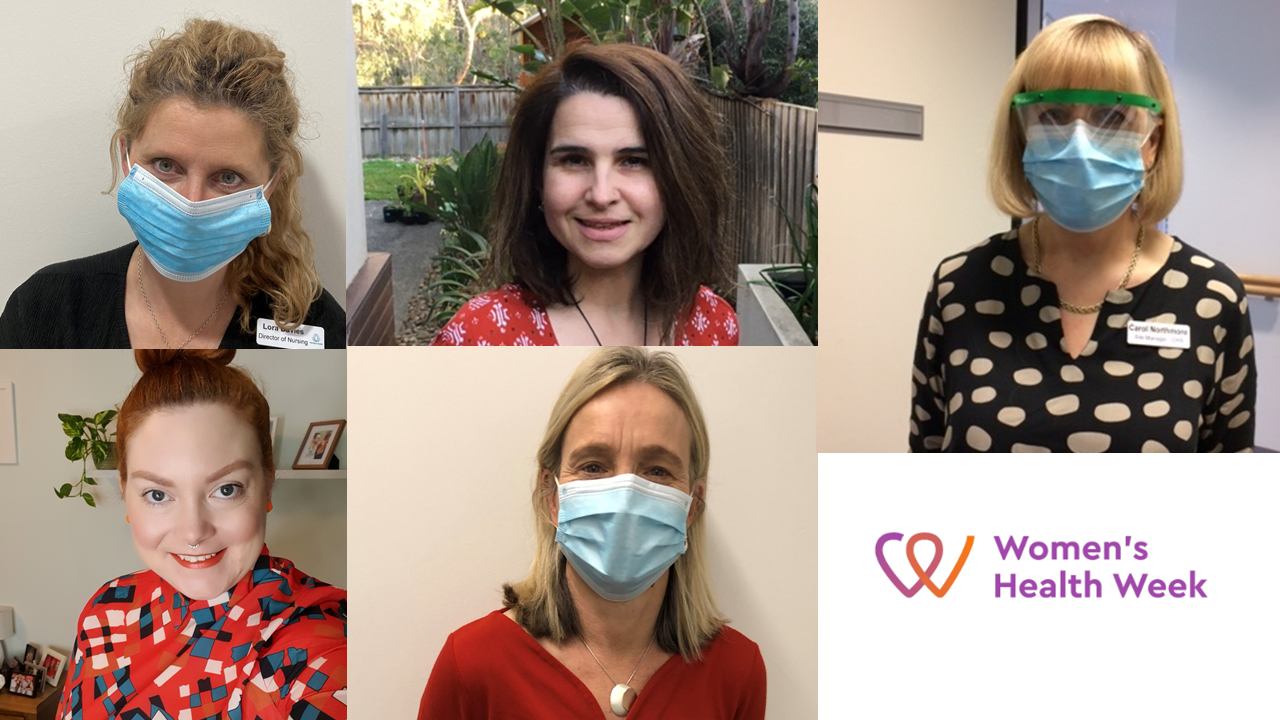
    We asked a cross section of women at Northern Health to share their advice on how they are coping with these challenging times, starting with Debra Bourne, Acting Chief Operating Officer, who says, “Do one thing, no matter how small, each day that brings you joy.”

    Debra goes on to say, “All of us in health care are often so focused on meeting the needs of others and it is so important to ensure that we have some time of our own to do what we truly enjoy doing.”

    “Last night, before I cooked dinner, I put my phone away, sat on my balcony and watched the moon rise. Twenty minutes of peace – my version of joy was all I needed to calm my mind.”

    “During the current times of COVID-19, more so than ever, we do need to focus on our mental wellbeing,” adds Deb.

    Carol Northmore, Site Operations Manager and Deputy Director Nursing at our Craigieburn Centre concurs. She believes that now, more than ever, is the time for our female staff to look after their own health and wellbeing.

    “Many of our female staff not only carry responsibilities at work but often have to juggle family responsibilities at home as well – this is likely to be very much heightened during the pandemic,” says Carol.

    “In these challenging times, having someone to talk to, whether it be family, friends or support services available through Northern Health or the community, can also be helpful. And of course, don’t forget the healing powers of humour!”

    “The bottom line is, if we don’t look after ourselves, we won’t be in a good place to look after others,” says Carol.

    Snezana Filiposki, a key member of the Response to Family Violence team and also a mindfulness facilitator, is a strong believer in the practice of mindful self-compassion. She believes that often we are self-critical and we turn against ourselves like an enemy talking us down.

    Snez says, “We need to hear the inner voice of an ally talking us up, not an enemy attacking us.”

    Her advice is to take time to practice self-care and self-compassion, as she believes it will help us to develop a state of “warm, connected presence during difficult moments in our lives.”

    Lora Davies, Director of Nursing, Professional Practice and Projects, Nursing Workforce Unit and Director Operations Medicine Program, is of the view there are a few simple, yet key things for women to do to look after themselves, and says, “Accept that what you did on the day was the very best you could do on the day.”

    Lora strongly advises on staying away from too much social media, as, “it can give you a very distorted view of the world.” Instead, she says, “Connect with your people, it keeps you grounded.”

    Finally, Ariana Carrodus, Project Manager, Project Management Office and HRO Transformation Unit, has this to offer.

    “It goes without saying that the basics of drinking enough water, getting enough sleep and moving your body (even for 15 minutes like we did with the exercise challenge this year) are super important in ensuring you have good health, but I think this year there are a few extra special things to consider.”

    “Be kind to yourself. If this year was an amusement park ride it would definitely be a roller coaster. It is okay to not want to do anything. It is okay to spend all day watching TV in your PJs. It is okay to not come out of this year as an expert in sourdough making, a fitness guru or an artist. To just survive and get through the year is enough. I promise that you are doing a great job!”

    For more information, visit womenshealthweek.com.au for daily information, tools and tips to help you take the lead on your health.