• Consumers celebrate five years of service

    Consumers celebrate five years of service

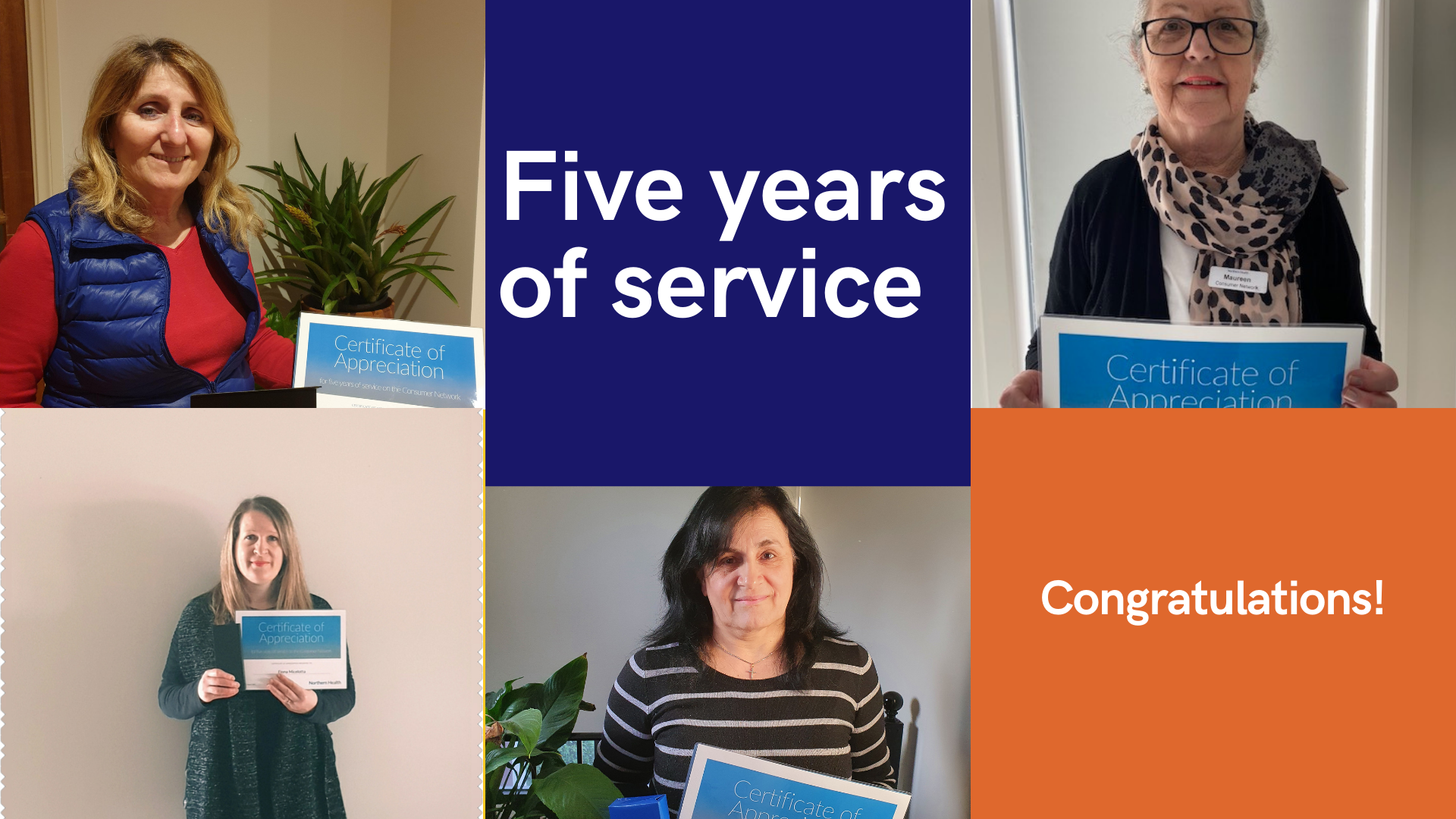
    Four of Northern Health’s consumers, and members of our Patient Experience and Community Advisory Committee (PECAC), celebrated five years of continuous service last month.

    In recognition of their ongoing commitment, Maureen Canzano, Fiona Micelotta, Nurcihan Ozturk and Dalal Sleiman received a certificate of appreciation and an engraved pen.

    Through the committee these consumers have contributed to the development of staff education, consumer education and patient and staff information resources.  This committee receives regular progress updates on Northern Health’s actions to improve patient experience.

    “Our consumer members provide advice on these strategies based on their unique experiences of receiving health care and their strong connections with the diverse community we serve,” said Sherrilyn Ballard, Consumer Participation Coordinator.

    The four consumers come from various professional backgrounds and bring a wealth of experience to share.

    Maureen has a background in teaching, counselling and social work.  She has worked professionally in health care, welfare and teaching, and has joined Northern Health in a range of activities including, staff education in the emergency department, ‘Choosing Wisely’ project, appraisal of staff grant applications and staff recruitment. Her daughter has a complex physical disability and she is a member of the Whittlesea Disability Network.

    “Maureen has brought to Northern Health’s attention how we can make a difference for patients living with a disability in accessing our services,” Sherrilyn added.

    Fiona is the mother of young children and strengthens Northern Health’s response to the needs of children living with a chronic condition. She works at a Special School and has participated in staff recruitment and co-design projects with Northern Health.

    On the other hand, Nurcihan has a passion for community development and has highlighted the needs of our culturally and linguistically diverse community.  Nurcihan is President of the Turkish women’s Recreational group and has held many roles in supporting the needs of the migrant and refugee communities, children and those living with a disability. She sees the work of PECAC as an important link to our community:

    “Just as consumers need to learn and know how Norther Health works and what services it provides, Northern Health needs to understand and learn from the broader, diverse community,” she said.

    “Nurcihan has invited Northern Health to visit her Turkish Women’s group and we have provided them with education on medication reconciliation and access to a session from Diabetes Victoria.  Nurcihan has since joined the Safer Care Victoria, Patient and Family Council,” Sherrilyn added.

    The fourth consumer, Dalal, also has a background in community development and services for the multicultural community.  Dalal has vast experience working to assist newly arrived refugees and asylum seekers. Currently, Dalal is working at City of Whittlesea, Brotherhood of St Laurence and also runs her own migration services business.

    “Dalal assists Northern Health in understanding the barriers for access to services and the health care needs of migrant and refugee communities living in the North. She is a member of our Cultural Responsiveness working group and the Strengthening our Hospital Response to Family Violence consumer working group,” Sherrilyn explained.

    Sophie Rodier, Manager Patient Experience added “Northern Health thanks our consumers for their dedicated five years of service to PECAC.”
  • Record number of Northern Health HMOs in prestigious training program

    Record number of Northern Health HMOs in prestigious training program

    This year, a record number of Hospital Medical Officers (HMOs) from Northern Health were accepted into the prestigious Royal Australian New Zealand College of Obstetricians and Gynaecologists (RANZCOG) Training Program.

    For the last four years, two HMOs from Northern Health have been successful in getting into the program however, this year, our doctors have doubled that number, with four HMOs being accepted – a  new record for Northern Health!

    Dr Brittany Green, Dr Hemma Valluvan, Dr Daniel McLean and Dr Michael Jones were all successful and are excited for what the future brings.

    RANZCOG trains and accredits doctors in the specialties of obstetrics and gynaecology in providing the highest standards of health care. Their highly competitive Training Program is a six-year specialist program where only 25 doctors per year in Victoria are accepted from only seven hospitals.

    Two trainees will spend the first four years based at Northern Hospital, with another two based at another health service in Melbourne. In their fifth and sixth year, they can be based anywhere in Victoria.

    Dr Green said, “After being part of the northern community for the last couple of years, it’s really exciting to be accepted onto the training program and to be able to continue my journey in obstetrics and gynaecology at Northern. I’m really proud of everything all of us have achieved and I look forward to working with them as we continue our careers.”

    Dr Valluvan is equally as excited to commence her specialist training.

    “It’s something I’ve been working towards for a very long time and I’m really glad that I have the opportunity to work for women and the community in areas that I’m really passionate about,” she said.

    Dr Paul Howat, Divisional Director for Women’s and Children’s Services, is delighted to see four of our doctors accepted into the program.

    “Congratulations to the successful applicants! We’re all very proud of you – and your hard work and efforts have been rewarded. For those who are going to other hospitals, we’d love to have you back here in your senior registrar years,” Dr Howat said.

    The program is extremely competitive and receives several hundred applications every year, so unfortunately not all who are interviewed get through.

    “For those who didn’t get through, we recognise your disappointment, we support you and we’re behind you. We have faith in you – the path is not always a straight line and sometimes the longer path can end up being more rewarding and enriching,” Dr Howat said.

    Dr Jones said, “I’ve been a resident in the obstetrics and gynaecology department at Northern Health for the last two years and it’s been a really great environment to learn and be supported, so it’s really exciting to have the opportunity to continue to grow my skills and work towards becoming a specialist in the field.”

    “We’re feeling very grateful – we all love our job and we’re all very excited to continue training,” Dr McLean concluded.

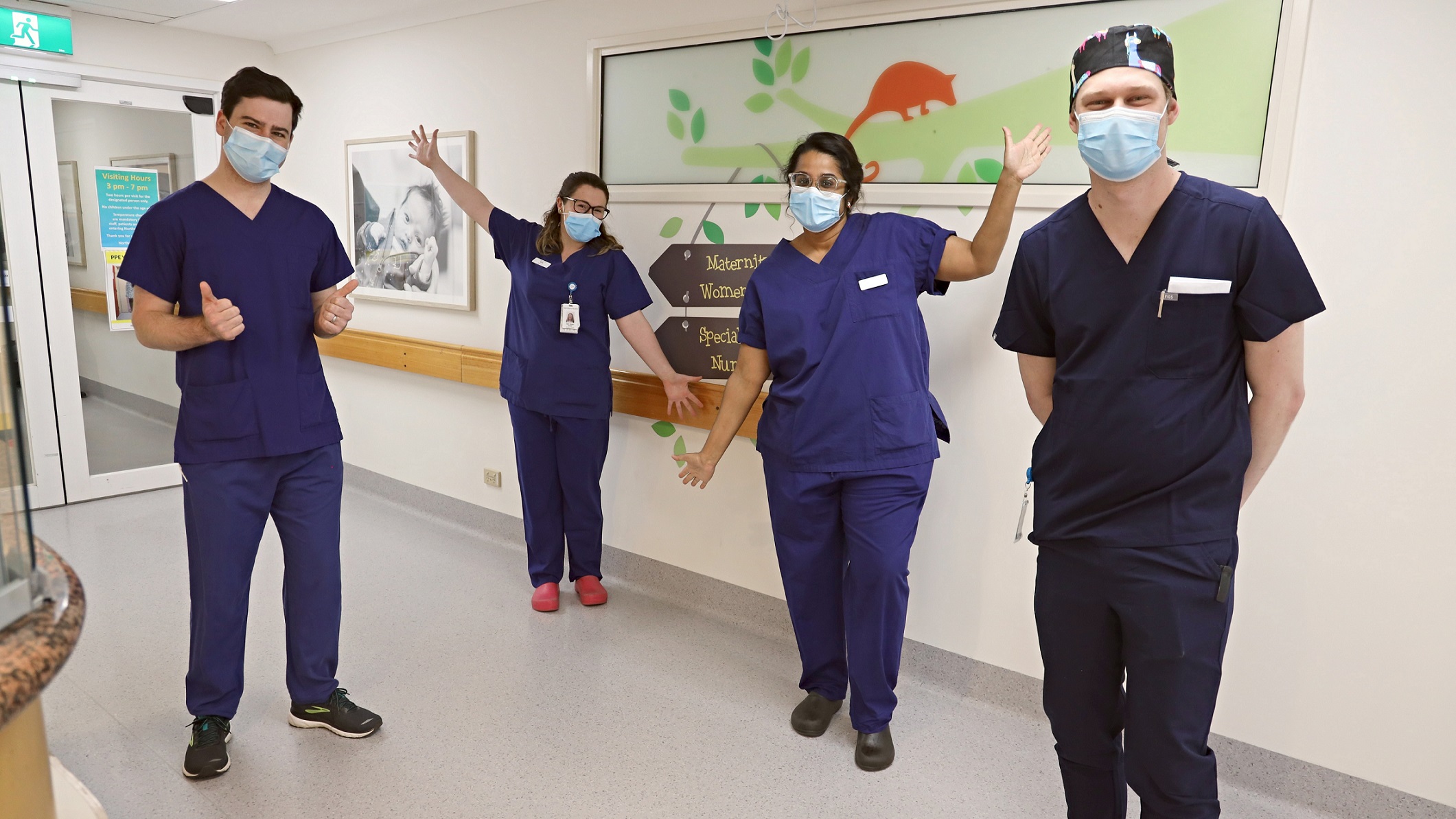
    Featured Image (left to right): Dr Michael Jones, Dr Brittany Green, Dr Hemma Valluvan and  Dr Daniel McLean

  • Dedicated graduate nurses and midwives improving patient care

    Dedicated graduate nurses and midwives improving patient care

    Working your first year as a graduate nurse or midwife can be challenging in any year, let alone if you start your graduate program during a pandemic.

    The graduates who started their careers with Northern Health this year have shown commitment and dedication during a difficult time, contributing to excellent care of our patients whilst also undertaking research and completing projects behind the scenes.

    Every year, graduates undertake a quality and safety project as part of their program. These projects help to improve patient care by elevating quality and safety measures across our health service.

    “This gives graduates an introduction into processes around quality and safety, to provide safer patient care. Introducing them to things like data collection, auditing and evidence-based practice allows them to make positive changes in the workplace and be able to evaluate those changes,” said Kate Duggan, Graduate Program Coordinator.

    In conjunction with their Unit Manager, graduates select a topic they are interested in and they feel they can make a change in. Over a timeline of approximately five months, they undertake data collection, research around the topic and conduct audits.

    “Afterwards, they suggest a change that may improve practice and then go through an implementation phase, followed by a re-audit to see if the change has been positive – which is essentially based on patient outcomes,” Kate said.

    Graduates have recently finalised their posters to report their findings, which are now available to view here. Normally, posters would be showcased prior to Research Week, however, due to COVID-19, the posters are now only available electronically and staff will be able to vote for the ‘Peoples Choice Award’.

    “We encourage Northern Health staff to view these posters and vote to help recognise the work that graduates are doing, and to acknowledge their contribution to improving patient care at Northern,” Kate said.

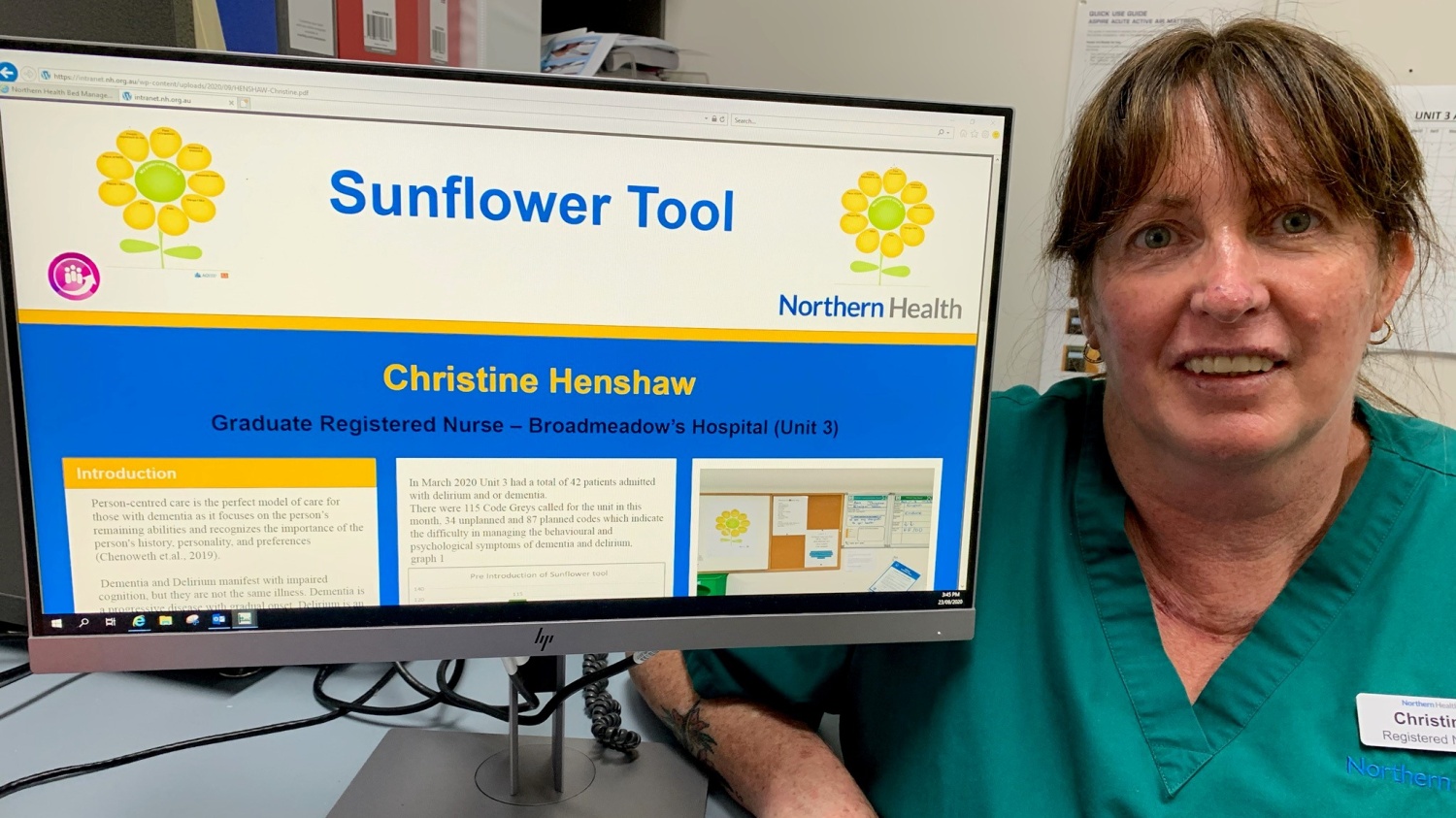
    Graduate nurse at Broadmeadows Hospital, Christine (pictured above) researched and implemented the ‘Sunflower Tool’ to improve safety and enhance care of dementia patients and patients with delirium.

    “We have a lot of delirium and dementia patients on our ward, so we launched this tool to gain more information from families to help us build a rapport with patients and help calm them down when needed,” Christine said.

    Nurses ask families a number of questions about their patients, to learn about their interests and things that matter to them, like their pet names, place they were born and which footy team they barrack for. The tool is displayed in their room and nurses can refer to it to strike up a conversation and chat about their interests should their behaviour start to escalate. Christine has found the tool very helpful, providing more patient-centred care, and helping keep patients engaged and feel comfortable.

    “The families likes it as well, as we’re putting a real interest into their loved one and they appreciate it. It’s proving really well, especially with delirium patients – if you start talking about their family pet, they pay attention!”

    Kate Duggan explained graduates have also helped contribute to our pandemic response. “In line with other staff, graduate nurses and midwives received further education and support around advanced respiratory care and assessment, as well as PPE training,” she said.

    In a normal year, graduates can find transitioning and adapting to a new workplace challenging, finding the balance between work and home life and adapting to new responsibilities and learning opportunities. COVID-19 has made things even more challenging, but our new staff members have shown continued commitment to their work.

  • Research Week 2020: Inspired Researchers

    Research Week 2020: Inspired Researchers

    Who could have imagined that only six months ago that we would be hosting Research Week 2020 as a purely virtual event as we continue to transition a large proportion of our services towards digital health via telehealth, in-hospital monitoring and home-based healthcare solutions?

    It will be our inspired researchers who will lead the way on our journey to a ‘new normal’ – while new treatments and a potential vaccine will likely dominate headlines, it is the new ways of doing many of the things we have taken for granted that is already advancing healthcare, delivery and consumer-led experience.

    The events during Research Week 2020 have been organised in a very different way with virtual presentations, posters, guest speakers and workshops. They will highlight the quality of research occurring across the spectrum that are being driven by an increasing number of our Northern Health staff. Highlighted is the increasing volume of projects being conducted with our academic partners; Melbourne, La Trobe, RMIT and Swinburne Universities.

    We are privileged to have an exciting range of speakers at Research Week 2020. They will encourage us to reflect upon our current practices and challenge us to explore how we can rise above the increasing demands we will continue to face.

    Research at Northern Health is not just about Research Week, and here are just a few of our highlights during the year:

    • Associate Professor Lisa Hui was awarded a $1.28m Medical Research Future Fund (MRFF) investigator grant for her project ‘closing the critical knowledge gaps in perinatal genomics’
    • Our Low Risk Human Research Ethics Committee celebrated its first-year anniversary
    •  RedCAP now live as a tool for our researchers: https://redcap.nh.org.au/
    • Research Grand Rounds are now well established occurring weekly on Tuesday
    • Two new PhD scholarships were awarded to Natali Cvetanovska and Dr Julie Wang, and $50,000 worth of Small Research Grants were awarded to researchers thanks to the generosity of the Northern Health Foundation and our community donors
    • Participation in a number of COVID-19 research activities and clinical trials under the stewardship of Associate Professor Craig Aboltins and Dr Angaj Ghosh. These include ASCOT, CHARTER, SPRINT-SARI and participating in our first phase I study evaluating a protection device for our clinical staff caring for unwell patients in ICU

    Congratulations and thank you to all who have contributed to research at Northern Health in 2020. The future is unknown but by reviewing and evaluating what we do, and how we do it, we will have the opportunity to change things for the better and to continue to deliver trusted care in partnership with our community.

    Professor Peter Brooks AM,  Research Lead – Northern Health.

  • Learning and education: how we moved online

    Learning and education: how we moved online

    When the first COVID-19 wave hit, learning and education was one of many processes that had to be quickly changed and adapted to the new reality. The education leads across the organisation were facing the same challenge – how to keep the education going – and with the roll out of MS Teams, things have become more streamlined.

    Bec Gilbert, Manager Organisational Capability, explained that this is online learning’s big moment and education and training is about to be revamped just as much as the industries that are moving to remote working.

    “From cancelled face-to-face sessions to physical distancing and limited opportunities for practical competency assessments, the COVID-19 pandemic has forced Northern Health educators and trainers across all disciplines to review our current practices. This reality has forced a crash course for online learning plans and technology use for every one of us. Video conferencing platforms such as Microsoft Teams are being used heavily, as is our Learning Management System – myLearning,” she said.

    Molly Galea, Allied Health Education Lead, explained that a lot of allied health education is about bringing different professional groups together and then putting the education into practise.

    “Education for us is putting all the knowledge and experience in one room, sharing that and asking questions, with the aimed outcome of people going away motivated to try something they have learned at the session. Our challenge is creating a space where people can learn from each other, as an important part of education is to keep the knowledge moving around the organisation,” Molly said.

    “Initially, there was a lot of training relating to adapting to a COVID-19 environment – like Telehealth, PPE training, looking for signs of family violence etc. Now, that has been incorporated in every day work and people are starting to ask for our regular training, which is a good sign,” she said.

    Education leaders across the organisation, Leah Hansen, Keith Amarakone, Talin Gochian and Rachael Coutts, all agree that teams had to quickly adapt, and the movement to online education has had both it’s positive sides, as well as the challenges, like teaching practical skills.

    “If we don’t deliver on some of the content for nursing education, then we don’t have the workforce for next year and we don’t have certified staff that are able to practice in the areas really important in pandemic times. Coming up with innovative ideas to deliver education is an absolute requirement,” Leah said.

    “The adaptability, flexibility and the willingness to come along and fix problems and share ideas, from everyone involved in the process, has just been amazing. If we didn’t have the pandemic pushing us, this would have been a two year project, but we built it within a week, we found a solution and just went with it,” Rachael said.

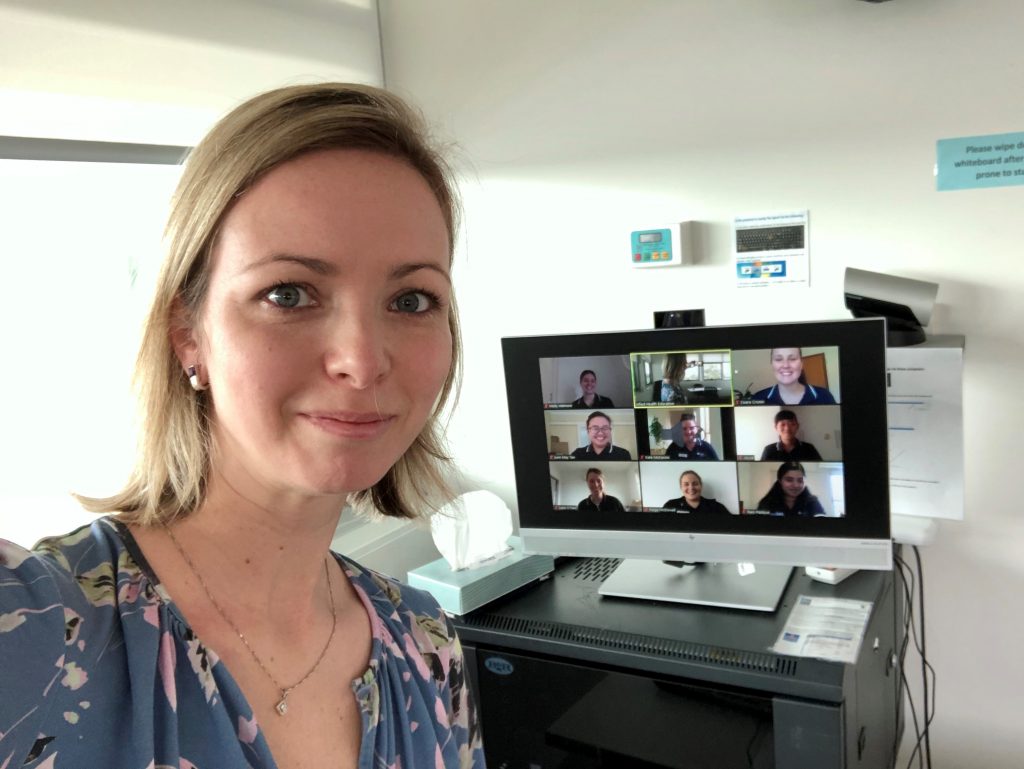
    Stefania Zen, from the TALS team, delivering the Introduction to Cultural Competence training to a group of OT (Occupational Therapy) students as part of their Orientation program. The students are starting their placement at Northern Health.

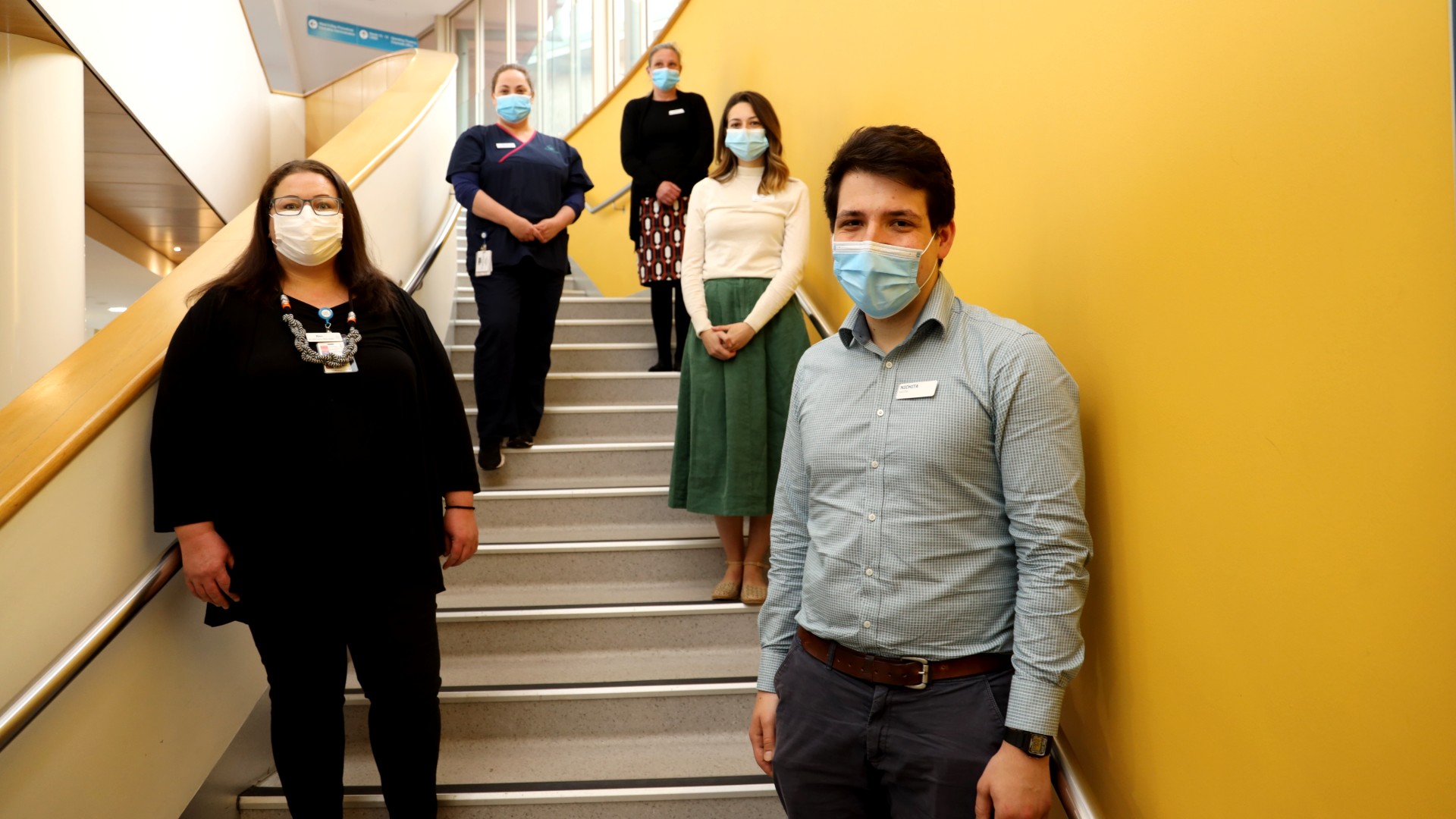
    Featured image: top row – Penny Remston, Clinical School Coordinator, Nursing and Midwifery; middle row – Kerryn Asbury, Clinical Nurse Educator (left), Talin Gochian, Allied Health Clinical School Coordinator (right); front row: Bec Gilbert, Manager Organisational Capability (left) and Nichita Gavrilescu, Senior Medical Registrar (right).

  • Hybrid car up for grabs

    Hybrid car up for grabs

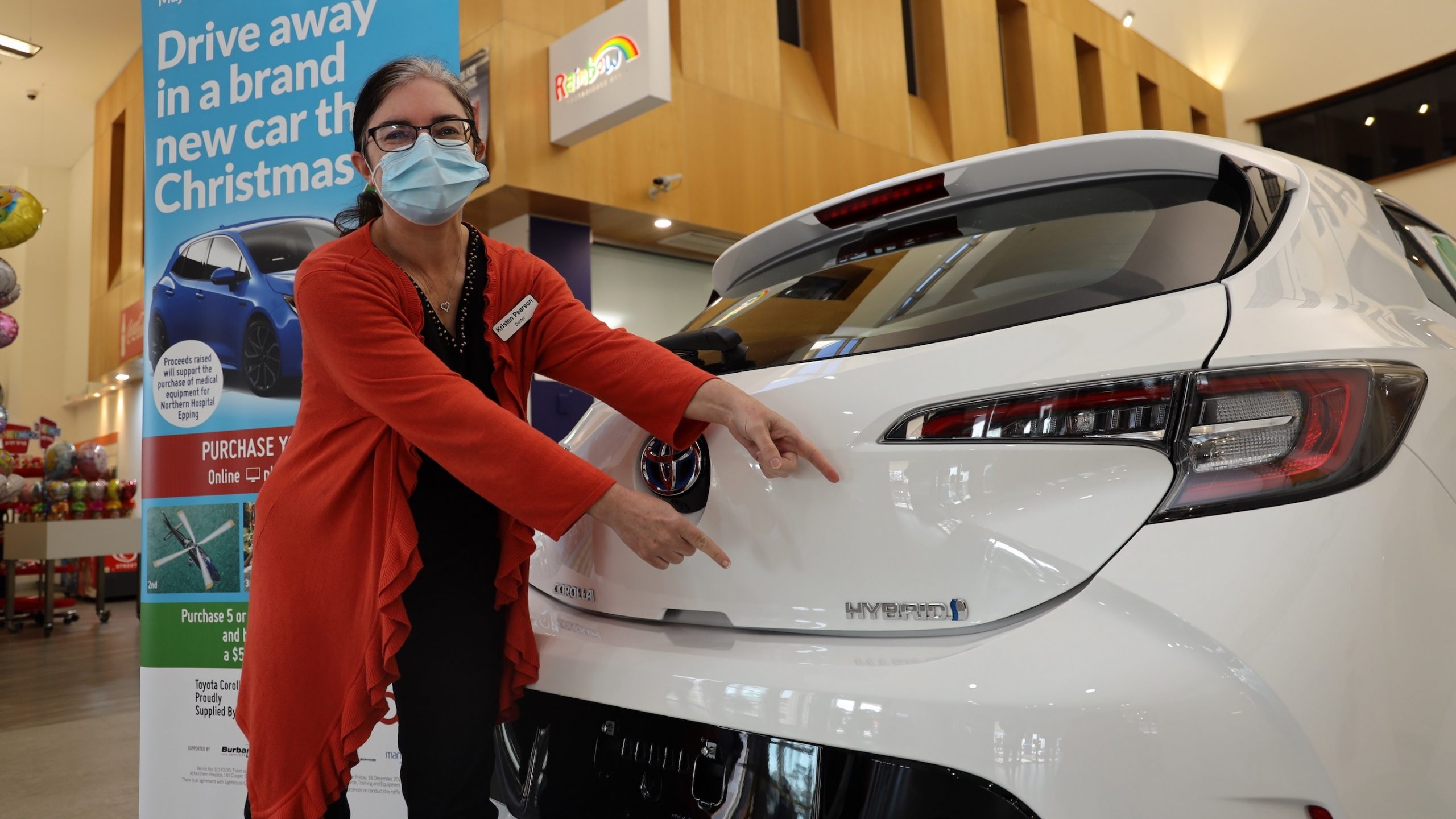
    Dr Kristen Pearson is thrilled to see a hybrid car up for grabs in this year’s Northern Health Foundation Raffle. Dr Pearson is a Geriatrician and member of Northern Health’s Environmental Sustainability Committee, as well as a volunteer with Doctors for the Environment.

    “I am delighted that Northern Health Foundation is offering a hybrid car as this year’s raffle prize! Firstly, the raffle supports Northern Health’s work on being safe, kind and together with our community. Secondly, the hybrid car has much lower fuel consumption and emissions than a regular car.”

    “We all know that to protect our planet and our health, it is essential to cut carbon emissions and air pollution from motor vehicles. We can do this by driving less – taking public transport, walking or riding – and by driving electric or hybrid cars like this Corolla,” she said.

    Dr Pearson says, as the owner of a Toyota Corolla Hybrid herself, she can personally recommend driving one.

    “It is quiet and very comfortable to drive! My sons also enjoy driving it when they get a chance.”

    Northern Health continues to reduce our environmental impact thanks to a number of initiatives throughout the organisation.

    Our Environmental Sustainability Committee, chaired by Chief Financial Officer, Basil Ireland, is always looking for ways to reduce our impact on the environment by reducing waste, increasing recycling and looking into renewable energy.

    To reduce petrol consumption, Northern Health has started replacing our fleet cars with hybrid technology vehicles.

    “Northern Health has a big fleet of cars, so it is important to manage this carefully. The plan is to replace ageing cars with new Corolla Hybrids, which will reduce our emissions. So far, 18 cars in the fleet are hybrid. So when I drive out for a home visit or to visit an aged care facility, I’m happy to be driving a hybrid!” Dr Pearson said.

    Telehealth is another part of the solution – and has grown strongly since face-to-face visits have been restricted by COVID-19.

    “Telehealth can be a great alternative to clinic or home visits – we can minimise car travel, reduce time commuting or waiting, and improve patient satisfaction,” Dr Pearson said.

    “So buy your raffle tickets now and good luck for being the winner of the Corolla Hybrid!”

    To purchase Northern Health Foundation Major Raffle tickets, please click here. If you purchase your tickets before midnight Wednesday, 23 September, you will go into the Early Bird draw to be in the running to win a $500 Coles Myer Gift Card.

  • Great care appreciated at Broadmeadows

    Great care appreciated at Broadmeadows

    Two warm patient experience stories are coming from our Broadmeadows Hospital, where both patients and staff have been working hard to make the hospital experience and recovery as quick and pleasant as possible.

    Elinor Fonovic was admitted to the Rehabilitation Ward on Unit 2 at Broadmeadows Hospital from Northern Hospital Epping 412 days ago, after being diagnosed with Guillain Barre Syndrome, a disease involving rapid onset muscle weakness.

    Belinda Nash, Nurse Unit Manager, explained Elinor was not able to move her arms or legs when she was admitted and embarked on her rehab stay.

    “It was through tenacity and hard work, on both Elinor’s and the rehabilitation multidisciplinary team’s efforts, which has resulted in Elinor being able to walk, use a telephone, and now follow others on Instagram who have recovered from the same disorder, and assist in her own activities of daily living (ADL’s). Whilst progressing with her physical rehabilitation, the rehab team have successfully gained a sizeable NDIS package and temporary accommodation for Elinor to begin a new chapter in her life with newfound independence in a safe environment and with the carers she needs. Congratulations to the rehab team on another complex and successful discharge,” she said.

    Elinor speaks fondly of her memories of the first day when she arrived, meeting the admitting nurse, and is very grateful to the team and their assistance during her hospitalisation.

    “I was at Northern Health for 14 months – it began to feel like home. I had many physio and OT treatments and the staff were incredibly supportive, especially my physio team. Everyone was friendly and professional. While I was there, I lost my father and the team was wonderfully supportive during my grief. I can’t talk highly enough about my physio team,” she said.

    Belinda highlighted that Elinor’s stay proved to be rewarding for all staff working on the unit that have contributed to Elinor’s journey, through therapy to regain function.

    “The team has been able to gain an insight to the challenges of NDIS and the functionality of this scheme that enables people to get back into the community. Furthermore, the team have honed their skills in accessing NDIS, which has meant they did succeed in a sizeable budget that enables Elinor to go to a serviced apartment with carers whilst her home is modified,” she said.


    The second story also comes from Unit 2, where patient, Rita, stayed post a stroke. During her stay, she felt disconnected from family due to the current visiting policy, being in the ward since July. Although Rita could see her family via Facetime, she felt it’s not the same as personal visits.

    Last week, she celebrated her birthday whilst on the unit and the team organised a ‘window visit’. The unit has a day room with a huge a glass door, and therapists and nurses have been using this to allow family to see their loved ones, and communicating via phone on either side and still maintaining COVID-19 safety.

    Rita said this “improved her mood and can’t wait to go home and have another celebration”. She was lucky on that day that the speech therapist upgraded her meals to include cake as, due to her stroke, she had to have texture modified meals. It was a great birthday present!

    Belinda added: “This form of virtual visiting helps bolster family and patients mood during COVID-19. Rita and her family were grateful for this visit on her birthday. Staff spirits are also elevated during these visits as they can provide some comfort to their patients who cannot receive visits currently and have not seen family for weeks”.

    Rita celebrating her birthday

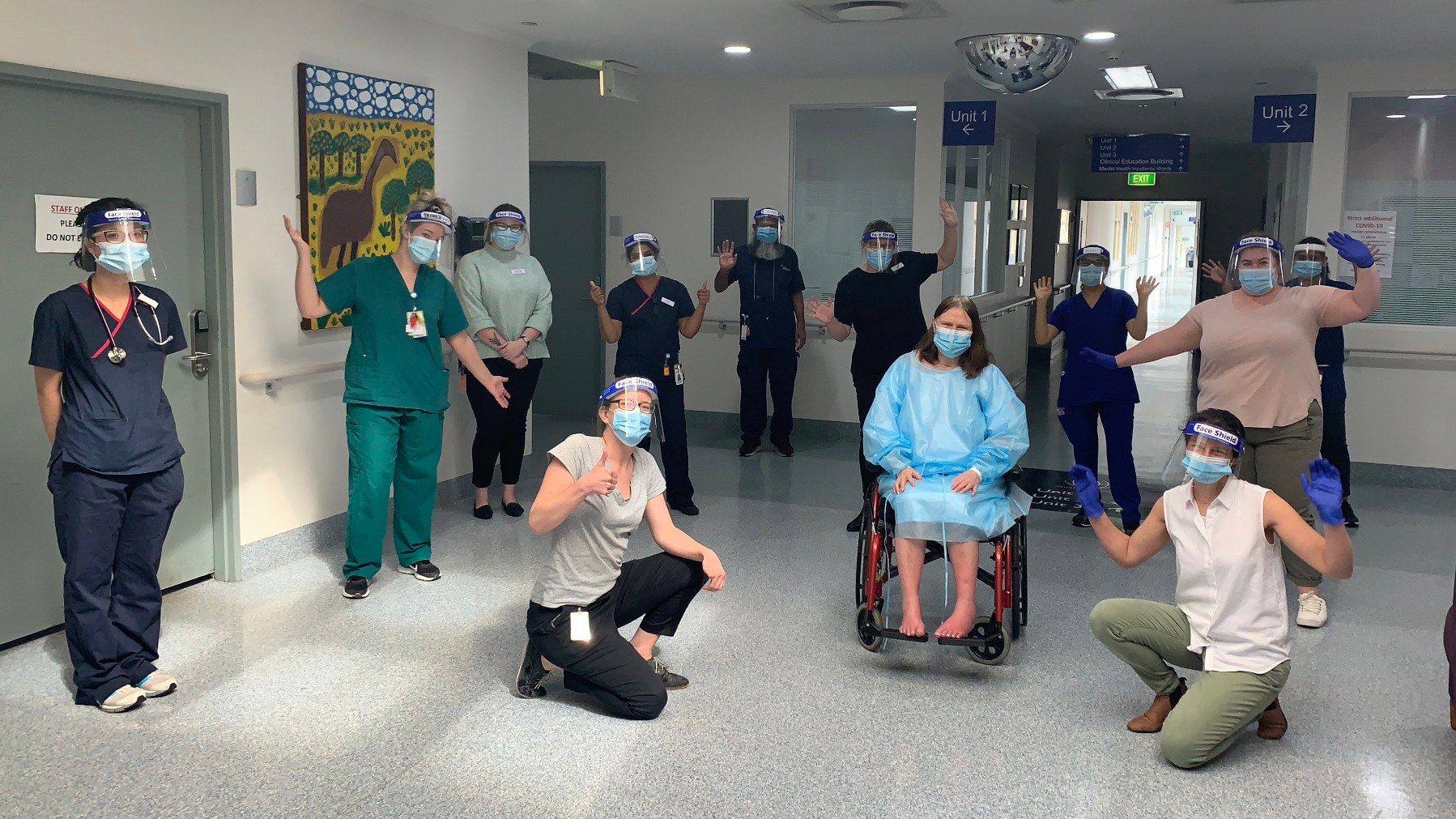
     Featured image: Elinor with Unit 2 staff and her care team at Broadmeadows Hospital

  • GEM@Home: Nursing in the community

    GEM@Home: Nursing in the community

    As part of Nursing in the Community Week, we celebrate our community nurses, who give special meaning to the phrase “frontline heroes”.

    GEM@Home has been operating since March 2015. Mathew Wood, Manager Transition Services, TCP, GEM@Home, and GEM@Resi says, “We provide interdisciplinary aged care and rehabilitation services after an illness or injury to older people and their families. Patients are visited in their home on a daily basis while on the program, and may be seen by one or multiple staff from the team.”

    “The program aims to reduce time spent in hospital and provide care in their home, which research has shown can assist people in their recovery,” adds Mathew.

    Ingrid Montano, GEM@Home Nurse, says, “The support that we provide patients and their families to remain safely at home is many times affirmed to be invaluable.”

    “Working as a nurse within the GEM@Home team can be both challenging and rewarding. There are many hours spent driving, getting lost, looking for a new address and lunch on the run. However, it’s all worth it, when your patients say that they will miss your visits as the program ends,” says Ingrid.

    “Many patients say ‘Come visit when you are in the area to have a cuppa with me,’” she adds.

    Ingrid has been a nurse for 14 years and says, “Early in my training, I identified community nursing as a dream job for me. I joined GEM@Home full time in 2016 after being a casual nurse for eight years. I experienced many different workplaces and gained varied skills until I had the opportunity to settle into my ideal job.”

    “An average day for a nurse in the GEM@Home program is rarely ever the same. We can plan our day meticulously in the morning; however, there are times when we are required to deviate from that plan. On many occasions, we have received phone calls when a patient feels unwell, requires reviewing, needs some extra education or support for the day,” says Ingrid.

    “Patients often comment on the positive effect the support and reassurance they have received from the nursing staff on the program,” said Matthew.

    Says Anne Marie Fabri, Associate Director, Community Programs, “Often we are caring for people who are socially isolated and vulnerable, and our care is what makes the difference.”

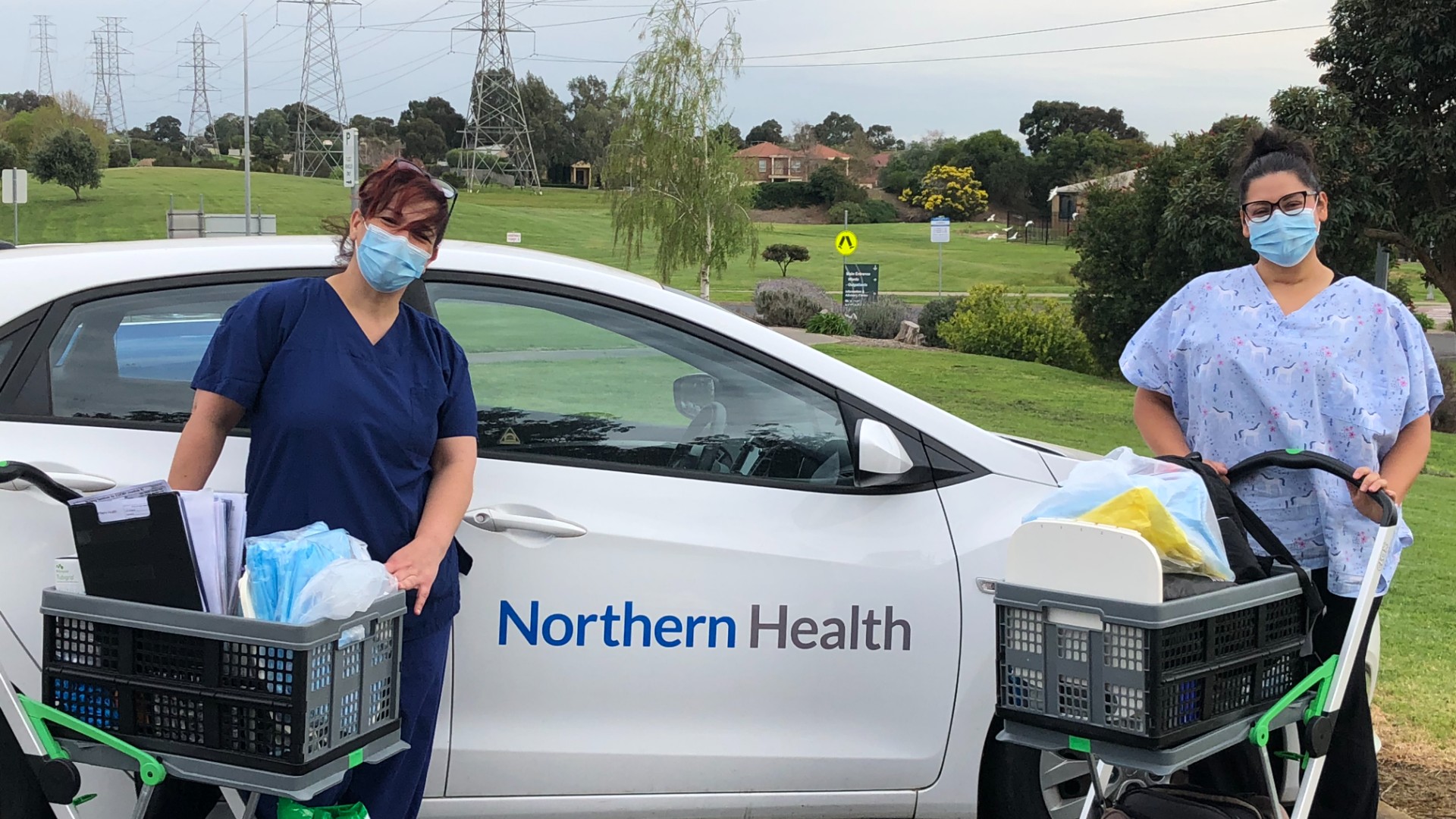
    Featured image shows GEM@Home nurses, Grisel Zalewski on the left and Ingrid Montano on the right.