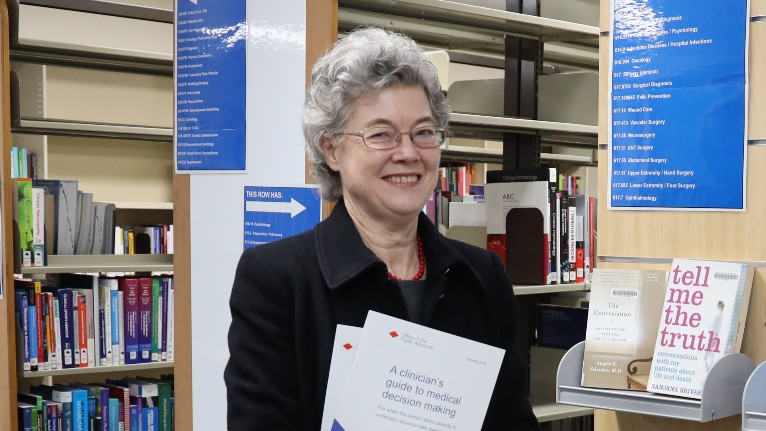
• Dr Hayes appointed Honorary Associate Professor

    Dr Hayes appointed Honorary Associate Professor

    Dr Barbara Hayes, Clinical Lead of Advance Care Planning and a Palliative Care Consultant, was recently appointed as Honorary Associate Professor in Medical Education at the University of Melbourne. Here she discusses her role at Northern Health and in the Northern Clinical School.

    Can you tell us more about your role in teaching and research?

    I have been teaching medical students since I qualified as a Palliative Care Consultant. I am very passionate about sharing my knowledge of palliative care and the limits of medicine to cure. This teaching expanded to include communication skills, ethics and law relating to end-of-life decisions, consent, and advance care planning. This is teaching I do in the Northern Clinical School.

    I have also been involved in initiatives that have been underpinned by research. I came to research later in my career, particularly after discovering qualitative research. I completed a PhD at the University of Melbourne, ‘Ethical CPR decision-making’, which gave me skills and confidence to do further research. I love to learn from people’s stories.

    I was involved in developing a Northern Health approach to advance care planning that was based on our local research. This approach has been adopted by many health services across Victoria and when you see ACP brochures at other hospitals, you will often recognise the link. I also chaired a DHHS Working Group that developed resources for people who lack capacity to complete an Advance Care Directive, resources now widely used in Victoria.

    Northern Health was the first health service in Victoria to adopt a Goals of Patient Care form, an innovation built on work that I had been involved with in Tasmania. It has now been adopted widely across Victoria and interstate, following published research from Northern Health. I am really pleased to see this. The Goals of Patient Care promotes shared decision-making, and considering the medical treatment plan in a positive way whilst recognising when treatment limitations are required. We have developed and published an evaluation of a Residential Aged Care version of the Goals of Care and the next step is a community version.

    How long have you worked at Northern Health?

    I have been with Northern Health from a time when we were part of the North Western Healthcare Network. In 1995, I was looking after palliative care in-patient beds at what is currently known as the Royal Park campus of the Royal Melbourne Hospital. When Northern Health split from this Network, the beds and I were moved to Broadmeadows Health Service in 2002, where I looked after a dedicated Palliative Care Unit and provided a consult service to the rest of Northern Health until taking on the ACP role while studying for the PhD.

    What does the promotion to Honorary Associate Professor mean for you?

    I am very grateful to Dr Leonie Griffiths, Director of Medical Education at Northern Clinical School, for suggesting and supporting this promotion. It feels very special to have my work and my contribution to the University recognised in this way. There is still much more that I want to do.

    Dr Griffiths says, “Barbara has made a wonderful contribution through teaching University of Melbourne medical students over two decades. During that time, she opened their eyes to the importance of end-of–life care, and to the rewards and complexities of supporting patients and their families through this time.”

    Chief Medical Officer, Wanda S Stelmach, joins us in congratulating Barbara and says, “Barbara has been a stalwart member of the Northern Health medical staff for over 20 years. She is the perfect example of a quiet achiever. Her caring and compassionate approach has driven better patient care in a period of a person’s life that is confronting.”

    She adds, “Her learned advice has led to decisions that have improved palliative care and end-of-life decisions in the Australian community. She is greatly respected and admired by her patients and their families, as well as her colleagues, trainees and medical students alike.”
  • New kitchen at Northern Hospital opening soon!

    New kitchen at Northern Hospital opening soon!

    Stage 2 works of the Northern Hospital Expansion Project are coming to fruition, with completion on track to be finished within the next month.

    One of the first areas to move into the new building will be our Food Services Department – who will be heading into a state of the art kitchen facility.

    The new kitchen area is more spacious than the current facility, which is the original kitchen that was built within the hospital when it first opened in 1998.

    Greg Warman, Director of Support Services, is excited for Food Services to move into their new space, which will offer a number of benefits and new features for both staff and patients.

    “The new kitchen is a lot larger and is also more functional than the current one, and there’s more flow throughout it,” he said.

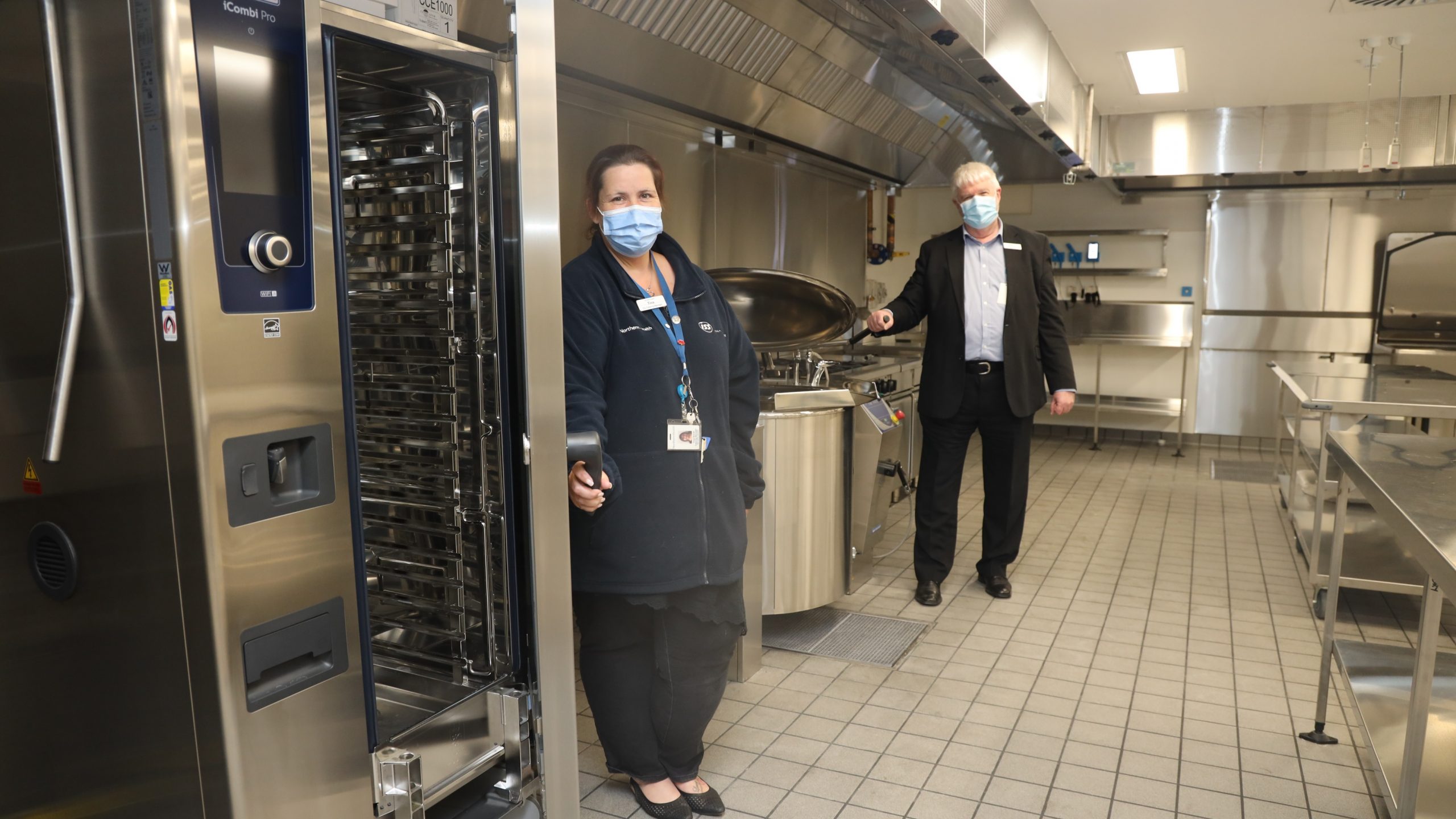
    “In our current kitchen, we don’t have facilities for production, so an important feature of the new one is that we are now in a position where we are able to cook food here. In the new space, we have a 150L kettle, cooktops, fryers and a Frima, which is a multipurpose piece of equipment – like a pressure cooker – and we’ve got space for another one in the future. We also have the new blast chiller/freezer so we can store food, and the plan is to do full complete meals.”

    Tina Smith, ISS Catering Manager, said, “From a patient satisfaction standpoint, I think this will be a value add.”

    The new kitchen will become operational on 3 February, however, the equipment will start moving into the new space on 27 January.

    “Overnight on 2 February, the tray line will get moved and then our first meal to go out from the new kitchen will be breakfast the next day,” Greg said.

    Greg explains that during the transition, patients won’t be impacted by the move and there will be no disruptions to meals.

    “The move will be seamless so patients won’t be affected. The menu and meal times will remain the same,” he said.

    “The only thing patients will notice is their food being provided on disposables from 25 January to 3 February, as we won’t have the dishwasher in use during the move,” Greg added.

    Greg and his team are looking forward to the opportunities the new facility will bring to Northern Health, while helping to improve patient experience.

    “Part of the reason I joined Northern Health was because of this project. Kane Construction have done a fantastic job – they’ve given us a brilliant kitchen and we’re really excited to be coming towards the pointy end of the project,” Greg said.

    Staff training has already commenced so staff can familiarise themselves with the new space and facilities.

    Tina acknowledged the enormous effort between ISS staff and Northern Health staff to bring this project to fruition.

    “Collaboratively, from an ISS and Northern Health standpoint, it’s been a big joint effort. It’s an exciting time – the next two weeks are going to be very busy moving in, but we’re ready for the challenge and we are confident we will have a smooth transition on both sides,” Tina expressed.

    Featured Image (left to right): Tina Smith, ISS Catering Manager with Greg Warman, Director Support Services 

  • Victorian-first ED pivot triage system

    Victorian-first ED pivot triage system

    The Northern Hospital Emergency Department (ED) has become the first ED in Victoria to move to a new ‘pivot triage’ and self-registration system. The new triage system, which commenced yesterday on 18 January 2021, is designed to improve patient experience and door-to-physician time, and has already proven successful in the United States.

    The idea originated after an internal process review, where the traditional triage and registration system were identified as bottle necks impacting patient flow and experience.

    “Previously, patients would be seen by a triage nurse, then go back in the waiting room and wait for clerical staff to call them, get their details and put them in the system. Now, they can see the pivot nurse who uses critical care thinking skills to make a rapid assessment of the patient’s condition and determine urgency based on symptoms. The patient can then register electronically on their own via a QR code, with that information going directly to our clerical staff,” explained Janice Fernandes, ED Nurse Unit Manager.

    Dr Loren Sher, Emergency Physician, added, “The pivot nurse model gets the patients in much quicker, as proven in the USA, and we are the first in Victoria to implement this model. Patients that are in category 4 and 5, as well as walk-in patients in category 3, will now be able to scan the QR code and put in their details electronically.”

    “From our Virtual ED triage system, we learned that there are lot of time efficiencies when using an online system, and more accurate information is gathered if patients self-register. We are aiming to be quicker, faster, more efficient and more accurate in the process,” she said.

    Trisha Abbey, Clerical Supervisor, ED, said the team found that sometimes patients don’t inform staff that they have changed their address or phone number. With the new process, patients are providing the most recent information, thus improving hospital data quality.

    The pivot process will not just improve patient flow in the ED, it will also reduce time patients spend in the department, improve patient experience and help patients get the care they need quicker.

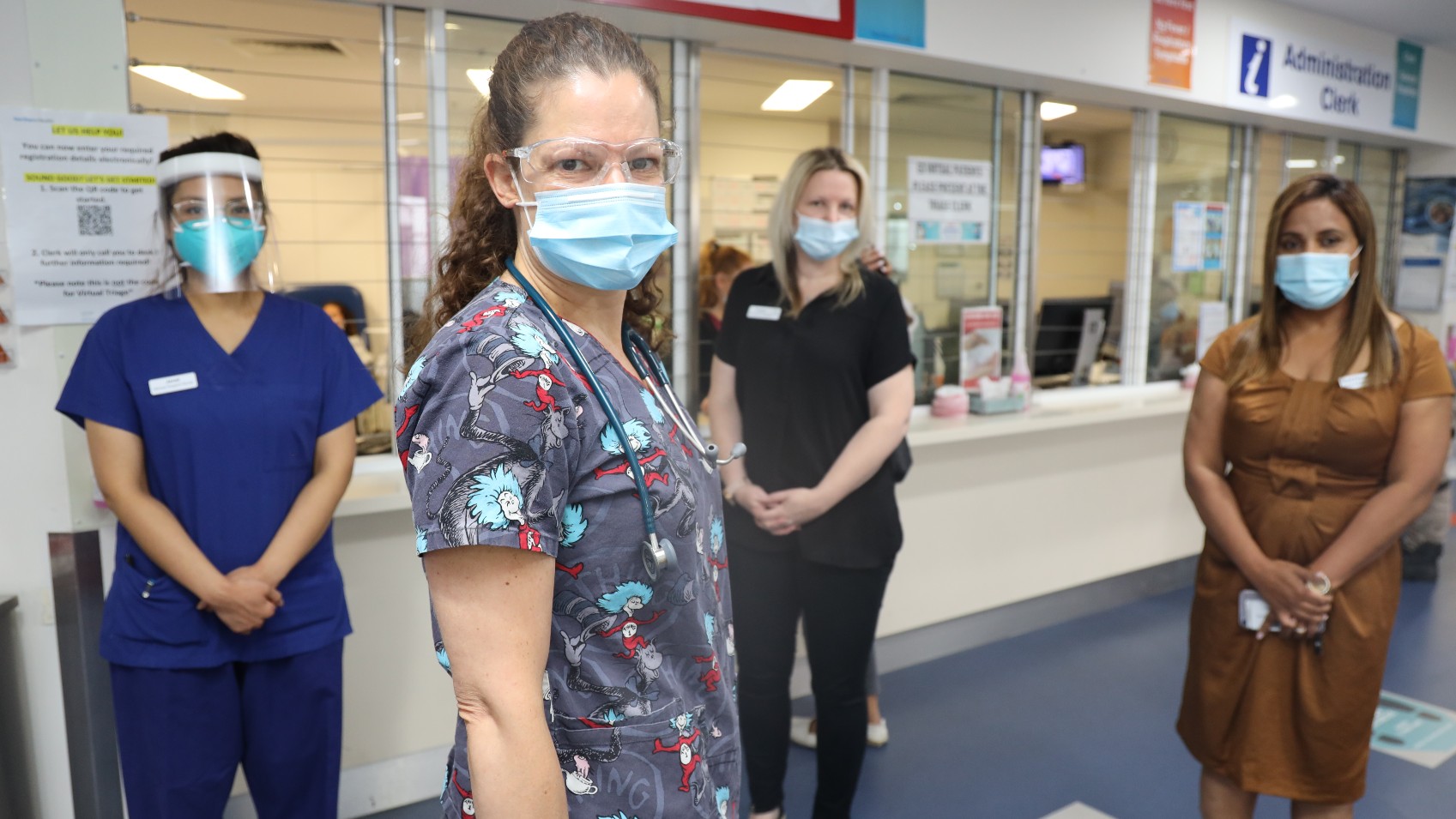
    Featured image (left to right): Janet Leung, Dr Loren Sher, Trisha Abbey, Janice Fernandes.

  • Pharmacy rolls out new red resus trolleys

    Pharmacy rolls out new red resus trolleys

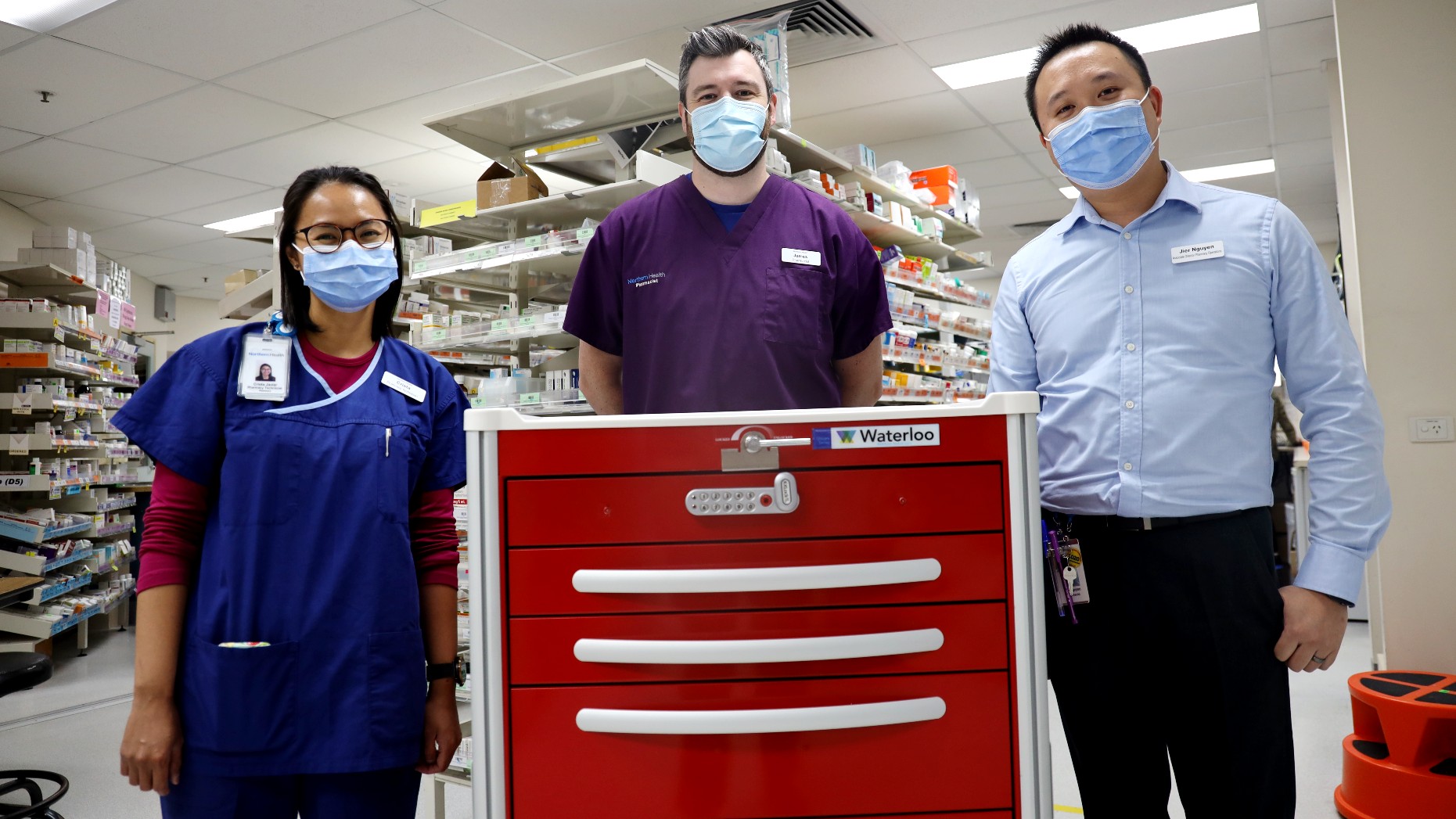
    Starting today, the Pharmacy team will be rolling out new colour coded resuscitation (resus) trolleys at Northern Hospital. The red trolleys will be rolled out in the Emergency Department (ED), Intensive Care Unit (ICU), theatres and Cath Lab 1, as a staged approach with ED and ICU starting first as part of phase 1 this week.

    James Ash, ED and ICU Pharmacy Team Leader, explained the idea for the new trolleys came after the team noticed that there were resus trolleys in the wards and around the hospital that didn’t have consistent inventory in terms of medications, and were variable in terms of layout.

    “We wanted to have new options, which will ensure medication is still secure, but easily accessible. As a result, we developed three different trolley types that are colour coded for easy selection and pinpad locked in high-use areas. ED, ICU, theatres and Cath Lab 1 will be given a designated red trolley, with a uniform layout in all areas. Other areas in the hospital will get green trolleys, with uniform contents and layout. In the future, the plan is to develop colour coded trolleys for all our campuses,” he said.

    Jier Nguyen, Associate Director, Pharmacy Operations, explained the overall goal is to one day have consistency across the whole of the organisation, maintaining the security and accessibility of the medications in the trolleys.

    “A lot of work has been done with consulting key stakeholders and members of Standards 4 and 8 to facilitate a smooth transition to the new trolleys. During the initial rollout of this project, pharmacy will be attending all MET calls during pharmacy operating hours to assist with this changeover. They will take on feedback regarding the trolley setup, as well as assist with locating medicines to ensure optimal patient care,” Jier said.

    “From a Standard 4 perspective, the medications are more securely stored, because the trolleys are locked now. In terms of Standard 8, the consistency in contents and layout benefits the deteriorating patient by providing prompt access to life-saving medications directly at the point of care. Hopefully improving patient care is the long term goal,” he added.

    Crista Javier, Pharmacy Technician, explained that her role is to swap the trolleys currently in ED and change them over to the new red ones, while also being in charge of setting up the contents and labelling the drawers.

    “This system will enable me to service the area better, as I can easily check where these trolleys are and what is in them. I will be able to check the expiry dates better and will be able to see if the amount of stock is appropriate. This makes my job easier, as everything will be standard across the board. The pharmacy technicians are in charge of monthly auditing the trolleys, to make sure the quantities are right and that the medications are in-date,” she explained.

    Featured image (left to right): Crista Javier, James Ash, Jier Nguyen.

  • Basil Ireland: Up to the challenge

    Basil Ireland: Up to the challenge

    Basil likes a challenge. Be it achieving an operating surplus for five consecutive years, restructuring the revenue function, turning a negative operating cash balance to a positive balance, delivering an end-to-end procurement function, bringing our biomedical services in-house or ensuring stock levels and financial control through the pandemic.

    Or even joining in an impromptu push-up challenge. See picture below.

    After five years in his role as Chief Financial Officer (CFO), Basil leaves Northern Health to take on yet another challenge as Chief Financial Officer at Metropolitan Waste and Resource Recovery Group.

    Basil was accorded a moving and musical farewell, with bagpipes played by Anne Ramsay, Manager Supply and Procurement, fulfilling a promise she made to Basil when she first joined. 


    For Basil, some of the highlights of his time here, include “the 75 per cent increase in WIES (Weighted Inlier Equivalent Separation) activity, seeing the growth in capability in my team, reporting to Siva and working with a very supportive Executive”.

    In thanking Basil for his time at Northern Health, Siva Sivarajah, Chief Executive, said “You are dedicated, generous and liked by people. All of us will miss you!”

    Kathryn Bartho, Director, Revenue and Financial Services, speaking on behalf of the Finance team says, “It has been an honour to work with Basil over the last eight years at both Monash and Northern Health. In that time, Basil has been an amazing manager, leader and most importantly a supportive mentor.”

    “The role of a CFO is mainly focused on financial performance, however, Basil is able to combine financial performance with patient-focused priorities and services. He is always approachable and supportive to all whom he interacts with. Basil will always make the time to collaborate with his team and ensure cohesive understanding between both parties. Basil has built positive working relationships with his directorate with transparency, collaboration and inclusion.”

    “We have all valued our time working with Basil and while he will be missed, we wish him all the best on his future endeavours,” concludes Kathryn.

    “Basil will be very much missed but we are also excited for him and his future endeavours,” adds Rick Garotti, Financial Controller.

    Greg Warman, Director Support Services, says, “Basil will be sorely missed. He has always gone to bat for Support Services, providing the necessary support to implement initiatives such as the Computer Assisted Radio Personnel System (CARPs).”

    “Working at Northern Health has been the most enjoyable experience, because of the approachability and collegiality of all our staff,” says Basil.

    “I will miss Northern and I will be watching it continue to punch above its weight,” he adds.

    We are up to the challenge Basil. May we in turn wish you the very best in your new role.

  • Dr Ashni Goshrani: from Kenya to Epping

    Dr Ashni Goshrani: from Kenya to Epping

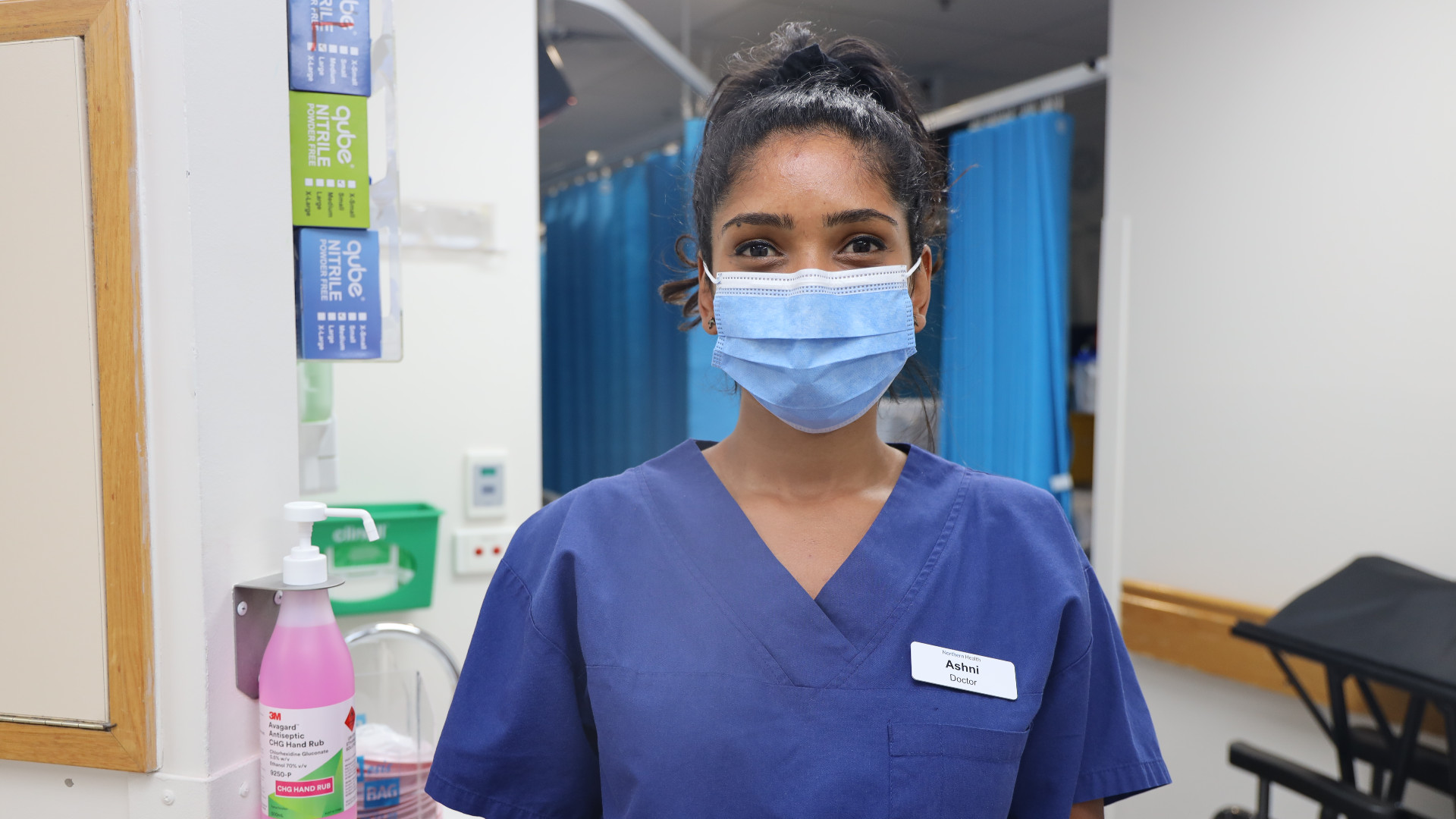
    Growing up in Kenya, Ashni witnessed a struggling and under-resourced healthcare system and how it impacts the lives of people around her. Her love for science, the human body and her desire to help others made her realise early in life she wanted to become a doctor.

    At the age of just 18, Ashni came to Australia on her own to study, and now calls Australia home.

    “It was a bit difficult in the beginning and I missed my family. But I met so many friendly and lovely people here and made lots of friends, and those friends became my family. I love Australia,” she said.

    Ashni studied medicine at the University of Melbourne, and Northern Health was her clinical school for three years.

    “My study experience here has been great. Doctors were great teachers and I always felt part of the team. The culture here is very friendly and I really enjoyed my time here as a student. That is why I applied to do the internship here, and Northern was my top choice,” she said.

    As a student, Ashni was involved in numerous roles at Northern Health – research within the Respiratory Department, focusing on oxygen use, and helping with our COVID-19 response.

    “We are looking at patterns of oxygen use in the hospital. It was an amazing experience which sparked my interest in research. I am hoping to get a chance to work with the team in the future,” she said.

    Working as part of the COVID-19 response team gave Ashni new perspectives and insights into infection prevention, COVID-safe auditing, and also Northern working culture, which she describes as friendly and welcoming. It was also a chance for her to better understand the broad range of opportunities offered at Northern Health.

    Last week, she joined Northern Health as one of our 2021 interns.

    “We had a well-organised, socially-distanced orientation which was super useful. We learned about the policies and procedures at the hospital and were slowly introduced to our roles, as well as our lovely co-interns. I started on a general surgery rotation this week and it has been really good so far – a steep learning curve and early mornings, but it is really nice to be part of the team and contribute to a patient’s medical management, and ensuring they get the best possible care,” she said.

    Currently, Ashni is just happy to be part of the team and local community, and provide holistic care to our patients. In the future, Ashni is interested in physician training as a junior doctor.

    “I am interested in Cardiology and Respiratory, or general practice – I still haven’t decided which path to take. I am also interested in research and hope to expand my research experience here,” she said.

    “It is exciting to be part of such a rapidly expanding health service, and see my career develop alongside the continued expansion of Northern Health,” she added.

  • Northern Pathology Victoria celebrates achievements

    Northern Pathology Victoria celebrates achievements

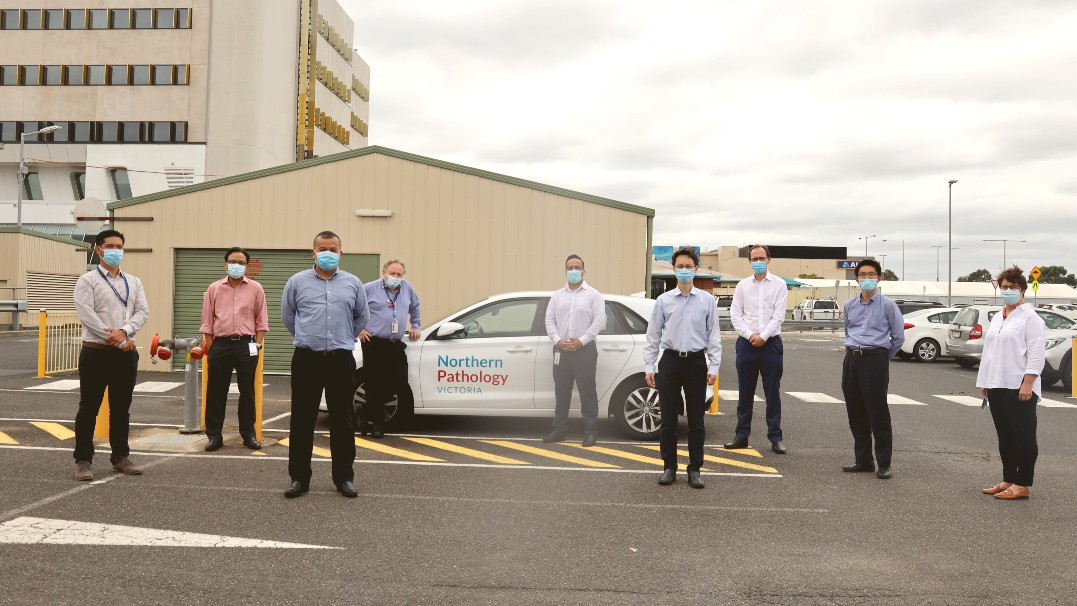
    This week marked two years of operation for Northern Pathology Victoria (NPV), celebrating becoming a well-established laboratory that has so far processed over 124,389 COVID-19 tests.

    “I am very proud of the success NPV has had over the last two years in becoming an established laboratory, and especially how we have responded to the COVID-19 pandemic,” said A/Prof. Prahlad Ho, Program Director, Diagnostic Services.

    Uttam Punj, Operations Manager at Northern Pathology Victoria, agrees, adding that passing accreditation two years in a row was one of the biggest highlights for the team.

    “As Prahlad said, I am also proud of our COVID-19 response, and how we were able to keep up with what is expected by the community, as well as the demands of the hospital. I am pleased to say we have outperformed and achieved what was required of us,” he said.

    This year, NPV is looking forward to a new, modern Laboratory Automation Track System, expected to go live in late March.  The new system would allow the pathology team to expand their capacity, without having to rely on extra resources.

    Dr Frank Hong, Director of Pathology explained this new system is the main project for 2021 and represents a transformational change for the laboratory.

    “It will change the way we work – from specimen reception to sample analysis in haematology, coagulation and chemistry, making the lab more efficient and allow us to handle a greater number of samples in the future. This track system means a specimen will travel on a track to get to the instrument to be analysed and then be sent for storage,” he explained.

    Reflecting on the pandemic, Dr Hong added that over the last year the team has expanded to be able to process a higher number of samples.

    “When the pandemic started, we had great support from Health Information Services (HIS), as well as medical students. After the second wave, we have employed additional staff as part of our long term workforce planning to meet future demand. This allowed us to manage the surge in testing over the new year weekend, when we tested more than 1100 samples per day,” he added.

    The NPV team is also proud that more test are now performed in-house, which means our community and patients get the results faster, allowing our medical staff to treat the patients a lot quicker.

    “The staff have grown so much as a team, and all 101 staff are working great together. At the moment, we are based in Epping, but looking to expand our services to where ever  it’s needed,” Dr Hong added.

  • How to stay safe in the heat

    How to stay safe in the heat

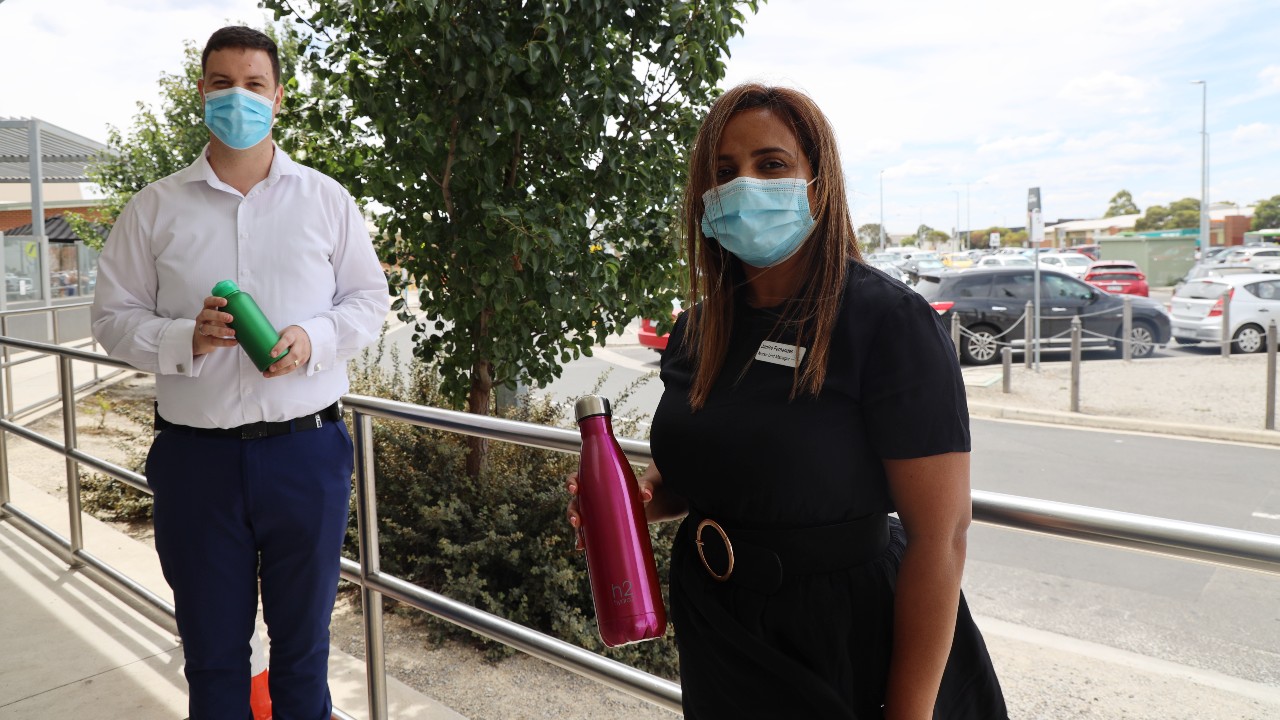
    With temperatures expected to hit 39 degrees today, it’s important to stay safe and hydrated through the day, stay away from direct sun and to be aware of any fire dangers around you.

    Heat can cause illnesses such as heat cramps and heat exhaustion which can lead to the life-threatening condition, heatstroke which is fatal in up to 80 per cent of cases.

    Janice Fernandes, Emergency Department Nurse Unit Manager, advises limiting exposure to the sun from 10 am -4 pm, when UV rays are the strongest.

    “Certain conditions, such as simple as sunburn and as serious as heat stroke, can be prevented by avoiding exposure and exertion during the hottest times of the day. Also, never leave infants, children or pets in a parked car. Stay hydrated and stay safe – check on your friends, family, and neighbours who may have a higher risk of heat related illness,” she said.

    Jason Amos, Manager Emergency Management explained that as summer progresses, we will continue to experience hot days.

    “Although we have had wetter periods and cooler temperatures towards the end to 2020, unfortunately this results in an abundance of grass growth throughout the state. All we need is a few days above 30 degrees like we are currently seeing and the grass will dry out rapidly resulting in greater grass fire risk,” he explained.

    Staff travelling to or from work or our Home Visiting staff who undertake essential patient home visits throughout the day must ensure that they aware of the daily fire danger ratings.

    “Also, whether you are travelling for work or travelling throughout Victoria while on leave, check to see if there are any fires along your travel routes by downloading the VicEmergency app on your phone or visiting www.emergency.vic.gov.au and ensure you have plenty of drinking water during your travels. Stay aware, stay healthy and most importantly stay safe in the heat,” he added.

    Here are some tips on how to stay safe during a heat wave:

    • Drink water, even if you don’t feel thirsty. Take a bottle with you always.
    • Hot cars kill. Never leave kids, older people or pets in cars. The temperature inside a parked car can double within minutes.
    • Keep cool. Seek out air-conditioned buildings, draw your blinds, use a fan, take cool showers and dress in light and loose clothing made from natural fabrics.
    • Plan ahead. Schedule activities in the coolest part of the day and avoid exercising in the heat. If you must go out, wear a hat and sunscreen and take a bottle of water with you.
    • Check in on others. Look after those most at risk in the heat – your neighbour living alone, the elderly, the young, people with a medical condition and don’t forget your pets.