• National Health Information Management Awareness Week

    National Health Information Management Awareness Week

    This week is National Health Information Management Awareness Week. Health Information is at the heart of the healthcare system and is maintained by Health Information Managers (HIMs).

    Terri Fiorenza, Director Health Information Services, explained HIM’s professional responsibilities cover the collection, storage, analysis and distribution of healthcare information.

    “HIMs contribute both to the healthcare system and to people’s health by providing the information systems and data central for medical decision making and patient care planning. HIMs coordinate many kinds of healthcare information, from a variety of sources. At Northern Health, HIMs work across the following departments: Health Information Services, Decision Support Unit, Legal Counsel, Information Technology, Mental Health and Electronic Medical Record project,” she said.

    It’s been a busy year for our Health Information Services (HIS). In the last 12 months, they have been responsible for securing submission of the eDishcharge Summary to patient’s My Health Record, implementing the Department of Health Unique Patient Identifier statewide system in identifying and managing patient duplicate healthcare records and establishing a data linkage with births, deaths and marriages in upgrading Northern Health Patient Administration System with deceased information of patients.

    The team has upgraded Clinical Patient Folder (CPF) to include the CPF Referrals Manager for referral management with Specialist Clinic Outpatients and CPF scanning hardware and software fleet has been upgraded to ensure Windows 10 compliance.

    The Northern Health Communications team has transitioned to the HIS program and a Hospital Reception Manager position to oversee Communications/Hospital Receptions across the health service has been created. The remaining Northern Health Ward Clerk Workforce has transitioned to the HIS Program, with the creation of a HIS Program Allocations team to manage vacancies across the HIS Program and Communications and Ward Clerk resources have been supplied for the Main Ward Block.

    In addition, there were notable projects such as the development of the new Cancer Registry Board.

    “The Cancer Services division identified that Northern Health did not have a method to capture all cancer patients presenting to our health services. The task was presented to Decision Support and HIS to develop a tool to identify and monitor all cancer related patients that are treated at Northern Health,” said Nga Dang, from Decision Support.

    As cancer patients can touch on various points throughout the organisation, Nga analysed a number of internal systems such as iPM, CHARM, HMS and CANMAP, and built a methodology to isolate those patients that had been flagged with cancer whilst categorising them into an appropriate tumour stream.

    “The end result is a Cancer Registry dashboard, which is accessible through the reporting portal, and allows users to track volumes of patients, first treatments, tumour streams and cancer diagnosis. The dashboard will evolve in the future to include key KPI’s to support the monitoring and auditing of cancer care clinical indicators,” she explained.

    Maria Tucker, Divisional Director Nursing, Cancer Services and Specialist Clinics, was highly appreciative of the end result and said, “clinical indicators are best practice quality indicators that span patient access, assessment, treatment and outcomes related to their cancer care, and provide Northern Health with an objective measure of performance on areas for improvement or exemplary performance.”

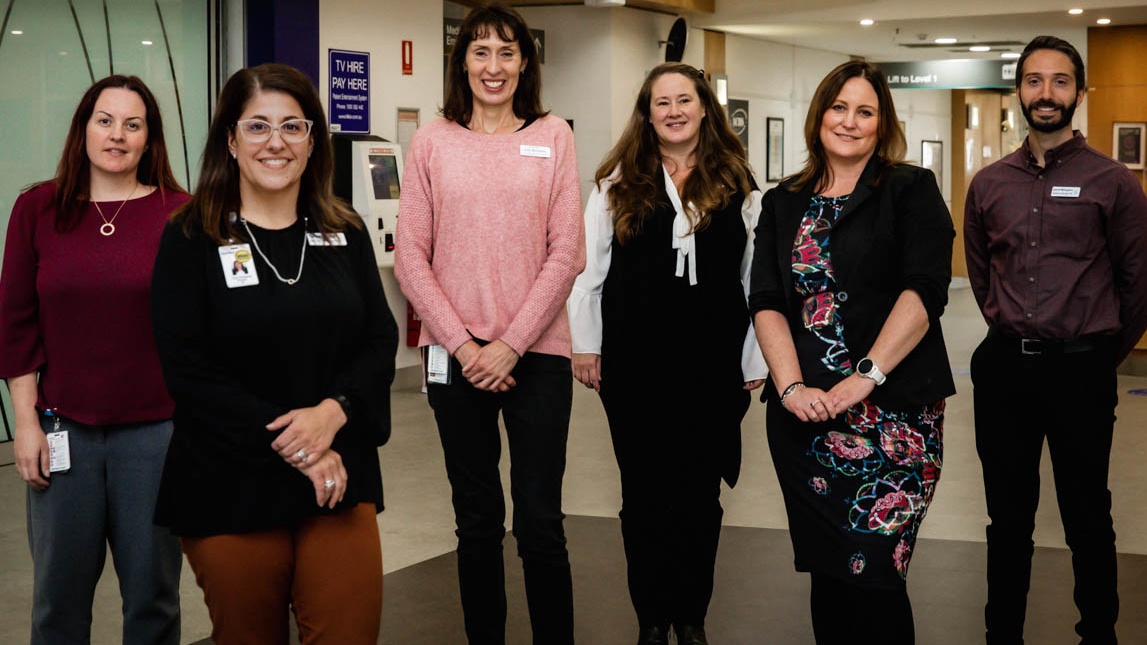
    Featured image: HIS staff
  • Meet the EMR informatics team!

    Meet the EMR informatics team!

    Over the coming months, we will continue to introduce you to the dedicated staff members who are working on the Electronic Medical Record (EMR) Project – a two year project to introduce an EMR to Northern Health.

    Three staff members working in the informatics space are Dr Lachie Hayes, Chief Medical Informatics Officer, Vanessa Reid, Chief Nursing Information Officer (CNIO) and Daniella Chapkoun, Nursing Informatics and Benefits Analyst.

    Lachie explains his work in informatics over the past decade at Northern Health.

    “I’ve been involved in various informatics projects at Northern over the last 10 years, providing me with a comprehensive understanding of the existing applications. Through my work at various times as Head of Unit, Divisional Director and Acting CMO, I have a broad understanding of the medical culture and the history of the organisation,” Lachie said.

    “In my role, I am actively engaged with senior and junior medical staff, assisting in translating their clinical workflows and experience into the EMR. I also still practice clinically, meaning, I will actually be using the end product and therefore have a strong interest in a successful deployment,” Lachie added.

    Daniella is also a long-standing staff member of Northern Health and is looking forward to working collaboratively with her team on the implementation.

    “I have worked at Northern Health for almost 20 years! My digital journey began in 2019 with the mapping of current state for the EMR team. I then moved to Specialist Clinics as the project lead, implementing The Referrals Manager,” Daniella said.

    “My role in nursing informatics is to work collaboratively with Vanessa to lead and facilitate the engagement of nursing staff in the design and operational readiness with the implementation of the EMR. The role of Benefits Analyst is to collaboratively manage the collective portfolio of project benefits through the full life cycle of benefits realisation,” Daniella added.

    Vanessa has worked at Northern Health for over three years as the CNIO and has brought a wealth of experience to the role.

    “I joined Northern Health after spending the majority of my nursing career at Austin Health in various positions that provided me with a broad understanding of clinical informatics and experience in a range of nursing roles from the bedside to the executive level,” Vanessa explained.

    “I have been working for the last three years as the CNIO, supporting EMR planning and working on various projects and initiatives across the organisation. My role bridges the gap between nursing and clinical information systems at the strategic level, so we can meet the needs of the overall organisation, while keeping the goal of patient care at the forefront of our decisions.”

    “I look forward to continuing to work with our nurses to ensure our clinical workflows and standards of practice are considered in design and implementation the EMR.”

    Stay tuned for more EMR team profiles in the coming months!

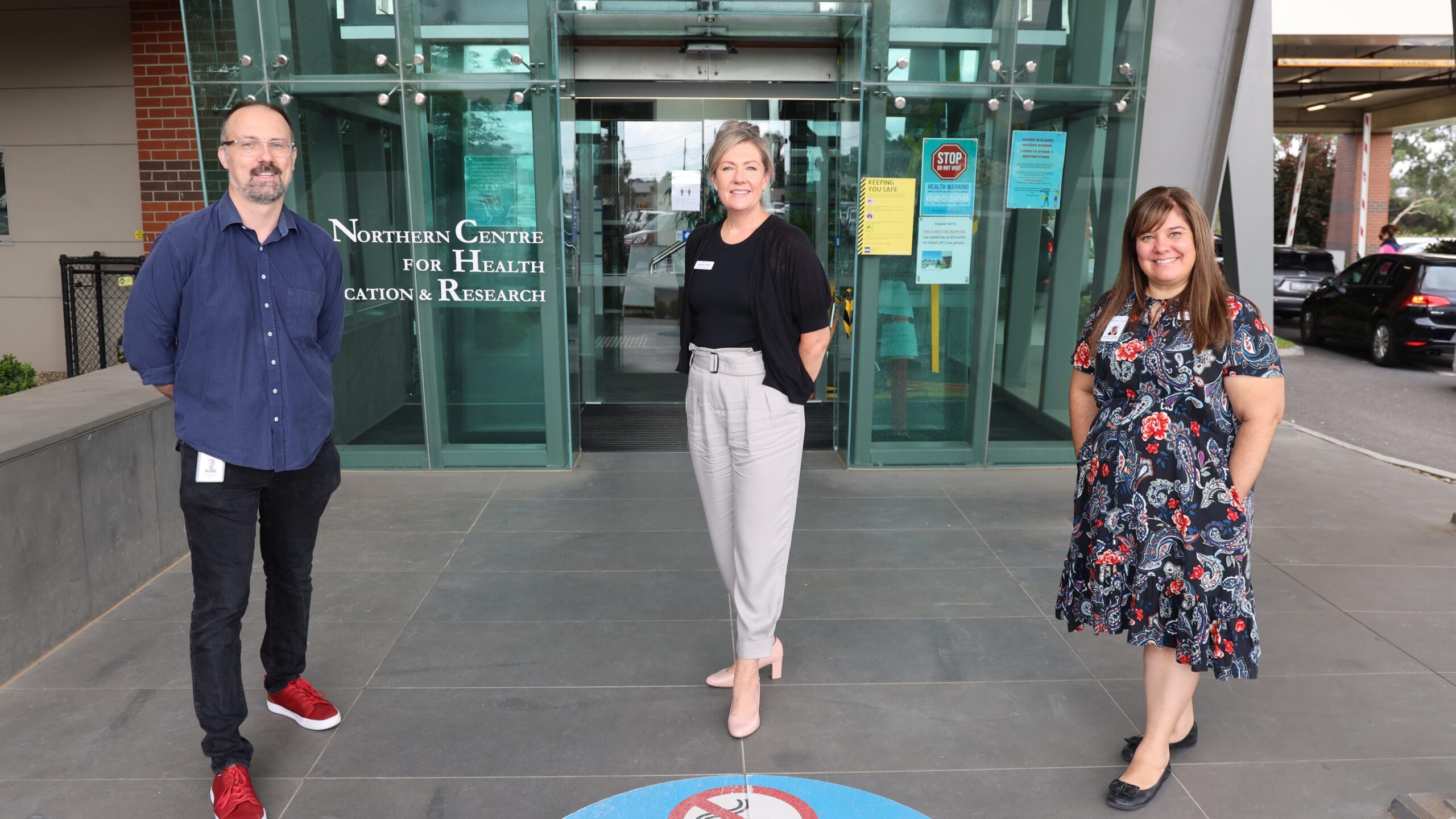
    Featured Image (left to right): Dr Lachie Hayes, Vanessa Reid and Daniella Chapkoun

  • Happy International Nurses Day

    Happy International Nurses Day

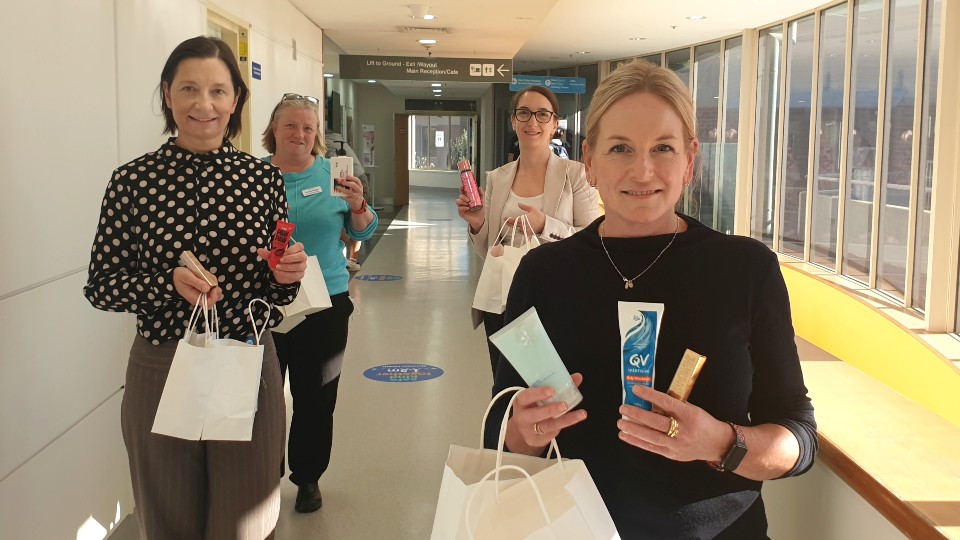
    International Nurses Day is celebrated around the world annually on 12 May, the anniversary of Florence Nightingale’s birth. This year’s theme is Nurses: A Voice to Lead – A vision for future healthcare.

    Annabel Milonas, Director Education – Nursing and Midwifery, said to celebrate the day, Northern Health is moving its focus outwards to its wider international community and showing support and unification for the nursing staff in Papua New Guinea (PNG) experiencing the worst of the COVID-19 pandemic, by sending care packages.

    “Throughout 2020 in Australia, while facing the COVID-19 pandemic and in Victoria especially, our nurses would like to acknowledge the dedication and hardship facing our colleagues within the Papua New Guinea region. Northern Health has a strong focus on community and are reaching out to our neighbours in support of their care provision during the pandemic,” she said.

    Maria Tucker, Divisional Director, Nursing, Cancer Services and Specialist Clinics, who initiated the idea said: “I think it could be quite unifying and inspiring to support nurses in other countries who are doing it tough still while we have the luxury of an almost COVID-free country,” she said.

    Debra Bourne, Chief Nursing and Midwifery Officer added: “This day is about the roles and impact our nurses had in shaping healthcare, and especially in response to COVID-19. We decided to donate the care packages so we can stand in solidarity with nurses in PNG. When we received some gifts in the beginning of last year, it meant a lot that others were thinking of us. Thank you for all staff who donated items in the packages. We now have around 500 packages to send.”

    Our nursing leadership has also reflected on why it is important to celebrate today and how they chose this profession.

    For Kirralee Jensen, Acting Director of Nursing Bundoora Centre, today is not only a day to recognise Florence Nightingale, but to also acknowledge and recognise the changes that have occurred in nursing since and how nursing has evolved, as well as to say thank you to all the nurses who work in a range of diverse roles.

    “I think this year it is even more important to celebrate International Nurses Day given the challenges we have all faced with the COVID-19 pandemic. Nursing in a pandemic is probably something most of us would never have imagined we would have to do when we joined the profession. However, during the last 12 months, I have seen outstanding teamwork across all areas,” she said.

    “I would like to wish all Northern Health nurses a Happy International Nurses Day and thank them for their dedication, empathy and care they provide each and every day to all of their patients.”

    Grant Taylor, Director of Nursing Broadmeadows Hospital and Craigieburn Centre, said “this day marks a fantastic opportunity for all staff at Broadmeadows Hospital and Craigieburn Centre to recognise the amazing work that all nurses across both of these sites contribute day after day.”

    “I personally would also like to take the opportunity to thank all nurses at Broadmeadows and Craigieburn for all of the hard work, commitment and spirit of togetherness that has been demonstrated throughout the past year, especially during the first and second wave of COVID-19,” he said.

    For Lora Davies, Director of Nursing Epping, it is important to celebrate today to remember why we do what we do and why it is so important.

    “I chose to be a nurse at a very young age, after requiring hospitalisation. As a six year old, l was frightened, alone and overwhelmed. I found myself under my bed, hiding in fear, the nurse looking after me crawled under the bed and saved me. From that moment on, that’s what l wanted to do with my life – help people when they were at their most vulnerable. And that is what nursing delivers every day, the reward that you can make a difference to people’s lives every day,” she said.

    Due to the current COVID-19 situation, the BBQ at Northern Hospital Epping has been postponed today. However, a number of other activities are planned for today across all campuses, including coffee carts and cupcakes.

    Cupcake delivery, Wards 14 and 15
    Ward 16
    Coffee cart in Bundoora Centre
  • Improving critical care

    Improving critical care

    Standard 8 – Recognising and Responding to Acute Deterioration aims to ensure that a person’s acute deterioration is recognised promptly and appropriate action is taken. Acute deterioration includes physiological changes, as well as acute changes in cognition and mental state.

    Elise Sutton, Clinical Deterioration and Resuscitation Coordinator, is one of the leads on the Standard 8 Committee and works on numerous Standard 8-related projects, as well as on the education around this Standard.

    “Some of the projects implemented include the ‘Allergy and Anaphylaxis’ project, where we identified there was no allergy and anaphylaxis procedure, so we developed an online learning module and a face to face component. We also gave authority to nurses to initiate adrenaline in the event of anaphylaxis, if they have done this learning package,” she explained.

    Another project Elise is proud of is moving pre-METs to Medtasker.

    “Prior to this, pre-METs were activated by dialing 444 which went through the switchboard. The switch gets around 3,000 calls in codes every month, and half of those were pre-METs. We have moved pre-METs to Medtasker and that has been going for a month now,” Elise said.

    “Some of the really good things about this change is that we can actually track the reasons why the pre-METs are being called, while previously we had no information on that. Now, we know that one third of those calls are blood sugar related and we can now identify where the calls are coming from and what is the reason. For example, if we notice our surgical wards are having a lot of pre-METs for blood sugar, we can target our education towards that area,” she explained.

    Previously, with pagers, the team wasn’t able to see if the pre-MET message was getting through. Now, with Medtasker, the team can see if the message has been delivered.

    “It could happen that the pager has gone flat or missing and we wouldn’t know that pager was not staffed. Now, if you try to activate a pre-MET and there is no one logged on, we can see straight away and escalate. Rather than having a 30 minute delay due to no response, now we can escalate to a MET call if needed. Ultimately, this is reducing the delay in time to treatment,” Elise explained.

    Another organisation-wide initiative and a key improvement was working with the Standard 4 Committee to standardise all the medication in resus trolleys, so all the critical care areas have a standardised layout of the medication in the trolleys, and the same was implemented in general wards.

    “Education is another key improvement. We found ways to utilise virtual resources and adjust our sessions, via Microsoft Teams and LMS. We now have a Clinical Deterioration and Resuscitation Learning Hub, so there is one centralised location with all the resources around resuscitation,” Elise said.

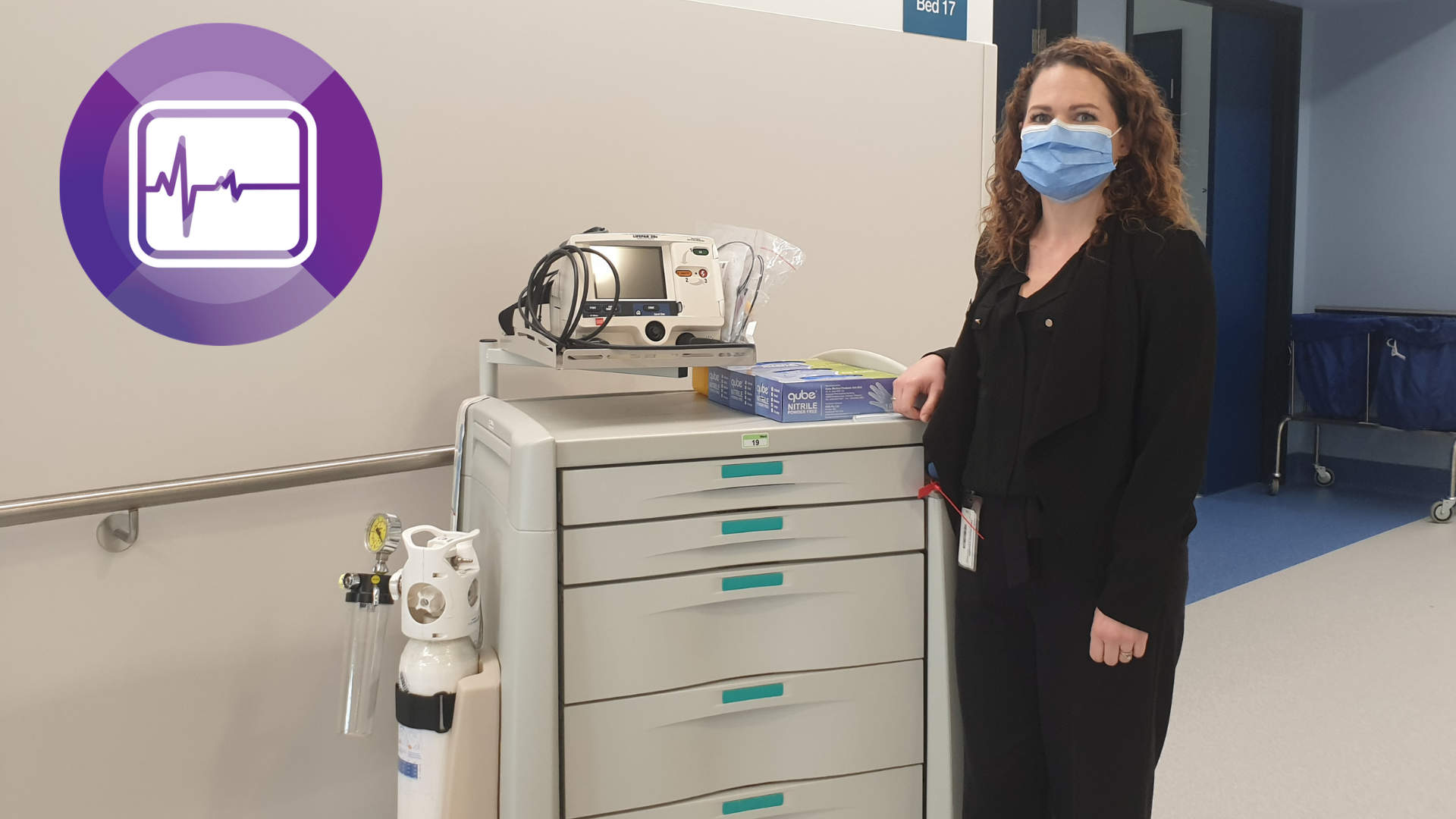
    Over the last 12 months, a new fleet of defibrillators was rolled out across the health service, standardising these devices across Northern Health.

    “Previously, we had several brands. Now, they are standardised and meet the Australian Resuscitation Council guidelines, as they have the ability to escalate joules to 360 if required. The Northern Health Foundation donated money to purchase the new fleet of defibrillators,” Elise said.

    Featured image: Elise Sutton with the new green trolley and new defibrillator

  • Karen Bryant’s new honour

    Karen Bryant’s new honour

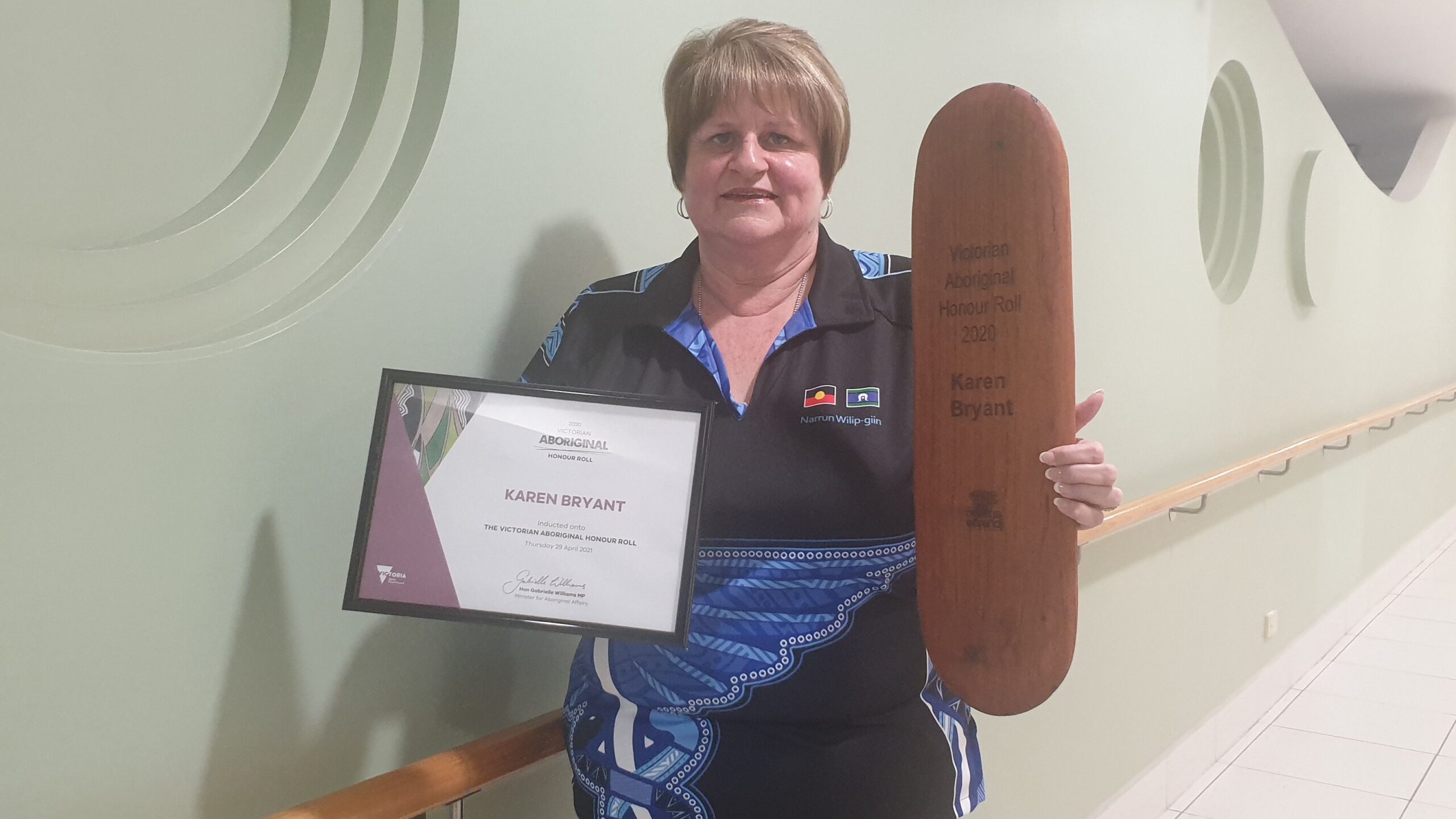
    Our Senior Aboriginal Liaison Officer Karen Bryant has been inducted into the Victorian Aboriginal Honour Roll.

    The honour roll celebrates and recognises the achievements of Aboriginal Victorians, both past and present, who have made a profound contribution to their community and the state.

    “I am very happy to be acknowledged in this way. I am feeling very honoured to be among the 12 other inductees and to hear their stories is a beautiful and humbling experience,” Karen said.

    Karen has worked at Northern Health for 14 years and says she has seen the organisation and Aboriginal services at Northern Health expand over the years.

    “We have two great programs operating. The Koori Maternity Program looks after Aboriginal women and their spouses who are having ‘boorai’s (babies). The program has two midwives and an Aboriginal Health Worker. The program works with Aboriginal women in the antenatal phase, at birth and at post-delivery,” she said.

    “The Aboriginal Liaison Officer (ALO) team works with inpatients at the Northern Hospital, Broadmeadows, Craigieburn and Bundoora sites. The ALO role is predominately working with the Aboriginal and Torres Strait Islander patients coming in and we often work with the spouses of Aboriginal families. We have some great changes evolving all the time and many actions coming from the Northern Health Reconciliation Plan.”

    Karen says she is always wanting to improve the education of non-Aboriginal people about culture safety matters and culture awareness, but also educating Aboriginal patients on the importance of the hospital, health services and options on services, clinics and programs within the hospital setting.

    “A lot of our people are getting chronic illnesses quite early on and people are getting multiple chronic illnesses in their 40s or 50s. Many of our people die earlier than the broader community so education is key to many things,” she said.

    “It’s also about educating the staff on how to engage with Aboriginal people. It’s about making that journey better for them or getting them to understand the journey. The hospital is a safe place and we want to encourage Aboriginal people to attend when needed”.

    “We’ve had some great cultural safety exercises happening around the hospital. Northern Health has got Acknowledgement to Country plaques of the traditional owners throughout the hospital and all the other Northern Health sites.

    Since starting at Northern Health, Karen has seen a significant improvement in Aboriginal and Torres Islander people accessing the health service with more outpatients appointments booked in and higher attendances.

    “We have patients coming from country areas because sometimes they don’t have specialist services or a particular discipline in their area. We are are seeing people from areas like Wallan, Broadford and Sunbury, including people coming from Mildura, Echuca and Shepparton,” Karen said.

    Featured image: Karen Bryant 

  • Standard 8: What you need to know

    Standard 8: What you need to know

    In the lead up to organisation wide Accreditation from 24-28 May 2021, each week Northern Health is focusing on a different Standard. You will hear from the Chairs of each Standard Committee on what you need to know.

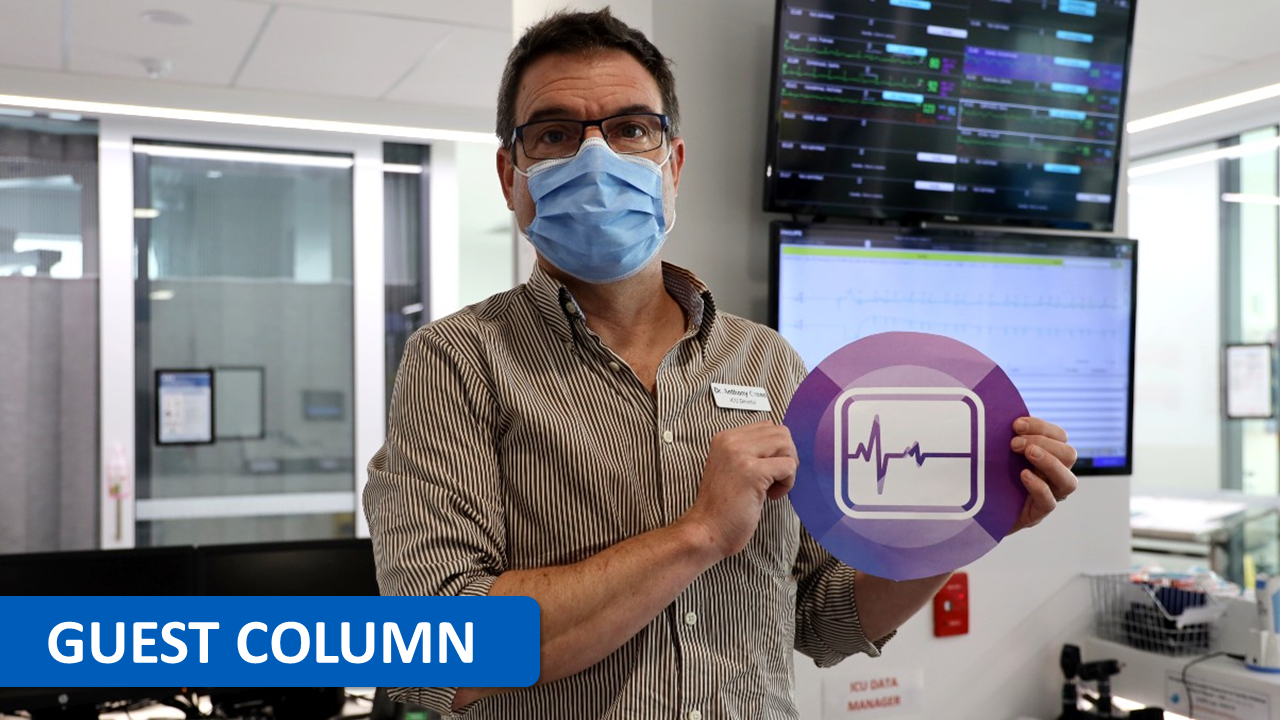
    This week we spoke to Dr Anthony Cross, Head of ICU, about Standard 8: Recognising and Responding to Acute Deterioration

    What is this Standard about?

    Standard 8 aims to ensure that a person’s acute deterioration is recognised quickly and appropriate action and response occurs. Acute deterioration could be physiological changes or changes in cognition and mental state. Recognition of deterioration could be by a clinician, family member, carer, or the patient.

    At Northern Health, this standard looks like….

    • Observation and response charts with a track and trigger systems are utilised to prompt staff of acute deterioration
    • Processes are in place to ensure correct escalation
    • Resuscitation training for staff with direct patient care is mandated to promote patient safety
    • Medical Emergency Teams respond to escalation of acute deterioration
    • Cardiac arrest HAC, MET and Code Blue data is monitored and reported on

    What are the top 5 ways staff can be prepared for Accreditation against this Standard?

    1. Know the process for escalating acute deterioration and where to locate the procedure
    2. Ensure you and your patients are familiar with the REACH escalation process
    3. Know where your resuscitation equipment is kept, how to know it has stocked and equipment is working
    4. Complete the Observation and Response Chart audit and ensure your departments compliance with questions
    5. Ensure you have completed your mandatory online resuscitation module and successfully completed the online assessment

    What are the top 5 questions staff needs to be able to answer about this Standard?

    1. How do you know when to escalate acute deterioration and how do you do this?
    2. If you do not have a response after you have activated an emergency call due to acute deterioration, what is the process to escalate this and ensure timely care is delivered?
    3. What is the process for patients, carers or families to escalate care?
    4. Where is your resuscitation equipment located and how do you know it is available and stocked?
    5. How do you access the resuscitation training?

    Is there anything else you would like staff to know about this Standard?

    Standard 8 is part of your daily work when caring for patients. Ensure you escalate care if your patient falls into PreMET or MET criteria and if you have no response or there is no one logged on to Medtasker, escalate as per the Deteriorating Patient procedure. Always remember to engage your patient and their families in their care, even in an emergency situation and ensure they are aware of the REACH process.

    To learn more about Standard 8, please see the Intranet.

  • Making blood transfusions safe

    Making blood transfusions safe

    Janice (Jan) Stevens has been a Northern Health patient for eight years. She came to Northern for the first time when her haematologist suggested participating in clinical trials, and in the meantime has also become our Standard 7 consumer representative.

    Jan has a rare condition, Cold Agglutinin, which is connected to blood cancer. For the last eight years, she has been coming to hospital in various intervals for tests and blood transfusions.

    “There was a period when I had a blood transfusion every Saturday, for 11 months,” she said.

    More than a year ago, Jan joined the Blood Management Committee.

    “I saw a poster in Day Oncology and thought maybe that is something I can do to help the hospital, as they help me so much. Day Oncology staff are absolutely wonderful. I don’t have a science background, but I guess my contribution is around how they represent themselves to patients and communication with patients,” she said.

    “One of the things I remember doing was reviewing a new pamphlet. I helped review the language and ensured patients understood what is written there. It’s all about communication.”

    The Standard 7 Blood Management Committee oversees the transfusion practice and management of blood and blood products at Northern Health. The Committee is there to ensure the transfusion practice is safe and appropriate.

    “Blood is a very precious product and there isn’t an unlimited supply. The Blood Management Committee oversees that we use this resource appropriately, so that we can protect our future generations. If we don’t use it appropriately and wisely, we cannot be assured that the blood will be available for future generations. That is why the committee is ensuring we are not wasting blood, and we are practising safe transfusion,” Betty Dumayas, Transfusion Nurse Consultant explained.

    “Blood comes from other people, and when we give it to someone else, we want to make sure it is safe.”

    To ensure safety, the team uses the Blood Administration Chart, which is one of the most important documents in blood transfusion.

    “It is important that the blood product is traceable. That means when you give it to a patient, we can trace back when it was given and from whom, and in case an infection happens, we can trace it back. This blood chart helps us trace the blood product – it’s called the look back process,” Betty added.

    The chart also contains other relevant information, such as patient consent and similar.

    “We are now using an amended version and implementing improvements was a long process. With the new chart, revised by the committee and Janice, we now have a better, more compliant chart, which conforms with the Standard 7,” Betty said.

    The Blood Management Standard aims to improve outcomes for patients by identifying risks and using strategies that optimise and conserve a patient’s own blood, as well as ensuring that any blood and blood products that patients receive are safe and appropriate.

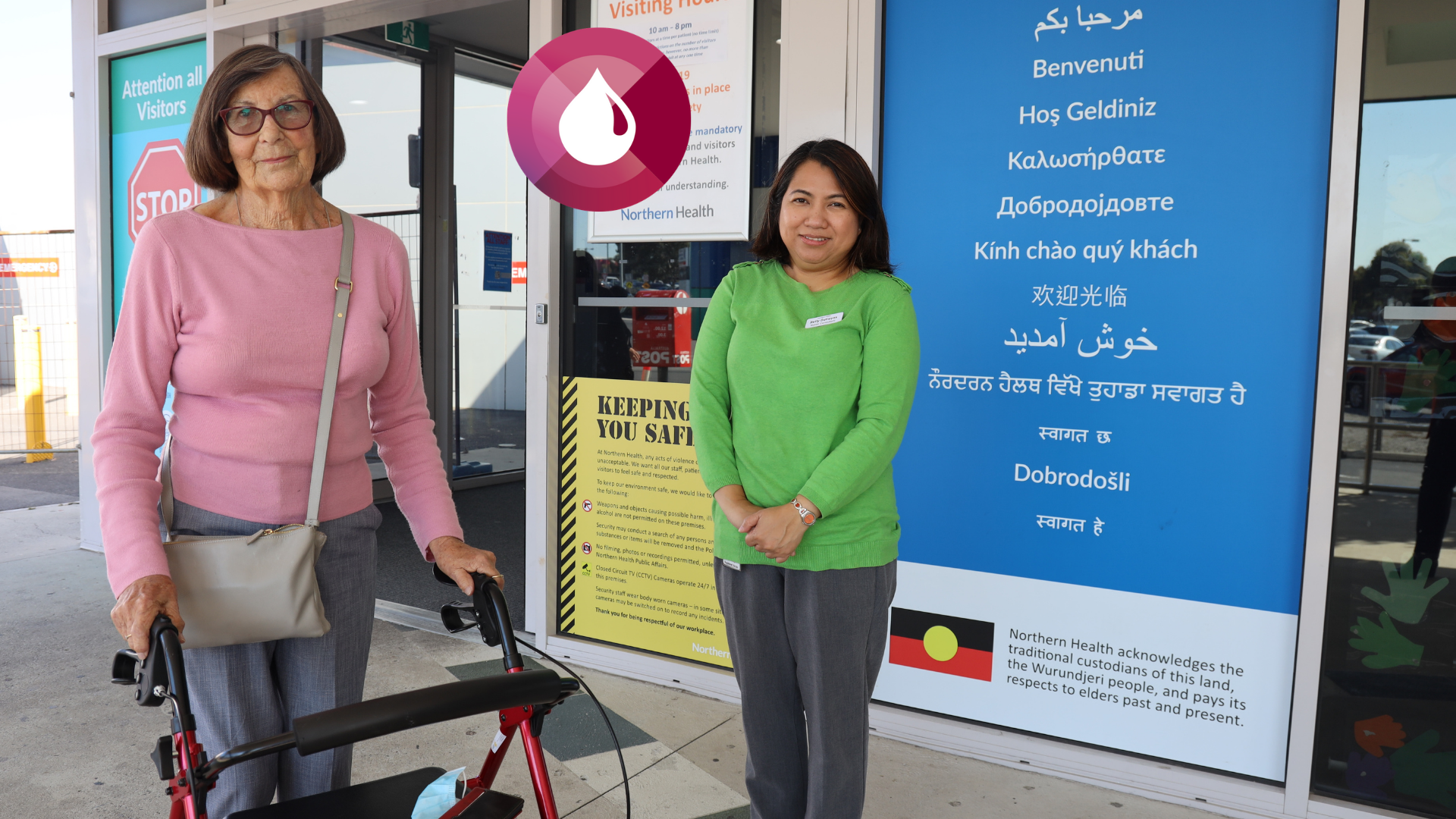
    Featured image (left to right): Janice (Jan) Stevens and Betty Dumayas

  • Successful move into new wards at Northern Hospital

    Successful move into new wards at Northern Hospital

    This week, new wards at Northern Hospital were opened as part of Stage 2 of the Northern Hospital Expansion. Located in the new Main Ward Block, Wards 19, 20 and 21 were moved into over two days – Tuesday, 4 May and Wednesday, 5 May – and are now operational.

    We spoke to some of the Divisional Directors and Heads of Unit to see how the move went and how their teams are enjoying their new spaces.

    Dennis Gyomber, Divisional Director of Surgery, acknowledged the exceptional work of Ward 19 staff who moved from Ward 13 on Wednesday, led by Nurse Unit Manager, Amanda Palelogos. He also explained the benefits of the new ward.

    “The new ward provides a modern, clean and less cluttered space for the surgical and nursing teams. Most patients will have large private rooms, meaning the surgical teams can now hold conversations that maintain confidentiality, have enough room for family members to be present and finally provide shelter from the noises of a busy ward creating an environment favourable for recovery from surgery,” said Dennis.

    “Ward 18 moved and split into two new wards, Ward 20 and Ward 21. The specialist medical services that Ward 18 previously provided, respiratory and neurology/stroke, are now located on separate wards. This separation of specialist medical services has allowed for an expansion of neurology and stroke services at Northern Health, which now offers facilities for acute stroke/neurology high dependency and specialist electroencephalogram (EEG) monitoring services,” explained Lisa Cox, Divisional Director of Medicine, Subacute and Emergency Services; Emergency Management.

    “Carol Winter (Ward 20) and Nadine Stowell (Ward 21), as Nurse Unit Managers, have completed a vast amount of work to ensure the smooth transition and move, and large amounts of this work was completed during our very challenging 2020 year. The move on Tuesday went seamlessly and was just about complete by mid-morning! They should both be highly commended,” said Lisa.

    “A big thank you to Kathryn Bartho, Lora Davies, Carolyn Downing and Karen Green who also had significant roles with this project, and for the Access Team at Northern Hospital for assistance on move day. Big moves, like this one, makes you feel very proud of your team and support staff, and clearly demonstrates our staff living the Northern Health values,” Lisa added.

    Associate Professor Doug Crompton, Head of Neurology, is thrilled with the new facilities.

    “The opening of Ward 21 gives Northern Health world class facilities for the care of neurology and stroke patients. For the first time, we will have two inpatient rooms for video-EEG (brainwave) monitoring to optimise diagnosis and treatment of epilepsy and related conditions,” he explained.

    “Atrial fibrillation is associated with one in four strokes but is often intermittent and challenging to detect. We now have comprehensive cardiac rhythm monitoring for people presenting with strokes to allow early detection and treatment of atrial fibrillation, enhancing our ability to minimise stroke recurrence,” Doug added.

    Dr Yana Sunderland, Divisional Director of Medicine, also acknowledged the importance of these new facilities.

    “We know that having our patients in the right place makes it easier for our staff to better respond to patient’s care needs and provide timely cohesive high quality care. This makes a difference to our patient’s care experience. The new Respiratory Care Unit and Stroke Unit beds will also allow us to deliver more specialised care in a purpose built environment that better meets the needs of these patients,” Yana said.

    Dr Katharine See, Director of Respiratory Medicine, explained, “The purpose built ward improves the safety of some of our most unwell and vulnerable patients. Every single one of the Respiratory Care Unit beds has been designed with direct line of sight vision from the nurses station, plus state of the art back to base monitoring. Feedback from our patients is that when you’re acutely short of breath, it’s reassuring to be able to see that the nursing and medical staff are monitoring you closely, regardless of whether they’re in the room with you or outside at the staff station. This reassurance helps manage the anxiety of being acutely unwell.”

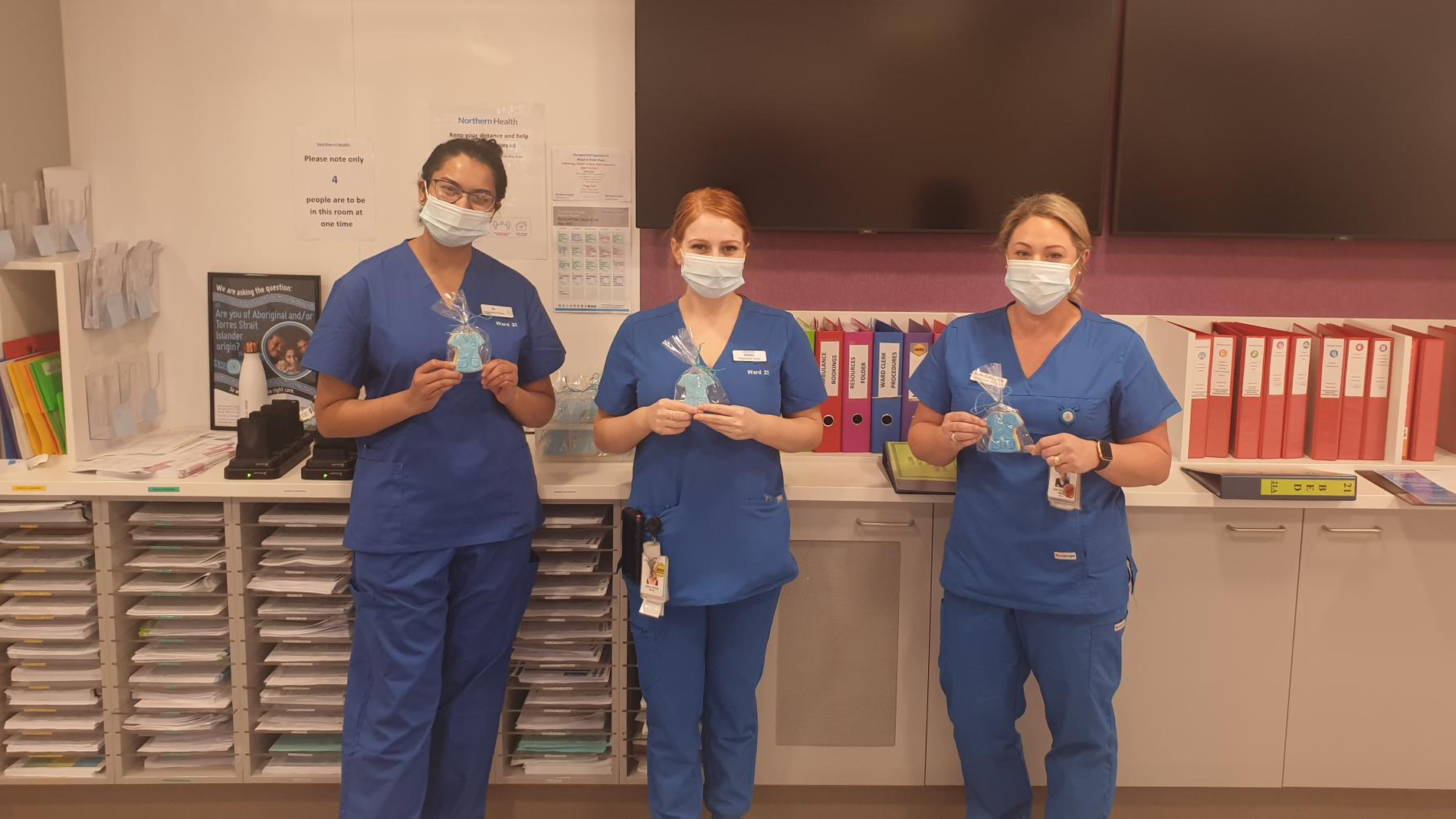
    Featured Image: Ward 19 staff after their successful move from Ward 13 

    Ward 20 staff