• ICU (T)Error Room: Getting it right for our patients

    ICU (T)Error Room: Getting it right for our patients

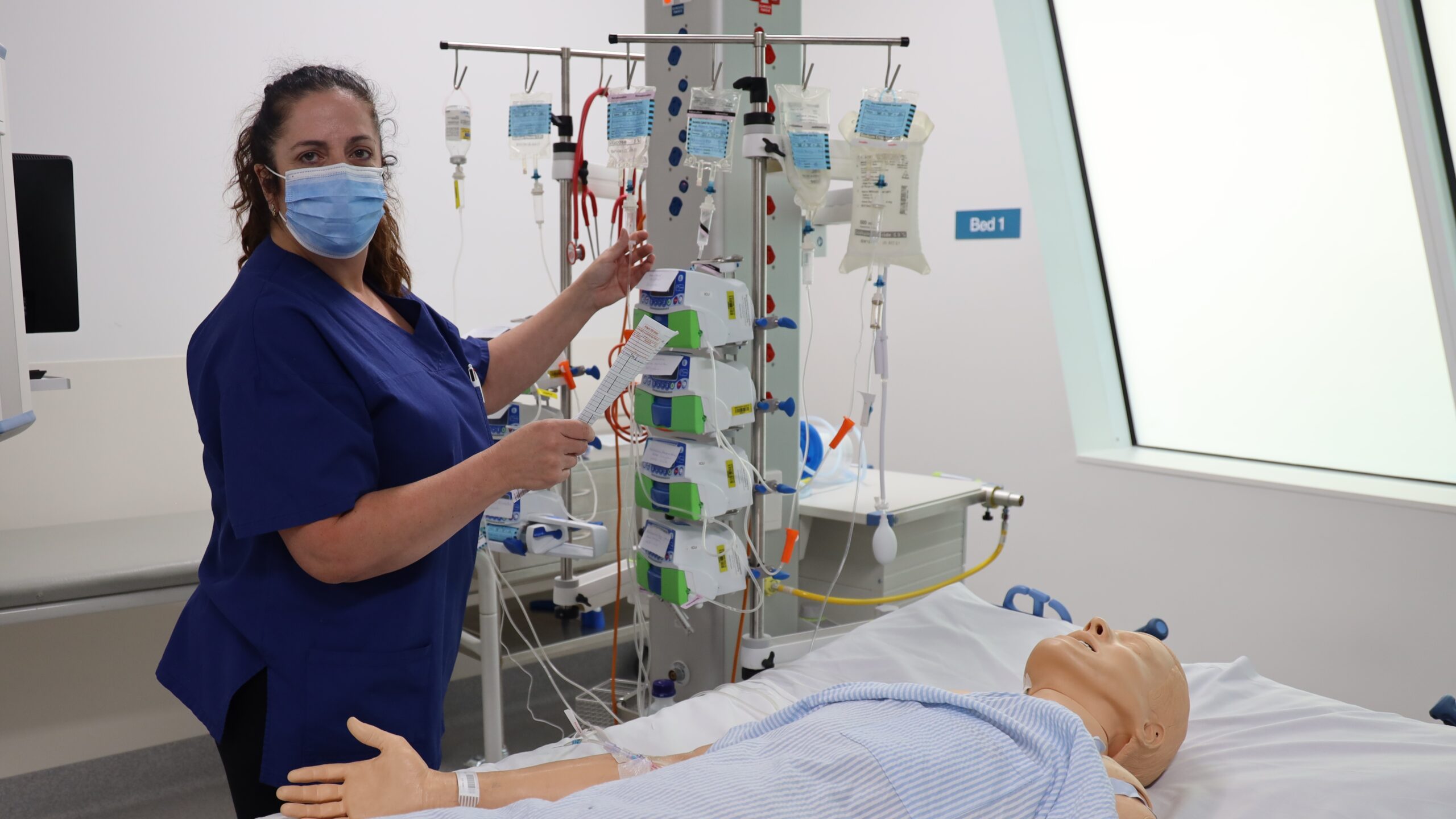
    A Medication (T)Error Room has been set up in our Intensive Care Unit (ICU) at Northern Hospital Epping to help improve and reduce medication based related incidents to zero.

    The room is designed to create a realistic and engaging environment for ICU doctors and nurses where they are invited to identify all the deliberate medication prescription and administration errors in the room, that are commonly seen in the ICU.

    Narkitaa Van Ekeren, Nurse Unit Manager, ICU, said the room is tailored to incidents relevant to our ICU over the last 12 months.

    “It’s a fantastic initiative, it’s innovative and it is a great opportunity for them to think outside the square,” she said.

    “The Medication Special Interest Group (SIG) will provide feedback to all participants on where they have correctly identified all the medication errors and whom the overall winner is.”

    The room was first set up in 2019 by our Medication SIG. The (T)Error Room was so successful last year, medication incident went to zero, and the team decided to run the exercise again in 2021.

    “Other departments have utilised the idea. The Emergency Department used it last year which was well received ,” Narkitaa said.

    “We encourage doctors and nurses to go in. The room is open for them.”

    Helen Nicolaci, ICU Senior Critical Nurse and current Medication SIG Nurse Lead, said the (T)Error Room is an education session for staff.

    “There are mistakes that have been deliberately made to see if people know how things should be properly set up with a patient so people don’t keep doing it again” she said.

    “It’s making sure that patient’s details match what is on the paperwork, or if the patient has an allergy, you check if they have any allergies. It’s purely educational. It’s for everyone to learn. There is a prize for the person who does figure out how many errors there are and there are a significant amount of errors.”

    The (T)Error Room is open until the end of May. For details on the (T)Error Room, email Narkitaa: Narkitaa.VanEkeren@nh.org.au

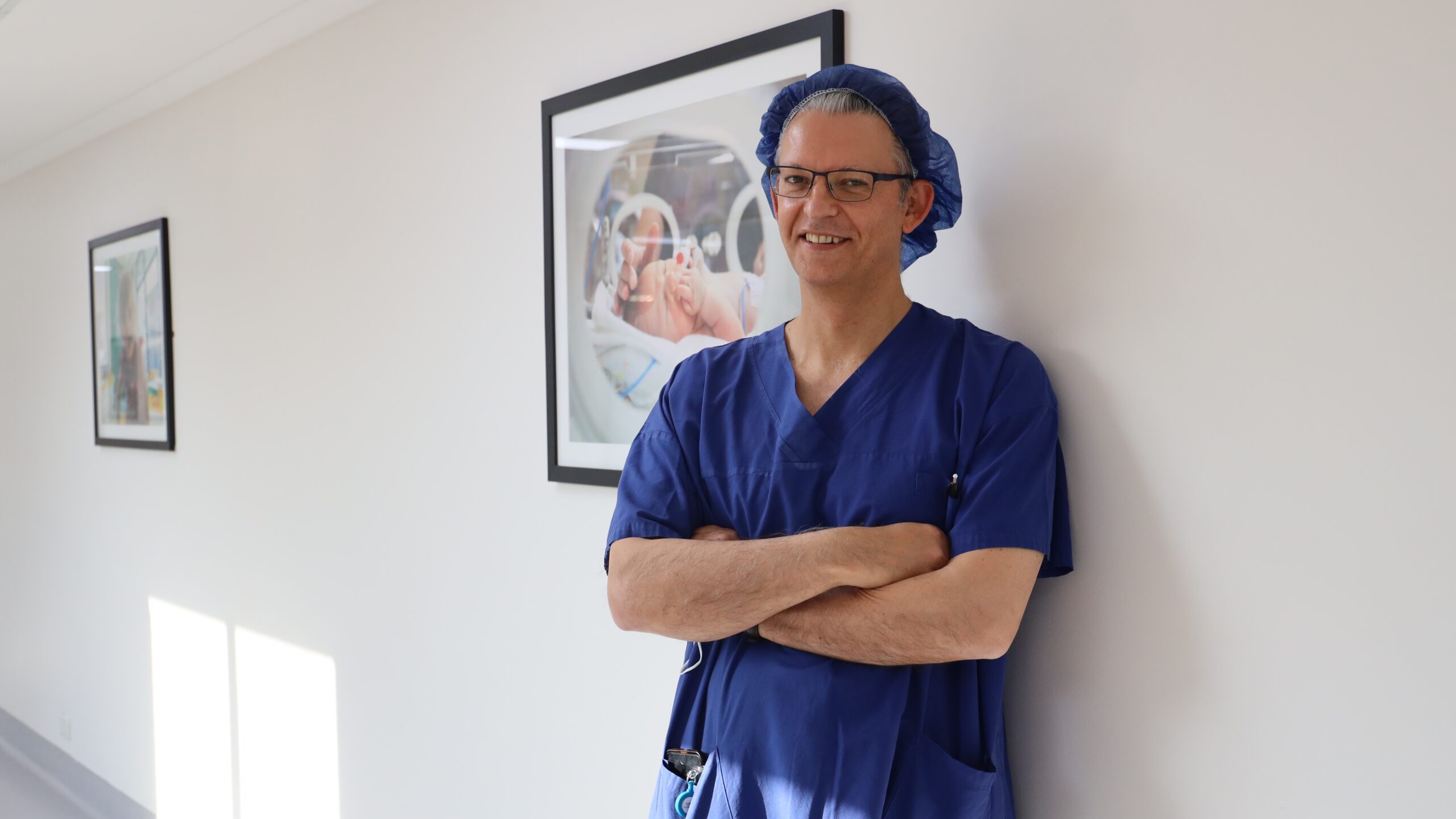
    Featured image: Helen Nicolaci, ICU Senior Critical Nurse.

    ICU (T)Error Room
    ICU (T)Error Room
    ICU (T) Error Room


  • Helping our IBD patients

    Helping our IBD patients

    Northern Health has a world-leading, expert and rapidly growing Inflammatory Bowel Disease (IBD) service, dedicated to the patient-focused care of those with this lifelong, potentially debilitating condition, aiming to improve their quality of life and achieve disease remission.

    Our IBD service is the fastest growing service in Australia, with 1,200 new patients forecast by the end of the year.

    Patients with IBD have high rates of psychological morbidity, stress, depression and anxiety which can trigger and exacerbate IBD progression and symptoms.

    To help patients, Victoria Teoh, Senior Clinical Health Psychologist, who has years of experience in supporting the psychological wellbeing of patients with chronic health conditions, started and led a pilot IBD Psychology Clinic with Northern Health’s Psychology Department and Gastroenterology Services.

    The pilot clinic involved providing a course on psychological therapy either face-to-face or via Telehealth to Northern Health patients diagnosed with Chron’s disease or Colitis.

    “The pilot found extremely high rates of anxiety, depression and/or stress in referred patients. For 80 per cent of patients, there was a direct link between stress and IBD symptom flare-up, which included exacerbation of abdominal bloating, fatigue, change in appetite, nausea and/or loose stools and diarrhoea due to stress,” Victoria said.

    “After a course of therapy however, these symptoms significantly reduced with most patients reporting normal psychological function following therapy. Psychological support is central to improving patient outcomes.”

    All patients felt the service had been beneficial and would recommend the service to others. About 82 per cent of patients reported that therapy had helped them to self-manage their mental and physical health and chronic disease better, and to make positive changes to their behaviours.

    “Patient feedback has been overwhelmingly positive,” Victoria said.

    “The IBD Psychology Clinic has also been a great example of a successful Telehealth service in a younger patient group, with the large majority choosing to receive services via phone or video.”

    A patient who took part in the service said, “For the first time in three years, I am in control of my disease and not letting it control me. The way I deal with my illness now is in a much healthier way.”

    World IBD was on Wednesday, 19 May.

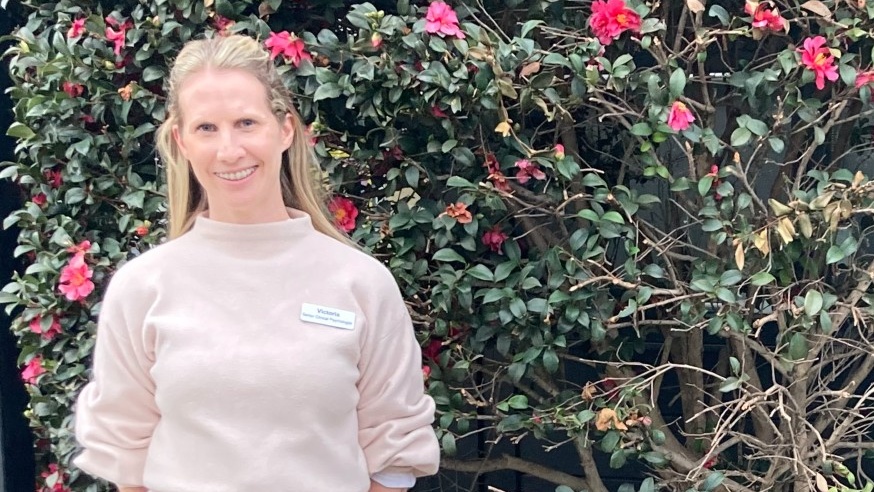
    Featured image: Victoria Teoh, Senior Clinical Health Psychologist

  • National Reconciliation Week: More than a word.

    National Reconciliation Week: More than a word.

    The 2021 National Reconciliation Week theme, More than a word. Reconciliation takes action, urges reconciliation movement towards braver and more impactful actions, and asks people to take this awareness and knowledge as a springboard for action.

    National Reconciliation Week is acknowledged between 27 May and 3 June.

    Here at Northern Health, we are putting our words into action. Our first ever Reconciliation Action Plan (RAP) set out to create opportunities for Aboriginal and Torres Strait Islander Peoples, their communities and organisations, to partner with us and influence the design and implementation of accessible and patient-centred services.

    Two years later and three months before the next RAP Plan is presented, we are pleased to present our progress so far.

    Northern Health’s commitment to providing culturally safe service delivery starts with our leadership including our Board, executive team and directors, all who have attended cultural awareness face to face training.

    Face to face cultural awareness training is also provided to staff across all our centres throughout the year. In addition, we have introduced four mandatory online modules for staff. The modules were developed by the Victorian Department of Health and Human Services and the Royal Children’s Hospital, in consultation with the Aboriginal community and Aboriginal Hospital Liaison Officers across Victoria.

    Northern Health has employed two more Aboriginal Liaison Officers (ALOs), an Access and Support Worker, and an Aboriginal Midwife. New positions are planned for 2021.

    As part of the Aboriginal Employment Strategy, Aboriginal applicants will be prioritised where they have the same qualification and experience as other applicants.

    Northern Health has already reached its objective of increasing our Aboriginal and Torres Strait Islander workforce from 0.5 per cent to 1 per cent to be representative of the Victorian population, and has now set a new target for 2 per cent​.

    Aboriginal cadetships have been introduced in Nursing, and in Allied Health as of 2021.

    The Reconciliation Working Group responsible for the implementation of these initiatives has grown to include seven Aboriginal and Torres Strait Islander People, five directors and three managers from across our centres.

    They are supported by the Northern Health Aboriginal Advisory Committee which meets four times a year with executive sponsorship, and is attended by senior management and at least 15 Aboriginal and Torres Strait Islander members.

    Northern Health celebrated Sorry Day, National Reconciliation Week, and NAIDOC Week with story boards, posters and displays across all campuses and internal and external promotion and publicity.

    ‘Wominjeka’ welcome signs at all our sites, and Acknowledgement Plaques at the entrance of each ward, ensure we provide a culturally safe space across our sites.

    Aboriginal and Torres Strait Islander patients can also expect enhanced identification via targeted training and full implementation of the ‘Asking the Question’ Aboriginal and Torres Strait Islander Identity Policy.

    The Aboriginal Support Unit runs ‘Asking the Question’ training face to face and online across all campuses. ‘Asking the Question’ posters have been installed outside all clinical areas and ward clerks are provided with mouse mats as a reminder.

    In an effort to identify specific health conditions where there is a health outcome gap and to develop culturally safe strategies to improve health outcomes, we have developed an Aboriginal Health Scorecard, which has ‘Measure Owners’, responsible for putting in place plans to close the gap in health outcomes.

    We are pleased to report that one research paper specific to the Aboriginal Oncology Department has been delivered. Other research projects include ‘Investigating Trends in Perinatal Mortality for Indigenous Women’. A research grant also led to the recent opening of our Aboriginal Physiotherapy Clinic at Craigieburn Centre.

    Northern Health has an Aboriginal Smoking Garden – Jornung-bik, ‘A Pleasant Place’ and a revamped Aboriginal Stow Family Garden with new murals by local Yorta Yorta Aboriginal artist, Kahli Luttrell.

    Northern Health has commissioned a number of artworks from local Aboriginal artists. They include artwork for the Reconciliation Action Plan, brochures, website, Aboriginal gardens, the Oncology Unit, the Intensive Care Unit and Transcultural and Language Services department.

    The most recent addition of Aboriginal art is a series of prints from Anny Bargo, aka Antoinette Braybrook, on the theme ‘Dragon Fly Dreaming’, in the foyer of the Main Ward Block at Northern Hospital Epping that you can read more about here.

    We believe partnerships are key to us designing and implementing accessible and patient-centred services. We are pleased to report that we have successfully inducted 20 Aboriginal and Torres Strait Islander consumers in the Northern Aboriginal Advisory Committee and seven in the RAP subcommittee.

    Northern Health has also signed a Memorandum of Understanding (MOU) with the Victorian Aboriginal Health Service (VAHS), and is in the process of developing an MOU with First Peoples Health & Wellbeing (Thomastown site).

    We have also established a referral system between Bubup Wilam for Early Learning and developed an online directory of Aboriginal services in the Northern metropolitan catchment – Bilang, ‘Straight Talk’.

    Karen Bryant, Senior Aboriginal Liaison Officer, is pleased with the progress made, but believes there is always room for improvement.

    “Reconciliation is about all people understanding the history and culture of Aboriginal and Torres Strait Islander people and reconciliation is everyone’s business. I look forward to the next RAP of Northern Health, so as to continue forward and build our current achievements,” says Karen.

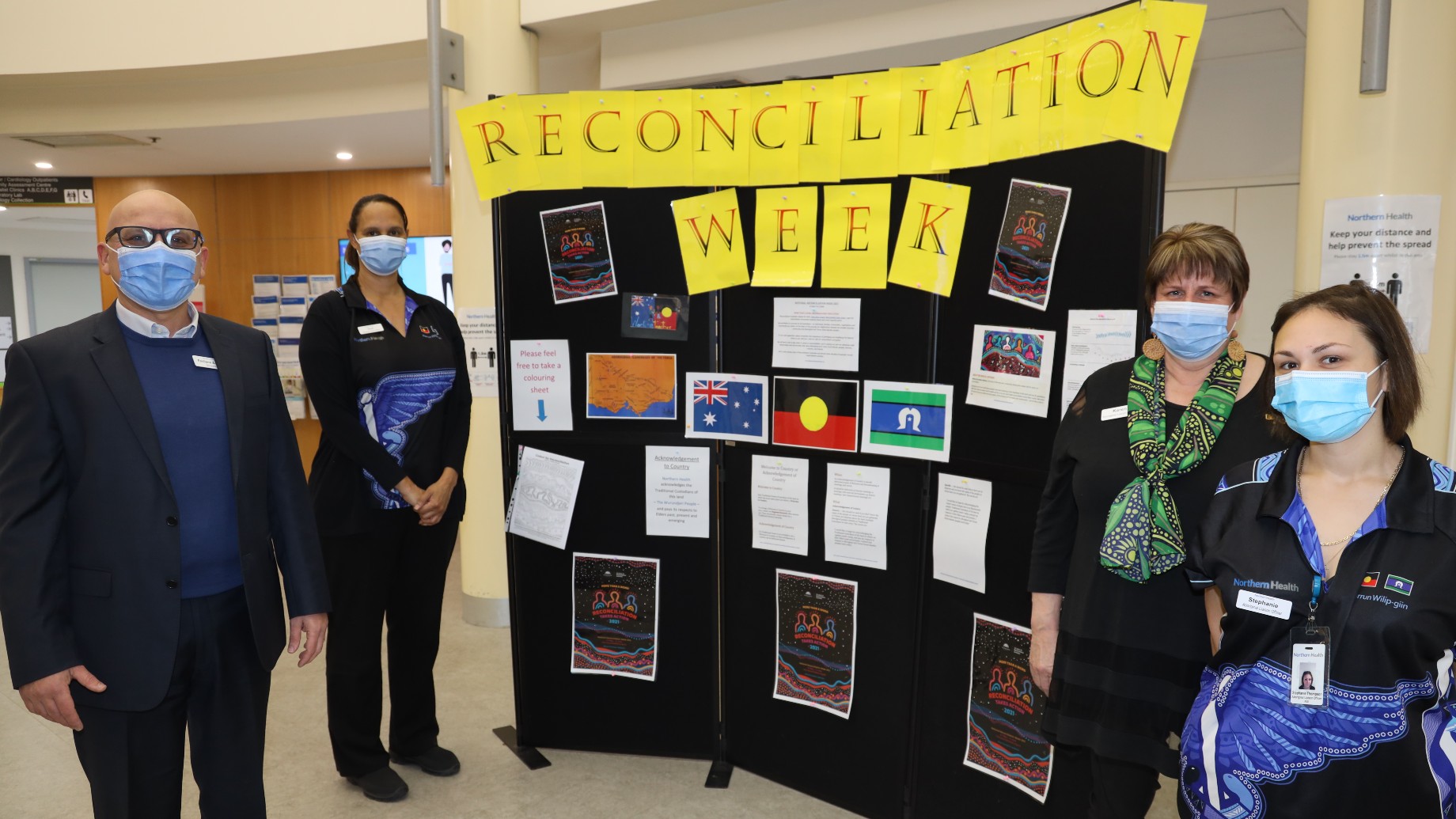
    Featured image shows from left to right:

    Emiliano Zucchi, Director, Transcultural & Language Services (TALS) and Narrun Wilip-giin Aboriginal Support Unit (ASU), Toni Gabelish, Aboriginal Liaison Officer, Karen Bryant, Senior Aboriginal Liaison Officer and Stephanie Thompson, Aboriginal Liaison Officer.


  • Staff Physiotherapy Clinic opens

    Staff Physiotherapy Clinic opens

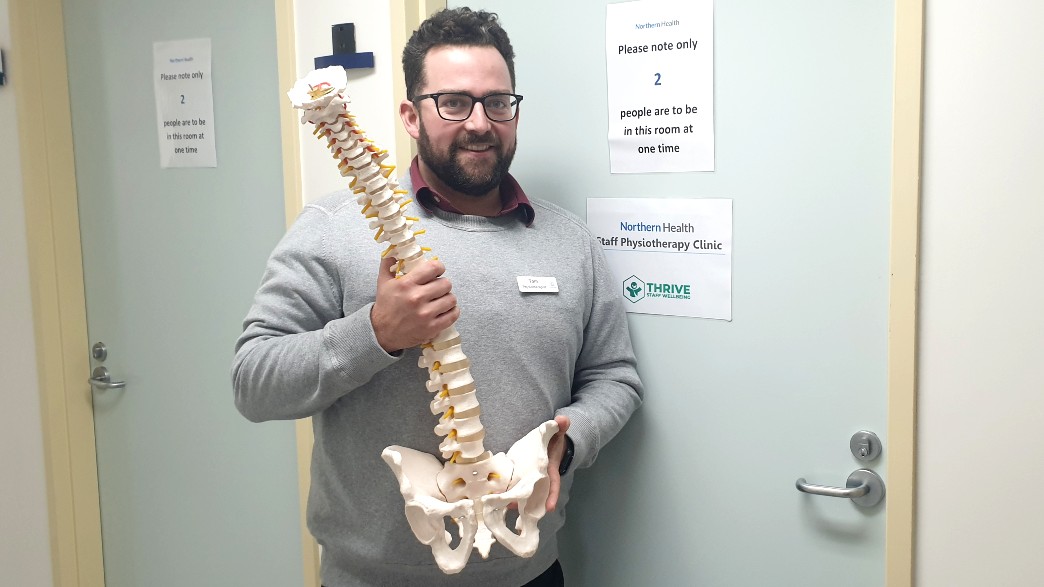
    To look after our staff the best possible way, Northern Health’s Occupational Health and Safety Department is delighted to announce the launch of the Staff Health Clinic – Physiotherapy. The clinic is a new service designed to look after the musculoskeletal health of Northern Health staff.

    “We are ready to start taking patients from today. We had a trial run this week with a few test patients, which has gone well. We are running Mondays, Wednesdays and Fridays, and we are happy to see staff come in,” explained Tom Cooper, Physiotherapist, who leads the clinic.

    The clinic will be seeing Northern Health employees from all areas. It aims to provide high quality one on one physiotherapy care to staff who sustain injuries whilst at work, to help them have an optimal recovery and return to work safely and a timely manner. The clinic will also provide care to staff who have acute or acute-on-chronic musculoskeletal injuries or conditions not directly sustained at work, that limit their ability to do their job safely and comfortably.

    “We will be seeing two streams of patients. One stream would be staff with a sustained injury at work, which is our main focus. However, we will also see people who have injuries or muscle pain issues that aren’t related to work, but cause a problem for them and make work difficult. This type of patients can refer themselves to the clinic via our Intranet page“.

    “If you hurt your back trying to get a patient out of bed, or if you hurt your shoulder trying to move a box, or you’ve fallen over and hurt your ankle, we will see you. If you have injuries or pains in your normal life outside of work, like if you hurt your back in the garden or playing sport or even if you’ve had a flare up of an old injury, contact us. This is a short term service, as we are aiming to see people no more than six times,” Tom explained.

    Tom has worked at Northern Health since 2017 across musculoskeletal outpatient clinics, community therapy services and the Emergency Department. He is passionate and committed to providing high quality care to patients and getting the best outcomes possible. Tom takes an active and evidence-based approach to his patients, focusing on getting patients moving well and understanding how to manage their condition to optimise recovery.

    “If you have sustained an injury at work, be sure to submit an incident report through VHIMS to access the service through OHS,” he said.

    Staff looking to refer themselves into the service for non-work injuries can do so by submitting the self-referral form found on the clinic Intranet page and sending an email to staffphysio@nh.org.au. The clinic runs Monday, Wednesday and Friday 8 am to 4.30 pm and is located in the Fit Testing Clinic (old People and Culture office).

  • Becoming a Patient Service Assistant

    Becoming a Patient Service Assistant

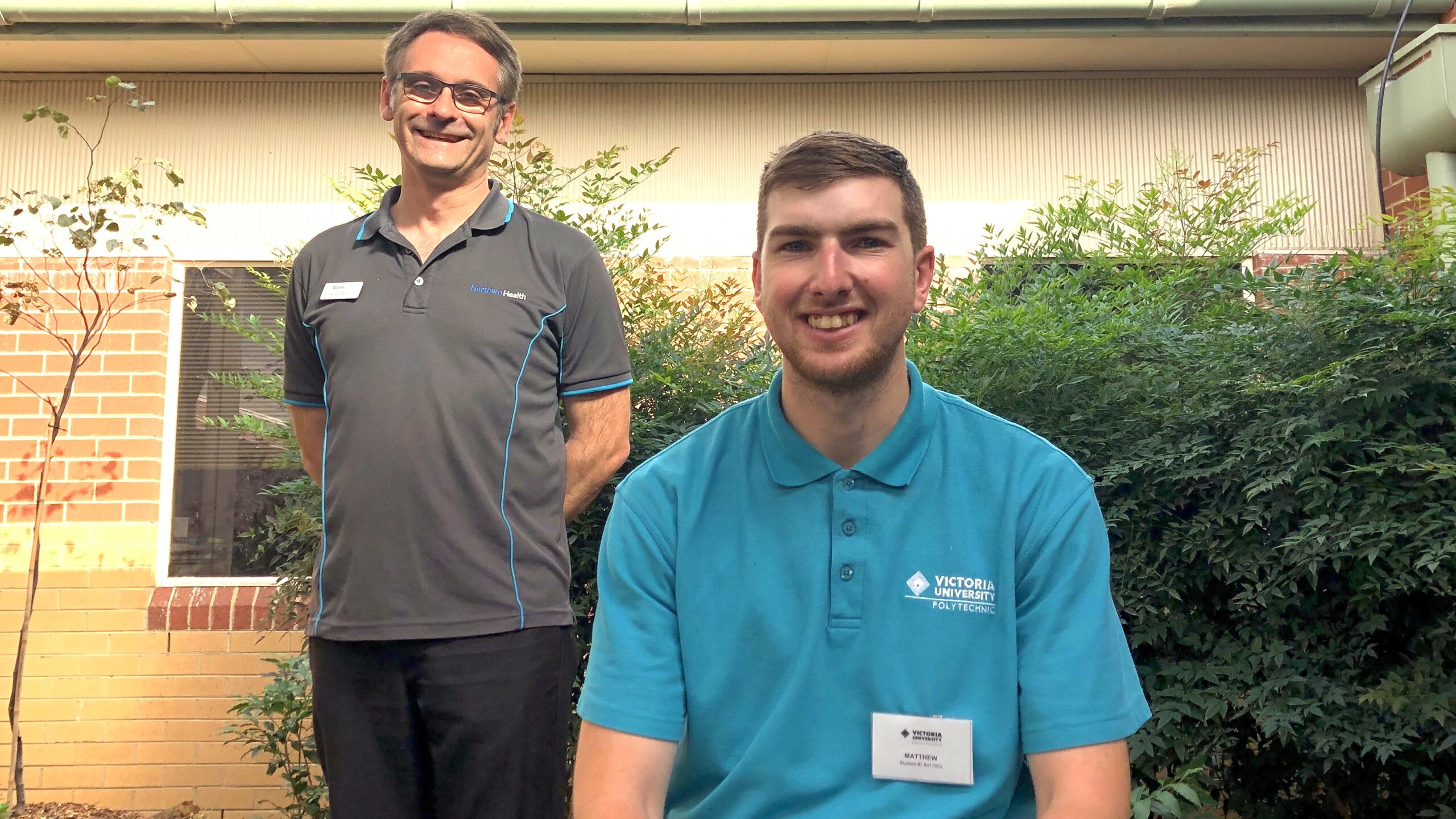
    Matthew Moore is excited to become a Patient Service Assistant (PSA).

    PSAs are responsible for a variety of tasks including cleaning on the wards, cleaning beds when a patient is discharged and transportation throughout the hospital.

    Matthew, who has autism, recently completed a Certificate III in Health Services Assistance at Victoria University. As part of the certificate, Matthew underwent placement training at Northern Hospital Epping.

    “I decided to do the PSA course because I spent most of my younger years in the hospital, and I thought what better way than to give back,” Matthew said.

    “I am looking forward to being able to get myself out there and start working.”

    Matthew began his course in early 2020 and, with many things last year, his studies and ability to begin placement at Northern Health was impacted by COVID-19.

    Steve Carnell, PSA Support Supervisor, said Matthew had to complete his theory work online.

    “He didn’t have a lot of contact hours so placement was his chance to actually get his hands into it,” Steve said.

    “If you do the course face-to-face, it’s maybe a three month course. Doing it online, it’s obviously a little bit different.”

    “With COVID-19, the course extended out because institutions weren’t taking placements, so we had to shut down taking students in the hospital because of the potential risk.”

    At Northern Hospital Epping, students are provided with the best possible experience when completing their placement.

    “This hospital has a really good reputation amongst the schools,” Steve said.

    “We are giving them lots of experience, lots of hands on work instead of just throwing them in a corner and asking them to wipe down a table again. We are getting them to do the actual work.”

    “One of the teachers from Victoria University was saying that students were jealous of the ones that got to come here because of the access and the things they actually got to do and that is great for the hospital.”

    Matthew has been offered a PSA position at Barwon Health. He said he was thankful for the experience and knowledge he gained at Northern Health.

    “Steve was an awesome trainer, he’s passed on his knowledge. People have been really helpful and everyone has been nice to me. I will miss it a lot,” Matthew said.

    Featured image: L-R Steve Carnell, PSA Support Supervisor, and Matthew Moore.

  • Recognising National Volunteer Week

    Recognising National Volunteer Week

    This week marks National Volunteer Week (17 May to 23 May). Our 340 volunteers play an important role at Northern Health across all our sites.

    Prior to COVID-19, the volunteers would assist with a variety of roles including guiding, QFlow, tea and coffee services, administration, the Busy Fingers Gift Shop, the Rehab Supply Centre, offered spiritual and palliative care, visited patients on the wards and in nursing homes, helped with social groups, ran an Old Blokes Shed, cuddled babies in the Neonatal Unit and offered breast cancer support.

    Henni Wade, Manager Volunteer Services, said the volunteers demonstrated amazing resilience and patience during the pandemic and lockdown. She said many volunteers carried out tasks from the safety of their own home and made cloth masks, knitted, assisted with fundraising activities and sent cards to aged care residents during what was a very difficult year.

    “Our volunteers love volunteering at Northern Health because it is their local health service and volunteering enables them to give back to their community,” Henni said.

    “Volunteering gives them great satisfaction that they are making a difference and it gives them a routine in their lives. We were so excited to welcome them back on site recently.”

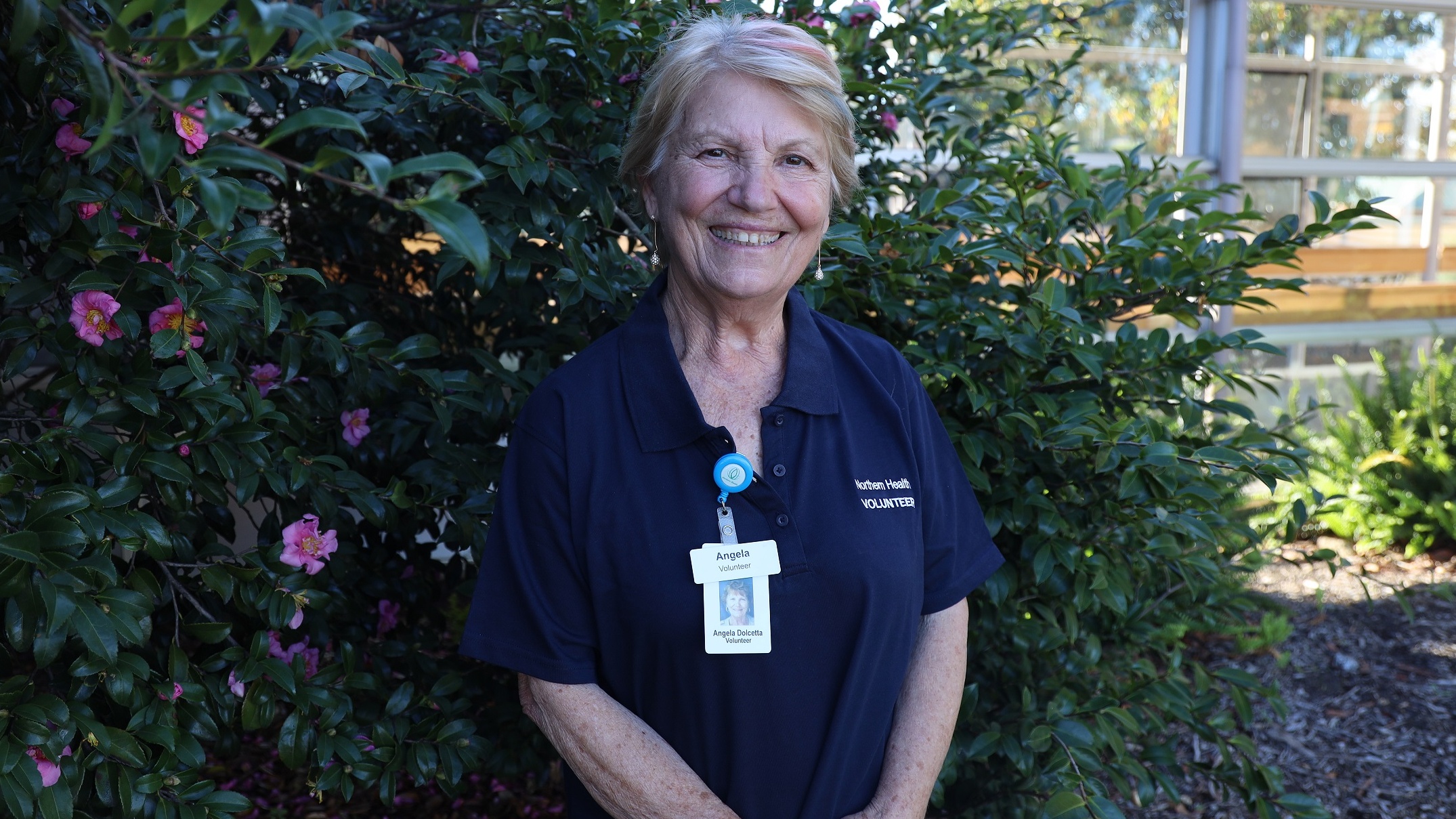
    For Angela Dolcetta, there is no better way to mark National Volunteer Week than to do what she loves doing best – volunteering.

    “Volunteer Week is coming here and celebrating with the people here,” she said. “Volunteering is not a hard job. For me, it hasn’t been hard. It has been a pleasure for me to do this.”

    Angela is commemorating 25 years of volunteering at our health service, and she says the time has flown by since she first stepped foot at Northern Health.

    “When I started volunteering, I didn’t think I would stay very long. But I had beautiful people around me that made me feel so welcomed. The 25 years have gone in a flash. For me it’s been the happiest,” she said.

    Angela has spent one day a week since 1996 helping out at Bundoora Centre and Ian Brand Nursing Home, bringing traditional Italian coffee and biscuits and providing companionship to many patients over the years.

    “One man used to pop his head out and wait for me. It was something they looked forward to,” Angela said.

    “There was a lot of Italians and we used to play cards. I would go into the hospital and I would talk to people. It was good because they liked to talk and tell their stories and you are just there to listen.”

    “I belonged to a group of Sicilian singers and I used to come here twice, maybe three times a year, and we would perform and they loved it. We played old songs and they really enjoyed it.”

    When the COVID-19 pandemic hit Australia, Northern Health had to suspend volunteer activity across all the sites, and Angela hasn’t been able to volunteer for more than a year. We are slowly welcoming back volunteers across our sites and we are looking forward to seeing Angela and our other volunteers at Northern Health soon.

    “I was waiting for Tuesday – that was my day to volunteer,” Angela said.

    “Even when I was working, Tuesday was my day. I miss it a lot. At the beginning, I was really scared and I wasn’t sure if I wanted to go back but I want to come back. I am waiting for the call.”

    “I want to bring the coffee and the biscuits. All these little things make them happy and I’ve missed it.”

    Featured image: Angela Dolcetta

  • In operation with Dennis Gyomber

    In operation with Dennis Gyomber

    This week, we caught up with  Dennis Gyomber, who recently took on the role of Divisional Director of Surgery. He talks about his passion for surgery and his love of comics.

    What’s your coffee order?

    It’s a small latte with an extra shot.

    Tell us about your Northern Health journey.

    The journey started for me as an intern at least 25 years ago. I started off in the Emergency Department doing some ward work, ICU rotation and anesthetic rotations. Then I entered in speciality training and I went to other facilities. I was trained as a urologist and I always knew that, when I finished, I wanted to come back here so I kept in contact. I got my job as the urologist here and continued on.

    What does a typical day look like for the Divisional Director of Surgery?

    It starts off with the early wake up and then checking emails for any issues overnight. It’s then looking at the patient flow aspect and how surgery can cope with the demand. Northern Health has the busiest Emergency Department in the state and so, with such a volume of people coming through, it’s making sure we can meet that demand. It’s balancing that and then balancing the unexpected that can pop up, from minor complaints to the significant ones that can turn up.  One day a week, I still go and practise as a urologist.

    What is your greatest achievement or favourite memory since working at Northern Health?

    When I started here, there was only two part-time urologists, so it was a very small unit with no accredited trainee. Since I have turned up, we now have six urologists. It’s about establishing a really vibrant unit that’s really attractive.

    What do you enjoy most about working at Northern Health?

    Everyone is really friendly. Here, we are a little bit more of a family. I do like operating – that’s still the main driver – and looking after patients. As the Divisional Director, projects take a long time, so what I am looking forward to is seeing some projects come to fruition. There is a certain bubbling optimism with the Main Ward Block opening. Coming out of COVID-19 lockdown and getting back to work is also quite exciting.

    What are some exciting developments currently happening in surgery? 

    Northern Health is trying to be very innovative and try things that will improve the efficiency of the patient’s journey. We want to be able to offer this high level of care that is efficient, streamlined and utilises available, new and emerging technologies. We are looking at getting a Cancer Care Coordinator which would strengthen the service that already exists. The main thing would be the new theatres coming online in the Main Ward Block.

    If you could describe Northern Health in a sentence, what would that be?

    I think we are on the cusp of a new dawn with the expansion. If we were a human, 10 years ago we were a child and I think we are now entering our most productive adult years where we can really take that next step. We are an inventive, adaptable and productive hospital and we are engaging with the community.

    What would people be most surprised to know about you?

    I like comics, the graphic novel genre. I’m probably a frustrated artist at the end of the day wanting to be a sculptor. Surgery is a bit of that, so I do admire the art.

    Featured image: Dennis Gyomber, Divisional Director of Surgery. 

  • Celebrating diversity at Northern Health

    Celebrating diversity at Northern Health

    Today, Northern Health acknowledged IDAHOBIT – International Day Against Homophobia, Biphobia, Interphobia and Transphobia – to celebrate the identities and achievements of lesbian, gay, bisexual, transgender, intersex and queer (LGBTIQA+) people and to stand with them against discrimination and all forms of violence.

    Despite great community acceptance and understanding in recent years, Australia’s LGBTIQA+ community experiences depression at between three to five times the rate of the general population. At least 75 per cent of young LGBTIQA+ people experience some form of discrimination and 61 per cent experience verbal abuse.

    Here at Northern Health, we want to make that zero per cent. This year’s theme for IDAHOBIT is Together: Resisting, Supporting, and was chosen due to the recent challenges the world has faced in light of the COVID-19 pandemic.

    Michelle Fenwick, Executive Director People and Culture and Equity Diversity and Inclusion Steering Committee Chair, said the theme was a great way to bring everyone together to celebrate diversity and inclusiveness at Northern Health.

    “I could not think of a better way to be able to show us being together. I for one am so proud to work for a service that my family and friends feel safe to attend, knowing that we have and will receive excellent clinical care,” she said.

    Christine Nicolaidis and Electra Ulrich, Co-chairs of the LGBTIQA+ Working Group, highlighted the importance of the day.

    “We know that both staff and consumers of our organisation identify as part of the LGBTIQA+ community and so it’s important, from both a workplace perspective and patient inclusive perspective, that we do create a place that cultural safety is paramount,” Christine said.

    “IDAHOBIT Day acknowledges 17 May 1990, when the World Health Organization (WHO) removed homosexuality as a mental disorder. This was a huge step in recognition of the queer community and it really wasn’t that long ago. It’s so important to actively create safe spaces because for many people, this wasn’t, and for some still isn’t, a reality in their home, work or community,” Electra said.

    Briana Baass, Chief Allied Health Officer and Executive Lead for Transcultural Services and Aboriginal Support Unit said, “I think it is critical we continue to work on not only diversity across all our staff, but how we are inclusive. I think this is another way that we can celebrate our differences and keep working towards more inclusiveness.”

    As a member of the LGBTIQA+ community who has been the victim of homophobic slurs, Shiraz Lubke, Director Procurement and Supply, said she didn’t want anyone a part of the LGBTIQA+ community to deal with abuse.

    “It is not OK to treat people poorly because of their sexuality or their gender identity,” Shiraz said.

    Richard Laufer, Chief Legal Officer, said, “No matter how anyone identifies, IDAHOBIT is about increasing awareness of those in our community and colleagues’ experiences. It plays a role in creating an inclusive workplace, promoting inclusion and ending discrimination.”

    Northern Health will be marching at Pride March for the second time on Sunday. The annual event acknowledges and celebrates the LGBTIQA+ community. Whether you identify as part of the LGBTIQA+ community or an ally, the visibility of our health care organisation is an important step in providing inclusive health care to our consumers, staff and community.

    The march begins at 11 am on 23 May and will start at Ian Johnson Oval, St Kilda. To take part in the march email PrideInTheNorth@nh.org.au.

    If you are interested in joining the LGBTIQA+ Working Group, please email LGBTIQA+Enquiries@nh.org.au

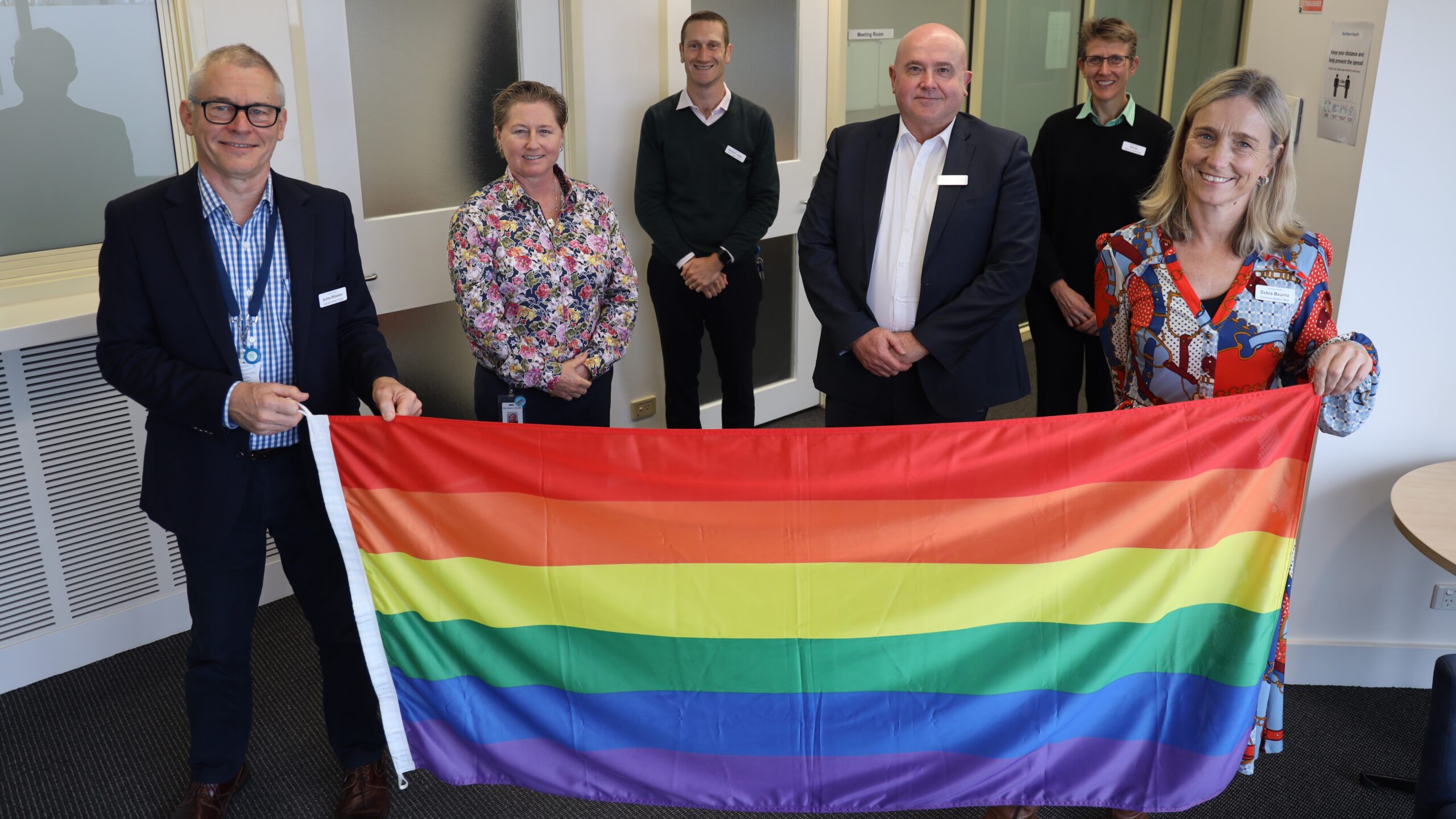
    Featured image L-R: Andrew Williamson, Executive Director Public Affairs and Foundation; Michelle Fenwick, Executive Director People and Culture; Richard Laufer, Chief Legal Officer; Andrew Gay, Chief Finance Officer; Shiraz Lubke, Director Procurement and Supply and Debra Bourne, Chief Nursing and Midwifery Officer.

    Christine Nicolaidis, Co-chair LGBTIQA+ Working Group, Briana Baass, Chief Allied Health Officer and Electra Ulrich, Co-chair LGBTIQA+ Working Group
    Emiliano Zucchi, Director Transcultural and Languages Services, Janelle Williams, Executive Advisor, Jade Relston, Director People and Culture, Karen Bryant, Senior Aboriginal Liaison Officer, Chelsea Simpson, Director of Planning and Jason Cirone, Director People and Culture.