• Q&A with Stephen Whittaker: Wellbeing is everything

    Q&A with Stephen Whittaker: Wellbeing is everything

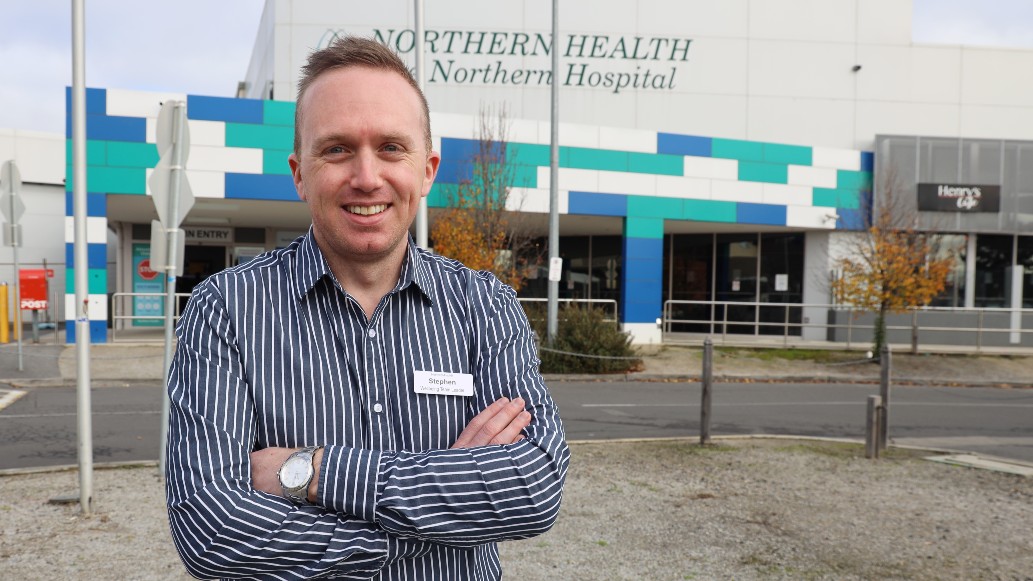
    In this week’s Q&A, we had a chat with Northern Health’s new Wellbeing Team Leader, Stephen Whittaker.

    What’s your coffee order?

    I’ve never had a sip of coffee in my life. I drink a lot of tea and, if I’m out at a café, a hot chocolate.

    Tell us why you decided to go for this role at Northern Health?

    I’m really passionate about the wellbeing of healthcare workers. I’m always amazed at the care provided and the dedication of healthcare workers to often put the wellbeing of others ahead of their own. Northern Health has received a Healthcare Worker Wellbeing Grant to enable us to raise the bar when it comes to how well we prioritise the wellbeing of our staff. My job is to deliver just that – both strategically and operationally – across Northern Health.

    What does a typical day look like for you?

    There is no typical day. My role is both responsive and proactive when it comes to ensuring the wellbeing of our staff is at the forefront of everything we do. From meeting with leaders or staff to discussing wellbeing concerns, through to chairing our Wellbeing Working Group or promoting our Employee Assistance Program – there’s always more we can do to support our people.

    What was your career before Northern Health?

    Prior to arriving at Northern Health, I spent the past 18 months at RMIT University, leading staff wellbeing there. It was a mammoth effort last year to support a workforce of 10,000 going through significant change when universities in Australia were hit hard financially by the pandemic. We had to ensure we put the wellbeing of our people front and centre as the university experienced job losses and major restructuring. Before that, I spent five years at Melbourne Health leading staff wellbeing there too. When I arrived at Melbourne Health, wellbeing was effectively about fruit bowls and an annual wellbeing expo. When I left, we’d embedded wellbeing into the fabric of the organisation and into every aspect of the employee experience, making it a great place to work and a great place to receive care.

    What are you hoping to achieve in your role at Northern Health?

    I’m hoping to build on already established health and wellbeing offerings here at Northern Health, and to focus on building a culture of care across Northern Health through new initiatives. The research is clear; every effort we put into caring for our staff – in every aspect of their work – enables better care that is provided to our patients. Our staff will also feel psychologically safe at work knowing that their wellbeing is a priority, that they have a voice to share their concerns and provide feedback, and that it is a focus for the organisation. I’d love to see conversations about mental health and wellbeing as being normal and a part of the everyday, meaning no one is left behind and everyone feels safe to speak up, respectfully, about their concerns.

    How can our staff best live the values of safe, kind and together?

    Our staff can best live the values by caring for themselves and each other in the best way they can. If every interaction with everyone – patient or colleague – in the course of your day had those values at the core, we’d be building a culture of care that ensured everyone felt safe, heard, appreciated, valued and well.

    What does ‘wellbeing’ mean to you?

    Big question! Wellbeing is everything. It is when we have optimum physical, mental and social health. Wellbeing is achieved when we are connected with others and have good relationships, when we keep physically healthy through good movement and fitness, when we are continually learning new things, when we focus on the simple things that give us joy and when we give to others through small or large acts of kindness. All of these ways of being put together will help us achieve good wellbeing. In an organisational sense, wellbeing is achieved when staff feel physically and psychologically safe at work; safe to speak up about concerns, safe from harm and safe in knowing that the organisation has their back. Everyone has a role to play in supporting each other and enabling great staff wellbeing which enables great patient care.

    What would people be most surprised to know about you?

    I’m a big home cook. I really enjoy cooking good food at home and hosting family and friends over to share a meal.

    What do you like to do in your free time?

    My wife and I do a lot of camping and off-roading in the Victorian high country and, when there are no border restrictions, throughout central outback Australia. It fuels our wellbeing to be relaxed around a campfire enjoying the peace and quiet of the Australian bush.

    If you could describe Northern Health in one sentence, what would it be?

    I haven’t been here that long but my first impression is that it is a warm and welcoming place. Everyone has been very kind when welcoming me and there seems to be a really good culture here.
  • Going dry this July for cancer patients

    Going dry this July for cancer patients

    This year, Northern Health is once again taking part in Dry July to raise vital funds to provide at-home care and comfort to more cancer patients in the north.

    The service called NOAH@Home was launched last year and provides oncology and haematology patients the opportunity to receive certain chemotherapy or supportive treatments in the comfort of their own homes. Northern Health is once again taking part in Dry July, to raise money to purchase another car, so the program can be delivered to more local cancer patients, like Brooke Leguier.

    Brooke’s cancer journey began early last year, after she found a lump under her arm. Brooke went for a check-up and was immediately referred to a breast care surgeon at Northern Hospital Epping. That’s when Brooke was diagnosed with breast cancer.

    Brooke underwent chemotherapy, surgery to remove both breasts, and radiation, all while Victoria grappled with COVID-19.

    “When I came here, I felt comfortable. I was coming in weekly,” Brooke said.

    “The nurses were nice. The cancer was in the right breast and they said the chances of it coming to the other breast was high, so I had to remove the left breast too.”

    When asked about who motivated her to stay strong during her journey, Brooke said her three daughters inspired her. But it was Brooke who inspired her daughters to show support for their mum.

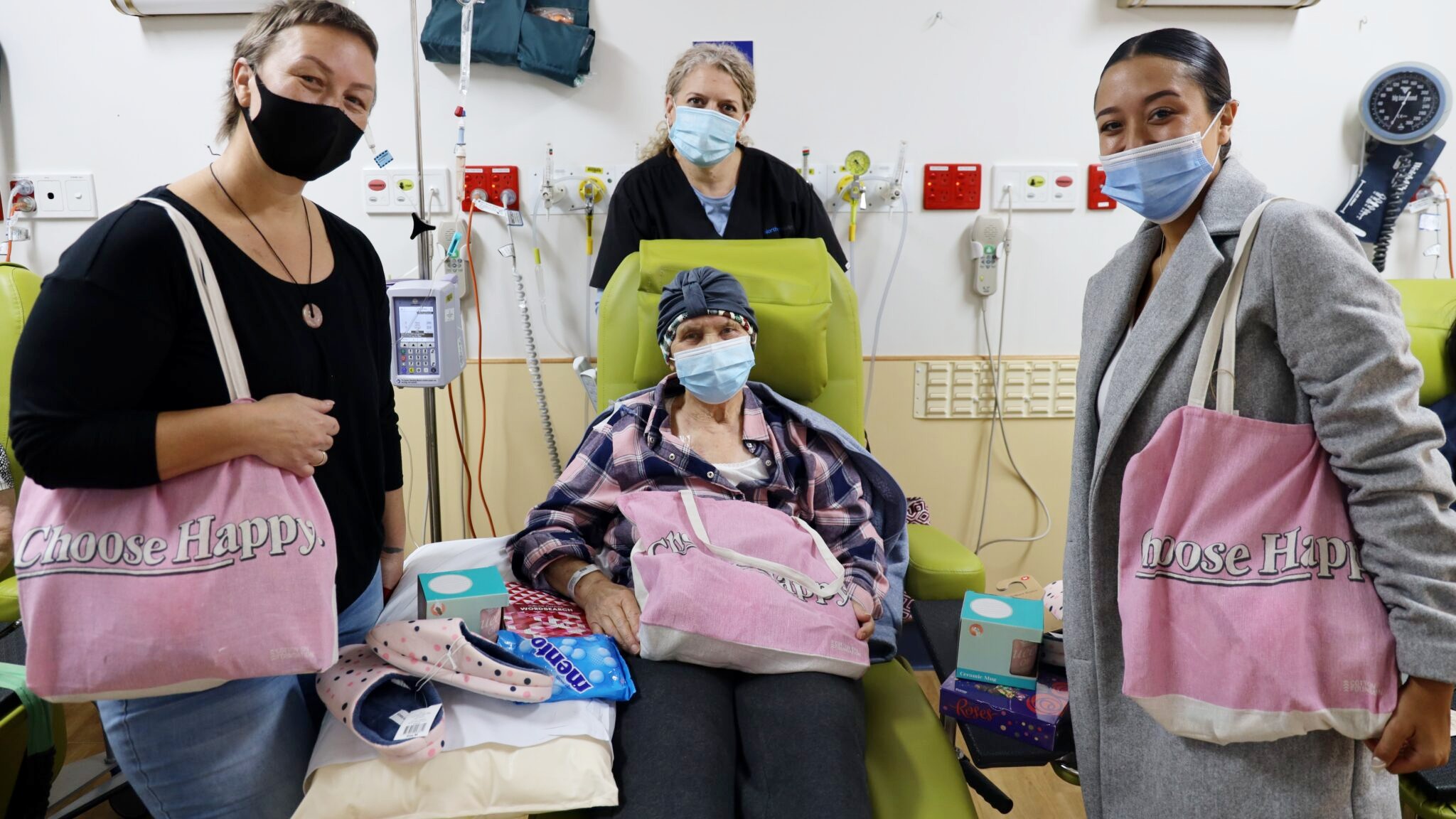
    Tabatha Andrade and one of her sisters, shaved their heads and, when their mum beat cancer, Tabatha decided to prepare comfort bags filled with goodies for our breast cancer patients.

    “We were pretty grateful for all the support we could get from our family and friends,” Tabatha said.

    Brooke Leguier


    Brooke (middle) with two of her daughters

    Northern Health wants to help more patients, like Brooke, receive care in the comfort of their own home through the NOAH@Home program. Brooke is extremely grateful for the program and, to show her thanks, both Brooke and Tabatha have joined the Northern Health Dry July team this year.

    The Dry July team want to help raise $30,000 to purchase another vehicle to take the program to more patients in the north. We are delighted to announce that we are guaranteed to receive 100 per cent of the funds we raise in the form of a grant from the Dry July Foundation.

    Melissa Gwynne, Nurse Unit Manager, Day Oncology, is thrilled that this year’s Dry July fundraising campaign is going towards purchasing a new car.

    “We are in the process of expanding our successful program to deliver chemotherapy in the home. Another vehicle will enable us to expand our geographical parameters to include areas such as Kilmore, Wandong and Broadford,” Melissa said.

    “We could accommodate treating another 30 to 35 patients per week. Please join us in the fundraising campaign and help us create care for our patients.”

    Josie Verga, Fundraising and Engagement Manager, Northern Health Foundation, encouraged anyone to join the Northern Health Dry July team.

    “As a team, together we can support each other through the challenges of giving up alcohol for the month, a small sacrifice to make. But at the same time, raising funds to support our cancer patients while on their treatment journey,” she said.

    “Thanks to the support of Aware Super, Readings Cinema, Melbourne Markets and Quest Apartments, we have some amazing prizes and incentives for team members.”

    Join our Dry July team and help us raise funds for cancer patients at Northern Health. Not only are there health benefits in giving up alcohol, but you can win some amazing prizes exclusive to Northern Health team members only.

    The first 20 individuals to join our team will receive a Dry July bottle opener. Two complimentary Reading Cinemas tickets, kindly donated by Reading Cinemas Epping, will go to the first 10 team members to fundraise $250.

    The first 10 team members to fundraise $500 will go in the draw to win a one night stay accommodation, generously donated by Quest Apartments Epping.

    The team member with the most individual donations at the end of the campaign will win one air fryer, kindly donated by Aware Super. Finally, the top five fundraisers at the end of the campaign, will receive a fresh fruit hamper, kindly donated by Melbourne Markets.

    To join the team, click here.

    To donate to the Northern Health team, click here.

    Featured image: Brooke Leguier; Cheryl Murray, Breast Care Nurse Consultant; Tabatha Andrade and Northern Health patient (seated)

  • Reaching out to patients in a pandemic

    Reaching out to patients in a pandemic

    Northern Health has reinstated a successful COVID-19 telephone monitoring service to support patients in the community who tested positive to coronavirus.

    Through the service, nursing staff and allied health staff from community programs monitored Northern Health patients or patients that live in the northern suburbs, who have tested positive to COVID-19 and are recovering at home. The patients are assessed for signs of worsening illness and the service is also aimed to provide a timely identification of worsening symptoms and to prevent unnecessary hospital admissions.

    The service went live in July 2020 during Victoria’s second wave of COVID-19, and was closely monitored by La Trobe University researchers Associate Professor Adam Semciw and Dr Rebecca Jessup who worked with Northern Health staff to evaluate the service. The service was suspended in November last year, but was restarted in May after the state’s recent coronavirus outbreak.

    More than 950 patients, who had been notified of a positive COVID-19 result, were referred to the service. At the initial call, consent was gained for the patient to be monitored and a clinical assessment incorporating risk stratification and social and welfare needs assessment was undertaken.

    Patients were also provided with education on how to isolate at home and how to identify symptoms of deterioration.

    The patients were monitored during the acute phase of their illness, typically up to 14 days. During the service, a telephone call script was used, which included a checklist of risk factors and symptoms. The symptom checklist identified if patients symptoms were worsening and symptoms were categorised as stable or deteriorating. For patients with deteriorating symptoms, escalation of care involved consultation with a Northern Health medical officer, referral to the GP or Emergency Department or calling an ambulance. The service has found great benefit of using the Northern Health Virtual ED program.

    High risk patients received daily monitoring calls and low risk patients received second-daily contact.

    Patients were discharged from the service when cleared from isolation by the Department of Health. All patients received a post-discharge follow-up telephone call to check on their recovery and patients self-reported any ongoing symptoms and if they had returned to their usual daily activities.

    In 2020, 36 per cent of patients were at risk of serious illness and those deemed at risk had two times greater odds of experiencing symptoms 30 days after diagnosis.

    Sixteen per cent of patients reported a prolonged illness and of those, fatigue was the most common symptom, with 55 per cent of patients reporting this symptom in this initial 30 day period.

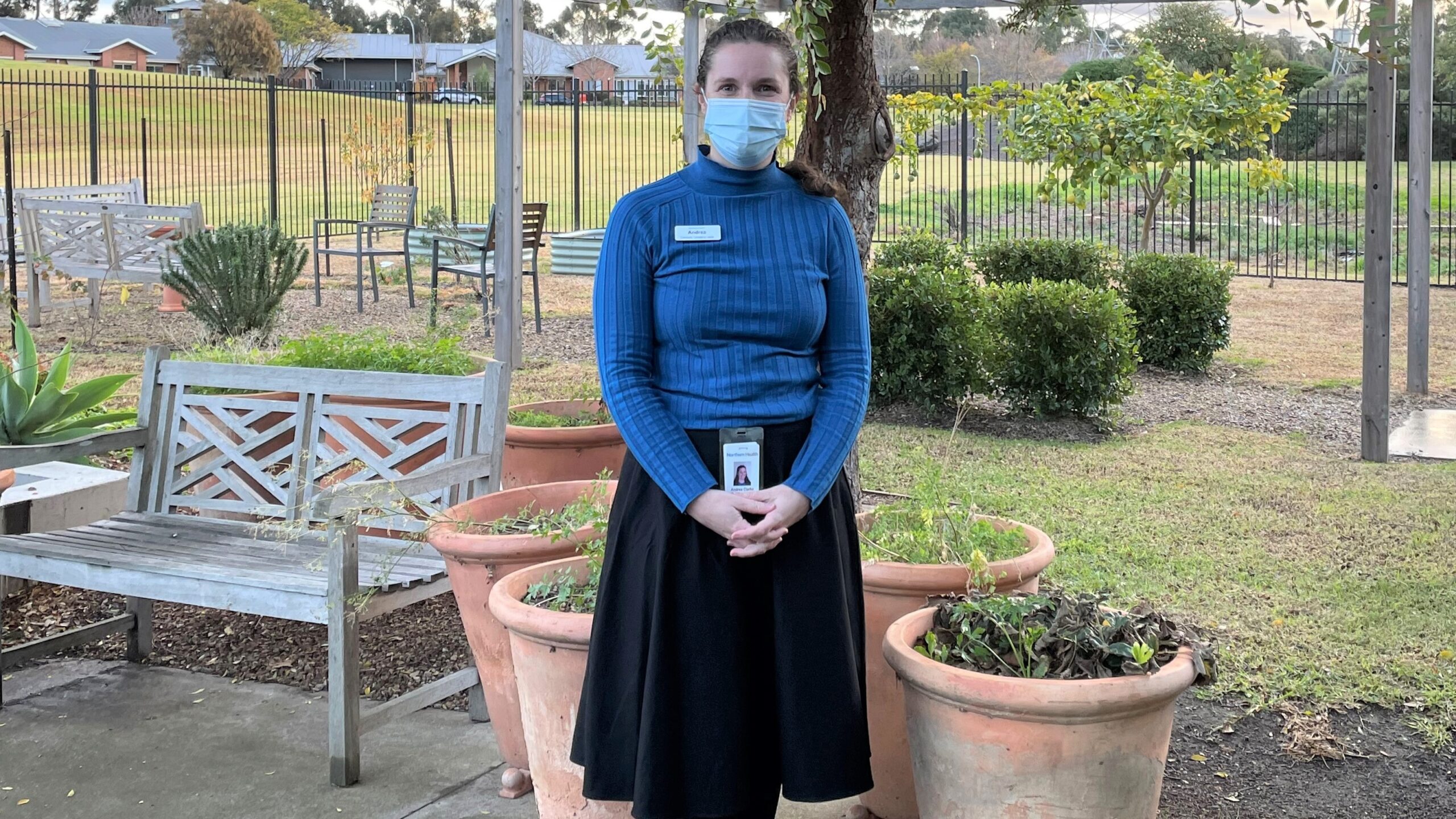
    Andrea Clarke, Community Compliance Leader, is one of nine Northern Health staff and the two La Trobe University staff members to author an article on the service’s results in the Journal of Community Health. She said telephone monitoring by trained health professionals has a strong potential in the effective management of patients with a mild COVID-19 illness.

    “The publication of this article is a great achievement of the work done by a team of Northern Health staff in supporting people with COVID-19 during Melbourne’s second wave last year. It is also a personal achievement for me as this is the first article that I have authored,” Andrea said.

    “A key to the success of the program was leveraging off our existing systems, processes and expertise. We pulled together staff from different areas and they were able to generalise their skills to this service which was really successful.”

    “A big learning from this service was the importance of communication. We had open lines of communication between the patients, front line staff and leadership team and this was vital to our success in standing up a service within 1 week at the peak of the second wave.”

    Fiona Beadle , Clinical Nurse Consultant, said the service provided valuable support to the Northern Health community isolating at home with COVID-19.

    “Some of these patients have been living alone and feeling the isolation that comes with physical separation from the community,” Fiona said.

    “Overwhelmingly, patients have been very grateful for the support provided to them through the program. One patient who has recently been discharged from the program stated, “I will miss the regular phone calls”.

    Johanna Hayes, Community Programs Director, said the program restarted this year immediately when the first case was identified.

    “Northern Health Community Programs is proud to be involved in the important work of keeping people whom have a diagnosis of COVID-19 well at home. We ran a very successful program last year with over 950 people on the pathway and so far this year 30 people have benefited from the program,” Johanna said.

    COVID-19 telephone monitoring service 2020
    COVID-19 telephone monitoring service in 2020


    Featured image: Andrea Clarke, Community Compliance Leader.

  • New COVID-19 Vaccination Clinic opens at South Morang

    New COVID-19 Vaccination Clinic opens at South Morang

    Northern Health has this morning commenced operating a new COVID-19 Vaccination Clinic at the Plenty Ranges Arts & Convention Centre (PRACC) in South Morang.

    PRACC is located at 35 Ferres Boulevard, South Morang and will be open from 8.30 am to 5.30 pm, seven days a week.

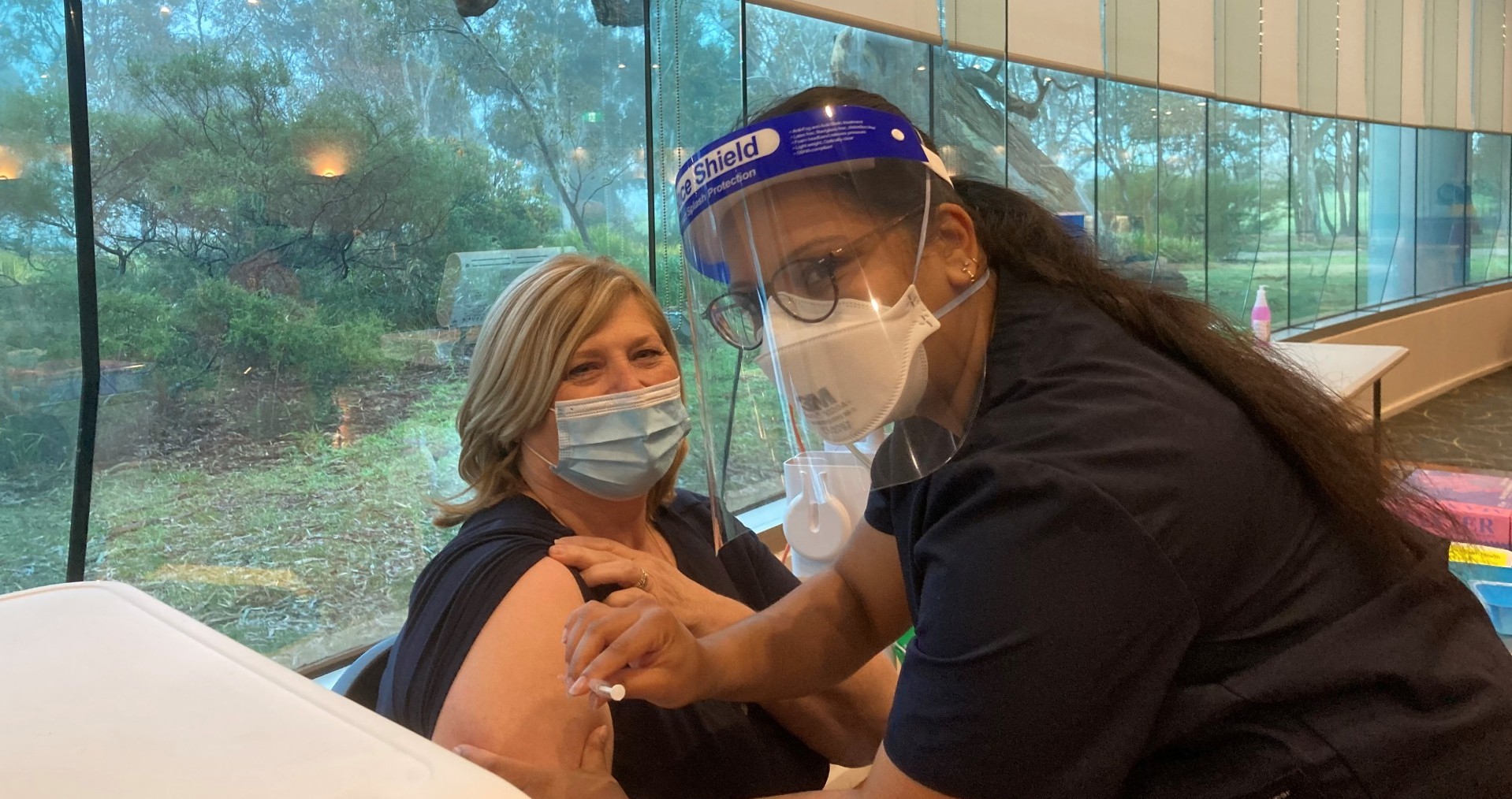
    Jan Kourlis, pictured above who was first in line said after her receiving her vaccination, “The staff were fabulous, they told me exactly what you need to know and I recommend it highly!”

    The Vaccination Clinic at Northern Hospital Epping will operate until Sunday, June 20. Any bookings made for after this date, will be transferred through to PRACC. The Staff Vaccination Clinic at the Main Ward Block at Northern Hospital Epping will continue to run as normal.

    Debra Bourne, Chief Nursing and Midwifery Officer, said “The response of multiple teams at Northern Health to enable us to establish a large COVID vaccination unit off site in such a short period of time has been remarkable. It was a wonderful example of staff living our values and working together to overcoming multiple hurdles to create a service in such a short time frame. I am extremely thankful for the hard work that they all have shown”.

    We take this time to thank all the hard working and dedicated staff at the Northern Hospital Epping Vaccination Clinic. Your hard work does not go unnoticed! We are also grateful to our community for coming forward to get vaccinated – you are all playing your part in the fight against COVID-19.

    A big thank you to the many staff involved in the transition and preparation of the new vaccination clinic. This would not be made possible without your continued dedication!

    Getting to PRACC 

    There are 600 free car park spaces at the centre. Please be mindful of signage as some areas have restrictions or require permits.

    PRACC is about a 500m walk from South Morang station, via the Mernda train line.

    There are wheelchair accessible toilets, ramps and lifts throughout the venue. Braille is provided on on all room door signage. PRACC is guide dog friendly and welcomes any registered assistance dogs into all areas of the building.

    The clinic will be closed on Monday June 14, a public holiday.

    Please watch the video message below from Madelaine Flynn, Director Infection Prevention:

  • What is your big idea?

    What is your big idea?

    They say the best ideas come from simple insights.

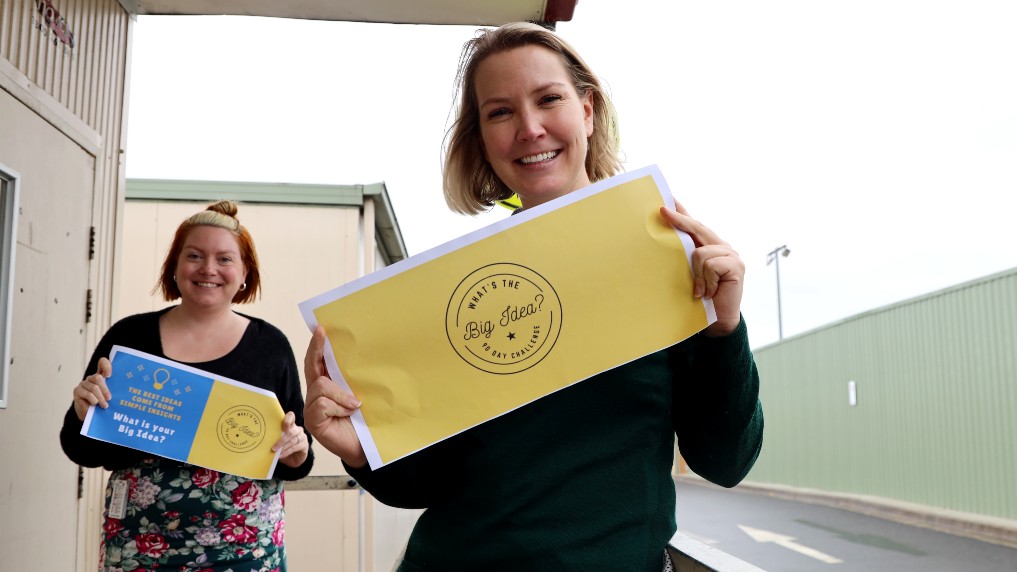
    ‘What’s the Big Idea?’ invites staff to submit their creative ideas that will be turned into successful projects in just 90 days.

    Ariana Carrodus, Project Manager, explained the team is looking for ideas that help answer the most burning questions.

    “We are looking for innovative and creative ideas that can give answers to questions like: Who can we stop from coming to hospital? Where would we send them? How can your current team operate differently? How do we reduce length of stay and support patients in the community? What do we need to change so patients stay well at home? and similar,” she said.

    In the middle of last year, during lockdowns one and two, Siva Sivarajah, Chief Executive, asked for ideas on how we can develop new models of care, in response to the pandemic. Last year brought numerous changes to the organisation quickly, and the time was right to work on additional transformation ideas.

    “Staff started presenting their ideas in a ‘sprint’ manner – as the aim was to make things happen in 8 to 12 weeks. Our Virtual ED triage, launched in October last week, was just one of the ideas. We are now receiving great feedback from patients with this project receiving significant media attention. Other successful projects include Eve, an app for mums in the north, Chemo at Home service and the Musculoskeletal Wellness Project – an online physiotherapy service,” Ariana explained.

    Cassie Bramston, Project Officer, said, this year, the call for ideas is open to everyone, organisation-wide.

    “We are really interested in ideas from people on the ground. As a clinician myself, I know we do a lot of amazing things across the organisation and this is an opportunity to get more support around it and really implement them at a wider level,” she said.

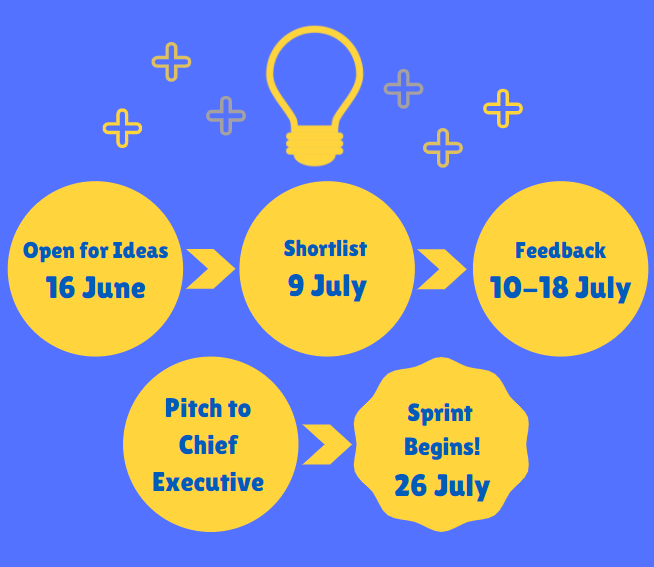
    From Wednesday, 16 June, the IdeasScale portal will be open for new ideas. Staff can not only put new ideas, but also review other people’s ideas, add a comment of support or join an idea group.

    “The ideas will then be reviewed by the Innovation Assembly, a multi-disciplinary team with an Executive Sponsor, who will help filter through the projects. Throughout the process, ideas will be shortlisted twice, and the Assembly will pick the final four. Those four will then work on shaping their idea to present to Siva Sivarajah, our Chief Executive,” Cassie said.

    The candidates will receive professional support to put their idea into practice. Over the eight weeks, the four successful applicants will be assigned a Business Manager and a Coach and will receive Project Office support, as well as regular catch-ups and training on how to complete a business case, how to implement a research component, and more.

    “A really important thing to say is that there is no such thing as a silly idea, and you don’t need any experience to engage with this process. If you are concerned about never doing a project before, you will be supported every step of the way, as we are passionate about setting people up for success. This is also about building capability around the organisation to do rapid innovation improvements. If you are wondering whether to put an idea in, we are saying – 100 per cent do it. Even the smallest ideas can bring amazing change and transformation,” Ariana added.

    Please note, ideas will be accepted through IdeasScale from Wednesday, 16 June. Keep an eye on the Intranet for more information or email bigidea@nh.org.au.

  • Raising funds for life-changing equipment at Northern Health

    Raising funds for life-changing equipment at Northern Health

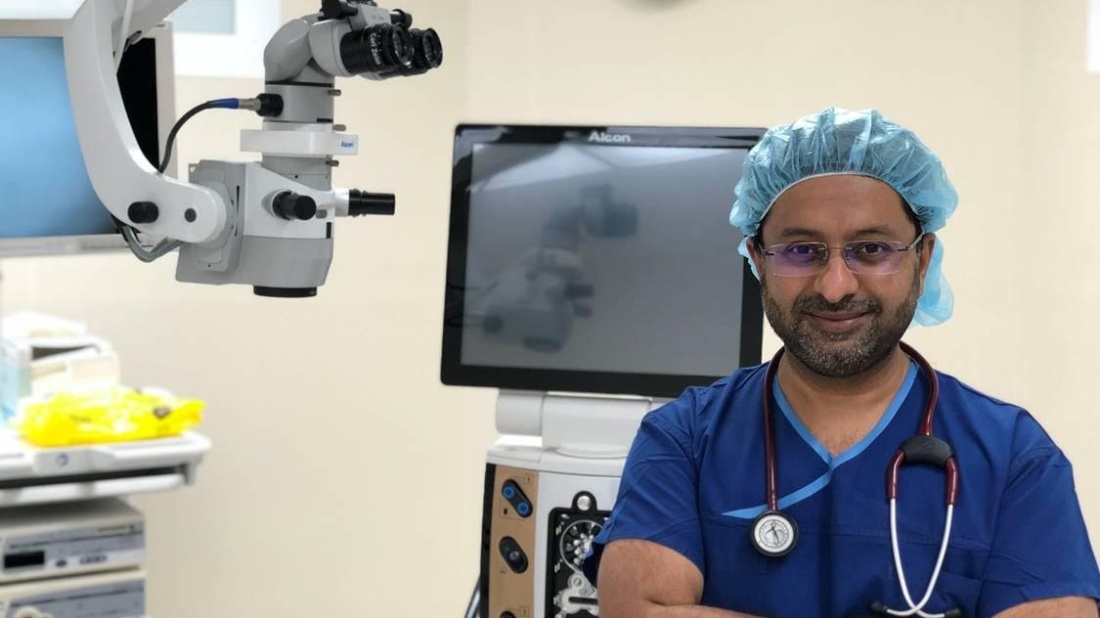
    Northern Health Foundation has launched their 2021 Tax Appeal, seeking support from our community to raise funds for life-changing Ophthalmology equipment at Northern Health.

    The team are aiming to purchase a new Phacoemulsification Machine and Ophthalmic Microscope for cataract surgical procedures.

    The thought of losing your eyesight can be a terrifying and daunting prospect. Around 11 per cent of people over 40 years of age experience cataracts – a number that will rise as our community ages and our population increases. When a person experiences a cataract, there is a clouding in the normally clear lens of the eye, which causes vision to become proportionately reduced. If left untreated, cataracts will cause continual loss of vision and can lead to legal blindness or even total blindness.

    Here at Northern Health, our Ophthalmology Surgical teams perform over 1,400 operations every year. Our community’s need for Ophthalmology Services continues to grow at a rapid pace.

    With 2020 being a year like no other, we, like all other health services, faced significant challenges and adversity. Throughout the height of COVID-19, health services across our country were required to defer their elective surgery lists. Today, as the number of patients increase across the service, Dr Suheb Ahmed, Head of Ophthalmology, and his team are working tirelessly to bring this life-changing cataract surgery to each and every one of them.

    “I am very privileged to do what I do. Having an impact on so many lives, by performing cataract surgery, makes me truly love what I do. Securing the funds needed to purchase both the latest Phacoemulsification Machine and Ophthalmology Microscope will give our patients in the north access to the very best in cataract surgical procedures anywhere in Australia,” Dr Ahmed said.

    By introducing this new equipment, Northern Health will alleviate the need for patients in our northern community, and some regional areas of Victoria, to be referred to other health services for their care. With community support, we will provide additional services and subsequently increase the number of cataract surgical procedures we can perform, bringing with it reduced risks and improved efficiencies. Patients will receive the safest, most efficient life-changing surgery, here in their own community.

    “Introducing the latest in medical technology will also put us on the front foot when attracting new surgeons. The ability to train our registrars and fellows, not only on the best equipment, but by some of the best cataract surgeons, will put us ahead of the game,” added Dr Ahmed.

    Richard O’Hea

    Northern Health patient Richard O’Hea explains the significant impact cataracts had on his life prior to being treated.

    “My vision was very blurry. If I watched TV, I needed to wear really strong glasses – and reading captions was impossible. It was like I was always in a fog – I would constantly be rubbing my eyes thinking they had dirt in them. So, when I was finally diagnosed as having cataracts, I knew that I needed to be really proactive about getting it seen to,” Richard explained.

    “I’m a really active person – the last thing I wanted was to progressively go blind. I renovate houses and want to continue to do so until I die. I use a lot of power tools and saws, not something you want to be using when your vision is impaired! The whole process at Northern Health – the operation, the staff from the moment I walked in the door – was fantastic,” Richard added.

    Linda Romano, Divisional Director, Nursing – Surgical Services encourages our community to get behind such an important cause.

    “I am often reminded of Fred Hollows when he once said – its obscene to let people go blind when they don’t have to,” she said.

    Featured Image: Dr Suheb Ahmed, Head of Ophthalmology

    To donate to this campaign, please click here. 

  • Michelle Fenwick: Equity, Diversity and Inclusion

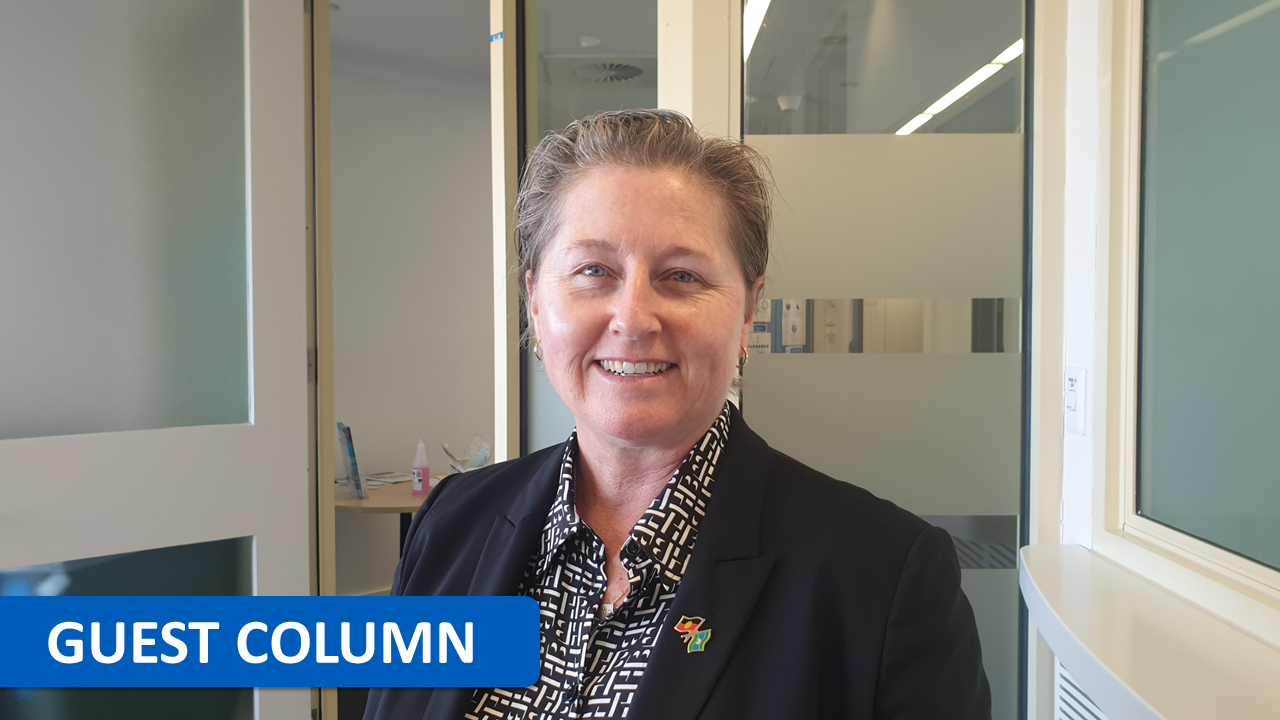
    Michelle Fenwick: Equity, Diversity and Inclusion

    To achieve our overall vision of ‘A healthier community, making a difference for every person, every day’, we require a workforce that reflects the Australian community we serve and a workplace which is inclusive and empowers everyone to contribute their best.

    At the end of last year, the Equity, Diversity and Inclusion Steering Committee finalised Northern Health’s Equity, Diversity and Inclusion Plan 2020-24 which I am pleased to present to you today.

    The plan outlines our commitment to our staff and the northern community, breaking down barriers that stop individuals from feeling fully included.

    Our focus is on Aboriginal and Torres Strait Islander people, Refugees and Asylum Seekers, Culturally and Linguistically Diverse (CALD) communities, people with disabilities and LGBTIQA+ communities. It outlines our commitment to our staff – We are committed to providing a positive and safe workplace where inclusion is a priority and diversity is celebrated. We are committed to providing employees, patients, volunteers, contractors and visitors with a diverse, inclusive and safe environment. 

    Our journey began in 2018, and, since then, we’ve increased the diversity of our workforce and have worked towards ensuring we are a safe and inclusive workplace. Some of the key achievements include developing diversity awareness training for all staff, holding Refugee and Asylum Seeker study days, celebrating International Day of Persons with a Disability, participating in PRIDE and launching the Northern Health Reconciliation Action Plan.

    A workplace that is respectful, courteous, and fair and that values individual differences is a core aspect of building a positive workplace culture. When we treat everyone equally, we treat everyone the same, but when we treat everyone equitably, we focus on individualistic needs. In a diverse workplace, differences exist, and people require support in different ways.

    Equity acknowledges everyone has different needs, experiences, and opportunities, while diversity is central to innovation and brings forth new and better ways of doing things, it helps us to harness the benefits of technology and improve the efficiency and quality of our services. Inclusion is the key to unlocking this potential.

    When we value workplace diversity and inclusion, we see benefits such as higher employee engagement, improved performance, greater innovation, retention of talent, improved employee wellbeing and lower levels of unlawful behaviour such as harassment and discrimination.

    When we talk about diversity at Northern Health, we recognise and celebrate the many people who use and deliver our services and the different characteristics, backgrounds, abilities, beliefs and needs all create unique opportunities and challenges.

    However, it is not enough to acknowledge and celebrate diversity. When we talk about inclusion, we are committing to work with this diversity, creating an open, respectful culture and directly involving people at all stages of their health care. Our goal is to reflect the diverse community we serve and create a workplace where everyone feels included.

    We will embrace the individual skills, experiences and perspectives that our staff bring and harness these to deliver an improved patient experience and service delivery. Creating this is everyone’s responsibility and we invite you to actively participate in Equity, Diversity and Inclusion as a member of one of the five sub-committees or as a Champion.

    If you wish to be involved in this work, please complete this short survey and our team will get in touch with you.

    Michelle Fenwick
    Executive Director, People and Culture

  • Walking proud in the north

    Walking proud in the north

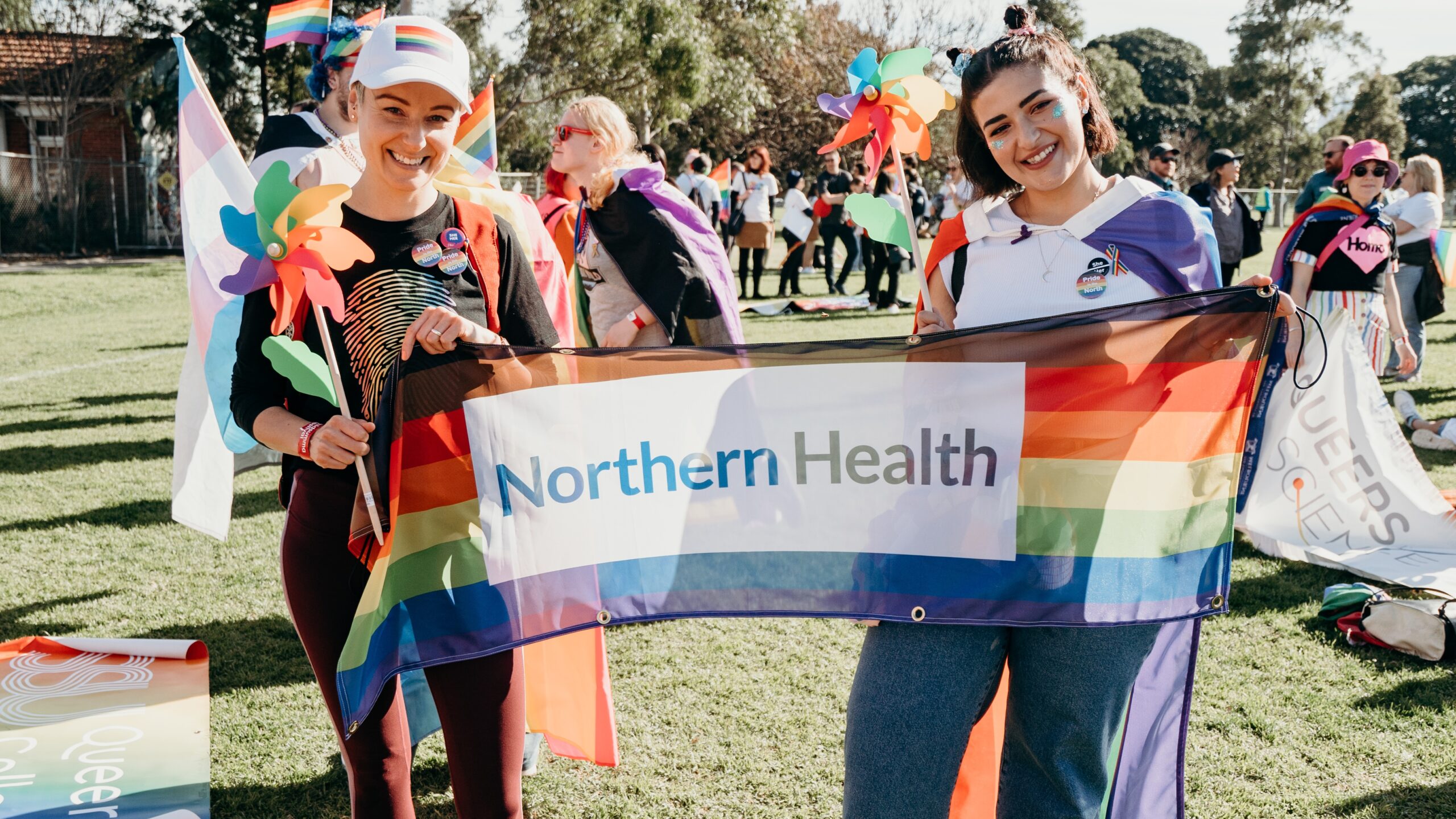
    On Sunday, 23 May, Northern Health marched at Pride March to show support for the lesbian, gay, bisexual, transgender, intersex, queer and asexual (LGBTIQA+) community.

    This is the second year Northern Health took part in the march as part of Pride in the North in collaboration with DPV Health, Nexus Health, Sunbury Cobaw Community Health, Kilmore District Health and Hume-Whittlesea Primary Care Partnership.

    Electra Ulrich, co-chair of the LGBTIQA+ Working Group, took part in the march. She said as someone who identifies as part of the rainbow community, Pride March held an important personal meaning.

    “I have gone to a number of Pride Marches when I was younger, and to be marching as part of my work at Northern Health, sends a message to the community, but also to one internally for me, that I can be myself at work, that I don’t need to hide and that I am accepted. I hope that other staff members and the consumers of our health service hear that too,” she said.

    “It’s such an important message to give to our staff and community – that we respect and celebrate the rainbow community. The recent ‘Private Lives 3’ research in LGBTIQA+ health in Australia, conducted by La Trobe University, showed that 63.9 per cent of LGBTIQA+ people surveyed thought it was very important or extremely important that a health service is known to be LGBTIQA+ inclusive.”

    “This is such an important message because unless we are proactively saying this, we cannot assume people know.”

    Chrissy Nicolaidis, co-chair of the LGBTIQA+ Working Group, also marched on the day. She said it was an important message to the LGBTIQA+ community that health services are inclusive.

    “We know that members of the LGBTIQA+ community don’t always feel safe accessing healthcare. We hope that health and community organisations in the north marching together to show our support will allow members of the community to feel more confident to access these services.”

    Another marcher on the day, Sherrilyn Ballard, Consumer Participation Coordinator, said, “It was uplifting to march alongside my Northern Health colleagues as part of the Pride in the North group. I felt we were there to affirm our collective support and commitment to the LGBTIQA+ community members in accessing inclusive and safe services with us every day.”

    Rachael Evans, Associate Director Dietetics, also took part in Pride March, and said the day was full of colour and fun.

    “I was impressed with the wide cross section of organisations supporting Pride. I also like how Northern Health collaborates with partner organisations from Melbourne’s north. I think this adds strength and consistency to the messaging,” she said.

    “It’s important for Northern Health to march at Pride March to publicly demonstrate that Northern Health actively supports LGBTIQIA+ staff and community members and to promote Northern Health as a safe and inclusive employer and healthcare provider for LGBTQIA+ staff and patients.”

    If you are interested in being involved in the LGBTIQA+ Working Group, email LGBTQIA+Enquires@nh.org.au.

    Featured image: Electra Ulrich and Chrissy Nicolaidis, co-chairs of the LGBTIQA+ Working Group


    Pride in the North team
    Rachael Evans, Associate Director Dietetics, Jessica Brain, Dietitian, Lee Pattison, EMR, Sian Cole, Psychology
    Pride in the North team