• It’s thunderstorm asthma season

    It’s thunderstorm asthma season

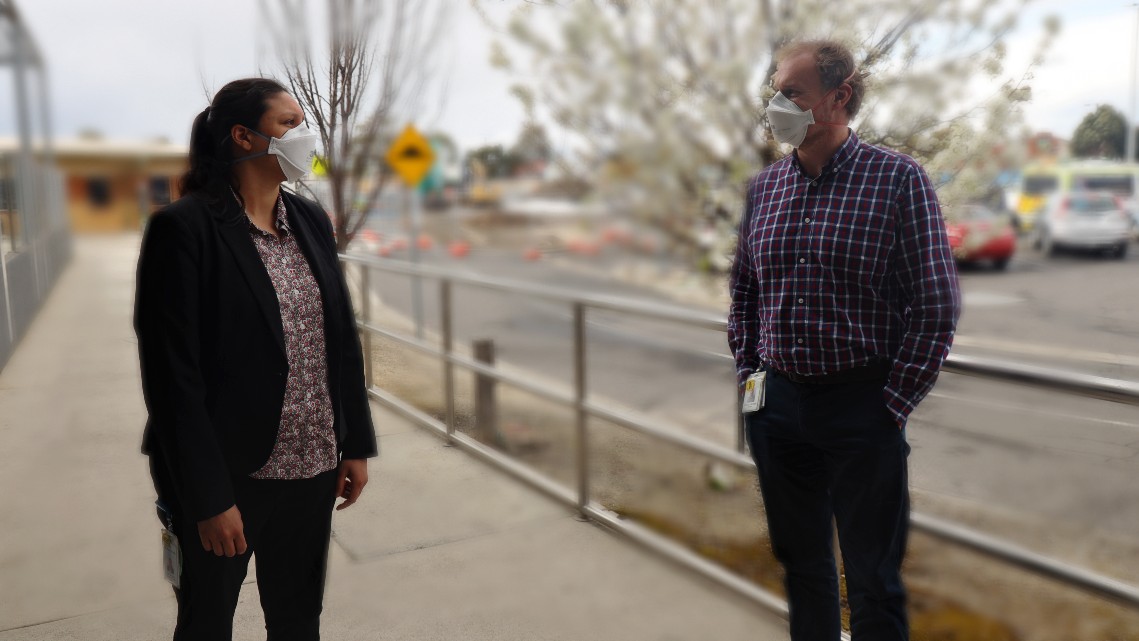
    Spring is here, and this favourite season often brings thunderstorms and pollen in the air. During grass pollen season, from October through to December, people may notice an increase in asthma and hay fever. These months also bring the chance of thunderstorm asthma.

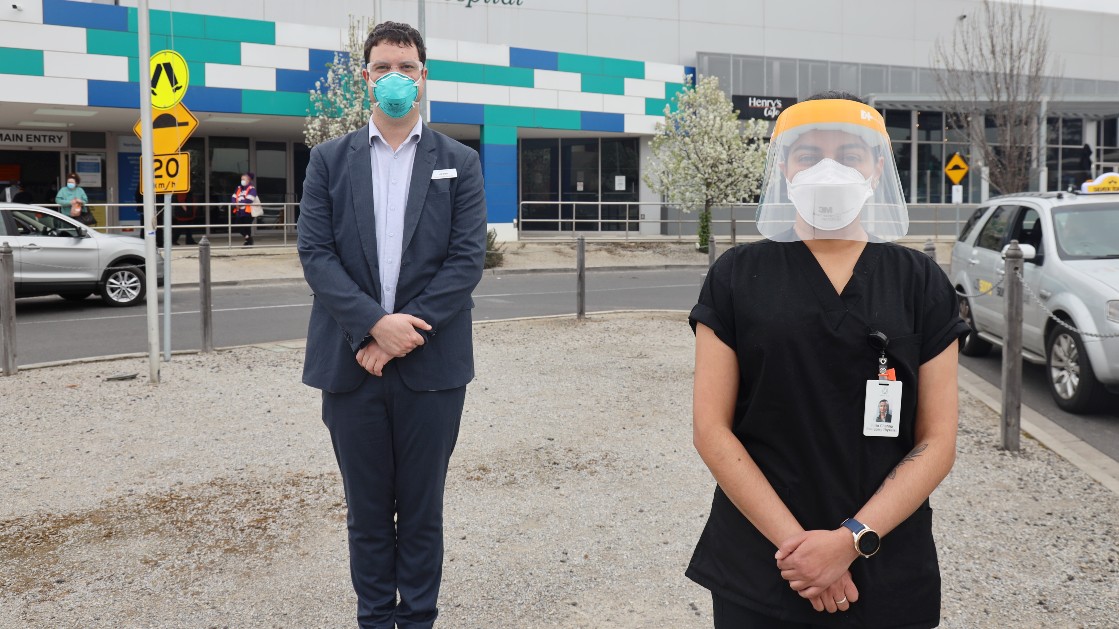
    Kirin Channa, Emergency Physician, explained thunderstorm asthma is thought to be triggered by a unique combination of high amounts of grass pollen in the air and a certain type of thunderstorm.

    “For people who have asthma or hay fever, this can trigger severe asthma symptoms. This can become very severe, very quickly and many people may require medical help at the same time,” she said.

    People with hay fever are likely to be allergic to grass pollen, and are therefore at increased risk of thunderstorm asthma. Having both asthma and hay fever or poor control of asthma increases the risk further.

    “Thunderstorm asthma can affect people of any age, even if they don’t have a history of asthma. Having reliever medication appropriately available during this season and being aware of how to use it, ideally with a spacer is essential. With thunderstorm asthma season fast approaching, now is the time to ensure you have your reliever medication available, and those with asthma should ensure their Asthma Action Plan is up to date,” she added.

    Where possible, people should avoid being outside during thunderstorms from October through December, especially in the wind gusts that come before the storm. The usual advice is to stay inside and close your doors and windows, and if you have your air conditioner on, turn it to recirculate.

    Jason Amos, Emergency Management added: “ Northern Health has recently updated the Code Brown – External Emergency procedure and the Code Brown Subplan – Thunderstorm Asthma procedure on Prompt to ensure appropriate response to Code Brown/Thunderstorms Asthma events during COVID-19. This is a timely reminder for staff to ensure they are aware of our emergency plans for such events.”

    Patients with mild or moderate symptoms can contact Northern Health’s Virtual Emergency Department via nh.org.au/ed

    Melbourne Pollen Count and Forecast report on pollen counts the risk of thunderstorm asthma. See the link below to the website and smart phone apps: https://www.melbournepollen.com.au
  • Northern Health Foundation: How we care for the community, together

    Northern Health Foundation: How we care for the community, together

    Are you aware that Northern Health has its own Foundation?

    Northern Health Foundation is a formally registered charity with the Australian Charities and Not-For-Profit Commission (ACNC) and has its own board of directors.

    Established in 2005, the Foundation’s purpose was to increase philanthropic, corporate, and community support for Northern Health services. While this is still the mission today, it’s role goes even deeper than this.

    According to John Molnar OAM, longstanding Foundation Board Chair, “We support Northern Health in its vision of creating a healthier community. We do this by funding life-changing medical equipment, research, and training. We are a partnership.”

    “Our partnerships with stakeholders have enabled us to purchase some very important pieces of equipment for Northern Health over the years” says John.

    In 2019, Northern Health Foundation funded the purchase of 60 new, state-of-the-art defibrillators for all campuses across Northern Health. The Foundation has also successfully funded an Endobronchial Ultrasound Machine (EBUS) which will enable clinicians to diagnose lung cancer earlier, and therefore commence treatment sooner, leading to better patient outcomes.

    Just recently, Northern Health staff participated in the ‘Dry July’ campaign where they raised enough money to purchase an additional car for the Day Oncology Unit, enabling more cancer and haematology patients to receive chemotherapy and other treatments in the comfort of their own homes.

    “We have a wonderful network of supporters from corporates and local businesses, trusts and foundations, our amazing workplace givers, and of course, our patrons, who work tirelessly to fundraise for specific needs within the health service. We are very grateful for their support” says Pina Di Donato, Foundation Director.

    “And we have our wonderful staff who witness the needs of our patients each day as they work on the front-line against COVID-19. They are the first to raise their hands and offer to donate items when we are caring for kids, and volunteer to go ‘dry’ in July so that funds can be raised for cancer services. We can’t do it without the support of our staff” adds Pina.

    The Northern Health Foundation works with Northern Health staff to make an impact on the diverse and growing community. This is the most important partnership, built on the values of safe, kind, and together. Working together is the most rewarding way to impact the community.

    Having recently joined social media, the Foundation is building its audience. You can help them reach more people and connect them to your people by following them on their social media platforms.

    The Foundation will be giving away 50 x $10 coffee cards across Northern Health campuses. To be in the draw to win a coffee card, all you need to do is like our page on Facebook and follow us on Instagram between today and the end of October. Winners will be announced on 1 November 2021. And to make it super easy for you, we’ve provided the links below.

    To learn more about the Northern Health Foundation, head to nhfoundation.org.au.

  • Stronger together: North Eastern Public Health Unit (NEPHU)

    Stronger together: North Eastern Public Health Unit (NEPHU)

    At the beginning of the year, Northern Health became part of the North Eastern Public Health Unit (NEPHU), a team of healthcare workers focusing on the North Eastern region to help manage the COVID-19 outbreak response. Austin Health has been appointed as the lead health service, in collaboration with Northern Health and Eastern Health.

    Dr Christian McGrath, Clinical Lead NEPHU @ Northern, explained the idea for a localised health unit came about last year due to an increase in COVID-19 cases and the need for more contact tracers to support the Department of Health.

    “At some stage, it got quite busy and demand was high – then the decision was made to form these local public health units, and decentralise public health into local regions. It’s much easier to manage 15 or 20 post codes as a public health unit, than thousands across the state. At the moment, all we can focus on is COVID-19, but the idea is that one day, those local public health units will start developing into units responsible for other health issues and communicable diseases in the region, like measles, environmental health issues, as well as play a role in health promotion,” Dr McGrath said.

    For Dr McGrath, working locally has numerous benefits for getting things done quickly and efficiently, and improving local health outcomes.

    “Having these health units attached to health services, like we are here, means there are a lot of relationships that can develop and the units can really improve local health outcomes. Our North Eastern Public Health Unit roughly covers a catchment area of 1.8 million people. Our teams operationally work integrated with the Austin and Eastern Health teams, and there is probably 300 staff across NEPHU working on this program at the moment,” he added.

    Samantha Soggee, Operations Lead NEPHU, explains how the unit works to contact trace and reduce transmissions in the north-east catchments.

    “At the moment, we are in the super surge and the volume of cases is high. Northern, Austin and Eastern Health work together by joining into one team and we function out of pods – like ‘confirmed case pod’, ‘primary close contact pod’, ‘exposure site pod’, and each of those pods will have a team leader and an overarching operations lead across all of the pods,” she said.

    “Once there is a confirmed case in the catchment, the team would pick that up on the dashboard and interview the case, generate all the exposure sites, all primary close contacts, and then the designated pods will follow up. For example, the ‘exposure sites pod’ will follow up with the businesses, close them down if needed, advise on cleaning etc,” she added.

    For both Samantha and Christian, this new role meant a lot of learning on the job and adapting processes and procedures to make the response more efficient.

    “Our COVID response unit started in April this year, and that is when things started to ramp up. It was really the baptism of fire, as the City of Whittlesea outbreak started at that time, and it has been go-go-go since,” Dr McGrath said.

    “It’s no secret that a lot of COVID-19 cases are in the northern suburbs. For example, the NEPHU team conducted 300 case interviews one day last week, and that is an amazing effort, considering the total case number for Victoria that day was around 500. If we are concerned about a case, we join the efforts from ED, pathology and our contact tracers to get the results quickly, and that is the main benefit of working locally,” he added.

    The team works seven days a week, and also works closely with metro and our regional public health unit partners and the Department of Health, to manage outbreaks.

    “Over the months, it has been streamlined what information is being collected, in terms of information from cases. Previously, we would contact trace everywhere a case would go, but now we are contact tracing sensitive settings and exposure sites around that, usually workplaces and homes. We are trying to suppress COVID-19, while the vaccination rates are going up,” Samantha added.

    The team is welcoming new members – if you have some free time, enjoy working from home and are interested in contact tracing, please contact Lara Madden on: Lara.Madden@nh.org.au.

  • Care packages for our junior doctors

    Care packages for our junior doctors

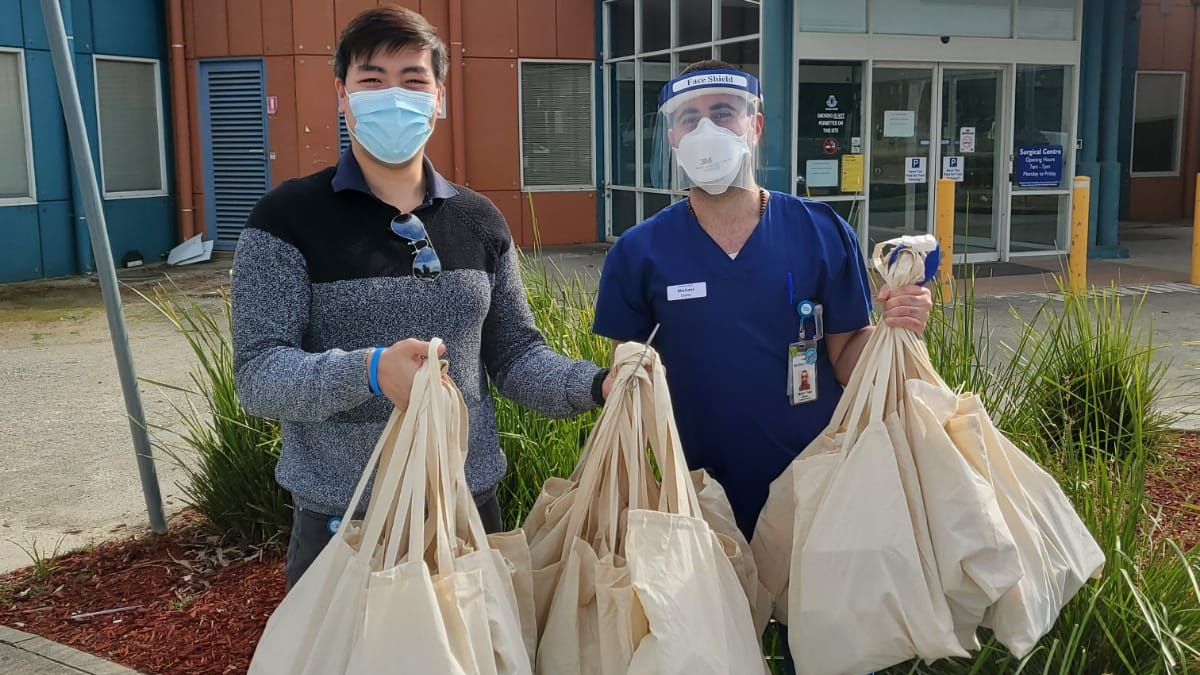
    Our dedicated junior doctors received a special delivery of care packages as part of R U OK? Day from the Junior Medical Staff Association (JMSA) Welfare team, to show their thanks for their incredible work during the COVID-19 pandemic.

    The R U OK? Day Care Packages filled with goodies were delivered to all junior doctors; interns, residents and registrars at Northern Hospital Epping, Broadmeadows Hospital and Bundoora Centre.

    Dr Natina Monteleone, JMSA Representative, said the Welfare team recognised that this was a challenging time for all our Doctors, and wanted to show their appreciation to the junior doctor community at Northern Health.

    “We wanted to support each other through it. We are unable to meet in our usual way or partake in our usual get togethers,” Natina said.

    “These packages are a symbol of unity and support and hopefully brought some joy to the doctors across the Northern Health workforce. These packages were provided in recognition of R U OK? Day, which was created as a way to starting a conversation with those around us.”

    “We hope this has created some opportunity for open and supportive discussion about these really challenging times and that the conversations continue after R U OK? Day.”

    In the care packages, staff received R U OK? Day phone wallets and pamphlets, Beyond Blue fridge magnets, wrist bands and wallet cards, coffee cups, chocolates, pens, coffee vouchers, hand sanitiser, note books, hackey sacks and stress balls.

    “Many of the items were donated by local organisations that recognised the hard work and sacrifice of our staff, and wanted to show their support and thanks,” Natina said.

    “Many of these organisations provide ongoing support to our Doctors and we wanted to get that message out that we are not alone in all of this and there are services there that can help.”

    “We also graciously received funding from the CMO, Divisional Directors, Senior Medical Staff Association and Northern Health, with which we purchased additional coffee cups, vanilla scented candles, hacky sacks and linen bags.”

    The JMSA Welfare team hoped the care packages helped to “brighten the day” for our colleagues.

    “We also hope they serve as a reminder that we are all facing these challenges together, we can support each other through it and that there are services out there that can help.”

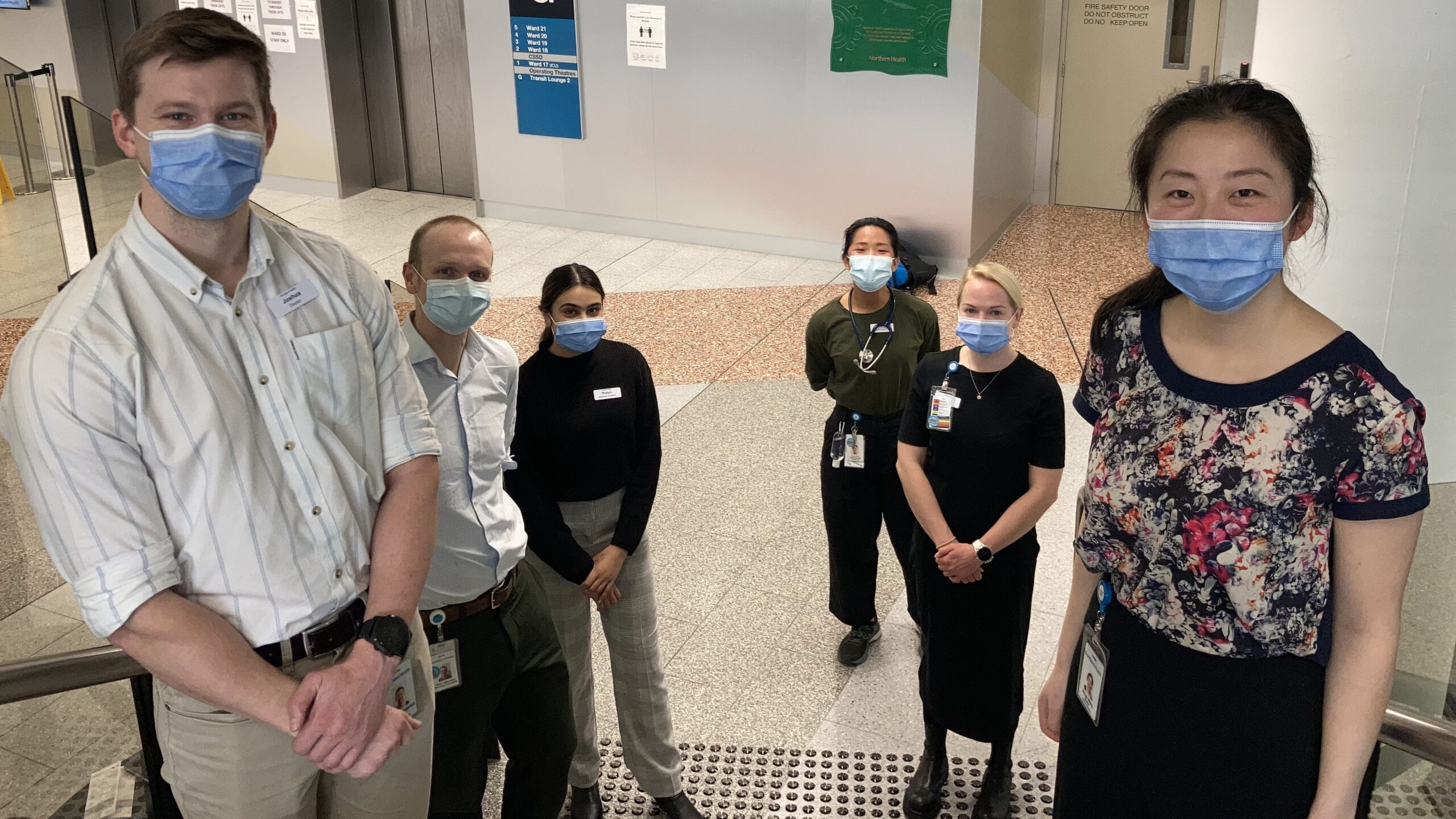
    Featured image: Broadmeadows Hospital doctors with the R U OK? Day Care Packages

    Northern Hospital Epping staff with the R U OK? Day Care Packages


    Goodies in the care packages
  • New COVID-19 outpatient treatment at Northern Hospital

    New COVID-19 outpatient treatment at Northern Hospital

    This week, Northern Health launched a new outpatient service to treat patients with COVID-19 in the community.

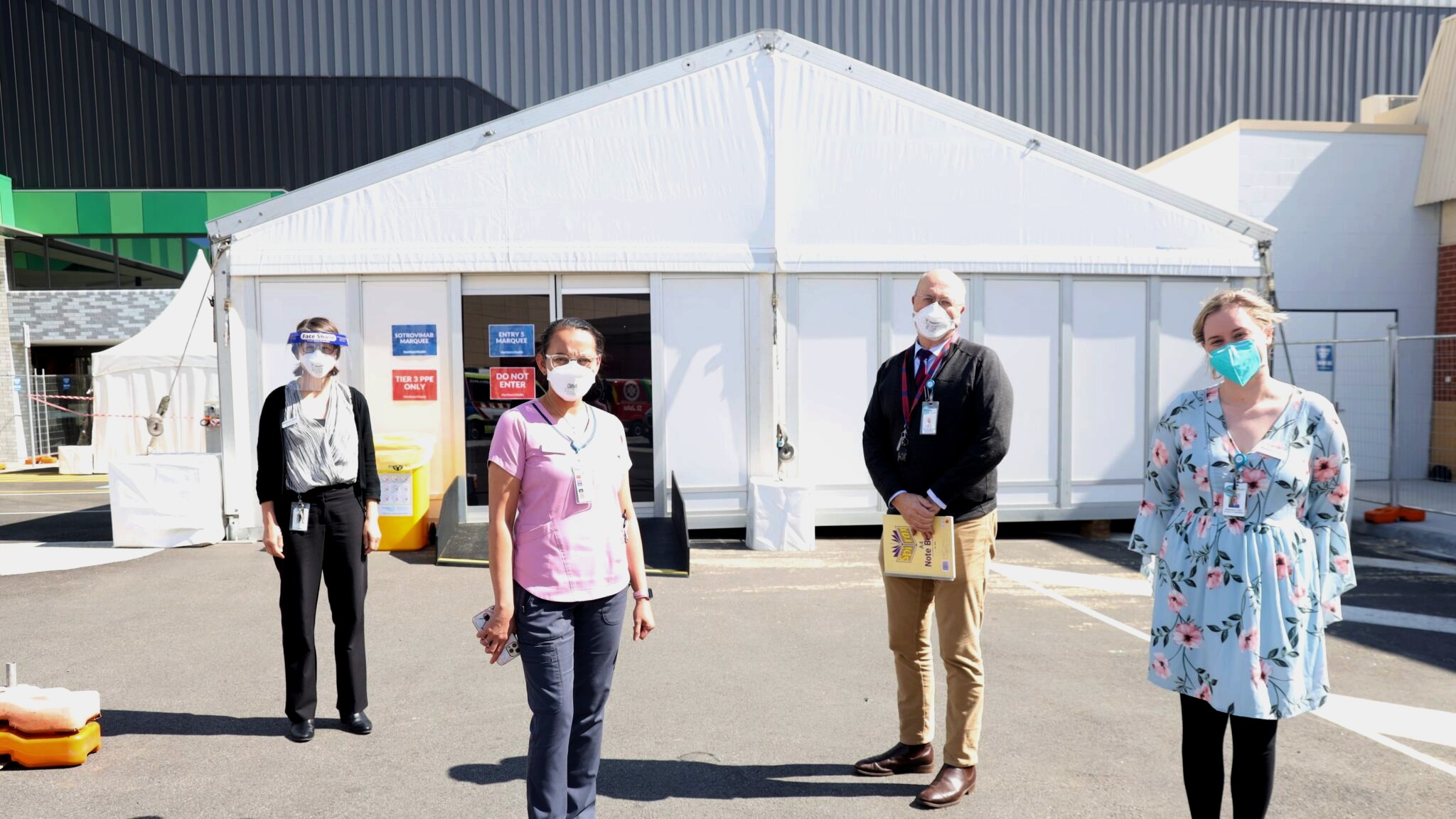
    The ‘Sotrovimab Clinic’ is located at Entry 5 of Northern Hospital Epping.

    In the clinic, staff administer Sotrovimab, a novel monoclonal antibody treatment, intravenously to patients in the community who are unwell with COVID-19.

    Northern Health is one of only a couple of sites across Victoria that are administering this therapy in an outpatient setting.

    Professor Don Campbell, Director Staying Well Program, said,  “We are very pleased to have the Sotrovimab infusion centre established here at Northern Health.”

    “Vulnerable communities who haven’t yet been able to access vaccination are particularly at risk from COVID-19,” he explained.

    “The Sotrovimab treatment involves a single intravenous infusion of a monoclonal antibody directed against the Protein S Spike of the SARS CoV2 (COVID-19) virus. If it is administered early to eligible patients, it has the potential to reduce risk of severe illness and admission to hospital by over 80 per cent,” he explained.

    The laboratory-made proteins are designed to mimic the natural antibodies produced by the immune system when defending itself against diseases.

    The monoclonal antibodies bind to the virus to stop it from entering host cells, and also help to fight off already infected cells. A complete treatment cycle requires only one dose.

    “We want to treat members of our community who are at risk – so we can help keep them safe at home,” Don said.

    Madelaine Flynn, Director of Infection Prevention, explained the new clinic is being well received by patients.

    “At present, the clinic can administer this treatment to 15 patients per day Monday to Friday,” she said.

    “So far, the clinic is going great – we have already had many patients come through and receive this treatment.”

    We look forward to the clinic increasing capacity and treating more COVID-19 patients in our community.

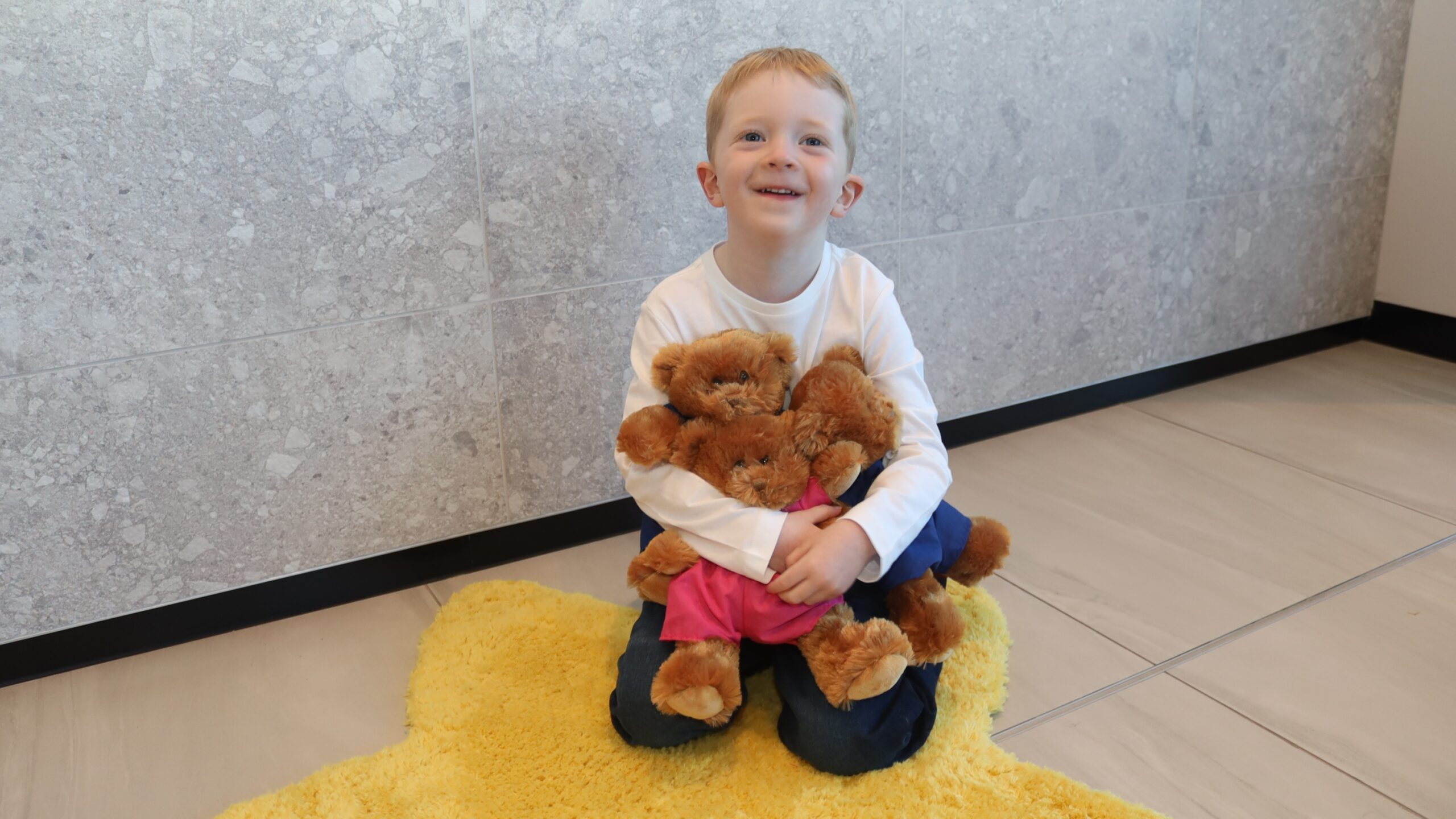
    One of our very first patients to visit the new clinic
  • Supporting people with COVID-19

    Supporting people with COVID-19

    Northern Health has a support program in place for people who have tested positive to COVID-19 in our catchment area.

    Our COVID Monitor Program provides best practice care for people whom have tested positive for COVID-19, and ensures other health care needs are met whilst in the program.

    The telephone-monitoring program also helps to prevent unnecessary hospital admissions of mild COVID-19 cases and ensures isolation protocols are followed to limit community spread.

    Patients complete a daily self-check survey to let a Northern Health staff member know how they are feeling and if they have any other symptoms. Staff will then contact patients based on their symptoms and if they need assistance with staying at home and isolating for 14 days.

    The program runs seven days a week, and provides patients with health advice if symptoms worsen and how to get food and essential items during isolation. Support is also available for families with children and interpreters are on hand.

    The program is supporting over 1,200 people, with increasing daily demand. Patients are allocated to Northern Health by the North Eastern Public Health Unit (NEPHU).

    Johanna Hayes, Divisional Director of Hospital Without Walls, said the program had seen an increase in patients from 20 to over 1,200 in the past three weeks.

    “Last year, the COVID Monitor Program saw 900 patients over a three month period, which at that time was the highest in Australia. In the past three weeks, we have gone from 20 patients to now over 1,200 patients,” she said.

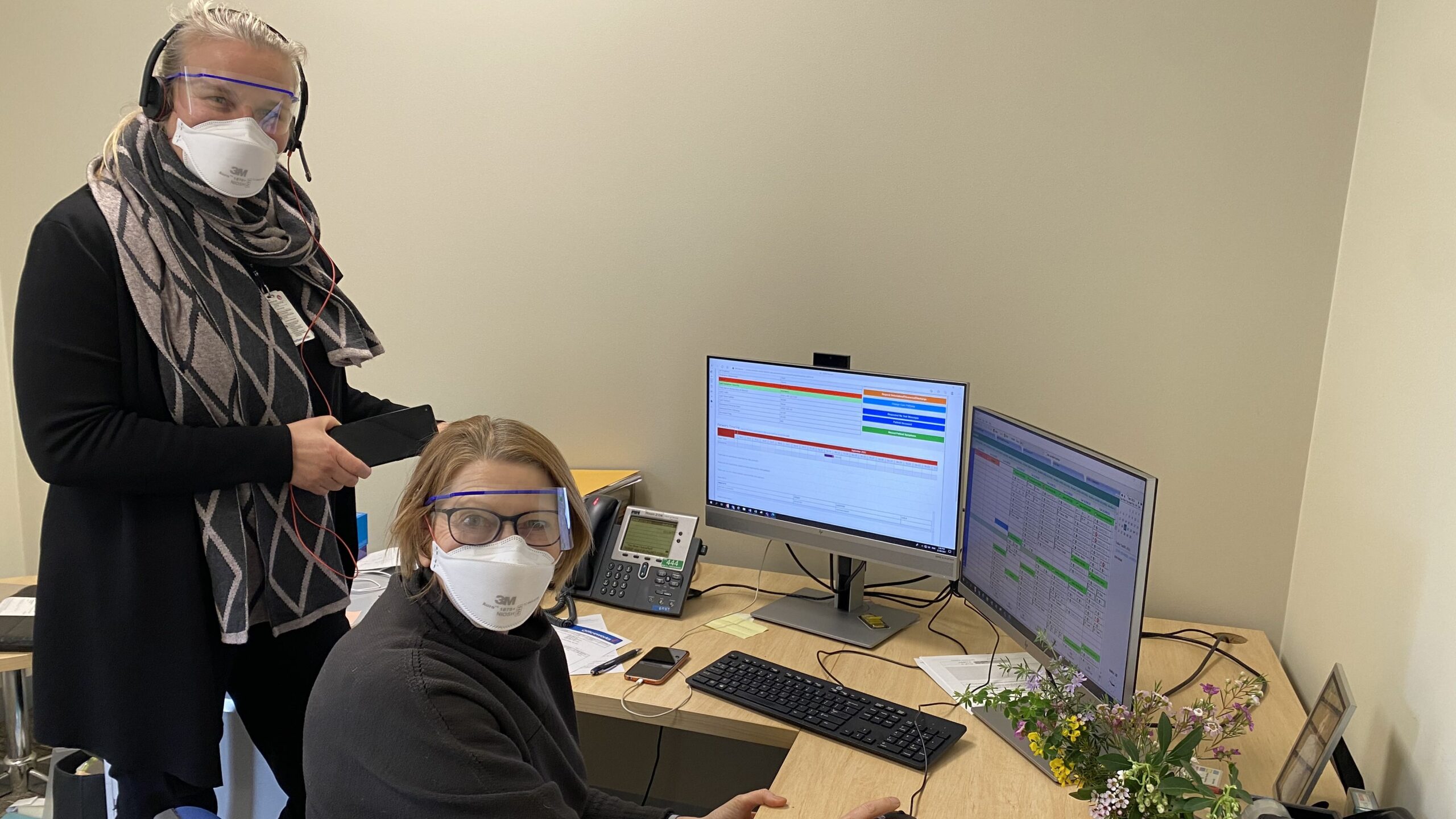
    “We have an IT system in the background, so patients are sent a text message every day and then we can monitor their symptoms remotely. Our staff can make contact with our patients if we can see their COVID-19 symptoms starting to deteriorate.”

    “A lot of the symptoms of concern are shortness of breath and chest pain, but there are also a lot of people who are highly anxious and worried. If you can walk in the shoes of the people who have got COVID-19, you’ll understand that it is a very stressful time for families, individuals, and the community.”

    “We also work closely with the Northern Health Virtual Emergency Department. Patients can have a telehealth appointment with an Emergency Department clinician. We continue to improve and innovate the care for people at home.”

    Staff from across the health service are assisting with the program, working at Bundoora Centre or from home.

    “We have pulled lots of people from so many different areas. I am very grateful to people who have put their hands up. People come from clinical backgrounds, with nursing, allied health, medical and research expertise. We also have people who are providing valuable support such as interpreting, care coordination and finance.”

    “We also have some retired health professionals volunteering their time and have been able to share their knowledge and wisdom with us and our patients.”

    Henni Wade, Manager Volunteer Services, said Northern Health volunteers were preparing to assist with the program.

    “We are hoping the volunteers can assist with deliveries of food and other supplies if normal avenues are not available. We are putting procedures in place to ensure this support can be offered in a safe way,” Henni said.

    “We have about 14 volunteers who have offered to assist and they are eagerly awaiting to be assigned a job. They are raring to go and can’t wait to feel like they have a sense of purpose in helping the hospital’s approach to caring for our community.”

    Requests for Northern Health volunteers to assist with deliveries of essential items can be sent to volunteer@nh.org.au.

    Featured image: Nicky Tully and Sue Hull at the COVID Monitor Program

  • Healthy meals on the menu

    Healthy meals on the menu

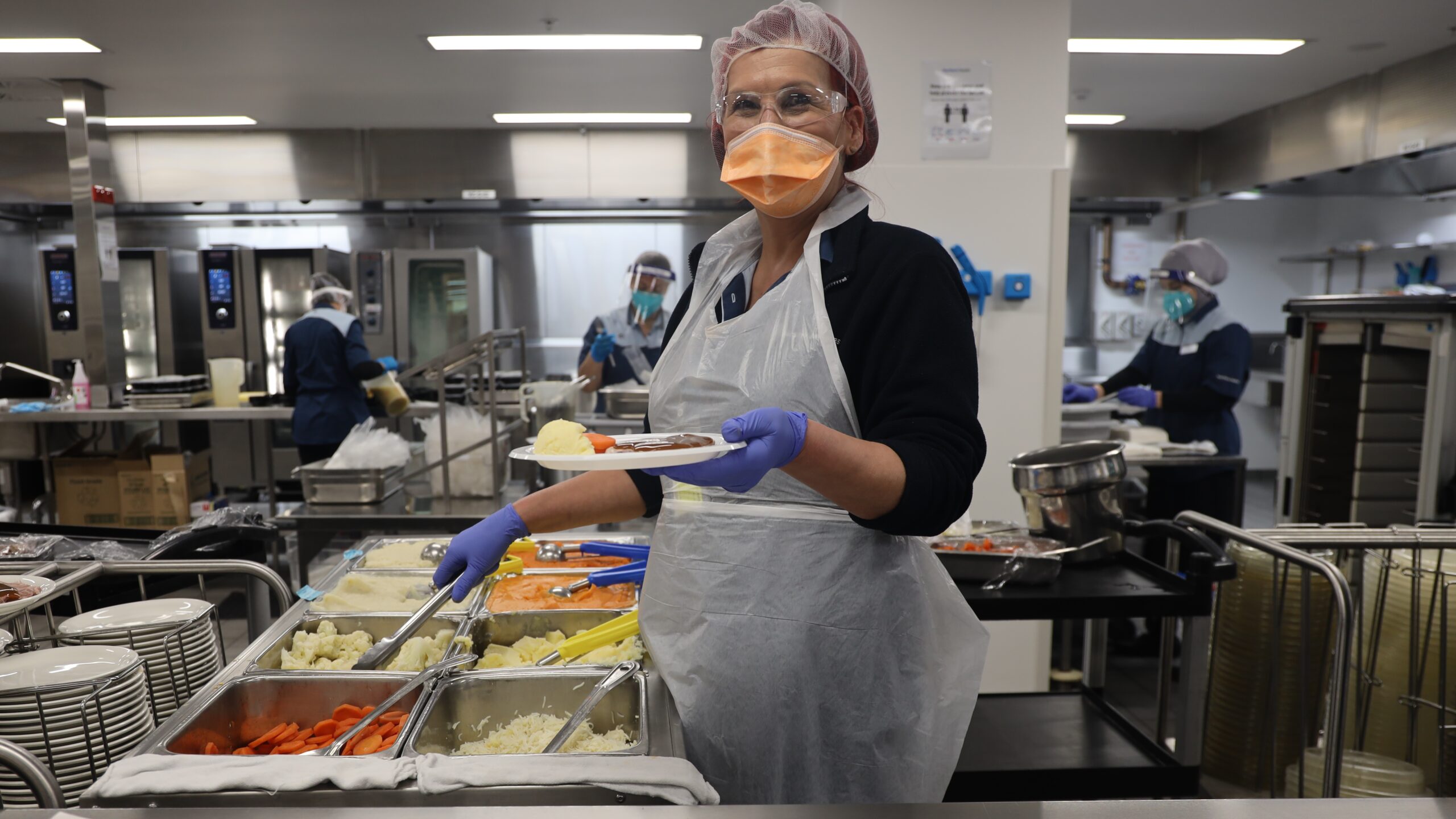
    Northern Health patients now have more fresh and healthy meal varieties as our kitchen staff go live with cooking fresh vegetables in their new state of the art industrial kitchen, with three new steamers utilised for this purpose.

    Our food services department transitioned into the new kitchen in February, which was one of the first areas to open as part of the Stage 2 of the Northern Hospital Expansion Project.

    Tina Smith, ISS Catering Manager, said her team received feedback from patient surveys about what they would like to see on the menu in regards to fresh and healthier meal options.

    “For the patients, it means better quality vegetables and more variety and patient satisfaction. The chefs are very excited to be cooking fresh vegetables in our modern kitchen,” Tina said.

    “The new kitchen was designed as a hybrid to cook some fresh items. It has taken a lot of group work to get us to this point and we are very proud to provide excellent services to the patients.”

    Saj Amerasinghe, ISS Key Account Manager, said the ISS Food Service team was in consultation with Dietetics and Speech Pathology to enhance patient meals at lunch and dinner times.

    “This is a great partnership for Northern Health to working towards patient satisfaction in the patient journey,” Saj said.

    “I would personally like to thank the Food Services team, Greg Warman, Director of Support Services, the Dietetics team and Speech Pathology for all the support throughout and making this project a success. This is what we exactly mean by at ISS, we connect people and places to make the world better.”

    Hayley Collins, Grade 3 Dietitian, said, “Dietetics and Speech Pathology worked closely with the Food Service team to develop a new fresh vegetable menu, add items and build recipes into the menu management system Delegate, update the default menu with these changes, as well as add in nutrition and allergen information,” she said.

    “The Speech Pathology team have been instrumental in ensuring the vegetables meet international standards for consistency.”

    Greg Warman said the team had been working towards these enhancements since the new kitchen opened.

    Featured image: ISS team member preparing meals

    ISS team member with a state of the art steamer
  • Interprofessional Passport for Allied Health students

    Interprofessional Passport for Allied Health students

    Northern Health Allied Health students and graduates have access to an Interprofessional Passport, designed for students and early career clinicians across all professions including allied health, nursing and medical.

    The passport is a learner-led and clinically-based suite for interprofessional learning activities. It has been designed to help students and early career clinicians better understand their role, the role of others and how to work collaboratively in a team to deliver safe and trusted care to our community.

    Talin Gochian, Interprofessional Educator – Allied Health, highlighted the importance of interprofessional practice.

    “Today’s patients have increasingly complex needs. In order for us to fully address the spectrum of their needs, we are required to work together interprofessionally,” Talin said.

    “When done successfully, interprofessional practice helps to improve the patient experience, improve health outcomes and reduces related costs.”

    “At Northern Health, we are committed to educating students and early career clinicians not only about their profession, but how to work effectively in interprofessional teams.”

    When asked about what made a great team, Talin said it was a multitude of factors.

    “If we look at the most successful teams on the sporting field, in a survivor challenge or in a hospital, there are a few essential elements which make theses teams – communication, a common goal, understanding each others roles and responsibilities and mutual respect,” she said.

    “The Interprofessional Passport helps to inform the importance of these elements, transforming clinicians beyond professional to interprofessional practitioners.”

    Peter Brack, Associate Director – Education, Allied Health and Interprofessional Programs, said working within collaborative teams had shown to have a positive impact on the mental health and wellbeing of team members.

    “As a health service, we are going through an extraordinarily challenging time and now, more than ever, we need to rely on those around us. We hope that participation in the Interprofessional Passport will help our students and early career professionals make connections with others and reflect on the importance of our teams in supporting our patients and each other,” Peter said.

    The resource is being launched initially with new graduates and students from Allied Health, but is planned to be rolled out with other disciplines from early 2022. The Interprofessional Passport is also available on the Intranet.

    Anyone with questions can contact Peter at peter.brack@nh.org.au.