• Northern Health shines at the Australian Pain Society Annual Scientific Meeting

    Northern Health shines at the Australian Pain Society Annual Scientific Meeting

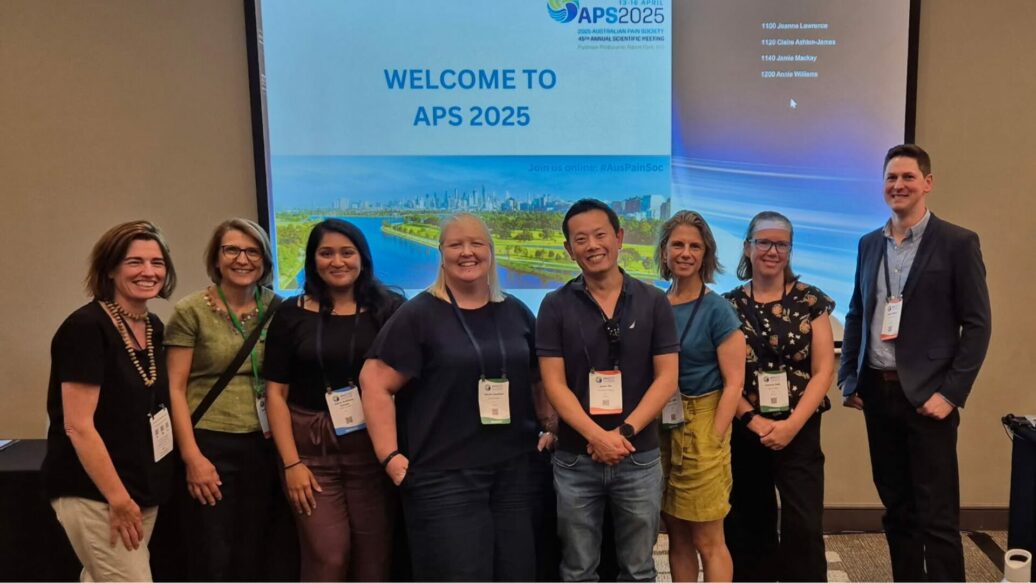
    Northern Health was proudly represented at this year’s Australian Pain Society (APS) Annual Scientific Meeting, held in Melbourne in April.

    The event brought together clinicians, researchers and celebrated speakers from across the country and internationally to explore the latest in pain management and research.

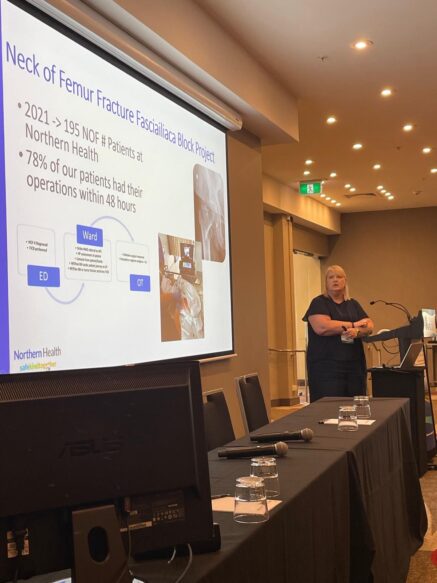
    Northern Health played a key role in shaping the conversation. Our very own Pain Management Nurse Practitioner, Nicole Gauthier, convened the Acute Pain Workshop, drawing strong attendance and praise. The full-day workshop featured a number of expert speakers, including several from Northern Health. The event was sold out and used the largest room available.

    “It was a very good day—so relevant and interesting,” one attendee commented.

    Another attendee said, “There was a great variety of topics, and it was really well done.”

    Letty Bastian, Northern Health’s Emergency Department (ED) Nurse Practitioner, presented on an innovative new initiative providing acupuncture in the ED for patients with back pain—highlighting a practical, evidence-informed approach to managing acute presentations. Dr Jamie Mackay and Dr Joanna Lawrence also delivered insightful presentations during the Acute Pain workshop.

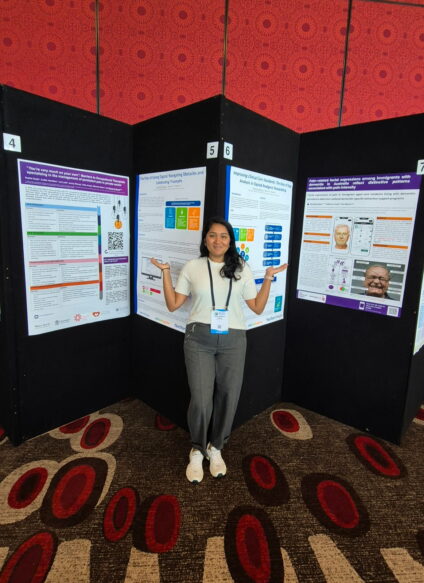
    Adding to the success, Northern Health’s Analgesic Stewardship Pharmacist, Joyce Anthony, had two research posters accepted to the national conference, showcasing the organisation’s ongoing commitment to advancing pain management and patient safety through research and innovation.

    “It was fantastic to see so many Northern Health faces leading and contributing to discussions about acute pain care,” said Nicole Gauthier.

    “It reflects the strength and dedication of our team and our commitment to improving outcomes for patients.”

    Northern Health’s representation at this year’s conference highlights our commitment to providing innovative pain management for our patients.
  • International Day of the Midwife: Critical in Every Crisis

    International Day of the Midwife: Critical in Every Crisis

    Midwives are the heroes of millions of stories.

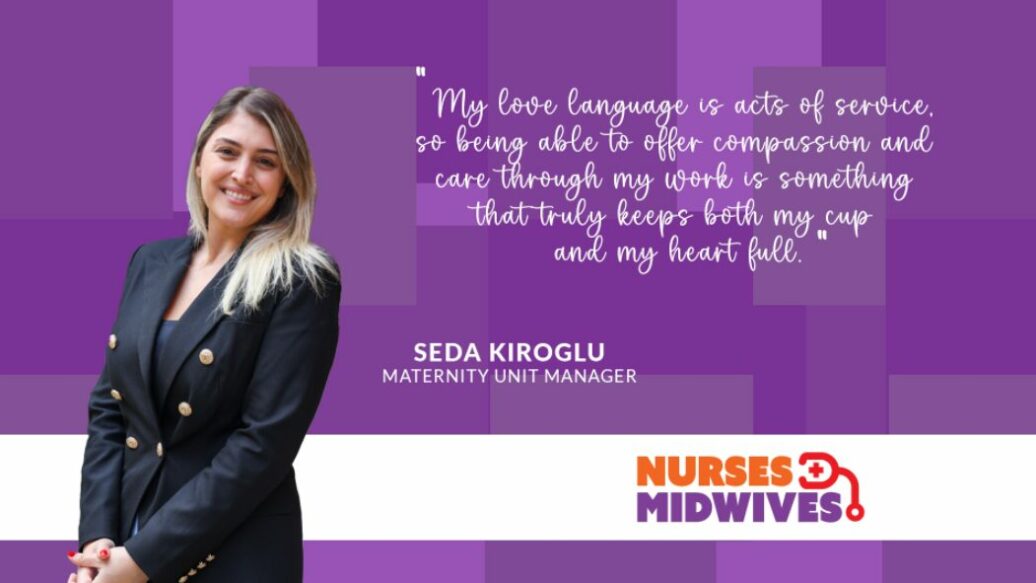
    Today, 5 May, Northern Health is celebrating the International Day of the Midwife. To mark the occasion, we’re sharing the thoughts of our very own Seda Kiroglu, Midwifery Unit Manager for Maternity, Birthing Support, Maternity in the Home, and Specialist Breastfeeding Services.


    Q:  What does International Day of the Midwife mean to you?

    A: To me, the International Day of the Midwife is a powerful reminder of the incredible role midwives play — not just in bringing new life into the world, but in supporting families and creating a safe space during some of their most vulnerable moments. It’s a day to celebrate the quiet strength, compassion, and skill it takes to guide someone through birth. It also feels like a call to recognise and honour the dedication midwives show, often working long hours, making personal sacrifices, and continuously advocating for better, safer births. Personally, it reminds me of the trust and courage that exist between a midwife and the families they care for — and how midwives help shape healthier futures for every life they touch.


    Q: Why did you want to become a midwife?

    A: I wanted to become a midwife because I have always been an empathetic person, and I have found birth to be one of the most fascinating and beautiful experiences in life. Being able to witness and support a woman and her family as they bring new life into the world is something very close to my heart. My love language is acts of service, so being able to offer compassion and care through my work is something that truly keeps both my cup and my heart full.


    Q: Tell us about your journey to become a midwife.

    A: I initially completed my Bachelor of Nursing and undertook my nursing graduate year at another health service. In 2015, I commenced my Postgraduate year of Midwifery at Northern Health, and I have been here ever since, working in various midwifery roles. I have now been in the NUM role for the past three years.


    Q: What inspires you?

    A: There are many things that inspire me to come to work every day. One of them is the new challenges I face regularly. Challenges aren’t necessarily negative – in fact, I see them as positive opportunities for growth, both personally and for our health service. Every woman and her family has their own unique story and experience, and being able to be part of that, or to create a space where families feel safe and supported, is a huge source of inspiration for me.

    As a manager, I aim to lead by example by consistently reflecting the values of Northern Health, as well as the core values of midwifery, to my team — so that this can flow through to the care we provide to our patients and their families.


    Q: Tell us about a particular patient or care interaction that has really stuck with you.

    A: There have been many interactions that have stayed with me over the years, but one that is especially close to my heart was during my time as a Domiciliary Midwife. I was visiting a patient who had recently given birth, and when I saw her name, it felt familiar, but I wasn’t sure if it was just a coincidence. As soon as her husband opened the front door, we instantly recognised each other, and I was hit with a wave of emotion. A few years earlier, I had cared for them when they sadly lost their first baby.

    For me, it felt like a full-circle moment – a sense of closure. While nothing can change the loss they experienced, seeing them now, with their newborn, knowing they finally had the chance to experience the joys they missed out on before, was incredibly special. It was such a bittersweet moment for all of us. We sat together, reflecting on the years that had passed, the journey through their grief, and now, celebrating the arrival of their beautiful baby.


    Q: Do you have a message for your midwifery colleagues?

    A: You can never stop striving to be a better version of yourself – both as a midwife and as an individual. Each woman, each birth, and each interaction shape the midwives we are today. Some days may be tougher than others, however, even though we are passengers on a woman’s birthing journey, we are also there to guide them, helping to make their road to bringing new life into the world as smooth as possible. Our role is to help them navigate around the potholes and impending roadblocks – and when some challenges are unavoidable, we are there to walk beside them, every step of the way.

  • Get to know: Kire Stankovski

    Get to know: Kire Stankovski

    #WeAreNorthern

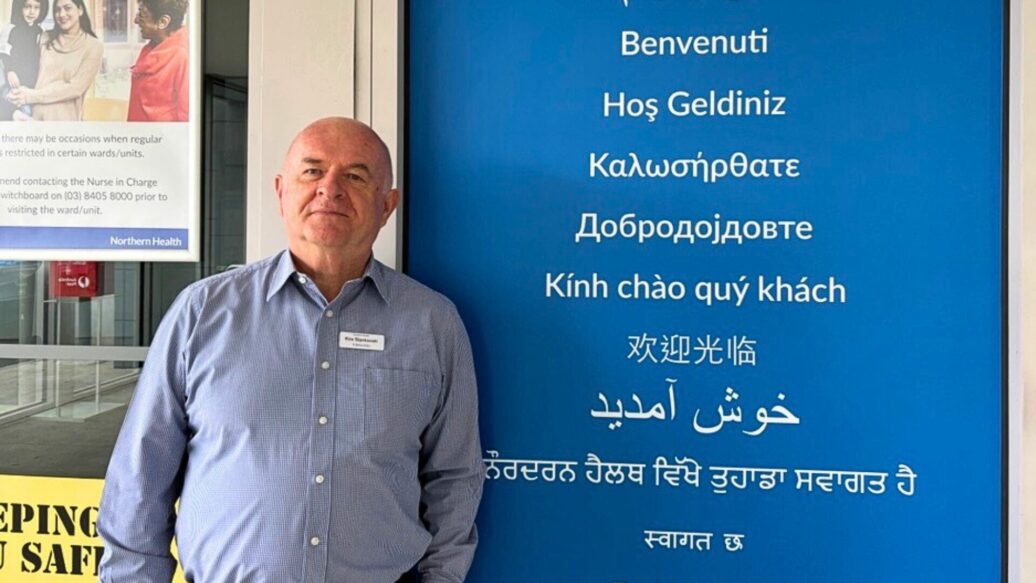
    Meet Kire Stankovski, Macedonian Interpreter and Translator, Transcultural and Language Services (TALS), Northern Health.

    Q: Firstly, let’s start with your coffee order.

    A: Whenever I order coffee, my favourite is cappuccino. At home, I also enjoy Lavazza.

    Q: Tell us about your role at Northern Health.

    A: I am a Macedonian interpreter and translator at Northern Health, part of the TALS department. I joined Northern Health in 2015, and I really enjoy what I do. In my younger years, while attending university, I used to interpret, so I have been working in this profession for a long time.

    Q: What is the best part of working as an interpreter?

    A: The best part of working as an interpreter is the satisfaction of knowing that I am helping people with their health. It is a real privilege to be part of Northern Health, and it gives me great pleasure to know that I make a difference in people’s lives by helping them better understand their health issues. At the same time, working alongside clinicians, nurses, other health professionals, and administrative staff brings me a great deal of satisfaction.

    Q: Tell us how you resonate with Northern Health values of Safe, Kind and Together?

    A: The values of Northern Health resonate with me strongly. I have received feedback from a number of patients and clinicians expressing their gratitude for the help I have given them, the service I have provided, and the way I interact with them. Facilitating communication between patients and health professionals is central to my role, as it helps keep patients safe by ensuring they understand what is happening with their health. For the record, I received the TALS Staff Recognition Award as the ‘2024 Kindness Champion.’

    Q: If you weren’t an interpreter, what would you have been instead?

    A: I have had a varied career, working in payroll, teaching, respite coordination, case management, running my own home support services business, and serving as a Direct Care Manager for another service provider. However, interpreting is definitely one of the most rewarding roles I have undertaken.

    Q: What advice would you give to your younger self?

    A: Be patient, be open to new ideas, try different occupations and learn new skills along the way!

    Q: Favourite book or movie and why?

    A: I usually enjoy watching films based on true events and reading books about history. I have always found history and the real-life experiences of others fascinating. In saying that, Official Secrets is one of the best movies I have seen recently.

    Q: Favourite place to travel and why?

    A: I have done a fair bit of travelling over the years, and each country I have visited has been exceptional and enjoyable. I have to mention Canada and New Zealand as two countries that really stood out. However, given my Macedonian background and the fact that I spent my childhood there, I have to say that Macedonia is my favourite destination. Macedonia offers so much to visitors, including a rich history, beautiful landscapes, and very friendly, welcoming people.

    Q: Do you have any hidden talents?

    A: I’m a very good listener, and I’m also skilled at diffusing arguments and conflicts. However, my real hidden talent is that I can give a great massage!

  • Breakfast with Debra

    Breakfast with Debra

    The first ‘Breakfast with Debra’ was successfully held last week at Northern Hospital Epping.

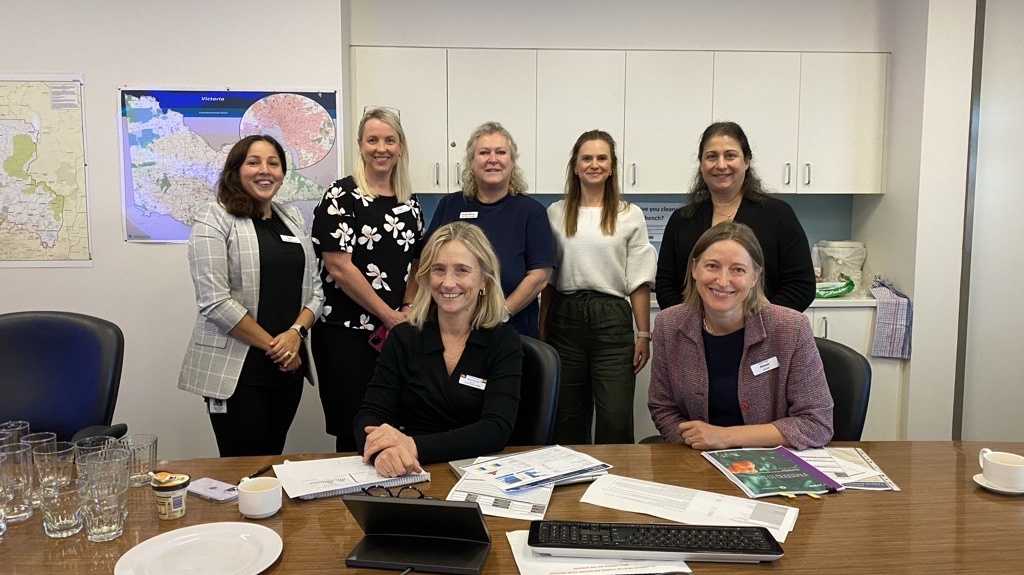
    Conversations were brewed and thought-provoking questions were served as staff joined Debra Bourne, Chief Executive, at an informal breakfast.

    The breakfast provided an opportunity for staff to connect directly with the chief executive, share their thoughts, ask questions, and gain insights into the organisation’s future.

    The atmosphere was warm, welcoming and relaxed, which encouraged staff to contribute ideas to help shape the health service’s future, strengthen Northern Health’s leadership accessibility, build connections, promote transparency and nurture a culture of collaboration.

    Debra Bourne said the event was more than just a catch-up, it was conversation to drive change, build connections, and inspire leadership at every level of Northern Health.

    “It was an intimate group of six. They each brought along some thought-provoking questions, which I was very happy to answer,” Debra said.

    “What followed was a terrific discussion which provided me with some valuable insights across a variety of departments. We covered a lot of ground, from the Palliative Care Unit to Allied Health, EMR, OH&S, Nursing Educators and Nursing Staff.”

    “Thank you to those who took time out of their day, particularly in this short week, to meet with me. I am looking forward to hosting many more of these events across our sites in the coming months.”

    The breakfasts will be held monthly and will rotate across all Northern Health sites to give all staff, from frontline workers to corporate teams, the opportunity to participate and engage with leadership.

    Thank you to all staff who have expressed their interest in Breakfast with Debra. All responses received, and not selected for the first breakfast, will be considered for future events.

  • Happy 100th Birthday Peter

    Happy 100th Birthday Peter

    One often wonders what it would be like to see the world through another person’s eyes. A fresh perspective of the familiar, or a glimpse of the other side of the globe. Imagine having the chance to gain some insights from 100-year-old eyes. That’s just what the staff at Ian Brand Residential Care (IBRC) get to do now.

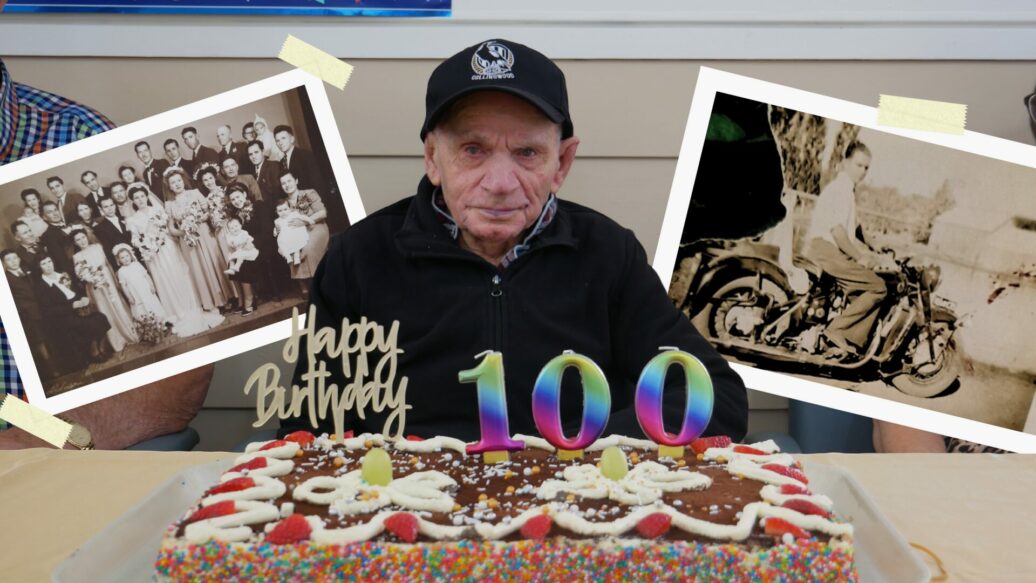
    Last week Peter Milentis, resident at IBRC, located amid the undulating landscape of Northern Health’s Bundoora Centre, was the guest of honour at a special 100th birthday afternoon tea. Staff, residents and family gathered to celebrate with Peter, as a slideshow of his life was displayed on a nearby tv screen, and a selection of oldies (but goldies) filled the space with music.

    While he didn’t make an appearance himself, King Charles III did send a congratulatory letter, as did several other high-ranking dignitaries.

    Peter, who has only been in care relatively recently, was born in a small village in Greece and immigrated to Australia around the age of 10, with his younger sister, to meet up with their father in Western Australia. At 16, he began working on his uncle’s farm, growing tobacco.

    He married his lovely wife Christina, and they worked together on the farm in Manjimup, Western Australia, before moving to Victoria in 1964 to pursue better growing conditions in Myrtleford. The couple had three children Fay, Vick and John, with five grandchildren and six great grandchildren that followed.

    “Farming provided a somewhat stable income until the decline of the tobacco industry in Australia, so we decided to move to Melbourne.” Vick, Peter’s elder son, said.

    “Dad retired around the age of 43 and lived with mum in their house in Bundoora until recently.”

    Kerryn Busuttil, Nurse Unit Manager Ian Brand Residential Care, commented “Since taking on this role, I’ve really enjoyed getting to know the residents here. It’s so special to see everyone come out and celebrate with Peter and his family. I want the joy that some of these guys have”

    After Happy Birthday was sung and the final “hip-hip hooray” echoed across the room, Vick added, “I’d like to thank the staff here at Ian Brand for the care you’ve given Dad over the last few years and for organising all of this for him today. It really is amazing.”

    Ian Brand Residential Care has been providing outstanding service to the local community for over 30 years, placing the highest value on the people that call it home and their families.

    Featured Image – Peter enjoying his cake. Inset 1 – Letter from the King. Inset 2 – Peter and his family raise a glass.

  • Stress Awareness Month – Together, we can make a difference

    Stress Awareness Month – Together, we can make a difference

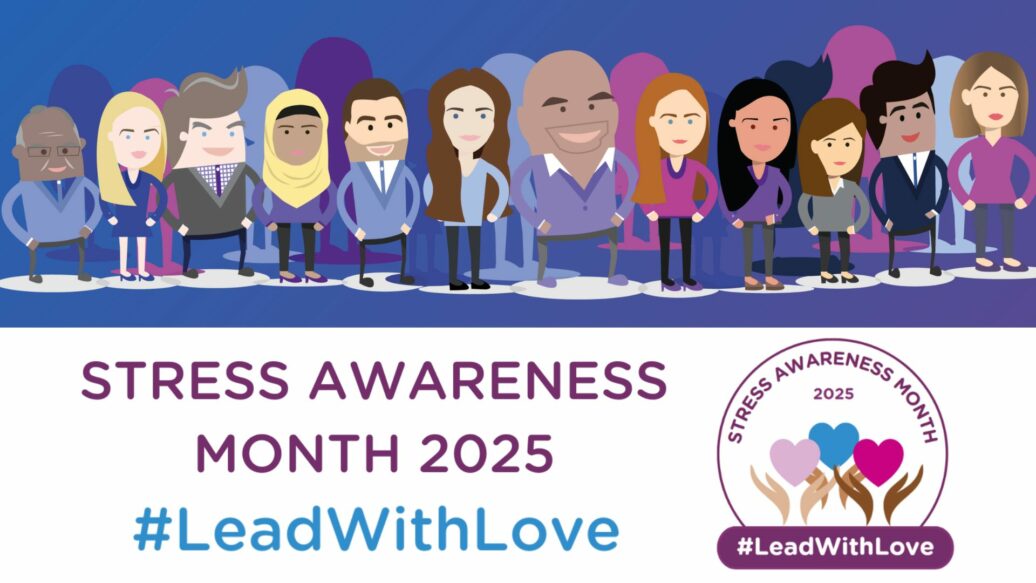
    April marks Stress Awareness Month 2025, a time for all of us to take charge of our wellbeing and discover effective ways to manage stress. This year’s theme, #LeadWithLove, empowers us to approach ourselves and others with kindness, compassion, and acceptance, no matter the challenges we face.

    At Northern Health, we recognise that stress is a natural part of life, but when left unaddressed, it can impact our physical health, mental wellbeing and overall quality of life. In the fast pace of our everyday lives, stress can accumulate, whether through professional pressures or personal challenges.

    As an organisation, we are deeply committed to cultivating a workplace culture where wellbeing is valued, supported, and prioritised.

    Milly Frezghi, Clozapine and Physical Health Nurse Coordinator, Northern Health says, “It is important that we regularly check in with ourselves. By acknowledging how we are feeling, we create space to reflect, to validate our emotions, and to respond with empathy – both to ourselves and to others. This self-awareness forms the foundation of kindness and connection.”

    To support our staff, Northern Health offers a range of wellbeing initiatives, including:

    • Access to the Employee Assistance Program (EAP)
    • Health and wellbeing programs
    • Peer support initiatives
    • Safe spaces and quiet rooms across our campuses

    Small, everyday actions like greeting a colleague or taking a moment to check in can have a profound impact. These simple gestures not only strengthen our teams and foster trust, but also help to create a culture where everyone feels valued and supported.

    “Sometimes, a simple ‘How are you?’ can make all the difference. Leading with kindness not only strengthens our teams but ensures no one faces their challenges alone,” says Milly.

    This month, and every month, we encourage everyone at Northern Health to take some time to pause, reflect, and reconnect with ourselves, each other, and our shared purpose.

    By leading with love, we build a workplace where kindness comes naturally, connections are unwavering, and each individual feels seen, heard, and supported.

    Today and every day, we continue to be Safe Kind Together.

  • The future of safety at work: AI and digitalisation and the impact on safety

    The future of safety at work: AI and digitalisation and the impact on safety

    From wellbeing apps to wearable sensors, digital technologies are rapidly changing the landscape of staff safety and wellbeing.

    As we mark World Day for Safety and Health at Work today, 28 April, it’s a timely moment to reflect on how these innovations are being applied – and what they mean for our staff.

    Across the globe, robots are taking on high-risk tasks in hazardous environments, managing toxic materials, and operating in extreme conditions. Digital devices and AI-driven systems can now detect risks before they escalate, reducing harm and improving early intervention.

    But, as we embrace these technologies, we must also be mindful that without the right safeguards, digital tools can introduce new risks—like reduced job control, increased work intensity, and blurred boundaries between work and rest.

    “At Northern Health, we’re already exploring the potential of digital tools and watching closely as this global conversation unfolds. This year’s World Day for Safety and Health at Work is a reminder that as technology evolves, so too must our approach to safety – ensuring our tools support, not strain, the people who use them,” says Graham Wilson, OHS & Wellbeing Director.

    “In the digital age, safety is our shared duty – together, we protect each other so everyone can go home to their loved ones, whole and safe,” says Vasalia Govender, OHS Consultant, Northern Health.

    “As OHS professionals, we don’t just want staff to be safe, we also to provide health and wellbeing benefits from work. This means that as well as identifying new hazards as or before they arise, we are always looking for ways to enhance the wellbeing of our staff. New technologies can present new challenges but also new opportunities,” adds Sarah Donehue, OHS Consultant, Northern Health.

    Get involved!

    Take a moment this week to explore how digital tools are used in your area. What’s working? What could be improved? Share your insights with your manager, Health and Safety Representative or the OHS & Wellbeing team. We’re listening: ohswb@nh.org.au.

    Together, we can shape a safer and kinder workplace for everyone.

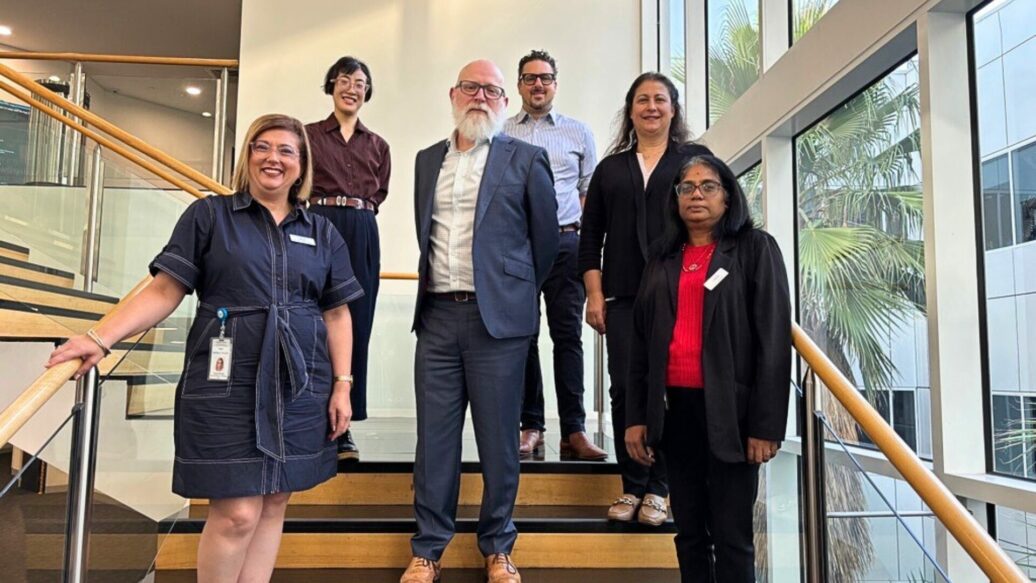
    Pictured in featured image: The OHS Team at Northern Health

  • Anzac Day: Lest we Forget

    Anzac Day: Lest we Forget

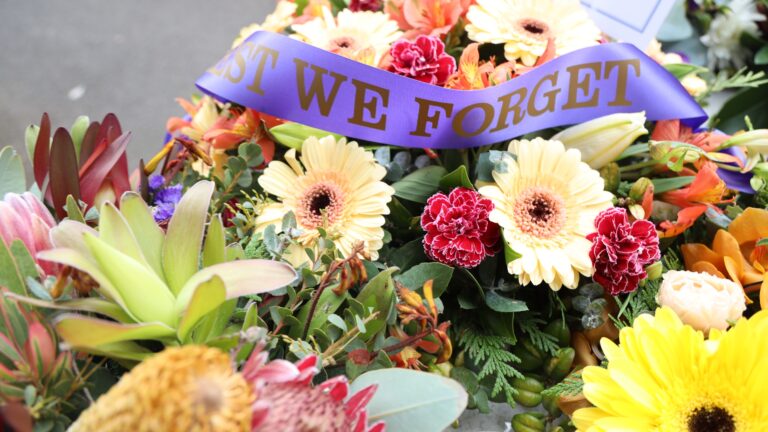
    Tomorrow is ANZAC Day. For many years, our ANZAC Service has been deeply rooted in Bundoora Centre. This year, however, marked a new chapter as we united with the residents and staff of Dianella Hostel, Kilmore District Hospital (KDH) on April 16, for our ANZAC Service.

    The ANZAC Address was delivered by Chief Executive Debra Bourne, who drew attention to ‘the remarkable Australian nurses who served with unparalleled courage during the World Wars’.

    Today, we are pleased to share her powerful words once again, as we gather to reflect on the legacy of the ANZAC spirit:

    “On the first day of November 2023, history was made as Northern Health and Kilmore District Health came together, merging strengths to forge a unified and resilient health service. Together, we embraced the growing, diverse needs of our northern catchment.

    On that occasion, I reflected on our shared journey and declared:

    “It is important that we acknowledge and celebrate the rich history of healthcare in Kilmore. Dating back to 1856, the bluestone façade of Kilmore District Hospital remains a pillar within the local community, and we are proud to be part of the next chapter in its story.”

    And today, here we are again, drawn together on a day of profound significance.

    As a nurse by training, today I wish to shed light on a group of often-unsung heroes: the remarkable Australian nurses who served with unparalleled courage during the World Wars. Their stories may not always take centre stage, but their legacy of compassion and resilience continues to echo through history.

    As we heard, in World War I, over 3,000 Australian nurses answered the call of duty. These brave women found themselves in the heart of battle, stationed at hospitals, aboard hospital ships, and in casualty clearing stations perilously close to the front lines. The challenges they faced were nothing short of harrowing—yet their resolve never faltered.

    In World War II, the story of Australian nurses grew even more extraordinary. Around 5,000 nurses carried the torch of compassion into an even more dangerous and diverse theatre of war. From the deserts of the Middle East to the islands of the Pacific, these women served with unshakable dedication, often under the shadow of enemy fire.

    Among these heroes, the story of Matron Irene Melville Drummond, stands as a beacon of unwavering courage.

    Born in 1905 in Sydney, she joined the Australian Army Nursing Service In 1940 and became Matron of the 2nd/13th Australian General Hospital in Singapore.

    During the Japanese invasion of Singapore in 1942, Matron Drummond tirelessly cared for wounded soldiers amidst harrowing conditions. After the city fell, she was evacuated aboard the Vyner Brooke, a ship tragically bombed during its escape. Though she survived the sinking, she was ultimately captured on Bangka Island.

    On February 16, 1942, in the Bangka Island Massacre, Matron Drummond and 21 Australian nurses were executed. Her final words—“Chin up, girls. I’m proud of you all and I love you all”—remain a testament to her extraordinary bravery.

    Matron Drummond’s legacy endures as a testament to the resilience and courage of military nurses. Their bravery left an indelible mark on the broader medical field, inspiring generations to follow. Many were honoured for their heroism, while others paid the ultimate price. Yet, their selflessness often remains overshadowed, lost amidst the louder echoes of history.

    As we stand here today, let us bring their stories into the light. Let us honour their courage, their compassion, and their invaluable service. On this ANZAC Day Service, we bow not only to our soldiers but to the nurses—the angels on the frontlines—whose steadfast hearts carried hope amidst despair.

    Safe. Kind. Together. Lest we forget.”