• Safe: Our commitment to our patients and each other

    Safe: Our commitment to our patients and each other

    Over the next three weeks, our stories will explain our new values safe, kind, together and how they relate to everything we do.

    These values reflect not only how we do our daily work, but also how we treat each other.

    Dr John Ferguson, Chief Medical officer explained the value safe shows our commitment to safe, reliable patient care.

    “Our commitment to safe in a clinical setting means we have an overriding commitment to providing best practice care that avoids risk and embraces mutual trust and cultural comfort”, Dr Ferguson said.

    Dr Ferguson added that safe means our staff are empowered to speak out if a situation is not safe.

    “It doesn’t matter what role you have in the organisation,” he added.

    “Northern Health continuously works to reduce the risk to our patients and decrease errors with a “first, do no harm” approach. Although as clinicians we often have to do things quickly – we need to take time to have that final check.”

    The value safe also includes cultural and workplace safety.

    Michelle Fenwick, Executive Director People and Culture explained that in every family, organisation, community and alike, one of the things people are attracted to is the feeling they are safe and part of something.

    “Feeling safe is about feeling safe in your community or workplace to voice your issues, to celebrate, to put your hand up if you question something or don’t know something,” she said.

    Safety in a workplace also means the voice of our staff has value and our staff has a contribution to make.

    “That is something that has been reflected in our People Matter Survey. Staff who feel safe feel free to question more, learn more and feel supported,” she added.

    Around 70 per cent of our staff lives in the northern community and Northern Health is not just a workplace, but their local health service too.

    “The staff not only feel safe working here, but also feel safe to come here and bring family and friends for treatment,” she said.

    Cultural safety is another aspect of the value safe. It is about feeling welcomed and accepted at a workplace and feeling safe to ask about different work arrangement if needed.

    “Our staff feels safe to ask about flexible work options for family or health reasons or caring for family or elderly. Diversity is something to be applauded and to learn from and the diversity and cultural richness of our staff is a reflection of our community,” Michelle explained.
  • Living our values, every day

    Living our values, every day

    In achieving of our vision, ‘a healthier community, making a difference for every person, every day,’ the actions of our staff, volunteers and leaders are guided by our new values – safe, kind and together.

    Our values, along with Northern Health’s Strategic Plan 2020-24, were officially launched earlier this week, and will drive our approach to patient care, and each other.

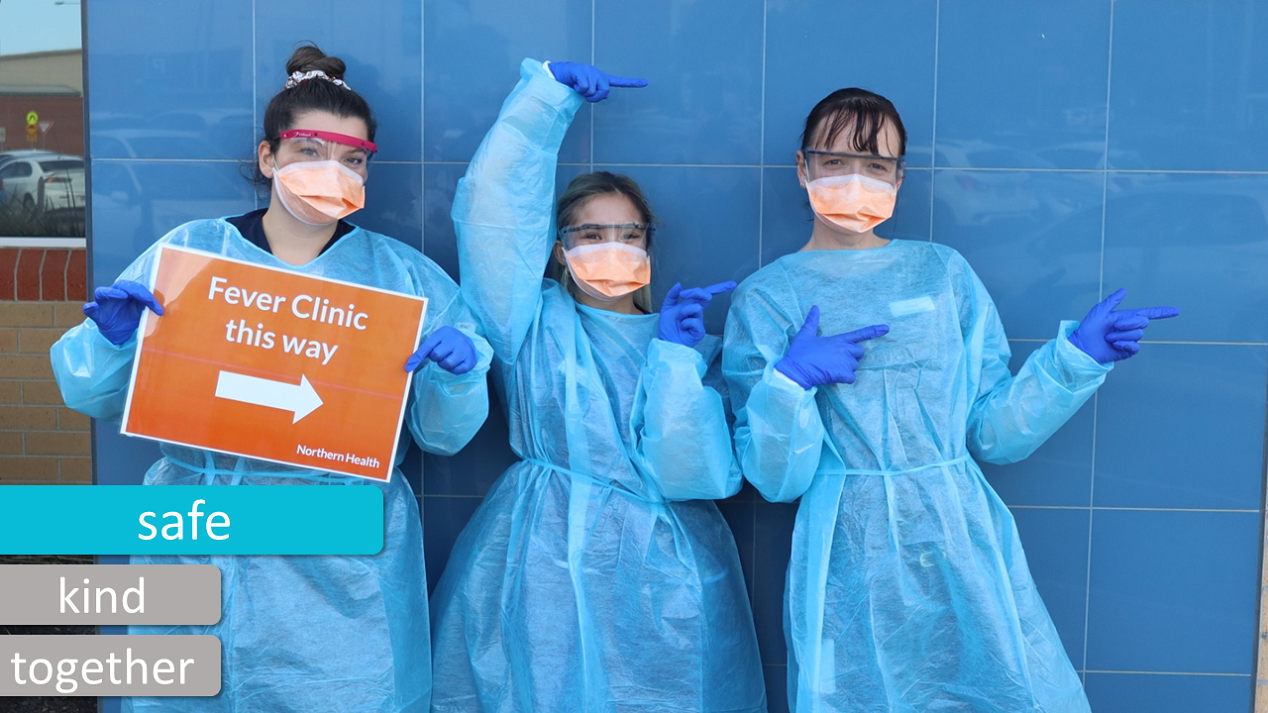
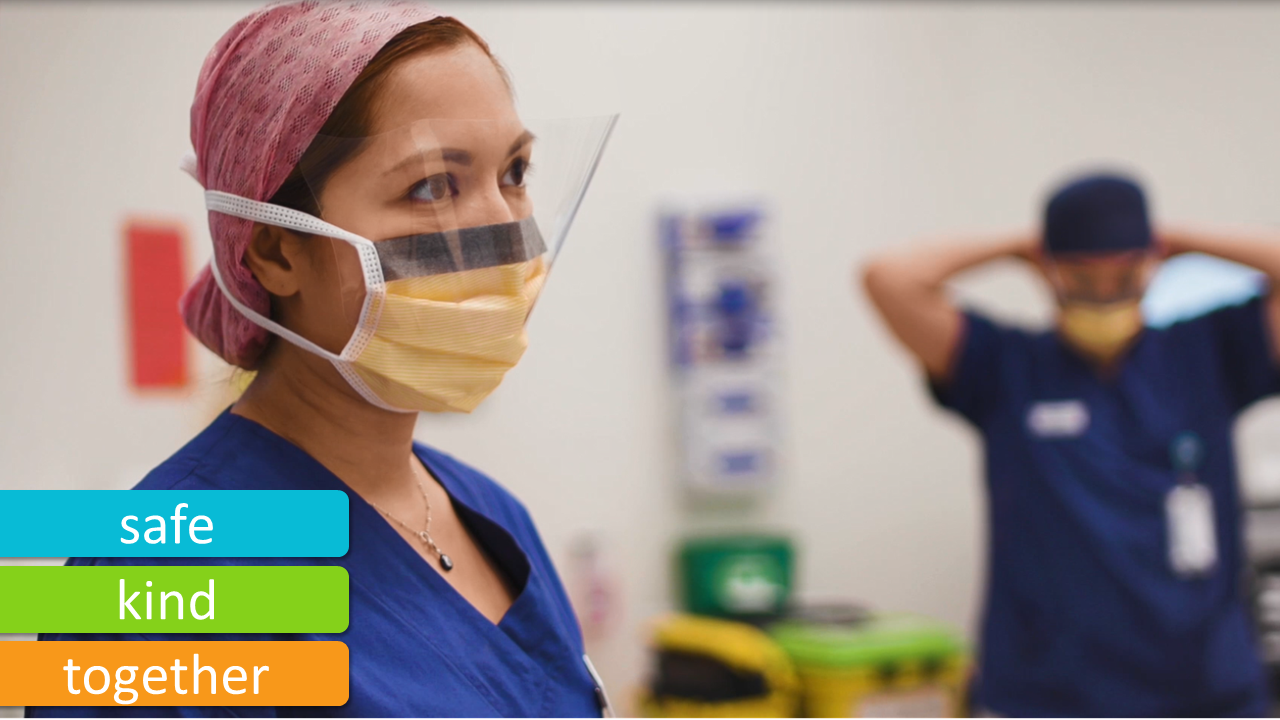
    safeWe provide safe, trusted care for our patients. We are inclusive and culturally safe, celebrating the diversity of our staff and community.

    For Careena Newcastle, one of our consumers, safety is “about the safety of surroundings, cleanliness”, while Cameron Miller, ICU Nurse believes “everyone has the right to be safe”.

    Toni Gabelish, Aboriginal Liaison Officer said, “safety means our patients understand they will all be treated equally.”

    kindWe treat everyone with kindness, respect and empathy. We provide patient-centred and compassionate care.

    For Kathleen Werbiurk, Associate Nurse Unit Manager, kind means “looking past the disease, past the processes and coming back to empathy.”

    Linda Romano, Divisional Director said: “It’s not just about being kind to our patients, but also about being kind to one another”.

    For John Knipe, Patient Experience Coordinator, kind means “the way we work and behave towards patients, colleges and each other, it’s about treating everyone as I would like to be treated”.

    togetherWe work together with our staff, patients, consumers and health system partners.

    Briana Baass, Chief Allied Health Officer, said together for her means “being one team across Northern Health and working with our partners across the community”.

    Sarah Rexhepi, Quality and Training Coordinator said together means “we support each other and ask if everyone is doing ok. It means to help others and listen to them. We are all a family working under the one roof and if we all work together we can do the impossible.”

    Organisational values describe the core ethics or principles which the organisation will abide by, no matter what. Our vision and values will help motivate and inspire us to perform our best at work, and in our everyday lives. Over the next three weeks, we will showcase our three new values, and our five new strategic priorities across iNews and other communications.

    Please watch the below video and hear from some of your colleagues about what Northern Health’s values mean to them.

    (Please note video filmed before COVID-19 physical distancing)

  • Volunteers fundraise to help Unit 3 patients

    Volunteers fundraise to help Unit 3 patients

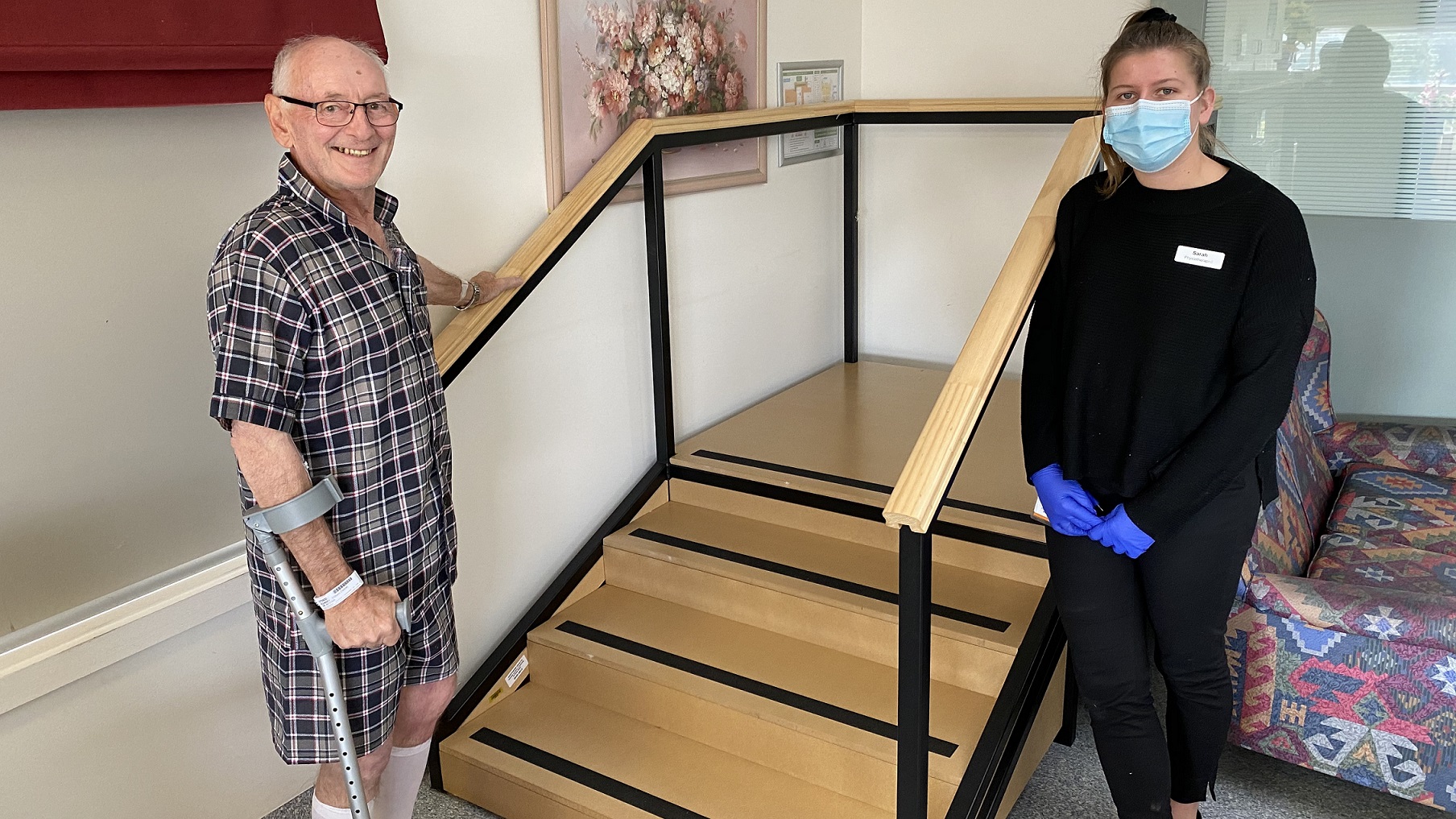
    Patients at Unit 3 Broadmeadows Hospital now have a custom built staircase, thanks to our volunteer fundraising.

    The staircase was purchased for older patients to facilitate a safe and timely patient-centred discharge home.

    “To ensure patients are able to go up and down the stairs outside of a hospital environment, it was necessary for them to practise on stairs like these,” explained Kenneth Koh, Physiotherapist.

    Unit 3 patients are usually required to be transported from the unit down to the physiotherapy gym.

    “The Unit 3 patients are elderly and often have cognitive impairment so they would greatly benefit from receiving their treatment in a quiet and familiar environment on the ward. The patients would also often be in their hospital gowns and may feel uncomfortable off the ward, despite staff efforts to cover them for dignity and keep them warm,” Kenneth said.

    The Physiotherapy Department had already purchased a large platform step for patient rehabilitation, but the patients on Unit 3 required something purpose-built to meet the needs of an elderly person in the family home, and allow full assessment for discharge purposes.

    “The Physiotherapy Department staff report that the patients are responding very well to the usage of these stairs. The patients are having their dignity preserved, and the minimisation in confusion and over stimulation caused by transporting them down to the gym has resulted in improved efficiency in therapy and maximisation in therapy time available,” he added.

    Monica Polimeni, Volunteer Coordinator, said Northern Health volunteers are very committed to ensuring that patients and their families are assisted in anyway possible, during their hospital stay and discharge.

    “Although our volunteers are currently not able to attend their volunteering roles due to COVID-19, they are continually looking at ways that they can be of assistance whilst offsite. We look forward to the day that they can return to assist with raising funds for Northern Health,” she said.

    Northern Health Foundation matched the funding provided by the volunteers.

    Featured Image: Patient, William Mounsey with Physiotherapist, Sarah Watts (Photo Credit: James Walker) 

  • Central Specimen Reception (CSR): At the centre of COVID-19 testing

    Central Specimen Reception (CSR): At the centre of COVID-19 testing

    Prior to COVID-19, a busy day at Northern Pathology Victoria would be to register between 1200 to 1300 requests a day.

    “However with the latest outbreak and lockdown, we have seen the volume of testing increase quite dramatically. At one stage, we were processing approximately 1500 swabs a day” says, Dr Frank Hong, Director, Northern Pathology Victoria.

    “Every time we open a new fever clinic we have to decide if we are testing in-house or sending it out. The process we decide on today could change tomorrow or next week,” says Frank.

    “Our staff have been on this journey with us and to their credit have accommodated the numerous changes that happens constantly as the COVID-19 situation evolved, helping to maintain the impressive turnaround time for COVID-19 tests,” he adds.

    “When the specimens come we need to first time – stamp them, then data entry, scan the request form, take the samples to the lab… there is a lot of work. There is also the fact that health care workers and pre-operation patients need to be prioritised,” says Agnes Poczwardowska, second in charge for the Central Specimen Reception (CSR) at Northern Pathology Victoria.

    “Our team bonds well, and I would like to thank them. They are the best team ever!” says Agnes.

    CSR was also able to call on help from other departments, to provide additional resource. “We want to thank Health Information Service (HIS) and the Finance team. More recently we have also got medical students from the University of Melbourne, chipping in and helping us with registering the samples and to prepare samples in the molecular lab. It’s really a team effort,”says Frank.

    “The team has been very resilient and adaptable to all the changes. Hats off to them for getting through all that work,”adds Frank.

    Dr Prahlad Ho, Program Director of Diagnostic Services, says, “The Northern Pathology CSR team is a vital line of defence in our fight against the pandemic. Frank and the CSR Team are doing an amazing job and I would like to thank them for their tireless efforts.”

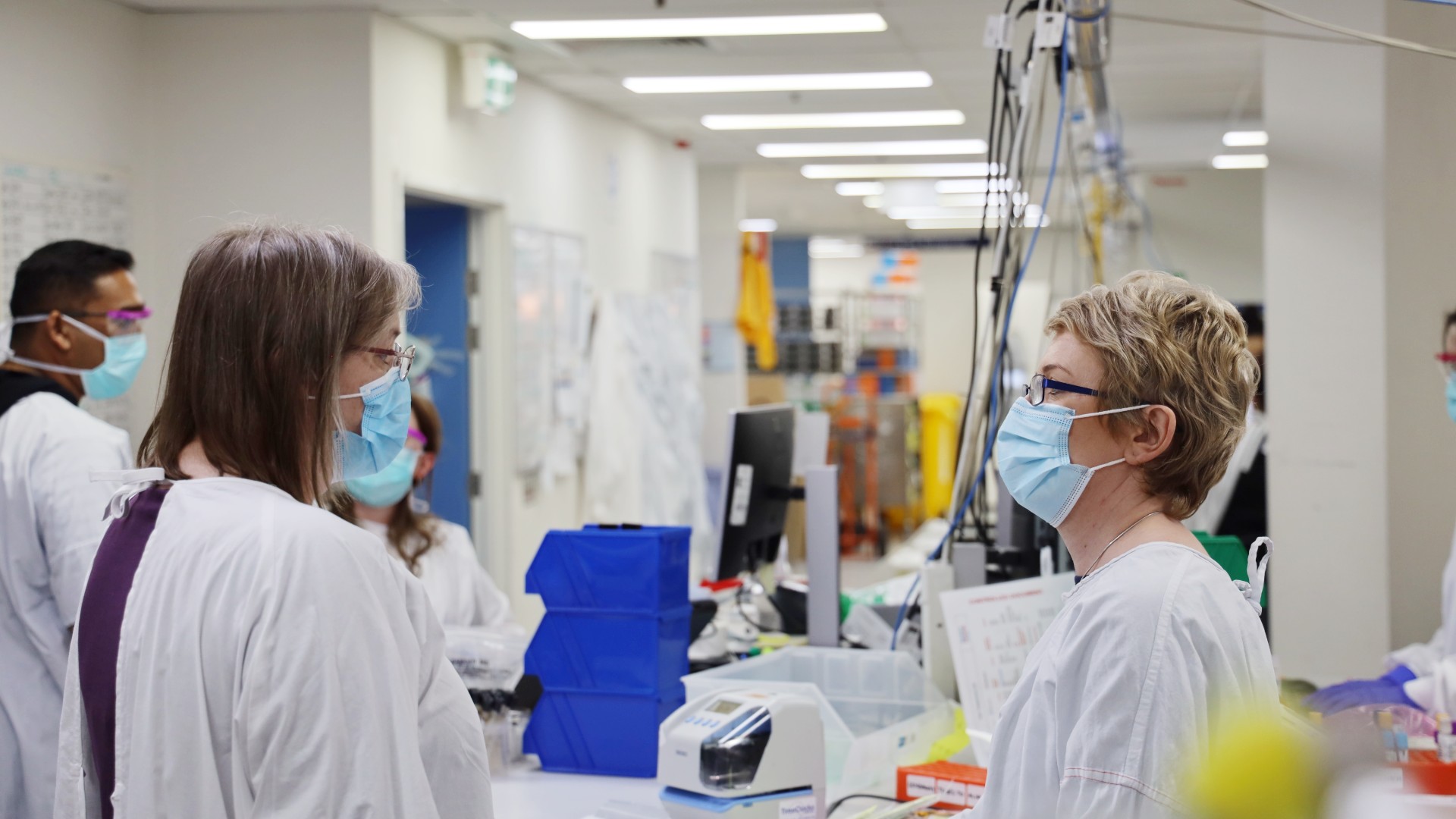
    Featured pictures shows Agnes Poczwardowska on right in discussion with the CSR team.

  • New programs to increase staff wellbeing

    New programs to increase staff wellbeing

    Northern Health’s wellbeing team is announcing two initiatives to support staff wellbeing and health at this difficult time: “Sleepfit at Home” and “TREAT – 6 weeks online rest and recovery program”.

    Created by Jo Gibbs, healthcare worker, Therapeutic Relaxation And Enhanced Awareness Training or ‘Treat’ is a unique self-care and self-awareness workplace program that has been evaluated extensively in public hospitals and has been shown to significantly reduce burnout in health professionals.

    “The second COVID-19 wave in Melbourne has taken healthcare worker stress to a new high. Now is the time to take care of yourself with the Treat Rest and Recovery sessions. Calm your nervous system to help deal with this unprecedented event,” Jo said.

    The 6 week Treat Rest and Recovery online sessions offer our staff an invitation to create a still point in life –  to feel grounded and steady. It helps to avoid getting caught up in old habits and the anxious spiralling of the mind and to enhance clarity, emotional calm and focus.

    Alison O’Sullivan, Workforce Wellbeing Coordinator, explained that practising self-care to help cope with what life throws your way is now more important than ever. It also helps us to feel centred and calm and be proactive in looking after yourself and others.

    “Regular Treat sessions have been in place for over a year now at Northern Health, and given current circumstances, delivering this program online ensures this great program can continue to support staff,” she said.

    This free program for all staff will be available every Thursday – from Thursday, 23 July until Thursday, 27 August, 2 pm – 2.30 pm online via MS teams.

    “Please email ohswb@nh.org.au to get the link to access the Microsoft teams sessions,” Alison said.

    The “Sleepfit Home” is an online resource and one-stop-shop for everyone who would like to learn how to sleep better and healthier.

    “It is a program especially developed for everyone finding their sleep patterns disrupted during the pandemic and in some instances may be working from home. There are personalised guidelines to optimise your schedule based on your natural biological rhythm – your circadian rhythm,” she said.

    “Through guided meditation, soothing sounds, and numerous tools to manage sleep, stress and anxiety – it can be a very useful resource when we need some time out,” Alison explained.

    For more information, please head to Sleepfit Home  or click here for more information about the TREAT 6 week program.

    For the ongoing THRIVE staff wellbeing offerings at Northern Health and further details on the above, please visit the THRIVE intranet page.

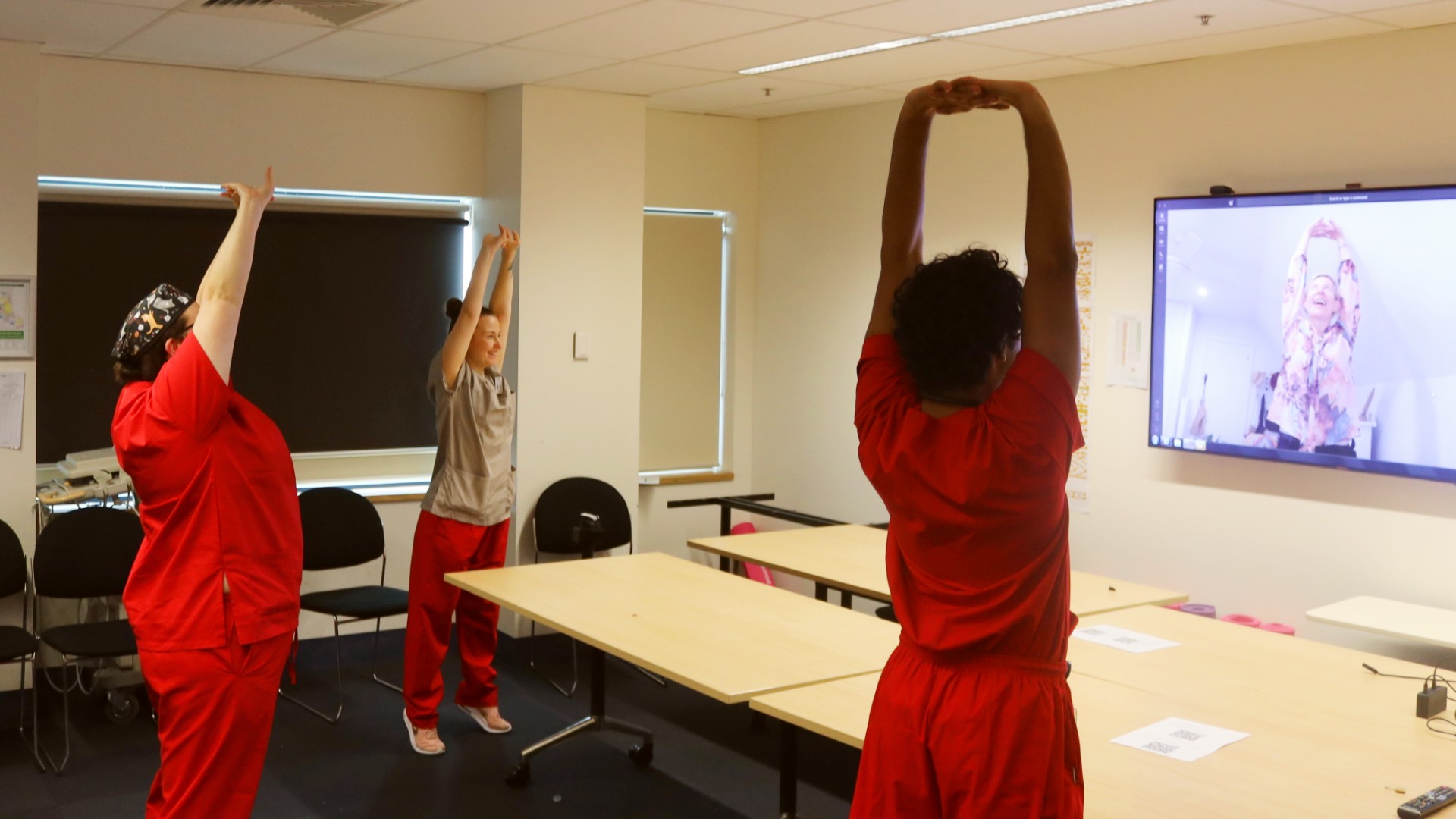
    Featured Image: Jo Gibbs hosting an online TREAT rest and recovery session with ED staff.

  • Postcard to my younger self: Andrew Nixon

    Postcard to my younger self: Andrew Nixon

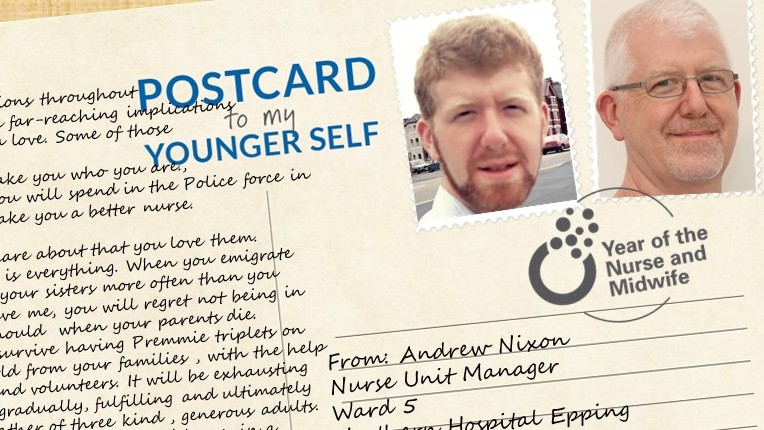
    To celebrate the International Year of the Nurse and Midwife, we asked a selection of staff who exemplify the key qualities of a nurse/midwife to write a ‘postcard to their younger self’ and offer insight and advice. Andrew Nixon, Nurse Unit Manager, Ward 5, had this to say to his younger self:

    “Be patient.

    You will make many decisions throughout your life which will have far-reaching implications for you and the people you love. Some of those decisions will be mistakes. The mistakes will help make you who you are, even the couple of years you will spend in the Police Force in the UK will ultimately make you a better nurse.

    Be kind.

    Tell the people that you care about that you love them. Always remember family is everything. When you emigrate, phone your parents and your sisters more often than you may be inclined to. Believe me, you will regret not being in contact as often as you should when your parents die.

    You and your wife will survive having premmie triplets on the other side of the world from your families, with the help and support of friends and volunteers. It will be exhausting and stressful and then, gradually, fulfilling and ultimately you will be the proud father of three kind, generous adults.

    Your career will take a variety of twists and turns, in a number of settings, but you will always find fulfilment and enjoy the variety of challenges each role brings.

    Also, you may want to plan your 30th wedding anniversary trip to Europe in 2020 a few months earlier. Trust me on that one!”

  • Pharmacy in times of COVID-19

    Pharmacy in times of COVID-19

    In the current times of a pandemic, various Northern Health departments had to change their work processes and quickly adapt to the new normal.

    Pharmacy is one of our departments playing an instrumental role in managing our response to the pandemic, and it has been involved in a few different ways.

    “One of our primary focuses is the supply of medication. In the first wave, we were expecting to see a high number of patients coming in with COVID-19, so one of the key things was making sure we don’t run out of medication,” Angela Given, Medical Team Leader explained.

    Another key priority is making sure patients had a continuous supply of their medication and prompt and safe access.

    “With our high risk patients, we have developed a system where instead of them coming to hospital, we are posting their medications and doing education over the phone to keep them in a safe environment,” she explained.

    Taking some learning from the overseas experience, pharmacy was preparing to ensure patients that would need ventilators and ICU care had the proper medication.

    “We needed to make sure we have enough medication that supports patients on ventilators while they are on their life-saving treatment. It was also important that staff had training in new treatments, and pharmacy plays a key role in developing protocols and educating staff,” she explained.

    One of the biggest changes for the small pharmacy department was splitting into teams, to make sure the team always had enough pharmacists available.

    “In terms of the workload, the pharmacists have been upskilling in some of the areas COVID-19 impacted, like ICU. We have trained some additional pharmacists in case numbers get higher, and made sure the team is educated about new treatments as well,” she said.

    Like with many other departments, the biggest concern was not knowing what will happen in the future and what impact it will have on the health service.

    “We had to change a lot of our day to day processes, like medication ordering and patient education. For our team, it has been a process of changing and adapting and the team has come up with some innovative ideas of how we can do things, whilst managing their standard daily workload,” she said.

    Now in the second wave, the team feels they have learned a lot from the first one. With the pandemic processes now developed, the team more easily changed back to a COVID-19 way of working.

    “Making sure we care for all of our patients, not just the ones with COVID-19 is also our priority. We do a lot of patient communication with local pharmacies to make sure the care is continuing and that patients have access to medication when they are in community,” she said.

    The communication with other hospitals has been great and others have offered to share resources during the pandemic.

    “Our professional body enables us to share experiences all over Australia,” she said.

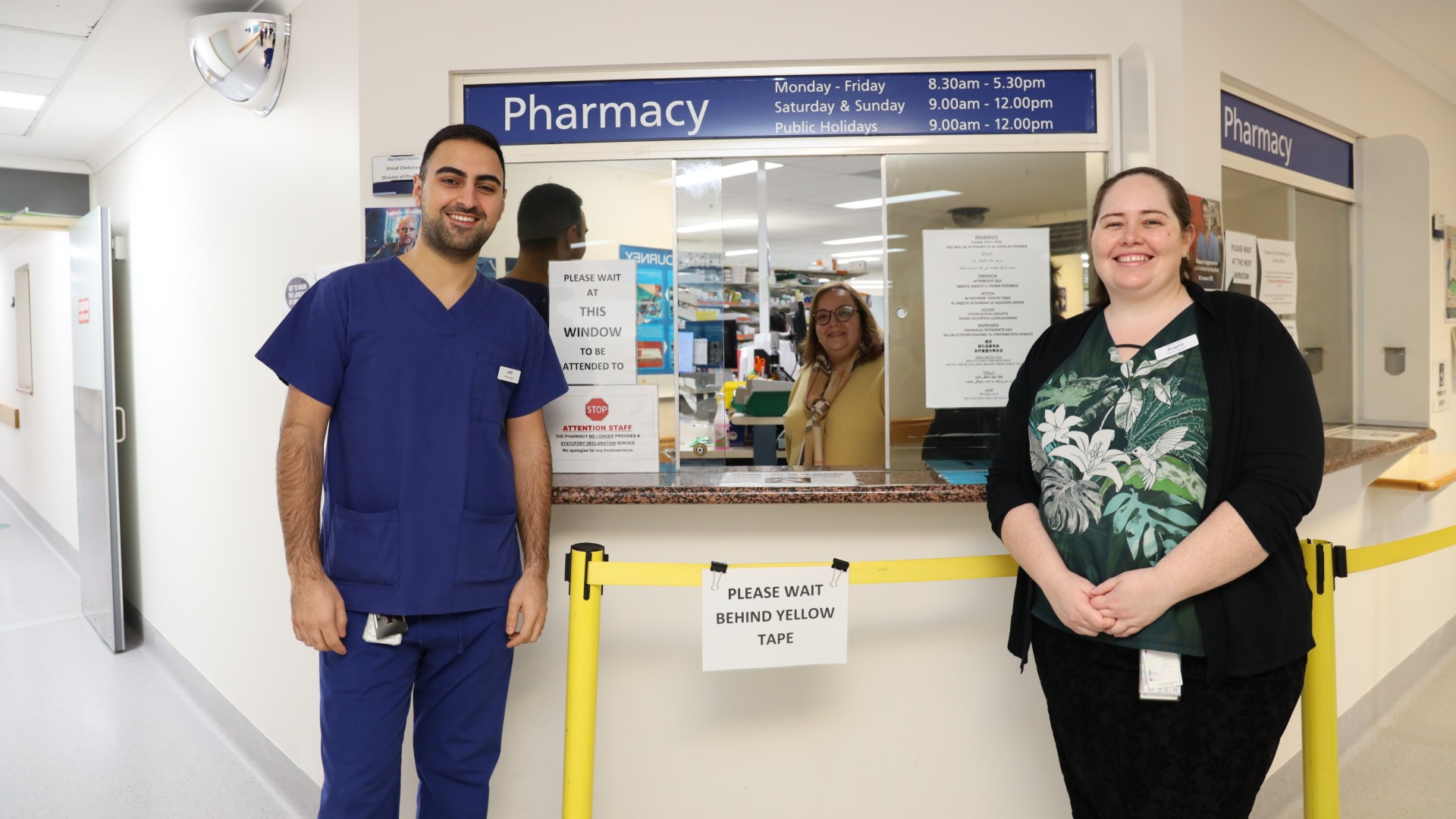
    Featured image (left to right): Jeff Khoshaba, Surgical Lead Pharmacist; Nivein Yenis, Clinical Trial Pharmacist; Angela Given, Medical Team Leader Pharmacist.

  • Volunteers donate bariatric wheelchair to Broadmeadows Dialysis Unit

    Volunteers donate bariatric wheelchair to Broadmeadows Dialysis Unit

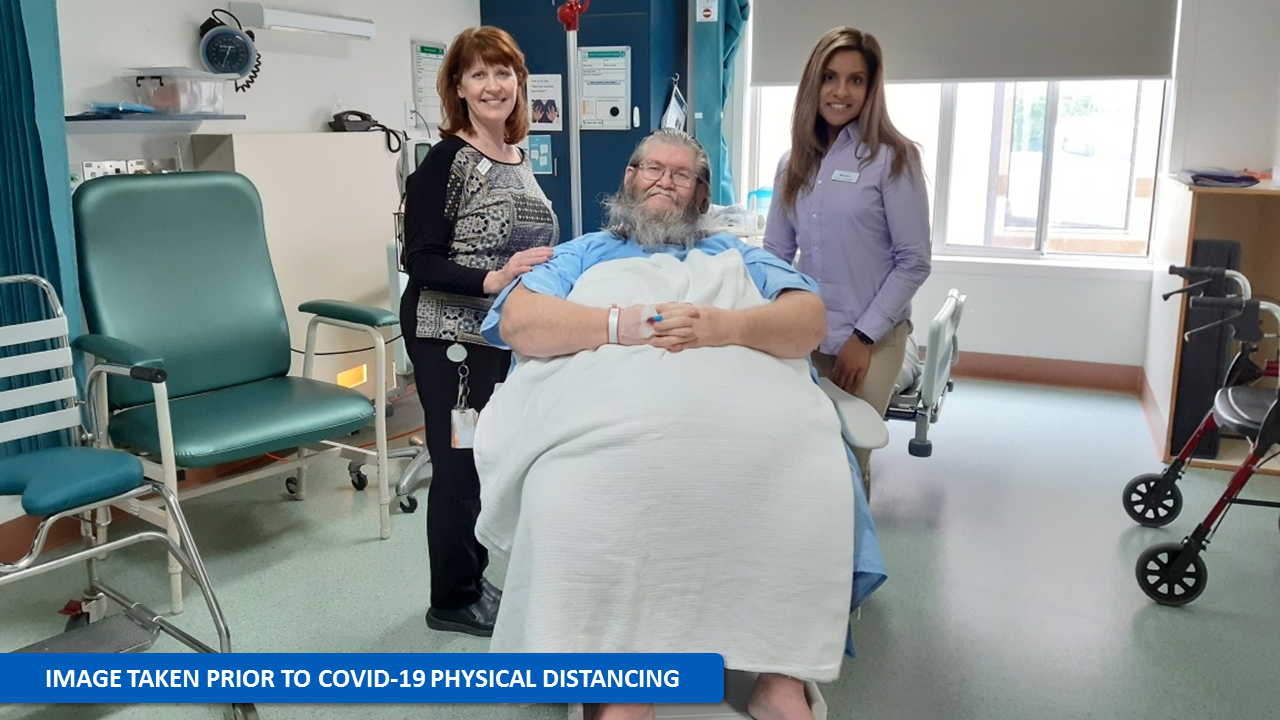
    Our Northern Health volunteers, in collaboration with Northern Heath Foundation, raised funds to support the purchase of a bariatric wheelchair for the Broadmeadows Hospital Dialysis Unit.

    Led by Nurse Unit Manager, Cheryl Rofe, the Broadmeadows Dialysis Unit were thrilled to receive the wheelchair to help support their patients.

    Bariatric wheelchairs are designed to meet the needs of patients who are larger, and have a significant impact on helping patients to feel more comfortable, while supporting staff to move them safely between areas.

    “Patients need appropriately-sized wheelchairs to support them when they come to Dialysis. For larger people, we didn’t have a bariatric wheelchair available in our unit, so we would borrow from Unit 2 and sometimes there was a delay in their care. By having a bariatric wheelchair, we are able to support our patients in our unit in a reasonable time frame,” Cheryl said.

    “Patients are now able to feel more comfortable in a chair that is more accepting of their size. Patients don’t feel left out or feel that our hospital is unable to cope with their condition, as we have the equipment to care for them appropriately, which makes them feel safe,” Cheryl added.

    Along with supporting Dialysis patients, the wheelchair has also been used to assist patients in other units at Broadmeadows Hospital.

    “The chair gets borrowed to assist our patients and theirs, so it’s become a shared responsibility between all of us – a good team approach from the hospital. It’s made such a difference for our patients,” Cheryl said.

    Together with Northern Health Foundation, our wonderful Northern Health volunteers made it all possible.

    Northern Health Foundation work closely with the volunteer services team to allocate funds to wishlist items. Last year, a new bariatric wheelchair was identified as a much-needed item. To raise funds, volunteers held stalls selling donated new and pre-loved items at Broadmeadows Hospital, as well as facilitated the annual Volunteer Easter Raffle. Through their efforts, a total of $3,000 from volunteer fundraising was used to purchase the chair.

    Last year, Northern Health volunteers raised over $14,000 through their various raffles and fundraising stalls.

    “It’s so wonderful that the volunteers can see the impact their fundraising efforts make. Thank you to our amazing volunteer team and to everyone that supports our volunteer raffles and stalls,” said Henni Wade, Engagement Manager, who oversees our volunteer program.

    “I would like to say a big thank you to the volunteers and Northern Health Foundation – they’ve just made such a large impact for not only the staff but the patients themselves – they feel safe and they feel we are accommodating their needs,” Cheryl added.

    Featured Image: Patient, Mr Brian Powell with Cheryl Rofe, Broadmeadows/Craigieburn Dialysis Nurse Unit Manager (left) and Naveeni Natkunarajah, Unit 1 Nurse Unit Manager (right)