• Strategic priority 3: An innovative, sustainable future

    Strategic priority 3: An innovative, sustainable future

    Northern Health’s Strategic Plan 2020-24 has five priorities, including one that focuses on our innovative, sustainable future.

    The goal of working towards a future that enables innovation and is focused on sustainability means that, as an organisation, we will focus on building and maintaining strong financial management and eliminating waste and inefficiencies. Waste can be behavioural, clinical and administrative, and by reducing the waste, we will be able to release resources and transform the organisation to deliver value to our communities and founders.

    Additionally, by investing in new opportunities and innovations, including digital processes, and by expanding our services in the community, we are delivering trusted care and improving our reputation.

    “A strong reputation in the community is important to us as we want to be a trusted and a value-based provider of health care,” said Wanda Stelmach, Divisional Director Surgery.

    Sophie Argiriou, Director, Project Management Office, said, “An innovative, sustainable future is about Northern Health being recognised as a leader in healthcare innovation”.

    Karen Green, Director Capital Development, explained our expansion projects, adding: “Northern Health is expanding our infrastructure to ensure we can cater for our growing community and their care needs”.

    One of the key initiatives when it comes to improving our digital processes is the Electronic Medical Record (EMR) project.

    Trish Aldridge, EMR Project Director, said: “EMR will transform our patient’s care to improve efficiencies, safety and quality”.

    Please see the video below to hear more on what “an innovative, sustainable future” means to some of our staff:

  • Countering COVID-19 with kindness: Community Monitoring Program

    Countering COVID-19 with kindness: Community Monitoring Program

    Kindness is a key value of Northern Health, as is presented in our Northern Health Strategic Plan 2020-24. It is also central to our response to the pandemic and the Northern Health COVID-19 Positive Community Monitoring Program.

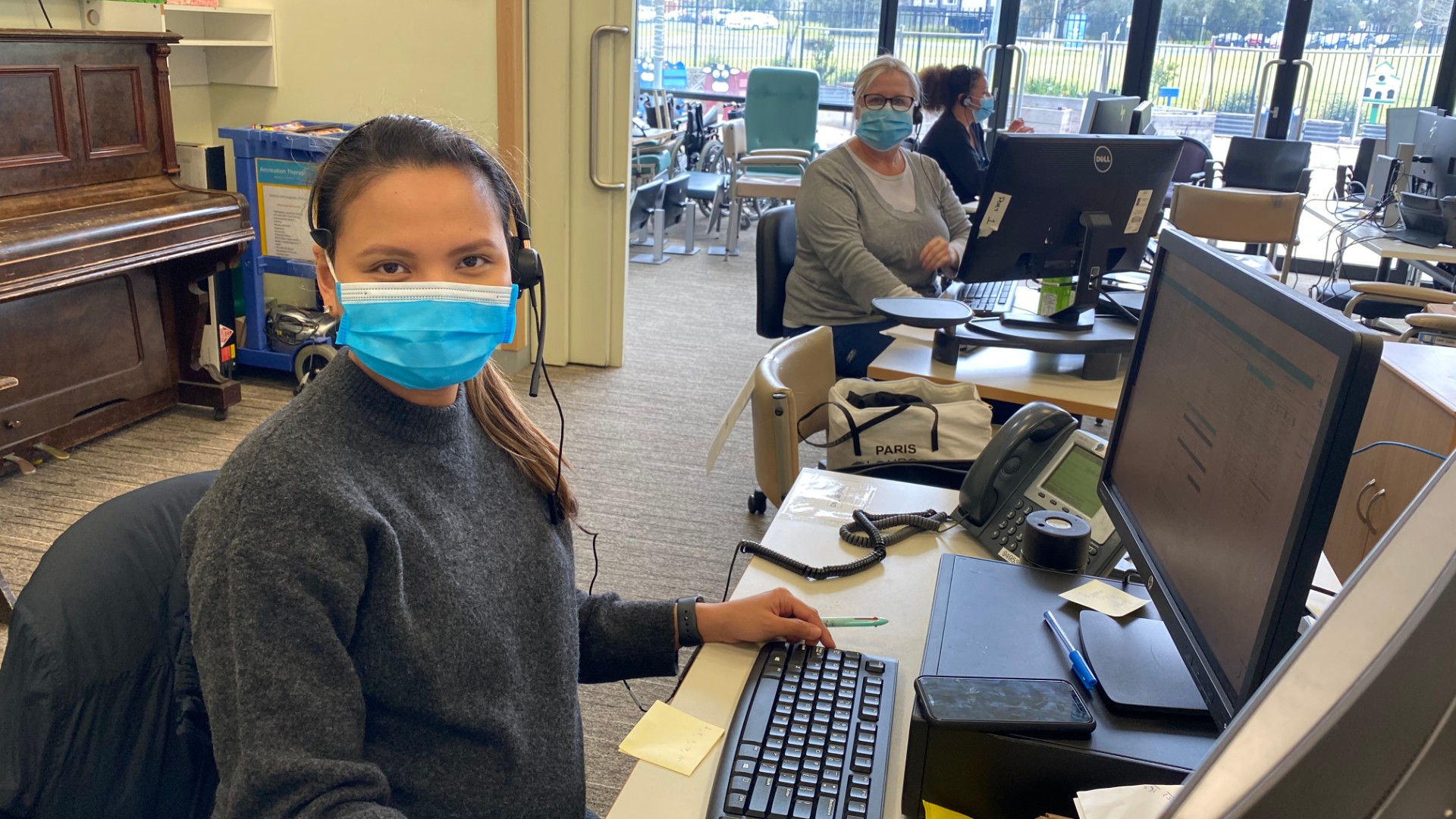
    The program is a telephone-based service providing both an imaginative and compassionate response for people that test positive for COVID-19 at any of our testing sites. The program operates from 8 am to 5 pm, seven days a week, targeting patients with mild disease symptoms that can be managed at home.

    Patients at risk in the COVID-19 Positive Community Monitoring Program are closely monitored with daily phone calls. They are also provided with a hotline to contact the monitoring team for further support, guidance and medical advice during business hours.

    Johanna Hayes, Program Director, says, “Since the program commenced just a week ago, 417 patients have received a total of 1,100 monitoring calls.”

    “The program was set up in a response to the increased community transmission of COVID-19, and within one week we had robust guidelines, a call centre with six stations, and most importantly amazing staff from many areas. We welcomed staff from Cardiac Rehab, Emergency, Intensive Care and Allied Health disciplines – Exercise Physiology, Physiotherapy and Social Work,” says Johanna.

    “The intention is to stay in contact by phone or SMS during the first 10-12 days of symptoms. Some people need and want daily contact and others prefer SMS or less frequent contact. We support patients discharged home and diagnosed with COVID-19 as well from the Fever Clinic,” adds Johanna.

    Tom Cooper, Allied Health Physiotherapist, is part of this multi-disciplinary team that monitors patients. He recounts the story of an elderly gentleman isolating at home, with his partner, both confirmed COVID-19 positive. One morning when Tom checked in on him, he found him short of breath and requiring medical attention. The next day when Tom called in, it was the partner who complained of chest pains, resulting in paramedics taking both of them to hospital.

    Tom explains the service goes beyond providing clinical support to patients. “Some of them are from a non-English speaking backgrounds and don’t understand what isolation entails,” says Tom.

    The team has also assisted patients to access food in the community and obtain emergency food supplies and masks.

    Yet another patient said she was grateful for our service, as she, “has not heard from anyone else during her two weeks of isolation.”

    After she received a phone call from the COVID-19 Positive Community Monitoring Program, she said she was more comfortable staying at home in isolation as she knew there was someone she could call and also who would check in with her. She was of the opinion our program should be for everyone as it makes a big difference.

    “The Northern Health COVID-19 Positive Community Monitoring Program reflects our key value – Kind,” says Johanna.

    “Long before COVID-19 struck, we resolved to extend our care not only to the patients who walked in our doors; we envisioned keeping our community, staying well in their own homes.”

    “The Northern Health COVID-19 Positive Community Monitoring Program is a natural extension of this,” she adds.

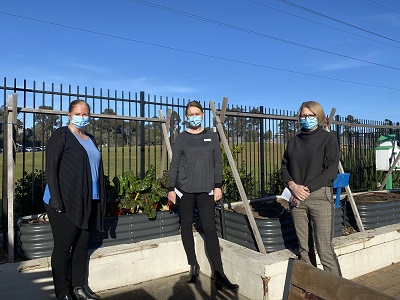
    The Community Services Leadership team. From left to right: Johanna Hayes, Anne Marie Fabri and Sue Hull.
  • Colours of kindness: Launch of Aboriginal & Torres Strait Islander Children’s Colouring Book

    Colours of kindness: Launch of Aboriginal & Torres Strait Islander Children’s Colouring Book

    Hospital stays can sometimes be long and challenging and, at times scary, especially for children.

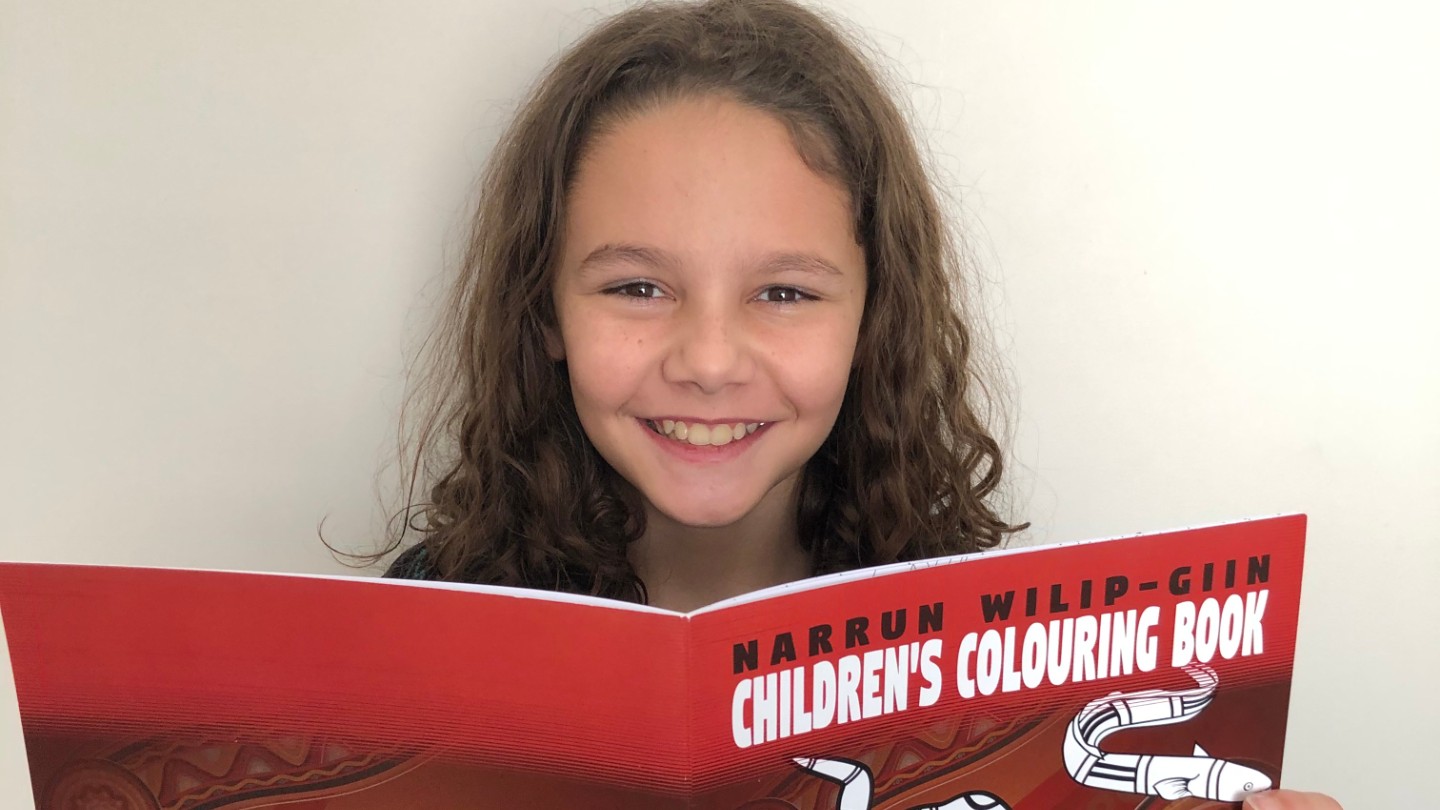
    With this in mind, Narrun Wilip-giin (Aboriginal Support Unit), has developed a colouring book to be provided to Aboriginal and Torres Strait Islander children during their hospital journey at Northern Health.

    The book was launched today on National Aboriginal and Torres Strait Children’s Day, a day on which we celebrate Aboriginal and Torres Strait Islander children and the role that culture, family and community play in the life of every Aboriginal and Torres Strait Islander child.

    The book is beautifully illustrated and designed by Aboriginal artist Gary Saunders, a proud Bangerang, Wiradjuri, Yorta Yorta and Dja Dja Wurrung man, “It contains 20 pages of magnificent Australian animals to colour, pass time and keep our children connected to their culture and to feel supported whilst away from their home,” says Gary.

    Karen Bryant, Senior Aboriginal Liaison Officer says, “Narrun Wilip-giin (Aboriginal Support Unit) is very pleased to launch this book on this important day, which will provide a positive influence to children going through a very challenging time in hospital. We hope to make this book available to all children in the future.”

    “It meets a key objective of the Aboriginal Support Unit, which is to develop and strengthen Northern Health’s cultural competence by offering ever-improving services for our Aboriginal and Torres Strait Islander community,” adds Karen.

    Toni Gabelish, Aboriginal Liaison Officer, who was closely associated in the creation of the book says, “As every parent will agree, having a child in hospital can be a difficult experience at the best of times. Hopefully this colouring book will provide entertainment to Aboriginal and Torres Strait Islander children having to stay at Northern Health.”

    “I commend Karen and Toni for the development of this book,” said Emiliano Zucchi, Director Transcultural & Language Services and Narrun Wilip-giin Aboriginal Support Unit.

    “The development of this colouring book exemplifies one of our key values as Northern Health: Kindness. I think sharing culture is one of the greatest acts of kindness. Not only is giving kids in hospital the book an act of kindness, it also demonstrates to the Aboriginal community that we value their culture.”

  • Treating everyone with kindness, respect and empathy

    Treating everyone with kindness, respect and empathy

    The author Henry James once said, “Three things in human life are important. The first is to be kind. The second is to be kind. And the third is to be kind.”

    ‘Kind’ is a key value, along with ‘Safe’ and ‘Together’, in achieving our vision of a healthier community, ‘making a difference for every person, every day’, as outlined in our Northern Health Strategic Plan 2020-24.

    As Kathleen Weirbiuk, Associate Nurse Unit Manager, so eloquently put it, ‘Kind’ means, “looking past the disease, past the process and coming back to empathy.”

    Treating everyone with kindness, respect and empathy and providing patient-centred and compassionate care are a couple of ways we practice the value of ‘Kind’.

    We asked Deb Bourne, Acting Chief Operating Officer, to explain how the first i.e. treating everyone with kindness, impacts the latter i.e. patient- centred care.

    “When we treat everyone with kindness, we actually are saying to each and every one of our colleagues they are important and adding value, and they make a difference when they come to work,” explains Deb.

    She adds, “When we come to work and feel that way, it has a direct impact on patient care. If we believe that we are making a difference, we will reflect that when we are dealing with patients on a day to day basis.”

    “A good example of this happened a couple of weeks ago, when a child in our Children’s Unit was lacking clothing and toys. There was a team of nurses who went out and bought clothes and toys the child could take home.”

    Deb says kindness is important because “it reflects what we do with each other and our patients.  We are valued and we value everyone who walks in the door, and we treat them how we want to be treated – and really, in the end, we all want to be treated with kindness!”

  • Strategic priority 2: A healthier community

    Strategic priority 2: A healthier community

    Northern Health’s Strategic Plan 2020-24 has five priorities, including our commitment to A healthier community.

    A healthier community sets our goals towards working with patients, staff and partners to embed the concept of ‘Staying Well’, both in hospital based and community care. This includes a holistic and integrated approach to health care that will help addresses the needs of patients with complex conditions.

    Briana Baass, Chief Allied Health Officer said the goal of a healthier community is about improving the quality of people’s lives.

    “It’s about working with our patients and really understanding what matters to them,” she said.

    A/Prof Don Campbell, Director Staying Well program said ” Northern Health will work with patients, staff and our partners to embed the concept of staying well.”

    Technology is one of many tools available to help our patients stay well at their own home.

    Nicole Alousis, Senior Physiotherapist added “We are implementing technology which will allow us to create new communication pathways with our patients”.

    Please see the video below to hear more about what this strategic priority means to some of our staff:

  • Our contact tracing team

    Our contact tracing team

    Since the start of the pandemic, our infection prevention team are the contact tracing team for COVID-19.

    “We educate staff on infection prevention strategies and support them in their clinical and non-clinical duties. Furthermore, we implement strategies to reduce the risk of transmission within the health care facility and now we also work on contact tracing,” explained Madelaine Flynn, Infection Prevention Manager.

    Contact tracing is the process of identifying any staff, patients or visitors who have come into contact with a confirmed COVID-19 case, without the appropriate precautions.

    “The infection prevention team become detectives and identify close contacts of a case and notify them of their isolation requirements. This process involves reviewing rosters, performing interviews and reviewing patient notes,” she explained.

    Historically, the infection prevention team conducts contact tracing for infections such as measles, chickenpox and influenza. Although this happens sporadically, around one or two per month, since COVID-19 started, our contact tracing team can now trace six to seven cases per day.

    “During contact tracing, the team doubles as counsellors when staff or patients get a phone call to notify of an exposure that they were not expecting. In these situations, kindness is always the key,” Madelaine explained.

    Nicole Campbell, Infection Prevention Clinical Nurse Consultant, is one of the team members working on contact tracing.

    “COVID-19 contact tracing is different than other diseases because of the volume of patients. There is also a lot more anxiety associated with it for staff and patients because of all the unknowns. Part of what we do is reassuring and supporting people in their emotional wellbeing too,” she said.

    Nicole adds the team is learning something every day, both from local experience and from overseas, while trying to adapt and support each other.

    “When we talk to identified close contacts, we get various reactions. Sometimes it’s hysterical laughter, sometimes it’s tears, and other times anger. We have seen all stages of emotions. That is where we explain things, reassure people and try to support the best we can,” she added.

    Madelaine is proud of the work her team is doing, adding, “The infection prevention team has shown incredible resilience in arguably the most difficult time in an infection prevention professionals career”.

    There are seven highly skilled infection prevention consultants within the infection prevention team, including a staff health nurse. The team also have an administrative support that helps the team with surveillance.

  • ICU looking after patients and each other

    ICU looking after patients and each other

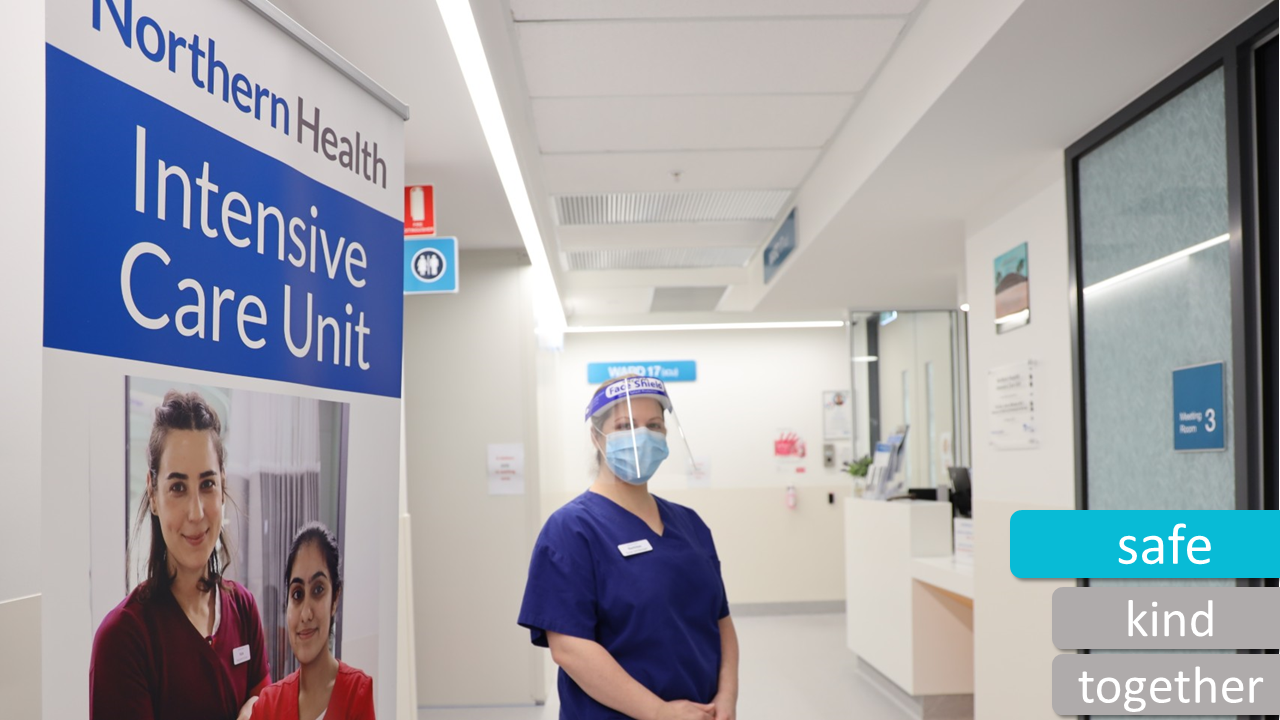
    With the first mention of the new virus, our Intensive Care Unit was preparing and planning for all the ‘what if’ situations and increased patient numbers and activity.

    Narkitaa Van Ekeren, ICU Nurse Unit Manager, said the ICU team was also working closely with other departments on upskilling and training staff for the intensive care environments, while living our value Safe.

    “We knew that should demand require the expansion of ICU beyond our walls, we can’t do that alone and that it needs to be an organisational approach,” she said.

    All this planning has helped the ICU set up for the current situation, where there are active COVID-19 cases requiring ICU specialist services.

    “These patients do take time to get better, which has impacted on the overall operations of ICU. We still have other critically unwell patients coming into ICU, which are not COVID-19 related. We have recently increased bed capacity, to be able to meet the demand,” she explained.

    To be able to safely care for patients, and look after each other, the staff have received refresher PPE training, knowing they would be the ones caring for the most critically unwell COVID-19 patients. Over time, initial apprehension was replaced by the team supporting and encouraging each other.

    The changes in their everyday work have also changed how the team decompresses after a busy day and how they distress.

    “Usually, we would go out, debrief, share a dinner, or get together in the tea room. The current situation has provided some challenges as we haven’t been able to do that. Now, we have a ‘thank you board’ in the tea room where people can put post-it notes and write what we are grateful for. It’s easy to get caught in work and forget to take some self-care time,” Narkitaa explained.

    Besides fighting coronavirus, the patients in ICU are also fighting to cope with isolation and distance from their families, and our dedicated staff are doing all they can to help on both fronts.

    “For the patients, the hardest part is not being able to have families present in the unit and staff have been actively engaged in communicating to families and patients that are awake. We are using Facetime and it provides some comfort to patients. Two weeks ago we even had a priest come in, as the family wanted a prayer to be said. As he wasn’t allowed in the room, we had to get creative on how he would deliver the prayer and we eventually came up with a solution with putting phones on speakers,” she explained.

    Even on a regular, non-pandemic day, the ICU is a very busy environment. The team is used to seeing patients at their most unwell, but the new situation for the team in this pandemic is the sheer volume of patients requiring isolation and contact precautions. That is when safety comes first and the team has implemented different care models to keep both the staff and patients safe.

    To Narkitaa, living the value Safe means having peripheral vision and always looking after your buddies next to you.

    “It’s about having open conversations, calling out potential risks and highlighting safety measures,” she said.

    Narkitaa proudly speaks of her team and how they are quickly adapting to numerous, daily changes.

    “The staff are picking up extra shifts and are all ringing in to see if we need them and if there is something they can do. People have come off their annual leave and long service leave to support the increasing demand,” she said.

    “Being an ICU NUM in a pandemic, and a NUM for the first time, has been a little daunting, but I have a great team to support me along the way,” she said.


  • Strategic priority 1: Safe, positive patient experience

    Strategic priority 1: Safe, positive patient experience

    Northern Health’s Strategic Plan 2020-24 has five priorities, and the first one is A safe, positive patient experience. Over the next three weeks, we will present each strategic priority.

    A safe, positive patient experience sets our goals towards our commitment to safety and reliability, and working together with patients, their families and carers to provide a positive patient experience. As an organisation, we aim to strengthen our quality and safety systems and develop strong relationships with patients.

    Dr Bill Shearer, Executive Director Quality, Safety and Transformation affirms Northern Health’s commitment to patient safety.  “We will improve our quality and safety system by giving all of our staff the tools, information, and systems for them to place patient safety the centre of their work”.

    Sophie Rodier, Patient Experience Manager said the patient experience teams works together with our patients, their families and carers to deliver a positive patient experience.

    Debra Bourne, Chief Nursing Officer explained how everyone’s healthcare journey is different and “we aim to recognise everyone’s health care needs”.

    Please see the video below to hear more about what this strategic priority means to some of our staff:

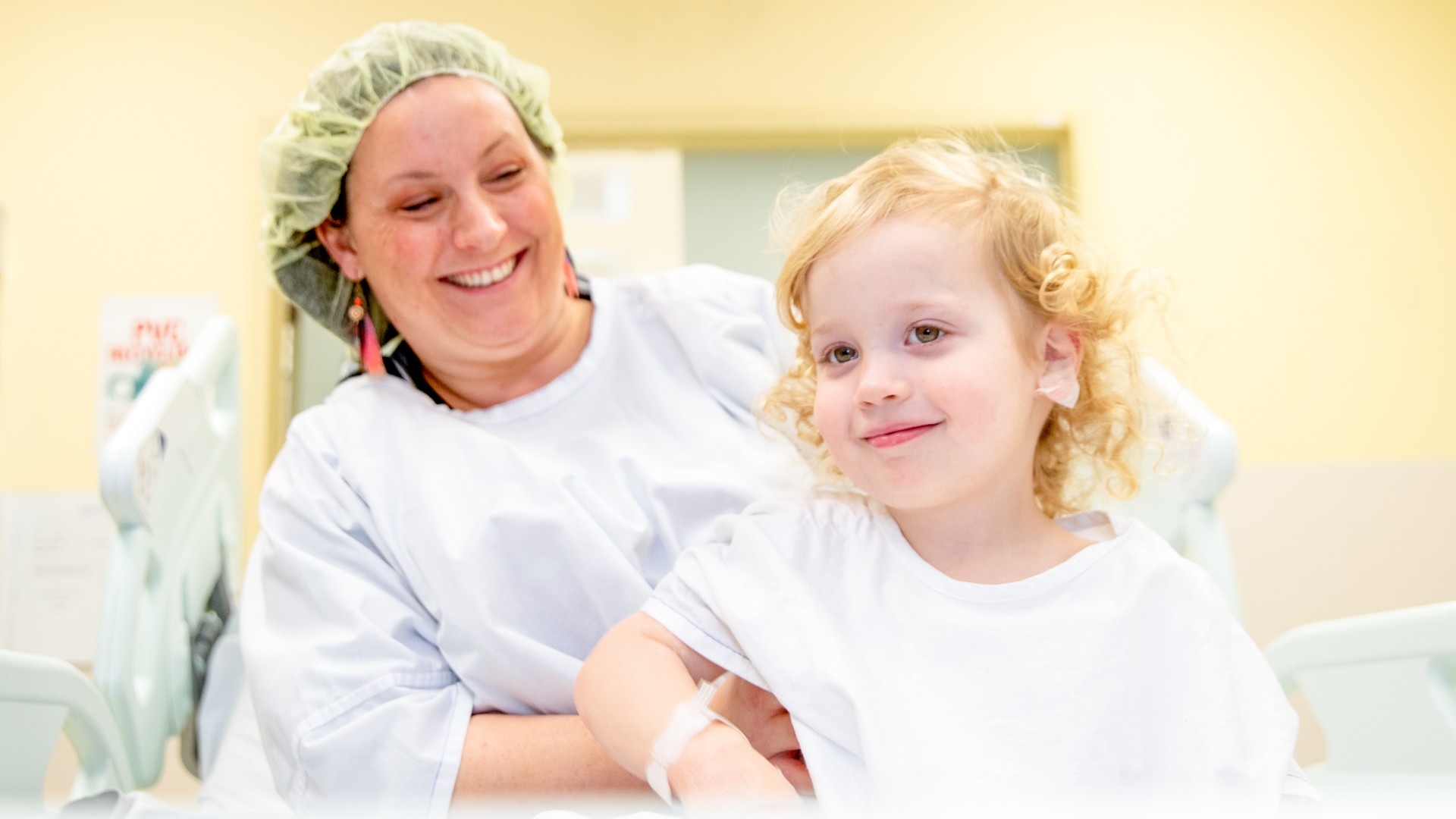
    Please note featured image was taken before COVID-19 physical distancing measures.