• Northern Health commences Electronic Medical Record (EMR) Project

    Northern Health commences Electronic Medical Record (EMR) Project

    Northern Health is pleased to announce it has commenced its Electronic Medical Record (EMR) Project after signing an agreement with Cerner Corporation last week.

    Electronic Medical Record systems are the way health services document, manage and store relevant health information as part of patient care.

    Northern Health is committed to patients receiving the highest quality of care and implementing the EMR across our health service will continue to ensure patients receive safe and timely care into the future.

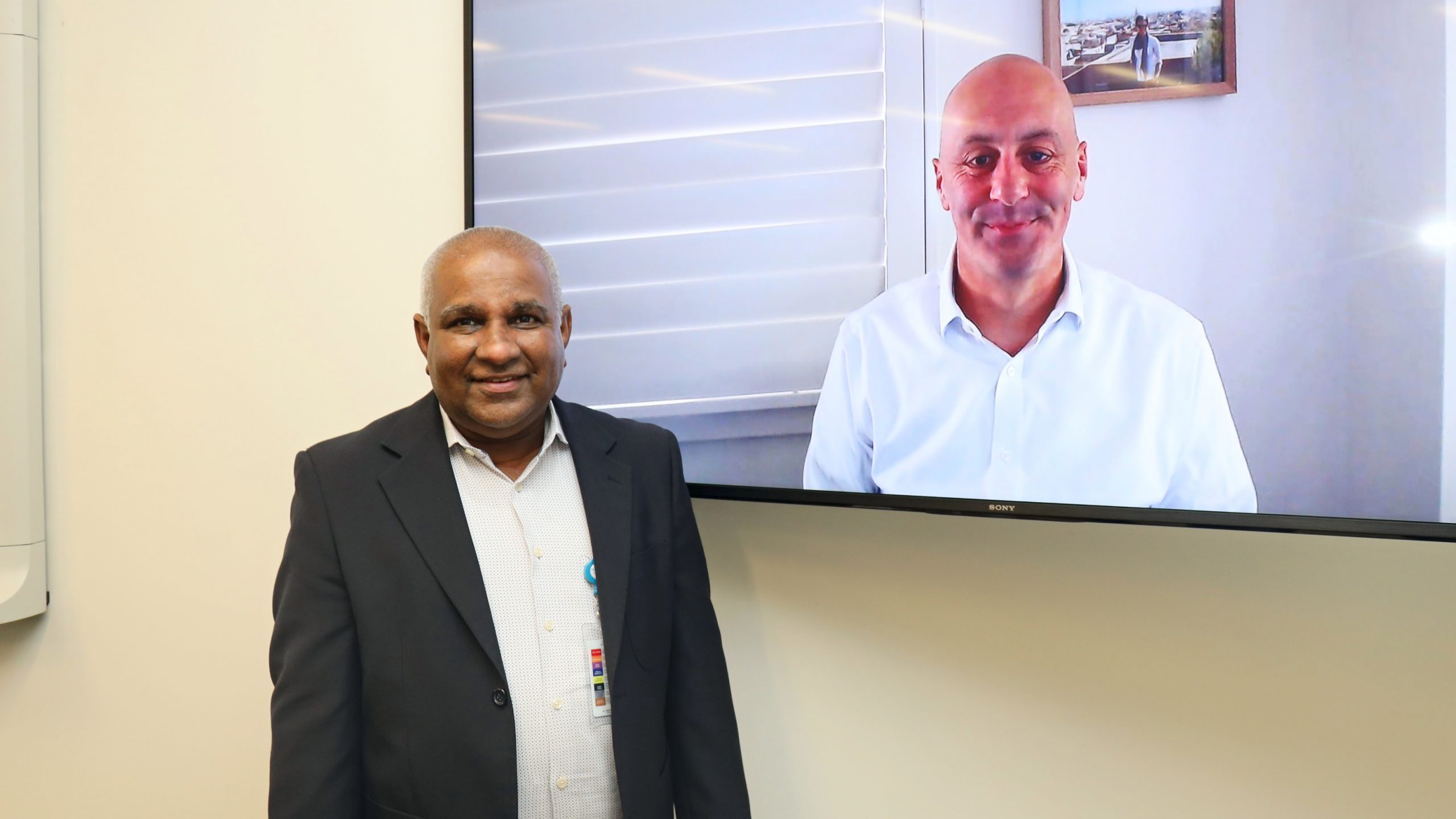
    Siva Sivarajah, Chief Executive held a virtual signing of the agreement with Cerner last Wednesday, 28 October, to mark the official commencement of the project.

    “In line with our commitment to provide safe, trusted care to our community, Northern Health is pleased to announce the commencement of our EMR Project.”

    “We look forward to working with Cerner to implement the integrated EMR across Northern Health, to ensure our patients continue to receive the best possible care.”

    Cameron Burt, Vice President and Managing Director Asia Pacific, Cerner Corporation, on the day of the signing said, “Today marks a significant milestone in Northern Health’s EMR journey and we are honoured to partner with them in their mission to provide better health care for their community.”

    EMRs streamline health care information by providing clinicians access to up-to-date medical information in one place. The EMR will enhance coordination of care by allowing clinicians access to a health service-wide view of clinical information to create and apply decisions that would promote patient safety.

    The clinically-led program will help shape how clinical care is provided to our community. This clinical engagement a key to the success of an EMR project.  We will be working with our clinicians to ensure our EMR best meets the needs of our patients.

     In partnership with Cerner, Northern Health is planning a full stack implementation to be in place by late-2022.

    Trish Aldridge is the Director of the EMR Project and is looking forward to working on the project over the next two years.

    “We are excited to start this project to optimise the quality and safety of our patient care, with the vision of ‘one patient, one integrated record’,” Trish said.

     Featured Image: Siva Sivarajah, Chief Executive, Northern Health with Cameron Burt (on screen), Vice President and Managing Director, Asia Pacific, Cerner Corporation 

    Left to right: Trish Aldridge; Cameron Burt (on screen); Wanda Stelmach, Chief Medical Officer and Siva Sivarajah.
  • Dr Jaclyn Yoong: A letter to my colleagues and friends

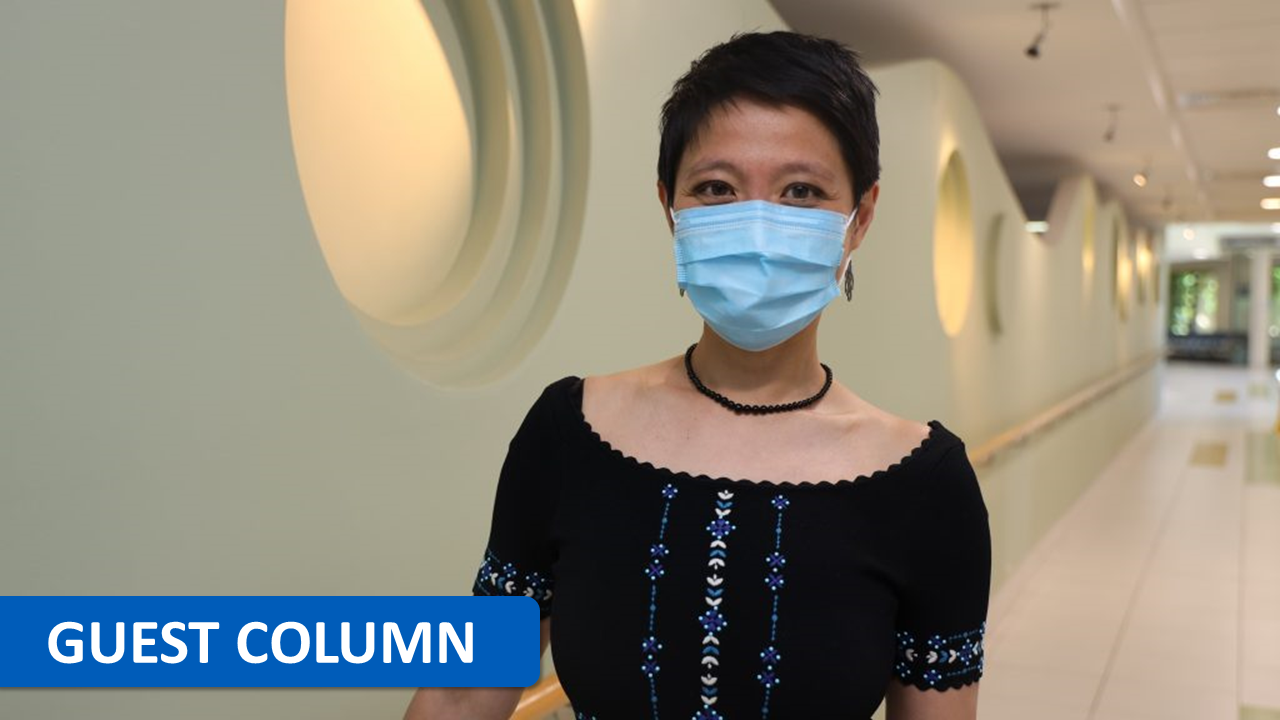
    Dr Jaclyn Yoong: A letter to my colleagues and friends

    This week, new case numbers are finally down and have been for a few days. Zero cases on Monday and Tuesday, and only a few over the past two days. As the weather in Melbourne is changing for the better, hopefully soon too will the spirits of its residents.  It has been a long and hard winter for many of us.  The pandemic has affected all of us, albeit different people in different ways, but all of us nonetheless.

    I am a doctor in the northern suburbs of Victoria, where arguably the state took the largest hit, with several of the worst aged care outbreaks in the country.

    Dear colleagues and friends,

    Thank you for your efforts. Thank you for your time, your energy, your dedication. Thank you for your compassion, your empathy.

    When the first nursing home outbreaks were known of, the hospital’s Residential in-Reach service mobilised rapidly to provide staff and support to the affected nursing homes. Doctors and nurses from the hospital geriatrics department quickly formed teams to enter these facilities to test, treat and provide palliative care to residents. They were in there seven days a week: in full PPE, caring for residents but also communicating with anxious families wanting the best for their loved ones but unable to see and be with them due to strict visitor restrictions. Sometimes even helping with meal prep! Ultimately some of the residents would recover, but some would not.  My colleagues faced these challenges every day for weeks that turned into months. Thanks to the geriatrics team’s forward planning from the first wave, when the second wave hit they were able to respond in a timely fashion to not only support but provide first hand medical and nursing care to residents in the affected nursing homes.

    Arguably no one hospitals’ response to the pandemic has been perfect – this is something we have never faced before.  But I say with pride that at my hospital overall we responded well; we did our best and beyond.  An emergency department outbreak was quickly contained with lockdown, contact tracing and deep cleaning procedures undertaken immediately. Specific wards were designated for “suspected” and “confirmed” COVID-19 patients.  Infectious diseases, respiratory, general medicine and ethics teams collaborated closely to formulate strategies for best inpatient models of care for all patients in the hospital.  Collaboration with emergency medicine and intensive care teams were also paramount.

    That specific COVID-19 wards were opened was a key initiative. One was primarily staffed by general medicine, infectious diseases and respiratory teams, and a daily huddle amongst teams, nursing, allied health and palliative care staff allowed for a multidisciplinary approach to management.

    A second ward for patients for whom a more palliative approach to their management was appropriate was also created. These patients were more frail, multi-morbid, and many already had advance care directives and limitations on extent of aggressive treatments. This ward was staffed by doctors with both geriatrics and palliative care expertise. Teams on the COVID wards focussed not only on the medical aspects of care but also ensured that communication with families or carers was maintained by a ritual of daily phone calls post-ward rounds. To address the impact of visitor restrictions, a simple request for donations yielded even more devices than what the hospital already provided, for patients to use to communicate with loved ones who could not visit.

    At this juncture I should declare my bias: I am a palliative care doctor, and I am proudest of the team that I work with for proactively rising to the occasion and providing symptom-based care for patients; whether or not deemed to dying, but suffering from effects of COVID-19.

    Apart from actively participating in ward-based care, the palliative care team also created accessible quick reference guides for all clinicians for symptom management, end-of-life care and communication strategies in COVID-19, care-at-home packages for families wanting to look after their loved ones at home, and medications packs for symptom management for patients returning to nursing homes to ensure they had supplies on return.  I am also a cancer doctor, and I am proudest of my team for negotiating the difficult and delicate balance of protecting our vulnerable patients from COVID-19 while still trying our hardest to provide best possible cancer care.

    Another important initiative – hospital wide survey – was instigated by two junior doctors to pro-actively address staff concerns and stressors (this is ongoing and directly linked to the Occupational Health and Safety team). The hospital has responded to feedback in positive and concrete ways such as developing wellbeing sessions, clearing outdoor spaces for staff to eat and take breaks while still being able to achieve social distancing, and thanking staff by not only acknowledging gratitude in public forums but also providing tokens of thanks in the form of goodie bags.

    All staff, from consultants, who led teams by presence and example, junior doctors and nurses, who worked tirelessly and sometimes in full PPE every day, allied health teams, non-clinical personnel (administration, clerical, cleaners, porters), all parts of the hospital – people were asked to step up, adapt, be flexible about their work – and they were.  People were anxious, tired – some depressed and scared – later weary and exhausted, but people pushed on.

    This week, we celebrated as Melbourne’s months-long restrictions were eased. Colleagues and friends, take a bow. Thank you for all you’ve done. I know now, COVID-19 or no COVID-19, we’re going to be OK.

    Jaclyn Yoong

    Medical Oncologist | Palliative Care Physician Northern Health

  • Northern’s ED CUSP drives quality and safety

    Northern’s ED CUSP drives quality and safety

    A major part of Northern Health’s trusted care and High Reliability Organisation (HRO) initiative is the Comprehensive Unit Based Safety Program (CUSP). A monthly safety meeting, open to all staff, and aimed at enhancing teamwork, communication and identifying and improving quality and safety, is now making its mark in Northern Health’s emergency department (ED).

    In July, Dr Kirin Channa stepped into the Chair role, following Dr Dean Pritchard’s sabbatical leave. Kirin explained the CUSP began January this year, and, due to COVID-19, meetings are being held via MS Teams.

    “We have a variety of staff participating — medical, nursing, allied health and other specialties. It is a great forum for everyone to talk about quality and safety at the department, review any incidents and prevent future ones. Around 20 to 30 staff take part in these virtual meetings, and we had a peak of 50 a couple of months ago,” she said.

    During the CUSP meeting, the team looks at the quality score card, reviews data from the ED and looks at incidents from the previous month. The team also discuss current quality initiatives, which can vary every month.

    “For example, this month we talked about the new ED Virtual Triage, the Code AAA Procedure and then we went through different departments like allied health or clerical. The meeting usually generates a lot of discussion and, from that, action lists are pulled and projects implemented,” Kirin added.

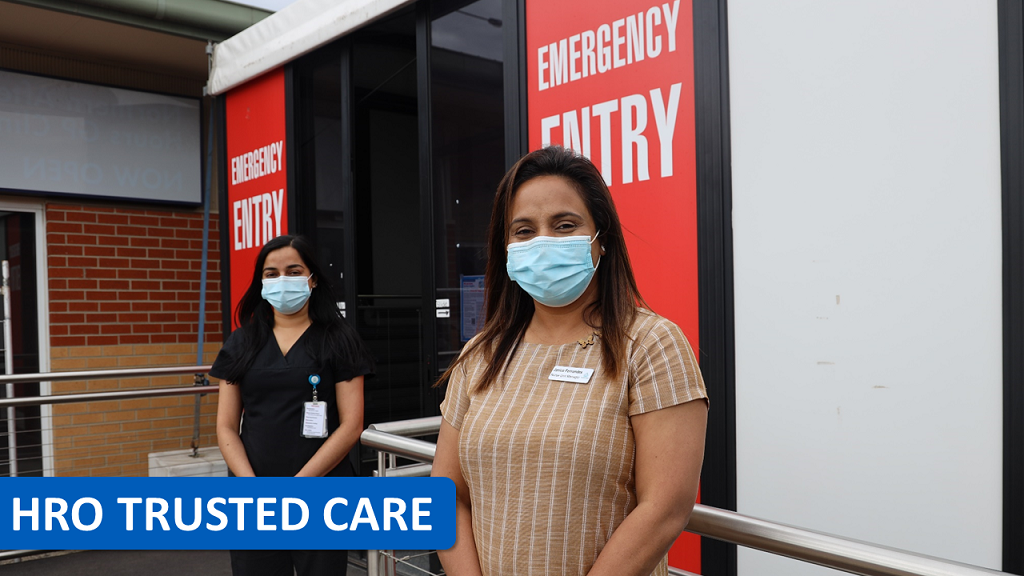
    Janice Fernandes, ED Nurse Unit Manager, said an example of an outcome from one of the CUSP meetings is how the department handles mental health patients.

    “The CUSP has identified areas to streamline care for mental health patients who present to ED. They are flagged for early review, with the right medication, administered at the right place, within the ED,” she said.

    Another example of a topic raised at the CUSP meeting was that conjunctivitis in the eyes could potentially be an unusual sign of COVID-19.

    “One of our consultants did some research and consultations, and then we implemented new triage criteria with patients presenting with a red eye, who are now triaged in the suspected COVID-19 waiting room area,” Kirin added.

    The ED staff have embraced the CUSP with open hands and minds, and are enjoying the proactive approach to quality and safety.

    “The staff feel that they have a platform to express ideas, an opportunity to bring up something that hasn’t been discussed previously and make a difference,” Janice said.

    Clare McCarthy, HRO Project Manager, said the ED CUSP is the ninth CUSP at Northern Health and represents a significant step forward for the quality and safety program.

    “Northern Health’s ED is the busiest in Victoria and presents unique challenges for our health care workers,” she said.

    “The CUSP is ideally suited to this setting — it gives us the leverage we need to identify problems, learn from mistakes, develop solutions and continue to learn while acting on them,” said Clare.

  • OT Week: rebuild, recover, and reengage

    OT Week: rebuild, recover, and reengage

    This week, we are celebrating Occupational Therapy (OT) Week, and given the onset of droughts, bushfires, and the global pandemic, in 2020, the theme of this year’s OT Week is Resilience: Supporting our communities to rebuild, recover, and reengage. In supporting people to participate in activities they find meaningful, occupational therapists are vital in helping our communities through disaster recovery.

    Occupational therapy provides practical support to empower people to facilitate recovery and overcome barriers preventing them from doing the activities (or occupations) that matter to them. An occupational therapist will consider all of the patient’s needs – physical, psychological, social and environmental – with the ultimate goal of supporting individuals to increase their independence and satisfaction in all aspects of life.

    Renee Catton, Senior Occupational Therapist, highlighted the importance of OT professionals during the pandemic by sharing a recent patient story, where the team worked with an elderly patient in the GEM Ward at Bundoora Centre, who wanted to spend some time at her daughter’s home before going back to her facility.

    “Both patient and the family felt that her mood would improve if she spent some time at home with her daughter, and this was her huge wish. The OT department was given 48 hours notice to facilitate the interventions required to support the patient and daughter’s wishes,” she explained.

    For this patient, our OT team provided carer training for management of all functional mobility and management of personal care, including how to safely use a hoist, education on strategies to best prevent pressure injuries and falls, and arranging the hire of extensive equipment to support the patient’s high care needs such as a hospital bed, pressure relieving mattress, hoist and sling, wheelchair, pressure relieving cushion and commode.

    “All of this was completed and the patient was discharged home in under 48 hours of plan and goal being developed,” Renee added.

    The family was grateful for the help and were thankful she was able to spend some time with them. Here are the words from the patient’s daughter:

    “Thank you so much again for all your assistance in helping us to get mum home for a break before she returns to her aged care home. Time has flown by and we have all had a great time together.”

    “The great work that the team did really reflects this year’s motto in supporting our patients to rebuild, reengage and recover,” said Renee.

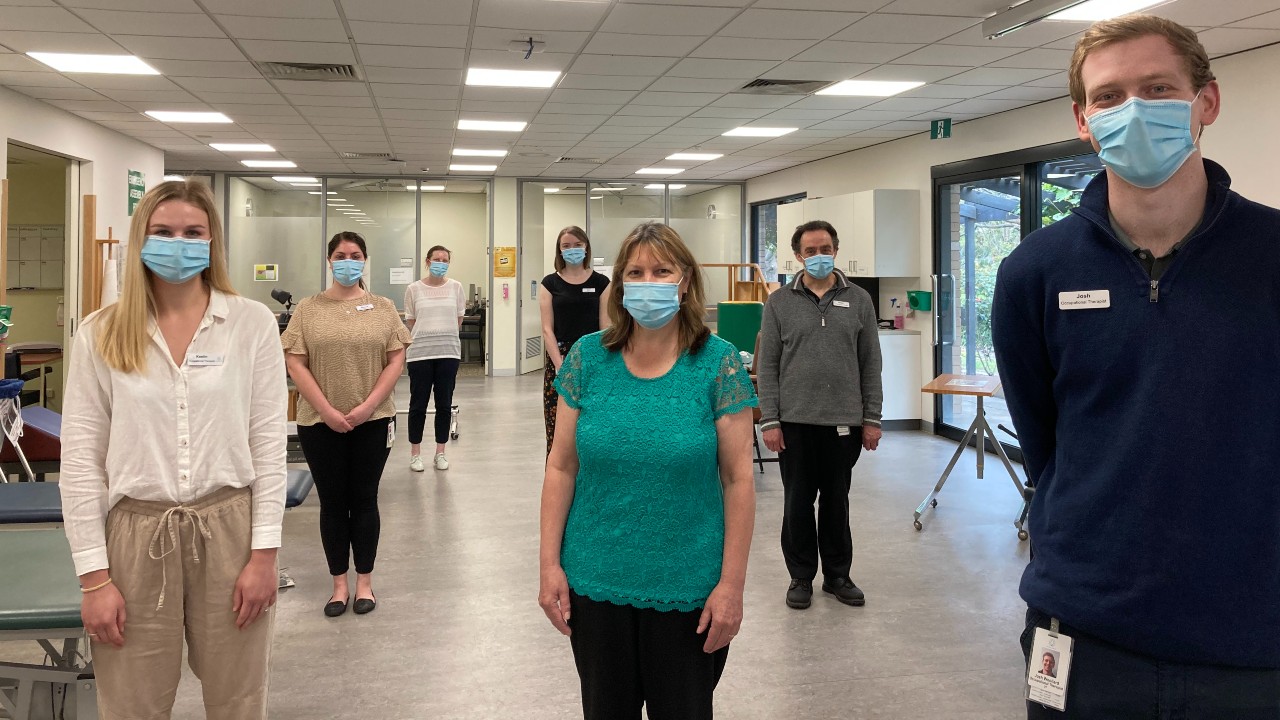
    Featured Image: Bundoora Centre OT team

  • Staff wellbeing: how can we sleep better?

    Staff wellbeing: how can we sleep better?

    One of the things that lockdown and the pandemic has had a huge impact on is the quality of our sleep.

    Our Respiratory Medicine department has dedicated sleep specialists and experts, who were willing to help with advice on sleeping better and coping with prolonged hours at home.

    Dr Liam Hannan, Deputy Director of Respiratory Medicine, explained that when people are under stress or exhausted from work, they often forget even the most simple advice.

    “Our routines and habits have been thrown out by the lockdown. It is very important to keep a schedule, and our brains really like a routine. It’s when we move away from those routines that sleep can become more difficult,” he said.

    Having and maintaining a routine during the day helps us sleep better – that means exercising at a similar time each day, waking up at the same time, and following the signals our bodies are sending.

    “When you feel tired, that is normally a very good time to go to sleep. If you feel sleepy in the evening, try not to spend more time on the couch or in front of the TV. Avoid too much caffeine, alcohol and smoking and electronic devices,” he explained.

    Bedrooms should be dark and quiet, and we shouldn’t be spending more than 20-30 minutes awake in bed. If a person doesn’t fall asleep within that time frame, it usually means they are not tired enough and should get up and leave the bedroom rather than staying in bed and getting frustrated at being unable to sleep.

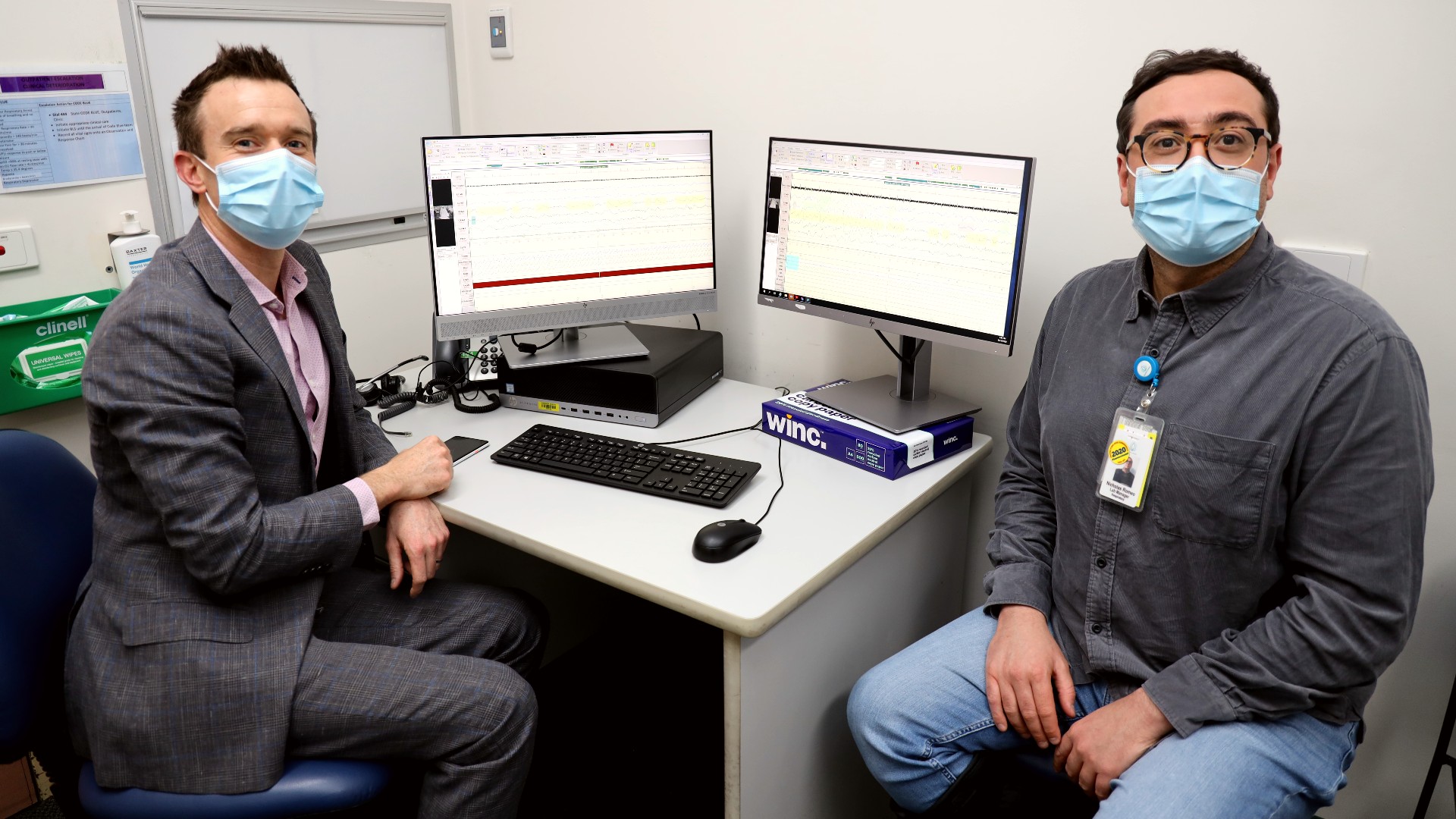
    “We were really pleased to be asked by the Workplace Wellbeing team to contribute this sleep advice. We are really keen to keep promoting the importance of sleep and sleep disorders here at Northern Health,” said Nicholas Romeo, Head Respiratory Scientist.

    Alison O’Sullivan, Workplace Wellbeing Coordinator, said, “We are very fortunate to have expertise in the hospital regarding sleep and managing fatigue. The information and resources that the respiratory team have compiled are especially important at this time, as we work towards a COVID-normal. Sleep has such a direct impact on your overall wellbeing.”

    The wellbeing program at Northern Health continues to support staff using a holistic and evidenced-based approach and this resource that can be found on the Thrive intranet page.

    Featured Image (left to right): Dr Liam Hannan and Nicholas Romeo

  • National Safe Work Month

    National Safe Work Month

    Since 2009, October has been National Safe Work Month, and this year the topic is ‘Work Health and Safety through COVID-19’, acknowledging and reflecting on the wide-reaching impacts of COVID-19 on businesses, employers and workers.

    Workplaces have had to quickly adapt their practices and procedures to reduce the health and safety risk arising from COVID-19, and to manage the psychological effects of the pandemic on workers.

    Richard McFarland, Advisor, OHS & Wellbeing, explained improvements in occupational health and safety at Northern Health could not be achieved without the tireless work of health and safety representatives (HSRs).

    “HSRs form an integral part of  the organisation’s ‘eyes and ears’ when it comes to potential and actual safety issues across all campuses. Whether it’s participating in a safety walk, an audit, reporting broken equipment or even monitoring staff wearing PPE, in this time of COVID-19, our HSRs are essential in maintaining health and safety,” he said.

    The HSRs at Northern Health have their regular duties in a designated “home” location. But in addition, they take on practical health and safety activities and participate in regular meetings in an effort to be consultative, aware and pick up any hazards to staff, patients and members of the public. Essentially, they can act as an early warning for any issues they might notice.

    “During the early phases of the second COVID-19 wave, the HSRs played a role in motoring if all the signage in red or yellow covid zones is appropriate, if all staff is wearing the proper PPE, advising on size of the disposal bins after doffing etc. We don’t have to wait for an email or meeting, because the HSRs express their concerns immediately,” he explained.

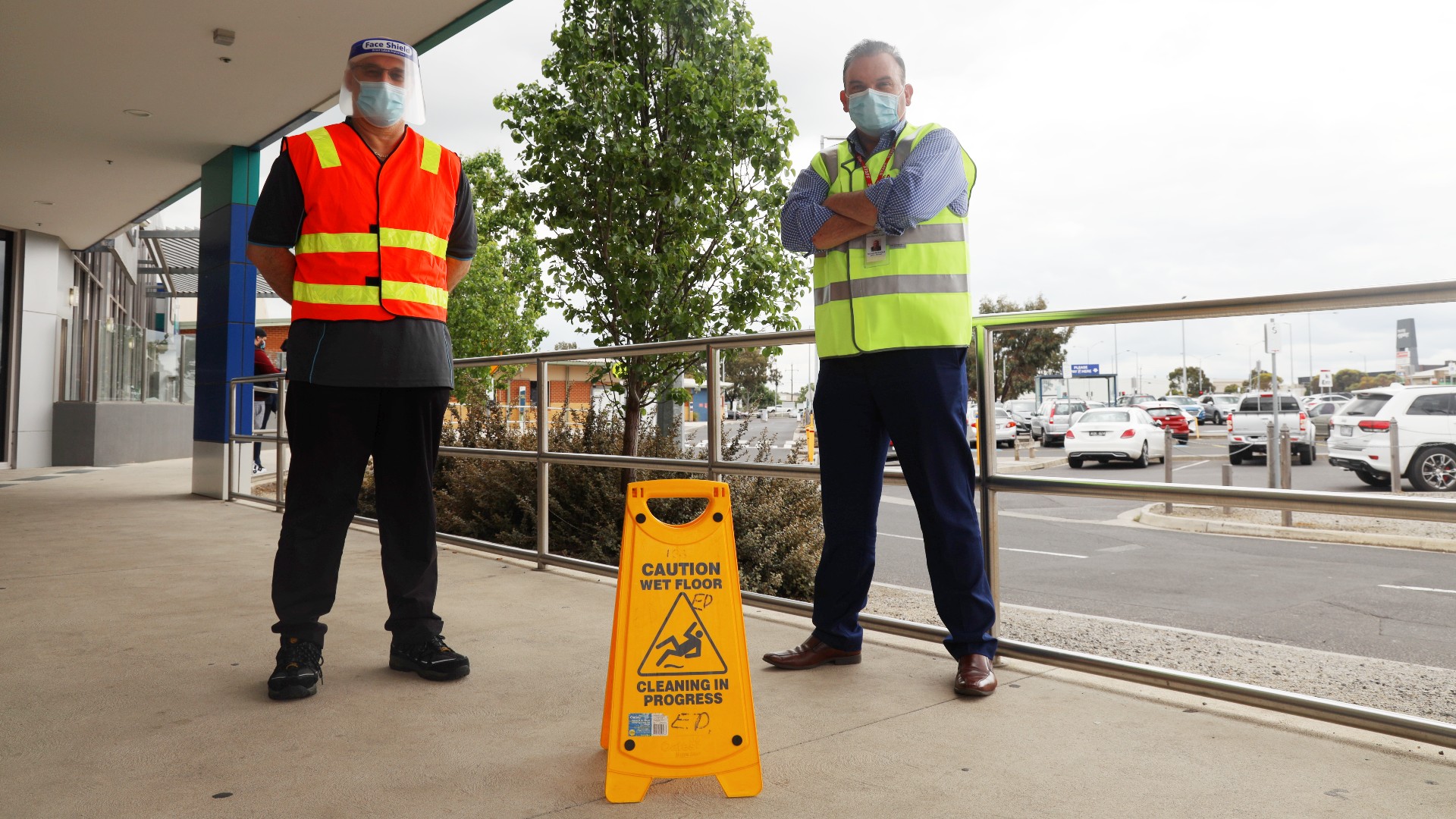
    One of these is Frank Cavaleri, Personal Services Assistant (PSA) and a health and safety representative at Northern Health.

    “One day, I was helping an elderly lady and I decided to become an HSR and help the organisation with safety. I’ve been in this role for the last three years and have noticed improvements – there is a lot more communication and issues being dealt with,” he said.

    Besides physical safety, psychological safety and staff wellbeing is also an important focus of our OHS & Wellbeing team.

    “Northern Health’s Occupational Health, Safety and Wellbeing team continue to support the psychological safety of our staff through Thrive – our staff wellbeing program. We offer regular yoga sessions, rest and recovery sessions, and support for all of our staff. The Thrive offerings have increased throughout the pandemic, to ensure we continue to offer an evidence-based program to staff, responsive to demands at the time,” said Will Halpin, Director OHS & Wellbeing.

    Staff wellbeing resources specific to COVID-19 can be found here.

    Featured Image (left to right): Frank Cavaleri and Richard McFarland

  • Thank You Day – it’s all about you!

    Thank You Day – it’s all about you!

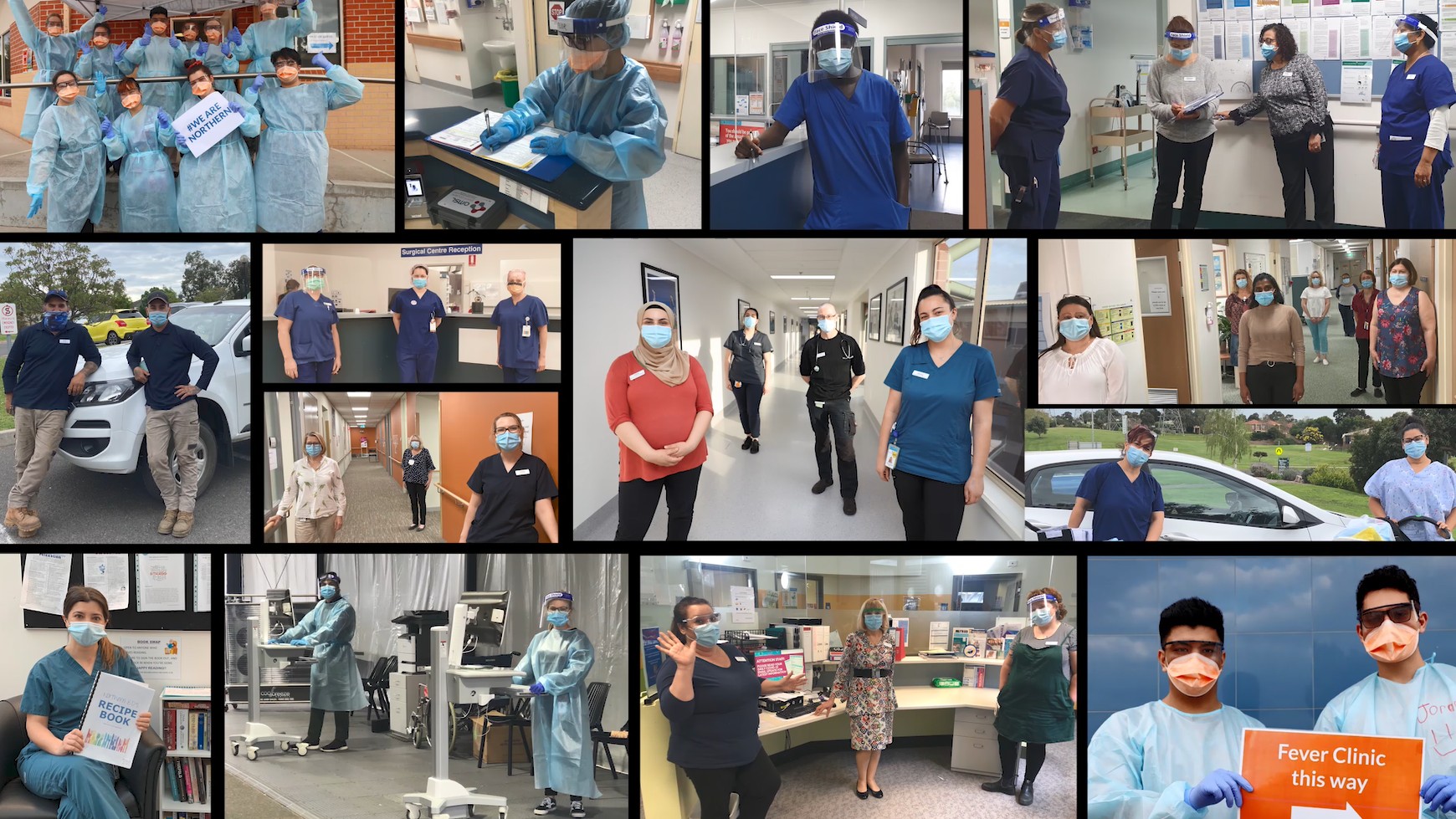
    Today is Northern Health’s Thank You Day – a day where we say a huge thank you to all our staff who have worked hard this year.

    It has been a very challenging year for all of us, as we faced a global pandemic, lock downs and uncertainty of what the next day will bring.

    The enormous effort, commitment and the everyday work of our staff hasn’t gone unnoticed. Our Executive and Board have watched and admired how you cared and supported your patients and each other during this challenging time.

    Siva Sivarajah, Chief Executive, said, “On behalf of the Northern Health Board and Executive, I want to thank each and every one of you for your enormous effort and commitment over the last seven months. It was, and continues to be, nothing short of amazing. I am proud of what we, as an organisation, have achieved to keep our community safe and healthy.”

    Dr Wanda Stelmach, Chief Medical Officer, also thanked staff for being supportive of their patients, community and of each other. Michelle Fenwick, Executive Director People and Culture, added, “This day is all about you. From us to you – thank you.”

    Our leadership team is grateful for your enduring professionalism, commitment and compassion, and proud of everything you have achieved.

    Briana Baass, Chief Allied Health Officer, said working in public health is always challenging, but so rewarding at the same time.

    “This year, we faced challenges in our home life as well as professional. We are so thankful for those at Craigieburn Centre, Bundoora Centre, Broadmeadows Hospital, Northern Hospital and everyone working in the community for the commitment to Northern Health and the community we serve.”

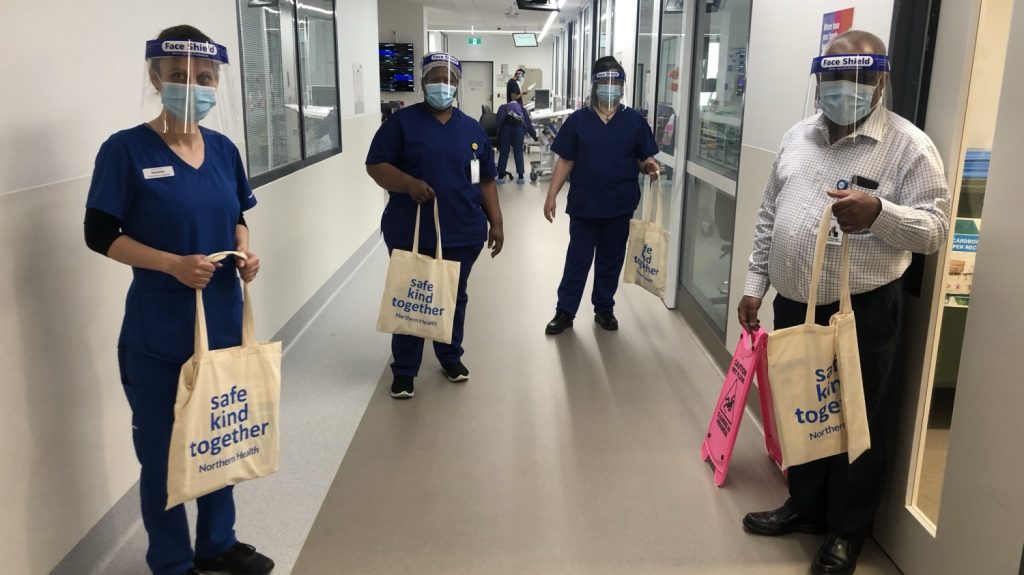
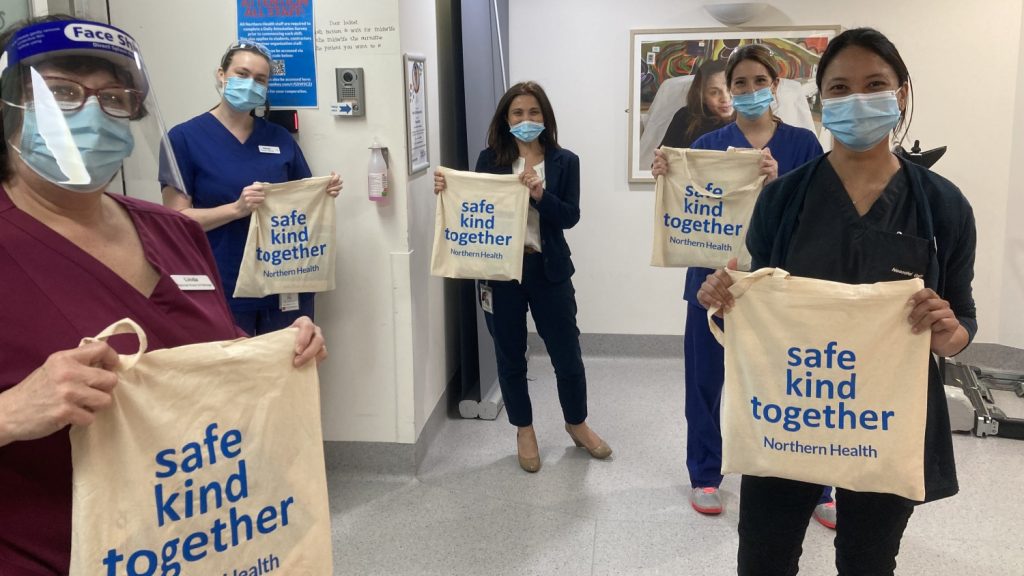
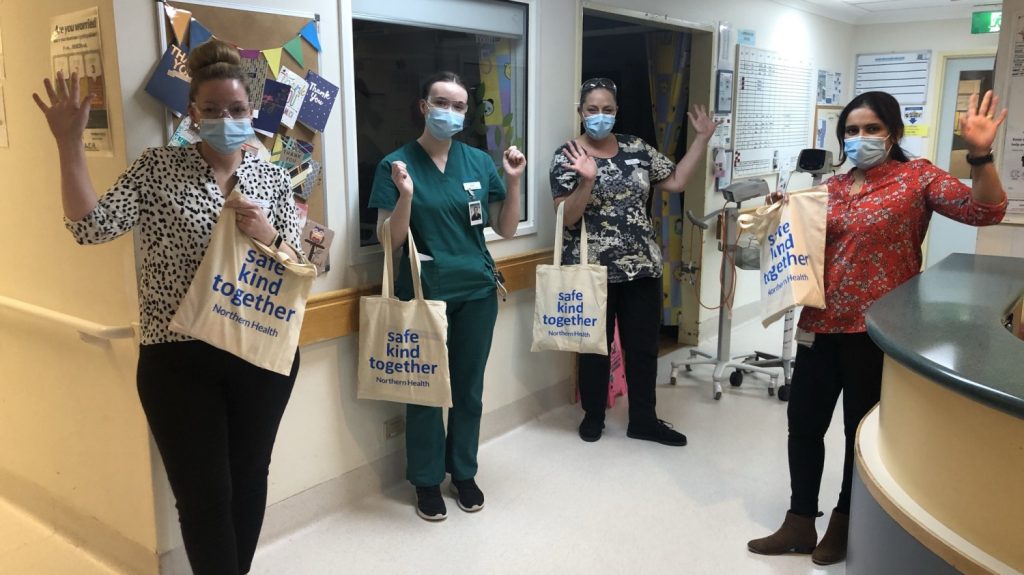
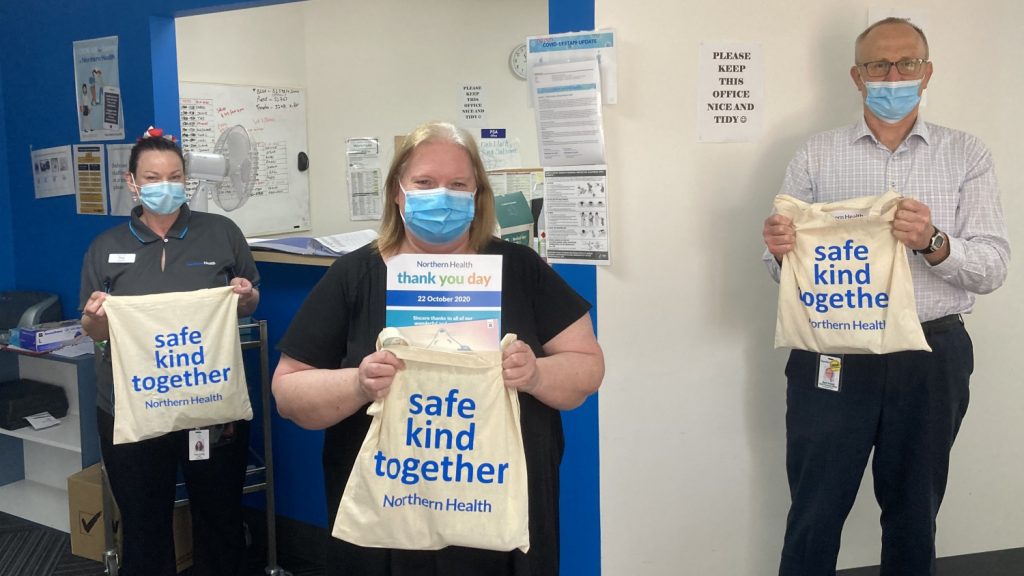
    As a token of our appreciation for your work during this time, all staff will be provided with a Thank You bag today.

    Please watch our Thank You video below:

    ICU staff receiving their Thank You bags from Siva Sivarajah, Chief Executive
    Maternity and Neonatal Unit staff receive their Thank You bags
    Children’s Ward staff receive their Thank You bags
    Support Services staff receiving their Thank You bags from Basil Ireland, Chief Finance Officer
  • Thank Your Cleaner Day: Winners of the Shine Award

    Thank Your Cleaner Day: Winners of the Shine Award

    Every quarter, Northern Health acknowledges and recognises our Patient Service Assistants (PSAs) who actively live and role model the Northern Health values of Safe, Kind and Together. 

    Our  PSA’s play many roles, including transferring patients, equipment, urgent bloods, mail, and medical records and importantly ensuring compliance to DHHS Cleaning Standards for Victorian Public Health Facilities.

    We are pleased to announce the winners for this quarter below.

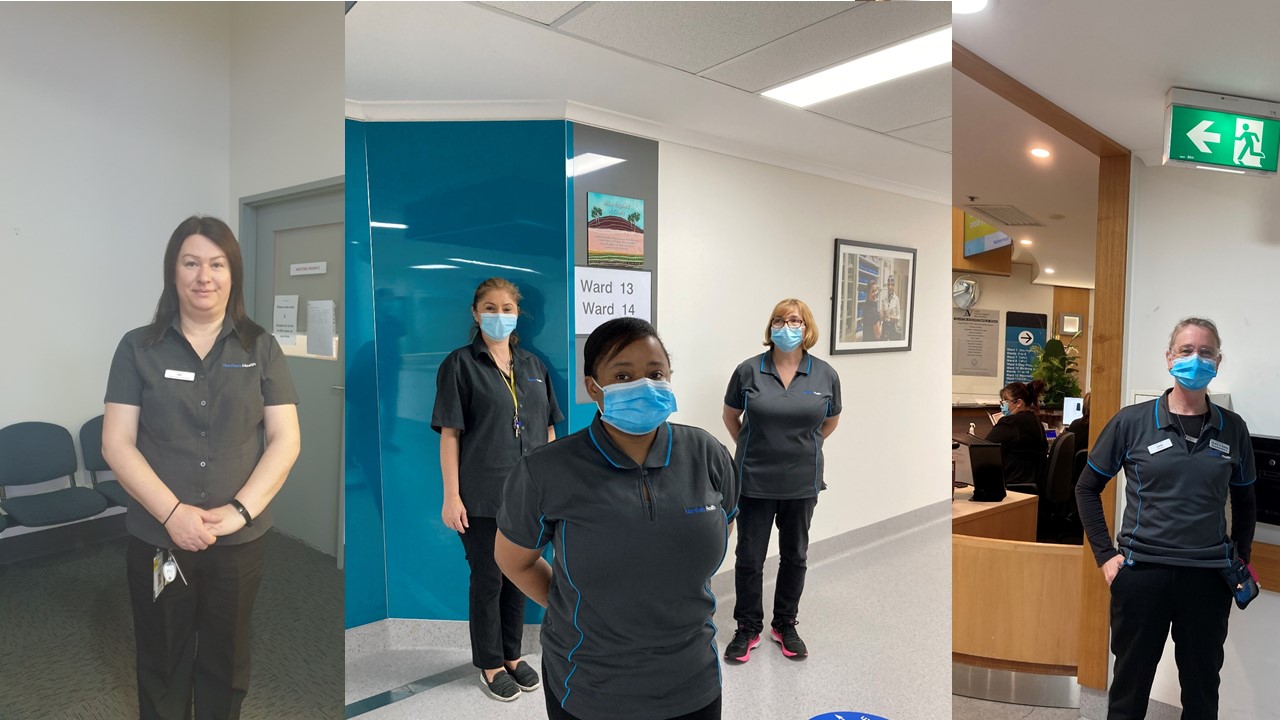
    Today also marks ‘Thank your Cleaner Day’, as we acknowledge both our PSAs and ISS staff for going above and beyond what is expected of them.

    ….and the winners are!

    Olivera Laboska: The Kindness Award – Awarded to a staff member who consistently and proactively supports their peers and the broader department/Northern Health to achieve their work and goals. 

    “Oli is a very friendly person when it comes to patients and staff members, and she is willing to do anything in her power to assist. Nothing is ever too much trouble and she has a great work ethic,” says Snezana Velevski, Support Services Coordinator at Broadmeadows Hospital.

    Qamile, Mara and Alicia (Ward 14):  The Together Award – Awarded to a staff member or team who work together to achieve excellent outcomes. 

    “Qamile, Alicia and Mara make a wonderful team in Ward 14. They all have a can-do attitude, nothing is ever too much trouble and they go above and beyond for their patients. The team have recently been trialling a new cleaning schedule and have embraced the change with a positive outlook. They deserve this recognition and should be proud of their achievement,” says Wendy Nicol, Operations Manager, PSA and Cleaning Contracts.

    Julie Mason: The Safety Award – Awarded to the staff member who has demonstrated consistent safe work practices, has provided suggestions for improving safety and who is a role model for other staff. 

    Says Brendan Byrne, Injury Management Advisor, “Julie deserves to win the safety award because she consistently displays the right behaviours to ensure she contributes to having a safe workplace for herself and her colleagues. This was evident in the time I spent with her a few weeks ago, and how she applies best practice safety to her daily tasks.”

    Says Chief Financial Officer, Basil Ireland, “As we mark Thank Your Cleaner Day, my sincere thanks to our PSAs and cleaning workforce. My congratulations also to the winners of this quarter Shine Awards.”

    We join Basil in wishing our PSAs and cleaning workforce stay Safe, practice being Kind to each other, and know that we are in this Together.