• Aboriginal and Torres Strait Islander nursing and midwifery career pathways

    Aboriginal and Torres Strait Islander nursing and midwifery career pathways

    As we conclude NAIDOC Week, today we highlight how we are empowering Aboriginal and Torres Strait Islander nurses and midwives at Northern Health.

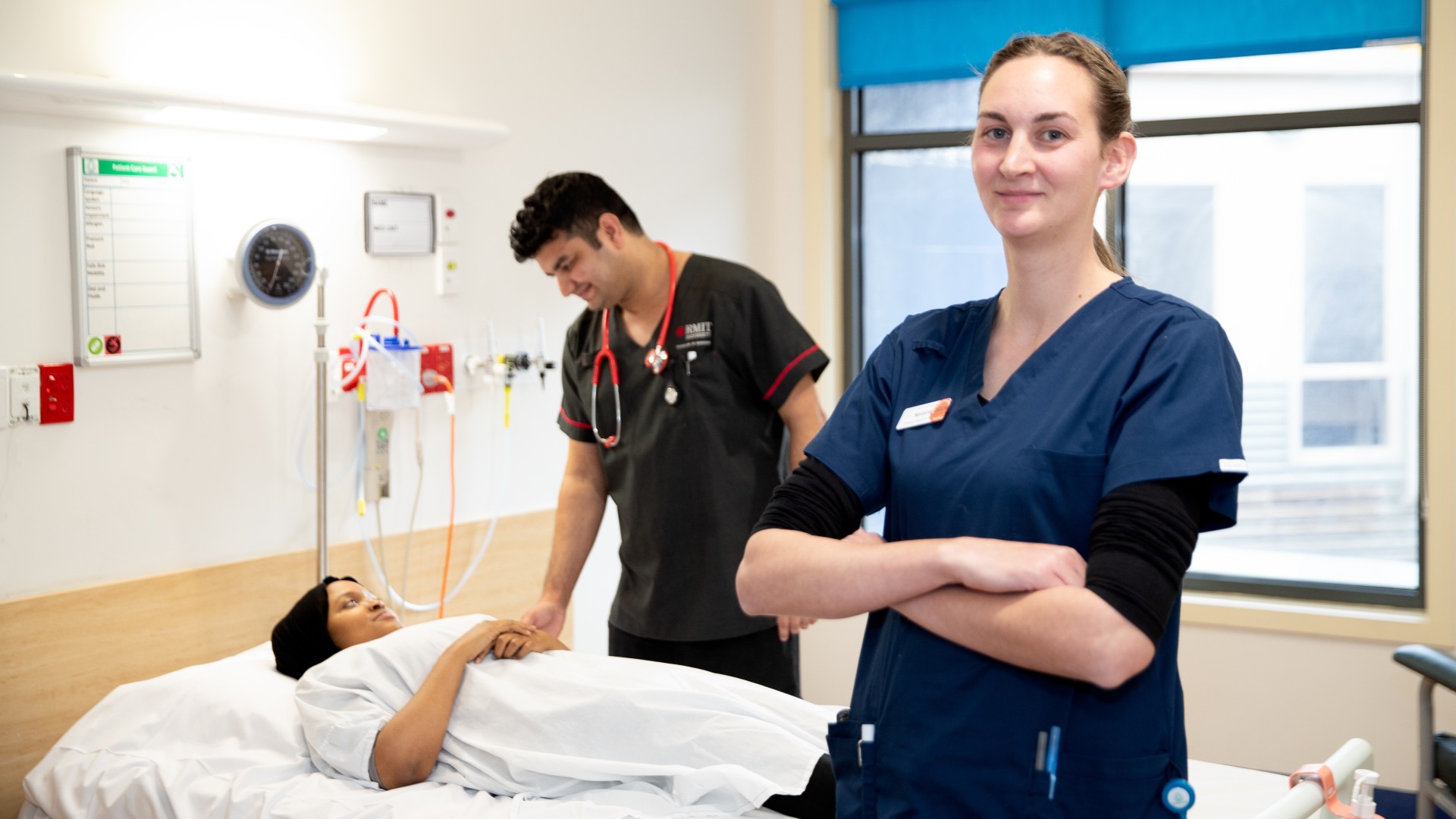
    At the undergraduate level (pre-registration), Northern Health has implemented a cadetship (Aboriginal and Torres Strait Islander Registered Undergraduate Student of Nursing-RUSON model). The Registered Undergraduate Student of Nursing (RUSON) model offers Aboriginal and Torres Strait Islander students the opportunity to join Northern Health as an employee, work closely with a Registered Nurse or Midwife, and increase their knowledge and skills as they build their confidence.

    They get to apply their learnings directly, learning first hand and strengthening their work readiness – giving them much needed exposure to the work environment they will be joining.

    The first two RUSON’s have thrived in the culturally safe space that Northern Health provides. One has been recognised as Employee of the Month on their ward and the other has been recruited into the Aboriginal and Torres Strait Islander Graduate Program.

    At the graduate level (post-registration), Northern Health has introduced an Aboriginal and Torres Islander Graduate Program to support newly registered nurses and midwives as they transition to the profession. The first Aboriginal graduate nurse has successfully completed her graduate program and has gained employment at Northern Health.

    Penny Ramsden, Clinical School Coordinator, said the programs were designed to build both the skills and the confidence of the participants as future nurses and midwives, knowing the vital role they play in providing outstanding health care to the community – especially in this Year of Nursing and Midwifery, 2020.

    At the postgraduate level, Northern Health has continued to support employees in further studies. Aboriginal and Torres Strait Islander scholarships have added to their success and career progression, enriching Northern Health’s specialist nursing and midwifery workforce.

    All programs are sustained by a comprehensive supportive network of preceptors, mentors, nurse unit managers, educators, cultural peer supervision, sessions and study days, Nursing Workforce Unit, Aboriginal Support Unit and Department of Health and Human Services.

    Karen Bryant, Aboriginal Health Liaison Officer, said the two programs, along with the postgraduate program, were an investment in the future, empowering Aboriginal and Torres Strait Islander nurses and midwives and increasing their confidence and competence in their chosen career pathway.

    The featured image above shows Natalie Bloomfield, a proud Gunai Kurnai descendant and a recipient of the Aboriginal Postgraduate Nursing and Midwifery Scholarships Program (Masters of Education).

    Says Penny, “In addition to performing her role as a Clinical Support Nurse in the Clinical School, Natalie demonstrates an extraordinary commitment and passion for supporting Aboriginal and Torres Strait Islander health professionals, and is a critical resource not only for the cadets (RUSONs) and graduates, but also for colleagues and preceptors/mentors alike.”
  • Transgender Awareness Week

    Transgender Awareness Week

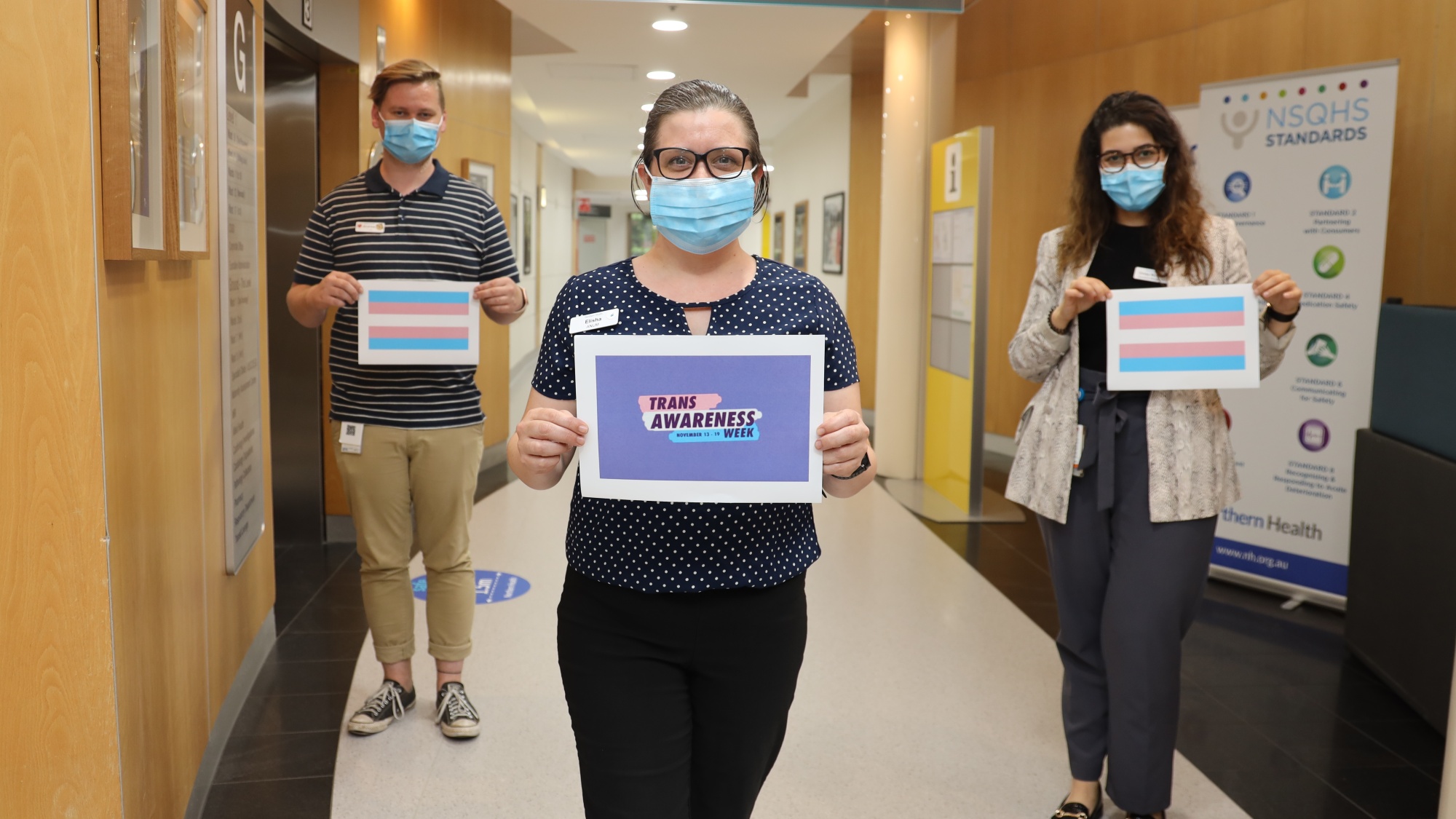
    Tomorrow marks the start of Transgender Awareness Week, which runs from 13 to 19 November 2020.

    Transgender Awareness Week is a one-week celebration leading up to Transgender Day of Remembrance (TDOR), which memorialises victims of transphobic violence.

    “This is the first time Northern Health is running a session specifically for Trans folk. It’s another step we are taking as a health service to create safer care for our community in the north,” says Electra Ulrich, Co- chair LGBTIQA+ Working Group at Northern Health.

    To commemorate Transgender Awareness Week, Northern Health is hosting guest speaker, Starlady, Program Manager at the Zoe Belle Gender Collective to run a ‘Transgender Awareness Education and Inclusive Practice’ session on Tuesday, 17 November. The virtual session will run from 12 to 1 pm and we encourage staff to join.

    Starlady is an activist, artist, educator, youth and community development worker who has been a long-time advocate for the LGBTIQA+ community.

    To join the session, please click here.

    Elisha O’Dowd (trans ally), Emergency Department ANUM & Strengthening Hospital Response to Family Violence Clinical Support Nurse, is also holding a ‘Trans Education’ session targeted to patient facing staff (clinical and non-clinical) on Friday, 20 November from 2 pm to 2.45 pm. To join this session, please click here.
    Chrissy Nicolaidis, Co-chair LGBTIQA+ Working Group at Northern Health, explains, “Recent Australian research highlights significant disparity in health outcomes between transgender people and the wider population. Transgender people aged 18 and over are nearly 11 times more likely to attempt suicide in their lifetime, and 18 times more likely to have thoughts of suicide.”
    “Also, there is an over representation within mental health statistics disproportionately affecting young transgender people, with 74 per cent of transgender and gender diverse people aged 14 to 25 have been diagnosed with depression in their lifetime,” states Chrissy.

    One of the initiatives of the LGBTIQA+ Working Group is improving awareness and implementing strategies to improve health outcomes for the gender diverse community in the North. This has been outlined as a priority area – in the Workplace Equity, Diversity and Inclusion Strategy 2020-2024.

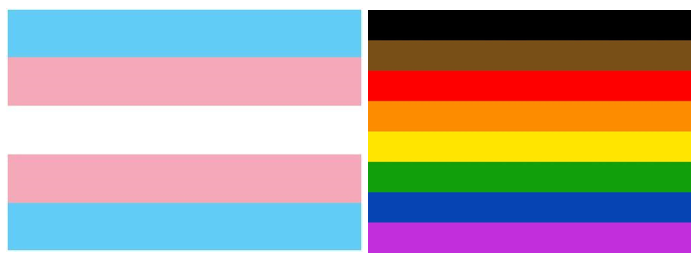
    Transgender Pride Flag and Rainbow Flag

    The Transgender Pride Flag represents the transgender community and consists of five horizontal stripes: two light blue, two pinks, and one white in the centre.

    The Rainbow Flag represents Pride for the LGBTIQA+ community, with the black and brown stripes added to acknowledge the intersectionality for people of colour who identify as part of the LGBTIQA+ community.

    Featured Image: Andrew, Elisha and Chrissy from the Northern Health LGBTIQA+ Working Group

  • Bilang ‘Straight Talk’: Directory of Aboriginal services launches

    Bilang ‘Straight Talk’: Directory of Aboriginal services launches

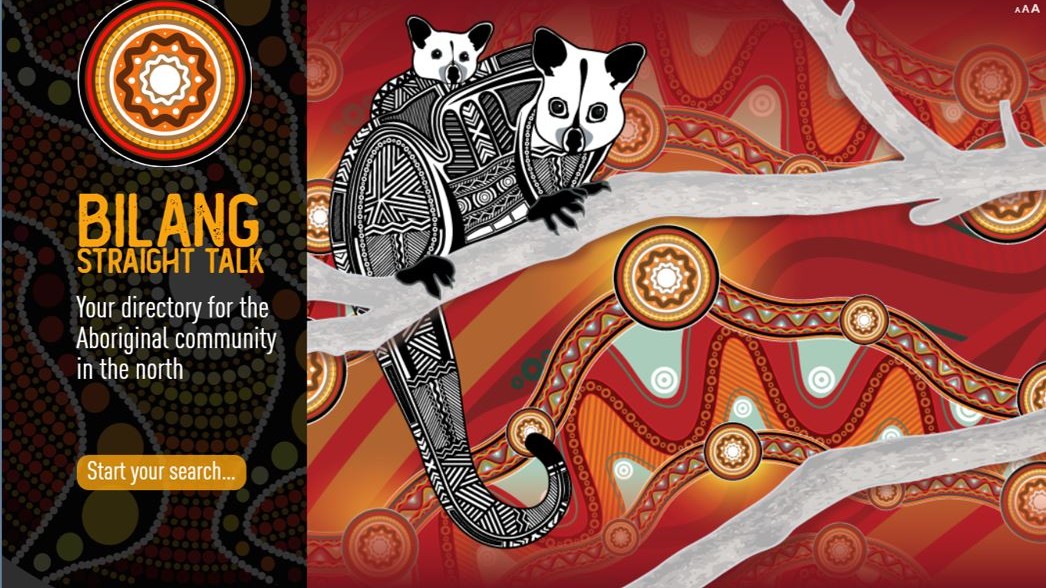
    As part of our NAIDOC Week celebrations, Northern Health is pleased to launch bilang.nh.org.au, a directory of Aboriginal services in the north.

    ‘Bilang’ means ‘Straight Talk’ in Woi wurrung, the language spoken by the Wurundjeri-(balluk/Clan).

    The development of the Bilang Directory is a recommendation from the Northern Health Aboriginal Advisory Committee to ensure that Aboriginal and Torres Strait Islander people have the right information about necessary services, organisations and networks to effectively manage their health and wellbeing in the future.

    Emiliano Zucchi, Director, Narrun Wilip-giin (Aboriginal Support Unit) says, “The Bilang Directory aims to strengthen local knowledge about Aboriginal groups and organisations through building connections and networks.”

    The Directory was created after extensive consultation with Aboriginal community members who access services and programs in the North and North East Melbourne areas. They requested that information regarding Aboriginal services located and operating within the Northern Health catchment be made available to them to increase community knowledge.

    They were keen to get information on culturally safe accessible services and organisations, opening hours of the services, disability access, etc.

    The Directory features artwork by local artist Gary Saunders. Gary is a proud Bangerang, Wiradjuri, Yorta Yorta & Dja Dja Wurrung man and a graphic designer and musician. He says his inspiration was the growing suburb of Wollert in Melbourne’s north. Wollert is a Woiwurrung word meaning ‘where possums abound’.

    Gary says, “The mother possum with baby, symbolises care and nurturing. The lines and circles in the background represent the many communities and depicts diversity. This artwork is continuous and flowing, which symbolises the ever changing landscape of the people and the community.”

    The directory was funded by the Hume Whittlesea Primary Care Partnership (HWPCP), a voluntary alliance of primary care agencies operating in the local government areas of Hume and Whittlesea, located in outer northern metropolitan Melbourne.

    “The launch of Bilang ‘Straight Talk’ is really exciting for the community in the North and represents another way that we can acknowledge NAIDOC Week,” says Briana Baass, Chief Allied Health Officer.

    Briana goes on to say, “I have thoroughly enjoyed looking through the reflections from our own Aboriginal Support Unit, as well as other local community members, on the Northern Health intranet and I encourage everyone to click on this link to explore the information.”

    Max Lee, Chief Executive Officer HWPCP, said, “The Northern Health Bilang “Straight Talk” Directory is part of our long-term shared commitment to ensuring Aboriginal people can access culturally safe health services locally. We are proud to partner with Northern Health and the local Aboriginal community on this essential resource because ‘good information means good health.’”

  • Successful Fit Testing Pilot transitions to on-going program

    Successful Fit Testing Pilot transitions to on-going program

    In August this year, Northern Health was pleased to be announced as the health service chosen by the Minister for Health to run a fit testing pilot.

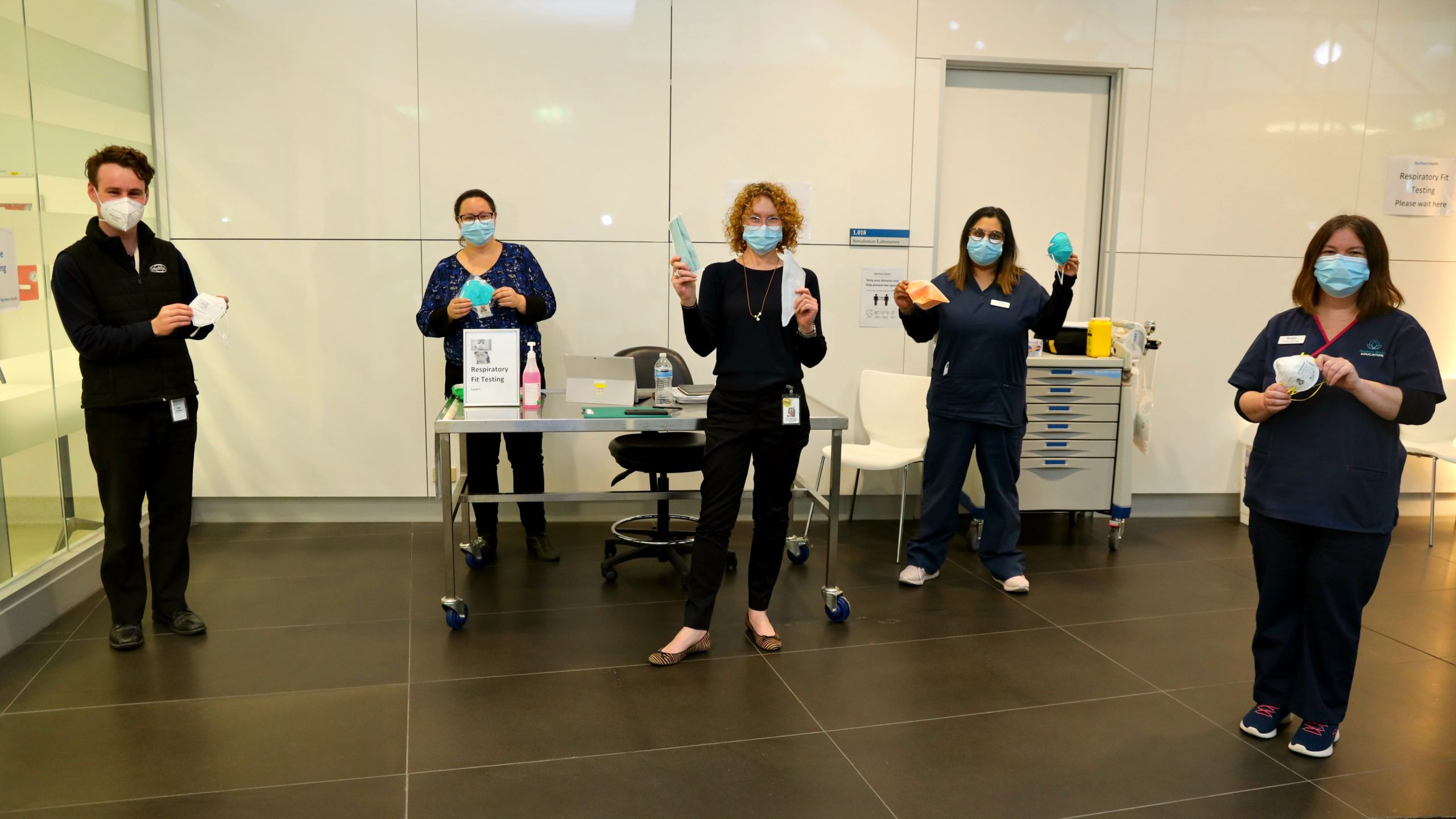
    To date, we have tested over 800 staff. The pilot is part of a broader program of work – the Respiratory Protection Program – that Northern Health is undertaking which seeks to ensure the optimal protection of our staff from respiratory pathogens, such as COVID-19. The pilot focused on fit testing staff working in high-risk areas such as COVID-19 wards, ICU, Emergency Department, Fever Clinic, Residential In-Reach and operating theatres.

    Fit testing is a process to verify if a selected brand, model or size of an P2/N95 mask adequately fits the wearer. Testing is carried out with all the different types of masks available, to identify the best fitting mask and is repeated at regular intervals to ensure a consistent fit. P2/N95, which filter airborne pathogens, are currently recommended when health care workers are caring for hospitalised patients with COVID-19.

    Dr Victoria Madigan, Infectious Diseases Physician and Clinical Lead for Respirator Fit Testing Pilot Program said, “We have been reaching out to offer fit testing to staff particularly from high-risk areas to ensure they know which masks are most appropriate for them.”

    “Pleasingly, many of the staff from these areas have been able to come in and have a test and find out which mask best suits them. The majority of staff adequately fit a mask that we have available.”

    During the testing, five to six masks are tested. The testing process assesses how well each mask achieves a close seal against the wearers face.

    “We have done the first wide-spread fit testing program in health care in Victoria. Northern has been asked by Safer Care Victoria to use the information gained from developing this process help inform Respiratory Protection Programs being introduced across Victoria. In developing our program, we’ve relied a lot on the expertise of the occupational hygienists from Eva & Associates performing the fit testing as well as from our Clinical Nurse Educators who have been helping staff with the testing process.” Victoria said.

    “Moving forward, fit testing is certainly going to be a key part of the Respiratory Protection Program,” Victoria added.

    Information from this pilot is also being used to guide Victoria’s purchasing of P2/N95 stock, and support other health services establishing similar programs.

    Clare McCarthy, Project Manager, said, “It’s really rewarding to be involved with the pilot, as we’re actually contributing to the evidence on fit testing and helping DHHS with its selection of P2/N95 respirators.”

    The pilot has been a wonderful collaboration between different departments across Northern Health.

    “This is Northern Health at its best — everyone has rallied to make it a success for our staff. From Operations, to Learning and Development, Nursing Education, Research, Supply, NCHER, Nursing and Medical Workforce — so many parts of our organisation have rolled their sleeves up to make this happen for more than 800 of our staff,” Clare explained.

    “Nursing Education has played a crucial role in our staff welfare. We’ve been involved from day one, from providing information beforehand about what happens during the fit test, through to afterwards, by supporting staff with their result,” explained Tanya Williams, Clinical Nurse Educator.

    “The occupational hygienists have also been really wonderful in helping everyone understand the process, and all the various aspects of the testing – there’s also a larger group of staff who sit on our working group and contribute,” Victoria added.

    Fit testing has now transitioned to the Respiratory Service, with our respiratory scientists performing the testing on our staff.

    Eventually, fit testing will be available for all staff who are required to wear P2 or N95 masks. Information about specific requirements for testing and how to book in to have this done will be available on the intranet in the near future.

    “The aim is to test between 2,000 to 3,000 staff per year at this stage, so the next challenge will be to work out what the new normal is going to be.”

    Featured Image (left to right): Michael Eva, HSE Consultant – Eva & Associates; Dr Victoria Madigan, Infectious Diseases Physician; Clare McCarthy, Project Manager; Tanya Williams, Clinical Nurse Educator and Susan Brown, Clinical Nurse Educator
  • Narrun Wilip-giin: Creating a culturally safe space

    Narrun Wilip-giin: Creating a culturally safe space

    NAIDOC Week is an opportunity to participate in a range of activities and support your local Aboriginal and Torres Strait Islander community.

    It is also an opportunity to look back on the year and highlight the good work done by the Aboriginal Support Unit at Northern Health.

    It was in October last year that we saw the launch of Northern Health’s 2019-21 Innovate Reconciliation Action Plan, known as the RAP.

    At the launch Jennifer Williams AM, Northern Health Board Chair said, “This is Northern Health’s first ever RAP and is a ground-breaking plan which demonstrates our commitment to the Aboriginal community of the north.”

    Underlining their commitment and leading by example, the Board, Executive and senior managers all attended Aboriginal cultural competence training, currently offered across all campuses to staff.

    This year the Aboriginal Support Unit has a new name- Narrun Wilip-giin and their team sports a new uniform designed by local Aboriginal artist Gary Saunders. Narrun Wilip-Giin is a Woiwurrung name that means ‘Spirit Keepers’.

    Artworks from Gary and another local Aboriginal artist Kahli Luttrell can be seen across our campuses.

    Gary was also involved in developing a colouring book to be provided to Aboriginal and Torres Strait Islander children during their hospital journey at Northern Health, launched on National Aboriginal and Torres Strait Children’s Day.

    The development this year of our first Aboriginal Employment Strategy has seen Northern Health actively recruited Aboriginal consumers for various committees besides employing a second Aboriginal Liaison Officer (ALO), an Access & Support Worker, and an Aboriginal Midwife.

    Northern Health is working towards creating a culturally safe space for Aboriginal and Torres Strait Islander people by carrying Wominjeka ‘Welcome’ signs and Acknowledgement Plaques displayed in foyers, wards and other prominent areas. The plaques acknowledge the traditional custodians of the land and is a reminder that we all walk on sacred ground.

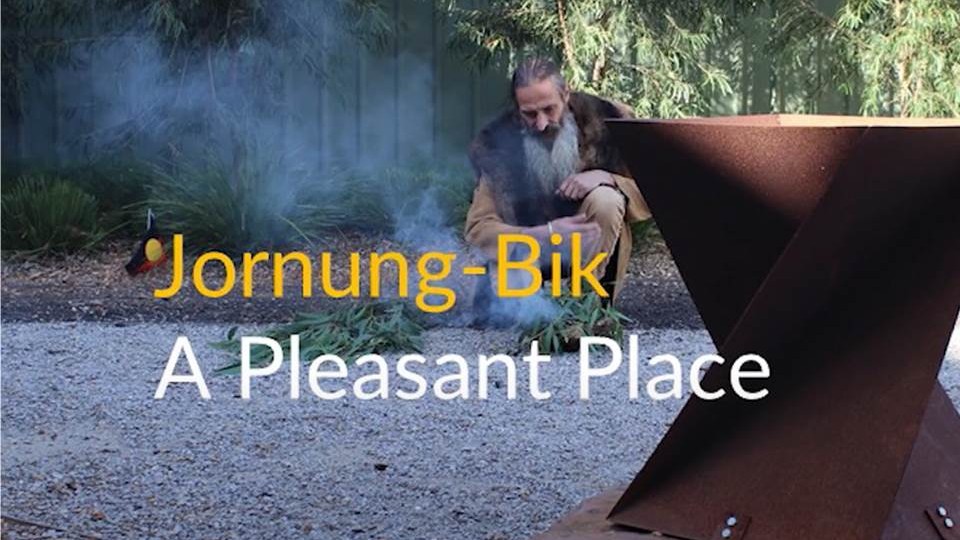
    The launch of our Smoking Ceremony Garden is yet another example of creating a culturally safe space. The Garden called Jornung-bik, ‘A Pleasant Place’,  features indigenous plants native to this area, artwork by Kahli Luttrell and an audio bollard or ‘message stick’ to educate the broader community about the significance of Smoking Ceremonies to Aboriginal and Torres Strait Islander people. See video below:


    The Northern Health Aboriginal smoking ceremony garden is a space not only for Aboriginal people to use, but also a beautiful nature space for staff and visitors to Northern Health to spend time.

    The revamped Stow Family Aboriginal Garden too has a mural by Kahli Luttrell with new indigenous plants.

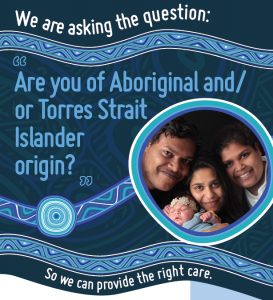
    Northern Health is ‘Asking the question’ of all patients at entry points, if they are of Aboriginal/Torres Strait Islander origin, to help meet their health care needs and close the gap . Narrun Wilip-giin runs ‘Asking the question’ training throughout the year, across all campuses.

    A live Aboriginal Patient Monitor which allows us to know in which wards there are Aboriginal patients, and in which clinics Aboriginal patients have appointments, is another step, aimed at providing better care for those of Aboriginal/Torres Strait Islander origin.

    Last year saw the introduction of Aboriginal and Torres Strait Islander programs to promote the careers of Aboriginal and Torres Strait nurses and midwives (Aboriginal and Torres Strait Islander RUSON model). The Registered Undergraduate Student of Nursing (RUSON) model offers Aboriginal and Torres Strait Islander students, the opportunity to join Northern Health, as an employee and working closely with a Registered Nurse or Midwife, build their knowledge and skills even as they build their confidence.  More about this later this week.

    Later this week we also launch Bilang-‘Straight Talk’, an online service directory, listing Aboriginal services located and operating within the Northern Health catchment.

    Looking to the future, Narrun Wilip-giin is in talks with the Victorian Aboriginal Health Service to formalize their partnership.

    On Wednesday 2nd December, Narrun Wilip-giin will be hosting an Aboriginal women’s health and wellbeing workshop in partnership with Victorian Aboriginal Health Service and Djirra.

    Our Koori Maternity Service along with our Physiotherapists are planning a six week post birth Physiotherapy Clinic in 2021.

    Much has been achieved. “I think we are making good progress towards the implementation of our Reconciliation Action Plan,” says Toni Gabelish, Aboriginal Liaison Officer, yet points out that more remains to be done. “I hope we will be able to gain more human resources to continue achieving our objectives, and better address the needs of our Aboriginal and Torres Strait Islander Peoples,” she adds.

    Featured image shows the Northern Health Smoking Ceremony Garden launch.

  • NAIDOC Week: Always Was, Always Will Be

    NAIDOC Week: Always Was, Always Will Be

    NAIDOC Week this year is being celebrated from 8 to 15 November. NAIDOC Week celebrations are traditionally held across Australia each July to celebrate the history, culture and achievements of Aboriginal and Torres Strait Islander peoples.

    The November dates follow the decision by the National NAIDOC Committee (NNC) to postpone NAIDOC Week from the original July dates due to the uncertainty from the COVID-19 pandemic.

    NAIDOC originally stood for ‘National Aborigines and Islanders Day Observance Committee’. This committee was once responsible for organising national activities during NAIDOC Week and its acronym has since become the name of the week itself. Find out more about the origins and history of NAIDOC Week.

    NAIDOC is celebrated not only in Indigenous communities, but by Australians from all walks of life. The week is a great opportunity to participate in a range of activities and to support your local Aboriginal and Torres Strait Islander community.

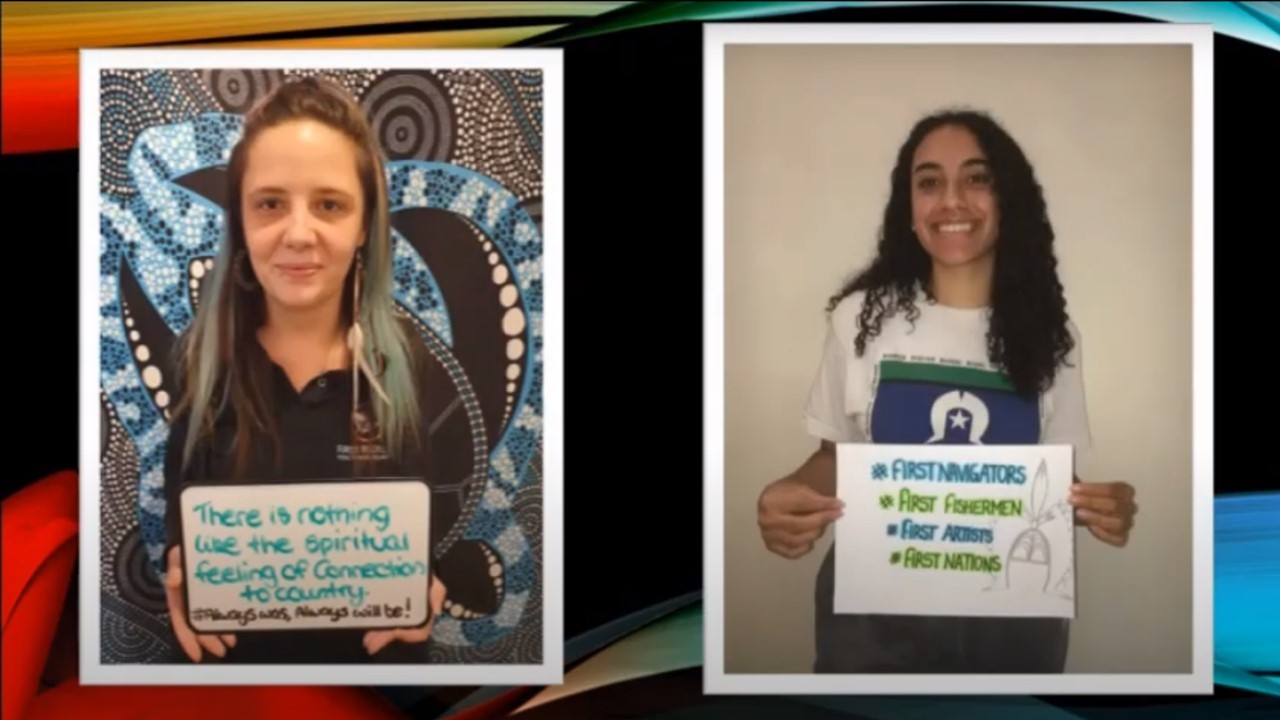
    This year’s theme ‘Always Was, Always Will Be’ recognises that First Nations people have occupied and cared for this continent for over 65,000 years.

    It acknowledges that Aboriginal and Torres Strait Islander people were Australia’s first explorers, first navigators, first engineers, first farmers, first botanists, first scientists, first diplomats, first astronomers and first artists.

    To mark NAIDOC Week, members of our Aboriginal community at Northern Health, from our Narrun Wilip-giin (Aboriginal Support Unit) to Allied Health to the Koori Maternity Service, share their views and reflect on subjects such as ‘Caring for Country, Treaty and Sovereignty’, ‘Australia Day’, and ‘Oral Stories’, which can be found here.

    They draw attention to how First Nation people read the night sky well enough to know when it will rain, when best to hunt and gather, to use it to encode stories that record history, and much more.

    They also talk about the growing adoption of Indigenous farming practices such as Aboriginal fire management, here in Victoria.

    NAIDOC Week is also a good time to consider some sobering facts. Facts such as Australia is the only Commonwealth nation that doesn’t have a treaty with its Indigenous people. Our writers make a claim for sovereignty on the grounds that, ‘Indigenous people never ceded sovereignty and that a treaty must acknowledge Indigenous sovereignty’.

    They also explain why for many Indigenous Australians, the 26th of January isn’t a day for celebrating.

    Oral stories are a recurring theme. “Storytelling is a traditional method used to teach about cultural beliefs, values, customs, rituals, history, practices, relationships, and ways of life… First Nations storytelling is a foundation for holistic learning, relationship building, and experiential learning,” we learn.

    They come with a recommended reading list including Bruce Pascoe’s book, Dark Emu, which challenges prevailing views of Australian history and opens our eyes to Aboriginal farming, fishing and land management and links for readers interested in learning more.

    NAIDOC Week 2020 acknowledges and celebrates that our nation’s story didn’t begin with documented European contact whether in 1770 or 1606 – with the arrival of the Dutch on the western coast of the Cape York Peninsula.

    The very first footprints on this continent were those belonging to First Nations peoples.

    This nation’s story began at the dawn of time.

    NAIDOC 2020 invites all Australians to embrace the true history of this country – a history which dates back thousands of generations.

    Join us as we celebrate the oldest continuing cultures on the planet and acknowledge that sovereignty was never ceded.

    Always Was, Always Will Be.

    The video above was created by Yue Hu from Transcultural Language Services (TALS) and a member of the NAIDOC working group.

  • Trudi Hay hosts Virtual High Tea for cancer services

    Trudi Hay hosts Virtual High Tea for cancer services

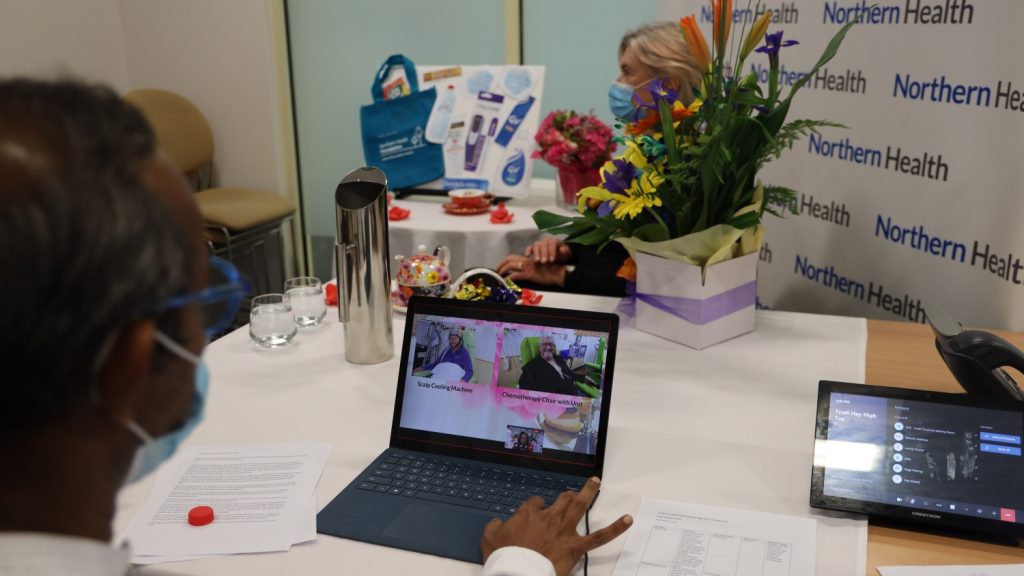
    Northern Health Foundation Patron and Board Member, Trudi Hay, recently hosted her annual High Tea to raise money for Northern Health Cancer Services.

    Trudi has been a dedicated supporter of our cancer services for over ten years. Every year, she hosts a High Tea event to raise funds to support patients undergoing cancer treatment – something very dear to her heart.

    However this year the event looked a bit different. Held virtually this year due to the pandemic, Trudi welcomed guests with their cups of tea and grazing boxes.

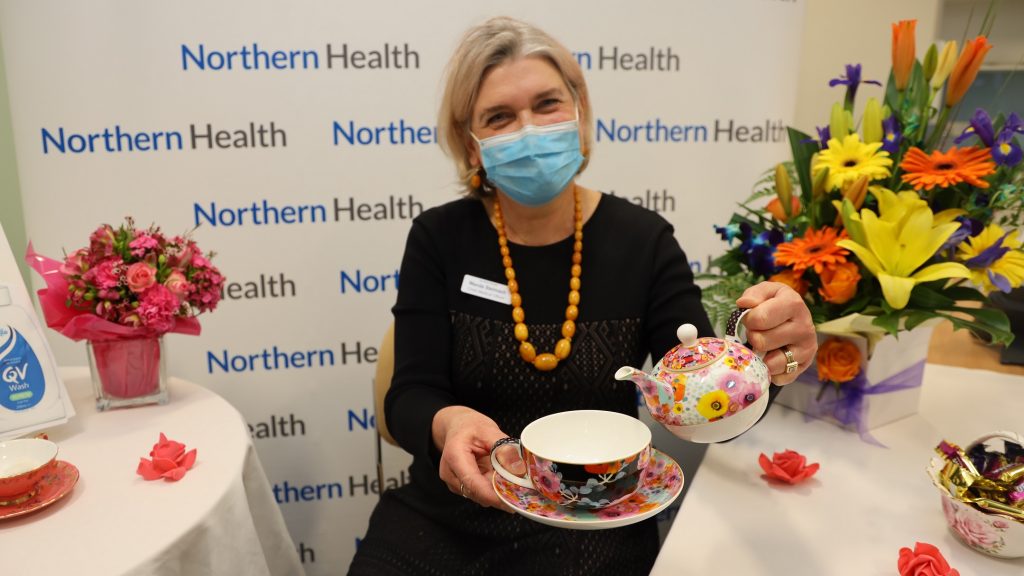
    Guest speakers from Northern Health, Wanda Stelmach, Chief Medical Officer and Melissa Gwynne, Day Oncology Nurse Unit Manager, spoke on the challenges of cancer, general health and wellbeing and caring for our community during the COVID-19 pandemic.

    Wanda and Melissa answered questions from guests and encouraged everyone to maintain their routine health checks – because even though we have all been in lockdown, cancer hasn’t been. Wanda thanked Trudi for continuing to host her annual event, despite current challenges, and she also thanked the community for doing the right thing during the second wave.

    Over the years, Trudi has raised over $60,000 from her events. This year, the virtual High Tea raised an amazing $11,000.

    “While planning for this event, I was very conscious of the fact that people are out of work at the moment and doing it tough, so people didn’t need to donate to be able to participate in the High Tea. It was more about getting the word out and raising awareness of cancer,” Trudi said.

    Guest Speaker Wanda Stelmach, Chief Medical Officer

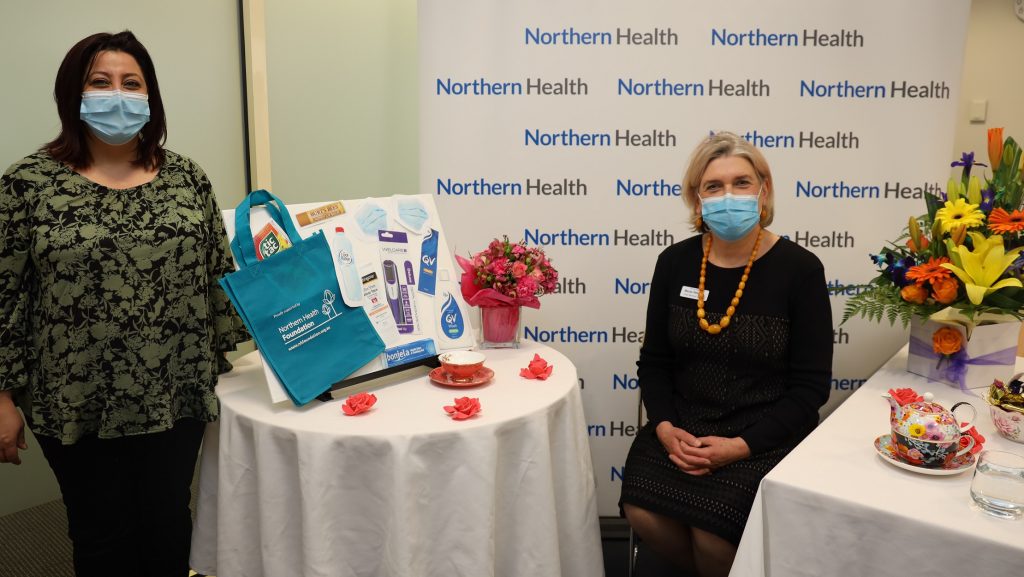
    Melissa Gwynne, Day Oncology Nurse Unit Manager, said, “Thank you to Trudi for organising a different High Tea this year and doing such a great job. The funds raised will go towards patient equipment, like an ECG machine that we require to monitor the patient’s heart during chemotherapy in the Day Oncology Unit, and also the patient care bags which will be given to patients utilising our new service – chemotherapy at home”.

    “On the wish-list, there were a couple of items and I thought I would be able to buy only one – which was the care packages for patients. Because we raised $11,000, we are able to buy two items from the wish-list, which is the ECG machine, as well as the care packs! Everyone was extremely generous,” Trudi added.

    Attendees were treated to musical entertainment and a number of prizes including accommodation packages, beauty packs and beautifully wrapped gift hampers.

    Left to right: Melissa Gwynne and Wanda Stelmach
    Behind the scenes in the control room during the Virtual High Tea


    Featured Image: Trudi Hay hosting the High Tea from her home 

  • Josie Minniti named 2020 Westfield Local Hero Winner

    Josie Minniti named 2020 Westfield Local Hero Winner

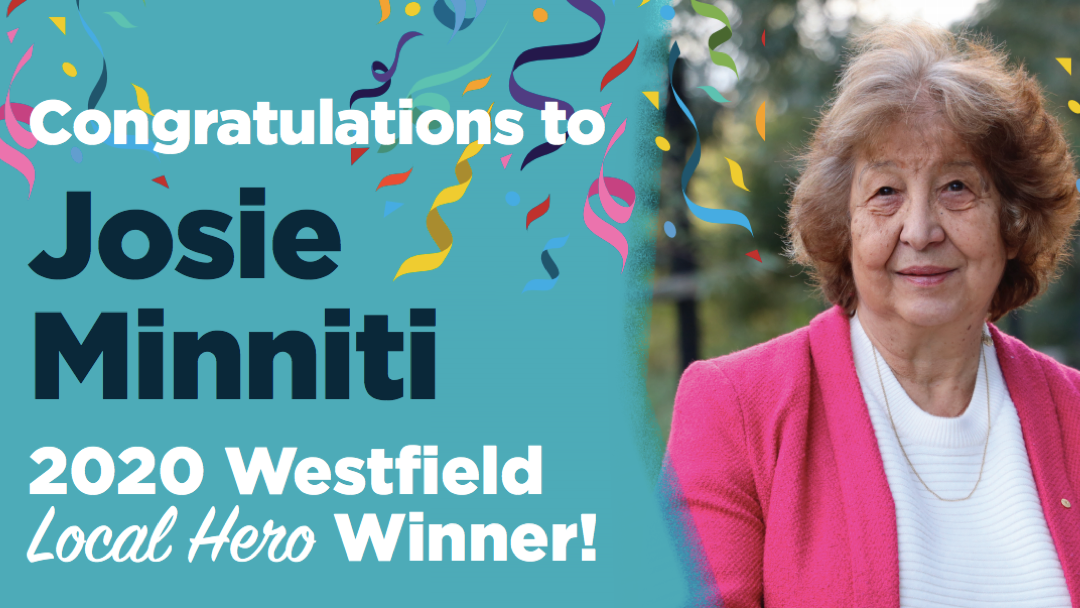
    Northern Health Foundation Patron and local fundraising hero, Josie Minniti OAM, has been named a Westfield Local Hero for 2020.

    ‘Westfield Local Heroes’ is a recognition and awards program that discovers and celebrates individuals who make a positive impact to their local community. Local Heroes are nominated and voted for by their communities, with winners awarded a $10,000 grant for their chosen charity.

    We are thrilled that Josie Minniti has nominated Northern Health as her chosen organisation, contributing the grant towards the purchase of an EBUS machine for our respiratory department. This will help speed up the time for a respiratory diagnosis, so treatment can start sooner for our patients.

    Josie is an inspiring volunteer who has dedicated over 20 years to fundraising for cancer services and strives to make a difference to the lives of patients, something very dear to her heart with her own family dealing with cancer.

    On winning the award, Josie said, “This is an amazing achievement, not just for me, but for the Northern Health respiratory department and their patients. The EBUS machine will help detect lung cancer earlier for patients in our community.”

    “I’m very grateful to Westfield and every person who voted for me because I know many people did, so I’m truly appreciative. Thank you to Northern Health Foundation for their amazing support, the dedicated staff at Northern Health, my fundraising group and everyone in the community – it’s not just about me, it’s about everyone – and I encourage our community to continue to support and donate to Northern Health.”

    Through her tireless fundraising efforts, Josie has helped raise over $700,000 to support patients with cancer and kidney disease at Northern Health.

    Funds raised have contributed to medical equipment upgrades and the purchase of equipment to make patients more comfortable while undergoing treatments. This has included a scalp cooling machine to help patients retain hair during chemotherapy treatment, a blanket warmer machine, patient treatment chairs and defibrillators.

    “Whenever I am fundraising, my motto is ‘there is always someone worse off than you’, so I will do all I can to improve their lives,” says Josie, who has received an Order of Australia (OAM) for her dedication.

    For anyone wishing to donate to Northern Health Foundation and support patients in our community, head to nhfoundation.org.au.