• COVID-19 Vaccination Program ramps up

    COVID-19 Vaccination Program ramps up

    In the past week, our COVID-19 Vaccination Program has well and truly ramped up, with all Northern Health staff now eligible to receive the vaccine.

    The program began with high-risk health care staff receiving their jab and has now extended to all staff – to ensure we protect ourselves, our patients, families and colleagues from the virus that has changed the world as we know it.

    Our senior leadership and board members too received their vaccinations, and had nothing but praise in how our Vaccination Clinic operated.

    As Maria Tucker, Divisional Director, Nursing – Cancer Services and Specialist Clinics said, “The staff were friendly, welcoming, efficient and very customer focussed. Very well coordinated, and such, a positive example of our nursing and administration workforce.”

    She also had this to say about Lumnise ‘Luma’ Gashi, Nurse Unit Manager for the Vaccination Clinic, “Luma is very visible and active in the unit, providing staff with the independence to work and coaching as needed. Definitely award winning service.”

    Debra Bourne, Chief Nursing and Midwifery Officer, added her praise to the staff in the Vaccination Clinic saying, “They have created such a positive, happy and professional unit.”

    She went on to say, “I am just so thankful to have received my COVID-19 vaccination. I am thankful for the science, the medical researchers that developed this vaccine, our Australian health care system, who I have enormous trust and faith in, and all the staff in our Vaccination Clinic.”

    Just as thankful is Dr Paul Howat, Divisional Director, Women’s and Children’s Services, who said, “I felt like a weight had been lifted from my shoulders – I’ll be protected from severe disease! I’m so grateful to our hospital for looking after us and the community in this way. I feel very emotional and uplifted. Please get vaccinated when you are offered one.”

    Our Board Chair, Jennifer Williams AM, echoed these sentiments, saying, “I had the COVID-19 vaccine today because I believe it is vitally important that all Australians get vaccinated to get this pandemic under control.”

    Peter McWilliam, Board Member agrees and says, “I’ve just had my COVID-19 vaccine. I’ve done it not just for myself, but for the rest of the community and loved ones that I want to protect.”

    For more information, visit our COVID-19 Vaccination page here

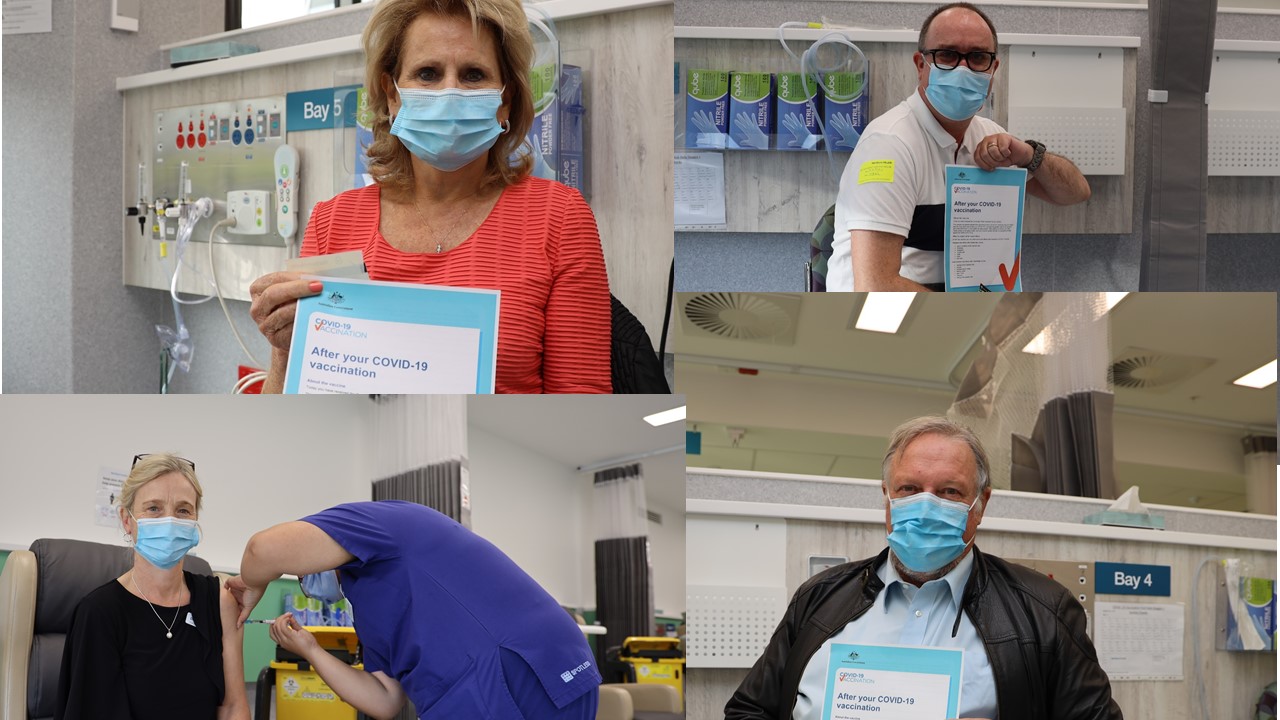
    Featured Image (clockwise from top left): Jennifer Williams AM, Dr Paul Howat, Peter McWilliam, Debra Bourne
  • Ward 18 a big fan of the Knitting Guild

    Ward 18 a big fan of the Knitting Guild

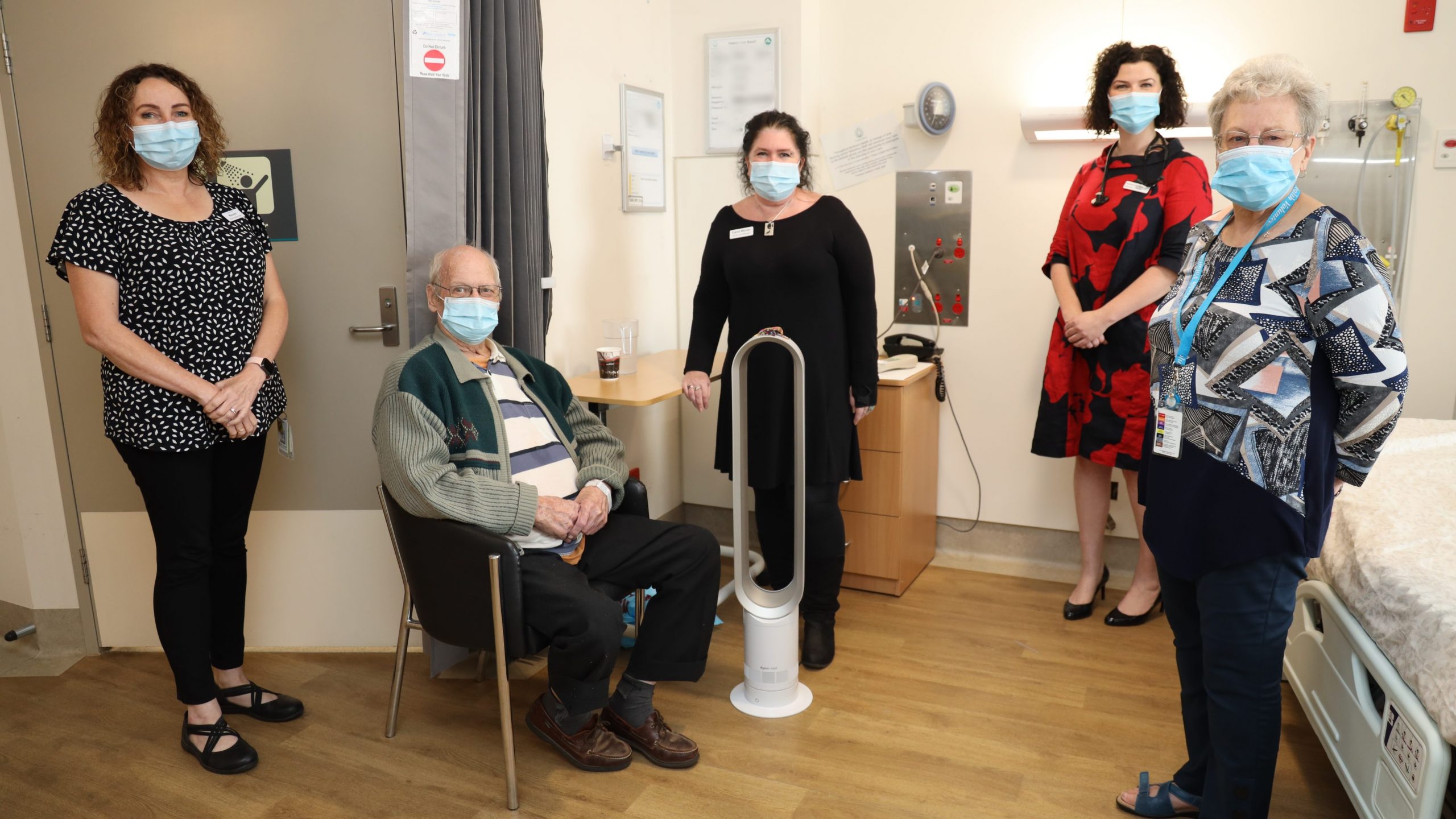
    Ward 18 was recently delighted to receive a generous donation from the Knitting Guild of four new bladeless Dyson fans to help patients experiencing breathlessness.

    The Northern Health Respiratory Department has over 1,200 patients admitted each year and a significant proportion of those patients have chronic respiratory disease, with the main symptom they have in their acute illness is breathlessness.

    Dr Katharine See, Director of Respiratory Medicine, explained how fans can help patients manage their breathlessness.

    “While we are waiting for treatments for the underlying cause of their deterioration to resolve, we really need to try and control their symptoms so that they are, firstly, comfortable, but also to reduce the amount of time they spend in bed or sitting in a chair de-conditioning,” Katharine said.

    There are drug treatments available for breathlessness but patients can sometimes feel quite anxious about using them – even in the safety of a hospital setting – so one of the most evidence-based, non-drug treatments for breathlessness is the use of fans.

    “There’s evidence for both the big fans and also handheld fans, and they help with that feeling of air hunger. When patients have air moving around them, it generally reduces their feeling of breathlessness,” Katharine explained.

    Pedestal fans with blades present an infection prevention risk as they are difficult to clean and dust can get caught in them, so bladeless fans are significantly more beneficial for patients.

    “We are incredibly grateful for the donation of the bladeless fans which also have an air filter, so they are reducing dust particles in the air, as well as being really easy to clean, and reducing that infection prevention risk, whilst also really helping patients manage their breathlessness,” Katharine explained.

    “The Knitting Guild donated four – they are very expensive, so without their generous donation, we just wouldn’t have been able to do that for our patients.”

    Maureen Goodwin, Respiratory Clinical Nurse Consultant, does a lot of work with patients for management of their breathlessness. She says the new fans can also help reduce anxiety associated with experiencing breathlessness.

    “The more breathless patients are, the more anxious they become, and so by having a fan blowing air on the face, it tricks the brain into thinking there’s plenty of air around and it naturally slows the breathing rate down. So the fans are a really natural way of controlling the breathing and reducing the anxiety and panic goes with that,” she explained.

    “They also give patients a sense of control in managing their symptom, and that’s really empowering for patients. We have four fans and they are almost constantly in use, so there’s definitely demand for them,” Katharine added.

    The Knitting Guild raise funds for Northern Health through their beautifully hand-made items that are available for sale in the Northern Health Foundation Office and Rainbow Shop at Northern Hospital.

    Featured Image (left to right): Maureen Goodwin, Respiratory Nurse Consultant; Patient, Ronald; Carol Winter, Ward 18 Nurse Unit Manager; Katharine See, Director of Respiratory Medicine and Jenny Carlson from the Knitting Guild

  • Standard 3 – What you need to know

    Standard 3 – What you need to know

    In the lead up to organisation wide Accreditation from 24-28 May 2021, each week Northern Health will be focusing on a different Standard. You will hear from the Chairs of each Standard Committee on what you need to know.

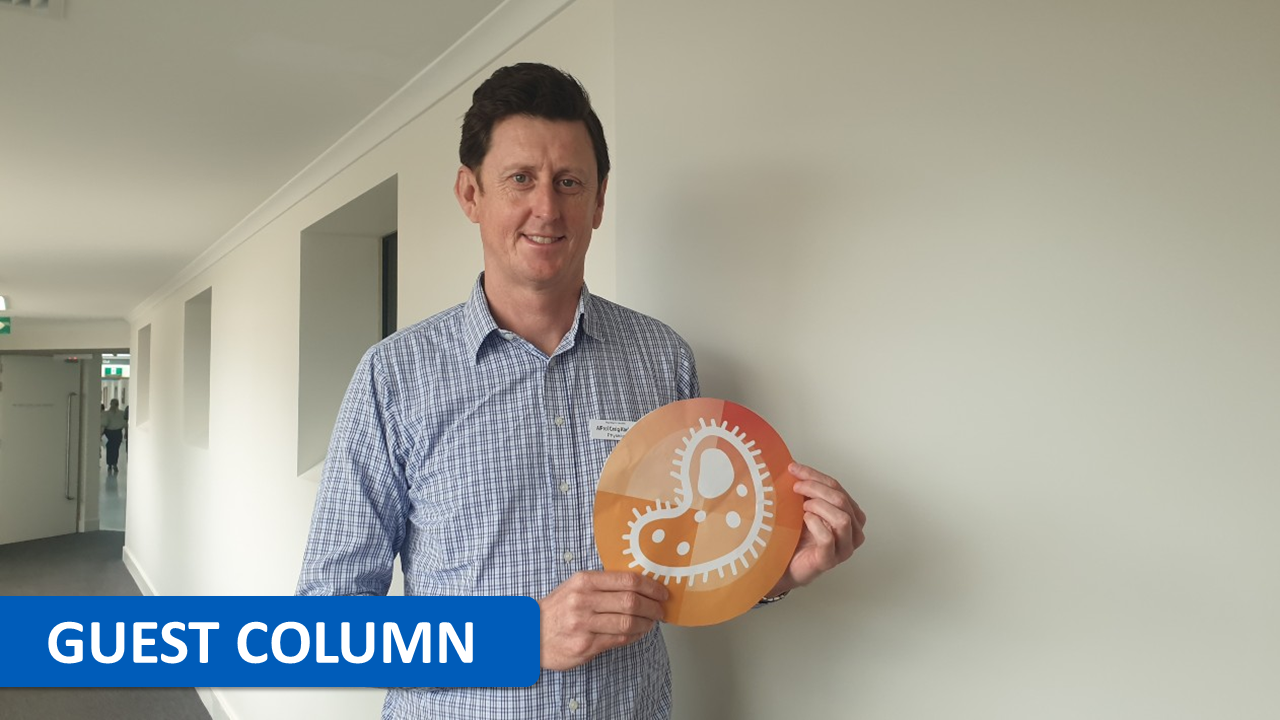
    This week we spoke to Associate Professor Craig Aboltins, Director Infectious Diseases about Standard 3: Preventing and Controlling Healthcare Associated Infections.

    Dr Aboltins explained Infection Prevention is a very broad and diverse standard that effects all disciplines, departments and levels of the organisation. Infection Prevention mechanisms are in place to ensure that patients and staff are kept safe throughout their time at Northern health .

    What is this standard about?

    Healthcare associated infections are the most common complication that impacts on our patients while they are in hospital.  It is our responsibility to work with patients to ensure our systems and procedures protect them because many hospital acquired complications (HACs) are preventable.

    At Northern Health, this standard looks like…. 

    Standard 3 has a dedicated Infection Prevention service who lead a variety of work that occurs across the health service, but it relies on every employee in the organisation to be aware of the importance of the work and follow evidence based practices to protect our patients.

    What are the top five ways staff can be prepared for Accreditation against this Standard?

    1. Ensure your immunisation status is up to date and if you have vaccinations outstanding in Cgov that you update your file.
    2. Complete your mandatory training – hand hygiene, PPE module and aseptic non-touch technique (ANTT)
    3. Antimicrobial stewardship is important – use evidence to engage your patients and ensure they understand their care. Champion antimicrobial stewardship for your patients.
    4. Be aware of quality activities in your area that have been undertaken to reduce risks for your patients.
    5. Ensure that you keep equipment and the patient environment clean.

    What are the top questions staff needs to be able to answer about this Standard?

    1. Why might your patient be at increased risk of infection?
    2. How do we identify risk of infection in patients?
    3. What infection prevention strategies are in place for all your patients?
    4. What might you consider when a patients develops an infection?
    5. How do you communicate information about preventing infection to your patients and their families?
    6. What quality activities have you been involved in to reduce infection in on your unit?
    7. What is your role in Antimicrobial stewardship?
    8. Do you know your immunisation status?
    9. How do we reduce the risk of COVID-19 in our healthcare service?

    Is there anything else you would like staff to know about this Standard?

    Standard 3 is part of your daily work.  Be aware of the principles of good hand hygiene, aseptic non-touch technique and cleaning between patients.

    Click here to learn more about Standard 3: Preventing and Controlling Healthcare Associated Infections.


  • Long-stay ICU patient visits staff to say thank you

    Long-stay ICU patient visits staff to say thank you

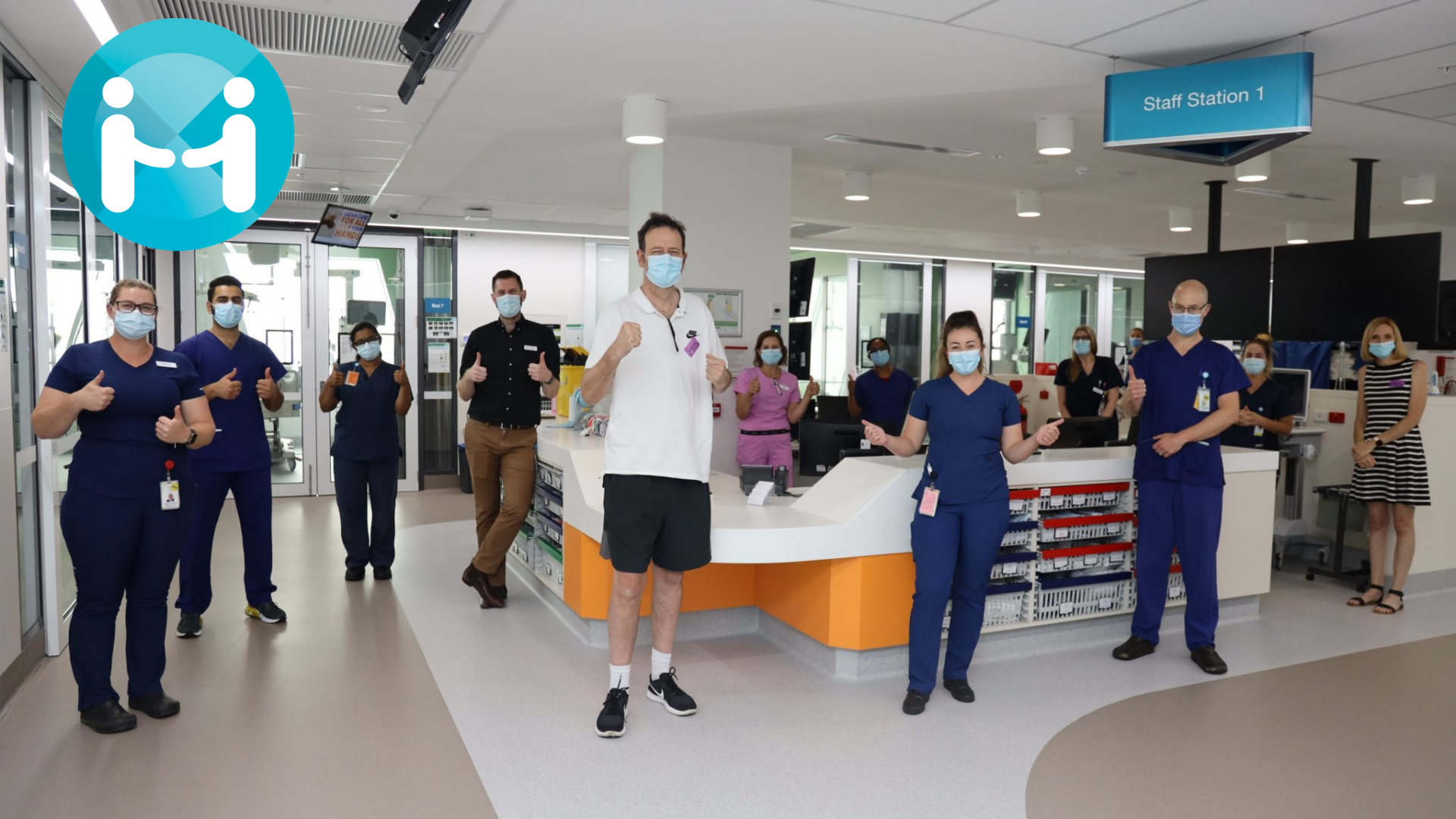
    Long-stay patient, 57-year-old Mark Lazaric (pictured above with ICU staff), recently visited the Northern Hospital Intensive Care Unit (ICU) to say thank you to the staff that cared for him during his 43 days in ICU.

    Mark spent a total of almost three months admitted to hospital during one of the most challenging times our health care staff have ever faced – during the height of the COVID-19 pandemic.

    After suffering a major heart attack while walking his dog in August last year, Mark was rushed to Northern Hospital Epping. This week, Mark celebrated an amazing accomplishment – he was back at work for the first time since the heart attack.

    Mark doesn’t remember much from the first five days in hospital but said, “the doctors had their work cut out for them.”

    “I do remember opening my eyes and having six doctors looking at me, and I was confused where I was,” he explained.

    During his ICU stay, Mark felt assured in his recovery from the dedicated team caring for him.

    “I had a nurse sitting at a station watching me 24/7 for 43 days – they didn’t leave me by myself the entire time I was there. It showed their massive commitment,” he said.

    “I’d never really been to hospital before so I didn’t know what to expect but I was blown away, they’d come in and have a chat to me. One of the nurses, Courtney, set up her laptop for me so I could watch the basketball.”

    “The staff always made sure I was OK, urging me to get up and do my physio. They would constantly encourage me and talk about the plan to get me to the ward. They would keep telling me I was doing well, which meant a lot,” Mark explained.

    “And the reassurance for my wife, Wendy – there were times she rung at three in the morning – and one nurse spoke to Wendy for about 40 minutes. There was no such thing as no time for you.”

    Even though he was admitted during the height of the second wave of COVID-19 in Victoria and staff were required to wear full PPE, Mark was impressed with the excellent care he received, as well as impressed at his surroundings in our state of the art ICU.

    “There were no gaps in care and no excuses from the staff – even though they were wearing gowns and masks – everything was delivered as promised,” he explained.

    Mark expressed his sincere appreciation of the ICU team and was keen to return to Northern Hospital to personally thank each and every staff member who was involved in his care.

    Narkitaa Van Ekeren, ICU Nurse Unit Manager, and her dedicated team welcomed Mark – who was fighting fit – and Wendy to the unit to say thank you.

    “We were delighted to welcome Mark back to visit the ICU. It isn’t often we get to see the progress our patients make after transfer to the ward. Moments like this leave a lasting impression on many nurses, making us proud,” Narkitaa said.

    “We have invited Mark and Wendy back to assist with the planning and development of the Intensive Care Long Stay Procedure, and we look forward to their input and ideas for our soon-to-be opened outdoor space,” Narkitaa added.

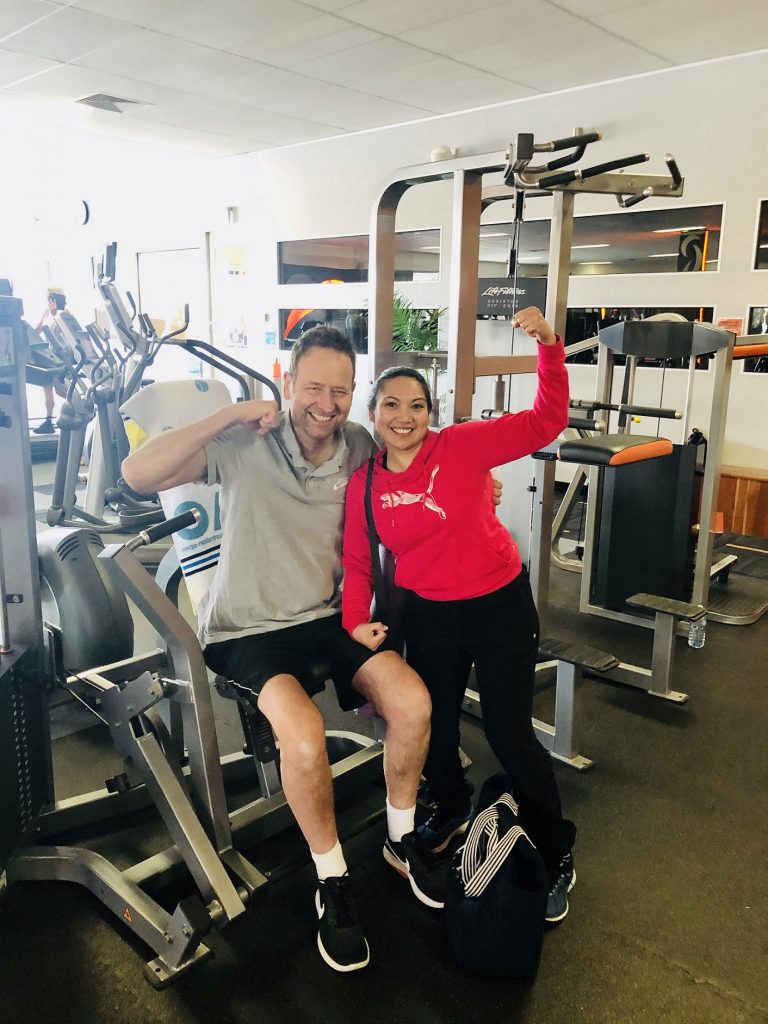
    In an interesting twist of fate, Mark was recently also pleased to see one of the dedicated nurses who cared for him during his time in ICU at the gym they both go to.

    Mark and ICU nurse, Sheena, at the gym
  • Closing the Gap

    Closing the Gap

    The objective of Closing the Gap (the National Agreement) is to enable Aboriginal and Torres Strait Islander people and governments to work together to overcome the inequality experienced by Aboriginal and Torres Strait Islander people, and achieve life outcomes equal to all Australians.

    The National Agreement has been developed in partnership between Australian governments and the Coalition of Aboriginal and Torres Strait Islander Peak Organisations (the Coalition of Peaks).

    Our Koori Maternity Service (KMS) and our Narrun Wilip-giin, Northern Health’s Aboriginal Support Unit, have been busy providing ever-improving services for our Aboriginal and Torres Strait Islander community and Northern Health staff members. Below are a couple of the initiatives they were responsible for over the last year.

    Koori Maternity Service Women’s Health Physiotherapy Clinic

    The Northern Health’s Koori Maternity Service aims to provide accessible and culturally appropriate pregnancy care for Koori families in the north. Early motherhood is a critical time where early intervention, comfort and reassurance can make a big difference to a woman’s post-natal experience.

    The addition of a Women’s Health Physiotherapist to the KMS team aims to ensure Aboriginal & Torres Strait Islander women are receiving appropriate multi-disciplinary post-natal follow-up.

    Historically, there has been an under-representation of referral to outpatient physiotherapy services of Koori mothers during their ante-natal & post-natal journey. Now, these women are routinely offered a 6 week post-natal physiotherapy assessment.

    Due to COVID-19, all appointments thus far have been via Telehealth with face to face appointments to commence in coming weeks. Despite the limitations of Telehealth appointments, all women who have participated in a KMS physiotherapy appointment have said they found the appointment helpful and 85 per cent of patients said they would be likely to recommend the service to friends or family. 

    Aboriginal Women’s Health Promotion Workshops

    Narrun Wilip-giin, Northern Health’s Aboriginal Support Unit, ran a health promotion Women’s Health Workshop for Aboriginal & Torres Strait Islander women aged 18 to 44 years in December last year as well as one last week. 25 participants registered, and, over Zoom, listened to knowledgeable speakers on subjects such as cervical screening, breast awareness and screening, healthy relationships and sexual health. The participants received amazing Dilly Bags with health information brochures on the topics covered by the guest speakers and more.

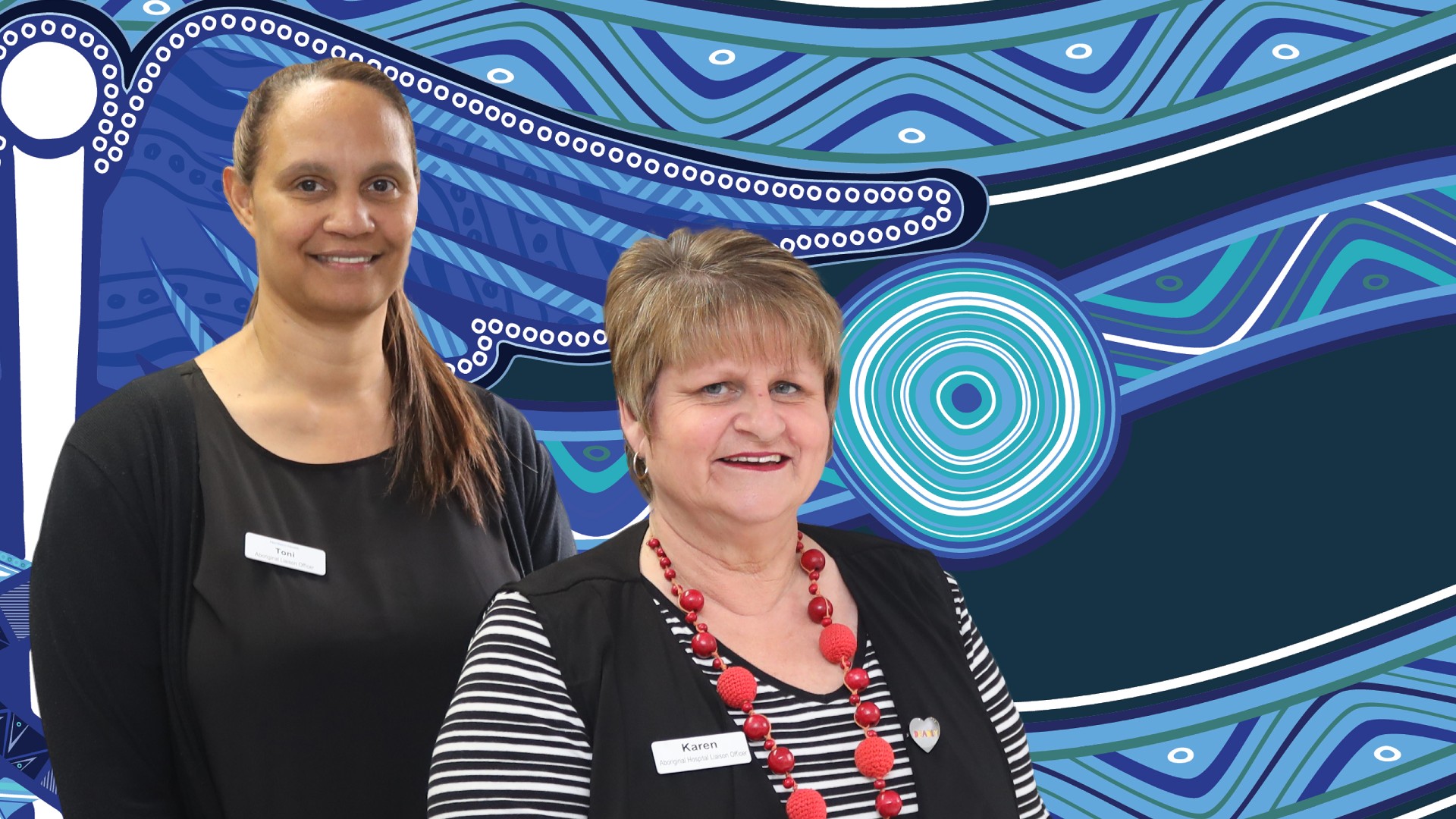
    The Zoom session ran for two hours and was hosted by Karen Bryant, our Senior Aboriginal Liaison Officer.

    This initiative was run on behalf of Northern Health Narrun Wilip-giin, Djirra (Aboriginal Family Violence Legal Service) & VAHS (Victorian Aboriginal Health Service). Funding was sourced through the generosity of Tobin Brothers by Northern Health Foundation.

    Due to this Women’s Workshop being booked out quickly, Narrun Wilip-giin have planned two more Women’s Health Workshops in March 2021 for our Koori community and will include relevant topics for women aged 45 years and over.

  • Meet Dr Eda – ED Intern of the Year

    Meet Dr Eda – ED Intern of the Year

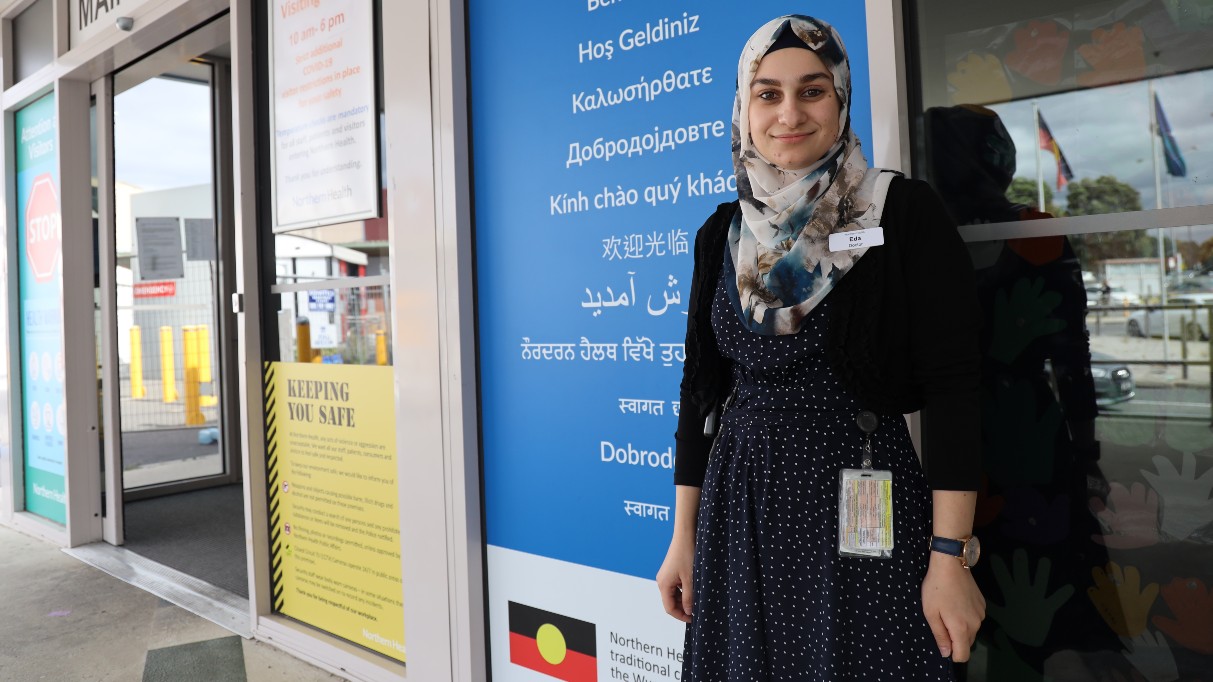
    Dr Eda Gungormez, last years’ intern, now a gastro HMO, has been awarded the title of ‘Emergency Department (ED) Intern of the Year’ for 2020.

    Her skills, and the willingness to help others, also led her to become the Intern Support Person and help the 2021 interns navigate their new roles.

    Eda completed five rotations at Northern Health last year and remembers how it took her some time to adjust.

    “I wasn’t from this hospital as a medical student – so had to quickly learn things like the layout of the hospital and the jobs and responsibilities of an intern. My internship was pretty good here. The culture is super nice at the Northern! It was very busy at the time, and still is – we do have the busiest ED, so I guess that is to be expected,” she said.

    Eda enjoyed the busy 12-week ED rotation, because it meant she was learning something new every day. However, the ‘ED Intern of the Year’ award came as a surprise.

    “I found out from friends I was awarded, as I really didn’t expect that, even though I did put a lot of effort as an ED intern. What I liked in the ED was that, there, I felt like a ‘real doctor’ as I was able to see patients coming to ED, and then find a destination and outcome for them,” she said.

    The intern support role was another task Eda thoroughly enjoyed. In this role, she was a designated support person for the new interns, someone who stays with them for one week and answers their questions, helps with small tasks, and supports via email and Whatsapp.

    “We also had a Medtasker role this year, so I was helping in that space too. On some occasions, when they are overwhelmed, it was just about sitting down and talking with them. It is hard when you transition from a medical student to an intern, as there is more responsibility. I was there to assure them and advise on who they can ask for help. I am impressed with the quality of our interns this year, and how they are helping each other too,” Eda said.

    After her own great experience as an intern, she decided to stay at Northern as a resident.

    “I am now doing basic physician training, and planning to continue. I am doing gastro and cardiology this year as specialist fields, and I am also interested in infectious diseases, so maybe I would like to pursue that in the future. It is a growing field and there is a lot of research to be done, as we see now with COVID-19. Besides that, I enjoy cardiology and gastro – I like procedures and the practical side of it,” she explained.

    For the new 2021 interns, Eda advises finding the work-life balance, taking time for yourself and not being afraid to ask for help.

    “Sleep well and make sure to take lunch breaks to sit down and eat. Even if it’s just five minutes, it will help recollect your thoughts. Sitting down is actually really important, as we sometimes forget we have been standing and running around most of the day. That will help you not only feel better, but make better decisions too. Never be afraid to reach out for help – from colleagues, seniors, family – nobody can know you are struggling if you don’t express yourself. And remember to have fun!”

  • Welcoming patients in different languages

    Welcoming patients in different languages

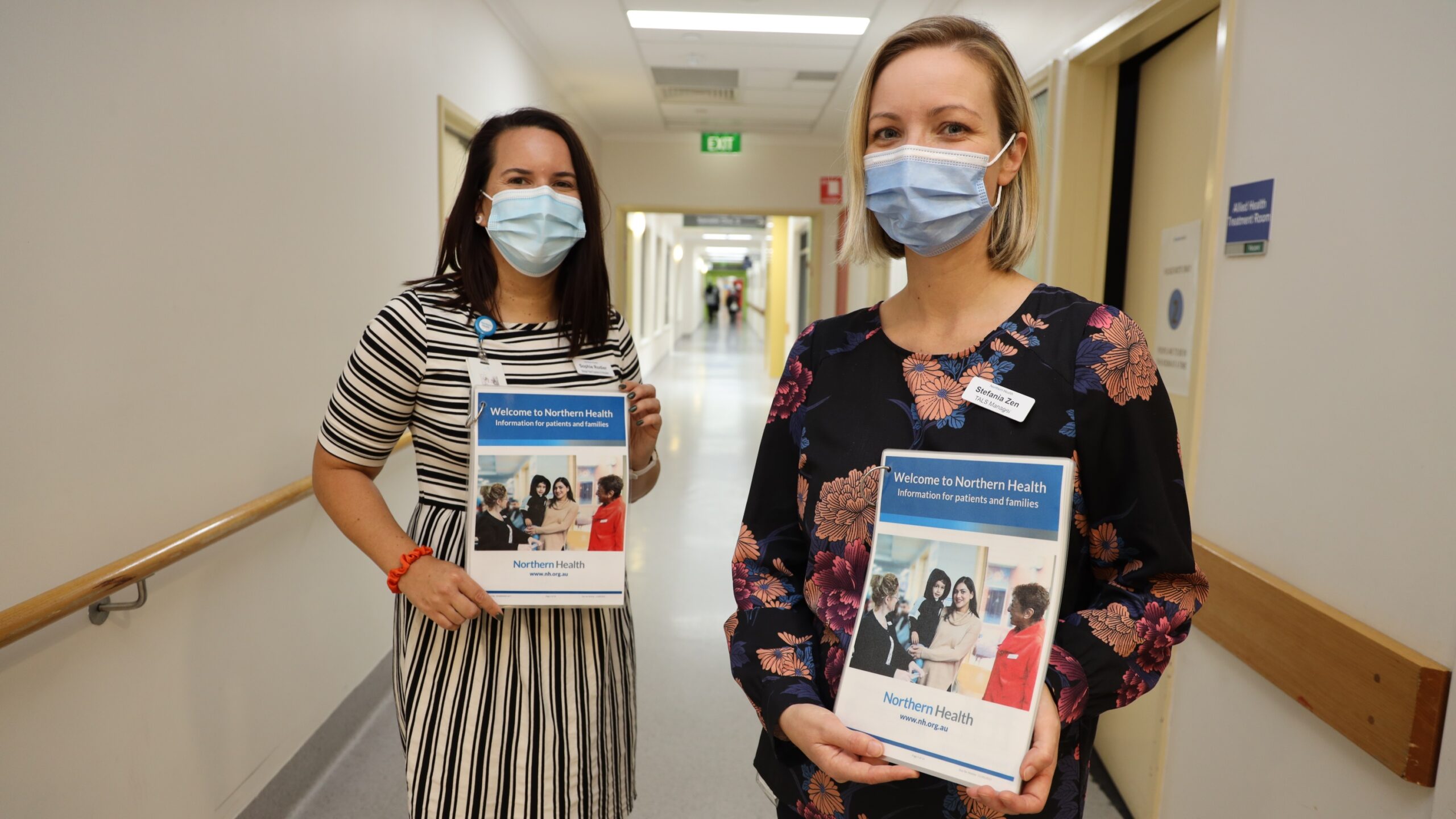
    Our patient experience team have been hard at work over the past year to develop the new Northern Health Welcome Pack.

    The packs are available at each bedside across our sites and available online to provide important information for patients and visitors coming to Northern Health.

    Included in the packs is information regarding visiting, patient rights and responsibilities, privacy and confidentiality, medical emergencies, preparing to leave hospital and how to provide feedback to us.

    The packs have been developed with significant input with consumers, to ensure they are easy for patients to read and understand.

    The new pack takes into consideration situations like the COVID-19 pandemic where visiting restrictions may apply, and directs patients and families to the latest updates on the Northern Health website.

    Paula Murray, Health Literacy Coordinator, explained the importance of these new packs for patients and visitors.

    “The Welcome Packs are a mandatory requirement for hospitals to provide to all patients. We have worked hard to ensure the information is useful and helpful, outlining the essential information that people may need,” Paula said.

    “The packs have had input from a huge range of staff, and in particular the Standard 2 Committee and Patient Experience team, as well as Public Affairs who designed the fresh new look. Many staff also spent time in the evenings and weekends laminating and collating the packs – a real team effort!” Paula explained.

    A unique aspect of the development of the new Welcome Packs is that they have been translated into the top languages in our catchment area by our dedicated Transcultural and Language Services (TALS) team.

    Greek Interpreter, Lina, with patient, James, with the new Welcome Pack translated in Greek

    A significant amount of work has been done by the TALS team in collaboration with the patient experience team to ensure our diverse community are able to receive important information about our services in their own language.

    “The Welcome Pack allows patients to familiarise themselves with their hospital journey, and facilitates their care, so that they can return home safely as soon as possible,” explained Emiliano Zucchi, Director of Transcultural & Language Services (TALS) and Narrun Wilip-giin Aboriginal Support Unit (ASU).

    “The northern catchment is one of the most culturally diverse in Melbourne, having the Welcome Pack available in our top 10 languages allows all communities to have equitable access to culturally safe health care services,” Emiliano said.

    Click here to view the new Welcome Packs!

  • Code Red and Code Black simulations in South East Building

    Code Red and Code Black simulations in South East Building

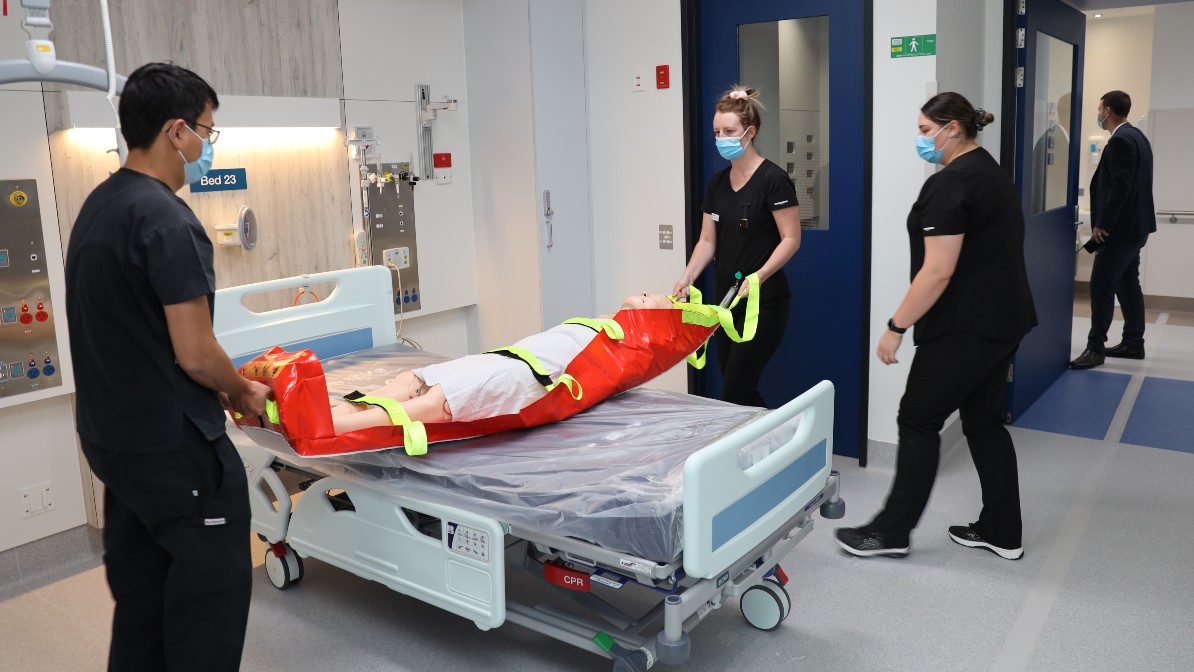
    Two simulations, Code Red and Code Grey/Black, were held in the South East Building at Northern Hospital Epping last week. These simulations are aimed at providing staff the opportunity to simulate potential real life incidents that they may face in a new environment. The simulations also involved our partners – emergency services, Fire Rescue Victoria and Victoria Police, working together to provide a safer environment for our colleagues, patients and visitors.

    Jason Amos, Manager, Emergency Management, explained staff are able to put into practice the skills that they are taught as part of their orientation training to their new workspace.

    “Thankfully, evacuation of patients is rarely undertaken in Australian hospitals, but it’s important for staff to have confidence that, should we ever need to, they are prepared and know how to safely evacuate patients. The simulations are designed to provide a safe learning experience where we can ensure our procedures are effective, and they are never a test of how the staff perform,” he explained.

    The Code Red and Code Orange simulations involved the evacuation of three patients – one ambulant, one non-ambulant bariatric and one non-ambulant patient. Staff had to assess the situation, nominate a safe evacuation plan and facilitate the evacuation of these patients. Staff were also required to evacuate one of the patients via the Albac evacuation mat down a flight of stairs safely. The involvement of Fire Rescue Victoria also allowed an opportunity for both organisations to understand each other’s role in dealing with a Code Red and how we can support each other.

    The following day, the Code Grey/Black simulation involved a simulated aggressive patient whose behaviour escalated, initially requiring a Code Grey response, before escalating to a Code Black. This simulation allowed staff to recognise increasing aggressive behaviour and respond to a Code Grey while trying to deescalate the situation, before identifying the need to escalate to a Code Black when the patient was able to locate and use a oxygen cylinder as a weapon.

    “A really important part of this simulation was for staff to identify that equipment we use every day, but is often not stored away appropriately, can be used as a weapon by a patient. This can include something as simple as patient folders, to other equipment such as IV poles, wheelchairs, infusion pumps and oxygen cylinders. Victoria Police were also on site, to participate and provide feedback on dealing with aggressive patients,” Jason added.

    “The simulation team were really proud of our nursing staff who participated. We witnessed a strong understanding of Code procedures and their ability to remain calm and follow instructions,” he added.

    Tracey Martin, Project Manager, explained both of the simulations were extremely successful, and a lot of background work has gone into planning and organising, including coordinating the attendance from Fire Rescue Victoria and Victoria Police.

    “The Organisational Simulation Project Leads, Dr Nancy Sadka and Dr Keith Amarakone, along with the assistance and commitment to the project from Elise Sutton and Jason Amos, have done a fantastic job these past few weeks in helping our staff not only familiarise themselves to new working spaces, but also to test our emergency responses to ensure our existing systems are supported and effective in the new building. While generally most of the simulations have utilised our simulation manikins, the Code Grey/Black simulation could not have been completed as realistically without the volunteering from our very own – Ariana Carrodus – who provided an award-winning performance as the aggressive patient,” she said.

    Dr Sadka added: “These simulations support the staff who will be working in the new wards to test the hospital response systems, identify areas of risk for improvement, and practice together in a safe environment. The staff engagement in these simulations and their feedback identifying areas of improvement have been great.”

    Darren Conlin, Asst. Chief Fire Officer, Northern District said: “Days like today are fantastic opportunities for Fire Rescue Victoria and Northern Hospital to work in collaboration in a practical sense to enhance the safety of the community, staff and responders alike.”

    The Simulation team are in the process of undertaking a number of simulations to assist staff as they begin to transition into their new wards. This has included MET call response, Code Blue, ward rounds and patient flow, Code Grey, Code Pink, Code Red and Code Black. Additional simulations are planned in the new theatres, ground floor and wards in the South East Block.

    Please see more simulation photos below.

    Code Red:

    Code Grey/Black: