• Egg-cellent time at the Children’s Ward

    Egg-cellent time at the Children’s Ward

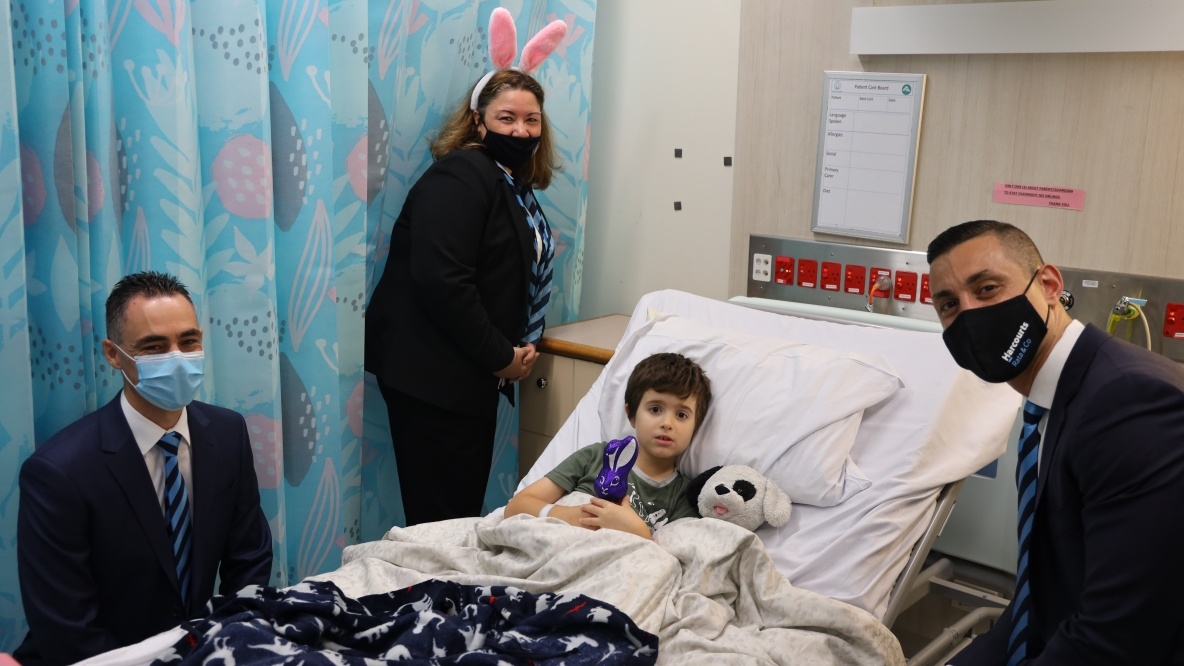
    Easter has arrived early at Northern Hospital Epping Children’s Ward.

    Families were delighted with a special visit from Harcourts Real Estate, who donated bundles of chocolate eggs to eager children awaiting the arrival of the Easter bunny.

    Harcourts Director and Auctioneer Tony Lombardi said it was a humbling experience.

    “We are just trying to give back to the community that serves us so well,” Tony said.

    “It’s an extremely humbling experience to walk through and see some of the kids. It’s a little bit gut wrenching but at the same time it is great to see a little smile on their face with an Easter egg.

    “This is the first time we have done this and hopefully we can make it a regular, yearly occurrence. We have been a big supporter of Northern Health and the Northern Hospital for a while and hopefully we can get a little bit more involved.”

    Tony said he was proud to give back to the northern community.

    “It’s actually difficult to explain the emotions, walking through the wards and seeing the kids that are sick. Especially once you have kids, you look at it a different way,” Tony said.

    “But it also brings a little joy to you when you can see they have a smile on their face.

    “It is important for us as a business that has worked in the community for so long to try and give back a little bit.

    “We’d like to say thank you very much to Northern Health and the Northern Hospital for allowing us to come through.”

    Northern Health Foundation Fundraising and Engagement Manager, Josie Verga said she was extremely grateful for Harcourts Real Estate’s ongoing support.

    “We value this partnership and look forward to working together to make an impact to the northern community,” she said.


  • EMR team visits sites across Northern Health

    EMR team visits sites across Northern Health

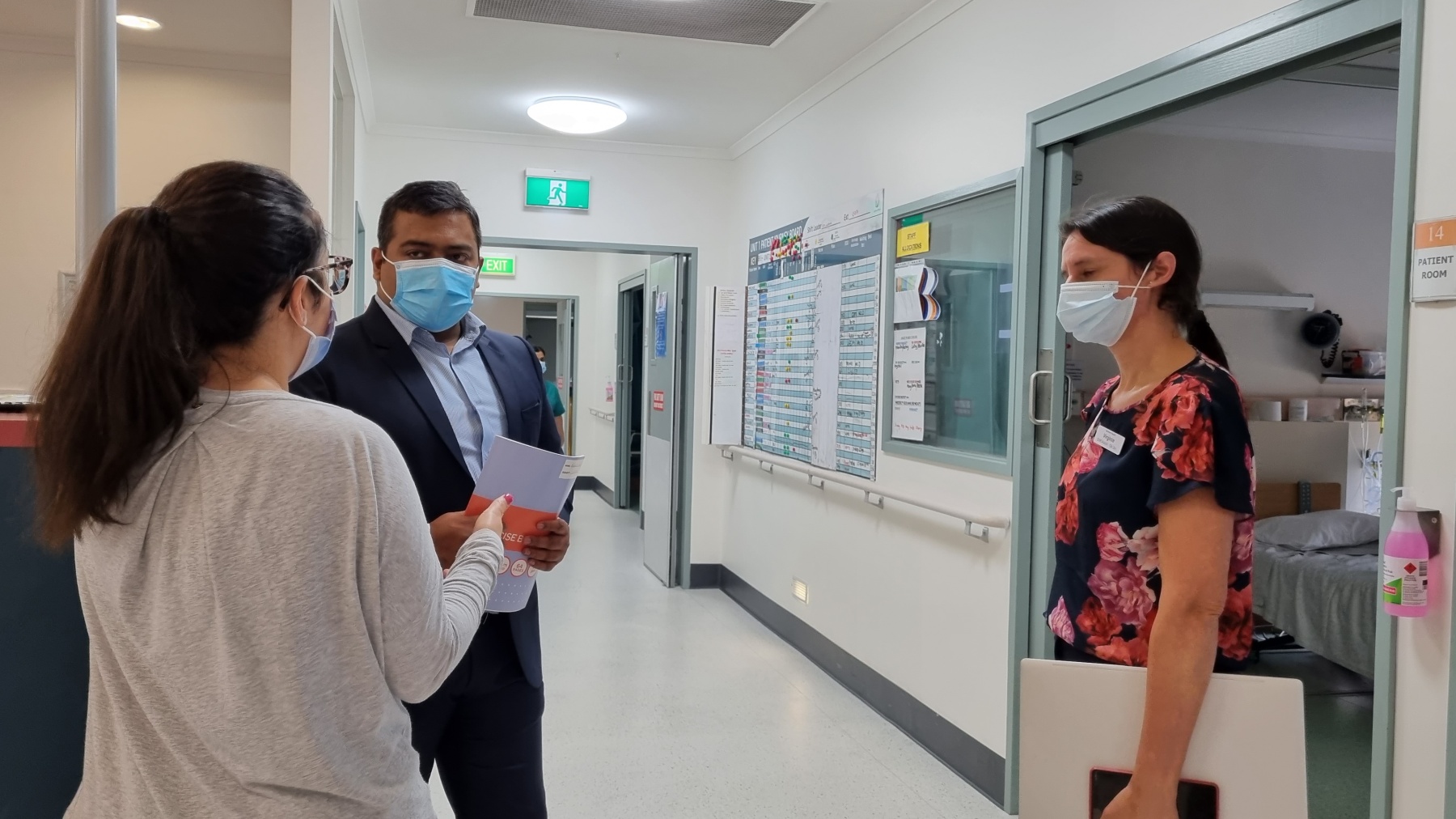
    The EMR team has commenced site visits with walk-throughs to see workflows in practice and to learn more about ward and location layouts to start equipment planning.

    The team was pleased to meet with clinical staff and answer questions about the EMR.

    Gladys Thomas, EMR Clinical Documentation Analyst, said, “It was great to see the excitement and engagement of staff.”

    The team visited all sites including Broadmeadows Hospital, Bundoora Centre, Craigieburn Centre and Northern Hospital Epping and saw pharmacy departments, radiology, perioperative areas, women’s health clinics, ED, ICU, NICU and many inpatient wards.

    Sarai Abel, EMR Applications Lead, said she is “appreciative of the challenges our clinicians go through.”

    Vanessa Reid, Chief Nursing Information Officer, added, “I was very grateful and impressed with the time and knowledge our clinical staff provided during the Current State Walk-throughs.”

    “This was a wonderful opportunity for our EMR analysts and Cerner partners to see how we provide care to our patients.”

    Alex Green, Project Manager (Engagement Owner) from Cerner, met the team for the first time and said, “it was great to see the enthusiasm from staff across Northern Health to get the project going – we collected a lot of data that we needed.”

    The EMR team are looking forward to the next EMR opportunity when they start the design workshops on 12 April.

  • Key role of pharmacists at the pre-admission clinics

    Key role of pharmacists at the pre-admission clinics

    In November 2020, Northern Health trialled a 12 week program to have a pharmacist present in the pre-admission clinics.

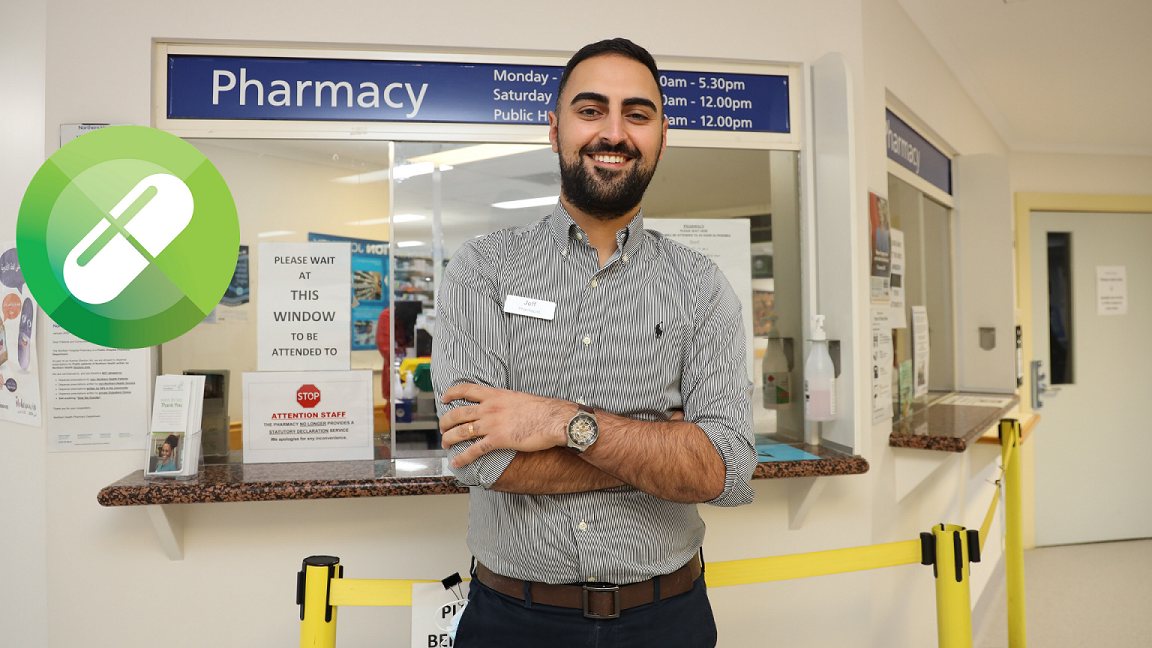
    The trial was led by Jeff Khoshaba, Theatre Pharmacist, who co-leads the team of surgical pharmacists.

    “In the pre-admission clinics, there are a large number of high-risk patients that are seen weekly at Northern Health, in preparation for them to come for their elective surgery. If there are no pharmacists at the clinic, it can lead to medication errors at admission,” Jeff explained.

    The idea for the trial came after a gap was identified and the team aimed to address that gap. With a number of pre-admission clinics during a week, Jeff attended one of the high risk Anaesthetic Preadmission clinics.

    “The aim is for the pharmacist to see the patient before they see the anaesthetist and nurse. Studies have shown that having a pharmacists in the pre-admission clinic space has a positive impact on optimising medication management. That is done by a pharmacist completing an accurate medication history and an accurate medication management plan, and liaising with anaesthetists and nurses as well,” he explained.

    A pharmacist in this role reduces the likelihood of surgeries being cancelled due to medications being mismanaged in the perioperative space. It can lead to optimised medication management throughout the admission as well.

    “I would contact the patient beforehand to let them know I would see them before the anaesthetists, and to let them know to bring all their regular medications, and ask them for the details of their local pharmacy and GP. We collate an accurate medication history for that patient and when the patient comes into clinic, I confirm exactly what the patient is taking and document the list of medications, talk about the medication management at home and discuss medications before, during and after surgery,” Jeff explained.

    He would then look at current guidelines, policies and procedures and advise on medications that might need to be changed before surgery and make those recommendations or interventions to the anaesthetist and nurse.

    “We promote stewardship of high-risk medications as well. That includes medications like anti-coagulants, antibiotics and opioids and making sure those medications are being managed accurately before admission, and after. There are some medications that need to be withheld before surgery, and they include blood thinners, some diabetes and blood pressure medications,” Jeff added.

    Having an accurate medication history reduces the likelihood of surgeries being cancelled and improves patient outcomes and care. This can also reduce length of stay as medication reconciliation is happening earlier in the patient’s admission.

    “If there is no pharmacist, the anaesthetist and the nurse would confirm the medication. We did a survey pre and post the 12 week trial , which showed that having a pharmacist is very beneficial and has optimised medication management within the preadmission clinic space. There was very positive feedback from anaesthetists and nurses,” he added.

    “Poor medication history, incomplete documentation and inappropriate perioperative medication management can lead to cancelled or delayed surgeries, inaccurate medication reconciliation, medication related harm and lack of patient education. As pharmacists, we promote safe and appropriate use of medicines  in line with Standard 4,” Jeff said.


  • First Quarterly Staff Recognition Awards for 2021

    First Quarterly Staff Recognition Awards for 2021

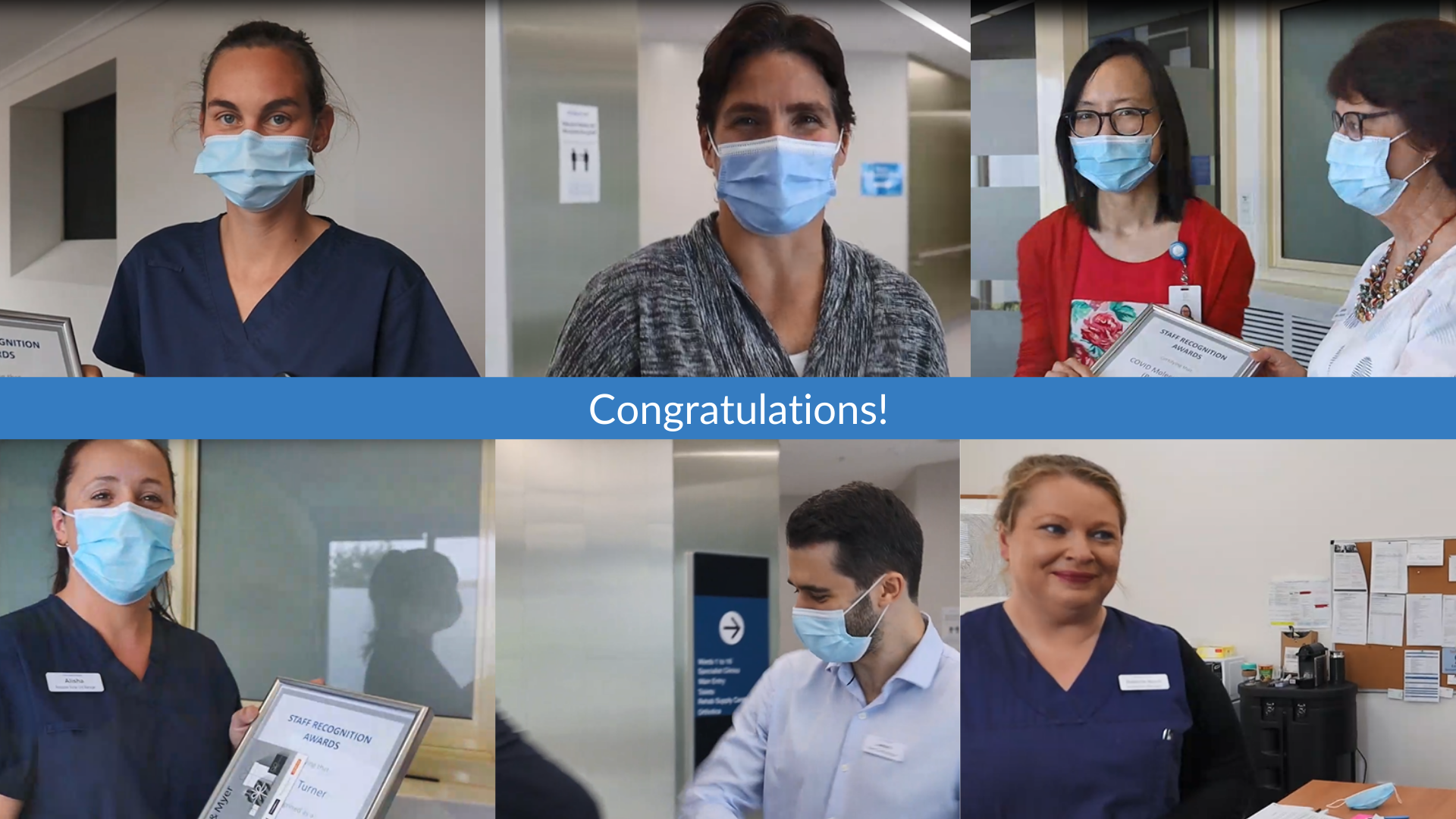
    On Friday, our first Quarterly Staff Recognition Awards Ceremony for 2021 was held online, with our staff showing incredible support and admiration for their colleagues after submitting almost 100 nominations.

    Siva Sivarajah, Chief Executive opened the virtual presentation and said through these Awards we recognise staff for their hard work and dedication to our patients, staff and community.

    “The award winners today are staff who exemplify a strong and positive workplace culture and commitment to our patients,“ said Mr Sivarajah.

    “There were almost 100 entries this time – so again the judging panel has had a difficult task in deciding on the winners,” he added.

    And the winners are…

    Clinical Excellence: A clinician or clinical team generous with knowledge, who instils confidence in patients and colleagues, and achieves the best patient experience outcomes – COVID-19 Molecular team, Pathology

    Patient Experience: Recognising an individual or team who has made a significant achievement in improving the care experience, including showing kindness and compassion towards a patient, family or work colleague – Broadmeadows Hospital Rehabilitation Team

    Excellence in Safety: An individual or team who has assisted in making Northern Health safer for patients, visitors or staff – Dr Nancy Sadka, Emergency Physician 

    Innovation: A team or individual who implemented a better way to deliver care or service through a new idea or initiative – James Pownall, Ward Clerk Manager

    Above and Beyond: An individual who has gone above and beyond in providing care or support to a patient, family or work colleague – Natalie Bloomfield, Clinical Support Nurse

    Rising Star: A staff member recognised as having great potential to grow and develop in their career at Northern Health – Alisha Turner, Associate Nurse Unit Manager

    “Congratulations to all of our award winners, and thank you to Maxxia and BankVic for your sponsorship and ongoing support,” Mr Sivarajah said.

    To watch the Awards ceremony, please click here (MS Teams event recording, presentation starts from 5 min onwards).

    Sponsored by Maxxia and BankVic, our Quarterly Staff Recognition Awards have been designed to formally recognise outstanding contributions by our employees and celebrate staff excellence. To nominate a staff member, click here. We strongly encourage staff to nominate their colleagues for their achievements at Northern Health, whose actions align with our values of safe, kind and together, across the six categories.

  • Standard 4: What you need to know

    Standard 4: What you need to know

    In the lead up to organisation wide Accreditation from 24-18 May 2021, each week Northern Health will be focusing on a different Standard. You will hear from the Chairs of each Standard Committee on what you need to know.

    This week we spoke to Vinod Chellaram, Director of Pharmacy, about Standard 4: Medication Safety

    “Everyone has a role to play in medication safety at Northern Health,” Vinod said.

    “The patient is the central focus in medication management and all clinicians are responsible for working collaboratively to ensure the patient receives safe and effective care. The patient/carer is always involved in shared decision making throughout the process of medication management including prescribing and administration of medications and medication counselling,” he added.

    What is this standard about?

    The Medication Safety Standard aims to ensure that clinicians safely prescribe, dispense and administer appropriate medicines. It also aims to ensure that consumers are informed about medicines, and understand their own medicine needs and risks.

    At Northern Health, this standard looks like….

    We work together collaboratively when prescribing, administering and dispensing medications and provide information to patients to ensure the patient is kept safe and medication errors are minimised during their inpatient stay and the patent is discharged safely and continues to stay well.

    When administering medications, we follow the 7 rights of medication administration (RIGHT patient, RIGHT drug, RIGHT dose, RIGHT route, RIGHT time, RIGHT documentation, RIGHT reason). We have a strong reporting culture, reporting medication incidents and we learn about the trends in medication errors and work together to improve medication safety across the organisation. The patient is the central focus of care and they are a key component of shared decision making and involved in the decisions around medication treatment throughout their stay.

    What are the top 5 ways staff can be prepared for Accreditation against this Standard?

    1. Ensure the patient is involved in all aspects of medication management and ensure they are provided with information in a way they understand
    2. Perform a Best Possible Medication History and Medication Reconciliation at admission to reduce the risk of medication related errors
    3. Know the Medication Safety Improvement projects in your area, reflect on what you are most proud of
    4. Keep medication rooms tidy, and ensure all medications are stored appropriately (e.g. locked in the medication room, schedule 8 safe)
    5. Be involved in education sessions on medication safety including in services and presentations

    What are the top 5 questions staff needs to be able to answer about this Standard?

    1. What types of medication related incidents keep you up at night and what has your area done to reduce the risk of these?
    2. How do you involve the patient/carer in decisions about their medications?
    3. How do you store medications safely and in accordance with legislative requirements in your area?
    4. How do you report a medication incident or new allergy/Adverse Drug Reaction? How do you know what types of medication incidents are reported in your area?
    5. What are the high risk medicines at Northern Health and what are some strategies used to reduce the risk of medication errors with these medicine classes?

    Is there anything else you would like staff to know about this Standard?

    Medication Safety is something you practice every day, we should all be proud of the work we do to improve medication safety and remember to highlight this and be proud when speaking to the assessors.

    To learn more about Standard 4, please click here.


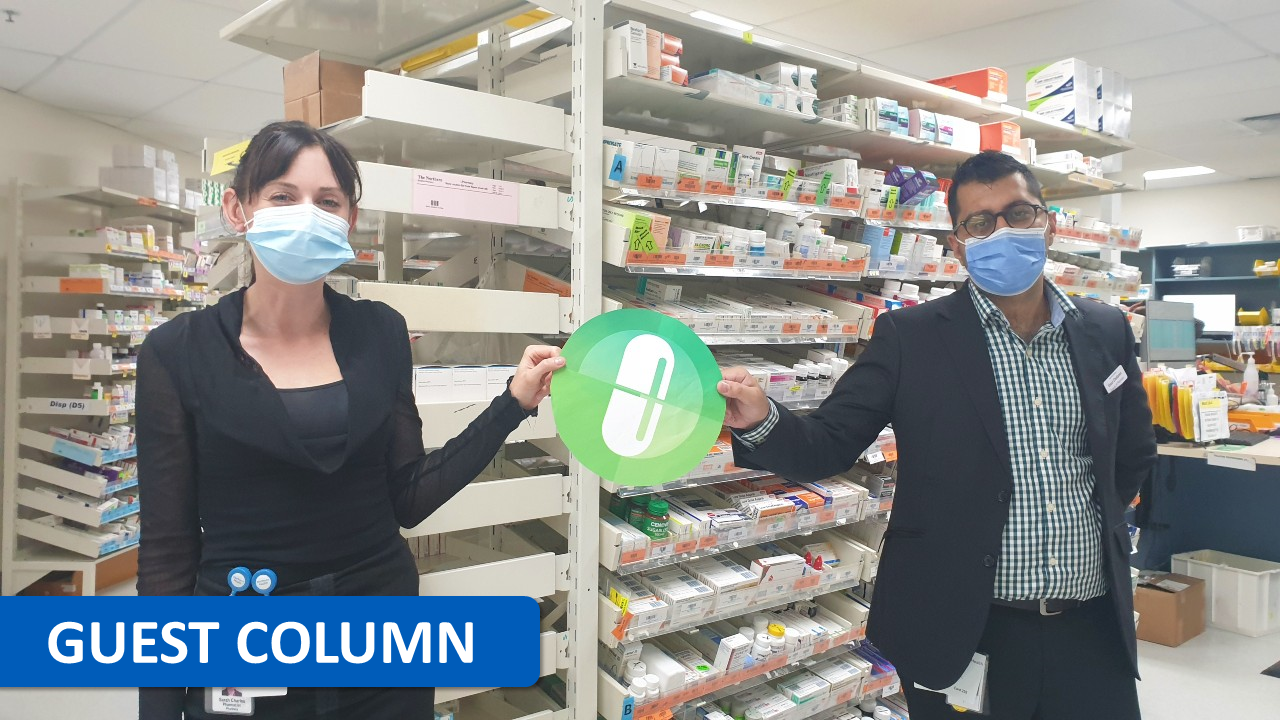
    Featured image (left to right): Sarah Charles, Quality and Medication Safety Lead Pharmacist and Vinod Chellaram, Director of Pharmacy.


  • Safe, kind and outdoors: new courtyard opens

    Safe, kind and outdoors: new courtyard opens

    Just a short distance from our Rehabilitation/Supply office at Northern Hospital Epping, there is now a quiet oasis, where staff get to have informal meetings and enjoy their meal breaks.

    Jason Cirone, Director Workforce Sustainability, says this courtyard and garden came about in response to physical distancing requirements and the need for health services to improve their outdoor spaces.

    He explains, “This enables us to spread our staff out across the campus, and achieve appropriate physical distancing.”

    This initiative, facilitated by People & Culture and Engineering, is open only to Northern Health staff, accessible through the use of staff swipe cards.

    Steve Micallef from the Engineering team says he is very pleased at how the courtyard has turned out. He says it was, “An old garden – over the course of times we kept it neat, but the dream was to have a decking here and to open the courtyard to staff.”

    He says, “We now have the decking and a nice little garden. The roof has been added – keeps the sun and rain out and keeps the wind out too, and staff in this side of the hospital now get to use an open area that they can enjoy, rain hail or shine.”

    Steve and his team have planted magnolias, forest pansies, new hedging and azaleas, which he says will bring lots of colour and green to the courtyard even in winter and autumn. “The boys did a really good job! It’s exactly as I imagined!”

    “Looking forward to sitting here on a rainy day. It will be really nice with the sound off the roof,” adds Steve.

    Says Jason, “It’s great to see staff using our improved outdoor spaces for breaks and catch ups. We are pleased to have created another area staff can get outside.”

    Sue Wood, Senior, Allied Health Receptionist, says, “We are really happy with the courtyard. This gives us an opportunity to have little breakaways for five minutes on a busy day. It’s quite a pleasant environment and been enjoyed by myself and my colleagues. It’s great!”

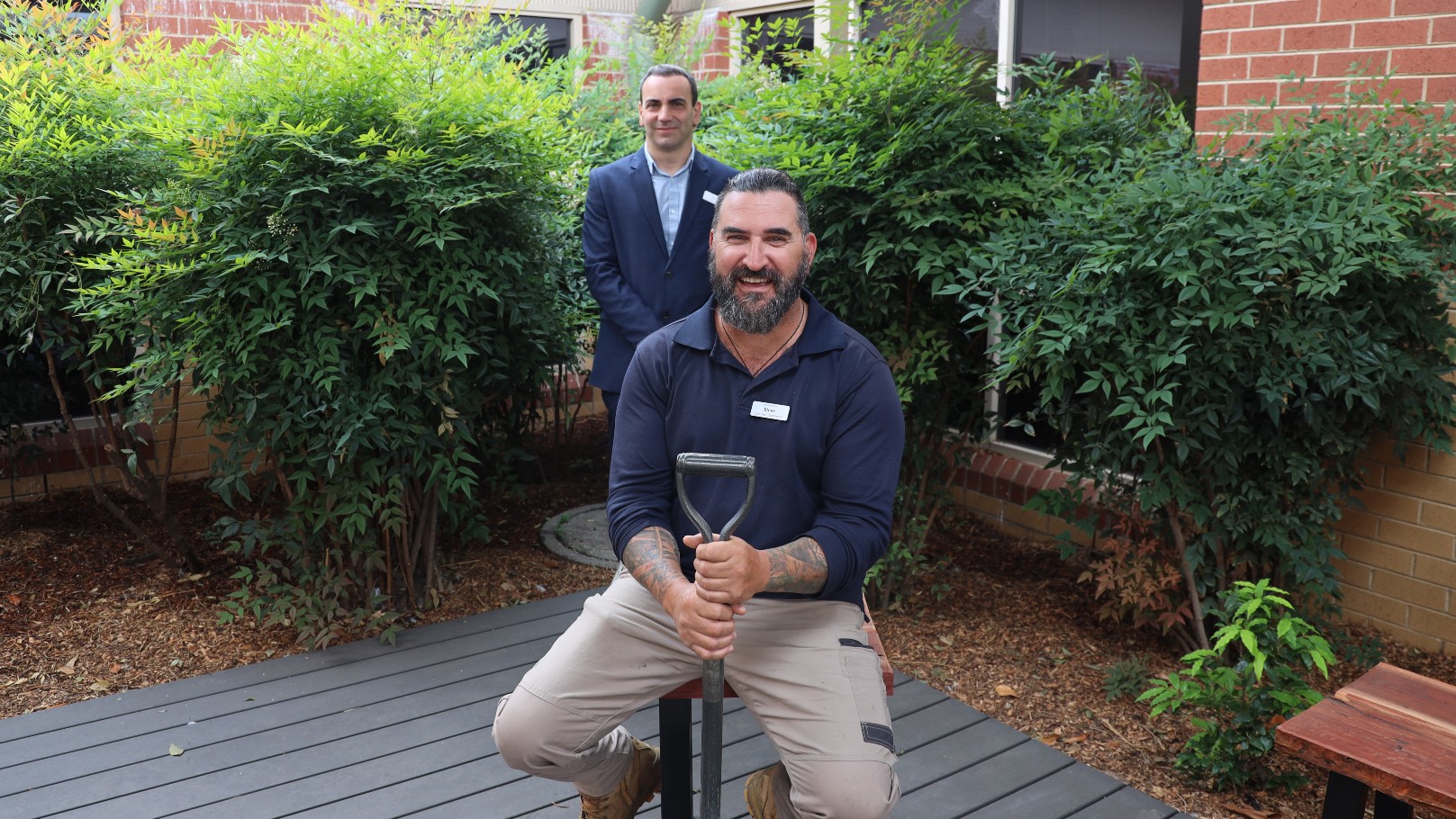
    Featured picture shows Jason Cirone (back) and Steve Micallef (front) 

  • Get to know our EMR Program Director, Trish Aldridge

    Get to know our EMR Program Director, Trish Aldridge

    Our Electronic Medical Record (EMR) Program officially kicked off last month with a team of almost 40 staff members embarking on a two to three year project to successfully implement an EMR across Northern Health.

    The EMR will be a fully integrated digital patient record that will provide clinicians with a ‘single source of truth’ to support high quality care for our patients. The program will be a major clinical transformation project.

    Over the next 18 months, staff across all our services will be involved in the design of the EMR.  The team recognises it may be challenging for our busy clinicians to be involved, so it will plan and work with staff to minimise disruption to services while they capture clinician’s knowledge.

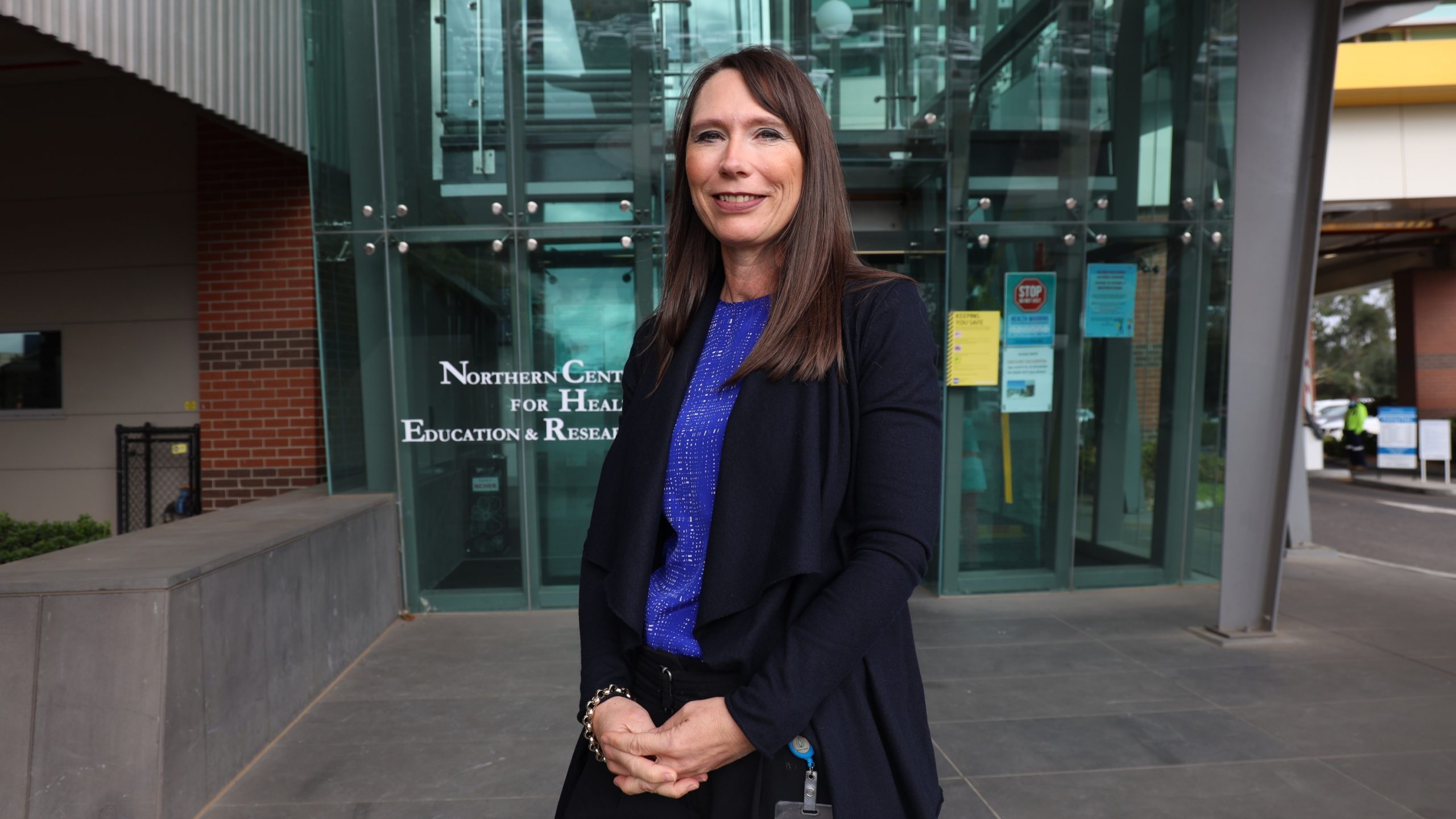
    Leading the charge is EMR Program Director, Trish Aldridge. Trish started her career as a paediatric nurse and moved into the digital health space early in her career as she could see that clinical information systems make such a difference to clinical care. Trish completed a Masters of Public Health and further studies in Digital Health. Trish has worked at Northern Health for the last four years preparing Northern Health for EMR, as well as being responsible for the Medical Grade Network upgrade.

    Trish brings a wealth of experience in digital health and is excited to be at this point in the launch of the program.

    “Prior to Northern Health, I have spent the last 15 years delivering clinical information systems. Some of these include Peter MacCallum Cancer Centre, VCCC and Royal Melbourne,” Trish said.

    After extensive work preparing for the commencement of the EMR Program, Trish is looking forward to working with her team and our Northern Health staff who are ready to embrace this change.  “I am so excited to be finally ready with my team to start working with our people across all sites to build their EMR, “ Trish added.

    Trish explained that we will start the first of the design workshops (iterative) on April 12 and we have close to 100 sessions running over two weeks.

    “Staff will be continuously involved from then on with the EMR team. I am proud of the enthusiasm of the staff and their willingness to be part of this exciting journey.  It will be challenging for us all at different times due to competing needs and priorities but the benefits for our patients will keep us on the path for success,” she concluded.

  • Antimicrobial Stewardship

    Antimicrobial Stewardship

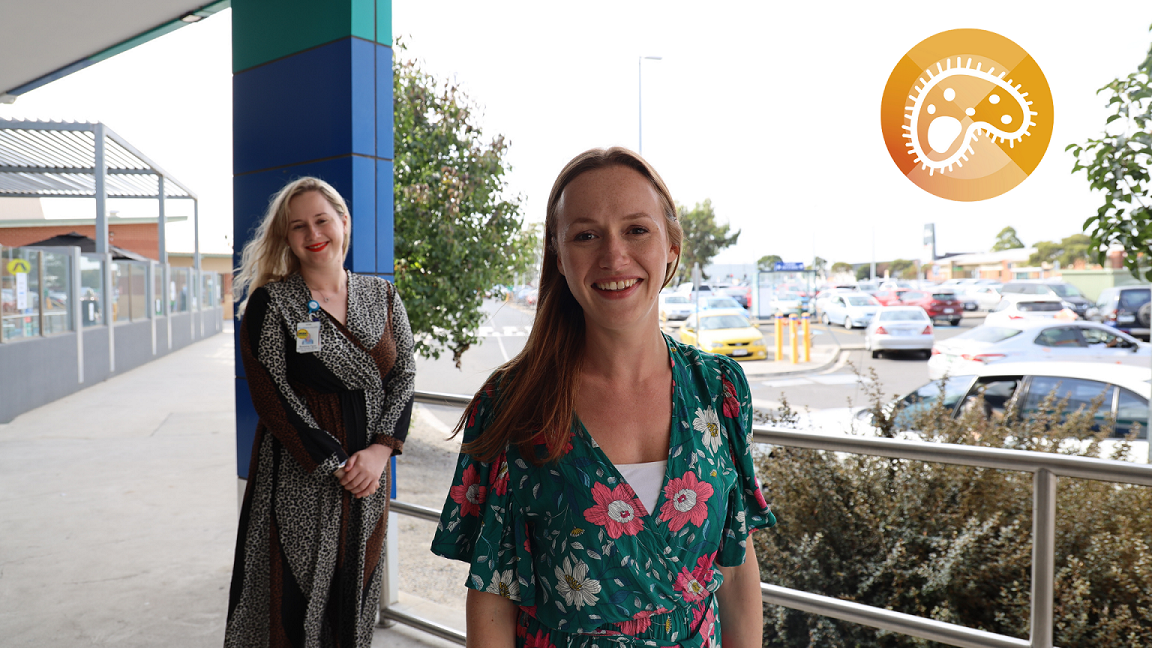
    Heather Mackenzie is the Antimicrobial Stewardship (AMS) Pharmacist at Northern Hospital, and is responsible for making sure that we have a safe and robust antimicrobial stewardship program.

    Antimicrobials is an umbrella term for antibiotics, antivirals, antifungals and antiparasitic medication.

    The aim of this program is to promote the optimal usage of antimicrobials within the organisation, to make sure that we are giving the most appropriate treatment for patients, prescribing according to the guidelines, and providing tailored care to the individual.

    “We do that in two ways, one aspect is individual patient review on the AMS ward rounds, and the other aspect is making sure we have all the systems and processes in place so that healthcare workers can use antimicrobials appropriately, such as developing guidelines and resources as well as delivering education and providing feedback based on our audit and surveillance work,” she explained.

    “The ward rounds are aimed at protecting key antimicrobials, such as the broader spectrum intravenous agents, so that they are used only for the right infections and for the right duration. Myself and one of the infectious diseases consultants will review patients on these agents as identified by our Guidance approvals software, and provide recommendations to prescribers and pharmacists. We also use this as an opportunity to provide targeted education,” she said.

    “In terms of the risk, if we don’t do this properly, we could face increased length of stay, and complications such as line infections, toxicity and developing resistance to antimicrobials, both in the individual and the community,” Heather explained.

    Madelaine Flynn, Manager of the Infection Prevention and Surveillance service explained over the past few years, there has been an emerging resistance to Antimicrobials by some pathogens.

    “Having a good Antimicrobial Stewardship program ensures patients safety and reduces transmission of infections in hospitals,” she said.

    Infection prevention affects all departments, units, staff and every patient care interaction.

    “It is very diverse – from looking at the environment, to looking how we are analysing risk associated with infections in healthcare and ensuring patients are not put at risk. The pandemic has put infection prevention in the spot light, and everyone is taking it more seriously, which includes things like hand hygiene and cough etiquette” she explained.

    From an accreditation point of view, Madelaine advises we need to look at the environment, make sure everything is clean, things are being managed appropriately and  risk is escalated.

    “Staff need to make sure we are doing our hand hygiene, as well as standard and transmission based precautions. Also, educating patients and their families about Infectious risk and risk associated with inappropriate antimicrobial use. We do things well here at Northern but there are things we could do better. I would like to encourage all staff in all areas and roles to look quality improvement activities associated with infection prevention and working with key stakeholders in your area to improve patient outcomes,” she explained.

    From the Antimicrobial Stewardship point of view, Heather would like to encourage all staff involved in the use of antimicrobials, be it prescribing, administering, reviewing or supplying, to look at the Antimicrobial Stewardship procedure on PROMPT, to see what their roles and responsibilities are within AMS.

    “It is everyone’s responsibility to advocate for patient safety,” both agree.