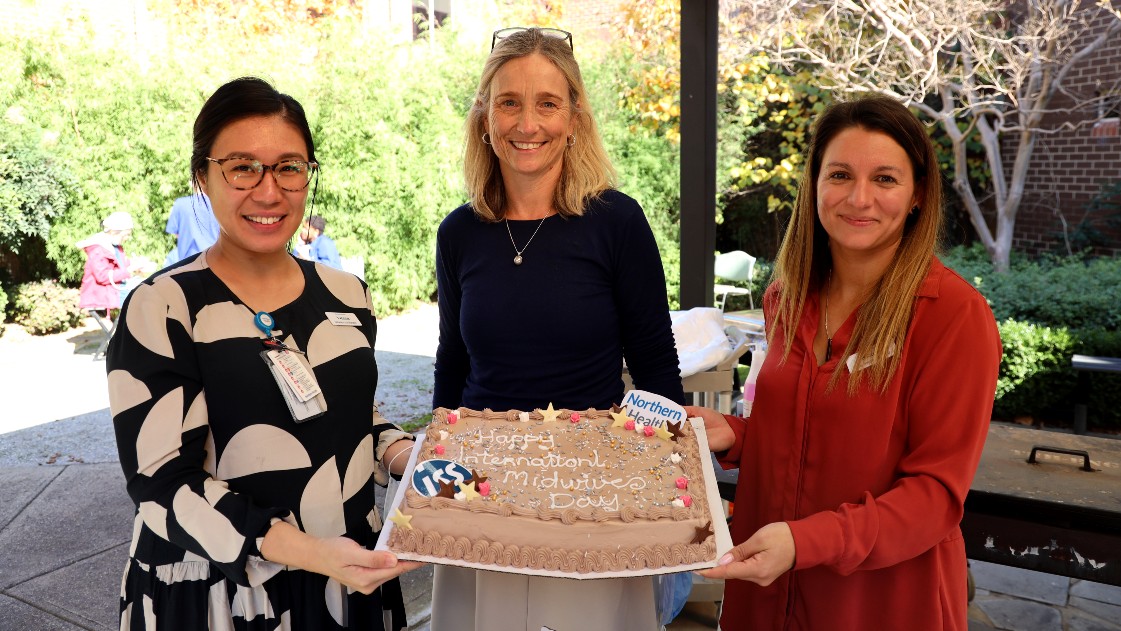
• Happy International Day of the Midwife

    Happy International Day of the Midwife

    Today we celebrate the responsibility, dedication, and unwavering compassion of midwives across the world. International Day of the Midwife (IDM) is a time to celebrate the work the midwives, and our colleagues do for mothers, families and communities.

    Nicole Carlon, Director of Operations, Women’s and Children’s said IDM is an opportunity to highlight the importance of midwives in the care of women and their families during their childbearing years.

    “This year’s theme is ‘Follow the Data: Invest in Midwives’ and it highlights the evidence that continuity of care with a known midwife provides the best outcomes. I think that celebrating days like today allows us to take that step back, look at what we do every day, and remember that we can and are making a difference,” she said.

    For Nicole, being part of a woman’s birth is incredible and she feels it is so much more than the birthing process- it is about creating a mother, creating a family and building a community.

    “Pregnancy, birthing and postnatal journey is such an incredibly important time in a woman’s life. When a woman feels listened to, empowered and supported at this time in her life, it can give her an amazing start to motherhood and to the rest of her life, even when things don’t necessarily go to plan. How could I not want to be a part of that?” she added.

    “The most rewarding thing about being a midwife is that feeling of amazement at the human body, the overwhelming emotion surrounding birth and that time with a mother and her newborn…. it never gets old,” she said.

    The other thing that Nicole enjoys is to make a real difference to someone. “Just a few weeks ago I had a woman tell me how amazing she felt after she was fully involved in the shared decision making that occurred around her birth options and how great it felt to feel listened to and cared about. She felt that her birth experience was empowering and joyous. I will come back every day for that”.

    Debra Bourne, Chief Nursing and Midwifery Officer added that it is important to celebrate this day so that we can remember the care midwifes provide across the spectrum of pre-pregnancy, pregnancy, in labour, post-natal and further.

    “Midwifes are vital to improve the health and wellbeing not only for women in Australia, but internationally as well and they are the key to improving health outcomes for all women,” she said.

    Northern Health is celebrating the International Day of the Midwife (IDM) and the International Nurses Day next week with numerous events across our four campuses. Keep an eye on  the Intranet and our social media for more photos.

    BBQ at Northern Hospital Epping


    Nicole Carlon and Lora Davies with the celebration cake


    Northern Health staff at the BBQ
  • Together we make an impact

    Together we make an impact

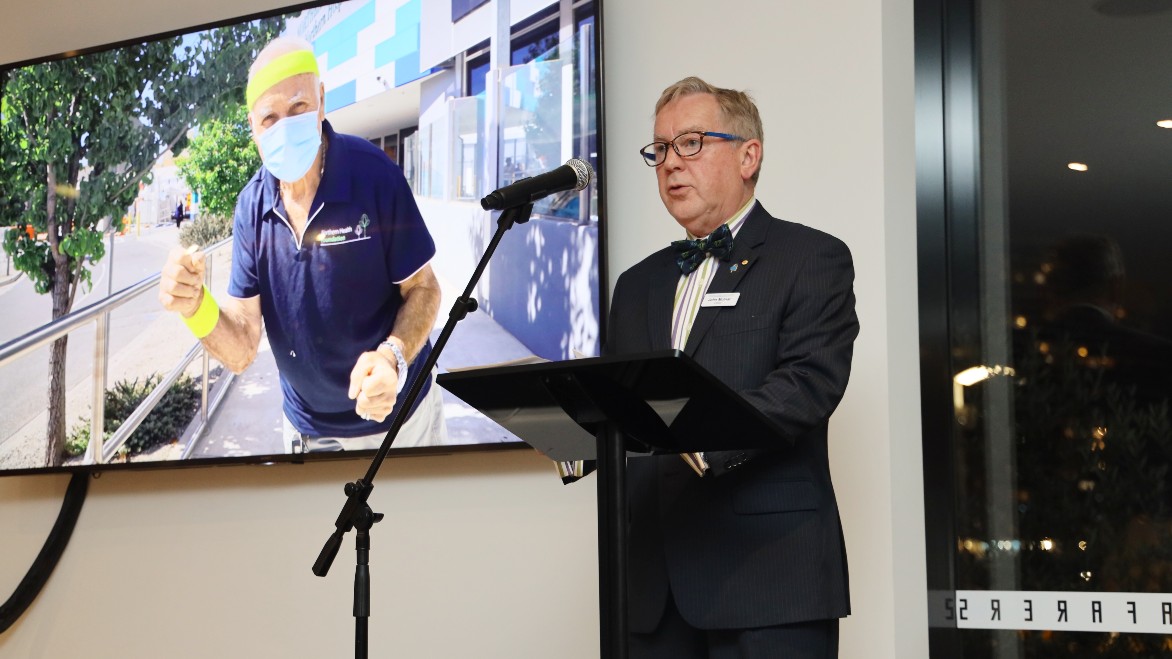
    Featured Image: John Molnar OAM, Northern Health Foundation Board Chair

    On Thursday evening, 29 April, Northern Health Foundation was delighted to host their first face-to-face event for 2021 to thank and acknowledge the generous philanthropic support from our wonderful community.

    Held at Seafarers Residences Display Suite in Docklands, the event recognised the work of Northern Health Foundation’s dedicated patrons, corporate partners, philanthropic supporters and volunteers over the past 12 months.

    “Here tonight, we celebrate the work of many people who give so generously in support of Northern Health,” said Andrew Williamson, Executive Director Public Affairs and Foundation.

    Among the guests included Jennifer Williams AM, Northern Health Board Chair, Siva Sivarajah, Northern Health Chief Executive, Northern Health Board Directors and Northern Health Foundation Board Directors, Northern Health Executive, clinicians and staff, and Northern Health Foundation Patrons, Bev Carman, Josie Minniti and Trudi Hay.

    “This event brought together donors, clinicians and grateful patients to highlight that, ‘Together, we make an impact’. It is so rewarding to see our staff being able to personally thank the donors who supported the health service,” said Andrew.

    “It is your continued support that helps us provide great care to our community.”

    Special thanks to Riverlee, in particular, David Lee and Northern Health Foundation Board Member, Tricia Lee, for hosting the event at their spectacular venue.

    “While it has been a challenging year for fundraising – we are thrilled to be able to fund over $622,000 to support Northern Health in providing funds in the areas of teaching, training and research, education, and the purchase of much needed medical equipment across Northern Health,” said John Molnar OAM, Northern Health Foundation Board Chair.

    Funds raised includes our major campaign in 2020 to purchase the Endobronchial Ultrasound Service (EBUS) for Northern Health, which will reduce patient wait times for lung cancer stage diagnosis and treatment.

    “I would like to extend my sincerest gratitude to all of our generous supporters, patrons, corporate partners, dedicated volunteers, Northern Health staff and everyone who has contributed towards our fundraising efforts through donations, grants and support at our events,” said John.

    “We are grateful and honoured that you have chosen us to support and make saving lives possible. I’d also like to thank my fellow Foundation Directors and community fundraisers for their tireless work in supporting the work of Northern Health.”

    The evening also included a presentation from Linda Romano, Divisional Director of Surgical Services. Linda spoke about Northern Health Foundation’s current fundraising campaign to support the purchase of new state of the art technology in the field of ophthalmology. This will ensure the latest and most effective technology is available to patients in our community who require cataract surgery.

    “We are thrilled to share that a generous family donated $50,000 on the night to launch the campaign,” Andrew explained.

    Watch the below video to hear from some of our staff and patients on the impact that this wonderful support has made.

    Pina Di Donato, Northern Health Foundation Deputy Chair and Tricia Lee, Northern Health Foundation Board Director
    Jennifer Williams AM, Northern Health Board Chair and Siva Sivarajah, Northern Health Chief Executive
    Northern Health patient Colin Berryman with wife Angela
    Dennis Gyomber, Divisional Director of Surgery and Linda Romano, Divisional Director of Surgery – Nursing
    Staff with some of our generous supporters
  • Expansion of reception services

    Expansion of reception services

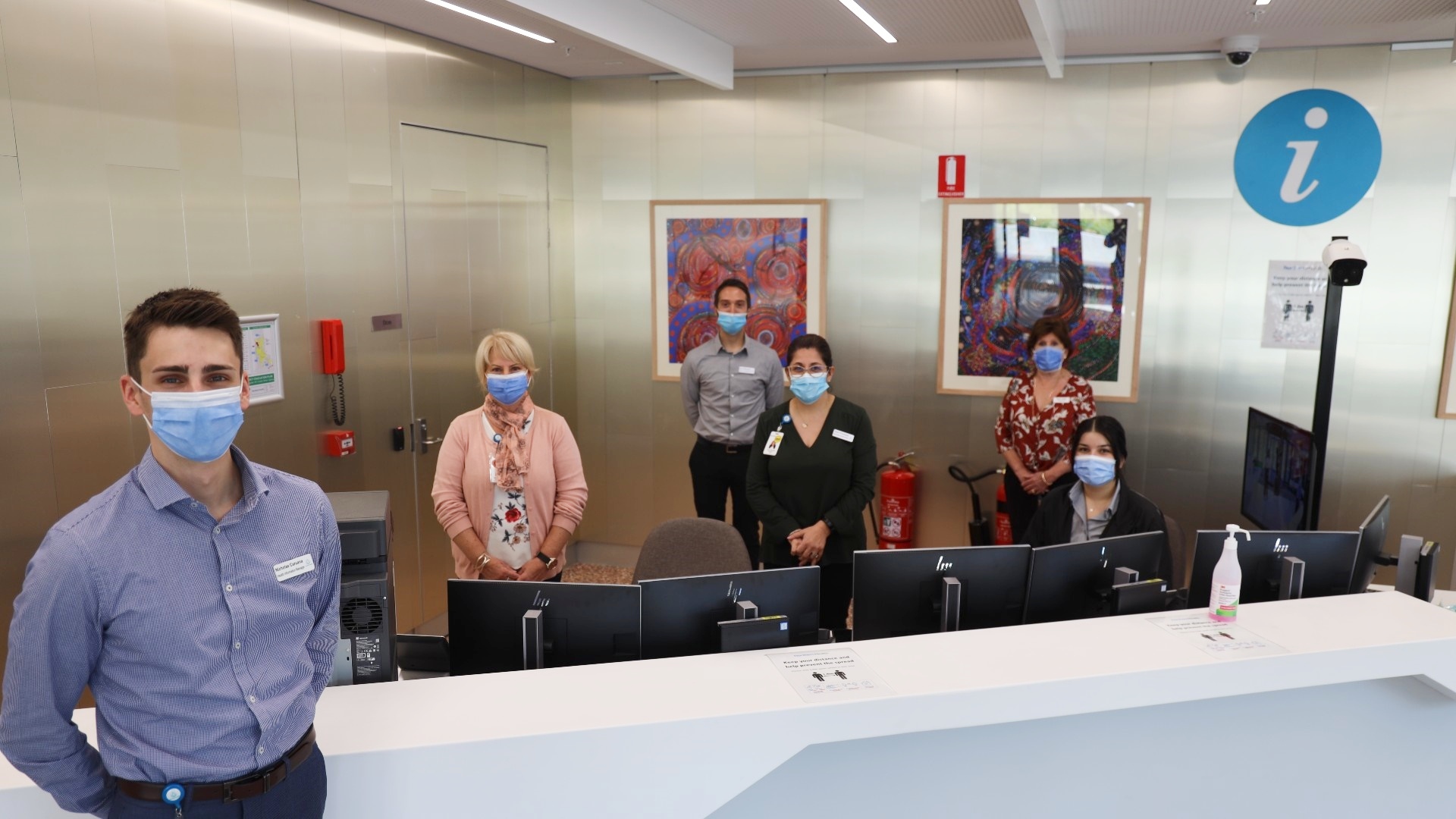
    From today, Nick Caruana takes up a new role as our Hospital Reception Manager for Northern Health. Nick will be responsible for the hospital reception departments at Northern Hospital Epping, Broadmeadows Hospital and Bundoora Centre.

    Sue Lisle, Communications Supervisor at Epping and Robyn Johnson, Reception Services Manager at Bundoora, will transition into new roles in Health Information Services (HIS) as Program Allocations Officers.

    While we congratulate Nick, we also use this opportunity to highlight the contribution that Sue and Robyn have made to Northern Health over the years.

    Sue joined Northern Health in 1986, working at PANCH as a switchboard operator. Sue then moved to Northern Hospital Epping in 1997 to help establish communications services before the hospital officially opened in 1998 and has remained in that capacity since then.

    Robyn Johnson started as a casual reception/switchboard operator in May 1995. Robyn was soon made permanent part-time and, by the end of 1995, was appointed to Reception Services Manager at Bundoora Centre. Robyn has remained in that role ever since. Over the years, Robyn has also assisted with Bundoora Bed Management, DVA Liaison and Support Services tasks at Bundoora Centre.

    Robyn Johnson

    Nick says what attracted him to the role was, “the opportunity to define the role and centralise the management of hospital reception across our three campuses. There was also the opportunity to work with a great team within reception to improve and standardise our processes.”

    Nick is no stranger to Northern Health, formerly having worked in Health Information Services for almost five years, first as the Forms Coordinator and then in the Datasets Reporting Unit (DRU). Says Nick, “My more recent role in DRU was responsibility for the reporting of Northern Health data to the Department of Health. This included data such as our inpatient activity, elective surgeries, emergency presentations, and, more recently, COVID-19 data such as the number of patients who visit our Fever Clinic.”

    He says his biggest challenge will be, “learning the intricacies of what the team does on a day to day basis within such a fast paced environment. This will include getting to know the staff across all campuses as well as looking to create a unified team and standardising processes where possible.”

    Nick sees this new role as allowing for strategic change around our services and workflow. On a personal level, Nick says, “the experience, knowledge and relationships I will develop by providing leadership to a team that is such an integral part of the organisation is invaluable.”

    A component of the new role will be overseeing communications for the Main Ward block. Nick explains, “The reception desk at the base of the main ward block will be staffed from 11 am to 6 pm every day of the week. The communications staff will assist patients, visitors and staff with general enquiries and wayfinding through the new building. The phone at the reception desk links to the Northern Hospital main switchboard, therefore allowing Main Ward Block reception staff to ease the burden on the main switchboard, hopefully resulting in reduced phone wait times.”

    Please join us in congratulating Nick on his new role as Hospital Reception Manager and wishing Sue and Robyn the very best in their new roles.

    Main picture shows Nick Caruana, Diane Chadwick from Reception; David Mangano, Operations Manager, HIS; Terri Fiorenza, Director HIS; Sue Lisle and ISS staff.

  • Standard 7: What you need to know

    Standard 7: What you need to know

    In the lead up to organisation wide Accreditation from 24-28 May 2021, each week Northern Health will be focusing on a different Standard. You will hear from the Chairs of each Standard Committee on what you need to know.

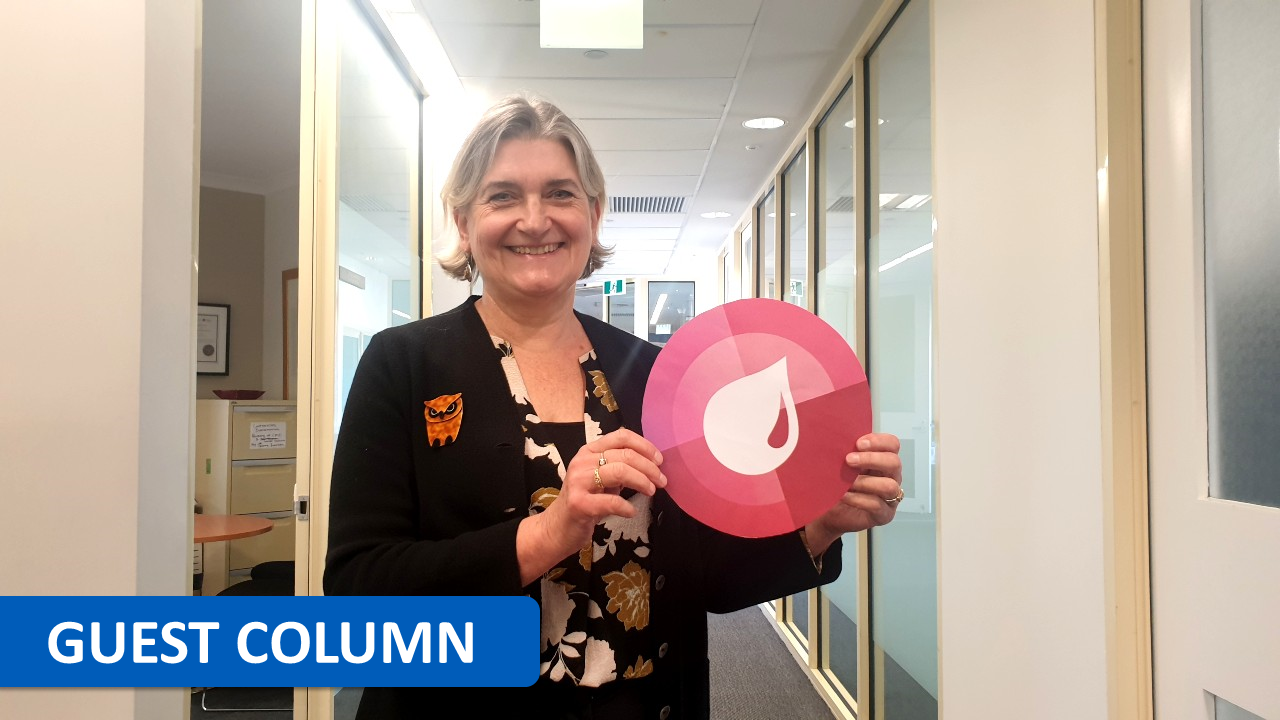
    This week we spoke to Dr Wanda Stelmach, Chief Medical Officer, about Standard 7: Blood Management

    What is this Standard about?

    Standard 7 deals with blood and blood products whether it is the taking of blood samples from patients or the giving of blood and blood products to patients. Blood is a precious resource. It is a product that is altruistically gifted by members of the community to support those members in the community who need it most. Blood products must therefore be used appropriately and safely. Blood samples must also be appropriately managed so that our patient community is not impacted adversely by the need to take multiple samples.

    At Northern Health, this Standard looks like….

    • Blood is considered a precious resource and will be used appropriately and safely
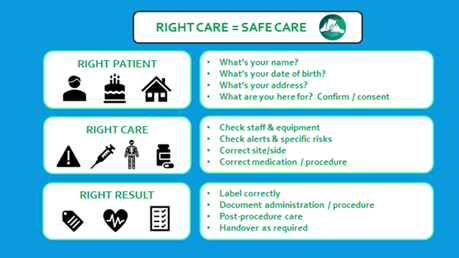
    • Right blood to the right patient for the right reason
    • Correct and MATCHING labelling of blood tubes and request slip
    • Consent – information brochure and written consent
    • Blood Product Administration Chart is your guide and documentation tool
    • Blood Safe training for all staff who handle blood, blood products and blood samples
    • Correct and safe blood storage
    • Minimized wastage

    What are the top 5 ways staff can be prepared for Accreditation against this Standard?

    The five key messages from Standard 7 are:

    • Effectively optimizing and conserving a patient’s own blood, reducing the unnecessary risk of exposure to blood products and associated adverse events
    • Making clinical decisions ensuring all treatment options, and their risks and benefits, are considered before deciding to transfuse
    • Safely administering the products to the intended recipient.
    • Storing and disposing of blood and blood products correctly.
    • Reporting and investigating any adverse reactions or incidents.

    What are the top 5 questions staff needs to be able to answer about this Standard?

    1. Do you know the governance structure/Committee that oversees the safety and quality systems for Blood management at Northern Health?
    2. What is the mandatory training requirements for the Staff involved in Blood Management, the frequency of training, and where can you access these training?
    3. How do we involve the patient in their care with regards to blood management?
    4. What is Patient Blood Management?
    5. What do you do when a patient experiences a reaction to a blood product?

    Is there anything else you would like staff to know about this Standard?

    The Zero tolerance program in Blood Management rejects samples that do not meet the labelling requirement for pre-transfusion sample collection and request for blood and blood products. This means if the tube and the request information don’t match the sample is rejected and the patient has ANOTHER UNECESSARY venesection!

    REMEMBER:

    • Patient’s 3 point ID must match with the specimen tube and request form.
    • The collector’s signature or initials and date of collection on the request form must be identical to the sample label.

    To learn more about Standard 7, please see the Intranet.

  • Major move into new Wards next week

    Major move into new Wards next week

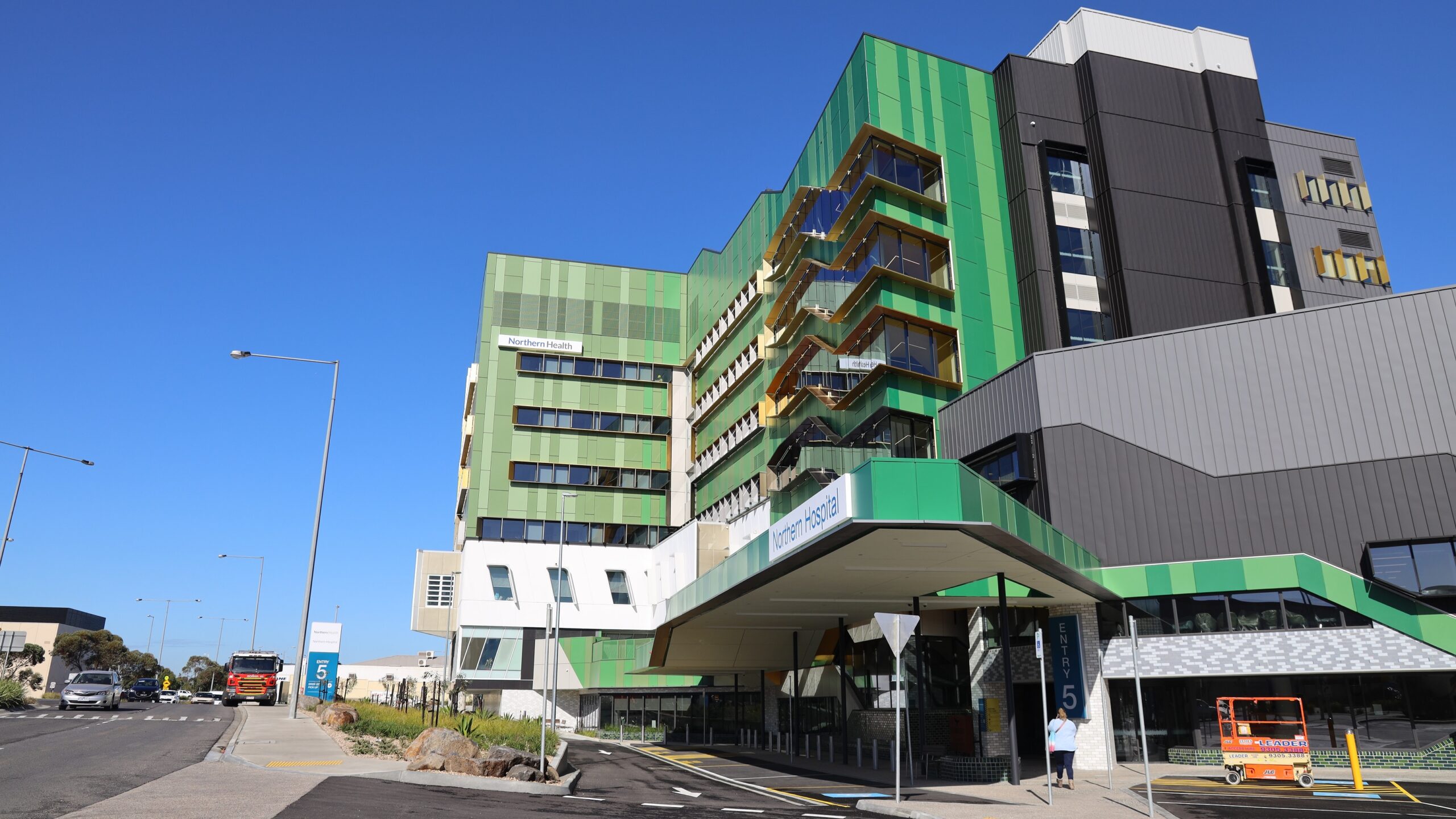
    Stage 2 works of the Northern Hospital Expansion Project, into what is now named the ‘Main Ward Block’ have been completed and we are in the final stages of the move.

    On the ground floor, we will have our new concierge service which is an extension of existing main reception services, satellite pharmacy, orthotics and Transit Lounge 2 which we have been able to utilise for our COVID-19 Vaccination Clinic. Next week, Level 3, 4 and 5 of the Main Ward Block will be opening. Attached is a summary of which areas will be on each level of the new building. ​

    “This has been a huge piece of work during all stages of the expansion with specifications, planning, building, functional training, and operational readiness,” said Jane Poxon, Chief Operating Officer.

    During the move, the current Ward 18 will move into Wards 20 and 21, while Ward 13 will move into Ward 19.

    Move Schedule: 

    Date​ Area Opening Speciality​
    Monday 3 May Ground Floor Concierge
    Tuesday 4 May Ward 20 Respiratory/Medicine
    Tuesday 4 May Ward 21 Neurology/Medicine
    Wednesday 5 May Ward 19 Plastics and Orthopaedics/Surgery

    “The successful move and opening of the new Main Ward Block is a key focus for the entire health service over the next week,” said Jane.

    “Thank you to all staff involved in the planning and preparation of this significant move.”


  • Tick the box for safety

    Tick the box for safety

    Standard 6 – Communicating for Safety aims to ensure timely, purpose-driven and effective communication and documentation that support continuous, coordinated and safe care for patients. This standard recognises that effective communication is needed throughout patients’ care and identifies high-risk times when effective communication is critical.

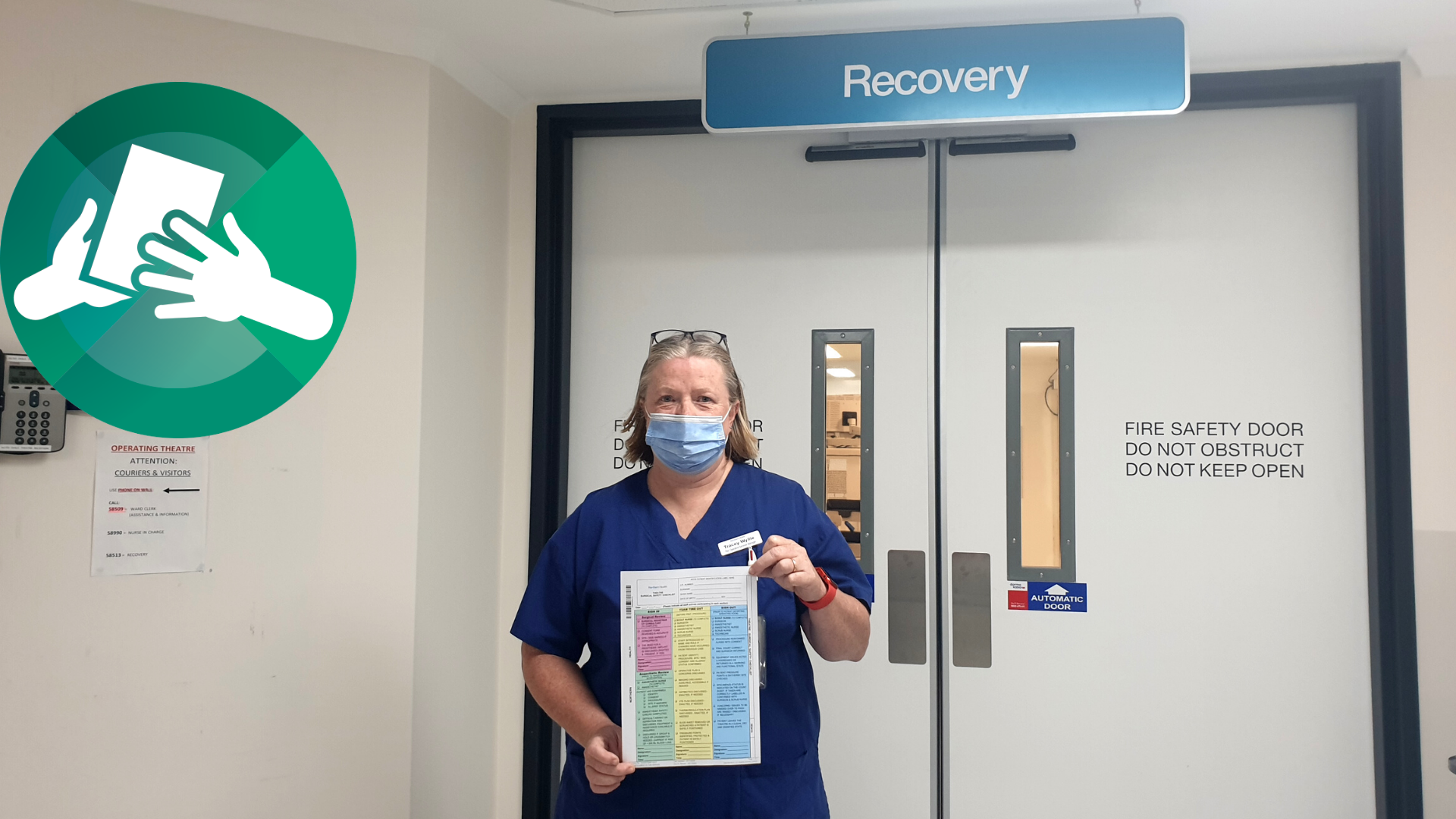
    Tracey Wyllie, Peri Operative Services Manager explained communicating for safety is very important in the peri operative theatre complex, like in many others.

    “This is particularly important for our teams within theatre, as the patient transfers care from ward nurse to anaesthetic nurse, anaesthetist, surgeon, the recovery team and then back to the ward. We have to have certain steps along the way, to ensure we are keeping our patients safe and that our communication is where it needs to be,” she said.

    To help the team tick all the safety boxes, the Surgical Safety Checklist was developed. It was designed off the back of check lists used in aviation, and following the three part structure.

    “In aviation, the three parts were pre-flight, flight and before landing. The concept is similar within the theatre environment. We use the list before surgery, once the patient is in surgery but before we start, and then we use it at the end of the surgery to make sure everything we have done has been captured,” she explained.

    “The checklist has dot points on it, and the tasks should have already been completed, so it’s basically checking that we have done the work”.

    In the first part, the list includes questions about patient details, anaesthetics questions, and similar. The second part is the time-out section, which the team uses just before the surgery starts, and it’s about ensuring the team has everything for the surgery.

    “Things like if the patient will need antibiotics, what’s the plan, is the site marked and similar,” Tracey added.

    “Final part, signing out, is done at the end of the procedure, and we check if our final surgical count is complete, are all specimens handed over and labelled, and ready for collection in the right format and so on”.

    Together, the three sections help the team track the patient’s journey, making sure the patient is safe.

    “The World Health Organisation (WHO) released the concept of the surgical check list around 15-20 years ago and health services adapted WHO guidelines to their own needs. We look at our Risk Man, see what is happening in the theatre that we need to prevent from happening in the future and if we see a pattern, we review the check list and adapt it,” Tracey explained.

    “Patients sometimes don’t understand why we ask them same questions multiple times, like their name, address and similar. It’s just about educating the patient and letting them know this is a standard procedure and it’s important we check in each stage of the journey, and we need to get the surgery right and keep patients safe,” she said.

    “The biggest change I have seen is involving the patient in the conversation. Previously, doctor and nurse would read the details off the arm band, and confirm the details, but that has shifted to actually talking to the patient to confirm their details. It’s about including the patient in the information gathering process,” she added.

    Northern Health has three surgical safety check lists – one in operating theatres, one in endoscopy room and one for ophthalmology patients.

  • Responding to family violence

    Responding to family violence

    The Victorian Government has introduced three interrelated family violence reforms in response to the Victorian Royal Commission into Family Violence (2016).

    The three major family violence reforms are The Family Violence Information Sharing Scheme (FVISS), The Child Information Scheme (CISS), and the Multi-Agency Risk Assessment and Management Framework (MARAM).

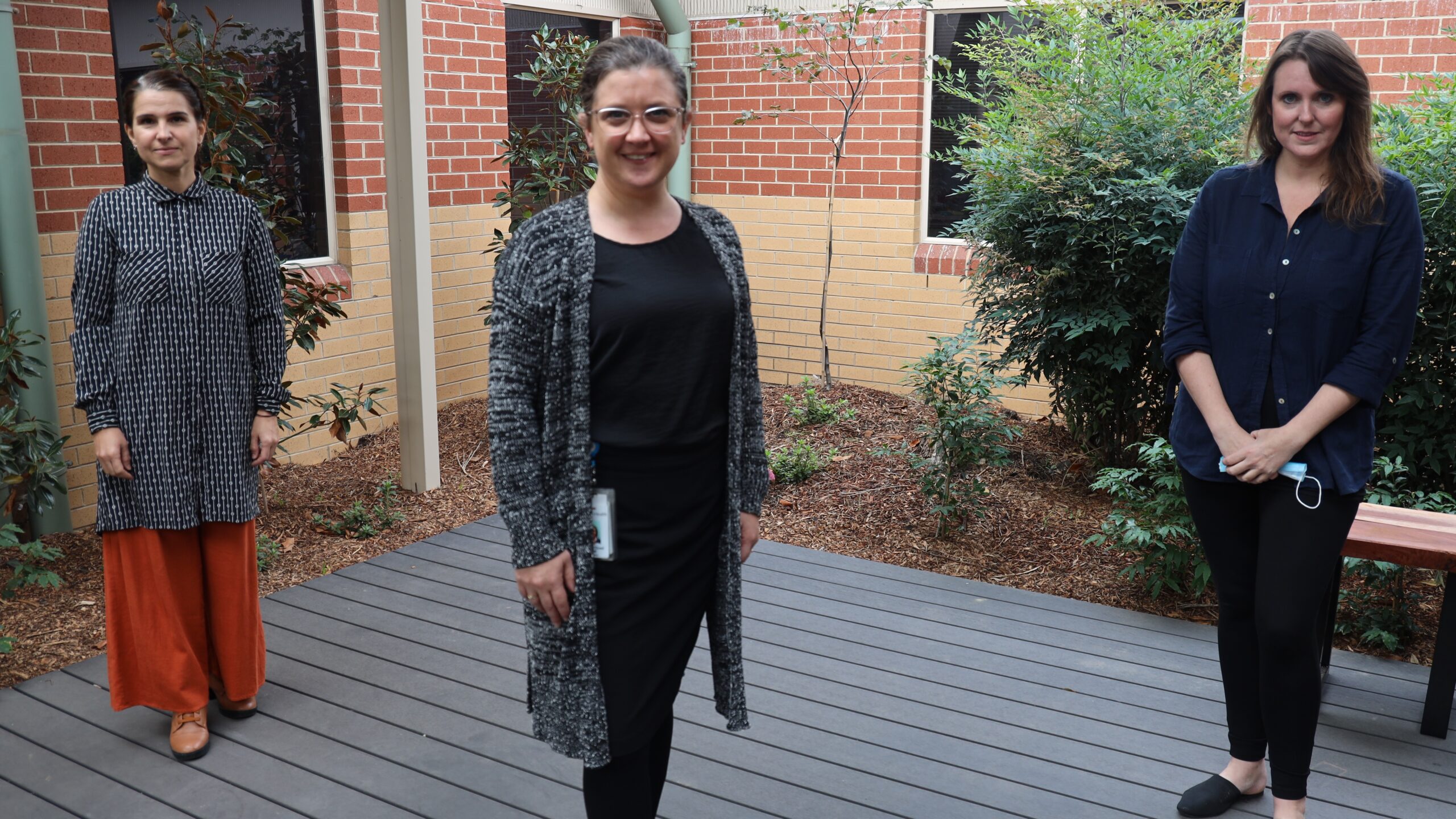
    Tanya Ellis, Project Support Officer for Strengthening Hospital Response to Family Violence at Northern Health, said the reforms aim to strengthen system-wide family violence risk assessment and management, and support information sharing in an attempt to keep adults and children, with lived experience of family violence safe, and to hold perpetrators accountable for their behaviour.

    “The information sharing schemes allow prescribed organisations to share information about patients more freely,” she said.

    “We still need to ask consent, but if there is a serious threat, we can override the patient’s wishes and not obtain consent. If it relates to a perpetrator, we don’t need consent. The point of those is to be able to share information to save lives.”

    Snez Filiposki, Project Support Officer, said, “The MARAM Framework is a way that we can assess and manage family violence risk and it promotes early intervention to protect adults and children. The framework ensures that all staff have a shared understanding of family violence and that they understand their responsibilities in family violence risk assessment and management. The framework also provides skills to guide professionals in this work.”

    “One in four women experience family violence and a lot of the family violence hotlines saw a spike in calls during COVID-19. The reforms are important because we need to have accountability within the health service because there are a lot of cases of family violence. A child is dying every fortnight and that is not acceptable. We really do need to take a stand and do something about it.”

    The reforms were launched at Northern Health earlier this month.

    “There has been a lot of work put behind this project and it’s state-wide, so all hospitals are contributing to this,” Elisha O’Dowd, Project Manager said.

    “It will make everything a lot safer for patients and their families and victims of family violence. It will also create that culture of not walking past when you notice signs of family violence.”

    The Strengthening Hospital Response to Family Violence Team will present a series of short PowerPoint presentations to launch these reforms.

    “The health service becomes a framework organisation which means it’s actually legislated and is prescribed to align all its policies and procedures to the new framework and to the new information sharing,” Snez explained.

    “It also means from here on in, we need to train staff in the new legislation and the new MARAM Framework. That’s what the launch is all about – giving staff the opportunity to come and hear firsthand what the changes are and then there will be more training responsibilities.”

    “All staff and leadership all have responsibilities under MARAM so it’s not just doctors, nurses and allied health staff. It’s clinical and non-clinical.”

    For more details, click here.

  • Standard 6: What you need to know

    Standard 6: What you need to know

    In the lead up to organisation wide Accreditation from 24-28 May 2021, each week Northern Health will be focusing on a different Standard. You will hear from the Chairs of each Standard Committee on what you need to know.

    This week we spoke to Simone Motton, Associate Director, Allied Health, about Standard 6: Communicating for Safety

    What is this standard about?

    Standard 6 is all about Communicating for Safety. The three main areas this covers are 1) Patient Identification, 2) Procedure Matching and 3) Clinical handover, but as you can imagine, the need for clear and timely communication is required in nearly every nook and cranny of our organization.  We aim to ensure that the patient is provided with timely, purpose-driven and effective communication and documentation that support continuous, coordinated and safe care for patients.

    At Northern Health, this standard looks like….

    Some examples:

    • Checking patients 3 points of identification
    • Ensuring appropriate safety checklists are completed prior to procedure matching (surgery, endoscopy, ophthalmology, etc)
    • Bedside nurse handover at end of shift
    • ISBAR Handover between clinicians at points of transfer of care (ward to ward, etc)
    • Identifying and acting upon new critical information about your patient

    What are the top 5 ways staff can be prepared for Accreditation against this Standard?

    • Have a think about what the term ‘critical information’ means for your area
    • Ensure your patients have access to bedside patient communication boards
    • Ensure you are involving patients and carers in decision making – via effective communication
    • Ensure your team are handing over the right information for each patient
    • Ensure handover sheets aren’t left in public areas

    What are the top 5 questions staff needs to be able to answer about this Standard?

    • How do you define critical information in your area?
    • How do you ensure patients are able to engage in their care and decision making?
    • What processes do you use to ensure you are identifying the patient correctly?
    • What processes do you use to ensure you are performing the right procedure on the right patient?
    • Are you ensuring your handovers are done in ISBAR format?

    Is there anything else you would like staff to know about this Standard?

    Recently, we have been focusing on defining ‘critical information’. Critical information can be something that is known (i.e. alerts/allergies), it could be something that is new information (i.e. patient mentions it at some point in their care), or it could be something that we actively seek out such as identifying risks via the CARE Record, or asking specific questions. When new critical information arises, it should be addressed as soon as possible via appropriate clinical action. We also acknowledge that critical information looks different in each setting.

    To learn more about Standard 6, please see the Intranet.