• Delivering safer, faster care: Virtual model showing strong impact

    Delivering safer, faster care: Virtual model showing strong impact

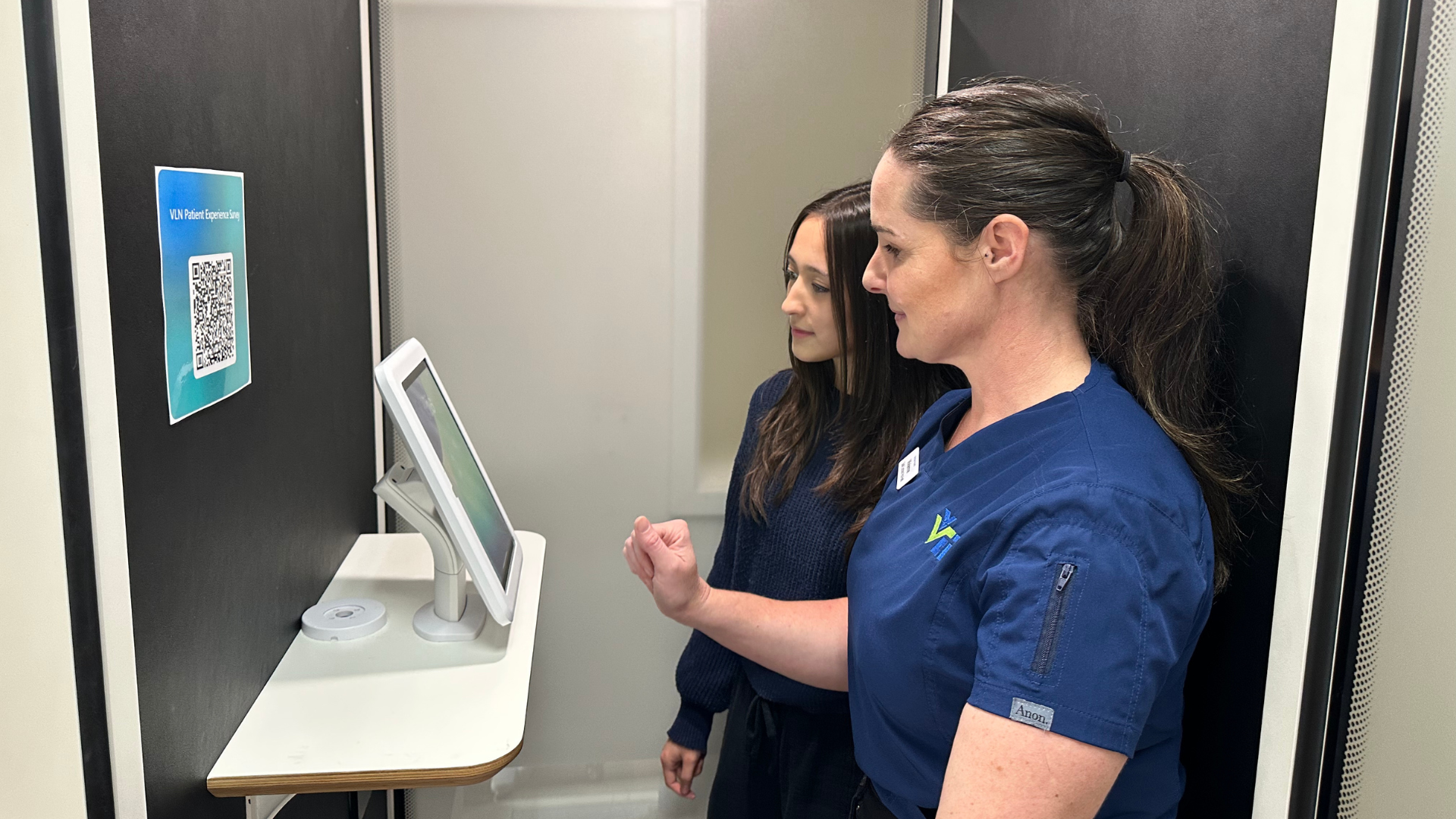
    Northern Health is continuing to improve access to safe and timely emergency care through the introduction of the Virtual Liaison Nurse (VLN) pilot in the Emergency Department.

    Launching in March 2026, this innovative model, delivered by the Victorian Virtual Emergency Department (VVED), supports patients to receive appropriate care virtually, helping reduce waiting times and improving patient flow.

    Since launching, the pilot has demonstrated strong results. In the most recent reporting period, over 500 patients were referred to the Virtual Liaison Nurse, with the majority of those able to be safely assessed and managed through the virtual model. Of those seen virtually, more than 80% were successfully diverted away from the Emergency Department, freeing up ED capacity for patients who require emergency in-person care.

    Patients are already seeing the benefits. Feedback shows that 88% of patients felt their waiting time was reduced, while 93% reported that VVED care was safe, and many indicated they would choose to use the VVED in the future. VLN patients consistently rated the care highly, reflecting both the quality of clinical care and the positive experience delivered by the virtual emergency team.

    This success reflects a strong collaborative effort across the Emergency Department, Virtual Health, ED/VVED Clerical, Radiology, Virtual Specialist Consults (VSC) and the Clinical Operations team. The partnership between the ED team and the Virtual Liaison Nurses has been safely identifying suitable patients, supporting seamless transitions of care, and ensuring patients continue to receive high-quality, patient-centred care.

    The Virtual Liaison Nurses have played a central role in delivering this model, working in a dynamic and often high-pressure environment to support patients and staff. Their ability to assess, coordinate, and connect patients to the VVED has been key to improving access and flow in the Emergency Department.

    “The Virtual Liaison Nurse model is making a real difference to both patient experience and Emergency Department flow. Patients feel reassured, supported, and seen sooner. Our teams are collaborating and working well together to deliver safe, high quality, patient centred care in a timely manner,” said Vivienne King, VLN Pilot Lead, Virtual Health.

    As the pilot continues, ongoing improvement work is focused on enhancing patient experience, strengthening workflows, and ensuring the model can be sustained beyond the pilot period. Together, this work is helping Northern Health deliver safer, faster, and more connected emergency care for the community.

    Click the link below to register for care with the VVED:
    https://vved.au
  • Ayesha Masood awarded the BankVic Nursing Scholarship

    Ayesha Masood awarded the BankVic Nursing Scholarship

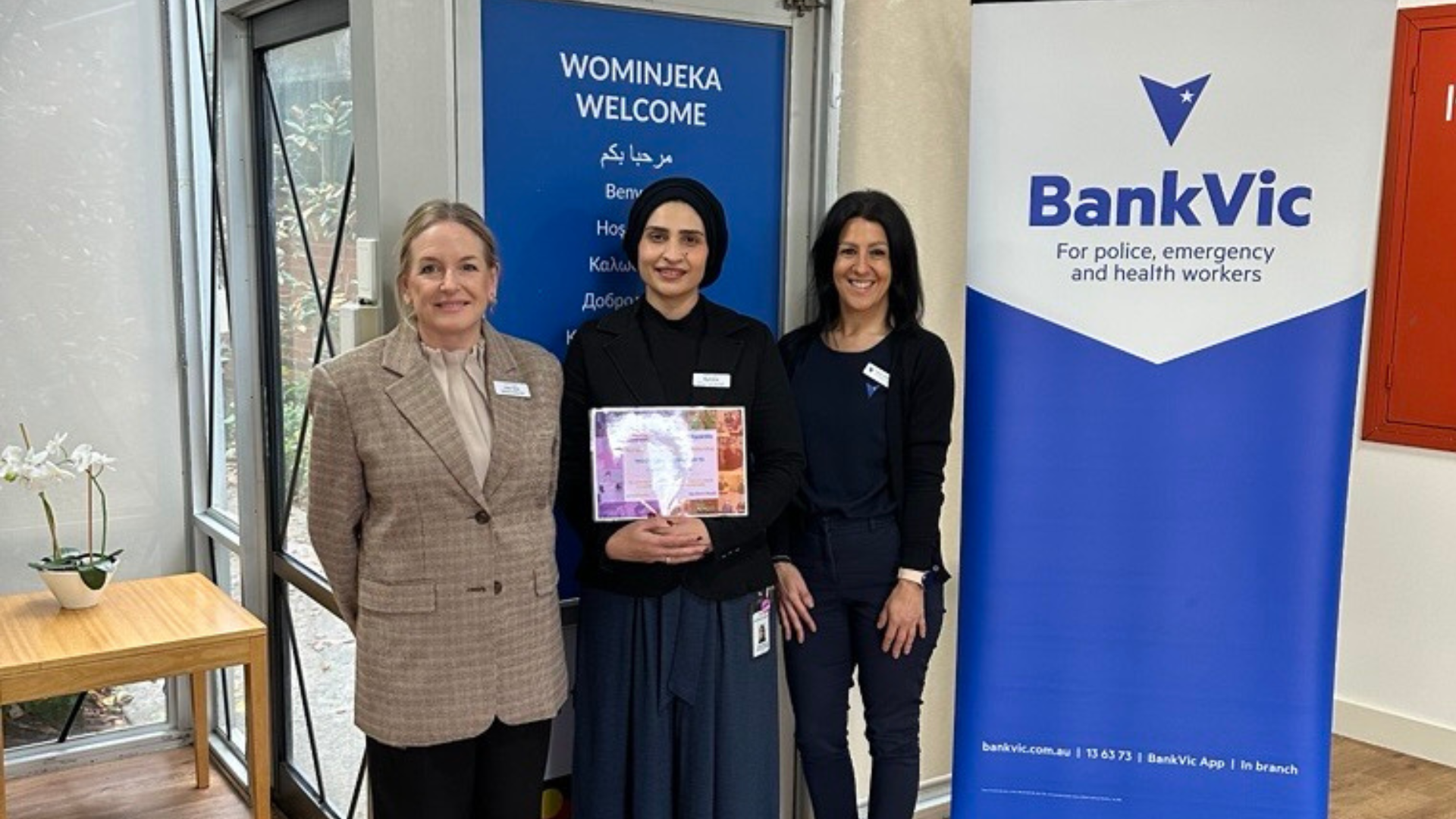
    Northern Health is excited to announce Ayesha Masood, Clinical Care Manager/ANUM, Ian Brand Residential Care, as the winner of the BankVic Nursing Scholarship.

    To celebrate International Day of the Midwife (5 May) and International Nurses Day (12 May), Northern Health Foundation partnered with BankVic to provide a $5,000 scholarship to a Northern Health nurse or midwife. This scholarship was in recognition of valuable service and dedication to the role of a nurse or midwife.

    The scholarship could be used towards further education, attending a national based conference, or a professional development activity.

    In her application, Ayesha said placing residents at the centre of every decision guided all aspects of care.

    “It is about seeing beyond medical conditions to understand each person’s story, culture, and identity, and using this understanding to deliver truly person-centred care,” she said.

    “Empowerment means having the confidence and clinical expertise to advocate for residents, especially when they are unable to speak for themselves.”

    Ayesha also said that involving residents, and their families, in care planning helped in creating a space where residents felt heard, respected, and importantly, safe.

    “It also requires strong clinical judgement to recognise early changes in health and respond proactively to prevent decline. I will apply this by prioritising relationships with residents, listening to their goals, and tailoring care to enhance their quality of life. I can champion evidence-based, person-centred practices within the team and contribute to a culture that values empathy, respect, and collaboration.”

    “By supporting my colleagues and encouraging open communication, I can help ensure consistent, high-quality nursing care.

    This is the third year BankVic has partnered with Northern Health Foundation to provide the scholarship. A committee comprising Northern Health Executives and BankVic representatives chose the successful submission.

  • Shaping the future of mental health: Highlights from RANZCP Congress 2026

    Shaping the future of mental health: Highlights from RANZCP Congress 2026

    Last month, from 3–7 May 2026, the Royal Australian and New Zealand College of Psychiatrists (RANZCP) hosted its annual Congress in Melbourne, bringing together mental health professionals, researchers and trainees from across Australia, New Zealand and beyond.

    As the College’s flagship event, the Congress is a key platform for sharing leading psychiatric research, clinical updates and policy developments. This year’s theme, “Reform and Renewal: Towards Healing, Equity and Trust,” encouraged attendees to reflect on the future of mental health systems, embrace diverse perspectives and drive meaningful, sustainable change.

    The 2026 Congress welcomed more than 2,800 delegates, both in person and virtually, with highly positive feedback received on the quality and breadth of sessions. Attendees engaged in thought-provoking discussions, gained insights from global leaders and connected with peers, many over Melbourne’s renowned coffee culture.

    RANZCP President, Dr Astha Tomar, reflected on the event, highlighting both the scale of challenges facing mental health systems and the depth of expertise and innovation across the profession. The scientific program featured internationally respected speakers including Dr Sarah Lisanby, Professor Vikram Patel, Professor Jeffrey Braithwaite, Professor Norman Sartorius, Dr Louise Byrne and Professor Gabriele Bammer.

    Alongside keynote presentations, the program included a diverse range of concurrent sessions, workshops and symposia spanning clinical practice, psychotherapy, neuroscience, leadership, public mental health, education and system reform. The Congress also showcased the breadth of work across the College, fostering a strong sense of collegiality and community.

    Northern Health was well represented, with more than 20 staff in attendance, including psychiatrists, trainees, registrars, HMOs, pharmacists and allied health professionals. Five presentations were delivered by Northern Health staff, highlighting a range of research and clinical initiatives:

    • Literary Salon – Dr Ajay Vijayakrishnan and Dr Suresh Yadav explored how literature and the humanities can deepen empathy, enhance reflective practice and support clinician wellbeing.
    • Pazopanib-Induced Neuropsychiatric Symptoms: A Case Report – Dr Lokesh Sekharan
    • Trends in Bodily Restraint Practices in the Emergency Department of Northern Hospital Epping – Dr Yang Yun
    • Predictors of Bodily Restraint Duration Among Psychiatric Patients in the Emergency Department – Dr Yang Yun
    • Outcomes and Associated Factors of Bodily Restraints in the Emergency Department – Dr Nahdeera Witharana

    Northern Health HMO, Dr Jamie Harbourd, reflected on the Congress theme, noting the importance of bridging the gap between research and policy, particularly in discussions around restrictive practices. He also highlighted sessions that focused on renewal, including a literary discussion on Mother Mary Comes to Me by Arundhati Roy, and a debate on the role of artificial intelligence in psychiatry training.

    “The conversation quickly shifted from whether artificial intelligence should be used to how it should be integrated,” Dr Harbourd said. “One promising idea was using it to reduce administrative burden, allowing trainees to focus on becoming better psychiatrists.”

    Fellow HMO, Dr Nisal Kalansuriya, described the Congress as a valuable and thought-provoking experience.

    “Hearing diverse stories, ideas and lived experiences encouraged deep reflection on the challenges people face every day,” he said. “The Literary Salon was a standout session, reinforcing how storytelling and meaningful conversation can strengthen our understanding of mental health.”

    Dr Kalansuriya added that he looks forward to applying these insights in his clinical practice and hopes to see continued Northern Health representation at future psychiatry events.

    Congratulations to everyone involved in delivering such a successful event.

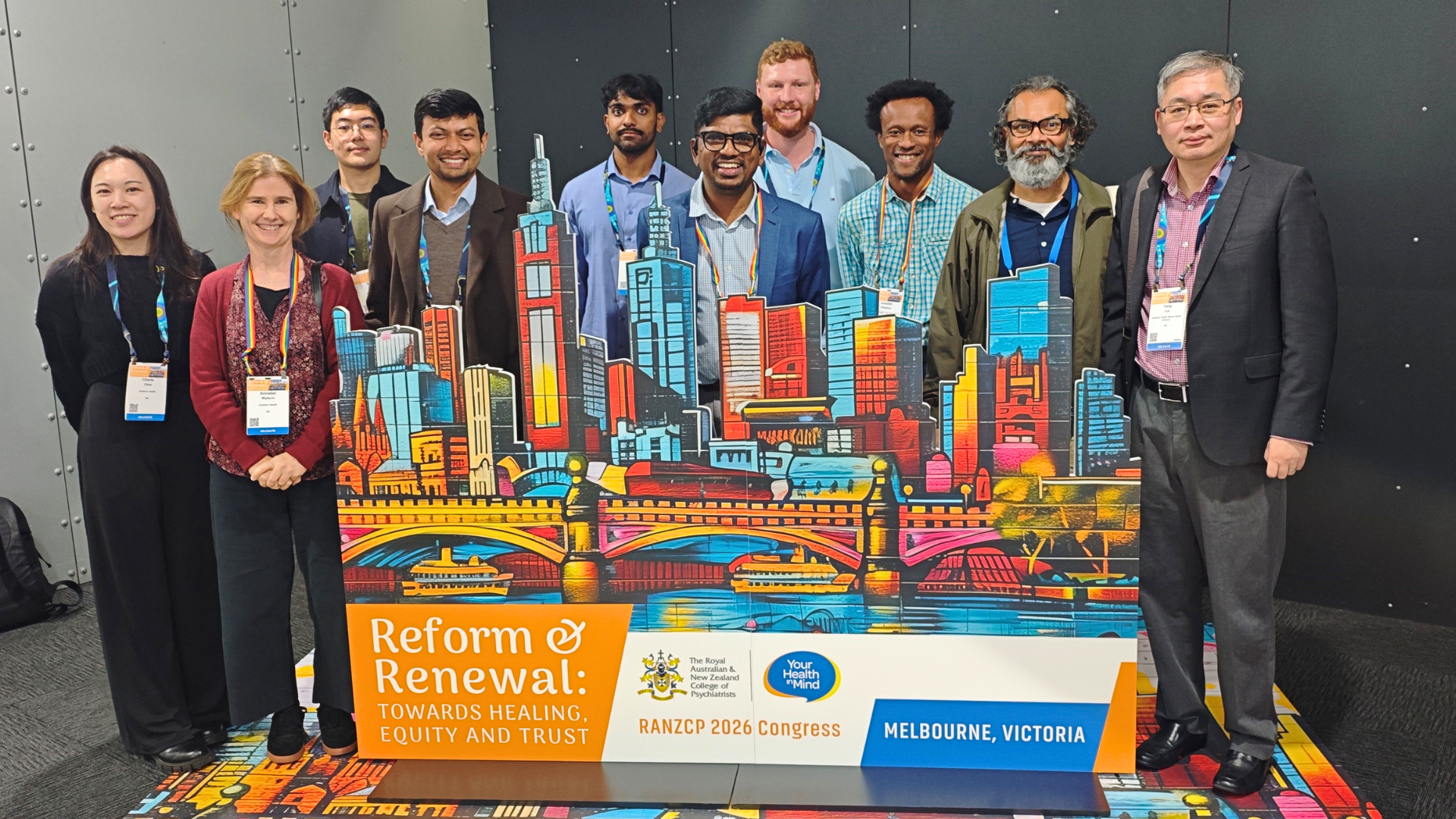
    Pictured in featured image (L-R): Dr Cherie Chan (Registrar), Dr Annabel Wyburn (Consultant Psychiatrist), Dr Sean Yang (Registrar), Dr Anish Shouan (Consultant Psychiatrist), Dr Nisal Kalansuriya (HMO), Dr Kosala Amaranayake (Consultant Psychiatrist), Dr Jamie Harbourd (HMO), Professor Josselin Houenou (Consultant Psychiatrist), Dr Ajay Vijayakrishnan (Consultant Psychiatrist) and Dr Yang Yun (Consultant Psychiatrist). 

  • Staff Peer Support Program

    Staff Peer Support Program

    Northern Health is pleased to relaunch an expanded Staff Peer Support Program in 2026.

    Northern Health is committed to strengthening employee wellbeing and our culture of care. We acknowledge that our workforce has different preferences and needs for how they wish to support their wellbeing, and can access a variety of internal and external supports. Our people have told us that having access to peer support is essential, where we can feel we are not alone, and be understood by a peer who shares our experience of working in health.

    The Northern Health Staff Peer Support Program is now bigger and better, ensuring that all staff and volunteers across different disciplines, campuses, teams and shifts can access Peer Support.

    The Program provides staff and volunteers with access to trained colleagues who can offer a listening ear, brief emotional support, practical guidance and referral to long term, professional support after challenging or distressing events at work or home. It is a confidential support option provided to our people, by our people. Whether you’ve experienced a critical incident, a difficult patient interaction, a personal struggle at home, or simply need someone to talk to who understands the challenges of working in healthcare, Peer Supporters are here for you.​

    Anna Southby, Allied Health Education – Clinical School Coordinator and Interprofessional Education, said she was passionate about supporting the wellbeing of others and creating safe, supportive spaces where people feel heard and understood.

    “Through my role in student and staff education, I regularly help colleagues and learners navigate challenges, reflect on difficult experiences, and develop wellbeing strategies,” she said.

    For Joven Tongco, Associate Nurse Unit Manager, Unit 3 at Broadmeadows Hospital, kindness and compassion goes a long way.

    “I’ve seen how a supportive and empathetic environment can make a meaningful difference in people’s experiences, especially during challenging times. Being able to offer understanding, listen without judgement, and support others aligns with my values.”

    To connect with Northern Health Staff Peer Supporters, please click here.

    Whilst Staff Peer Supporters may support critical incident responses, it is not a debrief, counselling or emergency response service. If you require urgent or out-of-hours support, please contact Converge, our Employee Mental Health and Wellbeing Program which provides 24/7 counselling and rapid response. Further details can be found here.

  • Get to know: Dr Amina Shaukat

    Get to know: Dr Amina Shaukat

    #WeAreNorthern

    Meet Dr Amina Shaukat, Psychiatry Registrar, Northern Health IMG and Psychiatry Representative.

    Q: What’s your coffee order?

    A: I’m not much of a coffee person. I’ll always choose chai instead.

    Q: Where did your journey begin? Tell us a little about where you’re from and what inspired you to pursue medicine?

    A: My roots are in Pakistan, and I was born and grew up in the UAE. Whilst medicine was initially my parents’ dream for me, it gradually became my own as I discovered a deep passion for helping others and making a meaningful difference in people’s lives especially in mental health.

    Q: What was it like arriving in Australia and navigating a new healthcare system for the first time?

    A: Arriving in Australia was a significant cultural shift. Something as simple as shops closing early during weekdays was surprising at first. Professionally, adapting to the healthcare system was equally challenging. From understanding salary structures like Gross vs Net pay, to even learning different pronunciations for medical conditions and medications, it was a steep but rewarding learning curve.

    Q: Can you share how you became involved in Northern Health’s Observership program through the Medical Education Department?

    A: I first heard about Northern Health through friends and later came across the Observership opportunity online. What stood out to me were the organisation’s values “Safe, Kind, Together” which closely align with my own. I knew it would be a supportive place to continue my journey.

    Q: What were some of the biggest challenges you faced as an International Medical Graduate (IMG), and how did you work through them?

    A: Like many IMGs, I felt pressure to fit in, perform well, and remain positive at all times. Over time, I realised that staying silent about challenges wasn’t sustainable. Learning about my workplace rights and finding the courage to speak up were important turning points. These experiences helped me grow in confidence and resilience.

    Q: Who or what made the biggest difference in your journey – any moments of support from colleagues that stayed with you?

    A: The most meaningful support in my journey has come from my mum (RIP), my husband, and my children. I had only just met my husband when I made the decision to return to medical practice in Australia. Within a few months, I asked if he would support me, not just emotionally, but financially as well, and he did so wholeheartedly. One of the most significant moments in my life was knowing that my mum was able to see me become a registered doctor, working in Australia before she passed. That remains my greatest achievement.

    I also had a colleague who supported me deeply during a particularly stressful time while preparing for Australian medical council exams, working full time as a medical officer at Northern Health, and having a young family.

    When I felt exhausted and overwhelmed, she encouraged me to channel that frustration into determination and confidence – to stand strong and show the examiner what I was capable of. Her words stayed with me, and I carried that mindset into my exam and I passed.

    Q: Looking back, what would you say to other internationally trained doctors who may be feeling uncertain or just starting out on a similar path?

    A: Be patient with yourself and trust the process. It’s okay to feel uncertain, but don’t hesitate to advocate for yourself. Understanding your rights and speaking up are key.

    Most importantly, keep going, your persistence will only lead you forward. As Aristotle once said, “Patience is bitter, but its fruit is sweet,” and having patience is totally worth it.

    Q: What is your favourite book or movie character, and why?

    A: I love The Boy, the Mole, the Fox and the Horse by Charlie Mackesy.

    Its message about kindness, courage, and vulnerability really resonates with me. Something I share in my daily practice with people around me.

    What is the bravest thing you’ve ever said? asked the boy.

    ‘Help,’ said the horse.

    ‘Asking for help isn’t giving up,’ said the horse. “It’s refusing to give up.”

    Q: Sweet or savoury?

    A: Savoury with spices, without a doubt!

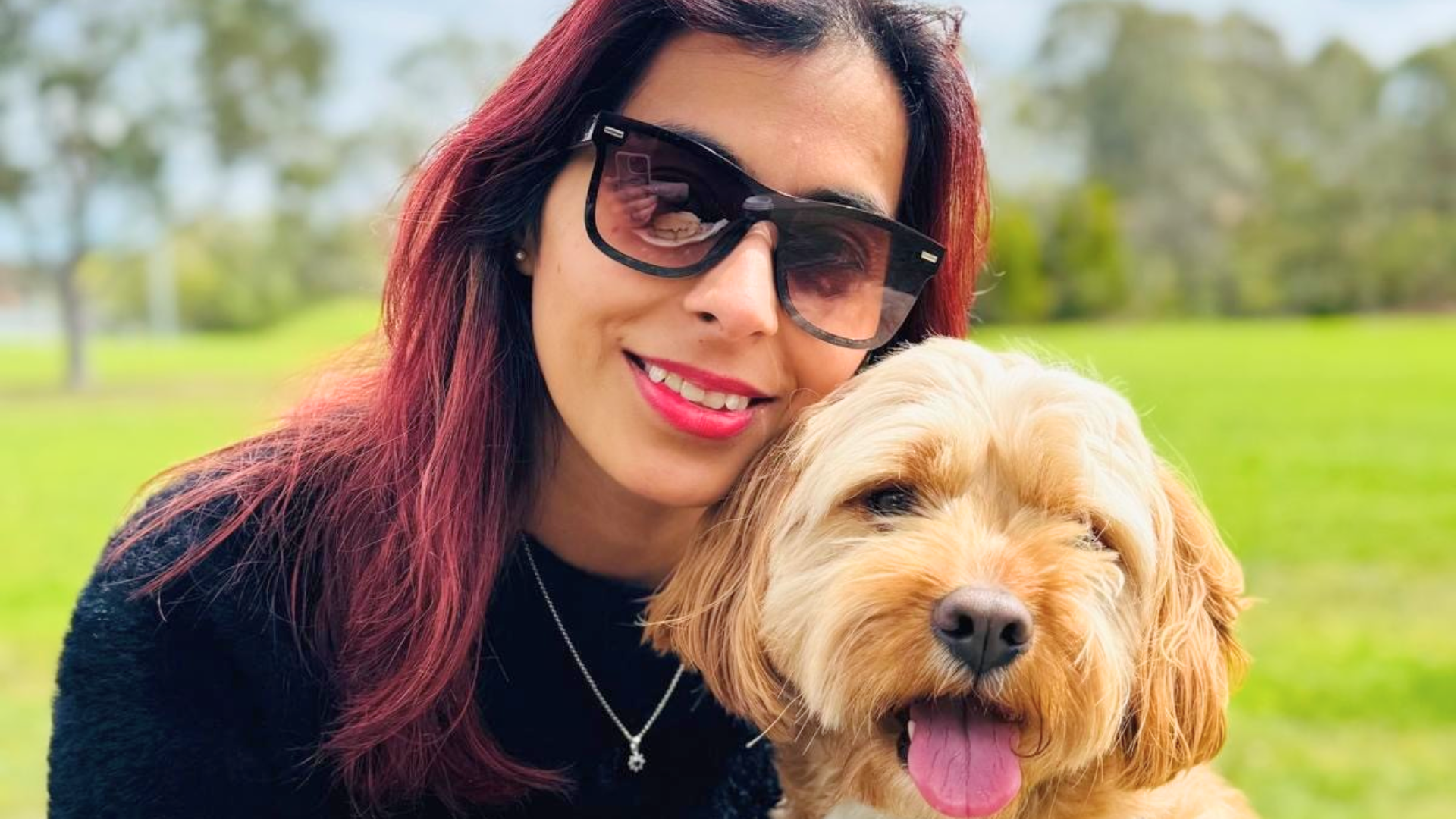
    Pictured in featured image: Dr Amina Shaukat with her dog Pluto. 

  • LGBTQ Domestic Violence Awareness Day

    LGBTQ Domestic Violence Awareness Day

    Today, 28 May, is LGBTQ Domestic Violence Awareness Day, a day dedicated to helping end violence within LGBTQ communities by increasing visibility, fostering understanding and giving hope and courage to victim survivors.

    LGBTQ Domestic Violence Awareness Day was originally created in Australia in 2020. It is the first time in history that an awareness day was formed to highlight domestic, family and intimate partner violence occurring in LGBTQ communities. It has since grown into a global event, with hundreds of government departments and organisations across 20 countries recognising and supporting this important initiative.

    The theme for this year is #SeenAndBelieved with the emphasis on the importance of acknowledging and validating the unique experiences of LGBTQ victim survivors of domestic violence. It aims to bring awareness to the issue and ensures that victim survivors are seen, heard and believed.

    Family violence is behaviour by a person towards a family member that is physically or sexually abusive, emotionally or psychologically abusive, economically abusive, threatening or controlling of that family member and causes them to fear for their safety. Family violence impacts people of all genders and sexual identities and can occur in all family types including intimate partners, across generations, extended families and carer relationships.

    The health sector is a critical entry point for people affected by family and domestic violence, which is an opportunity to provide medical care, support and referrals to specialist services. Every person affected by violence, each with their unique identities and relationships, has a right to be seen and believed by their health care providers.

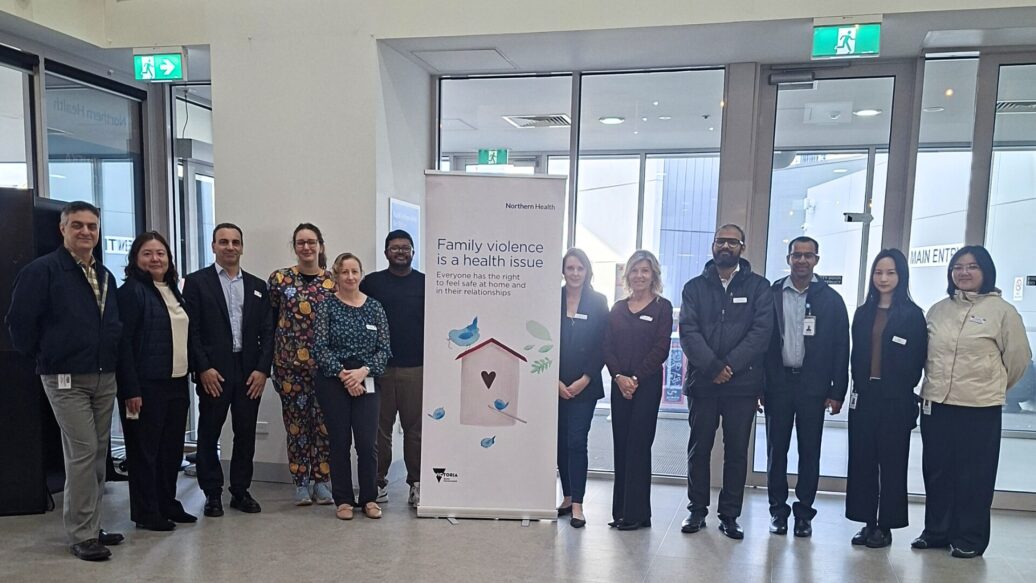
    At Northern Health, the Strengthening Hospital Response to Family Violence (SHRFV) Program, the Rainbow Working Group and the Workforce Planning & Projects Team are working together to raise awareness on this important health issue.

    Tanya Ellis, SHRFV Program Manager, says, “Family violence is a serious and prevalent health issue that has a profound impact on the psychological and physical wellbeing of victim survivors. Victim survivors are among our community and present to our health service each and every day.”

    “It is a human right to live a life free from violence and we all have a part to play in ensuring that we identify and respond to individuals experiencing family violence.”

    “Unfortunately, there is still apprehension within the LGBTQIA+ community to violence or contact mainstream services for support, which means these victim survivors remain largely invisible with low levels of disclosure and reporting.”

    According to the LGBTQ Domestic Violence Awareness Foundation, more than 60 per cent of LGBTQ+ people have experienced domestic, family or intimate partner violence and abuse in their lifetime. Specific forms of family violence perpetrated against LGBTQIA+ individuals include threatening to ‘out’ a person’s gender, sexual identity or intersex status to family, friends, colleagues or their community and this threat is used as way to control the victim survivor.

    Despite this prevalence, LGBTQ+ individuals are less likely to recognise domestic or family violence in their relationships, less likely to report it to the police or seek support from services and are far less likely to find support services that meet their specific needs.

    Maria Soo, OHS and Wellbeing Interim Director says, “Domestic and family violence impacts people across all communities, including LGBTIQ+ individuals who may face unique barriers to accessing safety and support. Today is a reminder that creating safe workplaces is not limited to physical environments. It is also about fostering cultures of inclusion, trust, and psychological safety. We all have a role in recognising signs, responding with empathy and ensuring our people know they are supported, respected, and never alone.”

    Northern Health aims to play an important role in preventing family violence through providing a respectful, equitable and safe service. We are committed to providing an environment that is safe for all individuals to disclose their experiences and receive support and safety.

    Northern Health encourages staff to get involved and show their support to the LGBTQIA+ community by wearing something rainbow throughout the week, having a conversation about healthy relationships, spread the word on social media with #SeenAndBelieved and become aware of support services available to LGBTQIA+ victim survivors.

    Tanya reminds staff to please complete the Family Violence MARAM Screening & Identification Tool when working with a patient who has disclosed family violence or if it is suspected. The Tool is trauma-informed and best practice in identifying and responding to family violence. The Tool is located on EMR (AdHoc Forms Section) and PROMPT.

    The SHRFV Team is also available for specialist family violence consultation and to deliver family violence training. Please contact the SHRFV Team if you need to consult or organise training in your area (8405 8519).

    Click here to get involved or for more information on LGBTQ Domestic Violence Awareness Day.

    Support services:

    • Safe Steps: 24/7 Crisis Response Service Ph: 1800 015 188
    • With Respect: Specialist LGBTQI+ Family Violence Service Ph: 1800 542 847
    • Rainbow Door: LGBTQIA+ Information, Support and Referral Helpline Ph: 1800 729 367
    • 1800 RESPECT: 24/7 National Sexual Assault & Domestic Family Violence Counselling Service Ph: 1800 737 732
    • Qlife: LGBTIQ+ Peer Support, Information and Referral. Ph: 1800 184 527
    • Disclose to your health professional to access support and safety.
  • NHF Gala Ball 2026: A Night Where Art Met Healing

    NHF Gala Ball 2026: A Night Where Art Met Healing

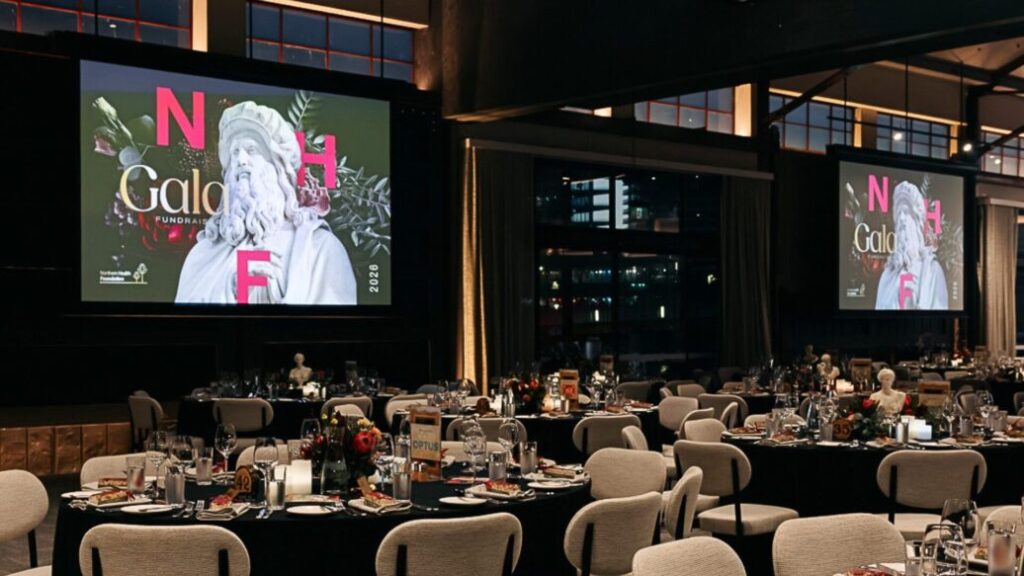
    On 9 May 2026, the Northern Health Foundation welcomed 430 guests to the 1 Hotel Melbourne Ballroom in Docklands for its most ambitious Gala Ball yet, and the results speak for themselves. The evening raised $140,000 for equitable healthcare in Melbourne’s north, making it one of the Foundation’s strongest fundraising results to date.

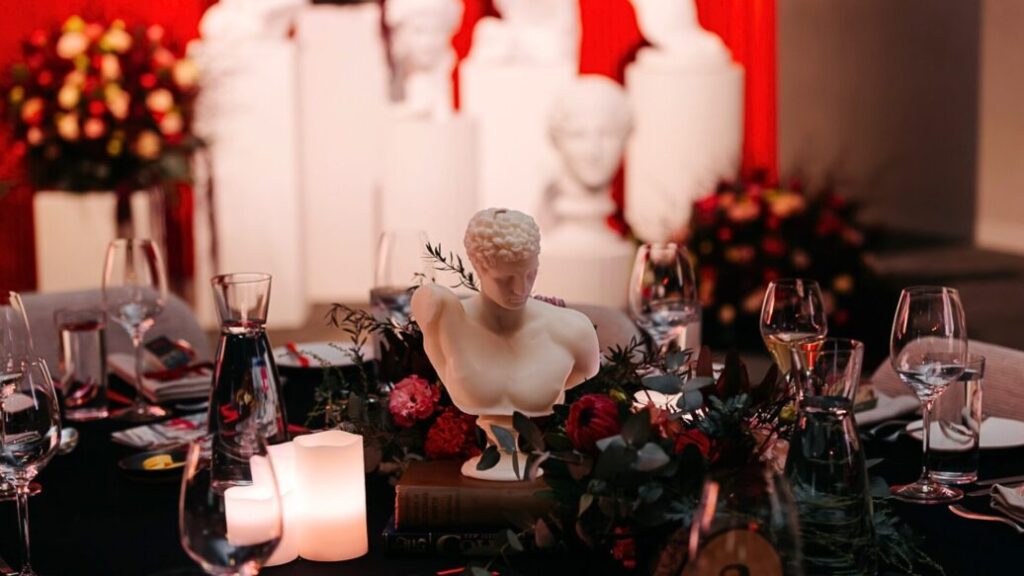
    This year’s event, Where Art Meets Healing, was built around a Renaissance theme honouring the arrival of Northern Health’s new da Vinci Robotic Surgical System; a milestone that gave the night real meaning beyond the celebration. From the opening moments, guests were immersed in an experience that wove together art, innovation, and the very human stories behind modern medicine.

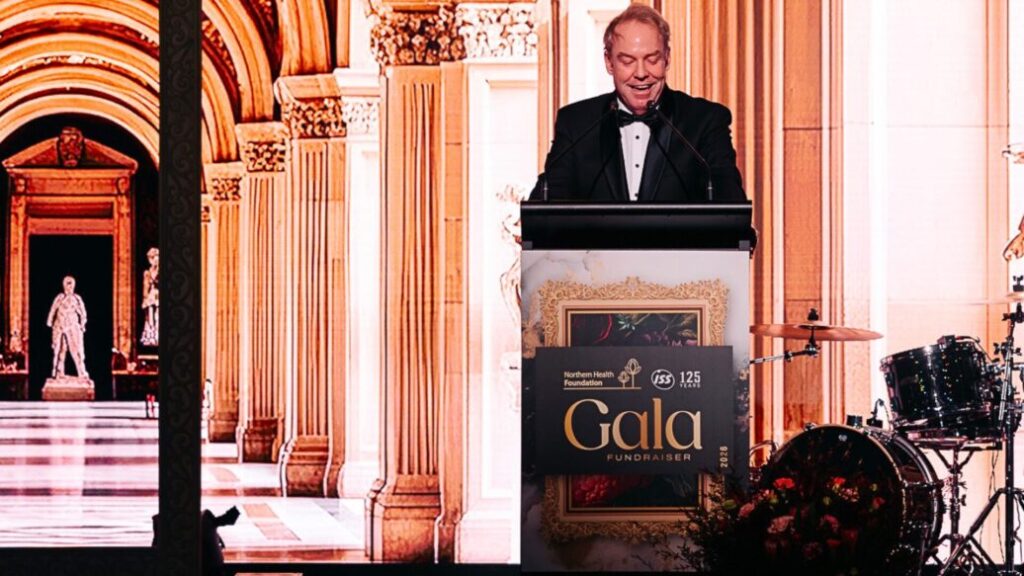
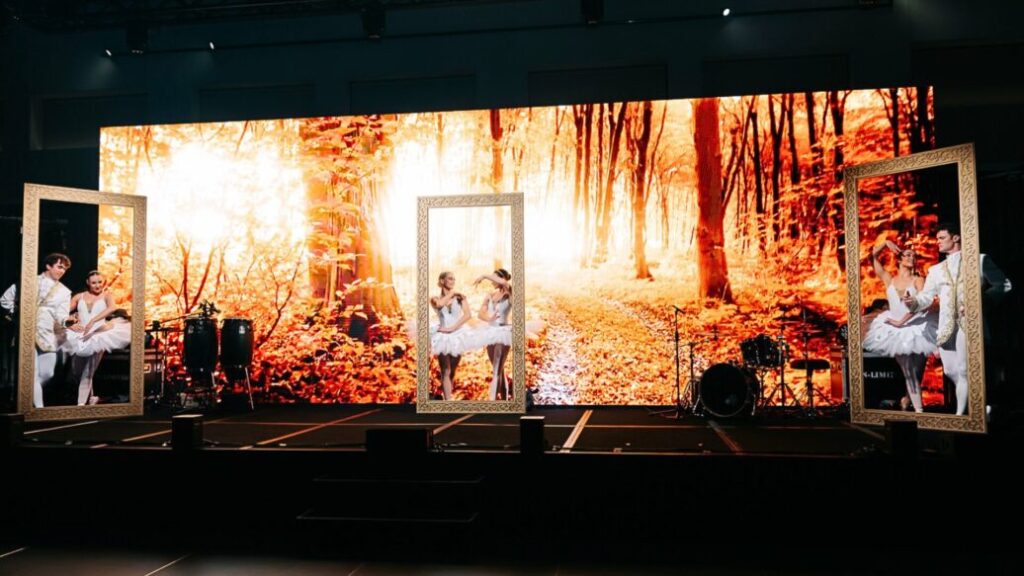
    The entertainment set the tone from the start. Vivid Strings welcomed guests with a live performance as they entered the ballroom, before Bespoke Ballet Dancers delivered a breathtaking opening performance. Brad Blaze, our speed painter, captivated the room with his original artwork later sold at live auction, raising an additional $3,000. The Un-Limited Band brought the dance floor to life and kept energy high through to the final set. Hosting the evening with warmth, wit, and professionalism was our MC, Peter Helliar, whose ability to hold a room, across the serious and the celebratory, was exactly what the night called for.

    Amongst all the pageantry and celebration, one individual stole the show. Sharing his personal experience following life-saving robotic surgery, Rex Stacey, connected the whole room with his heartfelt account and sincere gratitude for the technology and for the care he received at Northern Health.

    Fundraising highlights included a remarkable Mercedes-Benz raffle which alone raised $43,000, generously supported by 3 Point Motors, and the Diamond Bracelet draw, with the bracelet kindly donated by Paton’s Place Jewellers. Silent and live auctions, donations, and the evening’s 28 sponsors helped push the total over the line. Special thanks to our Principal Sponsor ISS and Premier Sponsor Henry’s Café, and other main sponsors, Blue Sky, Kane, Latrobe University, Margie Hill, New Epping, RMIT, and Rauland. Thank you also to our new supporters who joined our community this year.

    None of this happens without the team. To everyone at the Northern Health Foundation who gave their time, energy, and heart to this event: your dedication showed in every detail of the night. This was our fourth Gala Ball, our first at the 1 Hotel, and by every measure, our best.

    And the feedback we’ve received was overwhelmingly positive.

    Adjunct Professor Alan Lilly, Board Chair, Northern Health, reflected, “Special thanks to Pina Di Donato and the amazing organising team at the Northern Health Foundation for creating an inspiring, engaging, thoughtful and entertaining event. It was indeed a spectacular evening. Thank you also to our guests and sponsors who supported the event, so that we can bring world-class care closer to home.”

    “We were delighted to support this year’s Northern Health Foundation Gala as Principal Partner – an inspiring evening that brought community, culture and care together for a powerful cause.
    Together, we helped raise over $140,000 to support the da Vinci Surgical System at Northern Hospital Epping, enabling more accessible, world-class healthcare for Melbourne’s north,” ISS, Facility Services and major sponsors for Northern Health.

    “Attending the Northern Health Foundation Gala was incredibly meaningful. Hearing about the introduction of the da Vinci Surgical System at Northern Hospital Epping was both inspiring and deeply personal for me, having lost family members to cancer. It was a powerful reminder that the work we do and the projects we help deliver can truly change lives,” added Richa Choudhary, Project Manager, INTREC.

     The funds raised will make a genuine difference to the communities we serve. Thank to everyone who attended for making it possible.

  • National Sorry Day at Northern Health

    National Sorry Day at Northern Health

    Today we observe National Sorry Day, a time to acknowledge and remember the Stolen Generations – Aboriginal and Torres Strait Islander children who were forcibly removed from their families under past government policies. It is also an opportunity to recognise the ongoing impact of this history on individuals, families, and communities, and to reflect on the role we each play in reconciliation.

    This day holds deep significance across Australia, encouraging us to listen, learn, and engage with the truths of our shared history. Yue Hu, Director of Narrun Wilip-giin Aboriginal Support Unit (ASU), reflected on the importance of the day, “National Sorry Day asks us not to look away from history, but to confront it honestly, and to reflect on how we create culturally safe, respectful care for Aboriginal and Torres Strait Islander peoples today.”

    This message is especially important in healthcare, where cultural safety, respect, and understanding are essential to building trust and improving health outcomes.

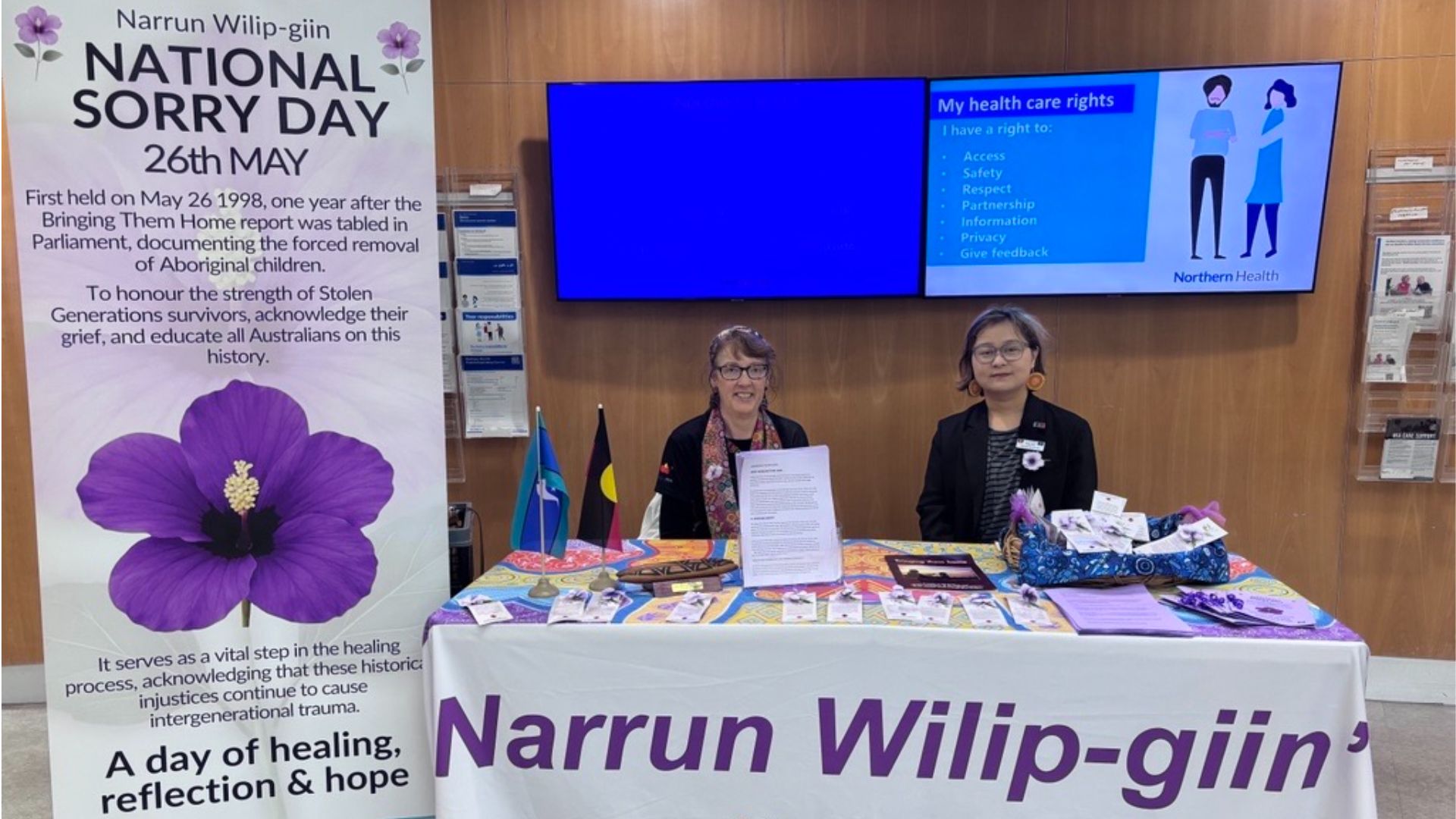
    Today at Northern Health, staff came together to mark National Sorry Day through a range of meaningful activities.

    Staff visited the foyer stall, where they had the opportunity to learn more about the significance of the day and show their support. Educational resources were shared to help build awareness of the Stolen Generations and the lasting impact of these experiences on Aboriginal and Torres Strait Islander peoples and communities.

    A special choir performance also brought staff together in reflection and solidarity. Among the songs performed, three carried particularly powerful messages, honouring the experiences of Aboriginal and Torres Strait Islander peoples and acknowledging the trauma and resilience of the Stolen Generations.

    These activities created an opportunity for staff to connect, learn, and show support. Whether through attending events, engaging with resources, or having meaningful conversations with colleagues, every action contributes to building a more inclusive and culturally safe workplace.

    Karen Bryant, Manager of Narrun Wilip-giin Aboriginal Support Unit, highlighted the importance of reflection and collective responsibility, “Today, we acknowledge the strength and resilience of Stolen Generations Survivors and reflect on how each of us can play a part in healing for our Mob.”

    National Reconciliation Week follows from 27 May to 3 June and builds on the spirit of National Sorry Day. The week commemorates two significant milestones in Australia’s reconciliation journey, the 1967 Referendum and the High Court Mabo decision, and encourages all Australians to learn about our shared histories, cultures, and achievements. It is also a time to consider how we can contribute to reconciliation through our everyday work, actions, and interactions.

    National Sorry Day is not only about acknowledging the past; it is about shaping the future. By continuing to listen, learn, and act, we can each play a role in advancing reconciliation and fostering a workplace grounded in respect, understanding, and cultural safety.

    Pictured in featured image (L-R): Sherrilyn Ballard, Community Engagement Coordinator, Narrun Wilip-giin (ASU) and Yue Hu, Director of Narrun Wilip-giin (ASU).