• Celebrating Renewal at the WellAhead Open Day

    Celebrating Renewal at the WellAhead Open Day

    On Friday 20 February, the WellAhead program held its its third Open Day at Whittlesea U3A. The day was designed to restore calm and inner balance for anyone navigating a cancer journey, supporting a loved one, or managing mental health challenges.

    We began with Qigong, the ancient Chinese practice that harmonises breath and movement to rebalance mind, body, and spirit. It was a fitting way to celebrate Chinese New Year by embracing a tradition that has supported wellbeing for centuries. Our sincere thanks to Mauricio and Belinda from VITA Martial Arts Health and Wellbeing for their generous and ongoing support of the WellAhead program.

    Creativity followed, with participants exploring self‑expression through card making, before learning about the 5 Ways to Wellbeing—a simple, practical framework for strengthening mental wellbeing—presented by our own Nicola McKay from the Wellbeing & Recovery, Community Development, Mental Health team.

    After lunch, the afternoon invited everyone into deeper stillness. A calming session of guided meditation flowed into gentle Chair Yoga, and the day concluded with a deeply sensorial Sound Bath—a soothing, immersive experience that proved to be the perfect finale.

    The WellAhead program, co-designed with consumers, aims at bringing holistic, accessible care to the wider community- not only Northern Health patients. The Open Day, generously funded by a Whittlesea Council Grant, aligns with the City of Whittlesea’s 2040 Vision, supporting social cohesion, health, and active participation.

    Montse Becker, a member of the WellAhead exercise group for more than two years, shared her experience:

    “I am already a convert and firm believer in the benefit of exercise to help my stage 4 lung cancer. I thoroughly enjoyed the talk on Mental Health by Nicola and the meditation class, as it has motivated me to meditate at home. I also enjoyed the opportunity to experience the Sound Bath. Thank you for organising the Open Day!”

    First – timer Steve McCabe, said, ” I am currently recovering from radiation treatment for cancer after having my prostate removed about five years ago. I attended the Qigong class at the WellAhead Open Day and really appreciate the positive experience.”

    He added, “It is great to see the holistic approach for all patients to receive support before, during and after treatment. I highly recommend the program to achieve a strong mind, body and spirit.”

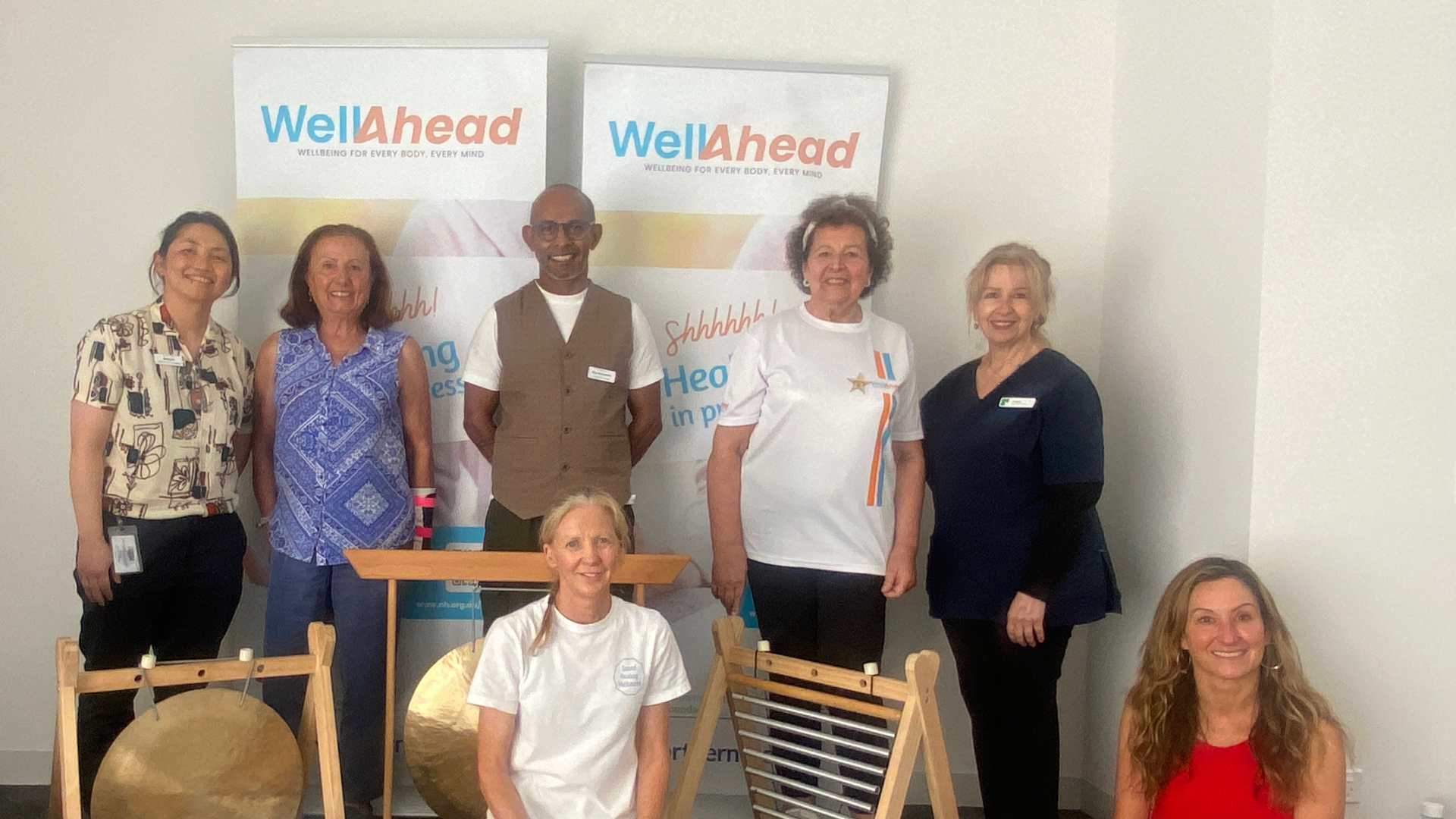
    Picture shows, from left to right:
    Back row: Natalia Dewiyani, Spiritual Care Coordinator, Maria Rossi, U3a member, Mike Masilamani, Wellbeing Program, Project Officer, Montse Becker, U3a and WellAhead member, Angela Georgalas, Genesis Care.
    Front row: Romy Paltoglou, Sound Healing Melbourne, Victoria Wilson, Buddhist Chaplain.
  • Small patients, mighty teams and a visit to remember

    Small patients, mighty teams and a visit to remember

    Last week, we were delighted to welcome Humpty’s Patron and Channel 7 Better Homes and Gardens presenter, Johanna Griggs AM, to The Northern Hospital in Epping – a special visit made possible through the ongoing partnership between the Humpty Dumpty Foundation and the Northern Health Foundation.

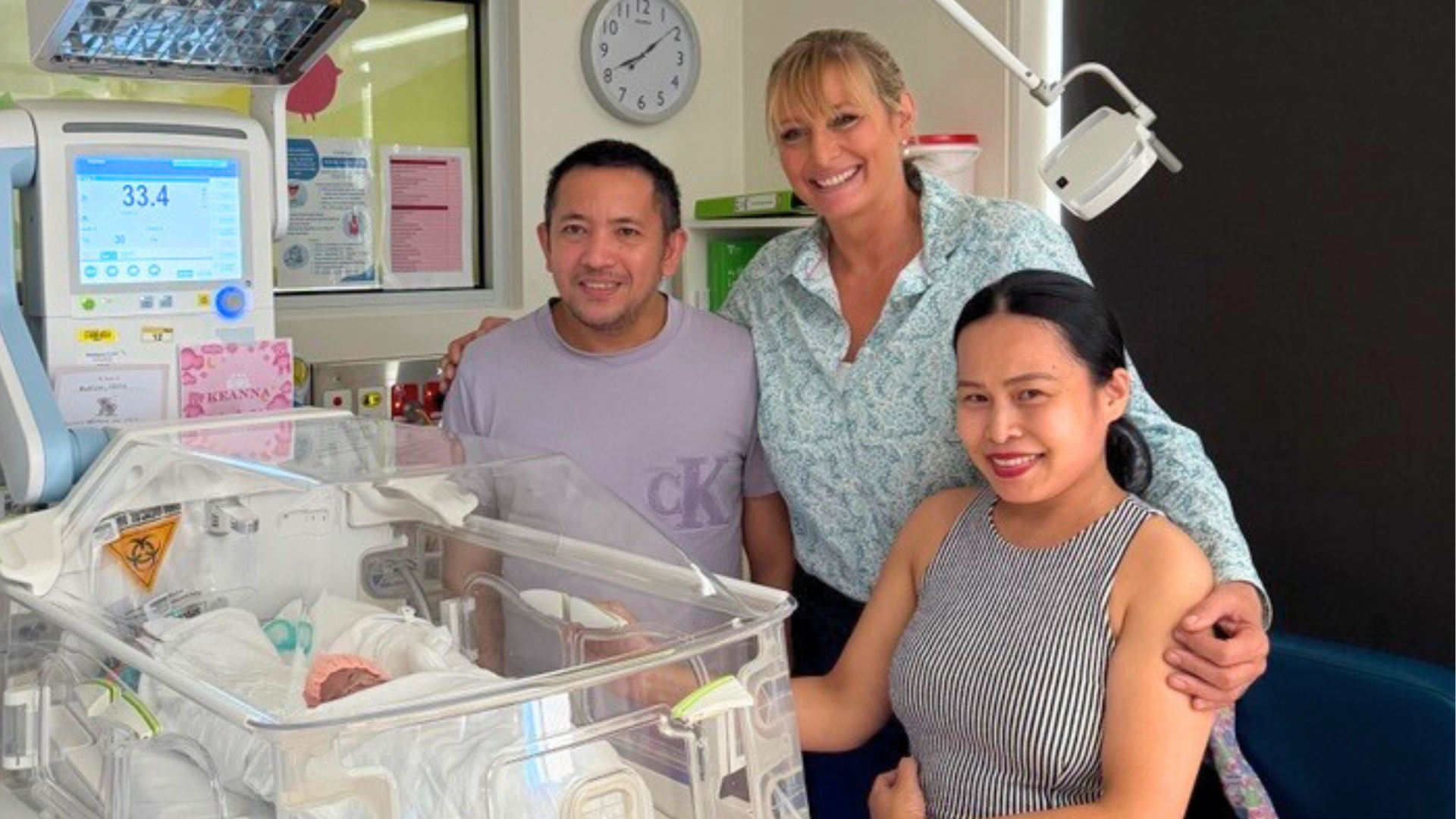
    Together, we spent time across the Special Care Nursery, Children’s Ward, Maternity and our Emergency Department — the busiest in Victoria, with more than 110,000 presentations each year. The scale and pace of care delivered across Melbourne’s growing northern corridor is significant, and it was a wonderful opportunity to showcase the dedication of our teams.

    From supporting vulnerable newborns in their earliest days of life to managing high-volume paediatric presentations in Emergency, our clinical teams consistently demonstrated exceptional expertise, leadership and calm under pressure. Most evident throughout the visit was the compassion that defines their practice — the thoughtful reassurance offered to families, the seamless collaboration across departments, and an unwavering commitment to delivering safe, high-quality care for every child and family entrusted to us.

    “Walking through The Northern Hospital Epping, you can truly feel how culture and care are thoughtfully woven together,” said Kerry Squires, Head of Medical Programs at the Humpty Dumpty Foundation. “From the beautiful possum skin cloaks used by the Koori Maternity Service to connect newborns and families with culture and Country, to the staff and pet photo walls that bring warmth and personality into clinical spaces, these touches speak volumes about Northern Health’s genuine commitment to culturally safe, person-centred care.”

    Through the generous support of the Humpty Dumpty Foundation and our donors, 48 pieces of equipment valued at $216,475 have been delivered to The Northern Hospital. In 2025 alone, more than $37,000 in essential equipment has been provided to the Special Care Nursery, strengthening care for our most vulnerable newborns.

    Pina Di Donato, Executive Director, Public Affairs and Foundation says, “Visits like this remind us why partnerships matter. Through the generosity of donors and the steadfast support of organisations like the Humpty Dumpty Foundation, the Northern Health Foundation can continue to advocate for and secure essential equipment to support our youngest patients and their families.”

    “We extend our heartfelt thanks to Johanna for taking the time to visit and engage so warmly with our teams, and to the incredible staff who so proudly represent Northern Health every day,” she added.

  • Putting Women’s Health First: Ovarian Cancer Awareness Month

    Putting Women’s Health First: Ovarian Cancer Awareness Month

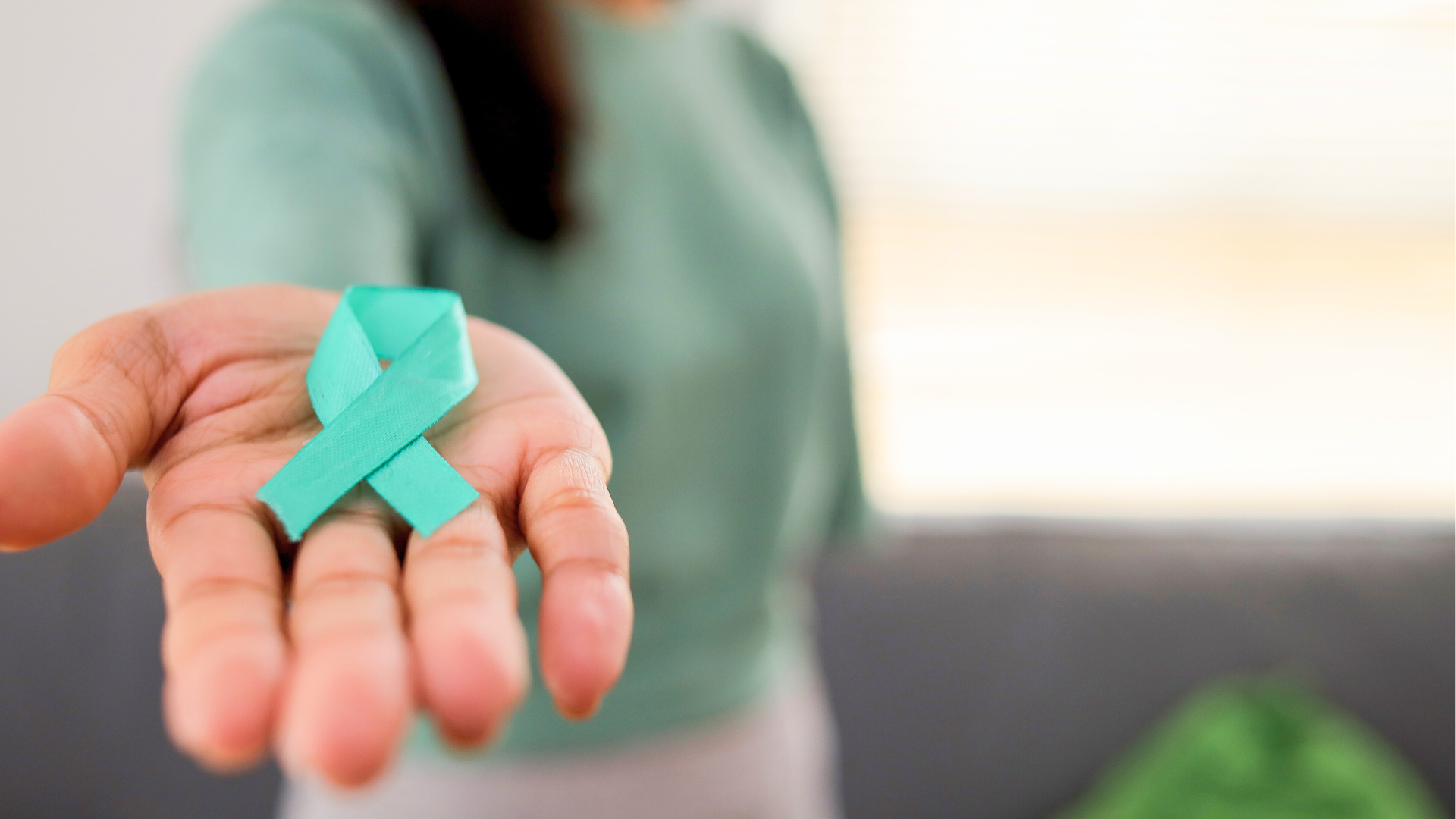
    February marks Ovarian Cancer Awareness Monthan important opportunity for our Northern Health community to shine a light on a disease that continues to significantly impact women across Australia.

    Often described as the “silent killer,” ovarian cancer can be difficult to detect early because its symptoms are frequently subtle and non-specific. Persistent bloating, abdominal discomfort, changes in appetite, or feeling full quickly are symptoms that can easily be attributed to other conditions – which is why awareness and timely medical review are so important.

    In Australia, more than 1,800 women are diagnosed with ovarian cancer each year. While the majority of cases occur in women over 50, it is important to remember that ovarian cancer can affect women of any age. Sadly, many diagnoses occur at an advanced stage, when treatment becomes more complex.

    Currently, there is no reliable screening test to detect ovarian cancer in its early stages for women at average risk. While research continues to advance, preventative options are limited for most women. Some individuals carry inherited genetic mutations, such as BRCA1 or BRCA2, which significantly increase their risk. In these cases, risk-reducing surgery may be recommended after childbearing is complete.

    Treatment for ovarian cancer typically involves surgery and chemotherapy. Encouragingly, advances in targeted therapies and personalised treatment approaches in recent years are helping women live longer and with improved quality of life — even when the cancer cannot be cured.

    Diagnosis usually involves a combination of clinical examination, imaging, blood tests and, ultimately, surgical biopsy to confirm the diagnosis.

    Bec van de Paverd, Acting Chief Nursing and Midwifery Officer and Divisional Director, Medicine and Cancer Services at Northern Health, says there is growing recognition of the need to prioritise women’s health at a system level.

    “Now more than ever, there is a renewed focus on elevating women’s health as a priority. Ovarian cancer highlights the importance of validating persistent symptoms and advocating for investigation when something doesn’t feel right. Awareness empowers women, families and clinicians alike.”

    She adds that progress is being driven by collaboration and innovation across the sector.

    “Through research, collaboration and compassionate care, we are working to improve outcomes while ensuring women feel heard, supported and informed throughout their journey. While ovarian cancer remains challenging to detect early, advances in treatment, research and personalised care are offering renewed hope. This month is a reminder that awareness, conversation and partnership with women in their care are powerful tools in improving outcomes.”

    This February, Northern Health encourages our community to start conversations, learn the signs and support those affected by ovarian cancer.

    For more information and support resources, visit the Cancer Council Australia website.

  • Strengthening care through education

    Strengthening care through education

    Allied Health professionals are a vital part of the health workforce and play a key role in delivering high‑quality patient care at Northern Health.

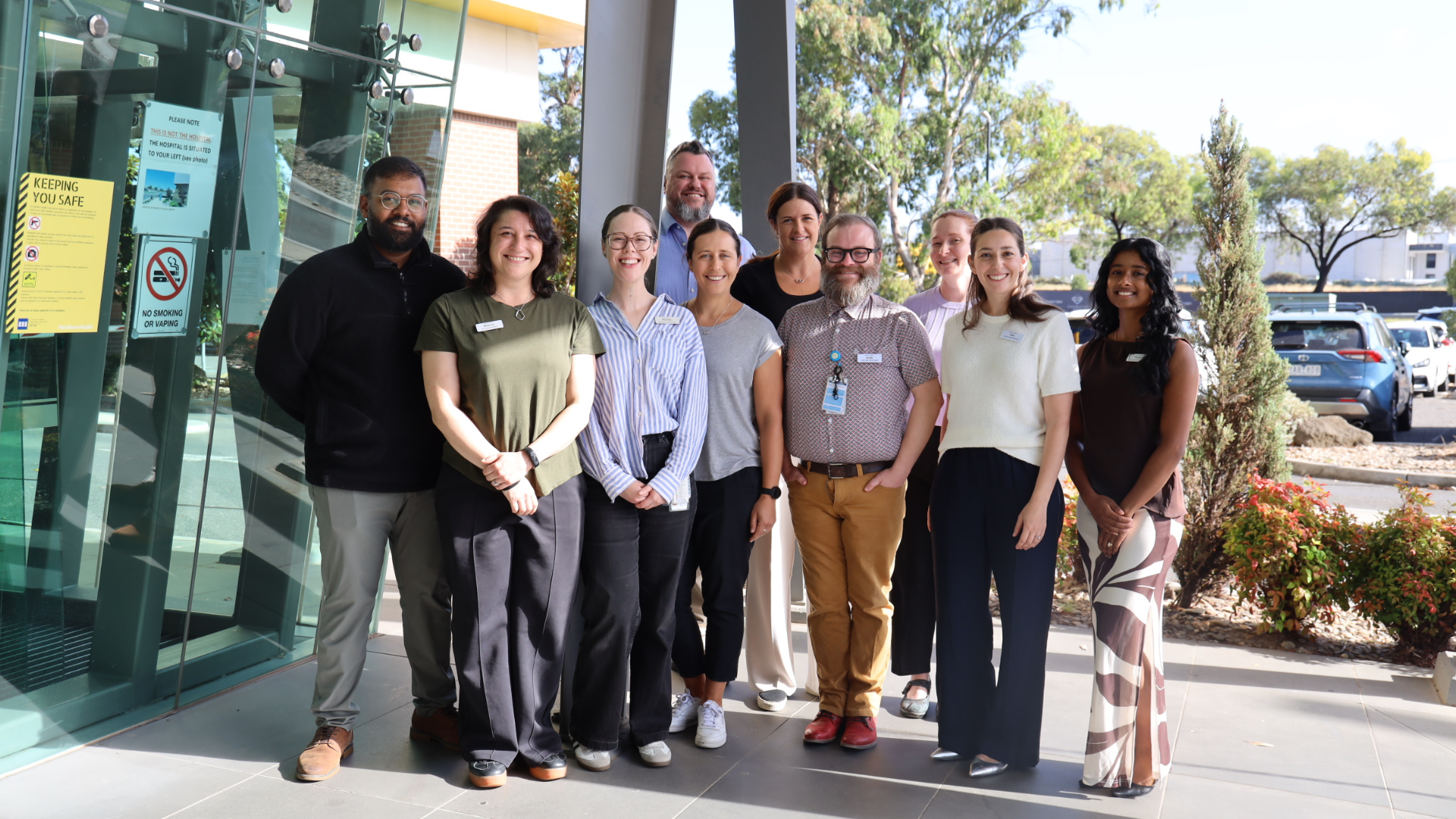
    To further strengthen this capability, Northern Health has recently introduced a new cohort of Allied Health Clinical Educators – 13 passionate educators from across disciplines who are committed to building a vibrant, supportive learning culture.

    Since stepping into their roles, the educators have hit the ground running with a comprehensive Learning Needs Analysis (LNA). By engaging clinicians and leaders through surveys, focus groups and stakeholder consultations, they have gained a clear picture of the priority knowledge and skills that need strengthening, as well as how clinicians want to learn.

    Allied Health Profession Education Leads, Tameeka Robertson and Talin Gochian, said the work has already had a significant impact, noting that “the clinical educators have done incredible work leading a comprehensive learning needs analysis that truly reflects the voice of our allied health workforce.”

    They added that “this insight allows us to tailor education to what our staff genuinely need to grow and thrive. We are incredibly proud to support such capable and passionate educators as they continue to build their capability and strengthen a culture of learning across Allied Health.”

    The LNA revealed a strong appetite for more opportunities to learn on the job. In response, the team has developed a new Point of Care Learning Framework – co‑designed with consumers – to support meaningful, real‑time learning right where care happens.

    For many educators, this work is deeply connected to their professional values. Thuhini Amaraskera, Clinical Educator for Occupational Therapy and Hand Therapy, highlighted the importance of ongoing development, explaining that “education is fundamental to allied health because our practice is continually evolving. Ongoing learning ensures that clinicians remain evidence based and well equipped to deliver the best possible outcomes for the people they support.”

    Similarly, Andy Allen, Clinical Educator for Social Work, emphasised the importance of creating space for reflective and inclusive practice.

    “I want to help create space for every practitioner, emerging or established, to lean into their strengths and feel empowered to share their perspectives, their voice,” he said. “Whether someone has been in the profession for five minutes or fifty years, we all have something we can learn from one another. I’m looking forward to launching the Reflective Practice pilot groups within Social Work, with the aim of informing future, more consistent approaches across Allied Health.”

    This new team brings energy, expertise and a genuine commitment to making learning accessible, meaningful and engaging. Their work is helping shape an environment where every clinician feels supported to grow and where great education becomes part of how we deliver great care.

    Keep an eye out for upcoming workshops, resources and opportunities to get involved.

    Featured image: Allied Health Education team.

  • Get to know: Beatrice Cann

    Get to know: Beatrice Cann

    #WeAreNorthern

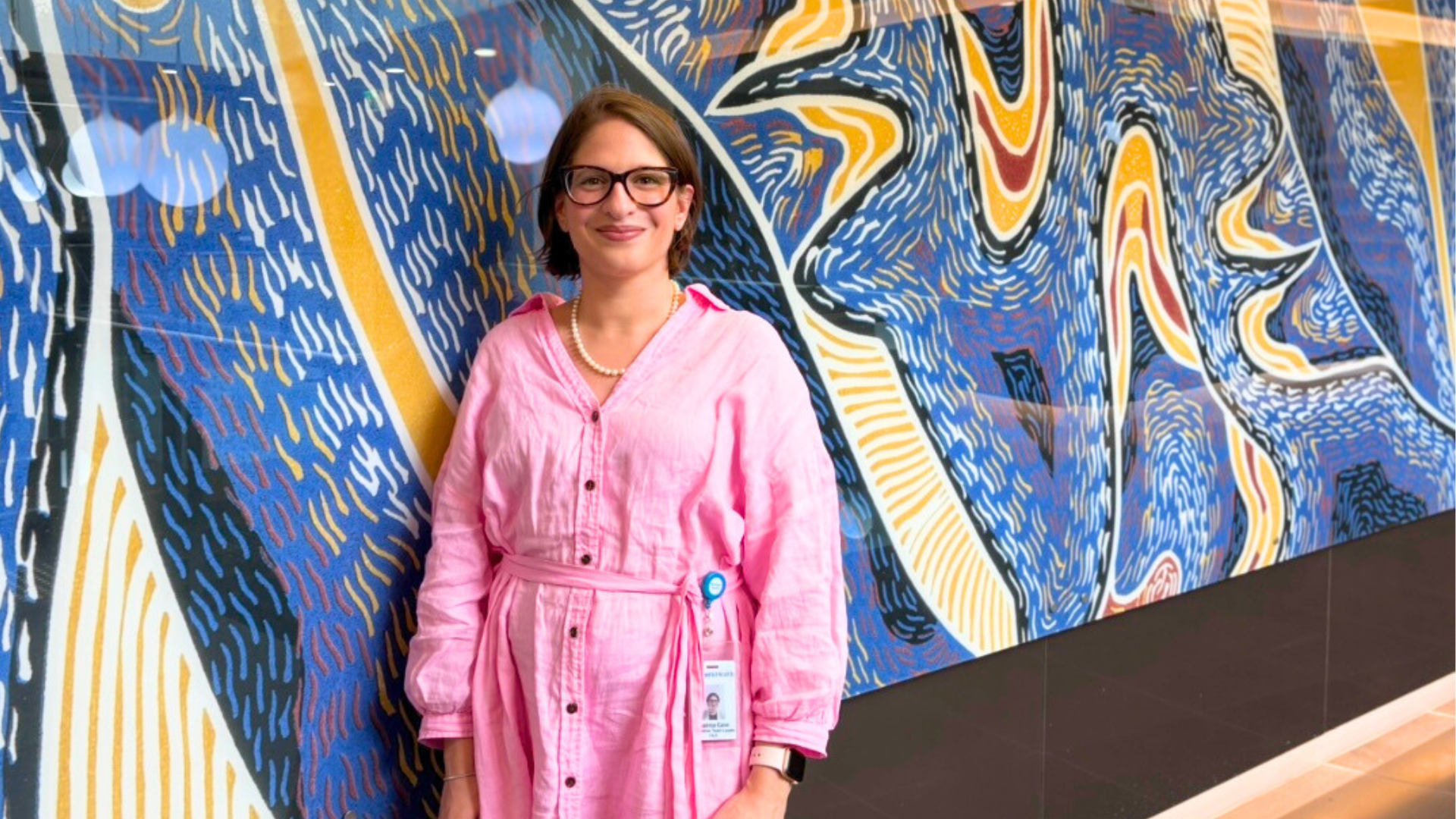
    Meet Beatrice Cann, Translation Team Leader, Transcultural and Language Services (TALS), Northern Health.


    Q: First, let’s start with your coffee order?

    A: Oat latte with a sprinkle of chocolate powder on top. If I’m sitting at a café, I like to add a light layer of sugar on the foam and eat it with a spoon, a special treat for when my toddler allows me a quiet coffee moment.


    Q: Tell us about your journey at Northern Health.

    A: I started at Northern Health in October 2025, after keeping a close eye on TALS for many years and waiting for the right opportunity to join.

    In my day-to-day work, I coordinate the translation of patient brochures into languages other than English. I collaborate closely with clinics across Northern Health to gather translation requirements and assess priorities. Once translations are completed, I conduct thorough quality assurance to ensure the brochures are accurate, culturally appropriate and ready for delivery.

    I oversee the TALS translation team, which includes all the interpreters who have translation certification and therefore are able to provide translation of written material. At a time when language services are experiencing significant disruption due to AI, my role allows me to reinforce every day the importance of our unique human expertise.

    Working closely with my team, I have learnt that the process can be challenging at times. Interpreting assignments always take priority over translation work, which means schedules often need to be adjusted. However, the work our translators do, making printed medical information accessible to consumers in their own language, is invaluable, even if it often happens behind the scenes. I have made it my mission to continue highlighting the outstanding work of the TALS translation team and their contribution to the hospital and our community.


    Q: What is the best part of working at Northern Health?

    A: Exploring cultural diversity every day, learning from the cultures of my colleagues and being part of an organisation that truly values and fosters our different roots, embedding this into the hospital’s values and operations.

    I also feel privileged to work alongside some of the most competent medical language experts in Australia.


    Q: What’s something people might be surprised to learn about your role?

    A: Project managing translations means you become a ninja of languages you don’t speak.

    You learn how to manage right-to-left languages such as Arabic and Persian, recognise punctuation in languages with different scripts such as Hindi and Nepali, and understand that not all fonts work well in every language. For example, certain fonts in Turkish can create “looks like a typo” situations.

    And to my team, my eyesight has developed special powers to detect every double space!


    Q: What’s the most valuable lesson you’ve learned in your career so far?

    A: That every person I work with has a unique story and something to teach me. I have learnt the power of observing and listening to the people around me, and taking something from each of them to keep progressing along my own journey.

    Looking at other people’s career journeys and how they have moved between roles is fascinating. It’s almost like reading a word’s etymology in the dictionary.


    Q: How do you like to spend your weekends or time off?

    A: On sunny weekends, I love taking my son to the playground and sharing a good ice cream. Weekends are also the perfect time to video call my family in Italy. On those rare occasions when I get some time off, I enjoy listening to podcasts and playing sudoku.


    Q: Who or what inspires you most?

    A: I try not to compare my journey to anyone else’s, as that can make me feel like I’m not doing enough. While I always carry the example of my mentors with me, I draw a lot of inspiration from some wonderful Philosophy and History professors I had during my studies and the way they brought passion and motivation into the classroom.

    As I navigate balancing career growth with motherhood, I also find deep inspiration in my mother, who worked with dedication while raising me. I deeply admire her strength and perseverance, and the way she quietly made the pieces of the puzzle fit while continuing to grow her career and raise a family.

  • Discharges won’t take the weekend off

    Discharges won’t take the weekend off

    A new 7-day flow initiative is being introduced across General Medicine to support safe, timely discharges over the weekend.

    Many patients who are clinically ready to return home over the weekend do so successfully. However, for some patients, discharge is more complex and relies on coordinated input from multiple teams — including pharmacy, allied health, nursing and medical staff. When key decision-makers or supports are less available over weekends, even small delays can compound and result in discharge being deferred until early the following week.

    Recognising this challenge, Northern Health’s General Medicine division has developed a strengthened weekend model to better support progression of care across all seven days.

    As part of this initiative, weekend resourcing will be enhanced through:

    • Flow Navigation support to proactively identify patients suitable for weekend discharge, coordinate outstanding requirements and escalate barriers early

    • Dedicated senior medical registrar cover to enable timely clinical decision-making and discharge approval

    • Additional pharmacy support to prioritise discharge medications and medication reconciliation

    A key focus will be early identification of suitable patients on Thursdays and Fridays, clear communication within teams, and active coordination to ensure equipment, documentation, medications and community supports are in place ahead of the weekend.

    James Walker, Northern Health physiotherapist and incoming Weekend Flow Navigator, said the initiative is about improving systems rather than rushing care.

    “This program is not about discharging patients sooner than is safe. It’s about ensuring that patients who are already ready to leave hospital are not delayed due to system limitations that can occur over weekends.”

    Anu Shrestha, senior medical registrar supporting the additional weekend resourcing, said he is looking forward to contributing to a more consistent model of care.

    “I’m looking forward to contributing to an improved seven-day service, ensuring our patients receive efficient and safe care and can return to the comfort of their home as soon as possible.”

    By strengthening discharge momentum across all seven days, the initiative aims to enhance patient experience, reduce avoidable delays and improve flow across the hospital.

    The additional weekend resourcing will commence from 28 February.

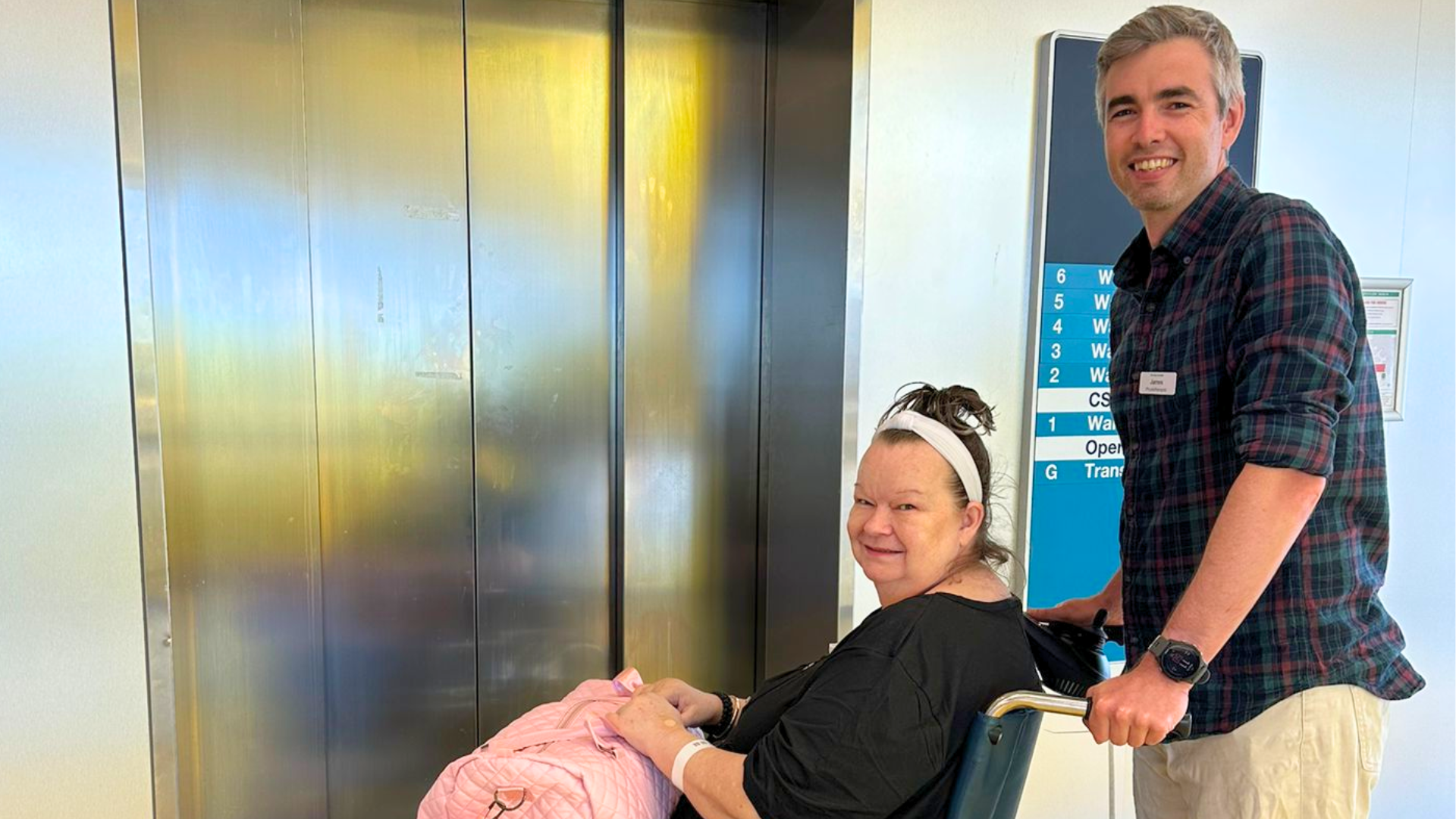
    Pictured in featured image: James Walker, incoming Weekend Flow Navigator, farewelling patient Sharon, who is happy to be heading home. 

  • Consumer spotlight: Jane Spracklan, Disability Working Group

    Consumer spotlight: Jane Spracklan, Disability Working Group

    Standard 2 of the National Safety and Quality Health Service (NSQHS) Standards focuses on partnering with consumers, families and carers to improve the safety, quality and experience of care.

    At Northern Health, consumer representatives play a vital role in shaping inclusive, accessible and responsive services through their lived experience.

    One such contributor is Jane Spracklan, a consumer representative on the Disability Working Group (DWG).

    Jane was diagnosed with a degenerative retinal dystrophy at the age of 19 and became legally blind by her mid‑20s. Despite this, she completed a Master’s thesis in pure philosophy and went on to spend more than a year backpacking around the world, an experience she describes as deeply educative.

    Over the years, Jane has balanced caring responsibilities, running her own business in Lorne (WAITOGO Craft), and raising two children. Now that her children are adults, she remains creatively and community focused. Jane participates in a Vision Australia woodwork program, creates papier‑mâché sculpture from home, enjoys swimming and is an avid listener of audiobooks.

    Jane has long volunteered within community gardens and now with Northern Health, where she brings her lived experience to the DWG to help improve hospital interactions for people living with disability, with a strong focus on inclusion and accessibility.

    “I came to be involved as a volunteer with Northern Health during the early days of COVID. I presented to the initial fever clinic as a pedestrian and was directed to the drive-through testing facility, then told to return to the fever clinic. With only one door functioning as both entrance and exit, I phoned the hospital with a complaint. My feedback was received positively and viewed as constructive and valuable. I was invited to join the consumer team, which made me feel validated and empowered,” shared Jane.

    “I continue to feel empowered by my role on the Disability Working Group. As a person living with disability, this is incredibly important. As a patient of Northern Health, I have found the professionalism and efficiency of the organisation to be outstanding. The strong sense of familial community, the warmth of staff and the evident high morale in such a large organisation are extraordinary.”

    Jane describes feeling valued in her role and acknowledges she too has gained personally from her involvement, particularly through the sense of connection and community that Northern Health manages to retain.

    Her contribution highlights the importance of consumer partnership in creating health services that are inclusive, respectful and shaped by lived experience.

    “We are fortunate to have Jane partner with us,” says Clare McCarthy, Director Quality Safety and Patient Experience. “Jane’s lived experience sharpens how we listen, challenges our assumptions and helps us design care that is genuinely inclusive. This is what partnering with consumers should look like.”

    “As a firm believer in collective wisdom, and the human element, I’m truly enjoying my new role — and Jane is a wonderful part of that journey. I’ll always cherish our first interaction while waiting for a taxi; she made an impact on me right from the start. Our conversations consistently shift my perspective, reminding me that sometimes it is through our disabilities that we see most clearly, and how, at times, our greatest ability can inadvertently become our disability. I truly value the profound insight she shares,” says Navneet Gill, Consumer Participation Coordinator, Northern Health.

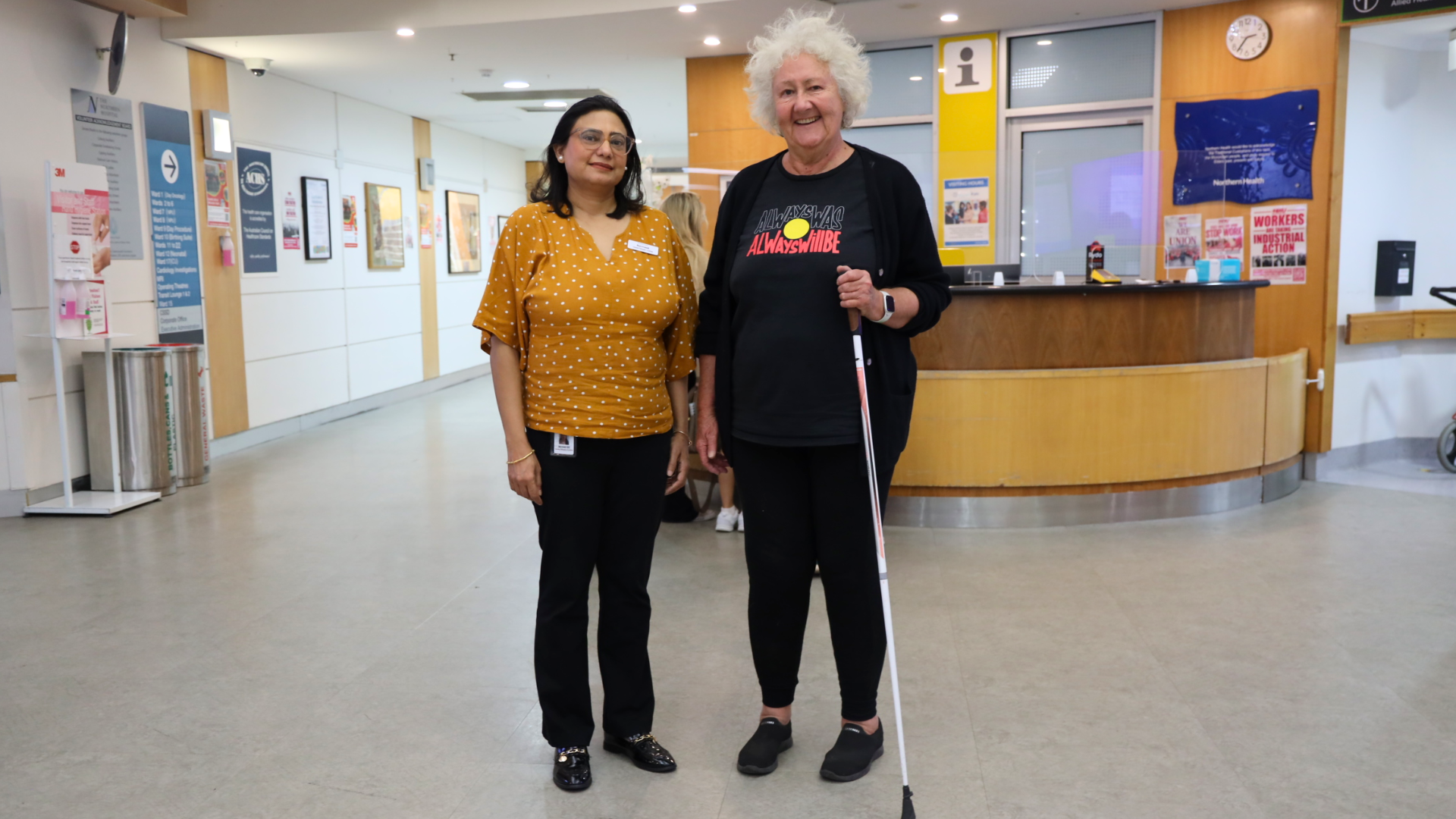
    Pictured in featured image (L-R): Navneet Gill, Consumer Participation Coordinator and Jane Spracklan, Consumer Representative.

  • Welcoming our 2026 Graduate Nurses and Midwives

    Welcoming our 2026 Graduate Nurses and Midwives

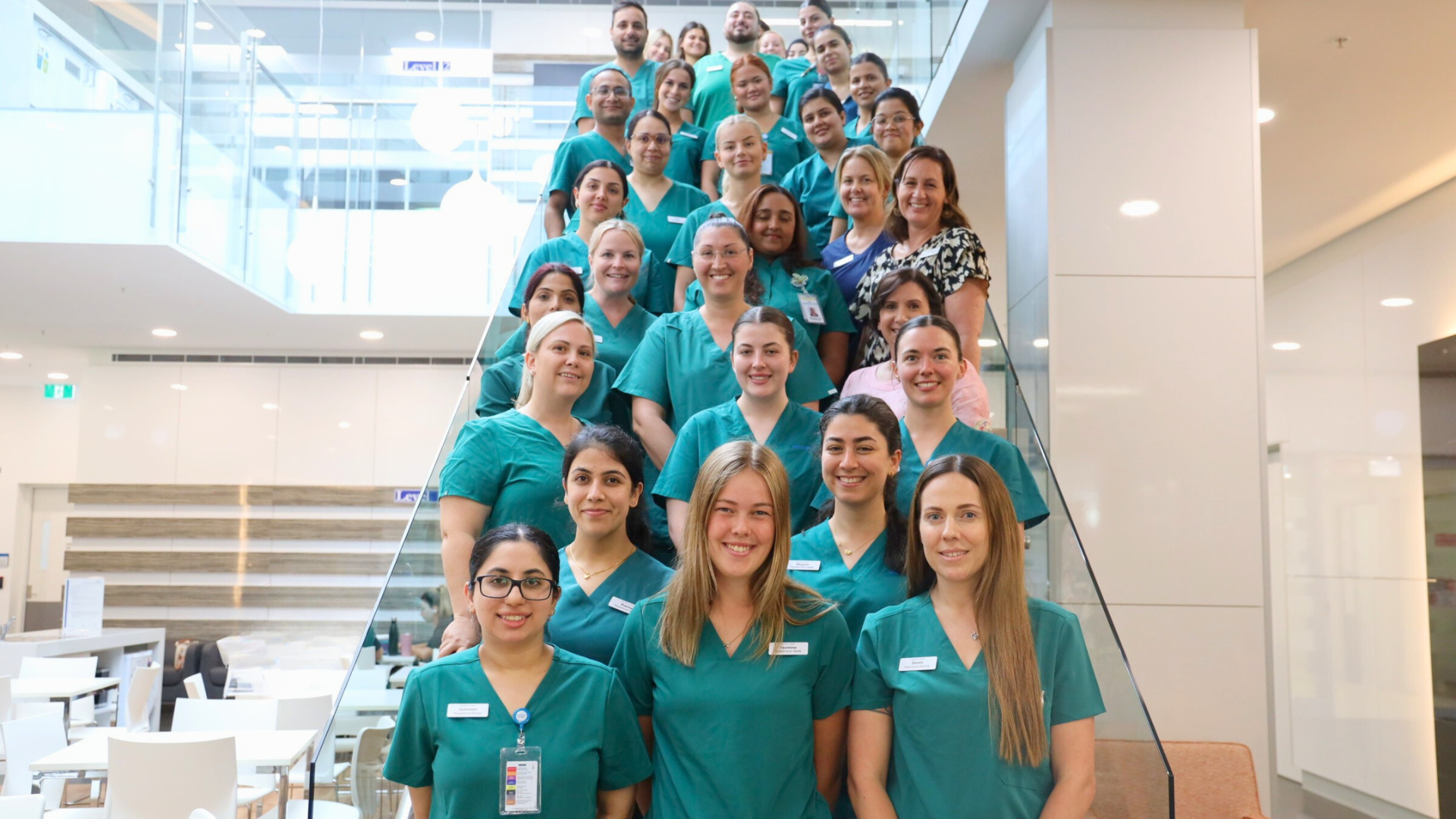
    On Monday, 9 February, Northern Health welcomed 32 Graduate Nurses and Midwives across four programs: Registered Nurses, Registered Nurse/Registered Midwives (Combined Program), Registered Midwives, and the Registered Nurses Care of the Older Person program.

    Following a three-day orientation, graduates will undertake structured programs across Epping, Bundoora and Broadmeadows, designed to support the development of clinical skills and consolidation of knowledge. The orientation combines practical and theoretical sessions to build confidence and competence, while introducing the professional and wellbeing supports available throughout their careers at Northern Health.

    All graduates are supported by dedicated educator teams, preceptors and experienced clinical staff.

    Of the 32 graduates, 11 have previously worked at Northern Health in roles such as Registered Undergraduate Student of Nursing (RUSON) or Enrolled Nurse. As RUSONs, they supported nursing teams while completing their studies, gaining valuable clinical experience and insight into patient care. Many also completed undergraduate placements at Northern Health and have now chosen to begin their professional careers here.

    For many, commencing their graduate year at Northern Health reflects both opportunity and alignment with their professional values.

    “I am very grateful for the opportunity to work at Northern Hospital, and I am excited to join a team that is committed to delivering high-quality patient care,” said Koray.

    Wasana, transitioning from her Enrolled Nurse role at Northern Health, shared, “I’m thrilled to start my RN graduate year at Northern Health, expanding my skills and continuing to care for patients alongside a team I already admire and respect.”

    Stacey is looking forward to “consolidating my knowledge and constantly learning to be the best nurse I can be,” while Jasmeen is excited about “learning new skills and working in a fast-paced environment in ED.”

    That many graduates have chosen to begin or continue their careers at Northern Health reflects the strength of our learning culture and supportive environment. Being recognised as an Employer of Choice reinforces our commitment to nurturing talent and building meaningful careers.

    We are proud to support our 2026 Graduate Nurses and Midwives as they grow in confidence and capability, contributing to safe, high-quality care for our community.