• Foot Procedure Unit becomes NADC accredited

    Foot Procedure Unit becomes NADC accredited

    The Foot Procedure Unit (FPU) at Northern Health have been notified by The National Association Diabetes Centres (NADC) as an Accredited Core Level High Risk Foot Service. The news comes just in time for the National Diabetes Week, which starts this Sunday.

    The FPU team had been involved earlier this year to put through an online application showcasing the breadth of our services.

    “The certification of an accredited service showcases to the community that when they attend FPU/podiatry services at Northern Health, they are receiving the best care, as this proves we provide great evidence-based multidisciplinary care,” explained Jaspreet Kaur, Senior Podiatrist.

    The National Association of Diabetes Centres (NADC) is a network of diabetes organisations across Australia. The NADC was established to develop and implement a number of strategies for improving the standard of care for people with or at risk of diabetes.

    A Collaborative Interdisciplinary Diabetes High Risk Foot Services (HRFS) Accreditation program was set up by the NADC, aimed at the improvement of quality and safety within Interdisciplinary Diabetes HRFS. The accreditation model is the only national accreditation of its kind with a three-pronged approach combining governance, clinical and quality criterions.

    Jaspreet explained that earlier this year, Northern Health’s Foot Procedure Unit (FPU, previously known as High Risk Foot clinic) underwent this process aiming for Centre of Excellence.

    The eight core service indicator standards that the FPU team presented and submitted were: from standard one to standard eight, which include: Interdisciplinary Approach, Physical Environment, Coordination and Administration, Evidenced-Based Clinical Management, Access and Defined Intake Criteria, Continuity of Care and Communication, Equipment, Wound Care and Quality Improvement.

    “This process guided the health professionals working within FPU of the standard of care required and how to aim for Centre of Excellence in the future. The team received feedback on areas FPU excel in and suggestions for improvement which the team will discuss for business planning,” she said.

    “Being certified for this accreditation has meant that our FPU department can be recognised nationally for its large efforts towards the care of this population, as diabetes related foot complications account for large hospital admissions nationwide. FPU’s ability to provide such great service is a credit to the organisation and its consumers,” she added.

    The Northern Health Diabetes service is a member of the NADC. As part of this membership, we participate in the Australian National Diabetes audit (ANDA) each year; there are two ANDA audits that alternate each year:

    “Australian Quality Self-Management Audit – focuses on self-management and diabetes distress and collects data related to diabetes education, self-care practices and quality of life, while the Australian Quality Clinical Audit focuses on clinical indicators known to impact on the care of the person with diabetes,” Catarina Hart, Ambulatory Care Diabetes Coordinator explained.

    “The audit allows our diabetes service to benchmark against other diabetes organisations and promotes continuous improvement in the care that we provide to our clients in the North,” she added.

    The National Diabetes week is on from 12 – 18 July.

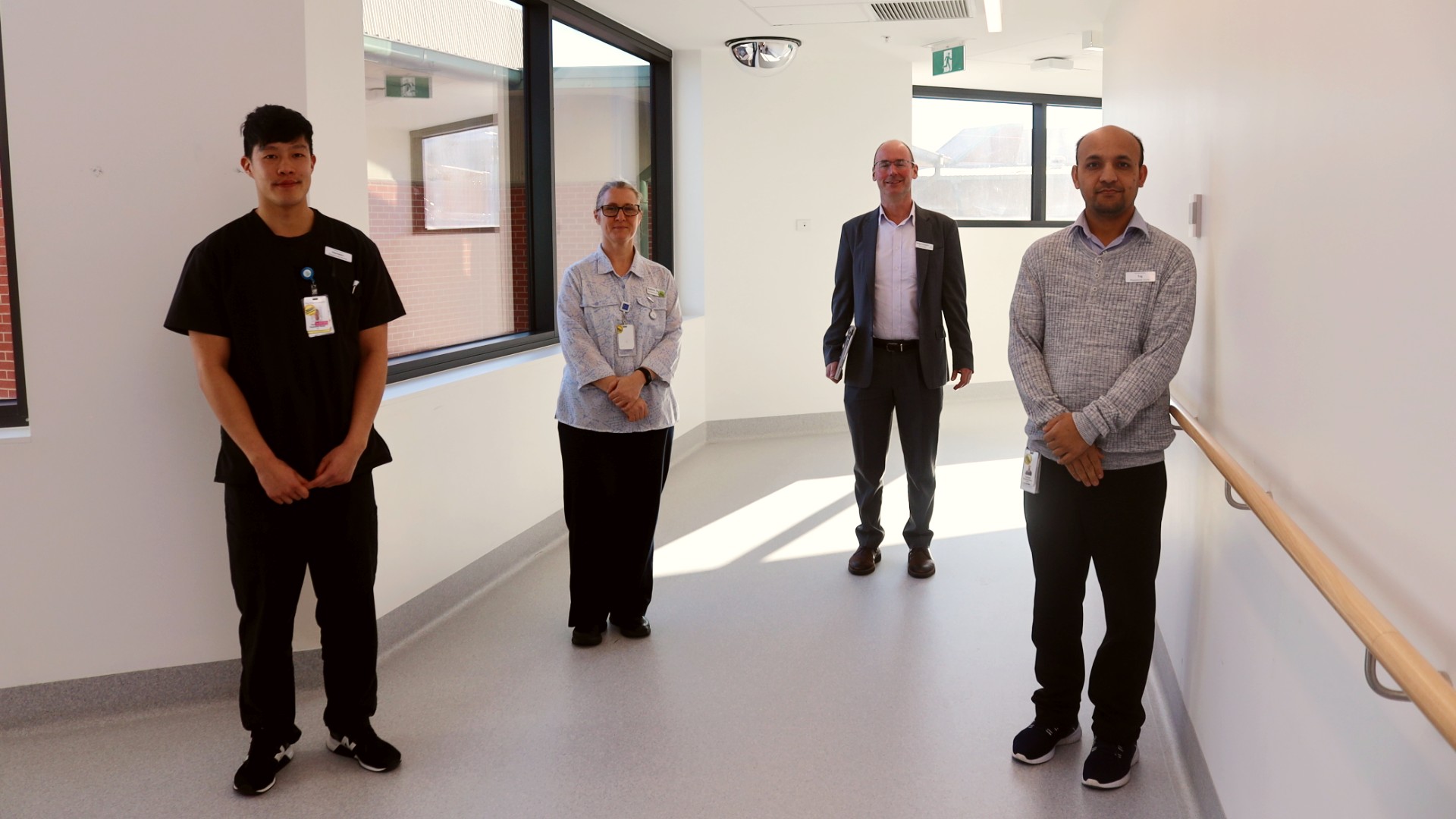
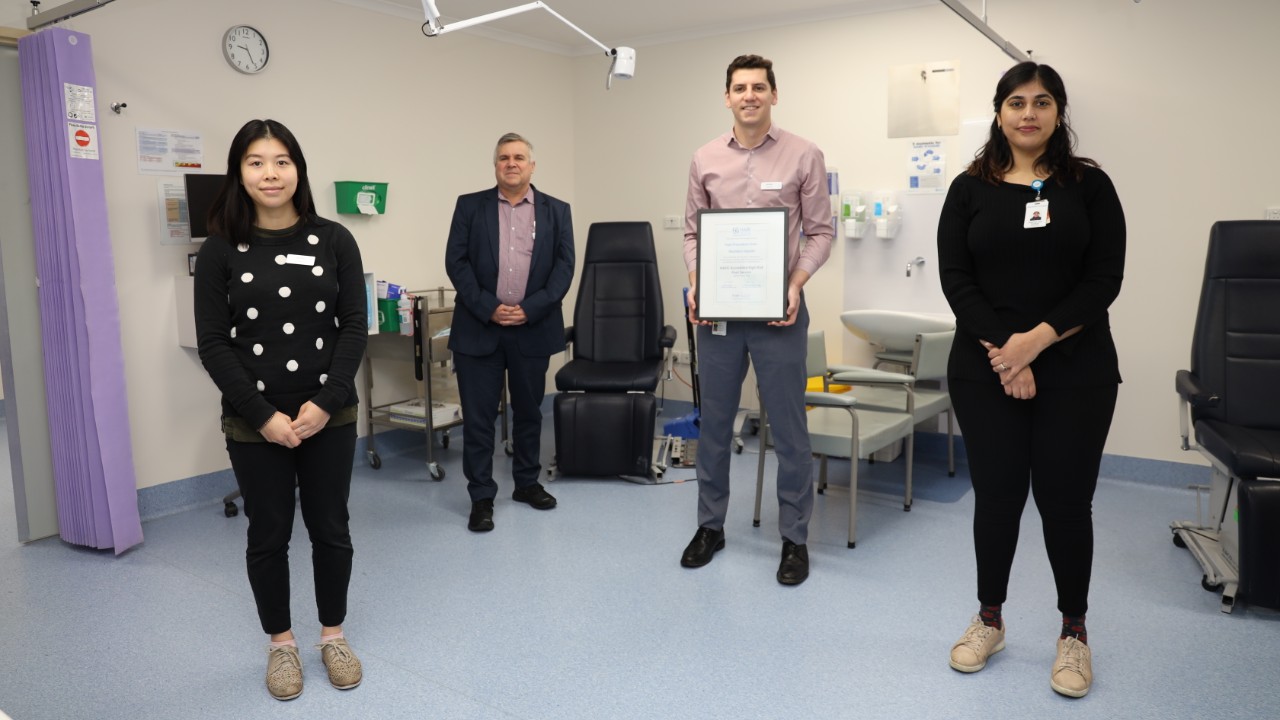
    Featured image (left to right): Kellie Le Podiatrist; Stephen Tucker Associate Director Podiatry; Jayden Beever Podiatrist and Jaspreet Kaur, Senior Podiatrist.
     

  • Telehealth@Northern

    Telehealth@Northern

    Northern Health, as part of our response to COVID- 19, has introduced telehealth as a strategy to support patients attending our Specialist Clinics (Outpatients).

    Tracey Webster, Project Officer Telehealth says, “The majority of our telehealth consultations are still on the telephone, however this April we began a pilot project for video consultations.”.

    “We started with low risk paediatric and respiratory patients. This has now grown to include Hand Therapy, Northern Autism Spectrum Disorder Assessment Clinic, Pleural Clinic, Women’s Health Physiotherapy Clinic, Speech Pathology and Dietetics Feeding Clinic,“ says Tracey.

    Dr David Tran, senior paediatrician at Northern Hospital was one of the first to trial telehealth.

    He says “A lot of paediatric assessment relies on the observation of a child. In the outpatient setting, we manage conditions that vary from acute to chronic conditions and although it is important they need to have regular reviews –they don’t need to necessarily come into the hospital for it.”

    “It is this cohort of patients for whom telehealth is ideal, particularly in the current situation where we don’t want to increase their risk of coming into the hospital.”

    “Besides, for a child to attend their appointment they need to bring in mum and dad, sometimes the other siblings – it can be quite an exercise. ”

    “With telehealth they can do it from the comfort of their home, without disrupting the family routine, whilst observing social distancing.”

    David says the vast majority of families have really welcomed it. “It has certainly made things incredibly easier for families.”

    Belinda Baldry is one mum who will agree. When she was called up and offered a telehealth for her son Kyle, she readily agreed. She says her experience with telehealth is that “It was so much easier and convenient. There were no distractions. It was also more convenient and hassle free of waiting rooms and parking.”

    Son Kyle on his part appreciates the extra time it gives him with his Playstation.

    Dr Tran has been a paediatrician with Northern Health for five years who says prior to telehealth the only other option was a phone appointment. As he points out, “we often do that as a check-in on patients, but you can’t do that with a new patient and with patients that you need to lay eyes on.”

    David says there is a big difference between telehealth and a phone appointment. He says a phone appointment is “like having a phone conversation without really a full consult. Whereas in a telehealth appointment, the patients are there in a virtual waiting room, we accept them into the consult and you and the patient dedicate your time and attention to make the most of the appointment. Plus you get to see them.”

    “It really improves the clinical assessment of the patient.”

    The fact that we have a significant non-English speaking population has not been a deterrent, says David, “Our interpreter service has been really helpful in setting this up and communicating with patients on how to set up. It has added an extra layer of preparation for it- but when it works it has worked really seamlessly, where the interpreter is there on the screen and the patient is there too and it feels like all three of us are there in the consult.”

    David would recommend telehealth even post COVID-19. Particularly “patients we have met before and we know have difficulty accessing services, transport, time etc., for them telehealth would be very helpful. “

    “We certainly can convert a lot of them to telehealth for the convenience of the patient and the family whilst maintaining good clinical care,” says David.

    Mum Belinda agrees. When asked if she would recommend telehealth, her response was an emphatic,”yes, indeed!”

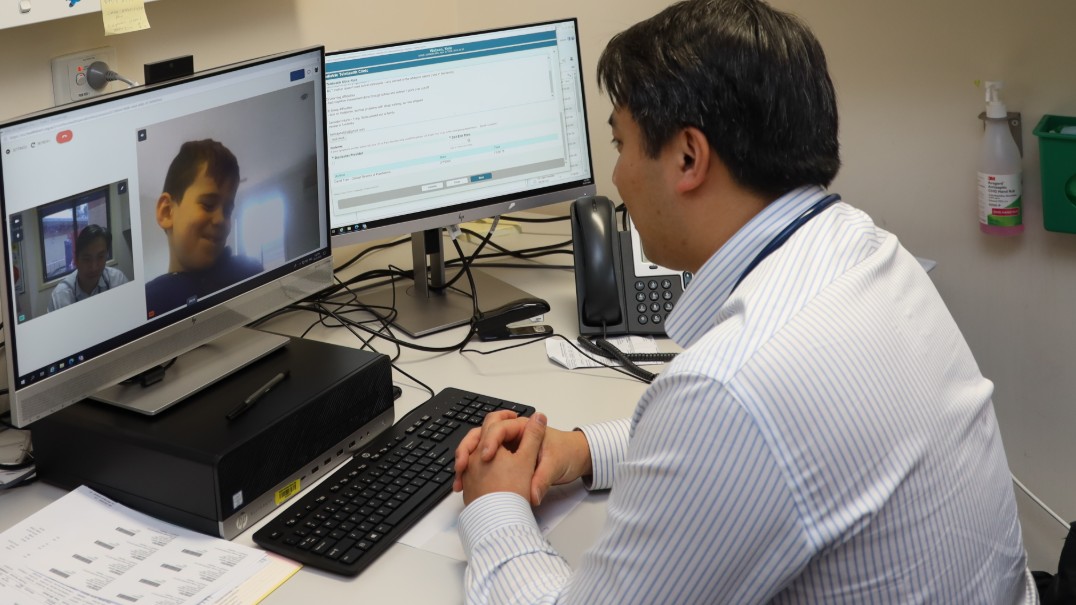
    Featured picture shows Dr David Tran in a telehealth consultation with  Kyle-Simon Watson 

  • Dignity for women in the north

    Dignity for women in the north

    Last year, Northern Hospital Epping was the first hospital in Victoria and the second in Australia to install a Share the Dignity #Pinkbox Dignity Vending Machine.

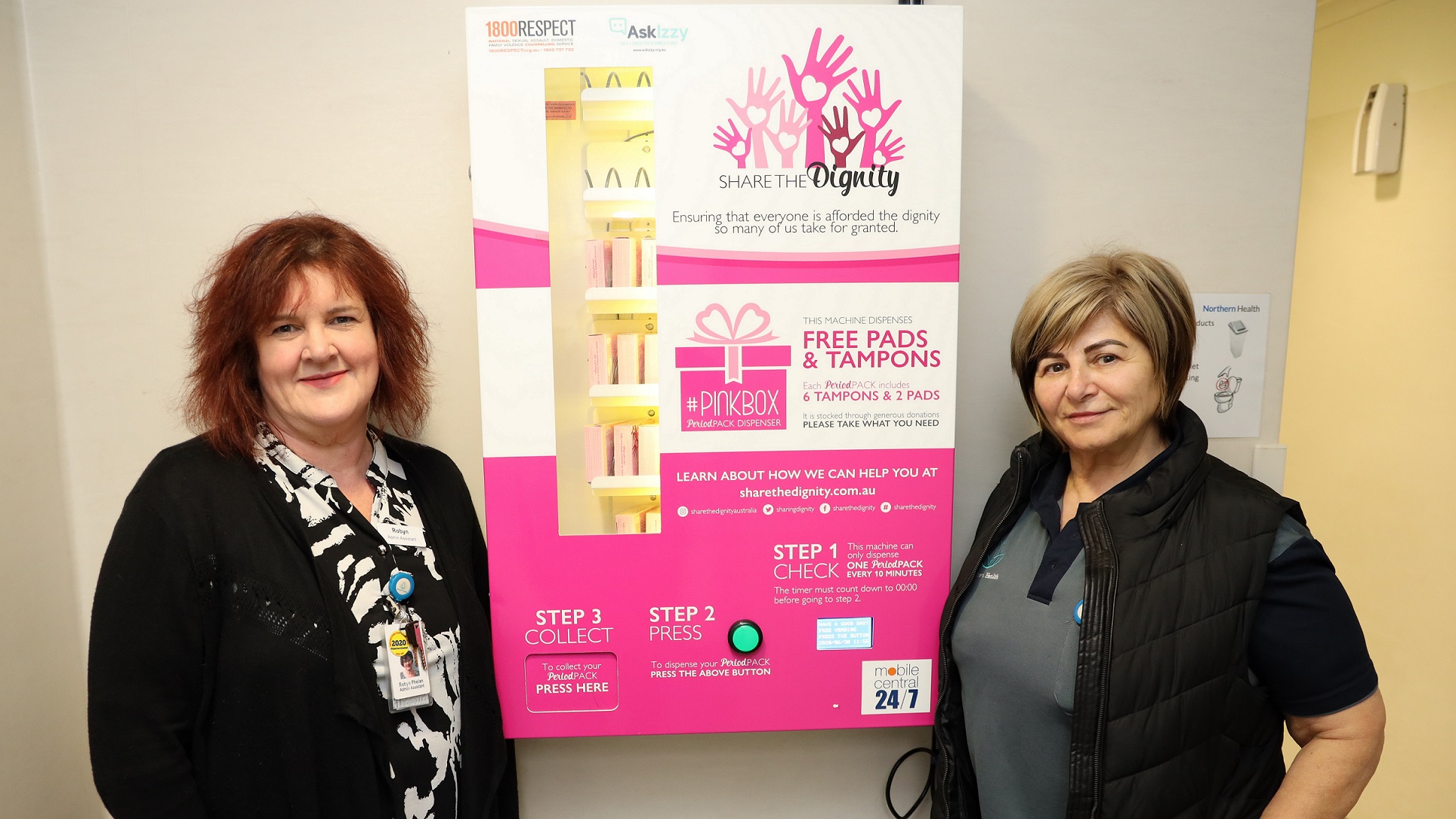
    Share the Dignity created the #Pinkbox Dignity Vending Machine as the world’s first completely free vending machine that dispenses period packs for women in need. Currently, there are 160 Dignity Vending Machines installed across Australia, stocked from the generosity of the public and corporate donations. Since being installed at Northern Hospital, ours has become one of the most-used in the country, dispensing just under 500 period packs a month.

    Dr Katharine See, Director of Respiratory Medicine, was instrumental in initiating the project last year and is thrilled that Northern Health has been able to assist so many women in the north.

    “It’s fantastic that we’ve been able to support women of our community in this way. Particularly at a time like COVID-19, where we’re seeing increased economic strain for families and increased rates of domestic violence being reported, it’s really important that we support women through initiatives like this,” she said.

    “In the first 12 months the #Pinkbox Dignity Vending Machine has dispensed over 5,800 packs so that makes it one of the busiest machines in Australia – so there’s a really significant demand,” Dr See added.

    Over the last year, staff from different departments have come together to help facilitate the running of the machine, ensuring that women are always able to dispense products when needed. Respiratory Department Administration Assistant, Robyn Phelan, has taken on the role to ensure the vending machine always has adequate stock as she believes it’s really important for women to have dignity.

    “It affords all women the right to have access to these products. I’m sure some of the people who can’t afford to always have them appreciate this service and I think it’s great that we can do that,” she said.

    Robyn works closely with Share the Dignity to ensure we have adequate stock so the machine is always full. “I’m happy to be involved – it’s such a simple thing for us to do but I think the impact is quite big,” she said.

    Support Services also play an important role, in particular Lilliana from their team, who has taken it upon herself to stock the machine every day.

    “There’s a really lovely sense of ownership, contribution and commitment from all different women in the organisation to make sure that we are supporting the community,” Dr See said.

    “Even just how a small action can make a really big difference. It’s a nice sense of achievement and accomplishment that, at a time where things are so difficult for so many people, we can make life just that little bit easier by doing something really simple and just showing a little bit of kindness,” Dr See added.

    Share the Dignity works to rid Australia of period poverty. They run a number of different fundraising drives throughout the year and there’s many ways people in the community can get involved. Click here for more information about Share the Dignity.

    Featured Image (left to right): Robyn Phelan, Respiratory Department Administration Assistant and Sonja Stamatovska, Cleaner

  • Northern Health Foundation Major Raffle: Tickets on sale now!

    Northern Health Foundation Major Raffle: Tickets on sale now!

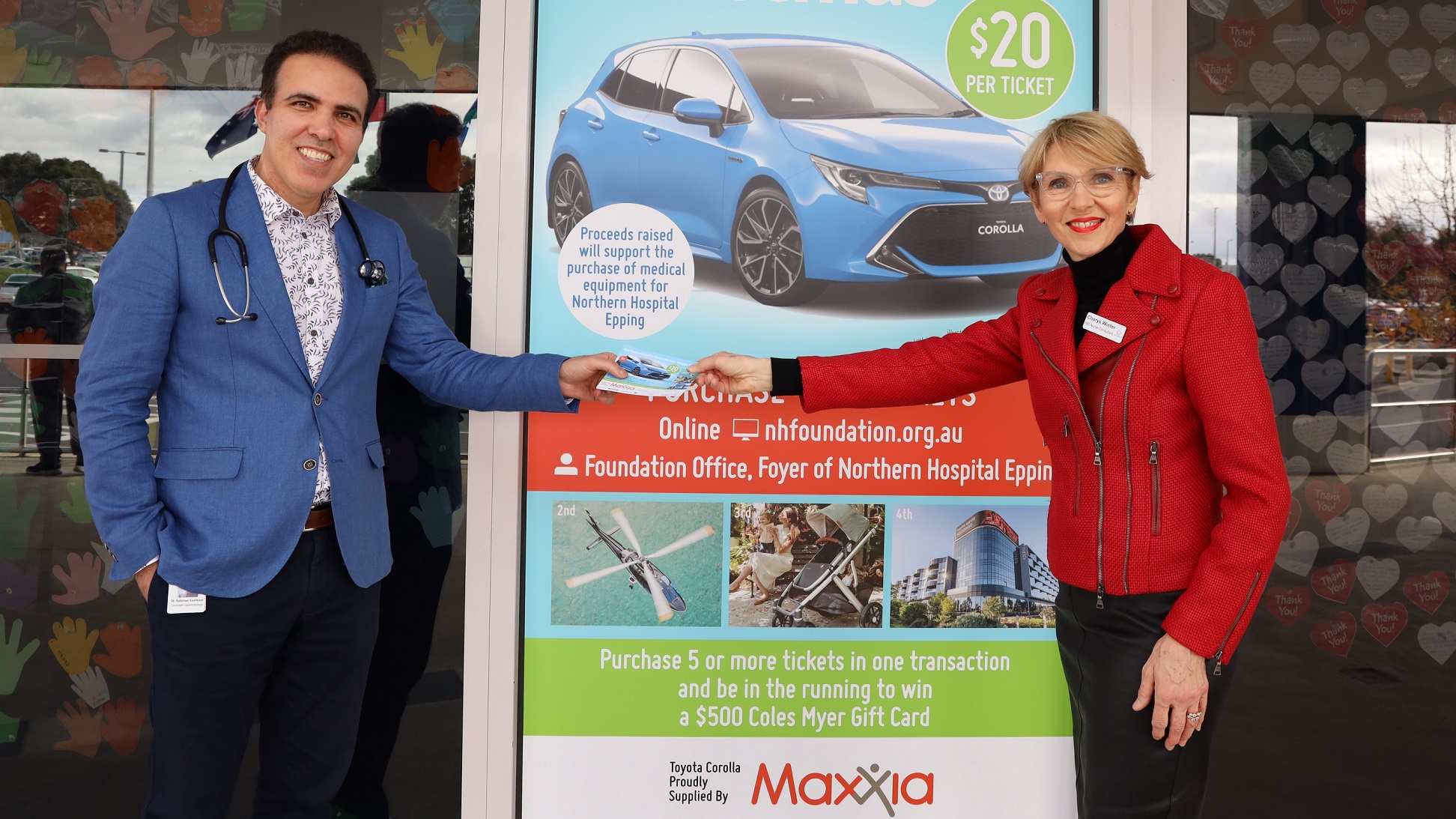
    For the past four years, the Northern Health Foundation Major Raffle has raised important funds to support patient care. Launched this week, this year’s raffle will make a real difference for our patients by supporting the purchase of cutting-edge medical equipment – Intestinal Ultrasound (IUS).

    IUS is used on patients with inflammatory bowel disease (IBD) to help diagnose and monitor conditions such as Crohn’s Disease or Ulcerative Colitis. IBD can be debilitating and cause severe complications when not monitored and treated appropriately.

    Proudly supported by our major sponsor, Maxxia, the raffle aims to raise $150,000 to fund this important diagnostic equipment. At present, any patients requiring this service need to be referred to alternative health services. Introducing IUS to Northern Health will alleviate the need for patients in the northern community to travel further to receive the care they need, and will help provide better outcomes for our patients.

    According to Associate Professor Mayur Garg, Director of Gastroenterology at Northern Health, “IUS offers the opportunity for a safe and cost-effective way to manage patients with IBD, and may reduce the need for them to undergo invasive tests like endoscopy. It is increasingly being adopted worldwide, and will bring Northern Health to the forefront of care of patients with IBD.”

    IBD Clinical Nurse Consultant, Charys Winter, works with these patients every day. Coincidentally, she was also the lucky winner of the raffle two years ago and she encourages our community to purchase raffle tickets as a way of giving back.

    “I think if you’re a member of our hospital community and if you have received a benefit from that, it’s a nice way to pay it forward – to be involved, buy a ticket and help support – as it might even be for you or a relative one day,” she said.

    This year the total prize pool includes:

    First prize: A stunning brand new Toyota Corolla Hybrid Hatch – RRP $30,393.40 (includes registration)

    Second prize: Helicopter Joy Flight – RRP $4,500

    Third prize: UPPAbaby VISTA V2 Pram and Bassinet – RRP $2,099

    Fourth prize: One night in Mantra Epping Penthouse Suite including Breakfast and Dinner for two – RRP $750

    Tim Bond from Maxxia said, “Maxxia is Australia’s leading provider of novated car leasing services to front line hospital workers. We are again delighted to be able to be the major partner to this year’s Northern Health Foundation Raffle, by providing a fabulous Toyota Corolla Hybrid.”

    By purchasing a ticket, you can feel proud of supporting the important work of Northern Health.
    Click here to purchase your tickets today and support us!

    If you buy five tickets in one transaction, you will go in the running to win a $500 Coles/Myer Gift Card! If you purchase your tickets before Wednesday 23 September 2020, you will also enter our Early Bird Draw to win a $500 Coles/Myer Gift Card.

    Featured Image (left to right): Dr Soleiman Kashkooli, Head of IBD Unit and Charys Winter, IBD Clinical Nurse Consultant

  • Q&A with Dr Ian Brand, AM

    Q&A with Dr Ian Brand, AM

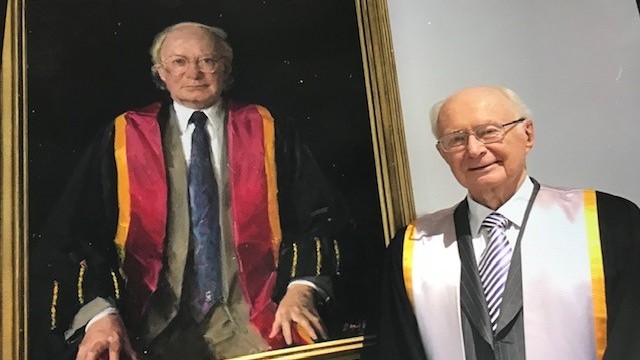
    Today marks the 50th anniversary of Dr Ian Brand AM, joining the Preston and Northcote Community Hospital (PANCH), as Executive Director.

    Dr. Brand was also Chairman of the Committee of Management of the Bundoora Extended Care Centre (BECC – known as Bundoora Centre) from 1987-90 and in 1992 the Ian Brand Nursing Home was opened, named in recognition of his work for the Centre.

    Besides being a Fellow of the Australian Society of Certified Practising Accountants, Professor Brand has qualifications in Personnel Management, Education and Music. He is the only person to have received both the Sidney Sax Medal for excellence in health administration and the Gold Medal of the Australian College of Health Service Executives.

    In 1983 he was honoured by the award of Membership of the Order of Australia, and in 2002 received the Centennial Medal. In April 1994, Professor Brand was awarded Honorary Citizenship of Jiangsu Province, China, the highest honour China can bestow on a foreigner, and the first time it has been given to an Australian. He has published more than 60 papers on hospital management and lectures and teaches widely in this area.

    John Snowdon, Senior Lawyer at Northern, first worked with Dr Brand 40 years ago as an external legal adviser to PANCH. That relationship continued right through to the commissioning of the Northern Hospital. John remembers Dr Brand as an outstanding Chief Executive, and innovator, international statesman and a man who possessed amazing financial skills. Ian was both liked and respected by his staff, says John. “He treated them as people, not statistics.”

    “Victoria owes a debt of gratitude to Ian Brand. He has devoted his working life to improving public health care for all of us,” says John.

    Dr Brand answers our questions:

    For those of us who were not around at that time, tell us what the role was that PANCH played in the northern community?

    At the time, PANCH was the main hospital for the whole of the northern suburbs of Melbourne. We had the busiest Emergency Department, and the 50 bed Victorian Plastic Surgery Unit, which trained every plastic surgeon in Victoria. It became a model hospital for the Health Department, who used it to show overseas visitors interested in hospital management.

    It is also ‘almost exactly 25 years since PANCH died a statutory death and the wonderful world of the Northern Hospital was created,’ says John Snowdon. What was it like to see the Northern ‘evolve’ from PANCH?

    I was chair of the Committee that built the Northern. All our medical staff transferred, and it was great being able to work in a brand new specially designed hospital. We were told by the Health Department that it would take six months to fill up, but we opened on a Monday and had to go on ambulance bypass on the Friday as we were full! 

    Tell us of your time at Bundoora Centre.

    I was put on the first Committee of BECC as we couldn’t get an auditor unless there was a proper accountant to do the books, and I was the only accountant around. We built BECC on time and a little below budget. I was treasurer for the whole time it had a Board, except for the three years I was Chair of the Board, and I was pleased to agree to the name, Ian Brand Nursing Home.

    You have many ‘firsts’ against your name – including being the first non-pharmacist to receive the Fred J Boyd Award, from the Society of Hospital Pharmacists of Australia. How does a non-pharmacist get the highest honour the Society has to offer?

    While I was Medical Supervisor at Geelong, my chief pharmacist asked me to set up a training program for hospital pharmacists, which I did. I was on their Board of Censors for 32 years, and Chair of the Board for 13 years. I taught and examined every Fellow of the Society, and they made me an Honorary Fellow and Member, and eventually awarded me the Boyd.

    Between your roles as an administrator and an educator, which role do you prefer?

    I enjoyed teaching as much as doing the administrative work, but most I enjoyed investigative work. I led the first accreditation teams for every state except Victoria, and did many hospital and system reviews. I did investigative work for every Minister for 20 years, which was endlessly interesting, and for 14 months was the administrator of Fairfield Hospital. Happiness is being a one man Board of Management!

    Lastly, tell us about your portrait in our featured picture above?

    The portrait was painted by Sir William Alexander Dargie, CBE, eight time Archibald Prize winner.

    While working at the Austin Health, I noticed a painting of their Board Chair in the board room. It was by Sir William, so I made enquiries to find he wouldn’t paint you unless you met with him and had a chat. So I visited and he agreed to paint my portrait. I asked what to call him, and he said “Bill”, so I did. While sitting, he spoke about some famous people he had painted, and it was a fascinating experience. He asked how I would like to look, and I said “slightly mischievous”.  Hence the painting.

  • First STEP training for Neurology nurses

    First STEP training for Neurology nurses

    Seven nurses at our Neurology department have been enrolled in the STEP (Supported Transition to Excellence in Practice) program, the first time ever for the Neurology department. The STEP program is a way of helping the team enhance their nursing skills, capabilities and understanding across the variety of disciplines.

    “It’s the first time we are running the STEP program in Neurology. This is a very exciting time for neurology and stroke because once the new ward is open, will have new capabilities in terms of two EEG (electroencephalogram) monitoring rooms, where we will be able to get much more timely information about people’s epilepsy and related conditions.  It will also have a high dependency unit for stroke,” explains A/Prof Doug Crompton, Head of Neurology.

    The program started in March and the team has four days of tutorials and group learning and one day of clinical work.

    “That is where the team gets to see how we do our ward based and emergency assessments- we have more than a 100 code stroke emergencies every month. The STEP learners will get involved in that as well and see how code stroke emergency assessments happen,” he explained.

    In addition to this, the nurses have individual patient projects to do and they are able to upskill in some of the assessments currently not done by nursing staff, whilst learning about the National Institute of Health’s Stroke Scale assessments, which helps identify deterioration or improvement in stroke patients.

    “The idea for the STEP program came because we wanted to enhance people’s skills, and also because we don’t have a long standing heritage in stroke and neurology nursing. The neurology department has grown enormously since 2012 and now we are one of the busiest departments within the medicine directorate, in terms of how many patients are admitted and discharged over a year,” A/Prof Crompton said.

    Back in 2012 when he started at Northern Health, Neurology was only a consultative service and last year the department had around more than 1200 admissions and discharges across neurology and stroke.

    “We have also enormously expanded our capability and have a lot of speciality services now – motor neurone disease service, Multiple Sclerosis (MS) clinic, epilepsy clinics, headache clinic, migraine botox clinic, neurophysiology clinics, EEG, movement disorders, and stroke prevention clinics,” he explained.

    Regular upskilling within the neurology team in crucial to be able to tackle one of the biggest risks in stroke treatment – and that is undetected deterioration.

    “A lot of stroke patients are vulnerable to deterioration after the first couple of days after the stroke, so having a very refined way of assessing that is ideal and that is included in the STEP program. The deterioration in those patients doesn’t show up in an ICU setting, only in a specific clinical assessment,” he explained.

    Some of the nursing team enrolled into the STEP program shared their positive experience, adding the team have learned quite a lot about the neurological disorders that have been common on their ward.

    Nadine Stowell, ANUM on the Neurology Ward said learning how to do spirometry is an excellent skill to have and she is hoping it will help the team detect deterioration with patients.

    “Headache study day was also great, I learnt more about the headaches that I thought was even possible,” she explained.


  • Hack Weekend – just two weeks away

    Hack Weekend – just two weeks away

    Update 2 July 2020: Due to the current COVID-19 developments, Northern Health’s Hack Weekend has been postponed.

    What the Hack? – Northern Health’s inaugural hack weekend 11-12 July is just two weeks away, with over 80 people already signed up for the event.

    Over the last couple of weeks, our staff has been sending numerous ideas and problems they would like to see solved during the weekend.

    Ed Savill, Operations Director, says the Hack Weekend will present four problems that our patients and clinicians face, that virtual healthcare may be part of the answer. The theme of the weekend is ‘Supporting Northern Health to re-imagine and transform healthcare, using digital solutions, in the new world’.

    The Hack Weekend team has selected four ideas to be “hacked” over the weekend.

    “The first problem we would be looking at in the maternity area, as the team would like to provide mums different information at appropriate stages of their pregnancy or even after giving birth. The second one is orthopaedics – musculoskeletal wellness platform, third one is Intensive Care Unit (ICU) – ‘Communication with families’ platform and the forth one is in the allied health space and working on how to better prepare patients for discharge,” explained Ariana Carrodus, Project Manager.

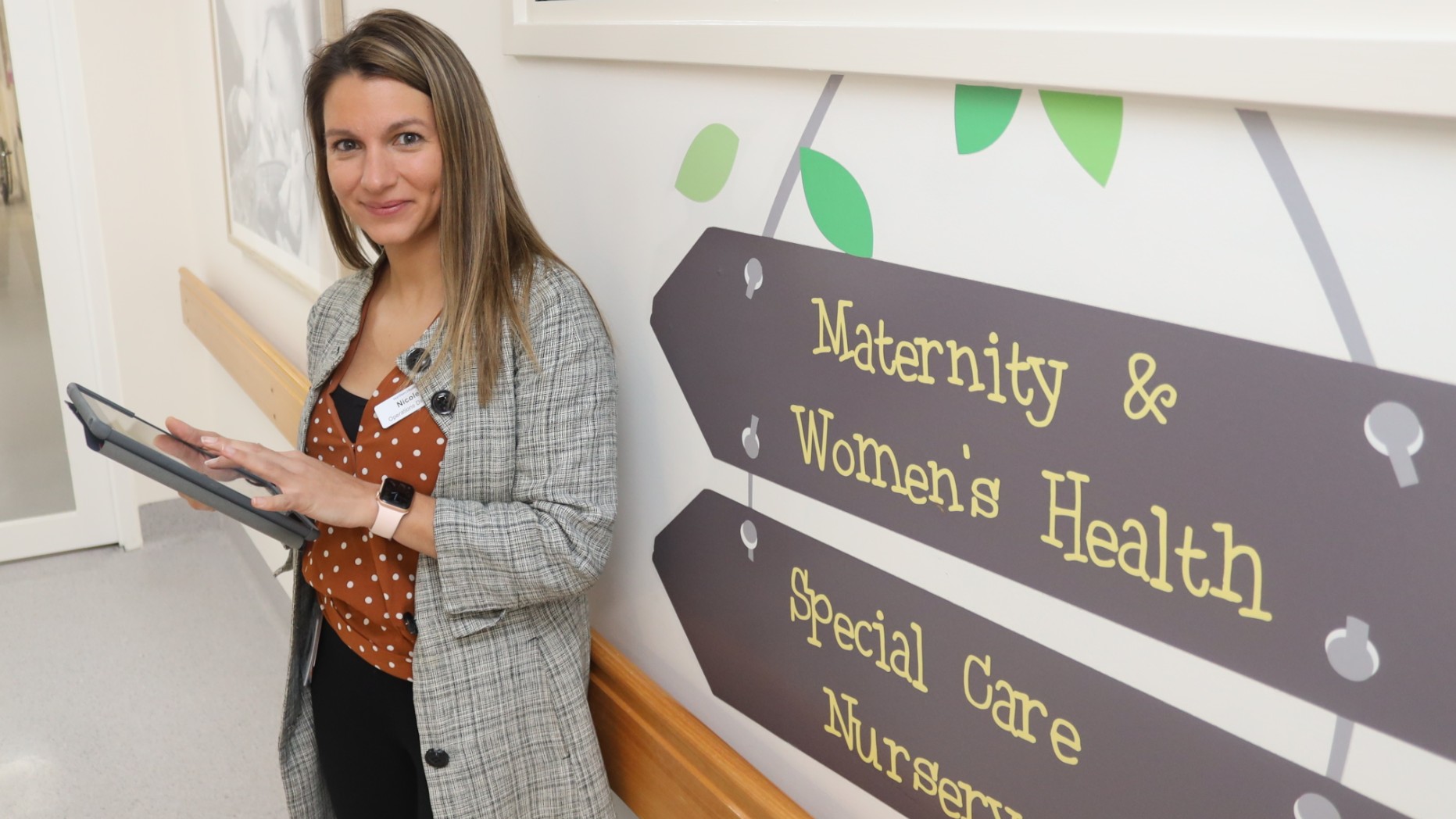
    Nicole Carlon, Director of Operations Women’s and Children’s is coming to the hack weekend to support the team working on the maternity task and feels that hack weekend is a great opportunity to demonstrate your coding skills for a great cause.

    “We are hoping to develop a Maternity smartphone application that has the potential to completely transform the way we deliver care. Not only will your skills help us to improve the way we deliver care to women and their babies, but the development of digital solutions that improve health outcomes is a great thing to have on your CV,” she said.

    The maternity team is looking for innovative digital solutions that will enable pregnant women and new mothers to have access to information and assistance when they need it.

    “Come and join us at Northern Health’s hack weekend and be part of the solution. It’s time to move from reactive care of the sick to proactive healthcare that promotes wellness. This is particularly important in Maternity care. Innovative digital solutions can help us do just that,” she said.

    Northern Health staff is invited to come to the weekend – you can be a facilitator and help run the event, or help with the tech/digital/design solution if that is your thing or be there to provide feedback on how the proposed tech solutions will work on the ground.

    Please click here to find out more on how you can participate and register.

    To find out more information about ideas to be hacked over the hack weekend, please click here.

    Please spread the word to your colleagues and tech-friends and see you at the hack weekend.

    Number of people on-site at NCHER is limited and all physical distancing measures will be implemented to ensure the event is Covid-safe.


  • Keep the distance, stay connected

    Keep the distance, stay connected

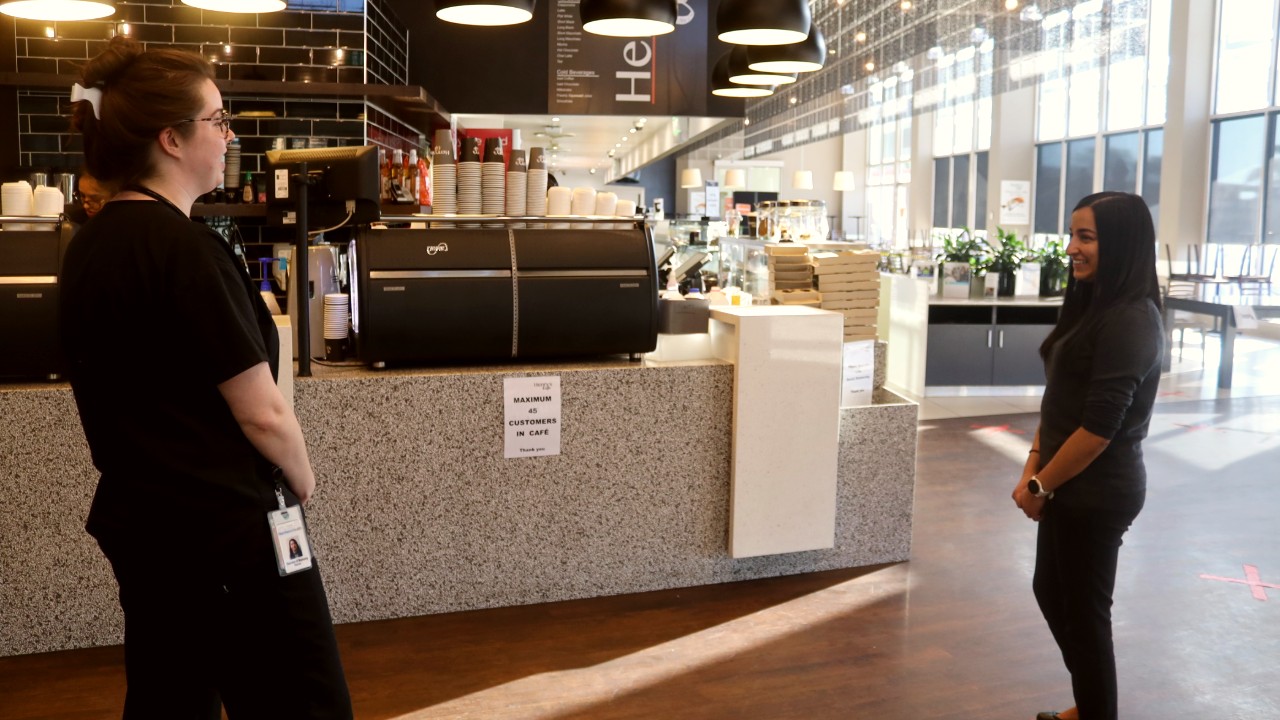
    Physical distancing is a key part of the global clinical response to the COVID-19 pandemic. At Northern Health, it is very important that all of us, as health care workers, follow the distancing guidelines when moving around our campuses and in the cafés and set an example for our community.

    Dr Kirin Channa is an Emergency Department (ED) physician and is part of the leadership team, also about to take on the ED Quality Lead role. She feels our staff needs to maintain physical distancing and set an example for our patients, as well as colleagues.

    “As medical workers, we are at higher risk so we need to keep our distance. I understand that it can be quite challenging in ED, especially in a resus room where we need to have five or six staff members in the room, but we have our masks on and our PPE in those situations,” she said.

    Kirin adds that physical distancing behaviour is a complete mindset shift and can be really hard for people.

    “We’ve been doing this distancing for a couple of months now, so hopefully we are getting more used to it. This is both an exciting and challenging job and many of us use our down time to connect with people. We are all used to a hug or a handshake, so we all need to think about how to have that connection while maintaining the distance,” she said.

    Kirin says examples of staying connected but physically distanced include going for walks with friends, and playing board games around the table while keeping the distance.

    “Our ED staff understand the physical distancing and respect the guidelines. We are also implementing different strategies to allow everyone to have a break and use tea rooms while maintaining 1.5 metre distance,” she explained.

    Penelope Grellet, Director – Trust, Diversity and Engagement, encourages all staff to maintain 1.5 metres between themselves and colleagues at all times.

    “We understand that these rules can feel awkward, but as clinicians and health care workers, we expect that you will adhere to the very clear, simple guidelines that will have a true impact on controlling the spread of the virus. A reminder particularly for teams when rounding through high risk areas, such as ED and ICU, to please limit the number of staff entering these areas to essential staff only,” she said.

    Featured image (left to right): Dr Deirdre O’Mahony, ED Registrar and Dr Kirin Channa