• CareSync Exchange Launches at Northern Health

    CareSync Exchange Launches at Northern Health

    We are thrilled to share that CareSync Exchange is now live at Northern Hospital, Epping within the Emergency Department (ED) and Victorian Virtual Emergency Department (VVED), and at Kilmore District Hospital – Urgent Care Centre (UCC).

    This marks a new era of connected care and an exciting step forward in how we care for our patients, giving our clinicians faster, safer access to the information they need, when they need it.
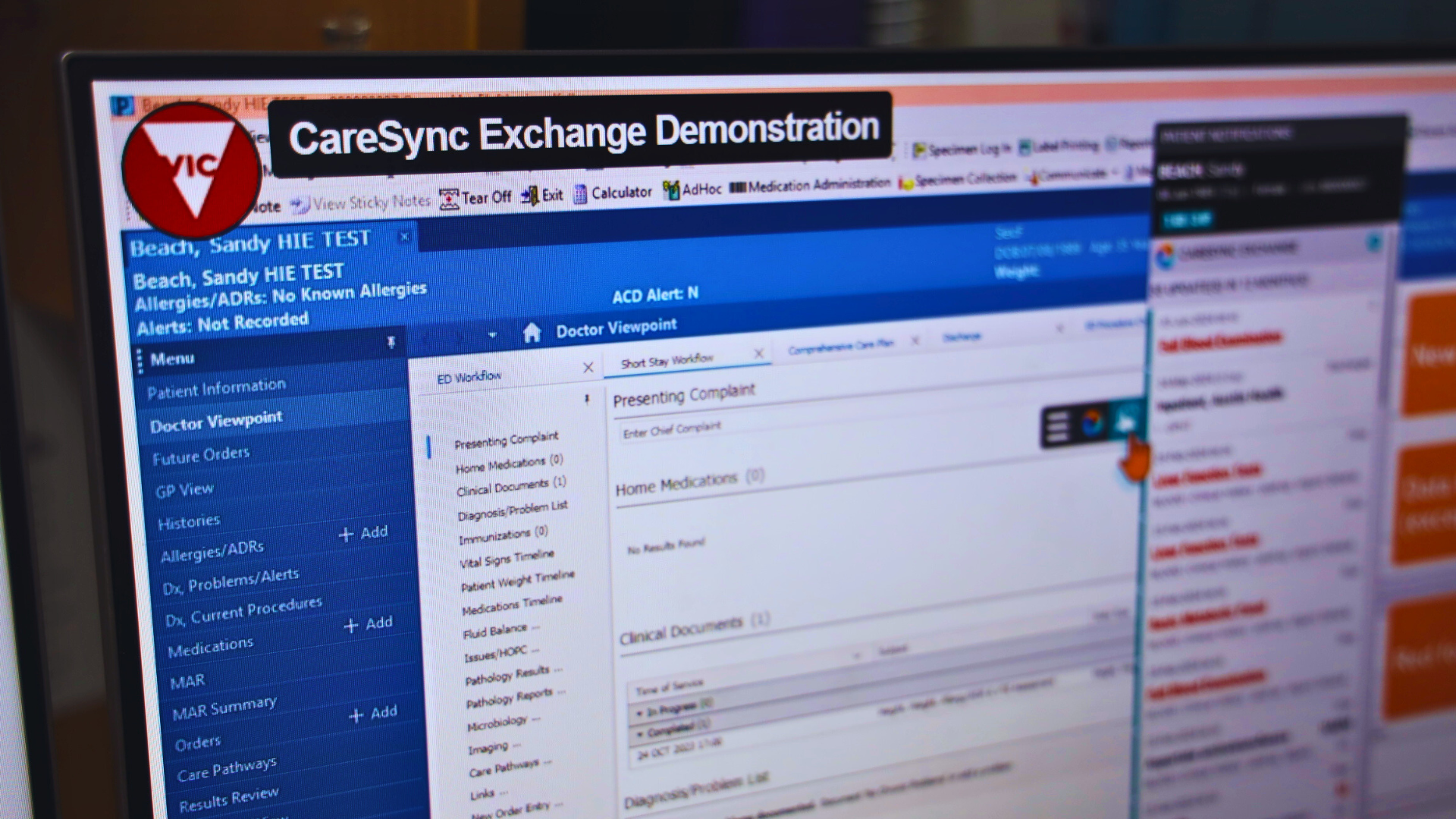
    With CareSync Exchange, staff can view key details such as patient demographics, past visits to Victorian public health services, pathology results and discharge summaries. More information will be added soon, including imaging reports, medications and allergies, helping us build a fuller picture of each patient’s health journey.

    What does this mean for our community? It means fewer delays, less duplication, smoother handovers between health services, and most importantly, more coordinated and connected care.
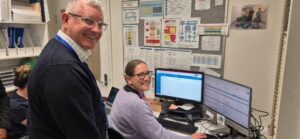
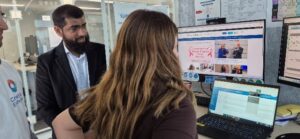
    Dr Sing Chee TAN, Director of Clinical Digital Innovation, says, “CareSync Exchange brings together years of work in building diagnostic and digital capabilities at Northern Health. By connecting us with other health services across Victoria, it is a key enabler of a safer, more efficient and coordinated healthcare journey for every patient, wherever they are.”

    The launch on 16 September was the result of many months of planning, testing, and teamwork. Our Project Control Group and Project Working Group worked alongside Health Information Services (HIS), Electronic Medical Record (EMR), and clinical teams to shape workflows, overcome challenges, and make sure the system truly supports our staff on the frontline. Their dedication has made this milestone possible.

    The rollout has been fully supported by the Department of Health, with dedicated floor support for staff during the first few days and extended hypercare support for the following weeks to ensure a smooth transition.

    CareSync Exchange is more than just technology – it’s about supporting our people to deliver the best possible care. Together, we are building a stronger, safer, and more connected health system for our staff, our patients, and our community.
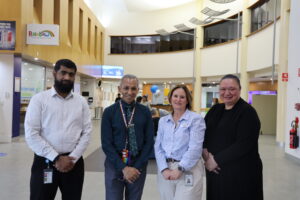
    Click here to complete your training: CareSync Exchange (CSE).
  • World Patient Safety Day: Safe Care from the Start

    World Patient Safety Day: Safe Care from the Start

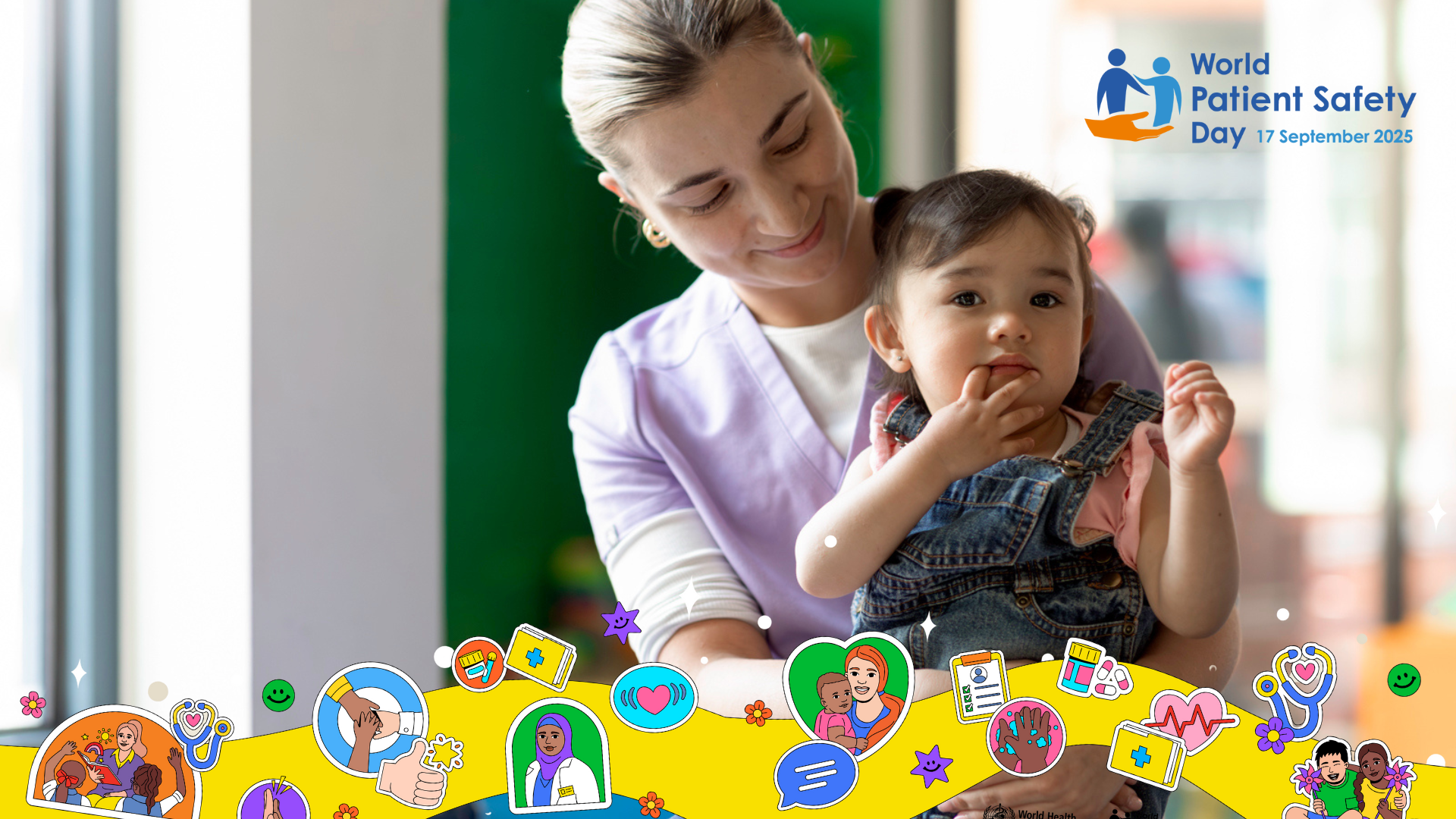
    Every year on 17 September, the world comes together to mark World Patient Safety Day, highlighting the importance of making healthcare safer for all.

    This year’s theme, “Patient safety from the start!” focuses on the critical importance of safe care for every newborn and child, reaffirming every child’s right to safe and quality healthcare.

    Newborns and young children face unique challenges. Their rapid growth, evolving health needs, and reliance on adults to speak up on their behalf make them especially vulnerable if care is not adapted to their age, size, condition, and circumstances. For children from disadvantaged backgrounds, barriers such as limited access to care can make these risks even greater.

    Research shows that hospitalised children are a particularly vulnerable patient group. Even minor errors or omissions can have significant, long-term impacts on their health and development. Children in intensive care units face the highest risks, particularly when sedation or medical devices are involved. Adverse events, defined as unintended harm resulting from or contributed to by medical care, not only affect the child but also bring suffering to families and healthcare professionals alike.

    The World Health Organisation (WHO) has set out clear goals for this year’s campaign, aiming to:

    • Raise global awareness of the safety risks in paediatric and newborn care across all health care settings.
    • Mobilise governments, healthcare organisations, professional bodies, and civil society to implement sustainable strategies for safer care.
    • Empower parents, carers, and children through education, awareness, and active participation in care.
    • Advocate for strengthening research into patient safety in paediatric and newborn care.

    The WHO also encourages healthcare workers worldwide to implement strategies across key safety areas, including safe childbirth and postnatal care, medication and diagnostic safety, immunisation safety, infection prevention, and early recognition of clinical deterioration.

    At Northern Health, these values are at the heart of what we do every day. By working together with families, staff, and the broader health system, we are committed to making safe care the standard for every child, everywhere.

  • Urgent Concern Helpline: Supporting Families When It Matters Most

    Urgent Concern Helpline: Supporting Families When It Matters Most

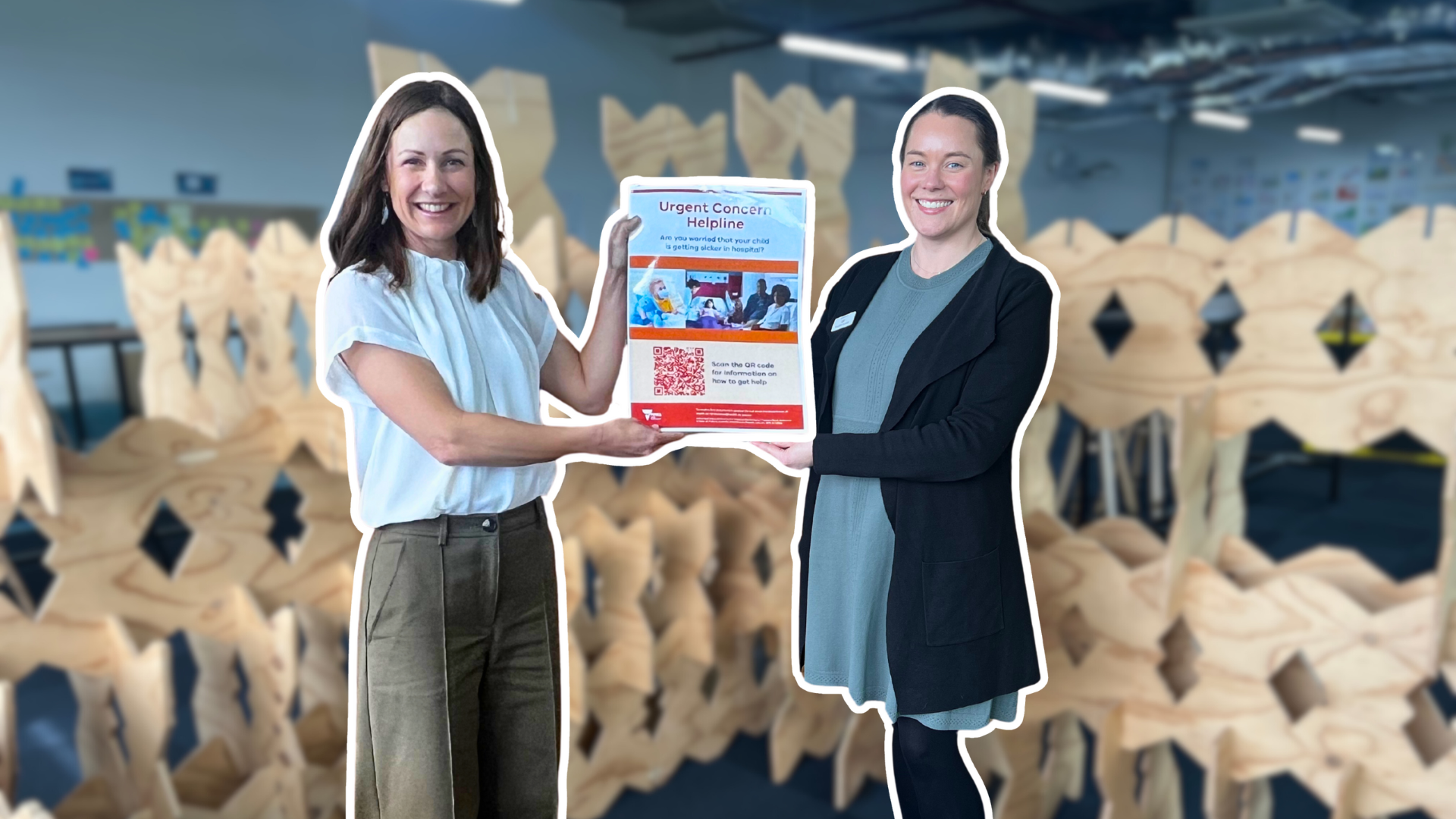
    When a child is unwell in hospital, no one knows their needs better than their parents and carers. But sometimes, despite speaking up, families can feel their concerns aren’t being heard.

    To help bridge this gap, Northern Health is proud to be one of three sites piloting the Urgent Concern Helpline – an independent escalation system giving parents and carers a stronger voice if they feel their child is getting sicker.

    Launched at Northern Health in September 2024, the helpline has continued to evolve and grow to meet the needs of children, families, and carers. It was one of three key recommendations from Safer Care Victoria’s See Me, Hear Me Report, which identified important actions to improve the quality and safety of children’s care.

    Northern Health has played an important role in designing the helpline, working in partnership with people with lived experience, healthcare workers, Safer Care Victoria, and the Department of Health.

    The helpline complements existing patient escalation systems such as REACH calls and provides families with another option if they feel their concerns are not being addressed. Posters and brochures across Northern Health’s Emergency Department, Children’s Ward areas, and Kilmore Urgent Care Centre outline the process, including discussing their concerns with their nurse or doctor and knowing they have the REACH process or Urgent Concern Helpline to turn to if they still feel worried.

    Dr Joanna Lawrence, Director of Paediatric Virtual Care at Northern Health, says the principle of the Urgent Concern Helpline is “if you’re worried, we’re worried.”

    Lived Experience Advisor Kate Rawnsley, who participated in the design of the Urgent Concern Helpline, wishes it had been available when her daughter Macy needed it most and urges parents ‘You don’t have to have the perfect words. You don’t need to know the medical lingo. If something doesn’t feel right, and you’ve spoken to your nurse or your doctor and you don’t feel listened to, please don’t hesitate to call the Urgent Concern Helpline.’

    The Minister for Health, Mary-Anne Thomas, in an earlier press release, stated: “The new Urgent Concern Helpline will support families and patients and ensure they have somewhere to turn if they feel their concerns aren’t being heard.”

    For further information, please see the Urgent Concern Helpline website.

  • World Sepsis Day: Stop sepsis, save lives

    World Sepsis Day: Stop sepsis, save lives

    Every year in September, the Step on Sepsis team participates in World Sepsis Day campaigns to celebrate our achievements in improving sepsis care at Northern Health, and to remind everyone of the seriousness of this life-threatening disease.

    World Sepsis Day (13 September) is a vital reminder that sepsis remains one of the world’s deadliest emergencies, affecting millions of people each year. It can strike anyone, anywhere, anytime – but with early recognition and timely treatment, lives can be saved.

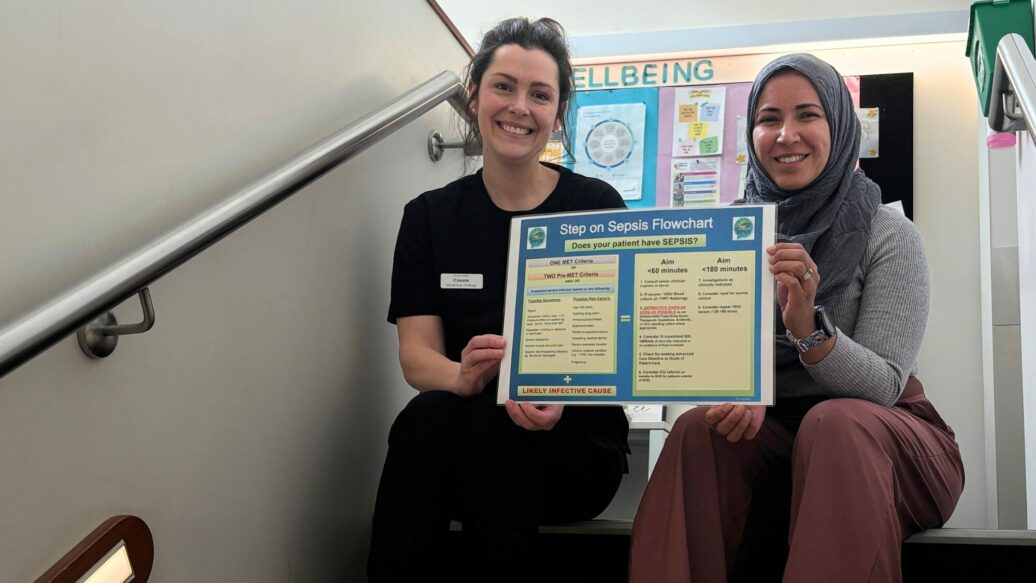
    At Northern Health, we proudly join the global effort to reduce the burden of sepsis through our Step on Sepsis program, a locally developed initiative that continues to drive evidence-based sepsis care across the organisation. Headed by Associate Professor Craig Aboltins, together with project coordinators Cassandra Gilbert and Yasmin Sungkar, Step on Sepsis has led to measurable improvements in the identification, treatment and outcomes of patients presenting with or developing sepsis.

    “Sepsis is a medical emergency that can affect anyone,” says Dr Aboltins. “Those that are very young, very old, have other medical conditions or lowered immune systems are particularly at risk. Every year sepsis claims more lives than road accidents in Australia. When sepsis is recognised and treated early, lives can be saved. It is important that people who have an infection who quickly become extremely unwell seek urgent medical care.”

    Step on Sepsis was first introduced in Northern Health’s Emergency Department in 2013 and has since expanded to the wards and external sites. Most recently, the program was implemented at Kilmore District Hospital, where educators collaborated with the Step on Sepsis team to develop a tailored Sepsis Checklist. This tool supports staff in identifying and responding to patients who have or are at risk of sepsis, ensuring they are managed with best practice protocols. Raising awareness through education and resource development for clinical staff is also part of the core mission of the Step on Sepsis program. In support of this mission, an LMS sepsis hub was recently launched to centralise all the sepsis related resources for Northern Health staff.

    To mark World Sepsis Day this September, the Step on Sepsis team is leading a series of activities to raise awareness of sepsis among staff and our community.

    Be sure to visit the foyer display board, which will feature important information about sepsis and the Step on Sepsis program.

    Our Step on Sepsis coordinators will also be touring Northern Hospital Epping, speaking with patients and staff, and sharing valuable sepsis resources.

    And don’t miss out on the online sepsis quiz – you could test your knowledge and go in the draw to win a coffee voucher!

    https://www.surveymonkey.com/r/LZYXF8P

    To find out more about sepsis management at Northern Health, click here.

    If you would like to know more about Sepsis and World Sepsis Day head to:

    https://www.worldsepsisday.org/

    https://www.australiansepsisnetwork.net.au/

    Pictured in the featured image (L-R): Cassandra Gilbert and Yasmin Sungkar. 

  • Get to know: Stephanie King

    Get to know: Stephanie King

    #WeAreNorthern

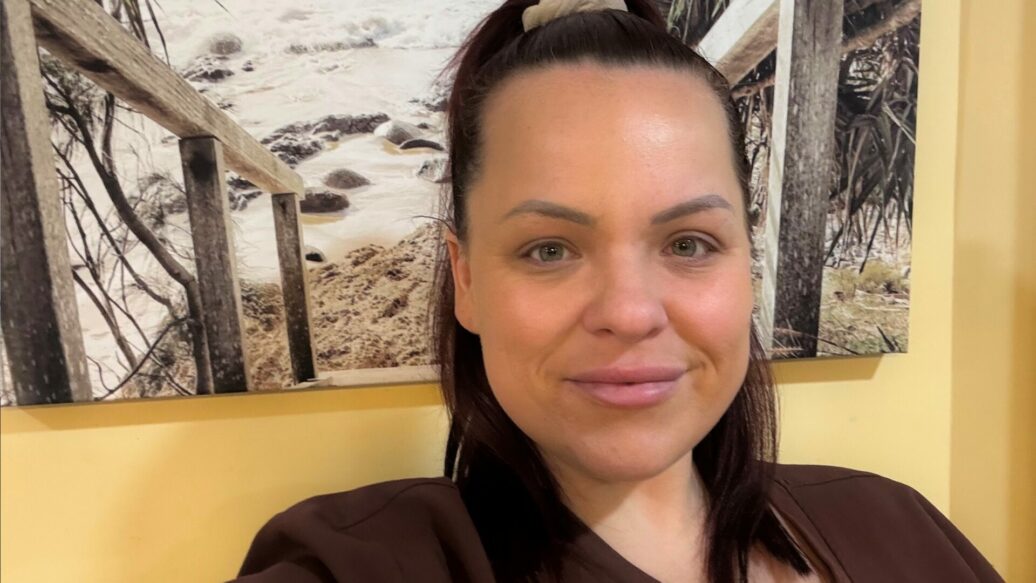
    Meet Stephanie King, Registered Nurse (RN), Kilmore District Hospital, Nothern Health.

    Q: First, let’s start with your coffee order?

    A: Latte with two sugars – simple, sweet, and just how I like it!

    Q: Tell us about your journey at Kilmore District Hospital (KDH)? 

    A: I started at KDH in 2022 as a casual RN in charge at Dianella Hostel. Since then, I’ve taken on a fixed-term NUM role at Dianella Hostel, an ANUM role on the inpatient ward, and now I work across different departments, including Hospital Coordinator, Infusion Clinic, UCC, and Recovery.

    Q: What is the best part of working at KDH?

    A: I absolutely love the people I work with and the strong sense of community that comes with being at a small hospital. One of my favourite parts is getting to see the beautiful newborn babies in Maternity – it always brightens my day!

    Q: What does a day in your job look like?

    A: Every day is different, and that’s something I truly enjoy. Working across so many areas means I’m constantly learning new skills and taking on different roles. I also love connecting with my patients and getting to know them – it’s one of the most rewarding parts of nursing.

    Q: If you weren’t in your current role, what would you have been instead?

    A: If I wasn’t a nurse, I would definitely be a chef! I absolutely love cooking and baking – it’s my happy place.

    Q: Tell us one thing not many people know about you.

    A: I was actually a contestant on Millionaire Hot Seat! Unfortunately, I didn’t win any money, but it was an amazing experience!

    Q: Sweet or savoury?

    A: I like both, but I definitely have a sweet tooth!

    Q: Mountain or beach? Why?

    A: Beach, 100 per cent! I love the ocean and the sunshine – I instantly feel relaxed when I’m at the beach. One day, I’d love to retire by the sea.

    Q: What advice you’d like to give to your younger self?

    A: You will go through hard times, and that’s okay. It’s those challenges that help shape you into the person you’re meant to be. Time goes by so quickly, so enjoy your life and treasure your family as much as you can.

  • A pause in the hallway – R U OK? Day

    A pause in the hallway – R U OK? Day

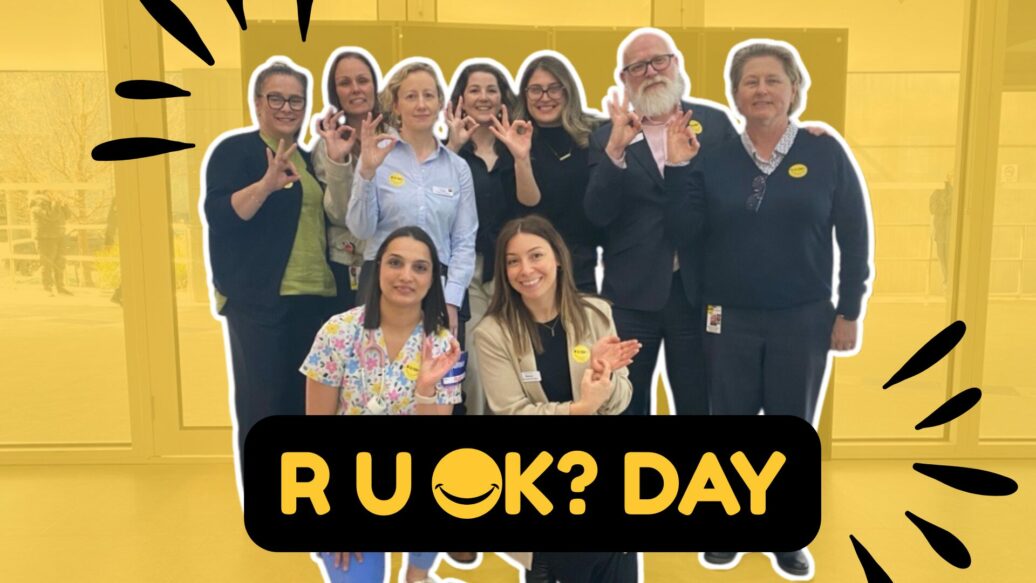
    Today is R U OK? Day, a national day of action to remind us all to check in with the people around us – our colleagues, friends, and ourselves. It’s about starting meaningful conversations and showing that we care, especially in high-pressure environments like ours.

    It’s not about having all the answers or being a mental health professional. It’s about listening without judgment and encouraging others to seek support when needed.

    At Northern Health, our values of safe, kind, together mean that checking in with each other goes beyond R U OK? Day itself. Our values drive us to check in with each other any day.

    Casey O’Brien, Manager, Staff Wellbeing, said R U OK? Day is a timely reminder that a conversation could mean many different things to many people.

    “For some of us, talking and chatting is the natural way to check-in. But equally, some may feel comfortable just sitting in silence, providing comfort to someone,” she said.

    “Taking a walk side by side or offering to make someone a cuppa – there are many ways to show we care and connect with someone.”

    In addition, our newly appointed Psychosocial Safety Consultant, Bianca Fazzari, said meaningful conversations can make a real difference in the workplace.

    “In the busy, high-pressure environment of healthcare, we give our all and focus on our patients. But it’s just as important to check in on our team,” she said.

    “Whether you’re asking the question or answering it, know that you don’t have to have all the answer. Just being there, listening, and showing you care is a powerful step. And remember, you’re never alone. Support is available, and your wellbeing matters – not just today, but every day.”

    Our dedicated Director of OHS & Wellbeing, Graham Wilson, speaks with authenticity, vulnerability and courage, when reflecting on R U OK? Day.

    “Unfortunately, I’ve lost close friends to suicide, and each loss has left me wishing for one more chance to listen and to be there for them. This is why World Suicide Prevention Day (10 September) and R U OK Day? matter,” he said.

    “Reaching out and asking, “R U OK?” can make a big difference for someone struggling.”

    We also want to acknowledge that R U OK? Day can be difficult for some. If this is you, we also support you to engage in the day in whatever way feels comfortable for you – this might look like asking or answering the R U OK? question, or reflecting on your own.

    Today, let’s take a moment to check in with our colleagues. Ask, listen, encourage, and follow up. Because in healthcare, we care for everyone—but we also need to care for each other.

    R U OK? Day 💛 A conversation could change a life.

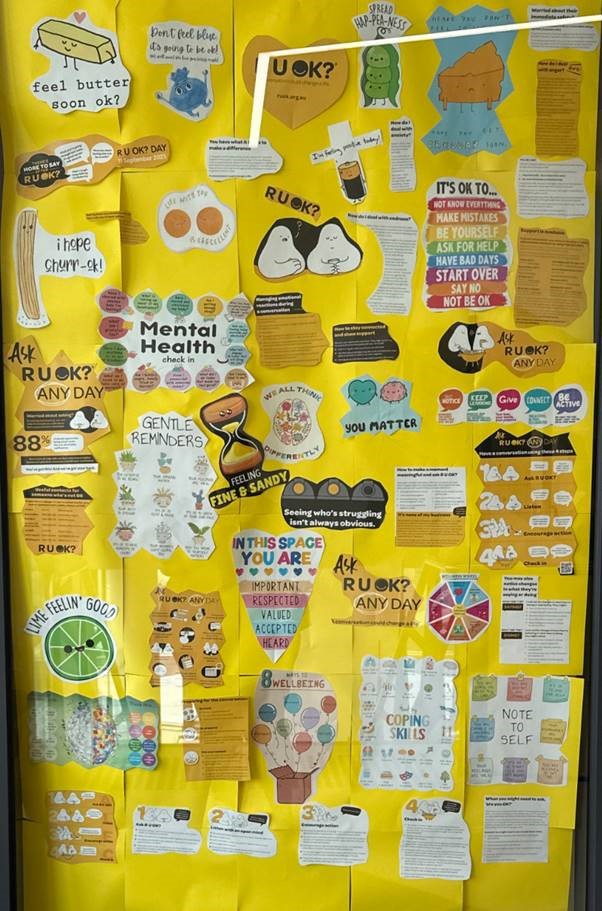
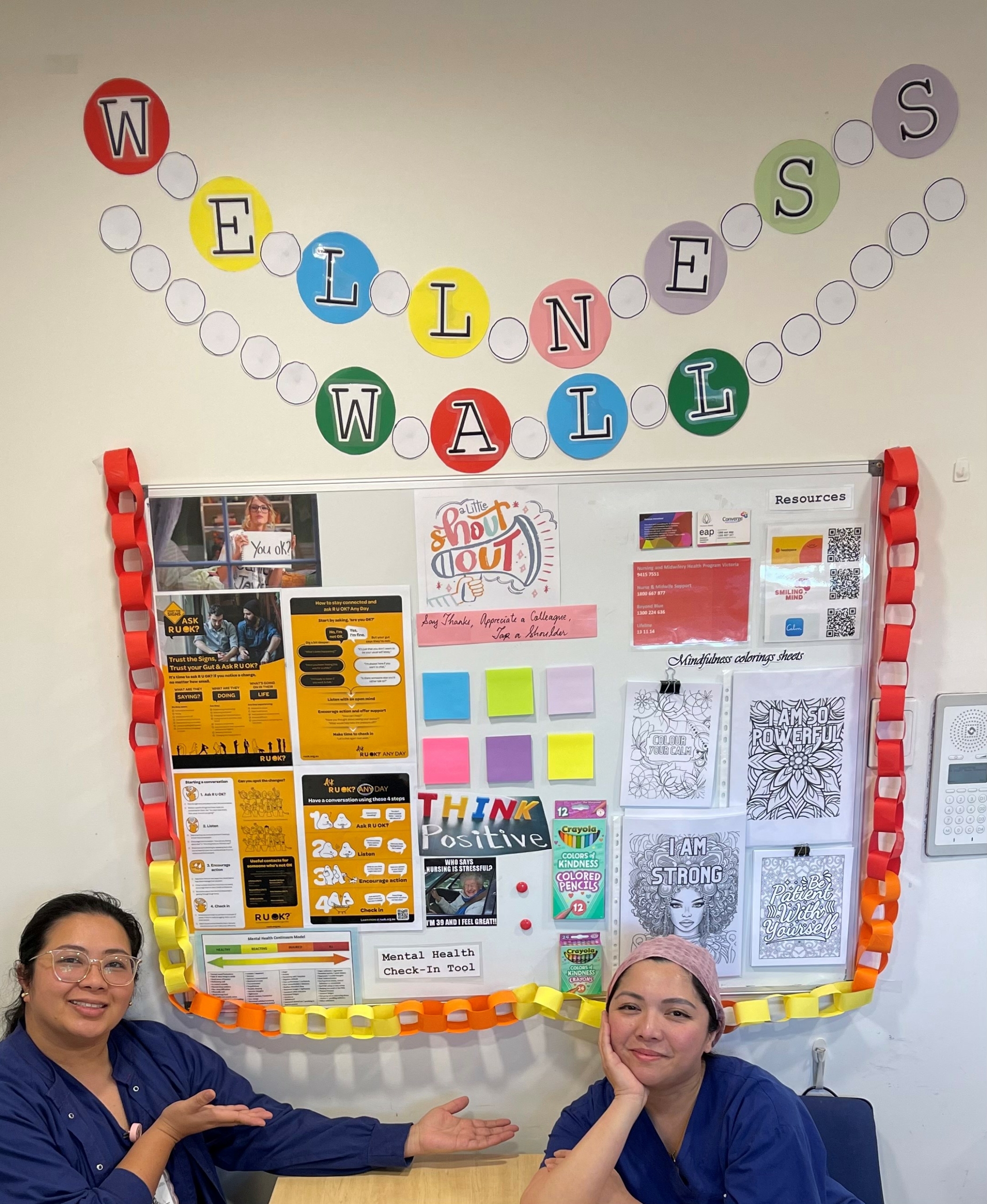
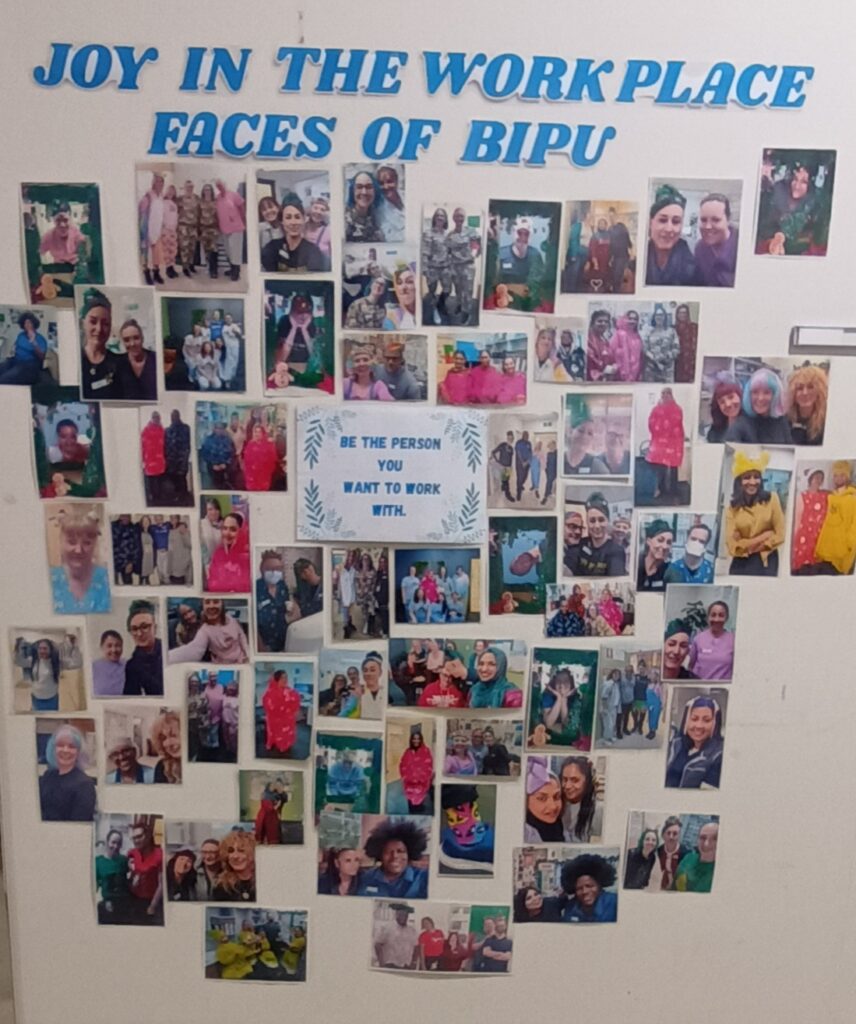
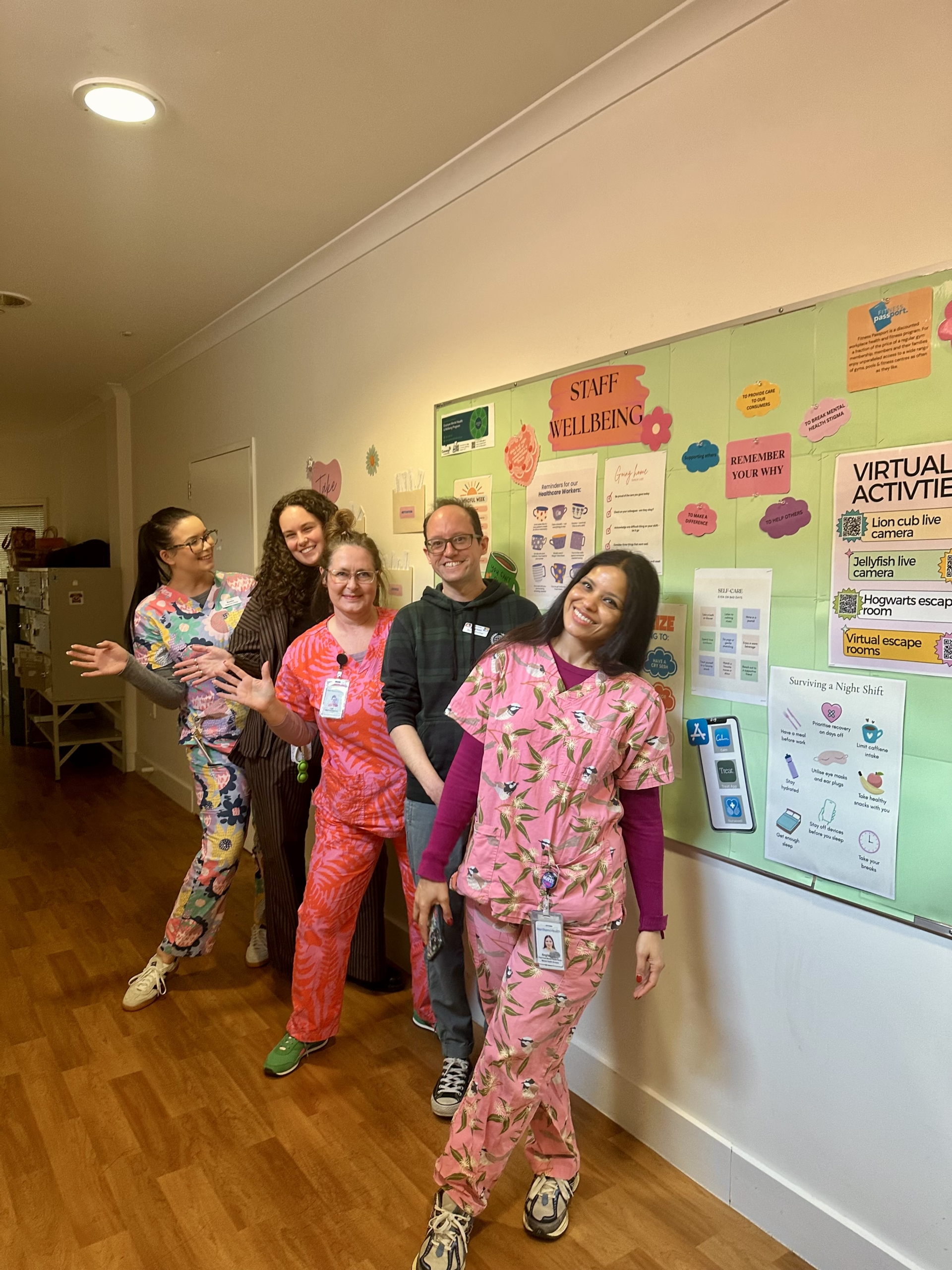
    Wellbeing Wall Competition

    In support of R U OK? Day, Northern Health launched a Wellbeing Wall Competition, encouraging staff to create a wellbeing wall to promote connection, support, and positive mental health wellbeing in the workplace. The winner of the competition was Ward 7 Women’s Mental Health. Thank you to all staff who submitted an entry.

  • Malnutrition Week: Nutrition matters

    Malnutrition Week: Nutrition matters

    This week marks Malnutrition Week ANZ, a campaign dedicated to raising awareness of malnutrition and encouraging action across healthcare settings in Australia and New Zealand.

    Malnutrition occurs when a person’s dietary intake does not meet their body’s needs, leading to loss of muscle and strength, impaired wound healing, reduced immunity, and poorer recovery from illness. It can present from undernutrition which remains a significant concern for hospitalised patients.

    Nadia Obeid, Dietitian, said Northern Health staff are committed to reducing the impact of malnutrition through early screening, timely referral and multidisciplinary care.

    “Northern Health inpatients are screened for malnutrition risk within four hours of admission to hospital, and re-screened weekly,” she said.

    “When a risk is identified, patients are referred to a dietitian for assessment and management. The referral is autogenerated in areas using the EMR.”

    Northern Health undertakes an annual Malnutrition Point Prevalence Study to monitor malnutrition rates. This year, one in five Northern Health inpatients were found to be malnourished, with the rate higher in subacute settings, where one in four patients were affected.

    “We were pleased to find nurses have been doing an amazing job meeting KPI targets with 94 per cent of patients screened for malnutrition risk on admission. It was also very reassuring that all malnourished patients were receiving nutrition care from a dietitian,” Nadia said.

    At Kilmore District Hospital, the Dietetics team is leading a new quality improvement project to strengthen malnutrition management.

    “In addition to individualised strategies to modify food intake, oral nutritional supplements play a key role in supporting patients who are malnourished to meet their energy and protein requirements, aiding recovery and reducing length of hospital stay,” said Cat Li, Dietitian at Kilmore District Hospital.

    “On the GEM Ward, older adults are particularly vulnerable to malnutrition due to factors such as reduced appetite, multiple health conditions, swallowing difficulties and reduced independence.”

    Cat’s project focuses on aligning oral nutrition supplement management at Kilmore District Hospital with other Northern Health sites. The initiative aims to ensure patients at Kilmore District Hospital have timely access to nutrition supplement drinks to support patients with malnutrition and those at risk.

    Northern Health’s Dietetics Department continues to monitor malnutrition prevalence, support education across teams, and lead initiatives to ensure best-practice nutrition care for patients.

    “For Malnutrition Week, we thank our nursing, medical and allied health colleagues for their ongoing collaboration,” said Cat.

    “Recognising malnutrition risk and supporting nutrition care is truly a team effort.”

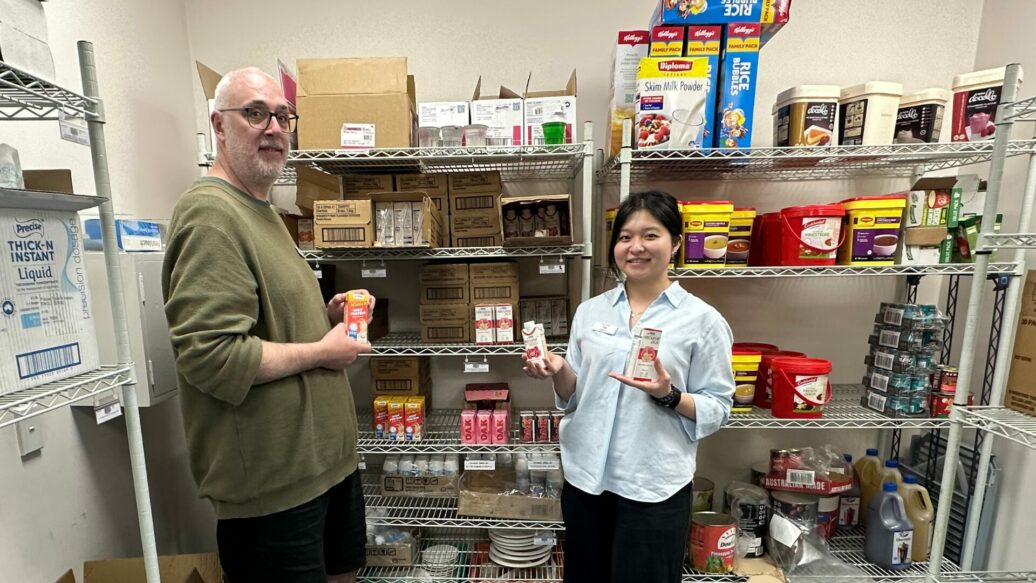
    Featured image: Aaron Henderson, Allied Health Assistant, and Cat Li, Dietitian at Kilmore District Hospital.

  • Happy World Physiotherapy Day!

    Happy World Physiotherapy Day!

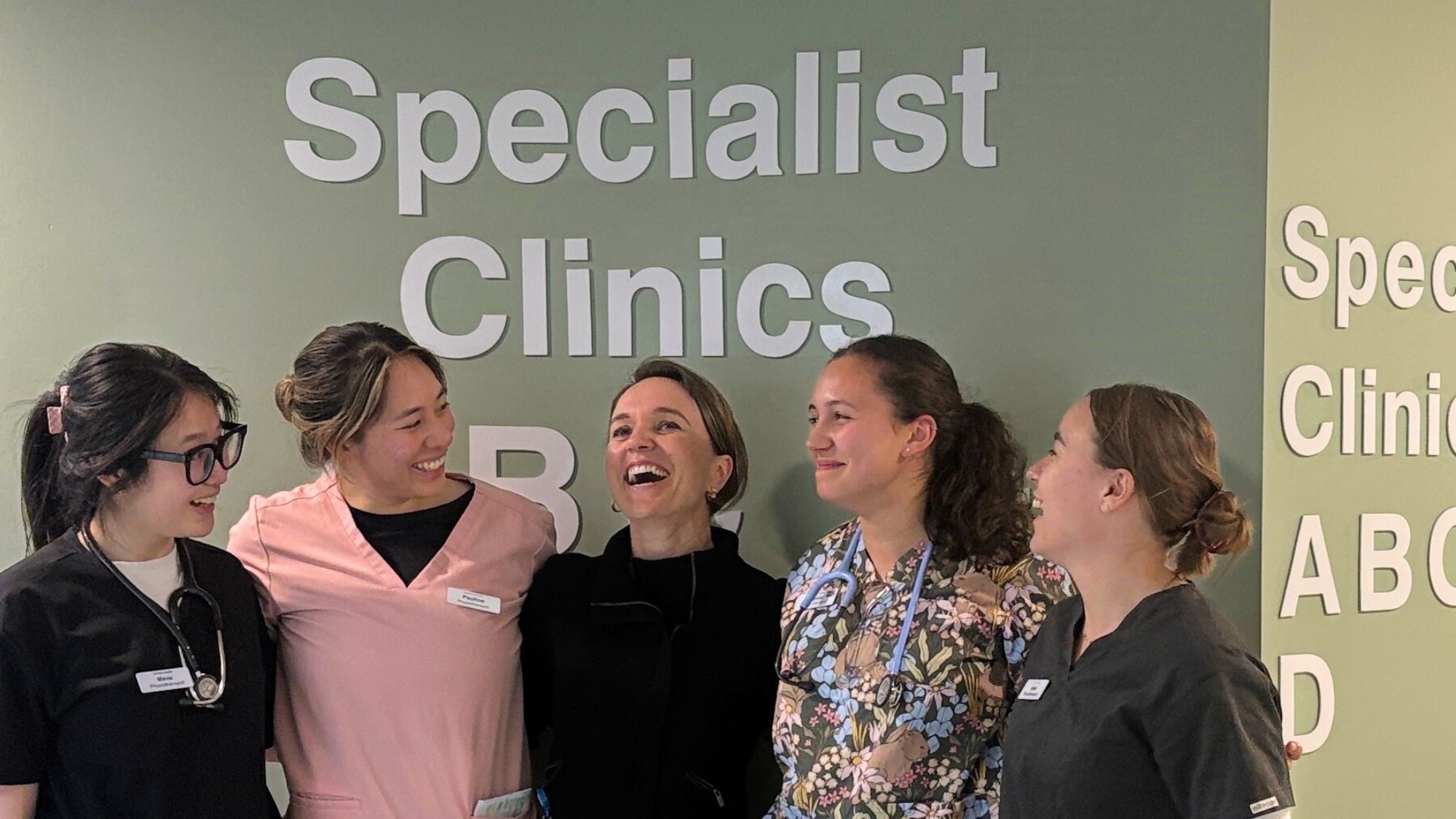
    Every year on 8 September, the global community comes together to celebrate World Physiotherapy Day – a day dedicated to recognising the hard-working, kind and knowledgeable physiotherapists who play a vital role in keeping people well, mobile and independent.

    At Northern Health, we are proud to have more than 120 physiotherapists working across all our campuses. Their work spans the entire health journey, from newborn care to aged care, from the Emergency Department to community services, and from ICU to wellness programs.

    Physiotherapists work side-by-side with Exercise Physiologists and Allied Health Assistants to support patients through personalised exercise therapy, manual treatment and education.

    Whether it’s helping someone recover after surgery, manage a chronic condition, or simply regain confidence in their mobility, our physiotherapists are there every step of the way.

    This year’s theme, ‘Healthy Ageing’, highlights the important role physiotherapy and physical activity play in preventing falls and frailty – helping people maintain independence and quality of life as they age.

    The impact of our physiotherapists is best told through the voices of our patients:

    “My physio is an excellent physiotherapist who follows up on the wellbeing of her patients and makes recommendations for their treatment and prosperity”.

    My physio was “happy, courteous and thorough.”

    “I was very surprised with the level of care we got because physio staff went above to make a difference.”

    My physio was “very patient & explains really well.”

    My physio “looks after me brilliantly.”

    “They paid attention to my need, personalised treatment targeted my needs. There was information, education and handouts of great benefit. Also, the feedback on progress was very good.”

    Gave me more confidence.”

    These words reflect the profound difference our physiotherapists make in the lives of patients and their families each day.

    On this World Physiotherapy Day, we say thank you to our physios for their compassion, expertise and dedication and for helping our community live healthier, more independent lives.